
Boasting incredible Big Five wildlife reserves as well as a stunning coastline, South Africa really has it all. No visit to the country is complete without experiencing both sides, a walk on the wild side alongside lions and elephants, and some time sipping on gorgeous wine in a vineyard in Cape Town.
What’s great is that, despite practically being stationed at opposite ends of the country, it’s surprisingly easy to combine a safari in Greater Kruger with a few days in Cape Town, as the parks and reserves of Greater Kruger are close to a number of airports which offer direct flights between the two locations.
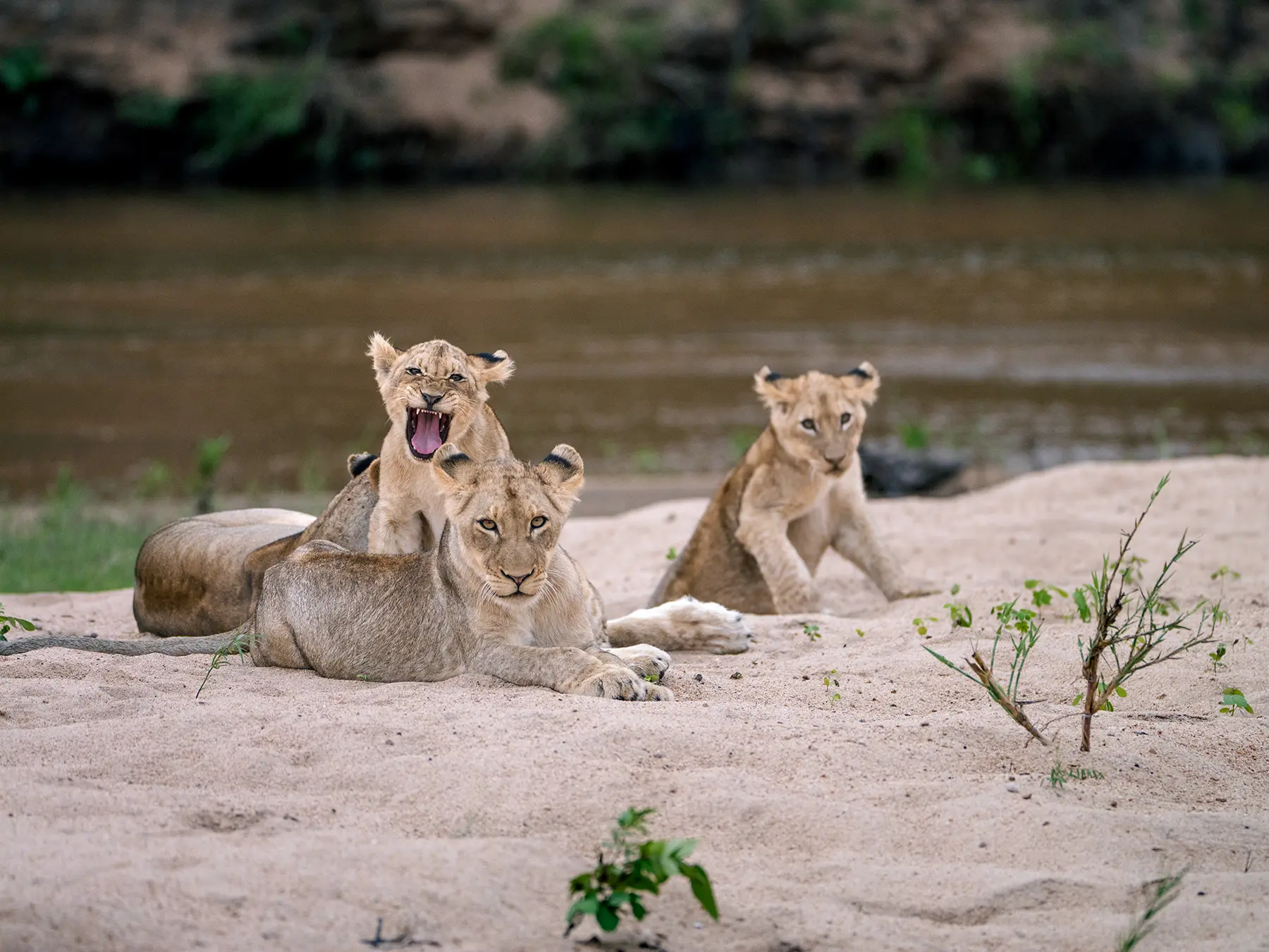
South Africa is an enormous country with a lot on offer. In terms of wildlife experiences, it really doesn’t get better than the Greater Kruger National Park. This protected area of wilderness is a similar size to the country of Wales, allowing wildlife to roam over an expansive area, with no fences between individual Greater Kruger Reserves.
It’s entirely possible to have completely different wildlife experiences in different reserves in this region, as the huge size means there’s a variety of ecosystems. Therefore I’d highly recommend combining two or three reserves, to allow you to see the true variety on offer here.
In this itinerary we are going to combine three of my favourite Greater Kruger Reserves with the lively city of Cape Town.
These reserves have been selected as they each offer completely different experiences and chances of seeing different species vary across them.
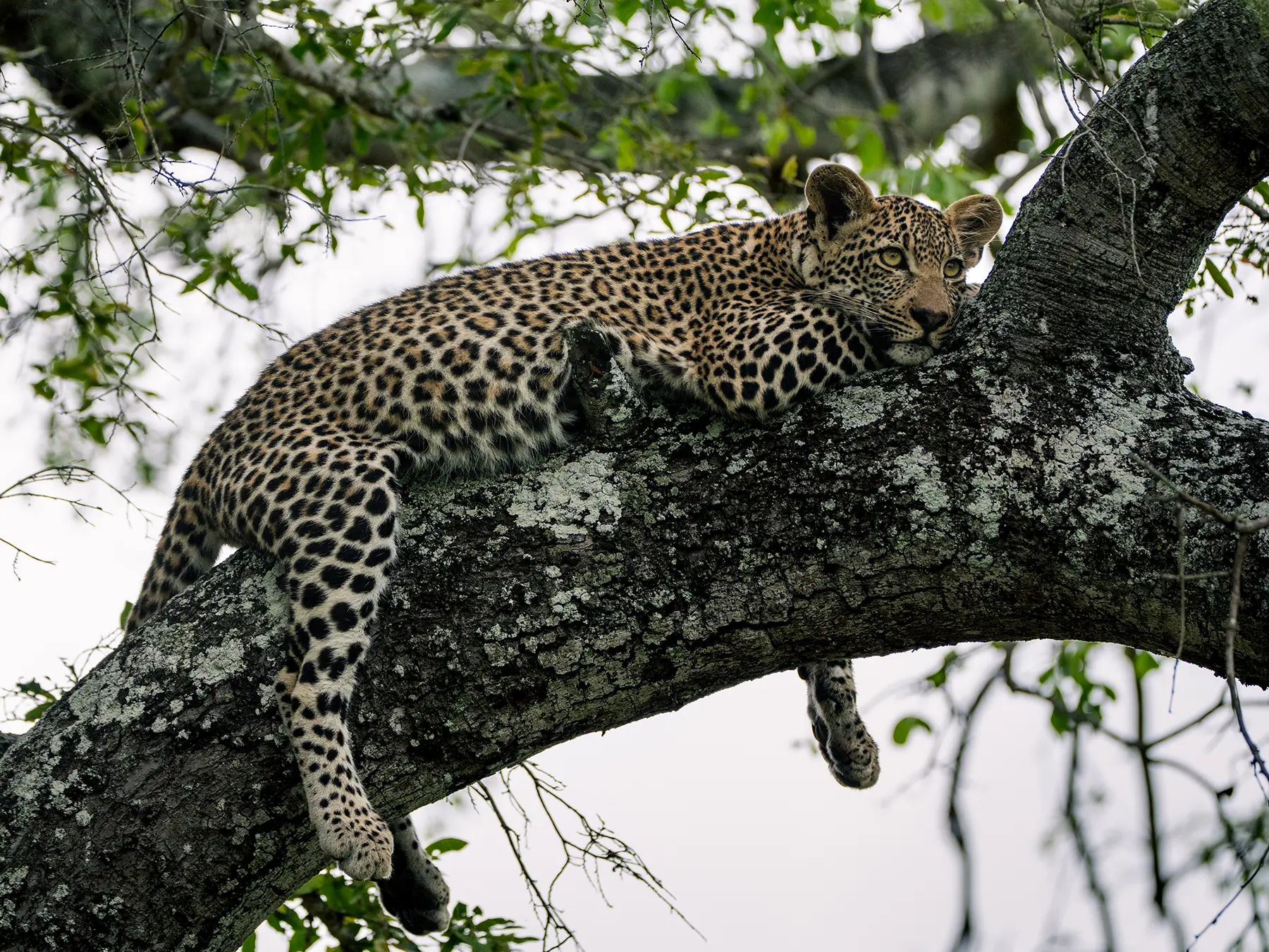
You will begin in Timbavati, the birthplace of the white lion. If you’re lucky you may get to see one! Next comes Manyeleti, whose open plains make it the best cheetah reserve in the Greater Kruger, and the safari finishes in Sabi Sand, which has the highest leopard density surveyed in South Africa at 12.2 per 100 square kilometres.
After an immersive time on safari where you will hopefully see every species on your wish list, it’s time to hop on a plane and take a short flight to Cape Town.
During your time in the city, you will be able to explore Table Mountain, the Cape Peninsula and the Winelands. Boulders Beach offers you the opportunity to see critically endangered African penguins.
If you have less time, my 10-day South Africa safari itinerary covers the same three private reserves and Kruger National Park itself without the Cape Town leg, and it suits you better if you would rather spend every single night out in the bush than split the trip between wildlife and a city.
For an even shorter safari-focused trip, my 5-day or 7-day South Africa itinerary covers two private reserves.
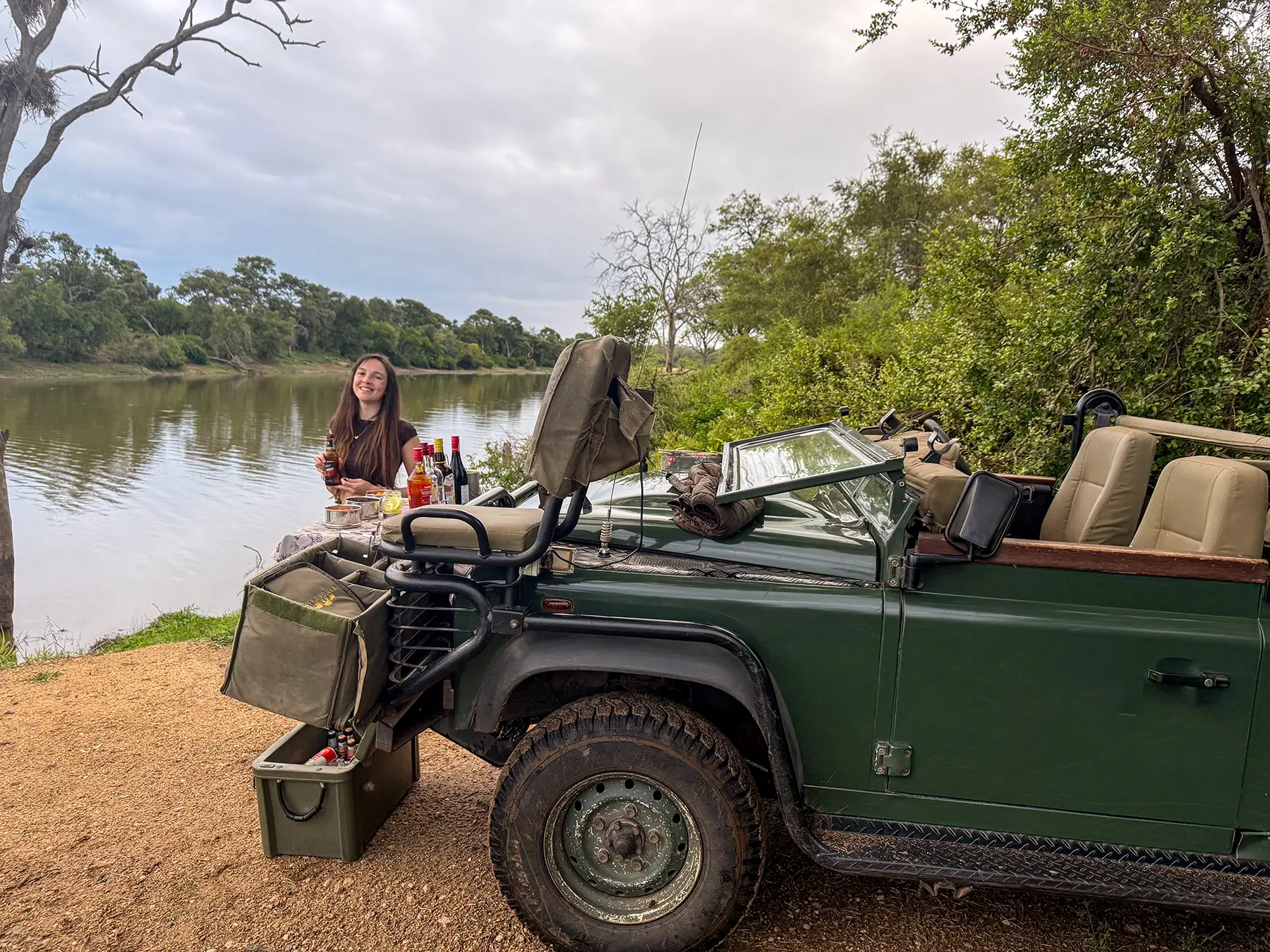
After spending a month on safari in South Africa, I’ve perfected this 2-week South Africa itinerary to show you all of what South Africa has to offer as well as giving you the most ‘bang for your buck’.
I’m going to give you an idea of how much it will cost, the best time to visit and how to find the best safari tour company.
As I walk you through the itinerary, I’ll share tips, tricks and how to avoid some of the mistakes I’ve made.
I’ve also spoken at length with my favourite South Africa guides as well as conducting copious amounts of additional research to ensure you receive everything you need to know to have the ultimate 2-week South Africa safari.
It’s easy to focus only on the fun stuff when planning the trip of a lifetime, but I’ll make sure your itinerary includes the practicalities too, like choosing between a road and an air transfer between the reserves, or building in time to enjoy Cape Town at the end. These details often make all the difference.
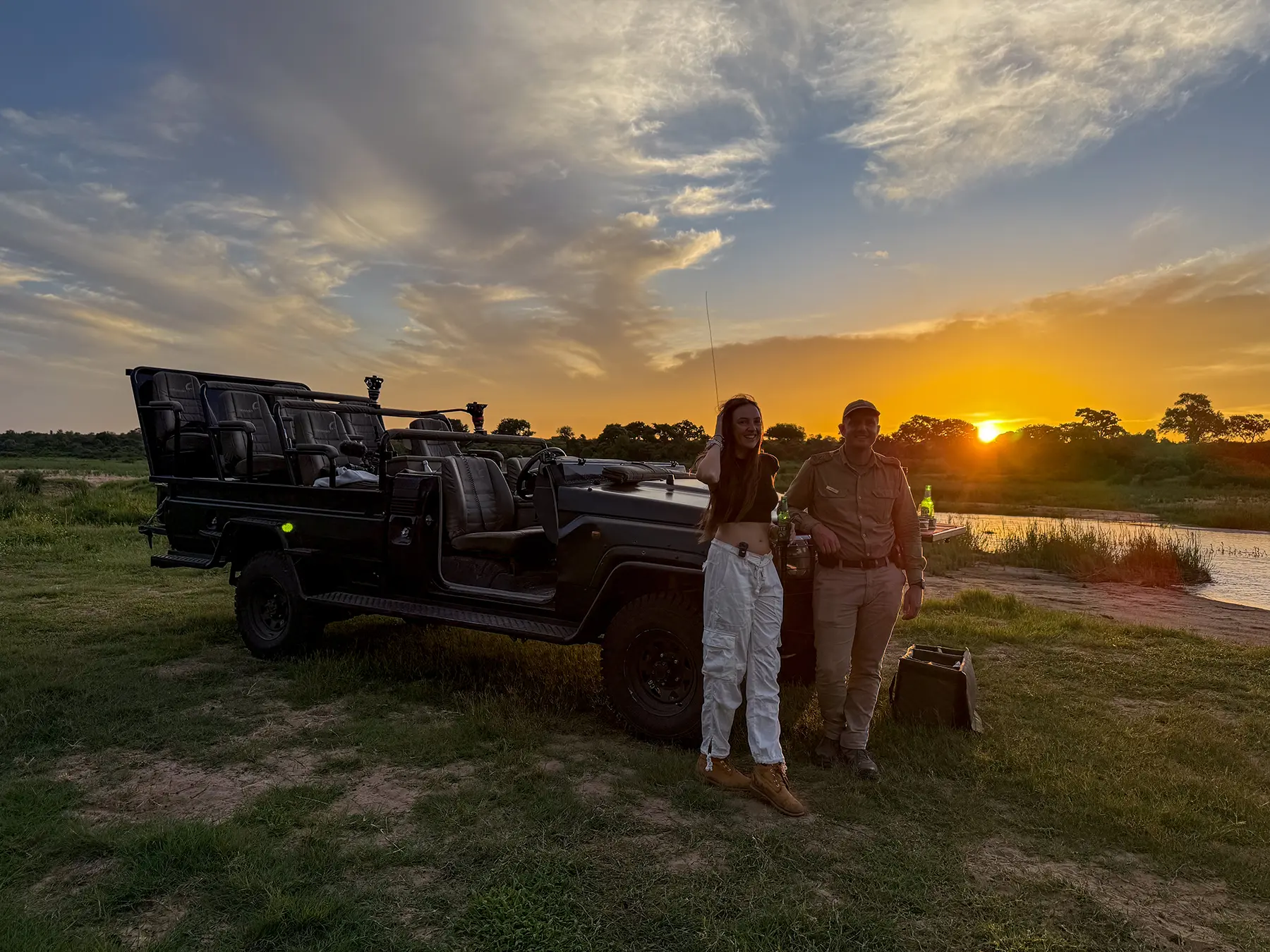
Key Takeaways
- Trip Duration: 2 weeks
- Budget Range: $500 to $3,000+ per person per day
- Best Time to Visit: On paper, May to October (dry season), but in reality any time other than late December to late February. April and May or September to early December are my favourite months to visit
- Key Destinations: Timbavati, Manyeleti, Sabi Sand, Cape Town
- Wildlife Highlights: Big Five, leopards, cheetah, white lions
- Average Drive Time: 3-4 hours between reserves
- Difficulty Level: Easy to moderate (long road transfers)
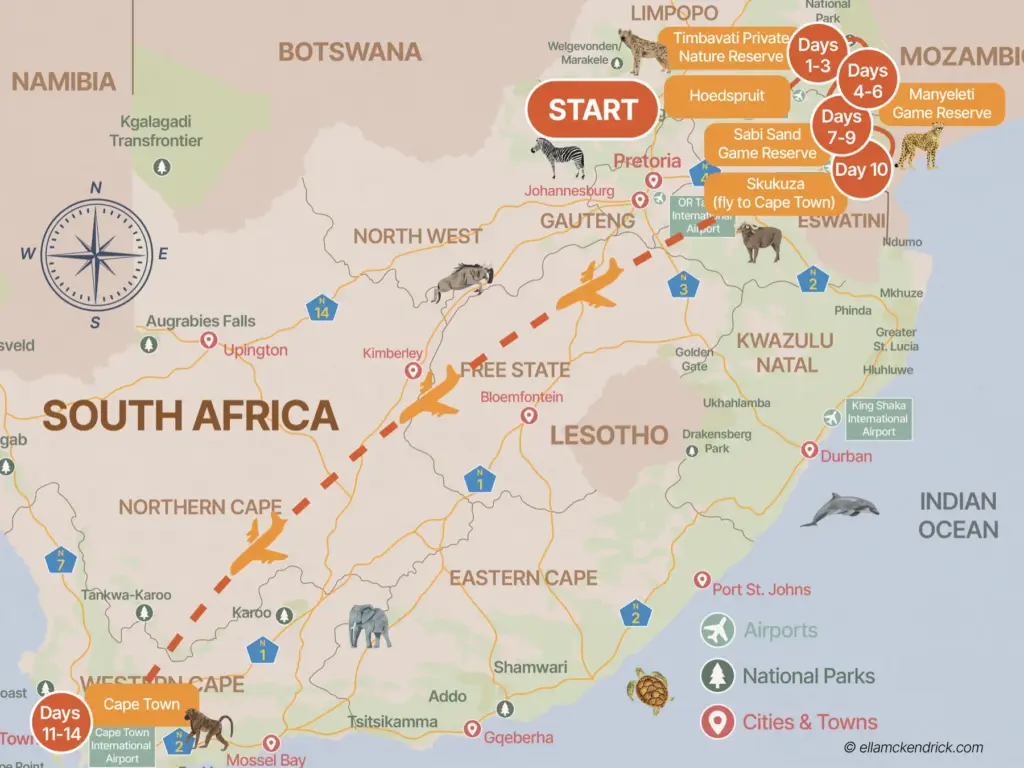
South Africa 2-Week Safari Itinerary Map
Below is the route map for my recommended 2-week South Africa itinerary. We’ll cover this itinerary in detail in this guide.
Embark on the Safari of Your Dreams
Save time and ensure an incredible safari experience by getting quotes from my recommended local safari companies
I’m here to make booking your perfect safari quick, easy and risk-free.
Join the rapidly growing tribe of over 1,000 travellers who’ve booked their dream safari using my insider tips and recommendations.
It takes under 60 seconds to fill out the form and in under 48 hours you will receive multiple, no-obligation proposals from my favourite local tour operators with glowing online reviews.
Get your free no-obligation safari quotes and my top safari tips and recommendations
In This Guide
- What Does This 2-Week South Africa Itinerary Look Like?
- Day 1: Johannesburg to Timbavati Private Nature Reserve
- Days 2-3: Timbavati Private Nature Reserve
- Day 4: Timbavati Private Nature Reserve to Manyeleti Game Reserve
- Days 5-6: Manyeleti Game Reserve
- Day 7: Manyeleti Game Reserve to Sabi Sand Game Reserve
- Days 8-9: Sabi Sand Game Reserve
- Day 10: Sabi Sand to Cape Town
- Days 11-13: Cape Town
- Day 14: Departure from Cape Town
- Highlights of This Itinerary
- How Do You Book a 2-Week South Africa Safari?
- Should You Choose a Private or Group South Africa Safari?
- How Much Does a 2-Week South Africa Safari Cost?
- When Is the Best Time to Visit South Africa?
- How Long Should You Spend on a South Africa Safari?
- South Africa Safari FAQs
- Is a 2-Week South Africa Safari Worth It?
What Does This 2-Week South Africa Itinerary Look Like?
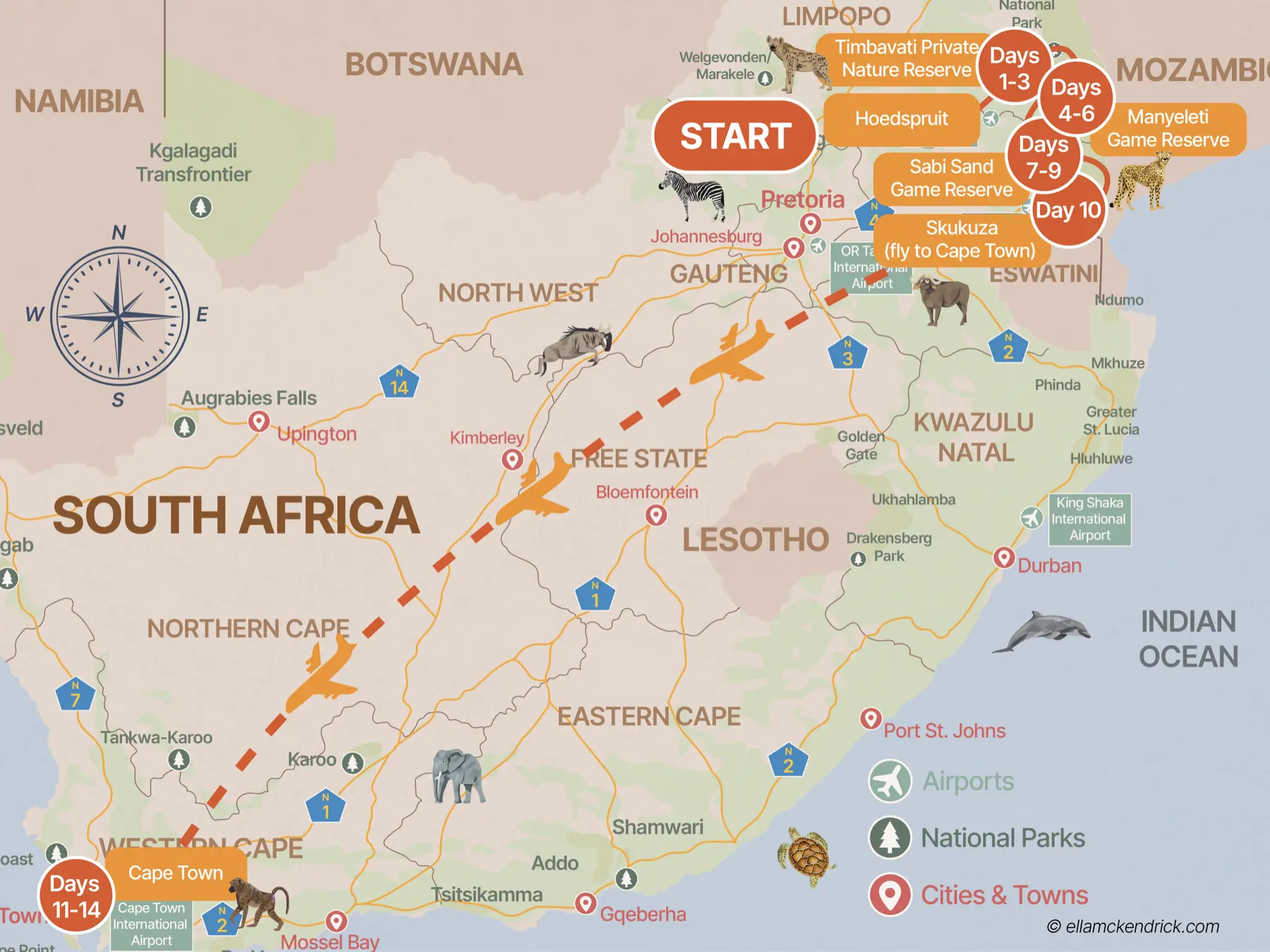
This 2-week itinerary gives you nine nights across three Greater Kruger private reserves, three nights each in Timbavati, Manyeleti and Sabi Sand, followed by four nights in Cape Town. You fly into Hoedspruit Eastgate Airport, travel between the reserves by road, then fly on to Cape Town from Skukuza Airport.
I have run the route north to south so that no single transfer is too long, and I drive every leg rather than flying. Generally, I only take a plane when a drive would run beyond six hours. My own transfer from Manyeleti to Sabi Sand, which is the longest drive between reserves, only took 4 hours.
Quick Facts
Total drive time (excluding game drives): Around 10.5 hours over 14 days, averaging around 45 minutes per day. The longest single transfer is 4 hours (Day 7, Manyeleti to Sabi Sand). Day 1 flies Johannesburg to Hoedspruit in about 60 minutes, and Day 10 flies Skukuza to Cape Town in about 165 minutes.
Best times of year: On paper, May to October (dry season), but in reality any time other than late December to late February. April and May or September to early December are my favourite months to visit.
2-Week South Africa Safari Map
Day-by-Day Breakdown of the Perfect 2-Week South Africa Safari
South Africa has so much to offer that two weeks will zip by, so I have crafted this itinerary to make sure you make the most of every moment!
I have also considered the distance between the reserves and the driving times in order to come up with the most enjoyable itinerary.
You can get quotes from the same local tour companies I use to organise my own trips here: Safaris By Ella
Click any of the days below to jump to my full notes on that day.
Day 1: Johannesburg to Timbavati Private Nature Reserve
Drive Time (Excluding Game Drives): 1 hour
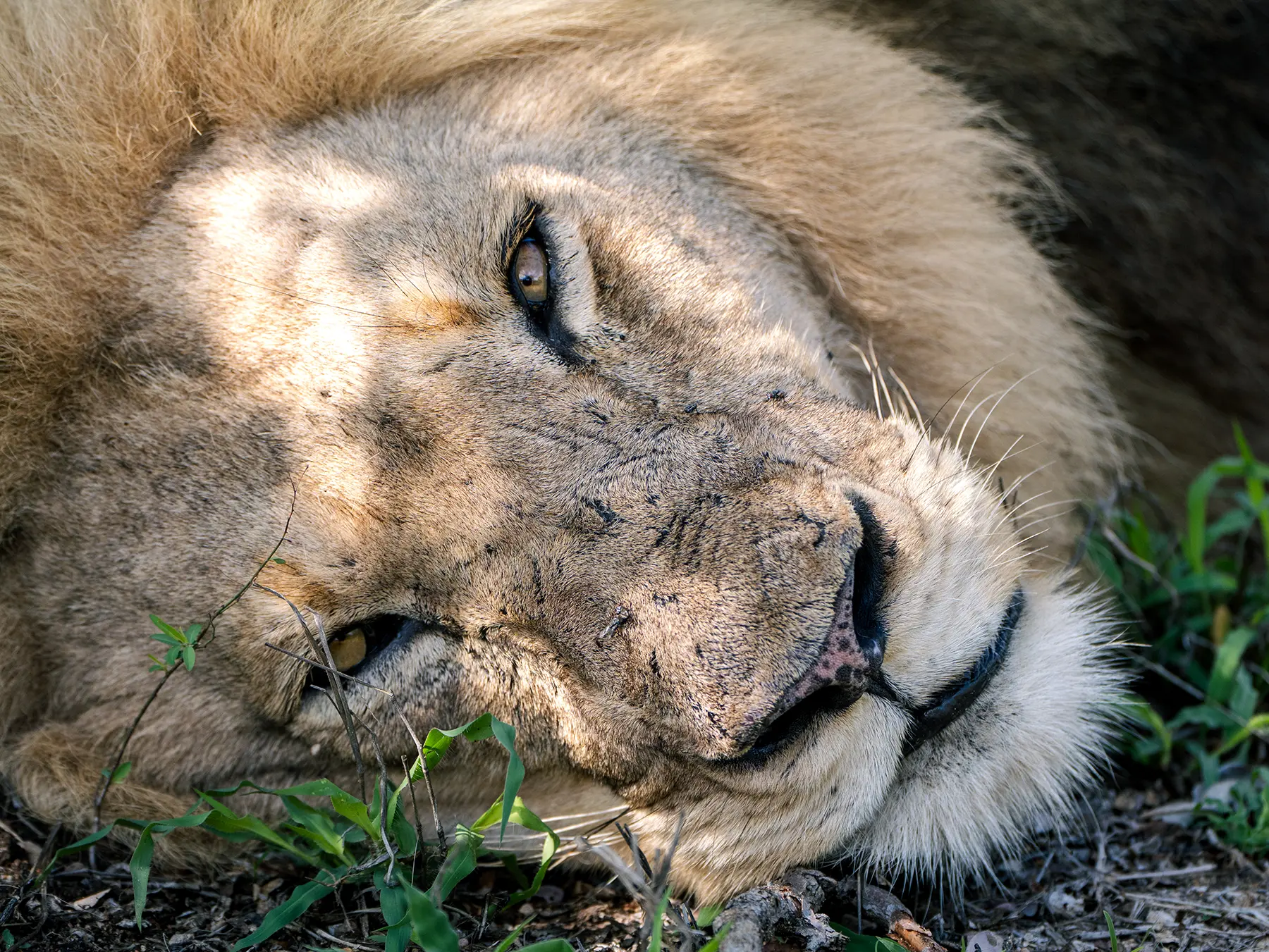
Today you arrive in the Greater Kruger and make your way to Timbavati Private Nature Reserve, home of the white lion. Once you have settled in, it’s time for your first game drive of the trip, out into a Big Five reserve that shares an unfenced border with Kruger National Park.
Itinerary
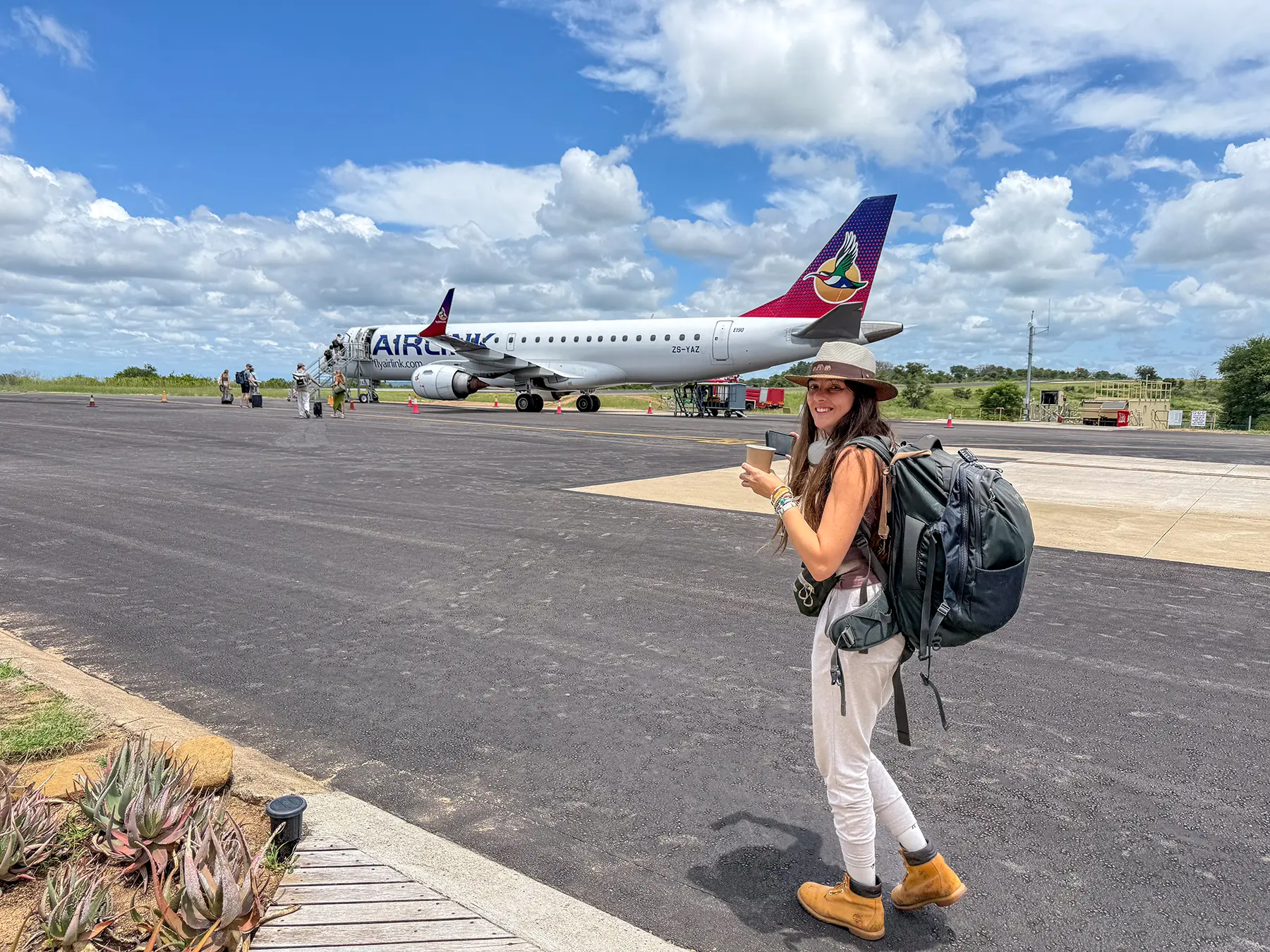
Your safari begins with the short hop from Johannesburg to Hoedspruit Eastgate Airport, around an hour in the air. This is a scenic flight, with breathtaking views of the Drakensberg Mountains stretching out below you on the way in.
From Hoedspruit it is roughly an hour by road to your lodge at Timbavati. The road between the airport and the reserve is tarred and in good condition, and once you enter the reserve, a wide gravel road leads you deeper into the bush. Only the final stretch narrows to a winding dirt track.
Keep your eyes open from the moment the plane touches down, because the game viewing starts long before the first official drive. Warthogs, impalas and nyalas graze on the grassy area around the airport terminal, and you’ll likely spot giraffes, more impalas and even the occasional leopard tortoise on your drive into the reserve.
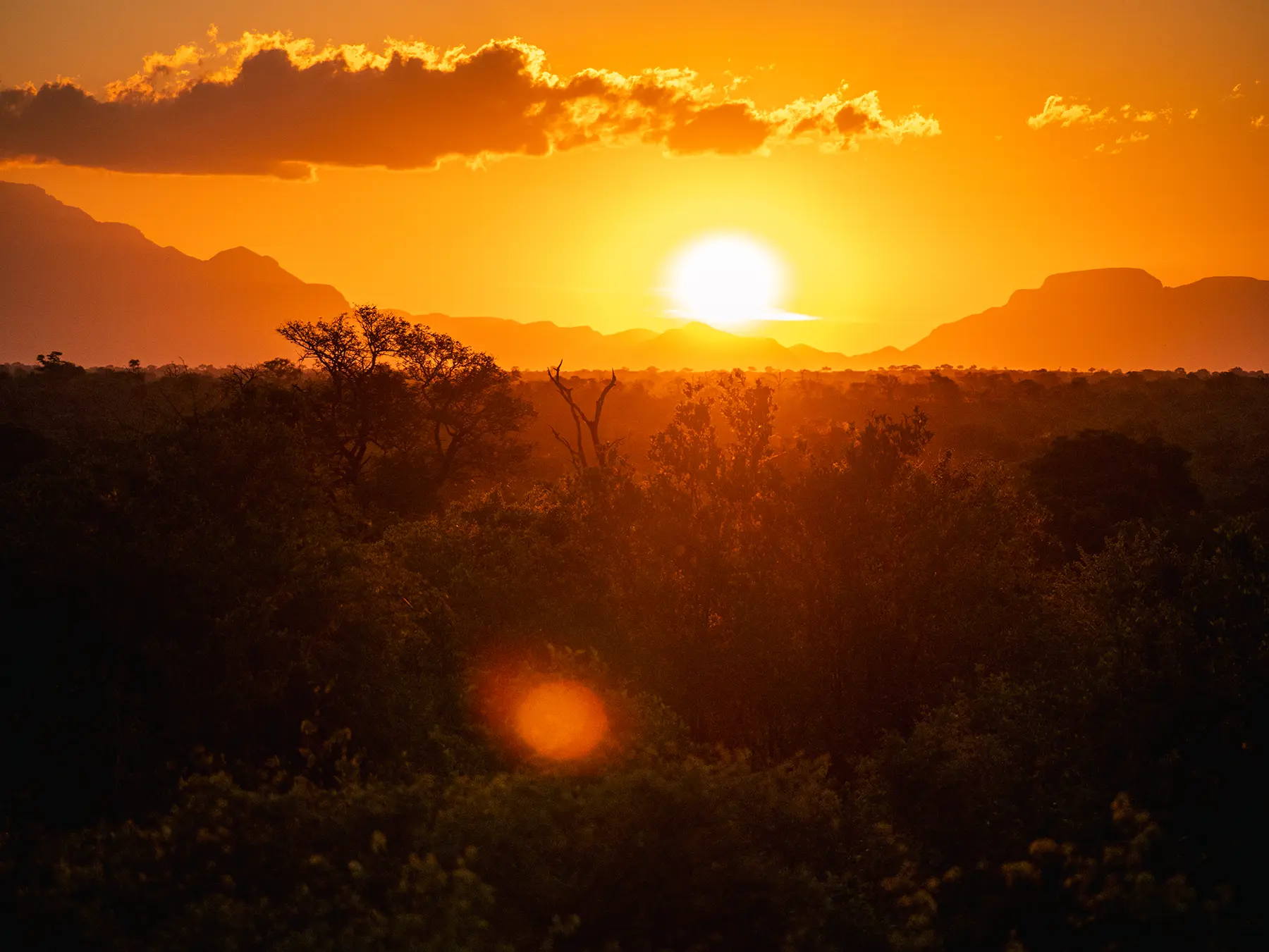
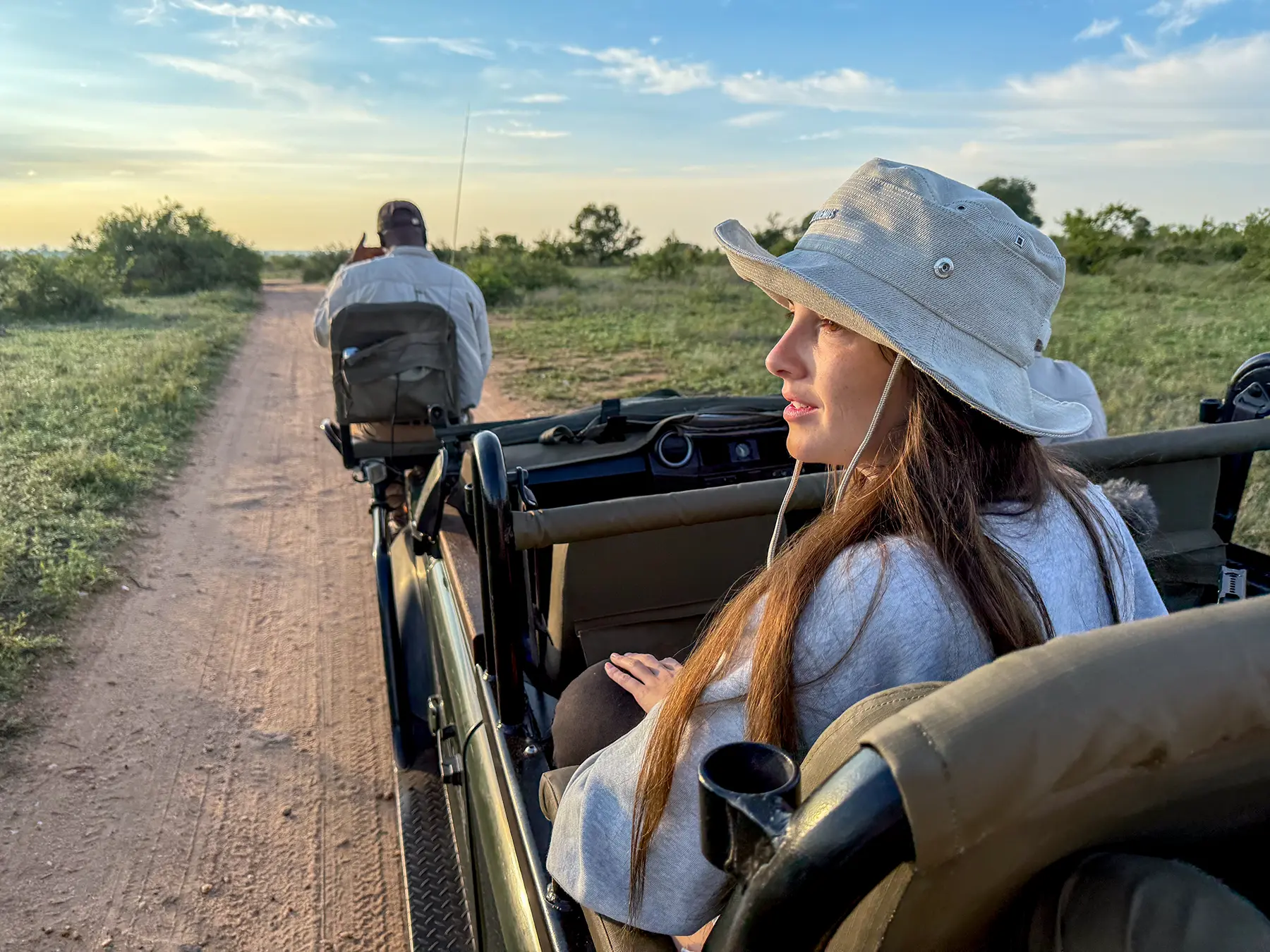
Once you have checked in at the lodge and dropped your bags off, it’s time to set out for your first proper game drive. Get ready to experience the expertise of your highly specialised driver and dedicated tracker as you drive into the late afternoon’s golden light and on into the early evening.
About Timbavati Private Nature Reserve
Timbavati Private Nature Reserve is a Greater Kruger Big Five reserve which covers 206 square miles (53,395 hectares) on the western edge of Kruger National Park, sharing a 31-mile (50km) unfenced border with the national park. If you include neighbouring concessions, the total conservation area of which Timbavati forms part is an astounding 290 square miles (75,000 hectares).
The reserve was established in 1956 when a group of game farmers decided to take action towards creating a conservation area. They formed the Timbavati Association, which now has 50 members.
In 1993 the Associated Private Nature Reserves dropped their fences with Kruger, creating a single unfenced ecosystem and letting elephants, buffalo and wild dogs roam across nearly 770 square miles (200,000 hectares) of private land plus the full extent of Kruger.
What Wildlife Can I See in Timbavati Private Nature Reserve?
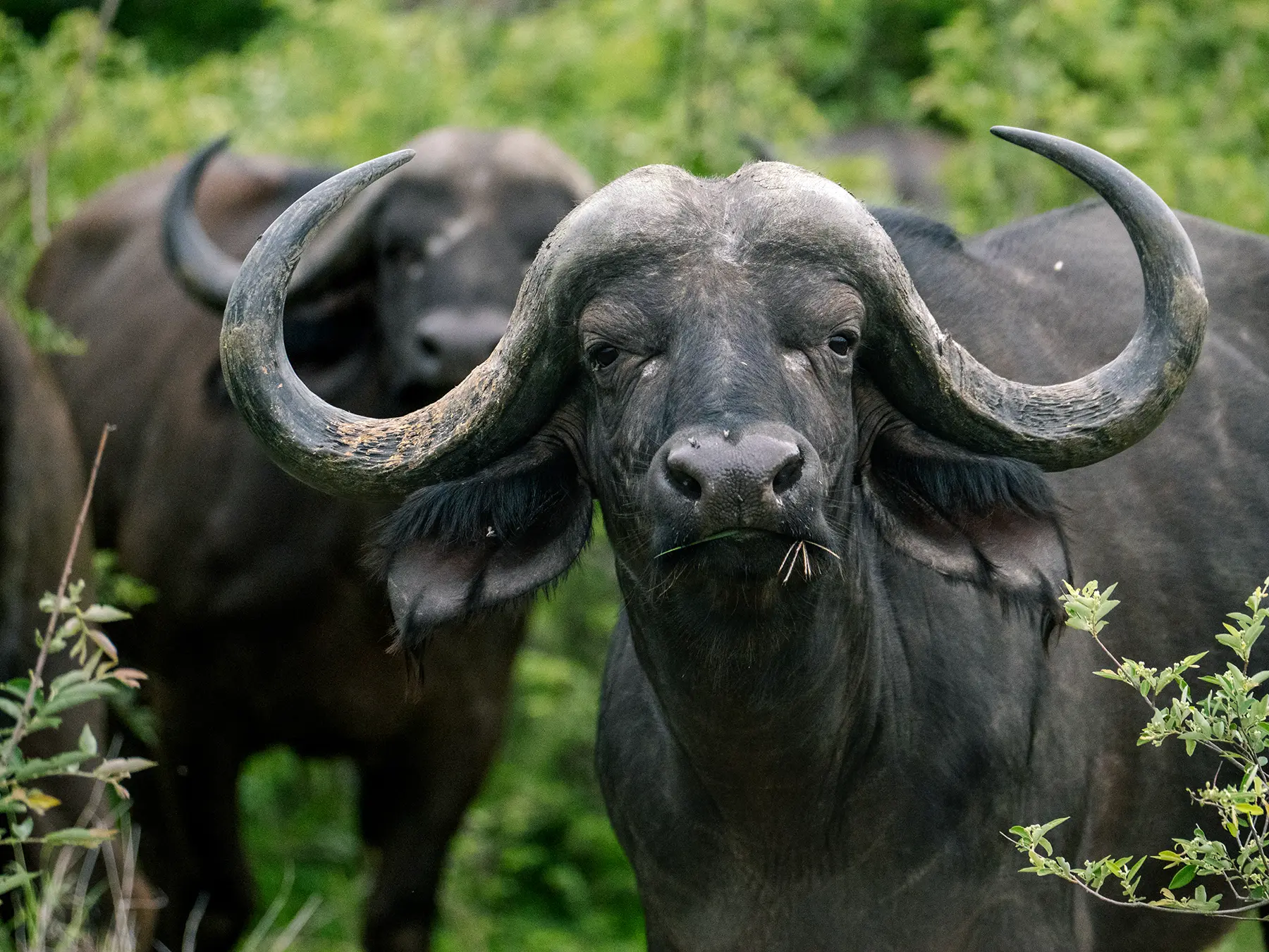
All of the Big Five are present in Timbavati, and lion, leopard, elephant, white rhino and buffalo are regularly sighted. Buffalos are the most difficult of the Big Five to find in Timbavati, but I saw all of the Big Five during my 3-night stay.
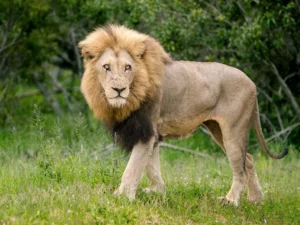
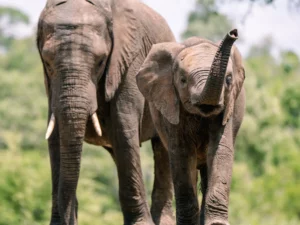
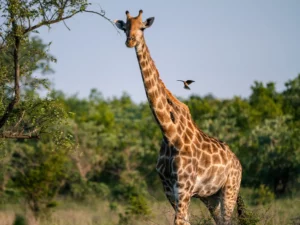
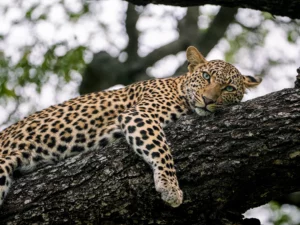
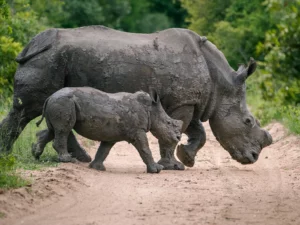
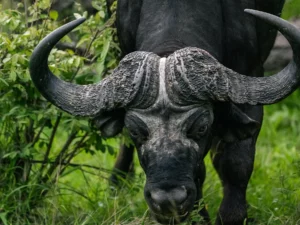
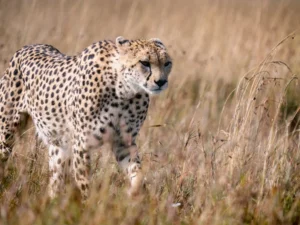
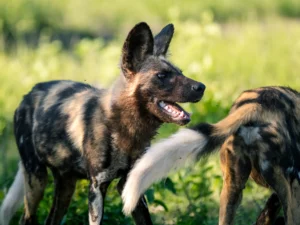
Most people know Timbavati as the home of the rare white lion, and you should keep a keen eye out for these elusive creatures on your visit. In fact, white lions have only ever been recorded in the wild in Timbavati and southern Kruger. First recorded here in 1938, white lions have a recessive leucism gene which causes their characteristically pale, malty colour.
Sadly, I didn’t see any white lions during my visit. However, a new white lion cub has recently been found, born into the Giraffe Pride in central Timbavati.
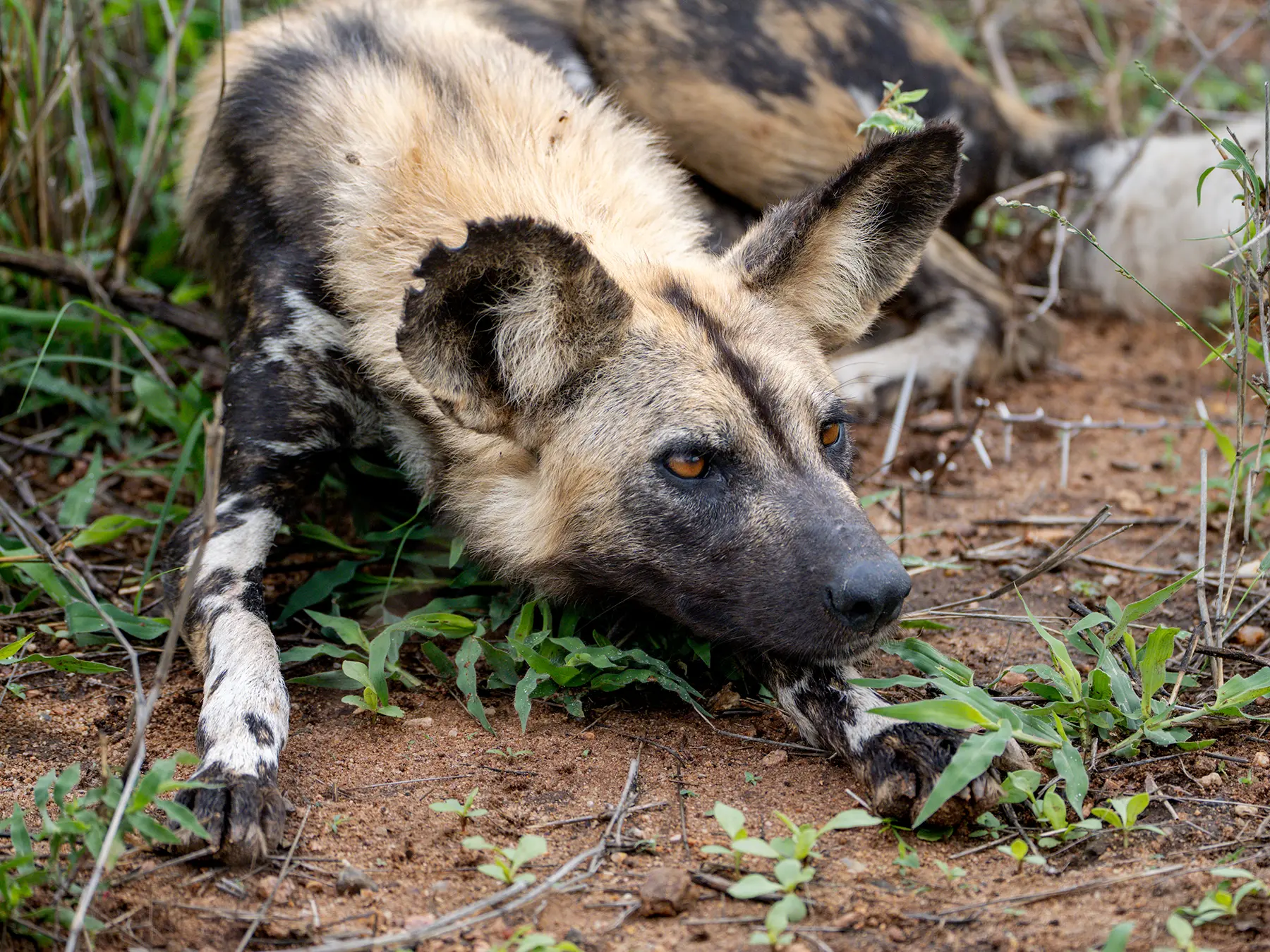
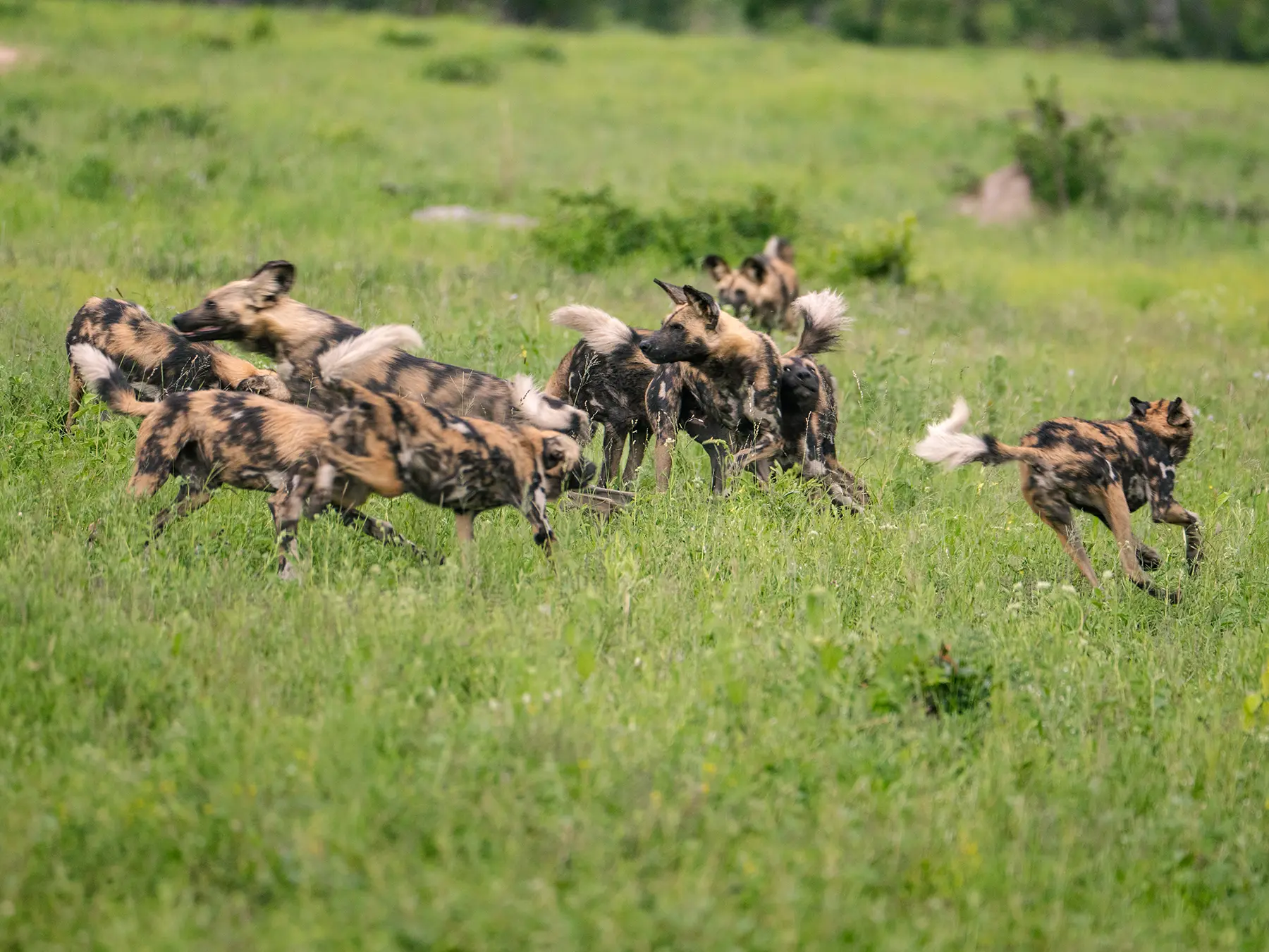
Wild dogs are regularly seen in Timbavati, and neighbouring Kruger National Park holds the largest population in South Africa. I was lucky enough to see wild dogs – my favourite animal – on multiple occasions.
Leopards, elephants, buffalo, and rhino are all present, with the open bushveld making sightings more reliable than in denser habitats.
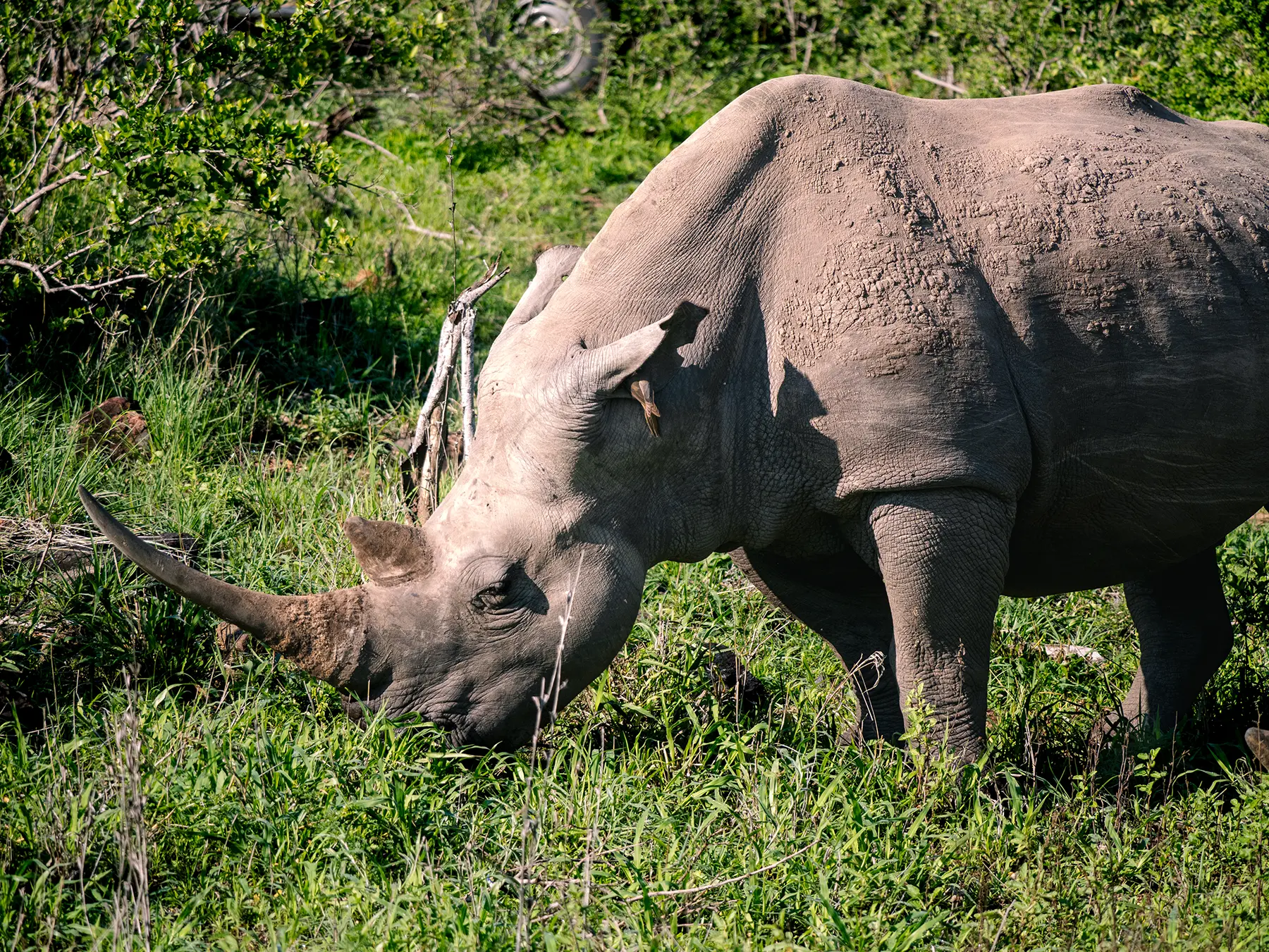
Timbavati is the only Greater Kruger reserve that doesn’t dehorn its rhinos, giving you a chance to admire these prehistoric giants in all their glory.
Nocturnal species, including honey badger, civet, genet, and African wild cat, are often spotted on night drives with spotlights. I was lucky enough to see a civet and several white-tailed mongooses.
Tips for Your Journey to Timbavati
Here are some tips to help make your journey to Timbavati go as smoothly as possible:
- Book your Airlink flights from Johannesburg to Hoedspruit Eastgate Airport well in advance, especially if you plan to travel in peak season. There are limited flights and they book up fast.
- Catch the 10:30am flight if possible, to ensure that you arrive at Timbavati in time to join the afternoon game drive.
Where to Stay in Timbavati Private Nature Reserve
Timbavati has a range of accommodation, ranging from more rustic bush camps to ultra-luxury lodges.
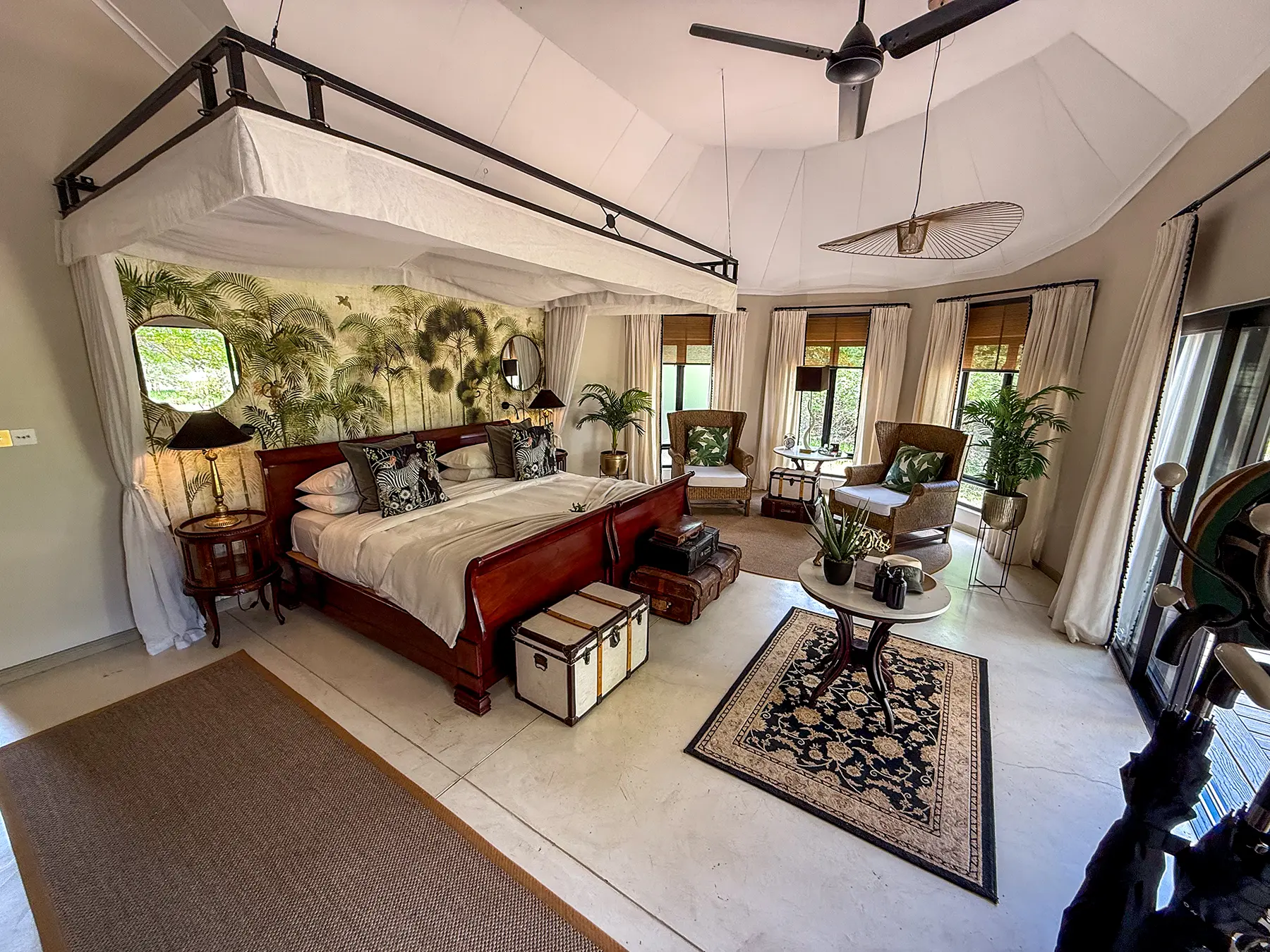
I stayed at Kings Camp, a luxury lodge with a traditional African feel, which traverses 39 square miles (100 km²) of the reserve.
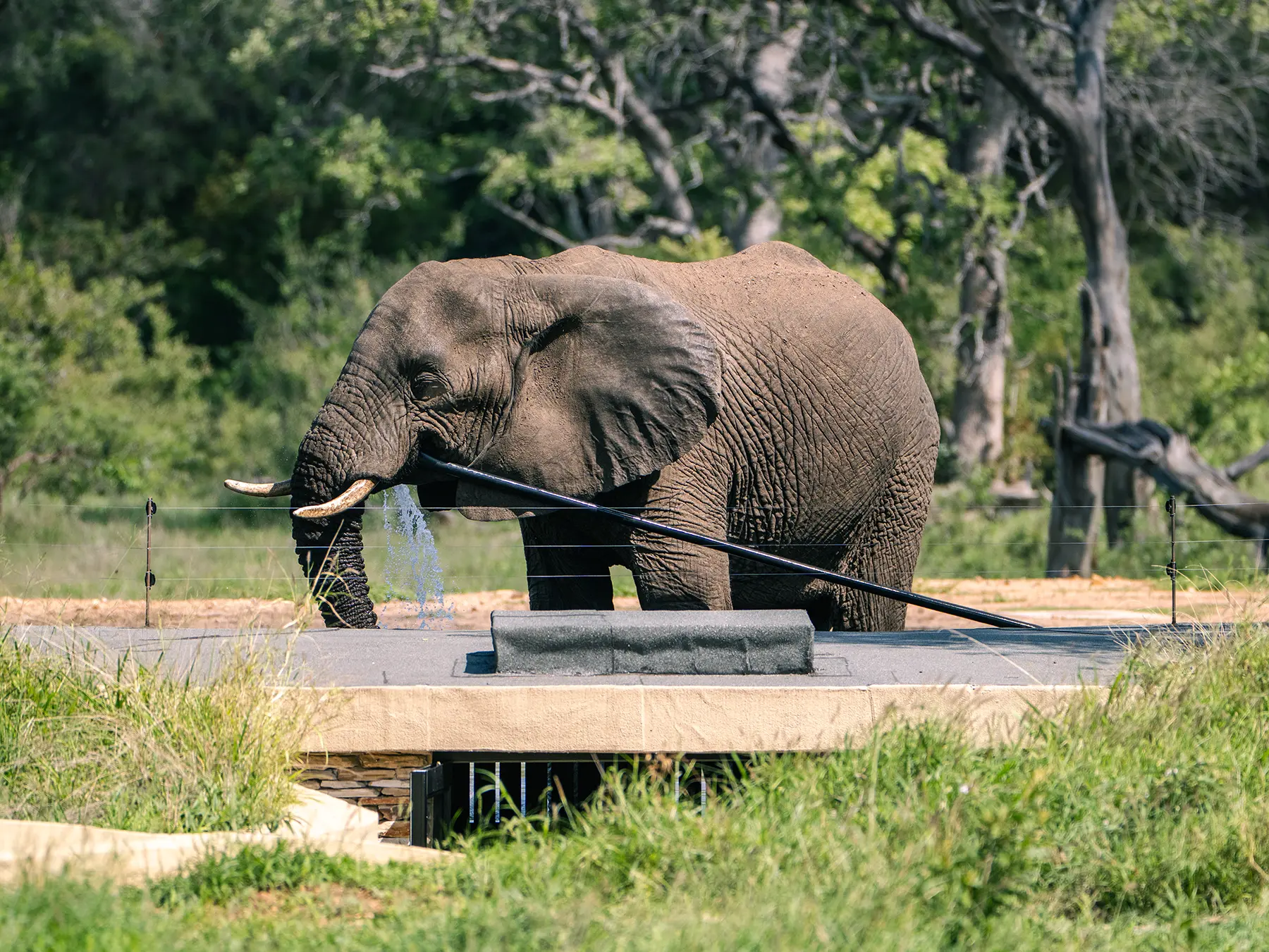
Kings Camp has built its own low-level hide where you can spend time watching a waterhole which attracts local wildlife, including herds of elephants. They also have a photography studio where you can print off your photos – a nice touch, but unfortunately I didn’t get round to testing the printer out as there was so much else to do!
My Experience of the Journey to Timbavati
I touched down at Hoedspruit at 13:30 after a smooth, hour-long flight which yielded some stunning views of the Drakensberg Mountains. It was a fairly lengthy journey down the tarmac to reach the dainty airport terminal.
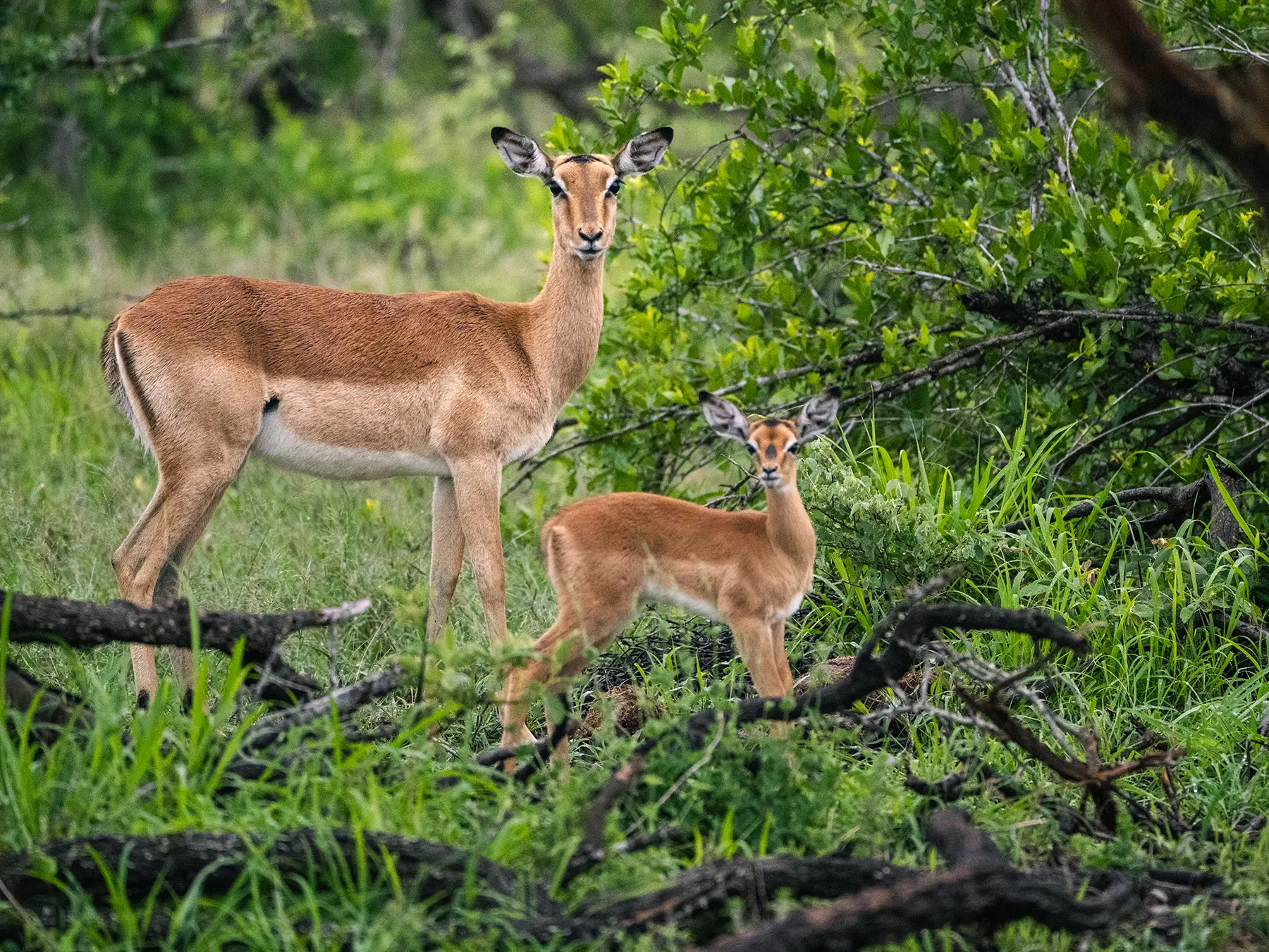
On the way I spotted some warthogs, impalas and even some female nyalas. The safari had begun and I hadn’t even left the plane yet!
Since Timbavati is just an hour’s drive from Hoedspruit, it was pretty straightforward getting there. The road between Hoedspruit and Timbavati is tarred and in good condition. Once within the reserve, you can expect a fairly smooth ride on a wide and well-maintained gravel road.
Once in the reserve, I spotted several giraffes and even had a glimpse of some newborn impala lambs!
The final stretch of the drive took us down a winding dirt track and before I knew it, we had arrived.
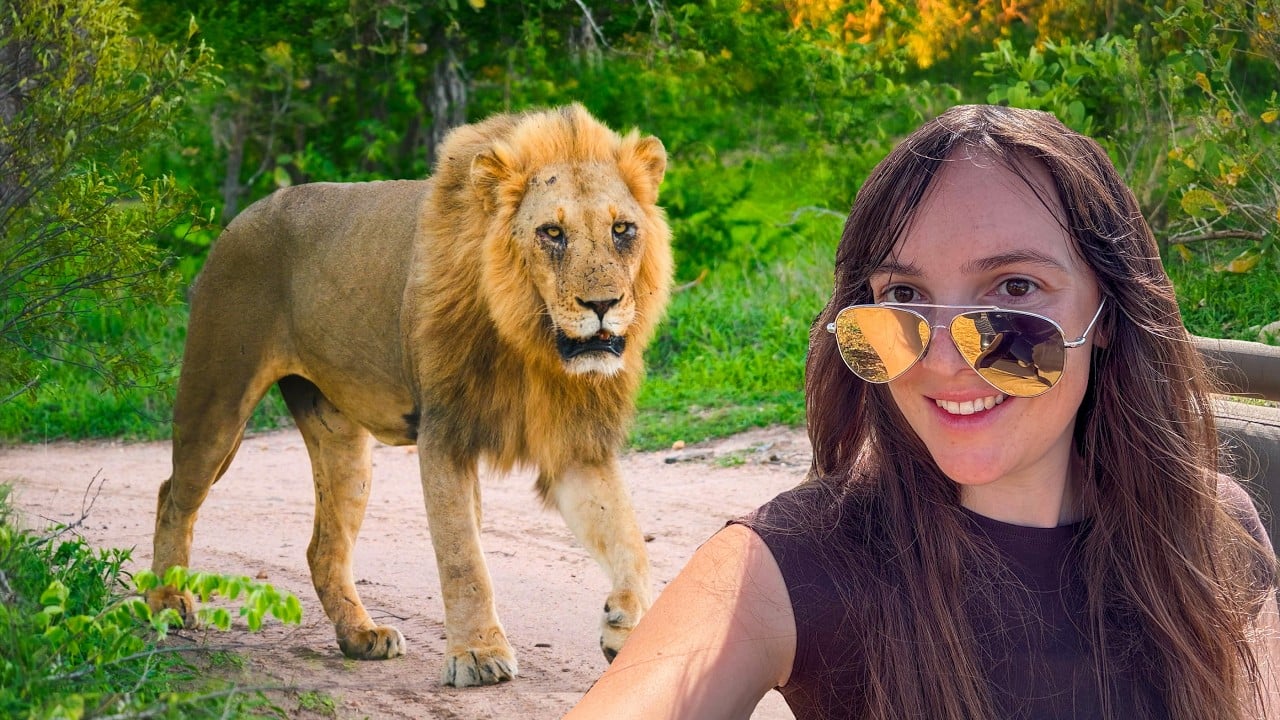
You can view a video of my Timbavati experience below.
Days 2-3: Timbavati Private Nature Reserve
Drive Time (Excluding Game Drives): 0 hours
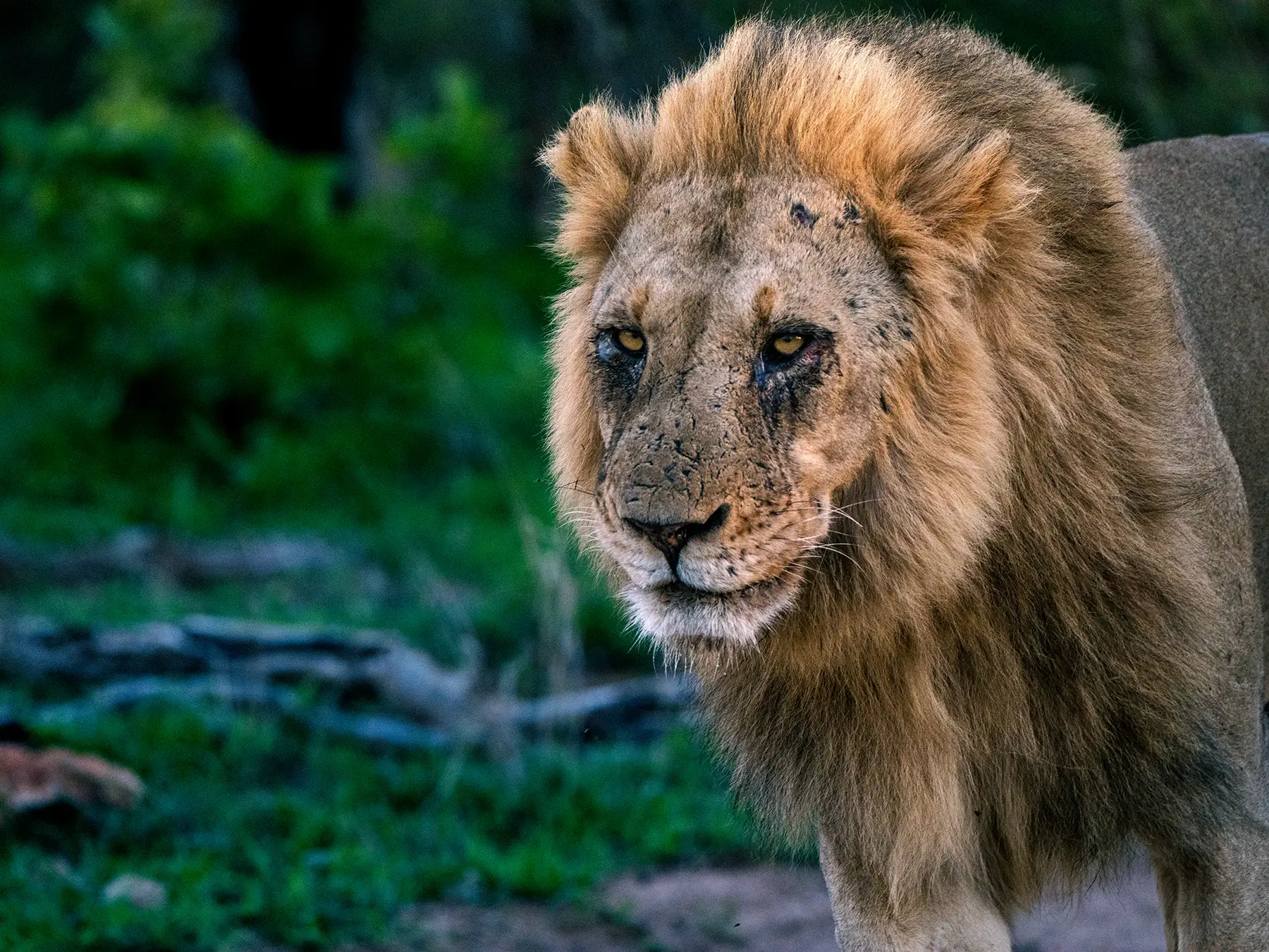
You have two full days to take in Timbavati, the only place on earth where white lions are found in the wild.
There are game drives on either end of the day, early morning and late afternoon, with the middle of the day spent relaxing at your lodge. Being surrounded by nature will start to feel familiar, and you’ll relax into the easy rhythm of the South African bush.
Itinerary
Both days follow the same schedule: you’ll have two game drives, morning and late afternoon, with hours spent relaxing or doing other optional activities in between.
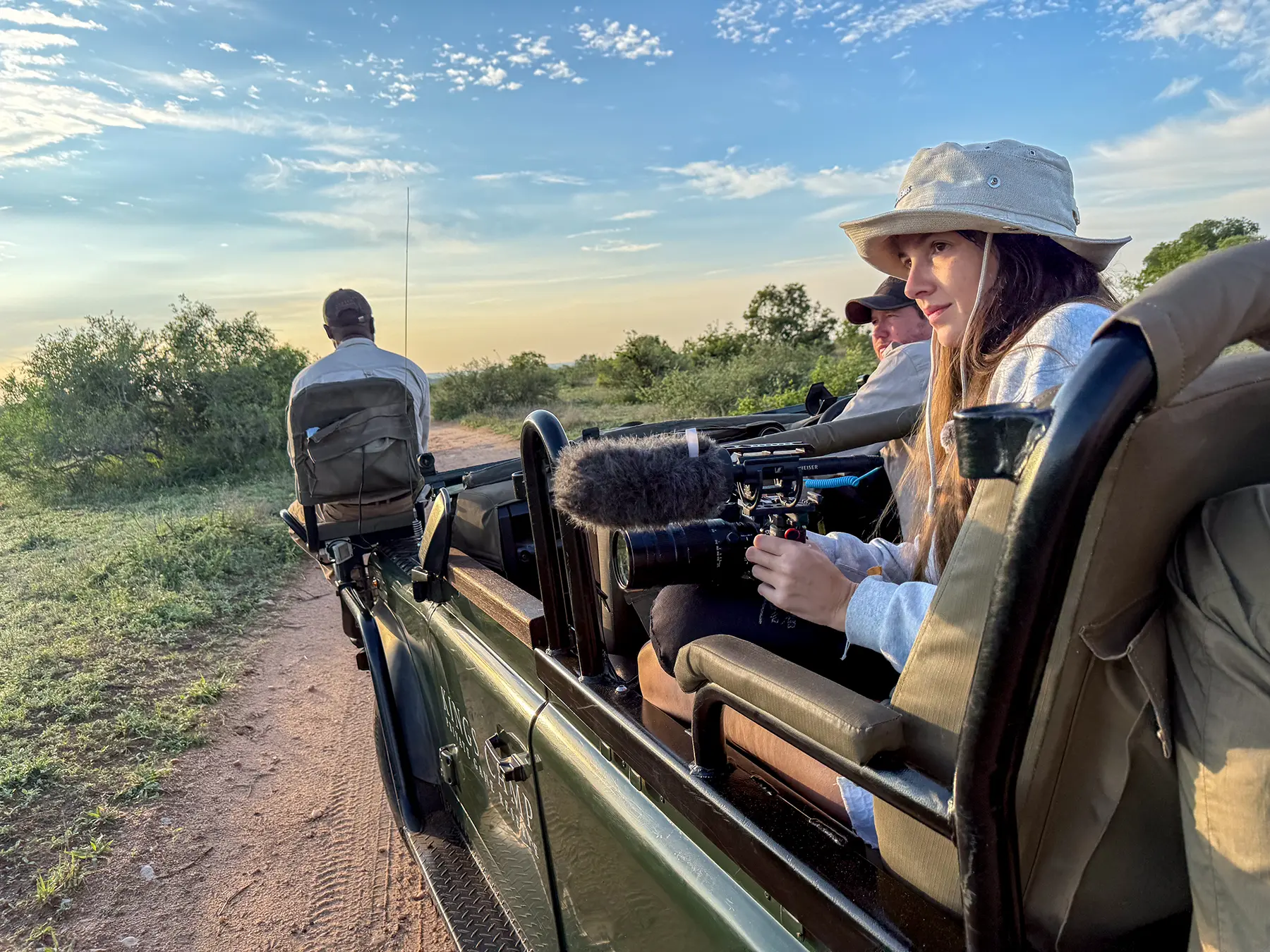
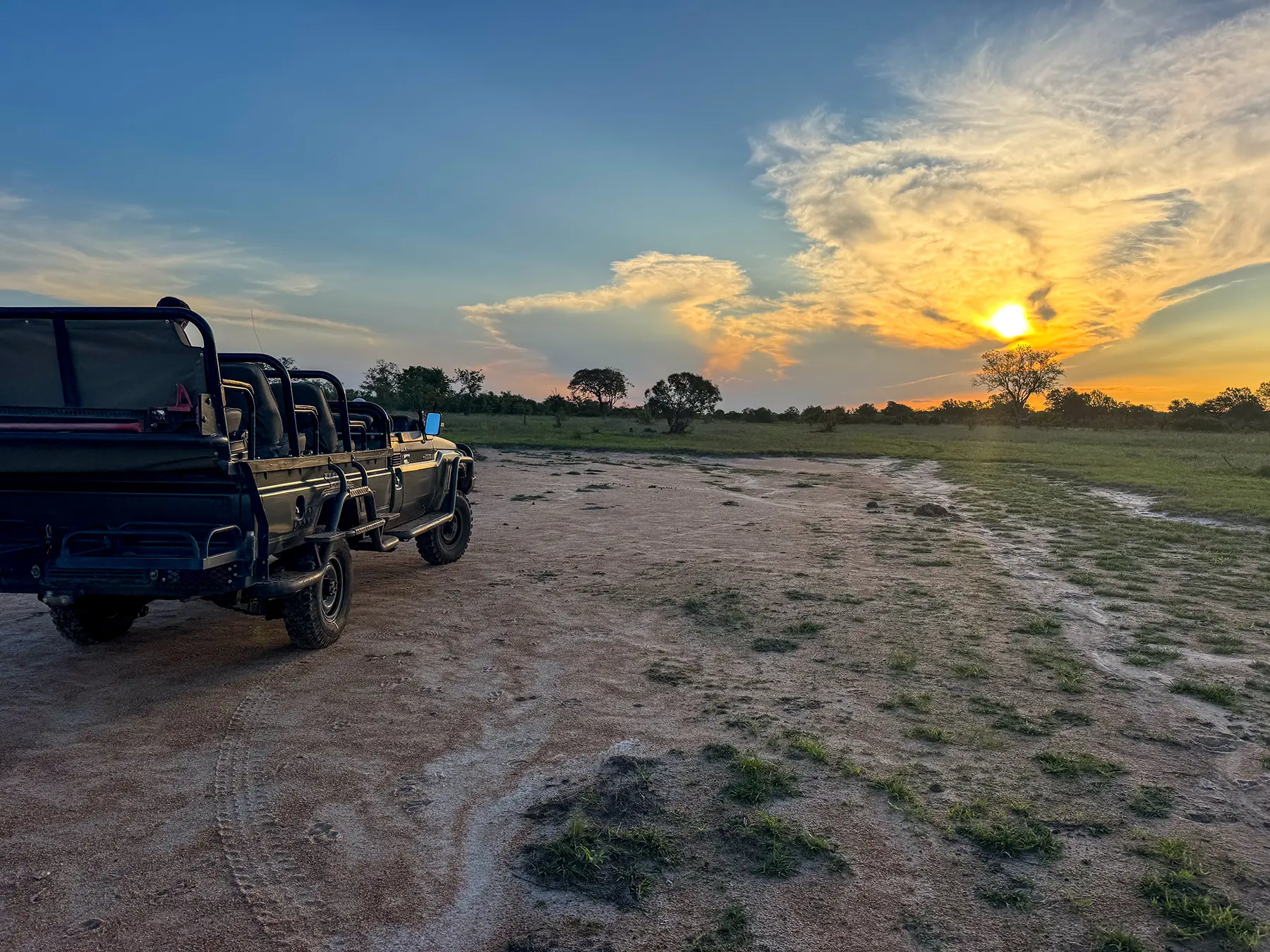
Your wake-up call or alarm will sound before dawn, and you will be in the Land Cruiser and on the road between 5:30 and 6:00 for your morning game drive. This drive lasts three to four hours, while the bush is still cool and the light is long and low.
This is the best time of the day to see predators still on the move from the night before. Halfway through, your guide will pull up somewhere scenic for a tea and coffee break in the bush.
Between 9 and 10am, you’ll return to your lodge for a late breakfast or brunch, and the middle of the day is yours to spend as you wish. Most lodges schedule optional bush walks during that period, or you might want to spend a while in a hide overlooking a waterhole.
If there is the option to go on a walking safari with an armed ranger, it’s definitely worth doing. Reading the landscape and looking for animal spoor on foot is a completely different way to experience the bush. Walks are usually included in your total accommodation rate, but it’s worth checking just in case.
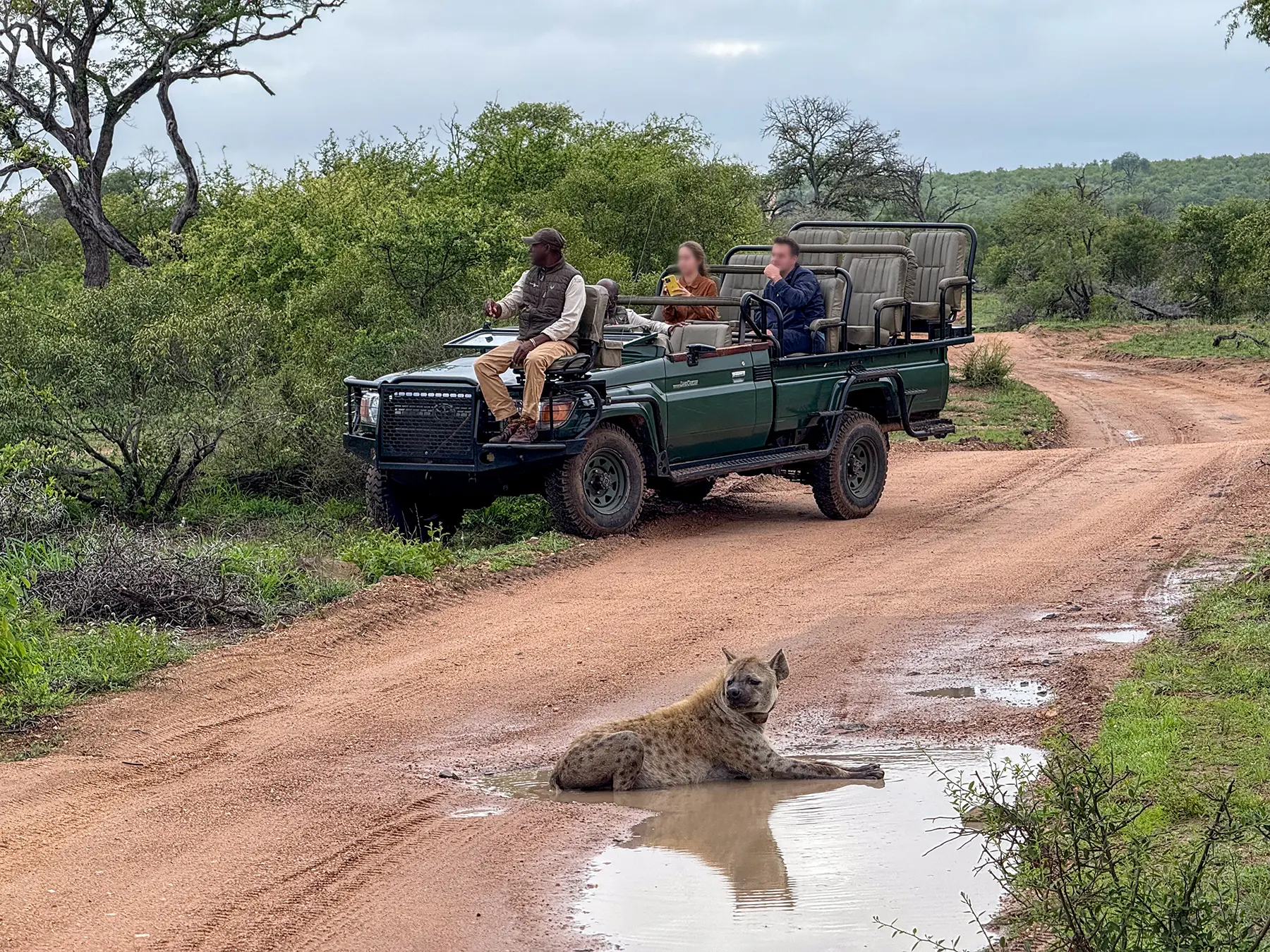
After lunch and a rest, it’s time for the afternoon game drive, which heads out between 16:00 and 16:30. Depending on your sightings, you will probably stay out until around 19:00, continuing past sunset into the dark.
Along the way, you’ll stop at sunset for sundowner drinks and snacks. Your tracker will search the bush with a bright spotlight, which will catch the reflection of animals’ eyes.
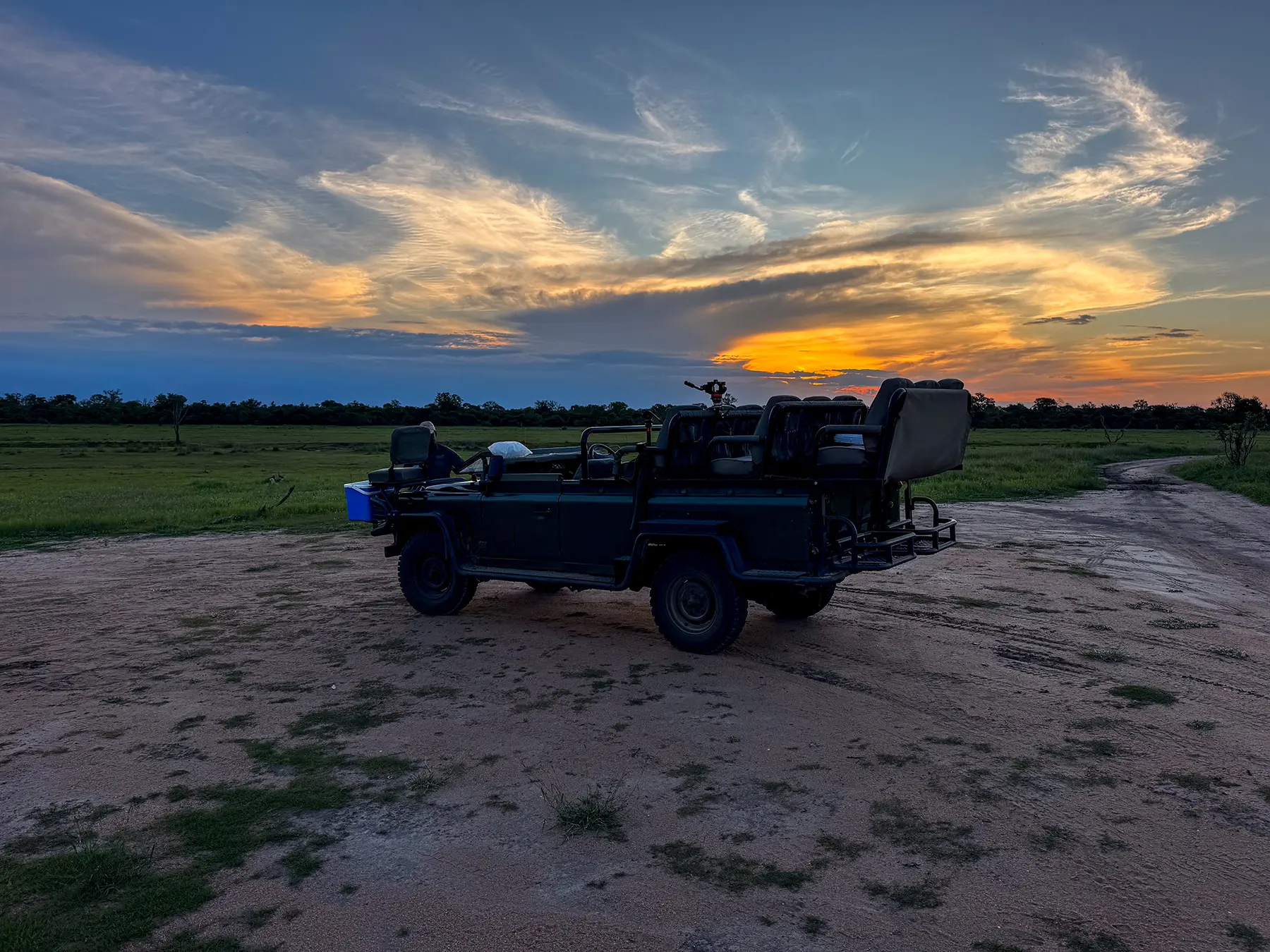
Remember that your game drive vehicle will have open sides, so pack warm layers for the early starts and dipping sun: winter mornings here drop to between 41 and 50 degrees Fahrenheit (5 and 10 degrees Celsius) before the sun gets going.
On Day 3, you can expect the same schedule. This repetition is really the key to excellent sightings because consistently heading out into the bush means that you’re there and ready when the action happens. Since you’ll have the same guide and tracker, they will have time to follow up on any spoor from earlier or the day before, rather than starting from cold.
Tips for Visiting Timbavati Private Nature Reserve
Here are my top tips for visiting Timbavati Private Nature Reserve!
- If you stay at a lodge with an underground hide, it’s best to visit in the dry season as that’s when wildlife come to the waterhole.
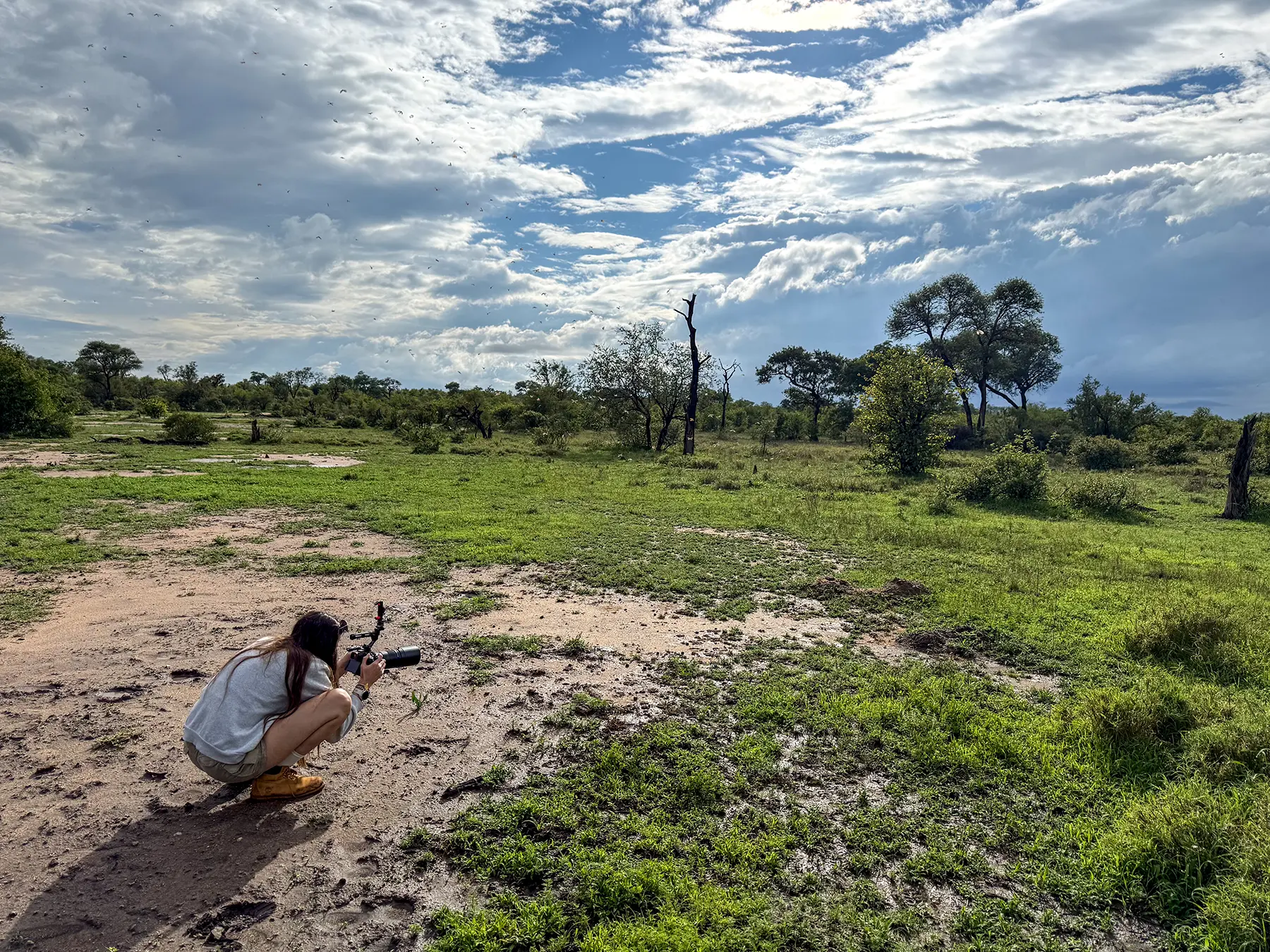
- If you’re keen on photography, choose a lodge with cars without middle seats to ensure you always have a good view of the action. When booking with a local operator you can ask them to check this with prospective lodges.
- White lion sightings are possible but not guaranteed, because these creatures are still very rare. If spotting one is a priority for you, ask your guide to focus on them, but try not to get fixated!
- For photography, bring a telephoto lens (for example, 100-400mm) to capture wildlife in the distance.
- If you want to splash out, you could invest in some thermal binoculars. These are great for evening game drives after darkness falls.
Where to Stay in Timbavati Private Nature Reserve
You are at the same lodge in Timbavati for both of these nights.
I stayed at Kings Camp (see Day 1).
My Experience of Timbavati Private Nature Reserve
I spent my time in Timbavati staying at Kings Camp, where the warm welcome set the tone for the whole visit.
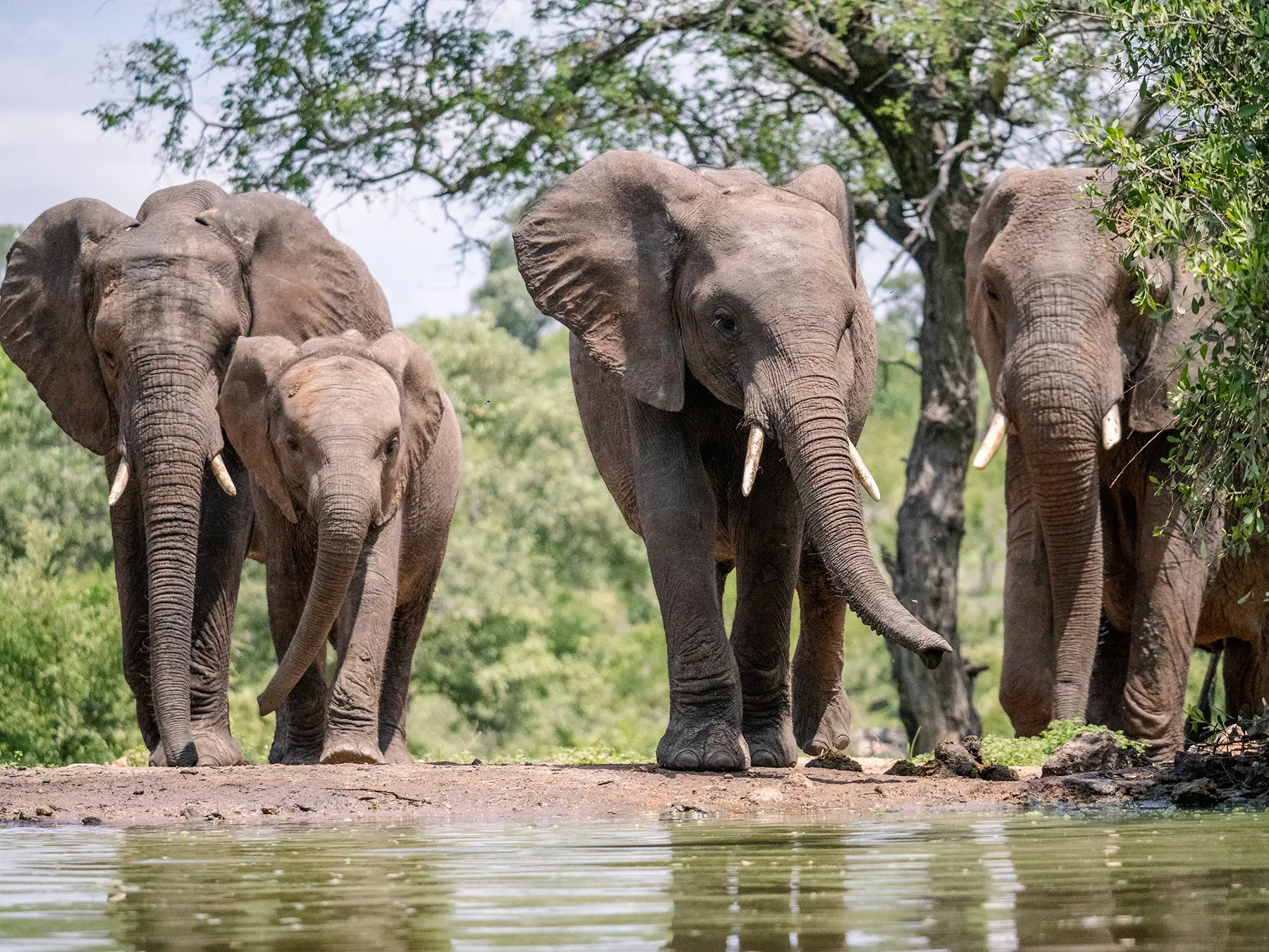
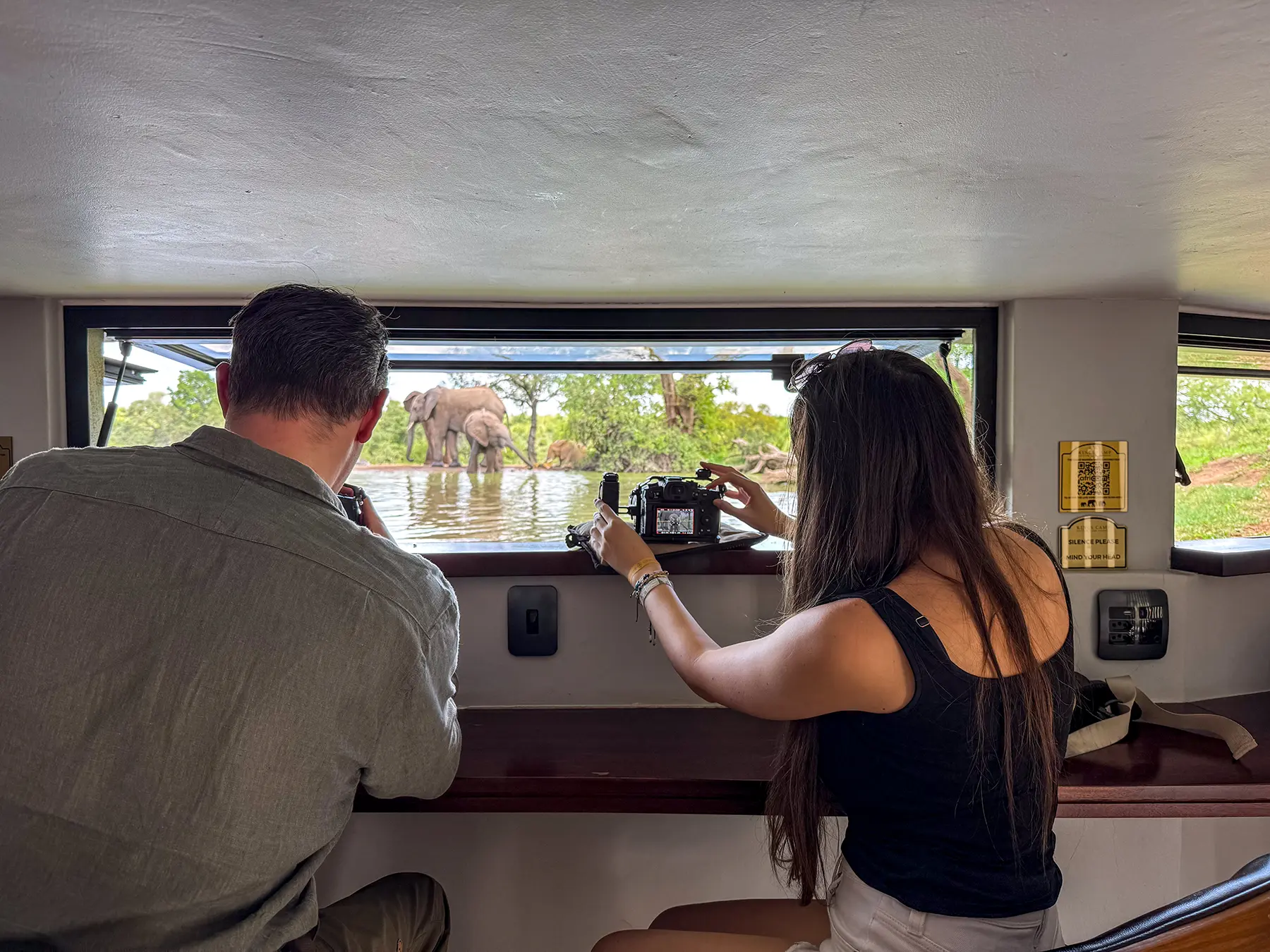
We were given refreshing welcome drinks on arrival, and were just about to be escorted to our room when the staff informed us that some elephants were visiting the camp’s underground hide. We headed straight down and wandered into the hide just as one herd left and another appeared.
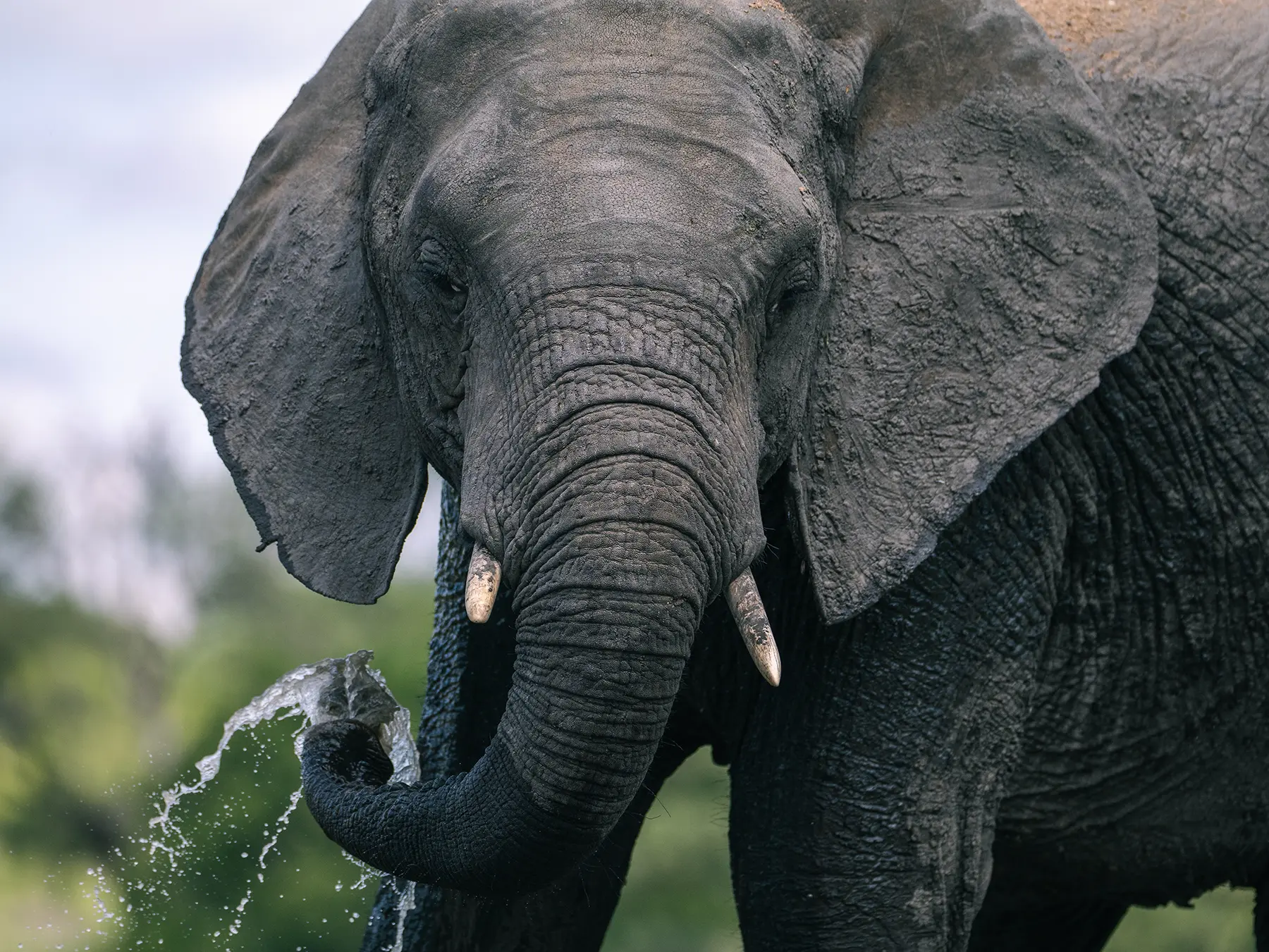
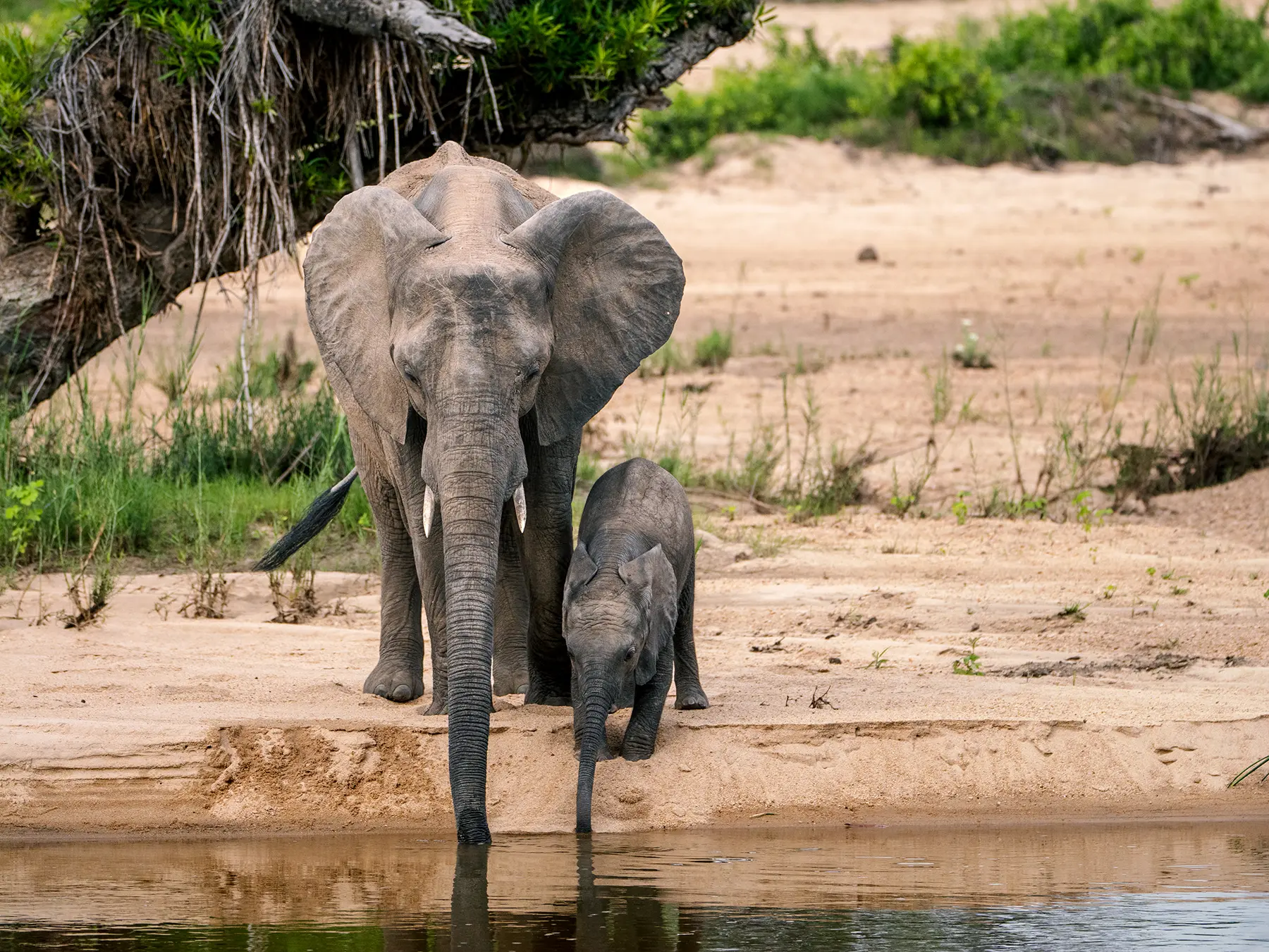
Seeing a herd of elephants so close up before we had even unpacked our luggage was an incredible way to start our safari. It was amazing watching them at eye-level as they drank, sprayed water and splashed about, and the young ones in particular were really cute. The herd eventually moved off and two baby impalas arrived, before yet another elephant herd appeared.
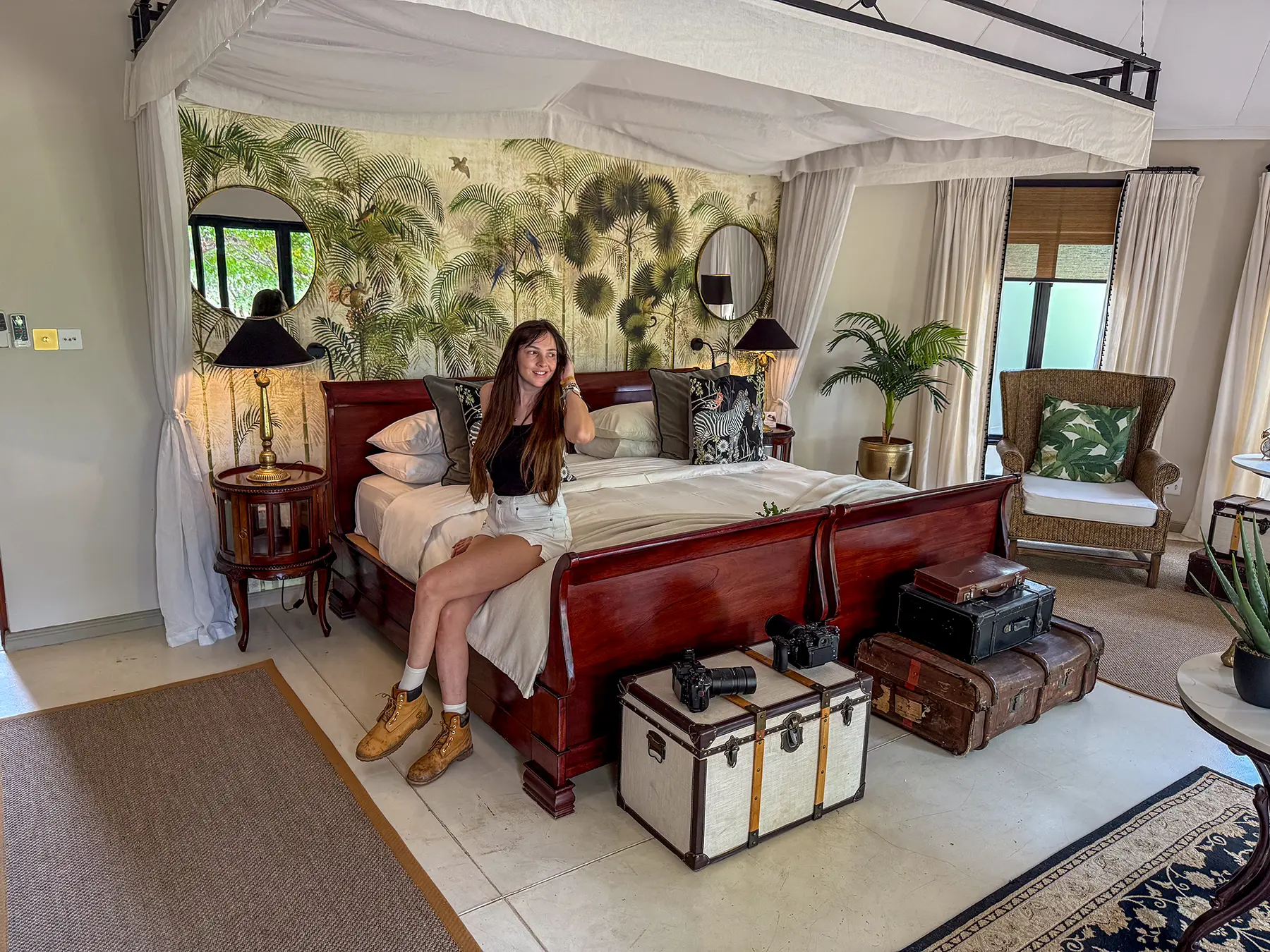
Eventually, as the last elephant left, we checked into our room, number 7. It was magnificently huge and very comfortable.
The wildlife kept coming even during our tasty lunch of chicken curry. We admired more elephants right from the comfort of our table, and especially enjoyed the antics of one cheeky bull: he managed to locate the source of the water in the waterhole, a hosepipe, and lifted it with his trunk and drank straight from it!
Day 4: Timbavati Private Nature Reserve to Manyeleti Game Reserve
Drive Time (Excluding Game Drives): 3 hours
Today, you’ll spend the morning in Timbavati before saying farewell and making your way across to Manyeleti Game Reserve.
Manyeleti is a quieter corner of the Greater Kruger, with only a handful of lodges spread across its 89 square miles (23,000 hectares). With fewer vehicles on the ground, you’ll often have sightings all to yourself.
Your drive from Timbavati to Manyeleti will only be about 3 hours, so there’s time to settle in this afternoon before heading out on your first Manyeleti game drive.
Itinerary
It’s your last morning in Timbavati, and you’ll be up bright and early once again for a game drive that sets out between 5:30 and 6:00.
After 3 to 4 hours enjoying the crisp morning air, you’ll head back to camp for a proper brunch. Make sure you eat well, because many of the lodges in Manyeleti serve only brunch and dinner and there may be no midday meal waiting at the other end.
Checkout from Timbavati lodges is typically 11am, and the transfer is timed to that so you reach Manyeleti with plenty of time to settle in before the afternoon drive.
The road transfer is a bit roundabout, but only takes approximately 3 hours. Due to traversing restrictions, there is no cutting straight across from one reserve to the next in the Greater Kruger. Your route between Timbavati and Manyeleti loops out of Timbavati and back in through Manyeleti’s own gate.
Once you are through the gate, things slow down considerably: the roads inside Manyeleti are bumpy and poorly maintained, and the last stretch is a slow rattle over potholes and corrugations.
You should reach camp in the early afternoon, with time to drop your bags and take afternoon tea before your first Manyeleti game drive. This drive heads out between 16:00 and 16:30 and runs to around 19:00, carrying on past sunset, so you can get a taste of Manyeleti’s nocturnal side.
About Manyeleti
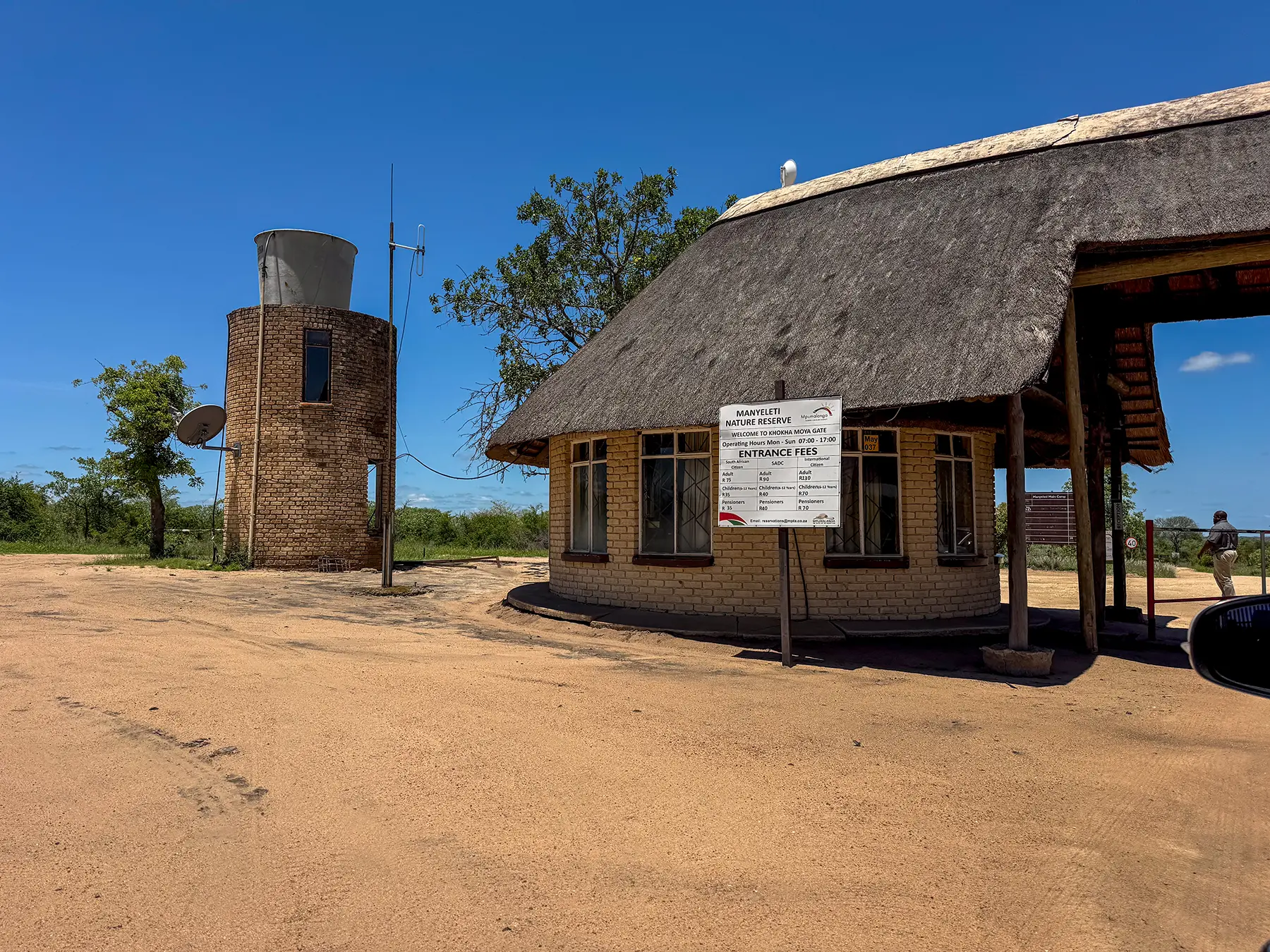
Manyeleti has an incredibly significant history in South Africa, as, during the years of apartheid, it was the only game reserve where non-white visitors were permitted. Today it is a community-owned reserve, owned by the local Mnisi people, and private lodges operate on a concession basis.
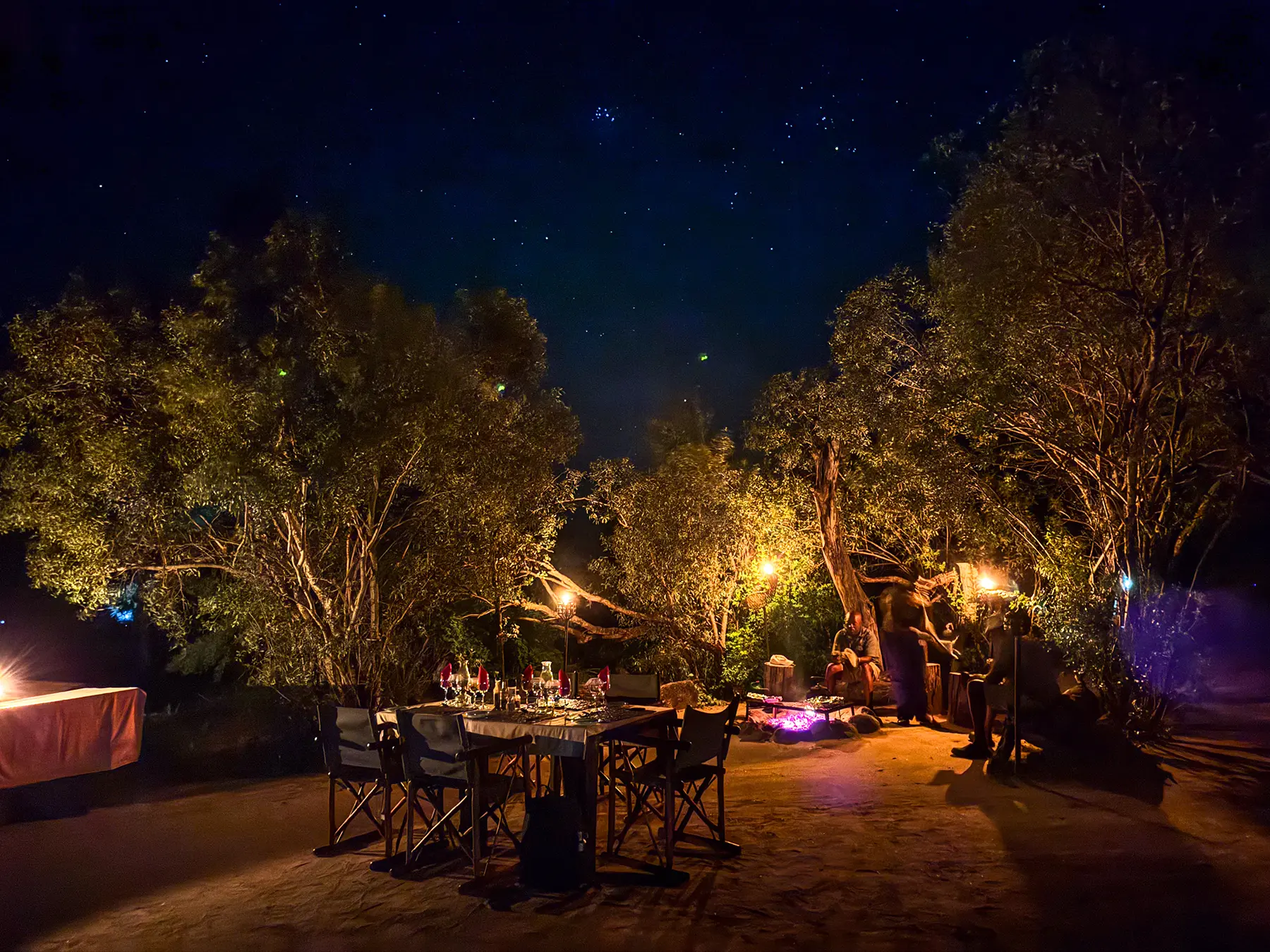
“Manyeleti” means “the place of stars” in the Shangaan language, and the reserve delivers on that promise with some of the darkest and clearest skies in Greater Kruger.
With only a handful of lodges operating across 89 square miles (23,000 hectares), vehicle density is far lower than in Sabi Sand or Timbavati. This means you’ll often have wildlife sightings entirely to yourself.
What Wildlife Can I See in Manyeleti Game Reserve?
Manyeleti shares the same Big Five populations as neighbouring reserves. Elephant, lion, leopard, buffalo, and rhino are all present, and lower numbers of vehicles in the landscape mean that you can really relax at a sighting and take it in at your leisure.
I had excellent sightings of four of the Big Five in Manyeleti (lion, elephant, buffalo and rhino), but sadly no leopard. Compared to Timbavati and Sabi Sand, spotting leopards is considerably harder in Manyeleti due to the reserve’s large lion population.
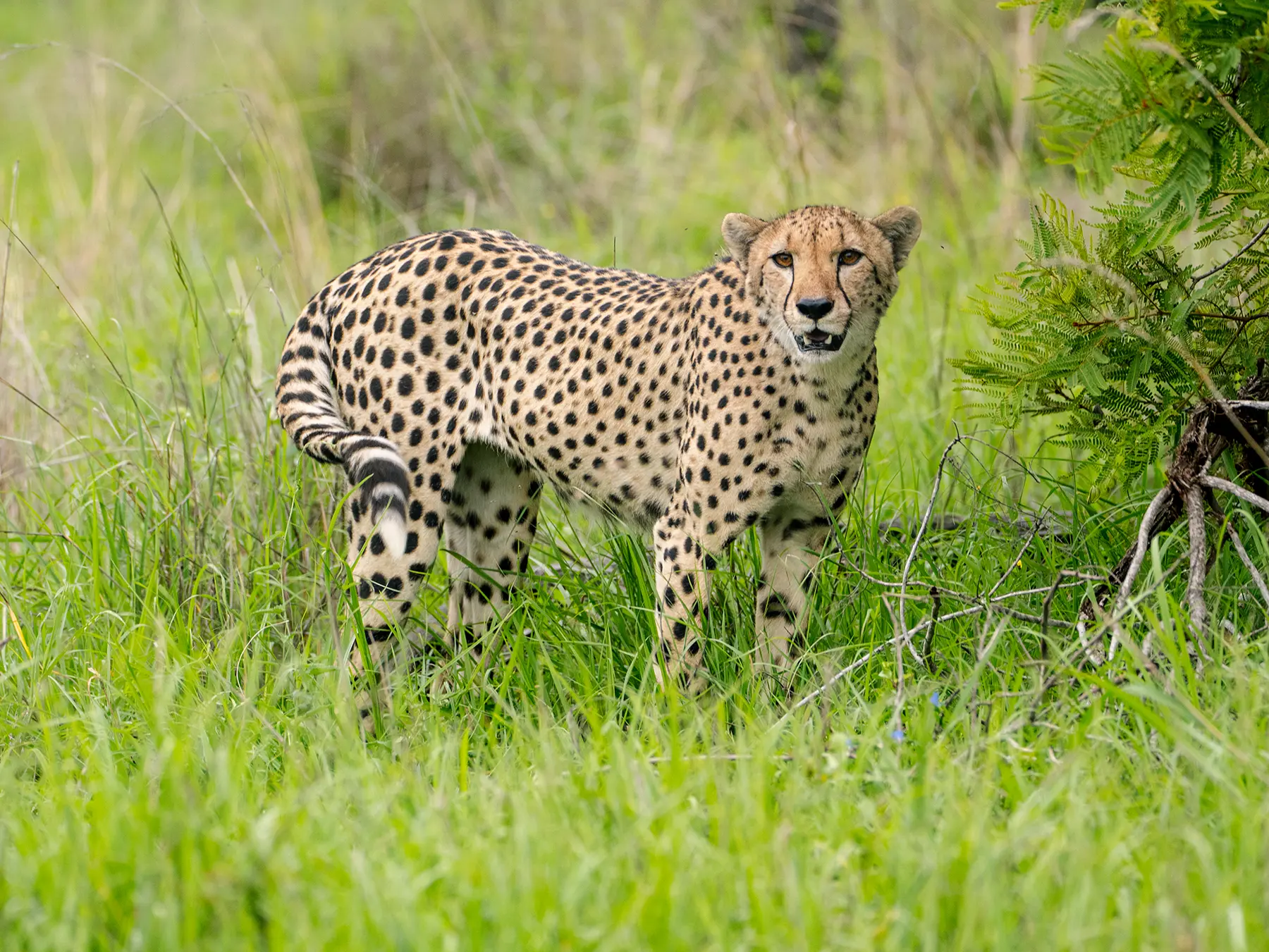
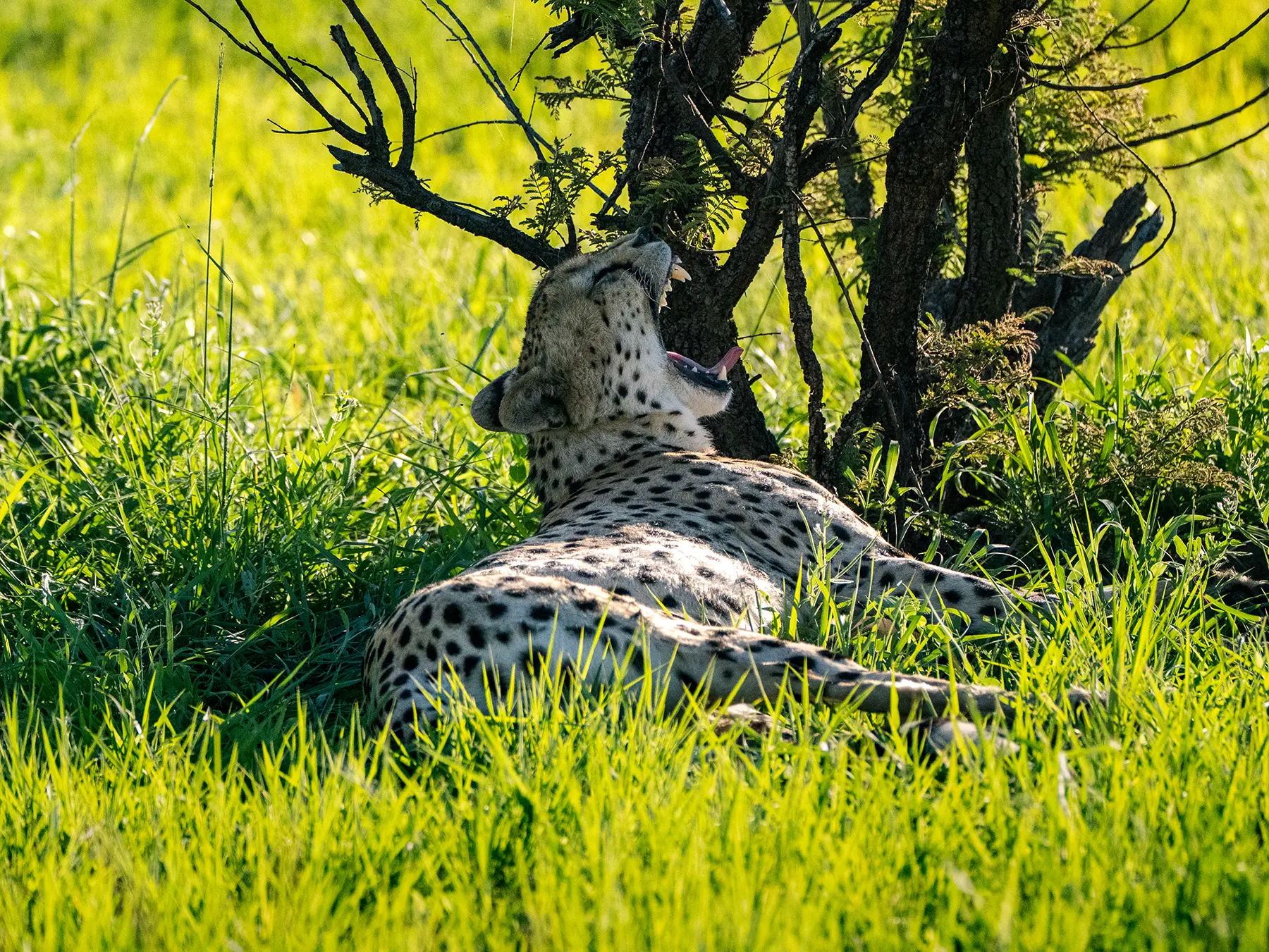
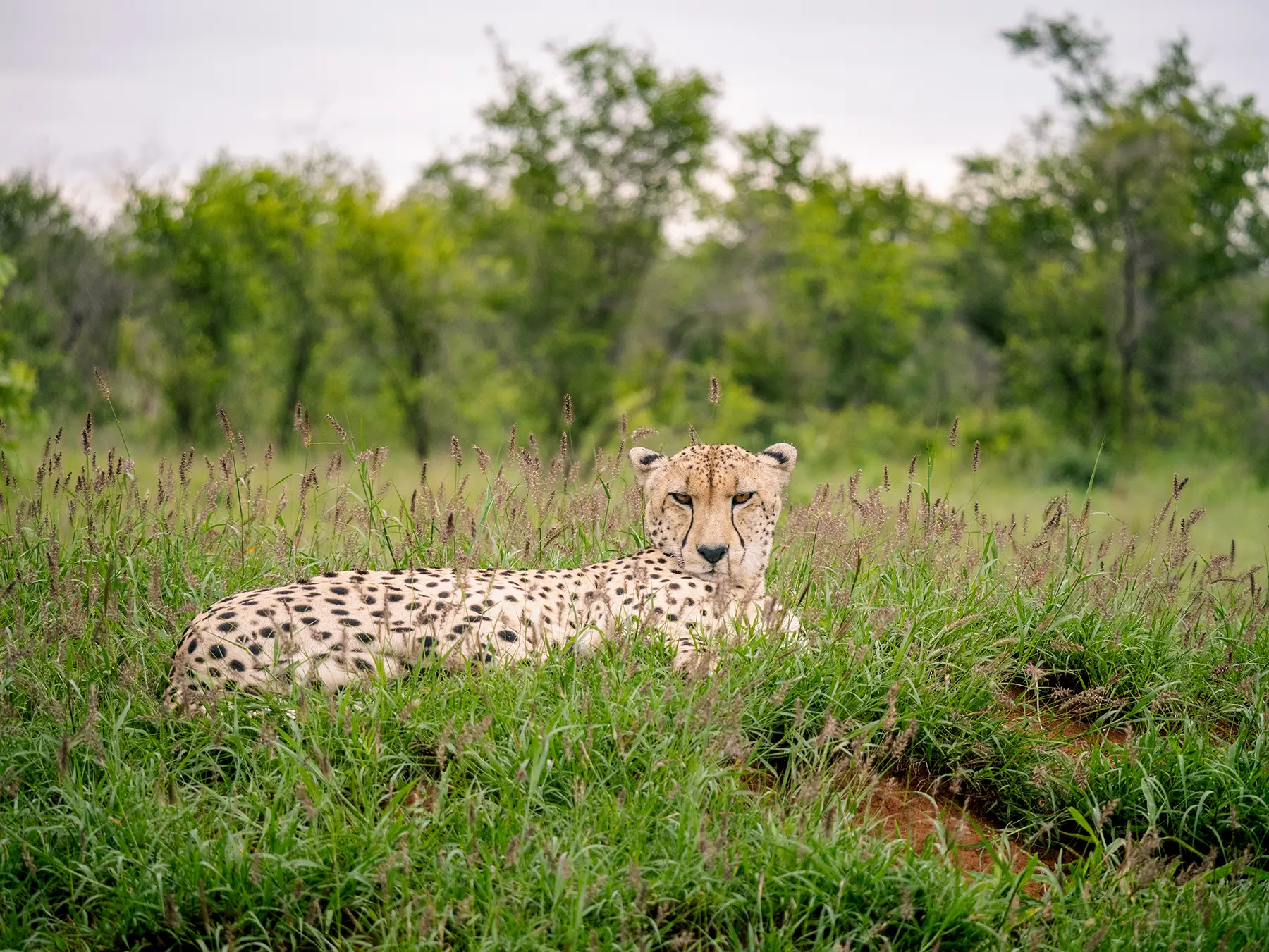
Don’t be put off by that though, because Manyeleti is still a big cat lover’s dream. Cheetah sightings here are frequent because of the flat and wide open terrain, which distinguishes Manyeleti from other Greater Kruger reserves.
The limited leopard population also means that smaller cats are more abundant than in other reserves. A guest at the lodge I was staying at was lucky enough to catch a glimpse of the rare African wild cat on one of their evening game drives.
Tips for Your Journey to Manyeleti
- Eat a hearty meal before you transfer from Timbavati to Manyeleti. Many lodges within Manyeleti only serve brunch and dinner, and so there’s no midday meal.
- Checkout from Timbavati lodges is typically 11am. Ensure your transfer arrives at this time, so that you have plenty of time to get to Manyeleti and settle in before your afternoon drive.
- Be prepared for Manyeleti’s bumpy roads. The drive will be slow and, at times, uncomfortable due to the potholes.
- Manyeleti’s conservation fees have to be paid separately when you enter at the gate, rather than being included as part of your safari package.
- Keep some cash handy in the local currency (South African Rands) to tip your driver and tracker at the end of your stay.
Where to Stay in Manyeleti Game Reserve
Manyeleti has fewer lodges than neighbouring reserves, and many of these lodges are quite rustic compared to those in Timbavati and Sabi Sand.
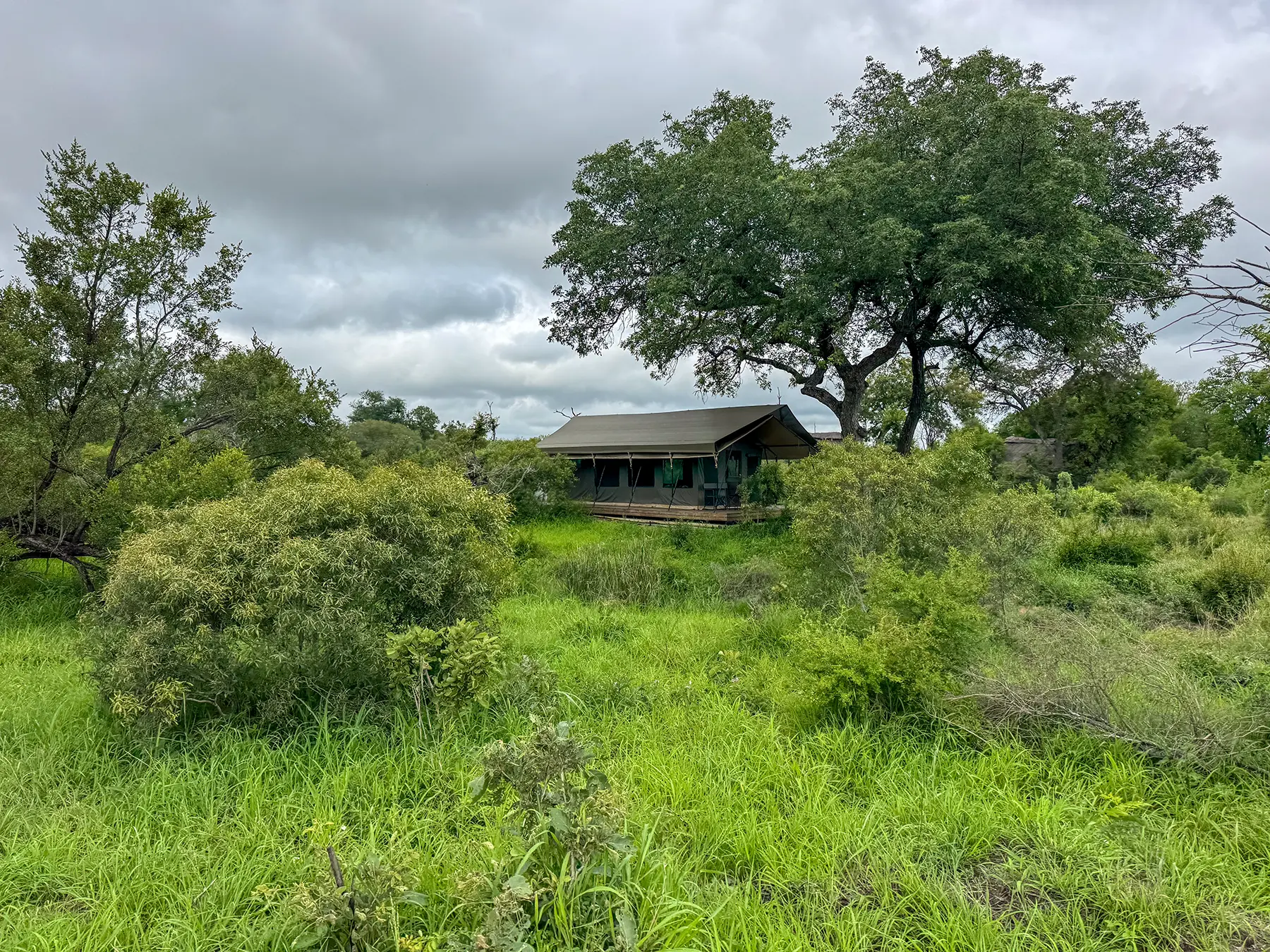
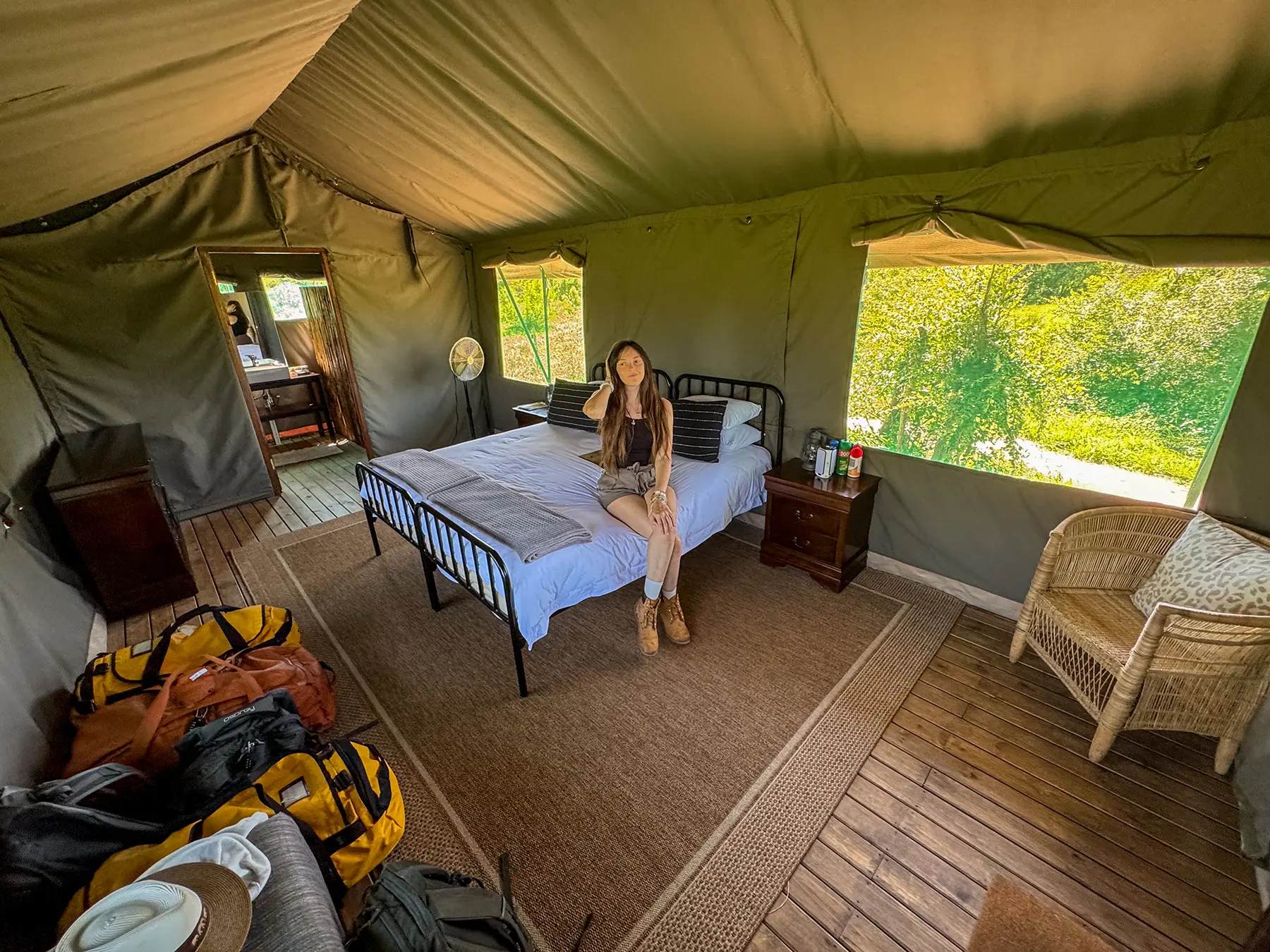
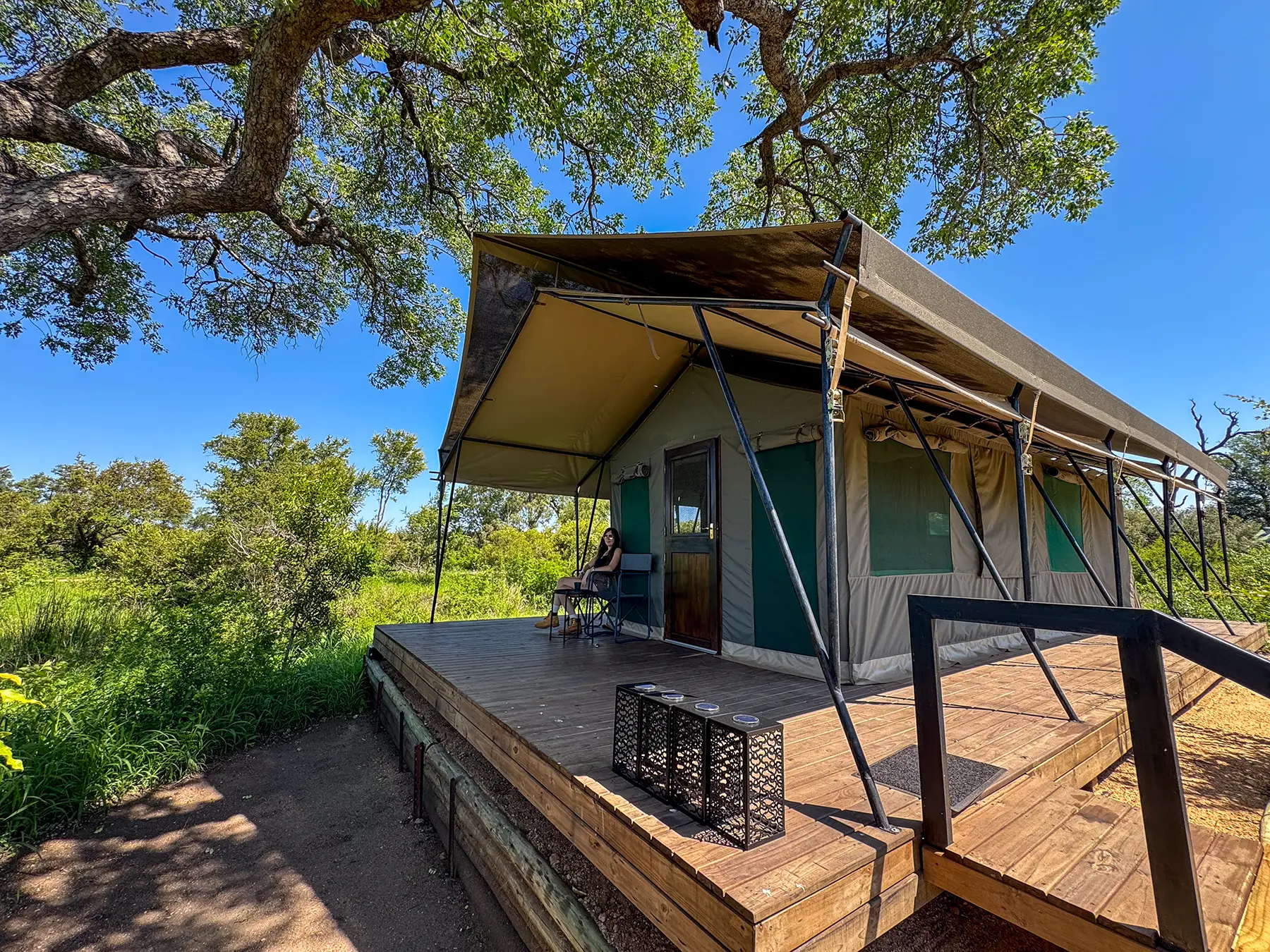
I stayed at Pungwe Camp which focuses on giving you a “switched off” experience.
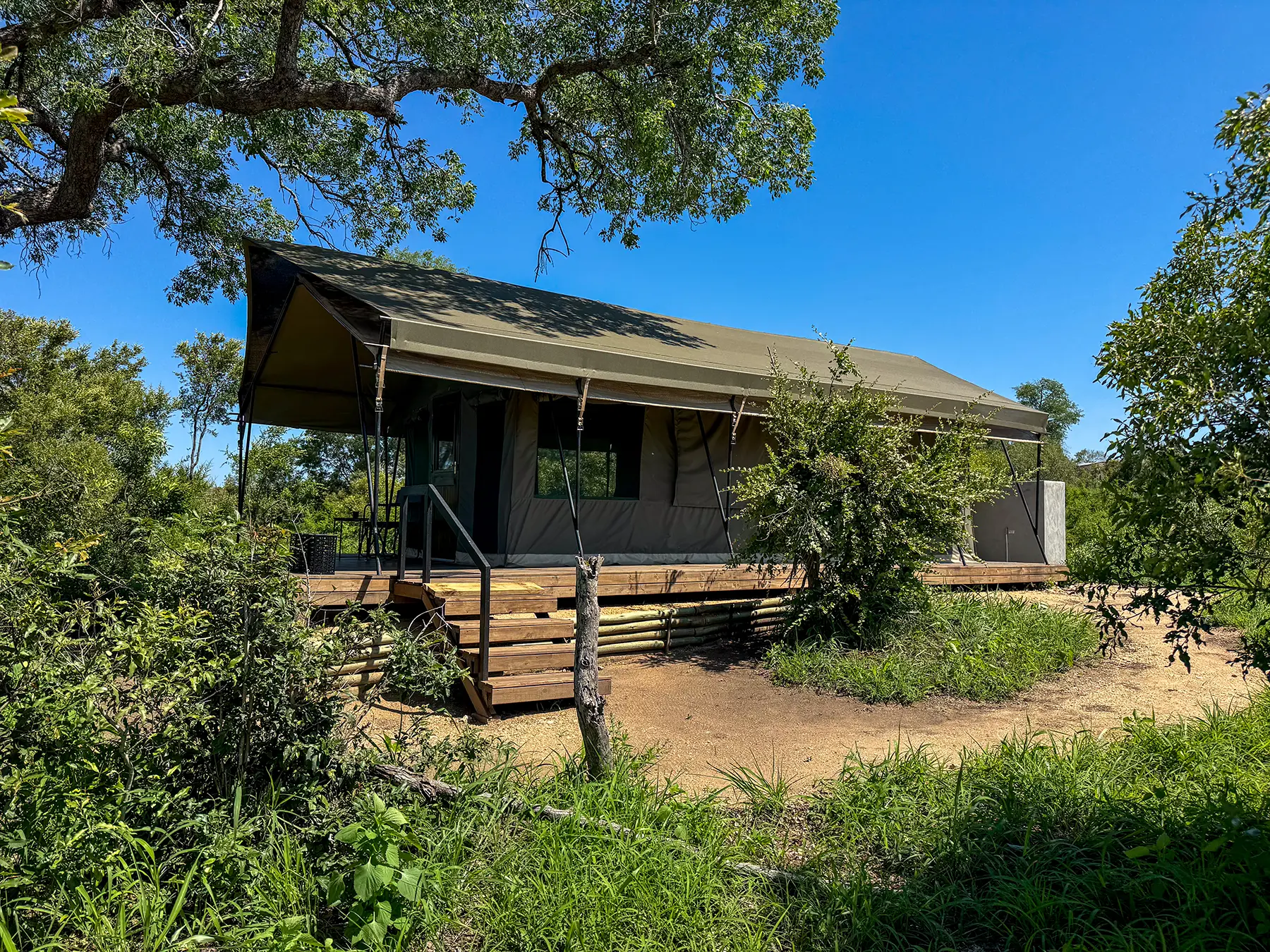
Pungwe is one of the only permanent safari camps in Greater Kruger with no WiFi and no power in your rooms.
I must admit I did cheat in Pungwe and used phone data from my travel eSim to stay connected, despite the lack of WiFi. However, my usage was extremely limited compared to what I’m used to, so I still managed to have an “offline” experience.
The lack of electricity in the rooms means that you can only charge your devices in the communal area.
To make things easier, I always carry a chunky Anker power bank with me on all my trips. It’s powerful enough to charge my laptop. This allowed me to charge my phone by my bed at night, and my laptop during any downtime during the day (rather than leaving them in the communal area), and then I’d charge the power bank throughout the day.
Pungwe is one of the more rustic options. Other options include Honeyguide Tented Camp, and the most luxurious lodge of all is Tintswalo Safari Lodge.
My Experience of the Journey to Manyeleti
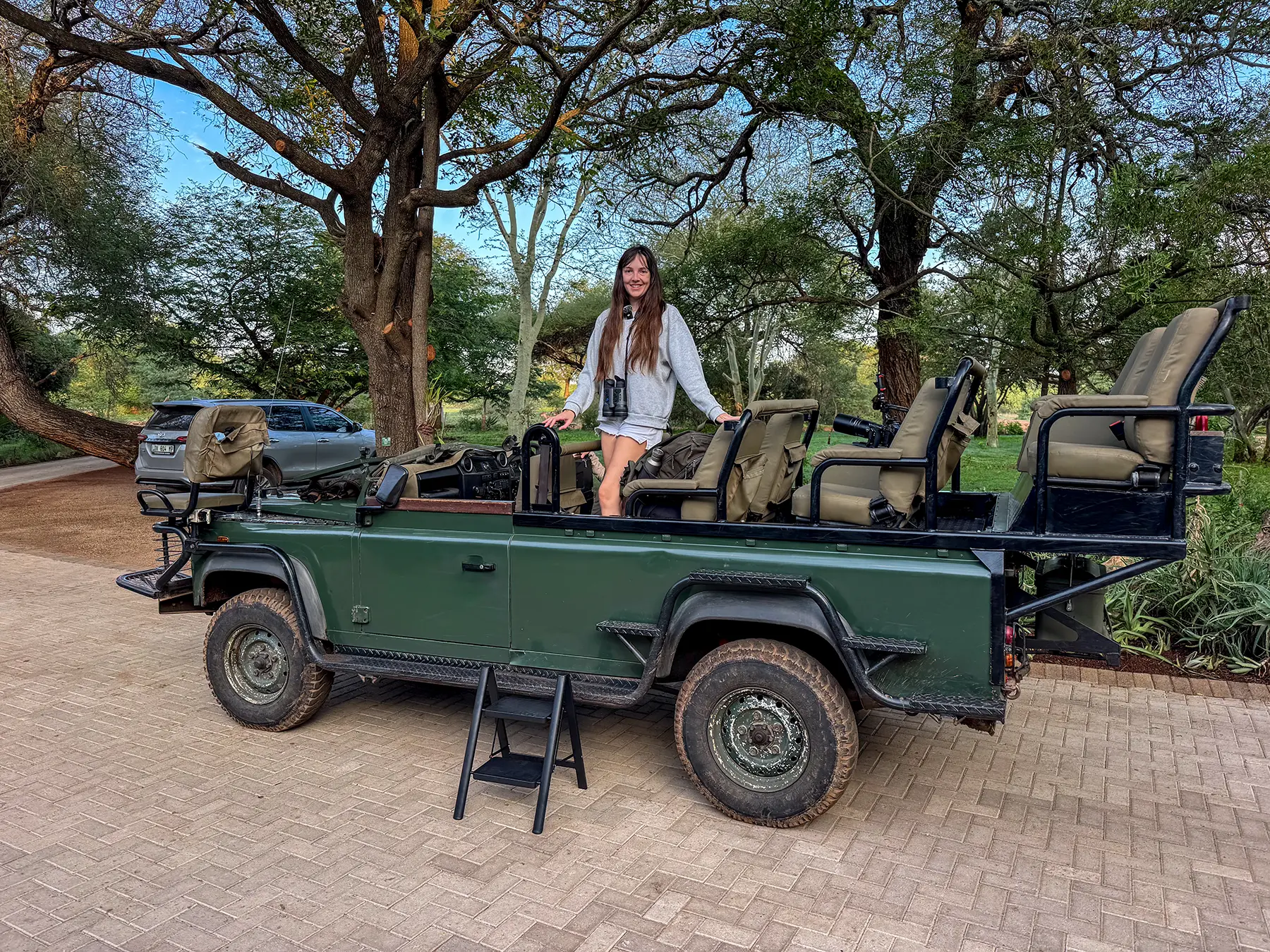
I was picked up by my driver at 11am and transported in a comfortable Toyota Fortuner to Manyeleti Game Reserve. Before long, we had reached the entrance gate, where I paid my conservation fee. The process was quick and easy.
Once in the reserve, road conditions deteriorated noticeably and it was a very slow drive over bumpy and corrugated roads. Manyeleti isn’t as well maintained as other Greater Kruger reserves.
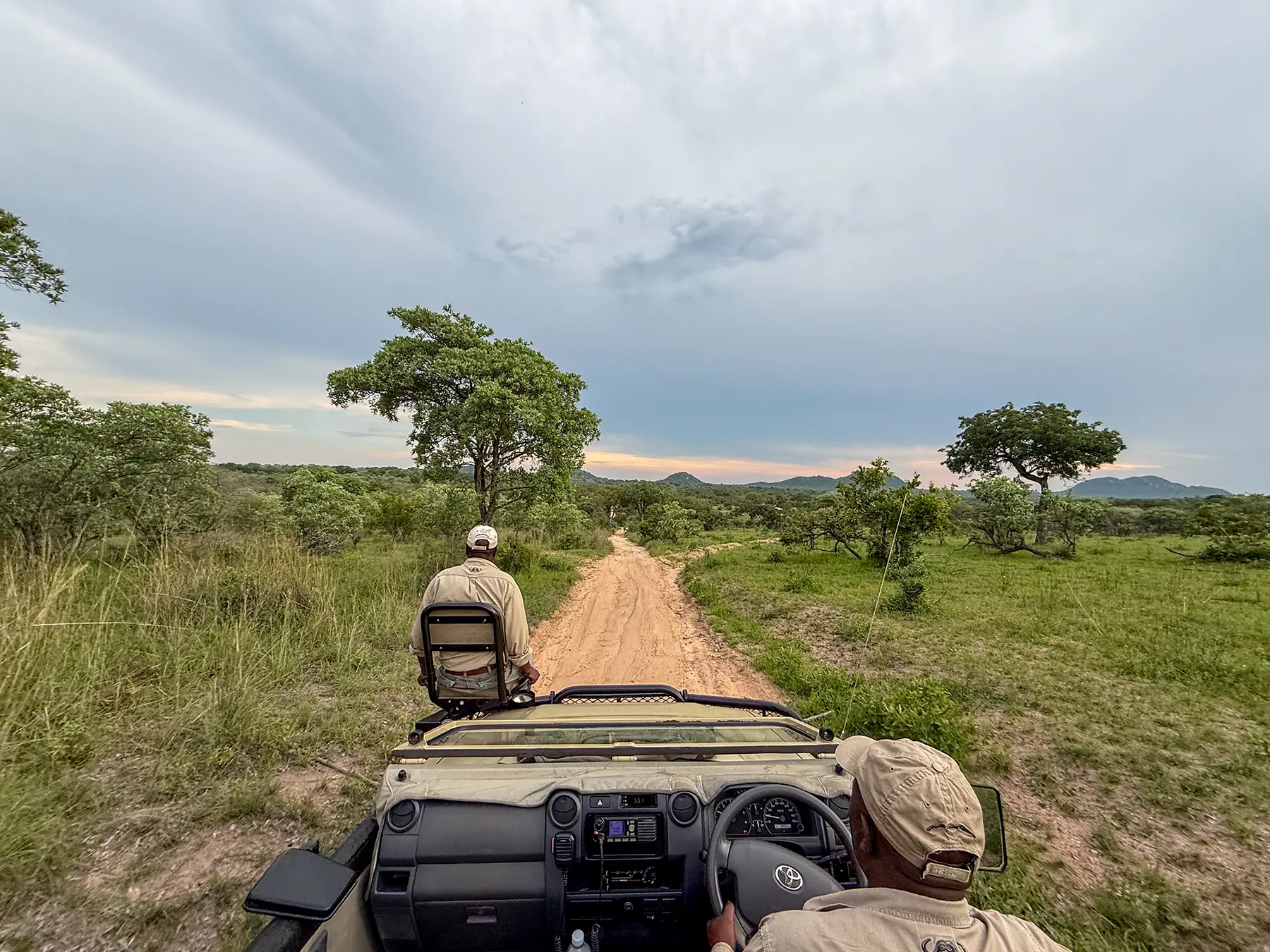
I arrived at Pungwe Safari Camp at 14:00 after a 3 hour drive and settled into my room.
I hadn’t eaten lunch, only breakfast at 9:30, and so was peckish. But alas, there was no food available until afternoon tea at 16:00. Luckily, I always bring snack bars on my travels for these very moments!
You can view a video of my Manyeleti experience below.

Days 5-6: Manyeleti Game Reserve
Drive Time (Excluding Game Drives): 0 hours
On Days 5 and 6 you have plenty of time to get to know Manyeleti properly. Manyeleti is famous for its open plains, and is the best place in the Greater Kruger to spot cheetahs.
Itinerary
As with other reserves in this itinerary, these two days in Manyeleti follow the same pattern. With the bumpy transfer now behind you, you can really relax and enjoy the peace of the South African bushveld.
You’ll be up before dawn and out of camp between 5:30 and 6:00, with three to four hours enjoying your morning game drive while the bush is still cool. Manyeleti is open-plains country, so that early light carries a long way across the grass and you tend to see things at a distance well before you reach them up close.
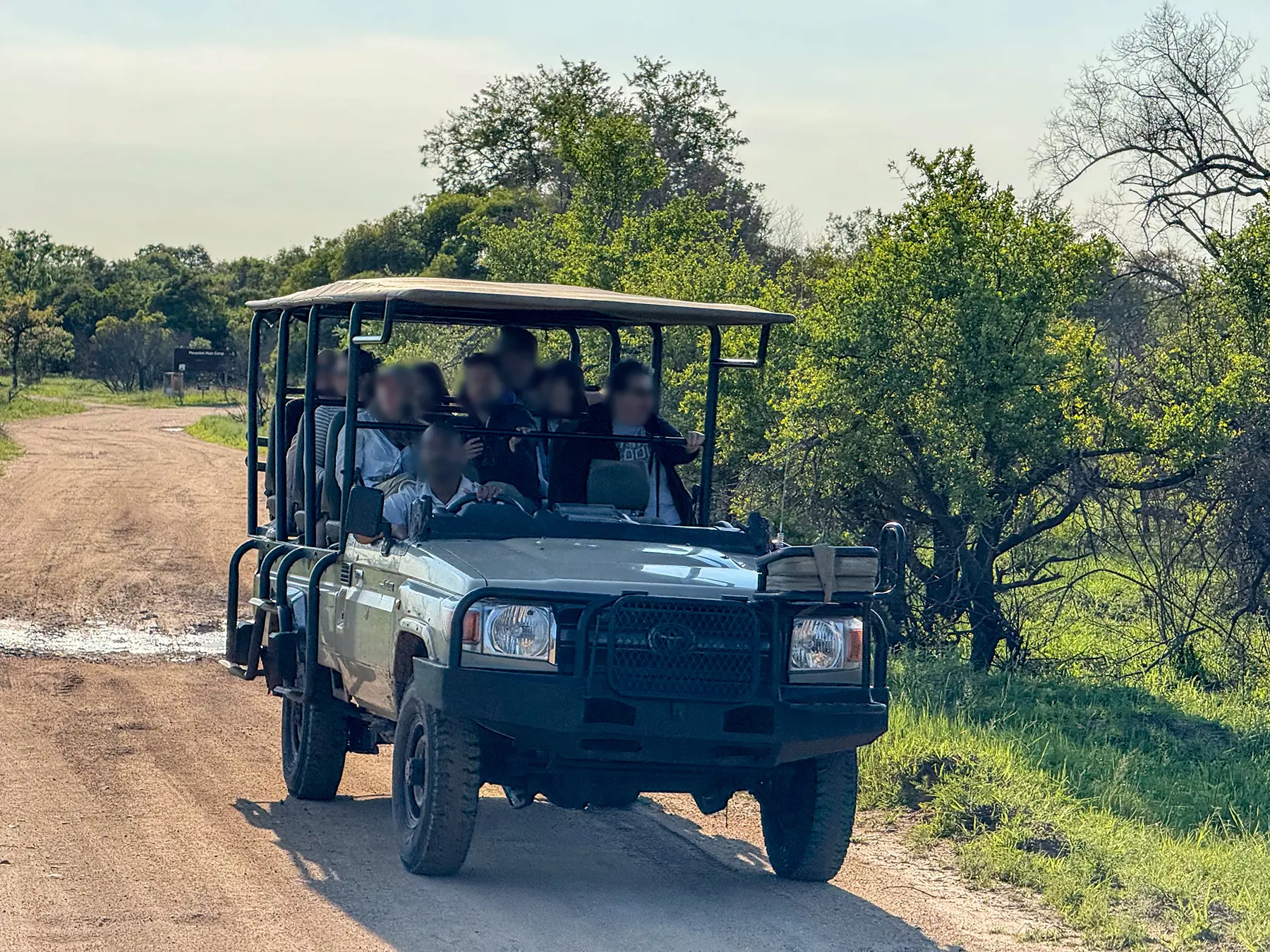
After taking in your fill of excellent sightings this morning, you’ll head back to the lodge for a late breakfast or brunch. The middle of the day is left fairly unstructured, and this is a great opportunity to go on a guided bush walk or spend some time in a hide, if your lodge offers this.
Afternoon tea punctuates the afternoon and is the signal to prepare yourself for your afternoon game drive. You’ll head out in the late afternoon, between 16:00 and 16:30, and only return after sunset, around 19:00.
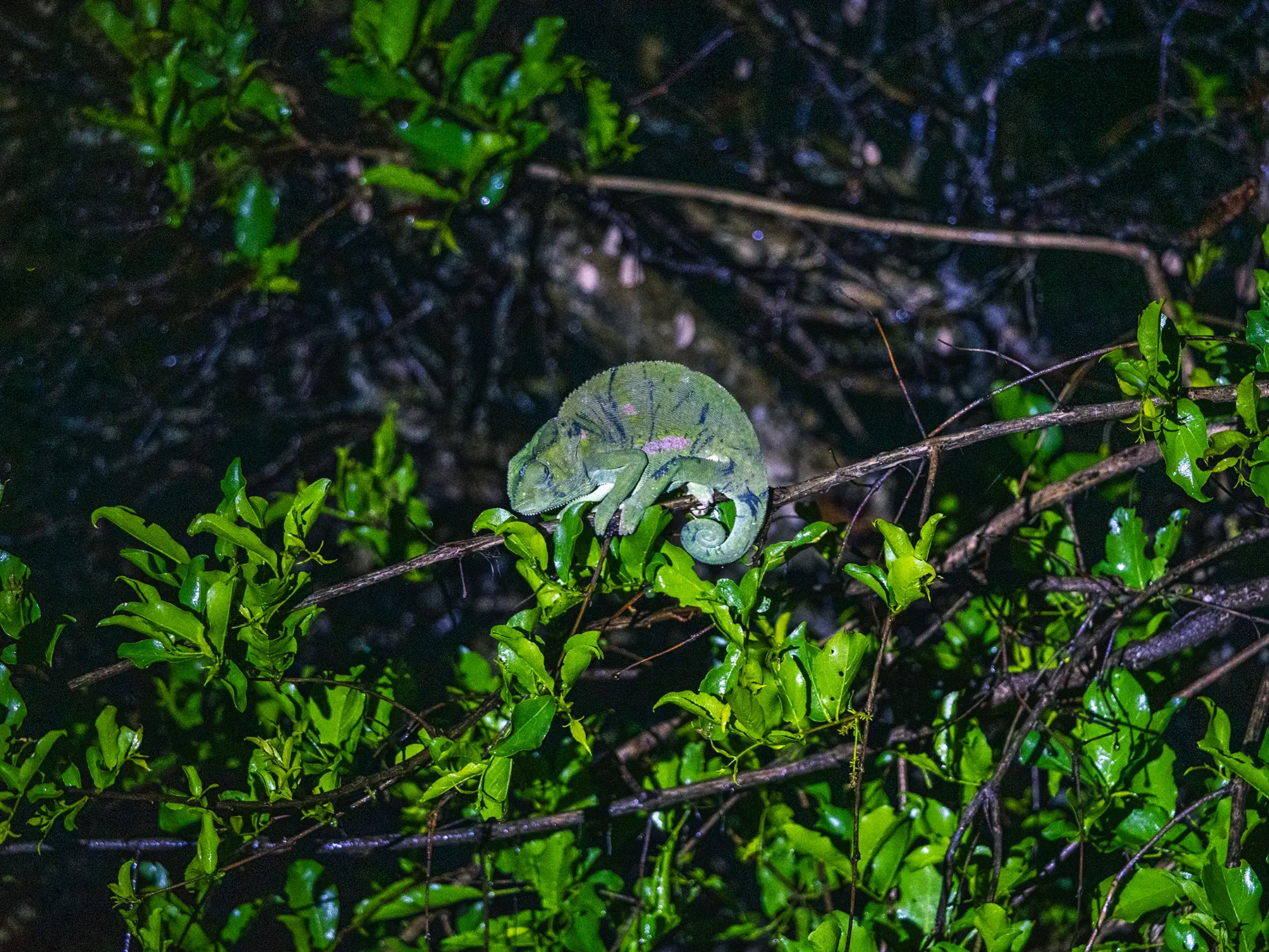
When driving in the dark, trackers use a spotlight to catch the eyes of nocturnal animals hiding in the bush. This is a great way to find species you might altogether miss otherwise, whether due to their camouflage or to the darkness.
Manyeleti has a rule that no more than three vehicles can stop at a sighting. This means that when you do see something really special, you’re not queuing for a view.
This is quite different to Kruger National Park, where you sometimes struggle to peer beyond the lined-up cars to see a lion in the distance. The whole experience feels quieter and more exclusive than it would in a busier reserve.
On Day 6 you can expect the same schedule. Don’t underestimate what a second full day in the reserve can give you.
Spoor picked up on the morning of Day 5 are still worth investigating on Day 6, and a reserve this quiet gives your guides the time and space to focus on the fascinating art of tracking. When done properly like this, tracking can yield really special sightings.
Tips for Visiting Manyeleti Game Reserve
- If you stay at Pungwe Camp, bring a power bank to charge your phone, as there is no power in the rooms. You should also get an eSIM if you want to stay connected, as there is also no WiFi.
- Winter mornings can be cold, between 41 and 50 degrees Fahrenheit (5 and 10 degrees Celsius), so dress in layers that you can remove as the bush gradually starts to heat up.
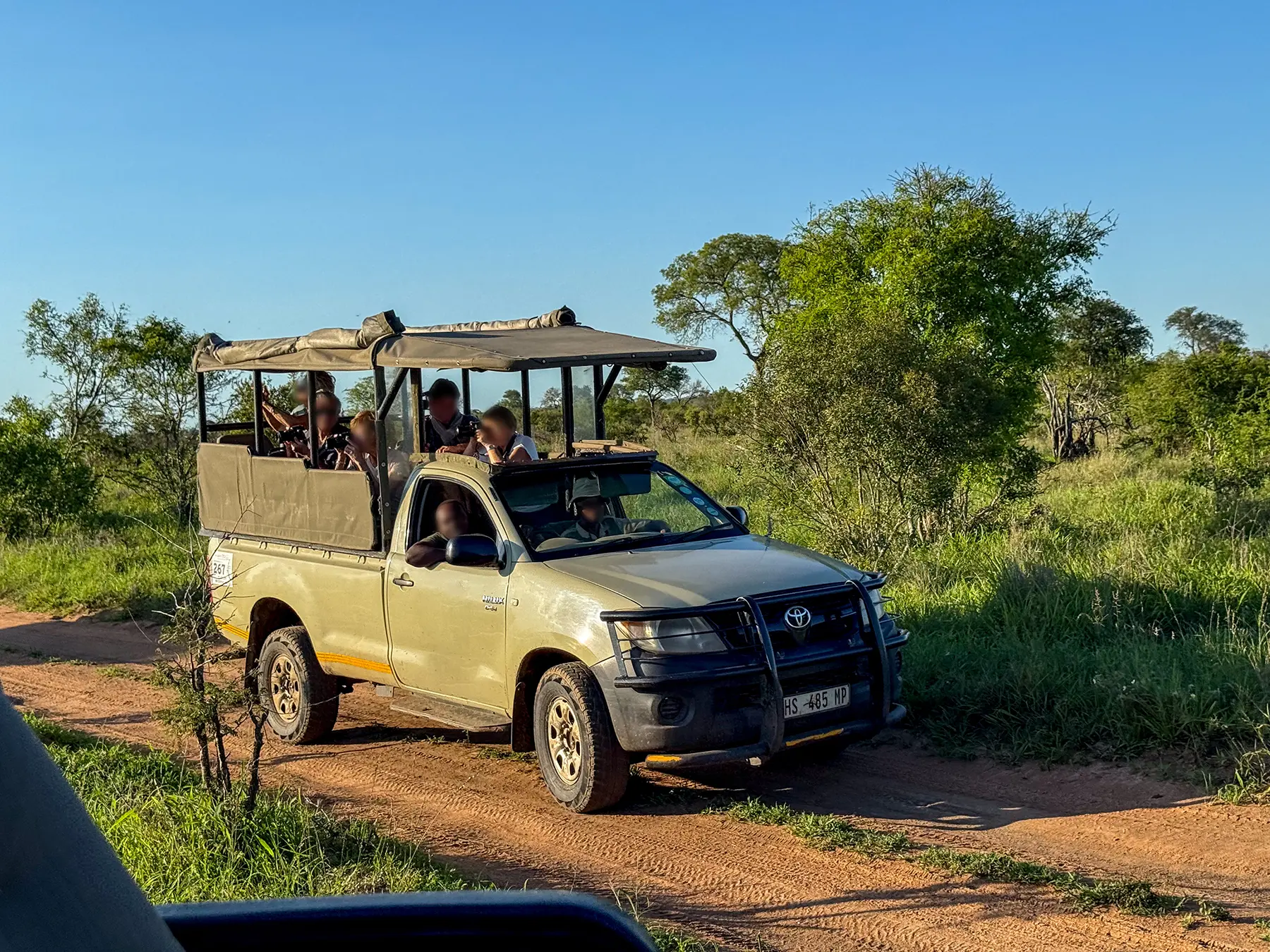
- As with Timbavati, the game viewing vehicles are entirely open so it’s important that you keep quiet when near animals. It’s also important that you don’t stand up at a sighting because this can alarm the animals.
- If you have to use the “washroom” whilst out on game drive, I’m afraid the bush is your only option! In most lodges your driver will provide you with toilet paper, a paper bag to put it in (never leave paper in the bush) and hand sanitiser. However, occasionally they can forget, so always bring your own just in case.
- On the subject of using the bush washroom, make sure your guide has checked the area is safe and follow their advice on where to go. Even then, to be extra careful, make a lot of noise as you walk as this will flush out any animals and keep the area safe for you.
Where to Stay in Manyeleti Game Reserve
You are at the same lodge in Manyeleti for both of these nights.
I stayed at Pungwe Camp (see Day 4).
See Day 4 for more information about the accommodation.
My Experience of Manyeleti Game Reserve
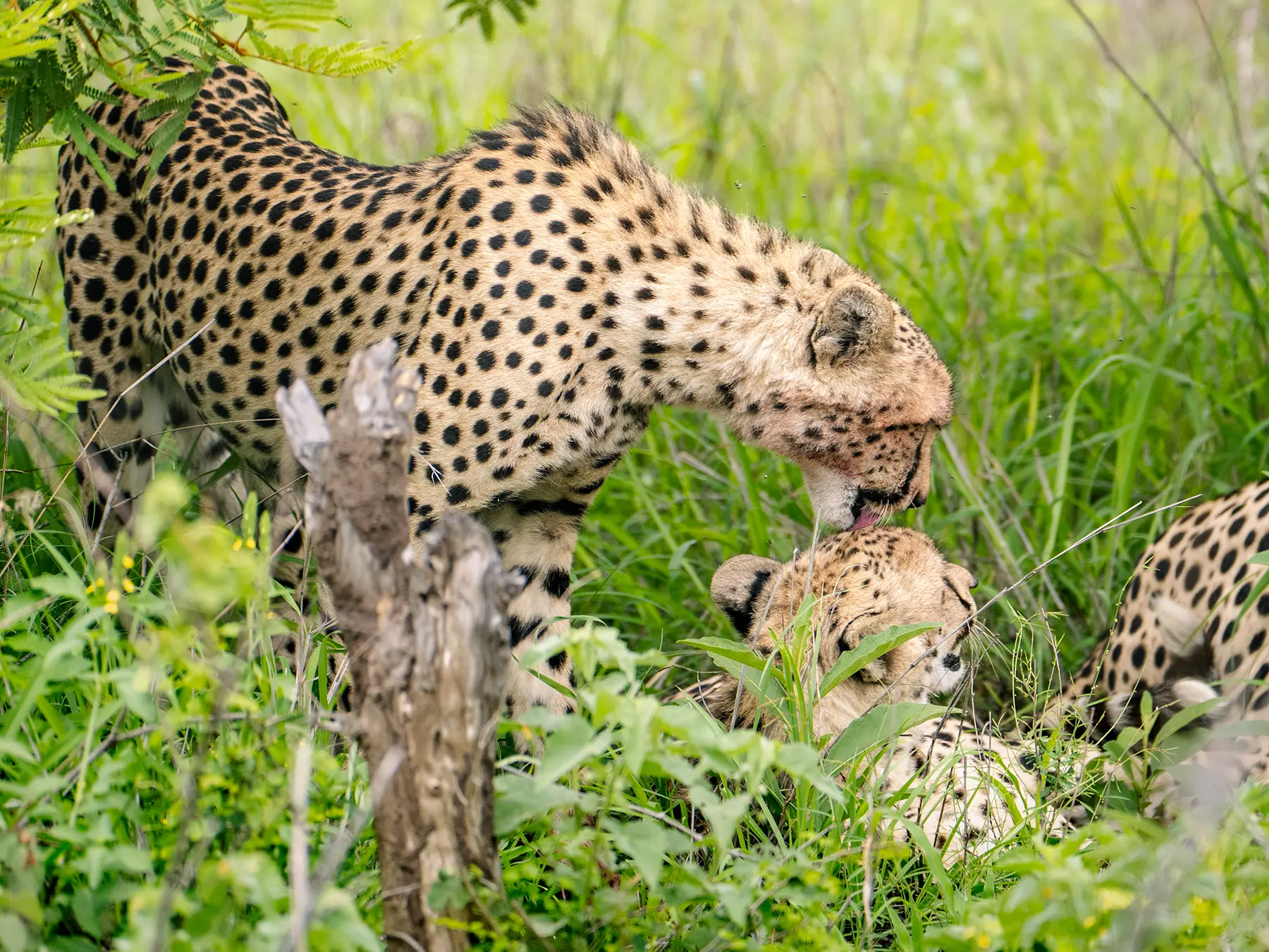
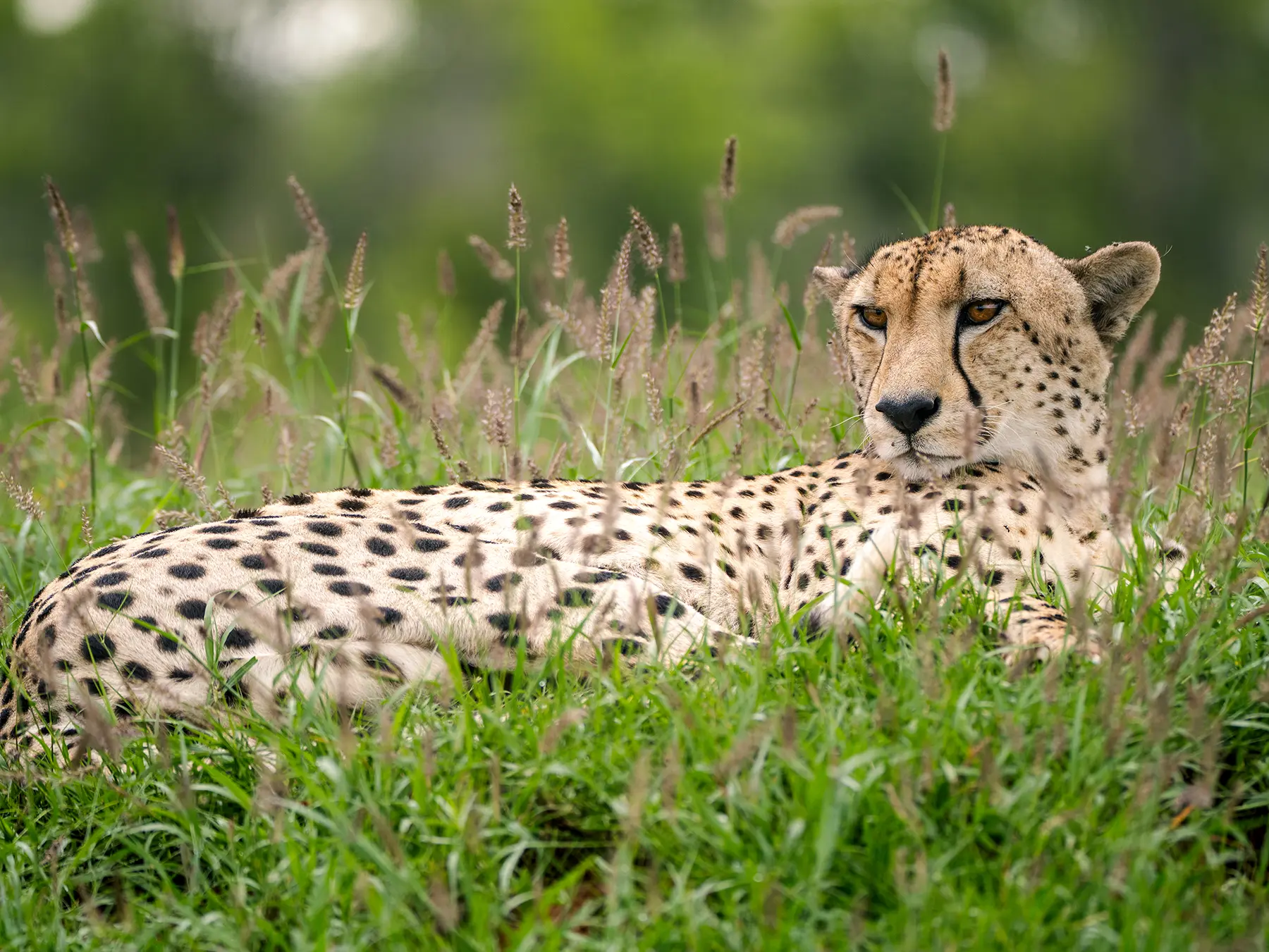
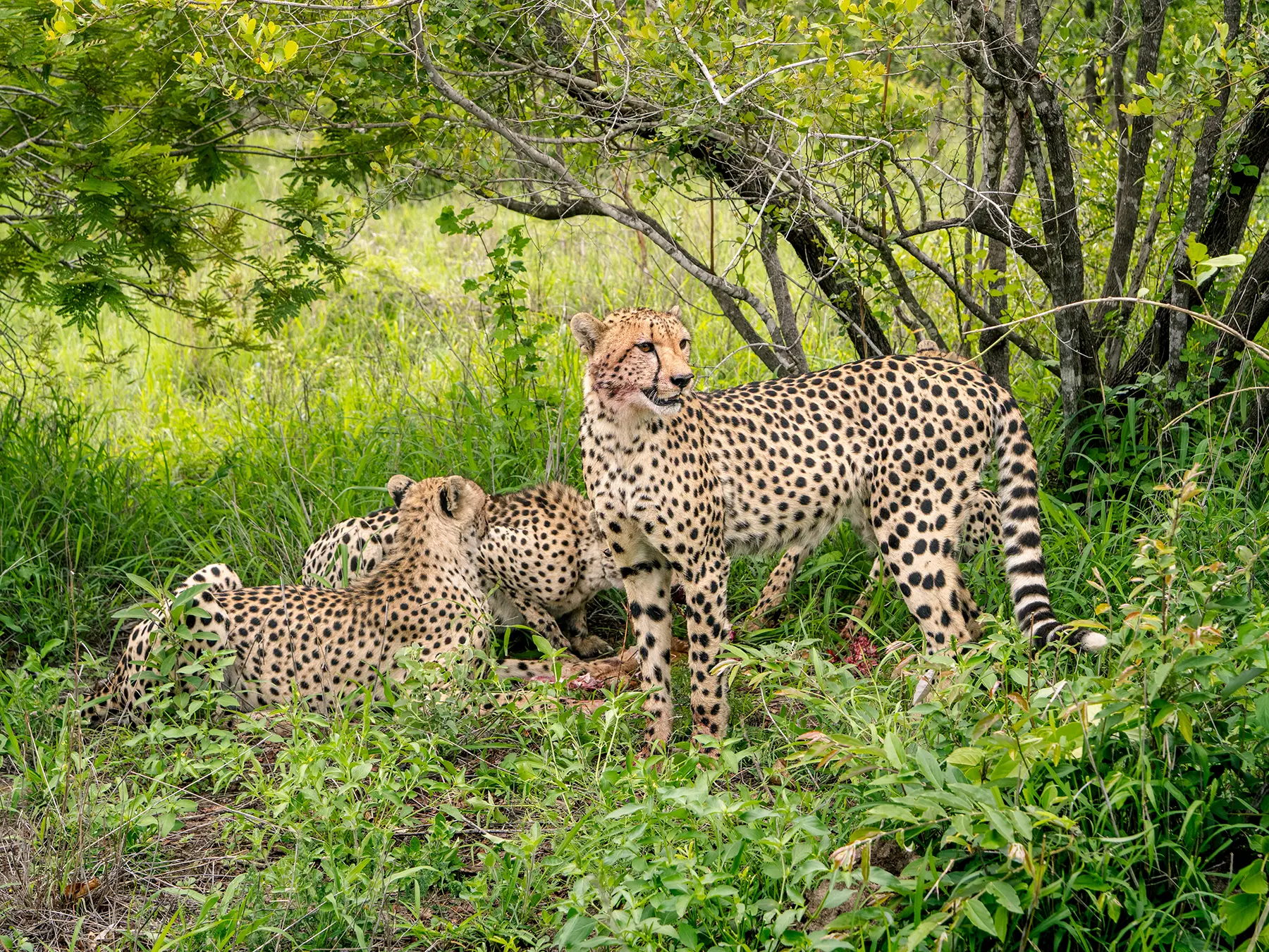
Without a doubt, the highlights of my time in Manyeleti were my several cheetah sightings. During my time at other Greater Kruger reserves, I had no sightings of these elusive big cats, but in Manyeleti I had three separate cheetah sightings of five different individuals.
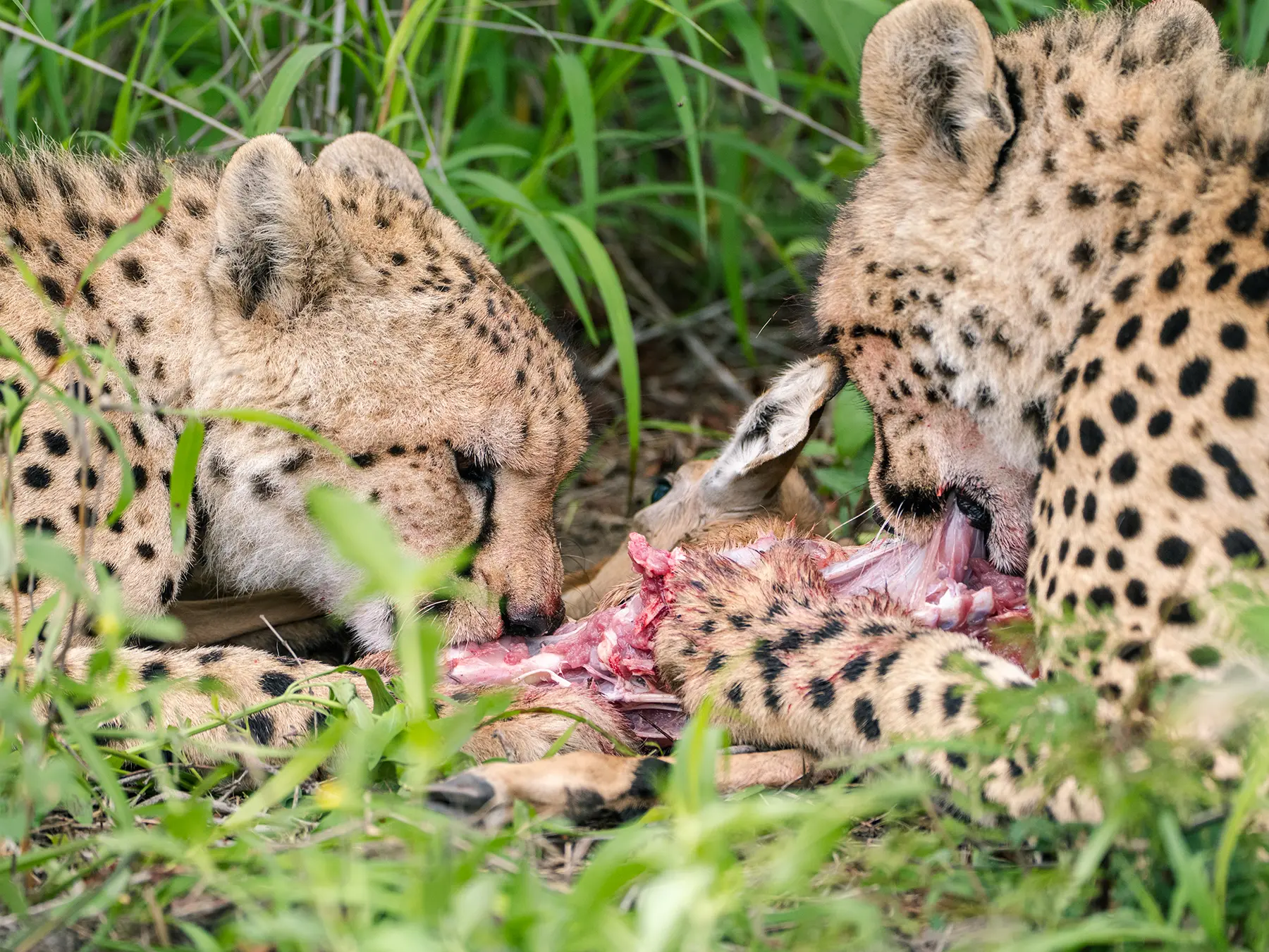
My favourite sighting of all was on my final morning in Manyeleti, before I departed for Sabi Sand. We came upon a mother cheetah and her three sub-adult cubs feeding on a freshly caught impala.
After polishing off their meal, they began to groom one another in a tender and beautiful moment. We then watched as they stood up and strode majestically across the savannah.
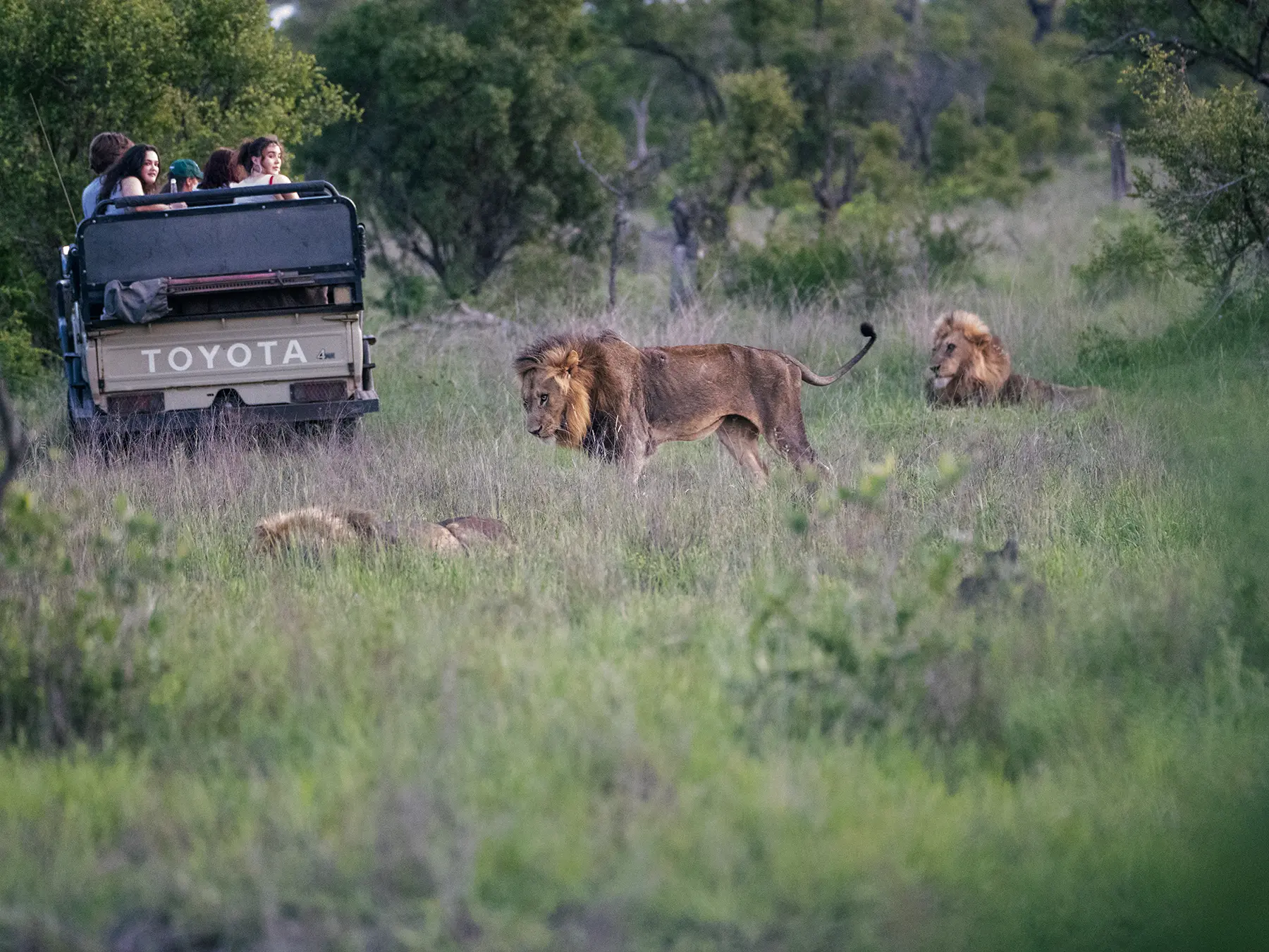
My time in Manyeleti also proved fruitful for male lion sightings. On our first evening we saw three large male lions patrolling their territory. Then on a separate morning we encountered a different male lion, relaxing in the shade.
Elephant sightings were also good. A particularly memorable one was of two young bull elephants play fighting. Despite rather ungainly styles of combat, the remarkable strength of these animals filled me with awe.
Day 7: Manyeleti Game Reserve to Sabi Sand Game Reserve
Drive Time (Excluding Game Drives): 4 hours
Today you venture off to the Greater Kruger reserve that is renowned for its leopard population, Sabi Sand. This reserve has the highest leopard density ever surveyed in South Africa, with an average of 12.2 individuals for every 39 square miles (100 square kilometres) of wilderness.
But before you head over there, you have a final morning drive in Manyeleti to look for more cheetahs!
Itinerary
On your last morning in Manyeleti, you’ll once again wake up early and head out of camp in the game drive vehicle between 5:30 and 6:00. Because you have such an early start today, you should get most of your packing organised the previous night, so that you don’t have to rush through any last sightings to get your bags packed in time for checkout.
It’s worth making the most of your last hours spent in the angular morning light. If there are any photographs you’re still dying to take, this is your opportunity. And keep your eyes peeled for any last cheetahs loping across the wide open plains.
After breakfast back at the camp, your transfer arrives earlier than usual, around 10:00am. This is so that you reach Sabi Sand with time to settle in before the afternoon drive.
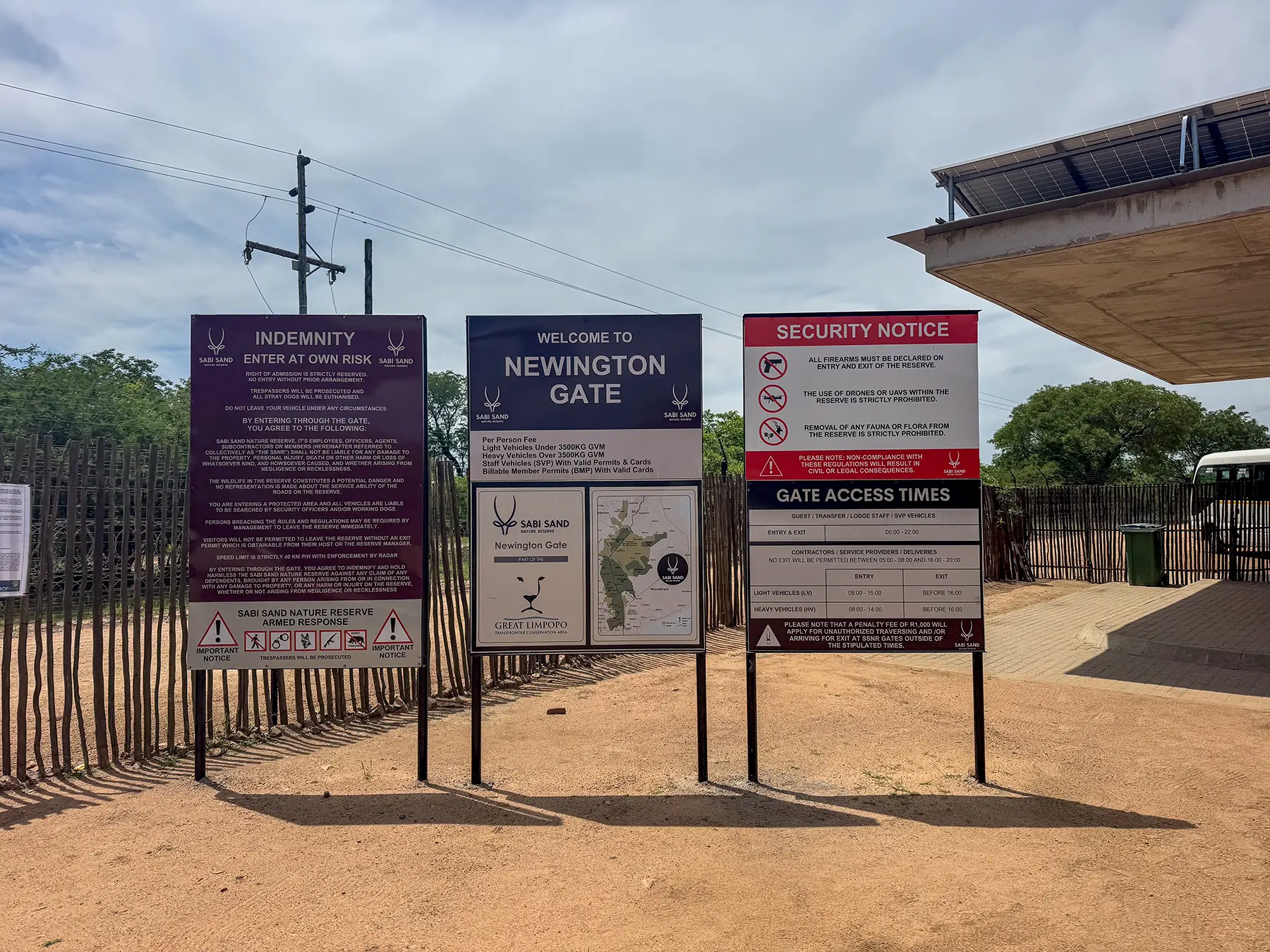
The drive itself is a long one, at roughly four hours. There is no cutting straight across from one reserve to the next in the Greater Kruger, so the route exits out of Manyeleti’s rarely used southern gate and meanders through local villages before turning back in at Sabi Sand’s Newington Gate.
Be ready for slow going. The roads between the two reserves are in poor shape, even where they are tarred, and the many potholes make for a bumpy few hours. Once you are through the gate and in Sabi Sand territory, the road surface improves and you find yourself at the lodge quickly.
You’ll have time to drop your bags in your new room and have some afternoon tea before the vehicles head out between 16:00 and 16:30. Once again, you’ll be on your game drive until around 19:00. By now you’ll be an expert in using the torchlight to pick out the reflective eyes of nocturnal animals hiding in the grass.
About Sabi Sand
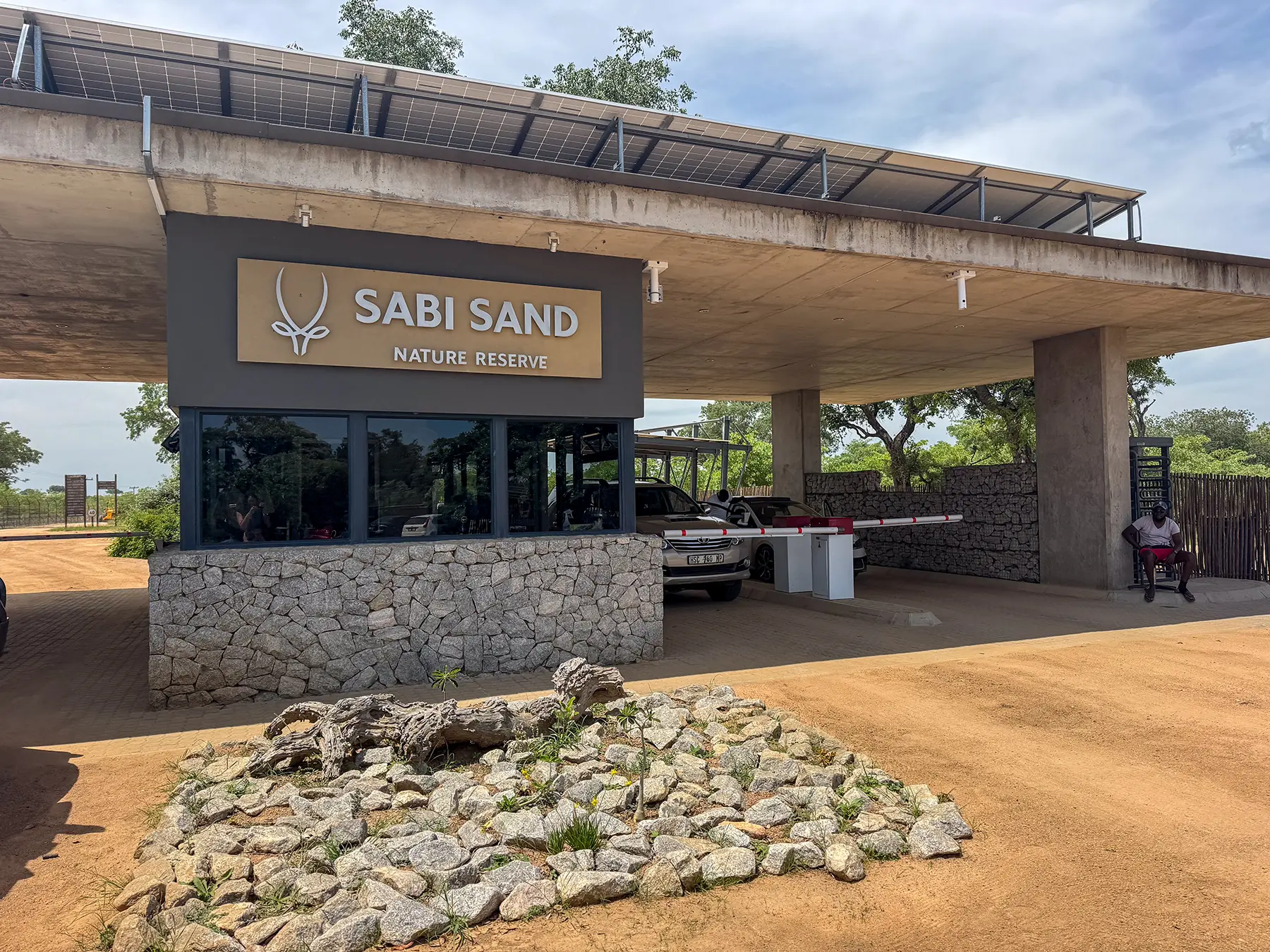
Sabi Sand Game Reserve is the oldest private game reserve in South Africa, with roots dating back to 1898. The reserve encompasses 18 separate conservation areas, including world-renowned properties such as Londolozi, Singita, MalaMala, and Sabi Sabi.
Sabi Sand is named for the Sabi and Sand Rivers, which flow through it, bringing an abundance of animals and birdlife to the area. In particular, the Sand River, which flows 31 miles (50 km) through the reserve, draws large concentrations of wildlife to its banks, making it a focal point for game drives.
MalaMala has by far the largest reserve within Sabi Sand, of which around 70% is only traversable by guests staying at one of the three MalaMala camps. This makes it the most exclusive property in Sabi Sand, and you’ll find that the reserve never feels congested. Again, this is very different from how the Kruger National Park can be, especially in peak season.
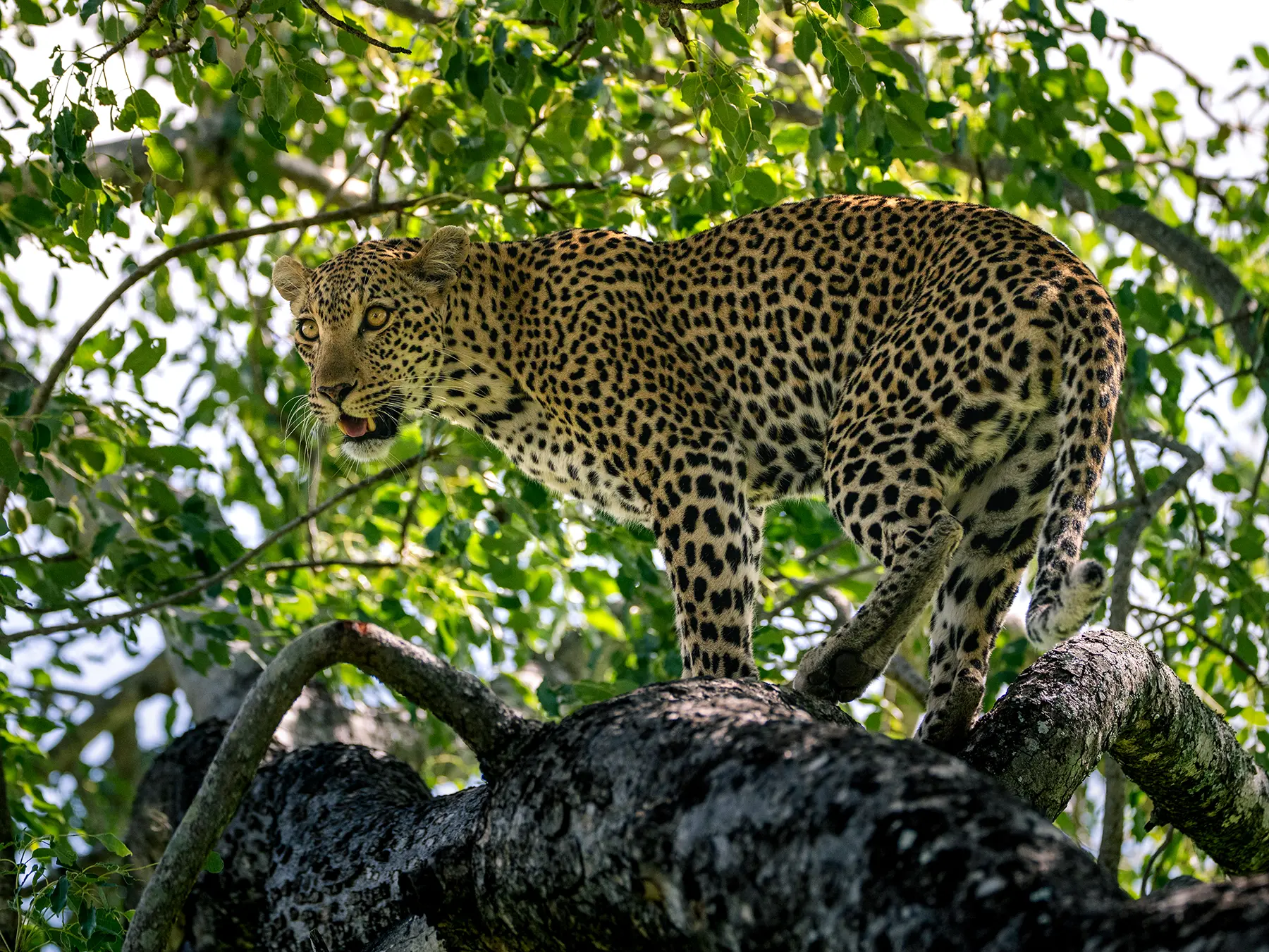
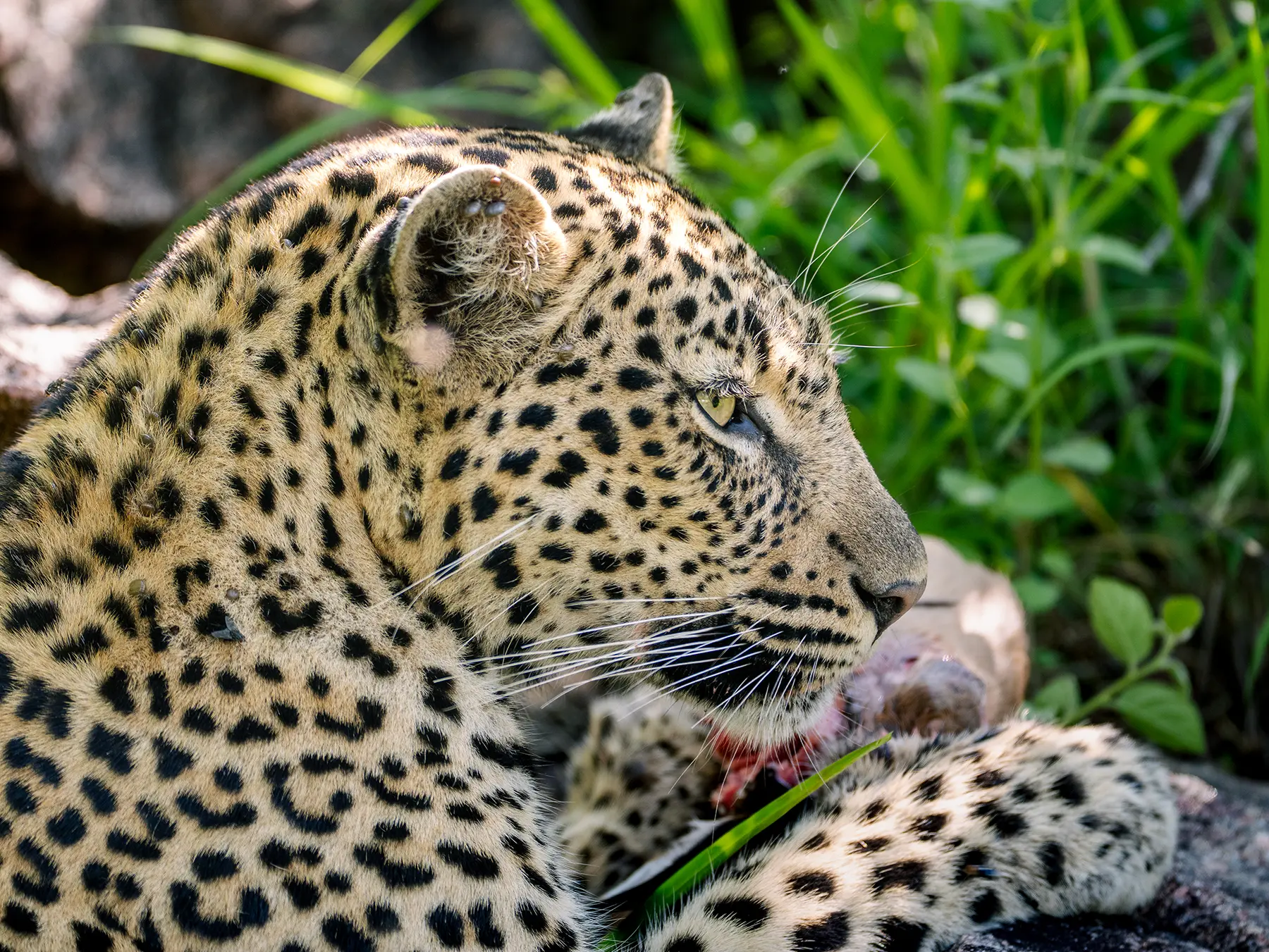
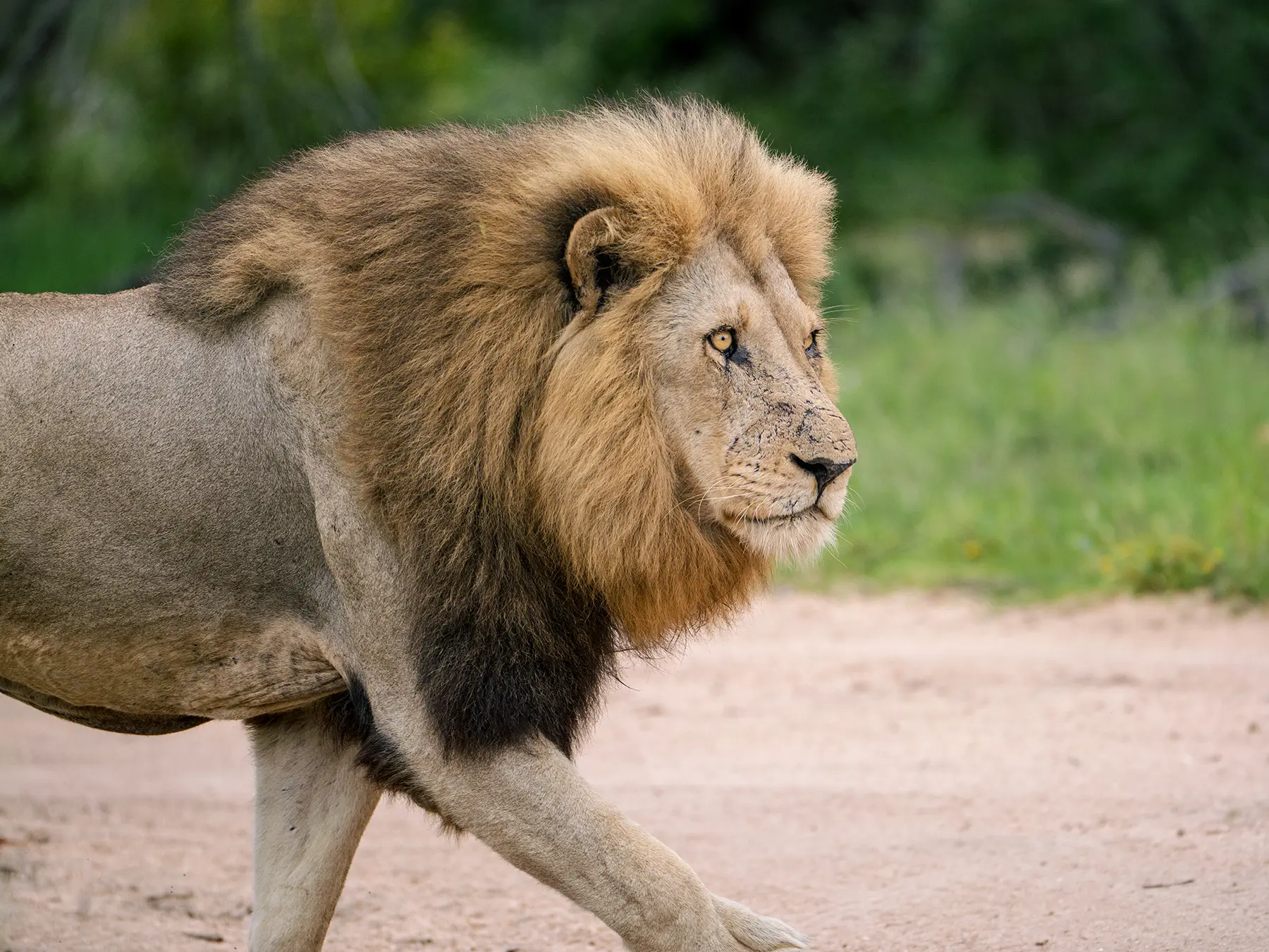
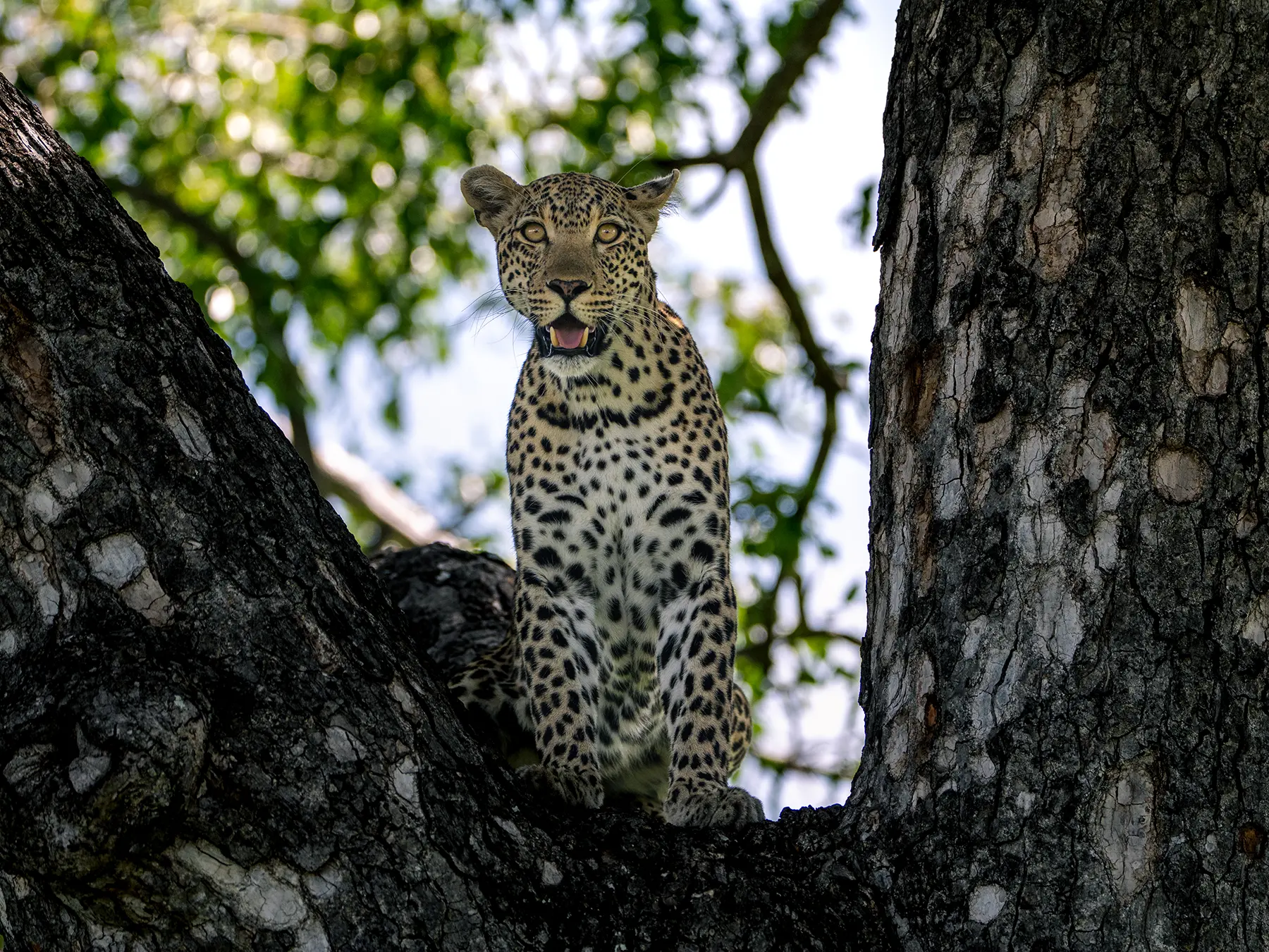
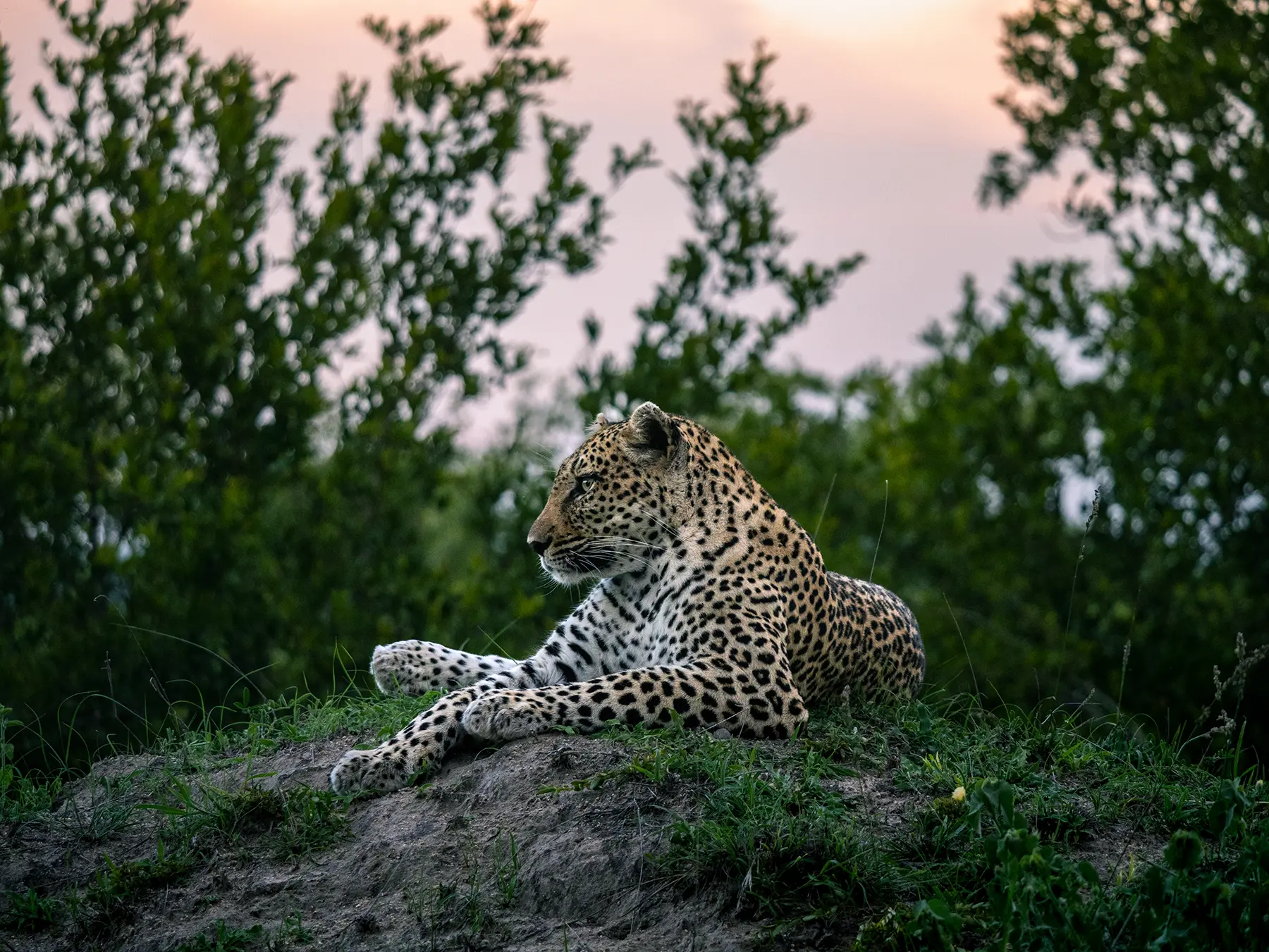
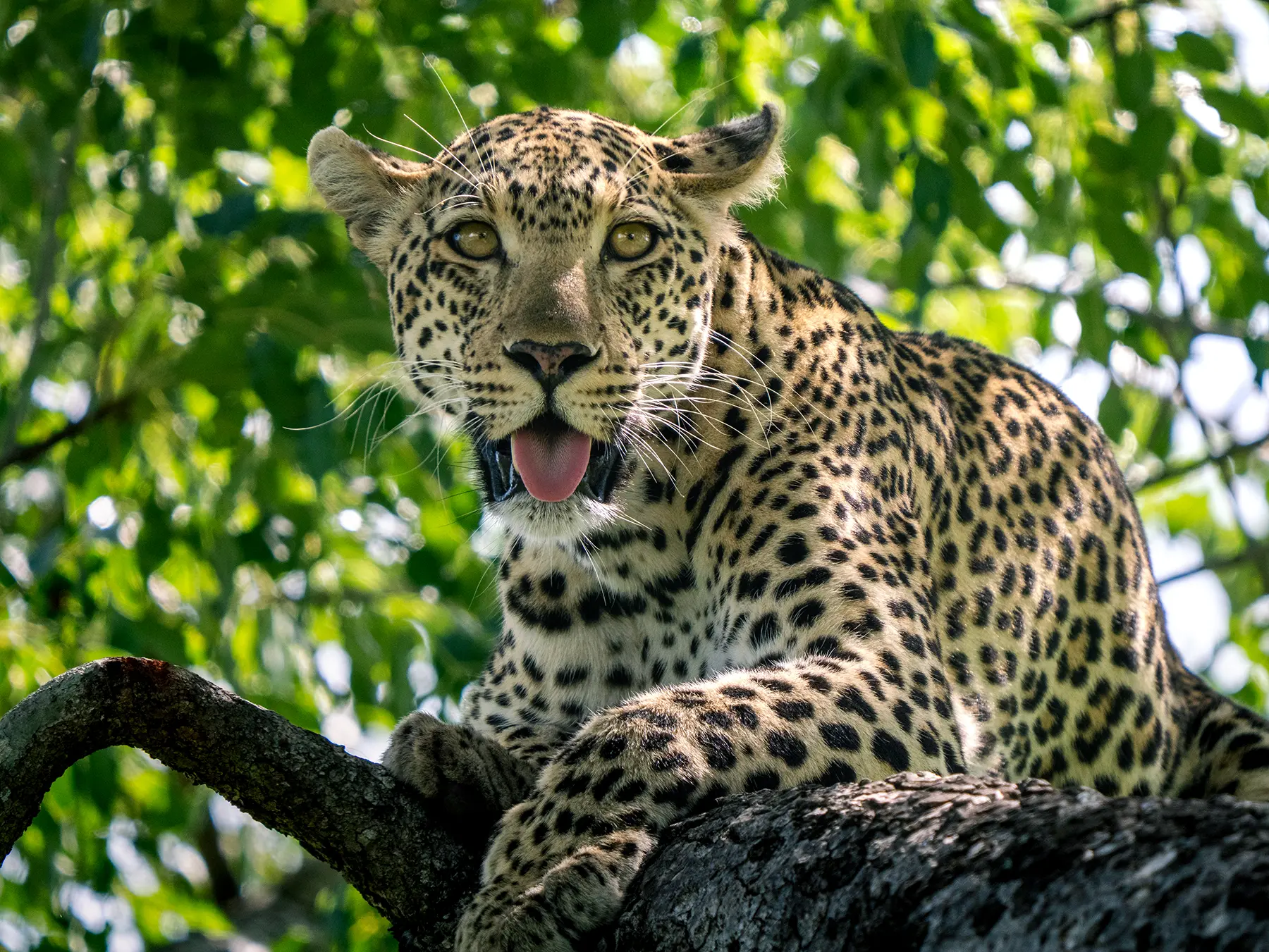
Sabi Sand is leopard country, and safari guides in the area can identify up to 85 resident leopards by their unique spot patterns. Londolozi pioneered leopard habituation in the late 1970s, making possible the first close-range encounters between humans and wild leopards.
What Wildlife Can I See in Sabi Sand?
Sabi Sand is home to all of the Big Five, and I managed to see all of them during my stay here. In addition to the spectacle of the Big Five, the reserve has an impressive 505 bird species and 148 species of mammals.
Sabi Sand is particularly famous for its predator sightings, and the area is renowned for its leopards. The organisation Panthera’s Sabi Sand Leopard Project has documented over 800 individual leopards since 1979, making this the best-studied leopard population on Earth.
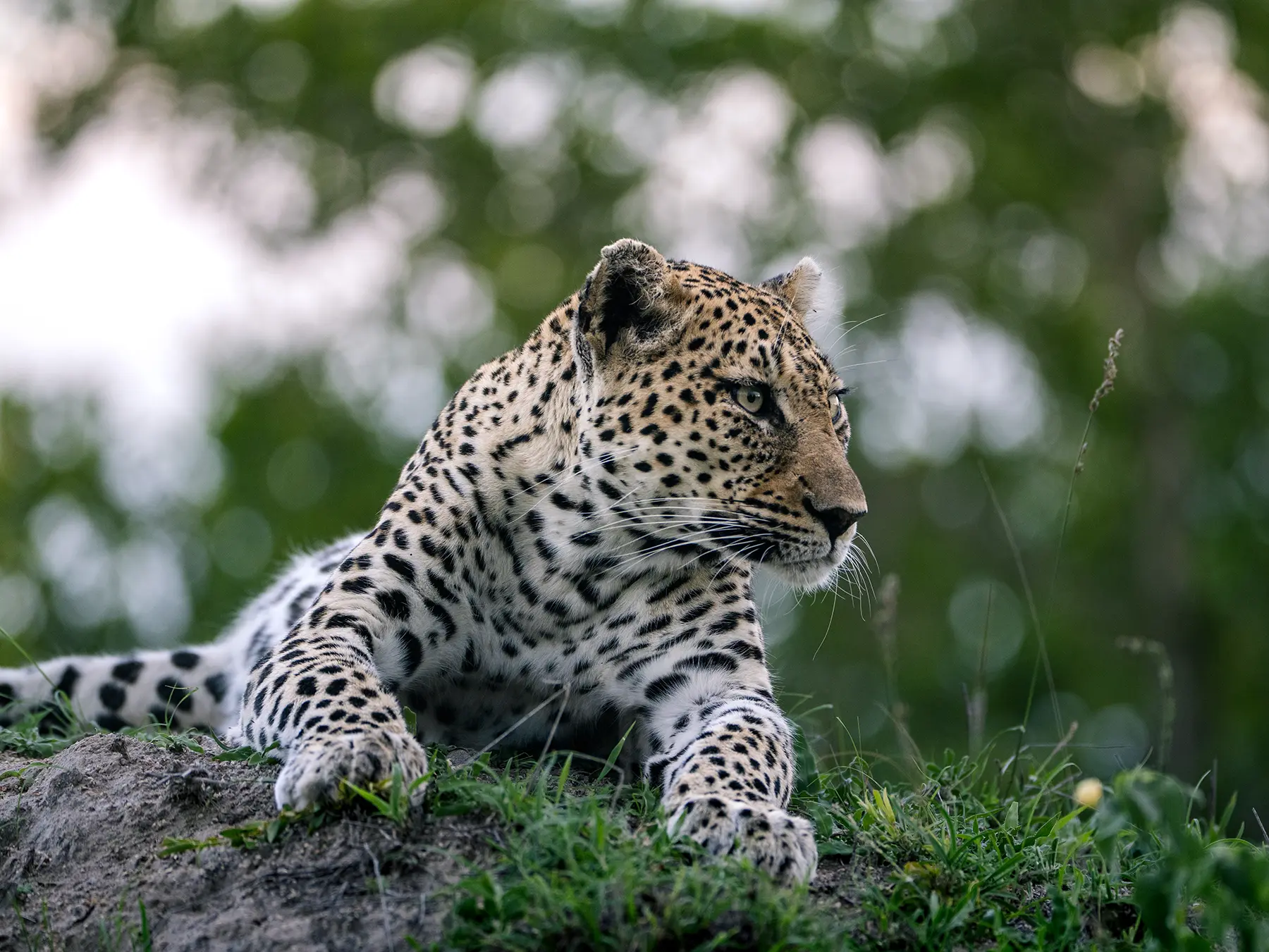
The terrain here provides the perfect habitat for these big cats. There are many small streams flanked by towering sausage and marula trees: the perfect location for a leopard to stash its kill.
Leopards are known to drag their kills right up into the boughs of trees in order to protect them from scavengers, so peer carefully into the trees you pass for a really unique sighting!
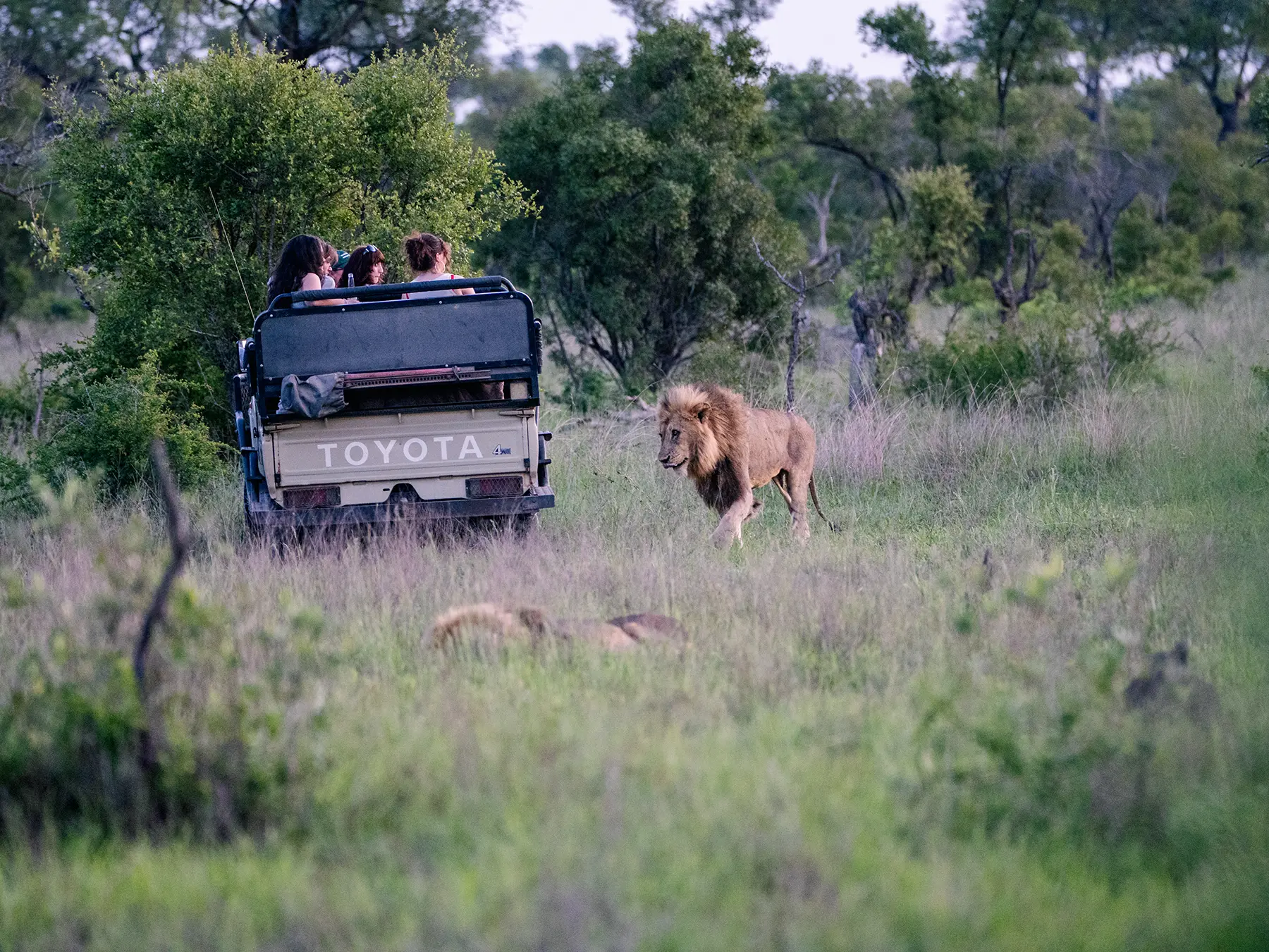
Sabi Sand is also renowned for once being home to the most infamous lion coalition in history, the Mapogos. This coalition of six brothers wreaked havoc on the rest of the reserve’s lion population due to their aggressive nature. Lion numbers absolutely plummeted in the west of the reserve, their core territory, which allowed leopards to thrive.
It’s been nearly twenty years since the final Mapogo male took his last breath. And even now the scars from that time remain, with only two very small prides (the Othawa pride consisting of two lionesses and another pride with just one lioness and her two sub-adult daughters) being found in the west of Sabi Sand.
Although lions are present here in far smaller numbers than in other reserves, I still found lion sightings very reliable in Sabi Sand.
Tips for Your Journey to Sabi Sand
- You’ll have a short window between your Manyeleti game drive ending and your transfer arriving, so ensure you’re all packed up the day before. You don’t want to be scrambling at the last minute to get ready to leave, like I was!
- Book your transfer through a reputable tour operator who knows the area well. Only a handful of experienced drivers know the ‘short-cut’ between Manyeleti and Sabi Sand (yes, the 4-hour drive is the short-cut!) and you don’t want to spend needless additional hours on the road.
- The drive between Manyeleti and Sabi Sand is lengthy at 4 hours so I’d recommend setting off from Manyeleti no later than 10:00. This will allow you ample time to reach Sabi Sand in time to get settled into your lodge before your afternoon game drive.
- The road conditions between Manyeleti and Sabi Sand are pretty bad, even on the tarred roads. They’re littered with pot-holes, which makes the drive rather slow. Make sure you’re prepared for these conditions so you can be as comfortable as possible.
Where to Stay in Sabi Sand Game Reserve
Sabi Sand has the widest range of lodge options in Greater Kruger, from mid-range to ultra-luxury.
The most famous properties are Singita, Londolozi, MalaMala and Sabi Sabi. These are all high-end luxury lodges.
Slightly more affordable options include Inyati and Idube. Despite their more favourable price-points, these lodges are still top-notch, with luxurious, spacious rooms. They are also situated in prime wildlife areas.
To really get a feel for Sabi Sand, I’ve stayed in two properties within the reserve.
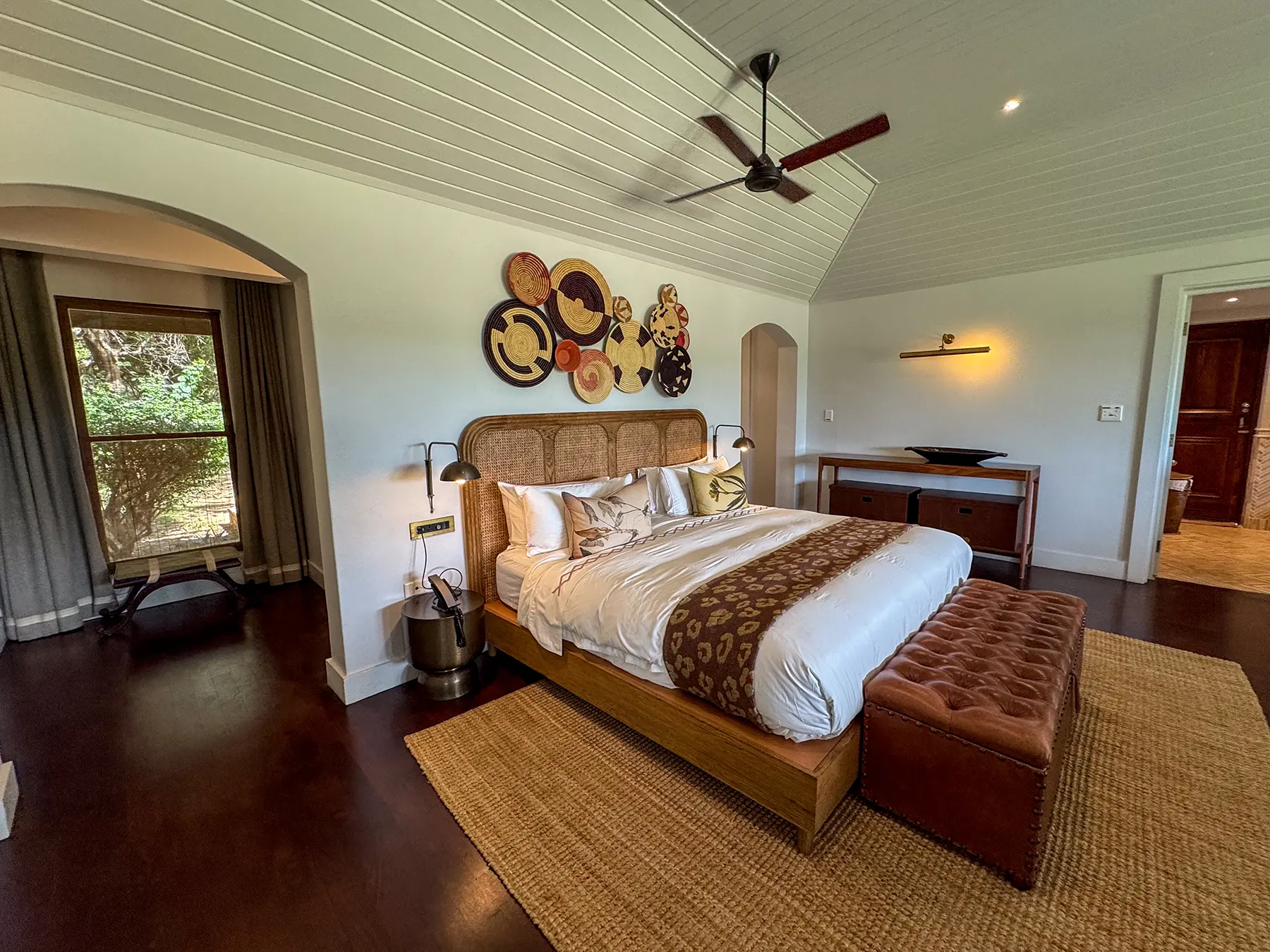
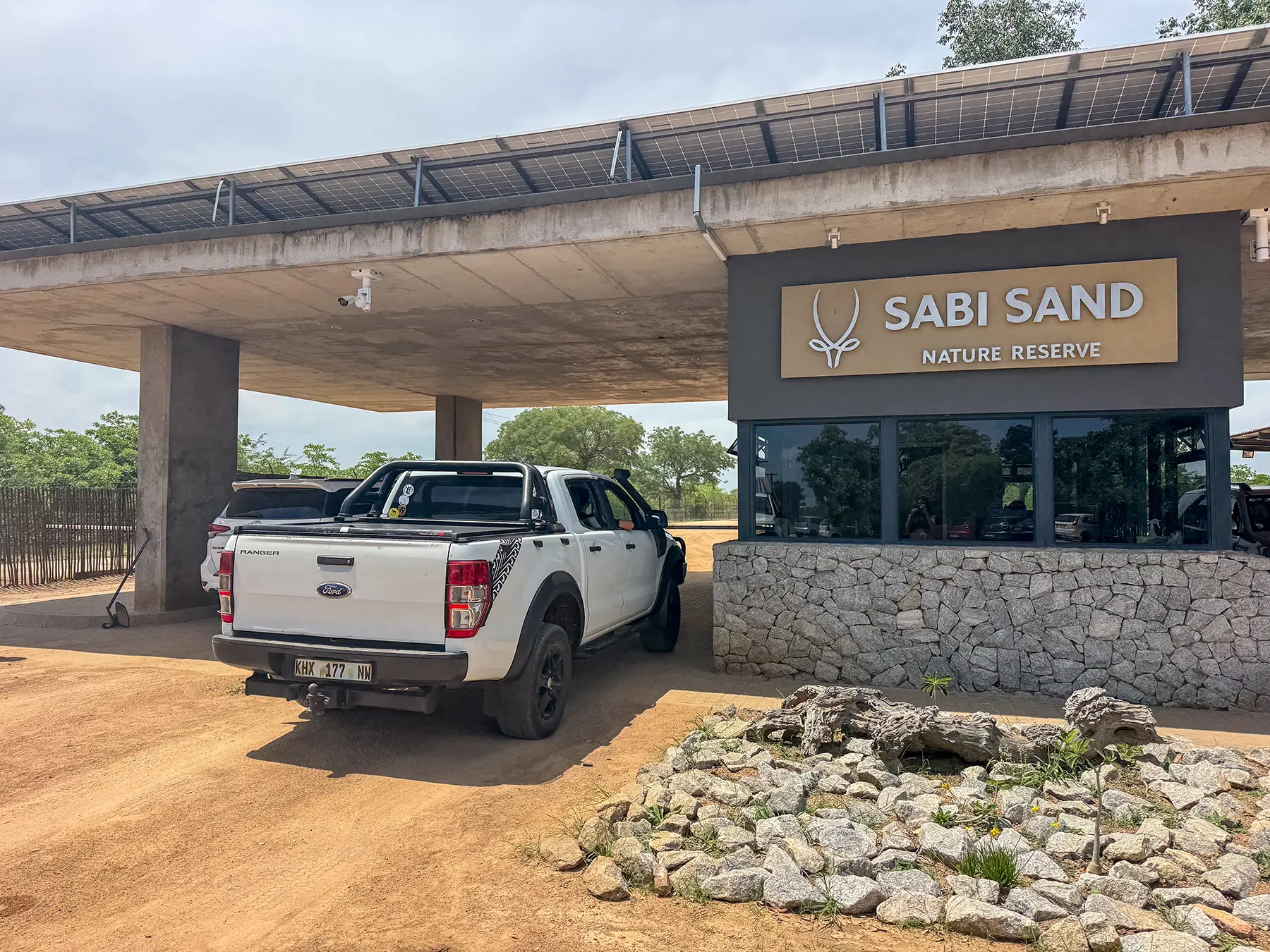
First, I spent 3 nights in Inyati Game Lodge in the west of Sabi Sand. Inyati shares traversing rights with the nearby lodges Ulusaba, Idube and Leopard Hills. The bush is extremely well-populated with wildlife here, and I managed to spot all of the Big Five as well as enjoy three wild dog sightings.
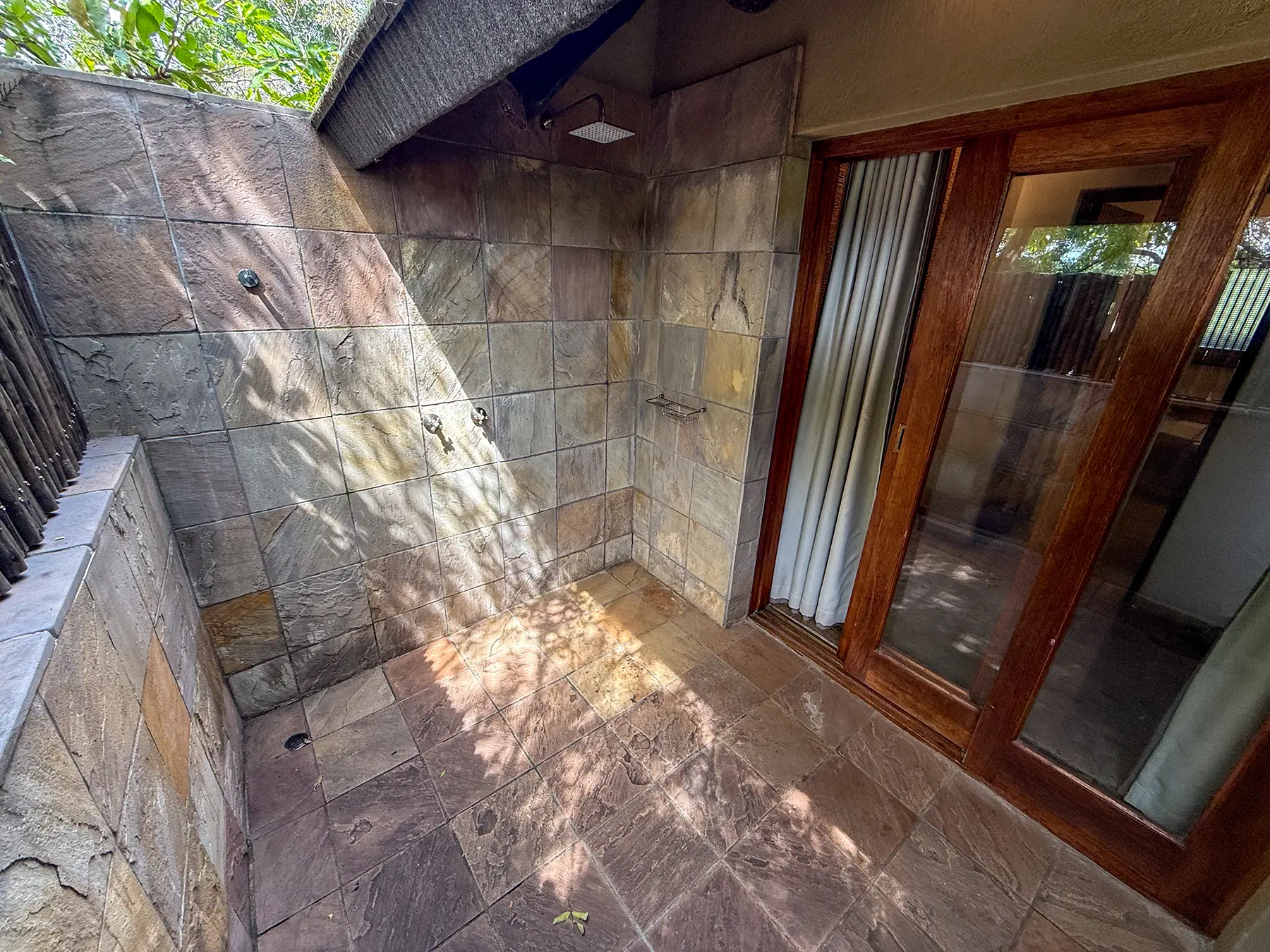
In terms of the lodge itself, Inyati, whilst technically mid-range compared to other Sabi Sand properties, is still extremely luxurious. The rooms are spacious with comfortable beds, air conditioning and an additional seating area in the room. The bathroom consists of a bathtub and both an indoor and outdoor shower.
At the complete other end of the reserve, I spent 2 nights at MalaMala, the oldest lodge in Sabi Sand. I stayed in a luxury suite that is part of their Sable Camp (attached to Main Camp).
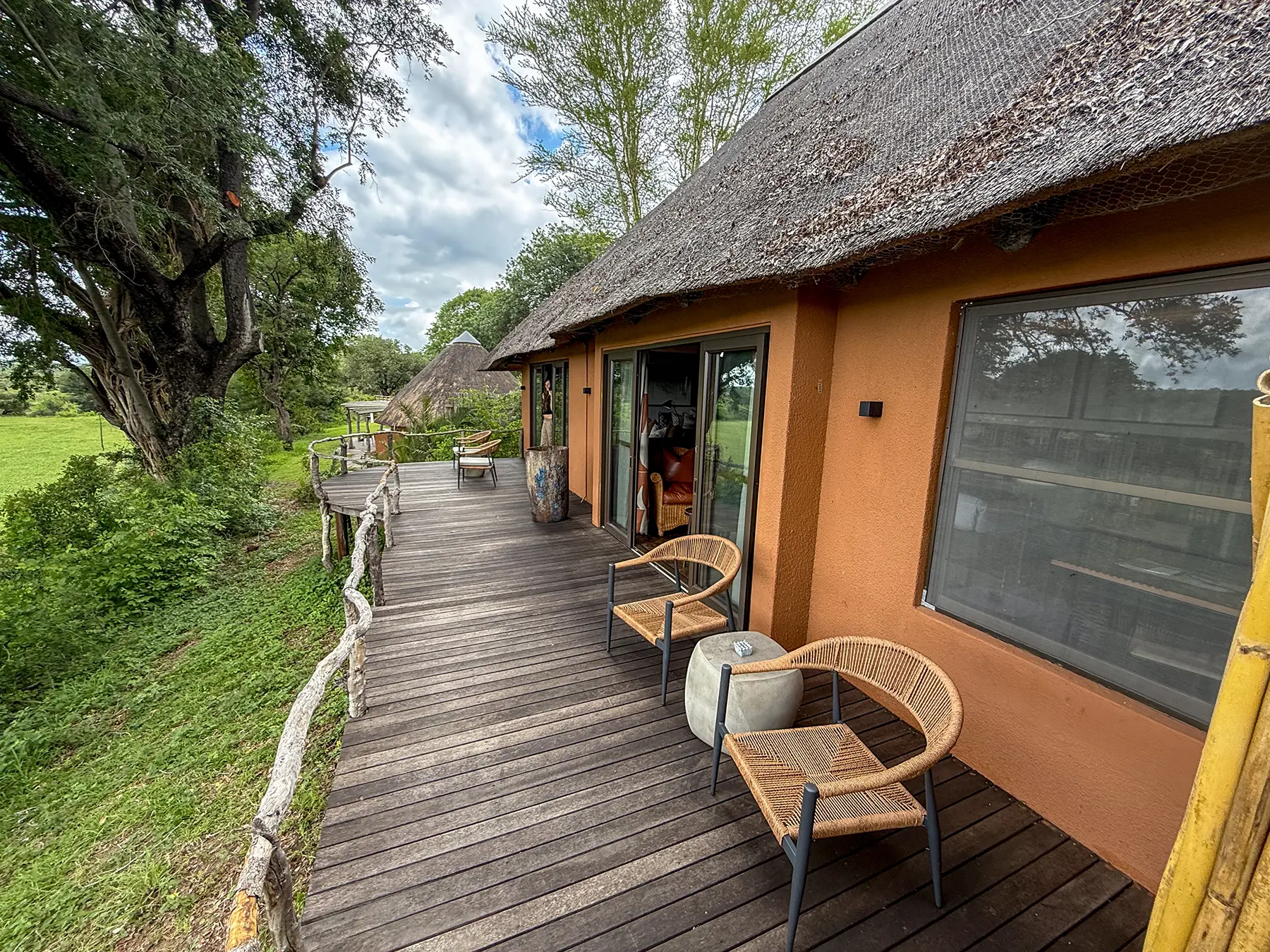
Staying at MalaMala is a completely unique experience. It has a rich history and heritage, and the camp has maintained this old-world feel through its thatched roundel-style rooms and classic decor.
My room was enormous and even had a private deck. My favourite thing about it, however, was the fact that it had two bathrooms and each one had a bathtub!
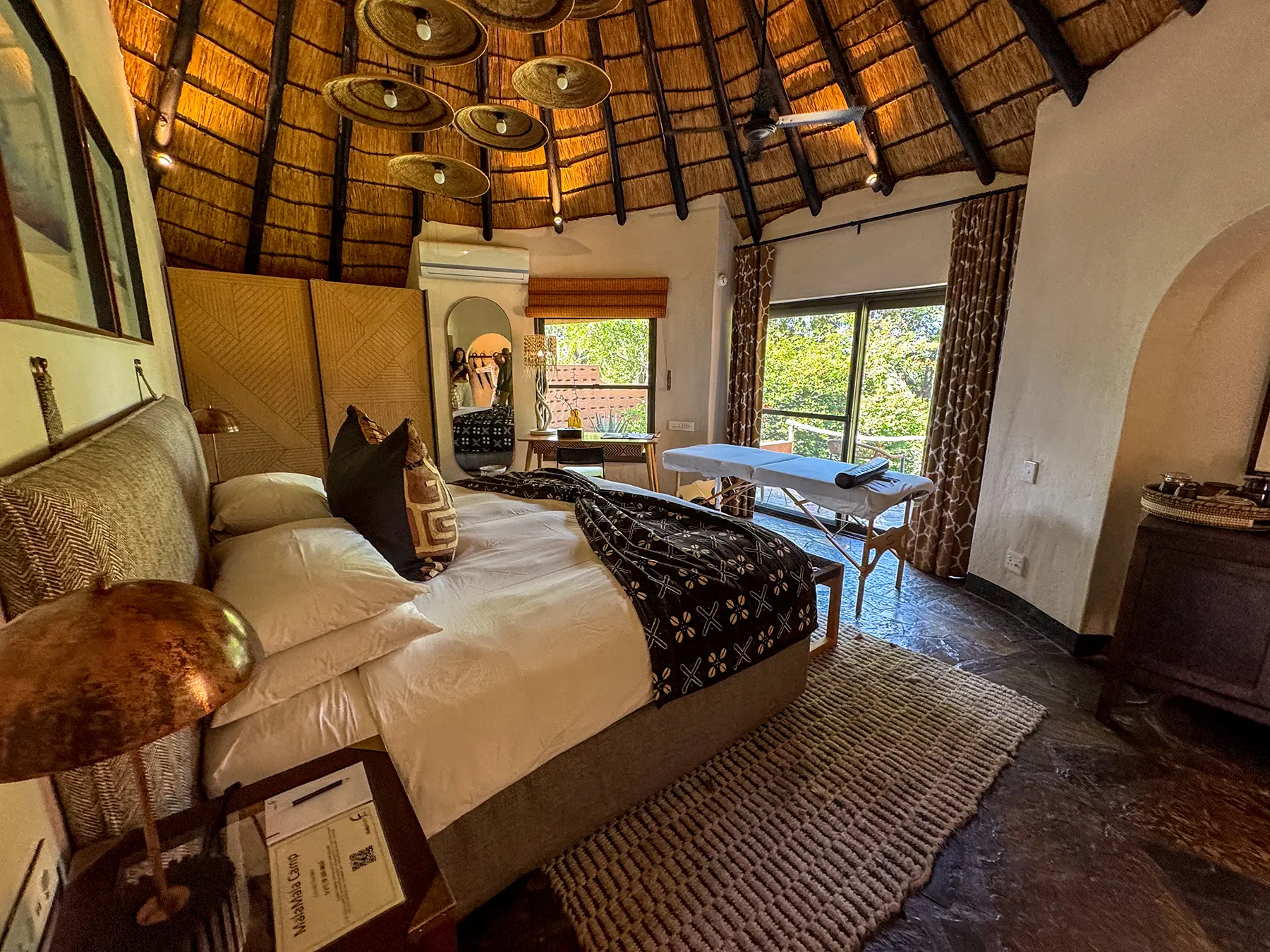
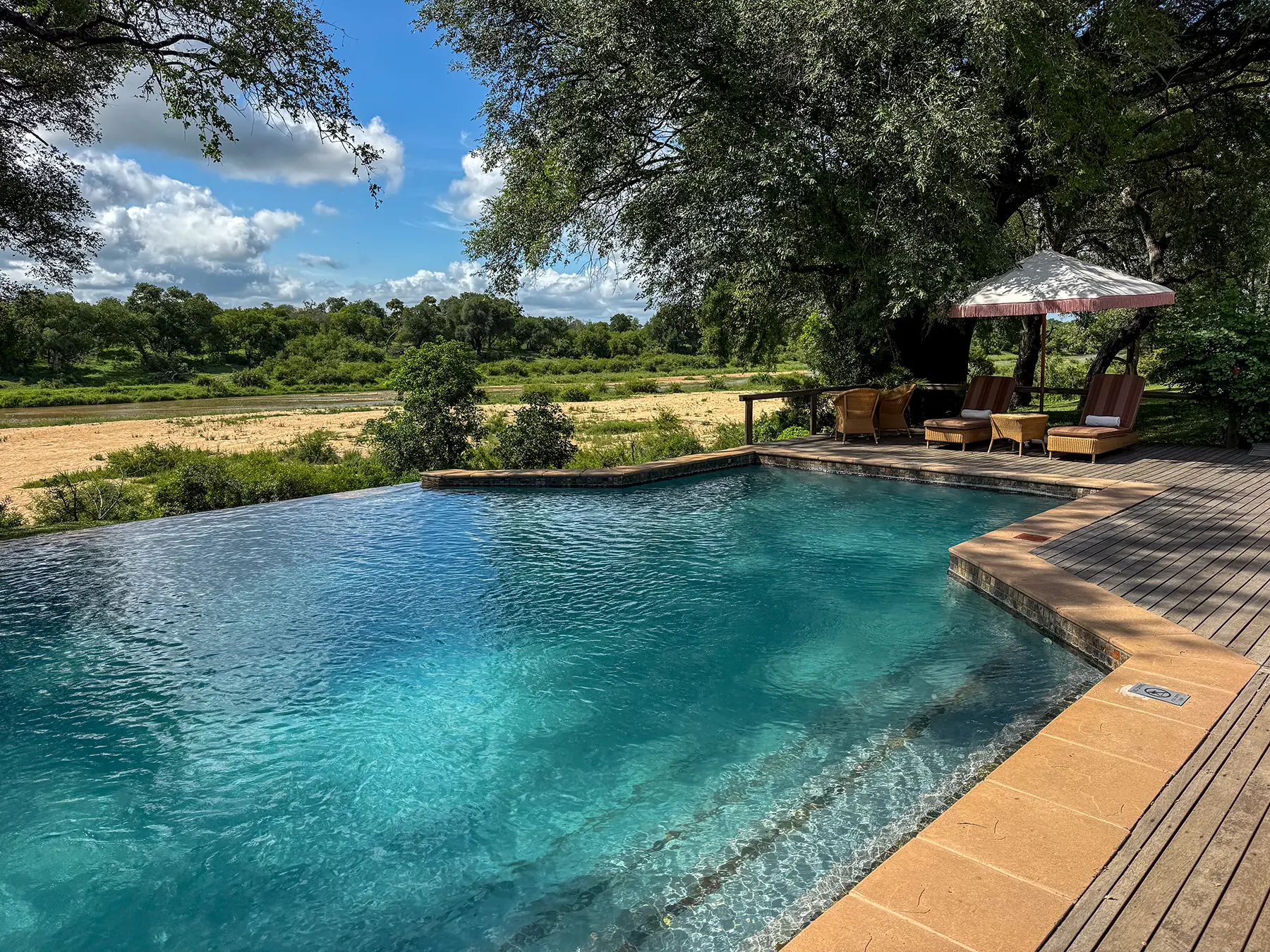
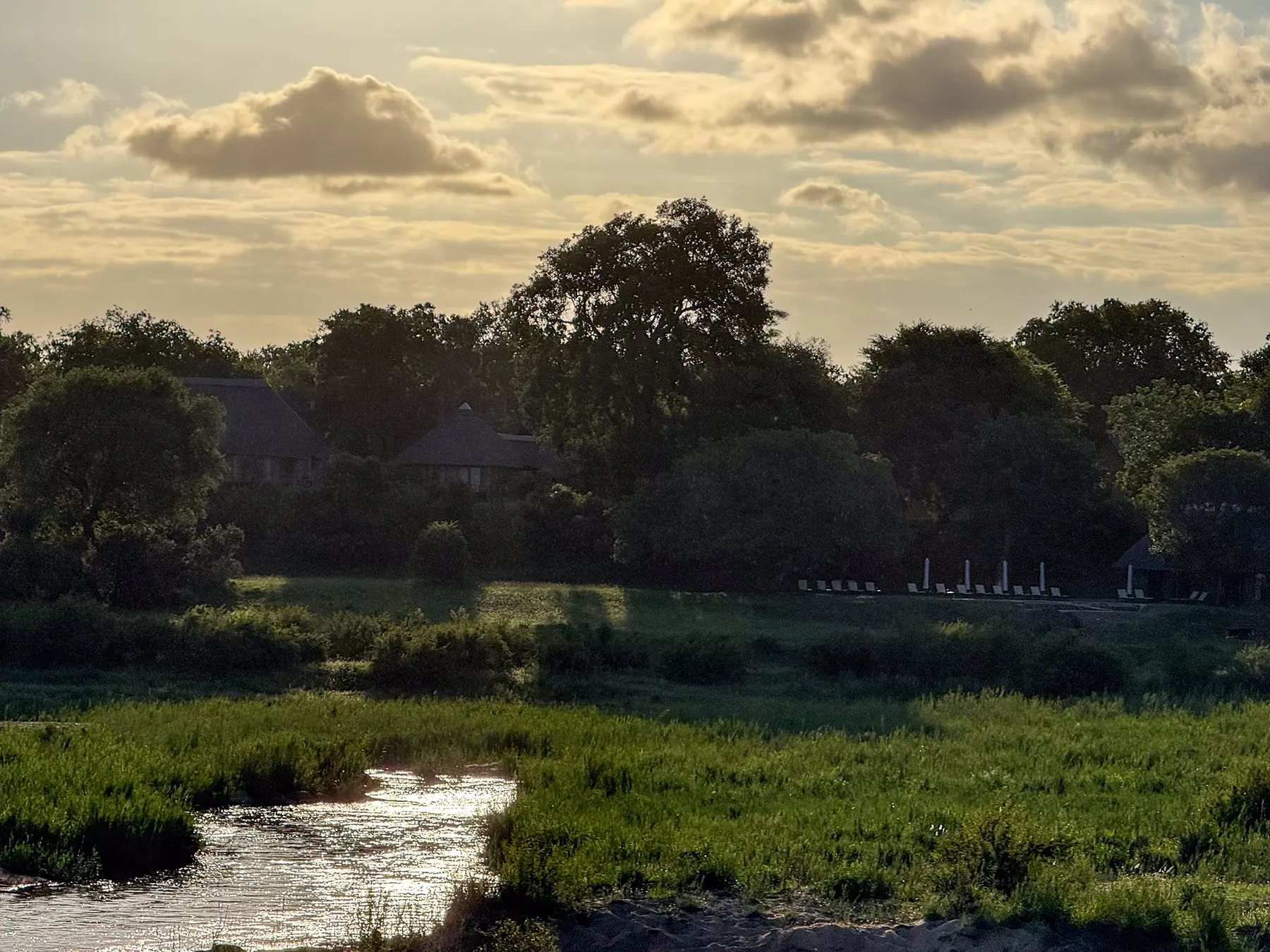
MalaMala has the biggest reserve in Sabi Sand, of which around 70% is only traversable for lodge guests. It’s so big that you never actually make it to the other end, unless you decide to spend all day on game drives without coming back for lunch!
Despite the scale of this wilderness, the guides working at the lodge are real experts and know the terrain with a familiarity that is hard to wrap one’s head around.
MalaMala consists of three camps and they are building a fourth in the south. I had a look at all the camps and here are my personal thoughts on each:
MalaMala Main Camp: this is the original camp and it’s where most people stay, and rooms range from mid-range to luxury suites, with some having views of the river. It’s a great camp for families.
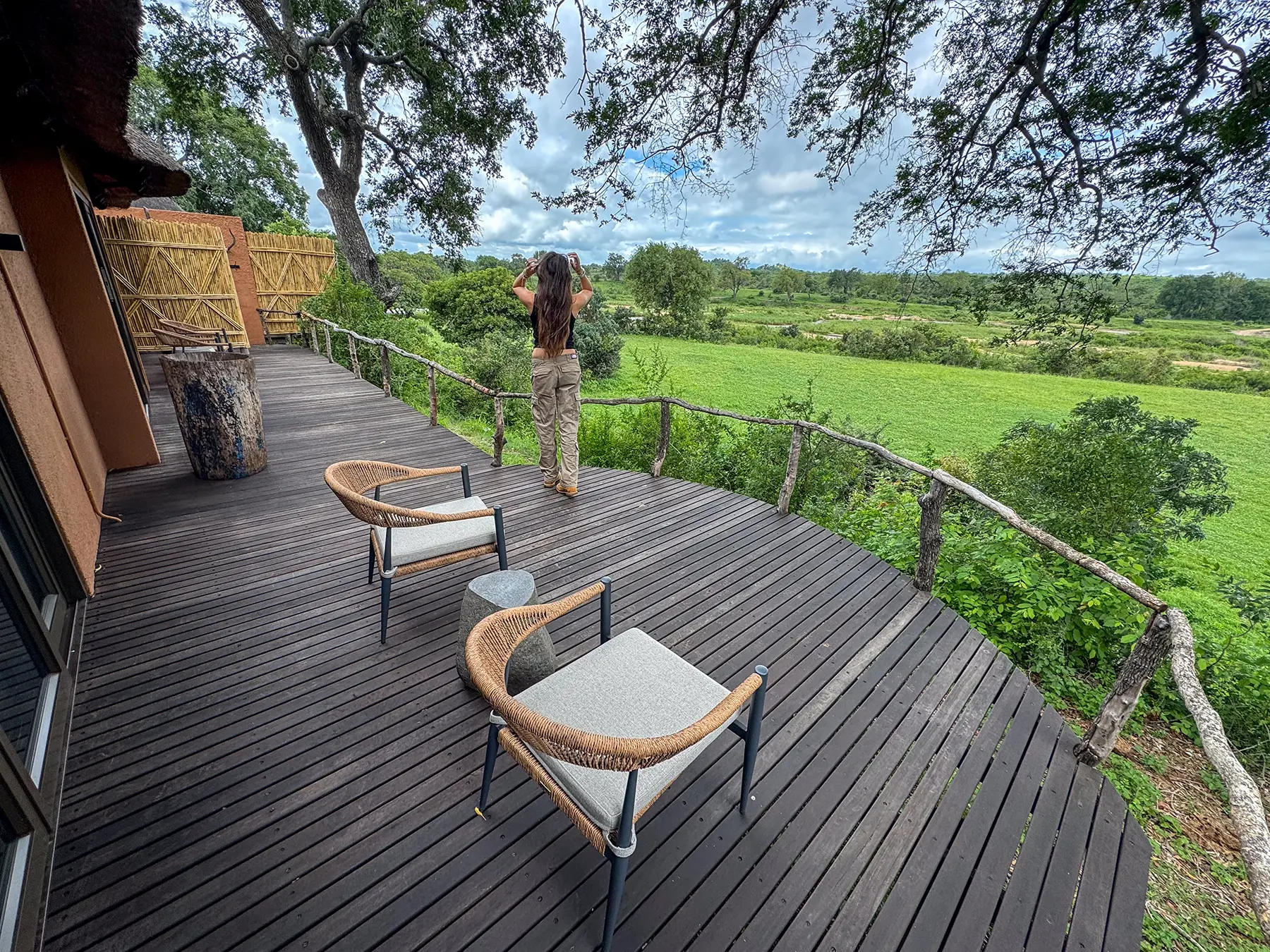
Sable Camp: this is a smaller version of the main camp, with its own private dining and pool area for use only by Sable guests. It is located right next to Main Camp and has similar kinds of rooms, but offers a smaller and more intimate feel.
MalaMala Rattray’s Camp: a small and very exclusive camp that is around 30 minutes’ drive from Main Camp and set on another section of the Sand River. It has an authentic Out Of Africa feel, which really takes you back in time. The accommodation consists of luxurious villas which each have their own private plunge pools.
Fourth camp coming soon: When I visited they were building a fourth super-luxury camp in the south of the reserve, which could take a year or two to be ready.
My Experience of the Journey to Sabi Sand
After enjoying a fantastic final game drive in Manyeleti, which gave me the opportunity to watch a family of cheetahs in the morning light, we rushed back to camp for some breakfast. It was all pretty frantic as our transfer would be arriving at 10:00 but we only arrived at camp at 9:30. And I hadn’t packed up yet!
We set off around 30 minutes behind schedule and embarked on the lengthy four-hour drive to Sabi Sand. We exited through Manyeleti’s southernmost gate which isn’t often used, as was evident by the road conditions just outside the reserve. The tarred road is littered with gaping pot-holes, which made the next stretch of the drive extremely slow.
We meandered through villages for several hours, navigating down small side-streets in order to keep on schedule. I was extremely impressed with our driver, who lives in the area and knows these roads like the back of his hand. Without his expert insight, we could have spent several additional hours on the road.
It was surprising that even the road to Sabi Sand’s Newington Gate (the south westerly gate) was in very poor shape. The road was actually under construction but, according to our driver, had been this way for some time. A possible influencing factor is that many people opt to fly into Sabi Sand, and so there has not been much demand for improvements to the road.
Once within Sabi Sand and off the national roads, the conditions improved considerably and we were soon at our lodge, settling into our room and preparing for our afternoon game drive.
Days 8-9: Sabi Sand Game Reserve
Drive Time (Excluding Game Drives): 0 hours
After the long drive here, you’ll be glad to have two full days to experience the many wonders of Sabi Sand, one of the world’s most coveted safari destinations. This is 251 square miles (65,000 hectares) of unfenced private reserve, and two uninterrupted days is what it takes for your guide to start working the ground properly rather than simply showing you around.
Itinerary
By now, you’ll be accustomed to the safari schedule: two game drives per day, morning and afternoon, with the midday hours to use as you wish.
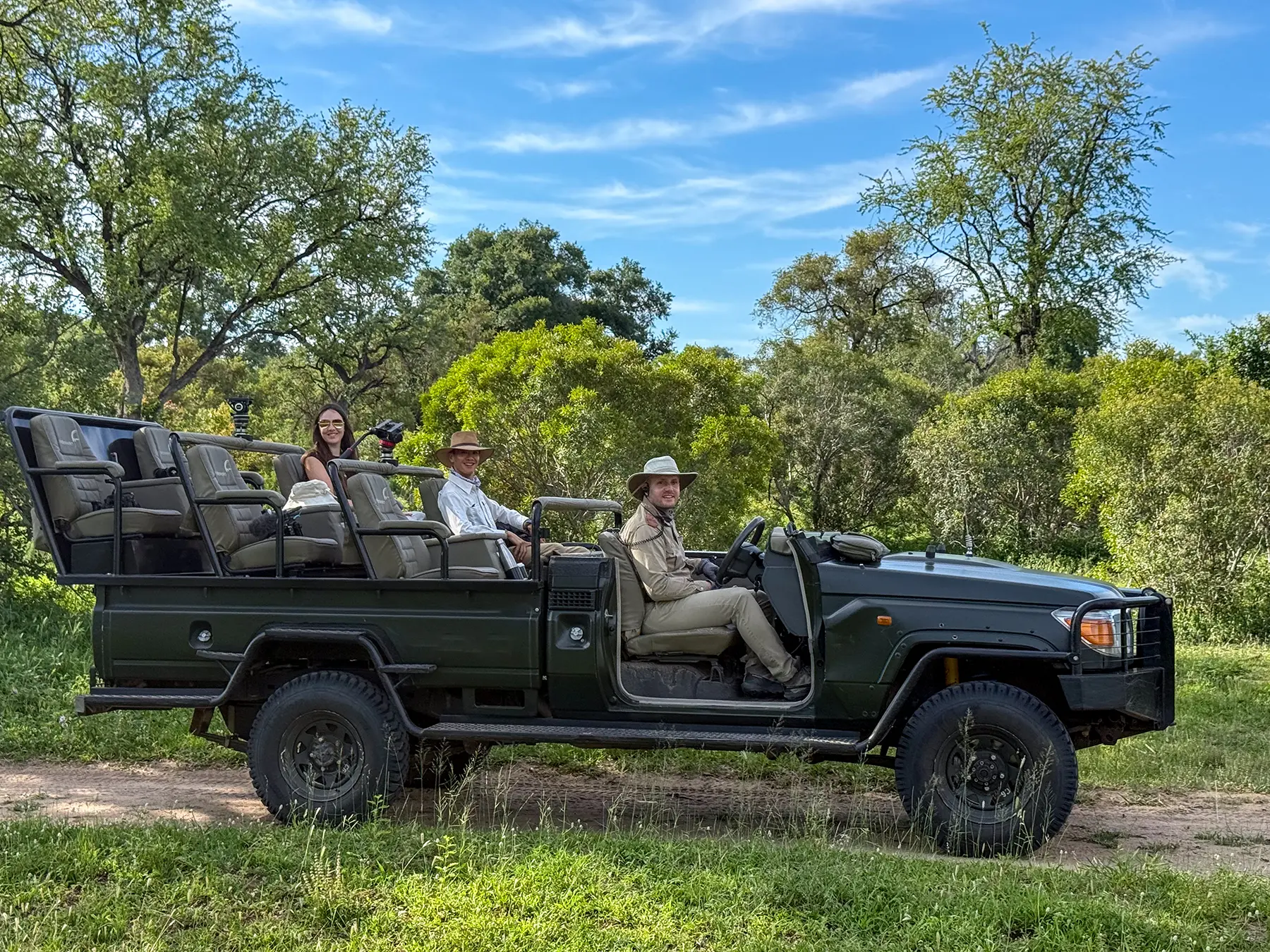
You’re up before dawn and out of camp between 5:30 and 6:00, with 3 to 4 refreshing hours in the open-sided game drive vehicle. Having warm layers to wear really makes a difference to your comfort levels on these early morning drives, as in winter, morning temperatures hover between 41 and 50 degrees Fahrenheit (5 and 10 degrees Celsius).
After a morning of sightings, you’re back at camp for a leisurely late breakfast or brunch, and the middle of the day is yours.
Your lodge is likely to have the option of a bush walk, and I highly recommend taking one at Sabi Sand. The landscape is just so unique and full of life – you won’t regret it! You can also spend some time in a hide overlooking a waterhole, and let the show come to you.
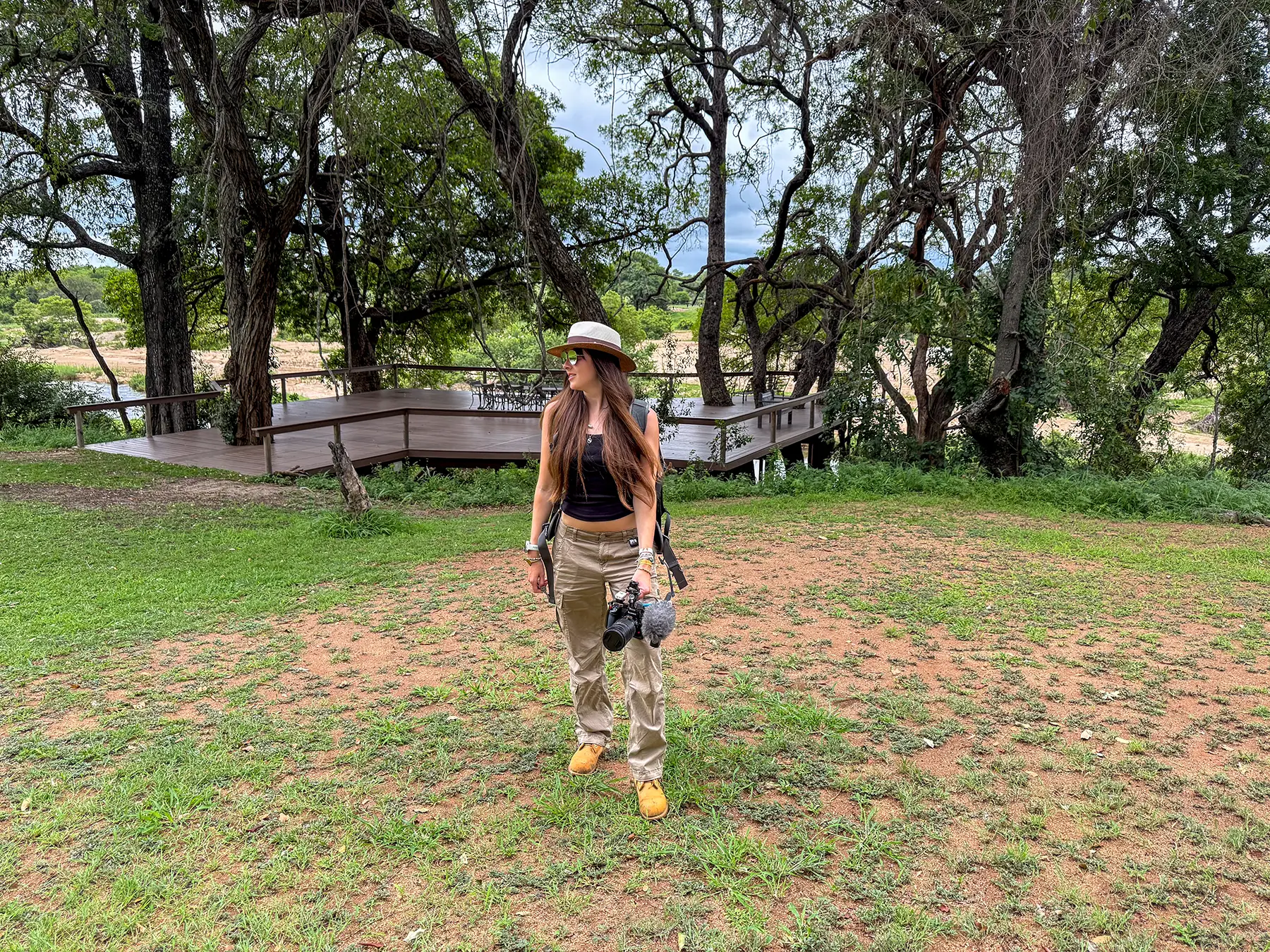
After an indulgent afternoon tea, it’s time to head out on your final game drive of the day, which starts in the late afternoon and stretches into the early evening.
The afternoon drive heads out between 16:00 and 16:30 and returns around 19:00, carrying on with a spotlight once the sun has gone. You’ll only ever have a maximum of 2 to 3 vehicles at a sighting, due to restrictions in the reserve, so your evening spent (hopefully) leopard watching will be unhurried and intimate.
On Day 9, you’ll enjoy the same pattern. This is your last day of pure safari relaxation, so make the most of it. Your guide and traversing area are the same, and a big cat found on Day 8 is still worth looking for again on Day 9, rather than starting cold.
Tips for Visiting Sabi Sand Game Reserve
- The lodge you choose is important, as lodges have different traversable areas which vary in terms of size and wildlife.
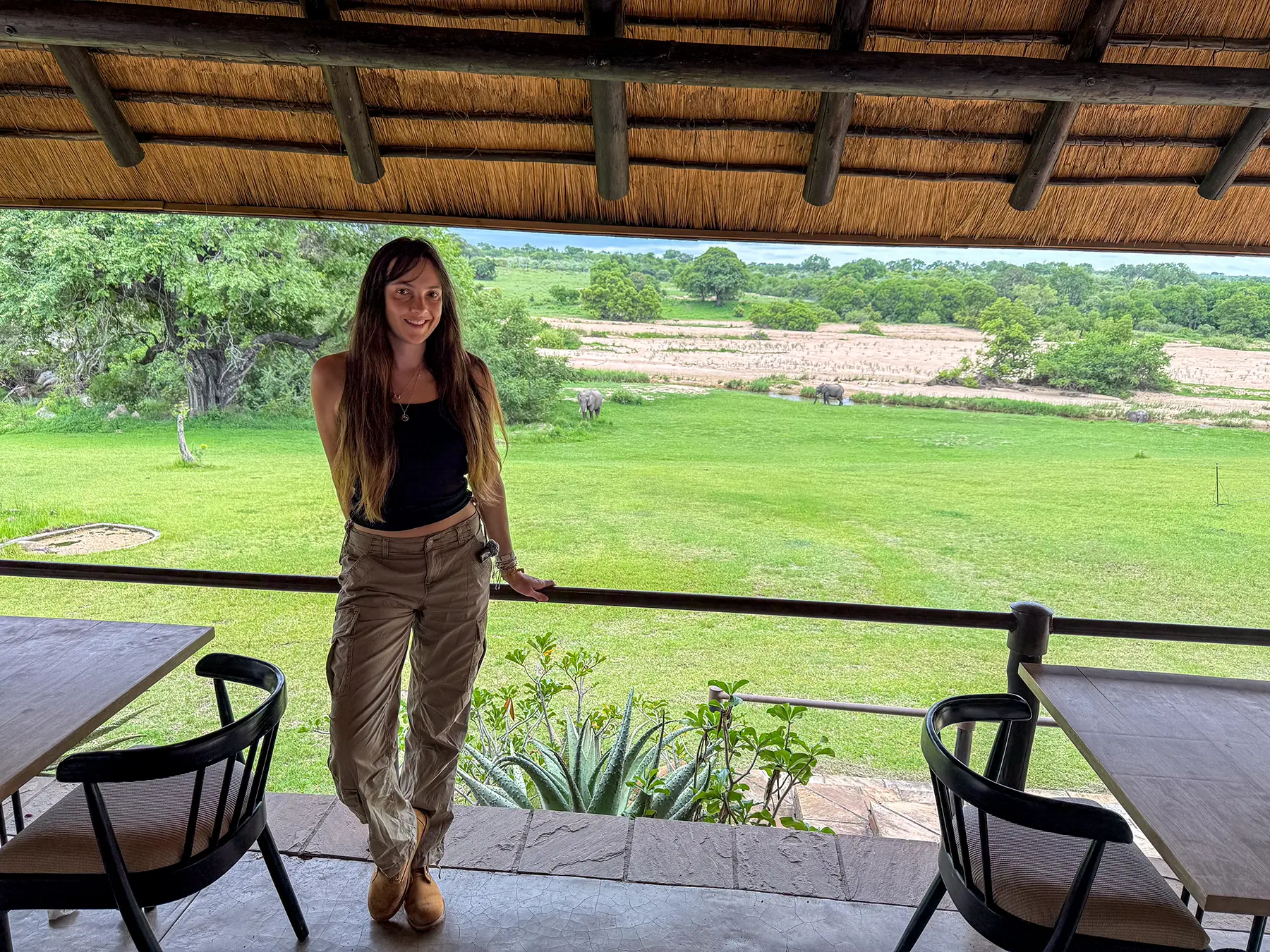
- Choosing a lodge along the Sand River allows you to see wildlife, including many elephants, from the lodge.
- For itineraries with 3 days or more in Sabi Sand, consider staying at more than one lodge to see a variety of areas. I stayed at two locations during 5 nights in Sabi Sand.
- Your guide will know each individual leopard and lion pride by name. When you encounter a leopard or lion pride, ask your guide about them and you’ll be fascinated as you learn about their own particular characteristics and histories.
Where to Stay in Sabi Sand Game Reserve
You are at the same lodge in Sabi Sand for both nights in this itinerary.
I’ve stayed in two properties within the reserve: Inyati Game Lodge in the west of Sabi Sand, and MalaMala, the oldest lodge in Sabi Sand, at the complete other end of the reserve.
See Day 7 for the full range of accommodation across the reserve.
My Experience of Sabi Sand Game Reserve
The types of animals I saw and the quality of sightings were fairly consistent across both regions of the reserve that I stayed in, which leads me to believe that you can’t really go wrong in Sabi Sand.
During my time staying at Inyati Game Lodge in the west of Sabi Sand, I encountered four individual leopards across five different sightings. We could have easily seen more, but our focus was on seeing a variety of wildlife. If you can believe it, at times we passed on leopard sightings to see other species!
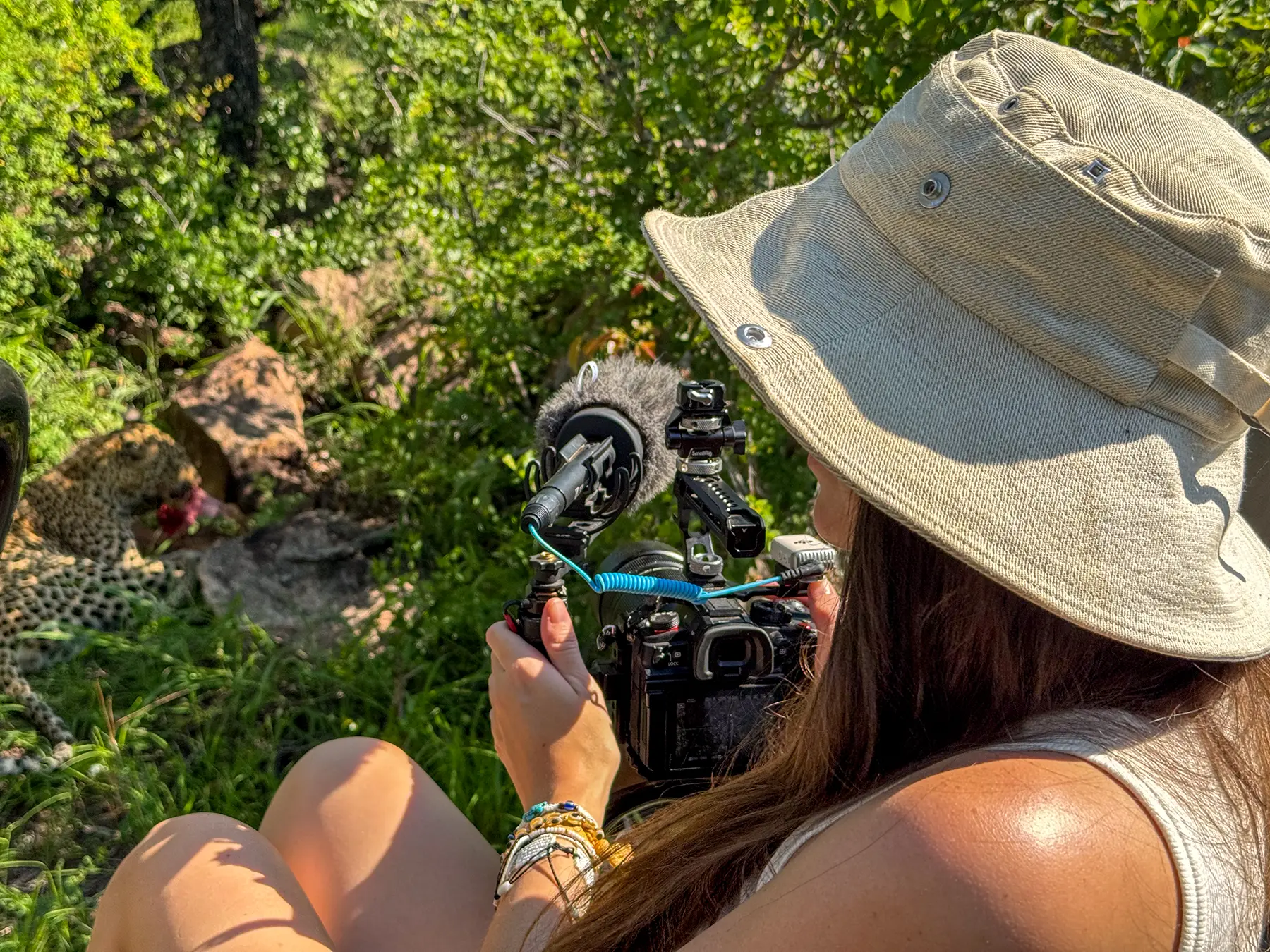
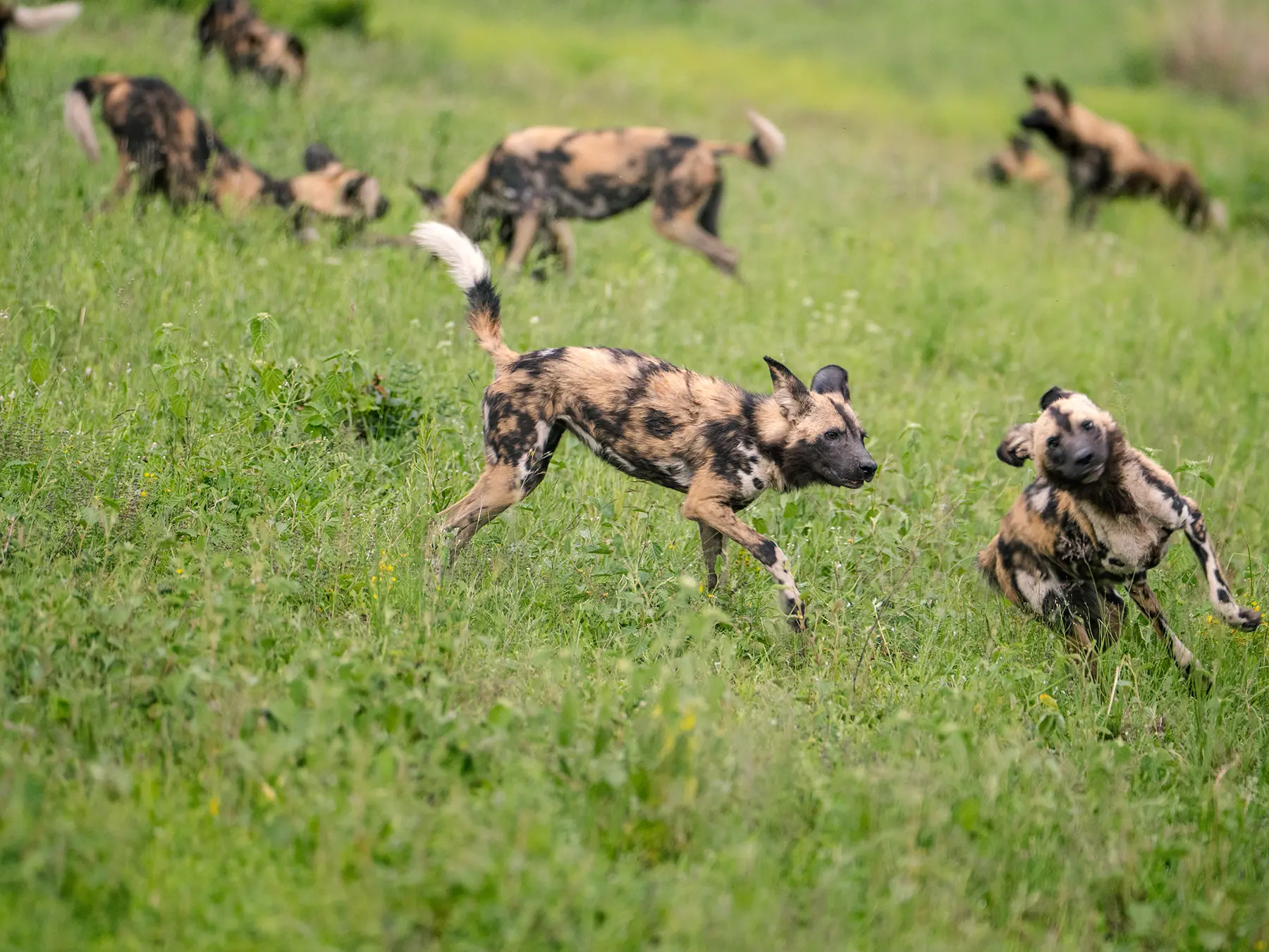
George, my driver at Inyati, was incredibly attentive, asking me what species I’d most like to see. I expressed an interest in wild dogs and also seeing a successful hunt. It was really commendable how George then went out of his way to ensure I got to experience my bucket-list sightings.
We had three separate wild dog sightings, and each one was incredible! The grand finale was on our final morning at Inyati when we found a pack of wild dogs on the hunt. Demonstrating his expert driving skills, George somehow managed to keep up with the pack as they chased down and caught an impala lamb.
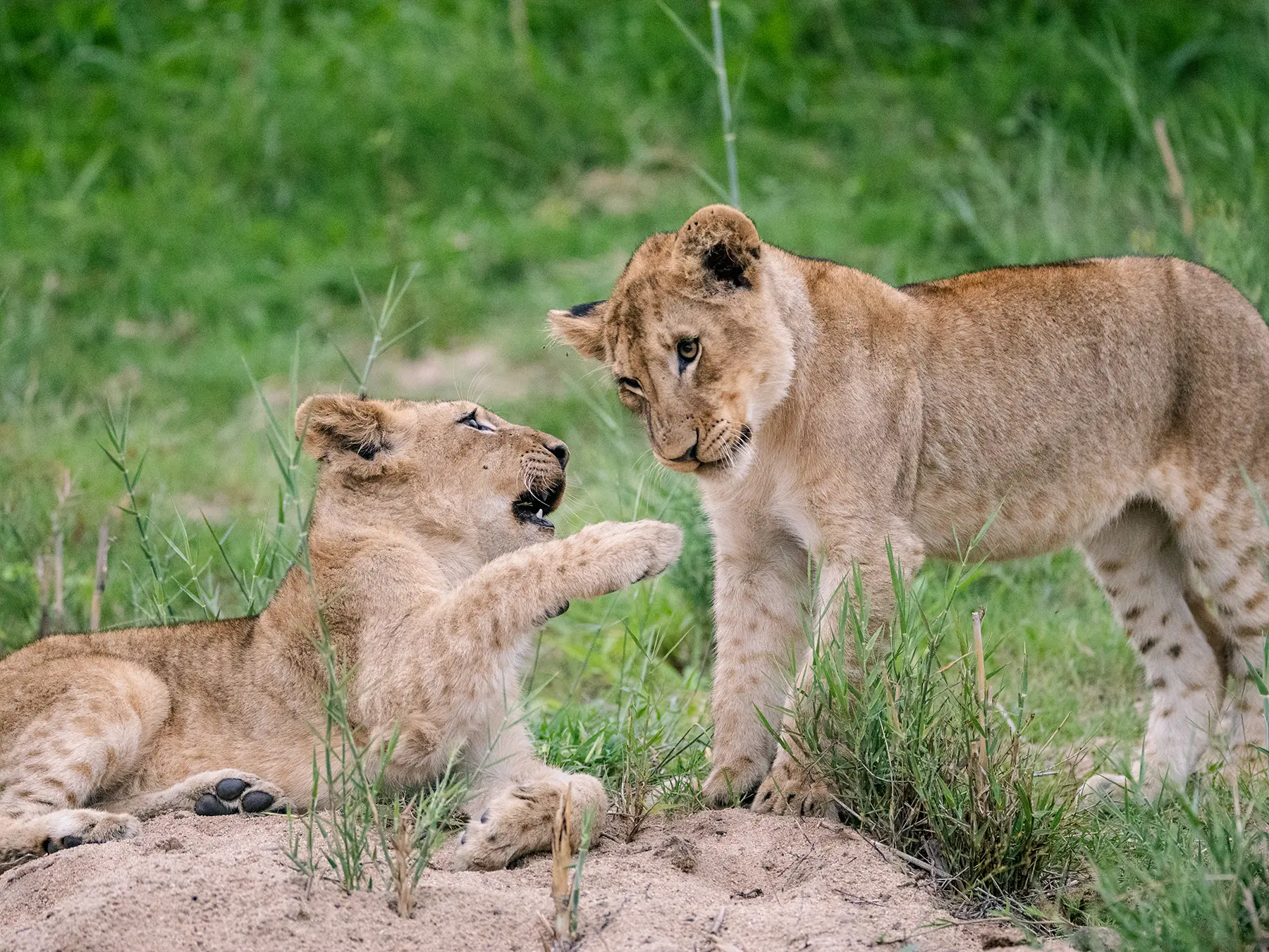
Another highlight at Inyati was watching the Othawa lion pride who, at first, were rolling around in the sandy banks of the Sand River. As evening drew closer, the three young cubs became active and began to play.
Watching the cubs tussle with each other, play with a stick and even chase and pounce on one another provided me with my best ever lion sighting to date – and that’s a really impressive claim as I’ve had some great lion sightings over my lifetime.
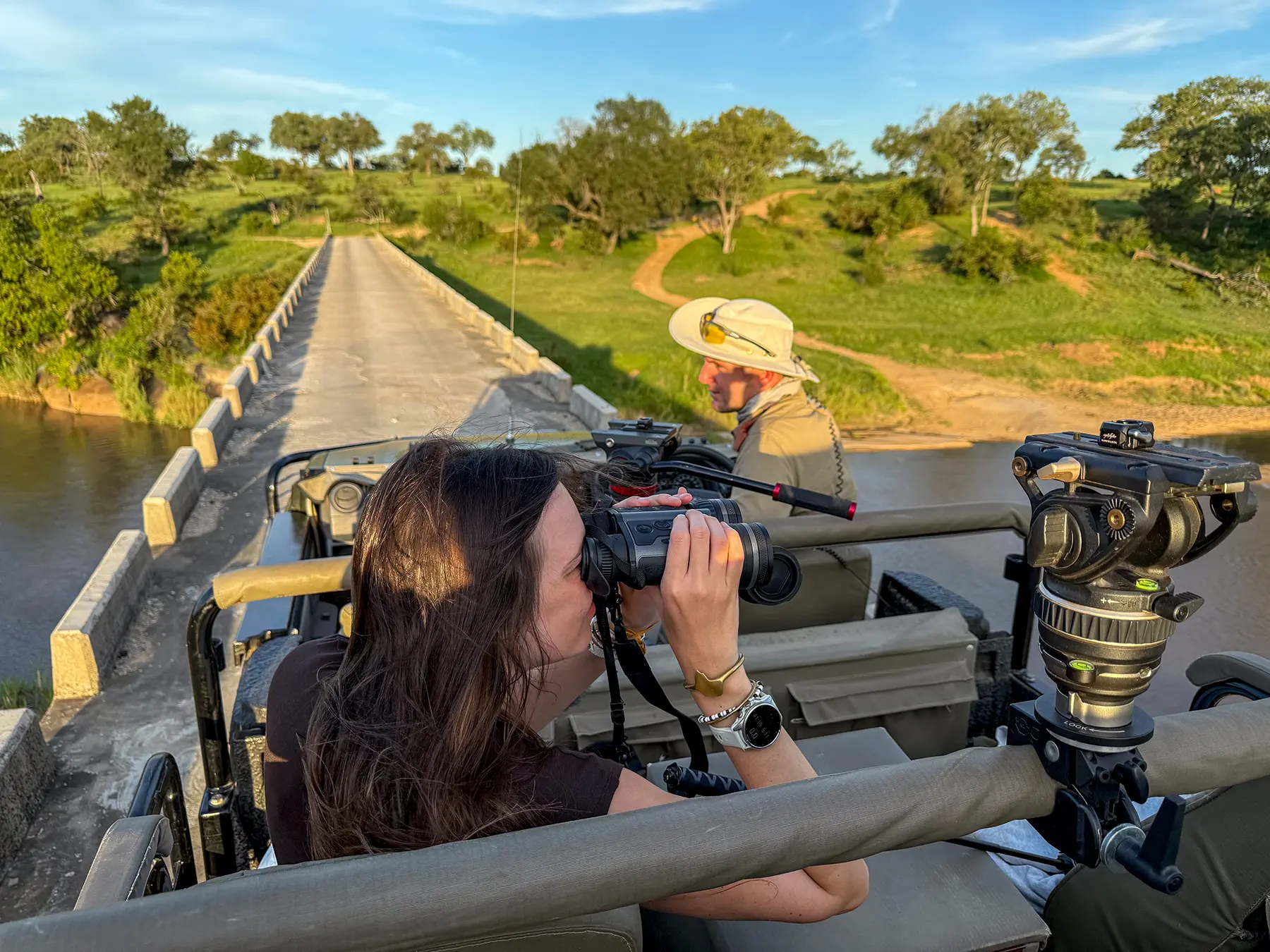
After so much excitement at Inyati in the west of Sabi Sand, I had a hard time believing that our next destination, MalaMala in the east, could match or even top the experience we’d just had. To my amazement, it matched it!
Our guide at MalaMala, Jacques, also asked if there were any specific species we’d like to see. At this point we’d already seen all of the Big Five numerous times and so I gave him a specific and perhaps challenging list of leopard cubs, lion cubs and a successful hunt. With only 2 nights in MalaMala, I was worried that this list would be a real challenge.
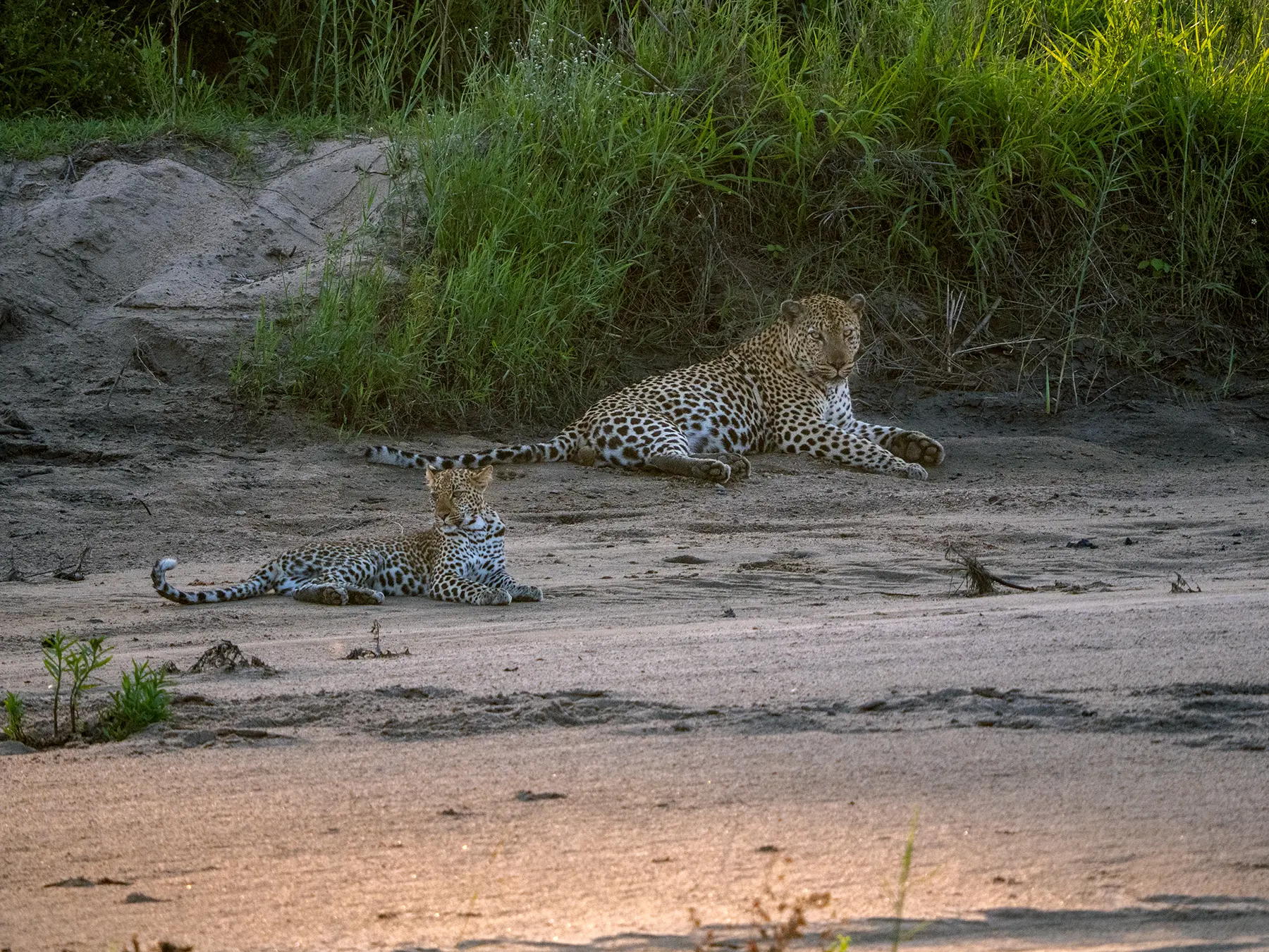
On our first evening in MalaMala, we were rewarded with the most fascinating sighting of an entire leopard family, sprawled out in the Sand River right outside MalaMala Main Camp (I could see my room behind them!).
There was a female leopard, known as the Piccadilly female, with her 1-year-old cub and the cub’s father, known as the Flat Rock male.
It’s widely believed that leopard fathers have nothing to do with their cubs, so this sighting was mind-blowing. He didn’t make an effort to interact with the cub but was instead lying out very contentedly beside his family. Leopard cub, check!
The following morning, we came upon a different leopard female, known as the Sibuya female, who also had a cub – a 9-month-old male. The two of them were enjoying an impala lamb kill before they began playing. It was so heartwarming to witness!
That evening we came upon the Kambula lion pride as they became active.
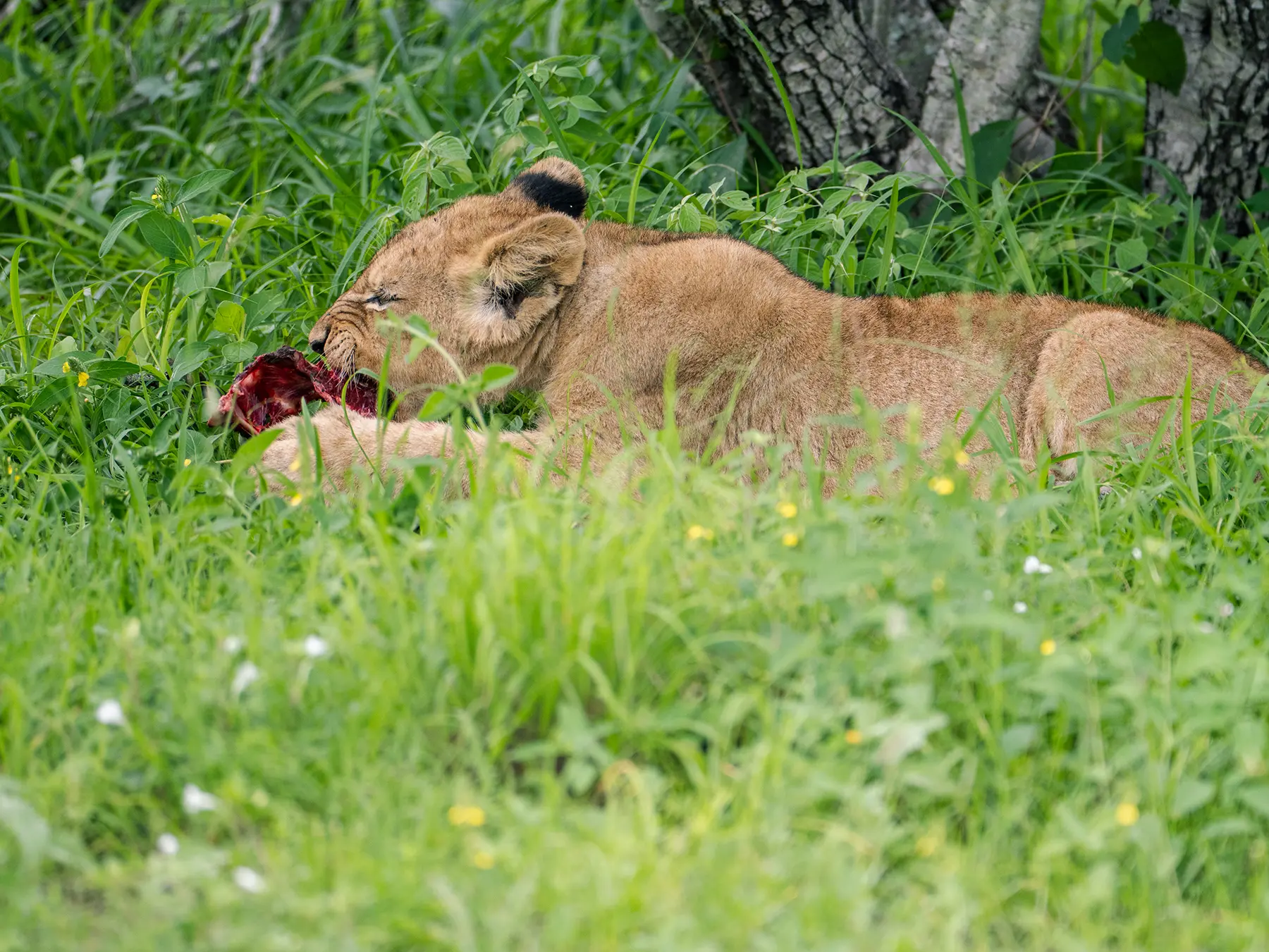
The pride consisted of two females and their 6 cubs. Two of the cubs were 11 months old and the others were 9 months old. Lion cubs, check!
We stayed with the pride as they stopped to lap some water from a puddle. Then the females separated from the cubs and began stalking some impalas. Could it be that I would witness another hunt?
In a remarkable twist of events, whilst the two lionesses stalked an impala, the six cubs managed to take down an impala lamb! The six of them snarled furiously as they dug into their well-earned meal.
One of the lionesses abandoned their hunt to see what was going on, looking extremely proud of her youngsters. Whilst this was going on, the other lioness successfully took down another impala lamb. Successful hunts, check!
Day 10: Sabi Sand to Cape Town
Drive Time (Excluding Game Drives): 2 hours
Today your trip has a complete change of pace and schedule. You have one last game drive in Sabi Sand before flying south to Cape Town. You’ll trade the bush for a world-class city cosily wedged between Table Mountain and the Atlantic Ocean.
Itinerary
You have one more pre-dawn wake-up and a final game drive in majestic Sabi Sand before leaving the bush. Once again, you’re out of camp between 5:30 and 6:00.
Keep this last drive short. Allowing up to two hours for the road to Skukuza and about an hour at the airport, you’ll need to leave the lodge by around 8:30, so plan to be back for a quick breakfast by about 7:45. Let your lodge know your flight time when you arrive, so your guide can plan the morning around it.
After breakfast back at your lodge, you’ll leave the reserve by road for Skukuza Airport, which most travellers use when flying out of the Greater Kruger reserves. How long the drive takes depends on where your lodge is situated, so allow up to two hours for it.
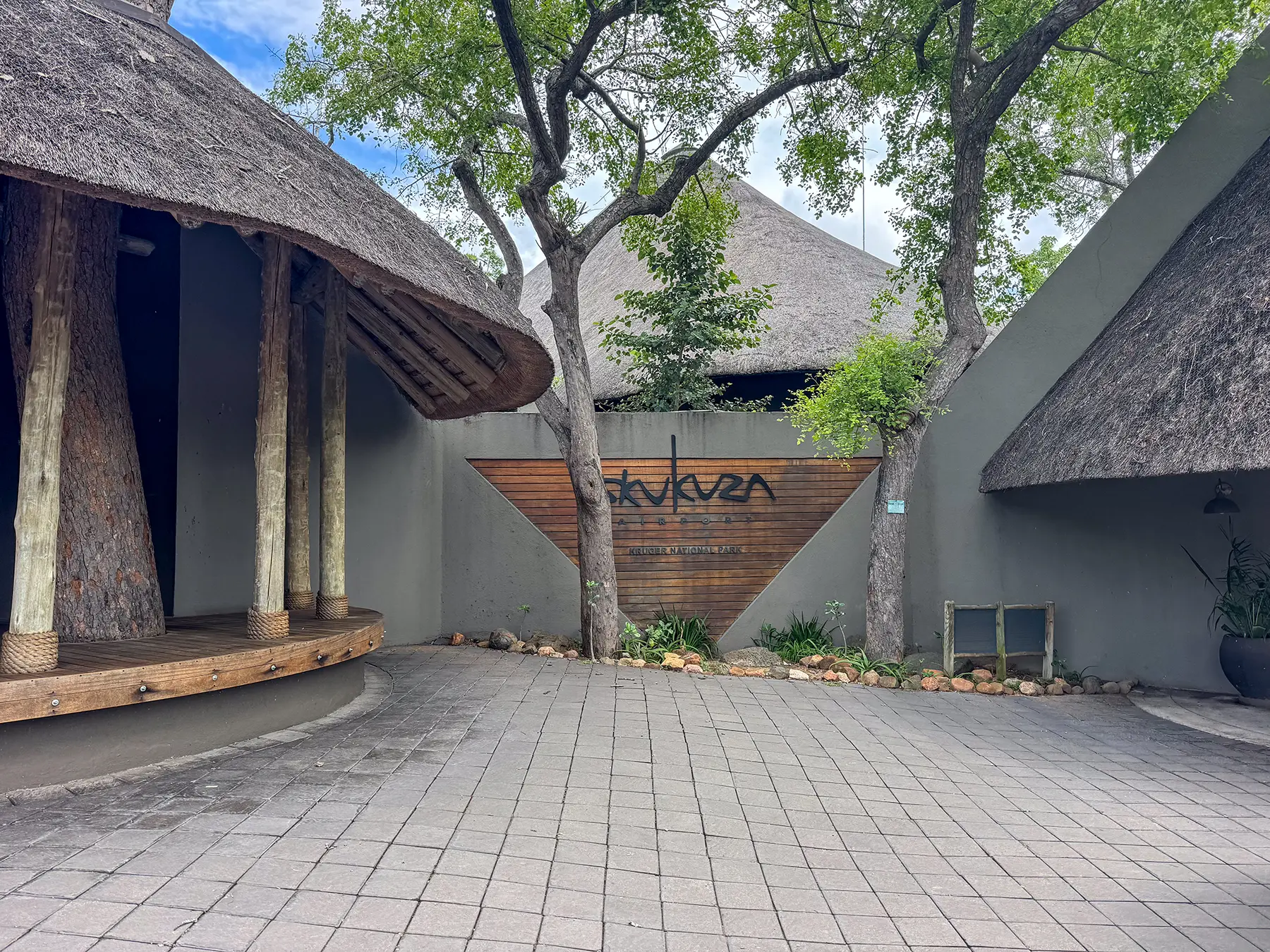
Skukuza Airport is inside Kruger National Park itself, so the drive there actually doubles as a last game drive, and gives you a look at a stretch of the national park you have not seen. The terminal is tiny, which makes for an unusually relaxed last hour on safari.
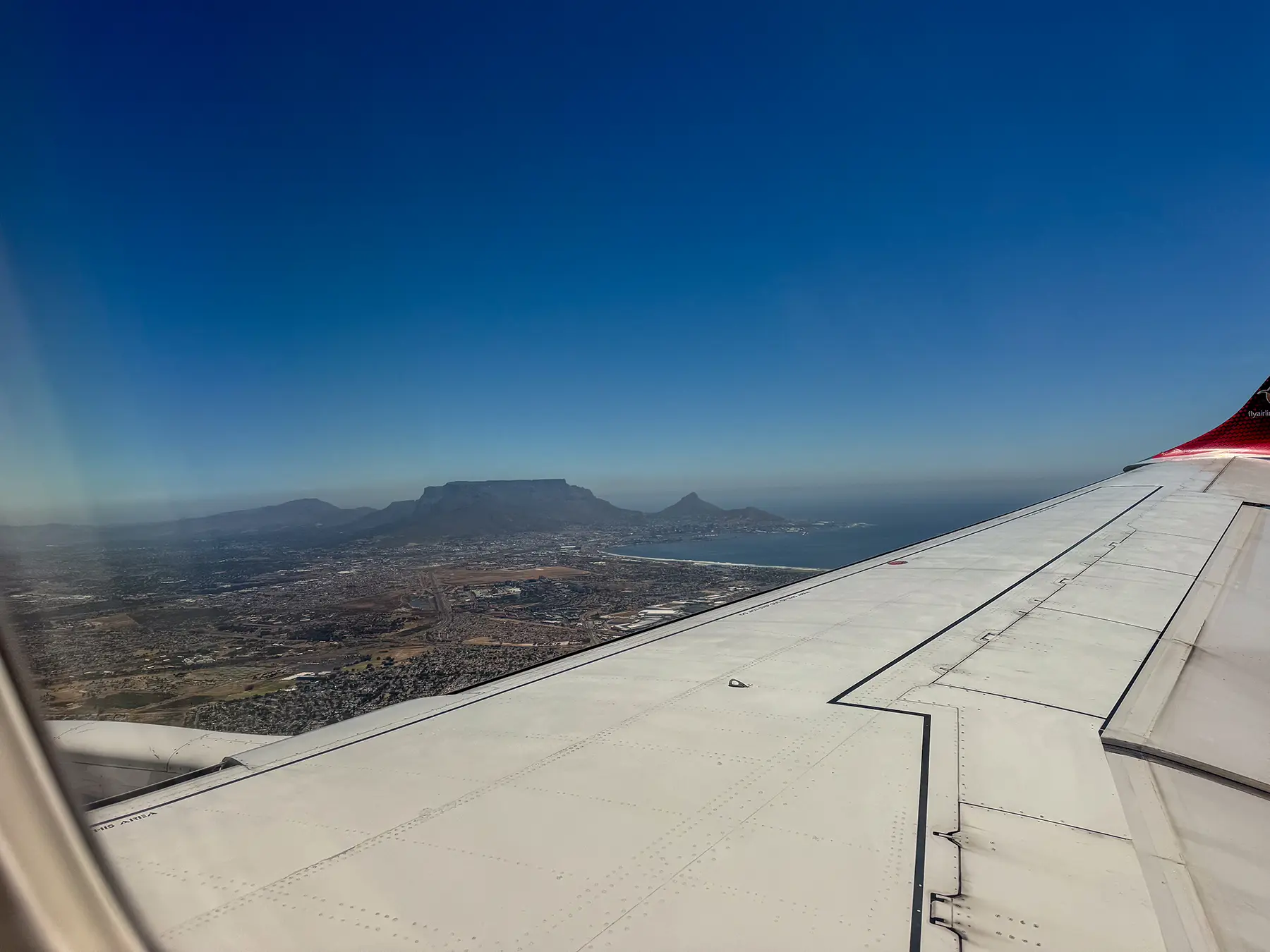
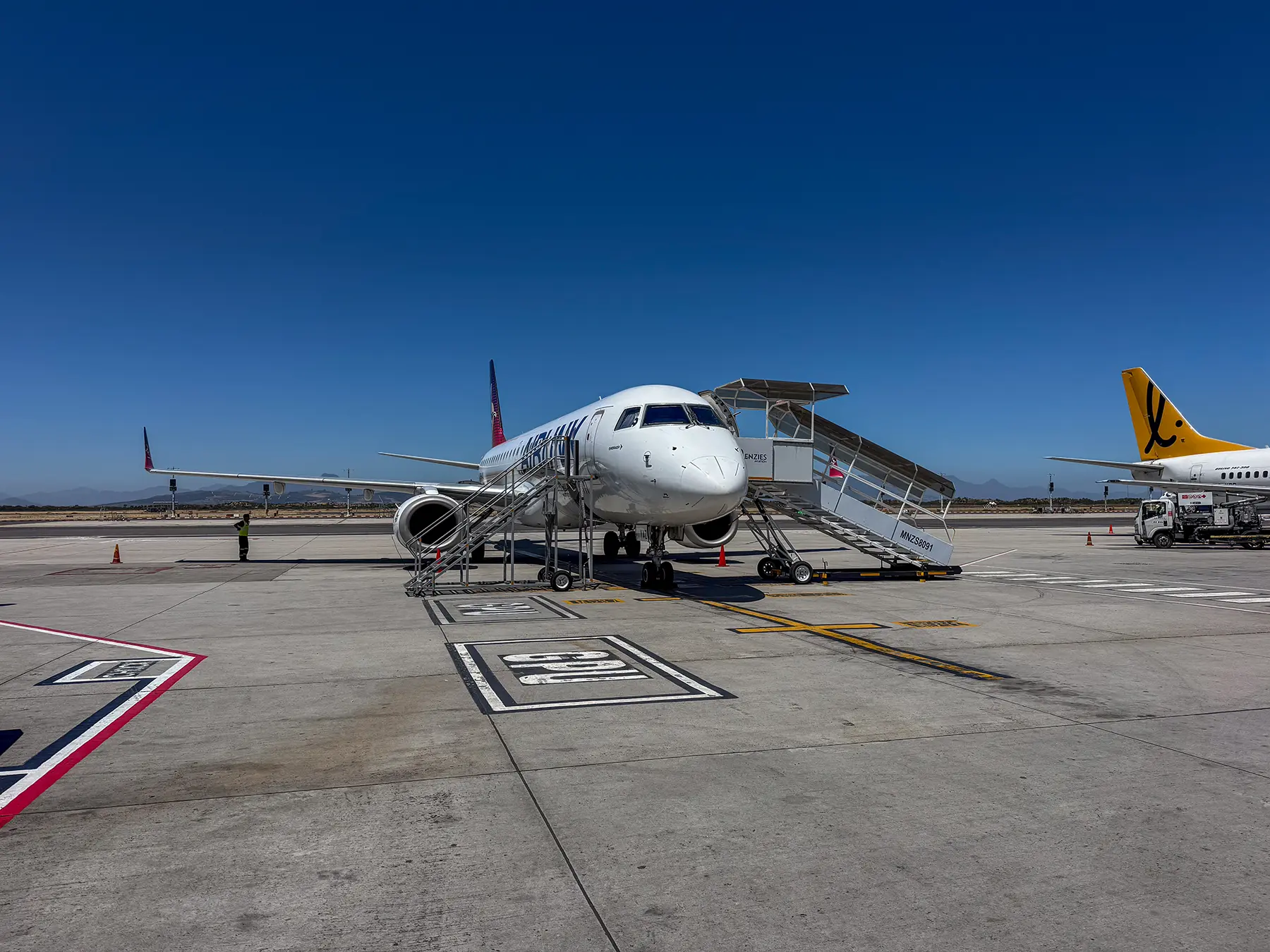
Airlink flies one direct service a day from Skukuza to Cape Town International Airport. It leaves at 11:45 and lands at 14:35, a little under three hours in the air. Flying direct is the whole point of routing out through Skukuza rather than back through Johannesburg.
You land in Cape Town in the middle of the afternoon, with nothing booked for the rest of the day. Cape Town proper starts tomorrow, so use the remaining hours to get to your hotel, find dinner and enjoy a good night’s rest after 10 days of early starts.
Where to Stay in Cape Town
With four nights in the city, location matters more than it would on a one night stopover.
The V&A Waterfront is the most convenient base for a first visit: secure, walkable, full of restaurants, and the departure point for Robben Island ferries. Hotels here come at a premium, but the city is very navigable from this starting point.
If you want to be closer to nightlife and the youthful vibe of the city, the City Bowl, around Kloof Street and Gardens, is a good option. The city’s best restaurant strip will be right on your doorstep, and you won’t feel like you’re in a resort precinct.
One of Cape Town’s best-kept secrets for accommodation, walkability and convenience is an area called De Waterkant, located right between the City Bowl and the Waterfront. De Waterkant is full of quaint buildings that have been beautifully restored, and has a number of cute boutique hotels, interesting shops and great restaurants.
If you want epic sea views, the Atlantic Seaboard is also a great option. Stay in Camps Bay for easy access to the idyllic Clifton Beaches.
All the above areas are 20 to 30 minutes from Cape Town International Airport by car for most of the day, unless you’re travelling during peak traffic hours (roughly 8:00 – 9:00 and 16:00 – 18:00).
Days 11-13: Cape Town
Drive Time (Excluding Game Drives): 0 hours
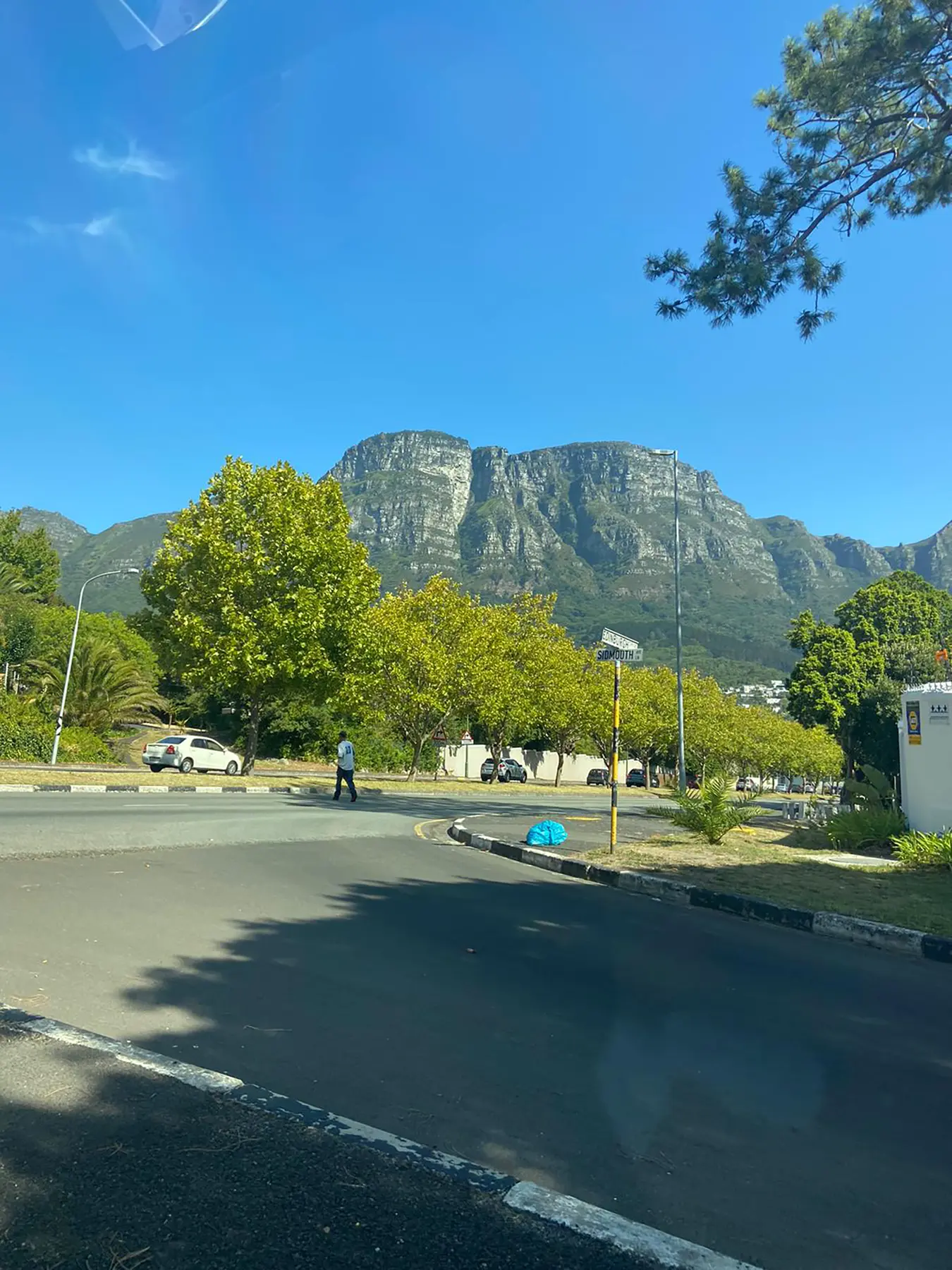
Cape Town is South Africa’s most popular city stop, and it offers a totally unique combination of beautiful natural scenery and urban life. After nine days in the bush, this is a complete change of gear.
You have three full days to enjoy Cape Town, and each day is built around one of the city’s main features: the mountain and City Bowl, the Cape Peninsula, then the nearby Winelands.
You’ll be pleased to know that nothing starts before dawn, and the only thing worth planning around is the weather.
Itinerary
Ideally, your three days in Cape Town follow the natural geography of the city, setting off for an adventure close to the city on Day 11. That said, it’s good to keep a bit of flexibility in your Cape Town planning and have an eye on the weather. It can get very windy in Cape Town, and when the South-Easter is howling over Table Mountain the cableway closes.
To minimise your chances of missing out on the famous mountain (locals simply refer to it as “The Mountain”), you should plan to take the cableway up to the summit first thing in the morning on the clearest day, when conditions are usually at their best.
Later in the day, you’ll head over to the V&A Waterfront from which you can take a ferry to Robben Island, and you can finish the afternoon taking a look at the brightly coloured homes in the Bo-Kaap.
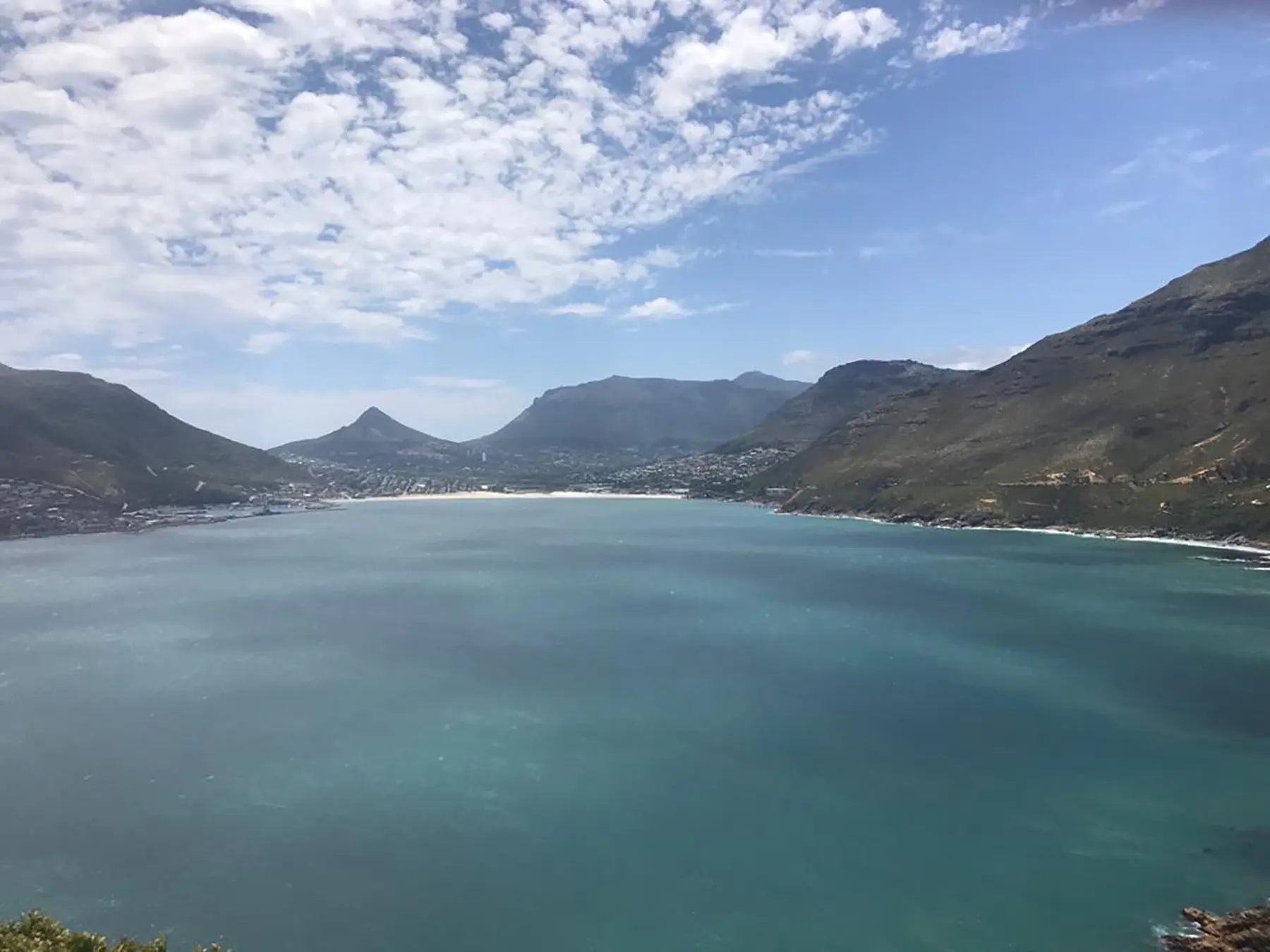
Day 12 is an excellent day to take in the spectacular Cape Peninsula, with a visit to Cape Point and a stopover at Boulders Beach to see an enormous wild African Penguin colony. There are a few ways to get there, and if the road is open, you should definitely take the famously scenic Chapman’s Peak Drive. Sometimes rockfalls cause road closures here.
Finally, you might like to stop in Kirstenbosch National Botanical Garden on your way home for a walk on “The Boomslang”, a wooden walkway through the tree canopies.
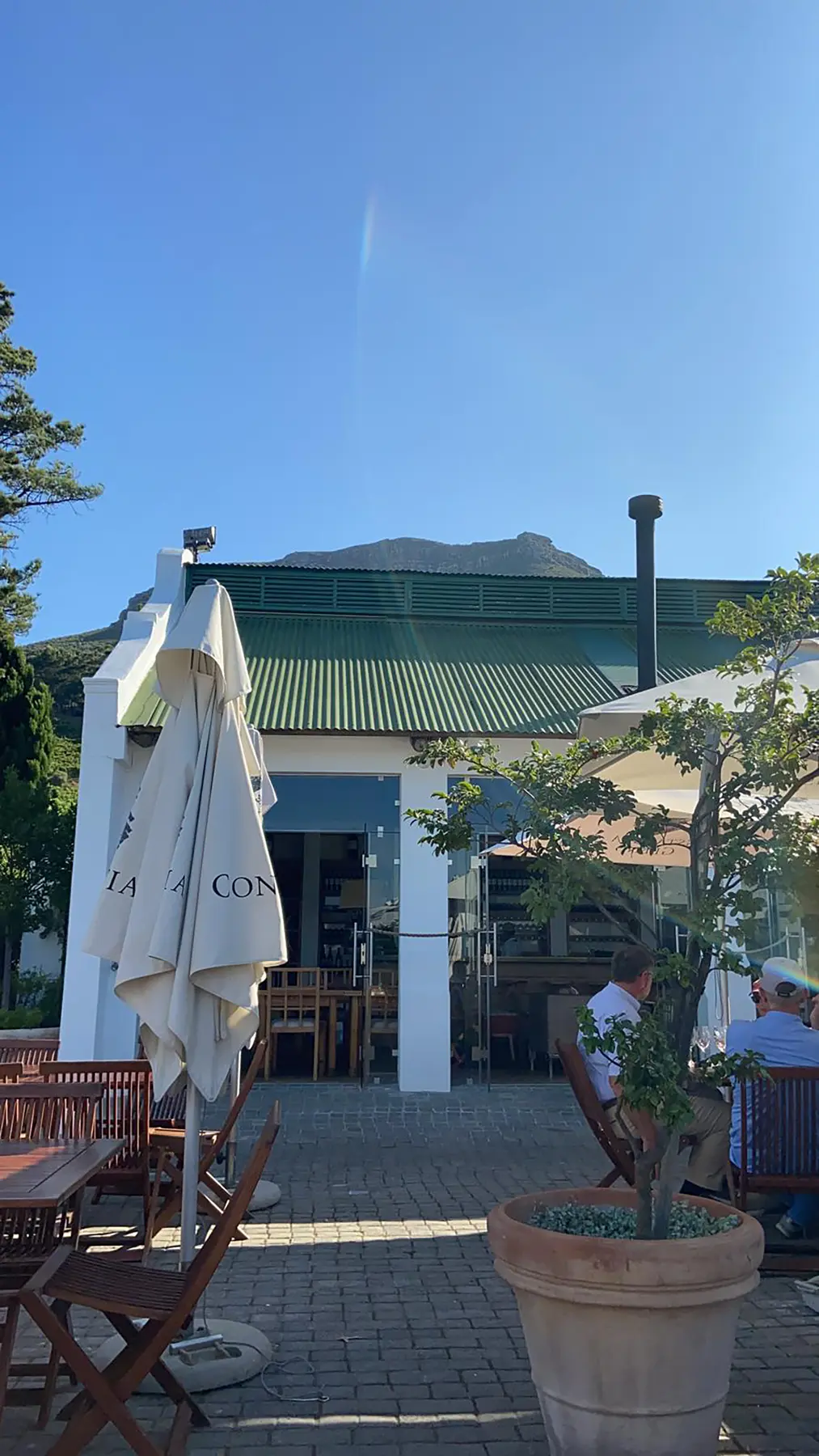
On Day 13 you head slightly inland to the Cape Winelands. Stellenbosch and Franschhoek are the heart of South Africa’s wine country, and you can enjoy cellar tours, wine tastings and a long lunch at one of the region’s award-winning restaurants.
Book it as a guided day trip or take a private driver so that nobody has to drive between estates. This is a relaxing and indulgent way to end two busy weeks!
About Cape Town
Cape Town is South Africa’s oldest city, founded in 1652 as a resupply station for Dutch ships rounding the Cape, and many locals still call it the Mother City.
The Table Mountain National Park runs from the City Bowl (the centre of Cape Town) all the way along to the Cape Peninsula, where you will find Cape Point. Natural bays and high mountain peaks give this coastal city a number of distinct microclimates and, with them, a huge variety of worthwhile diversions for the savvy visitor.
There is a robust tourism industry in Cape Town, which means that you will mostly find it easy to get around and find what you’re looking for. But there are also plenty of secret gems that the tourism industry won’t show you.
For safari travellers Cape Town is not a wildlife destination in its own right but a city stop that pairs naturally with the Greater Kruger reserves. After days of early wake-up calls and game drives, the city’s excellent restaurants, pristine beaches and mountain scenery make for an easy landing back into city life before the flight home.
The weather is the one thing to plan around. Cape Town has a Mediterranean climate that runs opposite to the safari calendar: its dry, warm months are November to March, while June to August brings the region’s winter rain.
The best months for Kruger game viewing are Cape Town’s wettest, so pack for both climates and, if you’re visiting in winter, expect a mix of clear spells and passing storms.
Things to Do in Cape Town
It’s impossible to get bored in Cape Town, so you need a plan when you’re here. One way of wrapping your head around the city is to think of its features in three categories: the city and Table Mountain, the Cape Peninsula, and the Winelands. With three full days, each theme comfortably fills a day.
1. Ride the Cableway up Table Mountain
Table Mountain, or “The Mountain”, as locals call it, is the jewel of the city, and the aerial cableway is the quickest way to experience it. The floor of each individual cable car rotates a full 360 degrees on the way up, so every passenger gets a good view without having to fight over a spot at the window.
The ride to the summit of the mountain takes around five minutes, and once you’re up there you’ll find a network of easy walking paths along the flat plateau. If you would rather earn your view with a hike, there are a few well-trodden routes up the mountain.
The shortest of these is Platteklip Gorge, which takes between 2 and 3 hours to climb to the top, but is pretty steep. The path consists mostly of stone steps and is well signposted, but the weather conditions can change quickly on the mountain. It’s best to hike in a group, just in case.
Keep in mind that the cableway won’t run if the wind is too strong or if there is low cloud cover. When this happens, the summit disappears under the mountain’s famous “tablecloth” and visibility on the plateau becomes dangerously poor.
If on your planned day the wind is howling and the mountain is covered, rather shuffle your itinerary a bit and save the cableway for another day (likewise, hiking is best avoided in poor weather).
Mornings are usually calmer than afternoons, and tickets booked online stay valid for several days, so a wind delay costs nothing but time.
2. Take the Ferry to Robben Island
Robben Island is a former prison island where South Africa’s political hero Nelson Mandela spent 18 of his 27 years in prison. It’s well worth a visit to what is now a heritage site and living museum, where tours are given by former political prisoners. Many of them knew Mandela personally and tell incredibly powerful and moving stories.
You reach Robben Island by a ferry ride from the Nelson Mandela Gateway at the V&A Waterfront. The full visit takes about three and a half hours, including the half hour ferry crossing each way, a bus tour of the island and a walk through the maximum security prison.
Tours do sell out in peak season, so book online well in advance rather than on the day. If you’re travelling in the shoulder season or in winter, you should be able to get hold of tickets at shorter notice.
3. Explore the V&A Waterfront and Bo-Kaap
The V&A Waterfront is a working harbour that doubles as the city’s main shopping and hotel precinct. There are a number of good restaurants, and at the Time Out food market, you’ll be able to sample many of the city’s most popular foodie spots under one roof. There is also a large makers’ market adjacent to the Time Out hall, filled with crafts and clothing made by local artisans.
The V&A Waterfront is also home to the country’s premier contemporary art museum. Zeitz MOCAA, as it is called, is housed in a former grain silo that has been transformed into an award-winning architectural spectacle.
Ten minutes away by car, you’ll find the steep cobbled streets and brightly painted houses of the Bo-Kaap. This historically rich neighbourhood is home to the descendants of the city’s large Cape Malay community. There are a few local residents who have set up heritage tours in the area, and the best way to experience this is by visiting the Bo-Kaap Cultural Hub on Pentz Street.
4. Drive Along the Cape Peninsula and Visit the Penguins
The classic peninsula loop runs south from the City Bowl, along the Atlantic Seaboard and over Chapman’s Peak Drive, a 5.6-mile (nine kilometre) toll road cut into the cliffs between Hout Bay and Noordhoek. From sleepy Noordhoek, it’s a further drive to Cape Point where, right at the tip of the peninsula, you will find the Cape of Good Hope.
For a long time, people believed that this is where the Atlantic and Indian Oceans meet. While this isn’t true, it’s still a breathtaking place and offers dramatic views in all directions.
Cape Point is part of the Table Mountain National Park, and there is a small park entrance fee to access the site. You’ll be amazed at the variety of fynbos, the herbaceous local flora, and you’re sure to see some ostriches, bontebok, eland, zebra and cheeky baboons. Make sure you keep your car windows rolled up when the baboons are close by, and never feed them.
On the False Bay side of the loop, you should stop at Boulders Beach near Simon’s Town, where you can walk along the boardwalks and see a breeding colony of critically endangered African penguins.
The colony was only established here in 1983 and is now one of the very few places in the world to watch these birds at close range on land. There is a SANParks conservation fee to enter.
If you’re on the False Bay side of the peninsula around lunch time, make a stop at Kalk Bay, an historic fishing village that is today full of charming restaurants and shops. Locals love the Olympia Cafe, which is renowned for its hearty, rustic dishes and seafood.
Take a stroll along the harbour after lunch to see the hugely fat and friendly seals, or, if it’s hot, take a plunge at the firm local favourite, Dalebrook tidal pool.
5. Spend an Afternoon at Kirstenbosch
If you’ve had your fill of penguins and seals and still have some energy, you might want to take a relaxing stroll at the Kirstenbosch National Botanical Garden, which is en route back to the city from the peninsula.
Kirstenbosch is nestled on the eastern foothills of Table Mountain and is dedicated to South Africa’s native plants, including whole slopes of fynbos and proteas. The “Boomslang”, a 427-foot (130 metre) canopy walkway that snakes above the treetops, is included in the garden entry fee and gives views back over the city.
6. Day Trip to the Cape Winelands
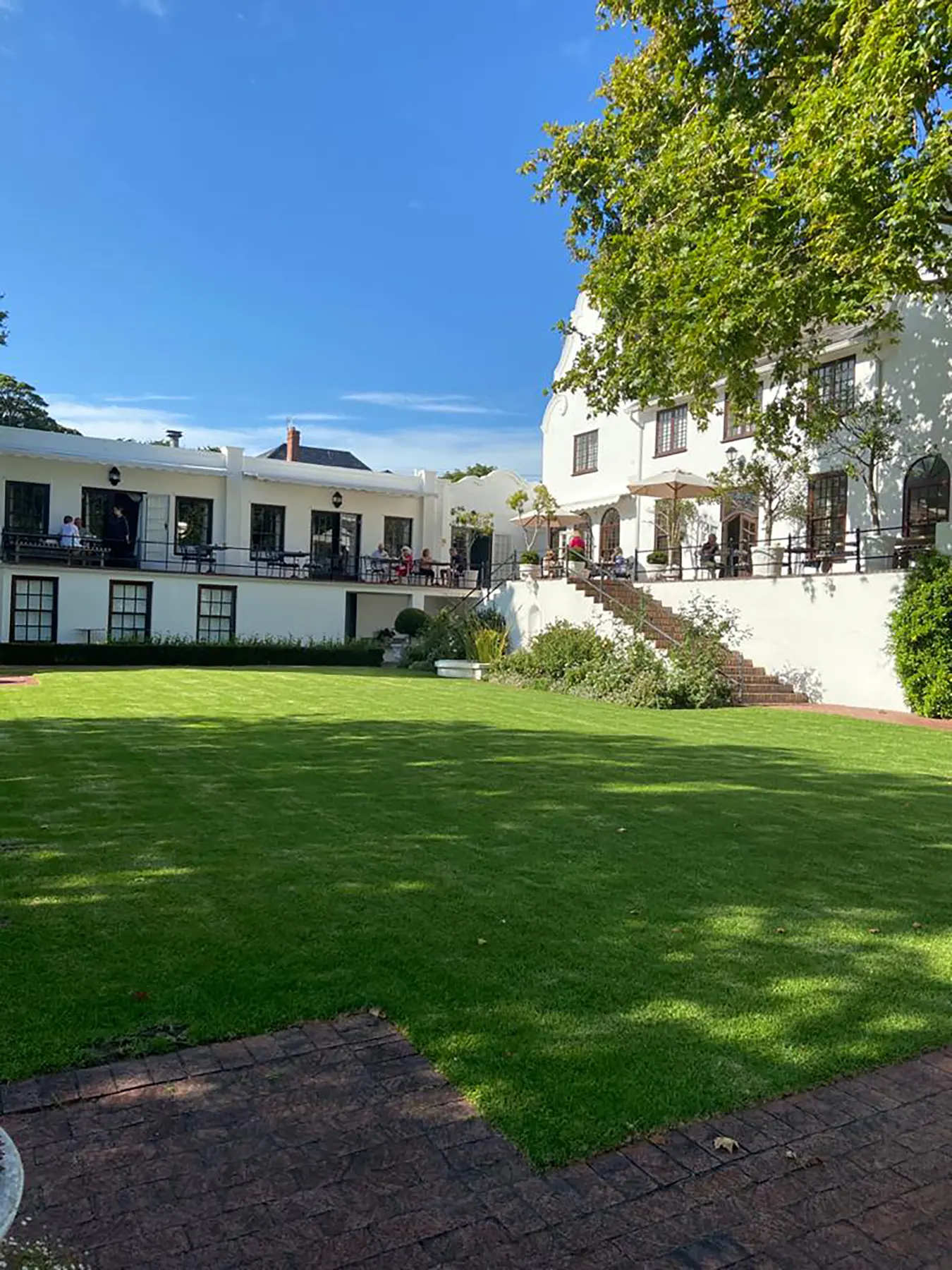
No visit to Cape Town is complete without a day trip to the Cape’s renowned wine region. Stellenbosch, the second oldest town in the country and the centre of South African wine, is under an hour’s drive from the city, with Franschhoek’s valley of wine estates and restaurants about an hour away. Cellar tours, tastings and long lunches are the order of the day.
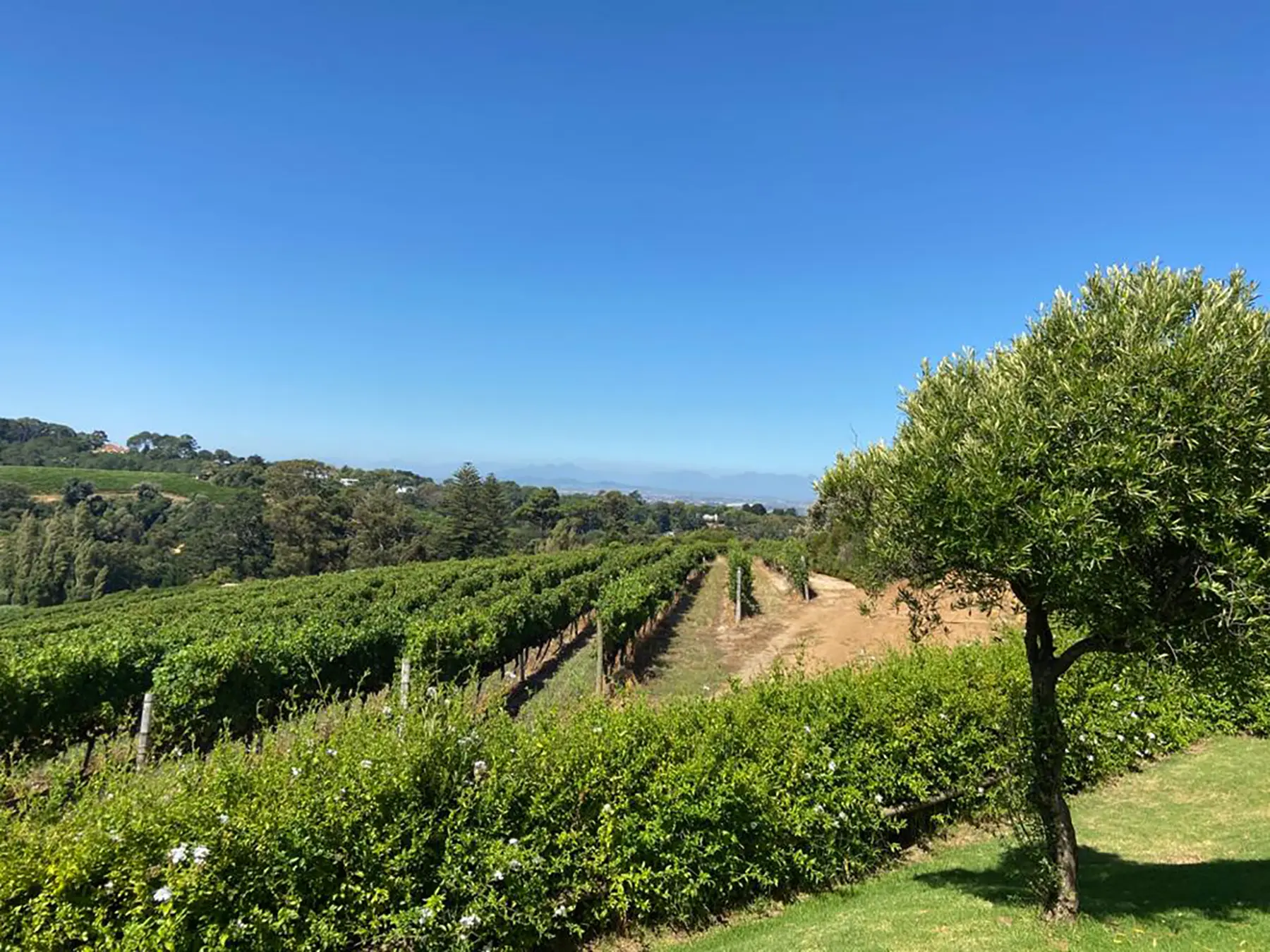
In Franschhoek, there is even a hop-on-hop-off wine tram that connects a circuit of estates, so nobody has to drive between tastings. It’s possible to go on an organised day tour, but if you’d rather identify a few farms and make your own route, it’s a good idea to hire a driver for the day.
For a really unique experience that’s hidden away from the main tourist routes, try Delaire Graff Estate tucked away on the scenic Helshoogte Pass. Besides their internationally recognised wines, there are three excellent dining options, all on the same estate. The al fresco restaurant Lorenzo’s makes delicious fresh pastas and seafood with a local twist.
7. Relax on the Beaches and Sunset Spots
Camps Bay and Clifton Beaches 1 to 4 on the Atlantic Seaboard side are picture-perfect, white sand beaches, dotted with dramatic boulders and kelp forests. The water is cold year round, so if you’re looking to have a dip or a surf, then False Bay might be a better choice.
Muizenberg Beach is a charming local spot where the surf is always gentle and predictable and the water a few degrees warmer. Many of the surf shops along the beachfront offer surfing lessons and equipment rentals.
Cape Town sunsets are majestic, and Signal Hill is a favourite spot among the locals to take them in.
Tips for Visiting Cape Town
Cape Town is an easy city to travel in by African standards, but a few practical points make the stay smoother.
- Plan your trip up Table Mountain on the clearest morning available, and have a bit of flexibility around this. The cableway closes in strong wind and low cloud, and morning conditions are the most reliable.
- Book your Robben Island visit several days ahead, if you can; tours sell out and they don’t take walk-ins.
- Uber works well throughout the city and is the simplest way to get around; there is no need to hire a car unless you want to self-drive the Peninsula or Winelands. Waiting times for Ubers in Cape Town can be slightly longer than in other cities, depending on the area you’re in and demand.
- The city is safe in the main visitor areas by day, but stick to Uber or hotel taxis after dark (avoid general metered taxis) and keep phones and cameras out of sight on the street.
- Pack a warm layer and a rain jacket for a June to August visit, whatever the safari legs of the trip demand; Cape Town’s winter is mild but can be wet and windy.
- Card payments are accepted almost everywhere, including at markets and in taxis. However, you should keep some cash in local currency (South African Rands) available to tip tour guides on Robben Island, in Bo-Kaap, and if you hire a driver for a Winelands tour. As a guideline, a R50 – R100 tip for your Robben Island guide would be appropriate as would a R20 – R50 tip for a Bo-Kaap walking guide.
Where to Stay in Cape Town
You are in the same Cape Town hotel for all four of your nights in Cape Town. The City Bowl, V&A Waterfront, Camps Bay and De Waterkant are all great bases from which to get around.
See Day 10 for more about the accommodation options across the city.
Day 14: Departure from Cape Town
Drive Time (Excluding Game Drives): 30 minutes to Cape Town International Airport
It’s the end of two weeks soaking up the South African sun, from pre-dawn game drives in Greater Kruger to sundowners overlooking the Atlantic. Today you’ll say your farewells to this southernmost corner of Africa and head home.
Itinerary
The morning is still yours to enjoy since your flight will only depart in the afternoon or evening. There’s time for a leisurely breakfast, a last walk around the V&A Waterfront or an hour by the sea before you check out.
The transfer to Cape Town International Airport takes about 30 minutes from the city centre, depending on the traffic. But if you leave around the middle of the day, it should be an entirely smooth and easy experience. After the long, bumpy transfers earlier in the trip, half an hour on a city road barely registers.
Cape Town International Airport has direct international flights to major hubs, so most travellers fly straight home from here rather than backtracking north through Johannesburg. If your flight routes via Johannesburg on separate tickets, you’ll need to collect your baggage there and check in again for your long-haul flight. On a single ticket your bags are usually checked through, so confirm with your airline.
.
Highlights of This Itinerary
South Africa has some of the finest Big Five game viewing in Africa! This is especially true of the many spectacular private reserves in the Greater Kruger ecosystem, surrounding the Kruger National Park. In these reserves, you can go on night drives, walking safaris and off-road game drives – experiences that can’t be matched in the national park.
A 2-week safari that covers Timbavati, Manyeleti and Sabi Sand immerses you in three distinct wilderness experiences in one of the largest conservation areas on the continent. In this itinerary, you’ll have the opportunity to come face to face with South Africa’s most iconic species, before finishing off your trip with 3 days in beautiful Cape Town.
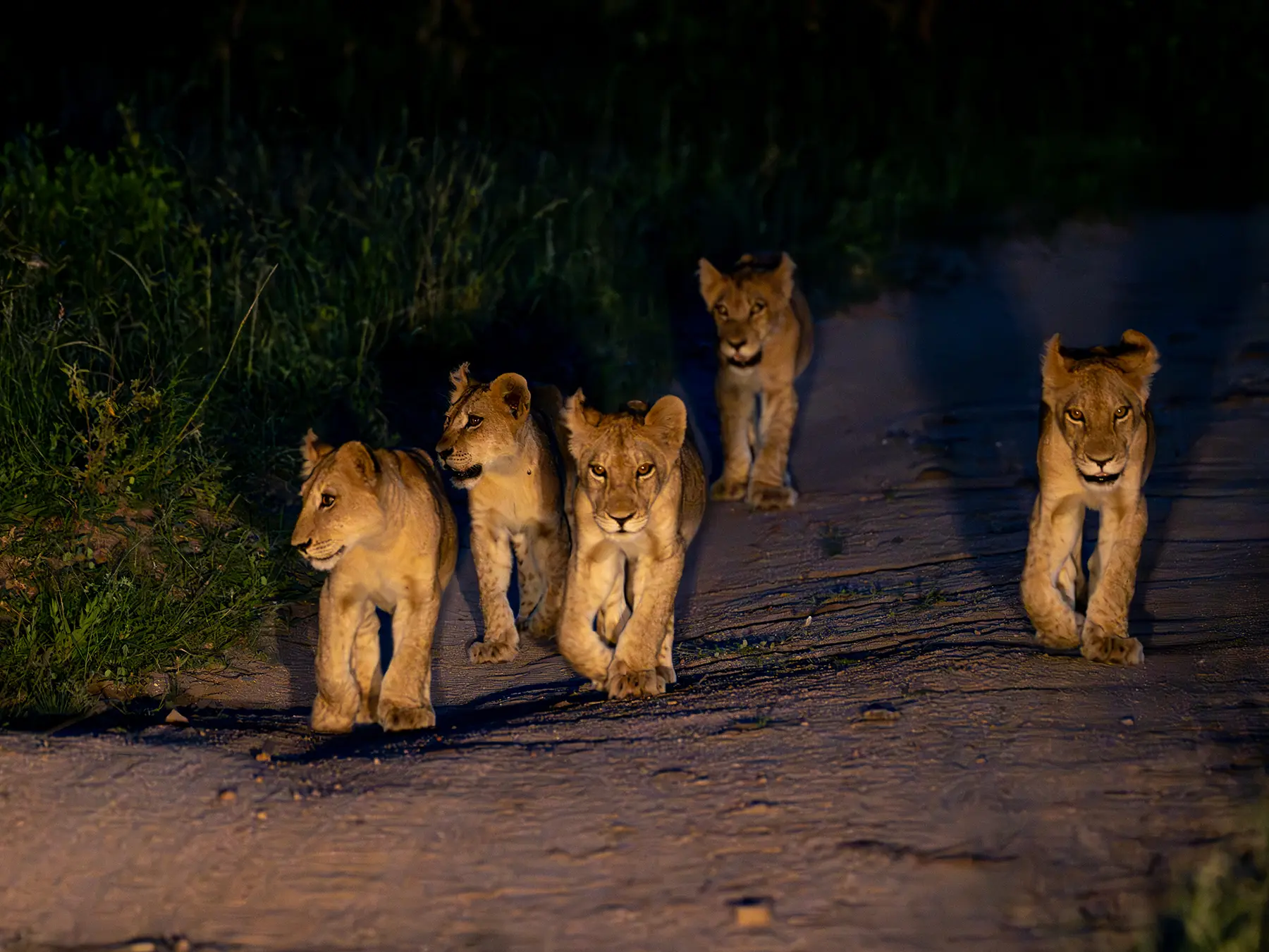
You can see a video of my South Africa safari experience below, or keep reading to learn more about the highlights of going on safari in South Africa.
Jump straight to any of the features below.
Easy Access to Greater Kruger From the Main International Airports
South Africa is one of the most accessible safari destinations in Africa, with direct flights from major hubs including London, Amsterdam, Atlanta and New York arriving at Johannesburg and Cape Town. From either city, it’s just a short domestic flight to the doorstep of Greater Kruger.
Hoedspruit Eastgate Airport, Nelspruit Airport and Skukuza Airport are all located close to different reserves, and have daily flights from Johannesburg and Cape Town via Airlink.
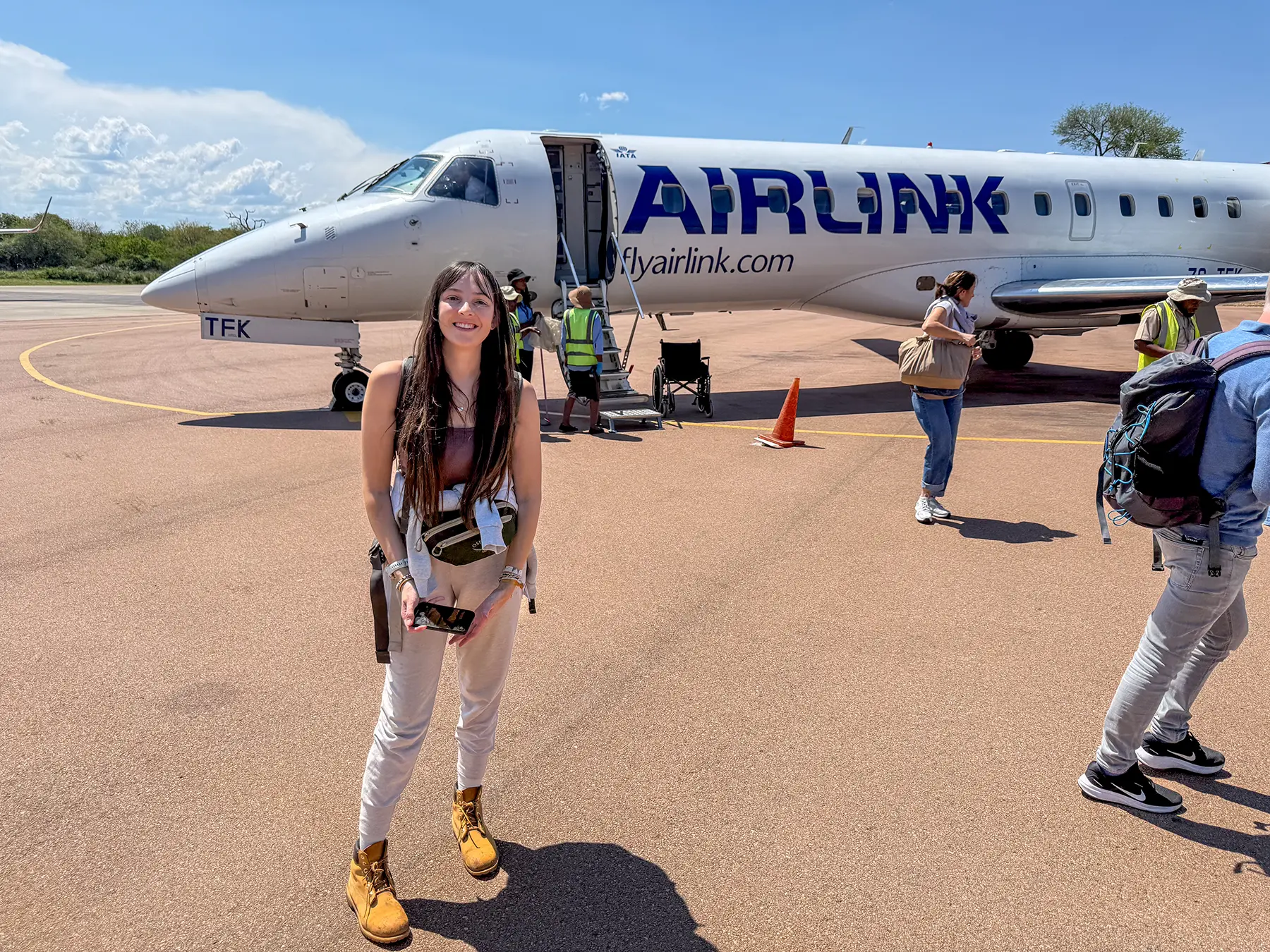
I’ve flown on a number of airlines across Africa, and Airlink is definitely one of my favourites. They are reliable, their planes are comfortable and they serve a complimentary meal on all flights, even the short 1-hour hop from Johannesburg to Hoedspruit. I was still enjoying my sandwich as we landed!
To make things even better, the views you’ll get whilst flying over the dramatic Drakensberg Mountains are fabulous!
World-Class Private Reserves
I’ve always been sceptical of private reserves. I thought that because they’re usually surrounded by fences, the animals aren’t truly wild. However, South Africa’s Greater Kruger reserves completely transformed my understanding of what a private reserve can be.
There are no fences between the Greater Kruger private reserves and the sprawling Kruger National Park, so animals can move freely between them. The result is that the entire area feels really wild and natural, and the animals are able to travel great distances if they wish to.
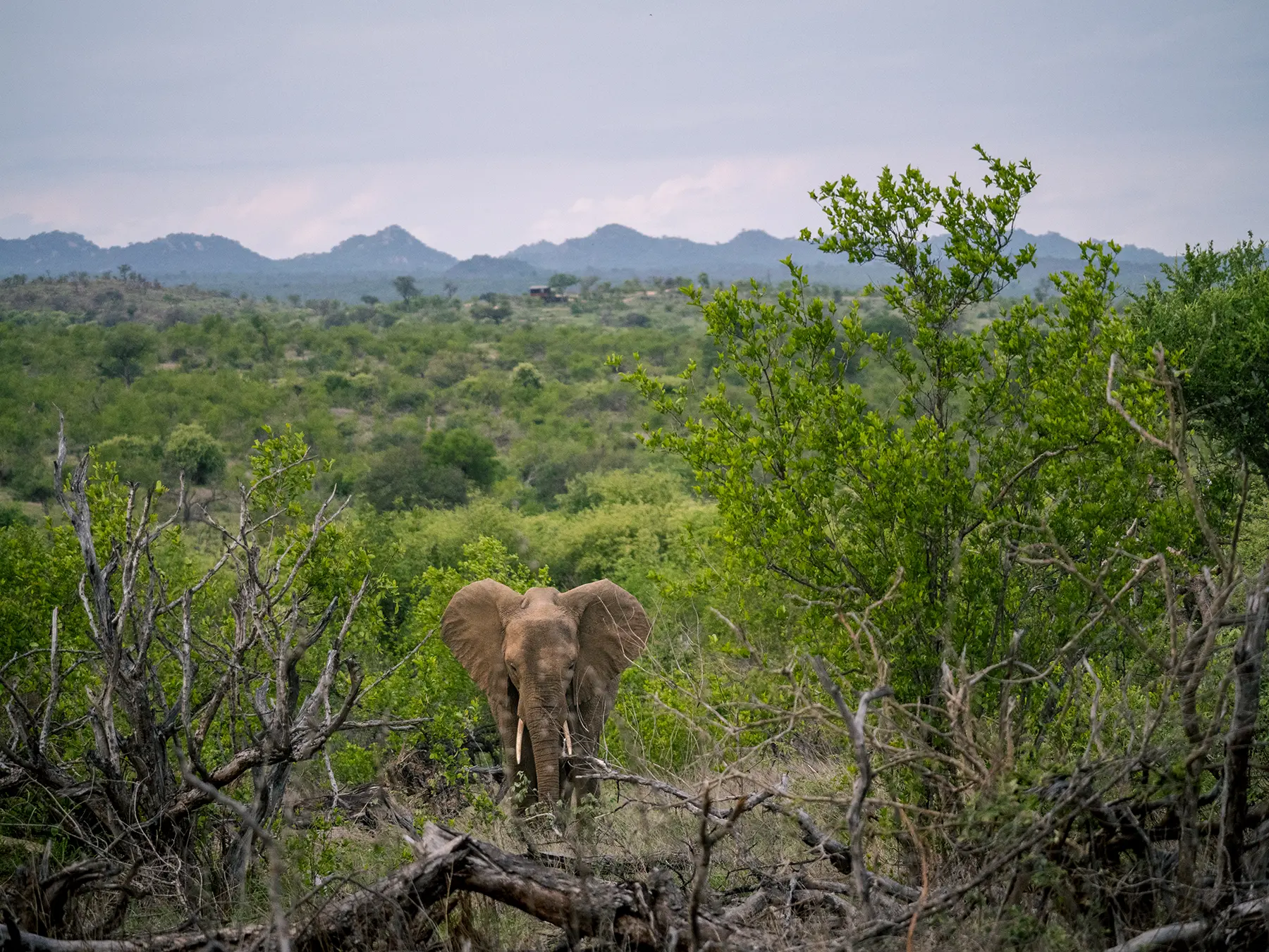
There are some important differences between the private reserves and the Kruger National Park. One of the most significant is that in the private reserves you can drive off-road, which allows you to get closer to the wildlife.
It’s also possible to go on night game drives in the private reserves, giving you the opportunity to see nocturnal species. There are also some really special additional activities you can enjoy, like guided walking safaris.
In my view, the main advantage of visiting the private reserves is a really simple one: minimal vehicle traffic. Only guests staying at a lodge within the reserves can go on safari there, and in most cases no self-drive vehicles are allowed (Manyeleti is an exception).
This means that your sightings are peaceful and quiet, which puts minimal stress on the animals and gives you better opportunities for photographs.
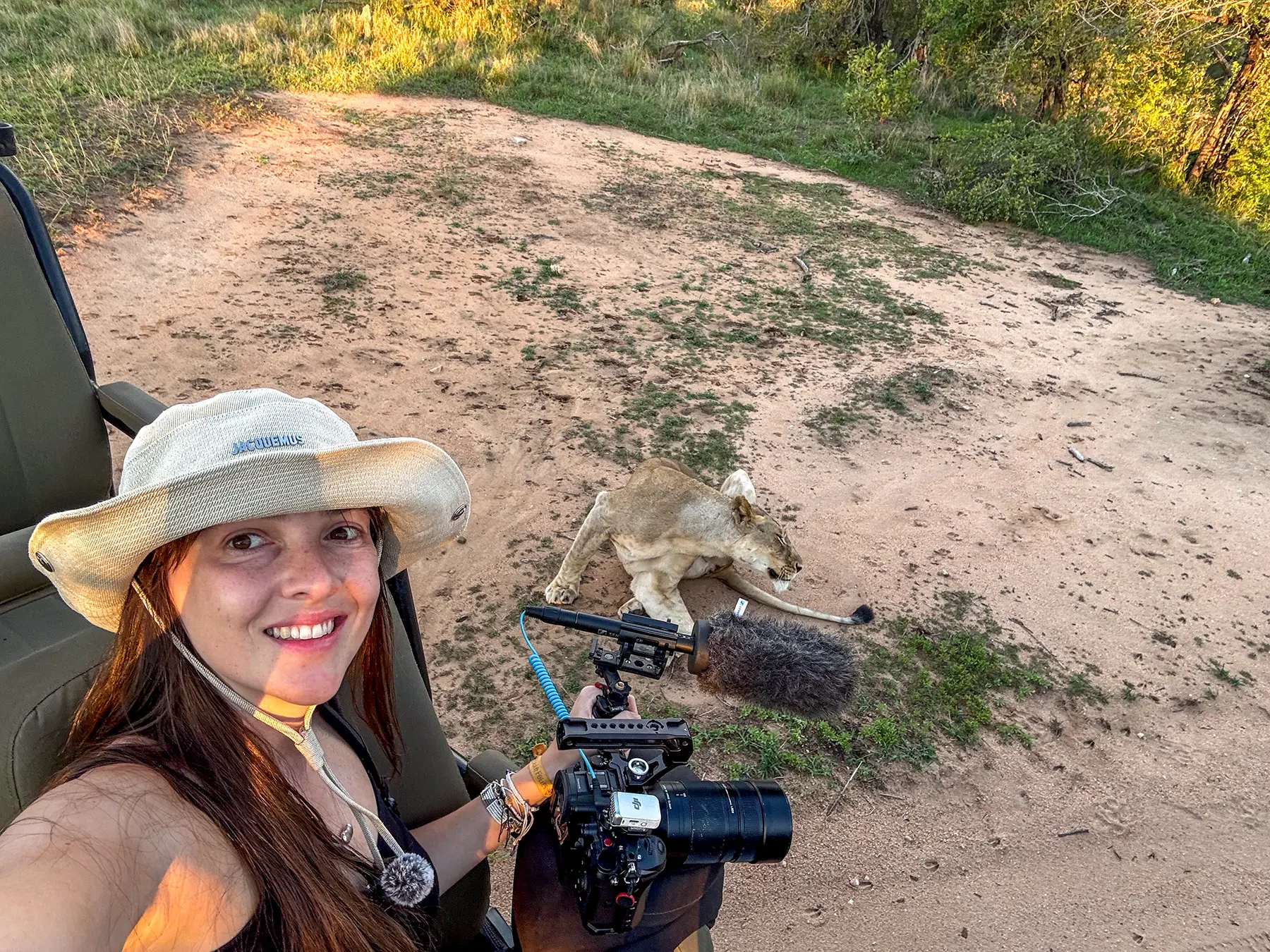
Each private reserve within this itinerary is special in its own unique way.
Timbavati is the home of the white lion and is one of the most reliable reserves in South Africa to see all of the Big Five. I managed to see all of the Big Five within three days and, in many cases, had multiple sightings of each. I was even fortunate enough to see wild dogs on the hunt.
Just to the south of Timbavati is Manyeleti, which differs from other Greater Kruger reserves as it’s community-owned. Manyeleti’s characteristic wide open plains are the perfect hunting ground for Kruger’s rarest big cat, the cheetah.
I had three amazing cheetah sightings over my three-night stay at Manyeleti, and saw five individual cheetahs. This included a cheetah family consisting of a mother and her growing sub-adult cubs, who were feasting on a freshly caught impala lamb.
Sabi Sand, perhaps the most famous Greater Kruger reserve, lies to the south of Manyeleti and has one of the highest leopard densities on the continent. Sabi Sand is renowned for its prestigious luxury lodges, including MalaMala, Londolozi and Singita. There are some more budget-friendly lodges here too, like Inyati.
The hype surrounding Sabi Sand is totally justified, and my many wildlife sightings exceeded my expectations! From lion cubs playing with one another, to a family of leopards resting together (a mother, cub and the father too!), wild dogs taking down an impala, and even lion cubs successfully catching an impala – there was action everywhere!
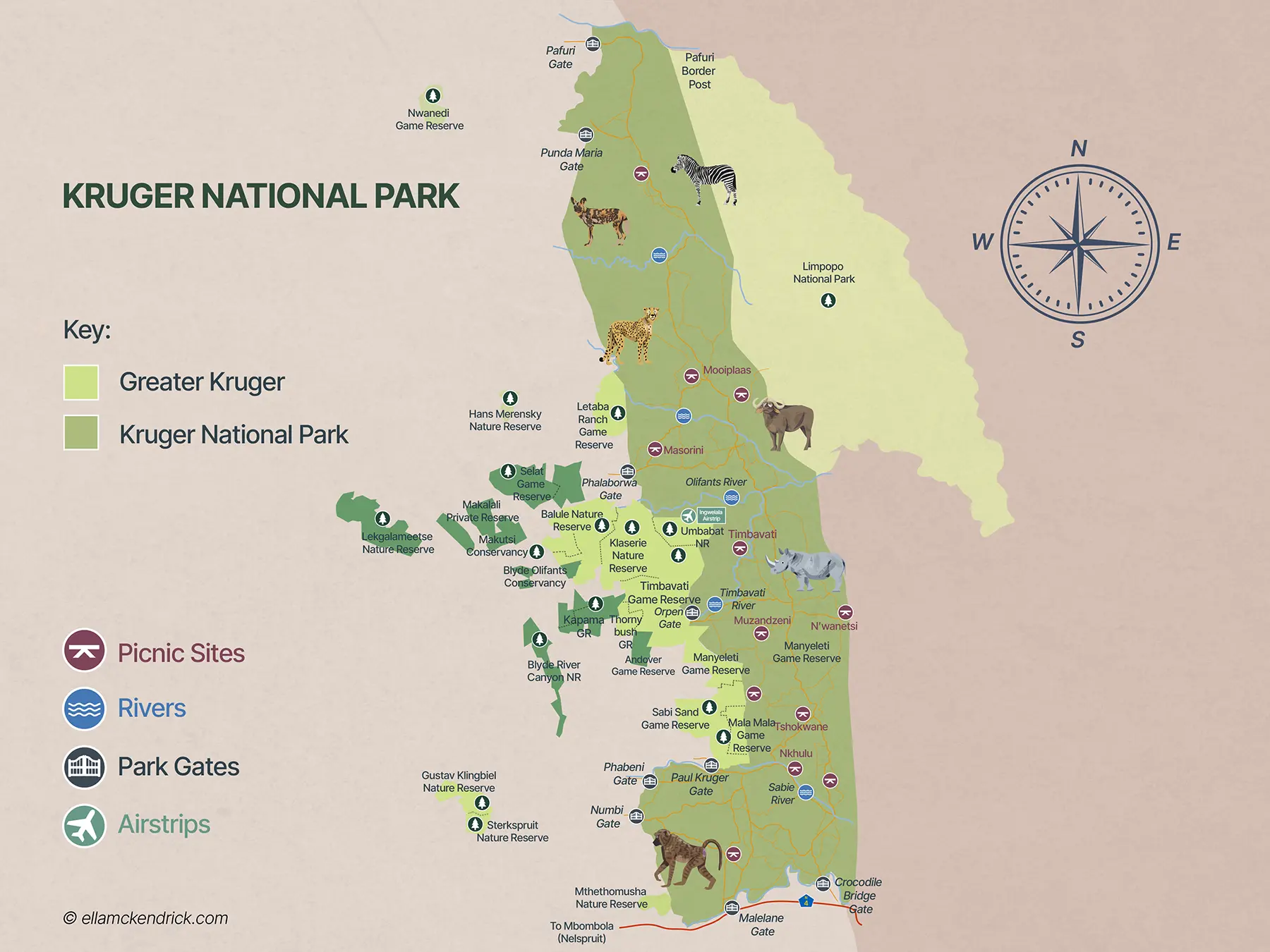
Here is a map I made showing the Greater Kruger area.
It’s Quick and Easy to Transfer Between the Reserves
Since the reserves are right next door to each other, transferring between them is fairly straightforward.
You can either travel by road, which takes 3 to 4 hours per journey, or fly via light aircraft.
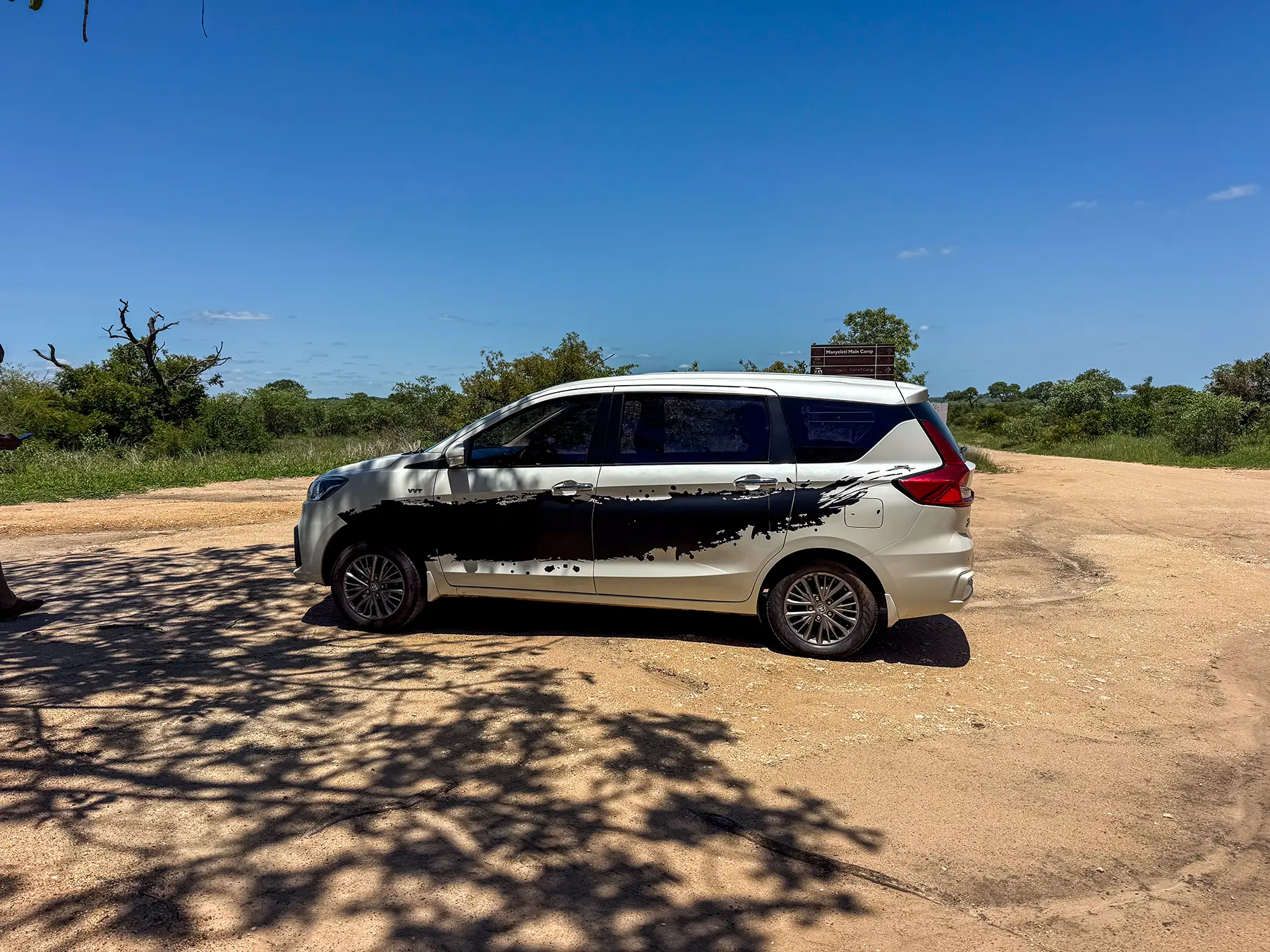
There is a somewhat complex traversing rights system between the reserves, which can make driving times a little longer than you might expect. Also, the roads outside the reserves aren’t particularly well maintained. This makes flying between reserves a more convenient option for most travellers, particularly since each reserve has its own airstrip.
Wildlife Diversity and All of the Big Five
Greater Kruger is one of the most reliable places in Africa to see all of the Big Five (lions, elephants, rhinos, leopards and buffalos). Thanks to fantastic rhino conservation efforts, encountering these elusive creatures is more likely now than it was several years ago.
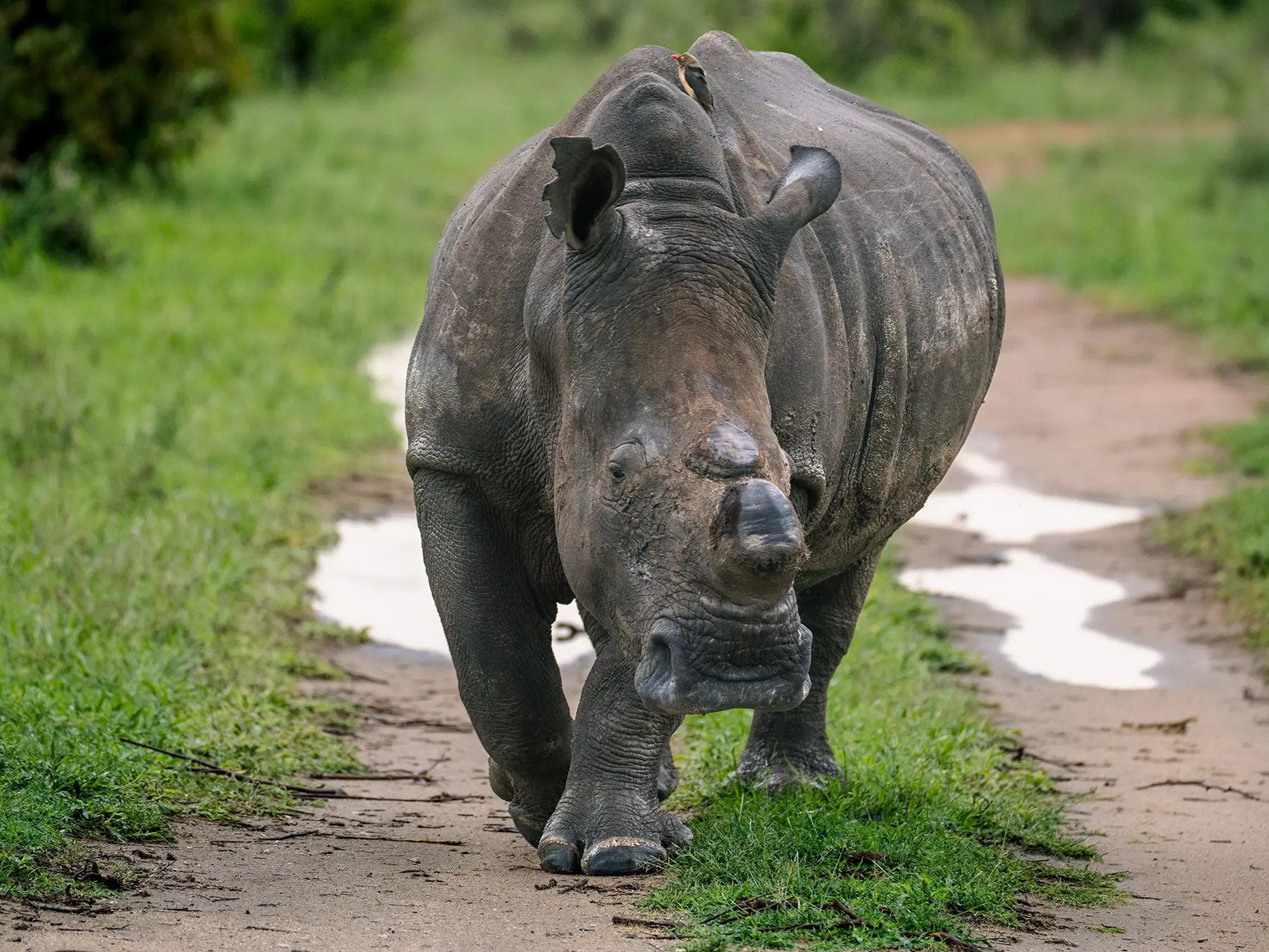
But there’s so much to see in South Africa in addition to the Big Five! Kruger alone is home to 147 large mammal species, over 500 bird species, and one of Africa’s largest wild dog populations.
You have better chances of seeing this endangered predator in Greater Kruger than in just about anywhere else on the continent. I was fortunate enough to have six different wild dog sightings across three Greater Kruger reserves during my month-long safari!
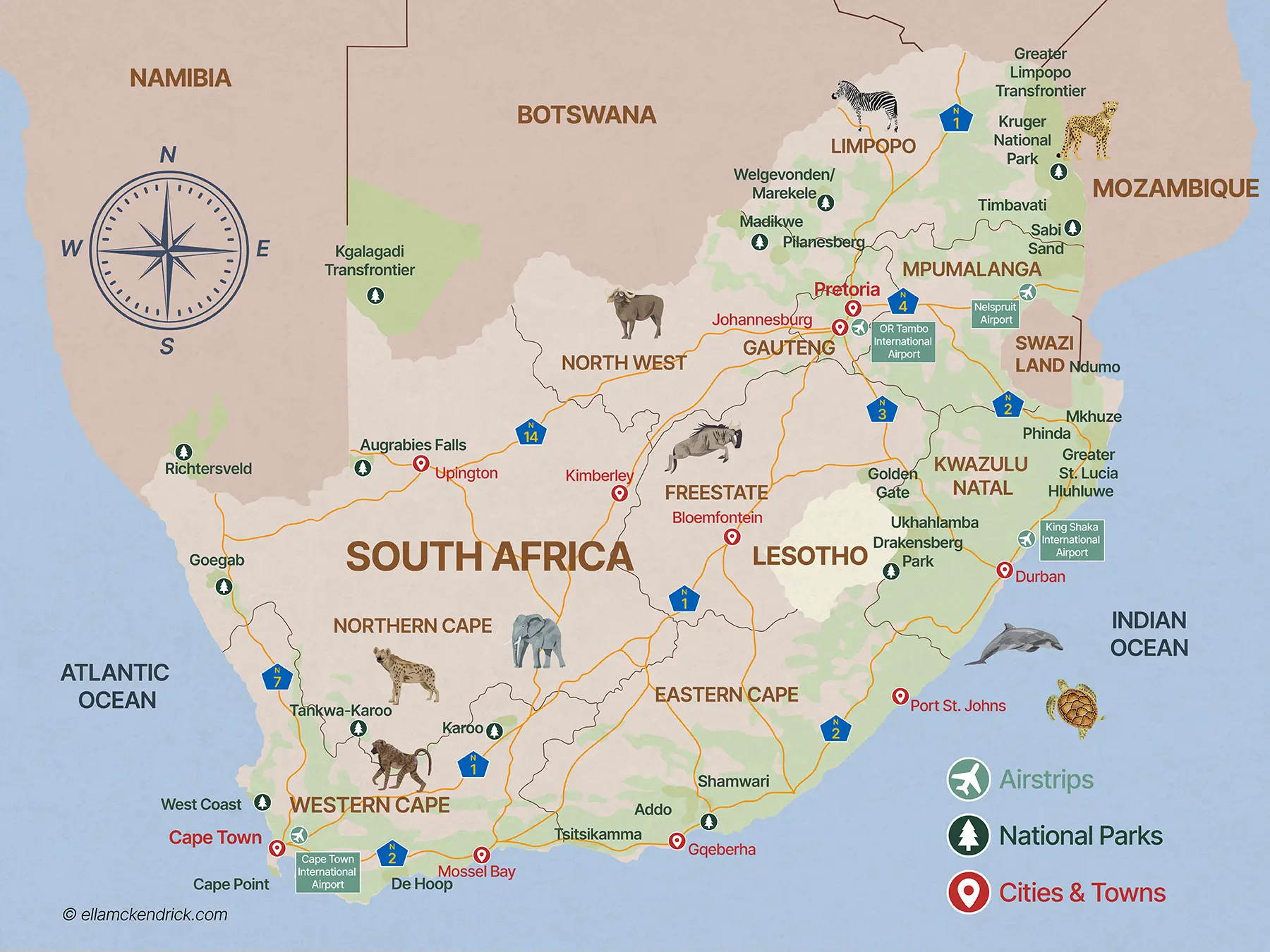
Below is a map I made of South Africa showing the safari highlights.
Enhanced Wildlife Tracking With a Dedicated Driver and Tracker Which Is Unique to South Africa
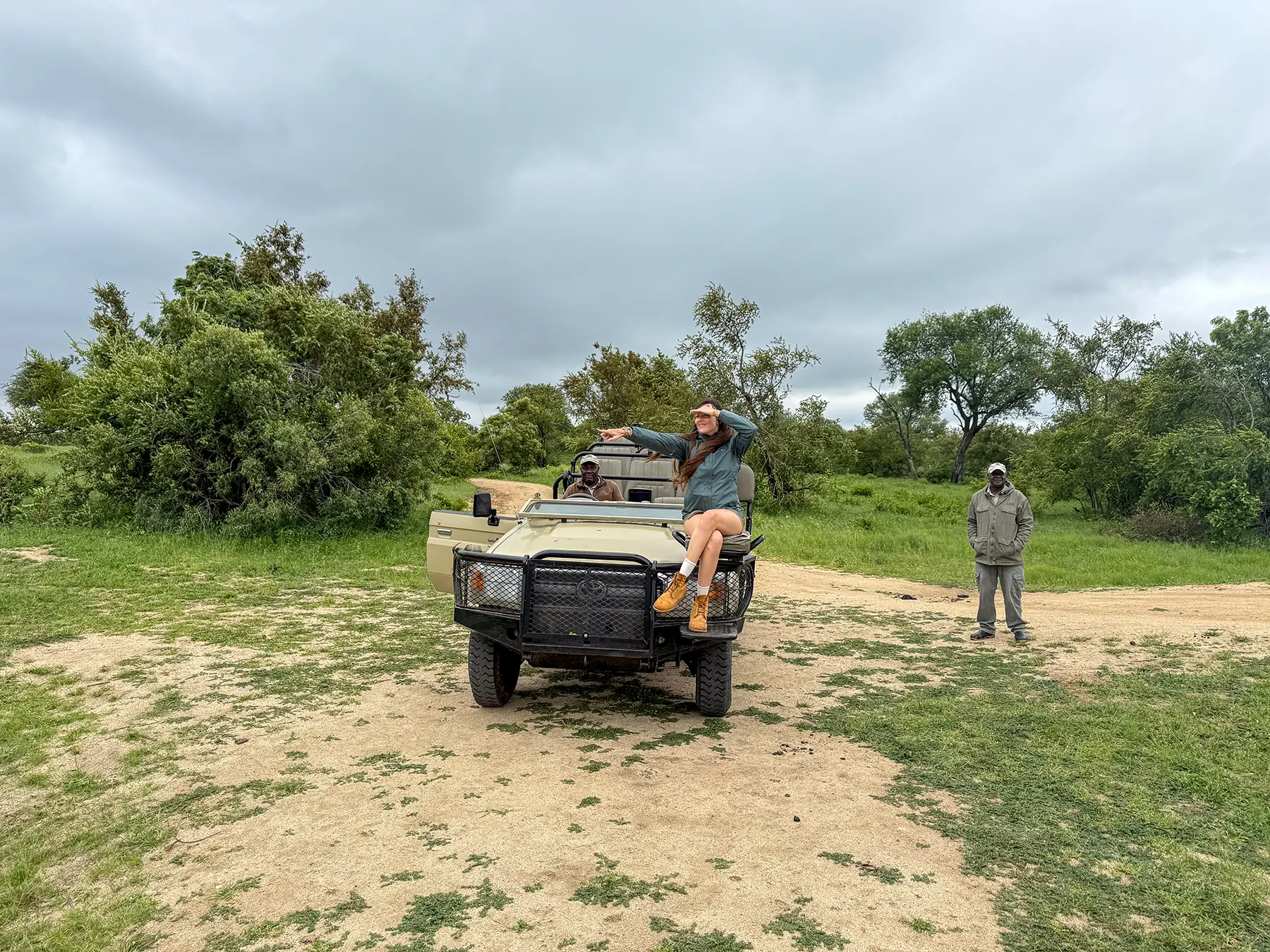
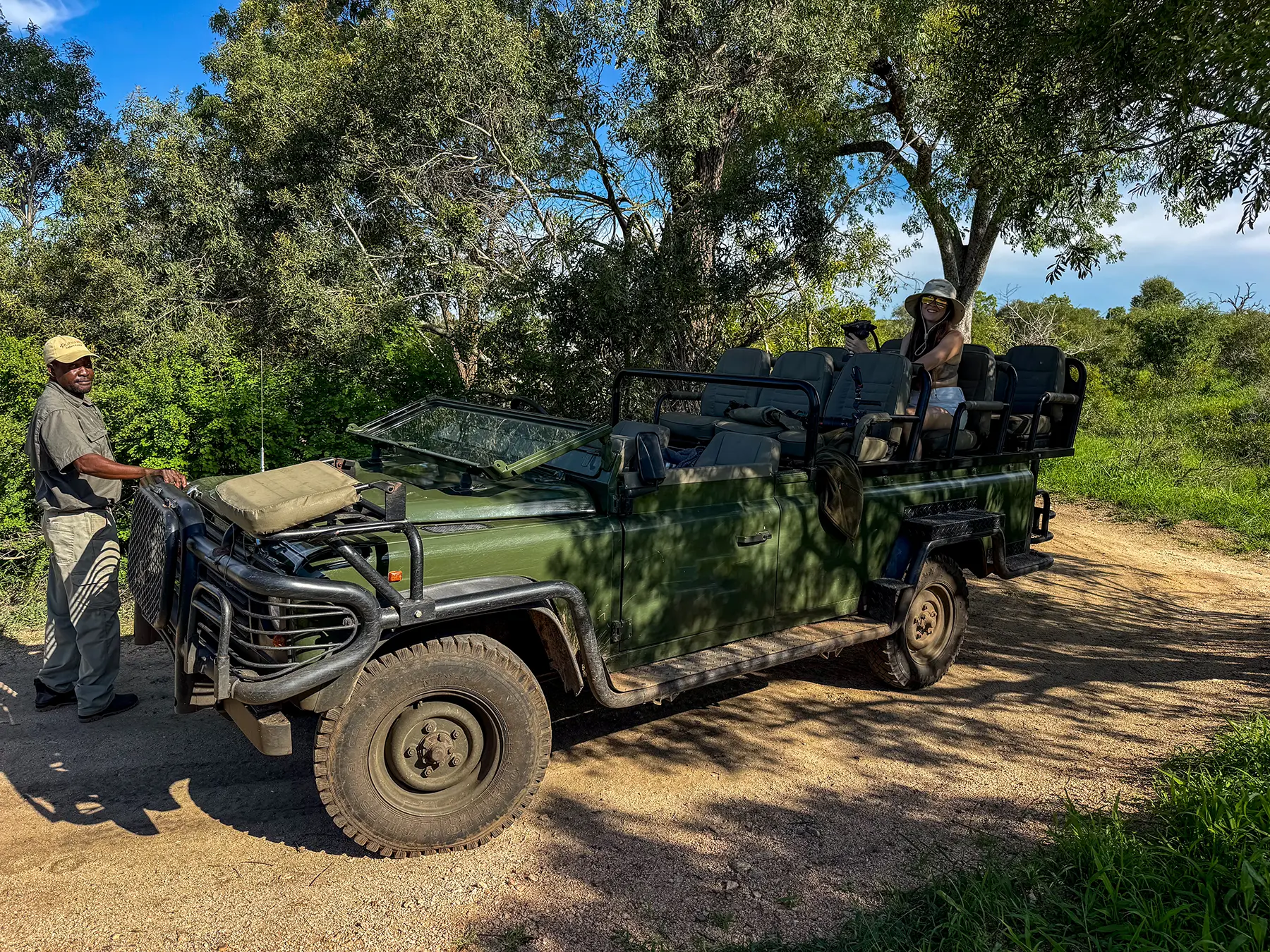
South Africa is the only safari destination I’m aware of where, in addition to the driver, there is a dedicated tracker on your safari truck. The tracker sits on the very front of the truck to give them the best visibility of wildlife in the bush, as well as of tracks on the ground. Two sets of expert eyes are better than one!
Whilst an additional tracker isn’t guaranteed in every camp in Greater Kruger, it was the case everywhere I visited besides MalaMala. They have a slightly different way of doing things, based on what they have found works best in their reserve. Based on the quality of our sightings there, it was clearly working very well for them.
Pros of Safaris in South Africa
- Good chance of seeing wild dogs – I saw them on a number of occasions, including a successful hunt.
- Home to all of the Big Five across multiple private reserves and Kruger National Park, with unfenced boundaries allowing free wildlife movement. I saw all of the Big Five in many reserves.
- Private reserves in Greater Kruger offer off-road driving, night drives, and walking safaris not available in Kruger National Park itself. On a night drive in Sabi Sand, I saw lion cubs on a successful hunt.
- Great infrastructure with daily flights from Johannesburg and Cape Town to Hoedspruit, Nelspruit and Skukuza (three airports near Kruger). I always fly with Airlink.
- Sabi Sand offers some of the best leopard viewing in Africa, with guides identifying up to 85 individuals. I spotted an incredible 15 leopards during my South Africa safari and 10 of those were during my 5 nights in Sabi Sand.
Cons of Safaris in South Africa
- Greater Kruger private reserves are premium-priced, with most lodges starting from $500 per person per night.
- Whilst the private reserves have dirt roads, if you go on safari in the main Kruger National Park, the main roads are tarmac, which makes it feel a bit less ‘untouched’ and natural.
- Game drives are usually shared unless you pay a very large premium for a private truck. However, the shared game drives are much better than in other locations (see private vs shared section).
- Summer temperatures in the Lowveld can exceed 104 degrees Fahrenheit (40 degrees Celsius), making game drives uncomfortable.
- Unlike Kenya and Tanzania, there is no Great Migration or equivalent spectacle.
How Do You Book a 2-Week South Africa Safari?
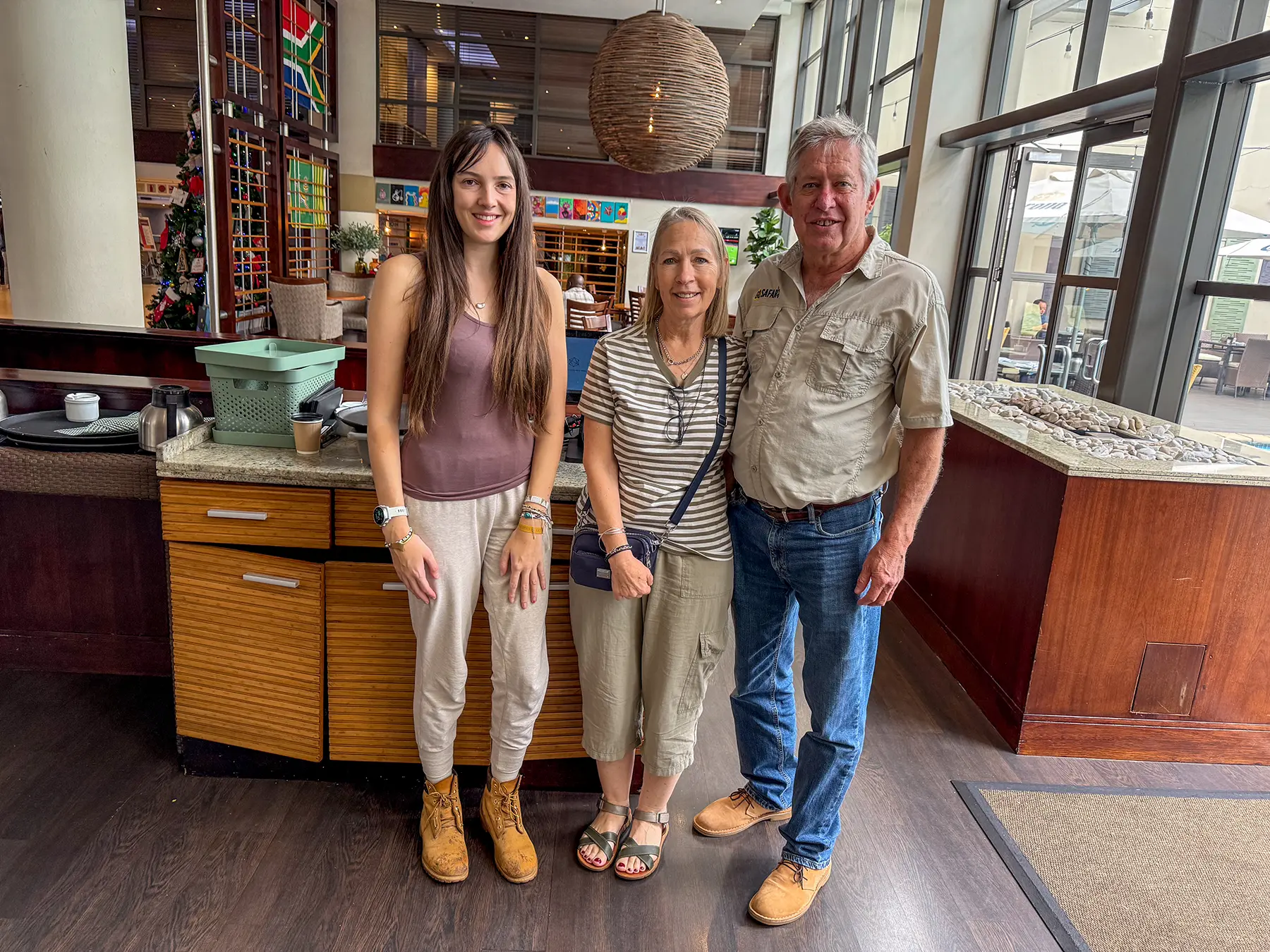
Without a doubt, the easiest and best value-for-money way to arrange your Greater Kruger safari is by booking through a reputable local tour operator.
This is how I book my South African safaris and I always have an incredible experience.
Other booking options include using an international travel agent or self-driving and booking each component of your trip separately. A local tour operator will arrange your accommodation, reserve permits, game drives, and inter-reserve transfers at lower cost than international agents, and you’ll save yourself a lot of admin!
You can get quotes from the same local tour companies I use to organise my own trips here: Safaris By Ella
There are three main ways to book a safari in South Africa, each with different trade-offs on cost, flexibility, and experience.
Booking Options at a Glance
| Option | Cost | Flexibility | Best For |
|---|---|---|---|
| Local Tour Operator | $$ | High | Most travellers, best value |
| Self-Drive | $ | Extremely High | Experienced drivers who are comfortable with gravel roads and skilled at wildlife spotting |
| International Agent | $$$ | Medium | Those who want international flights and safari in one package and are happy to pay 30% to 170% more than booking through a local tour operator |
In Greater Kruger specifically, self-driving is only possible within Kruger National Park itself and in some areas of Manyeleti Game Reserve. However, if you self-drive in Manyeleti, you are not allowed the same privileges as the guided vehicles and cannot drive off-road.
Two of the private reserves on this itinerary, Timbavati and Sabi Sand, do not allow self-drive visitors. Game drives are only conducted by qualified lodge guides who can go off-road.
International agents typically add a significant markup by subcontracting to the same local companies you could book with directly.
Why I Recommend a Local Tour Operator for South Africa
A local tour operator handles every aspect of your safari from the moment you land at Hoedspruit or Johannesburg until you leave the country at the end of your trip. They organise your accommodation across all three reserves, transfers between each reserve, reserve entry permits, and game drives with expert ranger-tracker teams.
They also have live knowledge of which lodges offer the best value right now.
Having tested all booking methods, I book all my safaris this way these days!
On one visit to South Africa, I tried booking different components of my trip separately rather than through a local tour operator and got stung when my airport transfer didn’t pick me up. A helpful driver who was waiting to pick their guests up at Hoedspruit Airport was kind enough to find an alternative for me, but only after an hour of me feeling completely lost and flustered!
By contrast, when I booked through a local South African tour operator who provided me with all transfers throughout my safari, every transfer was extremely prompt (often arriving 30 minutes early) and in extremely comfortable vehicles with safe drivers.
My local tour operator was even able to connect me with an extremely experienced driver who knew a little-known short-cut between Manyeleti and Sabi Sand Game Reserves, saving us hours on the road.
At the other end of the spectrum, on my first visit to South Africa, I used an international tour operator as I didn’t realise it was possible to book with local companies. When comparing our trips’ costs with other guests at a lodge I was staying at, I was appalled to discover I’d paid nearly double what they had!
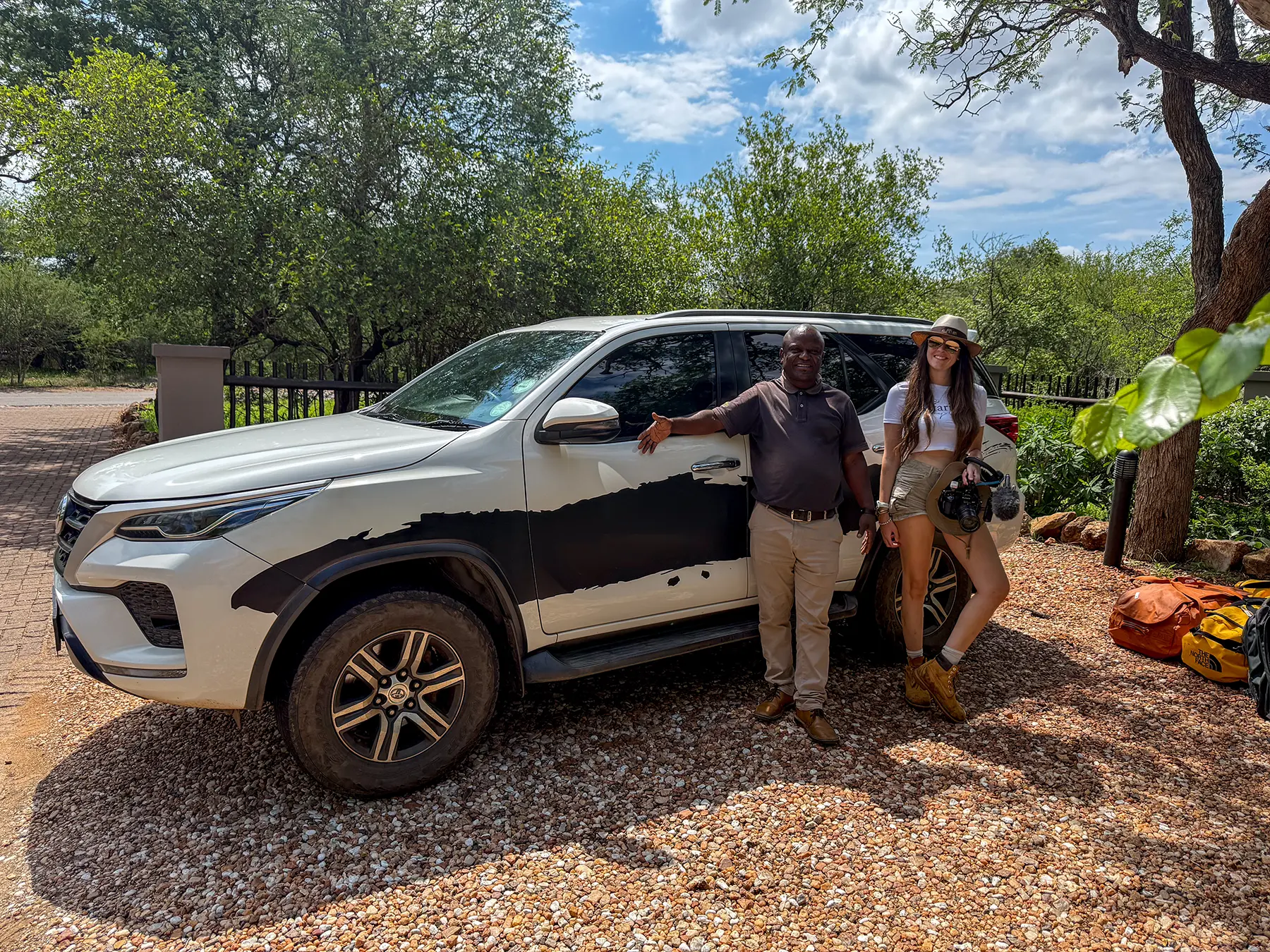
Many people think that booking everything yourself saves you money. However, the cost of booking through a local safari company is actually comparable to booking everything yourself, because local operators get preferential accommodation rates. This largely balances out their markup.
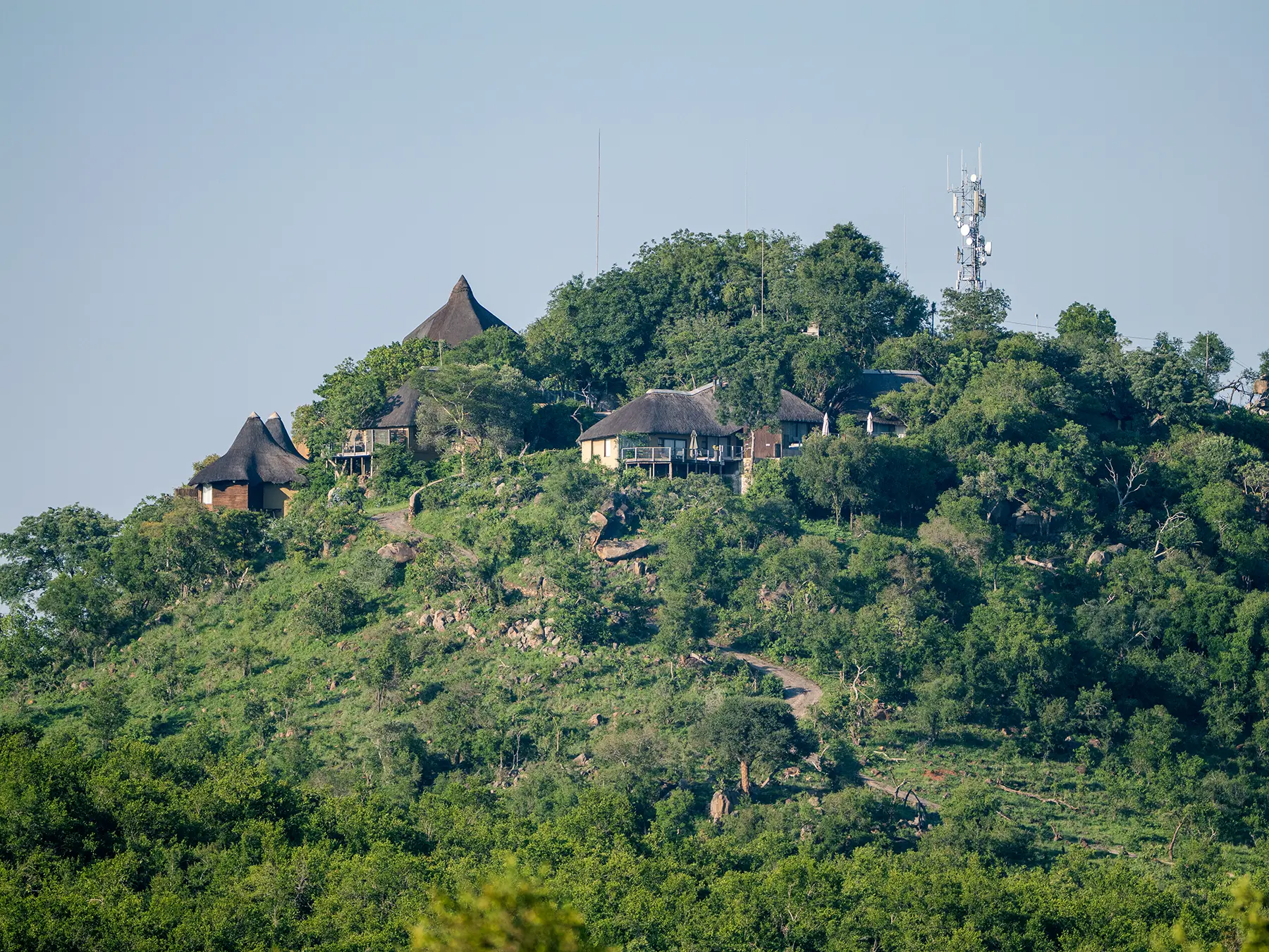
The benefits you get from spending that little bit extra on a local tour operator are immense, though. You don’t need to stress about researching where to stay and booking everything individually. Everything is taken care of and you only have one point of contact when you have any questions.
Local tour operators will also give you impartial advice on which lodges and reserves currently provide the best wildlife sightings. If you ask the lodges themselves, they tend to be biased towards recommending their own reserves. The last thing you want is to pay a lot of money to stay at a lodge in a poor wildlife location and miss out on sightings.
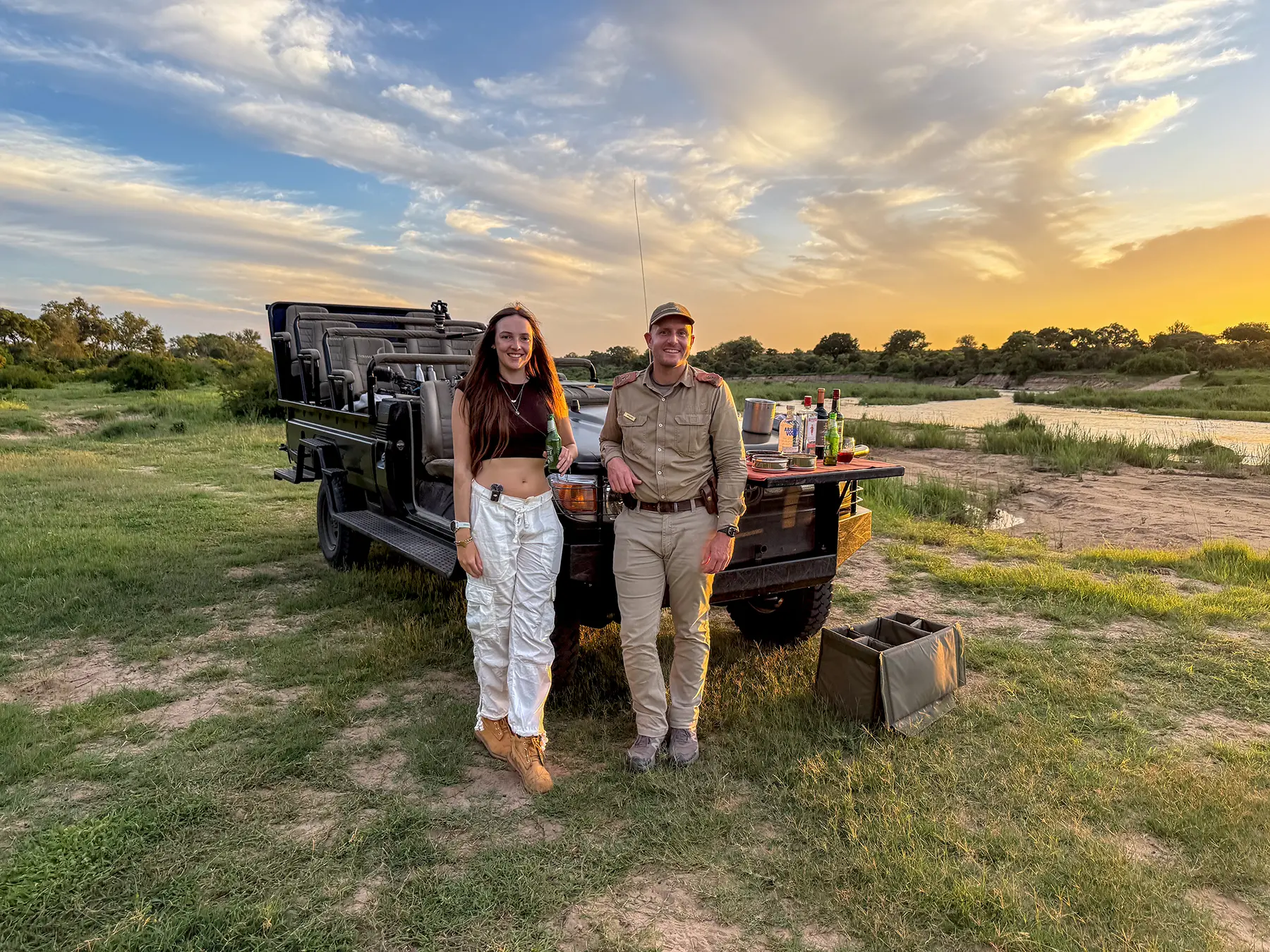
What a Local Operator Gives You
- All accommodation, reserve permits, transport, and transfers included in one price.
- Expert guidance on choosing between dozens of lodges across Timbavati, Manyeleti and Sabi Sand.
- Preferential lodge rates, often cheaper than booking directly.
- Flight and road transfer coordination from Johannesburg or Cape Town to your first lodge.
- On-the-ground knowledge of road conditions, reserve access rules, and seasonal changes.
What to Watch Out For
- Not all operators are equal. The cheapest quote often means inferior accommodation and less experienced guides.
- Very low prices can be a red flag for hidden costs during your trip.
- Local operators generally do not book international flights, so you will need to arrange those separately.
Embark on the Safari of Your Dreams
Save time and ensure an incredible safari experience by getting quotes from my recommended local safari companies
I’m here to make booking your perfect safari quick, easy and risk-free.
Join the rapidly growing tribe of over 1,000 travellers who’ve booked their dream safari using my insider tips and recommendations.
It takes under 60 seconds to fill out the form and in under 48 hours you will receive multiple, no-obligation proposals from my favourite local tour operators with glowing online reviews.
Get your free no-obligation safari quotes and my top safari tips and recommendations
How to Book with the Best Local Safari Companies
- Comparison sites which provide multiple quotes from verified suppliers such as Safaris By Ella
Join the rapidly growing tribe of over 1,000 travellers who’ve booked their dream safari using my insider tips and recommendations.
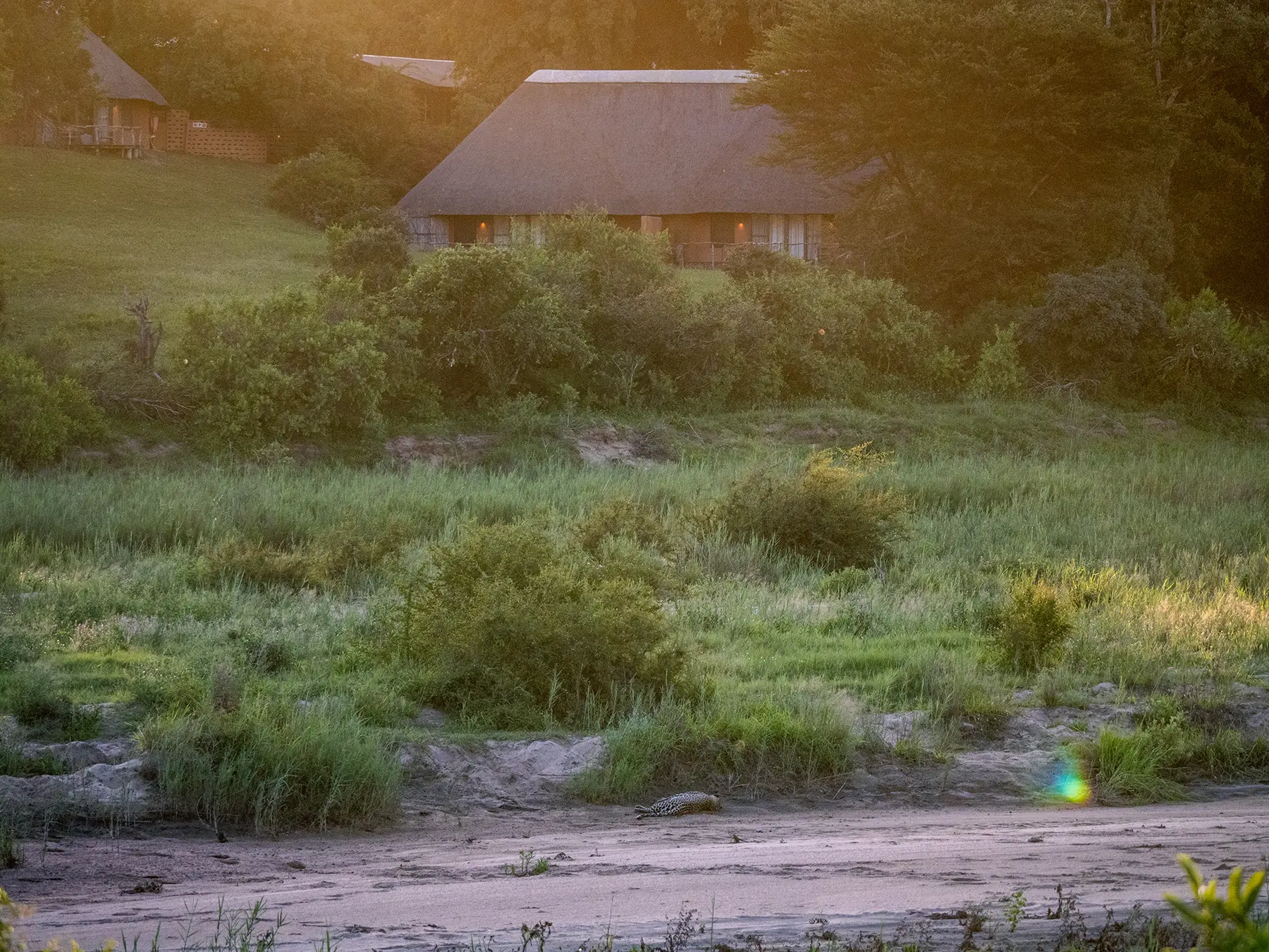
Greater Kruger’s safari system has some specific characteristics that affect how you should book.
- Quality of wildlife viewing differs a lot between lodges: Local tour operators add a lot of value when it comes to impartially recommending which lodges currently offer the best wildlife viewing. The individual lodges are unlikely to recommend the competition, even if there are better sightings in a different location.
- Self-drive limits: Timbavati and Sabi Sand do not allow self-drive. In Manyeleti, self-drive on roads is permitted, but off-road driving is not.
- Lead time: Book 6 to 9 months ahead for the May to October peak season, especially for Sabi Sand, where popular lodges sell out early.
- Airport choice: Flying to Hoedspruit Eastgate Airport (approximately 1 hour from Johannesburg) will spare you the 5-6 hour drive from Johannesburg on roads of variable quality.
- Off-road driving: This is only available in private reserves with guided drives. Off-road driving is not permitted on self-drive safaris or in the public Kruger National Park.
- Night drives: While limited night drives are available within Kruger National Park for visitors staying in the basic South African National Parks camps inside the park, these make use of enormous, noisy safari trucks that have limited visibility. The guided night drives offered in private reserves are a much more comfortable, agile and less intrusive experience, and you’re likely to have better sightings.
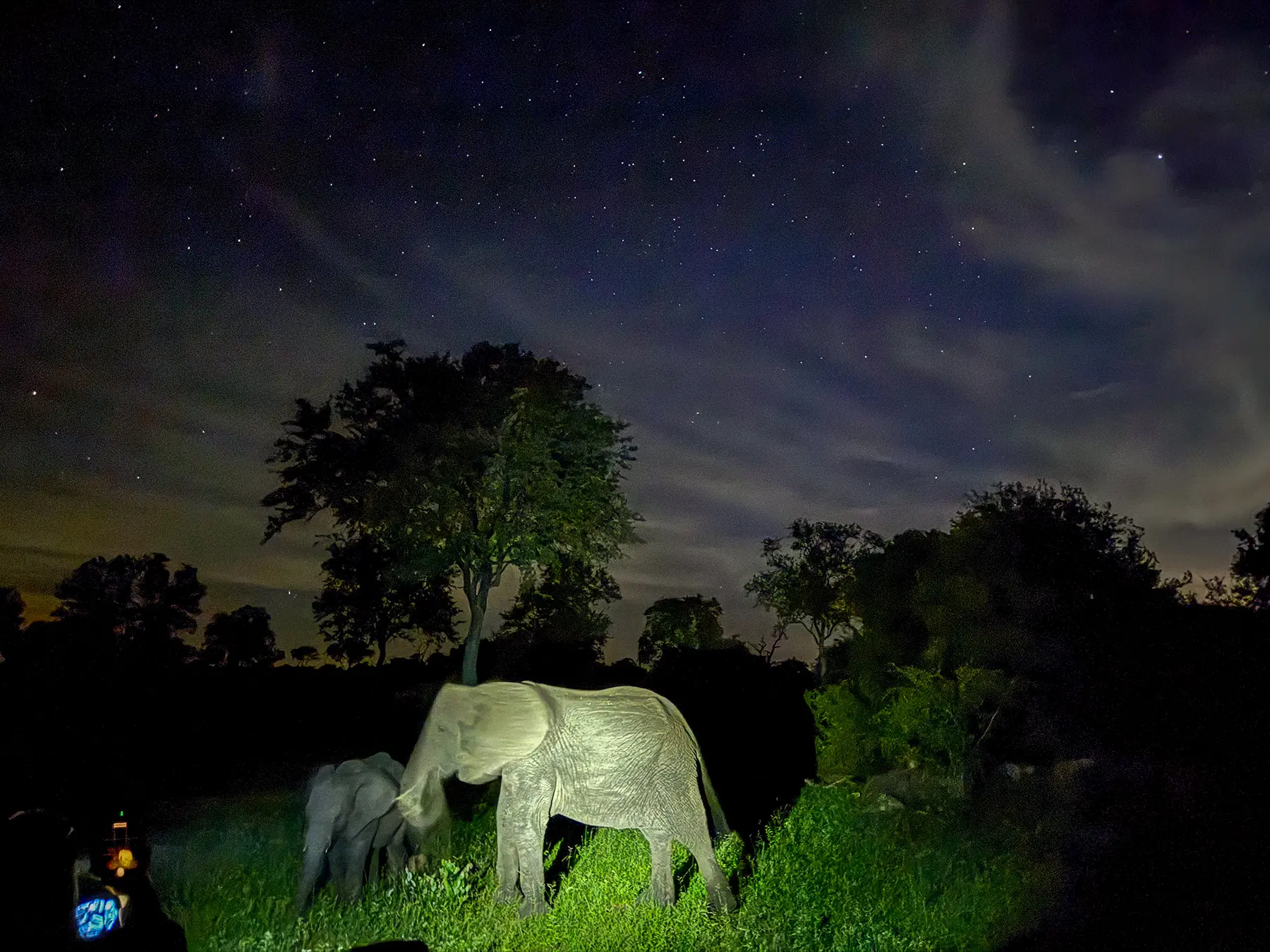
Financial Protection When Booking Direct With a Local Tour Operator
You can take steps to give similar financial protection to booking with an international agent.
Paying by credit card or debit card often gives you purchase protection (in the UK, paying the operator directly by credit card gives you Section 75 protection on bookings over £100 and up to £30,000; debit cards only have chargeback, which is weaker and time-limited), good travel insurance covers trip interruption, and choosing a trusted local safari company that takes the balance payment closer to your trip date minimises risk.
Some of my recommended local tour operators are also members of similar schemes to international tour operators which protect your payment, giving you full peace of mind.
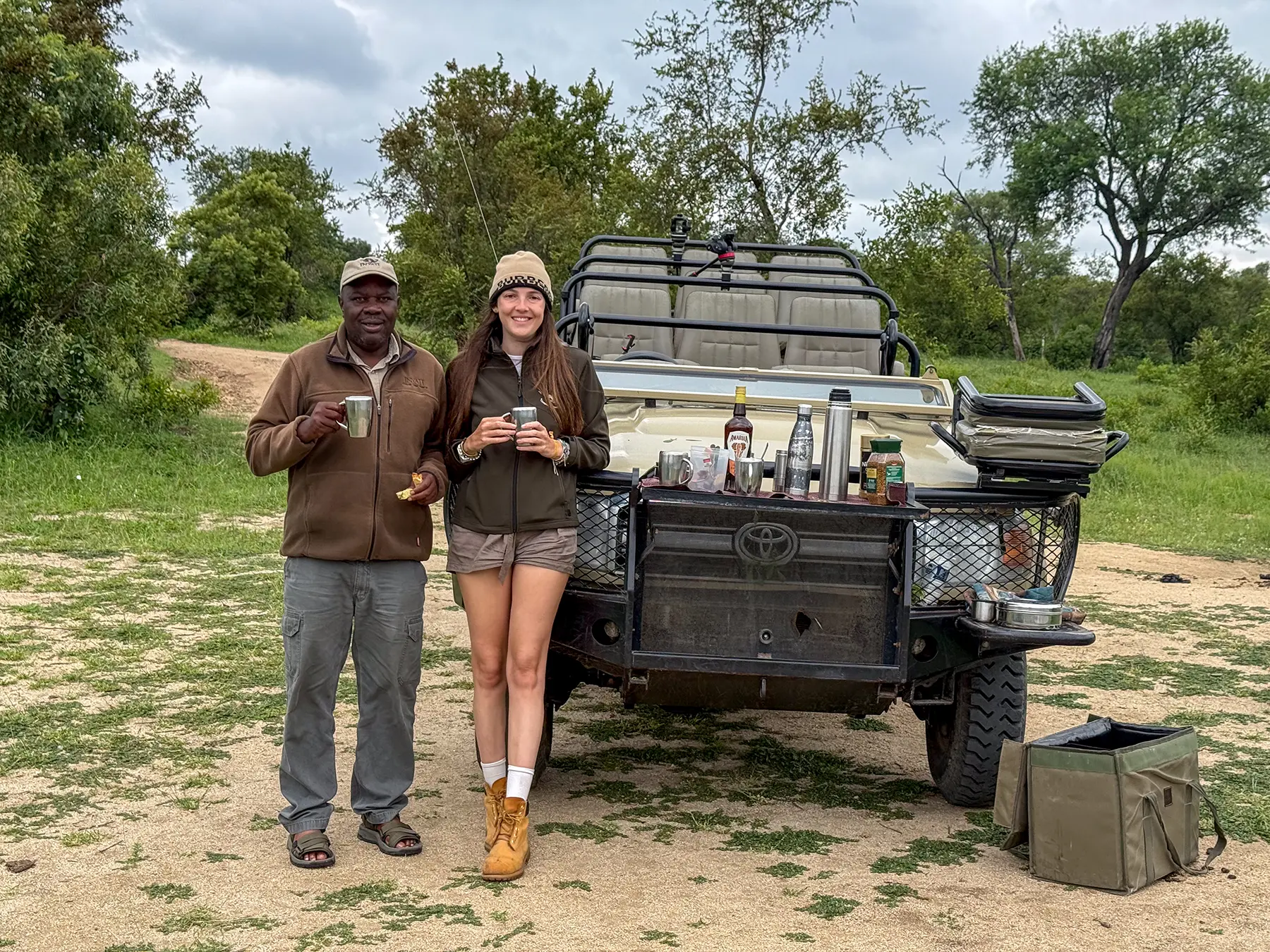
Recommended Booking Options For Your 2-Week South Africa Safari With Cape Town Itinerary
Safari with local tour operator
Most popular & best experience – typical prices for this itinerary start from $500 per person per day.
Visit safarisbyella.com for free quotes from trustworthy local tour companies I use to book my own trips.
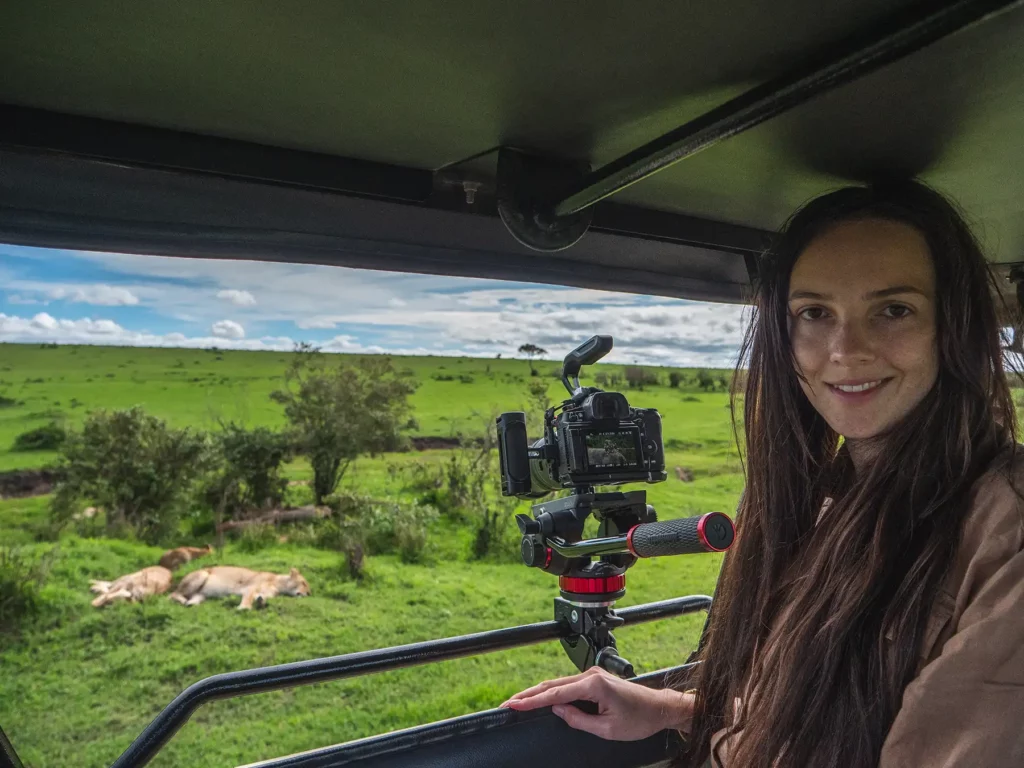
Should You Choose a Private or Group South Africa Safari?
In South Africa, the game drives organised by lodges in private reserves are ordinarily shared. If you want a totally private game drive, this usually comes at a high premium, which can sometimes cost as much as your accommodation.
To be clear, this only means that your game drives are shared – your overall safari experience, from lodgings to transfers, is fully private.
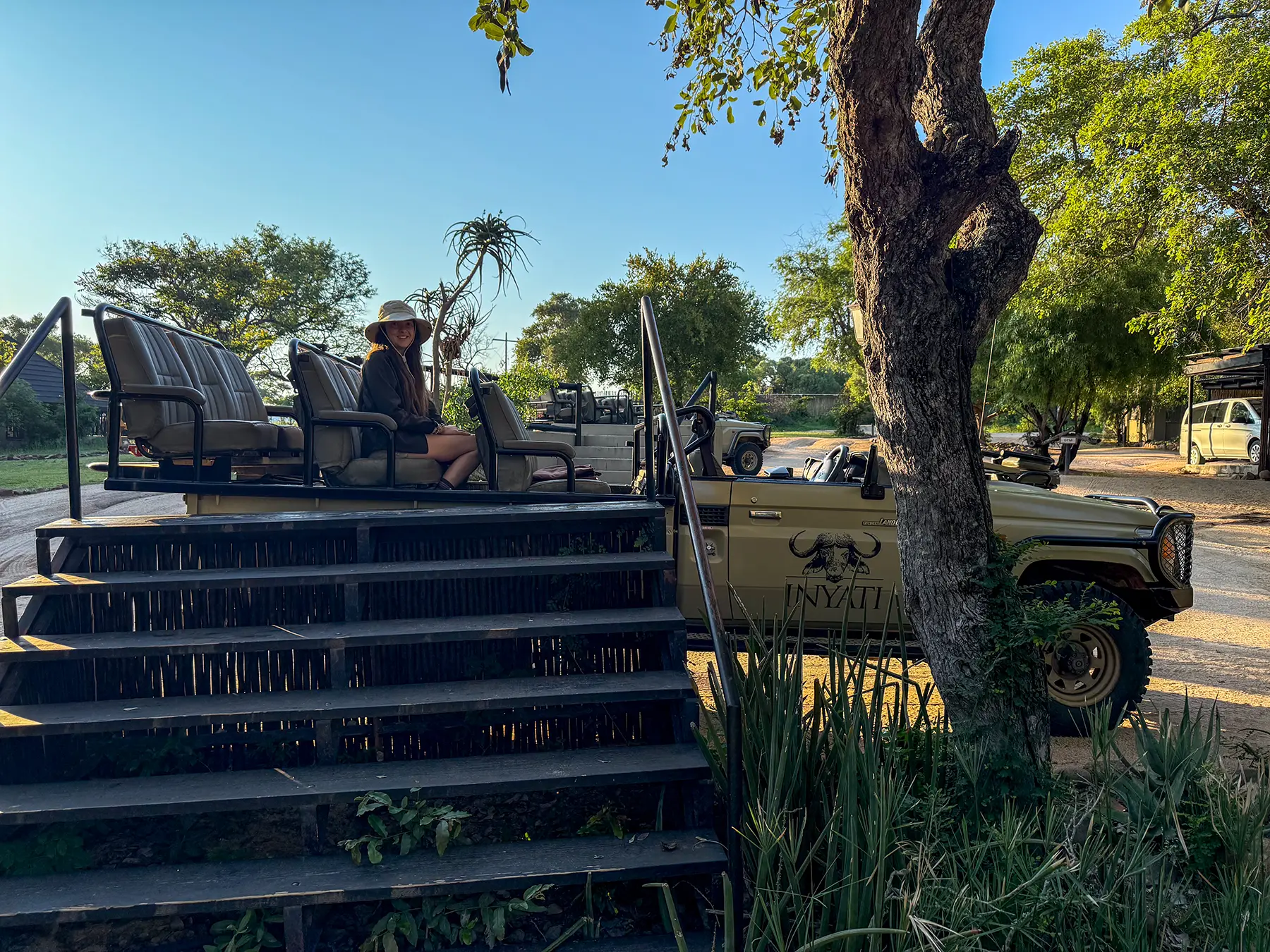
Whilst I normally advocate for private safaris where possible, there are a few mitigating factors which make sharing your game drive vehicle a perfectly good option in South Africa.
Below I’ve listed my usual complaints with group safaris and in the second column I explain why most of them are not actually applicable to lodge-based safaris in Greater Kruger.
| Usual Shared Safari Cons | South Africa Lodge-Based Safari |
|---|---|
| Wastes time picking up and dropping off guests from other camps during prime game-viewing time, at the start and end of each game drive | Everyone is already at the same lodge, so departure is usually not delayed. |
| Safari companies often reserve their best guides for private safaris | As game drives on lodge-based South African safaris are by default shared, you’ll have the best guides available anyway. You would get the exact same guides if you were to pay extra for a private safari. |
| Often conducted in mini-vans and not safari trucks | Lodge-based game drives in South Africa typically all use the same open-topped Toyota Land Cruisers and Land Rover Defenders for both shared and private game drives. |
| The vehicle is shared with 6-8 other travellers, which limits space for photography. | Even if you’re a serious photographer, a shared game vehicle is workable due to its open sides. However, you might prefer to have a private vehicle to have more control over which sightings you prioritise and how long you spend at each. Sharing could be an issue if the vehicle has middle seats, but you can check this in advance. |
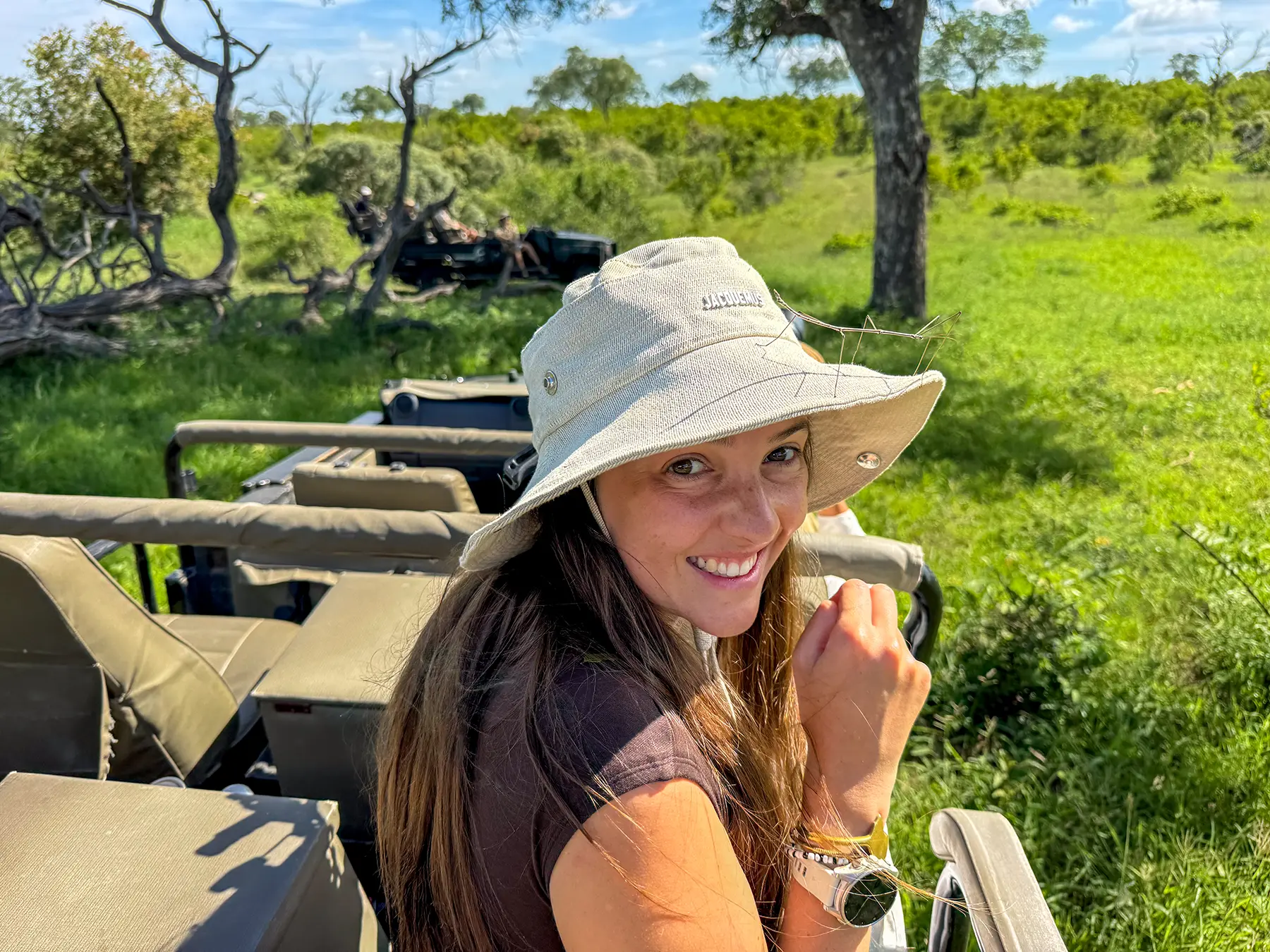
My Recommendation
For most people, shared game drive vehicles on South African lodge-based safaris work out just fine because many of the usual issues with shared game drive vehicles are not applicable here.
I would, however, recommend considering a private vehicle if you plan to visit the main Kruger National Park. The National Park’s standard game drive vehicles are large and can feel very crowded, with less visibility. In this situation, the extra cost for a private vehicle, around $150 extra per day, is well worth it.
For my own South Africa safari in Greater Kruger private reserves, I did a mixture of both shared and private game drives, to try them both out. Both were excellent, but the slight benefit I found on the private game drives was that I could spend far longer at sightings than most visitors would want to, because I’m a photography enthusiast.
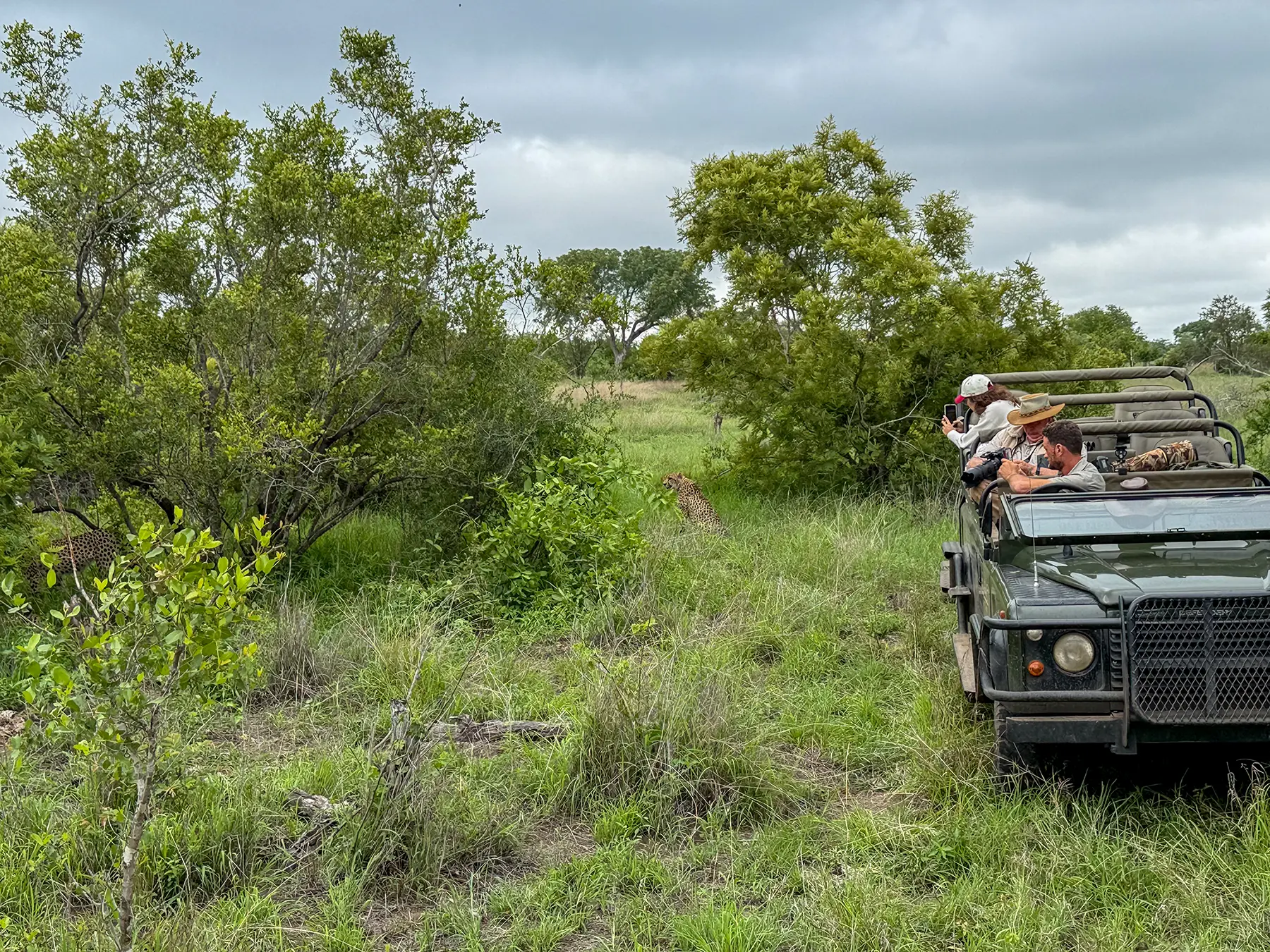
At one mid-range tented camp the vehicles had middle seats (3 seats to a row), which would not have been ideal for photography if I had sat in the middle. Luckily we didn’t have a full truck, so no one had to sit in the middle.
If money is no object and you are a serious photographer, it can be worth paying the often large premium to have a dedicated vehicle for your game drives.
Having a private vehicle allows you to decide exactly which wildlife you want to focus on, and you’ll also be able to spend more time at sightings (although sometimes you have to move anyway if there are other vehicles waiting their turn to get close).
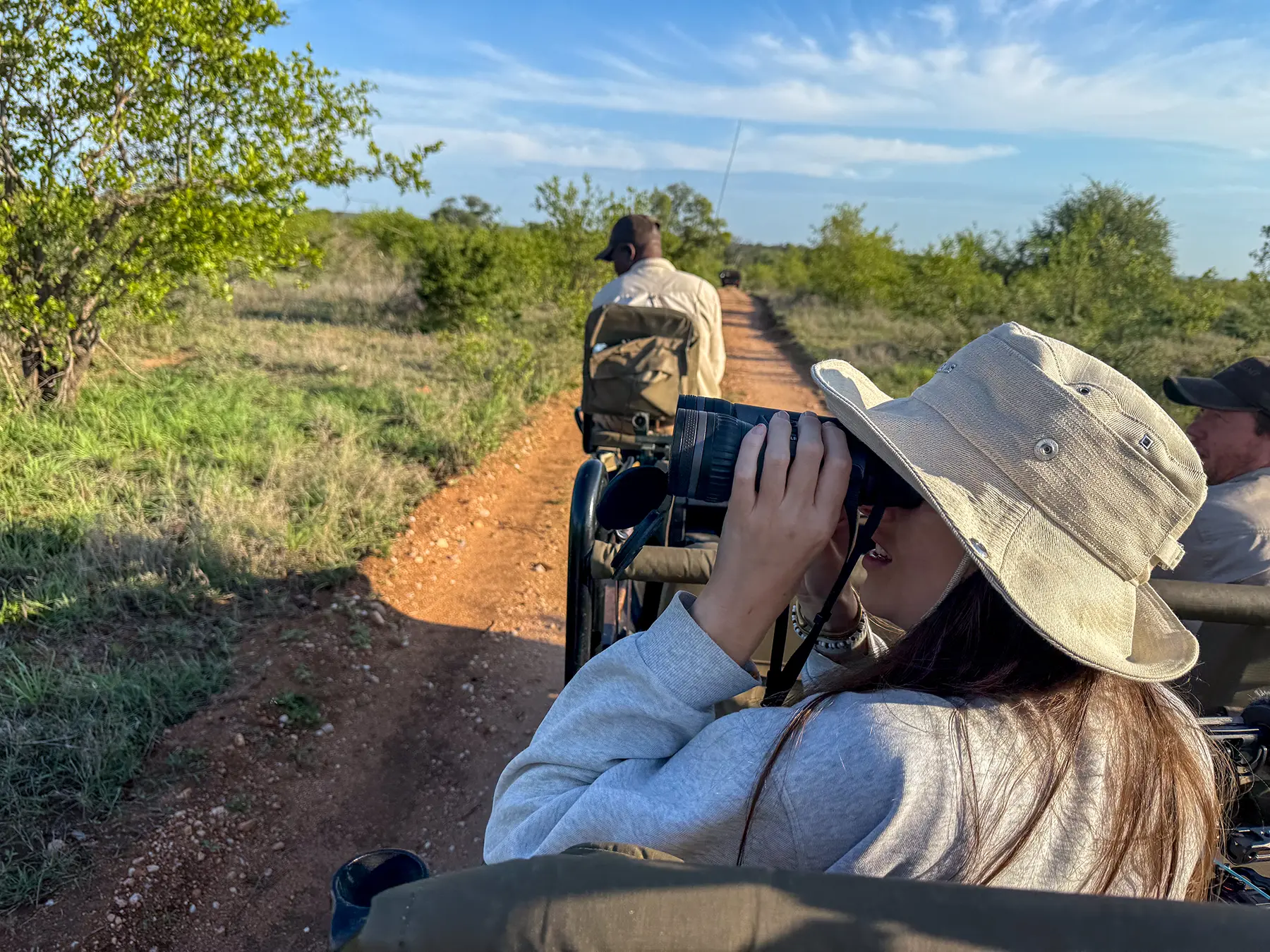
How Much Does a 2-Week South Africa Safari Cost?
To visit the Greater Kruger on this 2-week South Africa trip costs from approximately $500-600 per person per day for mid-range lodges. Stays in luxury lodges range from $800 to $2,500+ per person per day, inclusive of all meals, drinks, and twice-daily game drives. Ultra-luxury properties in Sabi Sand, such as the flagship lodges, run from approximately $1,500 to $3,000+ per person per day.
There are very limited budget options in the private reserves, so for budget South African safaris, you would stay in self-catering camps inside Kruger National Park instead of the surrounding private reserves. If you’re staying within Kruger National Park, prices start from $200 per person per day.
The chart below shows typical prices for Greater Kruger safaris by luxury level.
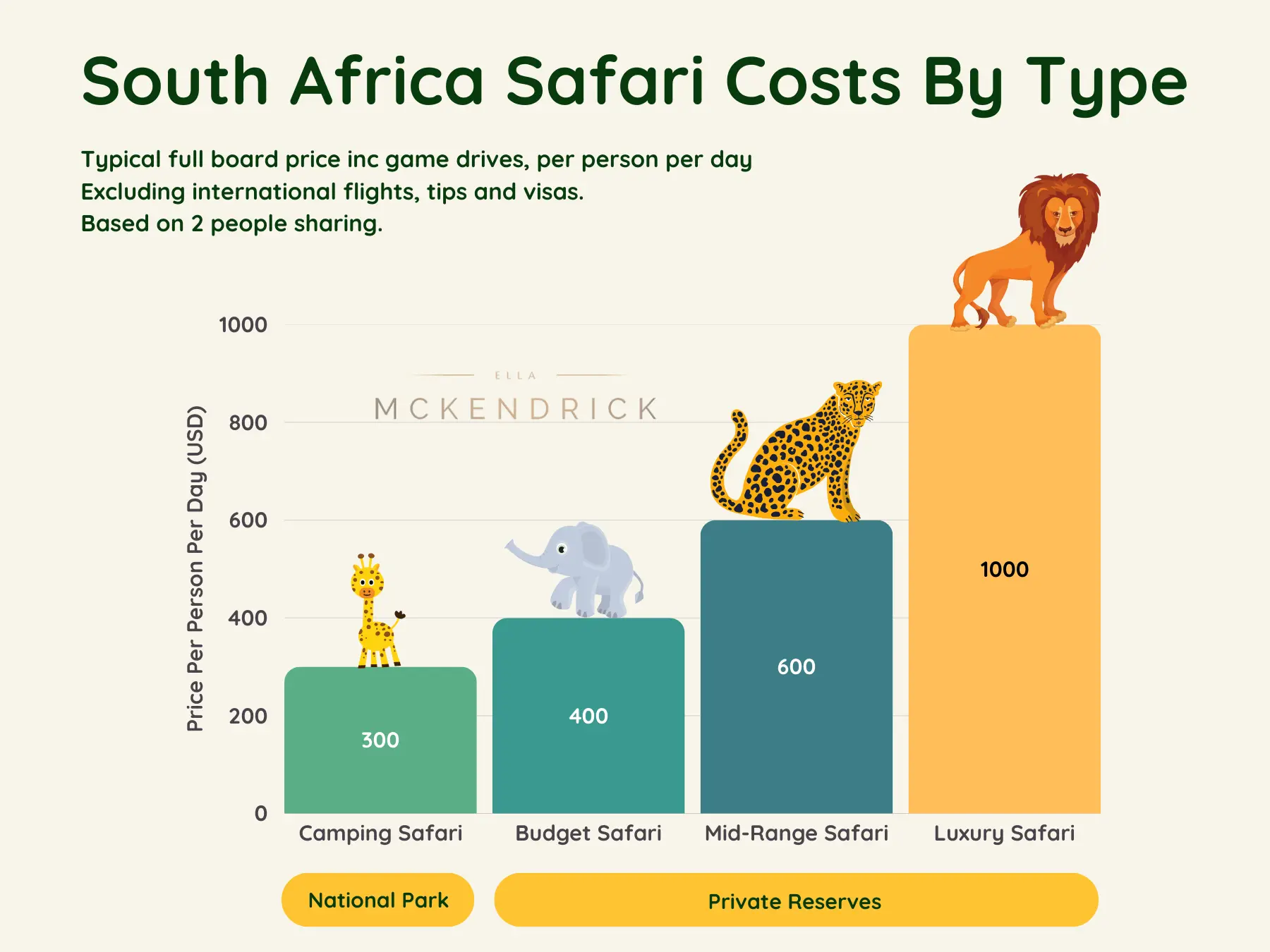
Safari Prices Typically Include
- Reserve conservation levies (except Manyeleti, where fees are paid separately at the gate)
- Two game drives per day, morning and afternoon
- Accommodation in private lodge or tented camp
- Full-board meals (breakfast, lunch, dinner)
- Selected beverages including house wines, beers and spirits
- Road transfers between lodges
- Bush walks with an armed ranger
- Laundry service
Safari Prices Typically Do Not Include
- International flights
- Local flights at the start and end of your safari e.g. from Johannesburg or Cape Town to Hoedspruit or Skukuza (These are usually booked at the same time as your international flights.)
- Tips and gratuities for rangers, trackers and lodge staff
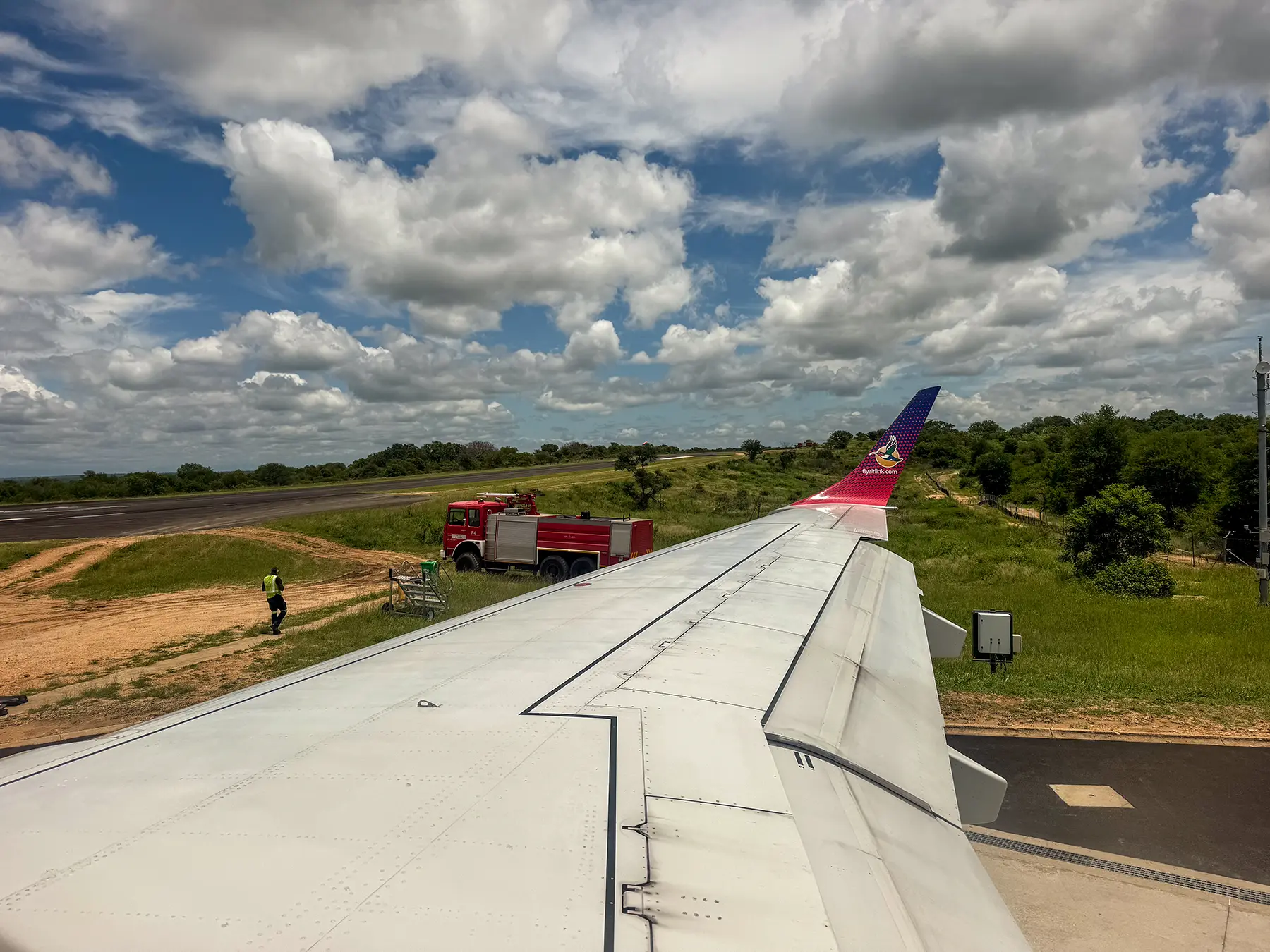
How Do South Africa Safari Costs Compare to Other African Safaris?
Greater Kruger private lodges are generally more expensive per night than East African equivalents. Private safari prices start at around $300 per day in Kenya and $350 in Tanzania, compared to $500+ in Greater Kruger’s private reserves.
However, safaris in Kruger National Park are comparable with East African safaris, starting at around $200 per person per day for group budget safaris.
You can see how costs compare across popular African safari destinations below:
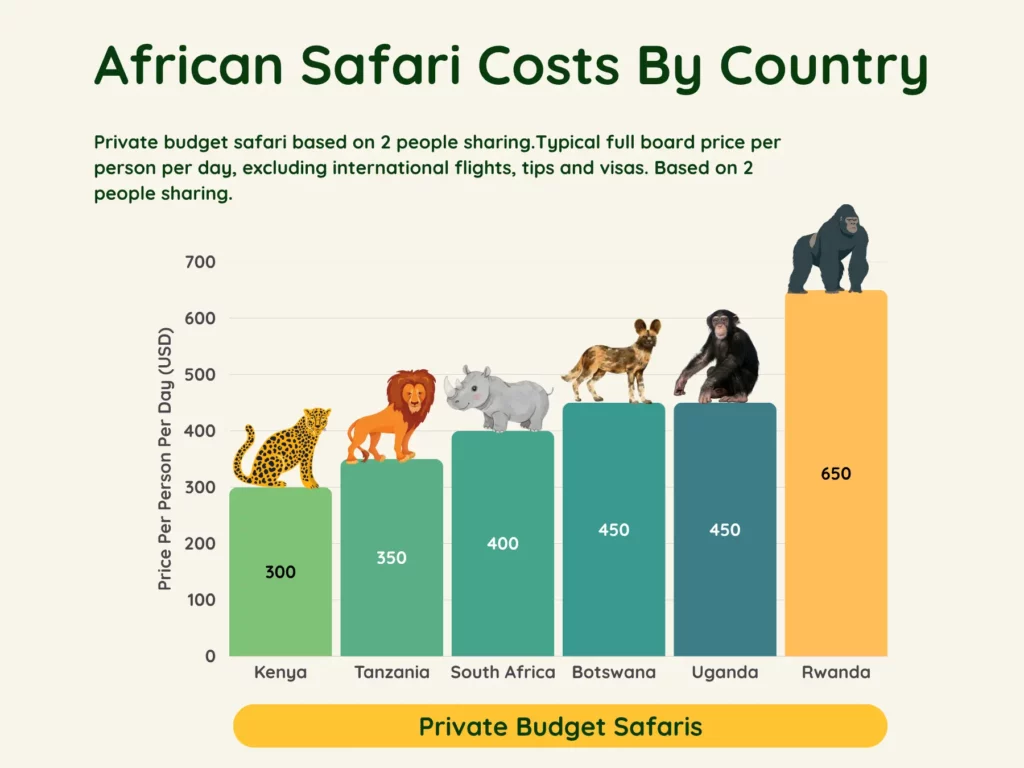
| Destination | Private Budget Safari Cost PP/Day |
|---|---|
| Kenya | 300 USD |
| Tanzania | 350 USD |
| South Africa | 400 USD |
| Botswana | 450 USD |
| Uganda | 450 USD |
| Rwanda | 650 USD |
Breakdown of South Africa Safari Costs
Let’s break down the cost of a Greater Kruger safari booked with a local tour operator so you can see exactly what you’re paying for.
The majority of the total cost (around 60-70%) goes directly to the lodge for accommodation, meals, drinks, and game drive activities.
Conservation levies and reserve entrance fees account for approximately 10-15% of the total, supporting anti-poaching units and habitat management.
The remaining costs cover transfers, operator costs and insurance.
Factors Impacting South Africa Safari Costs
Your choice of reserve, accommodation luxury level, time of year and how you transfer between reserves will all have an impact on your total safari cost.
Below we’ll look at each of these factors in more detail to help you decide which are worth the extra cost.
Jump to more information on each factor using the links below.
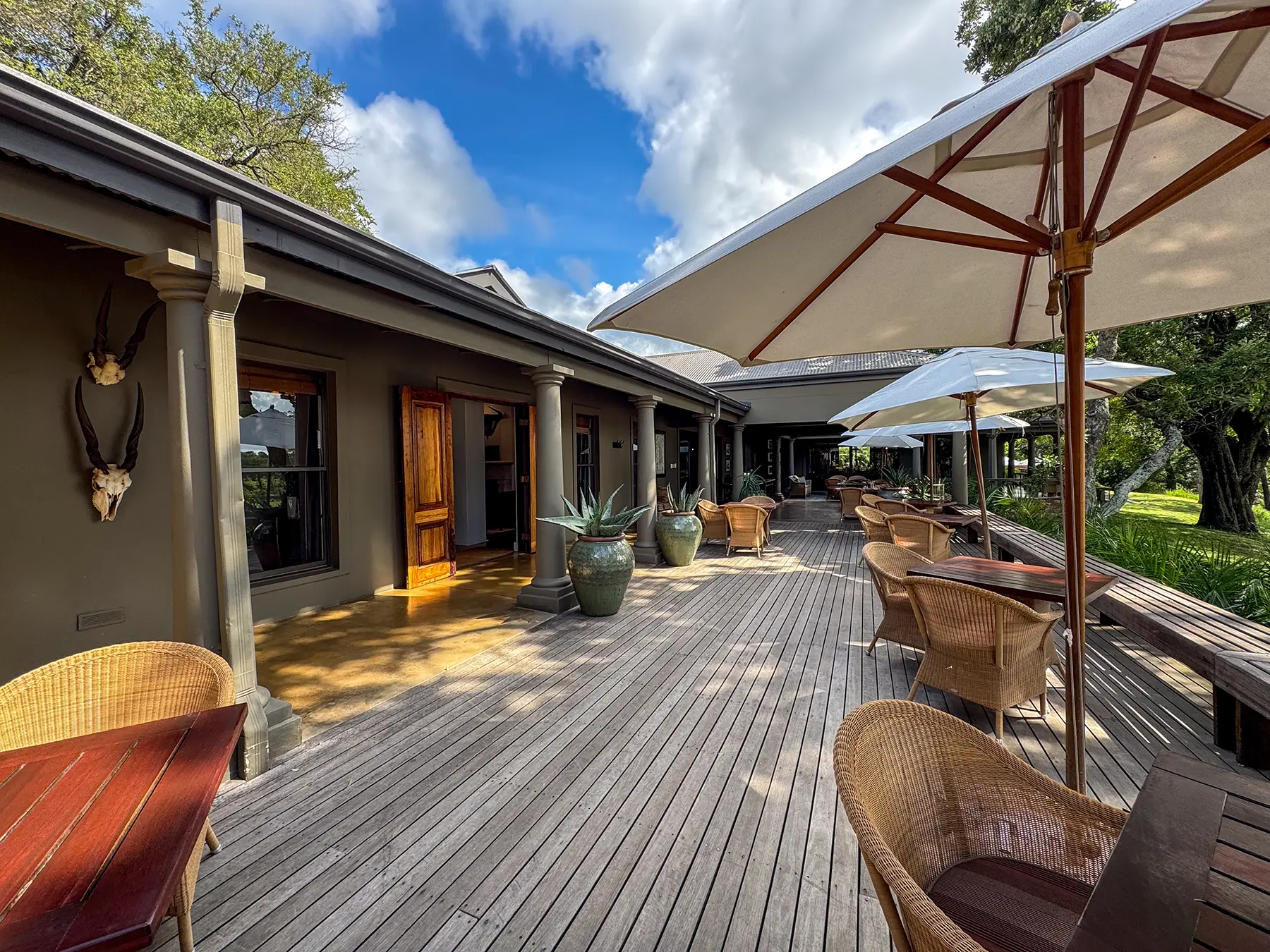
Your Level of Accommodation
Without a doubt the factor that impacts pricing the most is the level of luxury that you select for your accommodation.
At the lower end of the spectrum, comfortable tented camps and lodges start from around $400 per person per night. These types of accommodation generally have smaller rooms than mid-range options and no additional amenities such as swimming pools.
Mid-range camps and lodges start from $500 per person per night. Rooms are slightly larger than those in lower-end camps and have more luxurious touches in the decor. They often have a swimming pool in the communal area.
Luxury camps and lodges have large rooms, often with additional seating areas with coffee tables, balconies and sometimes even your own private pool. The communal areas come equipped with swimming pools, spas and gyms. Prices for luxury camps and lodges start from $800 per person per night.
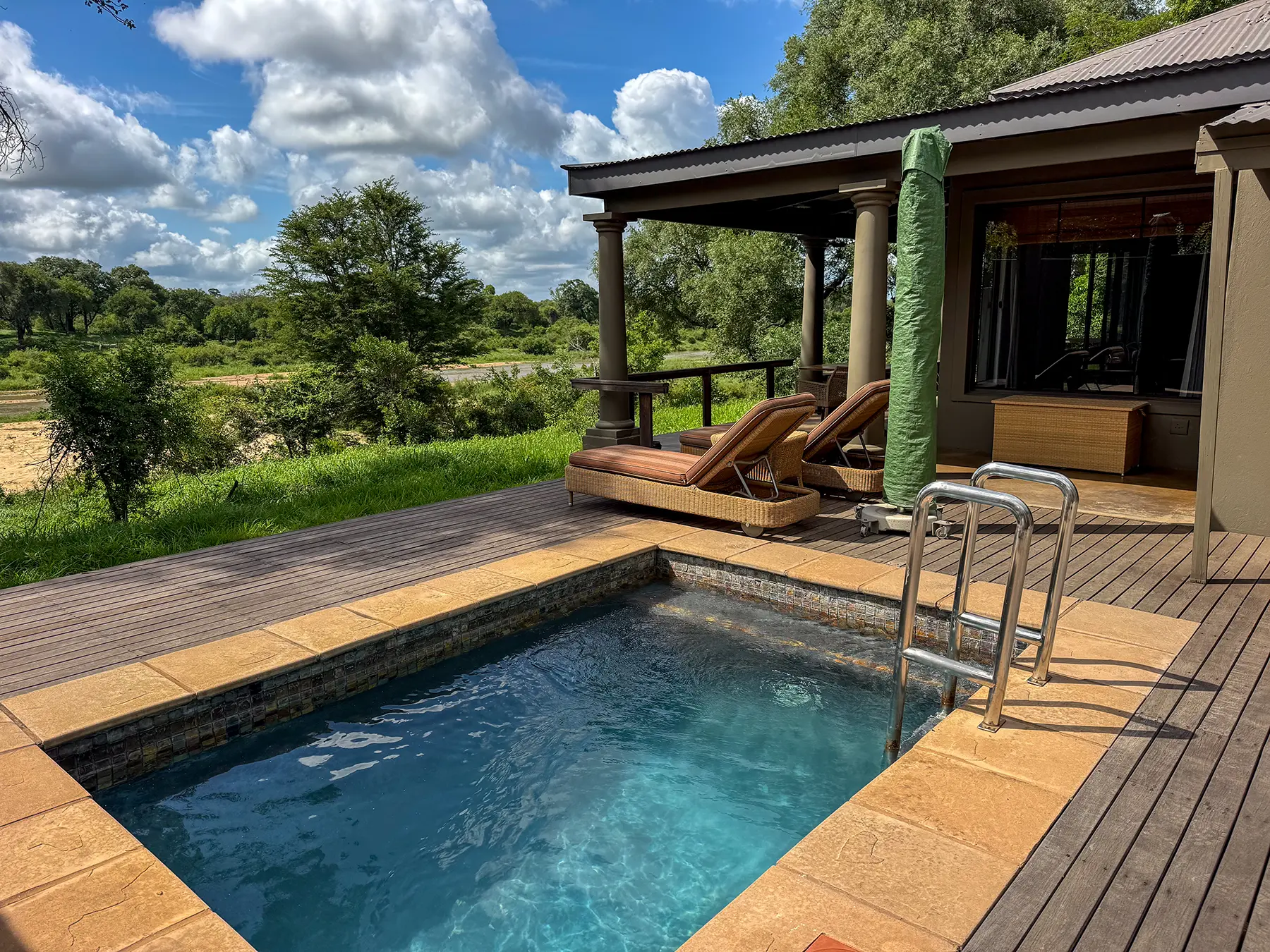
My Preference: Generally in South Africa, I like to have a mixture of mid-range and luxury accommodation. I’m happy to pay extra for luxury accommodation because it gives me access to a safari experience in excellent wildlife areas I wouldn’t otherwise be able to traverse without staying at the lodge.
An example of this is MalaMala, which has the largest traversable area in Greater Kruger – over 70% of this area is exclusively for guests at their lodge.
Which Reserves You Visit
As well as the levels of luxury detailed above, which reserves you choose to visit will also have a profound impact on your overall safari costs.
Manyeleti is the most budget-friendly Greater Kruger reserve. The least expensive option is Manyeleti Main Camp, which has a basic campsite and small self-catering units, similar to those available in the Kruger National Park. None of the other private reserves have budget options of this kind.
Even the higher-end tented camps in Manyeleti are more budget-friendly than neighbouring reserves, and start at $350 per person per night.
Next, Timbavati comes in slightly more expensive, with lodge stays starting from $500 per person per night.
At the higher end of the scale, Sabi Sand is the most expensive Greater Kruger reserve. The least expensive lodges start at $800 per person per night.
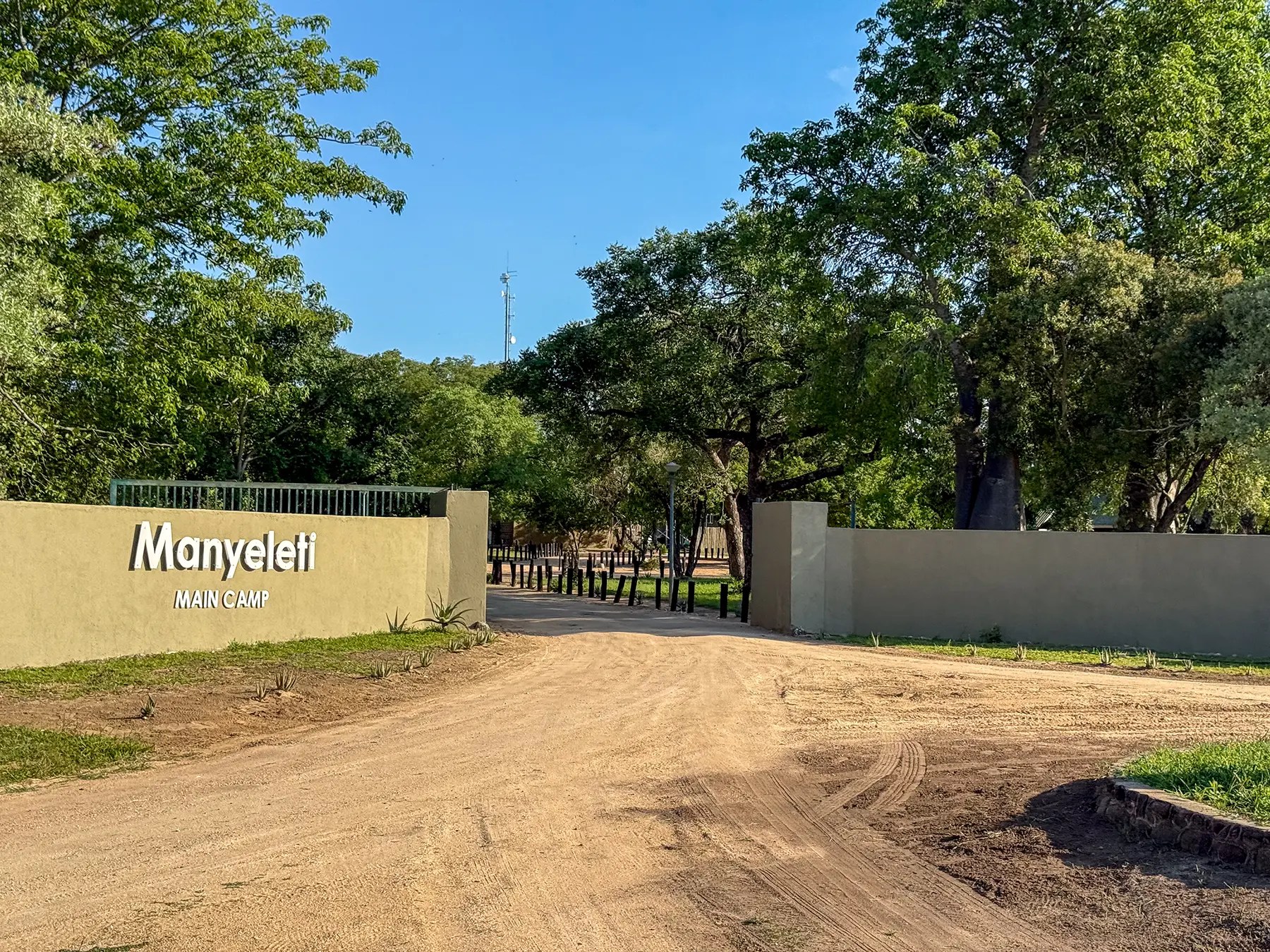
The table below shows prices per person per night in various reserves. Budget accommodation is not typically available in the private reserves listed.
| Reserve | Mid-Range (USD) | Luxury (USD) |
| Sabi Sand | $800 | $1,703 |
| Timbavati | $500 | $1,000 |
| Manyeleti | $425 | $1,506 |
| Klaserie | $411 | $1,655 |
| Thornybush | $440 | $1,568 |
| Balule / Olifants West | $684 | $888 |
| Kapama | $824 | $1,164 |
| Kruger National Park | $300 | $843 |
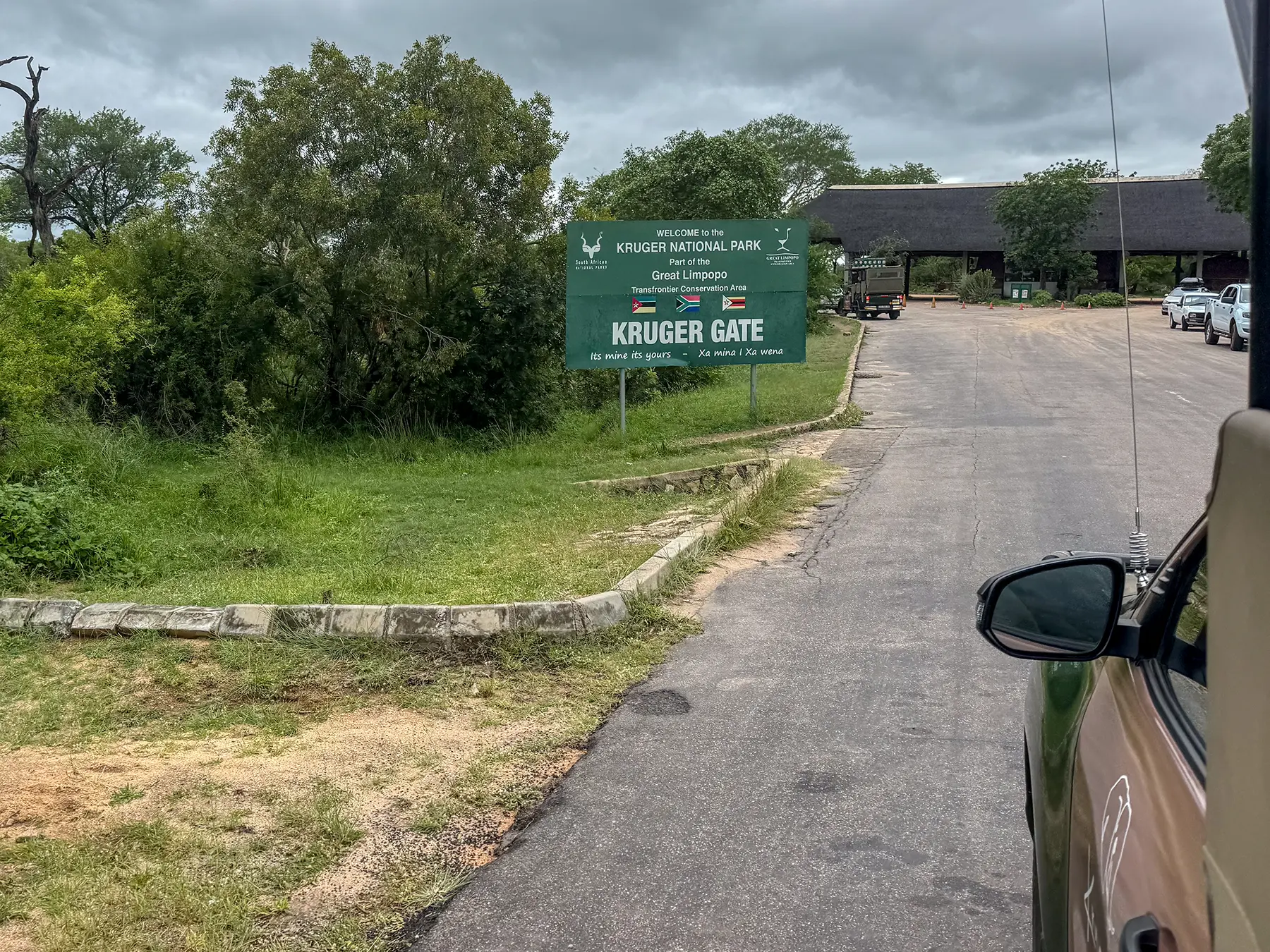
My Preference: If you have 2 weeks, I would recommend splitting your safari time between Timbavati, Manyeleti and Sabi Sand.
How You Book Your Safari
How you book your safari is also a factor in your overall costs. For a number of reasons, booking through a local tour operator is more cost-effective than booking directly with lodges or booking via an international travel agent.
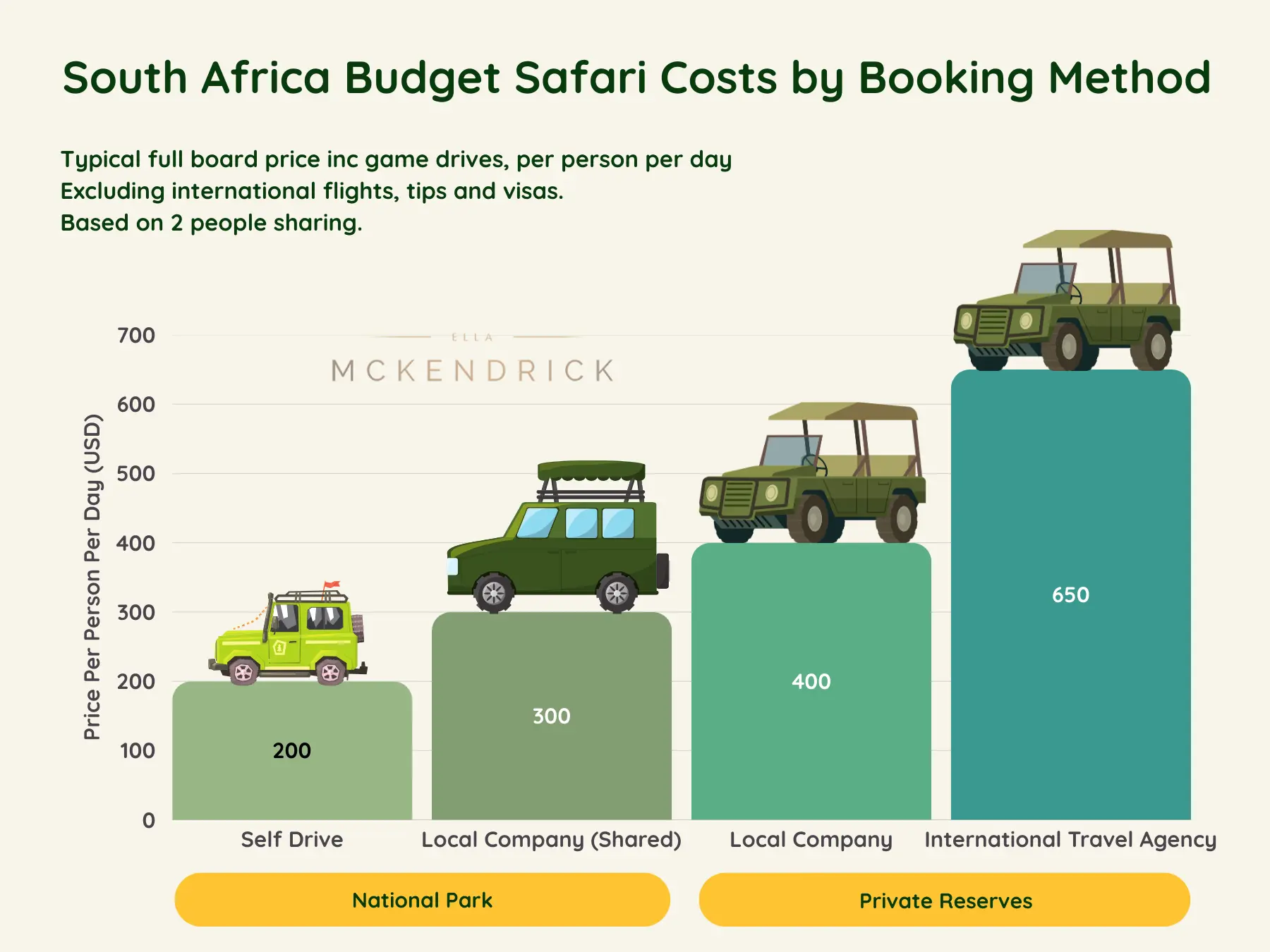
Using an international travel agent will cost the most as they add a significant mark-up to the safari price. This can increase your safari cost by 30% to 170% compared to booking with a local tour operator.
With the exception of Manyeleti, self-driving is not an option for this itinerary, so there is no advantage to booking each leg of your trip directly with the lodges. You’ll save yourself time, admin hassle and money by just booking through a local operator.
My Preference: I always book through local tour operators as they offer the best balance of value and quality.
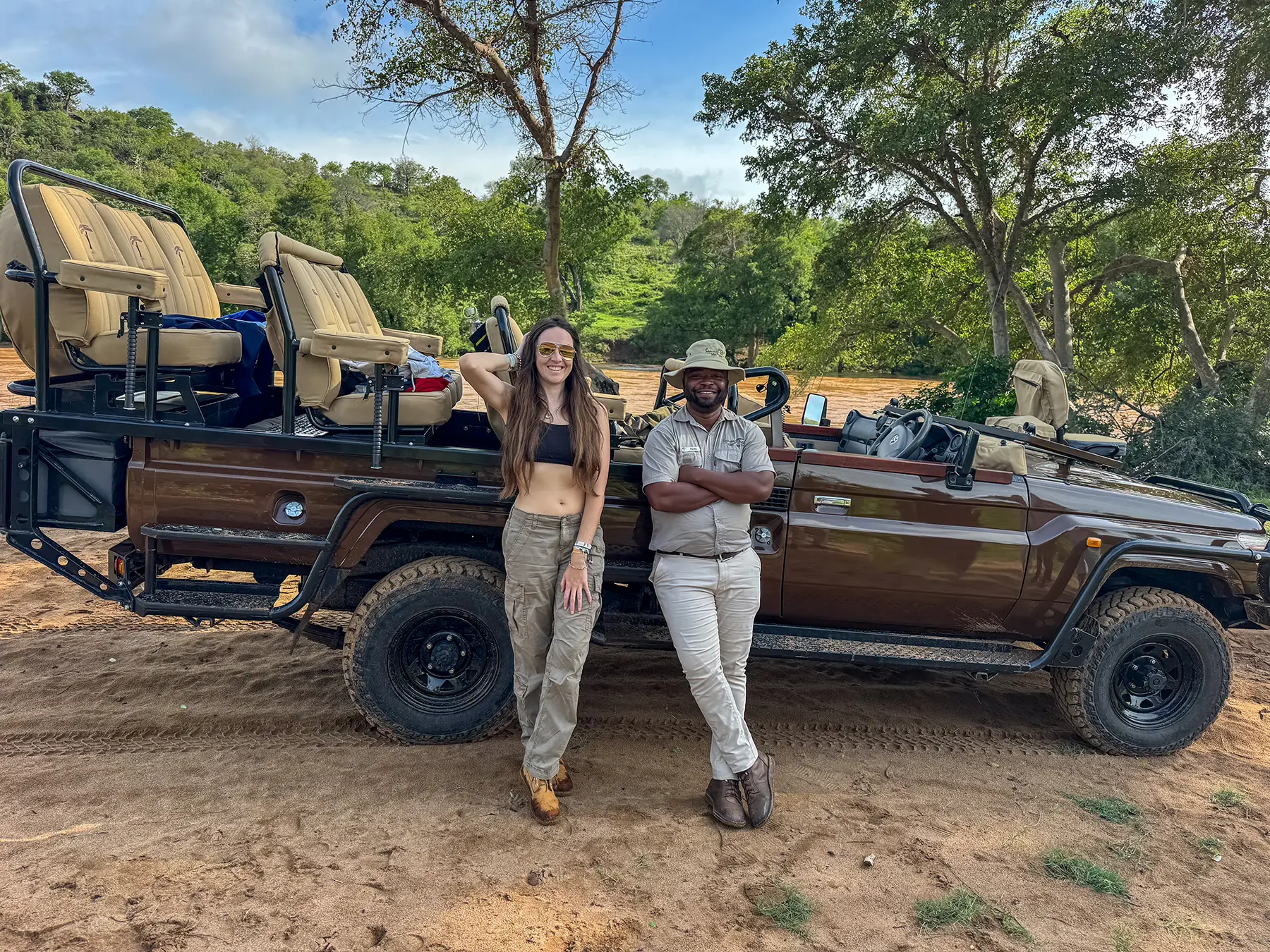
Time of Year
The cost of accommodation varies significantly by season. This is driven by South Africa’s climate patterns.
The dry peak season over the southern hemisphere winter (May to October) commands the highest rates, while the green summer season (November to April) can be 30-50% cheaper.
Conservation levies are constant year-round, but lodge rates fluctuate considerably between peak and green seasons.
My Preference: April and May or September to December are my favourite months to visit. These shoulder months offer excellent game viewing at slightly lower rates than the July – August peak.
I have visited in November and December which gave better lodge pricing and, whilst wildlife was slightly harder to spot due to the green vegetation, it made for spectacular photos. As you can see from my photos in this guide and in my YouTube videos from the trip, I still saw a lot of wildlife.
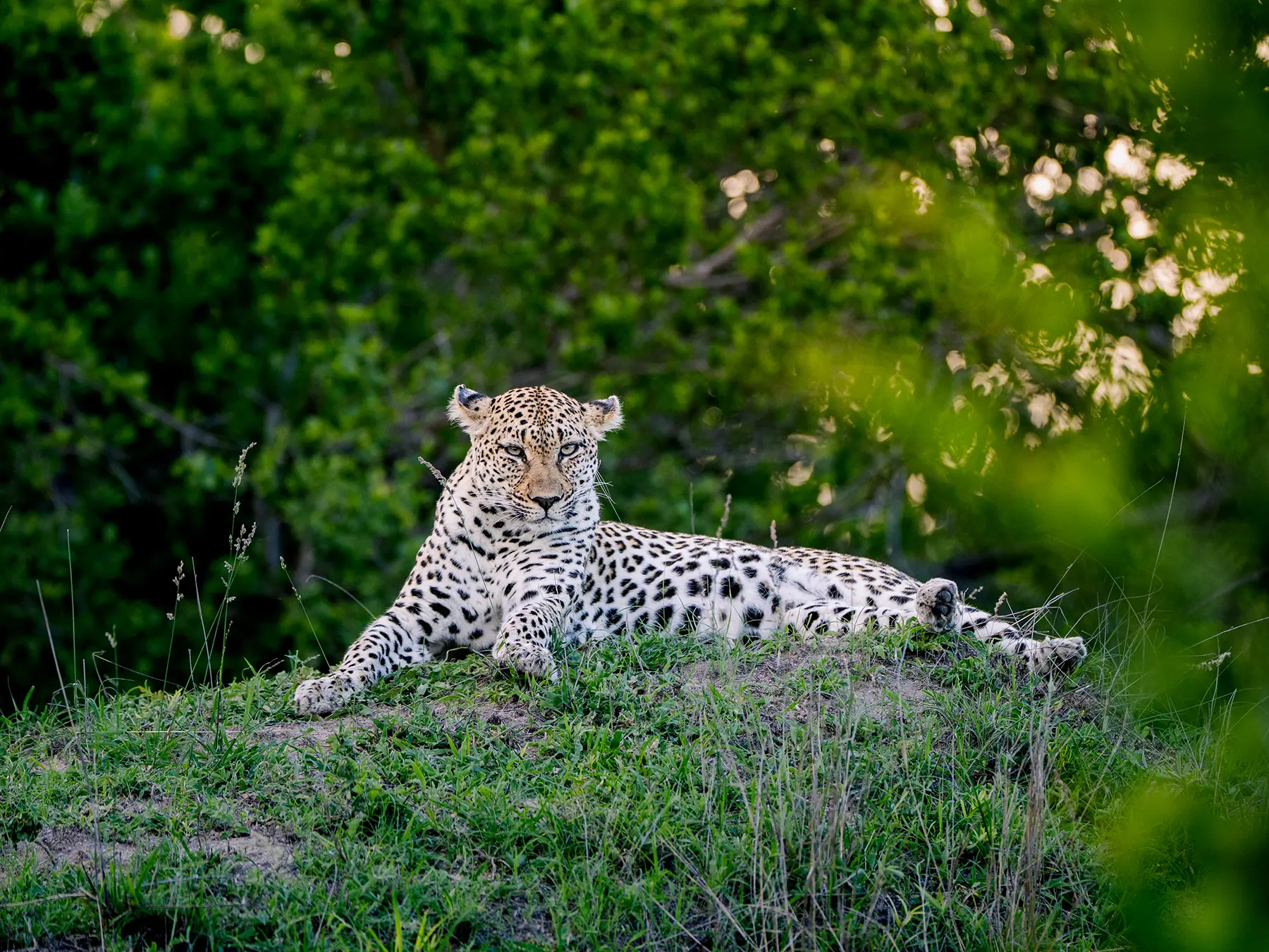
Mode of Transport Between Reserves (Road or Air)
Whether you travel between reserves by road or charter flight will impact your safari cost. Flights add approximately $300-500 per person per trip.
Federal Air is the main service which connects reserves together.
Road transfers between Timbavati, Manyeleti and Sabi Sand take 3 to 4 hours each, which is manageable on a 2-week itinerary.
Do note, however, that road conditions outside the reserves (especially between Manyeleti and Sabi Sand) are questionable. You might make relatively slow progress over a flurry of potholes.
My Preference: The distances between reserves are short enough that flying is not necessary, in my opinion. Generally, when on safari anywhere, I only fly when drive times are over 6 hours. The longest drive in this itinerary is between Manyeleti and Sabi Sand, which only takes approximately 3.5 hours.
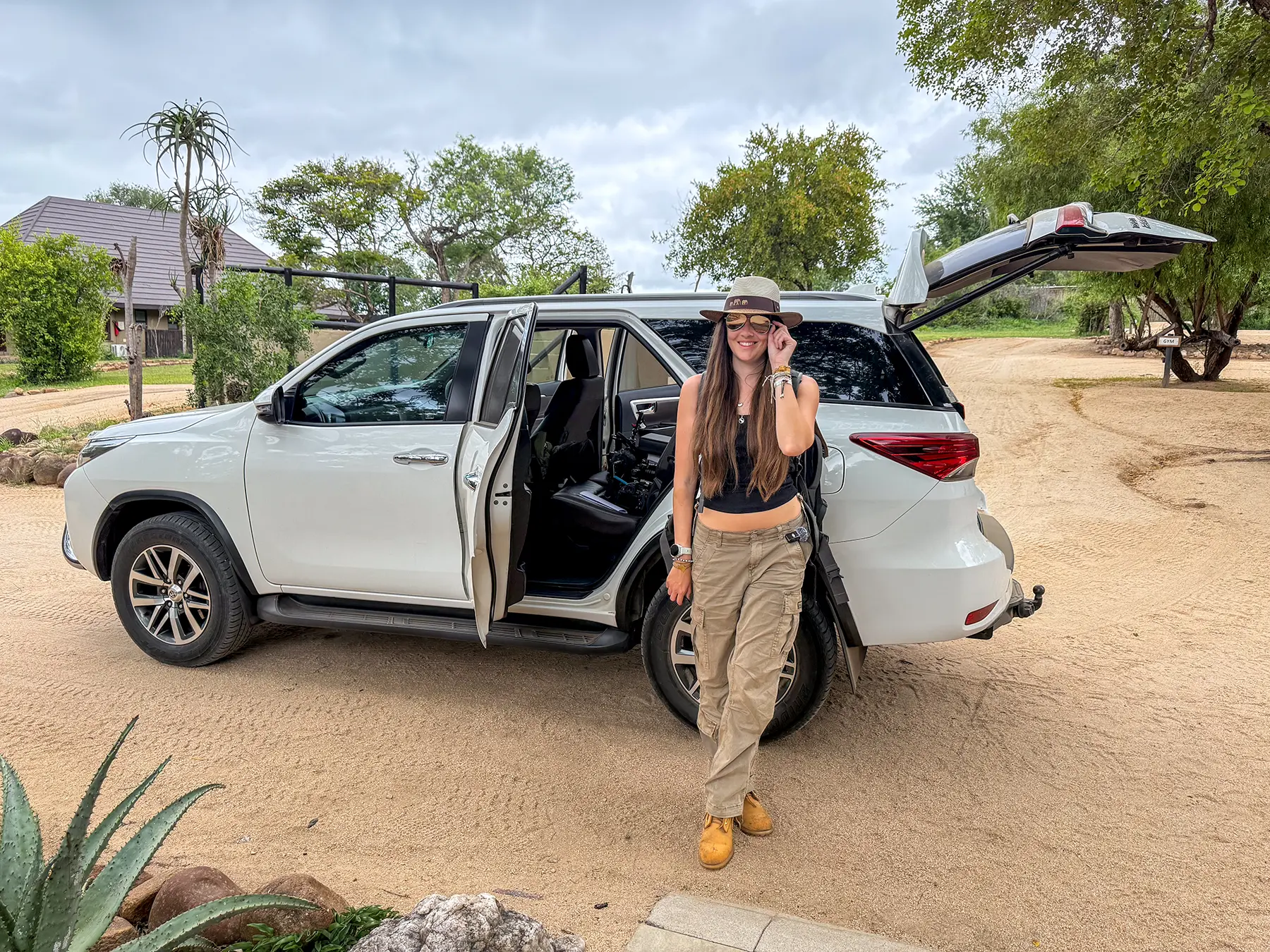
Group Size
Since lodge rates in Greater Kruger are per person, group size has less impact on cost than in East Africa where vehicle hire is a fixed cost shared between passengers.
However, requesting a private vehicle for your group costs less per person when split between two or more travellers.
In terms of accommodation, when 2 people share they typically pay less per person than solo travellers, who will often have to pay a single supplement for the room.
My Preference: Travelling as two people sharing avoids the single person room supplement at lodges.
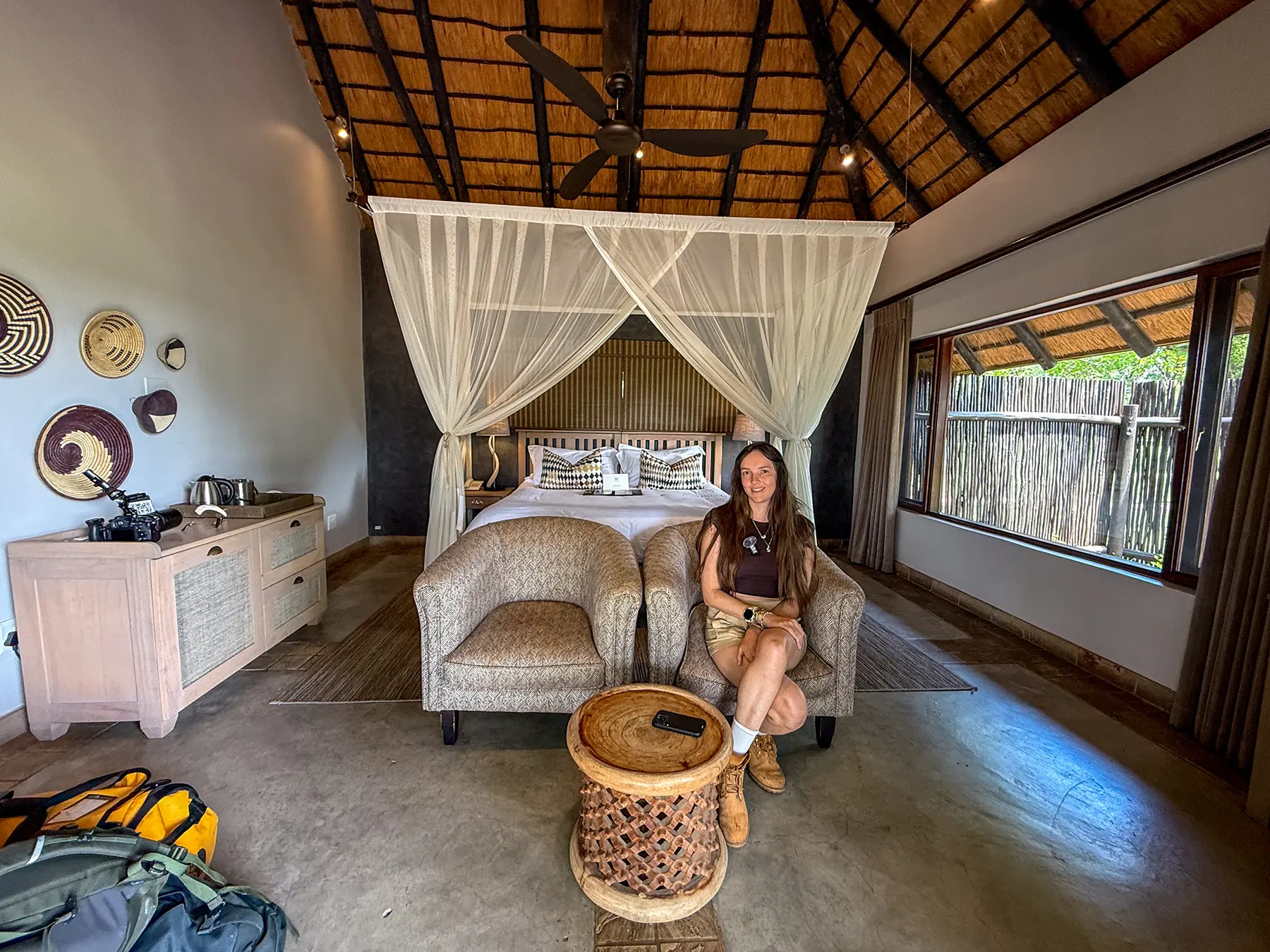
When Is the Best Time to Visit South Africa?
The general consensus is that the very best time to visit South Africa for safari is during the dry season from May to October, when vegetation is thinnest, wildlife congregates around the last remaining water sources, and rainfall is minimal.
In reality though, any time outside of the two wettest months (late December to late February) can work well, and there are many benefits to visiting outside of peak season.
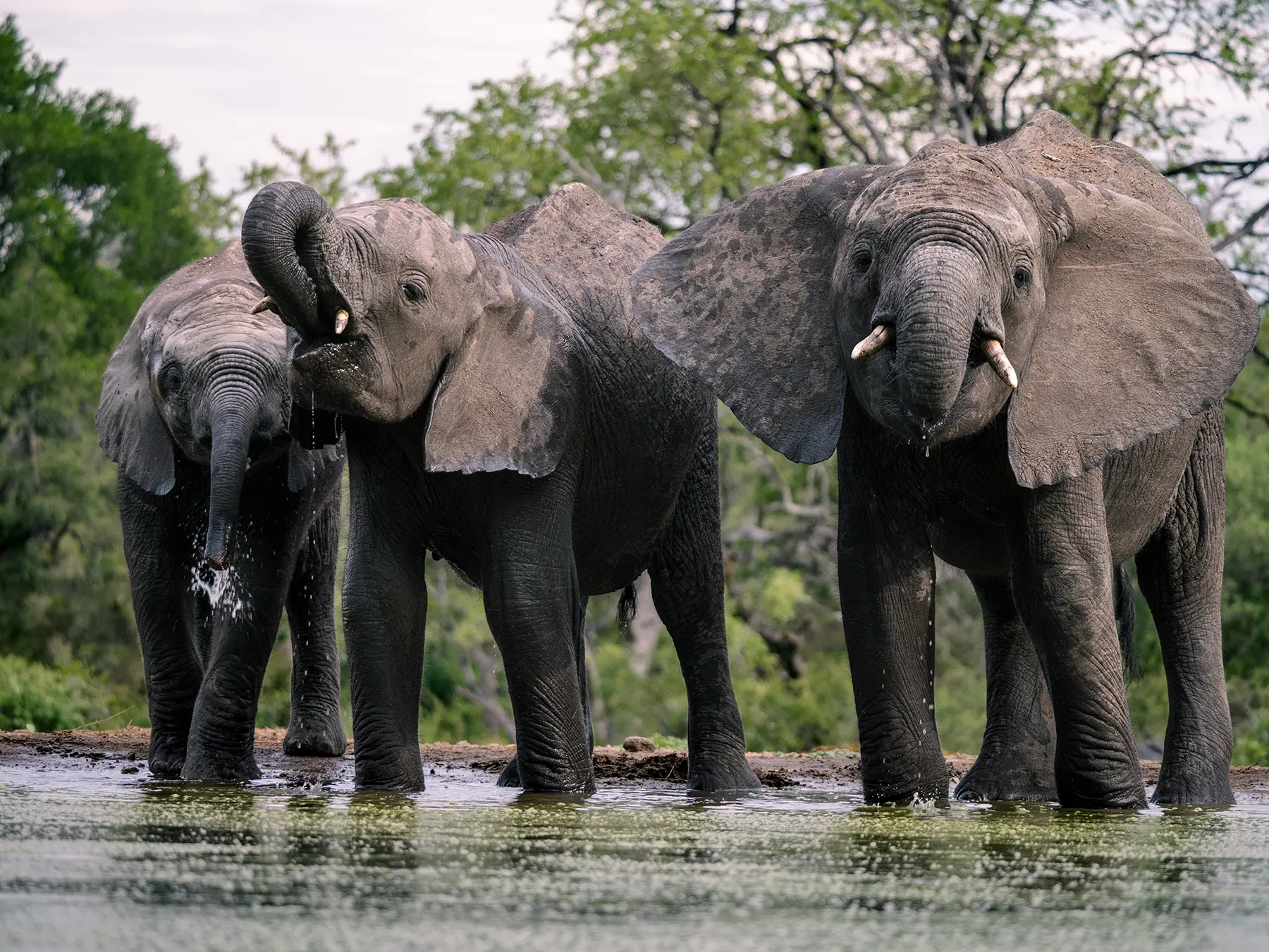
As I value the peace and quiet that comes with visiting outside of peak season, I always prefer visiting in the shoulder season. My recent trip to Greater Kruger spanned from mid-November to mid-December and I feel like I timed that trip perfectly. We were able to see newborn impala lambs and flocks of migrant bird species, all without the crowds!
Whilst the wildlife was perhaps a little harder to spot than it might have been with thin vegetation, I still had a huge number of incredible sightings.
It’s especially worth noting that in the green season you’re more likely to see lots of baby animals and witness the related hunting activity from big cats and wild dogs. I saw several successful hunts, which is not unusual at this time of year.
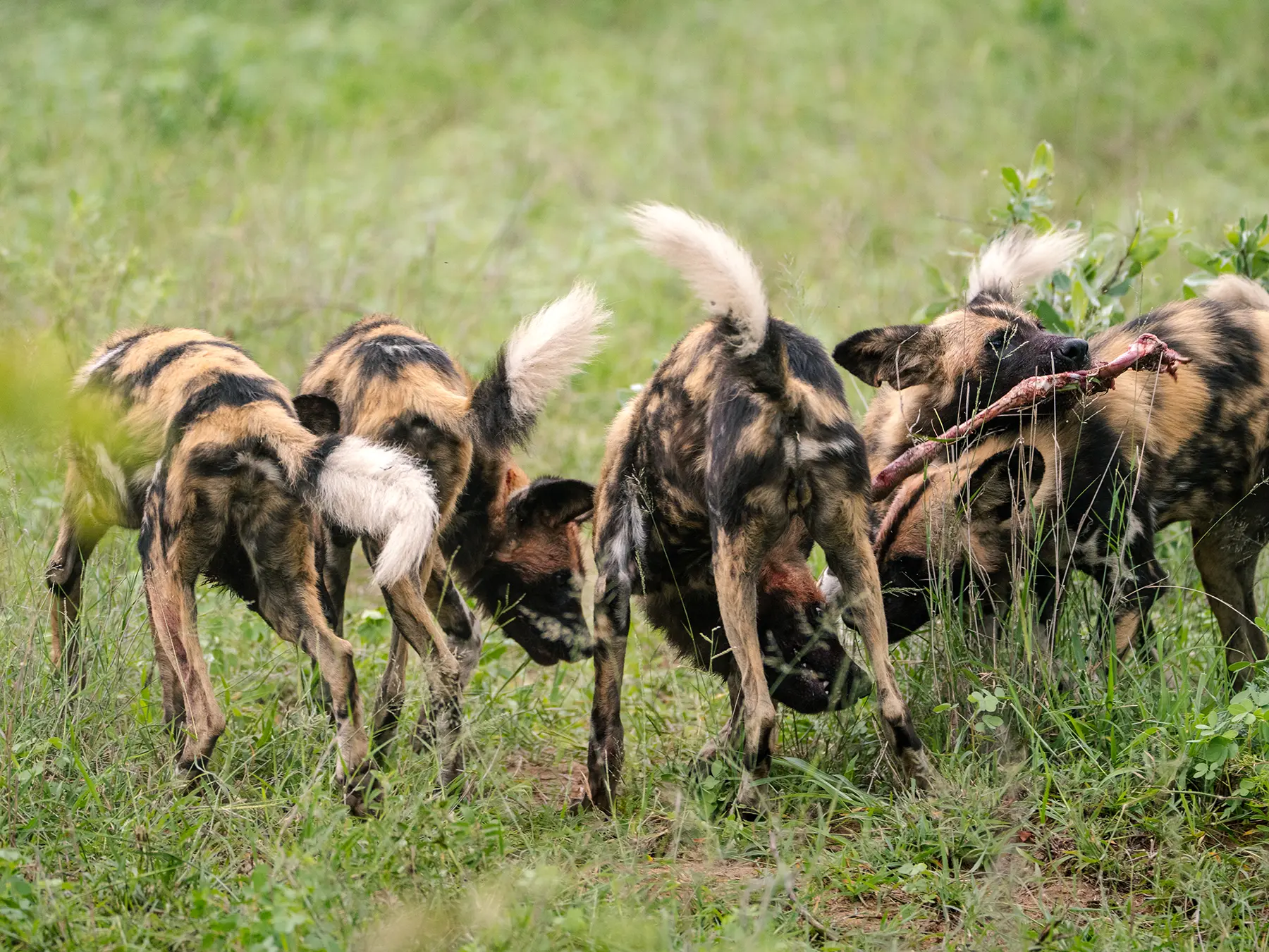
Birding was also excellent in the green season. I saw amazing migratory species, including the vibrant blue woodland kingfisher, European roller and the great Wahlberg’s eagle. I had a particularly memorable sighting of a Wahlberg’s eagle being mobbed repeatedly by an angry fork-tailed drongo, intent on protecting its nest.
What’s more, the lush green background made for better photos than I might have achieved in the dry season. You can see my photos here, and my videos on YouTube.
If you want to minimise the malaria risk, the dry winter months of June to August have very low transmission rates.
If you want lush photography backdrops and the wonder of newborn animals, plan for November to December.
From late December into January and February, there is often the risk of heavy rainfall, as can be seen by the flooding that began in late December 2025.
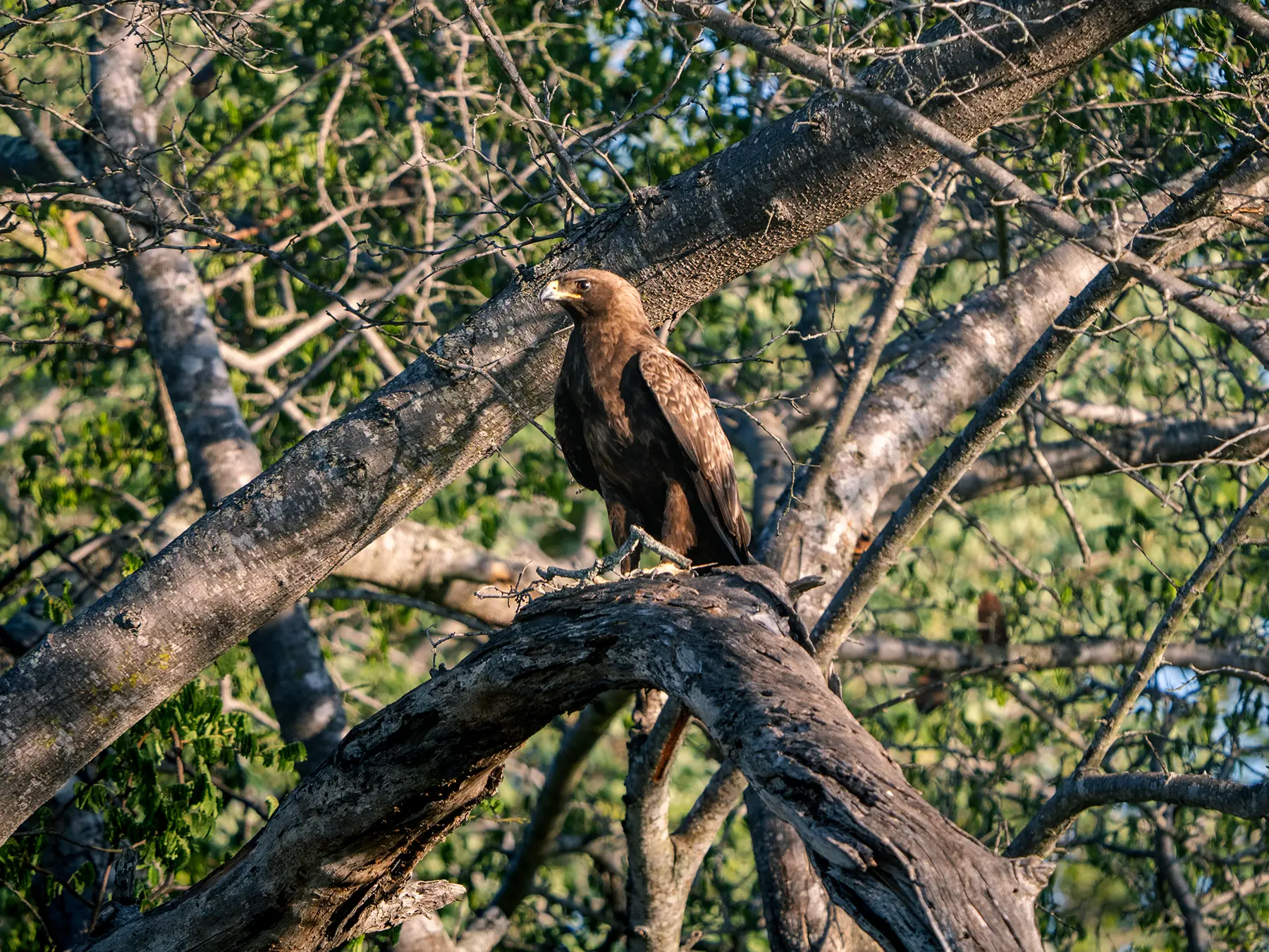
My Preference: Personally I think the best months to visit Greater Kruger are September to early December if you want the green season beauty combined with abundant baby animals and related predator activity. Alternatively, I’d recommend April and May if you want the excellent dry season game viewing with thinner vegetation, fewer crowds than the July-August peak, and better value than high season rates.
However, just because these are my favourite months doesn’t mean they will be yours too. We all have different preferences and priorities. Read on to find out more about each season so you can choose the time that suits you best.
Let’s look at the pros and cons of each season.
Jump to more information on each of the seasons using the links below.
The Dry Winter Season (May – October)
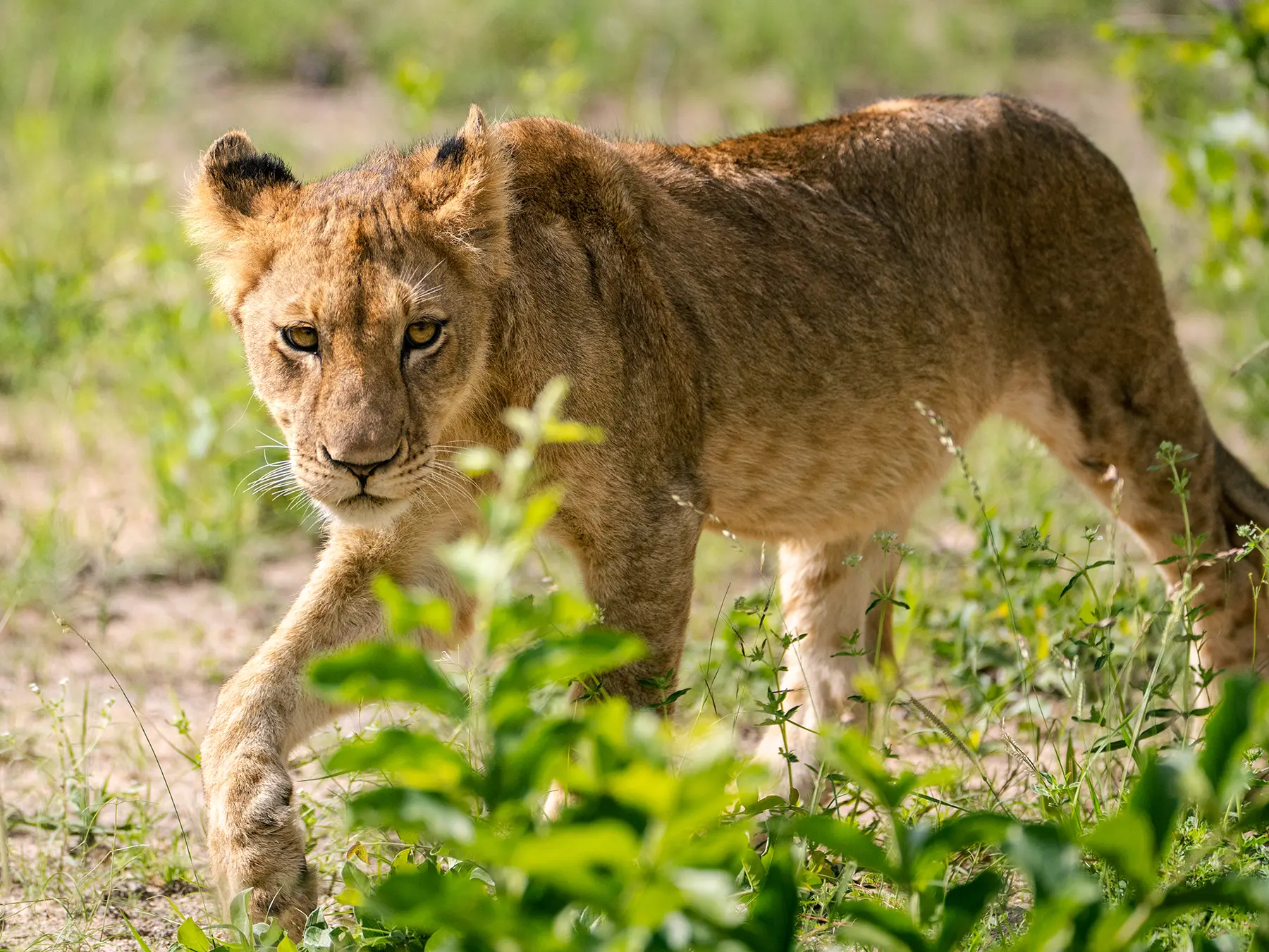
The Dry Season (May – October)
If you want the best general game viewing in Greater Kruger, combined with the most favourable weather, the dry season is the prime time to visit.
Vegetation is sparse, temperatures are mild, and animals cluster around permanent water sources, making their movements more reliable than at other times of year.
This is the peak safari season in Greater Kruger, with the highest lodge rates and greatest numbers of other visitors.
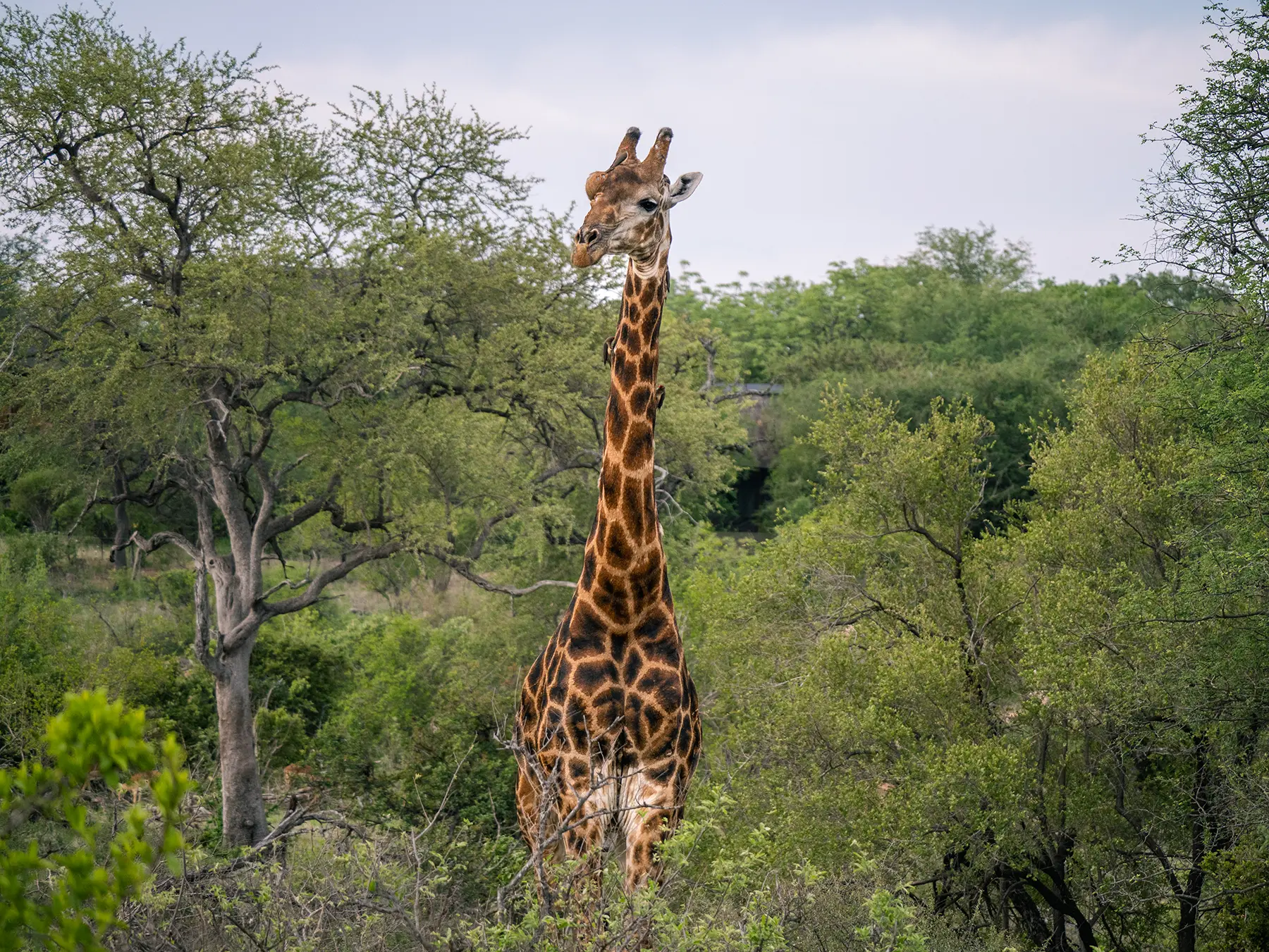
May to August overlaps with wild dog denning season, which means that the dogs’ locations become more predictable. This makes May to August an excellent time to see these endangered predators.
As well as this being a great time for wild dog sightings, Sabi Sand’s famous leopards are easier to spot in the dry season when the bush is sparse. Despite their reputation for lounging in trees, leopards can often be found resting beneath bushes. When there is less foliage, they are less camouflaged.
The cooler temperatures make for relatively comfortable game drives without the oppressive summer heat. That said, winter mornings and evenings can be very chilly, so make sure to pack snuggly layers.
If you’re looking to visit in peak season, book well in advance, especially if you want to include Sabi Sand in your itinerary. Booking 6 to 9 months in advance is advisable.
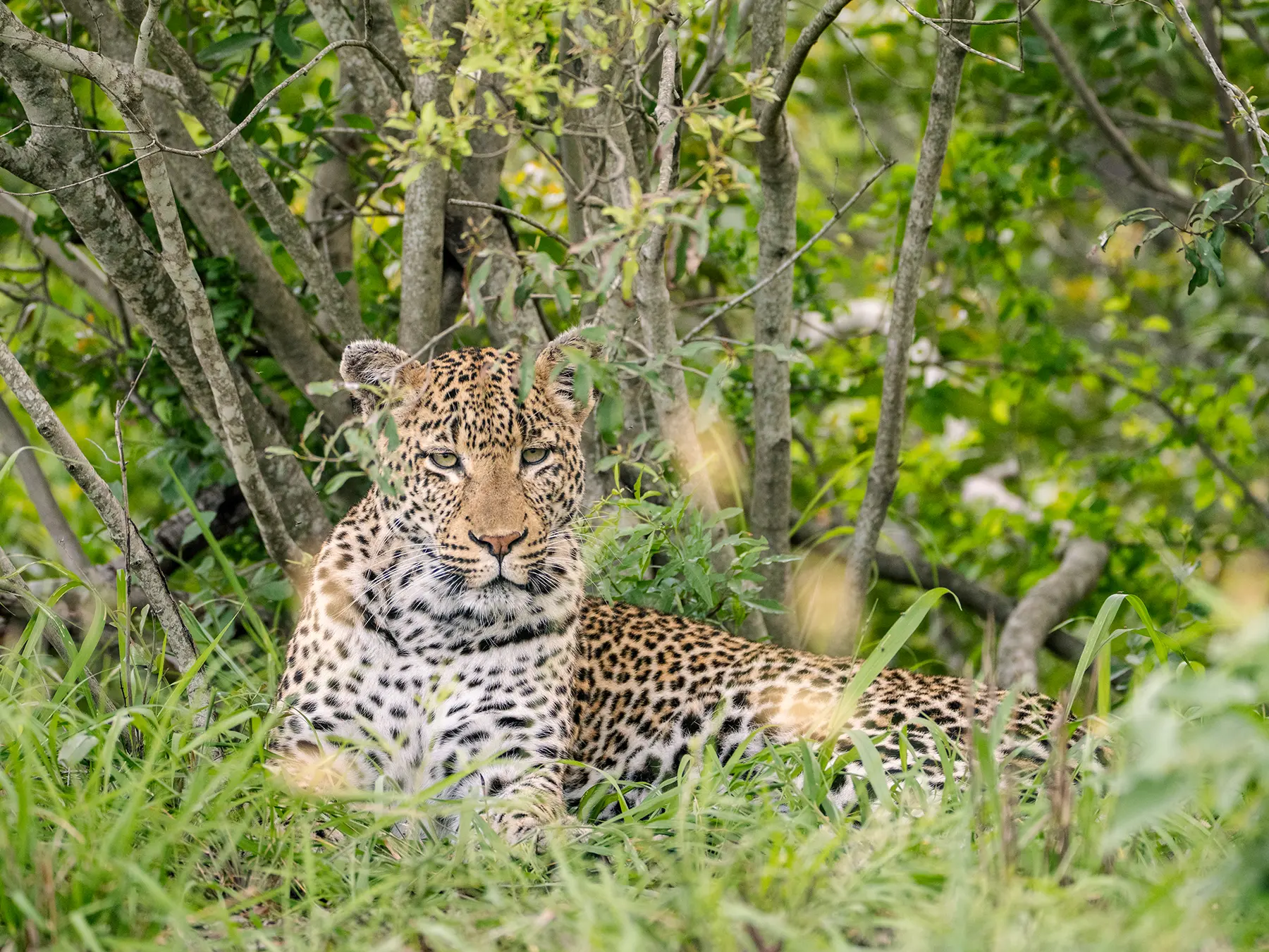
Quick Facts
Prices: High. Peak season rates at most lodges, especially July and August.
Weather: Clear, dry days with morning temperatures as low as 41 to 50 degrees Fahrenheit (5 to 10 degrees Celsius) and daytime highs of 77 to 82 degrees Fahrenheit (25 to 28 degrees Celsius). Cold mornings on open game drive vehicles require warm layers.
Wildlife: Excellent. Thin vegetation and concentrated water sources make animals easier to find. Predator activity is high as prey is forced into predictable areas.
Birding: Resident species only during winter months. Summer migrants have departed, but raptors and large birds are easier to spot without leaf cover.
Reasons to Visit in the Dry Season
- Best wildlife viewing of the year with animals concentrated at water
- Comfortable daytime temperatures and minimal rainfall
- Very low malaria risk during June to August
- Thin bush makes leopards and other elusive species easier to spot
- Wild dog denning season overlaps (May to August)
Reasons to Avoid the Dry Season
- Highest prices
- Reserves are at their busiest
- The most popular lodges sell out up to a year in advance
- Landscape is brown and dry, and less photogenic for scenery shots
- Cold early morning game drives (bring warm layers and a beanie)
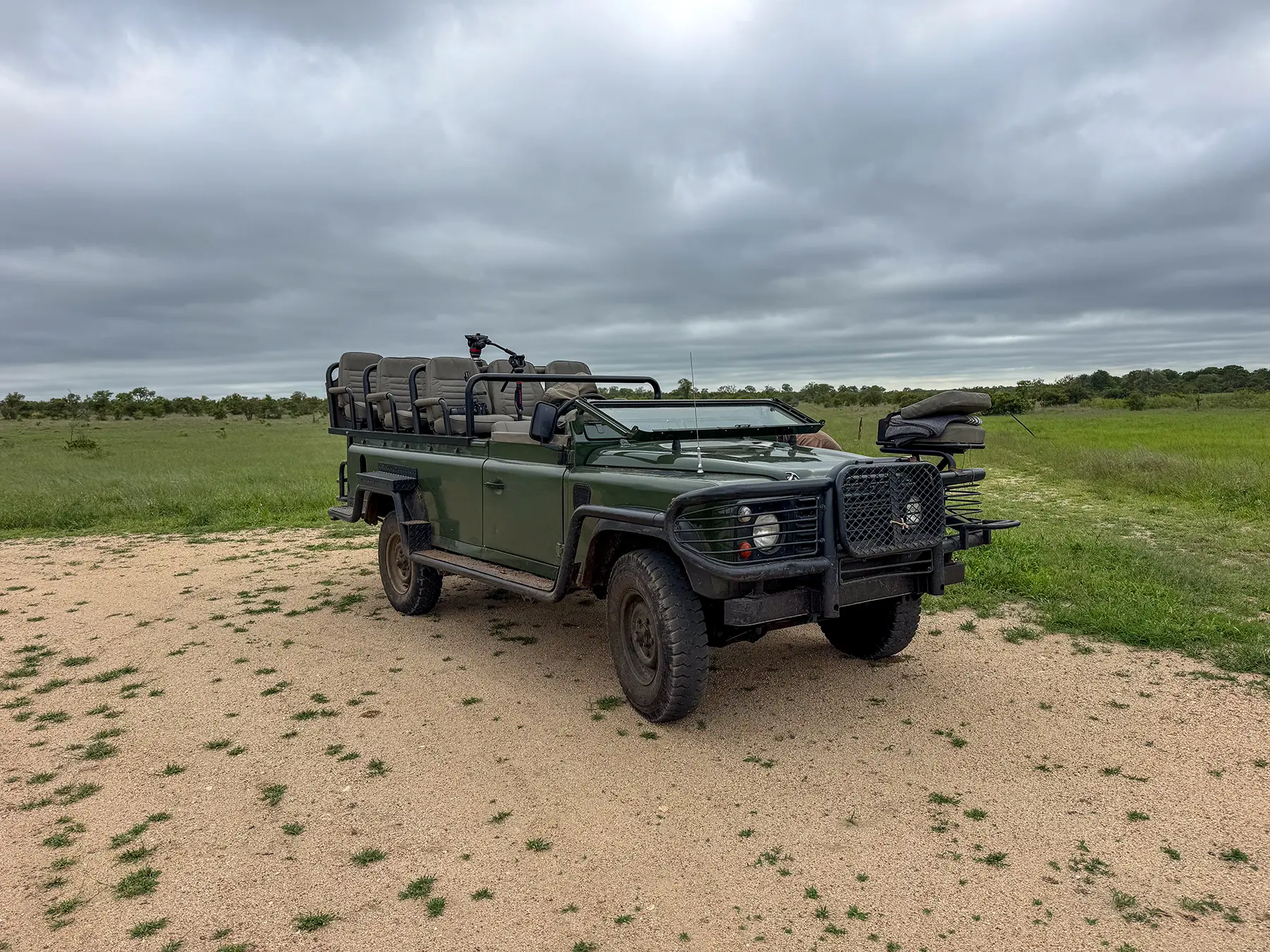
The Green Season (November – April)
The green season is Greater Kruger’s wet period, with lush vegetation, dramatic thunderstorms, and often high levels of rainfall. This is the best time for birding enthusiasts, photographers hoping for bright green backdrops and dramatic skies, and those who are after lower prices.
Because of the abundant water sources and food available in the green season, wildlife disperses more widely. However, you can still have plenty of great sightings in the private reserves where expert trackers and off-road access compensate for the thicker bush.
Lodge rates drop significantly, with discounts of 30-50% off peak season prices.
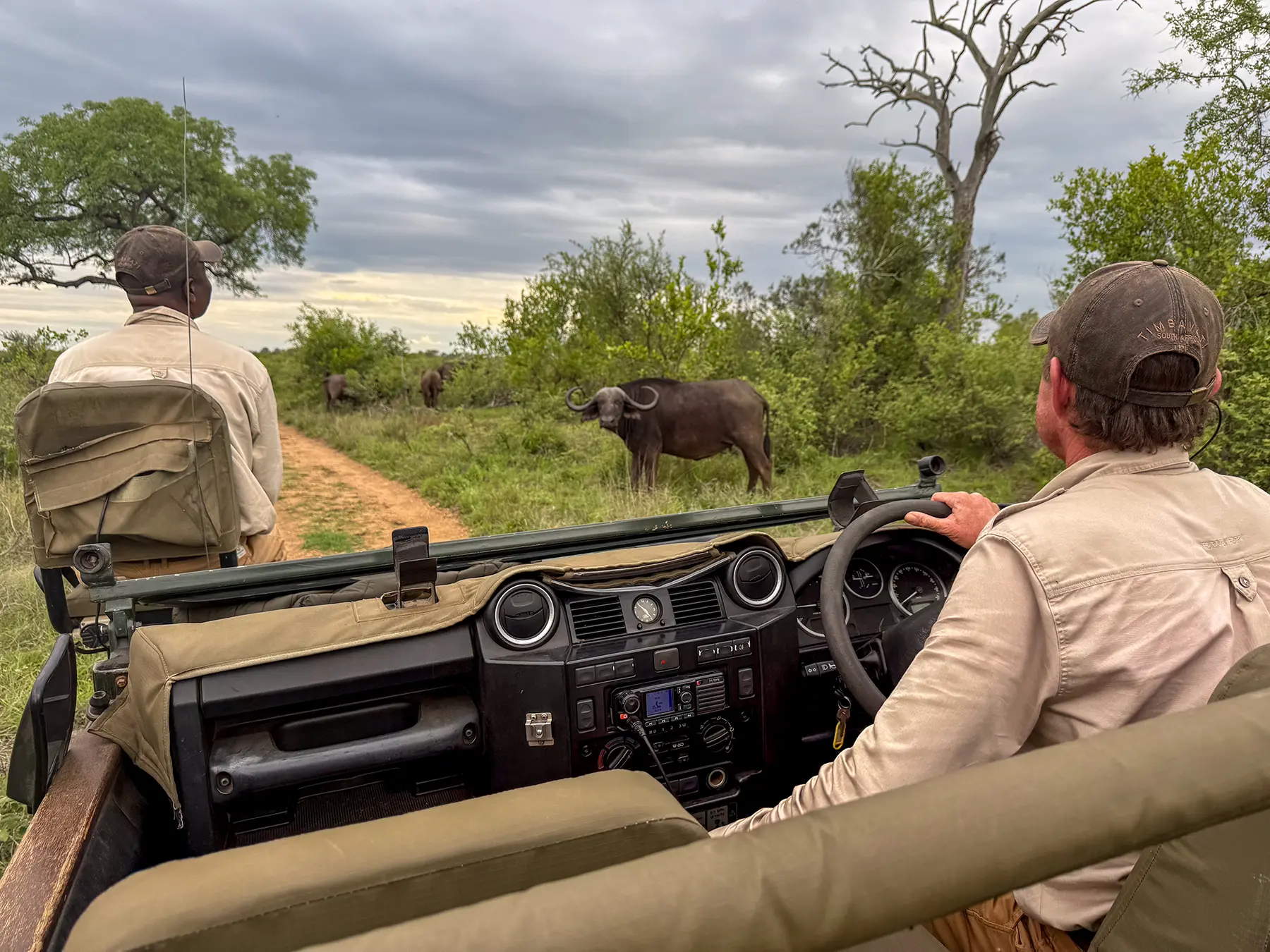
The impala lambing season begins in mid-November. This is a great time to see these tawny antelopes take their first wobbly steps.
And so much new life inevitably means there’s a good chance of seeing predators in action. The impala mothers all give birth within a couple of weeks of one another, flooding the bush with babies. There are too many of them for all the predators to keep up with.
To give you a sense of the predator action that takes place, during my November / December visit to Greater Kruger, I saw 10 instances of predators feeding on young impalas, including witnessing 2 of the kills.
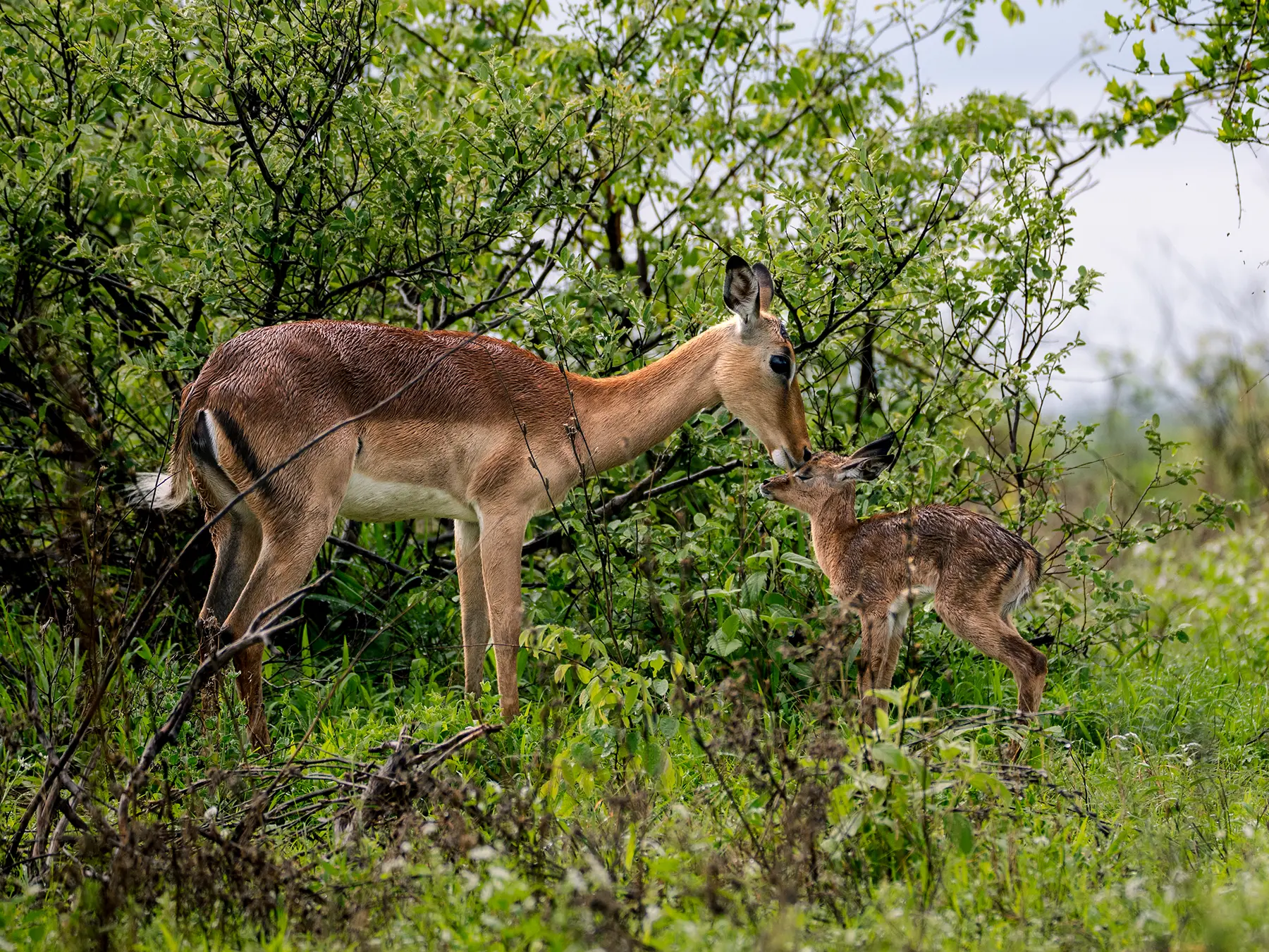
Another reason that the early green season months of November and December are a good time to visit is that the bush isn’t too thick yet. You can still enjoy a vibrant green landscape but the grass hasn’t grown too long to affect visibility.
I would avoid visiting in January and February though because these are by far the wettest months in Greater Kruger.
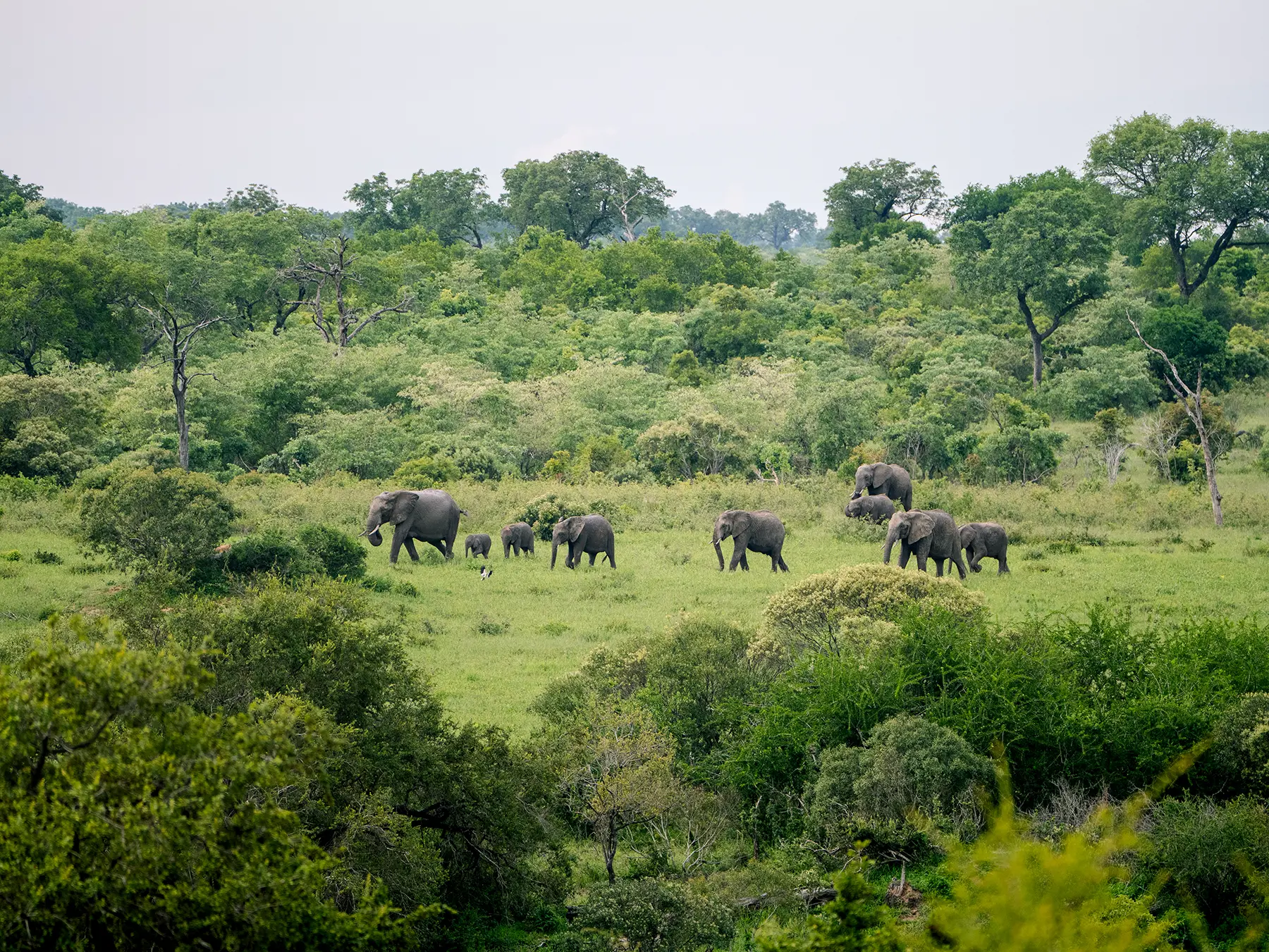
Quick Facts
Prices: At their lowest. Green season discounts of 30-50% at many lodges.
Weather: Hot and humid (82 to 104 degrees Fahrenheit (28 to 40 degrees Celsius)), with afternoon thunderstorms most days. January and February are the wettest months. Mornings are usually clear and warm.
Wildlife: Good but more challenging than the dry season. Animals dispersed with plentiful water. Excellent for baby animals and predator-prey interactions.
Birding: Peak season. Migratory species present, including European rollers, cuckoos, and bee-eaters.
Reasons to Visit in the Green Season
- Lowest prices of the year with significant lodge discounts
- Lush green landscapes and dramatic thunderstorm skies for photography
- Peak birding season with migratory species present, plus newborn animals
- Lots of baby animals to see
- Predator activity is high due to the abundance of new life
- Reserves are a lot quieter than in peak season
Reasons to Avoid the Green Season
- Highest malaria risk period
- Oppressive heat and humidity, with chances of afternoon rain that can disrupt game drives
- Wildlife more dispersed and harder to spot in thick vegetation
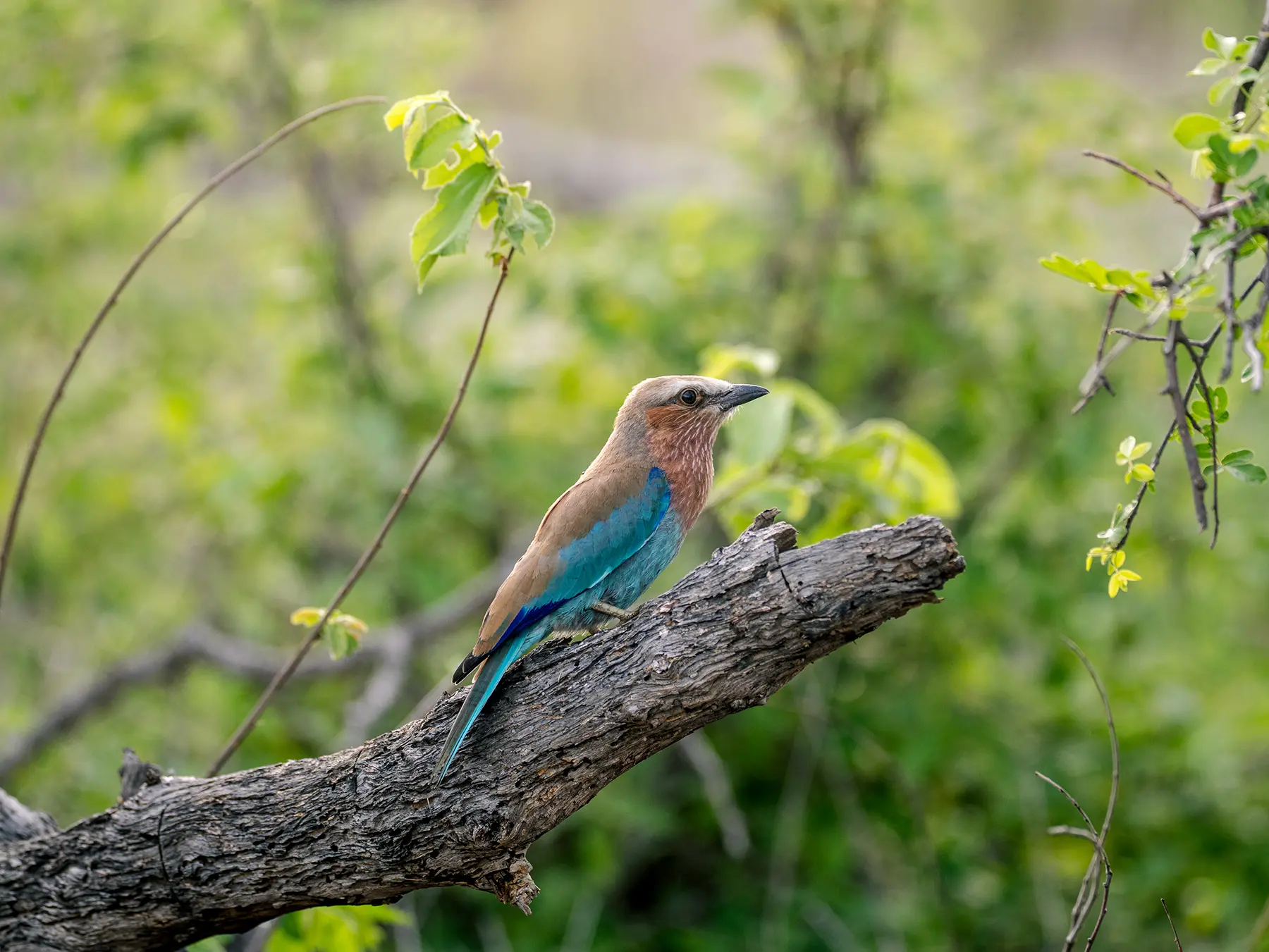
How Long Should You Spend on a South Africa Safari?
Two weeks is the perfect amount of time to spend in South Africa for a safari. Two weeks allows you to experience three distinct private reserves without rushing between lodges, finishing your trip off amongst the many natural wonders and urban delights of Cape Town.
You’ll have time to experience Timbavati’s lion-dense bushveld, Manyeleti’s open plains, which are perfect for seeing cheetahs, and Sabi Sand’s legendary leopard territory, with enough game drives in each reserve to give you the opportunity to see all of the Big Five as well as wild dogs.
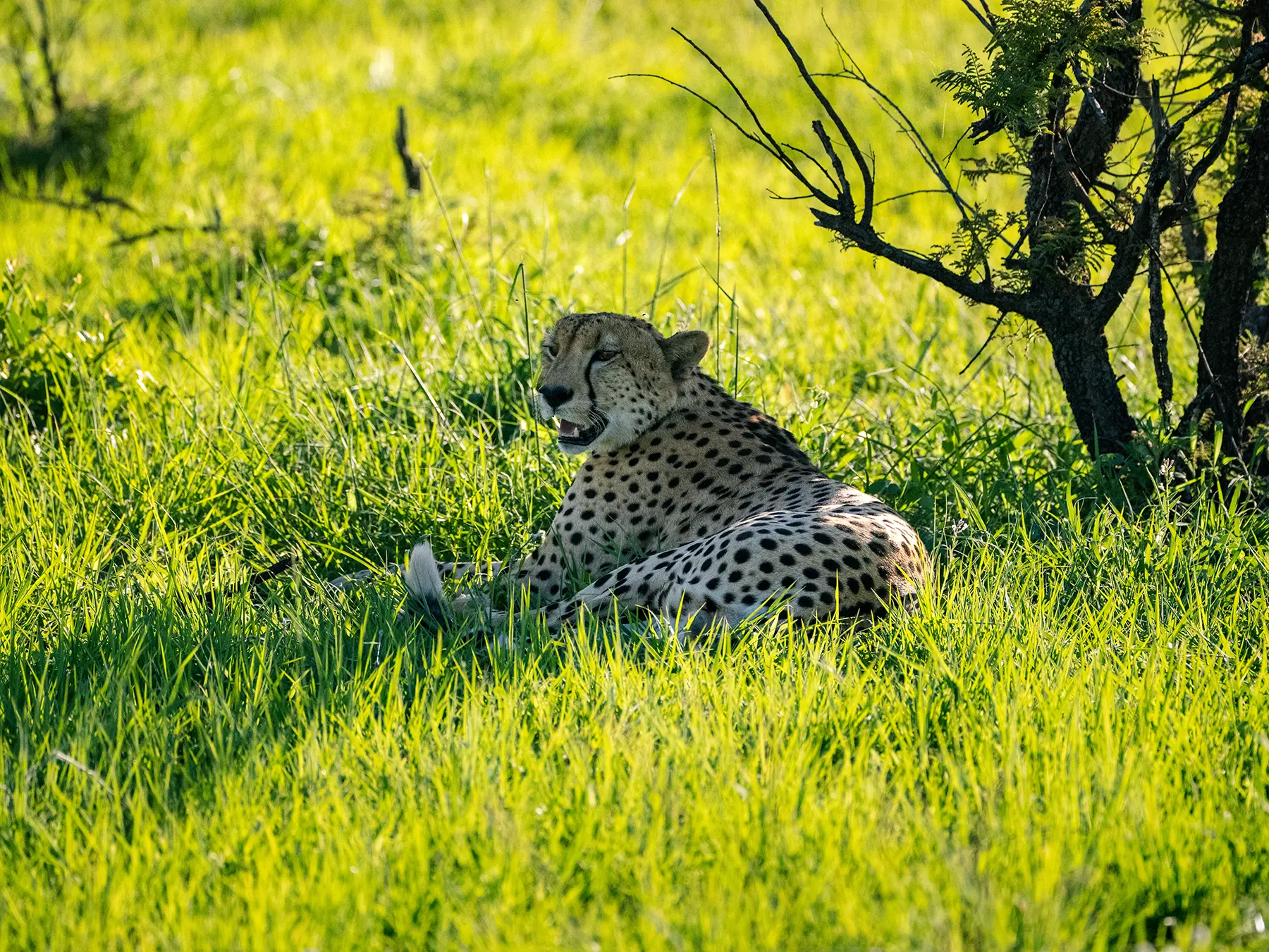
You could easily extend to 16 days, time and budget permitting. If you decide to do so, I recommend spending the extra days in Sabi Sand, where the leopard sightings are the best of the three reserves.
Whilst on my most recent visit, I spent closer to a month in Greater Kruger. This was because I wanted to visit as many reserves as possible in order to offer the best guidance on my blog and YouTube. I also included some rest days in my trip so that I could spend some time backing up my photos and videos.
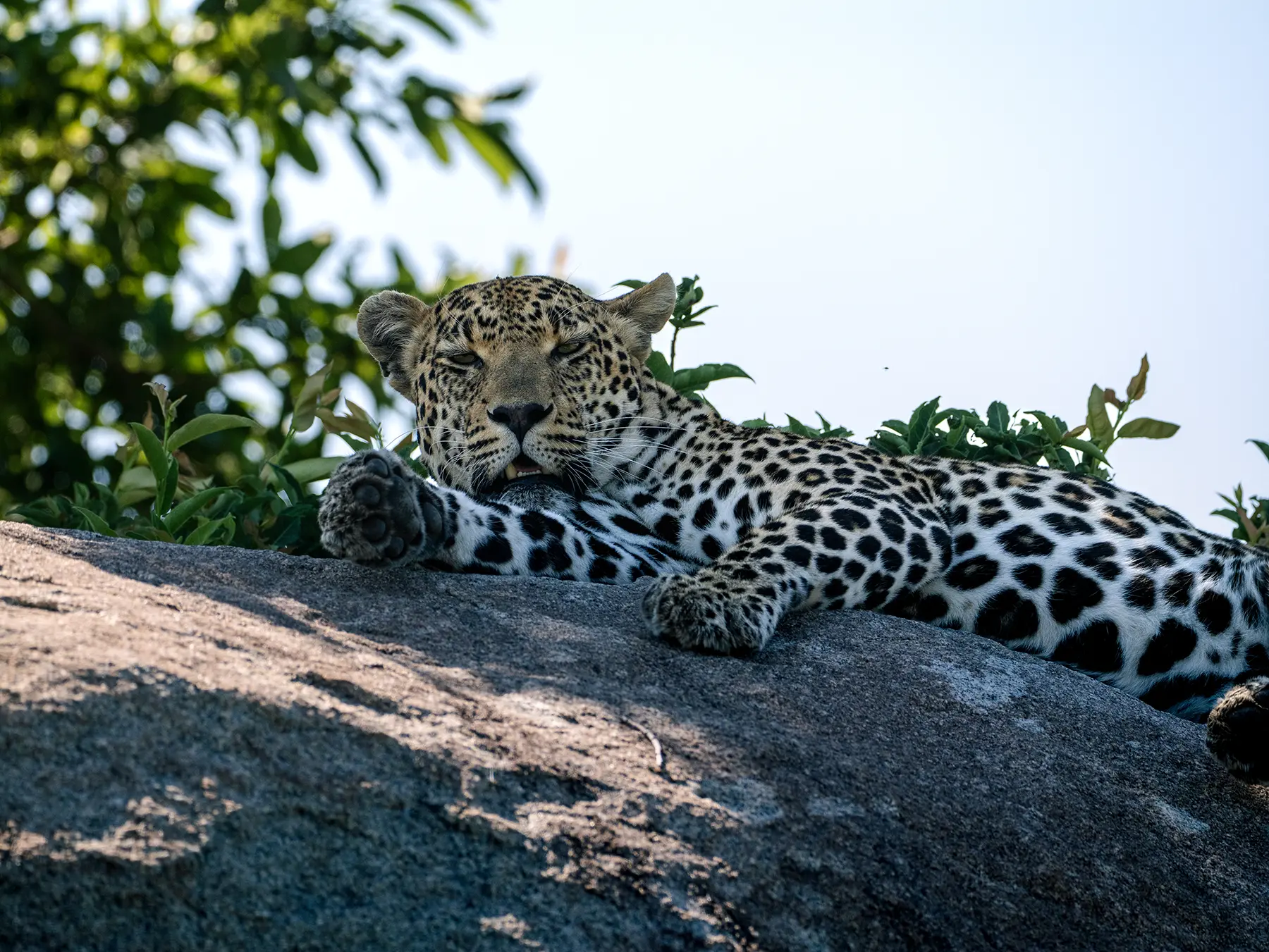
What 14 Days in South Africa Gets You
- Timbavati (Days 1-3): Very high density of lions with a chance of spotting the reserve’s famous white lions, plus bush walks through 206 square miles (53,395 hectares) of unfenced wilderness. Max 2 vehicles per sighting.
- Manyeleti (Days 4-6): Community-owned. Open plains provide some of the best opportunities to see cheetahs in Greater Kruger. Max 3 vehicles per sighting.
- Sabi Sand (Days 7-10): Some of the best leopard sightings in Africa, with guides who can identify up to 85 resident individuals by their spot patterns. Max 2 – 3 vehicles per sighting.
- Cape Town (Days 11-13): Enjoy 3 days in this world-class city, dining at top tier restaurants, taking in breathtaking sights such as Cape Point and Table Mountain, and seeing wild African penguins at Boulders Beach.
- Departure (Day 14): Hop on your international flight and head home.
If 14 days in Greater Kruger is more than you can spare, a 10-day or week-long trip focusing on two reserves still gives you an excellent Greater Kruger experience.
If a South African safari is stretching your budget, you may like to consider some of Africa’s more budget-friendly safari destinations. Either a 10-day Tanzania Itinerary or a 10-day Kenya Itinerary is an excellent choice for more budget-conscious travellers due to the wide availability of budget lodges in both countries.
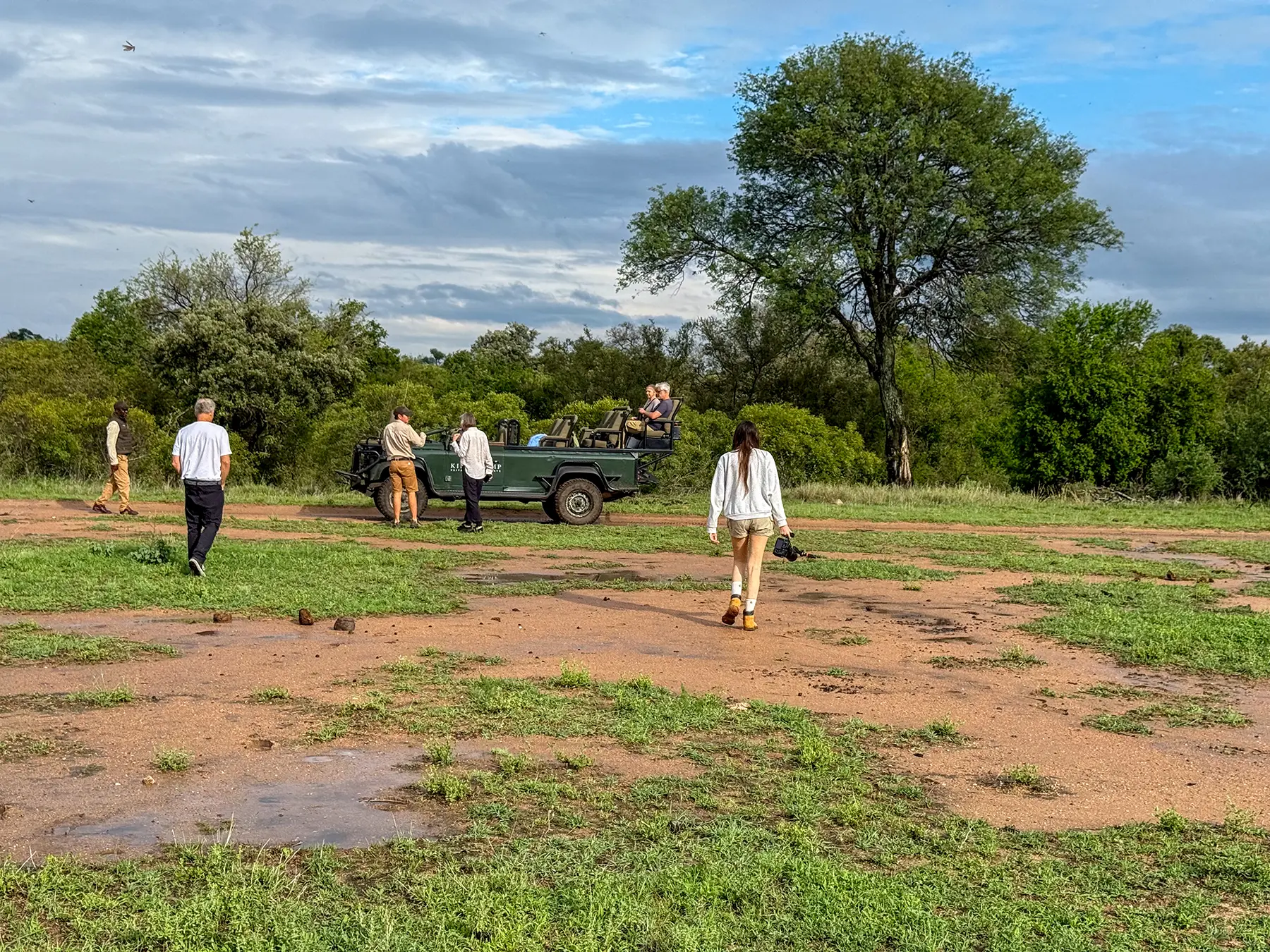
My Preference: 10 to 14 days is the sweet spot for Greater Kruger because it lets you include Manyeleti, which a shorter trip skips. It also gives you more time to spot the Big Five and other animals on your wish list.
Most often I find that you have to spend a good few days at each location on safari in order to experience great sightings.
Safaris are unpredictable, but that’s why they’re so exciting. It’s perfectly normal to have a morning, or even a full day, and see very little. Then, you might have an action-packed day and see all of the Big Five within a short space of time.
No two days are ever the same on safari, and that’s what makes this such a unique travel experience!
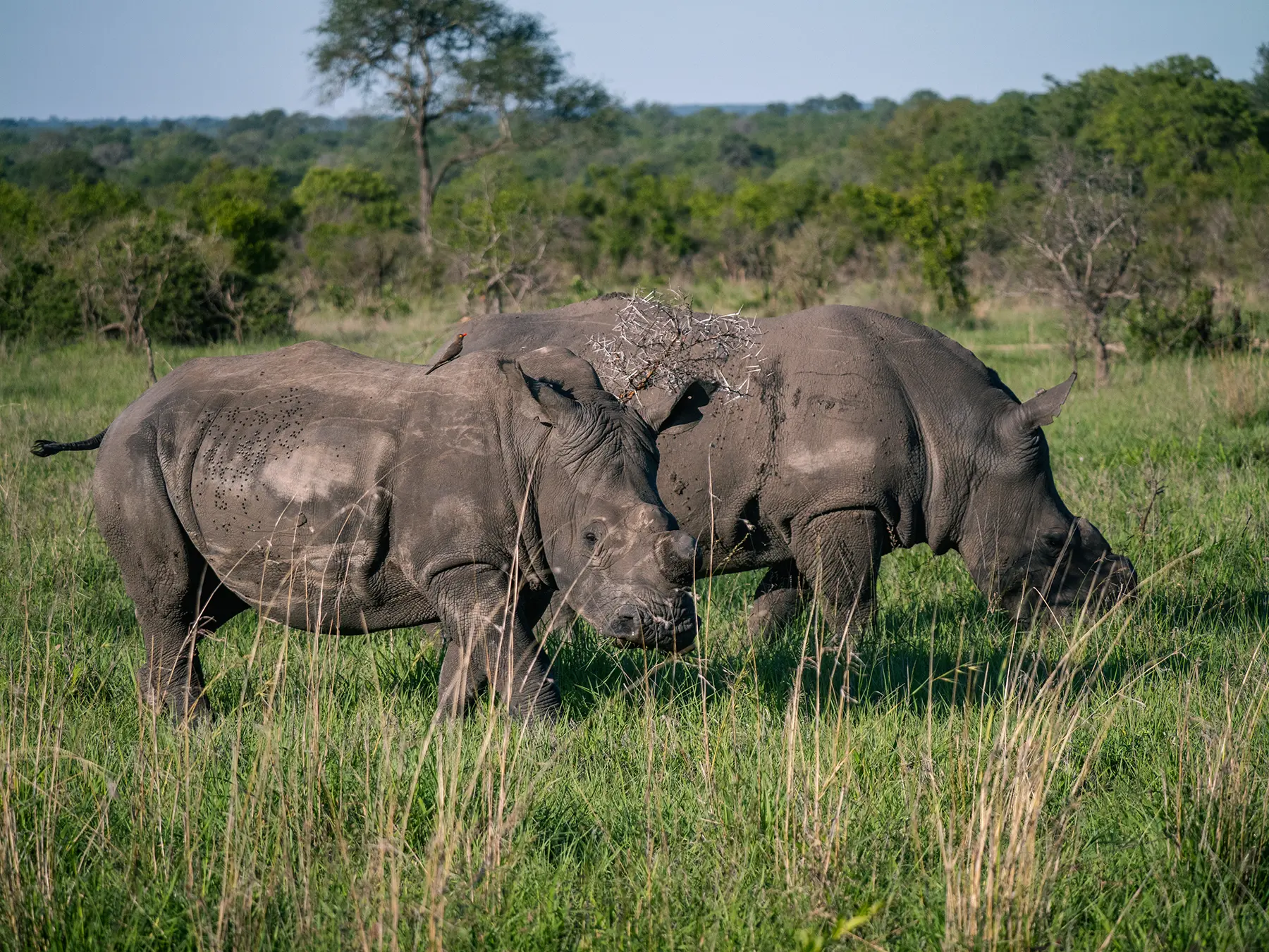
South Africa Safari FAQs
Click on any of the frequently asked questions below to show the answer.
Is Greater Kruger safe for safari tourists?
Yes, the Greater Kruger private reserves are very safe for safari tourists. You are always accompanied by trained rangers on game drives, lodges have professional security teams, and the reserves are well managed with strict access controls.
I flew straight from Johannesburg Airport to Hoedspruit, so I can’t comment much on Johannesburg, but Hoedspruit felt very safe and my driver told me he’s always found it to be a safe area. The game drives themselves felt very safe as the guides are all very experienced and know the wildlife well. The animals themselves are used to safari trucks and seemed relaxed around us.
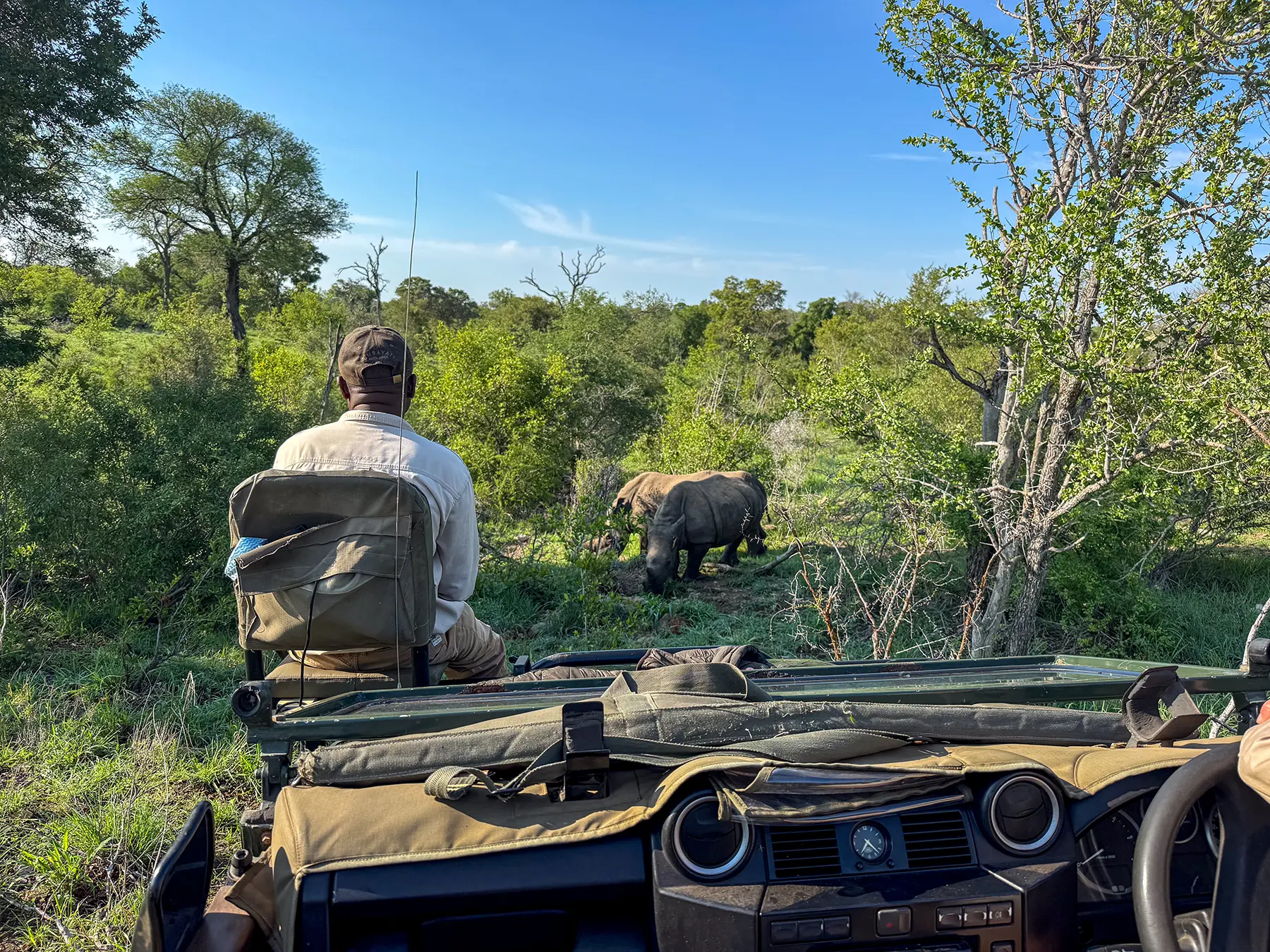
When is the best time to visit Greater Kruger?
Personally, I think the best months to visit Greater Kruger are September to early December if you want the green season beauty combined with abundant baby animals and related predator activity. Alternatively, I’d recommend April or May if you want the excellent dry season game viewing with thinner vegetation, fewer crowds than the July-August peak, and better value than high season rates.
Just because May and September are my favourite months does not mean they will be yours, however. We all have different preferences and priorities. So read my best time to visit section to find out more about each season so you can choose the time that suits you best.
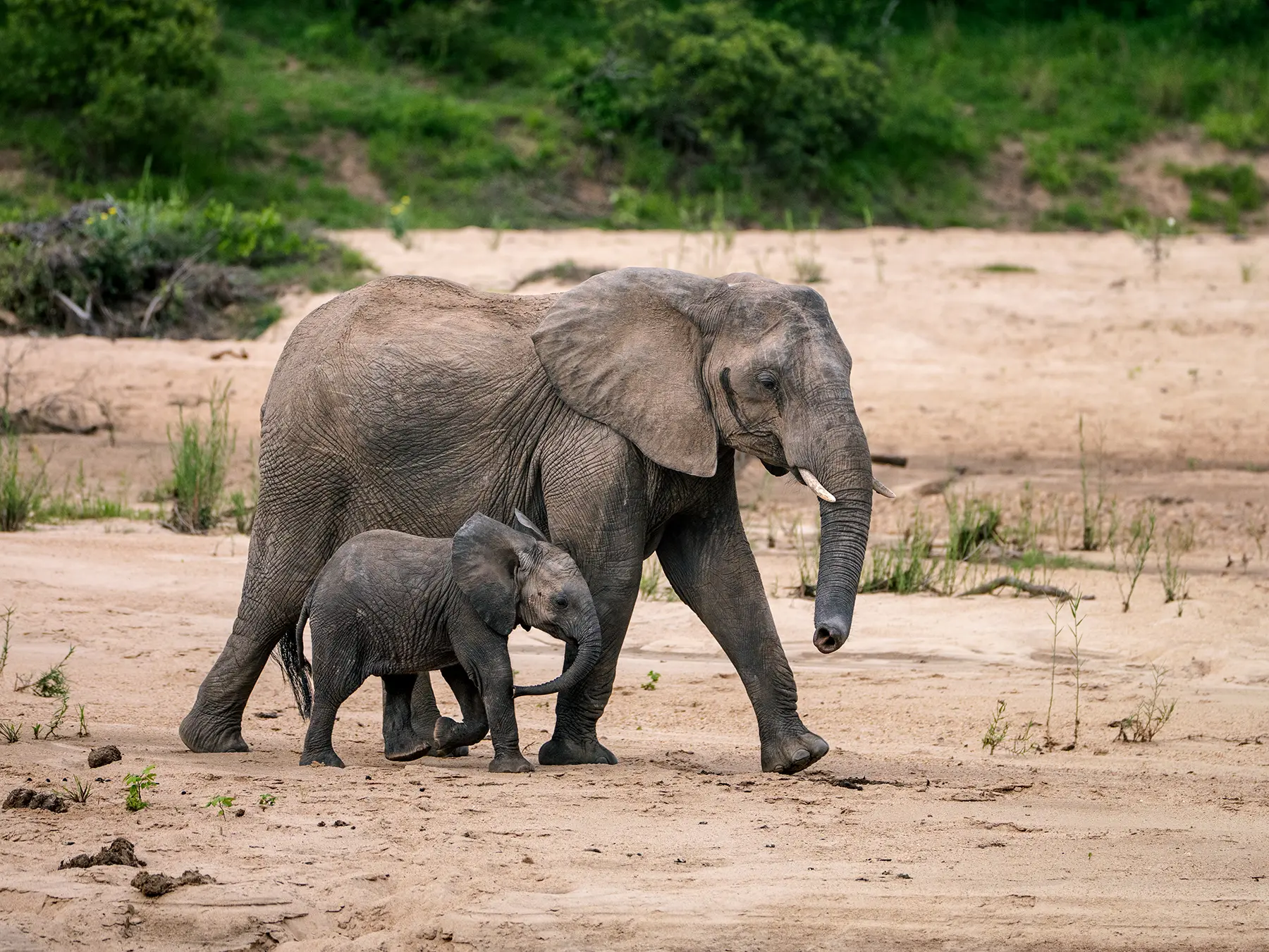
How much does a Greater Kruger safari cost?
The Greater Kruger safari leg of a 2-week South Africa trip costs from approximately $500-600 per person per day for mid-range lodges, rising to $1,500-$3,000+ per person per day for ultra-luxury properties in Sabi Sand. This is more expensive per night than a comparable Kenya safari or Tanzania safari.
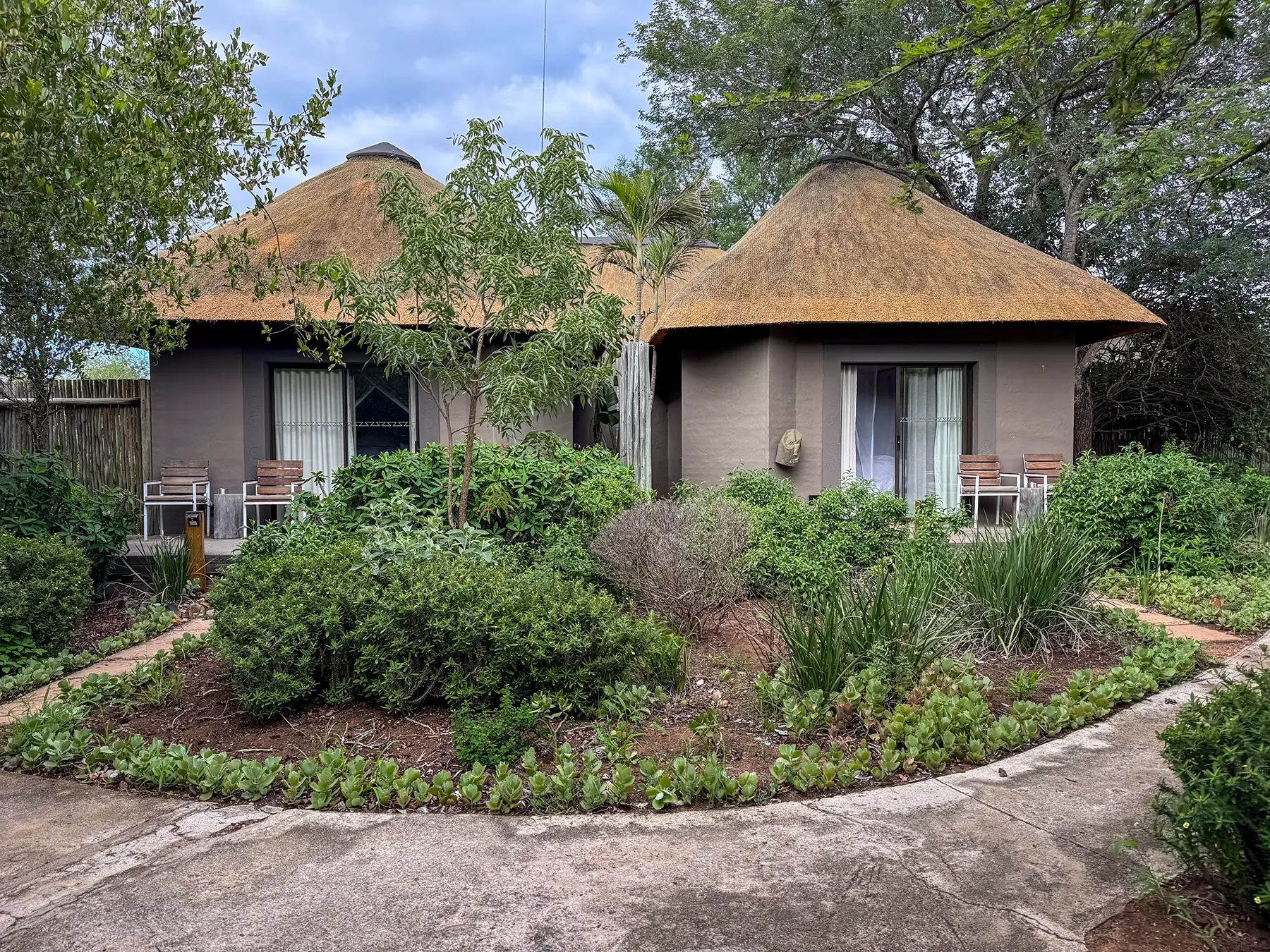
What is the difference between Kruger National Park and the private reserves?
Private reserves like Timbavati, Manyeleti, and Sabi Sand offer off-road driving, night drives with spotlights, and guided walking safaris, all of which are either banned or far more limited in Kruger National Park.
The fences between private reserves and Kruger were removed in 1993, so the same Big Five wildlife moves freely across these areas. Private reserves also limit vehicle numbers at sightings, giving you a more exclusive and intimate encounter.
I tried out both the Greater Kruger private reserves and Kruger National Park and they are very different experiences at different prices. Whilst both are excellent, the Greater Kruger private reserves give you substantially more Big Five, leopard and cheetah sightings with fewer other vehicles in a wildlife setting that feels more untouched.
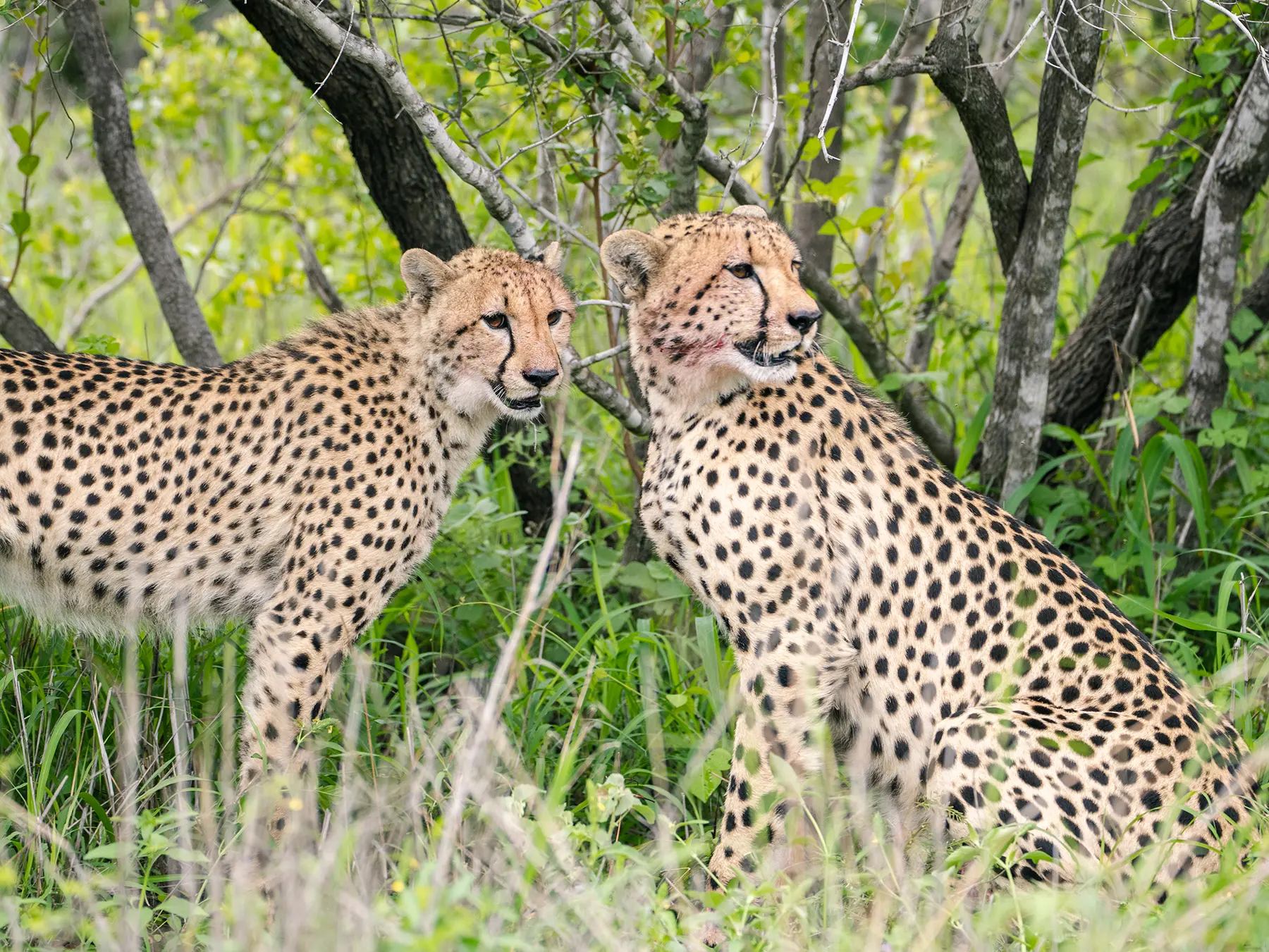
Can you see leopards in Greater Kruger?
Sabi Sand has the highest leopard density surveyed in South Africa, at 12.2 per 39 square miles (100 km²). Experienced guides can identify up to 85 resident leopards by their unique spot patterns, making most sightings an encounter with a named individual. Leopard sightings in Sabi Sand are among the most reliable anywhere in Africa.
I personally saw 10 leopards in Sabi Sand in 5 nights.
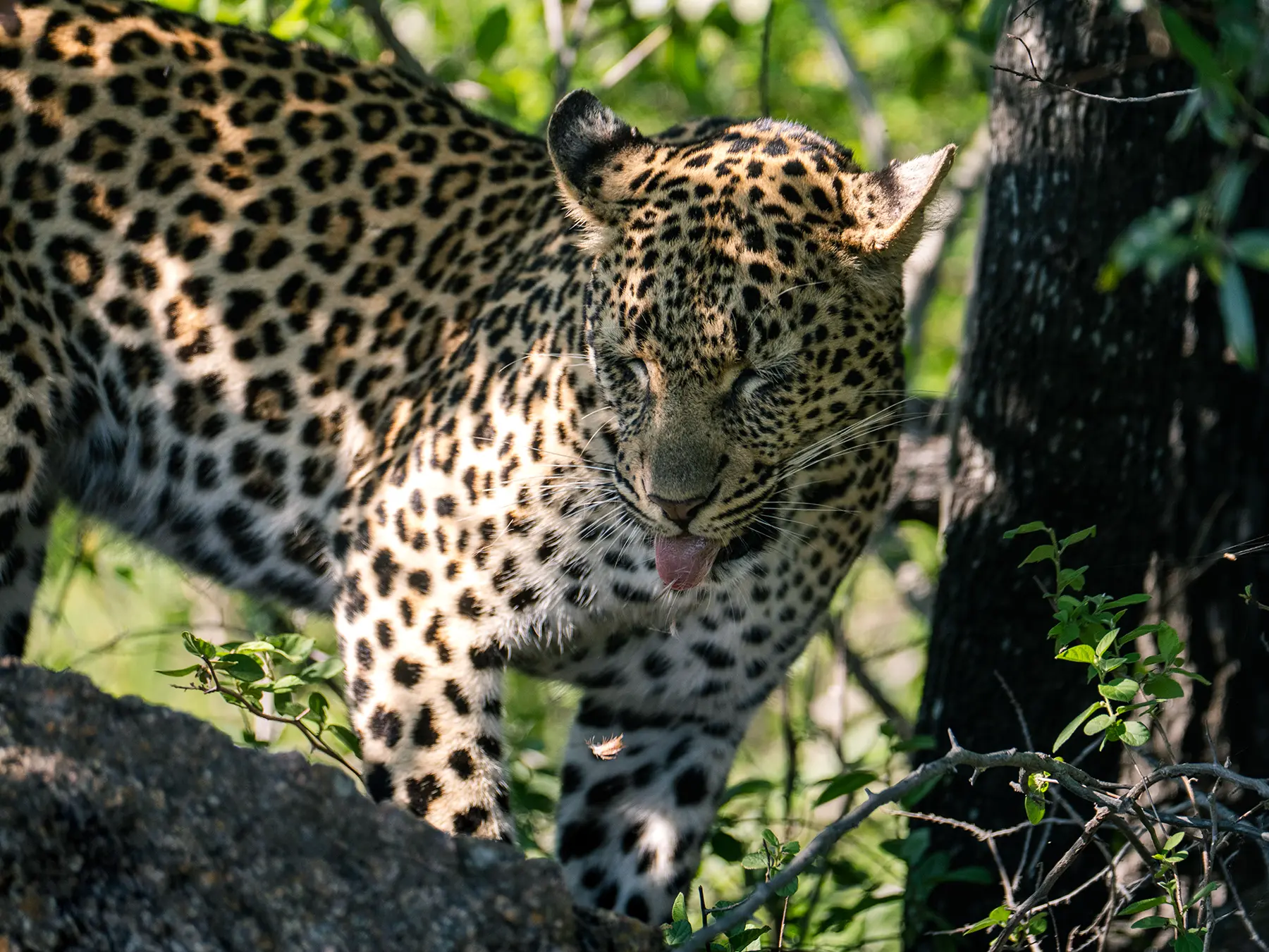
Do I need malaria tablets for Greater Kruger?
Yes, public health authorities class the low-altitude areas of Mpumalanga and Limpopo, including Kruger National Park, as a malaria risk area. Antimalarial medication is recommended during the transmission season, from September to May.
During the dry winter months (June to August), risk is substantially lower but antimalarial medication is still advised. Consult your doctor before travelling for the most appropriate medication for your circumstances.
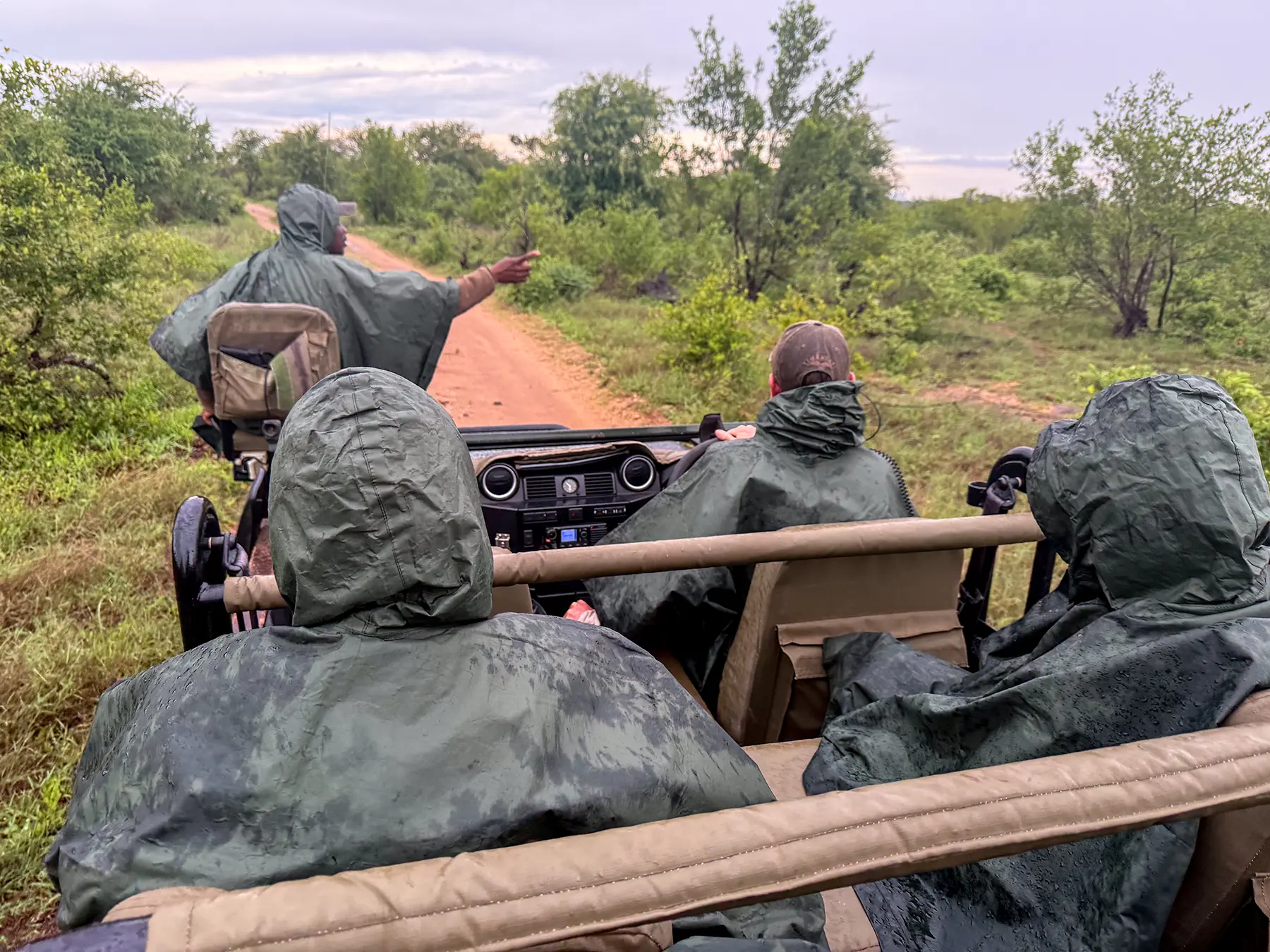
How do you get to Timbavati, Manyeleti and Sabi Sand?
The main gateway to Timbavati and Manyeleti is Hoedspruit Eastgate Airport in Limpopo Province, with daily Airlink flights from Johannesburg (about 1 hour) and Cape Town (about 2 hours).
For Sabi Sand, Skukuza Airport is closer. Again, there are daily flights to and from both Johannesburg and Cape Town.
Your tour operator will arrange a road transfer from the airport to your first reserve, typically 30-90 minutes depending on the lodge location. Some lodges also have their own airstrips for charter flights.
Whilst you can drive between Johannesburg and Greater Kruger, I took the flight as it saves a lot of time and it was great to have the aerial views over the landscape.
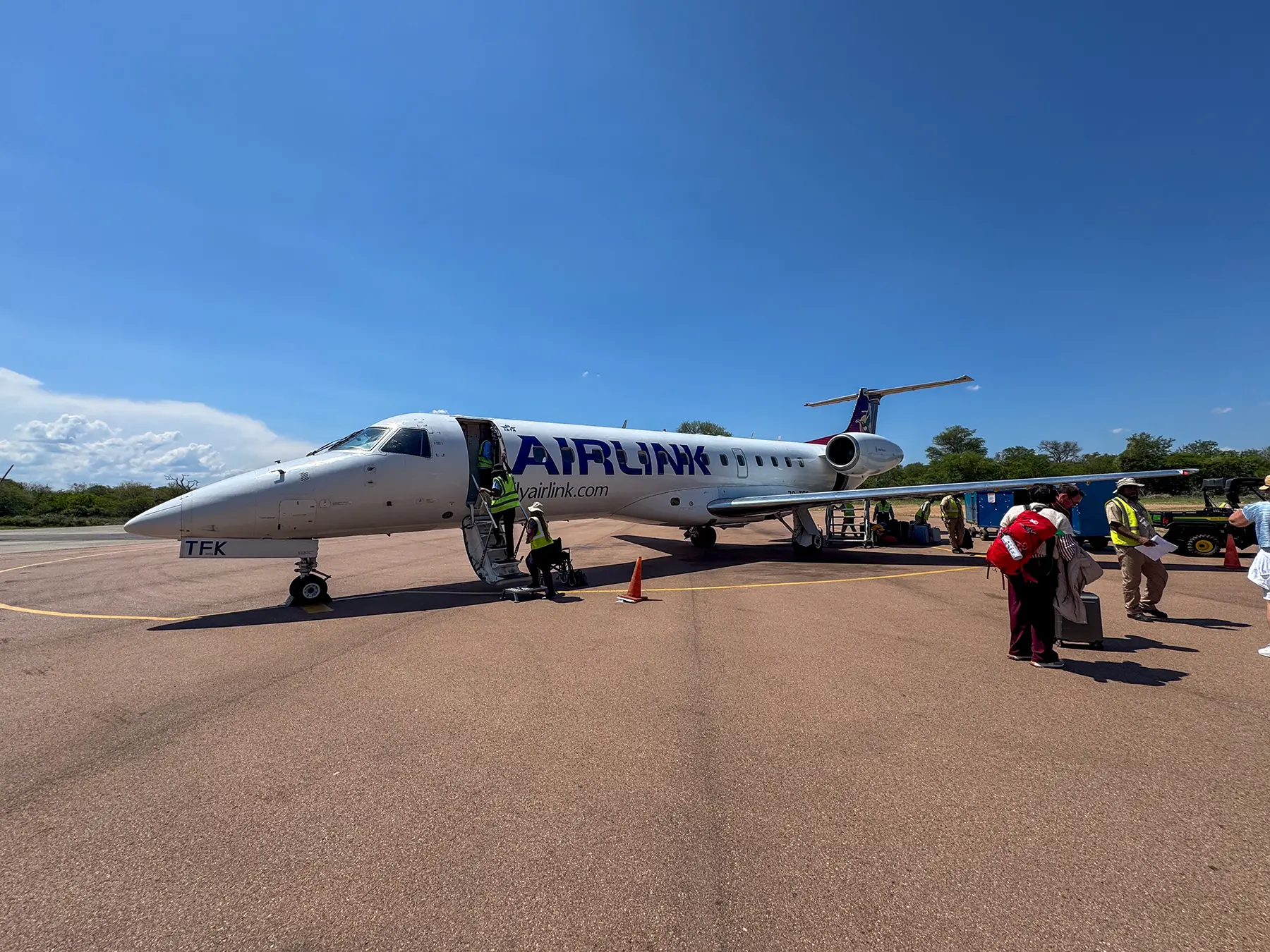
Recommended Booking Options For Your 2-Week South Africa Safari With Cape Town Itinerary
Private Safari
Most popular & best experience – typical prices for this itinerary start from $500 per person per day.
Visit safarisbyella.com for free quotes from trustworthy local tour companies I use to book my own trips.
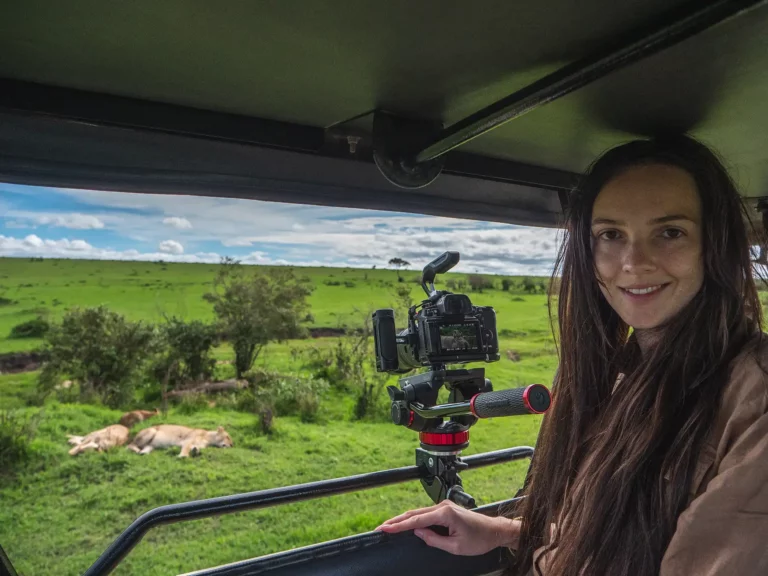
Is a 2-Week South Africa Safari Worth It?
Absolutely! In nine nights across three pristine private reserves, Timbavati, Manyeleti and Sabi Sand, followed by four nights in Cape Town, you’ll experience the best leopard-viewing conditions in South Africa as well as the country’s most popular city stop in a single trip.
You’ll be amazed at what three nights in each private game reserve reveals to you about the bush and its many inhabitants. As you take in this totally unique natural environment slowly, from north to south, you’ll start to understand the wildness of the landscape like never before.
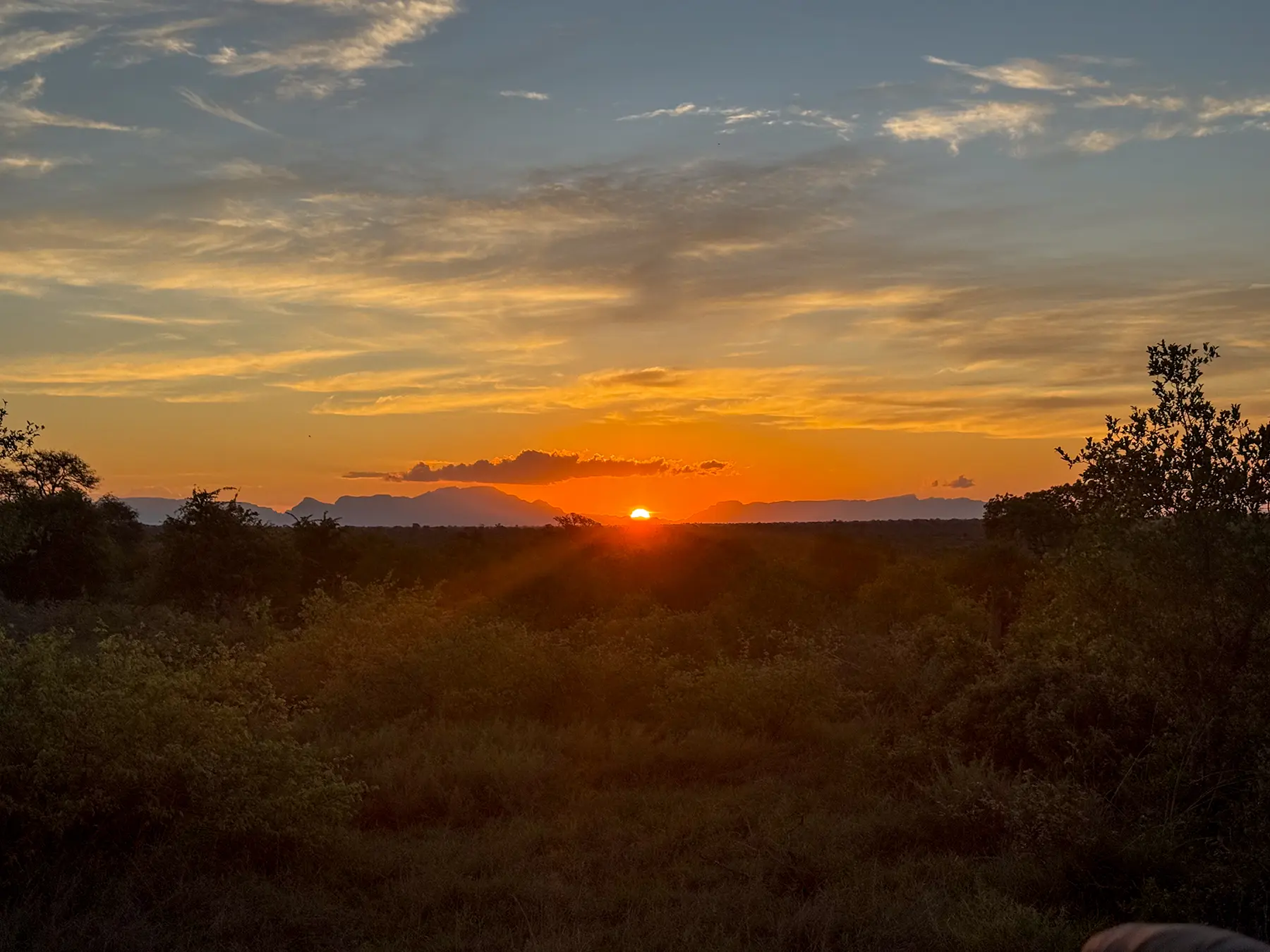
Three nights in a single safari location gives your expert guides and trackers time to find creatures that might otherwise elude you, like endangered wild dogs with their pups, cheetahs on the hunt, and leopards hiding in trees with their prey. All of this is yours to experience in the absolute seclusion and exclusivity of private reserves, where no more than three vehicles are ever allowed at a sighting.
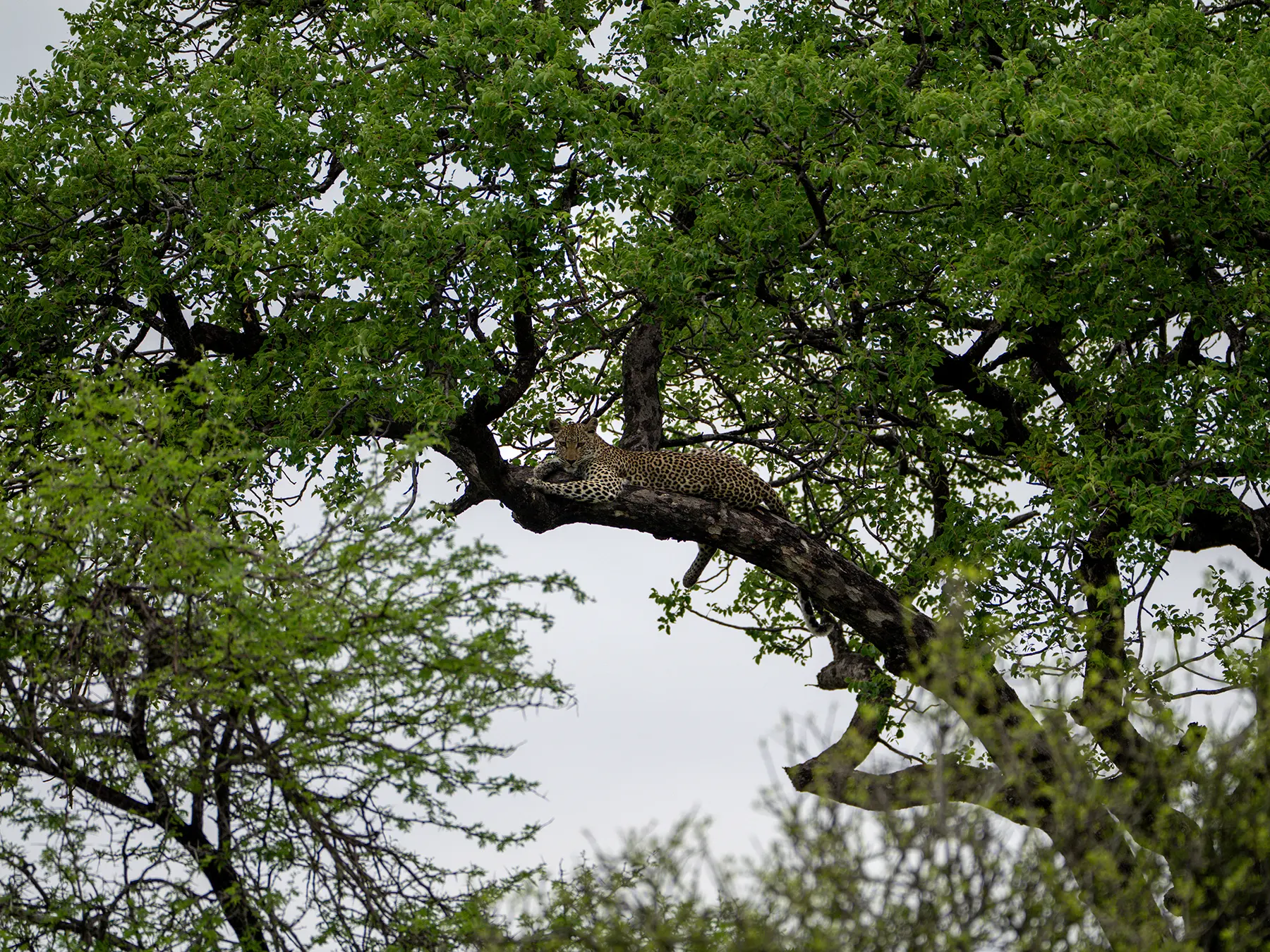
What is most important for any safari, though, is your sightings, and Greater Kruger delivers exceptionally. Over just three days in Sabi Sand I had several sightings of all of the Big Five, plus three separate wild dog sightings.
My guide went out of his way to find the species I so badly wanted to see, a feat made possible by the time he took to pay attention to nature’s signs.
I know your safari trip to Greater Kruger and Cape Town will be every bit as spectacular as mine was. As always, I’m here to answer any questions you might have while you get your planning underway..
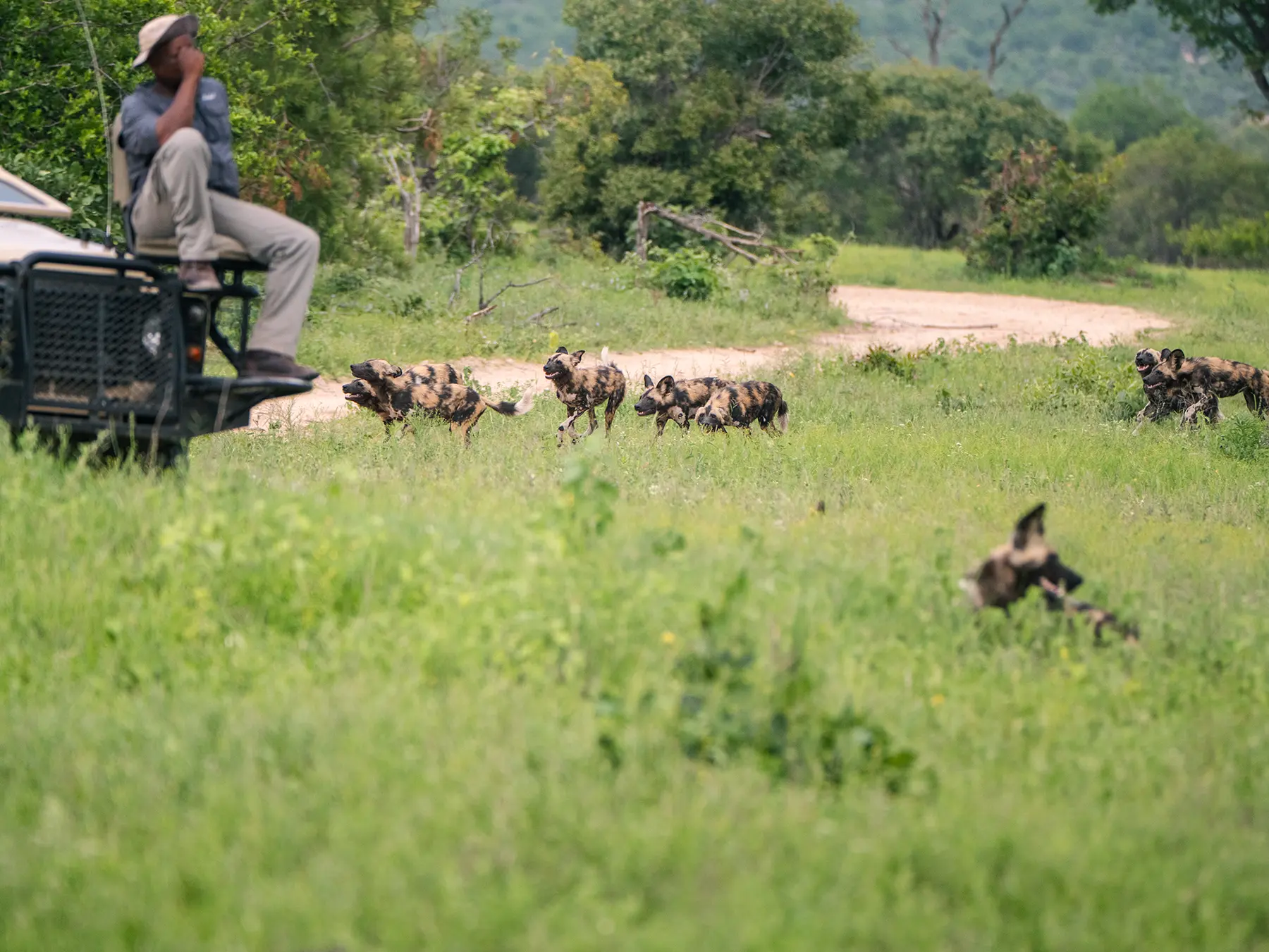
Read More South Africa Guides
South Africa Itineraries
Recommended itineraries and how to book them.
10-Day South Africa Safari Itinerary & Costs
7-Day South Africa Safari Itinerary & Costs
5-Day South Africa Safari Itinerary & Costs
2-Week South Africa Safari & Cape Town Itinerary & Costs
Costs & Planning
How to get the most bang for your buck and the best time of year to visit depending on what you want to do and see.
Coming soon.
National Parks & Reserves
Complete guides to the best and most famous safari reserves, including the wildlife you’ll see, entrance costs and best time to visit.
Coming soon.
Popular Safari Destinations
How to Book Your Safari
Save time and ensure an incredible safari experience by getting quotes from my recommended local safari companies.
Join the rapidly growing tribe of over 1,000 travellers who’ve booked their dream safari using my insider tips and recommendations.