
Botswana is unlike any other safari destination that I’ve set foot in. It’s wild, it’s serene and it’s remote. If you want to experience true wilderness, then Botswana is for you.
An incredible 40% of the country is protected for nature with no fences in between, allowing wildlife which requires large areas such as wild dogs to thrive.
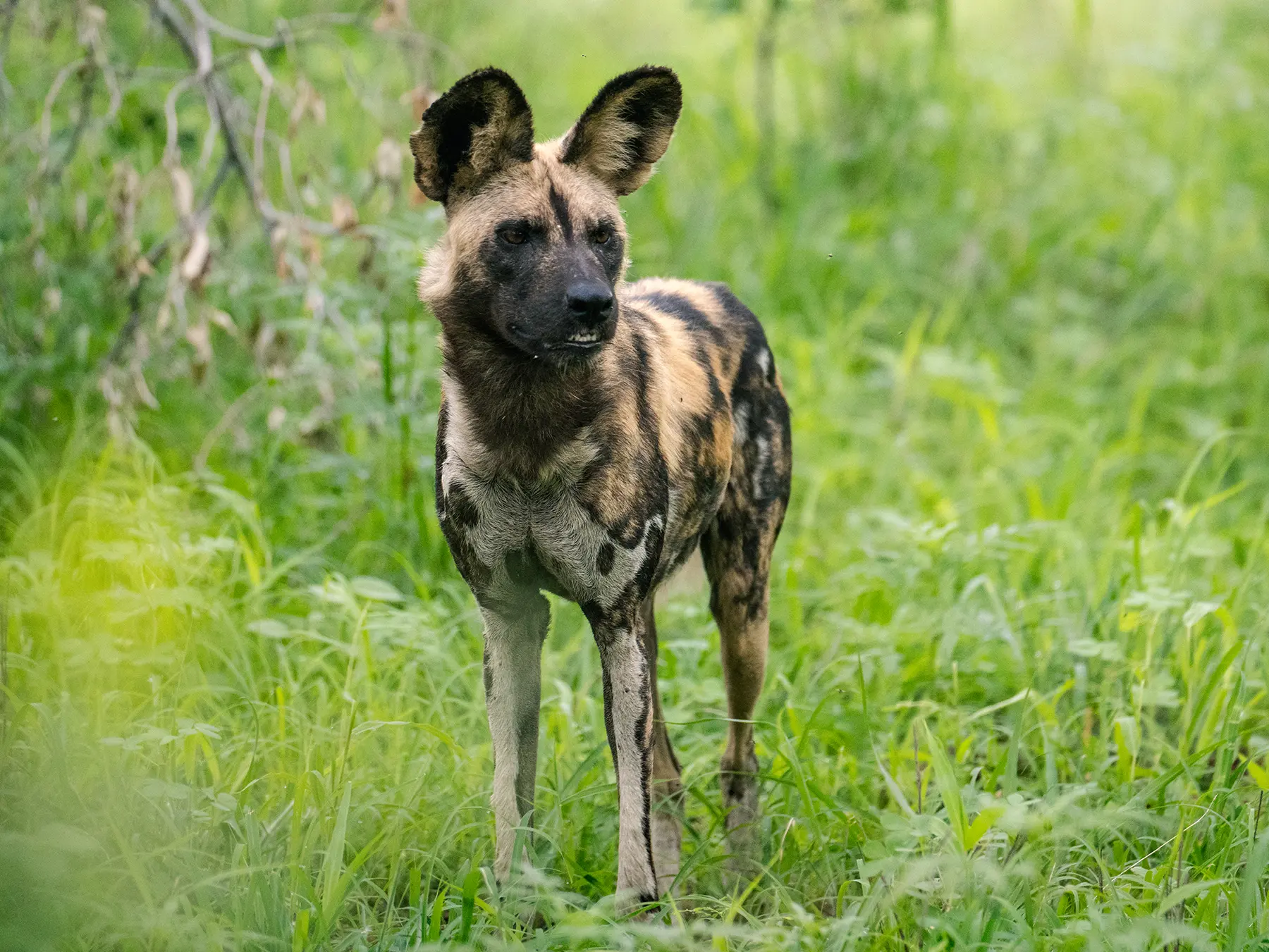
The country follows a deliberate high-value, low-impact tourism model with strict visitor limits, so the parks and reserves feel far quieter than those in Kenya or Tanzania.
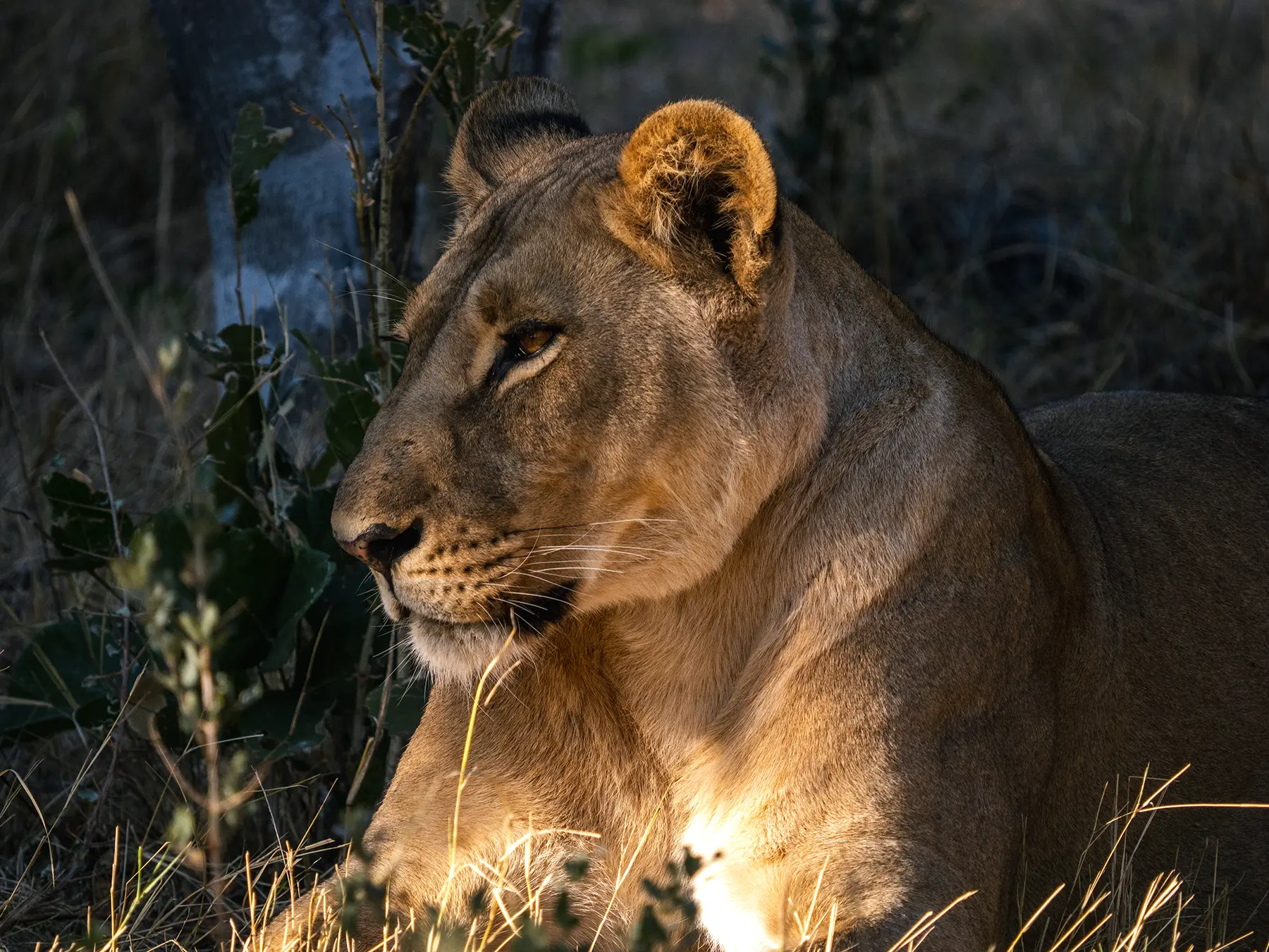
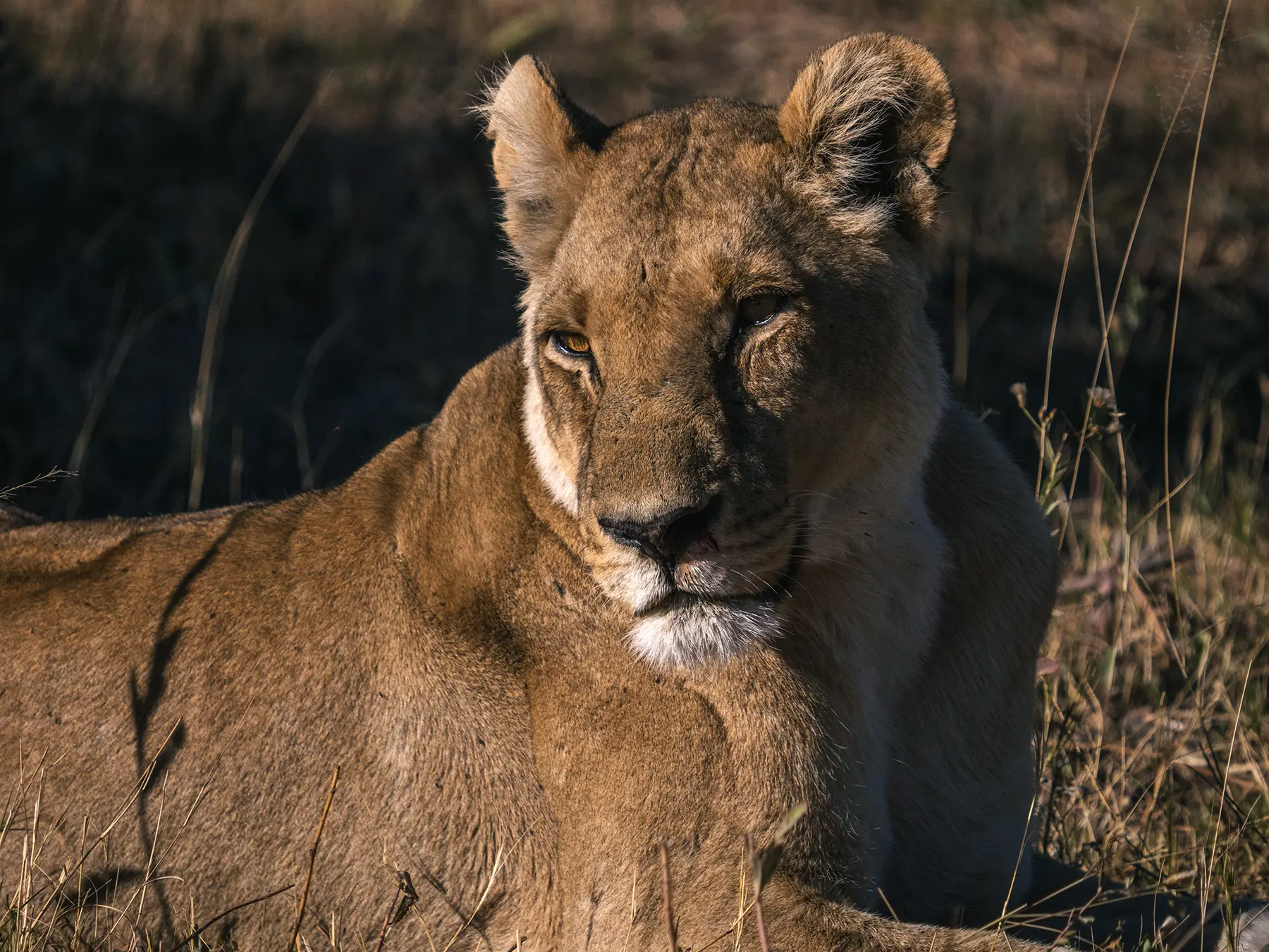
There are few places on earth where you can watch a leopard slink through the mopane woodland at dusk with no car engines to disturb the peace, or where you can track lionesses as they stroll down the banks of the Khwai River, the clear blue waterways shimmering with the lionesses’ unbroken reflections. And yet this is exactly what I experienced in Botswana.
The exclusivity does, however, come at a price, with a budget private safari starting at $450 per person per day, notably higher than its East African neighbours.
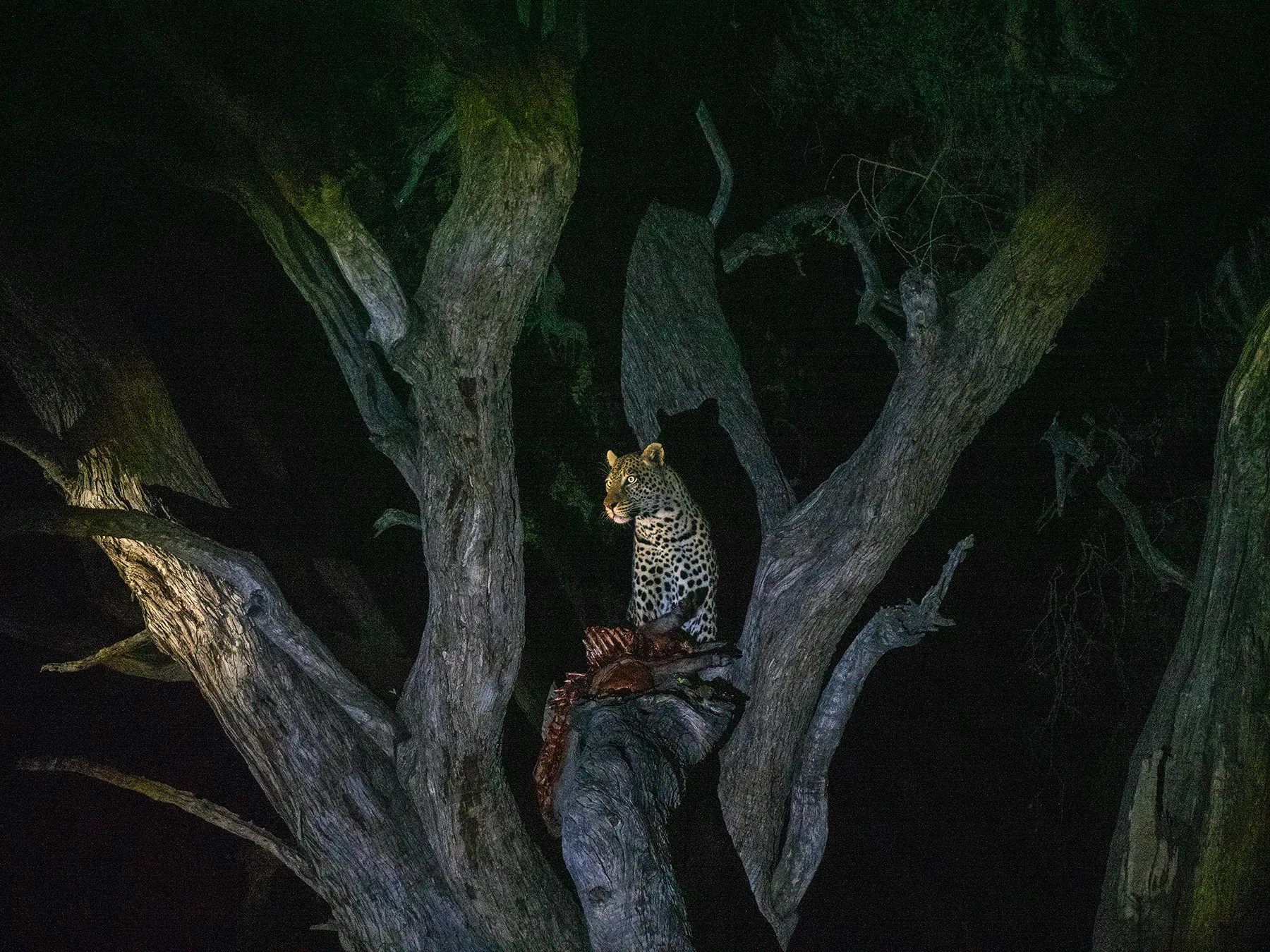
Planning a Botswana safari can be tough. First-time visitors often underestimate just how spread out the wilderness is, and how much of the travel between camps happens by light aircraft rather than road.
I’m here to help! Having spent weeks on safari across Botswana, exploring Moremi, Khwai, Savuti and the Chobe Riverfront, I’ve amassed enough first-hand experience to confidently advise you on how to plan the trip properly.
I’ve also turned to local experts and carried out plenty of additional research to make sure this guide is as comprehensive and accurate as possible.
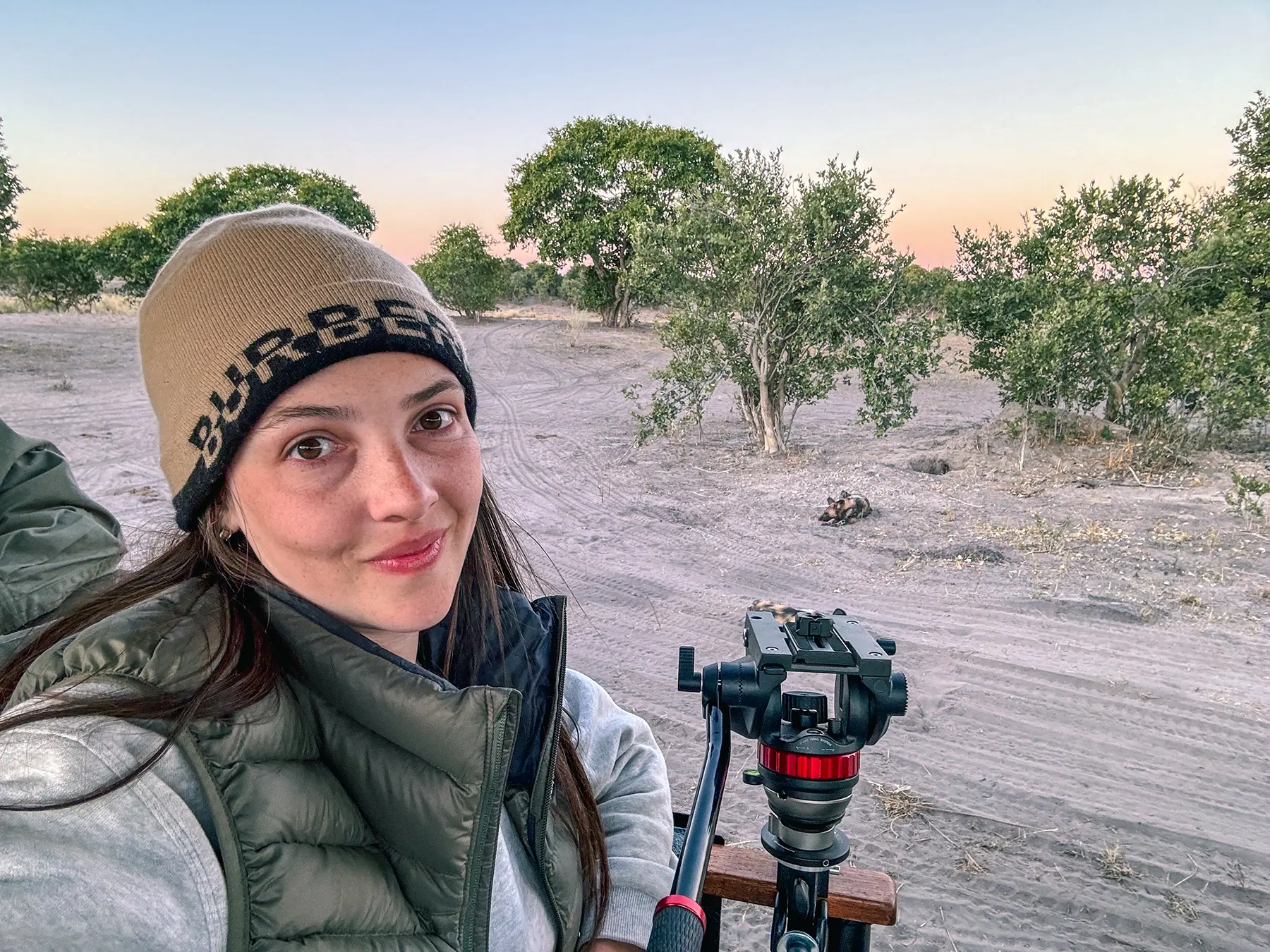
In this guide, I’m going to dive into everything I wish I’d known before booking my first Botswana safari. I’m going to cover the best time of year to visit, how much a safari costs, how to book your trip, plus all the tips and tricks that will make your safari truly memorable!
Botswana Safari Map
Below is a map of Botswana, including my favourite safari destinations in the region.
Embark on the Safari of Your Dreams
Save time and ensure an incredible safari experience by getting quotes from my recommended local safari companies
I’m here to make booking your perfect safari quick, easy and risk-free.
Join the rapidly growing tribe of over 1,000 travellers who’ve booked their dream safari using my insider tips and recommendations.
It takes under 60 seconds to fill out the form and in under 48 hours you will receive multiple, no-obligation proposals from my favourite local tour operators with glowing online reviews.
Get your free no-obligation safari quotes and my top safari tips and recommendations
In This Guide
- 7 Reasons to Go on Safari in Botswana
- How Do You Book a Botswana Safari?
- How Much Does a Botswana Safari Cost?
- When Is the Best Time to Visit Botswana?
- How Long Should You Spend on a Botswana Safari?
- What Are the Best National Parks and Wildlife Reserves in Botswana?
- How Does Botswana Compare to Other African Safari Destinations?
- Is Botswana Safe?
- Best Botswana Safari Itineraries
- How to Prepare for Your Botswana Safari
- How Should I Pack for a Botswana Safari?
- Special Interest / Unique Safaris
- Botswana Safari FAQs
- Final Thoughts – Is a Botswana Safari Worth It?
- Read More Guides
7 Reasons to Go on Safari in Botswana
Botswana is easily one of my favourite places to go on safari in Africa. It’s rare for me to completely switch off and feel worlds away from home. Yet here, you can feel truly immersed amongst the wildlife.
Despite being on the pricey side, the high quality wildlife experiences in Botswana offer true value for money, in my opinion.
I’ll delve into the top reasons to go on safari in Botswana in more detail below. But first, here’s a quick list of the pros and cons of safaris in Botswana.
Jump straight to any of the features below.
- Pros and Cons of Safaris in Botswana
- 1. Low Impact Tourism Means Quiet Parks and Unspoilt Landscapes
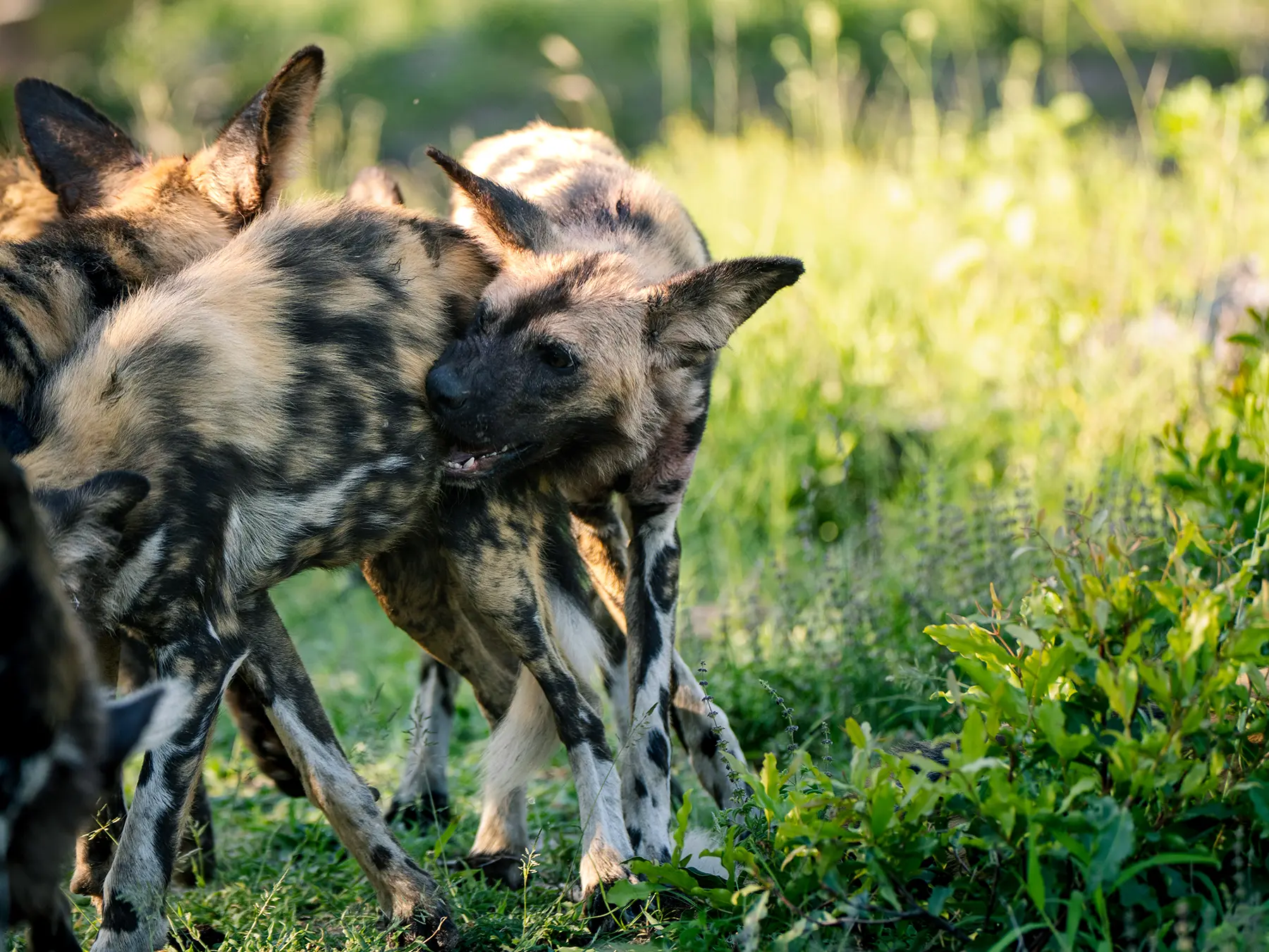
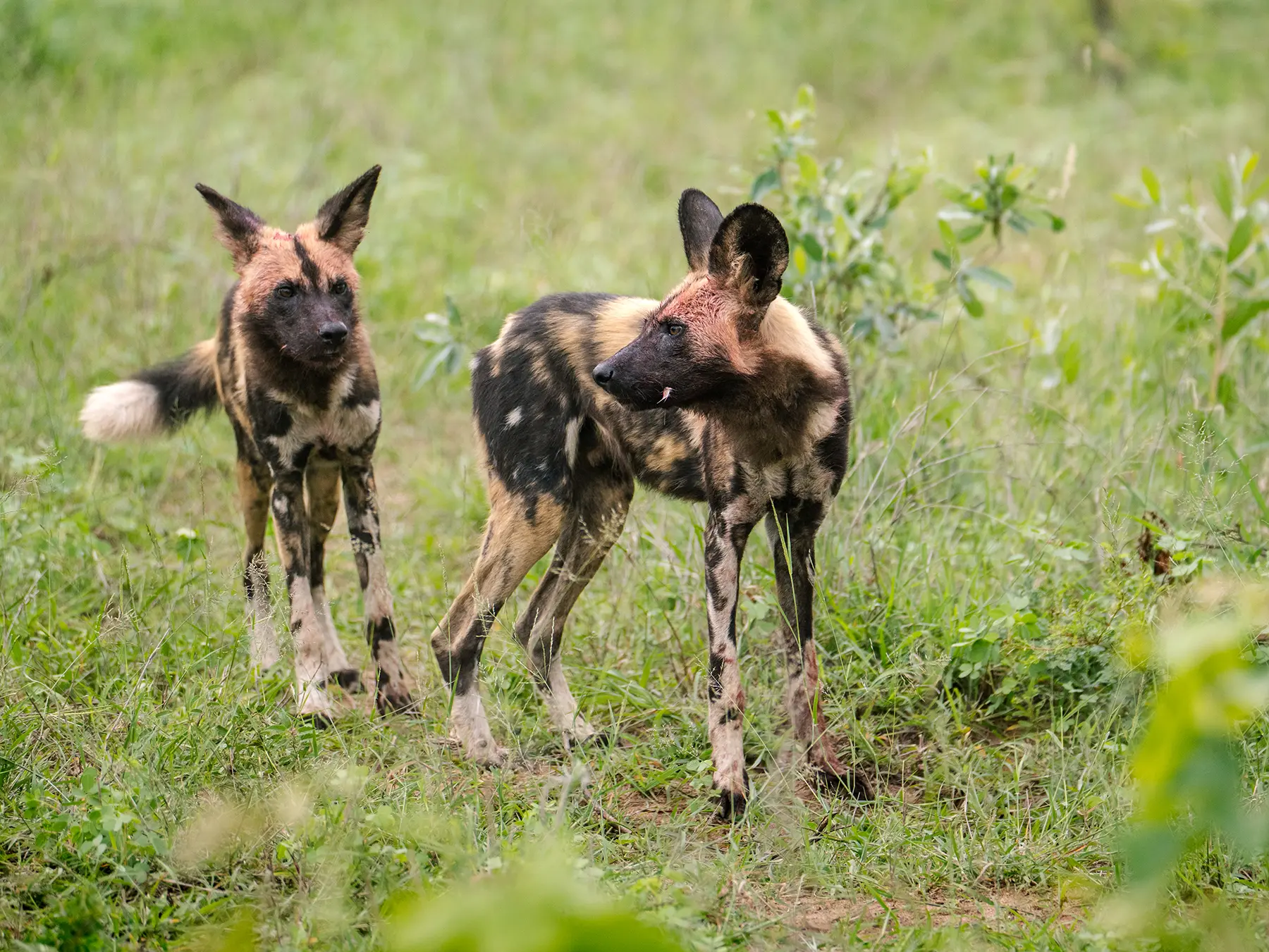
- 2. One of the Best Places in the World to See African Wild Dogs
- 3. The Highest Elephant Concentration in Africa
- 4. Home to Unique Landscapes Including the Okavango Delta
- 5. Exceptional Predator Sightings
- 6. The Zebra Migration
- 7. Some of Africa’s Best Safari Guides
Pros of Safaris in Botswana
- Quieter parks compared to other safari destinations and you’ll often have sightings to yourself
- High standard of guiding
- Roughly 40% of Botswana is protected wilderness with no fences separating reserves.
- One of the best places to see the endangered African wild dog
- The careful management of visitor numbers and environmentally-friendly lodges ensures minimal impact on this pristine ecosystem.
- Botswana’s elephant population is over 130,000, equating to roughly 35% of the world’s population of African elephants!
- Exceptionally diverse and beautiful landscapes from the waterways of the Okavango Delta to the deserts of the Kalahari
Cons of Safaris in Botswana
- Lodges are some of the most expensive in Africa
- Safari costs such as guides are higher than in Kenya and Tanzania
- Due to less safari vehicles in the parks, there are less radio calls for sightings so having a great guide to find wildlife is even more important
- More challenging self-drive options comparedwith South Africa or Namibia as it demands serious 4×4 experience,full self-sufficiency and equipment
- “Big Five” sightings less reliable compared to other destinations as rhino arescarce in much of the country due to poaching. I saw all apart from rhinos in 11 days.
- Remoteness can mean limited or even no phone signal and Internet. For example, I had neither for 11 days on a luxury mobile safari.
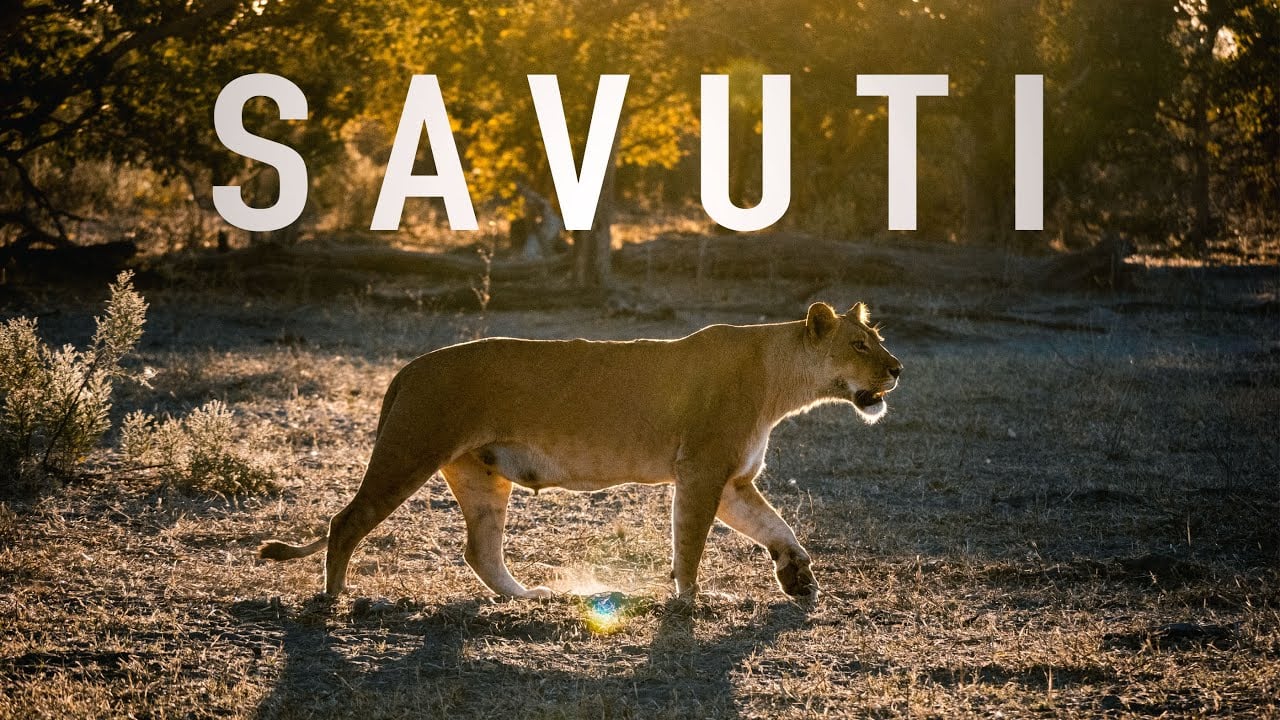
You can watch my Botswana experience video below.
1. Low Impact Tourism Means Quiet Parks and Unspoilt Landscapes
For me personally, the thing that stands out the most about Botswana is just how quiet the wildlife areas are compared to other destinations across the continent.
I remember driving round Moremi Game Reserve one morning and only encountering one other vehicle the entire time. This was in June too, which isn’t the quiet season.
This allowed sightings to feel special and intimate. We could actually hear the birds rather than rumbling engines or people muttering from other vehicles.
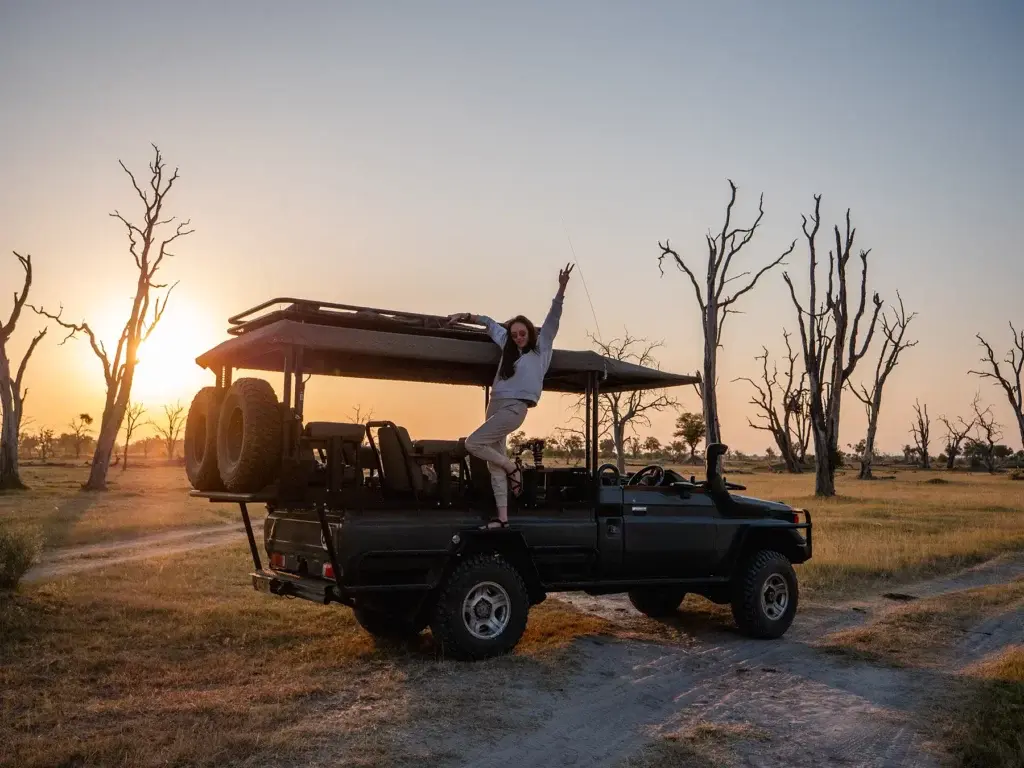
Tourism here follows a ‘low numbers, high value‘ approach. That means fewer visitors go to the parks and lodges compared to other African destinations, but each guest tends to spend more. This allows the parks to still generate enough money to cover their running costs.
It’s a smart approach that protects the wildlife and ecosystem. The only drawback is that it makes Botswana an exclusive destination that isn’t accessible to everyone.
There’s good reasons behind this tourism model. My guide told me this has come about as their ecosystem literally can’t support high visitor numbers. The Okavango Delta is fragile and a higher number of vehicles would damage the soil and vegetation.
As a result, you’re left with a quieter and more intimate experience whilst at the same time protecting Botswana’s fragile ecosystem.
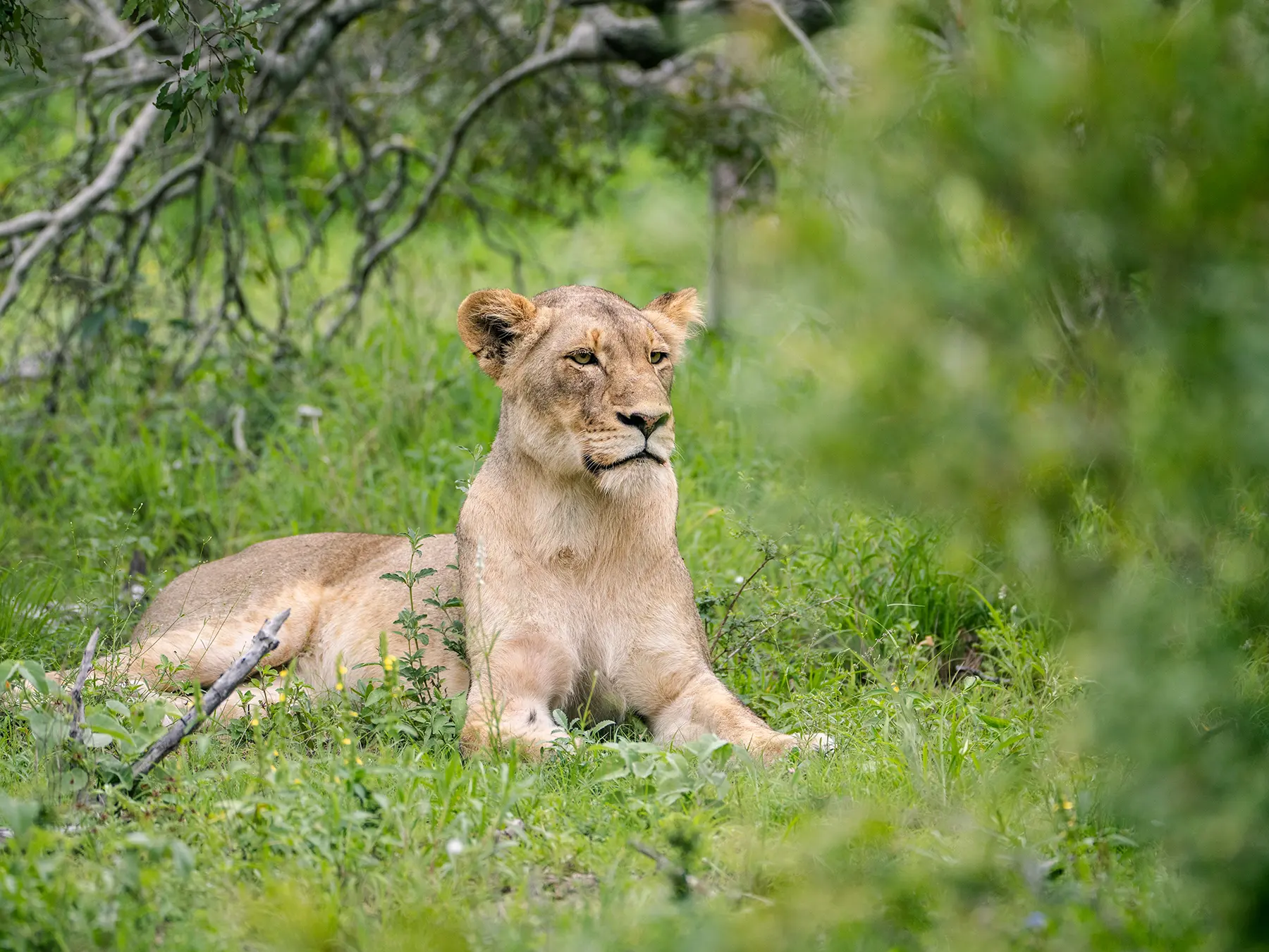
2. One of the Best Places in the World to See African Wild Dogs
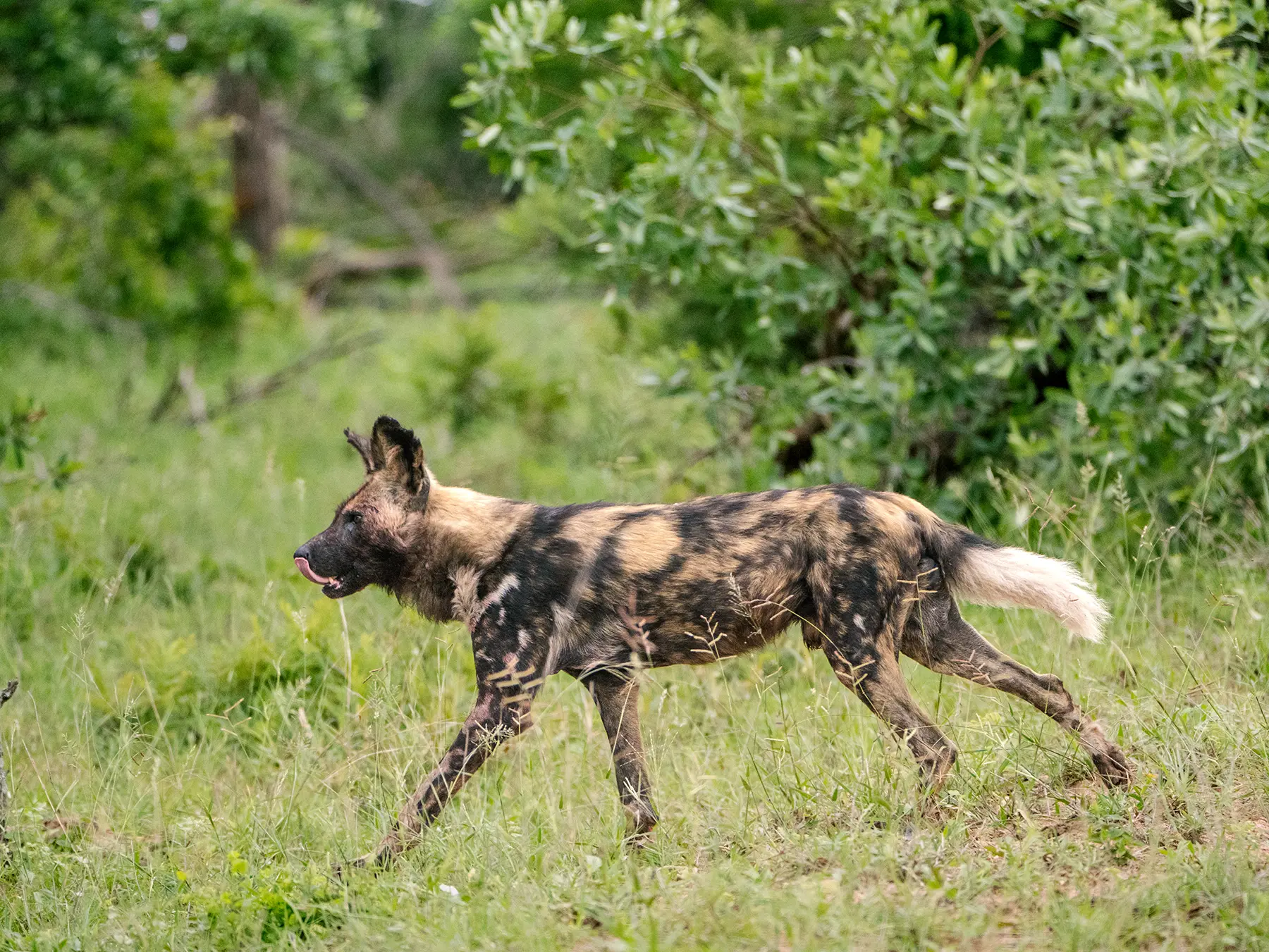
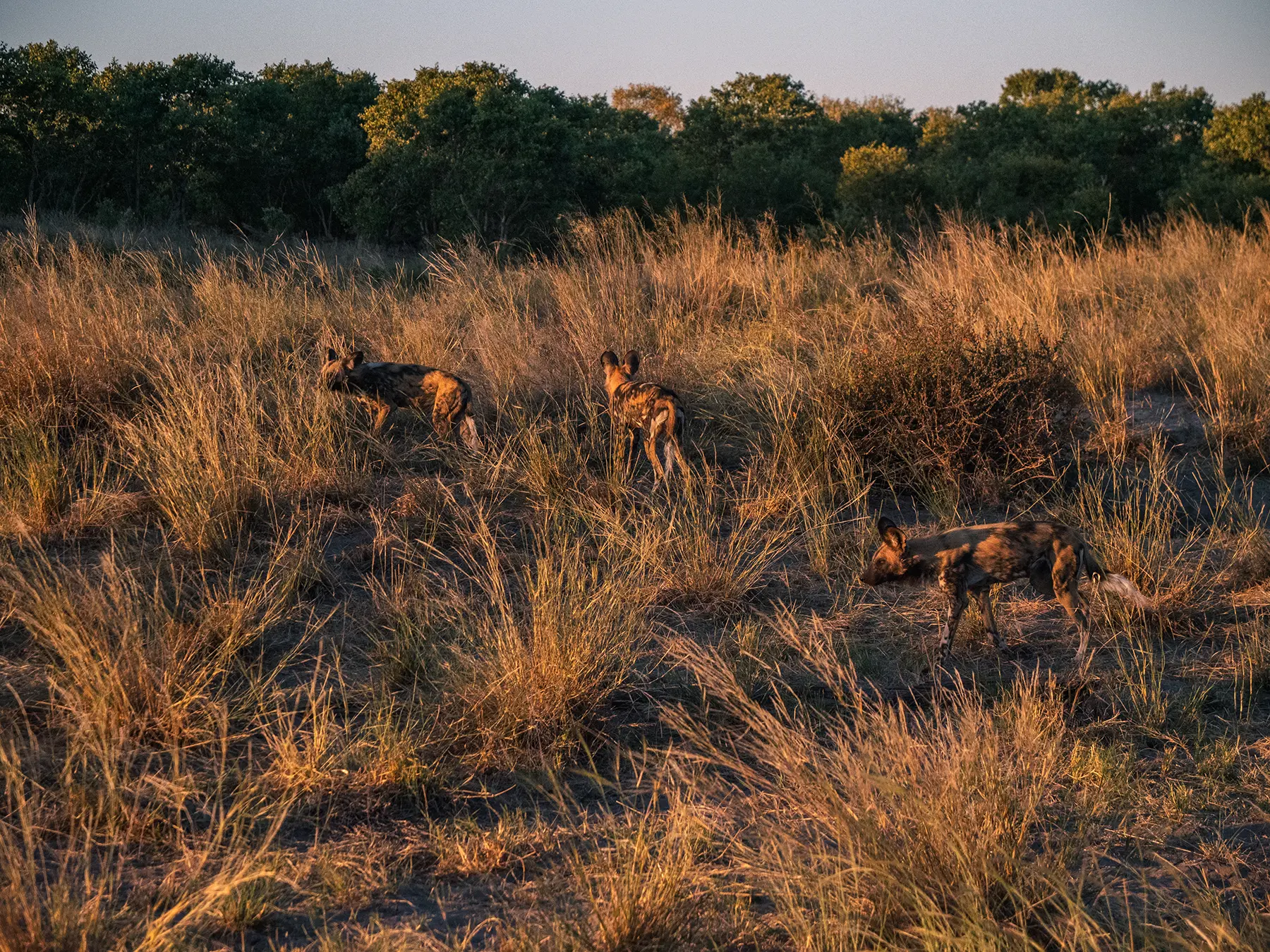
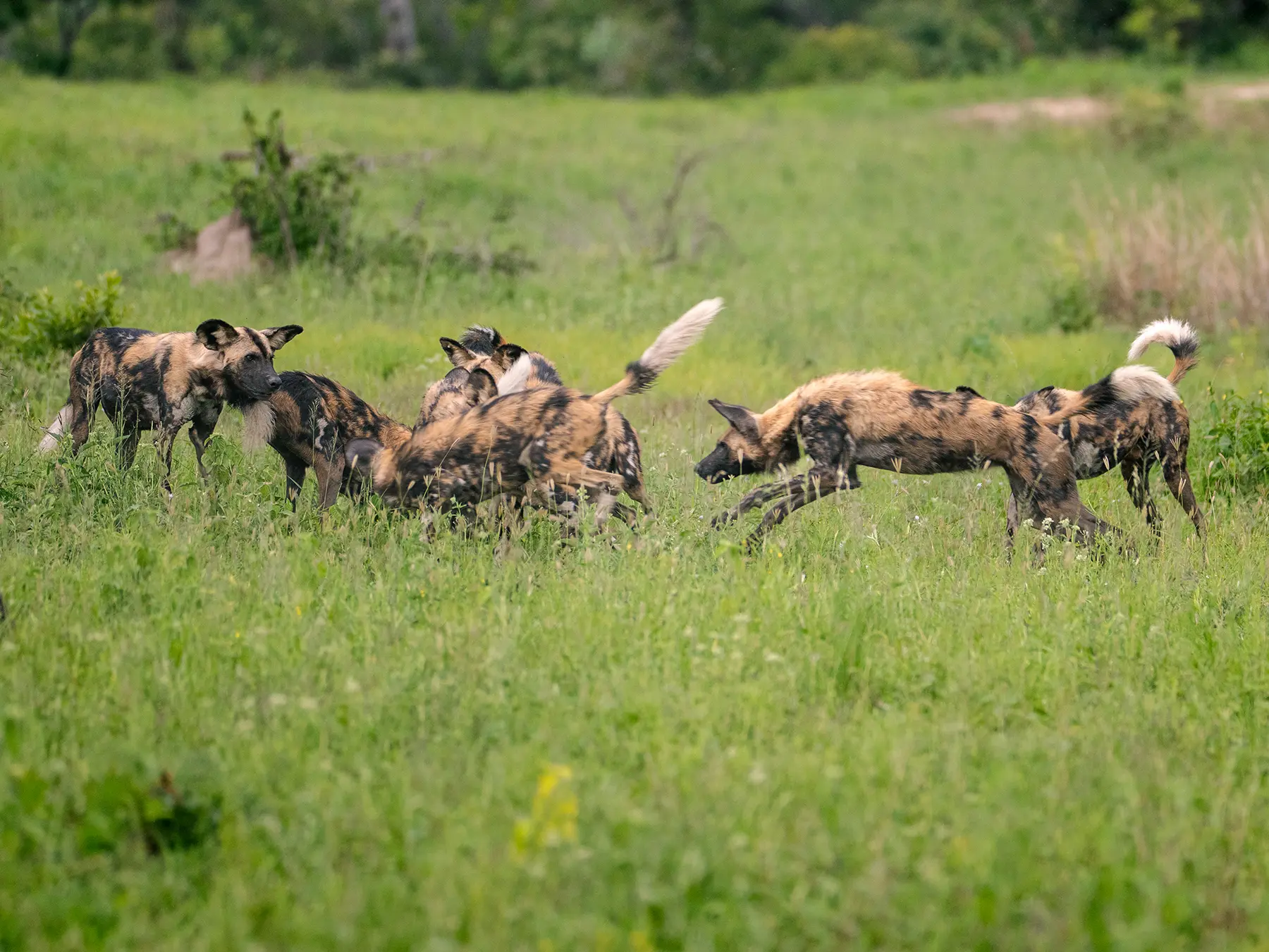
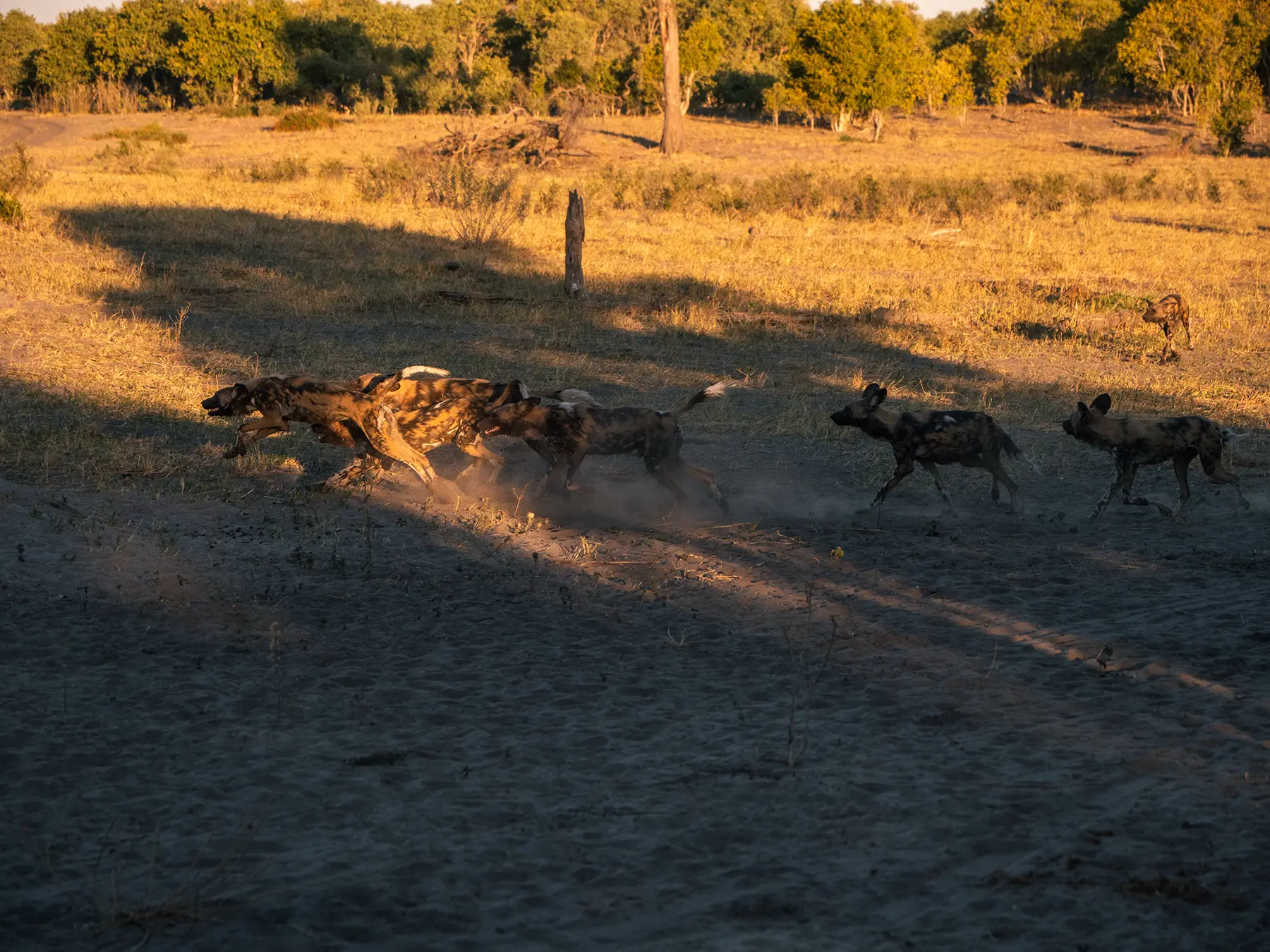
African wild dogs are an endangered predator. There’s thought to be less than 2,000 of them left in the world. As a result, seeing a pack of them racing through the bushveld feels incredibly special.
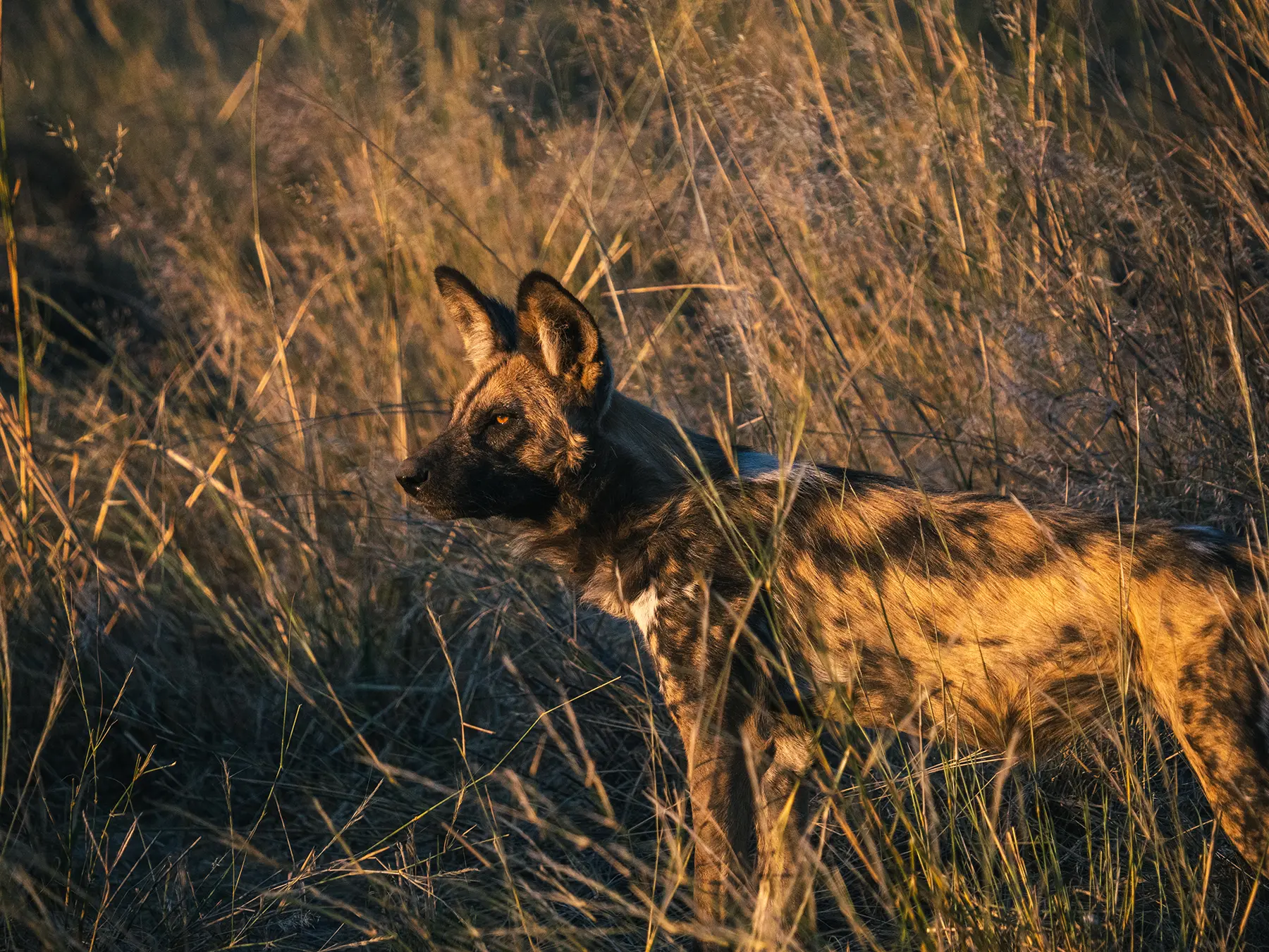
It was in Botswana that I had my first ever encounter with African wild dogs. Watching the alpha female approach her den and nine tiny puppies bound out on wobbly legs is an image that will stay etched into my memory forever.
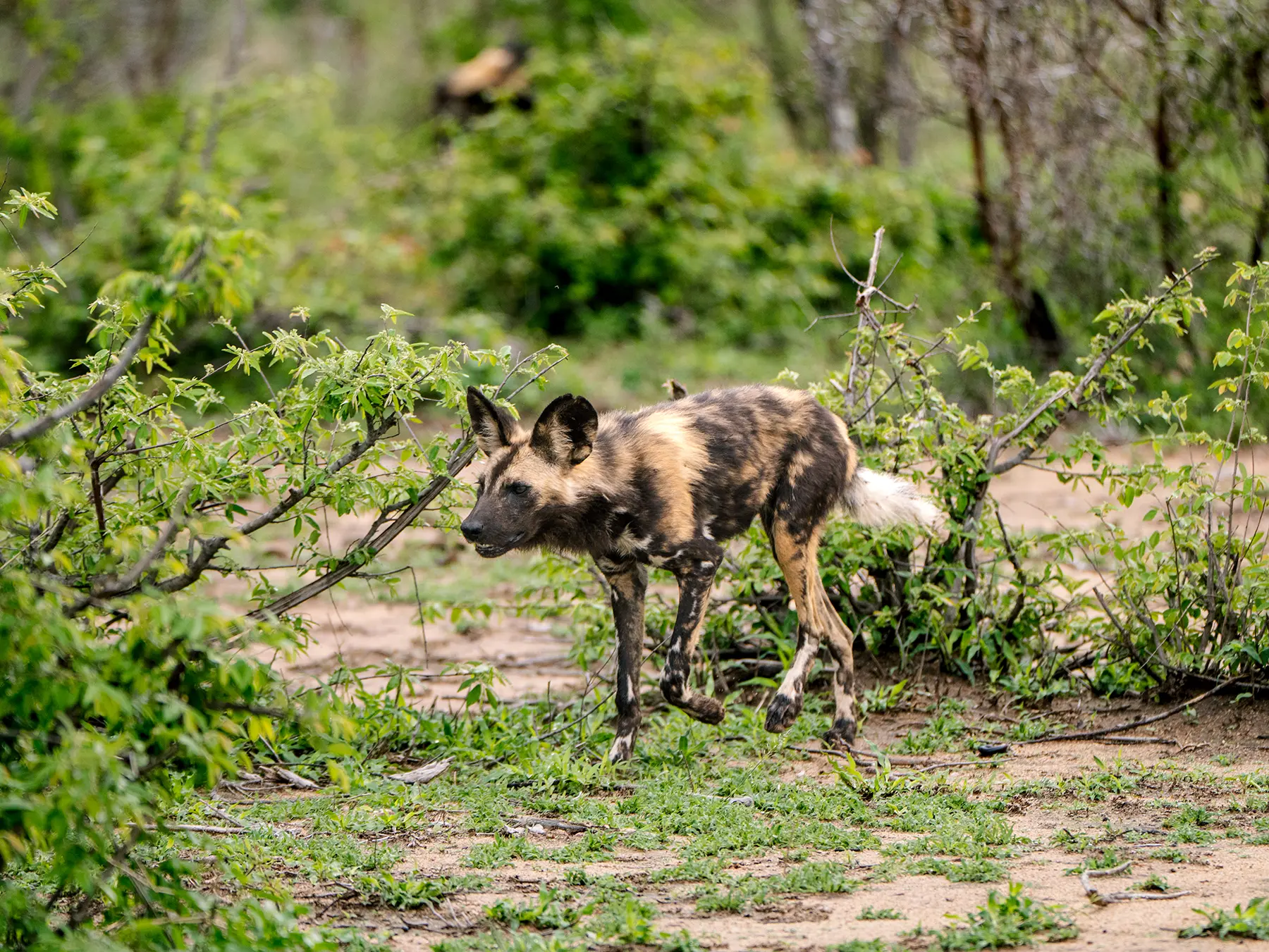
African wild dogs used to range across Africa and could be found in abundance in pretty much all of the core national parks and reserves, from the Maasai Mara and Serengeti to east Africa, all the way south to the southernmost tip of South Africa. Sadly their range has been drastically decreased due to a combination of habitat loss, poaching and disease.
Now they only have a handful of strongholds left, and Botswana houses one of the highest populations of these rare canids. Alongside South Africa and Zambia, it is one of the most reliable places to see them.
3. The Highest Elephant Concentration in Africa
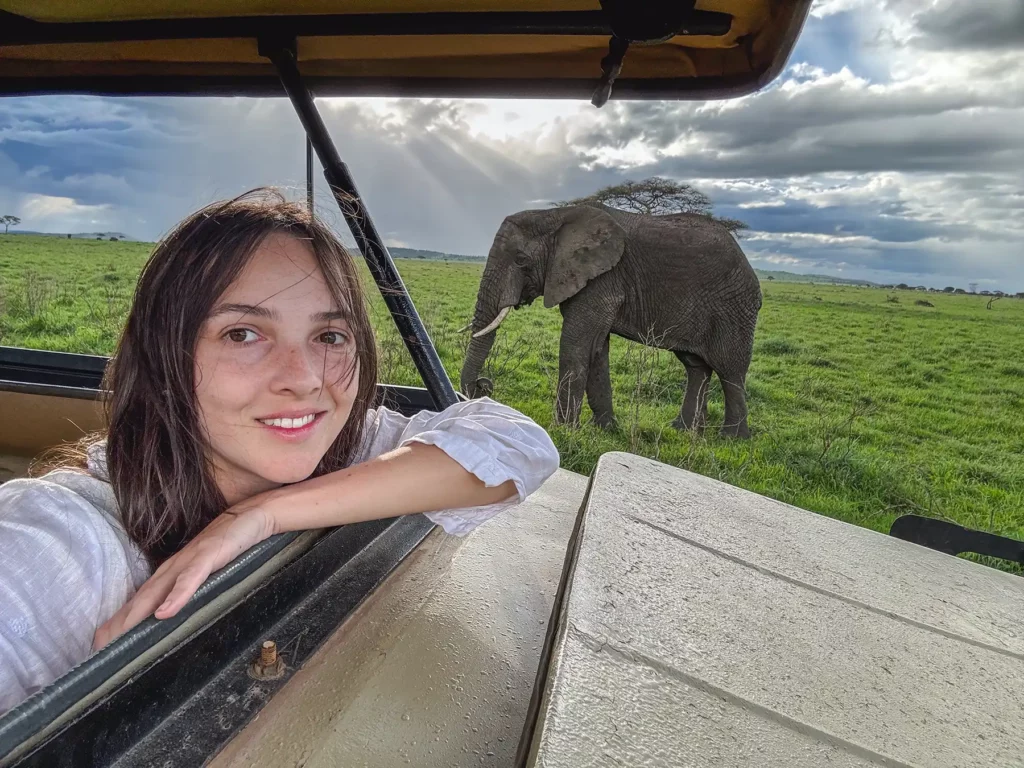
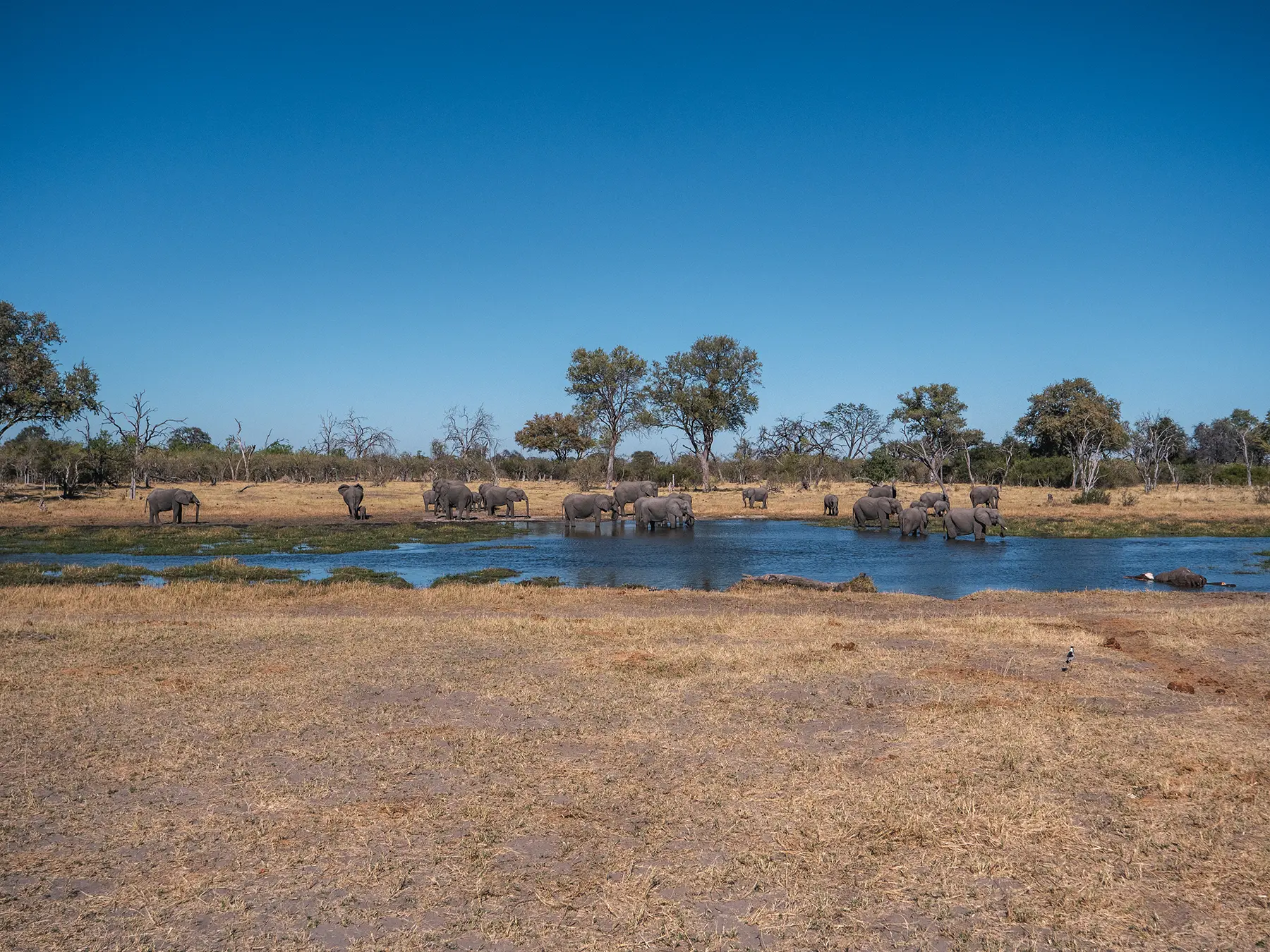
If there’s one animal that Botswana is known for, it’s elephants. Over 130,000 elephants roam across the vast areas of wilderness, mostly concentrated in northern Botswana, the largest elephant population of any country in Africa.
That’s part of the roughly 227,900 elephants counted across the KAZA transfrontier region in the 2022 aerial survey!
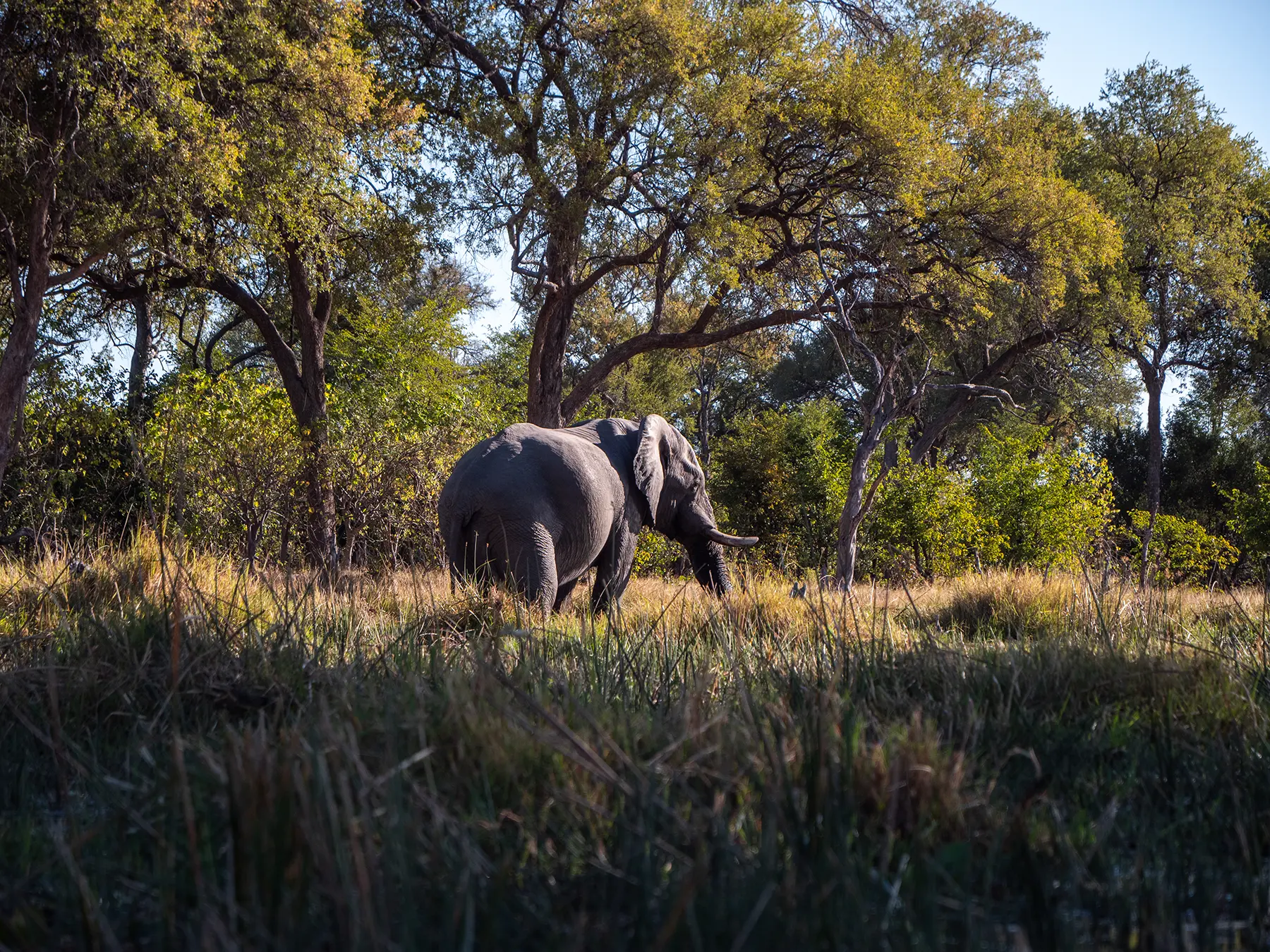
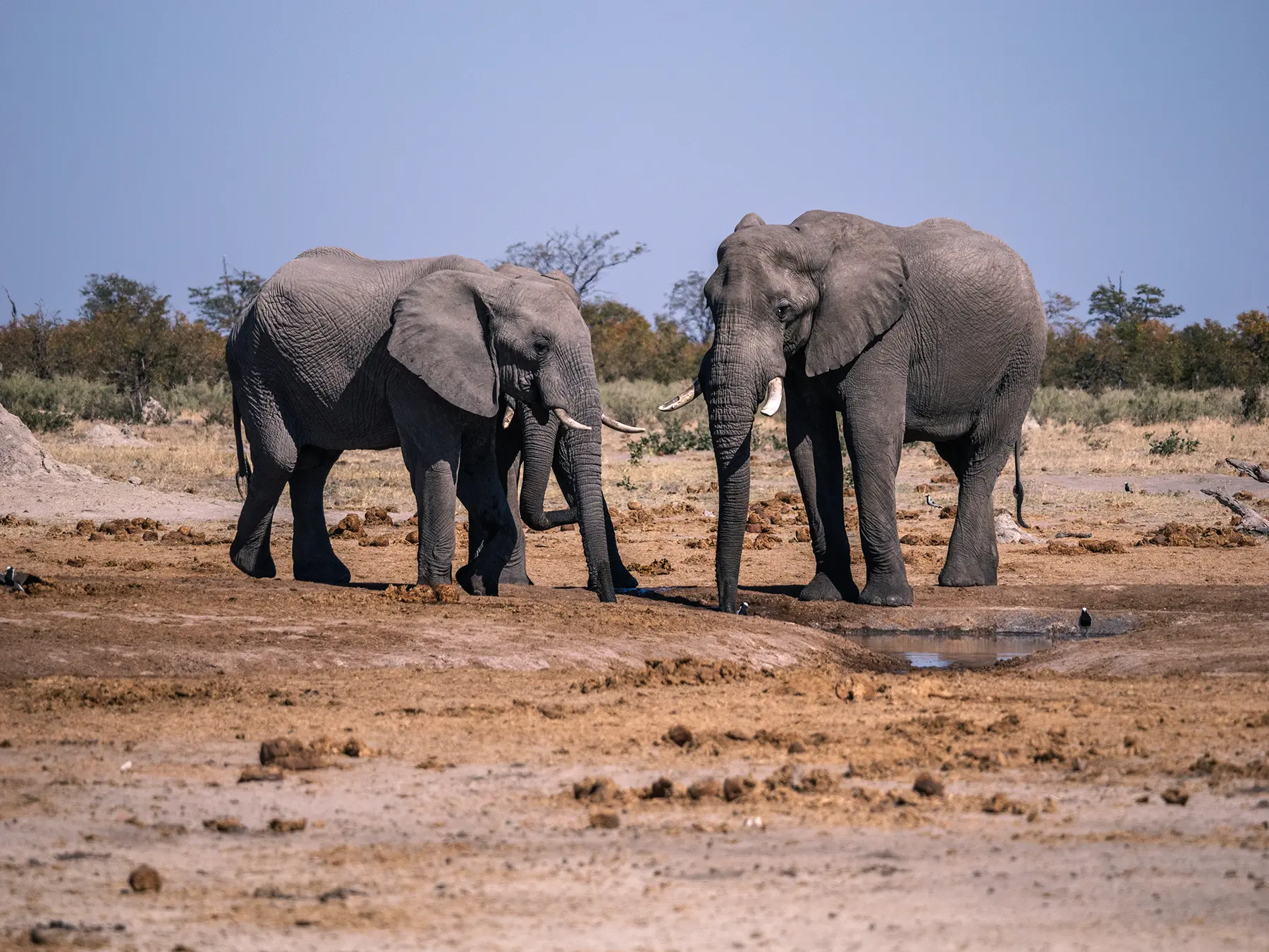
If you’re an elephant lover, it doesn’t really get any better than Botswana. The abundance of water sources in the north is an elephant paradise and you’ll struggle to have a day’s game drive without at least one elephant sighting.
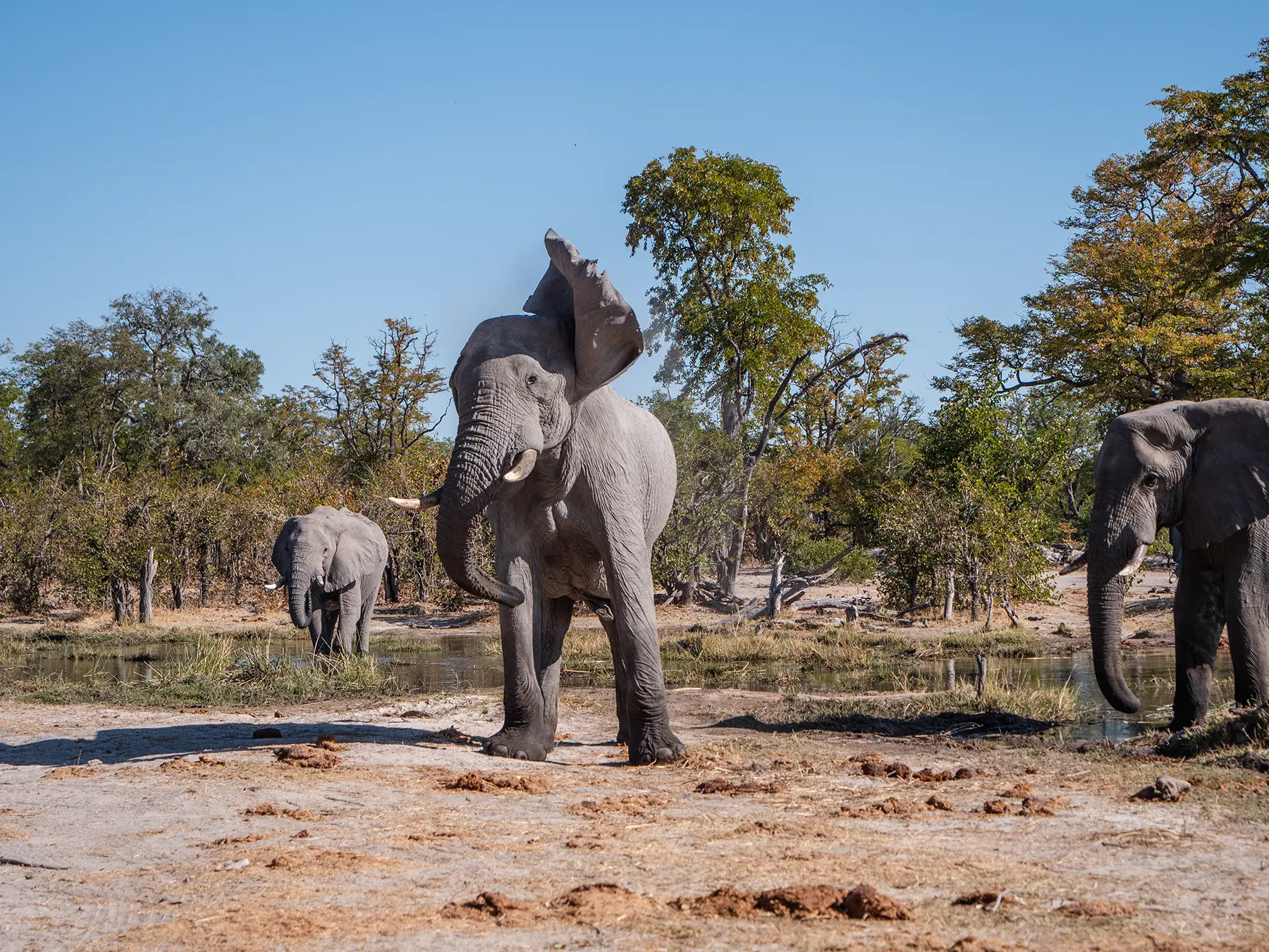
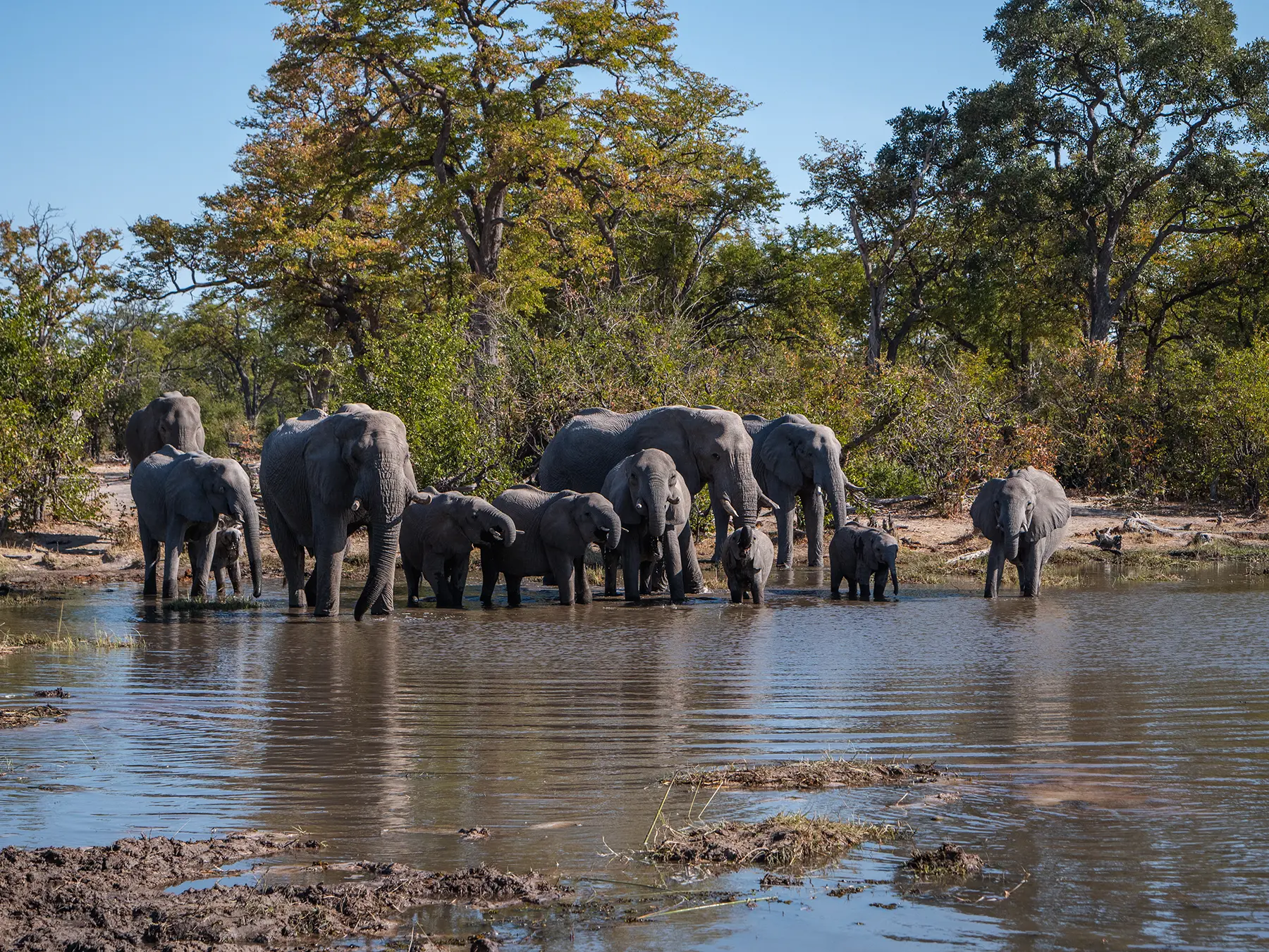
I’ve had some of my best elephant sightings in Botswana.
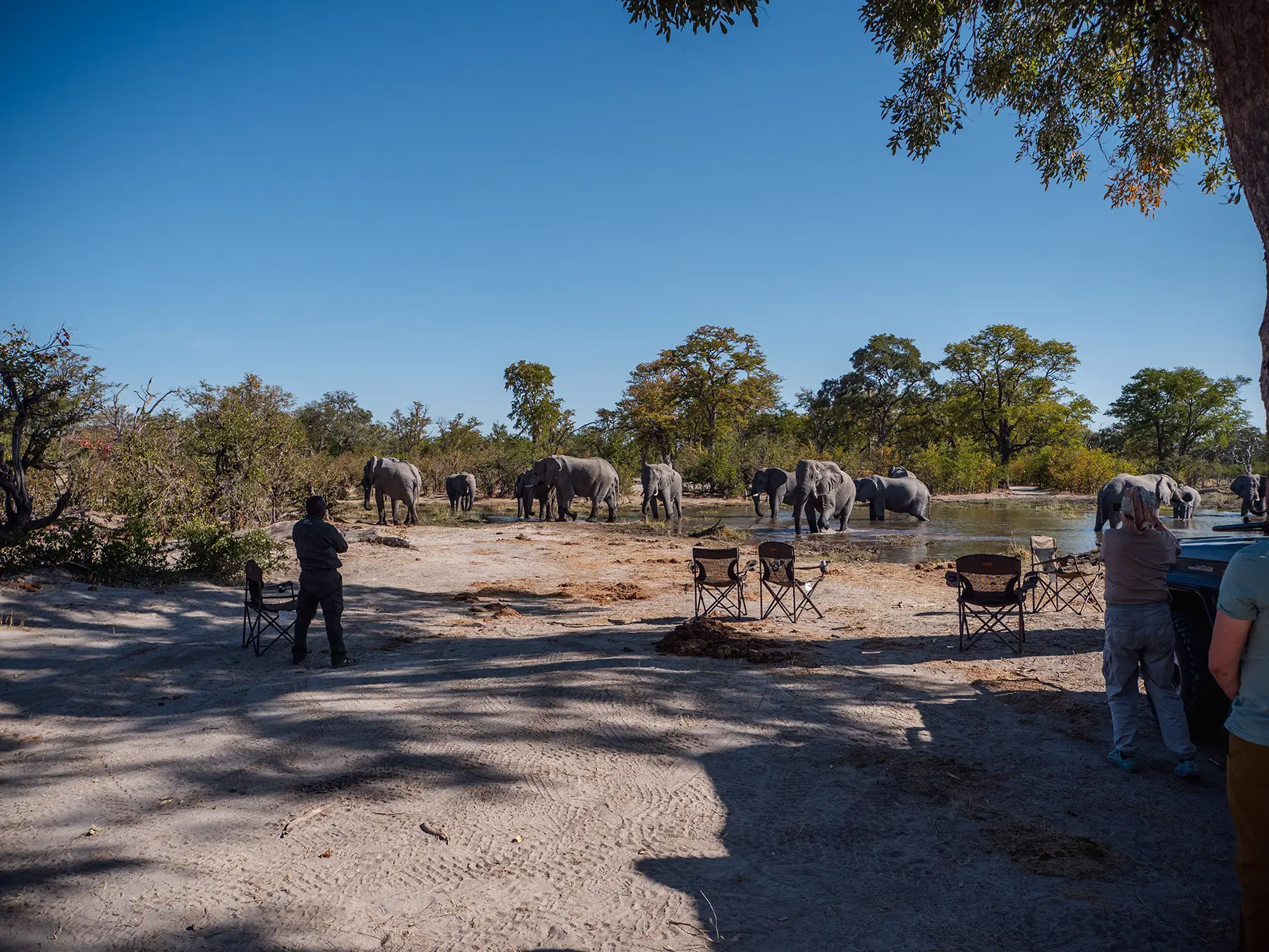
Without a doubt the most memorable was the time that we pitched up for a picnic lunch on the banks of a tributary. It was quiet when we arrived. However, as the minutes ticked by, more and more elephants came down from the opposite bank for a drink, enjoying the water less than 100 metres away. Before we knew it, there were 11 of them!
4. Home to Unique Landscapes Including the Okavango Delta
The Okavango Delta is the world’s largest inland delta. It’s a true geographical miracle as water spills out into the Kalahari Desert, flowing all the way from the highlands of Angola. This water provides a lifeline for so many species and as a result the wildlife density is enormous.
But the Okavango Delta isn’t the only jaw-dropping landscape in the country. If you travel further south, you will find yourself in the heart of the Kalahari Desert.
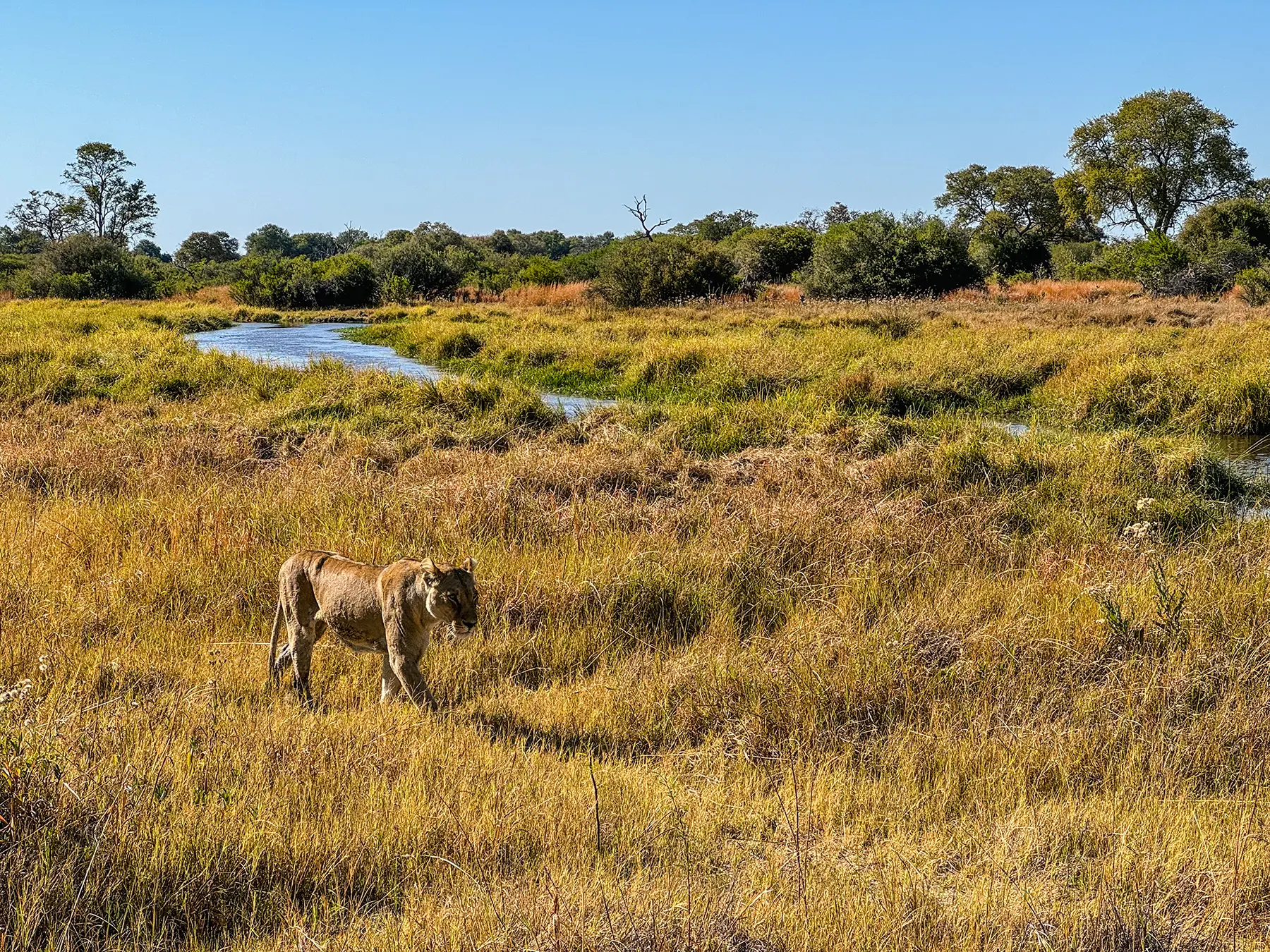
In the dry season it can feel like a desolate place, dry and dusty, the horizon forever waving in a scorching haze.
The Kalahari has some unique features. Most notable are the Makgadikgadi Pans, the largest salt flats in the world.
In the green season, the desert is completely transformed. Bright green grass cloaks the desert, dotted with vibrant yellow flowers.
5. Exceptional Predator Sightings
The Okavango Delta and Chobe National Park in northern Botswana are both renowned for the frequency of high quality predator sightings. You can find lions, leopards, cheetahs, hyenas and African wild dogs across both locations.
Of the big cats, cheetahs are by far the rarest. It’s safe to say that Botswana isn’t the best place in Africa to see them. Therefore, if cheetahs are sitting firmly at the top of your animal checklist, Kenya and Tanzania will both be more rewarding destinations for you.
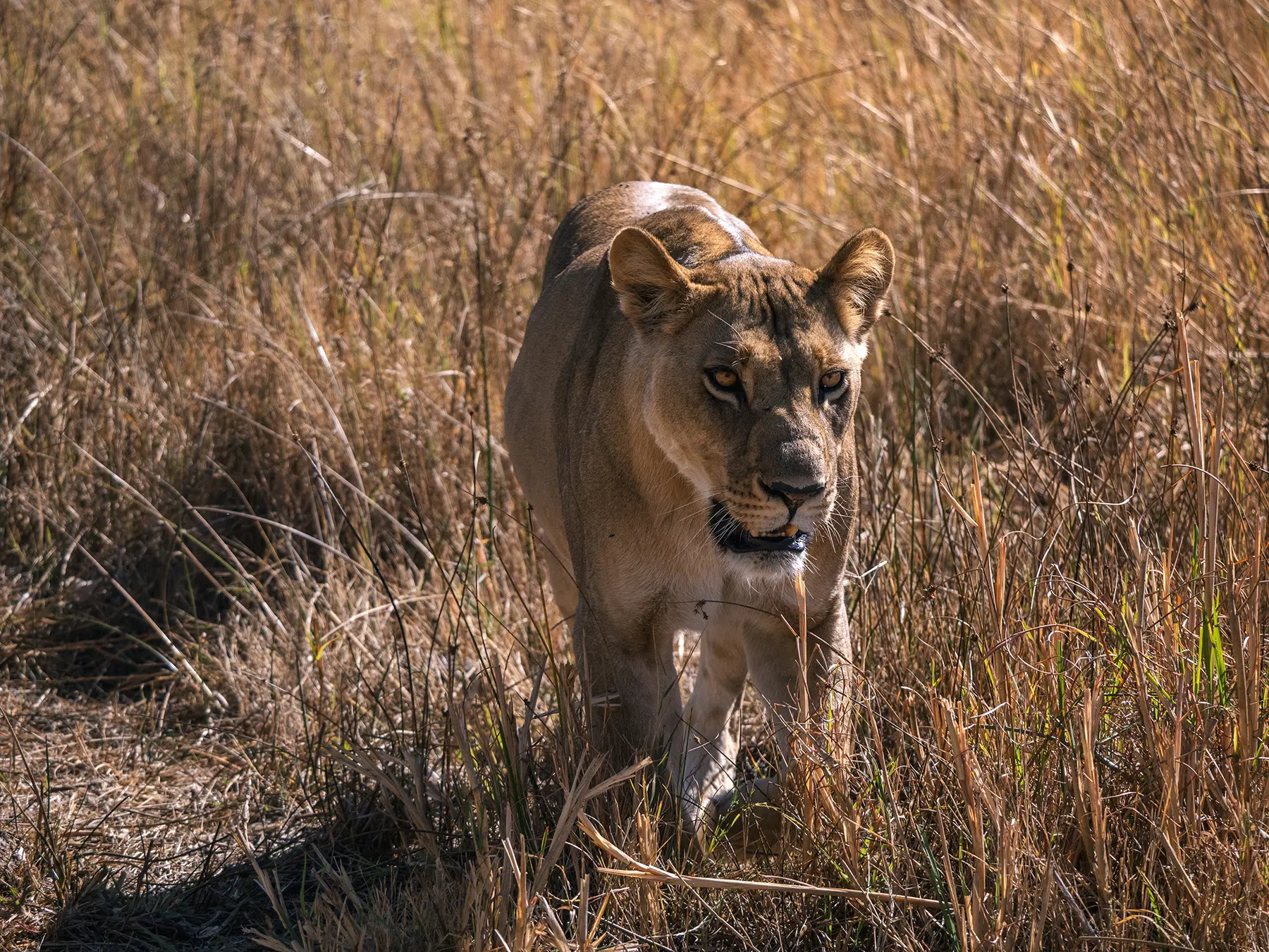
However, if you’re keen to see lions and leopards then you’re in for a real treat!
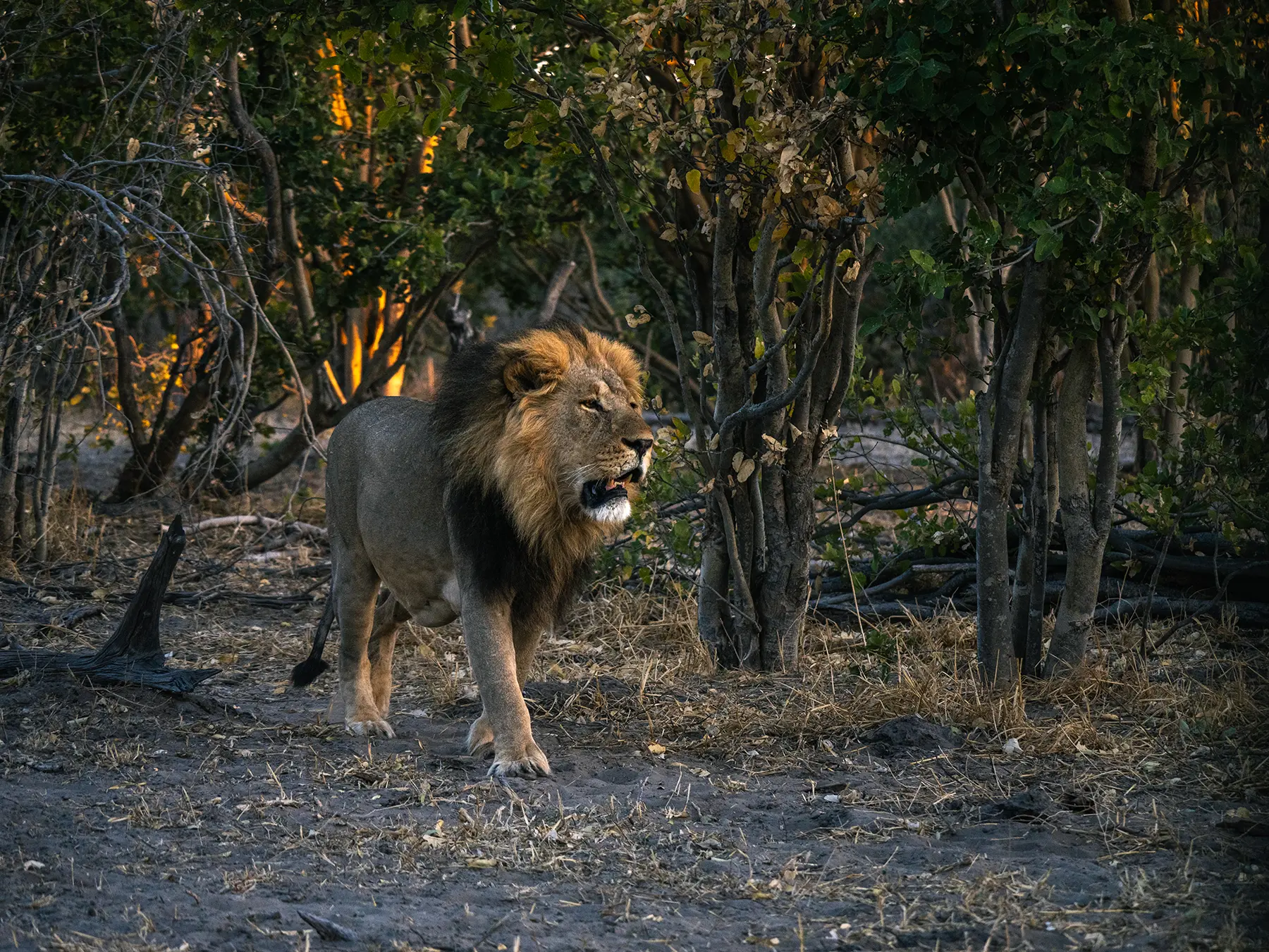
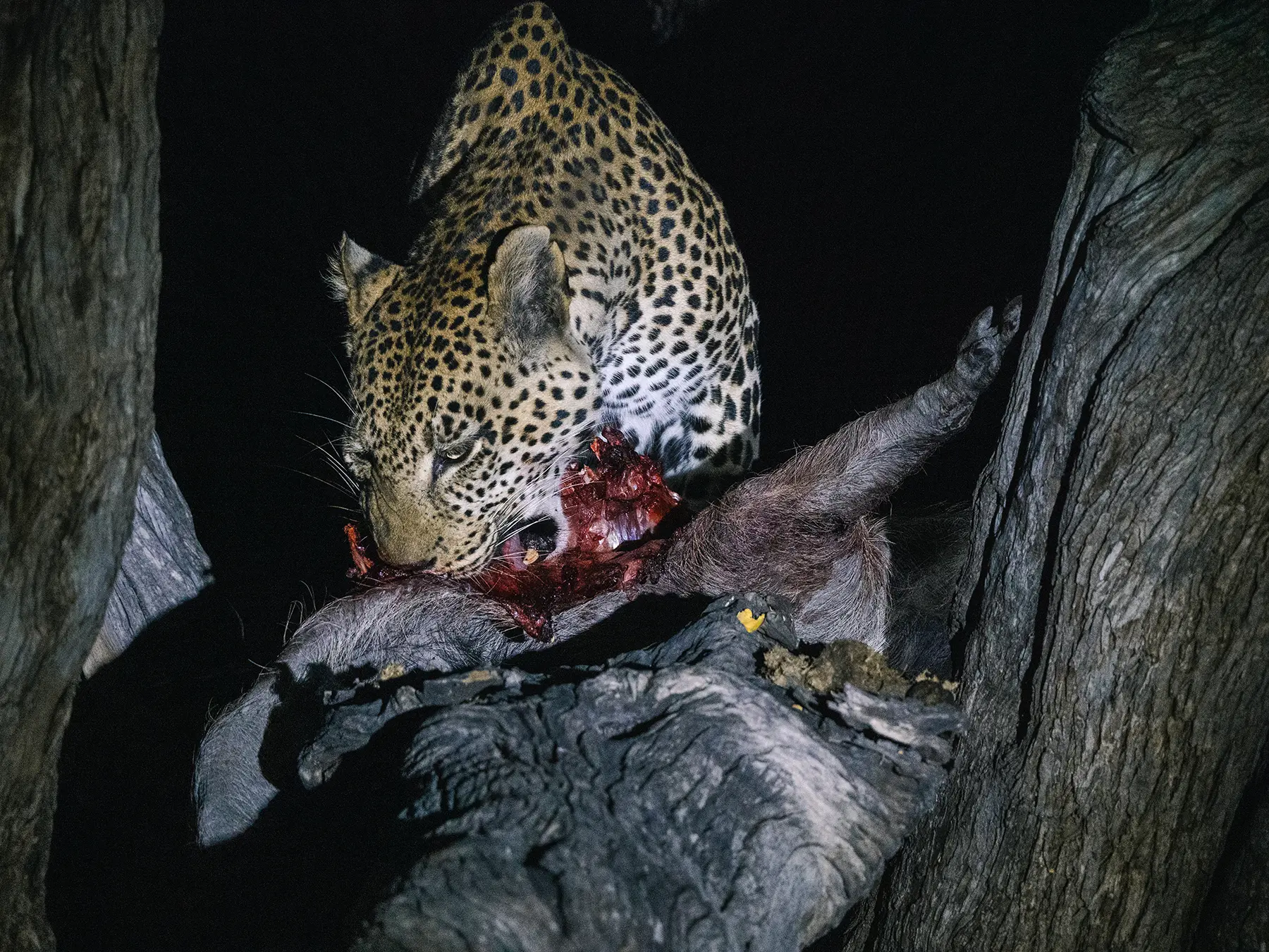
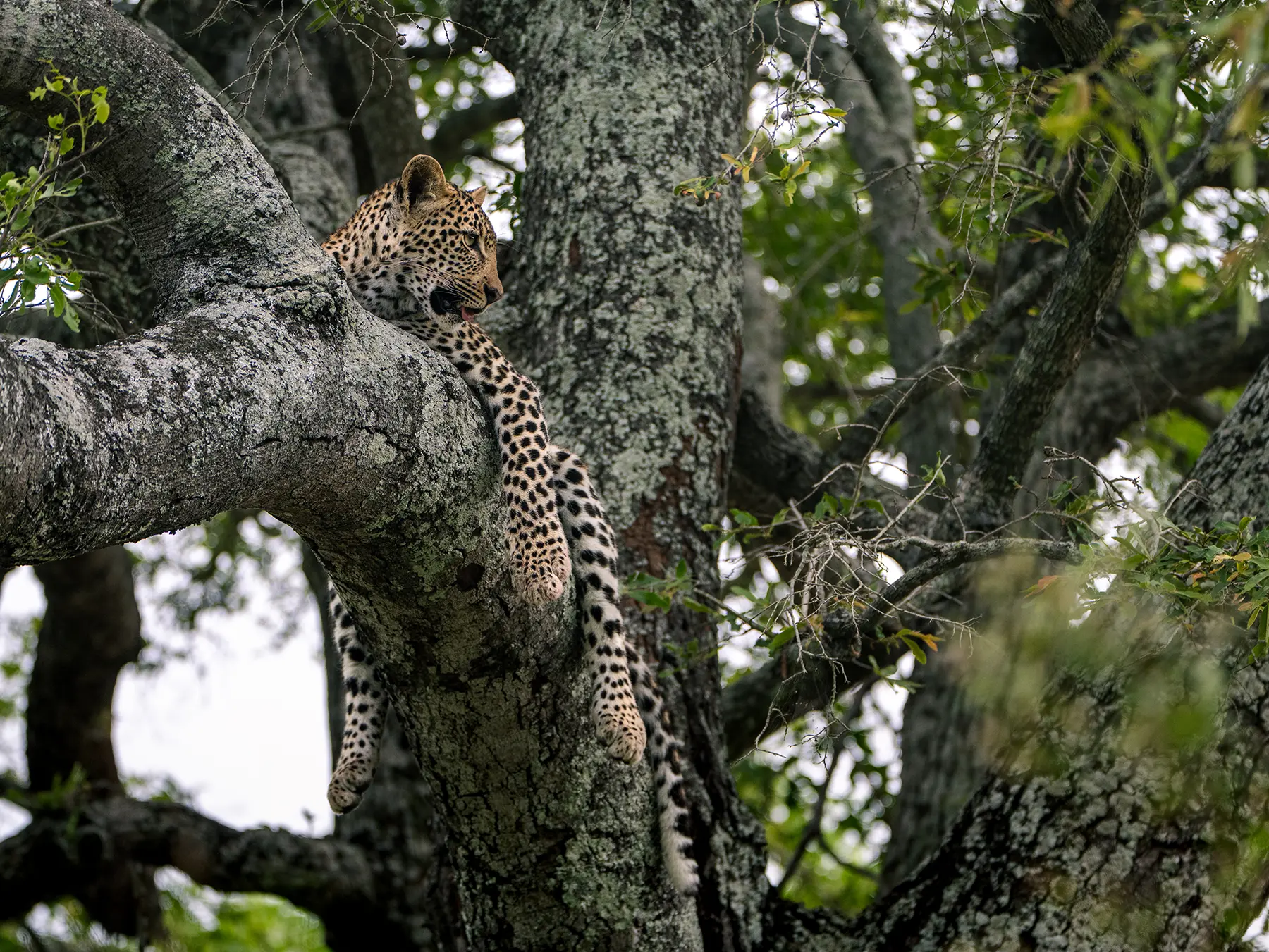
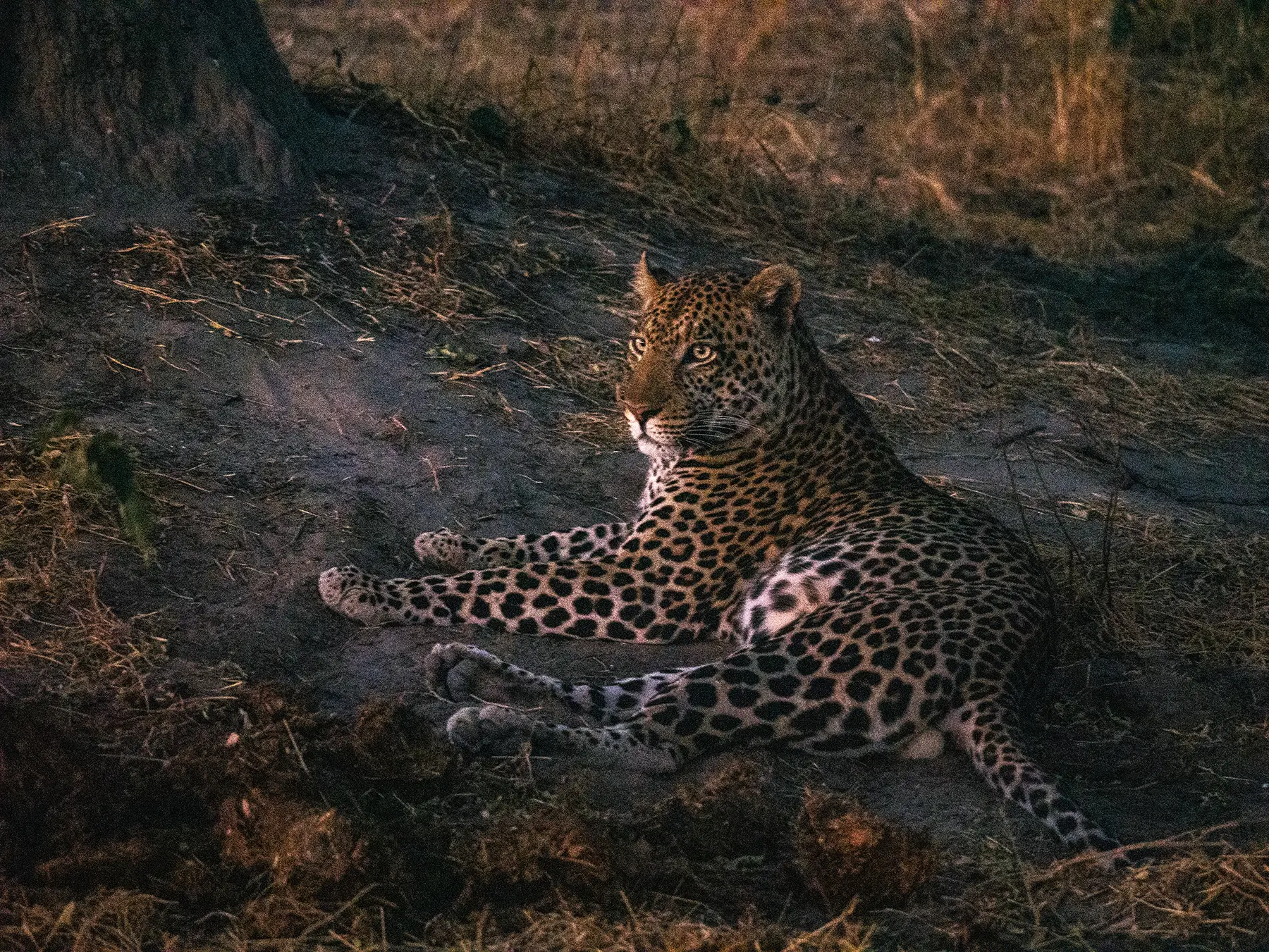
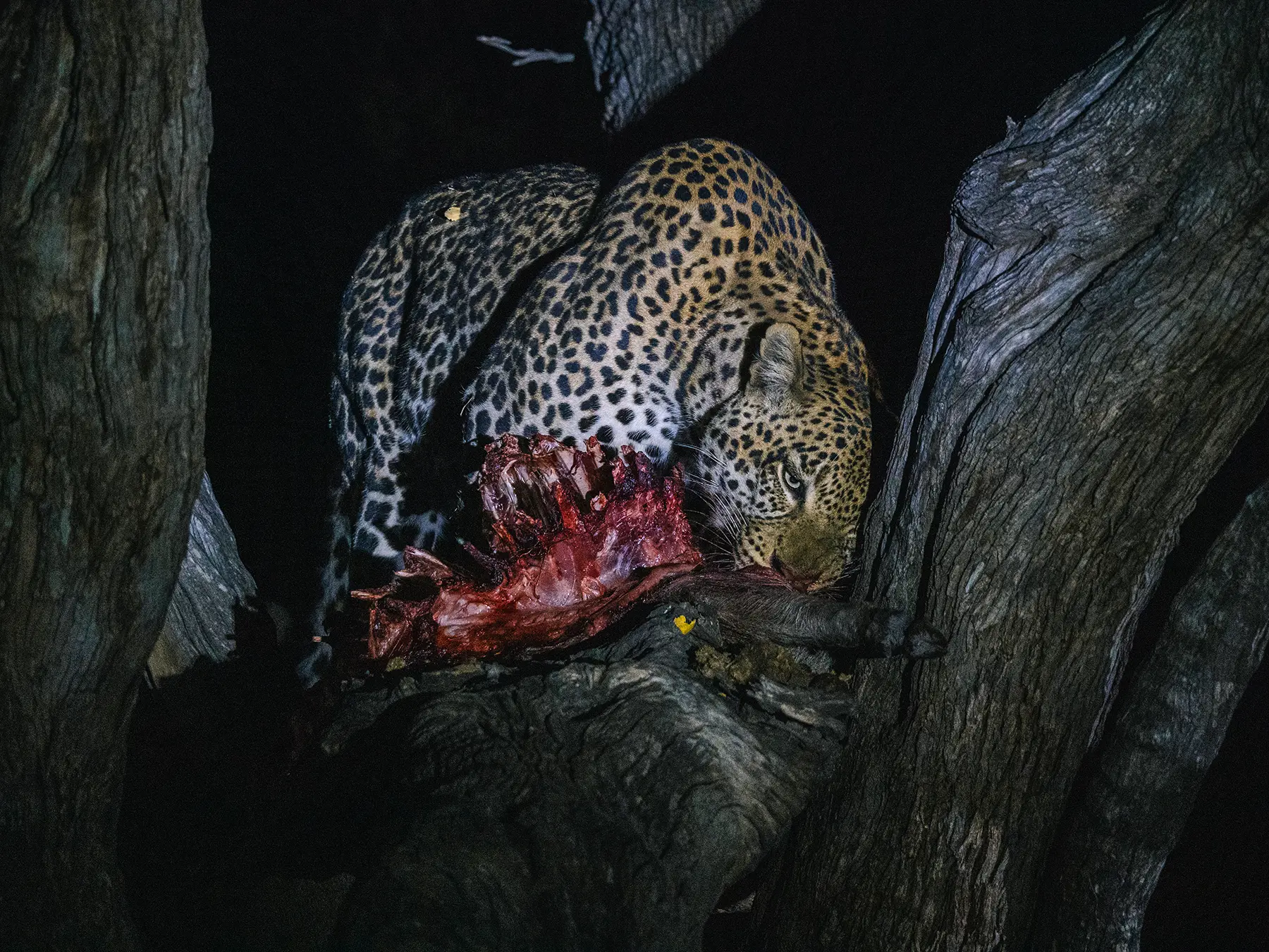
I’ll never forget sitting for hours as a huge male leopard gorged himself on a fresh warthog kill that he had dragged up into the fork of a leadwood tree, almost as though he was putting himself on a stage, sitting in prime position to be viewed and photographed.
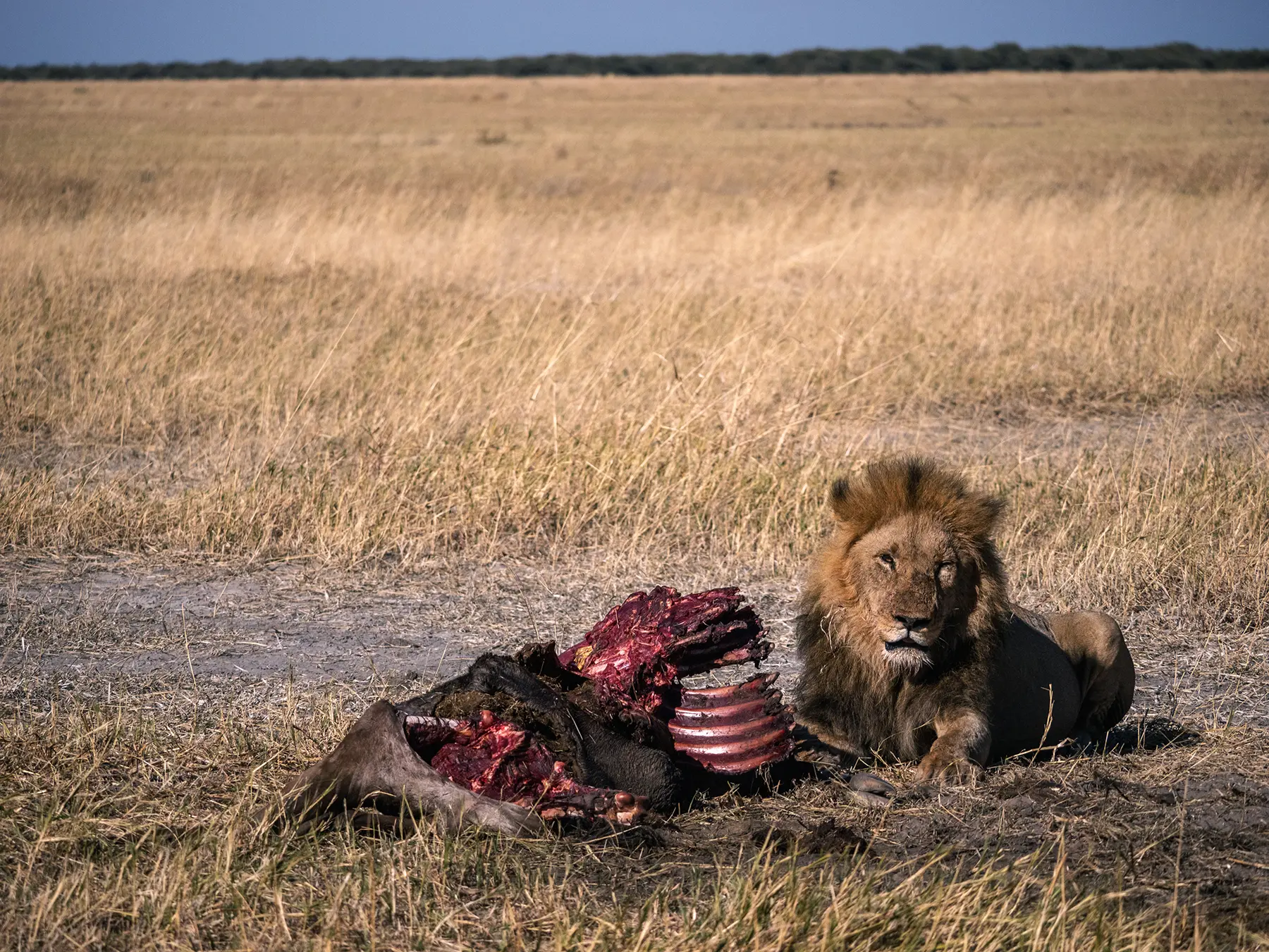
Lion sightings were also fantastic. I personally found Savuti within Chobe National Park to be the most lion-dense region out of those that I visited – topping the Okavango Delta.
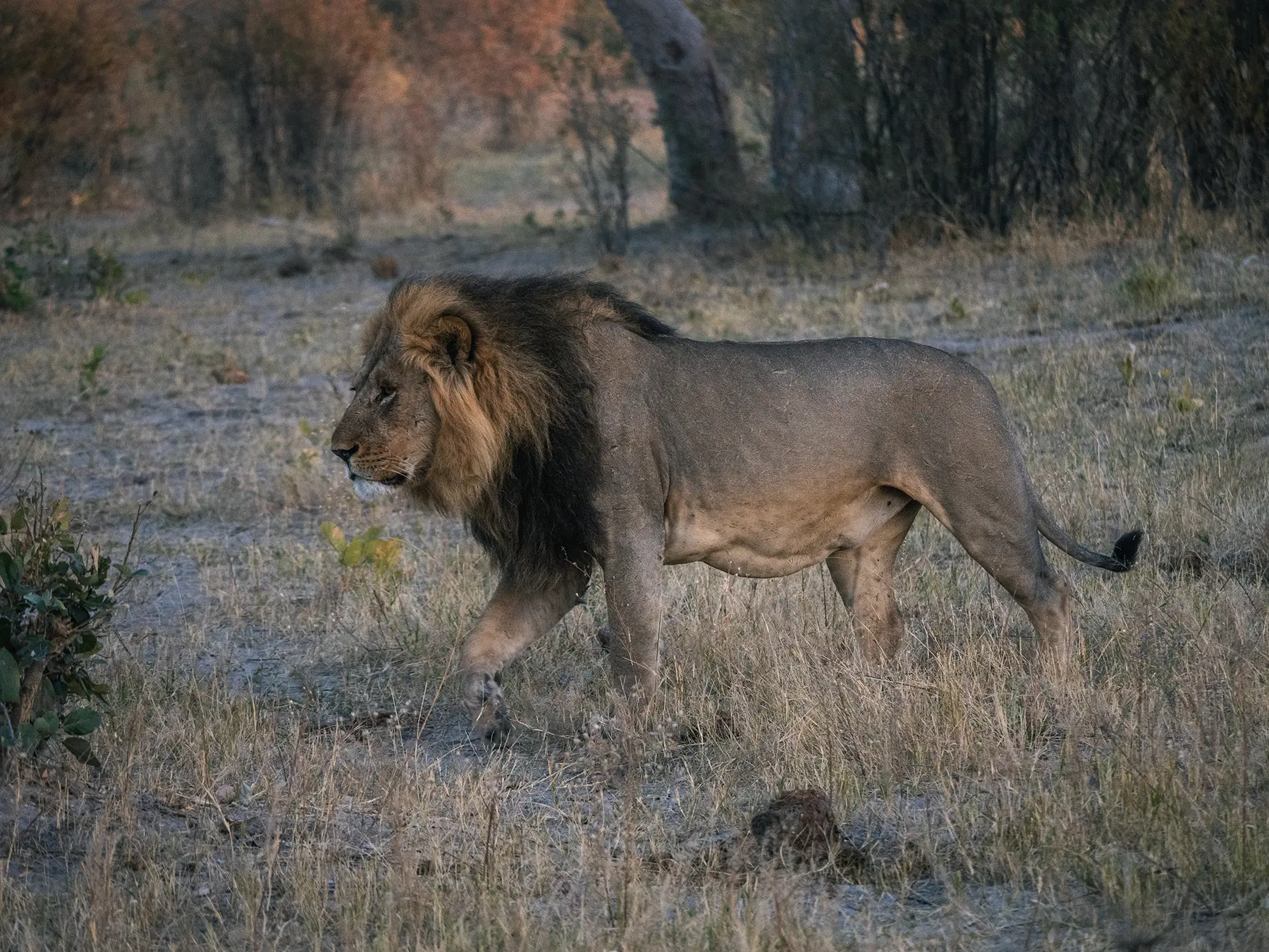
We encountered lions every single day that we were in Savuti, including following a huge male lion as he patrolled his territory at dawn. His gruff roars split the icy morning air, his breath billowing in front of him.
6. The Zebra Migration
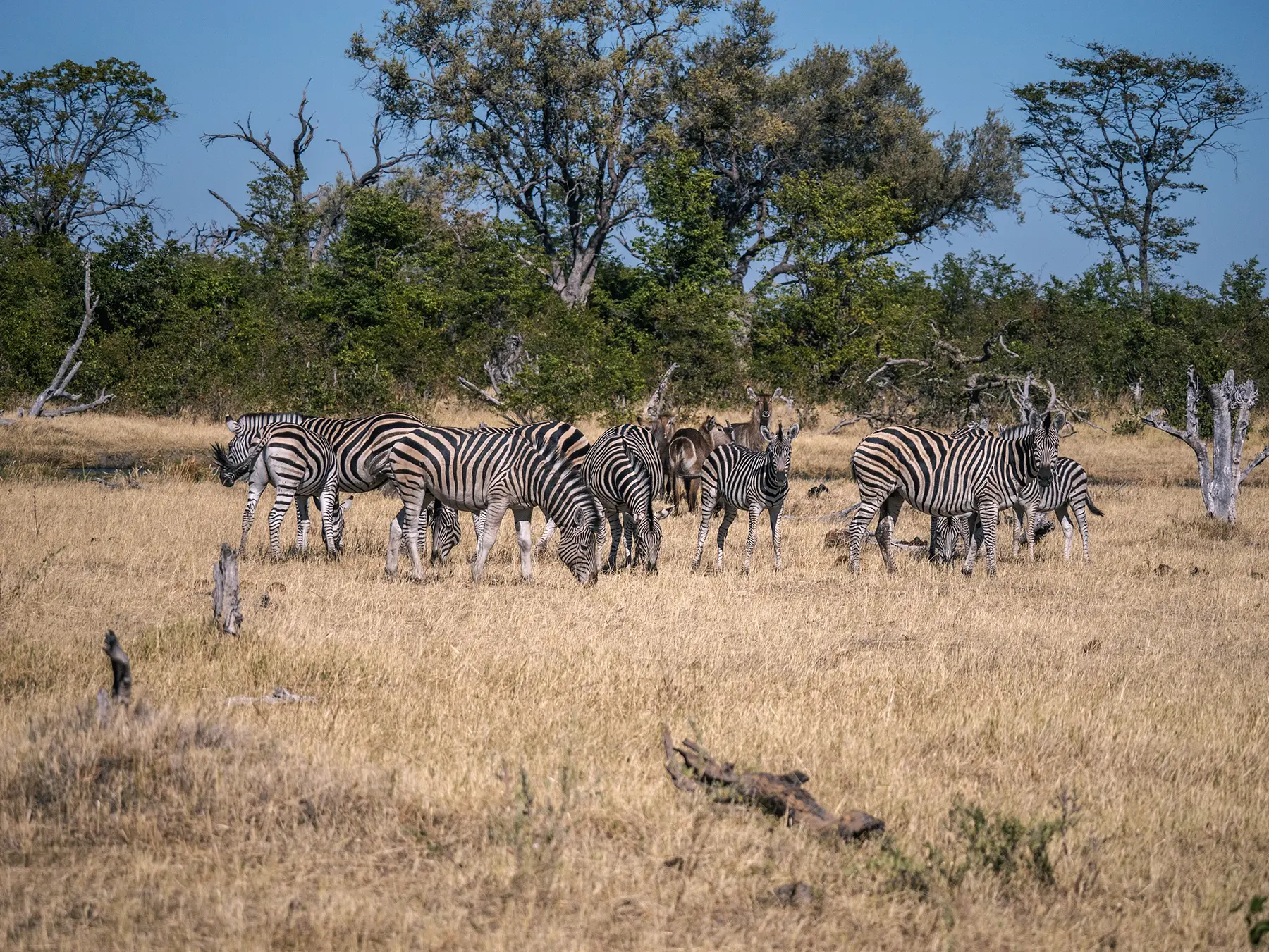
The longest land mammal migration on earth is one that you’ve never heard of. The zebra migration takes place between the Kalahari Desert and Okavango Delta each year and sees an estimated 20,000 zebras travel over 174 miles (280 kilometres).
The migratory route takes them from the heart of the Makgadikgadi National Park, all the way north to Moremi Game Reserve in the Okavango Delta, and then back again.
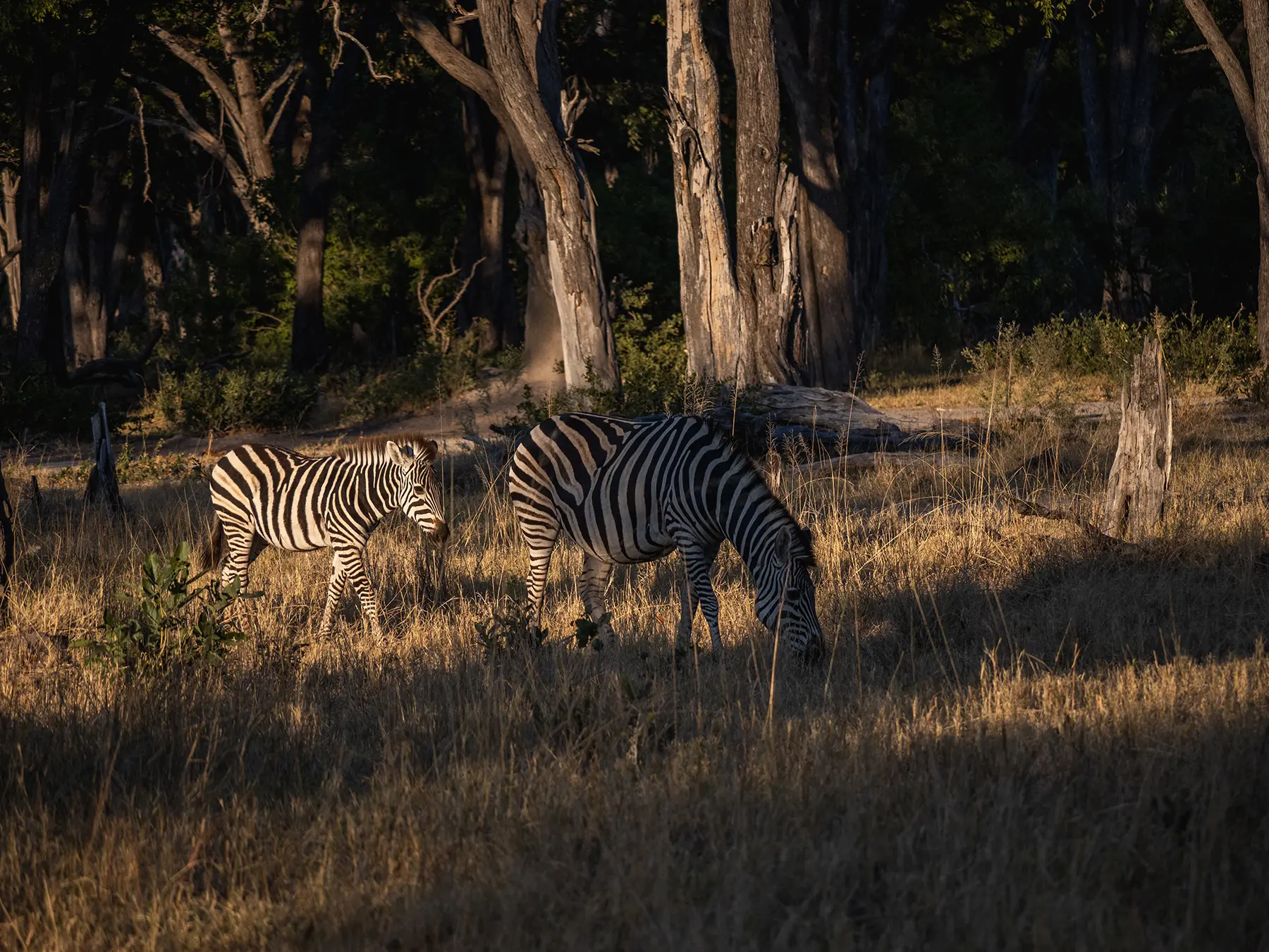
They spend the dry season in the Okavango Delta’s wetlands, making the most of the flooded waterways which burst their banks with the arrival of water from Angola, which typically reaches the delta in June, and then journey south once the rains have transformed Makgadikgadi National Park into a lush oasis.
You can view the zebra migration in the Okavango Delta between June and October. The green season in Makgadikgadi National Park starts in November and finishes in April.
7. Some of Africa’s Best Safari Guides
I’ve personally found that the quality of guiding in Southern Africa, including Botswana, is extremely high and generally exceeds the standards across East Africa. A key reason will be that there are less visitors to Botswana and thus less guides. The limited number of guides are all taught to a high standard.
In contrast, the volume of tourists visiting East Africa goes up year upon year and thus the demand for guides is ever-increasing. It’s inevitable that standards start to go down, especially as there’s a huge reliance on radio networks there, making skills like reading spoors and listening to alarm calls practically redundant.
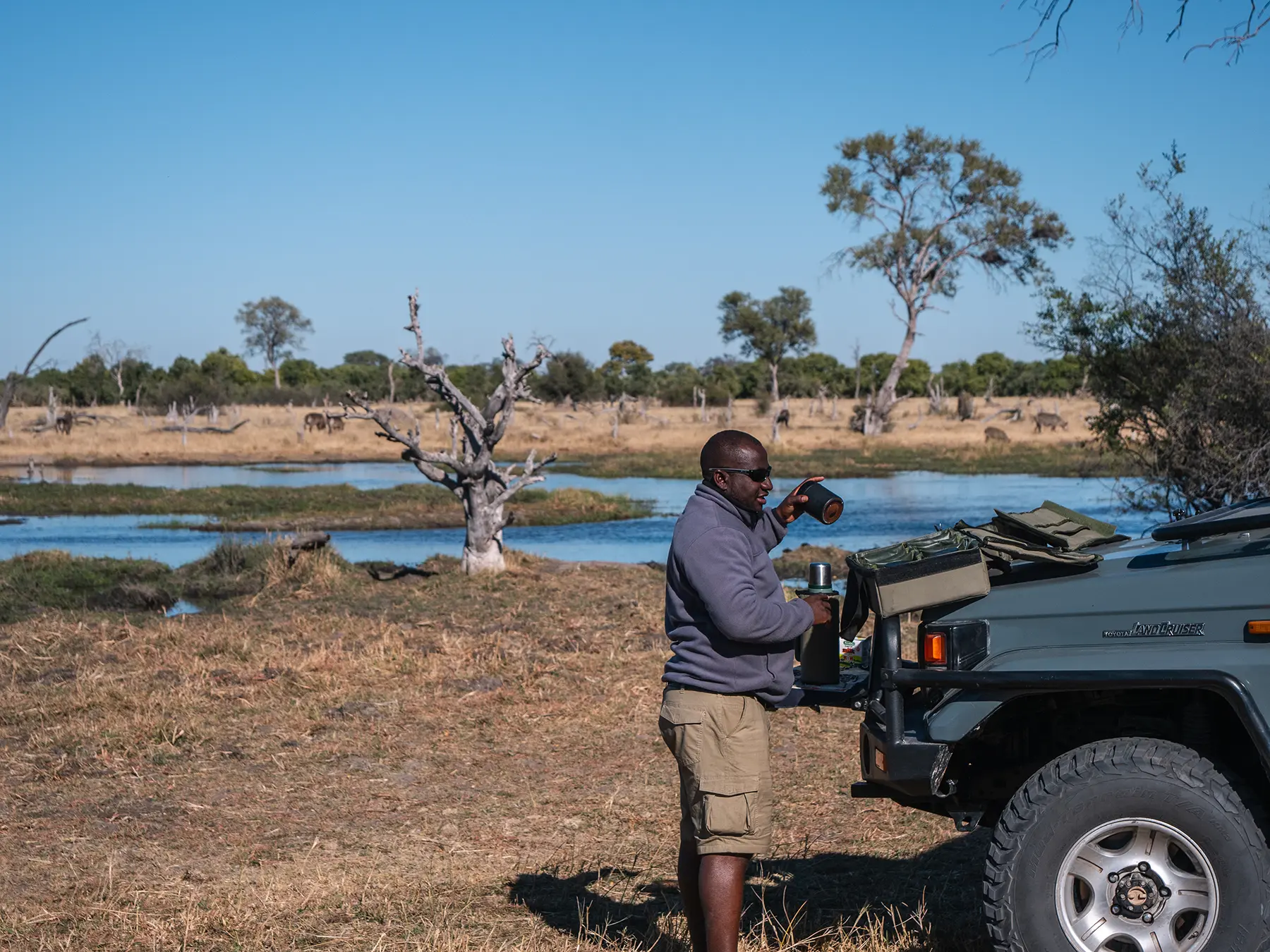
I was grateful that the guided safaris that I’d encountered prior to my first visit to Botswana had been in East Africa. This meant I could really appreciate the guiding level in Botswana. I learnt so much about Botswana’s flora and my guide’s bird identification skills were off the charts. It’s here that I really started to appreciate our feathery friends and the foundations of my bird knowledge were formed.
However, just because the standard of guiding in Botswana is generally good doesn’t guarantee that you’ll get a good guide. Researching a tour operator is extremely important, looking at online reviews and paying attention to personal recommendations.
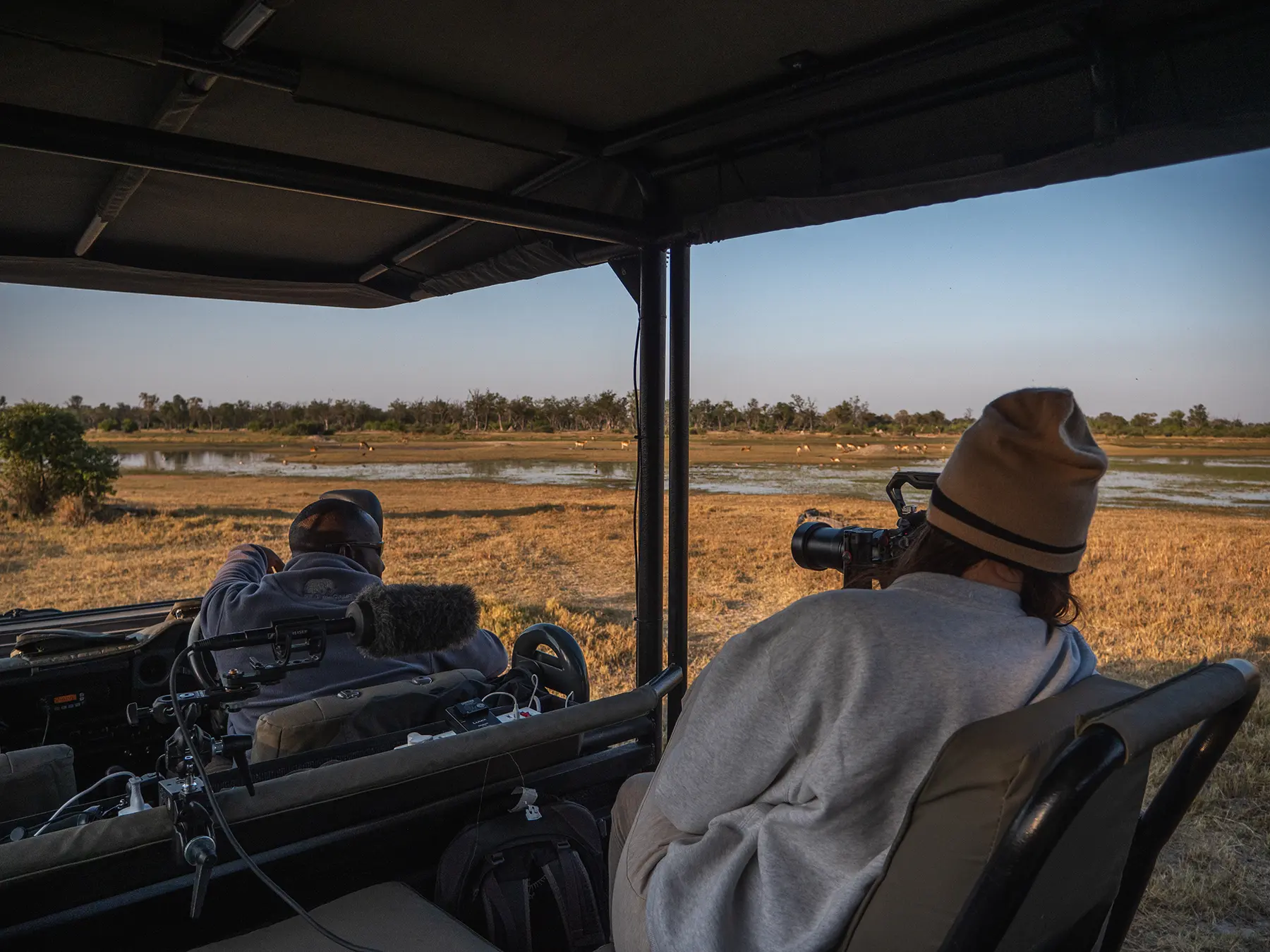
To make things easier for you, I have compiled a small list of hand-selected tour operators who I’ve had extremely positive experiences with and who I trust. You can receive free no-obligation quotes from them here.
Not only that but I’ll personally be here to guide you through the process, sending you some useful tips and advice, checking in to see how you’re getting on and answering any questions that you have.
How Do You Book a Botswana Safari?
The best way to book a Botswana safari is through a reputable local tour operator, who will provide your accommodation, transport, park permits and game drives at significantly lower cost than an international travel agent.
That’s what I do for my own safaris, and booking directly with a local company has worked out perfectly every time.
You can get quotes from the same local tour companies I use to organise my own trips here: Safaris By Ella
Other options include self-drive safaris where you drive yourself and typically book everything.
You can also book safaris through an international travel agent who organises everything including your international flights but these are expensive as they typically outsource the actual safari to a local tour operator and add their profit on top.
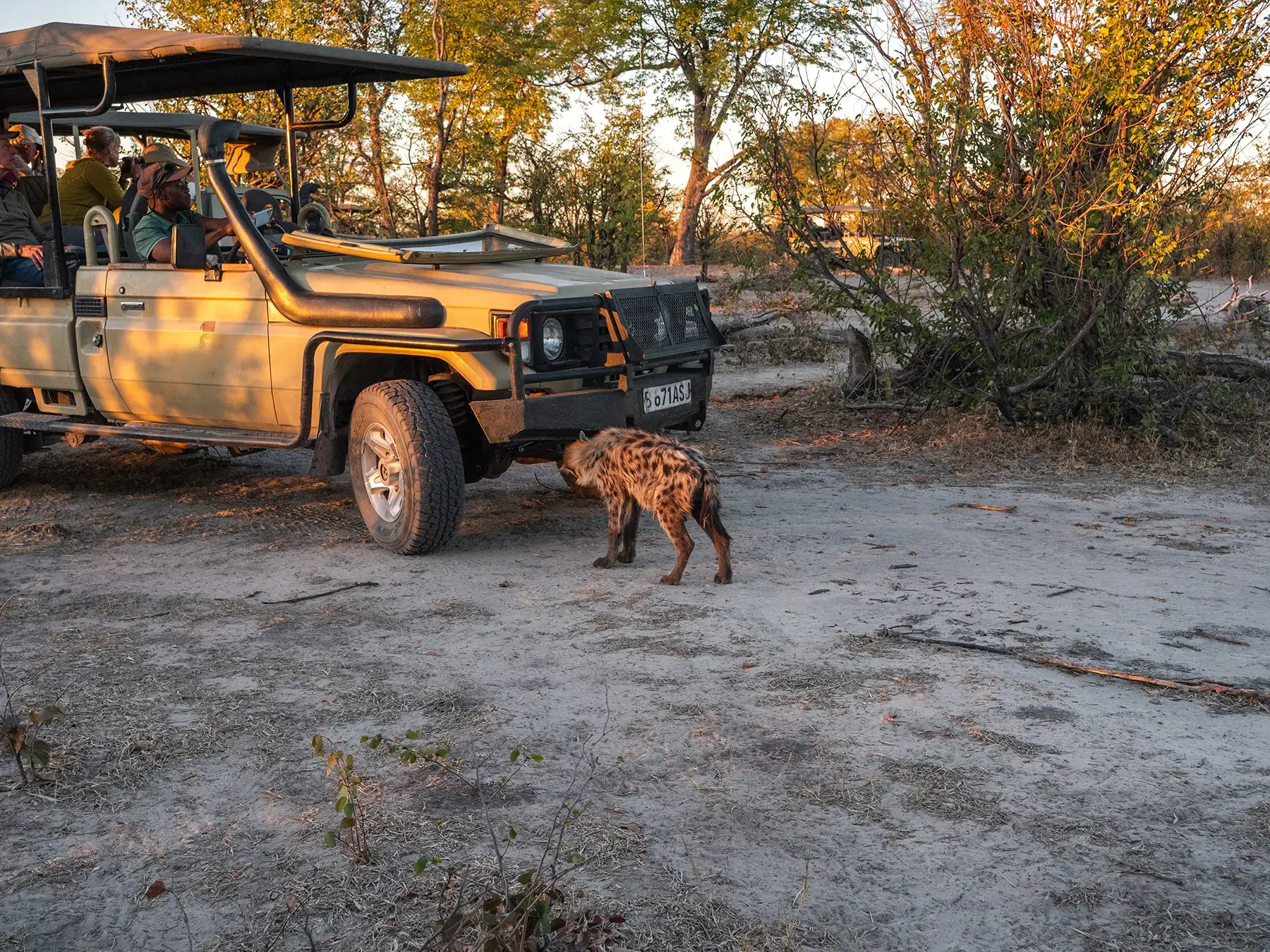
Then there’s hotel-provided safaris, where you often fly from lodge to lodge and go on shared game drives in their vehicles.
These can be booked through a local tour operator, an international tour operator or sometimes directly with the hotel. I tend to book these via local tour operators too as they make things simple and offer the best rates as well as booking all my hotels and road or domestic flight transfers.
Your chosen booking option will have a considerable impact both on the overall cost of your safari and on the type of experience you have.
Below I’ll break down the pros and cons of each option.
You can jump to more information on each of the booking options using the links below.
Option 3: Hotel-Provided Safaris
Option 1: Self-Drive Safari
Self-driving in Botswana is the lowest cost way to go on safari in the country with typical prices of $350 per person per day in budget camping accommodation.
This is a saving of around $50 per day vs the equivalent private guided safari.
If you are on a tight budget you can save costs by hiring a lower quality vehicle, and staying in campsites in less desirable areas, bringing costs down to around $200-$250 per person per day. However, this will impact the experience.
Self-driving involves renting a 4×4 and navigating the parks yourself, often staying in campsites and cooking your own food.
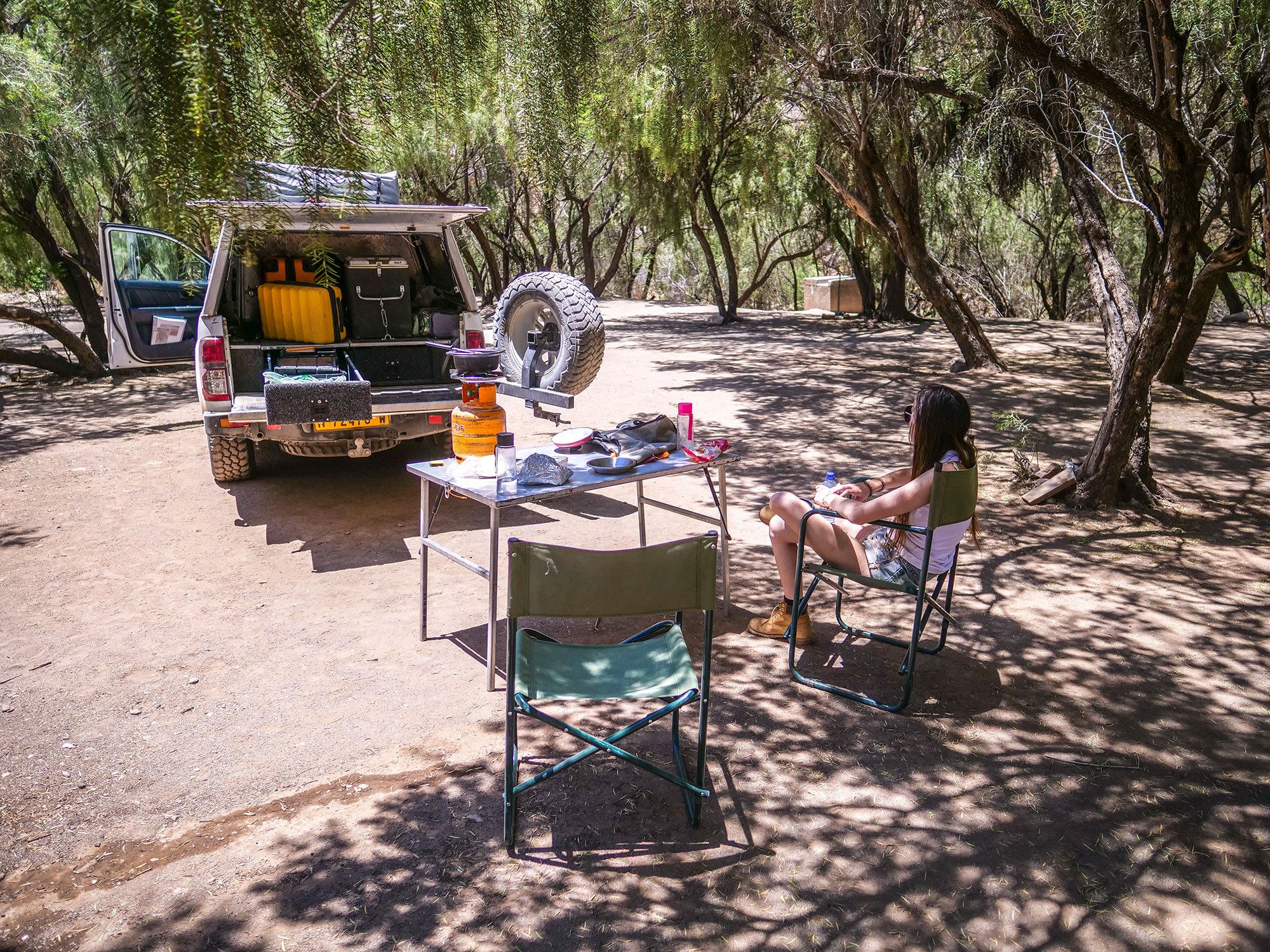
You are responsible for everything including making sure you don’t run out of fuel as there are no petrol stations in the national parks. Local safari companies usually have a separate support vehicle which carries fuel with them to allow them to avoid wasting time going back to towns between safari days. This is not possible with self drives.
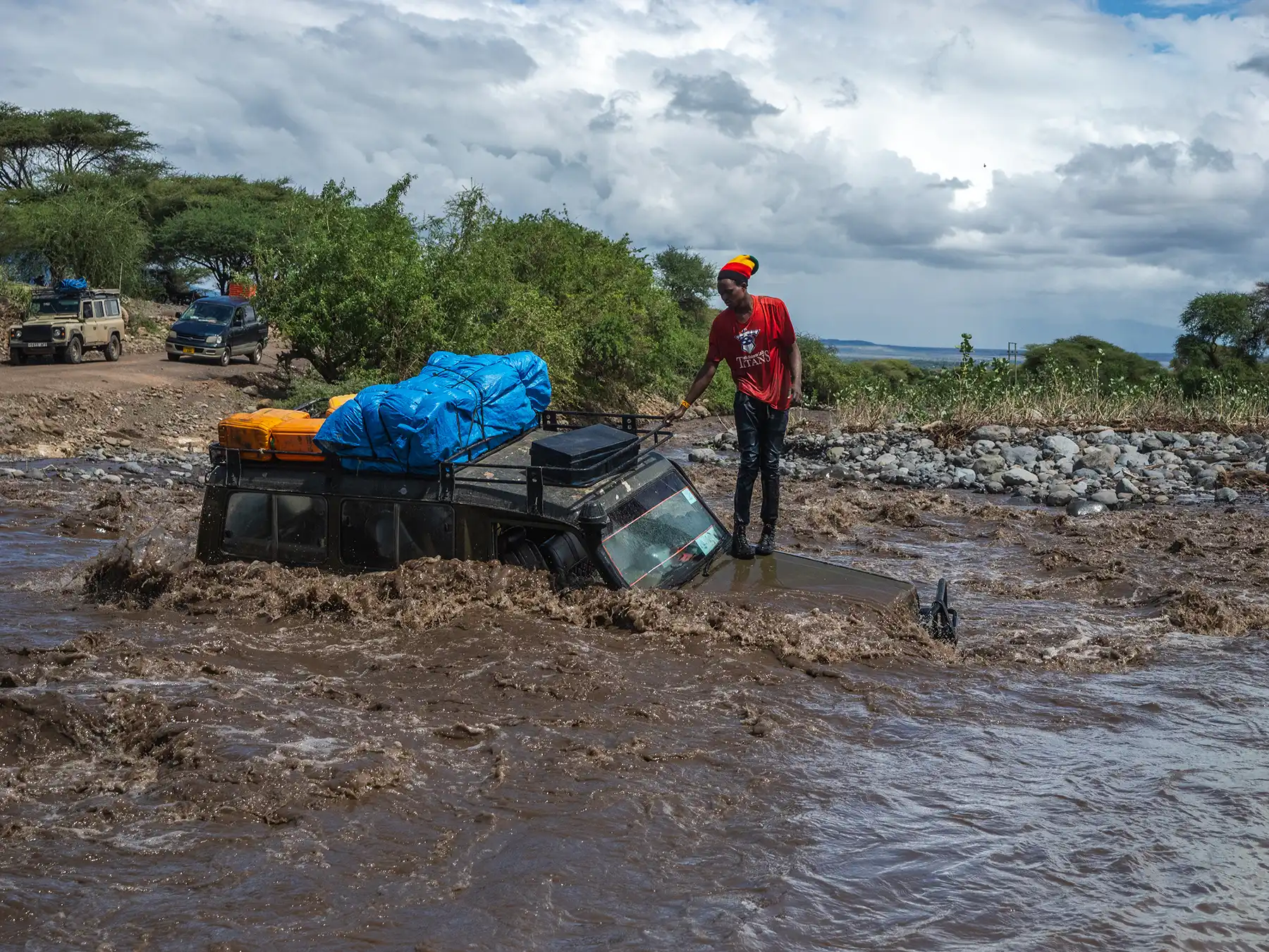
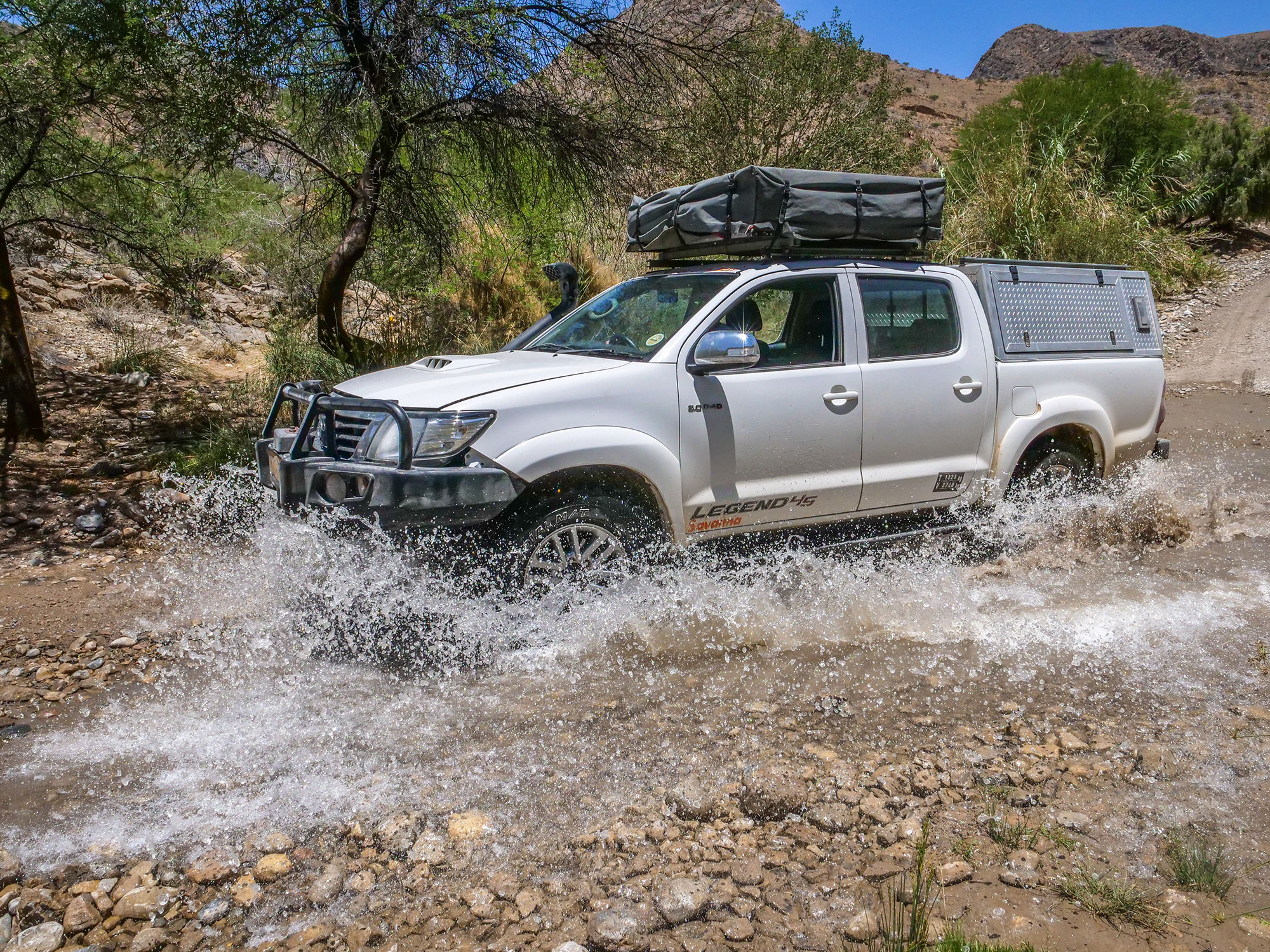
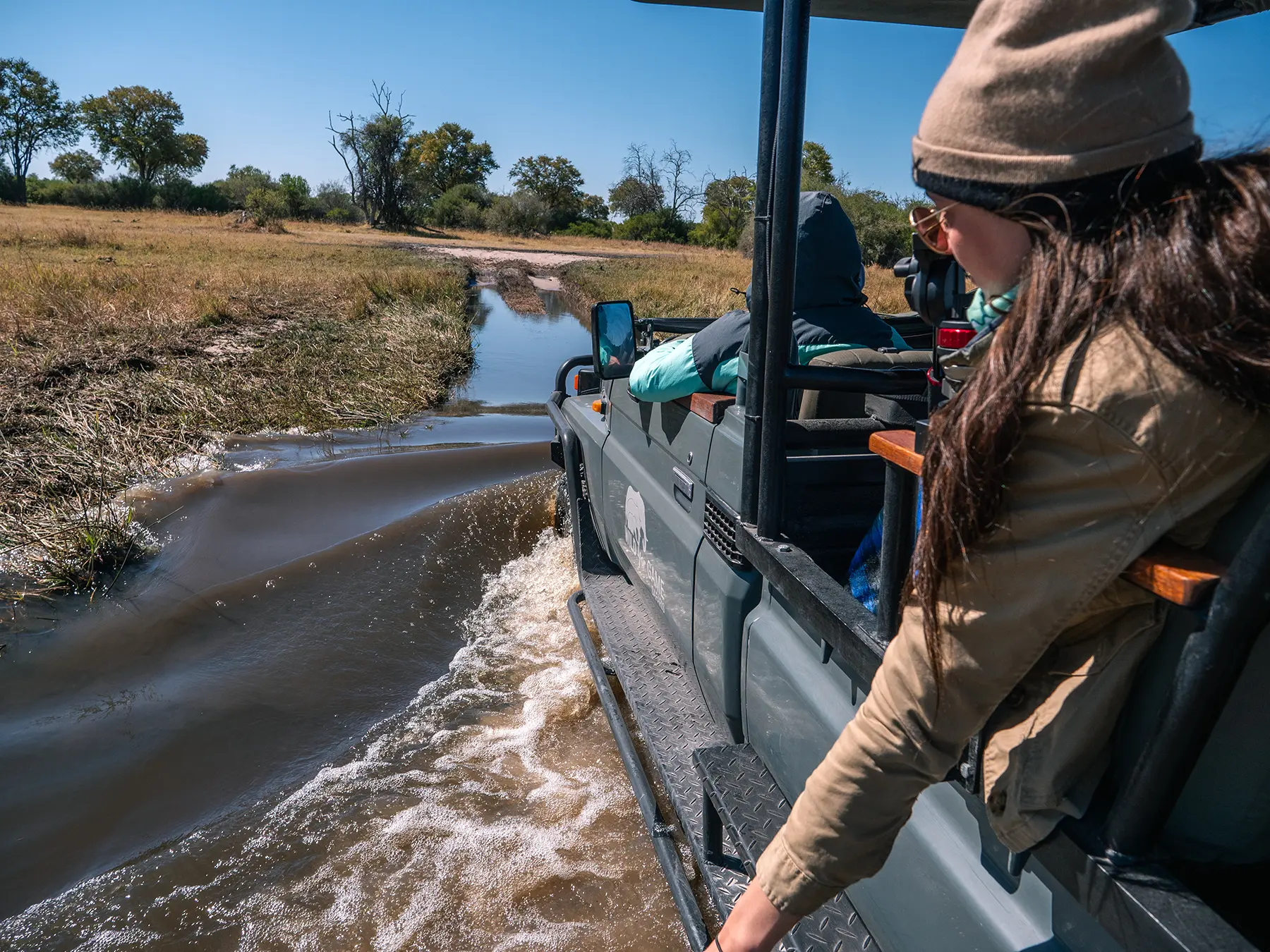
Botswana is easier to self-drive than Tanzania or Kenya, but it requires off road driving skills as there are numerous water crossings and the sand in the roads can get very deep and I saw a number of self-drivers stuck in the sand.
There are some restrictions on self-drivers such as not being allowed to go on night game drives. For example Khwai Community Area only allow night game drives for registered safari companies.
Wildlife viewing is much more challenging without an experienced guide or access to the guides’ radio and phone networks to keep you updated on sightings.
Another drawback of not having a guide is safety. Wild animals can be unpredictable and if you don’t understand their behaviour, you could get into a sketchy situation.
Elephants in particular pose a threat to self-drivers and there sadly have been multiple incidents of self-drivers getting into trouble with elephants with terrible consequences in 2024 alone as a result of ignoring park rules and not understanding elephant distress signs (they tend to mock charge before charging).
Pros of Self-Drive Safaris
- Self-drive safaris offer the ultimate freedom and flexibility, allowing you to make unscheduled stops and adjust your itinerary on-the-fly.
- The lowest-cost way to go on safari in Botswana as you will save on some costs such as a driver-guide.
Cons of Self-Drive Safaris
- Self-drivers typically see far fewer animals, lacking the tracking skills and radio network that experienced guides use to locate sightings.
- Safety can be an issue as understanding wildlife behaviour is essential when you encounter Botswana’s bull elephants in musth or protective breeding herds.
- You have to set up and dismantle your own camp on moving days, which eats into the time you have for actual game drives.
- Frequent river crossings and deep sand on roads in Botswana can lead to breakdowns which can cause safety issues and lost game viewing time
- You typically have to waste time traveling back to towns in order to re-fuel without the fuel support vehicles provided by local tour operators
- Your actual cost savings may prove minimal once all expenses are accounted for
- Self drivers are not permitted to do night game drives (and off-road driving in many cases) for example Khwai Community Area only allows night game drives by registered safari companies
My Verdict on Self-Drive Safaris
A self-drive safari isn’t something I would recommend for most travellers to Botswana. While it is possible here for experienced off-road enthusiasts, the remote areas, deep sand and limited facilities make it challenging.
On my recent trip to Botswana, I spoke to a couple who had spent 30 days self-driving and still hadn’t seen any wild dogs or leopards – two of the main draws to the country. Yet we saw the dogs on three separate occasions in just 10 days, as well as three leopards, and that’s because we had a guide with us.
For me, booking with local safari companies who can offer all-round support, expert tracking and stress-free accommodation gives you a far more enjoyable and satisfying experience.
If your budget permits, a professionally guided safari will give you the best overall experience including the most wildlife sightings.
How to Book a DIY Self-Drive Safari
- Option 1: Comparison sites which provide multiple quotes from verified suppliers such as Safaris By Ella. Make sure to write you want to self drive in the notes when requesting a quote. (This is a hybrid approach where you’ll drive yourself but they will arrange everything)
- Option 2: Research and book all elements of the trip yourself using Google and online travel agents.
Join the rapidly growing tribe of over 1,000 travellers who’ve booked their dream safari using my insider tips and recommendations. Get your free quotes and my top tips and recommendations now.
Option 2: Local Tour Operator
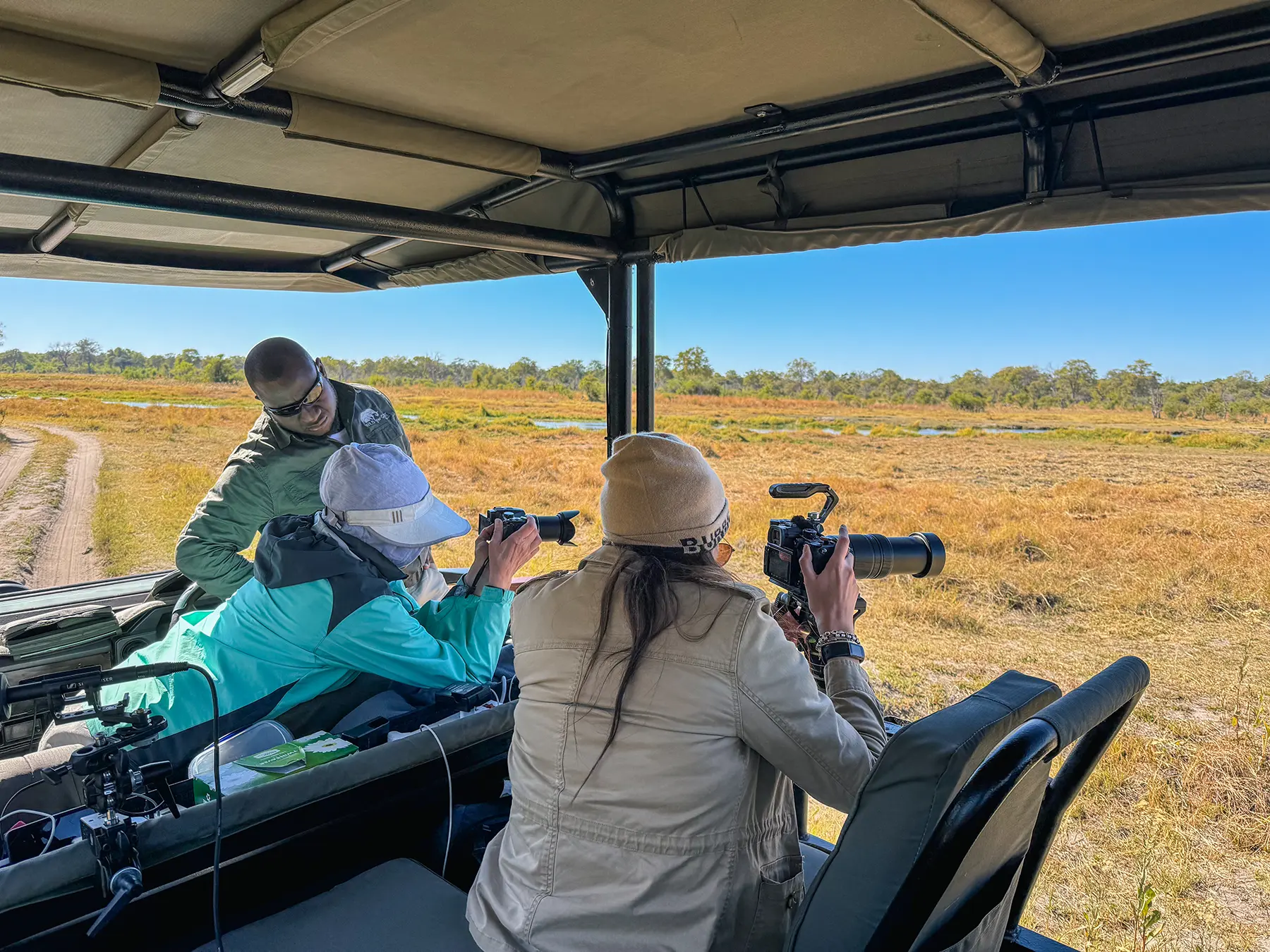
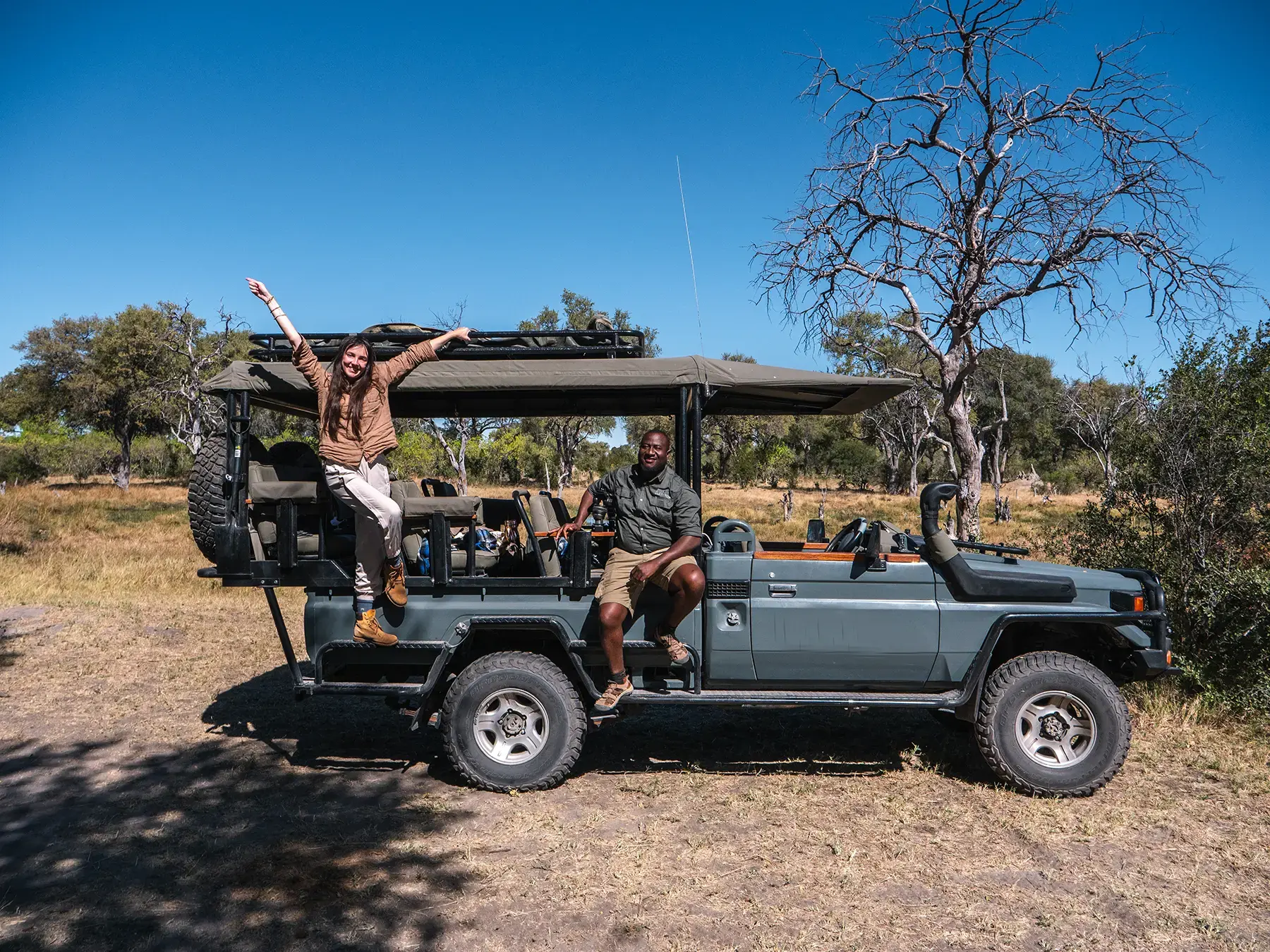
In my experience, the best way to book a Botswana safari is through a local tour operator..
That is how I book all my own safaris these days and it always gives me a fantastic experience as well as excellent value-for-money.
From the moment you land, your operator takes care of the itinerary, providing a comprehensive service that makes this the most relaxing way to safari for most visitors.
Pros of Local Tour Operators
- Local tour operators organise almost everything once you arrive, from accommodation and permits to vehicles and a driver-guide which makes the experience more relaxing.
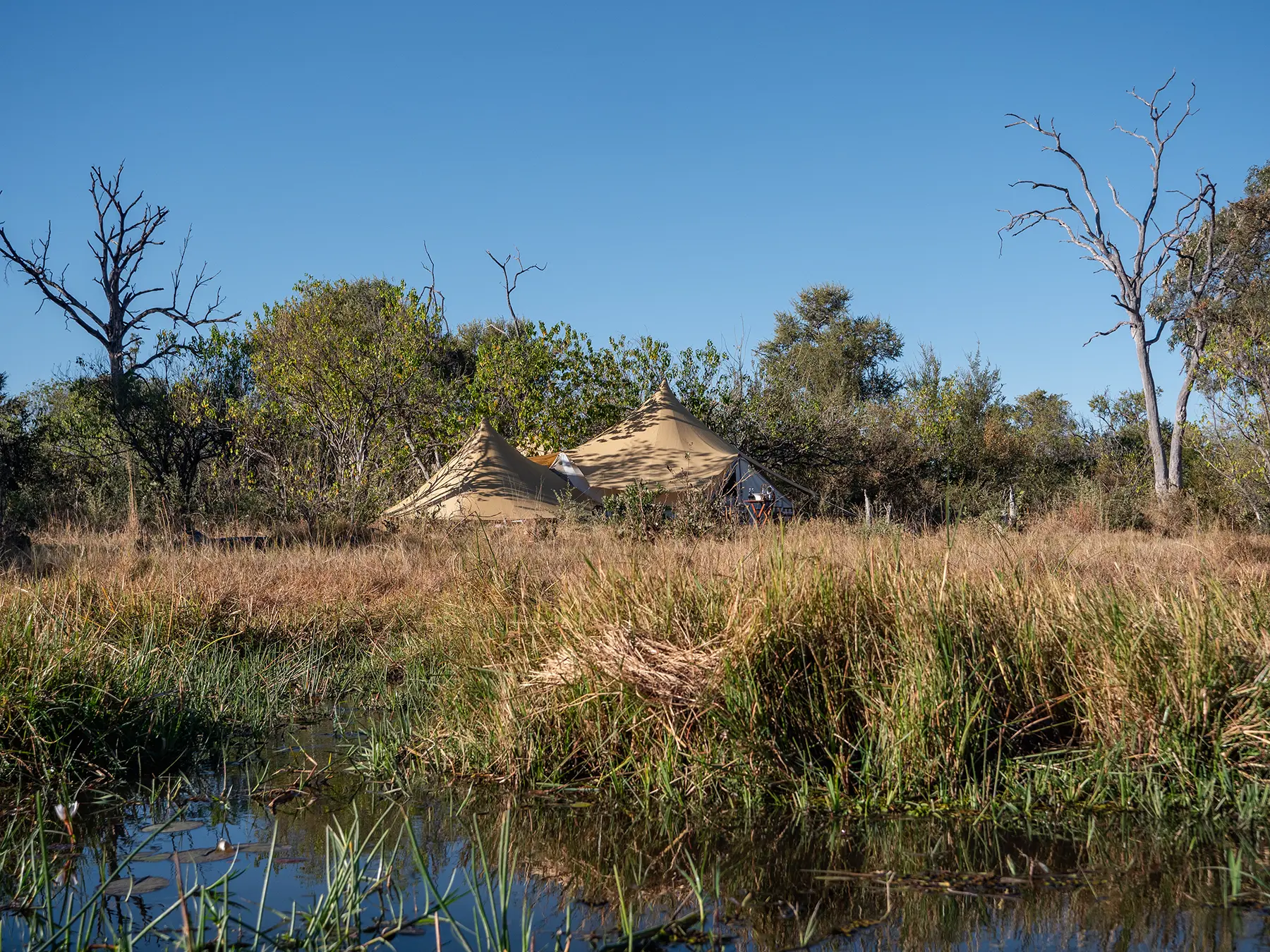
- In Botswana local operators can provide luxury mobile tented camping safaris which are often better value than lodges whilst still providing a private chef, porters, proper beds, flushing en-suite toilets.
- Offers the best value of any way to book, working out the same or cheaper than booking direct because operators receive accommodation at trade prices.
- Your guide can communicate with colleagues over the radio network and phone to maximise your wildlife encounters.
- They can book both safaris provided by them as well as lodge safaris and fly-in lodge safaris
- They have the on-the-ground knowledge to best advise you when crafting your itinerary as well as make changes on the fly where required to maximise your sightings and experience e.g. in Botswana the local operator proactively arranged a helicopter for a transfer when the road flooded to avoid any disruption.
Cons of Local Tour Operators
- Not all operators are the same, so the cheapest quote rarely equates to the best deal: lower prices often come with inferior accommodation and less experienced guides.
- You do need to research and choose carefully, vetting reviews across multiple platforms rather than just the operator’s own website.
- You will usually need to arrange your international flights separately.
Top Tips
- Less experienced guides might miss wildlife or not know the best spots for sightings, so it’s important to choose a recommended local tour operator with consistently strong reviews.
My Verdict on Local Tour Operators
Local tour operators provide the perfect balance between providing a seamless safari experience whilst also offering good value for money.
It’s important to note, however, that not all tour operators are created equal and there are varying levels of service out there. Your experience can vary drastically depending on which operator you choose. It’s therefore extremely important that you choose the right one.
I can tell you from experience that the cheapest is never the best option. Hidden costs is something to seriously look out for, so whilst the initial quote may grab your attention for being cheap, there will be important costs not included that you’ll then need to pay later down the line, be it park fees, airport transfers or something else. I’ve seen some companies even charge itinerary generation costs!
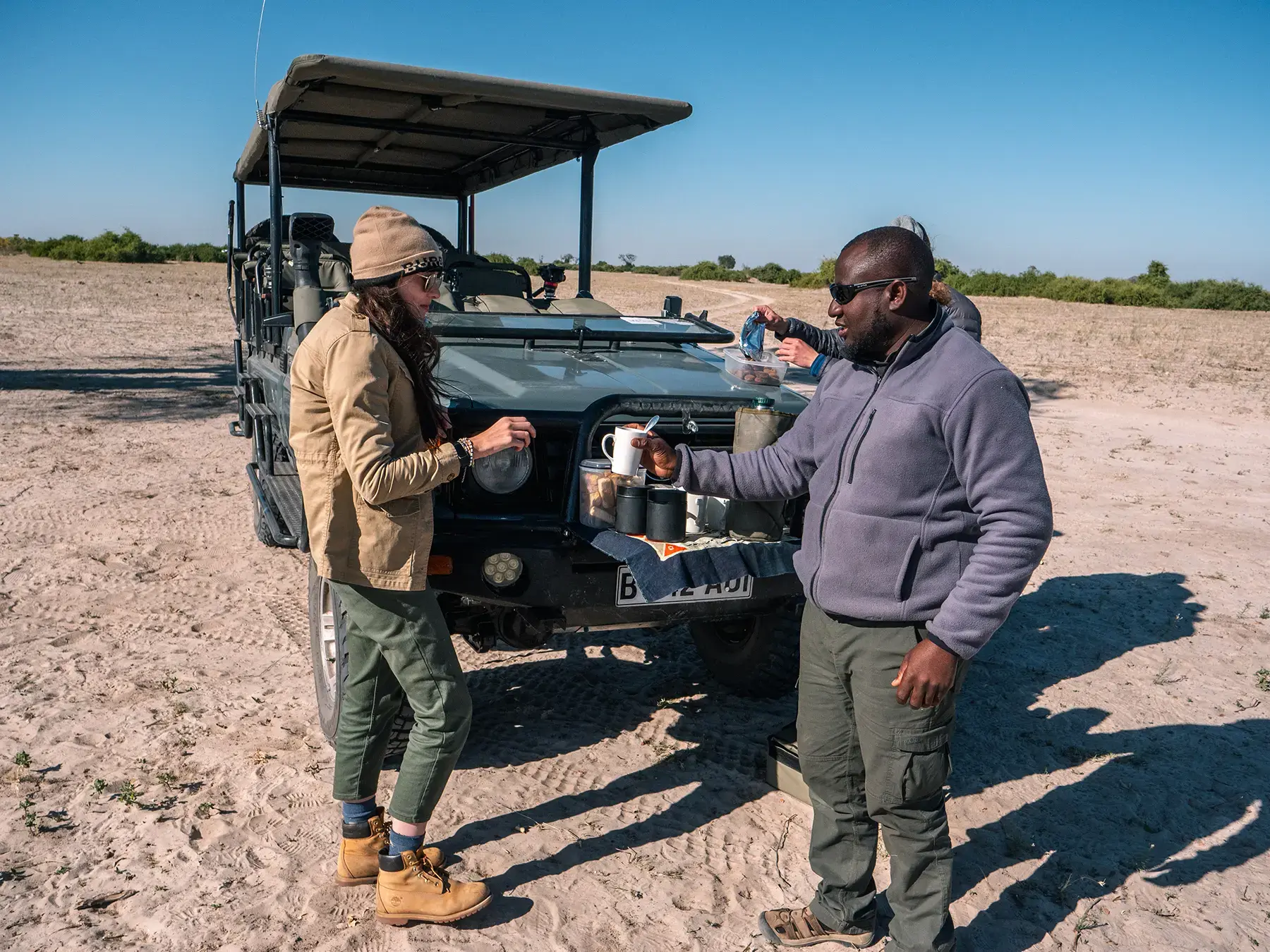
Keep an eye out for brand new companies too. These companies sometimes try to undercut existing companies in order to bring in initial business. However, these companies have limited experience and it’s not uncommon for them to go out of business later down the line as their business model was completely unsustainable.
But it’s not all doom and gloom – there are some extremely good companies out there. It’s just a matter of knowing what to look for and I’m here to help you do just that.
Online reviews are an extremely important factor when weighing up different safari companies. You’re looking for a portfolio of mostly 5 star reviews across a number of platforms, not just one. Also ensure the platforms are impartial – the likes of Google and TripAdvisor rather than the company’s official website.
One or two negative reviews doesn’t necessarily mean a terrible company. Although a consistent pattern of negative reviews is a red flag.
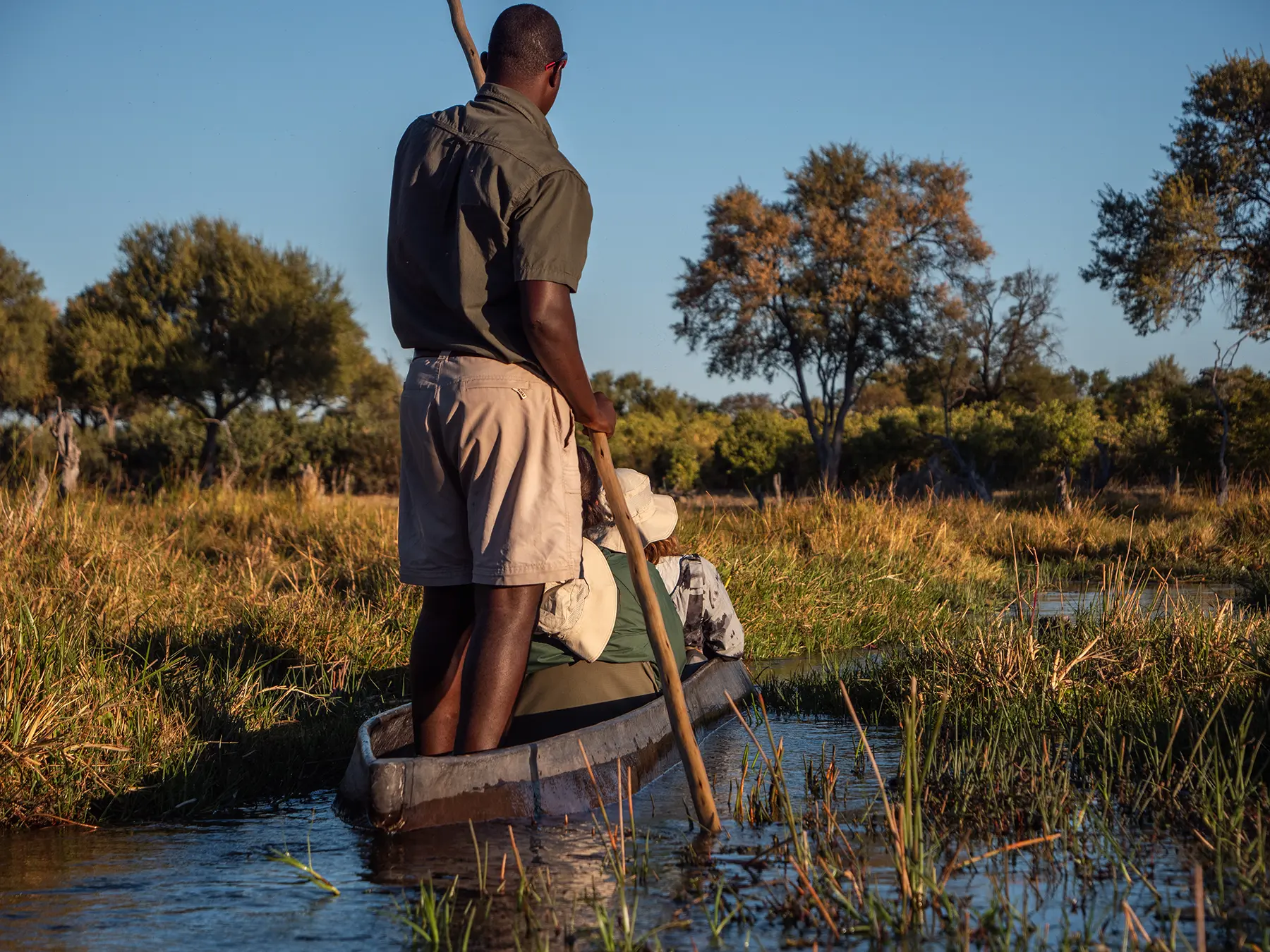
The content of those reviews and how the company responded to them is a big thing to consider. Was the problem encountered a large issue or something small? Did the tour operator show attempts to try to resolve things or did they blame the customer? All of these help to paint a picture of how honest and helpful a company is.
It can be hard to determine how good a company is from just a couple of reviews. Therefore you’ll want to select a company that has been consistently been getting reviews for at least 2 years.
If at all possible, select a safari company that has been endorsed by someone who has had a genuine experience with the company, such as a friend or online expert.
I’d love to help you choose the perfect local tour operator. You can receive safari quotations from my favourite local tour operators, who I have personally been on safari with and had an excellent experience with, here on Safaris By Ella.
Recommended Booking Options For Your Botswana safari Itinerary
Safari with local tour operator
Most popular & best experience – typical prices for this itinerary start from $450 per person per day.
Visit safarisbyella.com for free quotes from trustworthy local tour companies I use to book my own trips.
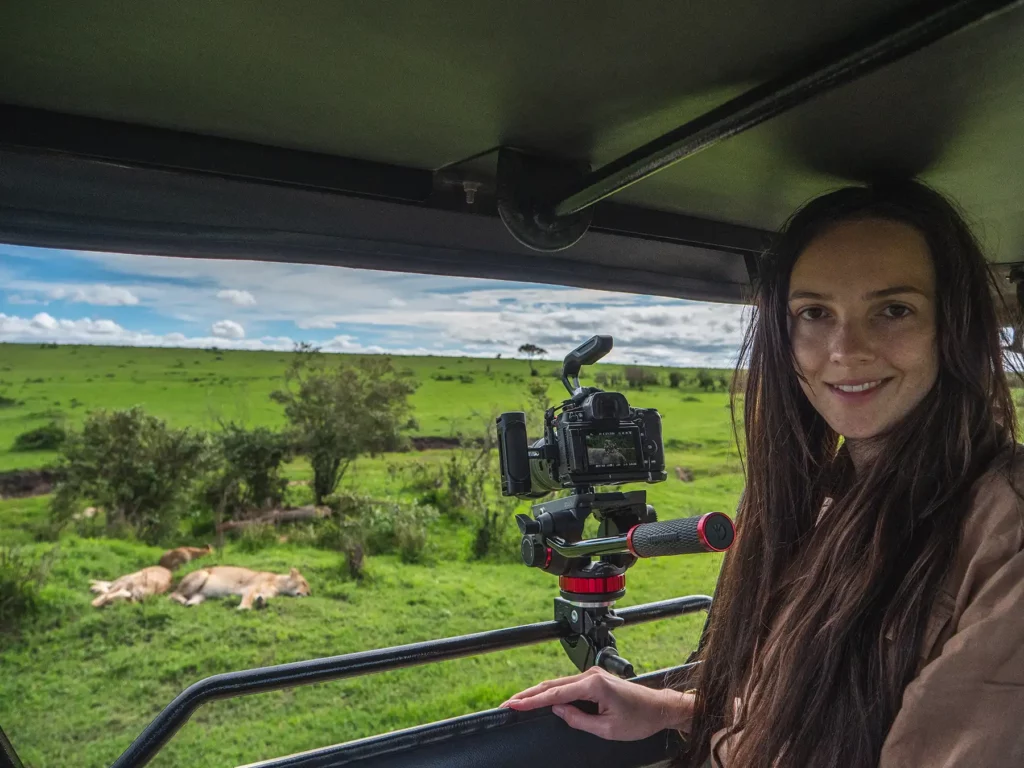
How to Book with the Best Local Safari Companies
- Comparison sites which provide multiple quotes from verified suppliers such as Safaris By Ella
Join the rapidly growing tribe of over 1,000 travellers who’ve booked their dream safari using my insider tips and recommendations.
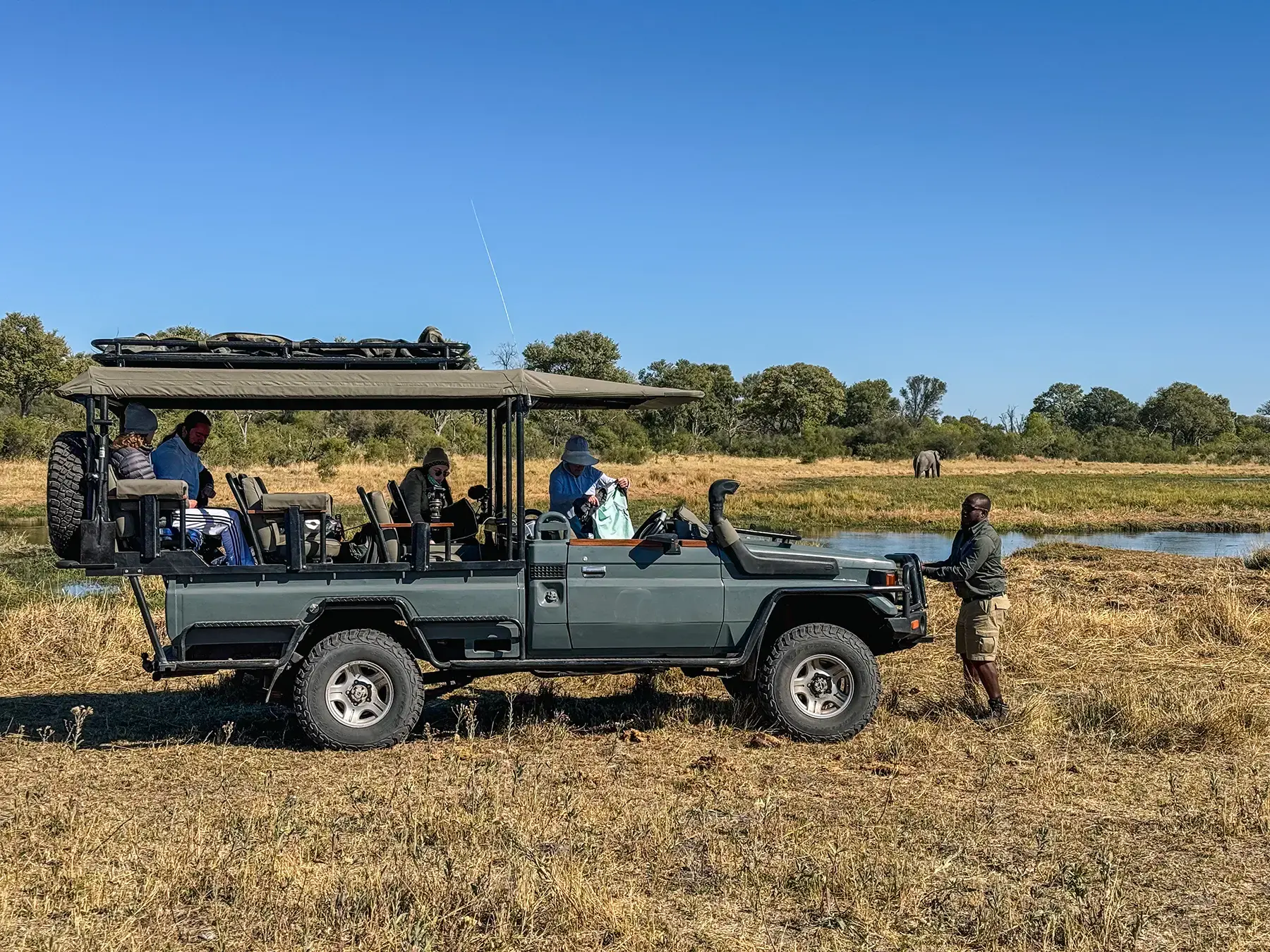
Option 3: Hotel-Provided Safaris
Some lodges in Botswana, especially high-end ones, run their own safaris for guests, usually as shared drives where you share the vehicle with other guests.
If budget is not an issue and you plan to stay in one area for a while, or to fly from one lodge to another, this option is worth considering.
Hotel-provided safaris can be booked as part of a package which includes all lodges, road or air transfers between lodges and your start and end point. You can book through local tour operators or international tour operators. Local tour operators will usually provide the best value.
Some high-end lodges hold exclusive traversing rights over private concessions such as certain areas of the Okavango Delta, which you can’t access any other way.
That normally comes with the lodge’s own guides, but many camps will also host a privately requested guide (often arranged through your tour operator, usually with a dedicated vehicle), so you can keep a trusted guide with the flexibility of a private vehicle and the concession’s exclusive access.
Pros of Hotel-Provided Safaris
- If you opt to fly between camps and lodges, your experience should be seamless and convenient, eliminating long road transfers.
- Exclusive access to certain parts of private reserves you couldn’t otherwise access. However, you can also stay at the lodges with your own local tour operator’s driver guide and get the same benefit.
- Guides who work for the lodges usually have a good knowledge of the specific area in which the lodge is located.
Cons of Hotel-Provided Safaris
- Lodge-based safaris (even if booked through a local tour operator) are usually substantially more expensive than using a local tour operator to provide the safari via their own vehicles and guides.
- You usually share the vehicle with other guests, which reduces flexibility in game-drive timing and can limit the time spent at each sighting.
- Without an impartial third party advising you, lodges may not be in the ideal locations for game viewing. This can be overcome by booking the lodges through a local tour operator.
Top Tip:
Consider combining lodge accommodation with private game drives arranged through a local tour operator. This hybrid approach gives you the comfort of premium lodges with the flexibility and expertise of a dedicated guide.
A local operator can arrange preferential rates on the lodges, air transport between them, and a private safari vehicle and guide for your game drives.
My Verdict on Hotel Safaris
Hotel-run safaris suit travellers with generous budgets who prefer a more settled, luxurious experience and don’t mind sharing a vehicle with other guests.
How to Book a Hotel-Provided Safari
- Option 1: My recommended tour operators on Safaris By Ella can arrange hotels and air or road transport to and from the hotels. If you opt for the more cost-effective road transport, since they have driven you to the hotel, you might find it cheaper to use the safari company for safaris rather than using the hotel-provided safaris.
- Option 2: Check with your chosen accommodation whether they provide this service and the booking requirements.
Option 4: International Travel Agents
Booking through an international travel agent can be a good option if you have a large budget and are happy to pay a premium for someone to handle your entire trip, including international flights.
That said, you should be aware that you’ll typically pay anywhere from 20% to 50% more for your safari than booking directly with a local operator.
This is because these agents usually subcontract the actual safari to local operators, then add a markup to cover their offices, staff and marketing as well as their own profit.
Pros of International Travel Agents
- It can be convenient to book every component of your trip through a single provider, including your international flights.
- Trips organised this way carry a degree of risk mitigation. UK travellers are protected by Package Travel Regulations, and if your international flights are booked as part of the package you’ll be covered by the ATOL scheme.
- Similar schemes protect travellers in the USA, such as the US Department of Transportation’s aviation consumer protections and its consumer protection rules, along with standard credit card and travel insurance cover.
Top Tip
High levels of protection are also available when booking directly with local tour operators, but without the high costs of an international travel agent.
- Using a credit or debit card for deposits typically comes with purchase protection (in the UK it’s called Section 75).
- Good travel insurance with trip interruption coverage is another smart move.
- Choosing a recommended local safari company that allows balance payment closer to the trip date can further minimise financial risk.
- Some of my recommended local companies are Bonded, giving you extra protection on top of your card and insurance cover.
Cons of International Travel Agents
- International agents are typically the most expensive way to book, with total costs usually 20-50% higher than booking direct with a local operator.
- They often simply outsource the actual safari to local operators and then add a markup, leaving you paying significantly more for the same experience.
- You cannot research which local operator the agent subcontracts to, making it impossible to perform due diligence on the actual provider.
- Overseas agents often lack in-depth local knowledge, which can affect the quality of your safari experience.
My Verdict on International Travel Agents
Other than booking your international flights, an international travel agent really can’t offer much more than a good local tour operator. At best you’ll have a similar experience to booking direct, but you’ll pay a lot more for it.
My own experience has taught me that local tour operators offer the best combination of value and experience, and remain the recommended option for most people.
How to Book Your Safari with an International Travel Agent / Safari Company
- Comparison sites which provide multiple quotes from verified suppliers such as Safaris By Ella. When you select a luxury budget on the quote request, you will receive a quote from my recommended International safari company as well as my recommended local companies for comparison.
Join the rapidly growing tribe of over 1,000 travellers who’ve booked their dream safari using my insider tips and recommendations.
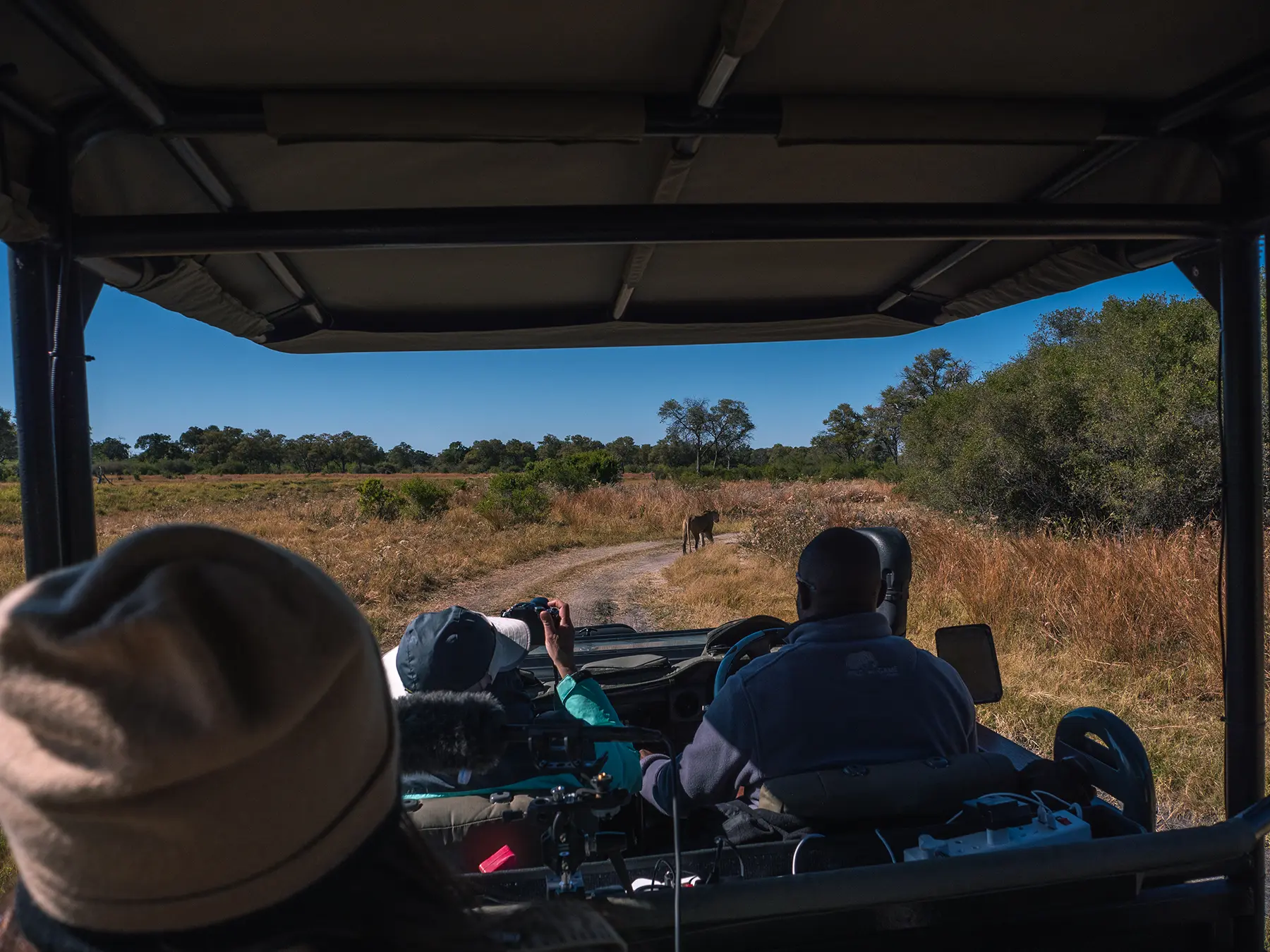
Recommended Booking Options For Your Botswana safari Itinerary
Private Safari
Most popular & best experience – typical prices for this itinerary start from $450 per person per day.
Visit safarisbyella.com for free quotes from trustworthy local tour companies I use to book my own trips.
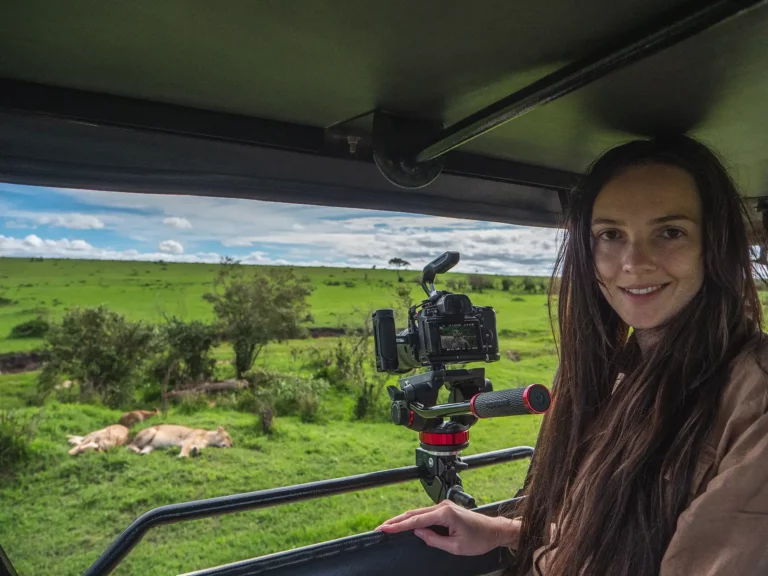
Should You Choose a Private or Group Botswana Safari?
So you’ve decided how to book your Botswana safari. Great! Now you just need to decide if you’d rather embark on a private or group safari.
A private safari refers to a safari where it’s just your party on safari. A group safari is when you book to join an organised safari with a number of strangers.
Your choice between the two will shape almost every part of your trip, so let me take you through the pros and cons of both formats below.
Private Botswana Safaris
Private safaris are my personal favourite option and I would recommend them for most safari-goers.
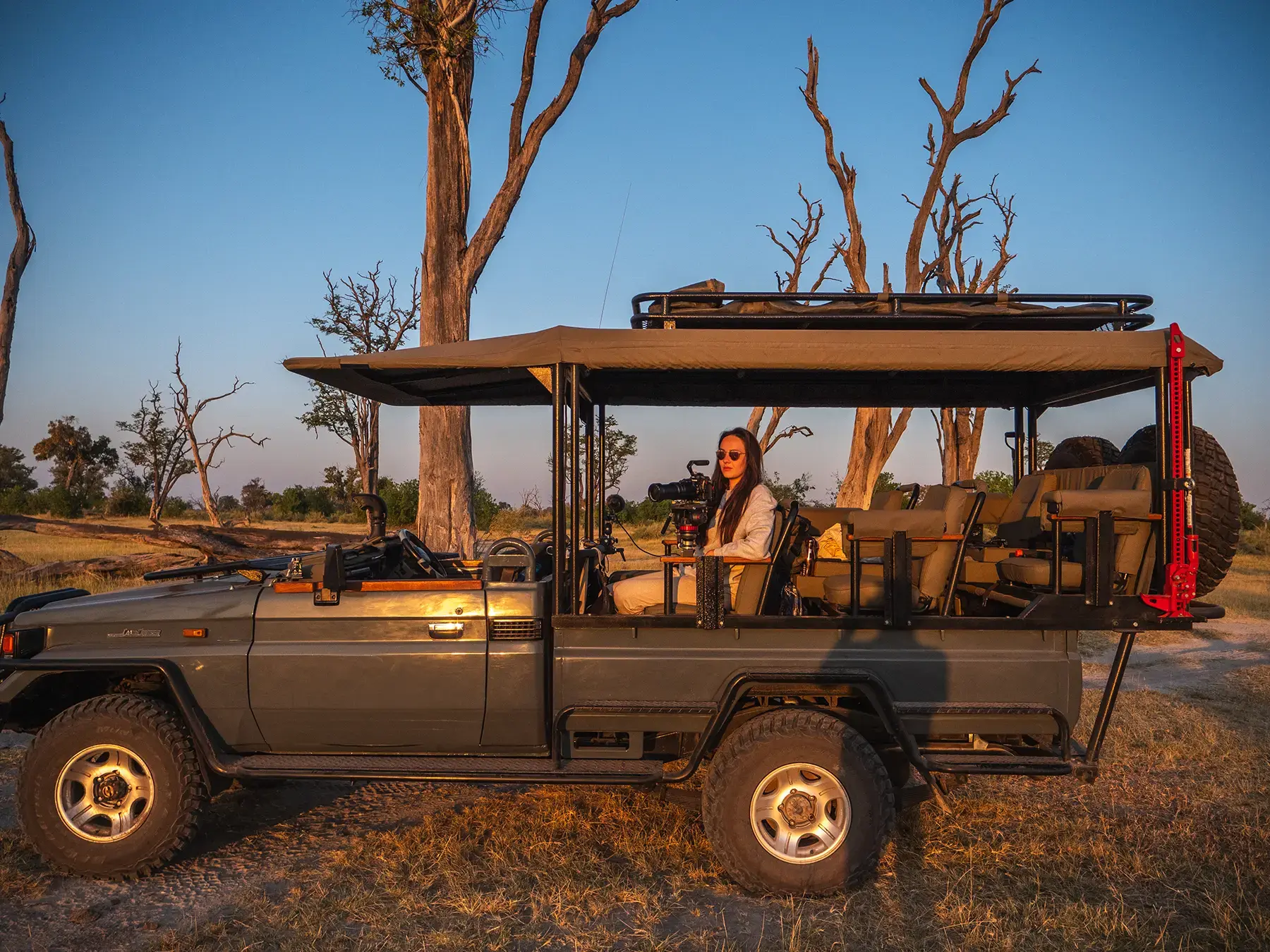
Pros of Private Safaris
- Everything is customisable, from where you go and what times you head out on safari to which sightings you visit and how long you spend at each one.
- You will be allocated more experienced guides than on group safaris, which is extremely important in Botswana where finding wildlife relies heavily on tracking skill.
- You don’t have to compete with other passengers to get the best views of the wildlife. As there will be fewer people in the vehicle, there will be fewer heads obscuring your view and you can hop from one seat to another, depending on where the wildlife is.
- You’re in charge of the menu on safari. Your safari team will cook around your individual preferences.
- Private trips usually take place in higher-spec safari vehicles, improving both comfort and your view of the action.
Cons of Private Safaris
- They are more expensive than shared safaris, especially for solo travellers who shoulder the fixed costs alone.
Conclusion on Private Safaris
If you are not confined by budget, I’d strongly recommend a private safari. Having the freedom to customise your safari so it’s exactly to your preferences allows for an unrivalled experience.
Want to head out super early before the sun has risen? No problem!
Or, feeling a bit tired and want to come back from safari earlier than planned? Of course!
Your own customised safari will be tailored to your animal wish list too, whether that’s chasing predator sightings or trying to spot as many birds as possible. Your exact movements will be dictated by what you want to see.
Group Shared Botswana Safaris
Group shared safaris can be a good option for solo travellers who want to meet others and for anyone on a very tight budget.
Pros of Shared Group Safaris
- They offer the lowest-cost way to safari as you can shoulder fixed costs such as vehicle and guide hire across multiple guests.
- They are good for solo travellers who are looking to meet new people.
Cons of Shared Group Safaris
- Everything with a shared safari is fixed. You have no control over the itinerary, safari dates or timings of the schedule each day.
- A full car of people means you may not get the best seat, and some operators pack a third row of seats down the middle of the truck, leaving those passengers with limited views.
- You have little say over what animal sightings to prioritise. This can cause a lot of frustration, especially when you’re with people of varying safari experience. Some guests may want to spend hours watching zebras. Others may not have the patience to wait for a leopard to come down from a tree and are just satisfied having seen it sleeping.
- You have zero say over which accommodation you stay at. If you want your group safari to actually be cost-effective and cheaper than a private one, budget camping is the only viable option.
Conclusion on Group Shared Safaris
Group safaris can make sense for solo travellers as the single supplement fee for travelling on a private safari is quite high. Group safaris also offer you a great opportunity to meet other likeminded travellers.
However, for larger groups of two or more people, cost savings can become minimal. Therefore you’re sacrificing a lot of flexibility for very little benefit.
How Much Does a Botswana Safari Cost?
Typical prices for a private safari in Botswana start at around $450 per person per day.
Shared group safaris in Botswana start at around $350 per person per day.
These prices include your park fees, accommodation, meals on full board, all beverages (including alcoholic drinks), transport, driver guide, all activities (often including mokoro trips and boat cruises) and unlimited game drives. Prices exclude international flights, tips and gratuities.
The chart below shows typical prices for Botswana safaris, with comparisons based on the level of luxury of your accommodation.
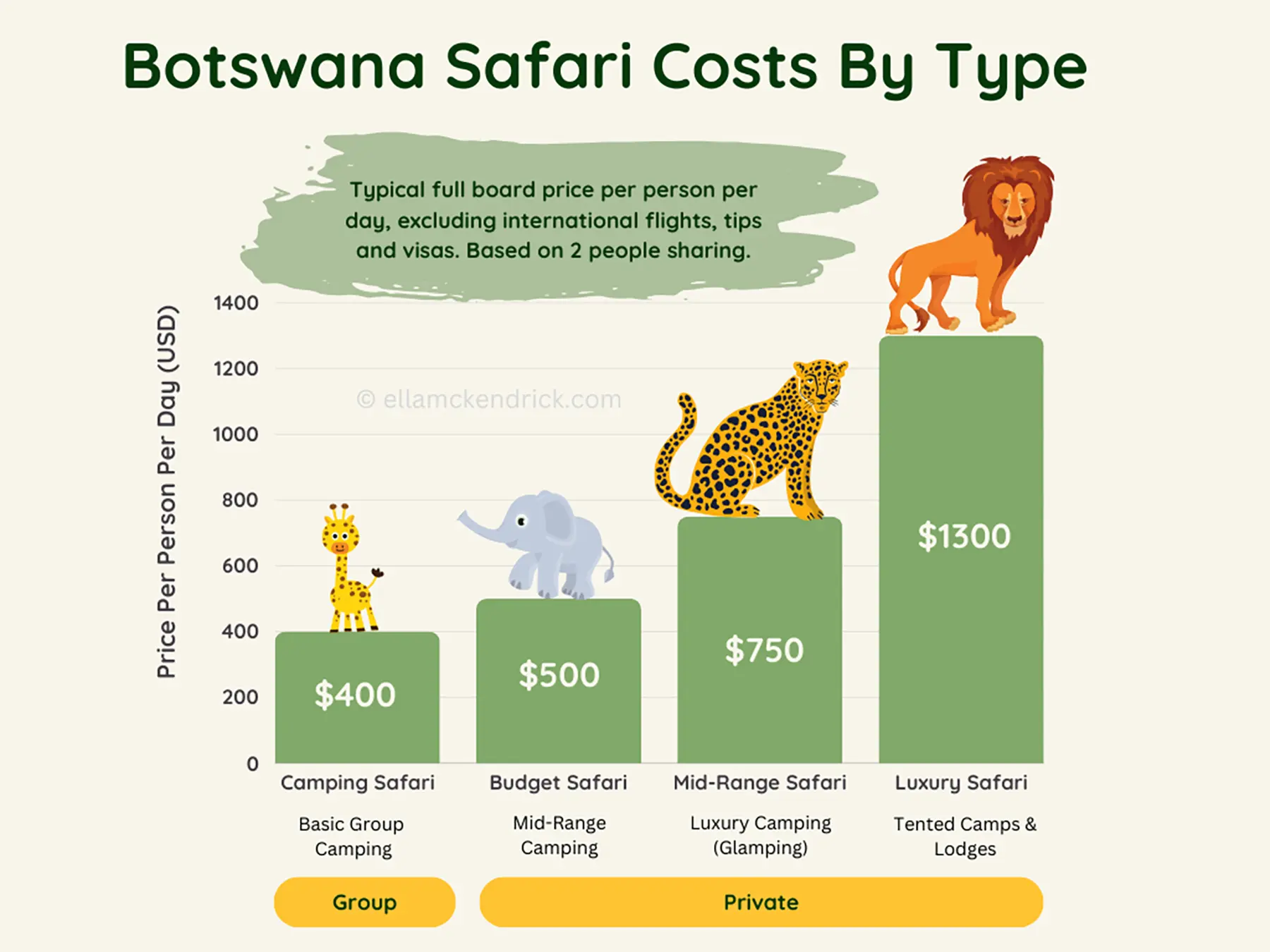
The higher prices are as a result of Botswana’s low-impact high-value tourism scheme where they encourage less tourism to reduce damage to the ecosystem whilst still trying to keep income high. The remoteness of the parks and reserves also adds to the costs.
For an in-depth cost breakdown, you can have a look at my up-to-date guide to Botswana safari costs.
There is a huge benefit however to the elevated costs of Botswana safaris compared to other destinations, and that’s fewer visitors at wildlife sightings. Many times you will have fantastic sightings entirely to yourself!
How Do Botswana Safari Costs Compare to Other African Safaris?
Botswana budget safaris start from $450 per person per day, making the country the most expensive safari destination on the African continent.
For example, Botswana safari costs are around 50% higher than the starting price for a private Kenya or Tanzania safari.
You can see how costs compare across popular African safari destinations below:
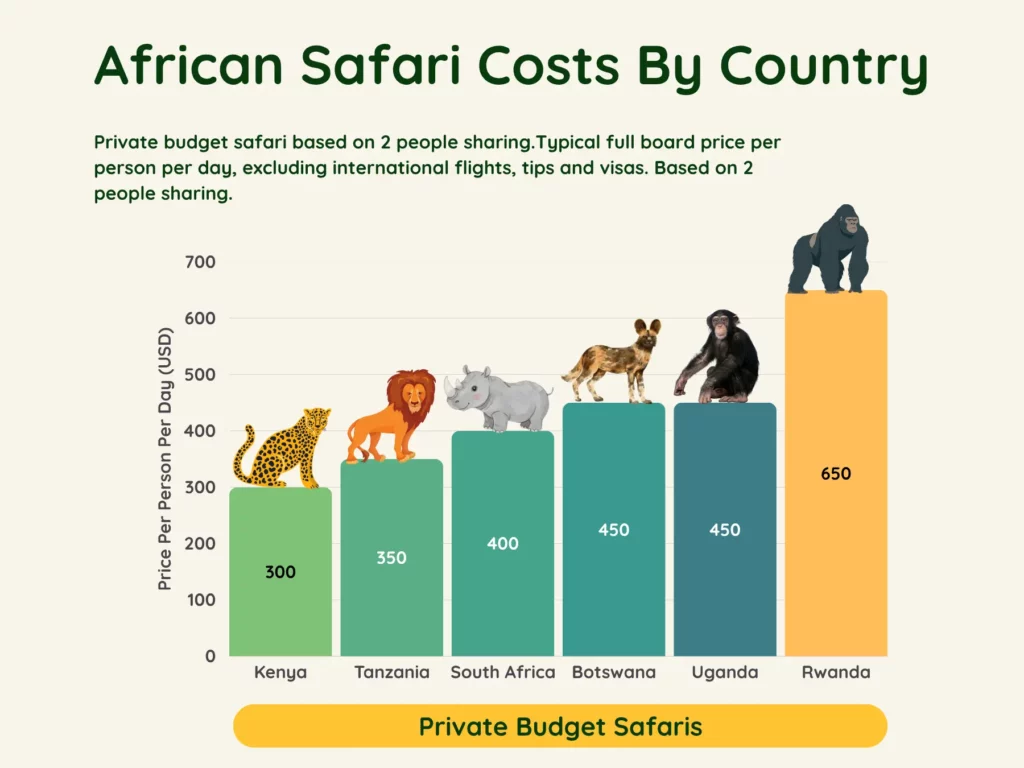
| Destination | Private Budget Safari Cost PP/Day |
|---|---|
| Kenya | 300 USD |
| Tanzania | 350 USD |
| South Africa | 400 USD |
| Botswana | 450 USD |
| Uganda | 450 USD |
| Rwanda | 650 USD |
Botswana Safari Costs Breakdown
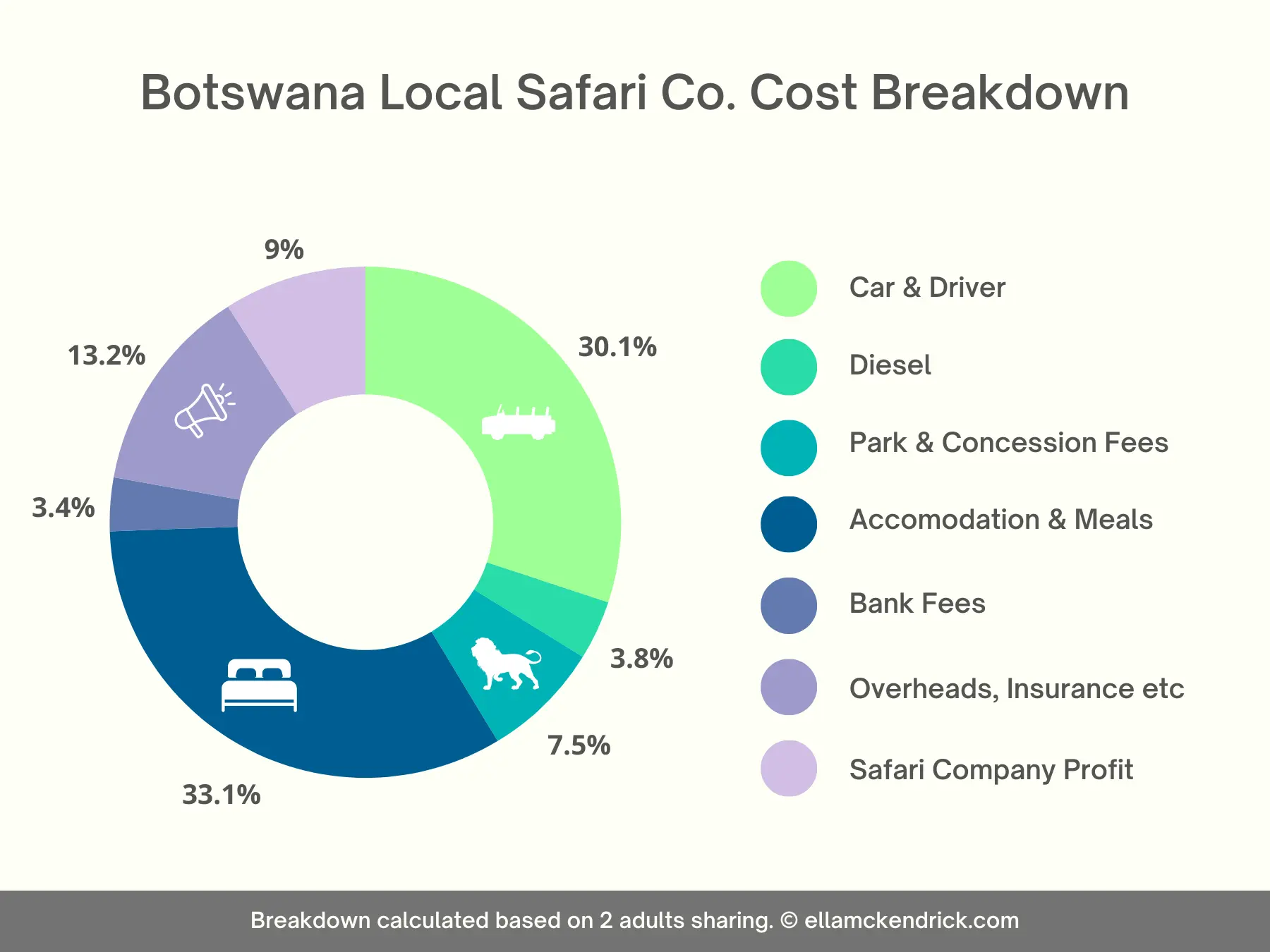
The biggest portion (around 35%) of your total Botswana safari cost goes towards your safari vehicle, fuel and driver guide. When you add in park and concession fees, this takes you to around half of the total safari cost going towards game drives.
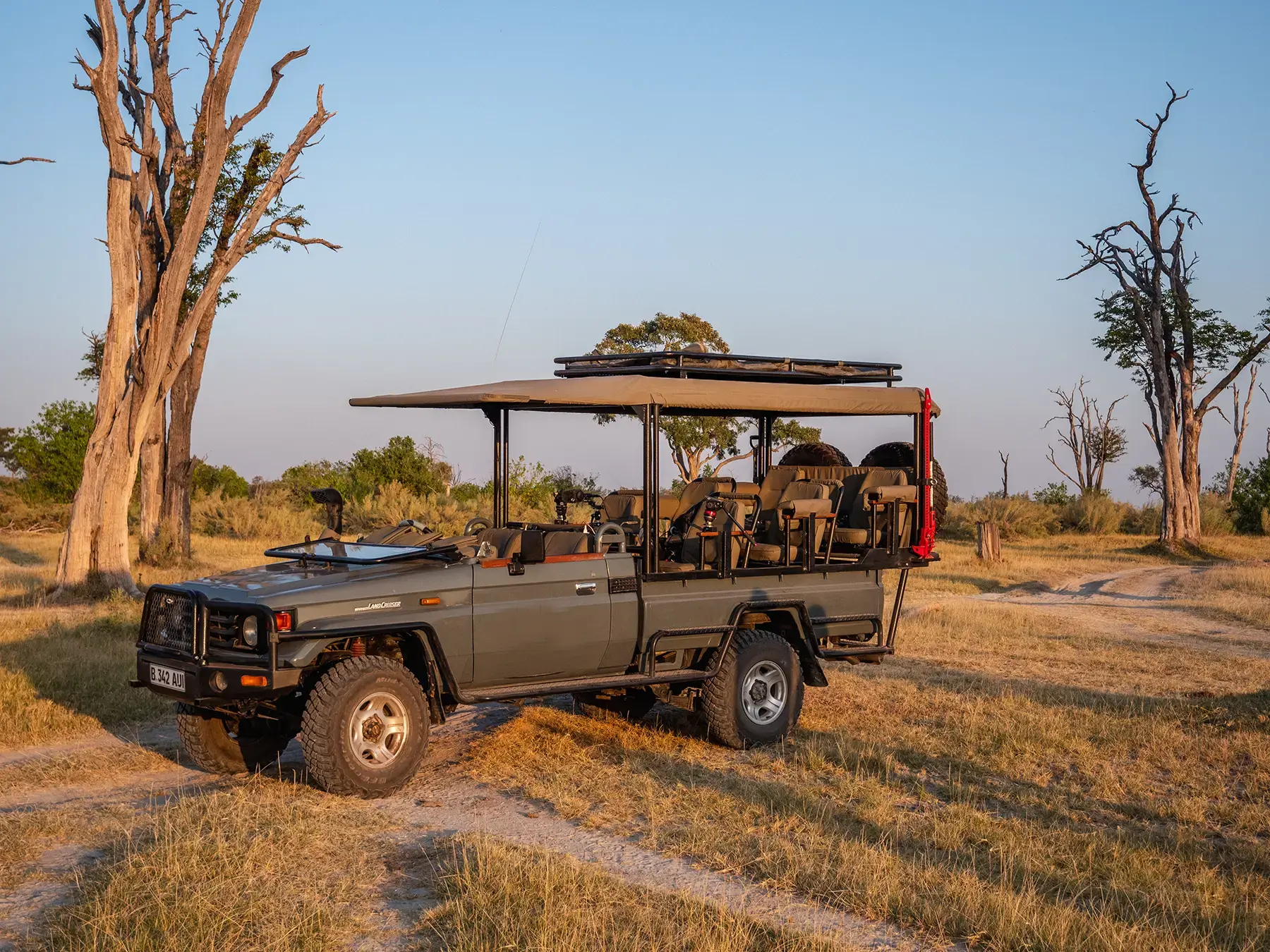
Compared to Kenya and Tanzania safari costs, more money is attributed towards the vehicle and driver guide costs. The driver guides are higher-paid in Botswana as it’s a richer country and they are often, in my experience, very knowledgeable and well educated.
Entrance fees to the parks and reserves in Botswana are quite a bit lower cost than Kenya and Tanzania which helps off-set some of the other higher costs.
In my chart, the total for park and Concession fees assume a mid-range safari where you’ll be staying in a luxury mobile tented camp which requires quite increased overnight concession fees to be paid by the safari company vs basic camping.
Park entry fees are a minor cost at around $10 per person per day plus a nominal vehicle fee of up to $5 per day for a foreign vehicle.
Overnight concession fees range from $30 to $75 per person per night for basic camping and can increase to as much as $100 per person per night for luxury camping (aka a mid-range safari) where the safari company rents a private camp site to allow for plenty of room and privacy to set up a luxury mobile tented camp.
The other half of your total safari cost is allocated as follows:
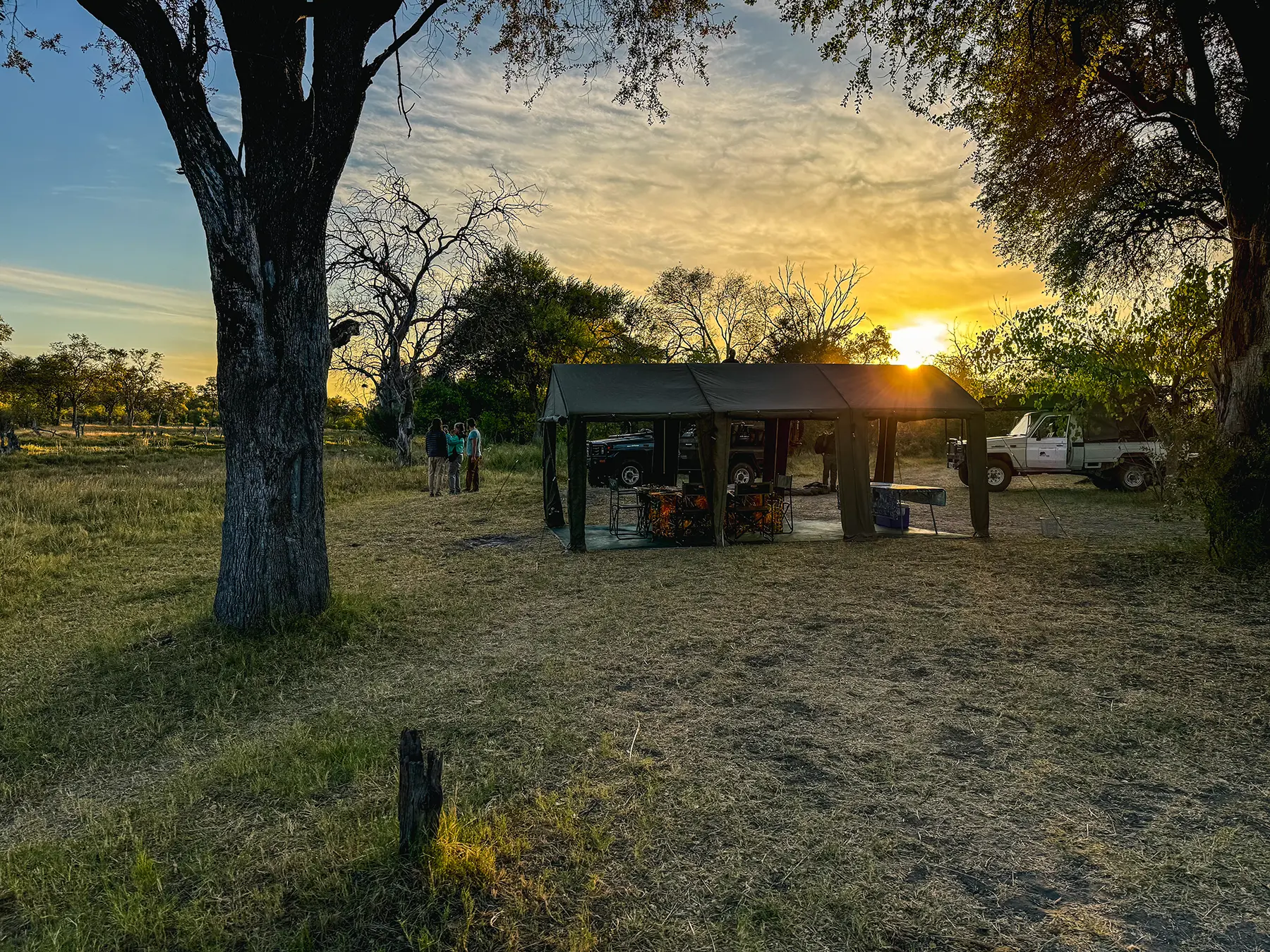
Around a quarter of the cost of a mobile Botswana safari cost goes to your accommodation and meals. This can go up to 50% or more for lodge-based luxury safaris.
The remaining 25% goes on bank fees, overheads such as office support staff and insurance and finally around 9% goes to the local safari company as profits for providing the service. Whilst this is a slightly higher profit margin compared to operators in Kenya and Tanzania it’s still reasonable and much lower than those of an international tour operator.
Also remember, we want the local tour operators to be financially sound.
You can see the complete breakdown in the chart below.
Factors Affecting Botswana Safari Costs
There are a number of factors that can shape your overall safari price, including the type of accommodation you stay at, how you book your safari and even the size of your group.
Let’s take a closer look at each of the core factors which will affect your safari cost below.
Jump to more information on each factor using the links below.
How You Book Your Safari
How you book your safari arguably has the most significant impact on your safari price. You can save a significant amount of up to 50% by booking with a local tour operator as opposed to an international travel agent.
International agents based in the US and UK can charge anywhere from 20% to 50% more than local safari companies for what is essentially exactly the same safari experience. In most cases the international travel agent simply uses the same local operators on the ground to deliver the trip, applying their own branding to the local company’s vehicles.
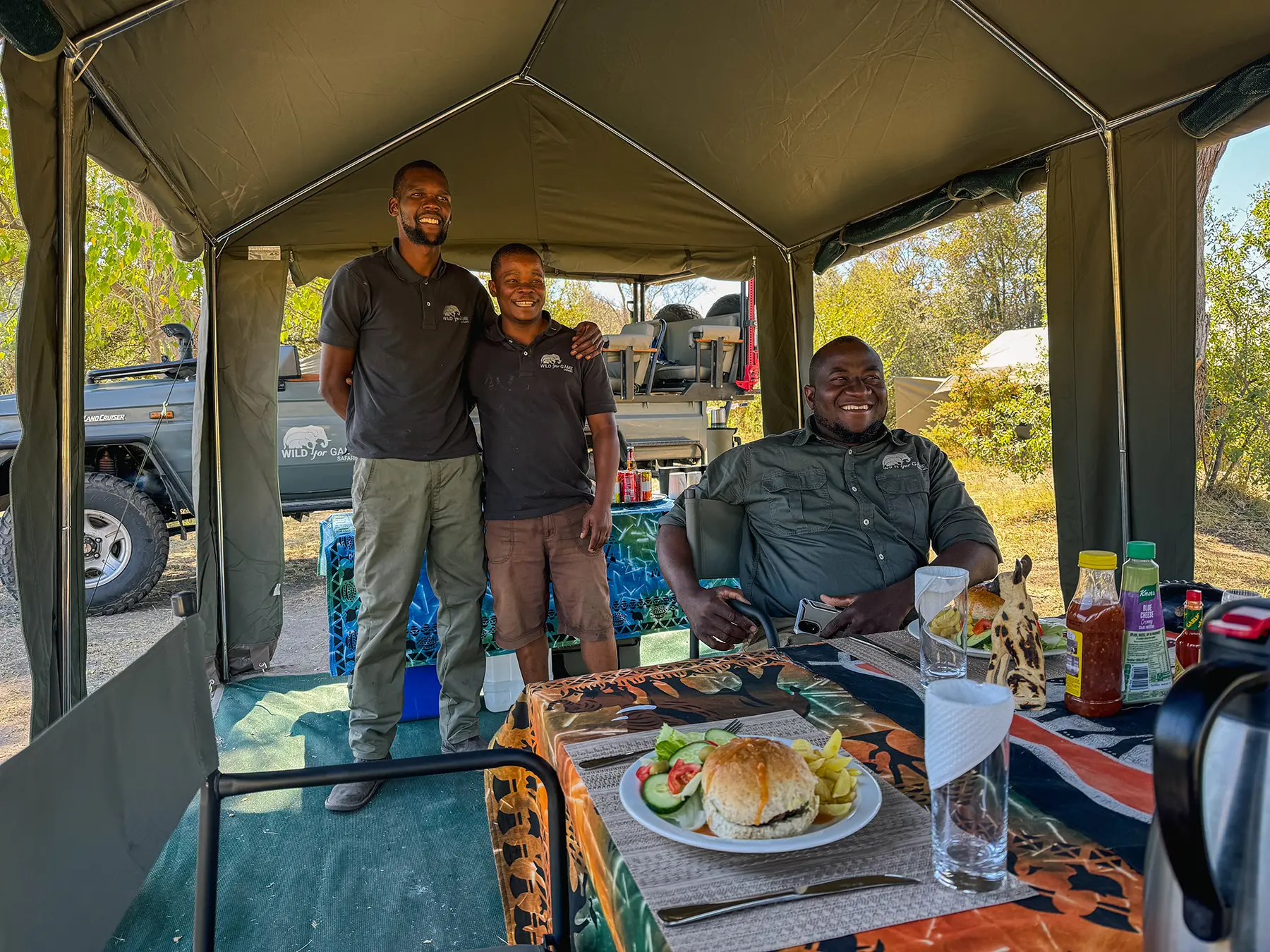
When you book with a local safari company, not only do you benefit from these savings, but you also benefit from their special accommodation rates. Because of the volume of business they bring to the camps and lodges, they’re often able to secure prices you simply couldn’t get yourself, a big plus of booking with a local operator over booking accommodation yourself.
I saw this benefit myself when a guest who recently booked their safari with one of my recommended local tour operators emailed me, informing me that they simply couldn’t believe the rate that the safari company had managed to secure them a lodge for, saying it was far cheaper than if they’d booked it themselves.
Below you can view a chart of typical budget safari costs based on the booking method.
[CHART]
My Preference: I always choose to book my safaris through local tour operators. This is exactly how I booked my own Botswana safari and I was extremely happy. Even when I opt for fly-in safaris, I still rely on local operators as they handle everything, including airport transfers and internal flights.
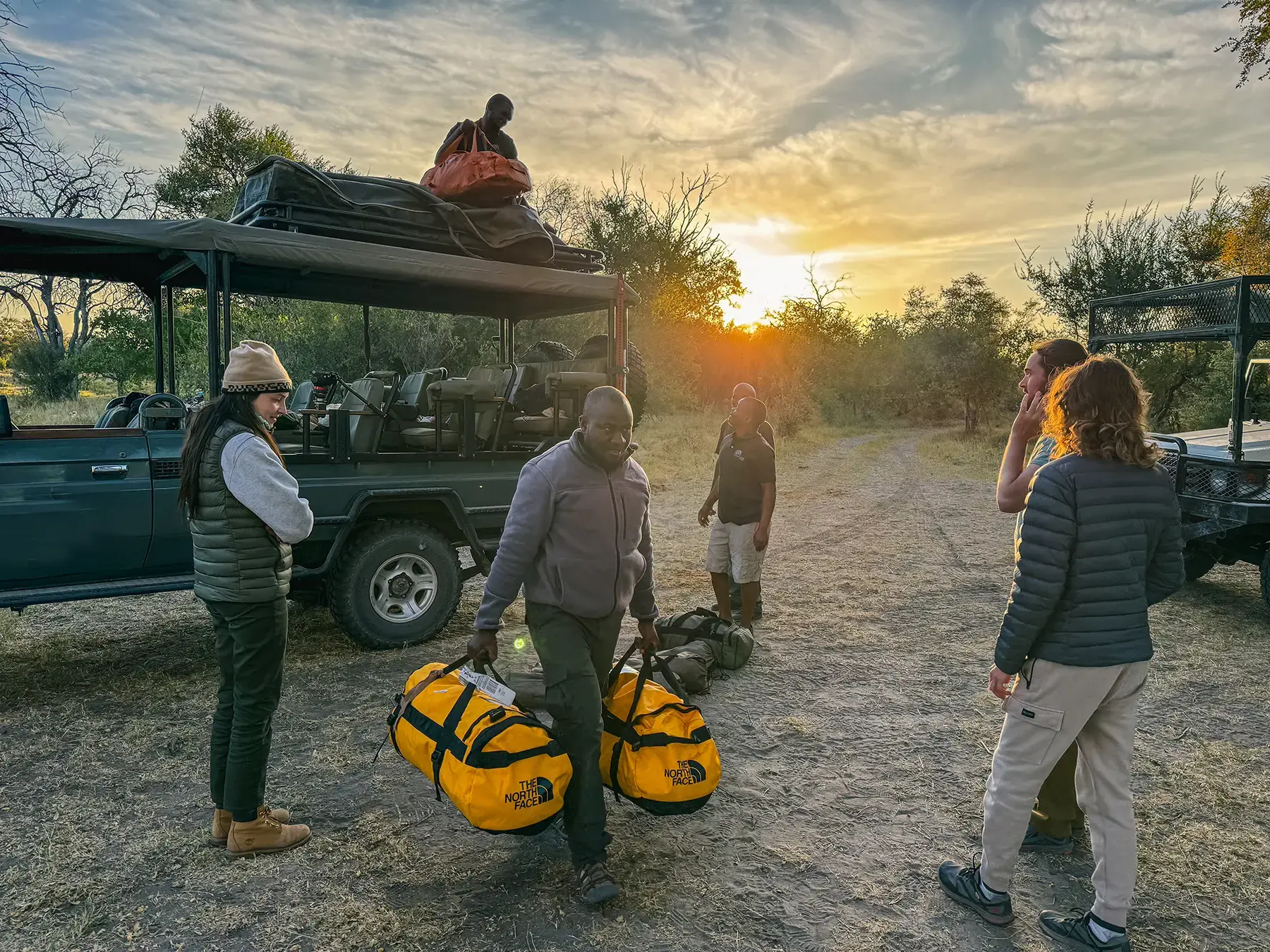
Accommodation Comfort Level
The level of accommodation that you choose will have a large impact on your overall safari cost.
For mobile tented camps with a comfortable bed and en suite bathroom (glamping), prices start from $650 per person per day.
Prices go up drastically if you upgrade from a mobile camping safari to a lodging safari. This is when the base-line price becomes $1,300 per person per day with some luxury lodges as much as $7,000 per person per day!
Accommodation prices also vary a lot by region. Lodges and camps within national parks and private reserves are significantly more than lodges located outside the wildlife areas.
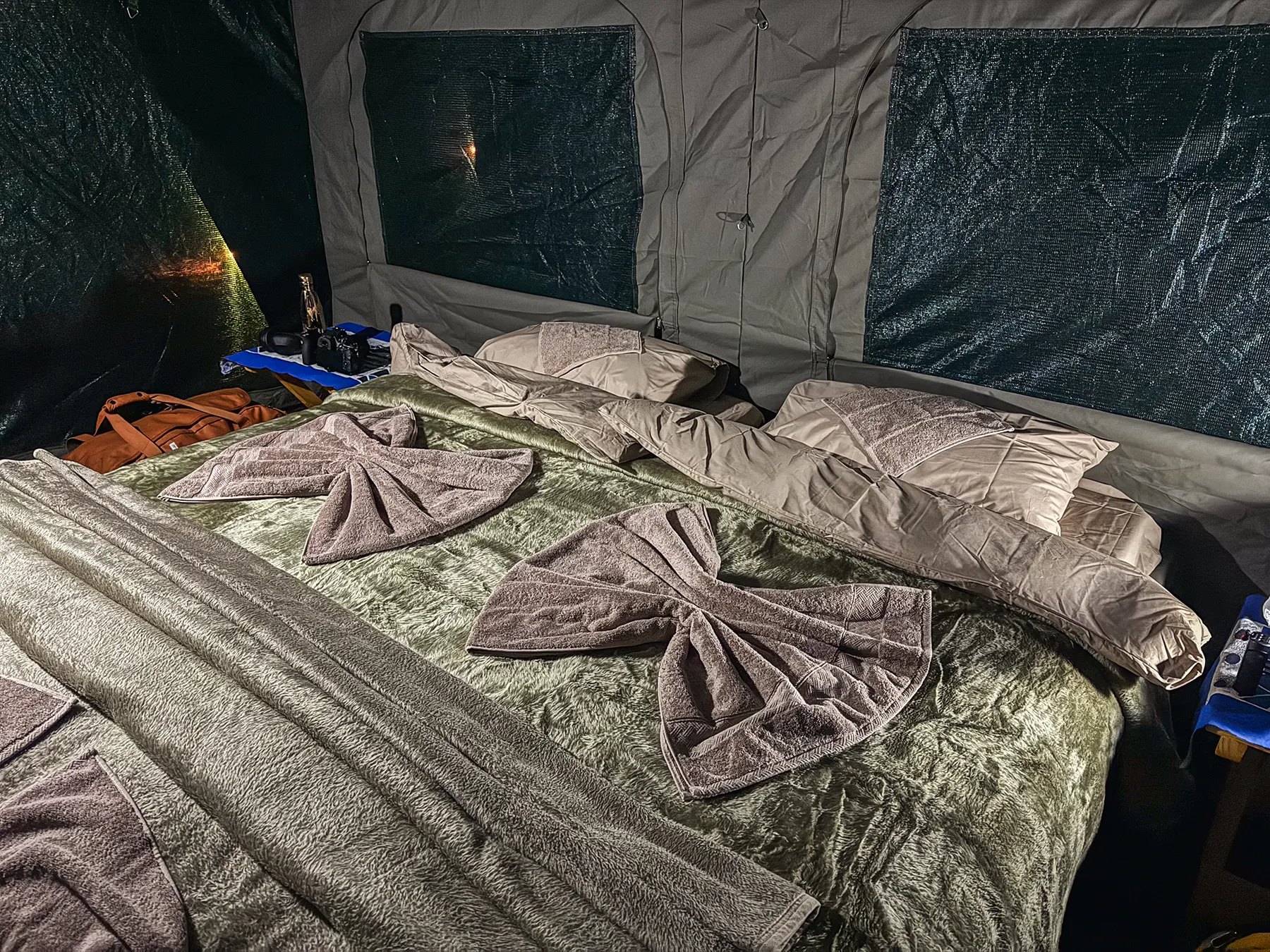
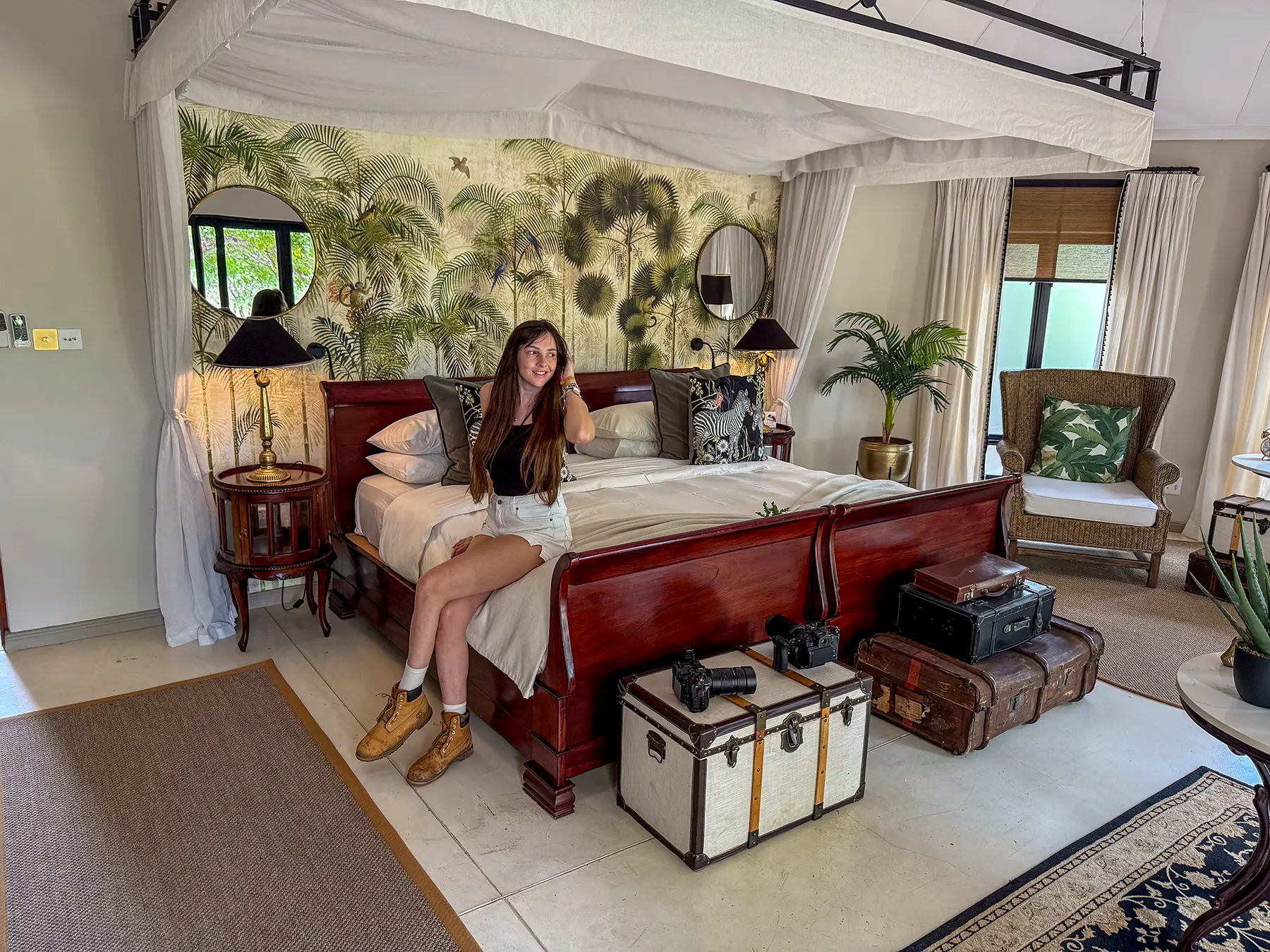
My Preference: I personally love mobile camping safaris! They provide the perfect balance of complete immersion within nature by basing you in the heart of wildlife areas, whilst not compromising on creature comforts like a comfortable bed or adjoining en-suite bathroom.
As you’ll be spending most of your days out on game drives, having an extravagant room isn’t essential.
A key part of accommodation for me is the food. Well I’m pleased to say there’s zero compromising with food on a mobile safari as you have your own private chef who cooks meals exactly to your preferences. I’m not exaggerating when I tell you the food I enjoyed on my mobile safari was some of the best I’ve ever had!
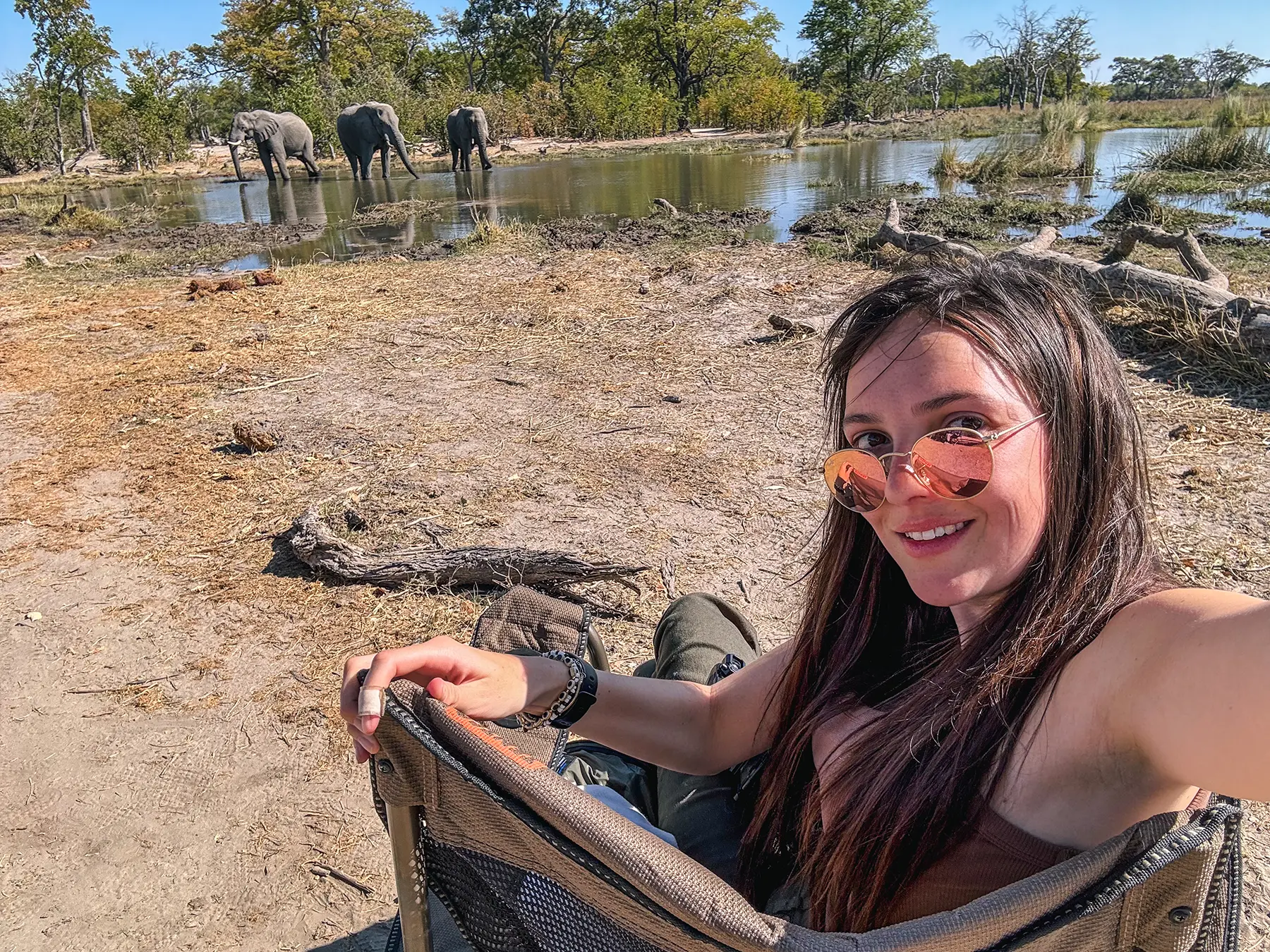
Time of Year
Botswana safari costs can vary quite significantly throughout the year.
Unlike many other safari destinations, Botswana’s park entrance fees stay the same all year round, in both the high and low seasons. However, park fees are a nominal part of your Botswana safari cost.
The biggest difference is in lodging costs. You can find savings of up to 40% by booking your safari in the green season as opposed to the dry season. The biggest savings are typically seen with the more luxurious lodges.
Mobile camping safaris fluctuate far less. However, a $100 per person day difference between peak and low season is not to be sniffed at. Booking for the green season can save you thousands.
My Preference: In my opinion you can’t really go wrong with any time of year apart from January and February which are the wettest.
Each time of year offers something different, be it quieter parks in the green season or higher chances of seeing wild dogs in the dry season.
I guess what this really means is you should plan a return trip so you can visit at both times of year!
Mode of Transport Between Parks
There are two main ways to journey between parks in Botswana: by road or by air.
The most popular way to travel is by road, which is the most budget-friendly choice as you’ve already paid for the vehicle for the entire day.
Botswana is a vast country with long distances between reserves, so these transfers can be long, bumpy and dusty. For many people, that’s all part of the adventure, and it’s a wonderful way to take in the changing landscapes.
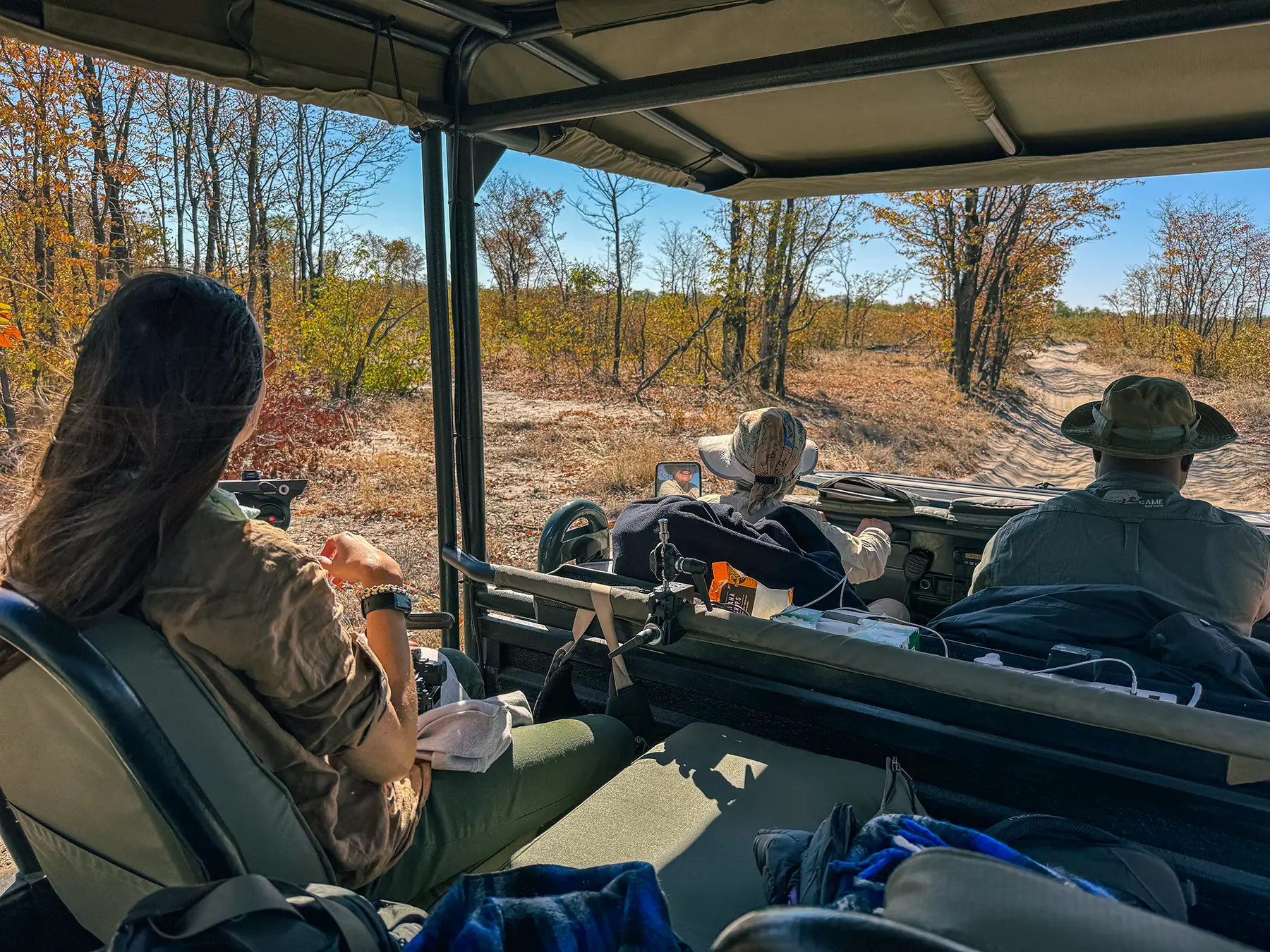
There are situations, however, where flying is well worth considering, and in some cases necessary. For example, if your flight to Maun lands in the afternoon and you’re starting your safari right away, there simply isn’t enough time to drive to Moremi or Khwai and so flying is the only option, unless you are happy spending the night in Maun.
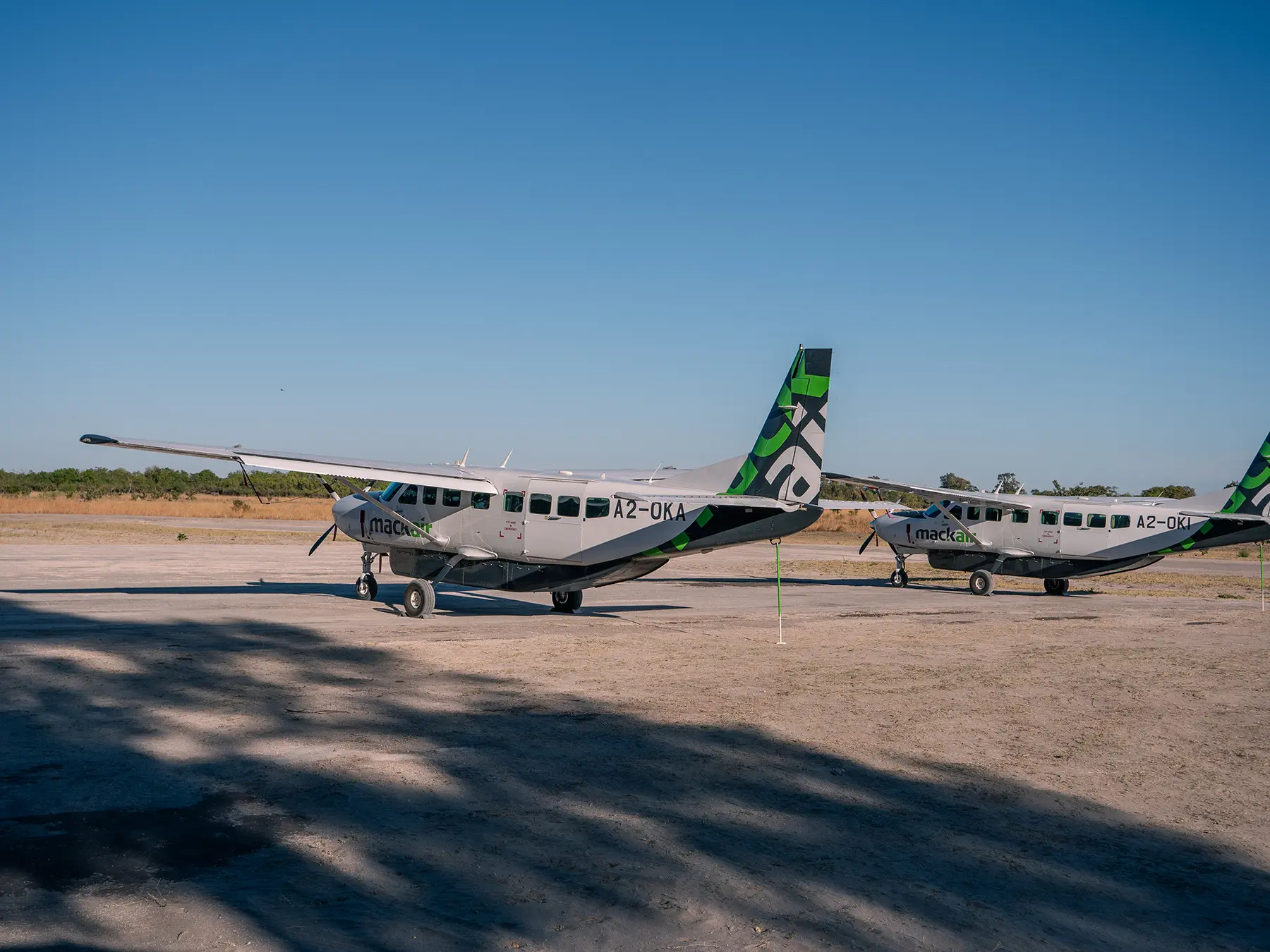
Botswana’s remote reserves are connected by a network of bush airstrips, and a light-aircraft flight can turn a long, full-day drive into a short hop, leaving you far more time on safari.
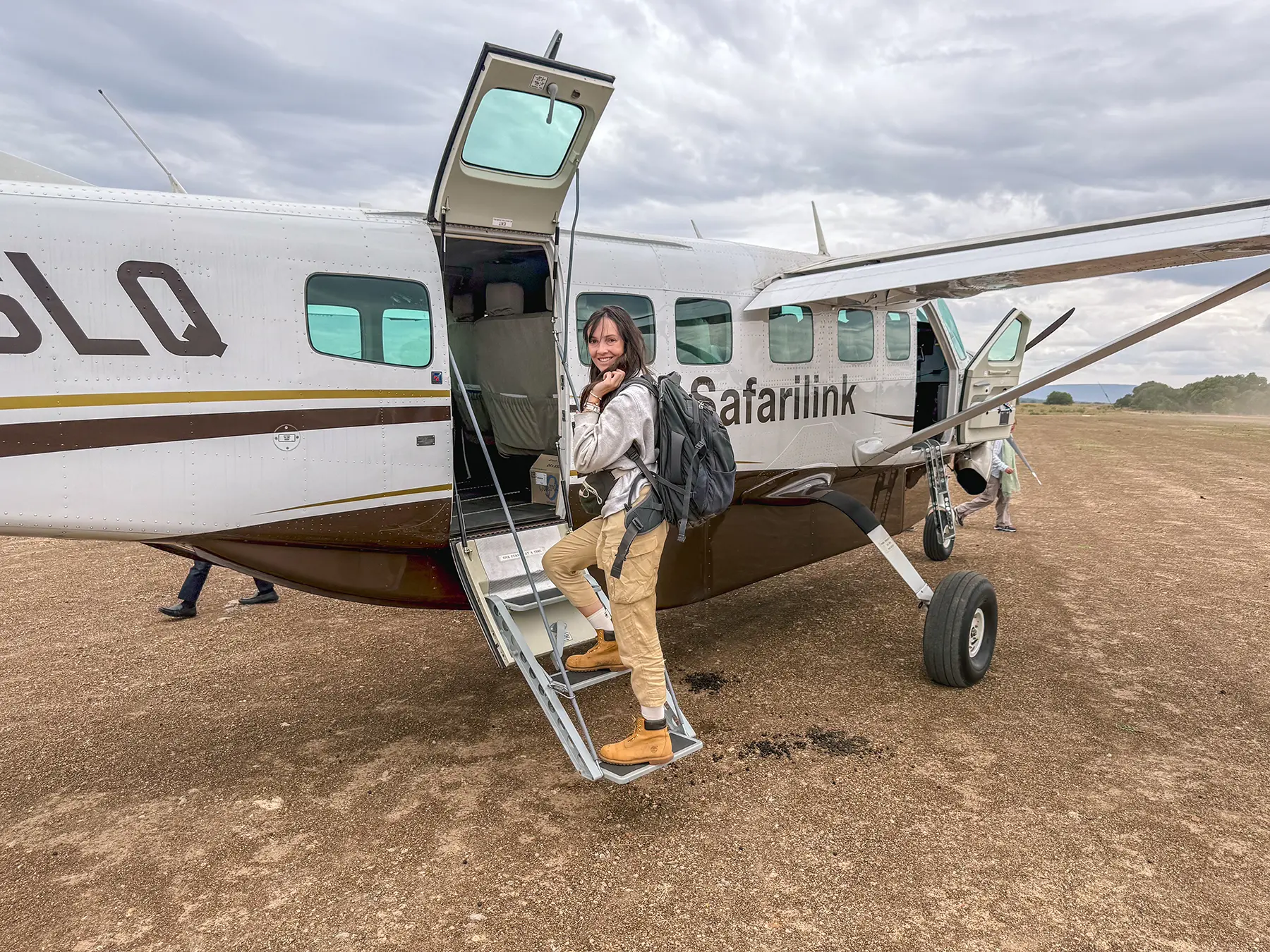
Some locations in the Okavango Delta are only accessible via light aircraft or helicopter making them mandatory.
The main drawback of flying is the cost. Costing around $300 per person per flight, the costs can start to add up if you add a few flights to your itinerary.
Another drawback is the luggage limitation. Botswana’s bush planes typically allow only 15 – 20 kg of luggage per person, including 5 kg of hand luggage, and will only accept soft-sided bags.
My Preference: Given Botswana’s long distances, I think flying is worth it if your road alternative is going to take the best part of a day (6 hours or more). For shorter transfers, though, I’m very happy to travel by road and enjoy the scenery. However, this is very much a personal preference.
Group Size
The number of people travelling with you on safari can significantly influence individual safari costs. This is because the fixed cost of the vehicle and driver guide is shared between everyone in your group.
A solo traveller pays the full daily vehicle cost themselves, around $350 per day. For two people sharing, that drops to $175 each. For four people that figure would halve again and so on, up until 7 people which is the maximum that can fit in a typical safari Land Cruiser.
The biggest saving by far comes from going from one person to two, a difference of around $175 per day. After that, the savings become more marginal.
Lodges also tend to add single supplement fees for solo travellers.
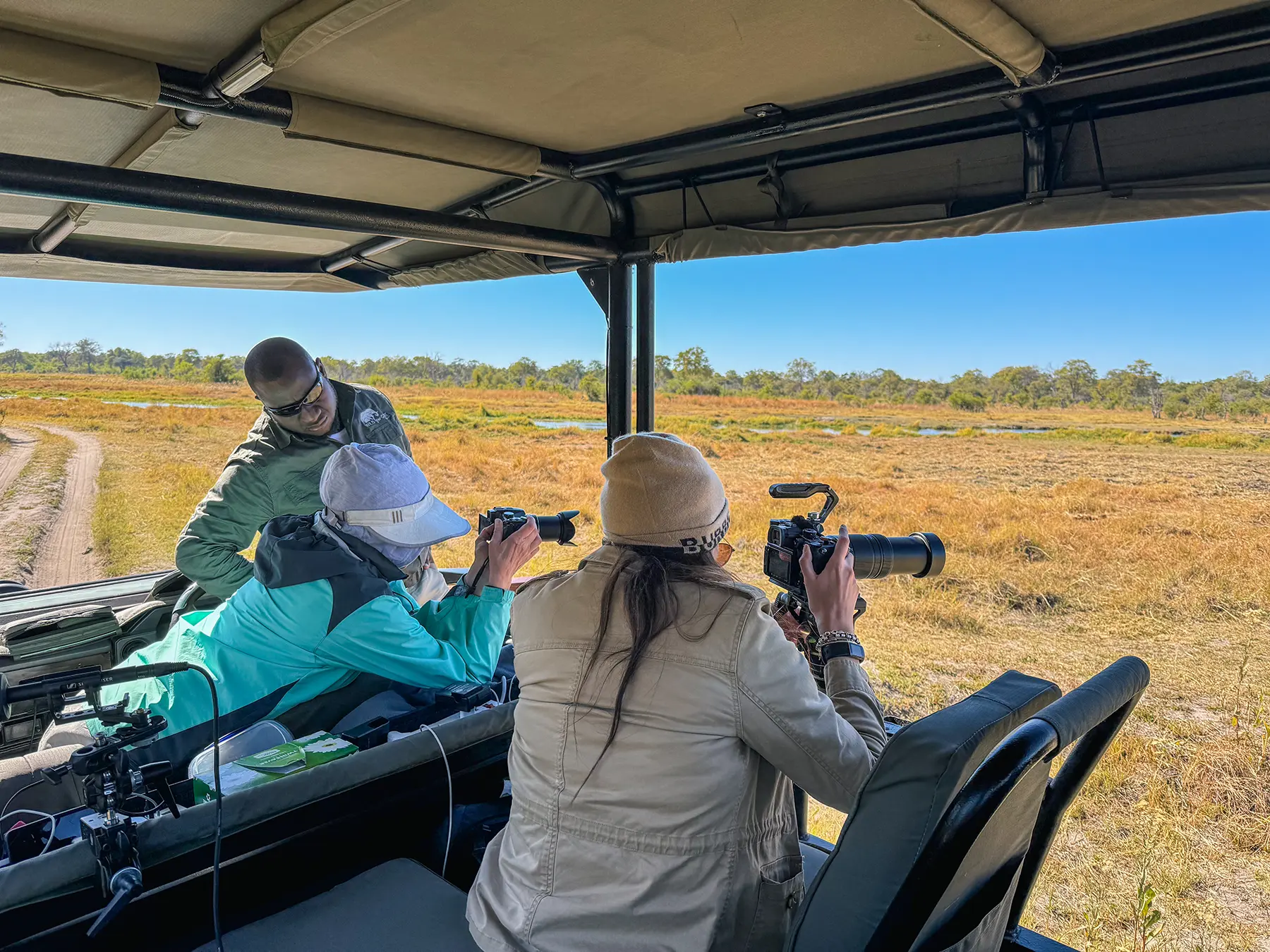
My Preference: I personally like a maximum of 2 or 3 people, including myself, in the back of the safari vehicle. This lets me move around freely for sightings on both sides and get the best angle for my photos.
When Is the Best Time to Visit Botswana?
Botswana can be visited pretty much throughout the year, with the exception of January and February, which are the wettest months.
The typical on-paper best time to visit Botswana that you will likely see referenced on other reading material is during the peak of the dry season, from July to October.
The dry season is favoured for the low likelihood of rain, sparser vegetation for easier wildlife spotting, and the annual flooding of the Okavango Delta, which makes the waterways come to life.
It’s also easier to see wild dogs at this time as they are usually denning.
However, I don’t believe this is the best time for everyone to visit. This is peak season which means parks and reserves are at their busiest and prices are at their highest. Some lodges have 40% price increases for this period.
The green season provide baby animals and related preditor activity as well as being the best time for birders.
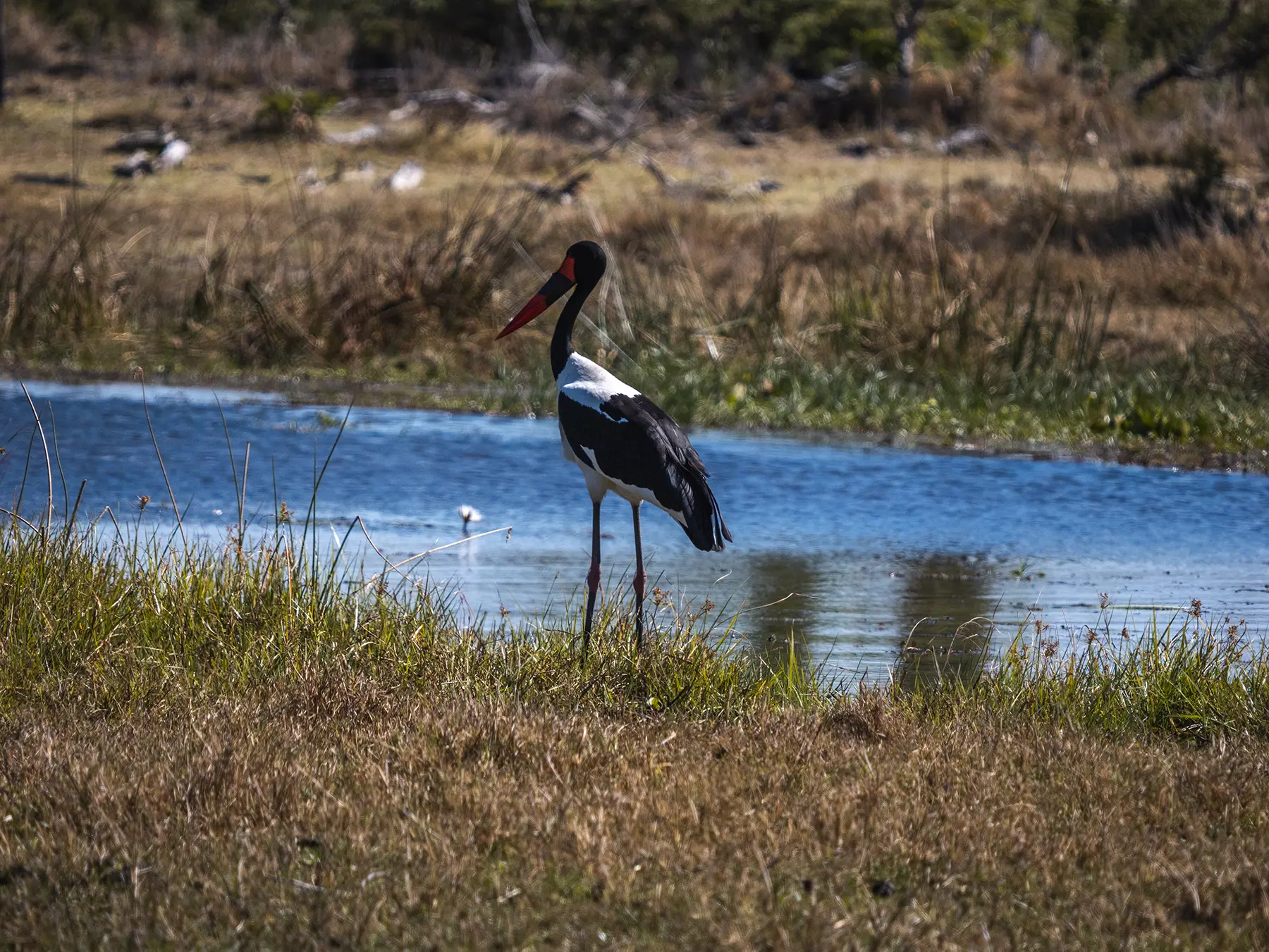
I’ve ranked each month of the year for safari in Botswana as Excellent, Good, OK, or Poor, based on typical game viewing and weather conditions.
My Preference: In my opinion you can’t go wrong with any time of year apart from January and February which are by far the wettest months.
We all have different preferences and priorities, so read on for the pros and cons of each season and choose the time that suits you best.
Jump to more information on each of the seasons using the links below.
The Dry Season (May – October)
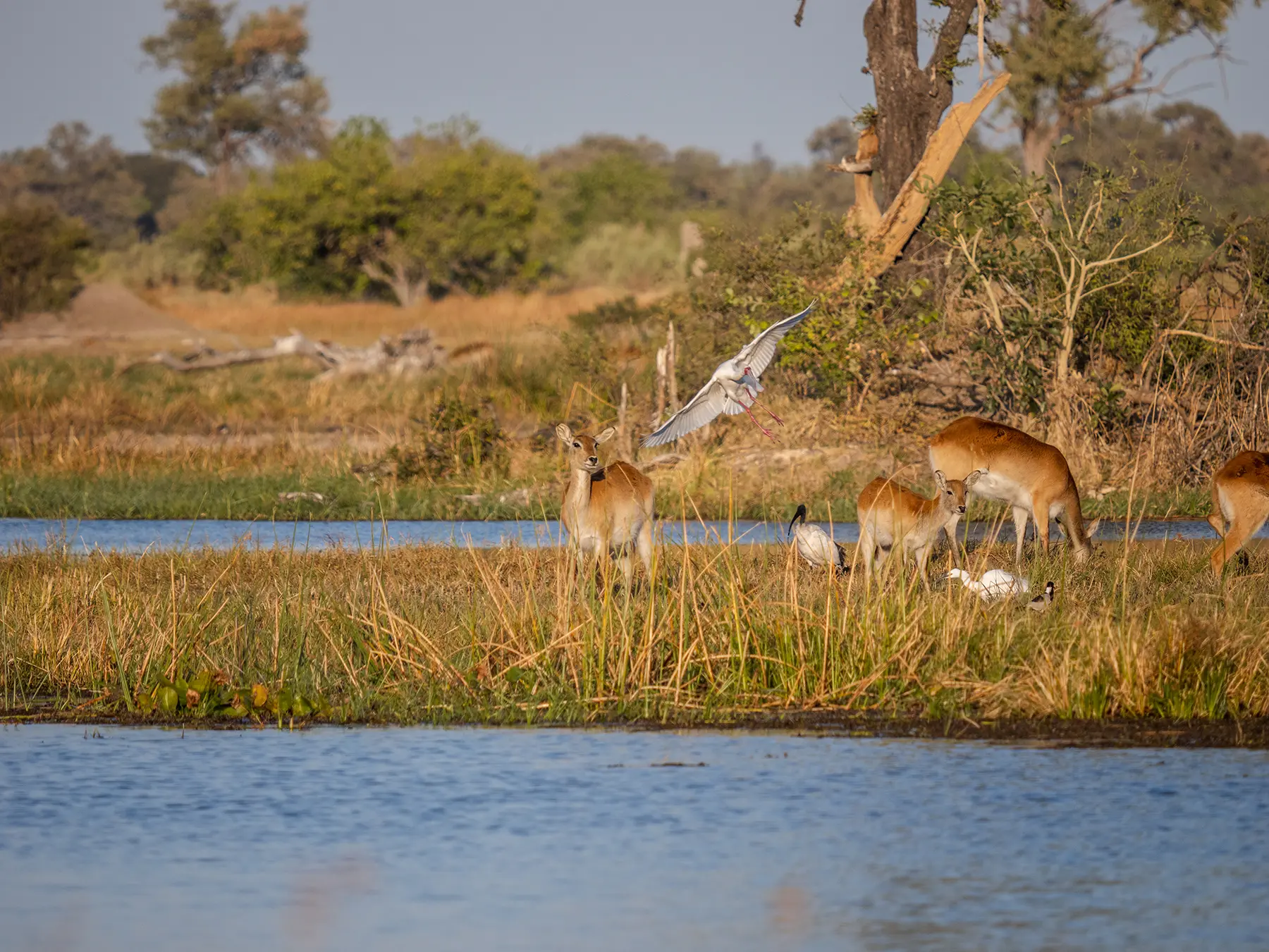
The Dry Season (May – October)
The dry season is the most popular time to visit as it is considered the best all-round period for wildlife viewing and weather. It’s ideal for those who don’t mind enjoying these benefits at the cost of higher prices and busier camps.
At this time of year, vegetation is sparser and so it’s easier to spot wildlife. Without an abundance of water sources (with the exception of the Okavango Delta), animal movements are easier to predict as they journey to the last few waterholes and rivers.
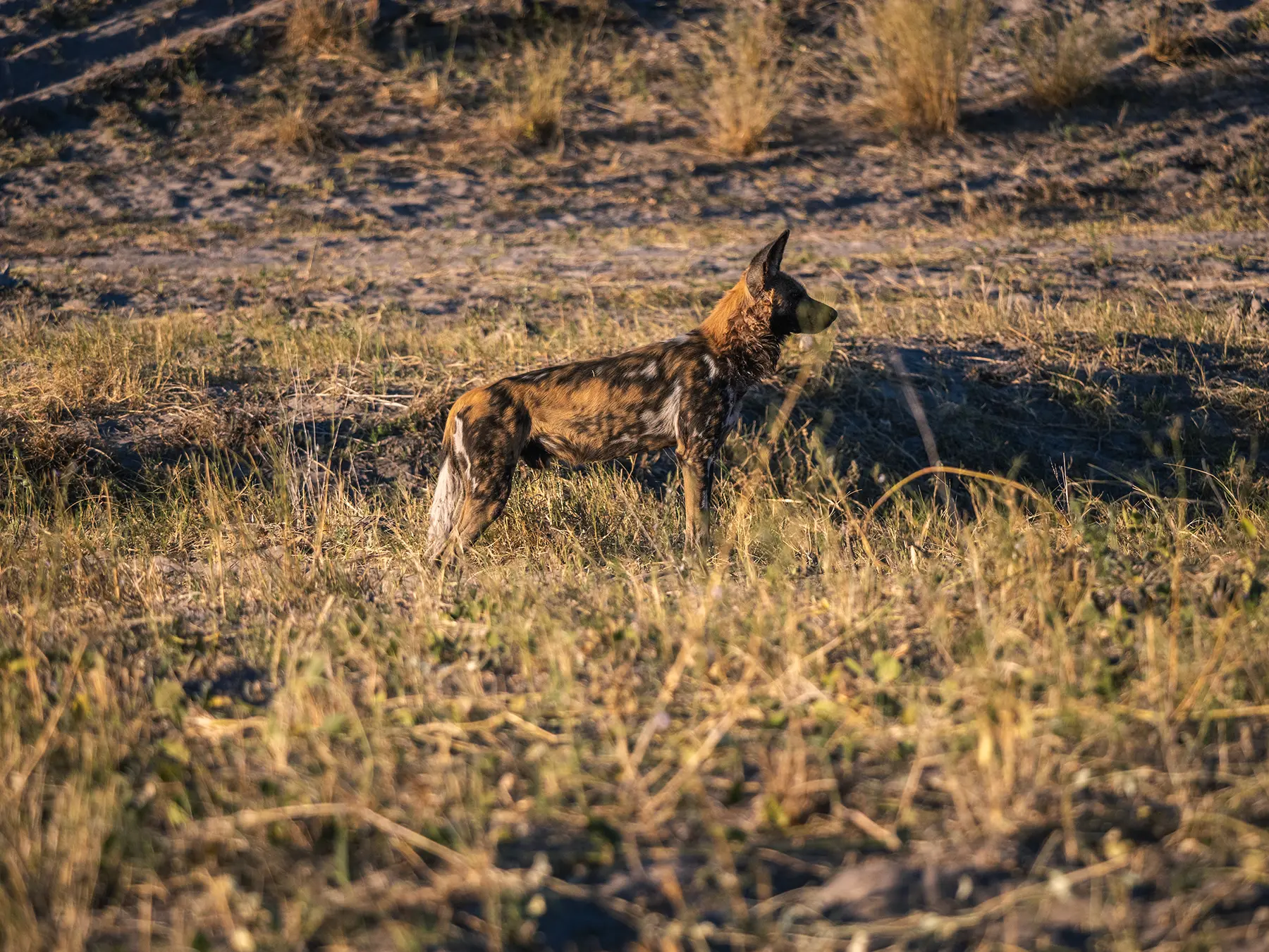
The big plus for this time of year is that wild dog denning season overlaps this period, making them much easier to find.
The Okavango Delta starts to flood in mid-June, transforming the area into a beautiful blue oasis. If you’d like to catch a glimpse of this spectacle, coming between mid-June and September is best.
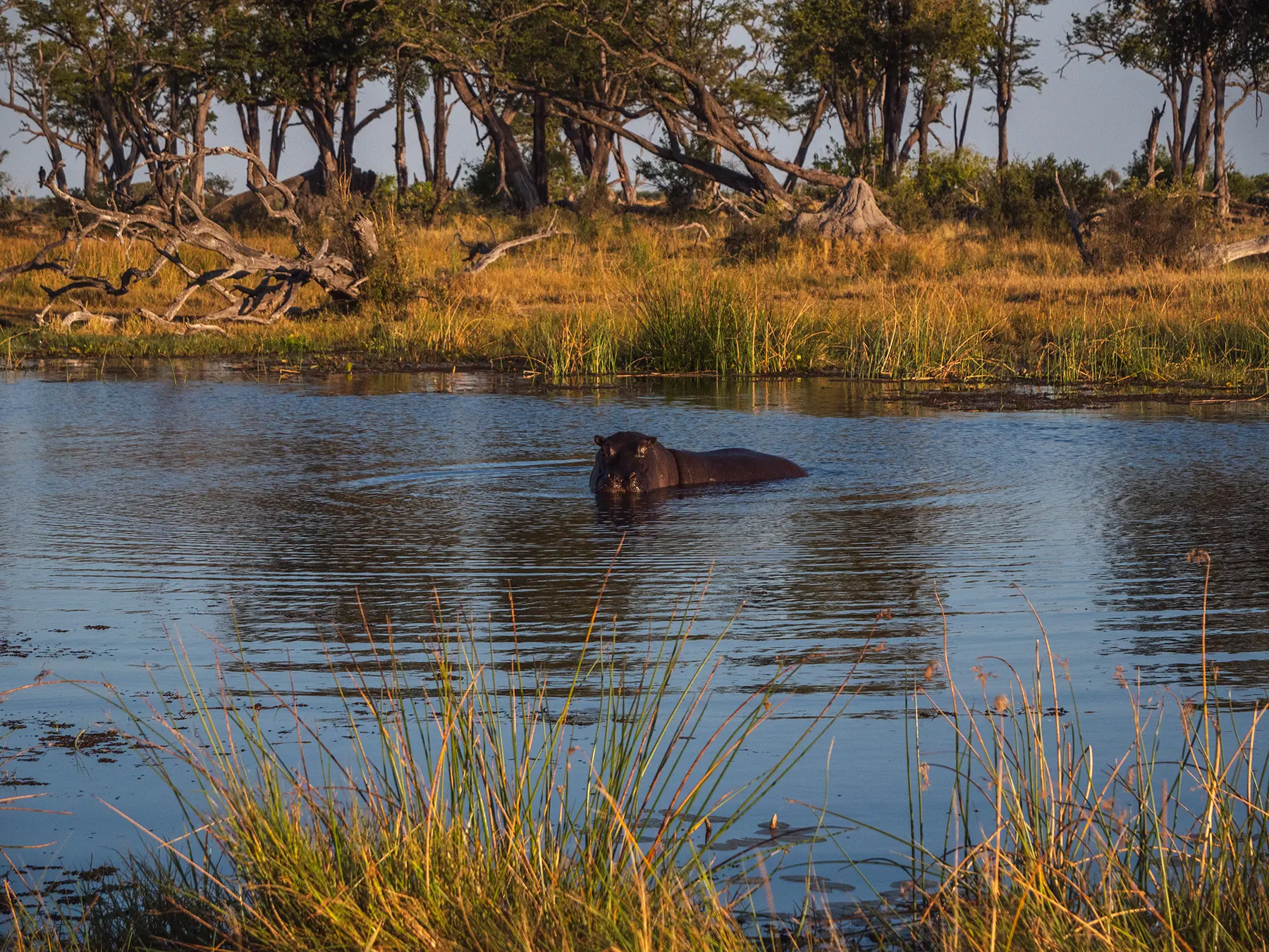
Quick Facts
Prices: Peak season with the highest accommodation prices.
Weather: The driest period, with minimal rain and sparse vegetation. Moderate daytime temperatures (77-82°F / 25-28°C) but it can be quite cold in the early mornings (around 41°F / 5°C), especially in open safari vehicles.
Wildlife: Animal movements are more predictable. Animals congregate around watering holes and the Chobe riverfront. The brown, sparse landscape gives excellent visibility.
Birding: Birding is good but not at its best. Resident species are present, with fewer migratory species than the green season.
Unique features: The Okavango flood waters arrive, providing more opportunities for boating safaris. Wild dog denning season takes place, making these elusive predators much easier to spot.
Pros of the Dry Season
- Good wildlife viewing, with animals at predictable water sources
- Excellent visibility with sparse vegetation
- Wild dog denning season (May to August)
- Comfortable daytime temperatures
- Dry conditions make roads accessible
- Okavango Delta at its most beautiful
Cons of the Dry Season
- Peak season with the highest prices
- Cold early mornings in open vehicles
- Brown, sparse landscape is less photogenic
- The busiest period for parks and lodges
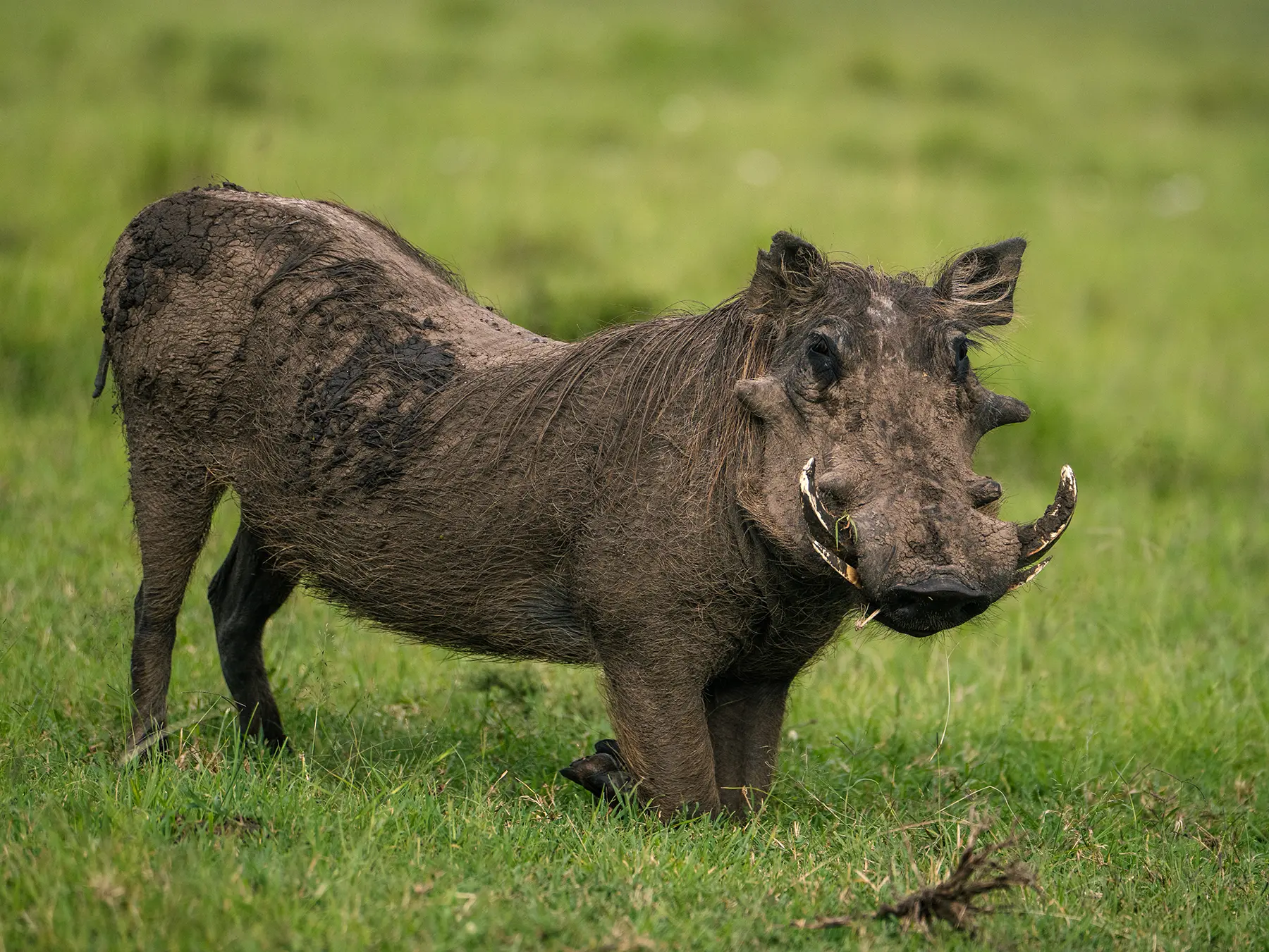
The Green Season (November – April)
The green season suits visitors who like it quieter with lower prices, whilst still enjoying great wildlife sightings. It’s a particularly good time of year for keen birders.
Come November the rains usually start to fall. However, it rarely rains all day and the downpours are typically restricted to the evenings, allowing plenty of time to enjoy dry game drives. The only exception is in January and February when the rains are at their heaviest and can be disruptive.
The rains transform Botswana into a lush, green wilderness. Baby animals start to be born and migratory bird species start to arrive.
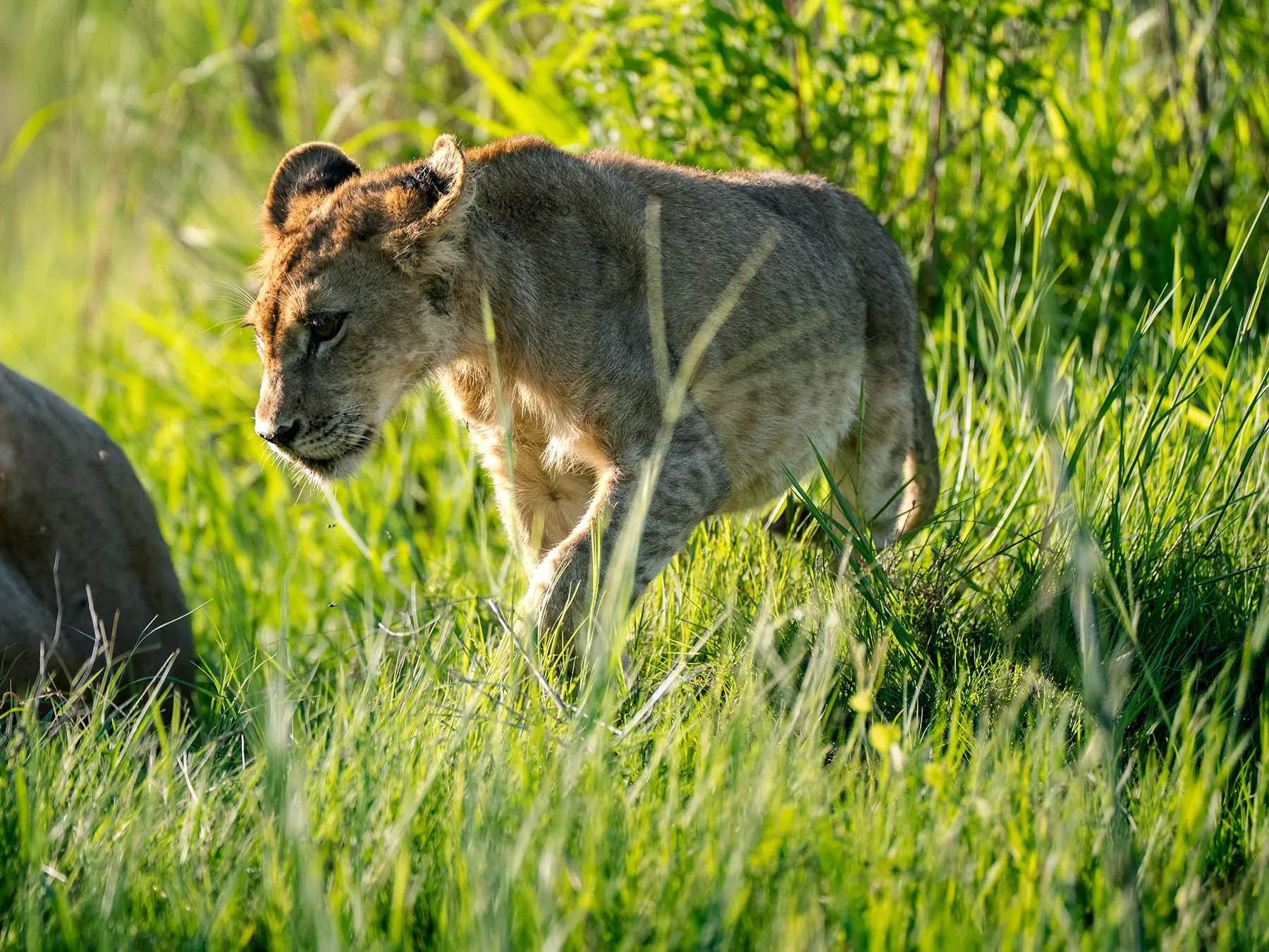
Quick Facts
Prices: More favourable, with up to 40% off high-season lodge prices.
Weather: Expect some rain during this period, especially in January and February. Lush green landscape, warm and humid, with temperatures from 64°F to 95°F (18°C to 35°C).
Wildlife: Whilst on paper, wildlife viewing is more challenging due to lush vegetation, there is still so much to see! Some added benefits of this season include seeing the zebra migration in Makgadikgadi National Park, and baby animals start being born which in turn provides some great opportunities to see predators in action.
Birding: Birding is at its best at this time of year as migratory birds arrive from November to March. Over 600 species can be seen across the Okavango Delta, Chobe and Kalahari.
Unique features: Dramatic photography with green backdrops and stormy skies, zebra migration, the Kalahari desert is fabulous at this time of year
Pros of the Green Season
- Up to 40% off high season lodge prices
- Best birding season, with 600+ species
- Lots of baby animals provide some great sightings as well as opportunities to see predators in action
- Fantastic conditions for photography with bright green backgrounds and dramatic skies
- Fewer crowds at camps and lodges
Cons of the Green Season
- Some lodges close completely
- Roads may be closed or impassable
- Whilst mokoro trips are still possible, they are generally less accessible and on different waterways than in the dry season
- Wildlife harder to spot in dense vegetation
- Heavy rains can interrupt safari plans, with January and February the wettest months
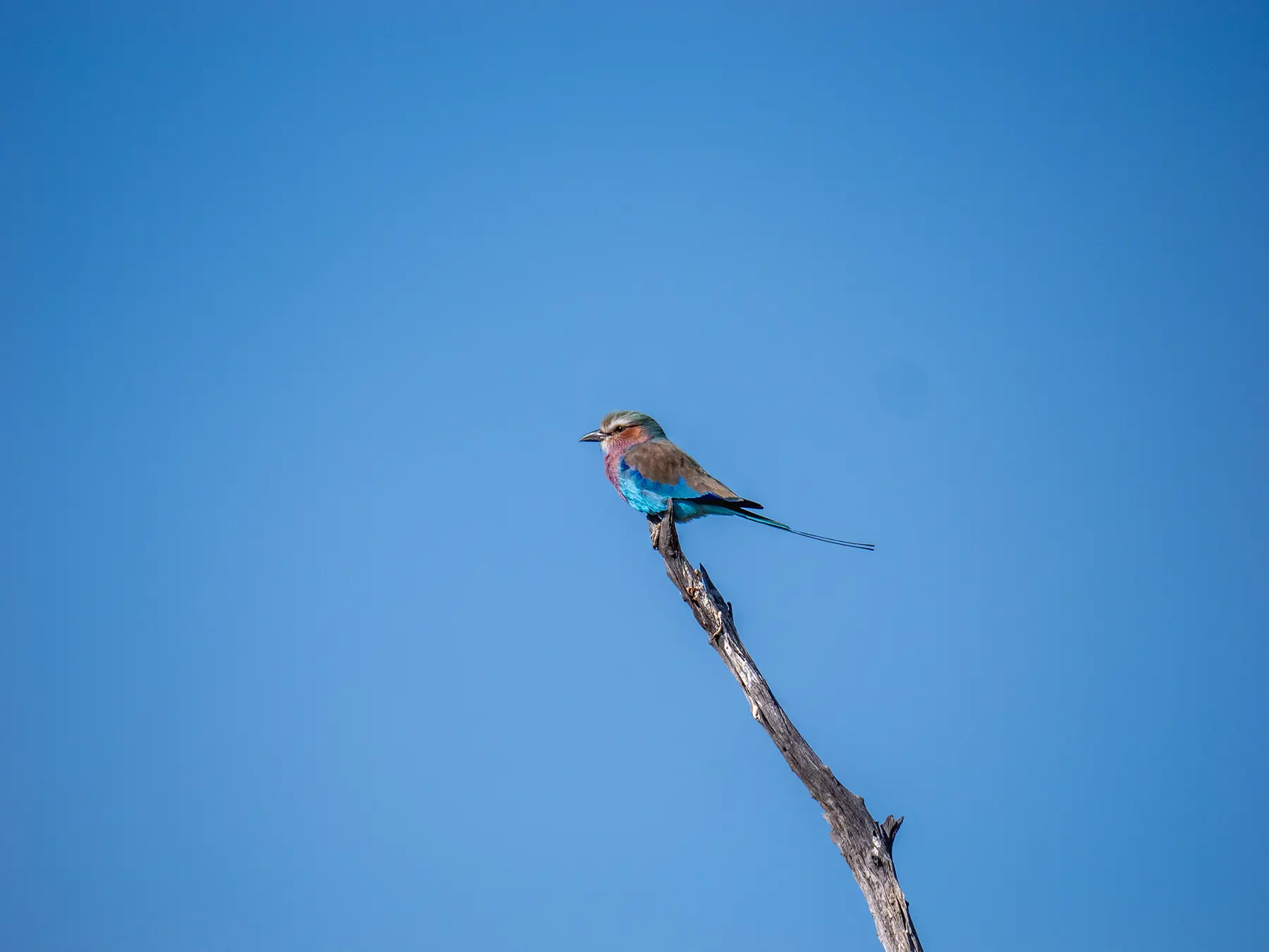
How Long Should You Spend on a Botswana Safari?
I strongly recommend spending at least 7 days on safari in Botswana as this gives you time to visit three or four areas such as the Moremi and Khwai in the Okavango Delta, Savuti and Chobe Riverfront in Chobe National Park.
You will have enough time to enjoy multiple game drives at each location and avoid rushing between reserves.
With 10 days on safari in Botswana You can also cross the Zimbabwe or Zambia border to spend a day in Victoria Falls at the end.
For the ultimate 3-Week Botswana Safari you can reach remote areas like the Central Kalahari.
A shorter 5-day itinerary works if time is limited and can be focused on one area such as the Okavango Delta or Chobe National Park.
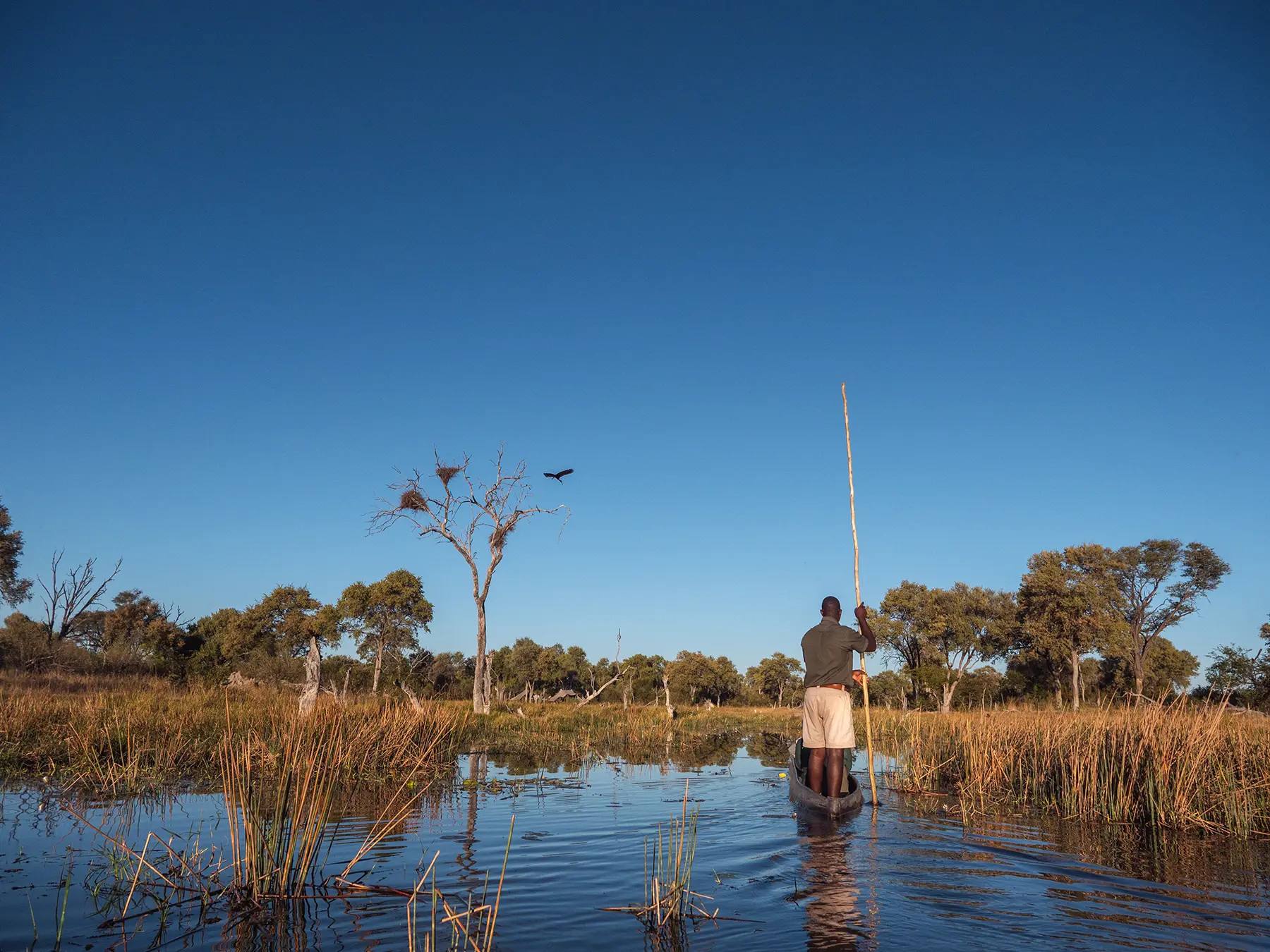
My Preference: Botswana is not a country I like to rush as sightings can take a little longer to find as there are fewer other vehicles which means fewer radio calls.
A lot of the time you have to actually track the wildlife with a skilled guide which can take more time but makes the sightings all the more rewarding and more intimate as sometimes you have sightings all to yourself.
I prefer to spend a little longer in fewer places so I can savour the quiet wilderness that sets it apart from East Africa.
What Are the Best National Parks and Wildlife Reserves in Botswana?
With almost 40% of the country set aside as protected wilderness, it can certainly be daunting to know exactly where to prioritise visiting, especially as each park has its own unique features.
Below we’re going to explore my favourite national parks and reserves and how you can visit them on your Botswana safari.
You can jump to more information on each of my favourite national parks and reserves using the links below.
3. Khwai Community Area (within the Okavango Delta)
1. Okavango Delta
The Okavango Delta, a UNESCO World Heritage Site, is a huge lush wetland in northern Botswana and one of the most picturesque places I’ve been on safari.
Nothing else in Africa can compare with watching herds of elephants playing and splashing around in the iconic waterways of the Okavango delta.
Normally deltas flow into an ocean but the Okavango is a closed system (endorheic basin) where water from the rainy highlands of Angola enters but has nowhere to go so it spreads out over the flat sands of the Kalahari desert and turns an inhospitable place into a lush paradise.
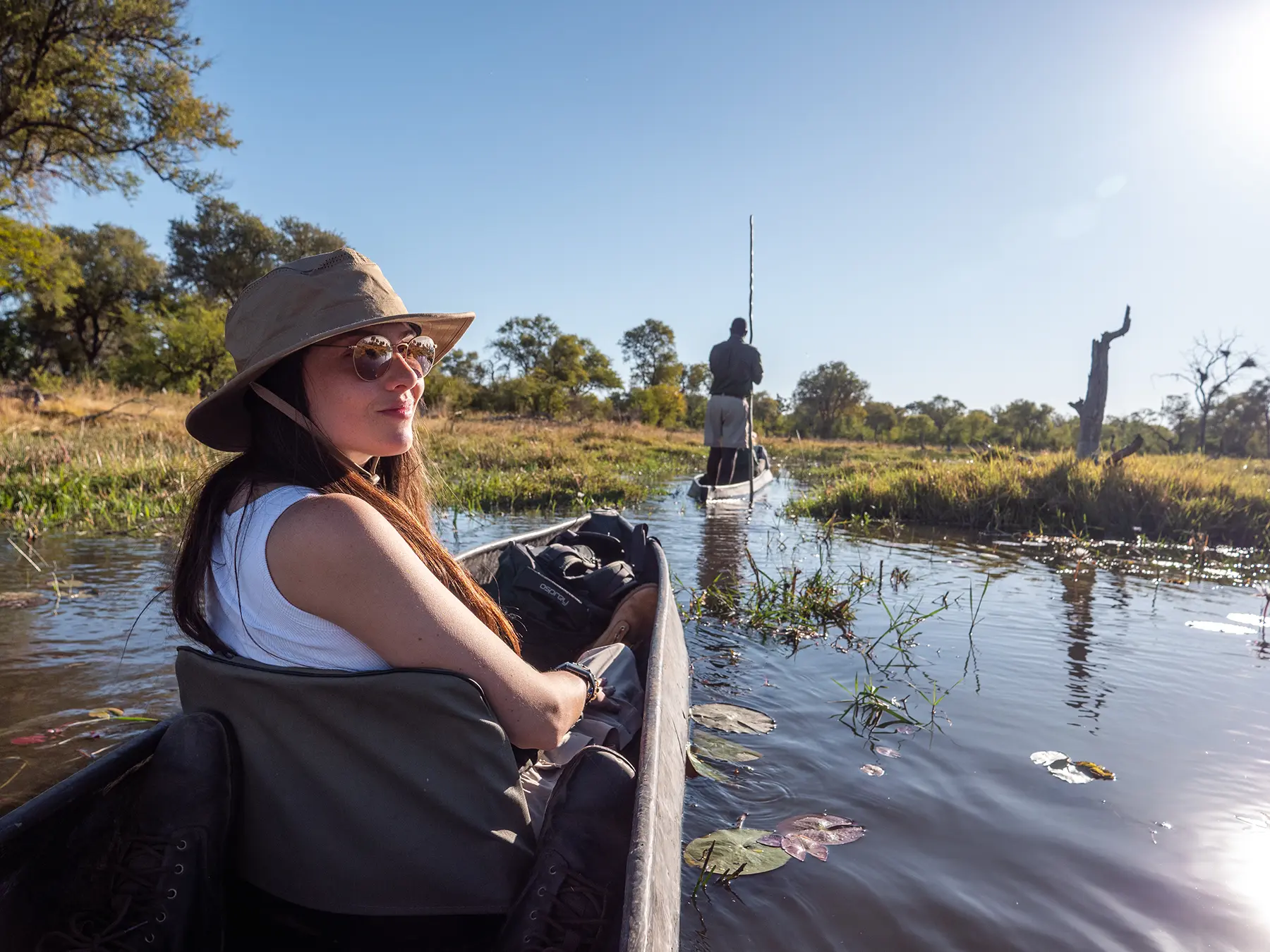
It is famous for mokoro (dugout canoe) safaris which provide water-based game viewing.
I’ve included some key information below.
Okavango Delta Quick Facts
Entry Fee: Moremi Game Reserve, the only officially protected area of the Delta, is $20 per adult
Busyness: Low. Botswana’s high-value, low-impact model keeps visitor numbers down
Nearest International Airport: Maun (MUB), the main gateway to the Delta, reached by scheduled or charter light aircraft
Nearby Parks: Moremi Game Reserve (within the Delta), Khwai Community Area (within the Delta), and Chobe National Park
Special Features: A counter-seasonally flooded inland delta where the river spreads into the desert, can be explored by mokoro as well as safari vehicle
Okavango Delta Map
Here is a map I made to show the safari highlights of the Okavango Delta.
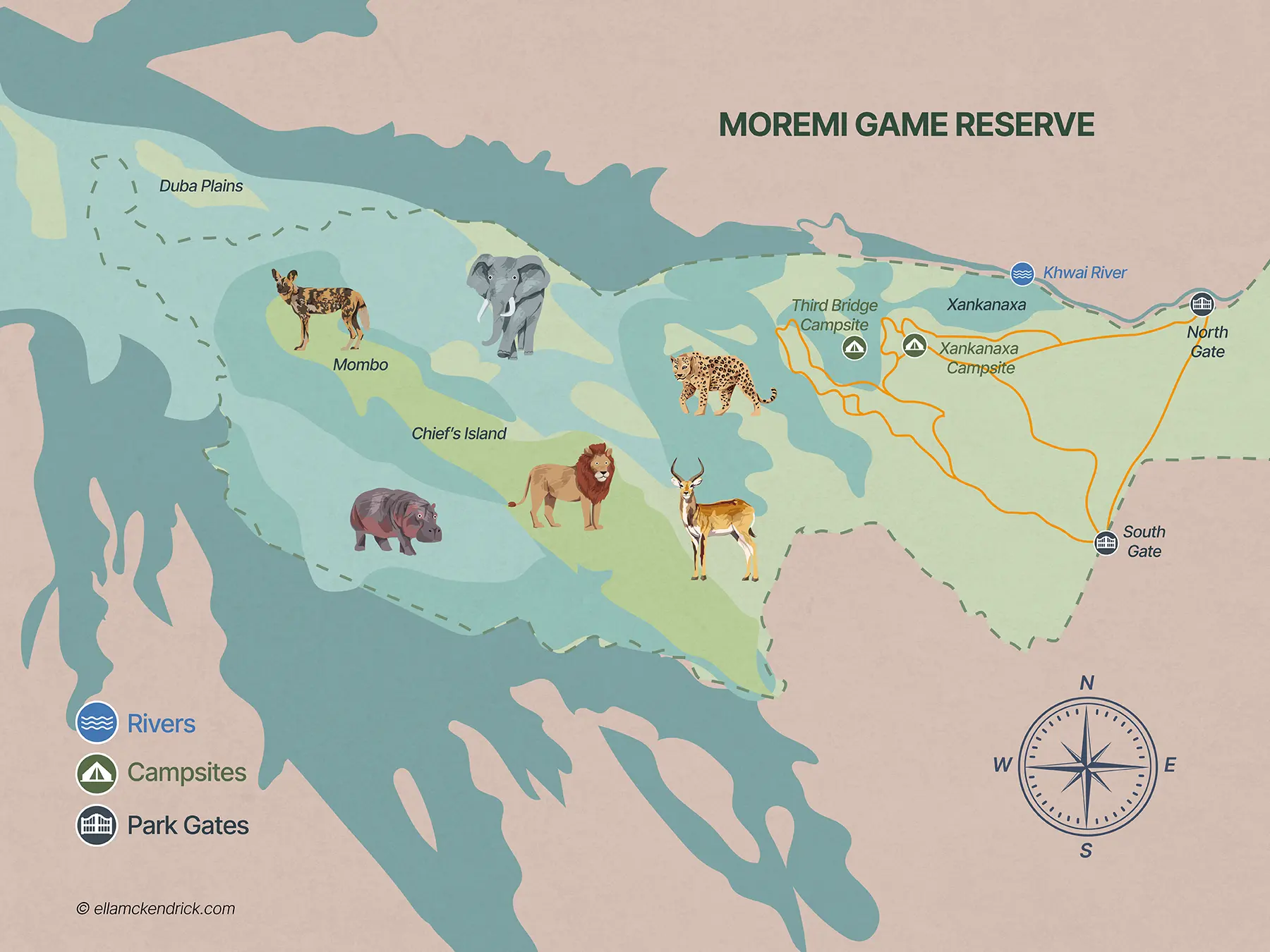
What Wildlife Can You See in the Okavango Delta?
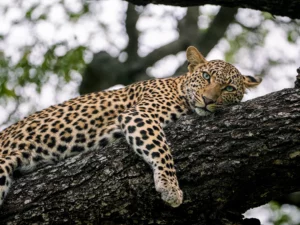
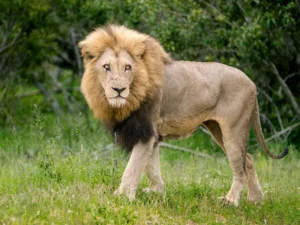
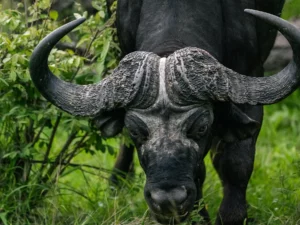
Whilst it’s possible to see all of the Big Five (lions, leopards, elephants, buffalos, rhinos) in the Okavango Delta, rhinos have become very hard to see due to poaching. There are still a few protected areas such as Chief’s Island / Mombo area of Moremi where you can still find rhinos.
Your chances of seeing the other members of the Big Five are strong when you spend 5 nights or more in the region.
On my first visit to Okavango Delta staying in Moremi and Khwai over 6 nights, I saw all of the big five apart from rhinos.
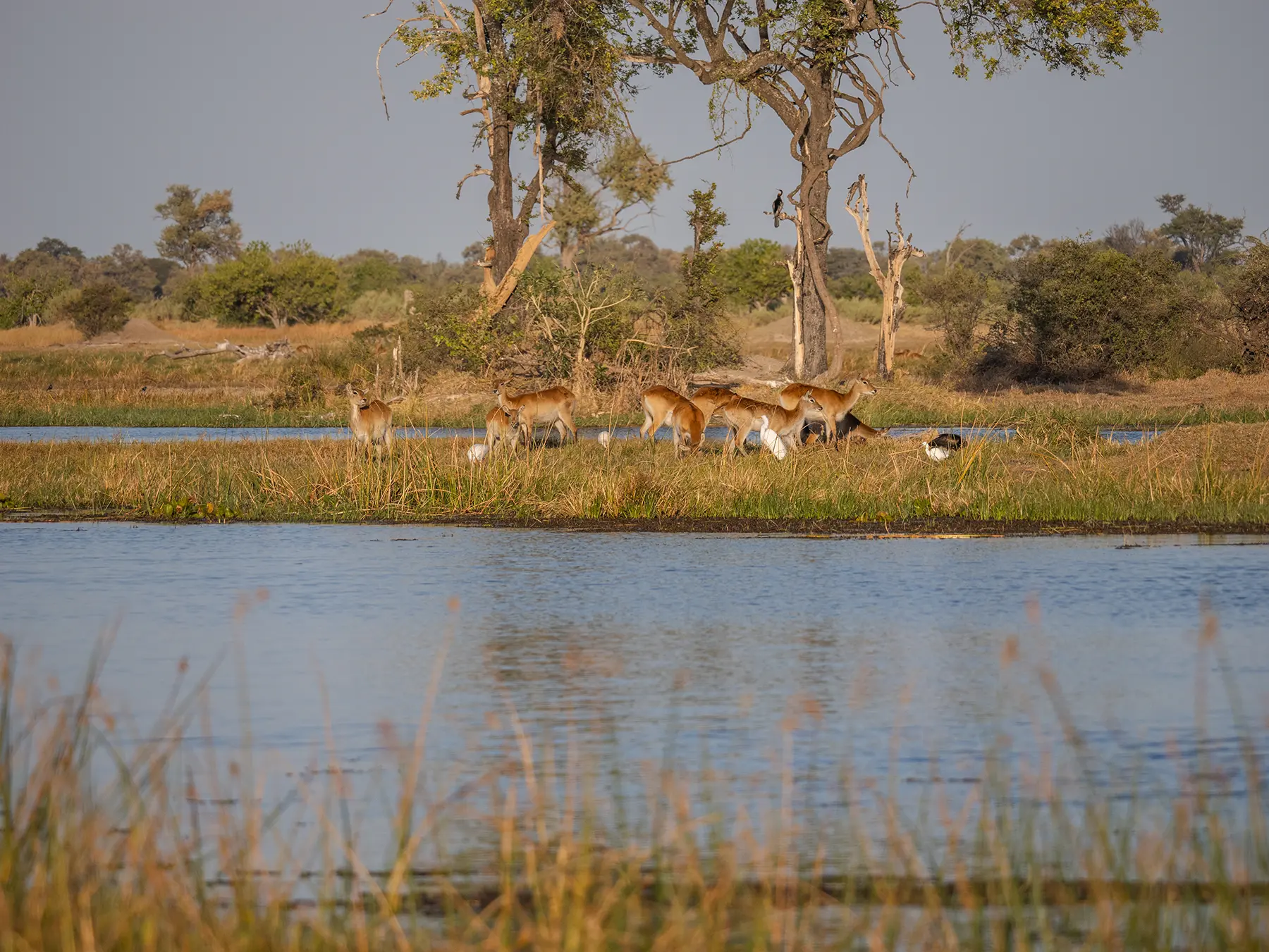
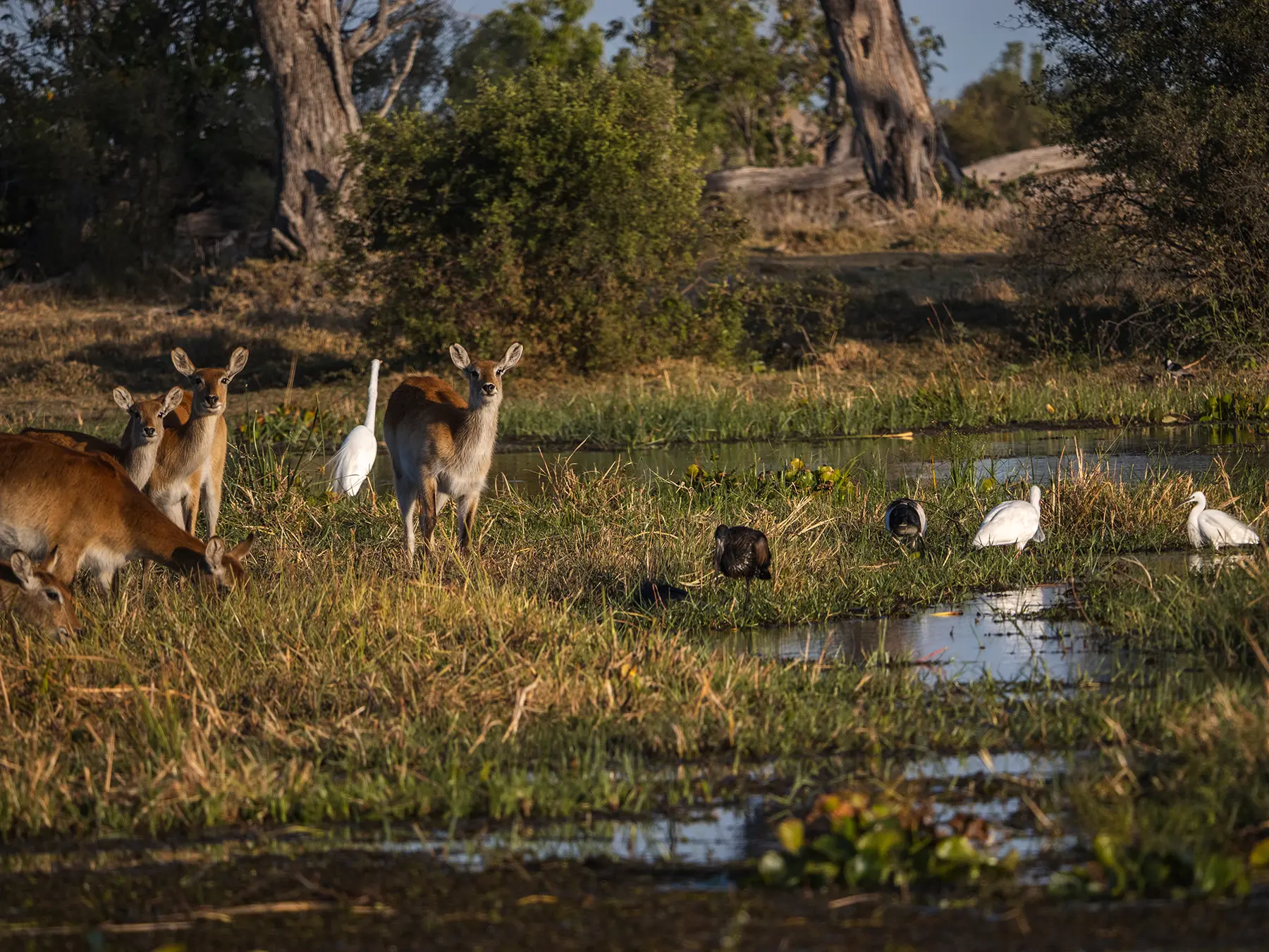
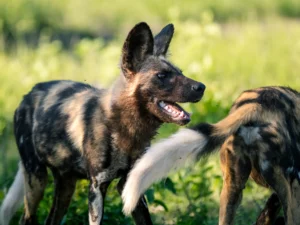
Other notable wildlife in the region are the critically endangered African wild dogs and rare red lechwe, an antelope adapted to the flooded grasslands which can be seen in Delta’s waterways.
Below I’ve listed the most popular animals and your likelihood of spotting them.
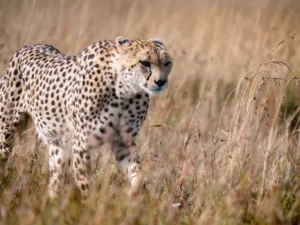
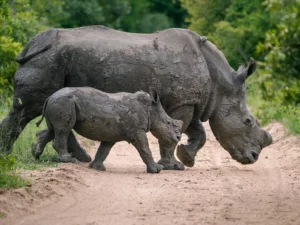
When Is the Best Time to Visit the Okavango Delta?
The best months to visit the Okavango Delta are in the dry season from May to October. This is when wildlife concentrates around the permanent water and the floodwaters, which arrive from the Angolan highlands between May and August, are at their highest which fills the Okavango Delta and allows mokoro safaris on the water.
African wild dogs in Botswana den during the dry season, typically between May and September, which makes sightings more predictable as packs stay close to the den.
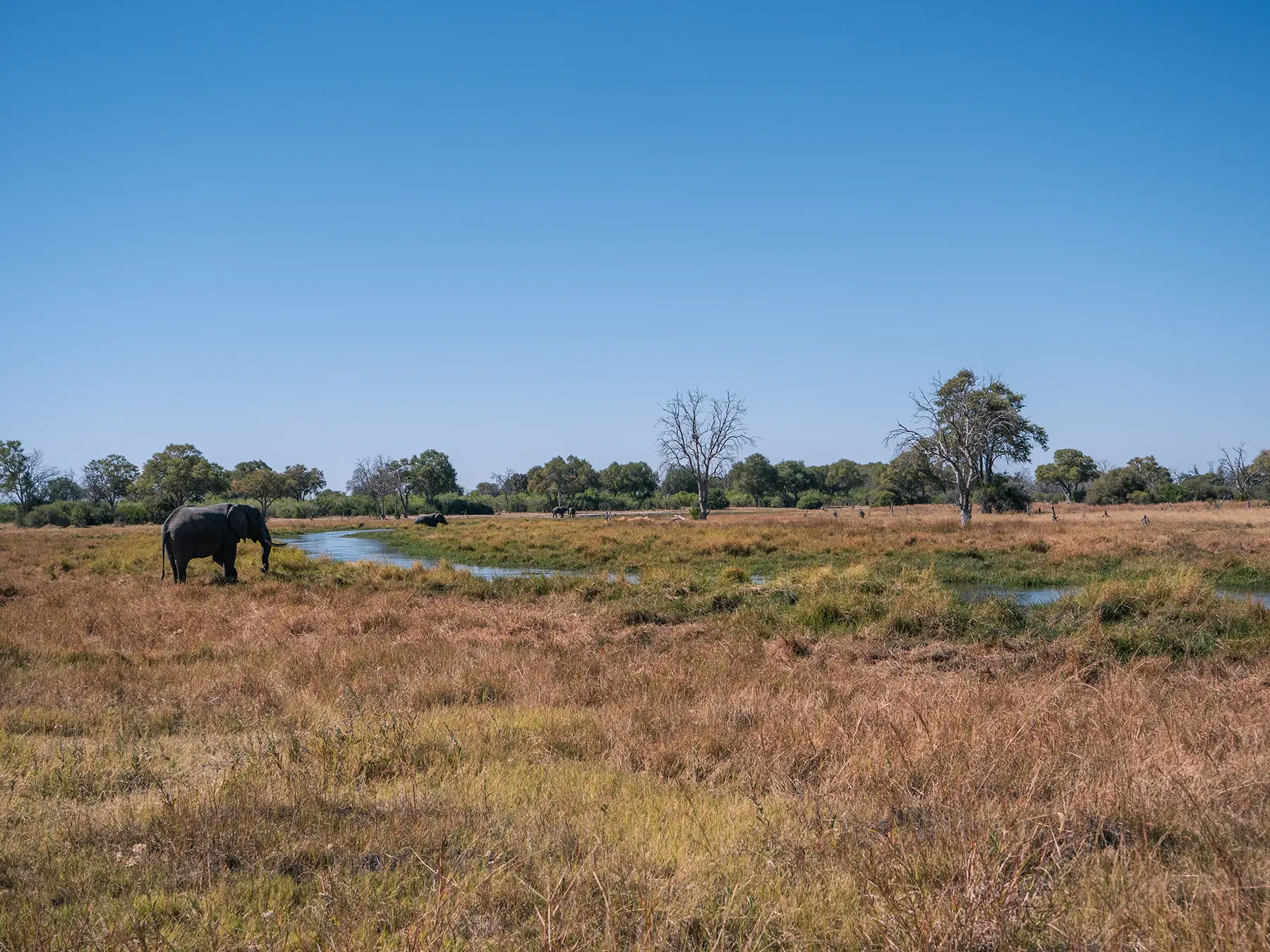
I first visited the Okavango Delta in June and had great sightings without crowds.
Where Should I Stay in the Okavango Delta?
I explored the Delta on a luxury mobile camping safari, with a dedicated team moving the tented camp between Moremi and Khwai. I’ll provide a bit more information on both of these locations below.
Moremi Game Reserve (Okavango Delta)
Moremi is the only officially protected area of the Okavango Delta and accommodation includes mid-range and luxury mobile camps (which move around with you and class as mid-range from budget perspective) as well as budget camp sites (where you pitch your own tent), and luxury semi-permanent tented camps and lodges.
There is not much in the way of mid-range semi-permanent tented camps and lodges which is where mobile tented camps come in to play and fill this gap. For my first Botswana safari I stayed in a luxury mobile tented camp (which fits in the mid-range price bracket).
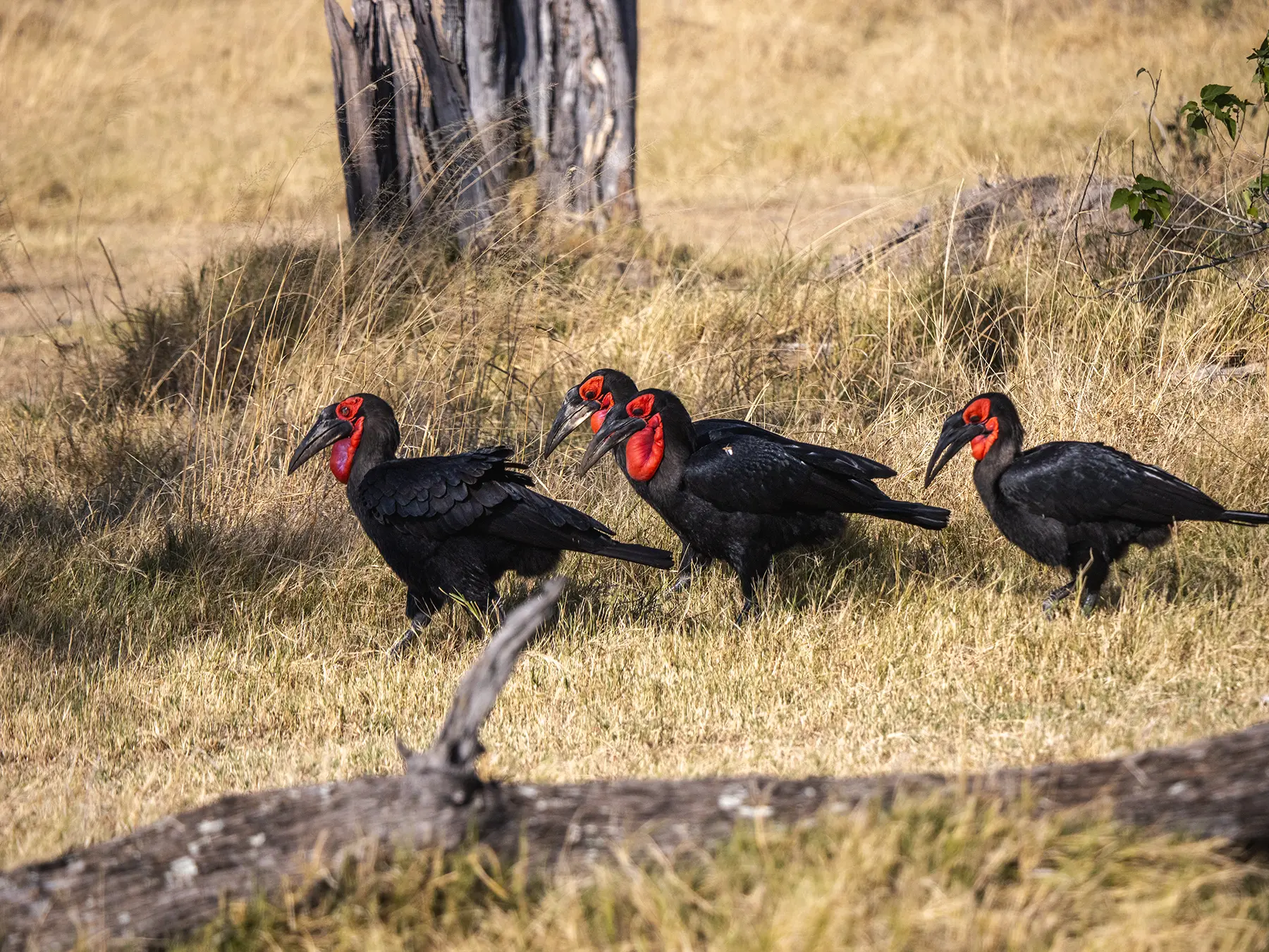
The area is known for leopard sightings in the mopane woodland. Within Moremi, Chief’s Island and the luxury lodges it houses serves as a sanctuary holding large numbers of both black and white rhinos, protected here from poachers.
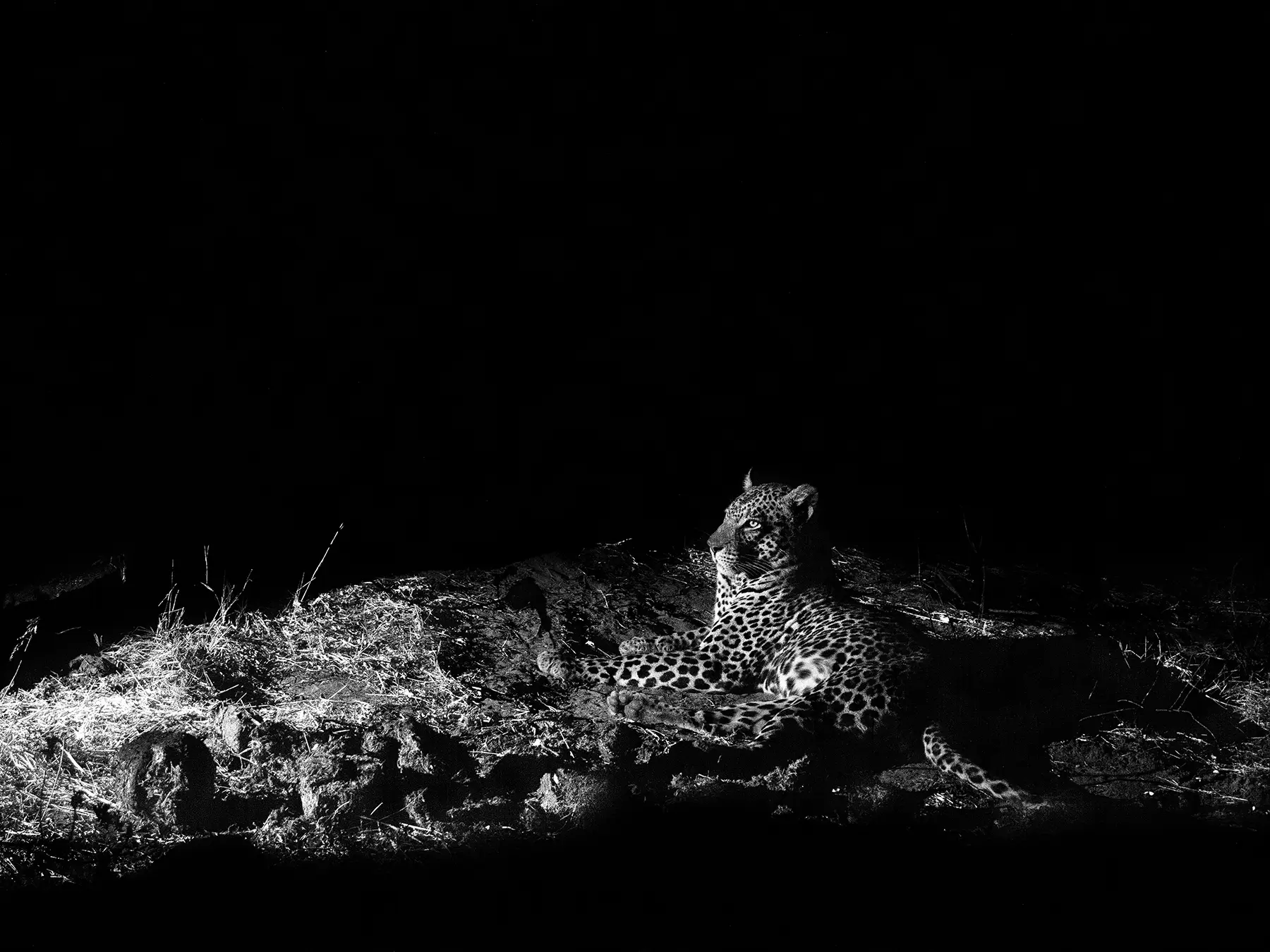
During my first visit, Moremi didn’t disappoint on leopards, driving back to camp at dusk, I spotted a leopard standing in the undergrowth just ten metres away, looking directly at the vehicle.
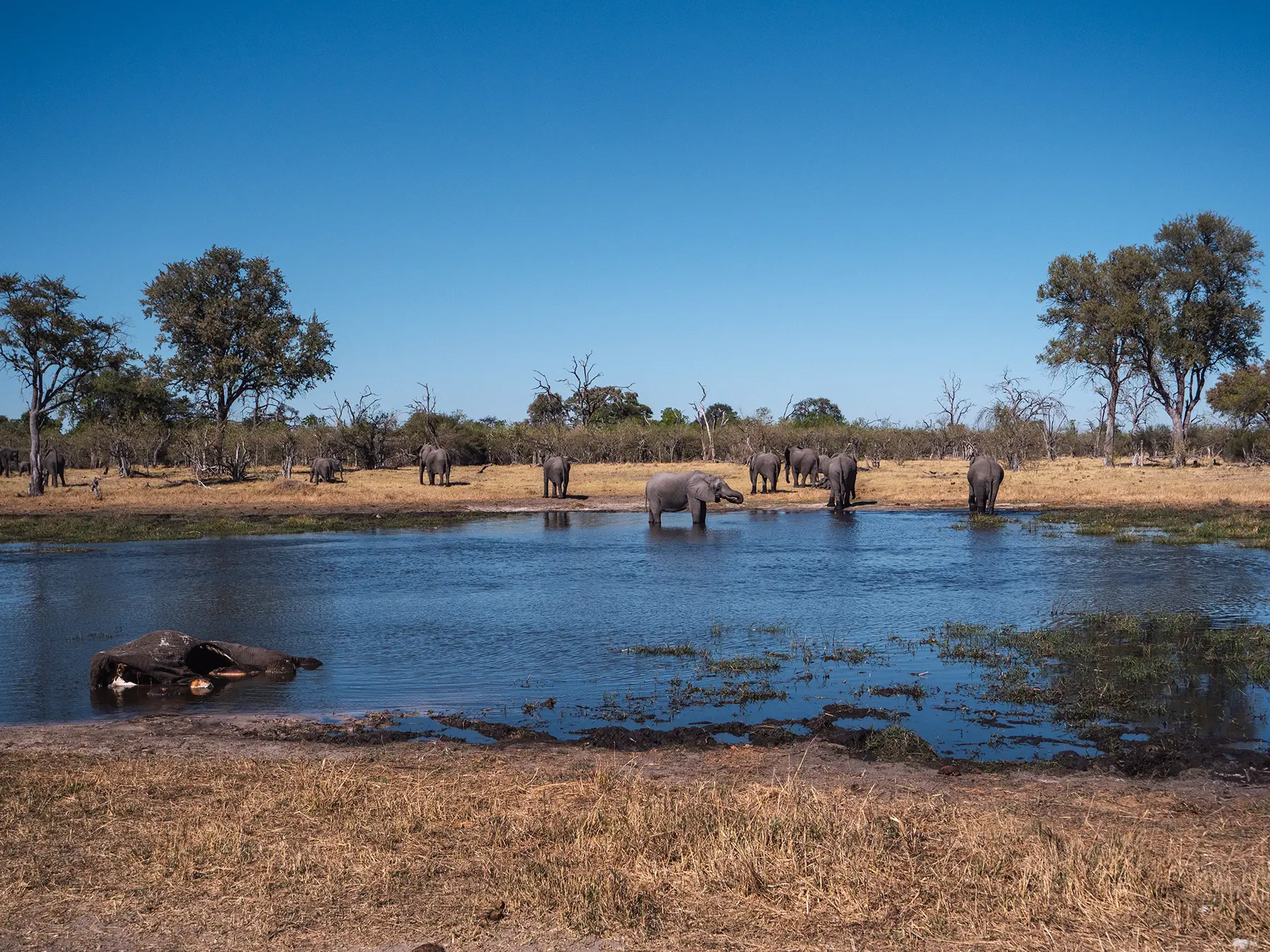
Khwai Community Concession NG19 (Okavango Delta)
The Khwai Community Concession is a community-run wildlife area on the eastern edge of the Okavango Delta, along the Khwai River.
It’s located between Moremi Game Reserve (to the south/west) and the Chobe/Savuti woodlands (to the north).
The concession is owned and managed by the Khwai village community through the Khwai Development Trust (KDT), so tourism revenue flows back to residents.
As it’s a private concession rather than national reserve like Moremi, your safari company can take you on night drives and off-road driving.
Whilst walking safaris and mokoro trips are possible in Moremi there are more options in Khwai.
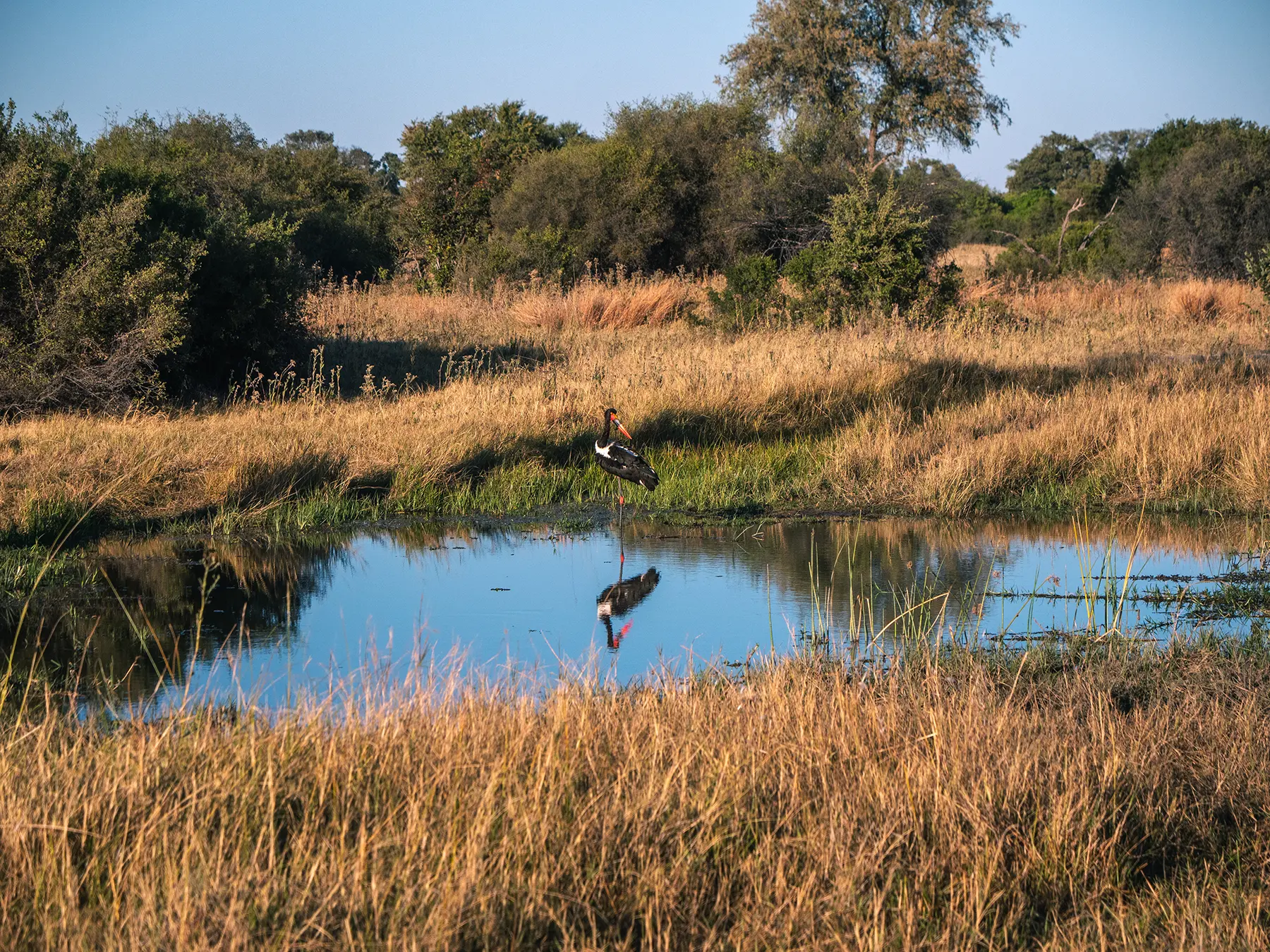
These extra benefits make Khwai a great addition to Moremi in the Okavango Delta.
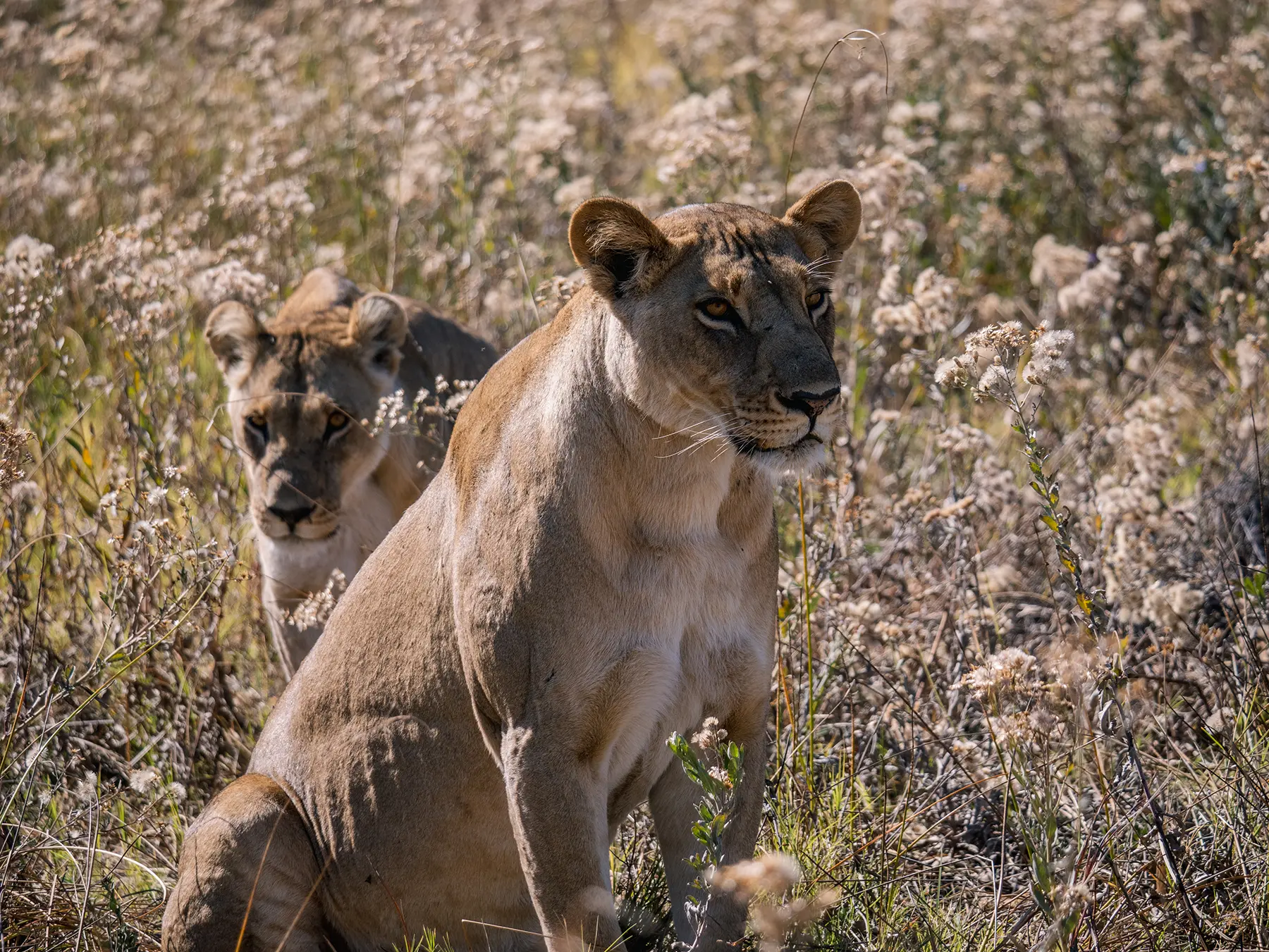
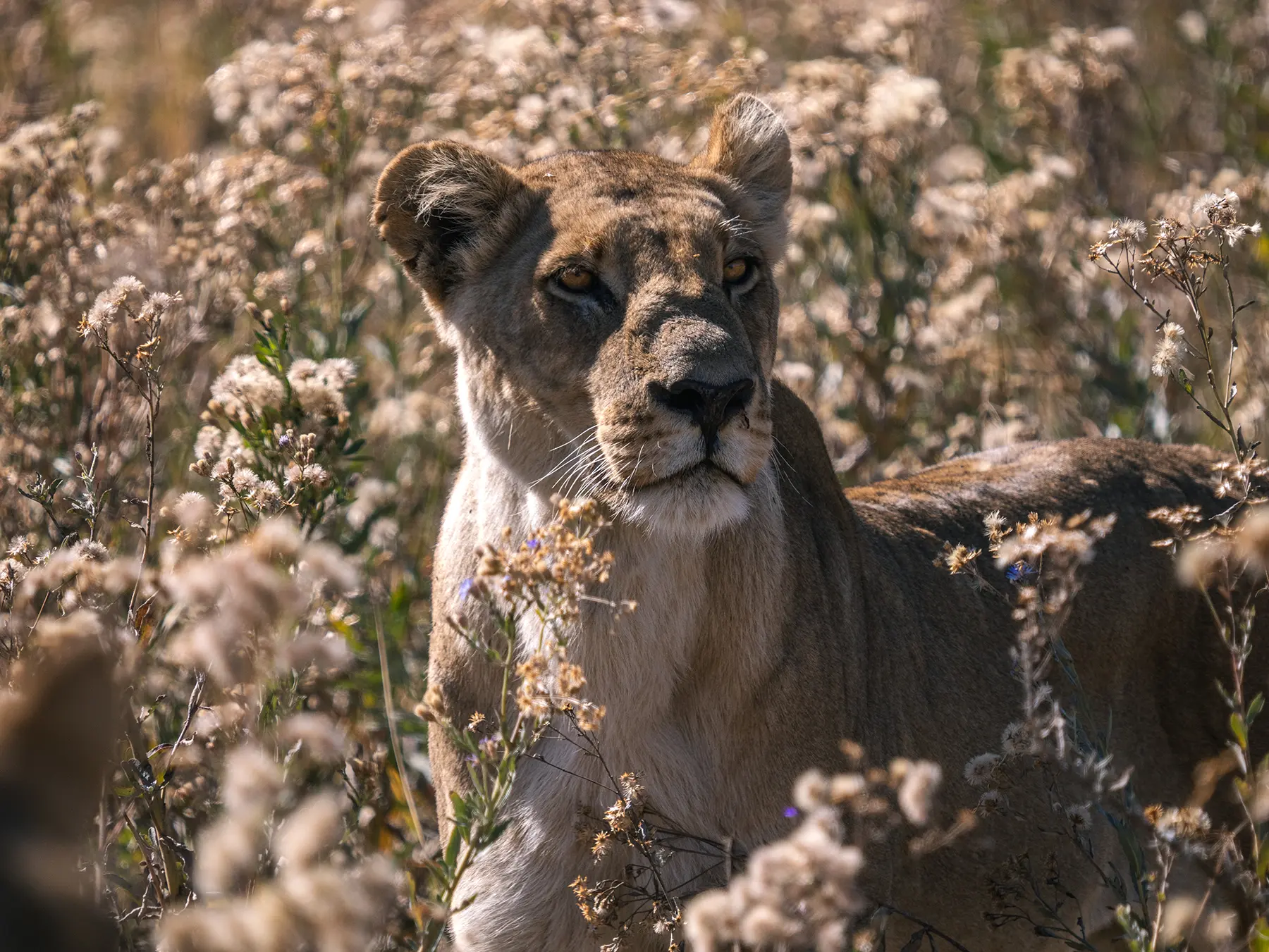
I had some great wildlife sightings in Khwai including following lionesses off road whilst they hunted. We also saw a leopard in a tree which required some waiting as we saw it had left a kill in the tree so we knew it was going to come back as dusk set. We also saw some baby hyenas.
My wildlife sightings were slightly better in Khwai than Moremi but I think this was mostly luck with the exception of the lionesses where going off road allowed us to spend more time with them.
That particular sighting was also down to the skill of our guide as none of the other cars successfully predicted where they would go so went the wrong way which left just us with them in the end.
My Experience in the Okavango Delta
You can watch a video of my personal experience going on safari in the Okavango Delta’s Moremi Game Reserve.

2. Chobe National Park
Chobe, Botswana’s first national park, covers about 4,500 sq mi (11,700 km²) which makes it the third biggest park in the country.
I was impressed with the diversity of Chobe from the Savuti marshes where we saw lots of elephants and also a pack of wild dogs through to the Chobe River where we went on a boating safari and saw crocodiles up close along with hippos, elephants and abundant birds.
I’ve included some quick facts below.
Chobe National Park Quick Facts
Entry Fee: $40 per adult
Busyness: Moderate to High around the Chobe Riverfront, which is the most accessible area of the park and bustling with cruise boats
Nearest International Airport: Kasane, the gateway town for Chobe, sits at the confluence of the Chobe and Zambezi rivers
Nearby Parks: Savuti (within Chobe), Khwai Community Area, and Moremi Game Reserve (Okavango Delta). Victoria Falls is just across the border
Special Features: Sunset boat cruises along the Chobe River with panoramic views of wildlife, and one of Africa’s largest elephant concentrations
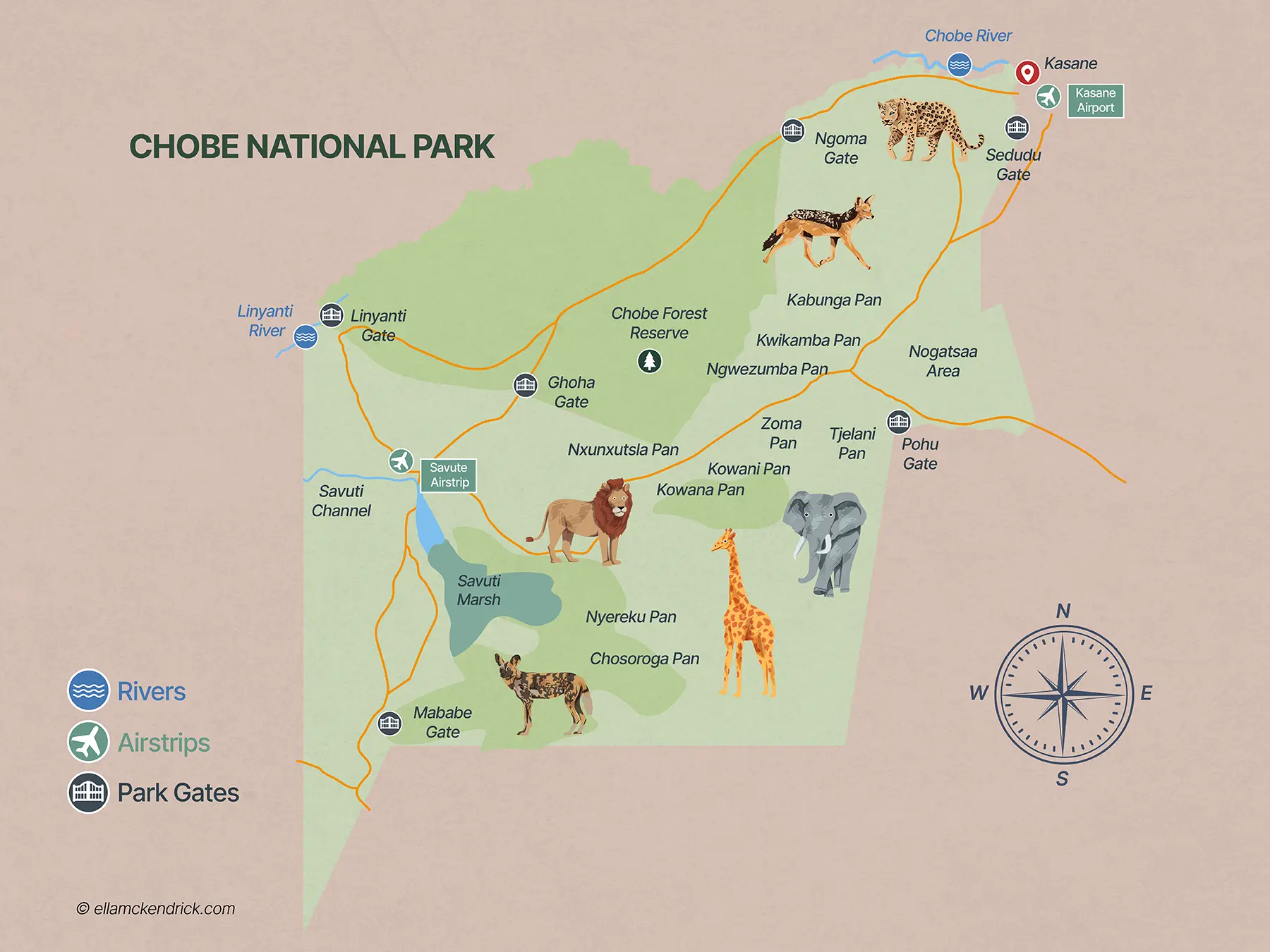
Chobe National Park Map
Here is a map I made to show the safari highlights of Chobe National Park.
What Wildlife Can You See in Chobe National Park?
You can see four of the Big Five in Chobe, lions, leopards, elephants and buffalo, but not rhino, which is effectively absent from the park.
Elephants and buffalo are near-guaranteed along the Chobe Riverfront, while lions are a strong bet in the wilder Savuti region.
Leopards are the hardest to pin down and I didn’t see them in Chobe but I did have two fantastic leopard sightings in the Okavango Delta beforehand.
On my own trip across Savuti and the Chobe Riverfront, I saw three of the Big Five; elephant, lion and buffalo in abundance, plus a pack of wild dogs denning with eight puppies, but no rhino or leopard.
Savuti is one of the best places in Africa to see critically endangered African wild dogs, especially in the dry-season denning months of May to September, when packs stay close to their dens.
Nile crocodiles and hippos can be easily spotted on the riverfront boat cruises, where boats sometimes drift within arm’s length of large individuals.
Below I’ve listed the most popular animals and your likelihood of spotting them.
When Is the Best Time to Visit Chobe National Park?
The best months to visit Chobe National Park are the dry season from May to October. This is when wildlife concentrates around the permanent water.
I first visited Chobe in June and had great sightings without crowds.
African wild dogs in Botswana den during the dry season, typically between May and September, which makes sightings more predictable as packs stay close to the den.
In Savuti, bull elephants gather at waterholes during the dry winter months, sometimes up to 50 at a single waterhole.
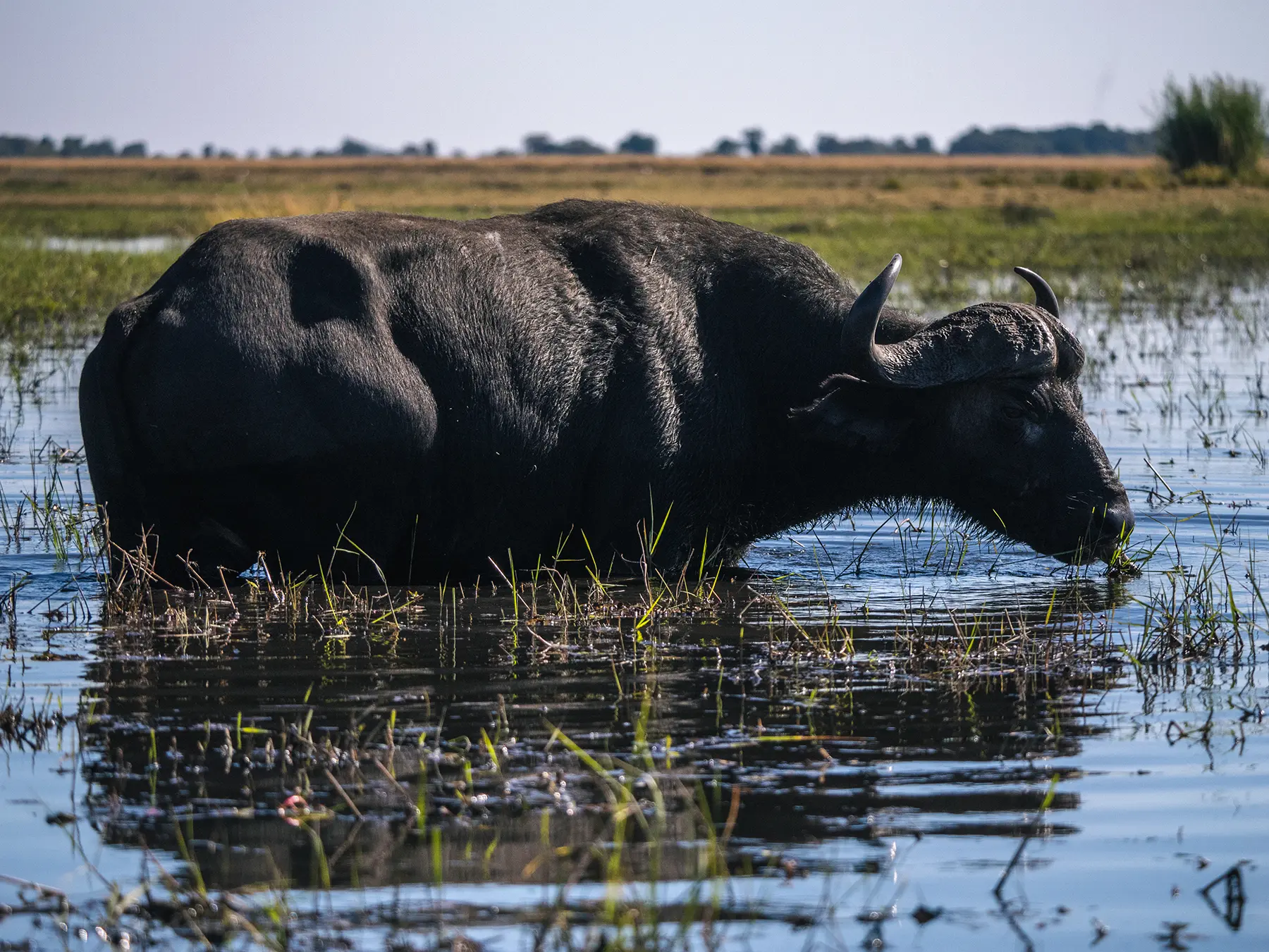
Savuti
Savuti forms the western section of greater Chobe and is one of the best places in Botswana to see predators such as lions, leopards and wild dogs.
Savuti will always have a special place in my heart as it was here that I saw wild dogs in the wild for the first time!
I’d been secretly hoping to see wild dogs in Botswana as it’s one of the best places in the world to see them but they’d eluded me in the Delta, so Savuti was my last chance for the trip.
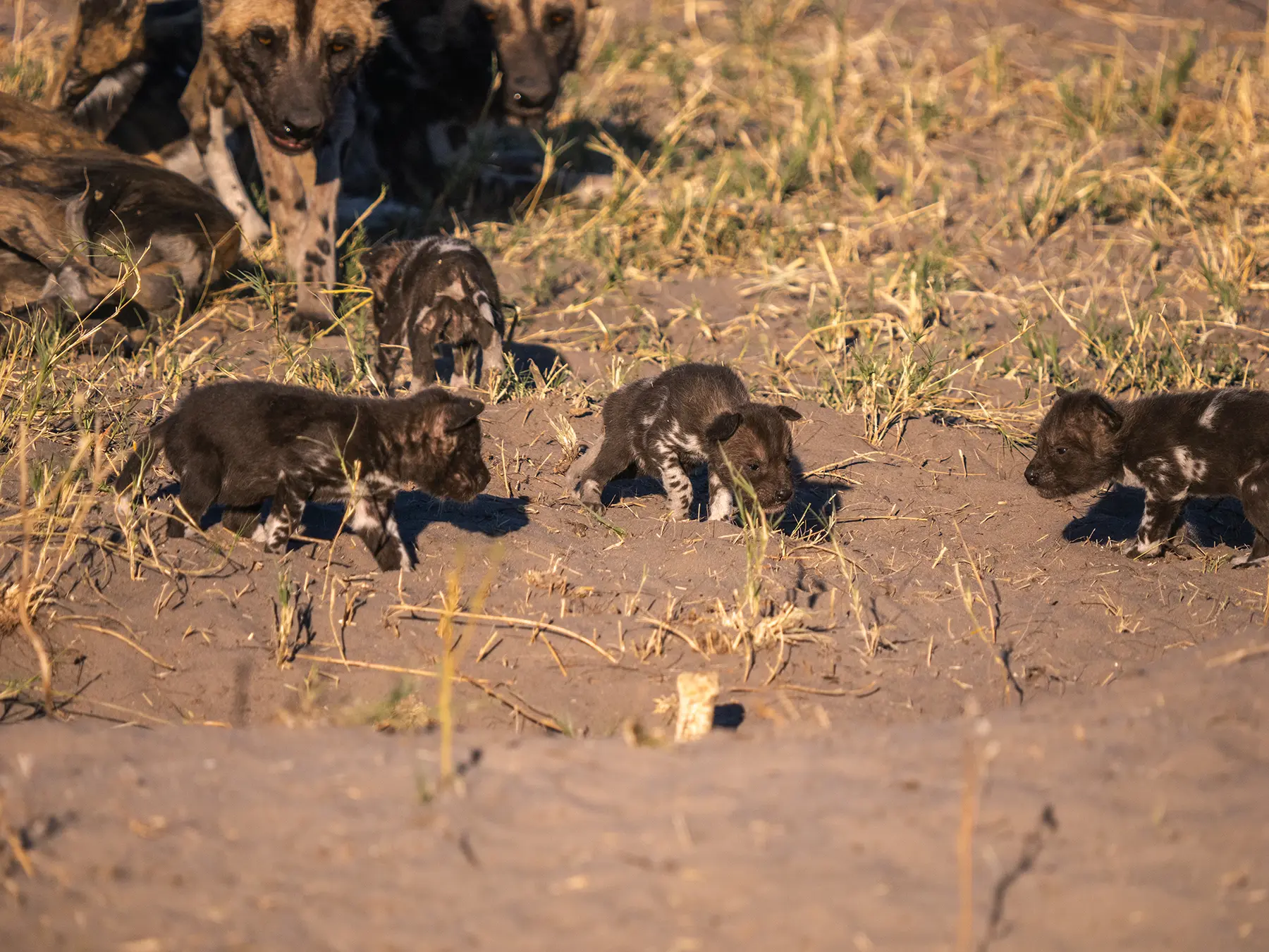
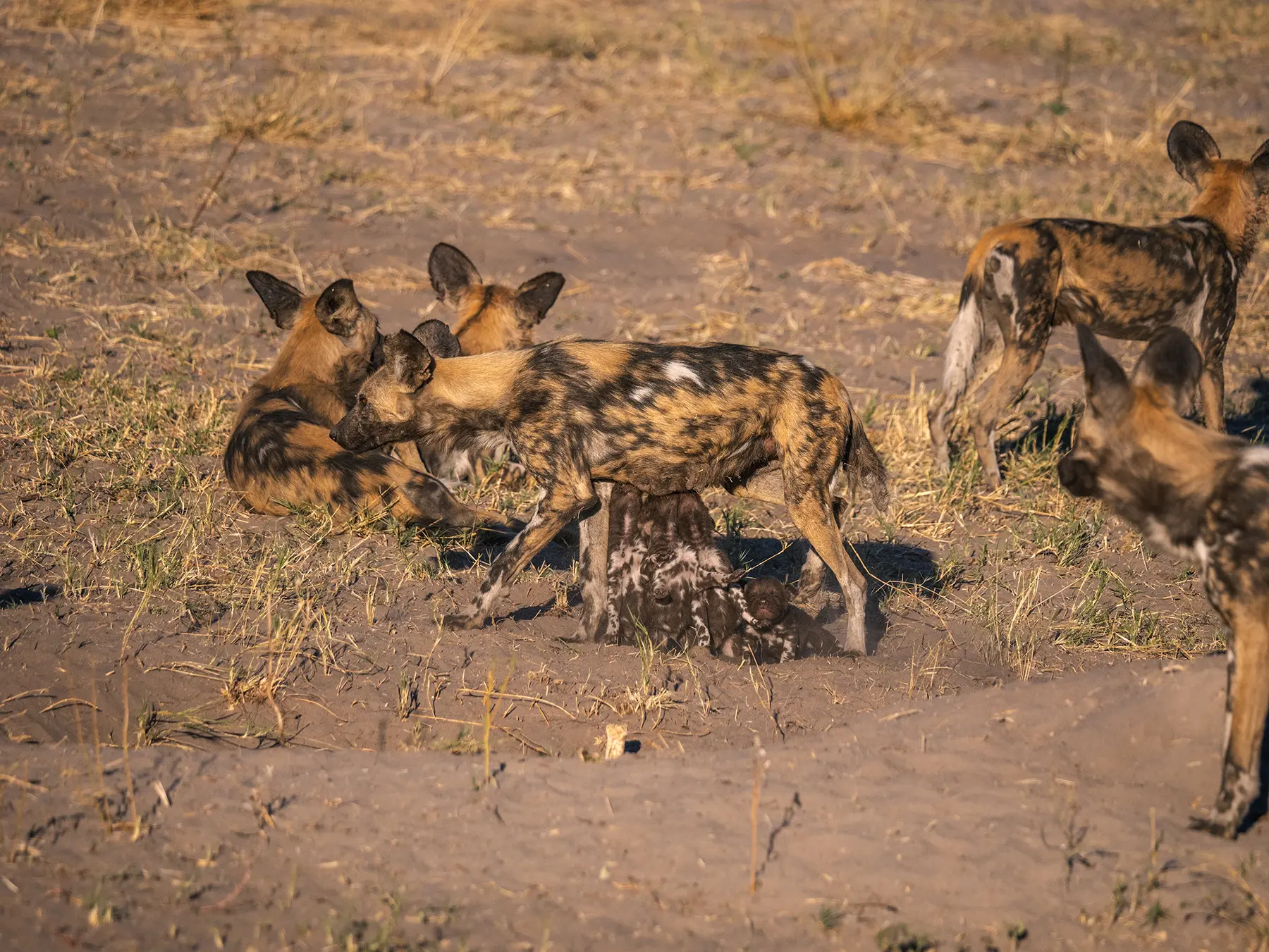
Arriving in Savuti on the first afternoon, our guide found an African wild dog den beside the dry channel within an hour, with six adult dogs sleeping at the entrance.
My heart stopped as one by one tiny wild dog pups appeared from the den to greet a hunting party who had just returned. They then regurgitated food for the pups.
Chobe Riverfront
The Chobe Riverfront is the heart of Kasane, at the meeting point of the Chobe and Zambezi rivers, and is the most accessible part of the park which does make it busier than Savuti.
You can go for a water-based safari in the river which provides excellent wildlife viewing.
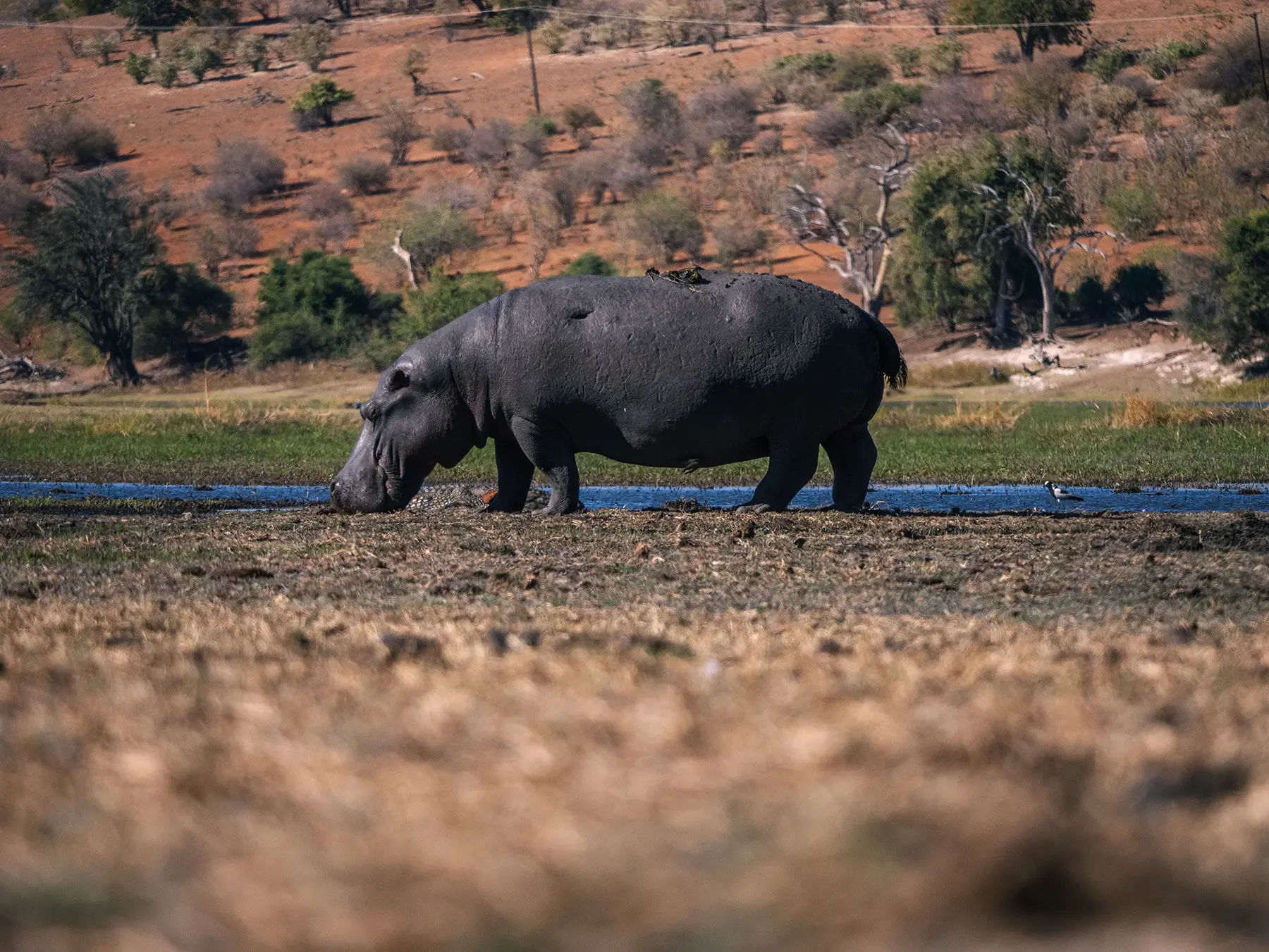
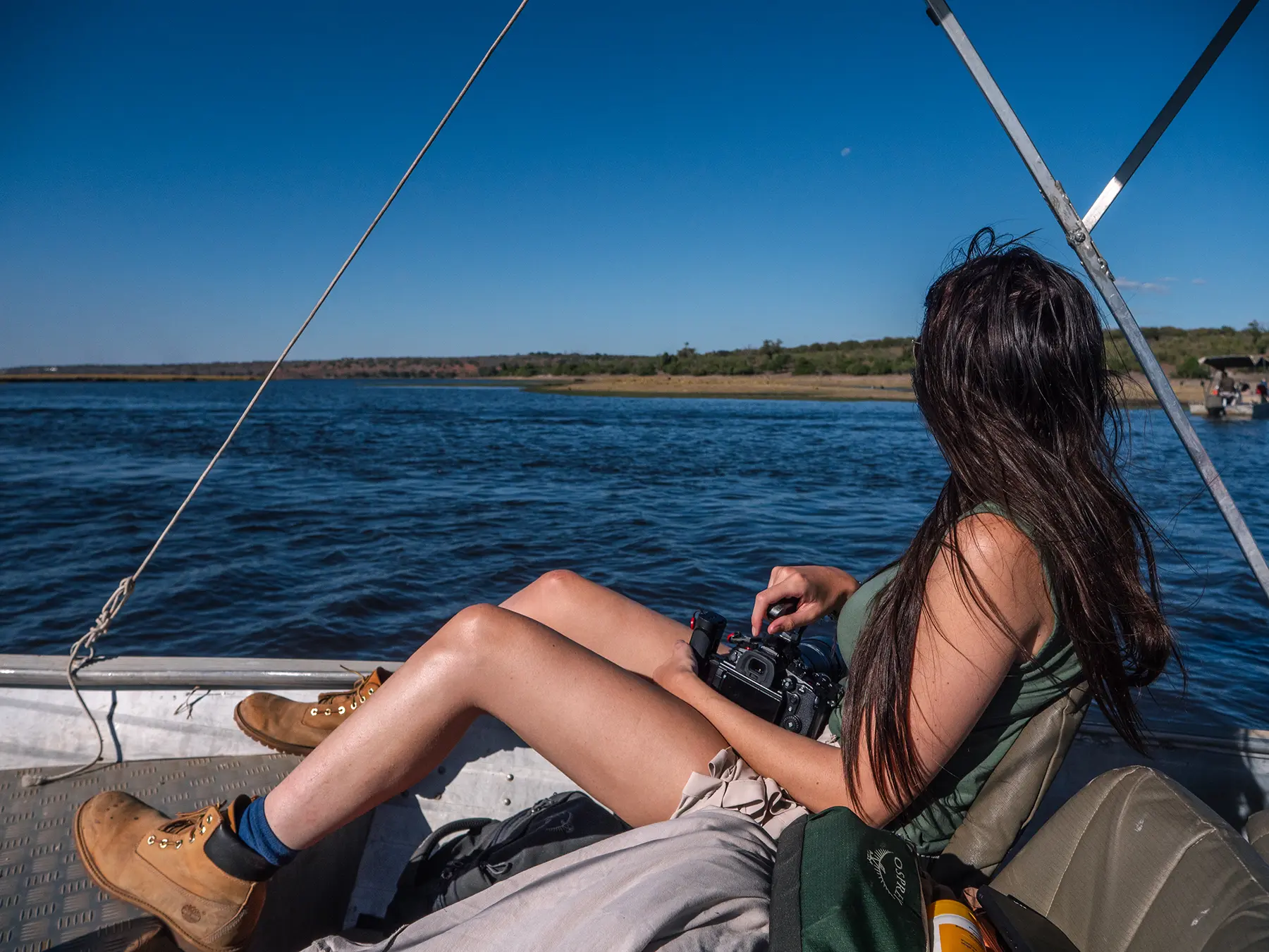
The best sighting of my river cruise was a herd of elephants crossing the river single file, the matriarch leading the way and the youngest almost completely submerged with only their trunks above the surface.
We also got very close to some Nile crocodiles, saw hippos out of water and lots of bird species. It was interesting to see Dagga Boy (aka old often lone) buffalo who apparently come to the sides of the river to retire as the soft grasses are good on their old teeth.
My Experience in Chobe National Park
You can watch a video of my personal experience going on safari in Savuti, Chobe National Park.
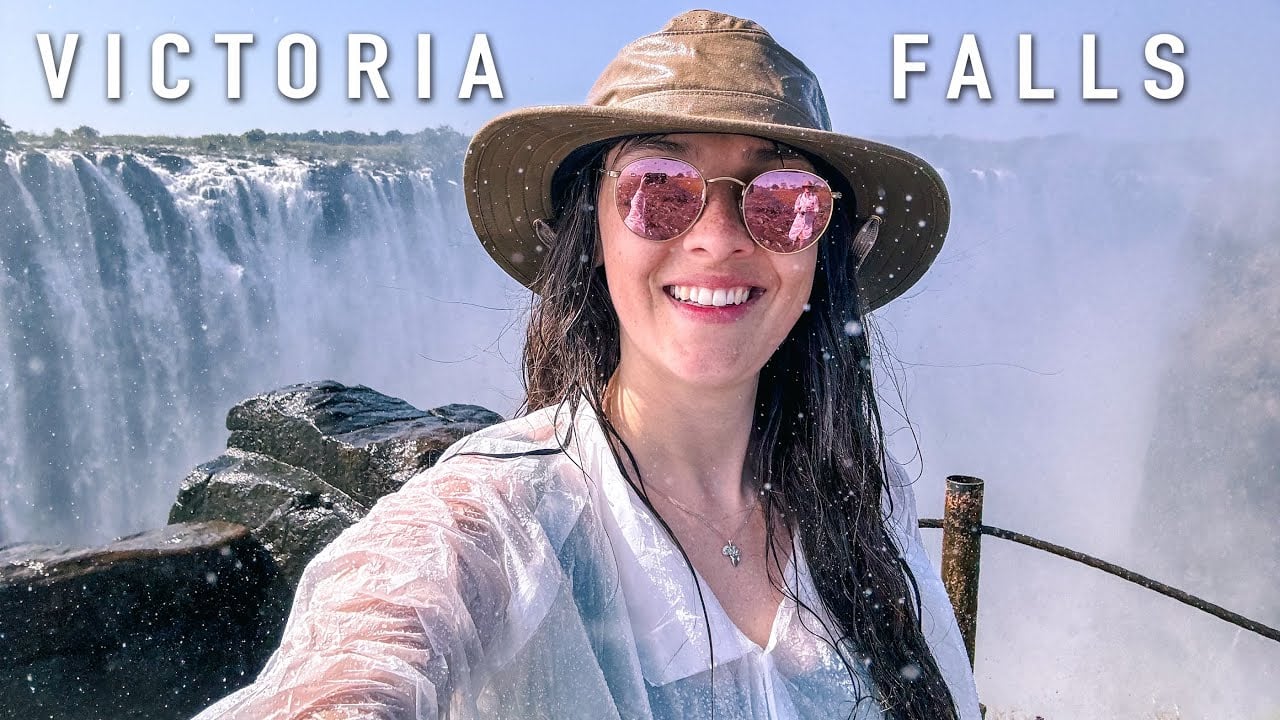
You can watch a video of my personal experience going on safari at the Chobe Riverfront and Victoria Falls.
4. Central Kalahari Game Reserve
The Central Kalahari is 20,400 square miles (52,800 square kilometres) which makes it the biggest game reserve in Botswana and Africa after Selous Game Reserve in Tanzania gave up 11,928 square miles (30,893 km²) to Nyerere National Park in 2019.
The park offers a remote desert wilderness experience that is even quieter than the parks of northern Botswana.
I’ve included some quick facts below.
Central Kalahari Game Reserve Quick Facts
Entry Fee: $10 per adult
Busyness: Very low. The reserve is remote and far less visited than northern Botswana
Nearest International Airport: Accessed from Maun, the main gateway for the wider region
Nearby Parks: Makgadikgadi Pans and Nxai Pan to the east, with the Okavango region to the north
Special Features: A semi-arid Kalahari Desert landscape of savanna and salt pans offering true wilderness and solitude
Central Kalahari Game Reserve Map
Here is a map I made to show the safari highlights of the Central Kalahari Game Reserve.
What Wildlife Can You See in the Central Kalahari Game Reserve?
Lions and leopards and elephants are three of the Big Five which you can spot in the Central Kalahari’s vast arid desert reserve.
Elephants are scarce and mostly seen in the green season and in the northern areas of the park.
The other members of the Big Five; buffalo and rhino are all absent.
However, the wildlife you come here to see are the Kalahari’s famous black-maned lion, a desert-adapted variant whose darker mane is thought to be an adaptation to the cooler Kalahari nights.
These lions are harder to track down than elsewhere in Botswana because the reserve’s vast size and lower prey density mean they range over much larger territories.
Having a guide with good knowledge of the area and excellent tracking skills becomes essential to maximise sightings.
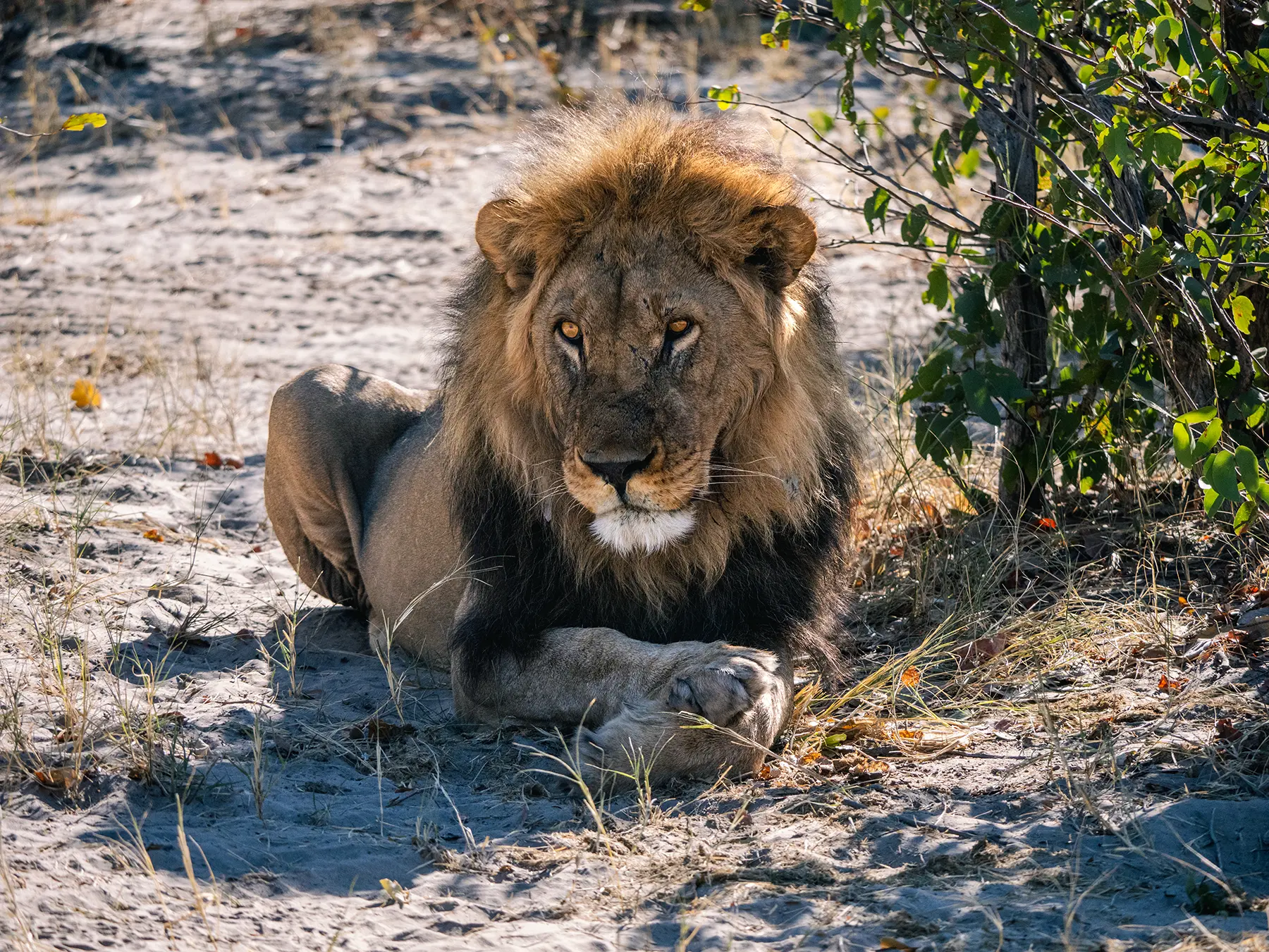
The vast, open, flat terrain also makes perfect hunting ground for cheetahs, alongside leopards, brown and spotted hyenas, wild dogs and desert antelope such as gemsbok and springbok.
Beyond the cats, the Kalahari boasts some incredible wildlife which has adapted to the harsh desert conditions, such as herds of gemsbok and springbok, and the thousands of zebra that move into the central and southern regions as part of Botswana’s own migration during the wetter summer months.
Below I’ve listed the most popular animals and your likelihood of spotting them.
When Is the Best Time to Visit the Central Kalahari Game Reserve?
Unlike the rest of Botswana, the Central Kalahari is considered to be optimal for safari in the green summer months from December to April with the months of December to early January being the very best period within the green season, assuming you don’t mind a bit of rain.
During this period the rainfall transforms the desert into a green oasis and you can witness antelope giving birth and the famous zebra migration. This is also the best time of the year to see elephant herds in the north.
The trade-off is the weather and heavy rains can make some roads muddy or impassable.
The dry winter months of July and August make sense if you are visiting other parks at the same time.
During this period the park is quieter and the wildlife is more spread out. It’s a good time to see big game which is usually concentrated around the last few waterholes in the desert. During September and October it can start to get very hot during the day.
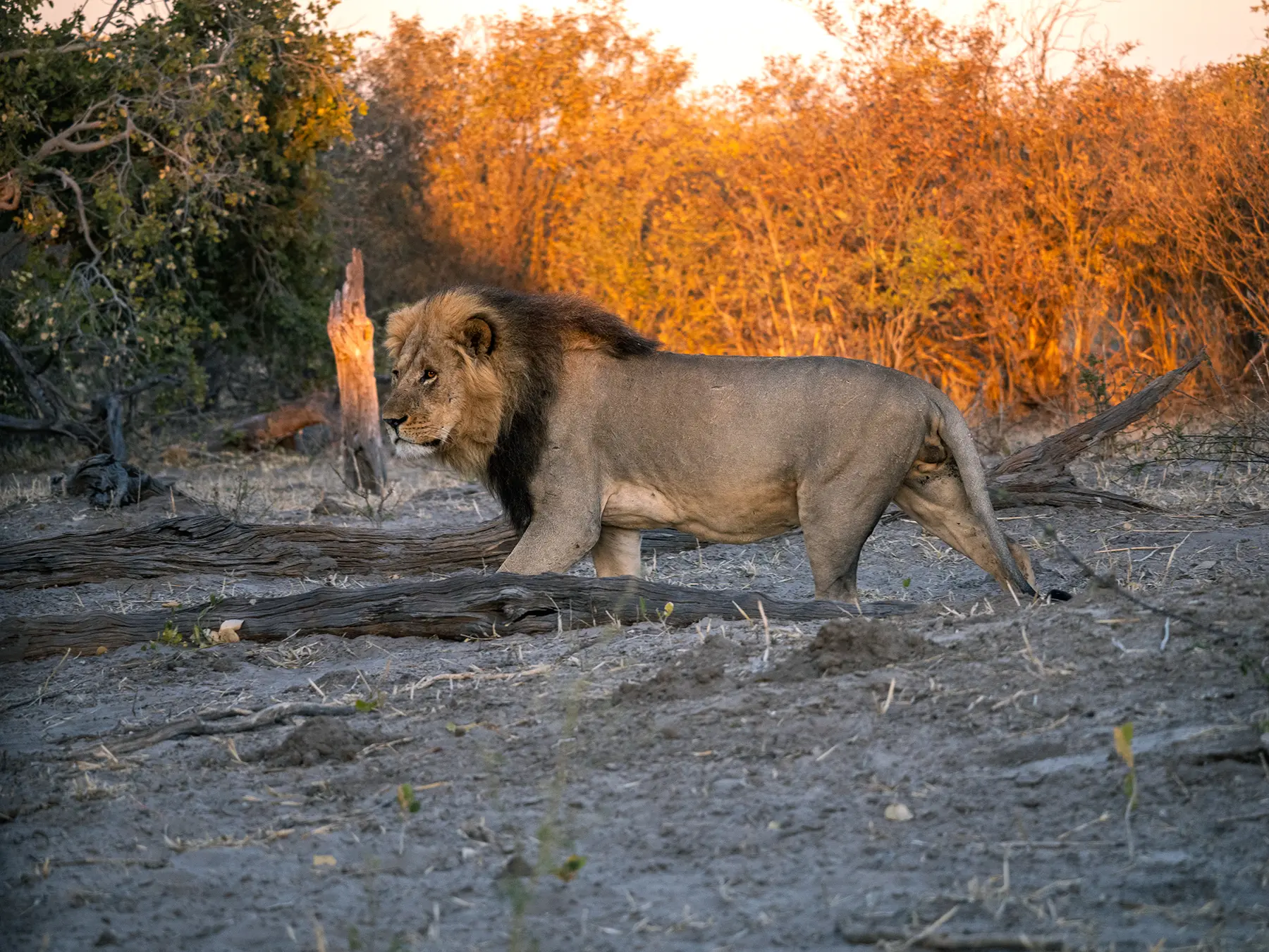
Deception Valley
Deception Valley is located in the far north-eastern corner of the Central Kalahari Game Reserve. It’s known for its high population of predators and photography-friendly landscape.
The dry salt pan is encircled by eerie red-coloured grass, and blue clay gives the illusion of water from a distance. This ‘deception’ is how the valley earned its name.
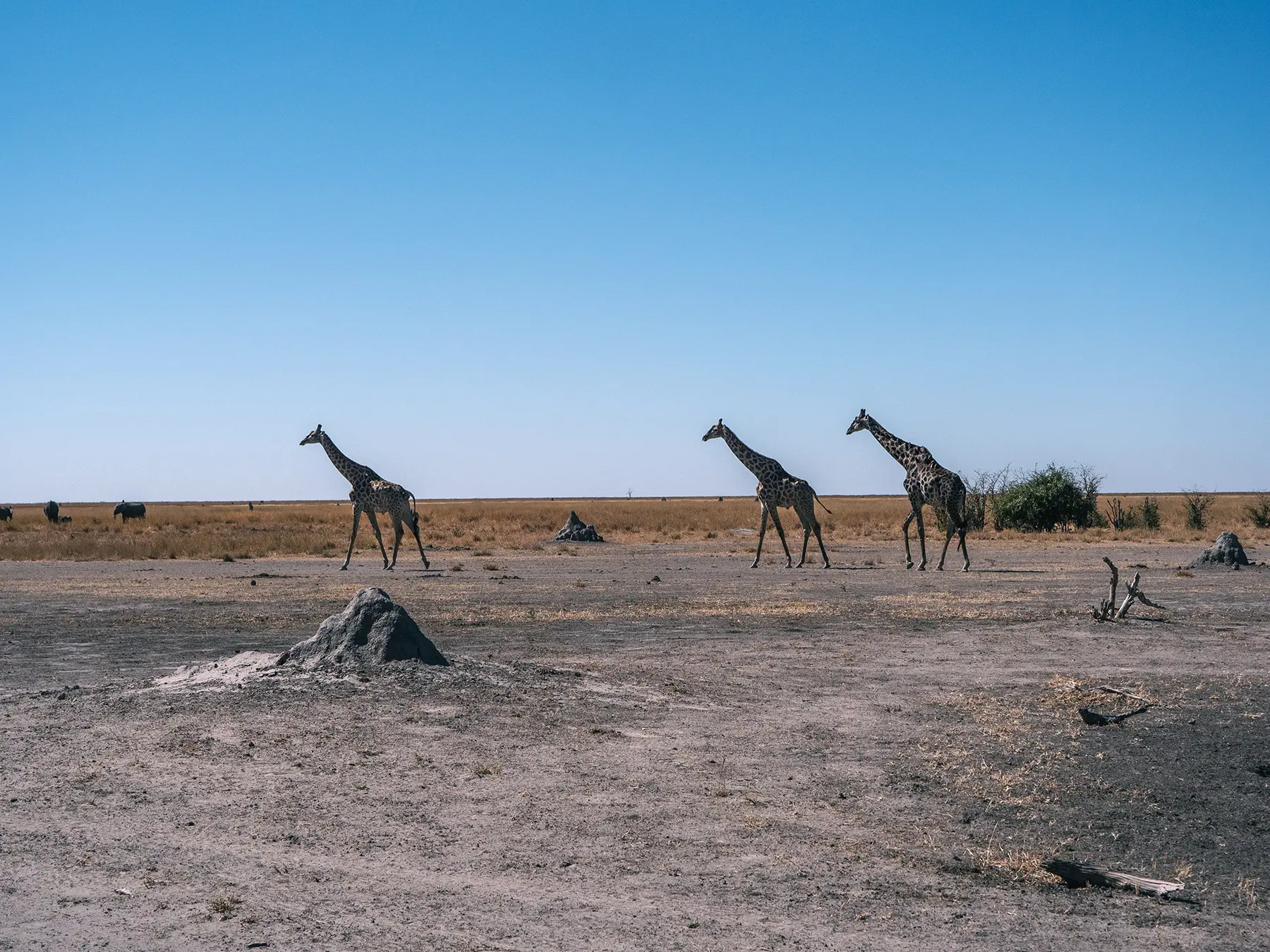
5. Makgadikgadi and Nxai Pans
The Makgadikgadi Pans, together with the smaller Nxai Pan to the north, form the largest salt pans in the world.
They are the remnants of an ancient super-lake that once covered much of northern Botswana before tectonic movement drained it.
In the wet season, zebra and wildebeest migrate here in large numbers, and unique experiences include quad biking on the pans, meerkat encounters and sleeping out under the stars.
I’ve included some quick facts below.
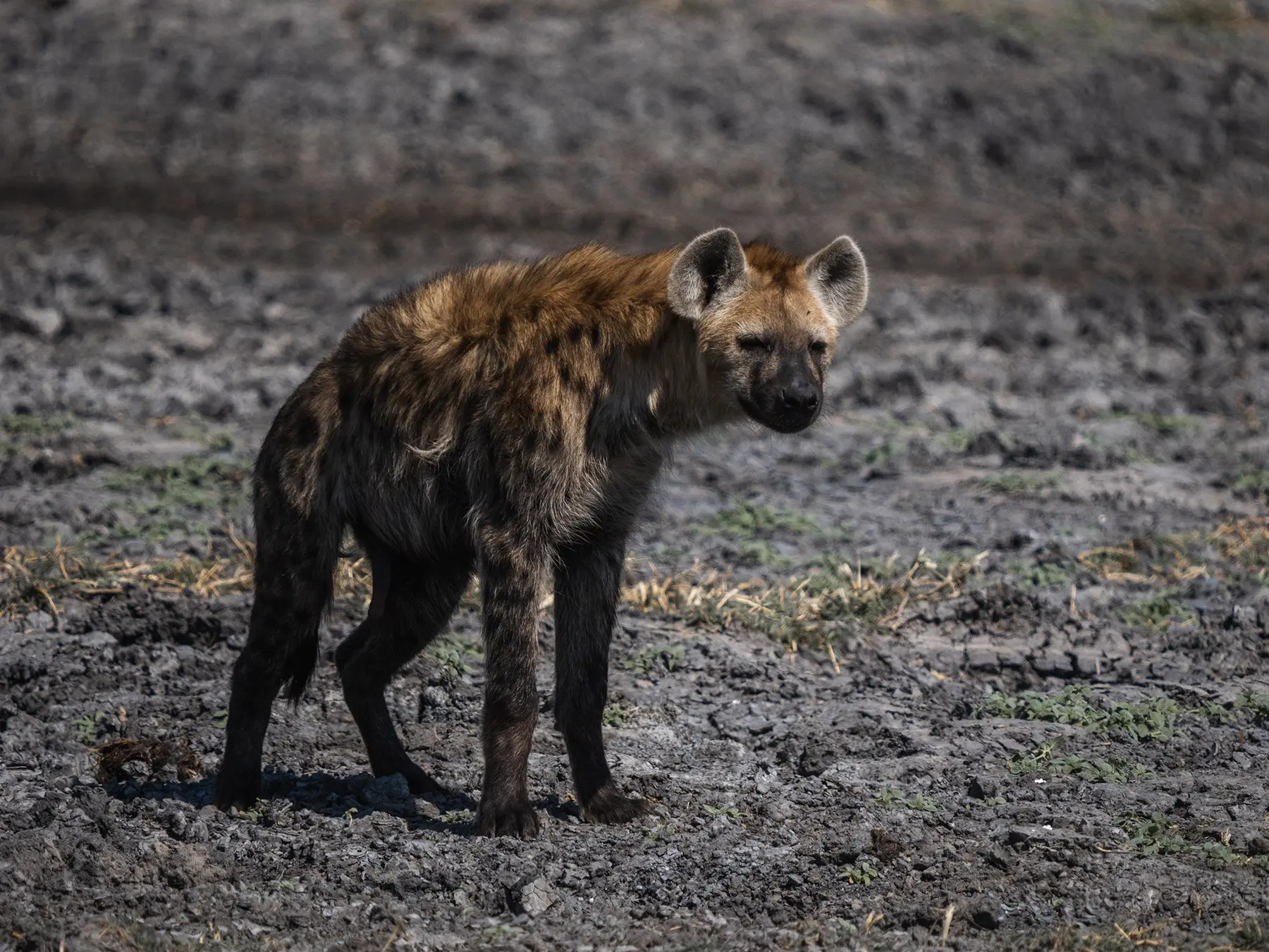
Makgadikgadi Pans Quick Facts
Entry Fee: $14 per adult for Makgadikgadi Pan
Busyness: Low. Visitor numbers stay low under Botswana’s high-value, low-impact tourism model
Nearest International Airport: Accessed via Maun, the main gateway for the region
Nearby Parks: Nxai Pan (adjacent to the north), Central Kalahari Game Reserve, with the Okavango region beyond
Special Features: Quad biking across the salt flats, habituated meerkat encounters, sleeping out under the stars, and ancient baobab trees including Nxai Pan’s Baines’ Baobabs
What Wildlife Can You See in the Makgadikgadi Pans?
The pans are best known for the zebra and wildebeest migration, which arrives in large numbers in the wet season when fresh water and grazing return.
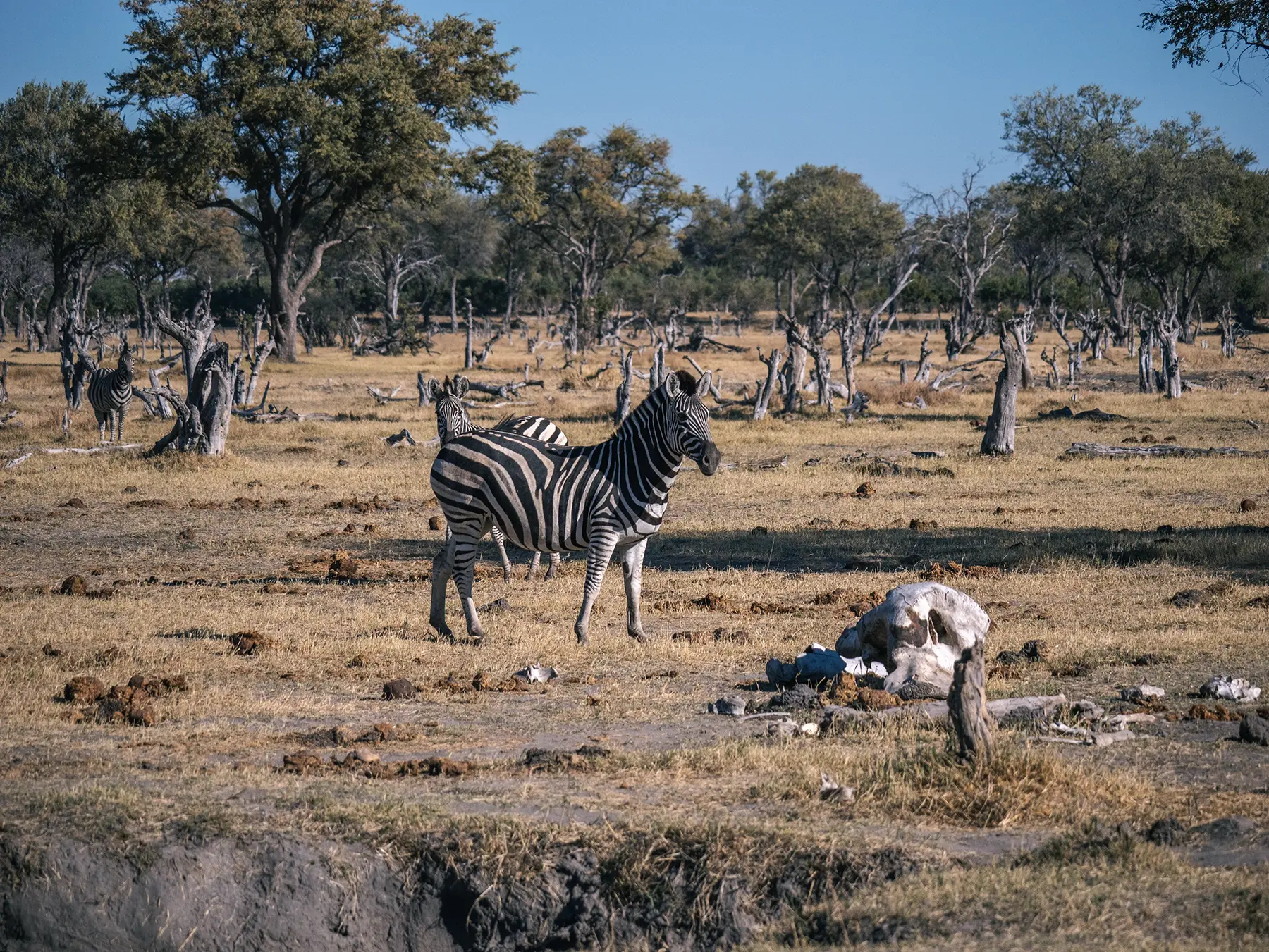
When the pans fill with water they attract a host of birds including around a million flamingos (the largest flamingo colony in the world) that arrive to nest.
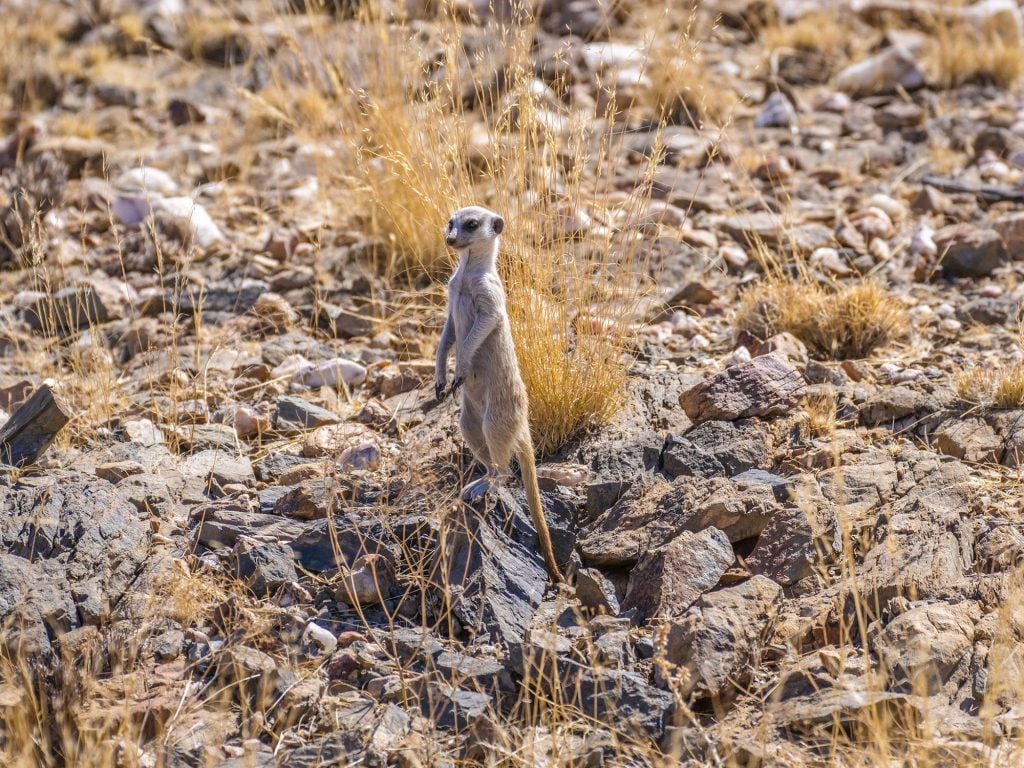
You can see habituated meerkats which essentially means they are used to the presence of humans so you can get quite close to observe them.
Below I’ve listed the most popular animals and your likelihood of spotting them.
When Is the Best Time to Visit the Makgadikgadi & Nxai Pans?
The best time to visit the Makgadikgadi & Nxai Pans is during the zebra migration which typically reaches the Nxai Pan area in December, January and February.
In the dry season (May to October) the pans are a bone-dry, lunar-like landscape and animals are easier to see as they congregate around remaining water holes.
In the rainy season (November to April) the pans fill with water and become a vibrant oasis drawing the zebra migration with related big cat activity and the flamingos.
How Does Botswana Compare to Other African Safari Destinations?
If you’re still undecided about exactly which African safari destination to visit, I’ve compared Botswana to my experience of some of the most popular safari locations below.
Botswana vs Kenya Safari: Which Is Best?
Kenya is one of Africa’s most accessible and affordable safari destinations and boasts the Great Wildebeest Migration. However the parks are much busier than Botswana’s.
Botswana on the other hand is one of the most remote and exclusive safari destinations, with over 40% of the country set aside for wildlife. Botswana provides a sense of solitude and a wilderness feel which is hard to match. It also has wild dogs which can’t be easily seen in Kenya.
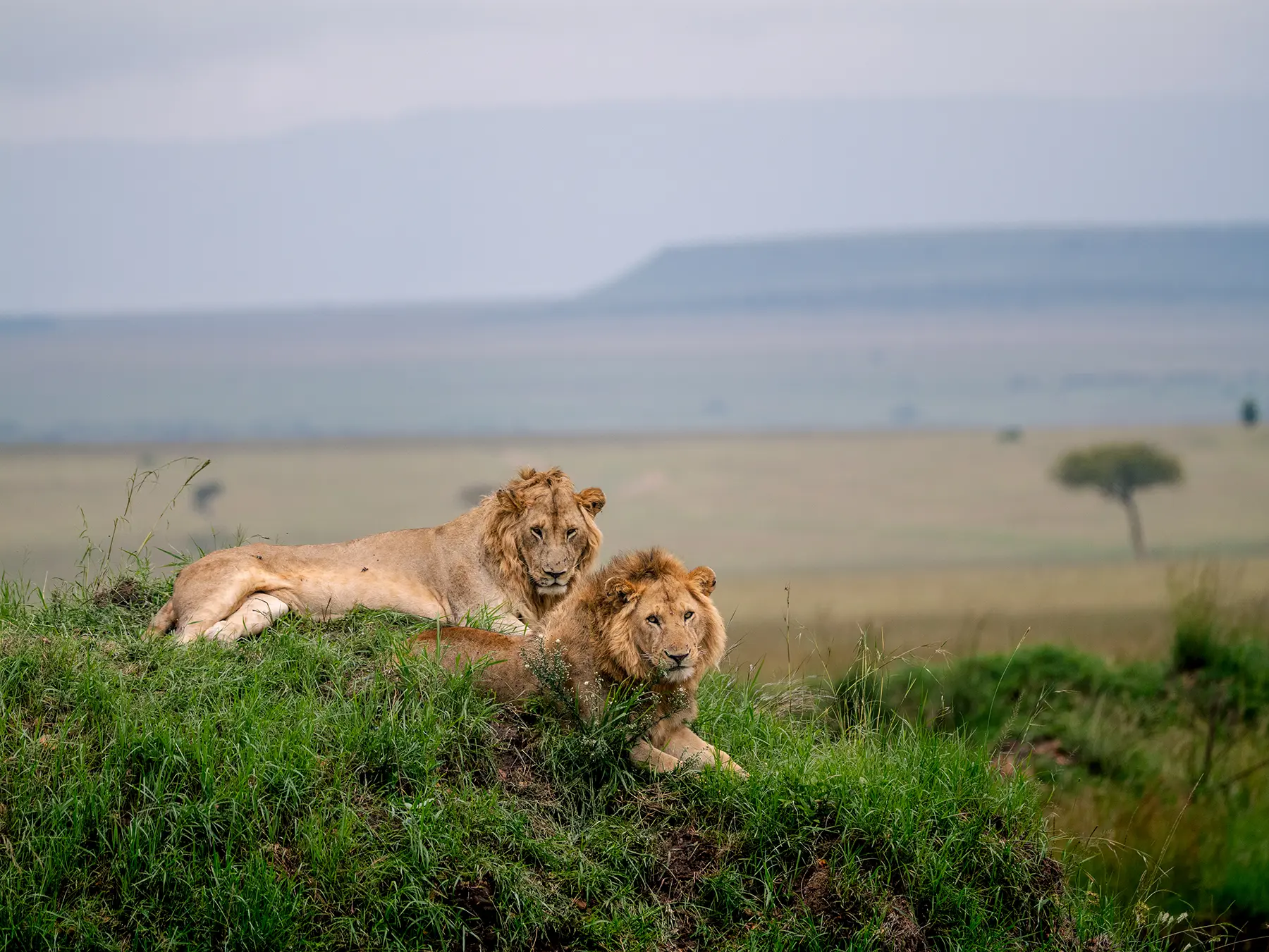
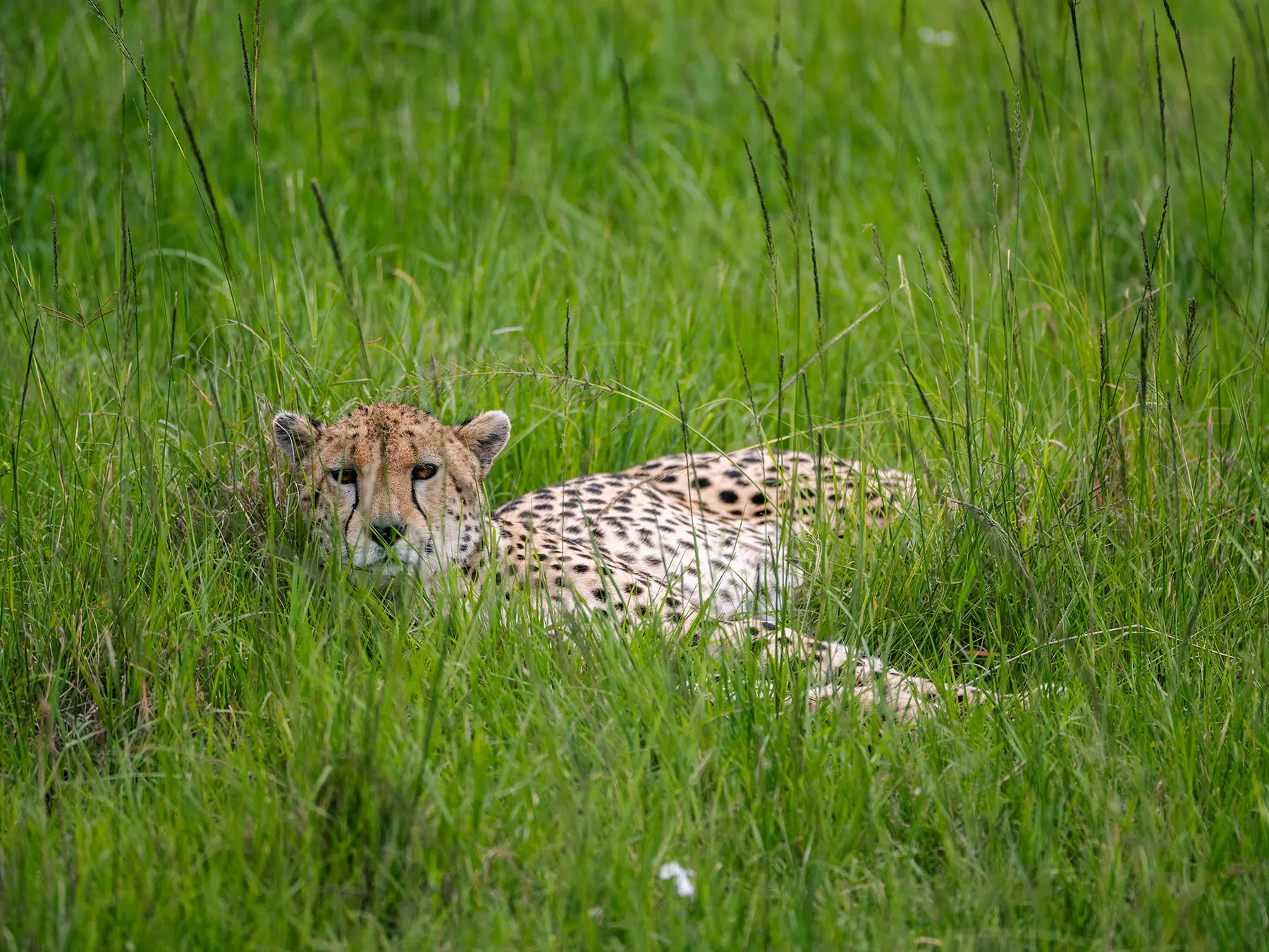
Wildlife: I’ve found that it’s much easier to see cheetahs and rhinos in Kenya, while Botswana is one of the very best places in Africa to see endangered African wild dogs. I’ve never spotted wild dogs in Kenya.
Accessibility: Kenya is much easier to reach. Botswana’s two key airports, Maun and Kasane, are mainly accessed via South Africa, making the journey from the US or Europe longer than to Kenya.
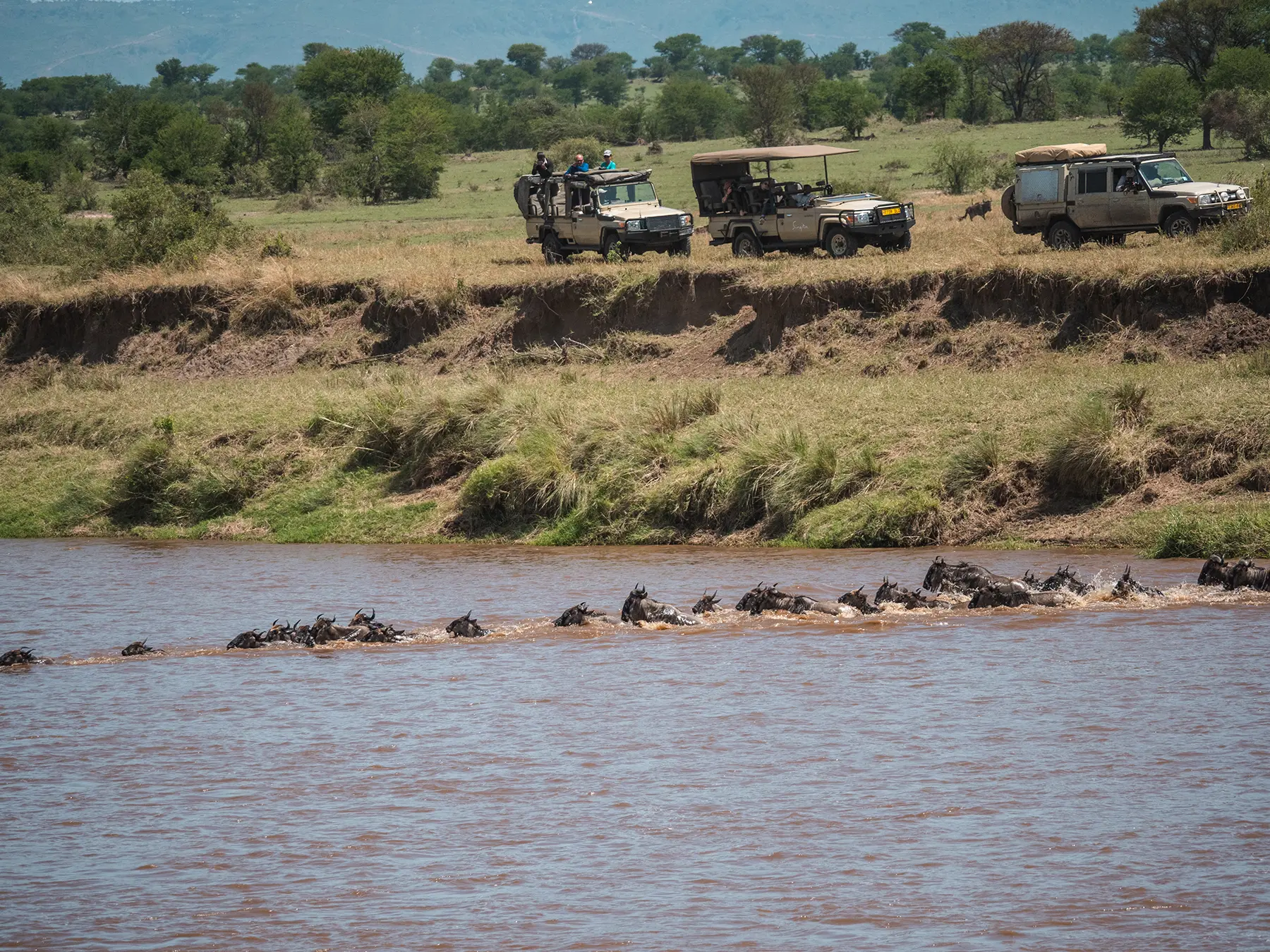
Unique features: Kenya has the Great Wildebeest Migration in the Maasai Mara for part of the year when over 2 million animals cross the crocodile infested Mara River.
Botswana has the unique Okavango Delta landscape, a UNESCO World Heritage Site, the zebra migration and wild dogs.
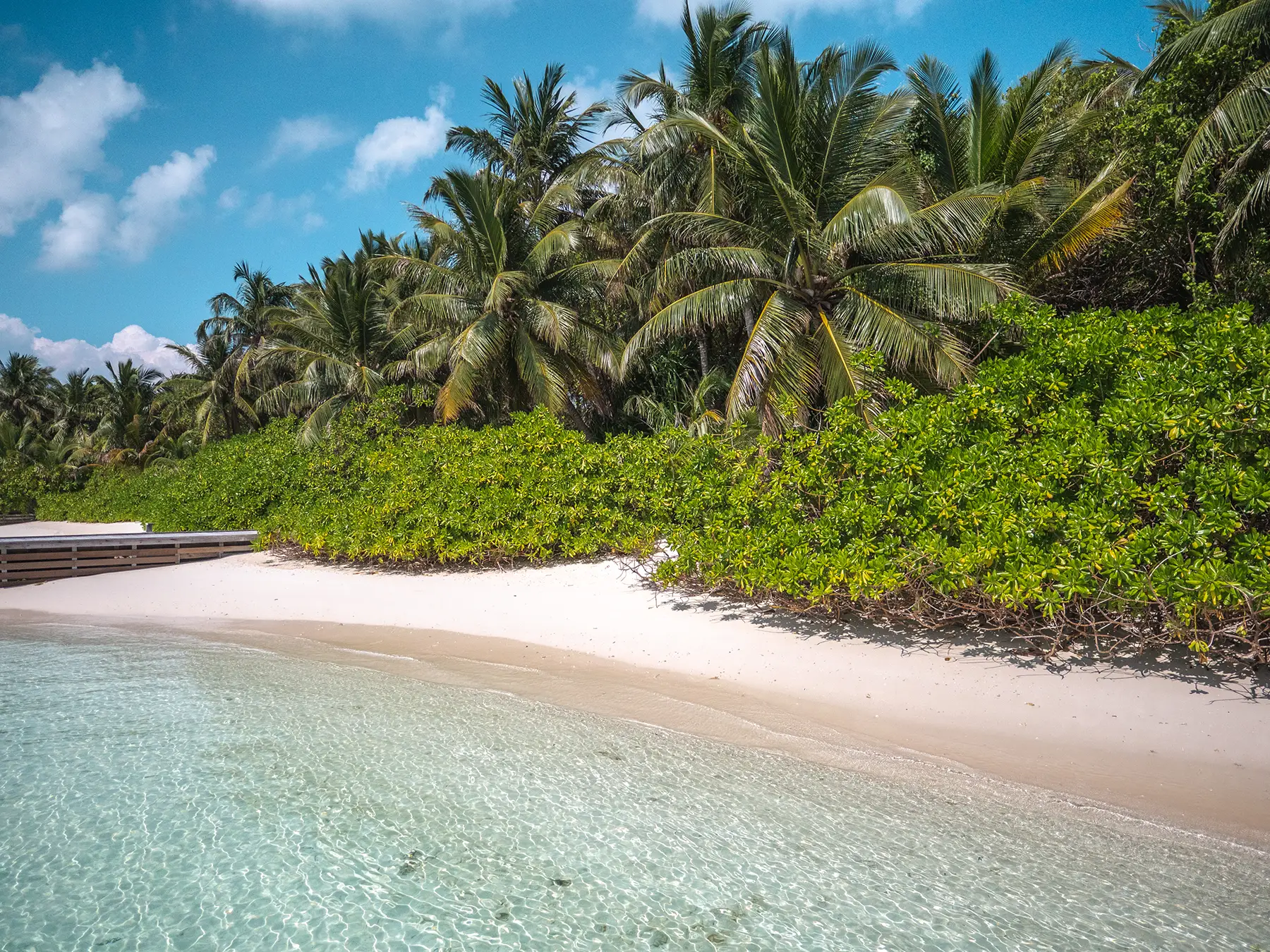
Beaches: Kenya has beautiful white-sand beaches such as Diani, ideal for a safari-and-beach trip. Botswana is landlocked and has no beaches.
Safety: I’ve found both to be safe safari destinations, and Botswana in particular is considered one of the safest countries on mainland Africa.
Weather & Climate: Kenya has a relatively stable climate throughout the year with comfortable temperatures. In contrast, Botswana has a pronounced summer and winter with temperatures ranging from freezing in the winter (23°F / -5°C at night) and boiling in the peak of summer (95°F / 35°C in the day).
Costs: Kenya is significantly cheaper. A budget private safari in Botswana starts at around $450 per person per day, compared with roughly $300 in Kenya.
Winner: Kenya is the better choice for most travellers, as it is easier to reach, more affordable and offers the spectacle of the Great Migration.
However, if you have the budget and are prepared to endure an extra flight to get there, Botswana is one of my favourite countries in the world.
Choose Botswana if you want the most exclusive, low-crowd wilderness on the continent and have the budget for it.
I’ve been on safari in both Botswana and Kenya numerous times. Over the years I’ve managed to build up a list of a handful of fantastic tour operators who I’ve personally used and who I’ve had great experiences with.
Botswana vs Tanzania: Which Is Best?
Botswana and Tanzania are both among Africa’s finest safari destinations, but they suit different travellers.
Tanzania is more accessible and relatively more affordable and boasts the Great Wildebeest Migration year round and Zanzibar’s beaches, while Botswana offers a more exclusive, low-volume wilderness centred on the Okavango Delta.
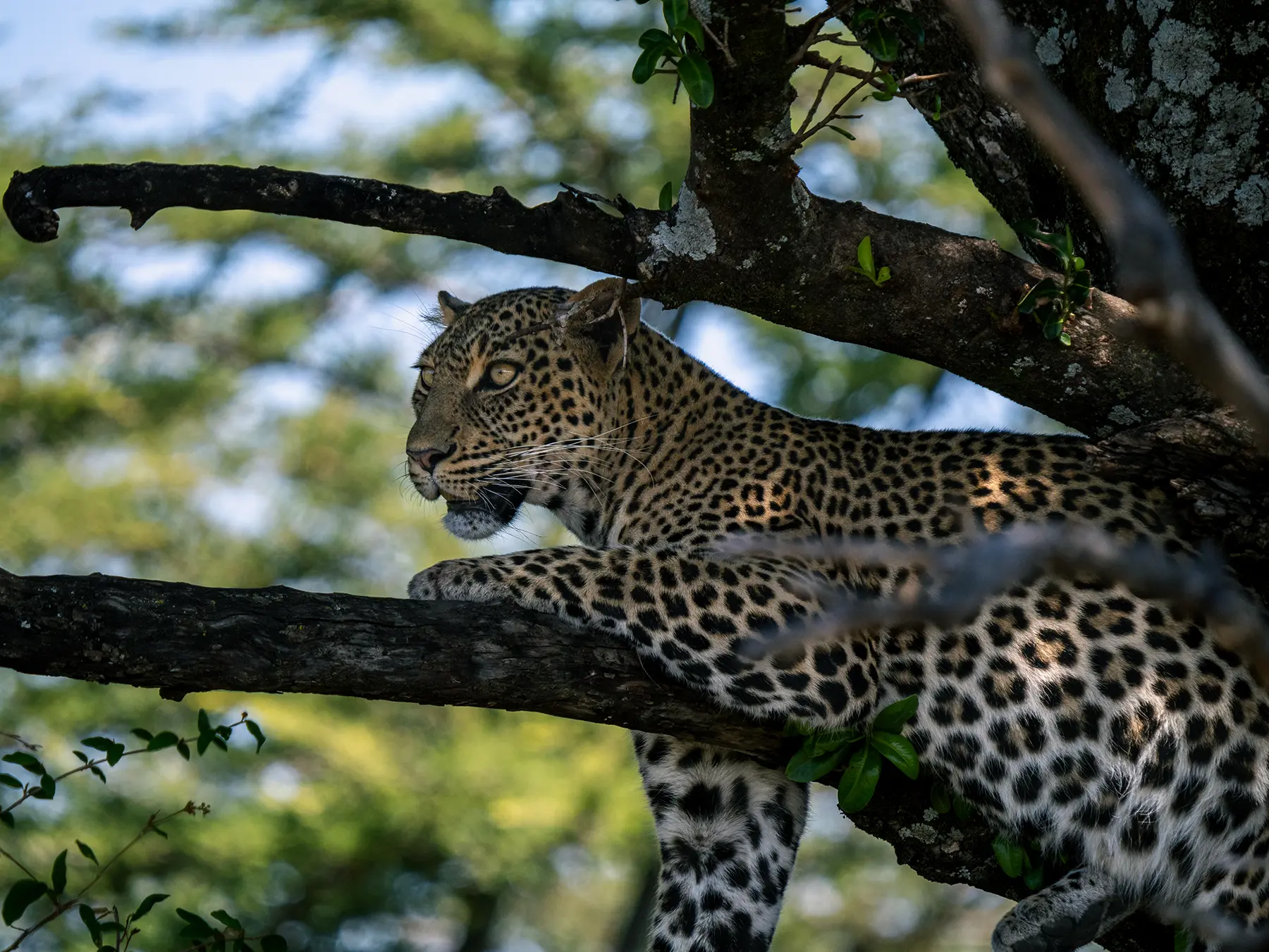
Wildlife: You are more likely to see cheetahs and rhinos in Tanzania, while Botswana is one of the best places in Africa to see African wild dogs.
Accessibility: Tanzania is easier to reach. Botswana’s key airports, Maun and Kasane, are mainly accessed via South Africa, making the journey from the US or Europe longer than to Tanzania.
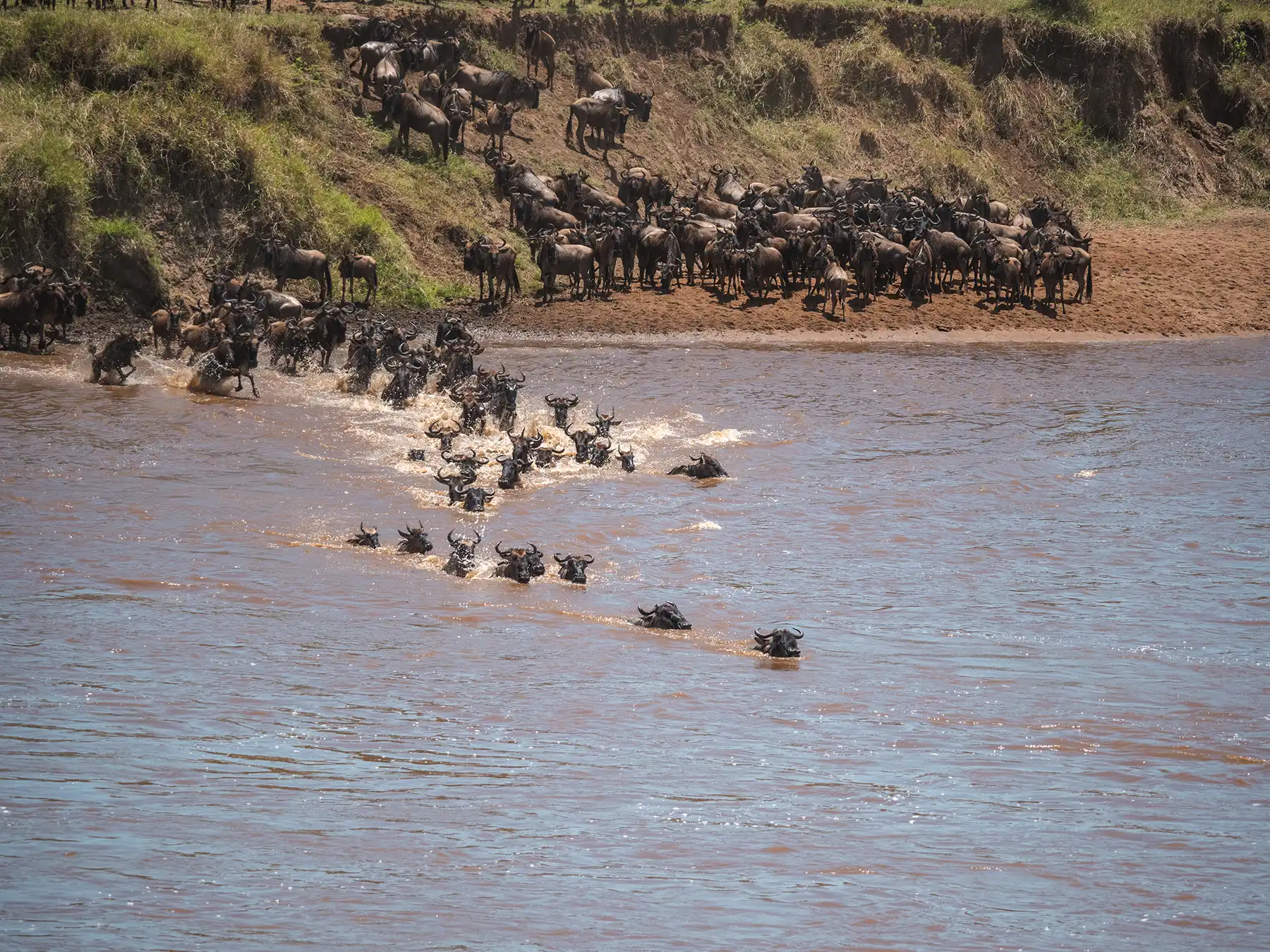
Unique features: Tanzania has the Great Wildebeest Migration year-round.
Botswana has the unique Okavango Delta landscape, a UNESCO World Heritage Site, the zebra migration and wild dogs.
Beaches: Tanzania includes the Zanzibar archipelago, renowned for world-class beaches. Botswana is landlocked with no beaches.
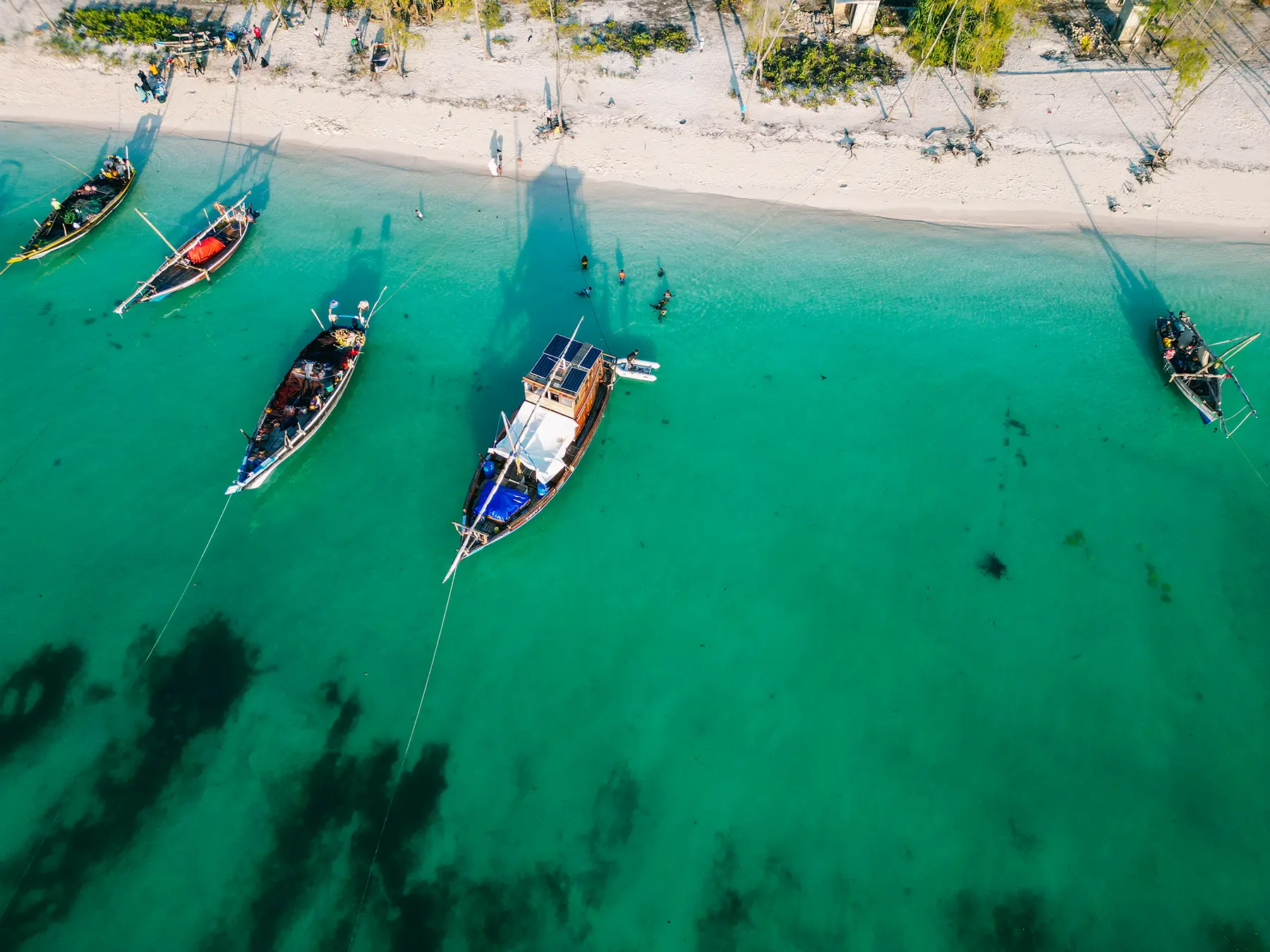
Safety: Both are safe to visit, and Botswana is considered one of the safest countries on mainland Africa.
Weather & Climate: Tanzania has a relatively stable climate year-round. Botswana has a pronounced summer and winter, with night temperatures dropping to around freezing in winter and daytime highs near 35C in summer.
Costs: Tanzania is cheaper. A budget private safari in Botswana starts at around $450 per person per day, compared with roughly $300 to $350 in Tanzania.
Winner: Tanzania is the better choice for most travellers thanks to easier access, lower costs and the chance to combine safari with Zanzibar’s beaches.
Choose Botswana if you have the budget and want the most exclusive, uncrowded wilderness in Africa.
Your decision may come down to whether you would prefer to see wild dogs in Botswana or the Great Migration in Tanzania as well as your budget as a Botswana safari costs around 50% more than Tanzania.
I’ve been on safari in both Botswana and Tanzania numerous times. Over the years I’ve managed to build up a list of a handful of fantastic tour operators who I’ve personally used and who I’ve had great experiences with.
Botswana vs South Africa: Which Is Best?
Botswana and South Africa sit side by side in Southern Africa but which is best?
South Africa is one of the most accessible safari destinations in Africa, with well-developed infrastructure, self-drive options and the iconic Kruger National Park.
South Africa covers the full range of safaris from super high-end exclusive luxury safaris in areas such as Sabi Sand to budget self driving safari through Kruger National Park on tar roads.
Botswana on the other hand is more focused on the higher-end side of things (although self driving is do-able too) and it’s a more remote, exclusive wilderness built around the Okavango Delta.
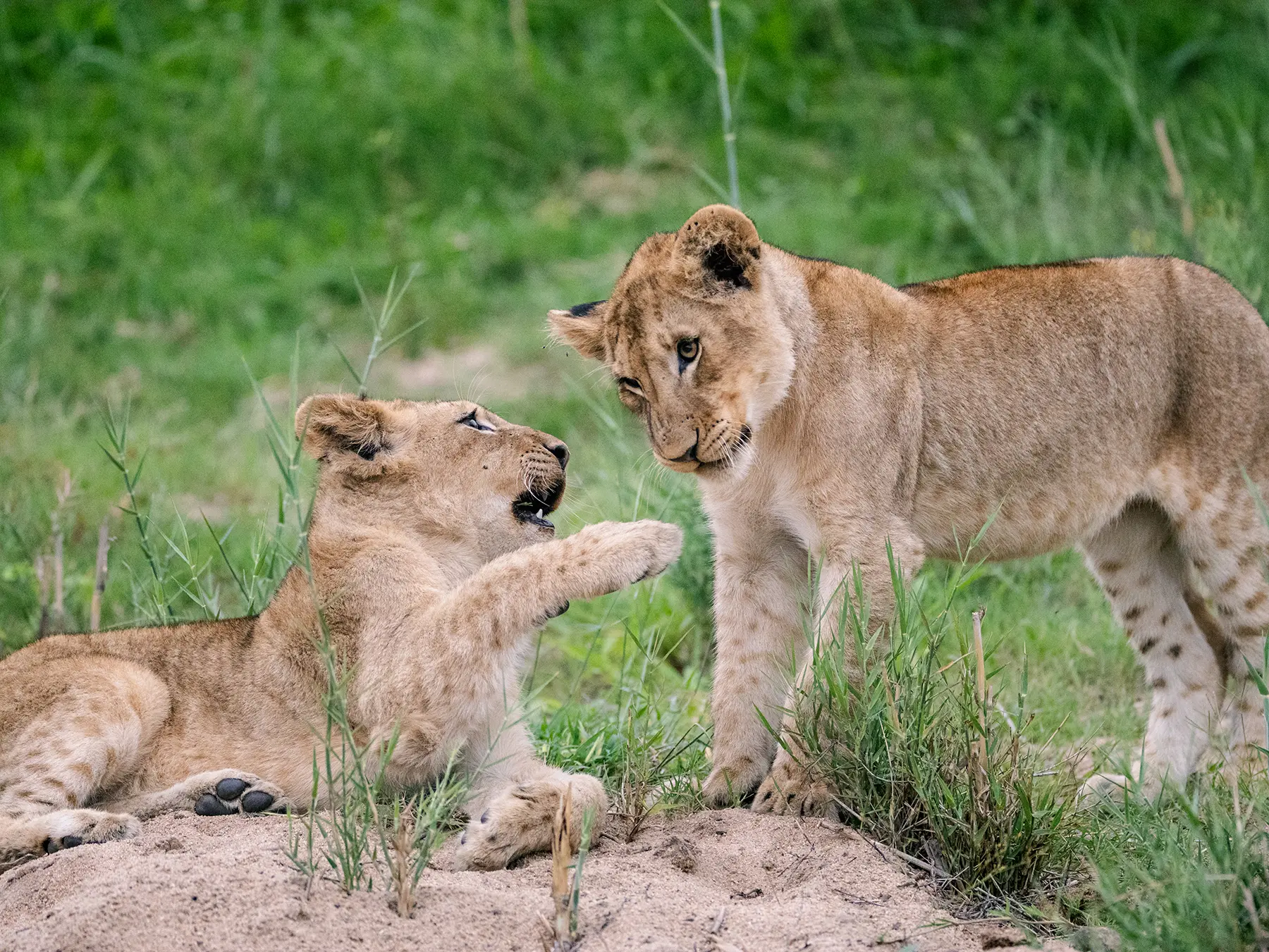
Wildlife: Botswana reliably offers four of the Big Five with rhinos harder to spot due to poaching. South Africa by contrast offers all of the Big Five.
Both destinations offer a good chance of seeing wild dogs.
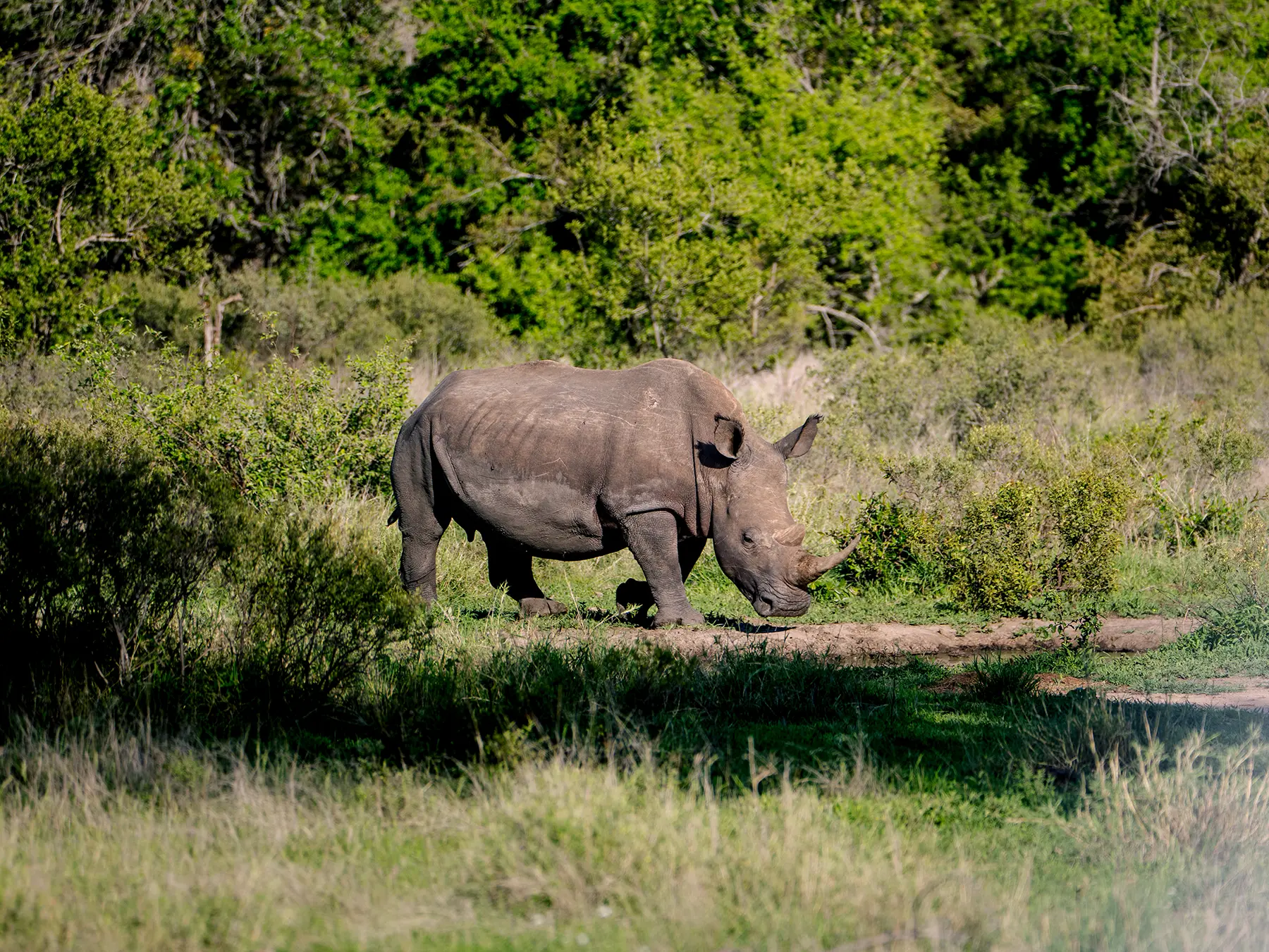
I found that I had a lot more sightings in South Africa (in the luxury private reserves such as Sabi Sand and Timbavati) than Botswana’s Okavango delta and Chobe but that is probably because SA is a slightly more controlled environment whereas Botswana is more raw and untouched so sightings can be a little more challenging but all the more rewarding when you have them.
For example in Sabi Sand you can see 3 leopards in a day but in Botswana I saw 2 leopards in my 10-day trip.
Wild dog sightings were similar in both destinations. I saw one pack of wild dogs over two days during 10 days in Botswana and six sightings of three different packs of wild dogs during 30 days in South Africa.
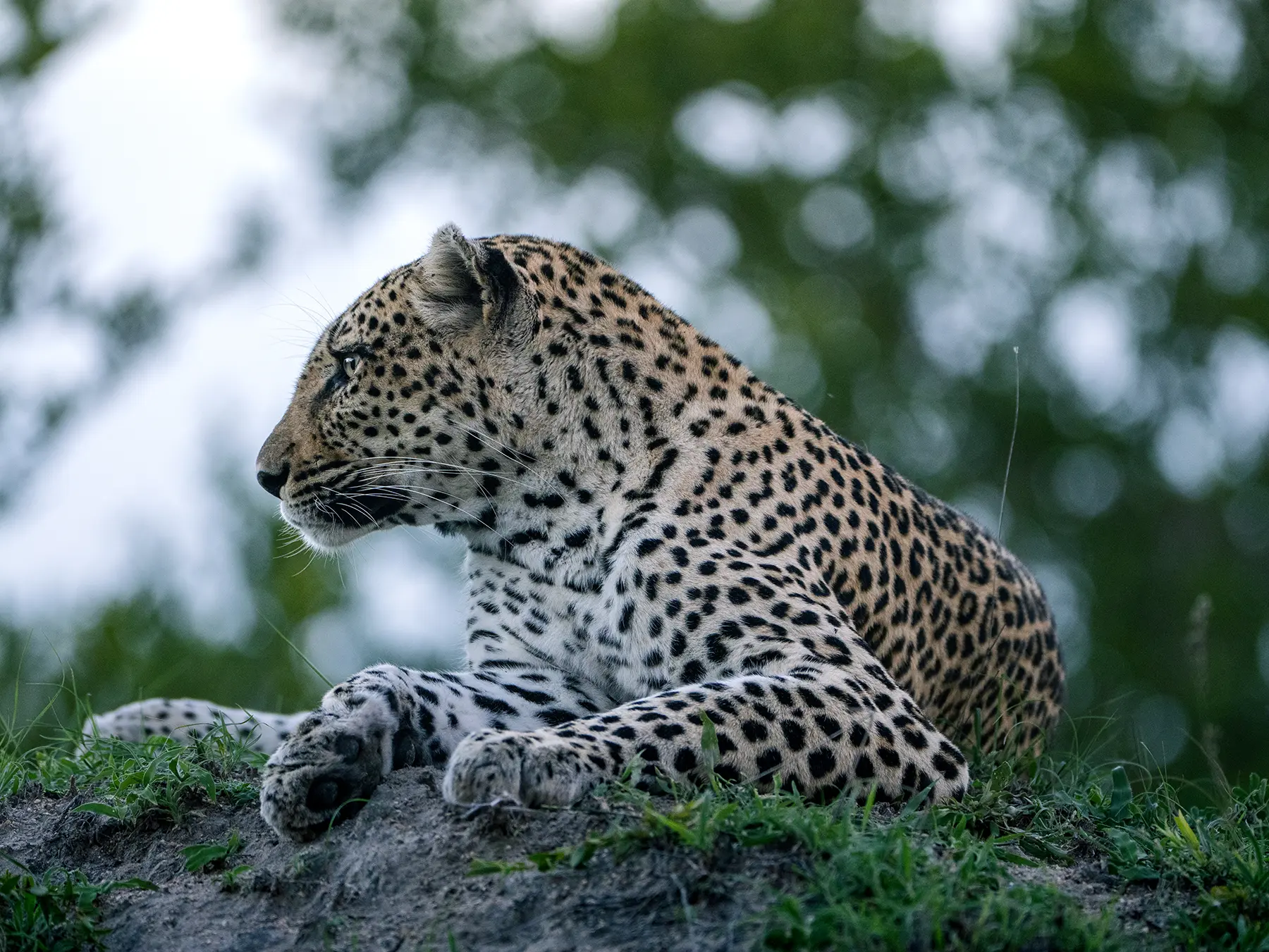
Accessibility: South Africa is far easier to reach and get around, being one of the few destinations where self-drive safaris are practical and popular. Some of Botswana’s prime areas are only reached by small charter flights, often via South Africa.
Unique features: South Africa has the exclusive Sabi Sand Game Reserve with a super-high leopard density as well as Cape Town and the Garden Route.
South Africa’s Kruger National Park is probably the most self-drive friendly national park in Africa.
Botswana has the unique Okavango Delta landscape, a UNESCO World Heritage Site and the zebra migration.
Beaches: South Africa has a long coastline with beaches, plus unique marine wildlife like the African penguin, Great White shark and Southern Right whale.
Botswana is landlocked with no beaches.
Safety: Botswana is considered one of the safest countries on mainland Africa, while in South Africa it is worth taking normal precautions in the larger cities, though safari areas themselves are very safe.
Weather & Climate: Both are Southern African destinations with a dry winter and wetter summer.
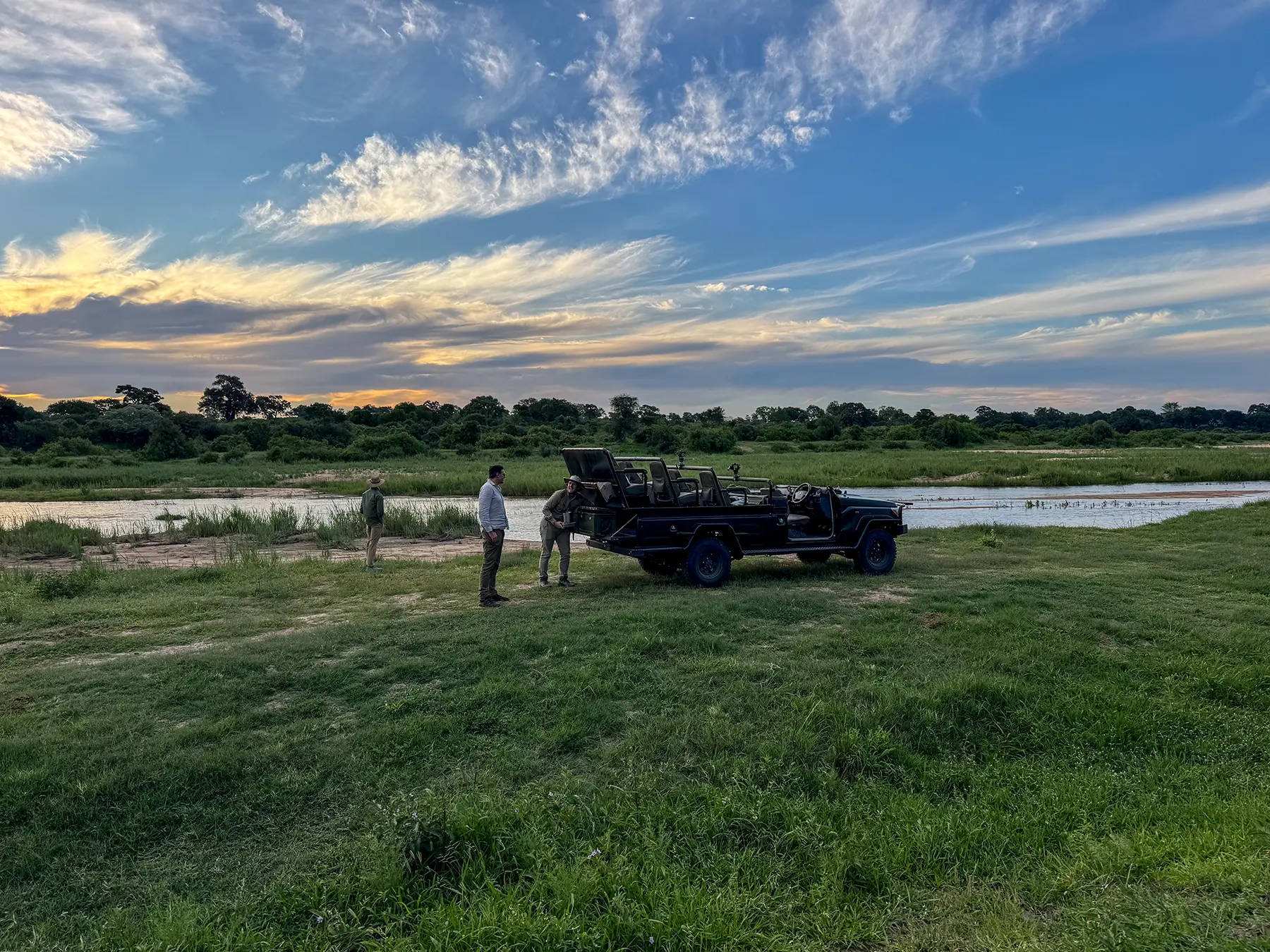
Costs: South Africa can be cheaper and more flexible, especially with self-drive and a wide range of accommodation.
However, in the private greater Kruger reserves prices most of the lodges are luxury and prices can be substantial but not quite reaching Botswana highest prices.
Botswana has the highest entry-level safari prices in Africa, with budget private safaris from around $450 per person per day.
Winner: South Africa is the better all-round choice for most travellers, especially first-timers and families, thanks to easy access, self-drive options, lower costs and the variety beyond safari.
Choose Botswana if you want the most exclusive, low-crowd wilderness and have the budget for it.
I’ve been on safari in both Botswana and South Africa numerous times. Over the years I’ve managed to build up a list of a handful of fantastic tour operators who I’ve personally used and who I’ve had great experiences with.
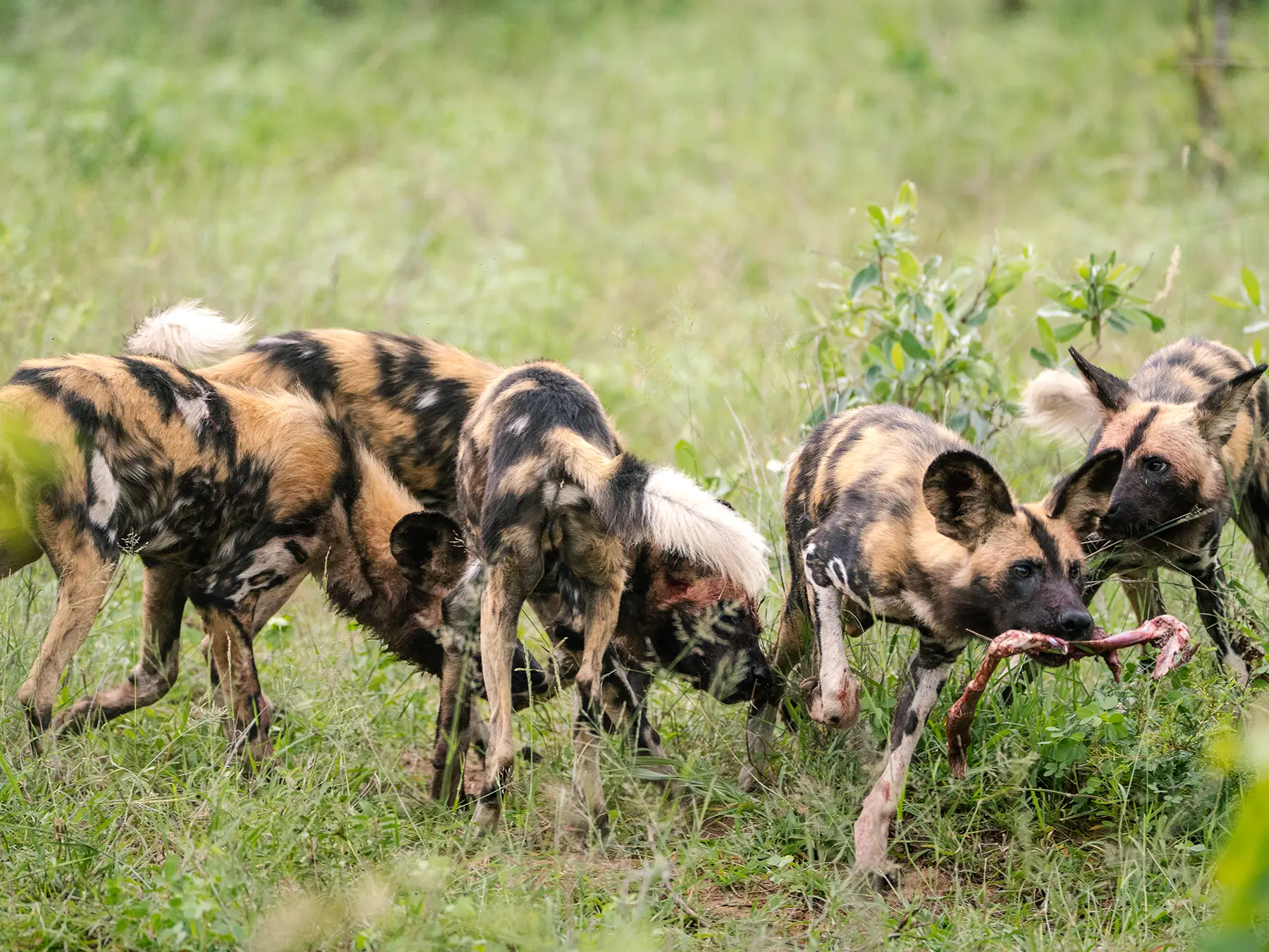
Botswana vs Namibia: Which Is Best?
Botswana and Namibia are neighbouring Southern African destinations that both deliver vast, wild and uncrowded safaris, with large areas of each country given over to wildlife. Botswana sets aside almost 40% of its land for conservation, comparable to Namibia’s 43%.
However, there are a few key differences between them.

Wildlife: Botswana offers reliable sightings of four of the Big Five with rhino sightings only being possible in a few select areas.
Botswana is one of the best places to see endangered African wild dogs.
Namibia’s flagship park, Etosha, is around 8,500 square miles (22,000 km²) of mostly desert and scrubland where wildlife gathers around waterholes.
Etosha gets you four of the Big Five; to see all five you’d need to add the Caprivi/Zambezi region.
Namibia has the largest cheetah population in the world, though mostly on farmland/conservancies rather than Etosha.
Whilst it’s technically possible to see wild dogs in Namibia sightings are rare but they are sometimes seen in Khaudum or on the Caprivi Strip.
I only saw much less wildlife in Etosha but then again I was self driving so it’s not really a fair comparison with Botswana where I had an expert guide.
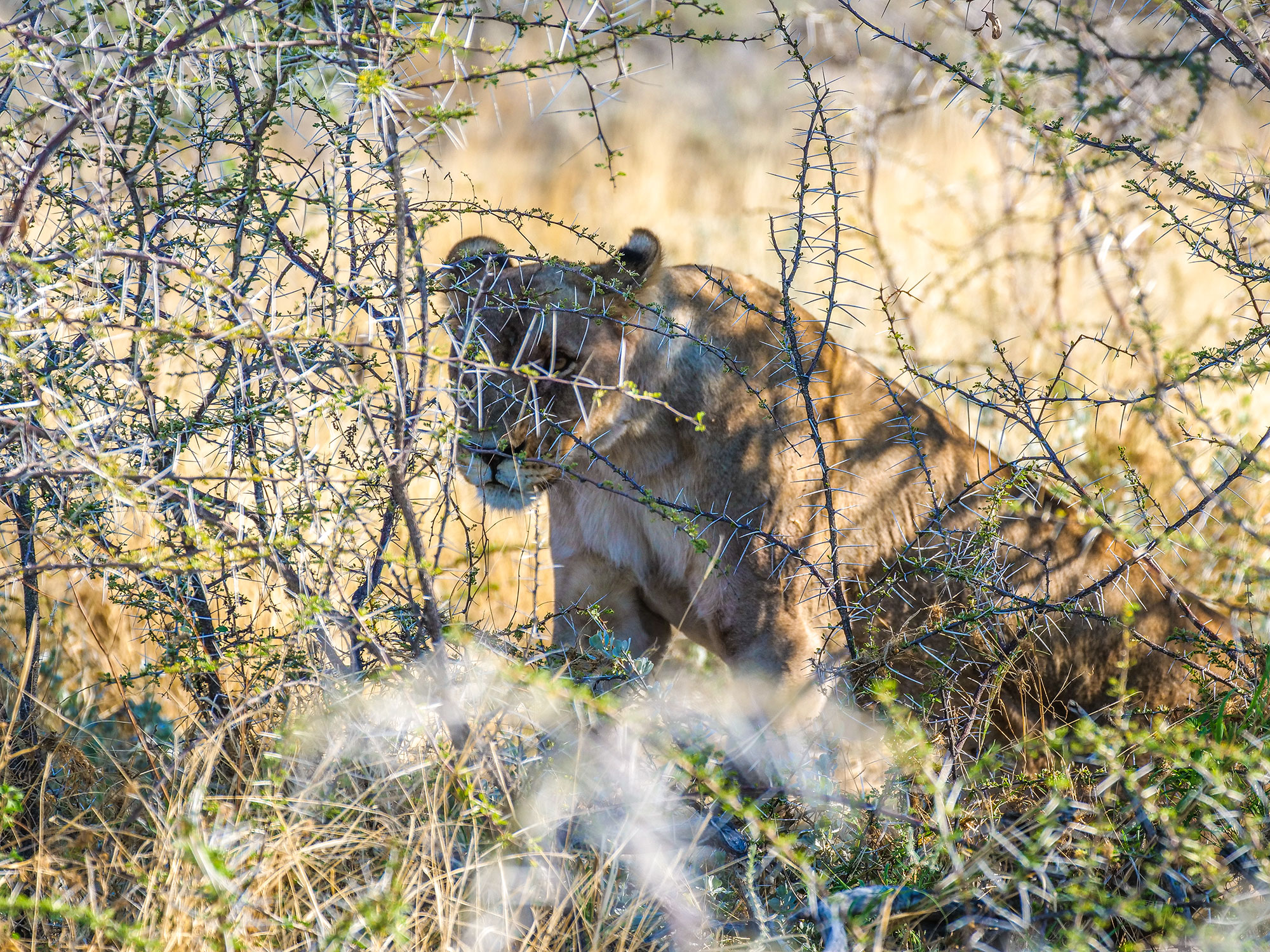
Accessibility: Namibia is slightly easier to access as Botswana’s safari hubs (Maun, Kasane) almost always mean a final hop via Johannesburg on Airlink.
Namibia is one of Africa’s most self-drive-friendly countries, along with South Africa (I self-drove in Namibia myself), whereas Botswana is dominated by fly-in, guided safaris into remote camps, which requires a bigger budget.
Unique features:
Namibia has rare desert-adapted elephants and lions found in few other places, the world’s largest free-roaming black rhino and cheetah populations.
Botswana has the unique Okavango Delta landscape, a UNESCO World Heritage Site, the zebra migration and wild dogs.
Beaches:
Namibia has fantastic beaches such as Swakopmund which is great for relaxing or Sandwich Harbour, which is within a National Park is a great day trip for driving on the beach and sand dunes.
Botswana is landlocked with no beaches.
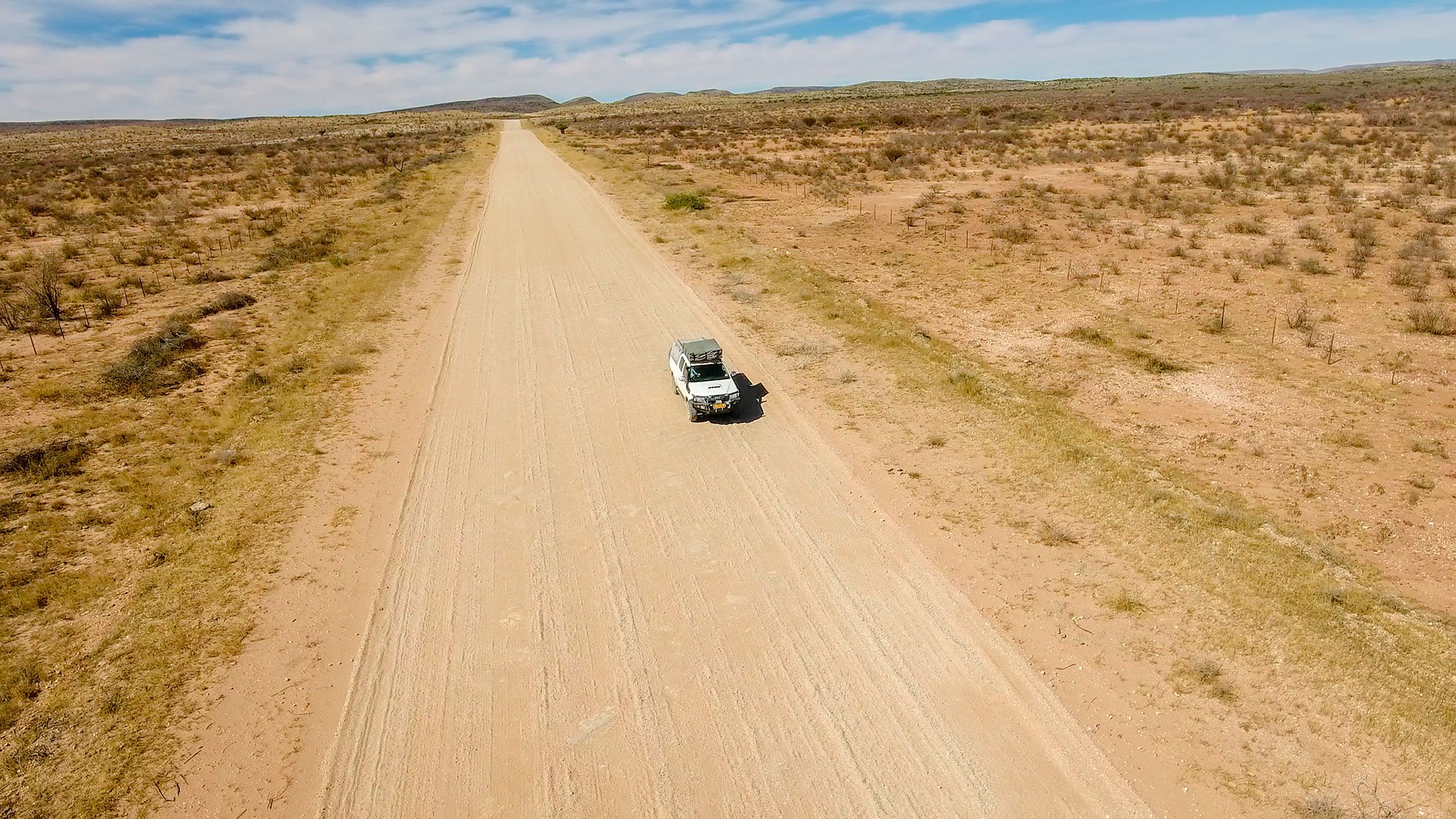
Safety: Namibia is fairly safe and I self-drove across the country in 2017 with the only incident being someone unsuccessfully trying to open my car door to grab a camera in Windhoek.
Botswana is considered one of the safest countries on mainland Africa.
Weather & Climate:
Both Namibia and Botswana have a pronounced summer and winter, with night temperatures dropping to around freezing in winter and daytime highs near 35C in summer.
Costs: Botswana has the highest entry-level safari prices in Africa, with budget private safaris starting from around $450 per person per day under its low-volume, high-value tourism model compared with Namibia’s $200 starting price.
Winner: Botswana offers the better safari experience but requires a larger budget. If budget is limited or you want to self drive and to explore diverse landscapes as well as going on safari then Namibia is worth considering.
I’ve been on safari in both Botswana and Namibia. Over the years I’ve managed to build up a list of a handful of fantastic tour operators who I’ve personally used and who I’ve had great experiences with.
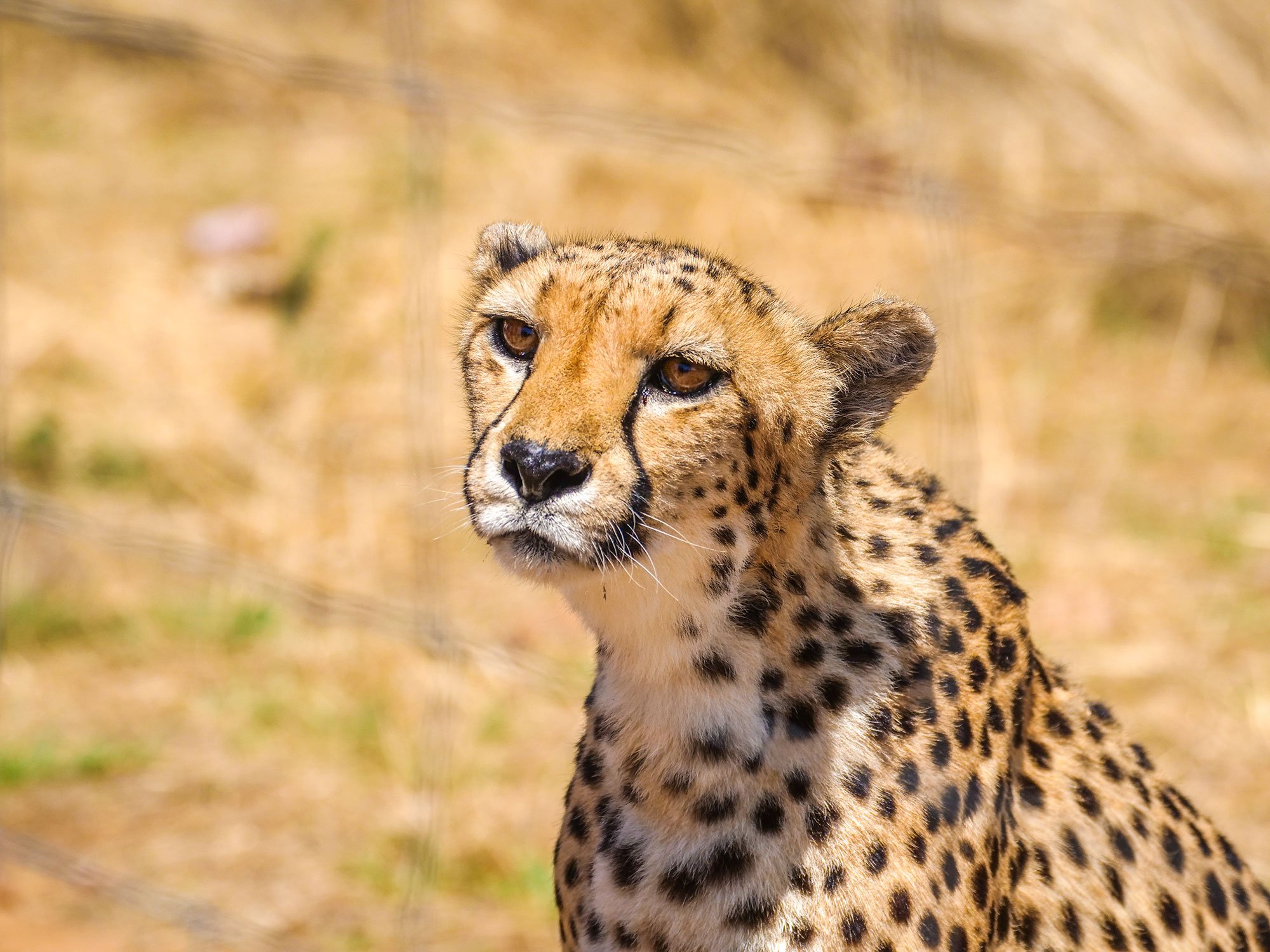
Is Botswana Safe?
Yes – in my experience Botswana is safe to visit. In fact, Botswana is widely regarded as one of the safest and most politically stable countries in Africa.
Its safari circuit, especially, is well regarded as safe as it largely takes place outside busy towns, which are typically where you will encounter the most crime (in any country).
Although Botswana is safe, there are some precautions you can take to ensure you have the most relaxing experience. I’d also always recommend keeping up to date on the latest travel advice for Botswana.
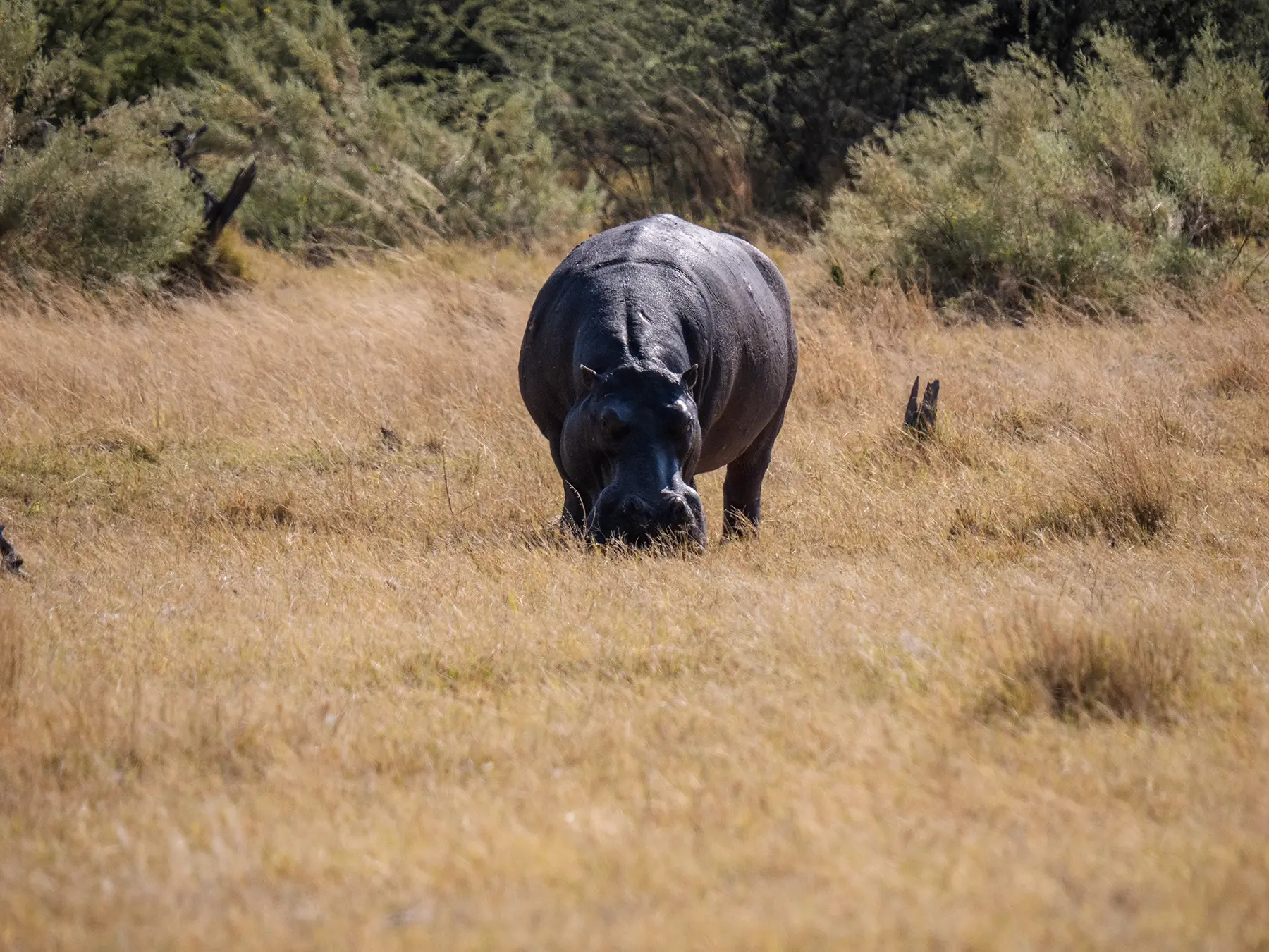
I felt safe everywhere I went in Botswana, simply following the same sensible precautions I use in any country. I didn’t walk at night, kept my valuables out of sight and stuck to well-known areas.
Your safari will likely start and end in Maun, the laid-back gateway town for the Okavango Delta. Maun is a quiet, sleepy and tranquil place and I received no hassle there whatsoever, which was a refreshing contrast to some other African towns I’ve visited.
People were friendly and would smile but nobody approached me to sell curios or tours. I felt very safe and very relaxed.
Maun is quite spread out so it isn’t easily walkable. There’s no Uber here, so I saved the number of a taxi driver recommended by my hotel and called him for all my journeys. Having a reliable driver on speed dial made everything much easier.
Roads are perhaps your biggest safety consideration in Botswana. Steer clear of public transport such as buses where possible as they are typically overcrowded and the drivers aren’t the safest.
Wildlife poses very little threat to visitors. However, you can minimise any chances of accidents by listening carefully to your guide and avoiding leaving your room or tent at night when staying in or near the national parks and reserves.
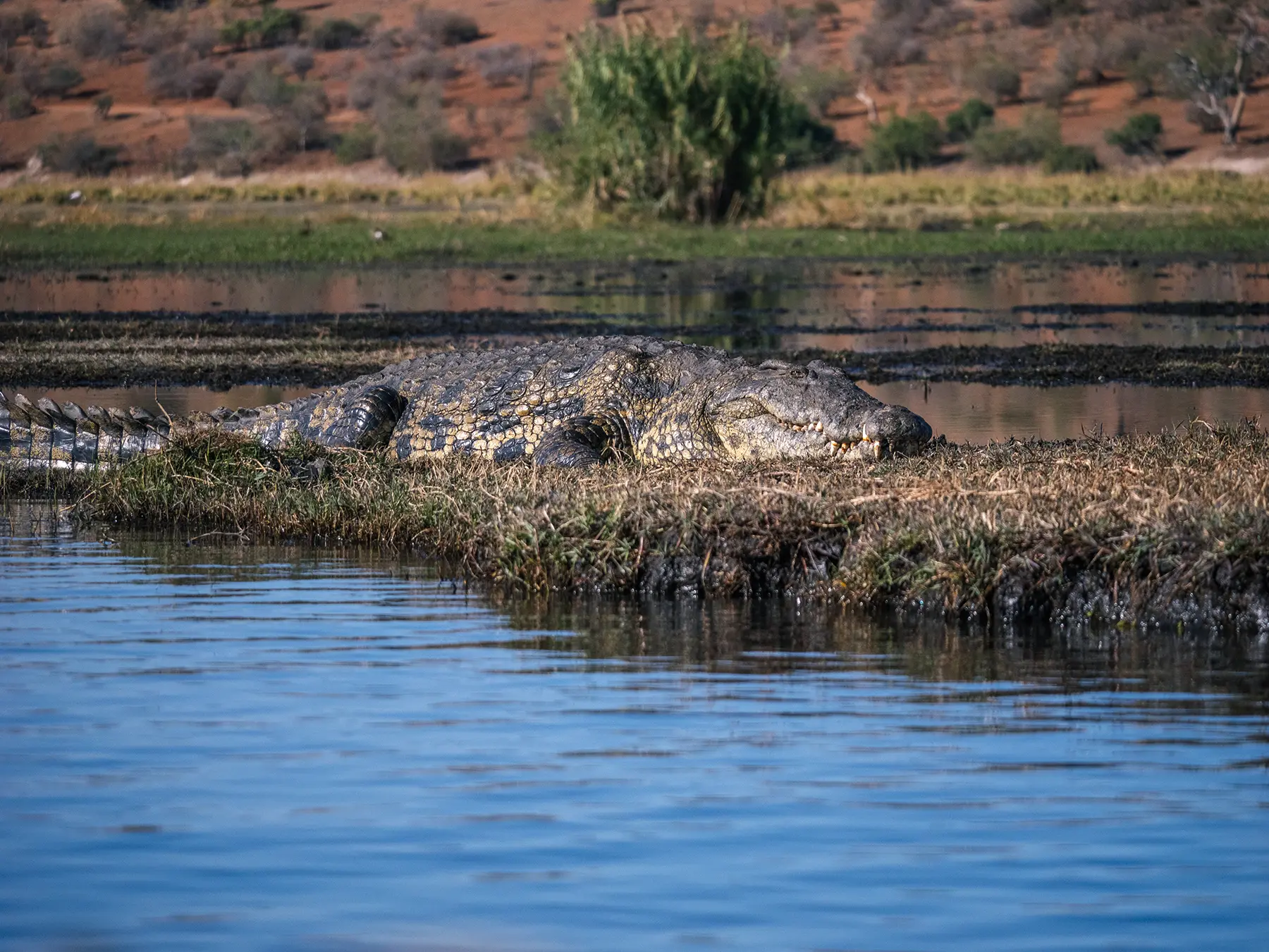
Best Botswana Safari Itineraries
Botswana is such a vast country and so it can be hard to know what to fit into your itinerary and how long to spend in each destination.
After visiting Botswana, I’ve come up with my favourite itineraries to suit your ideal length of time in the country.
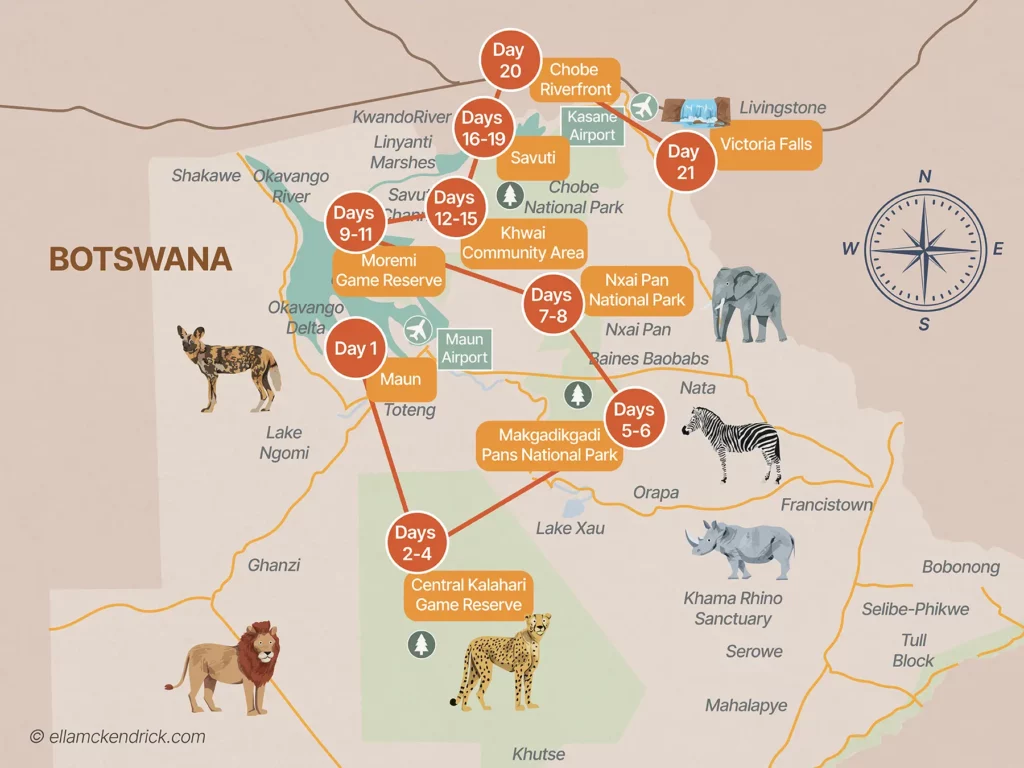
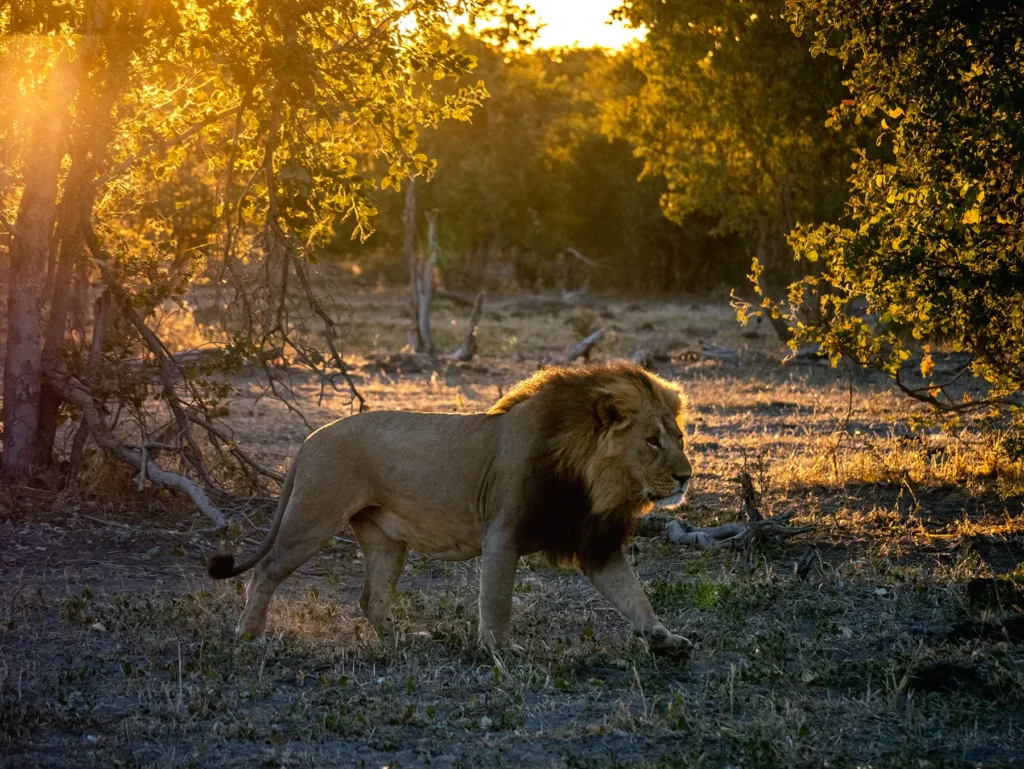
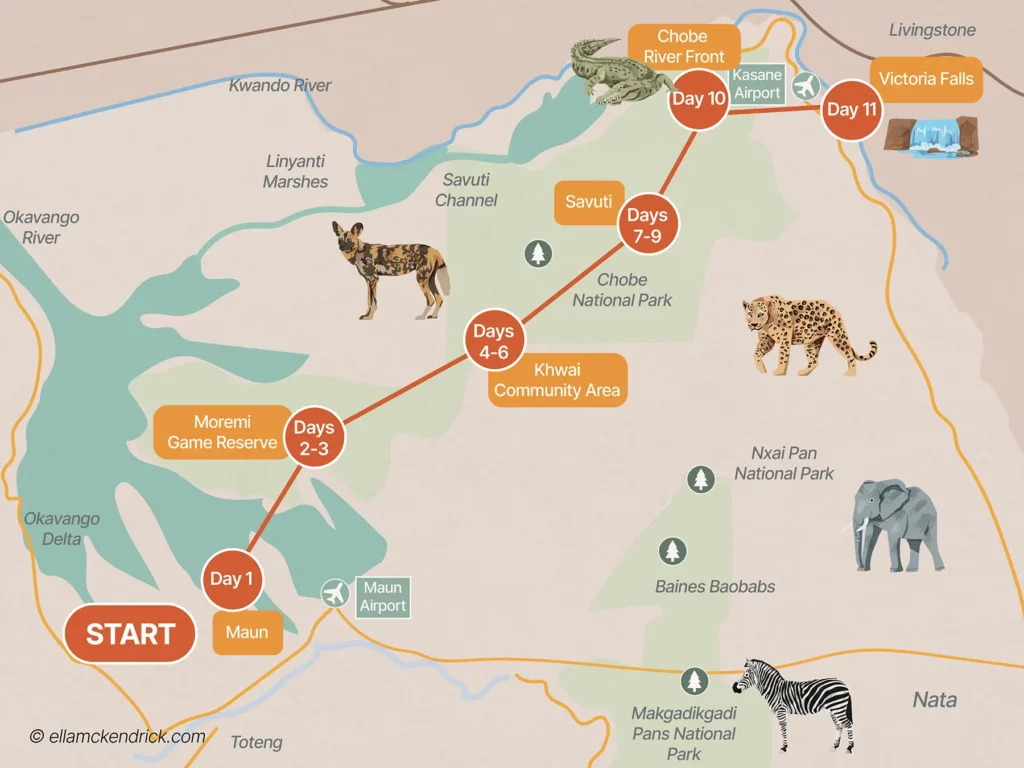
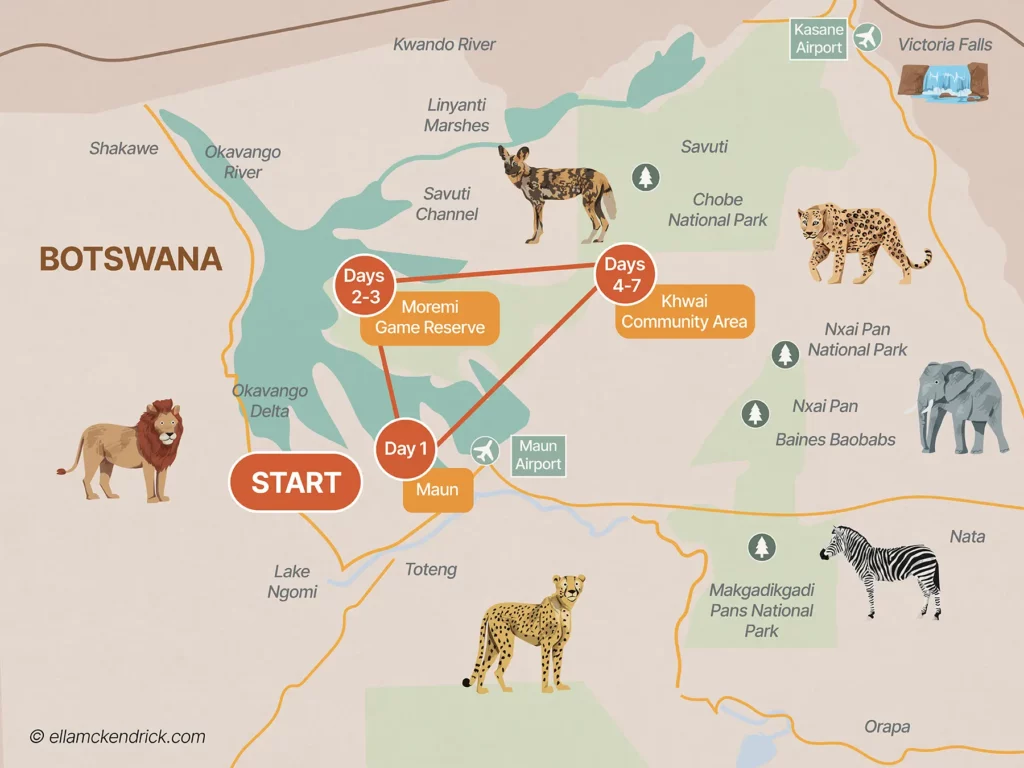
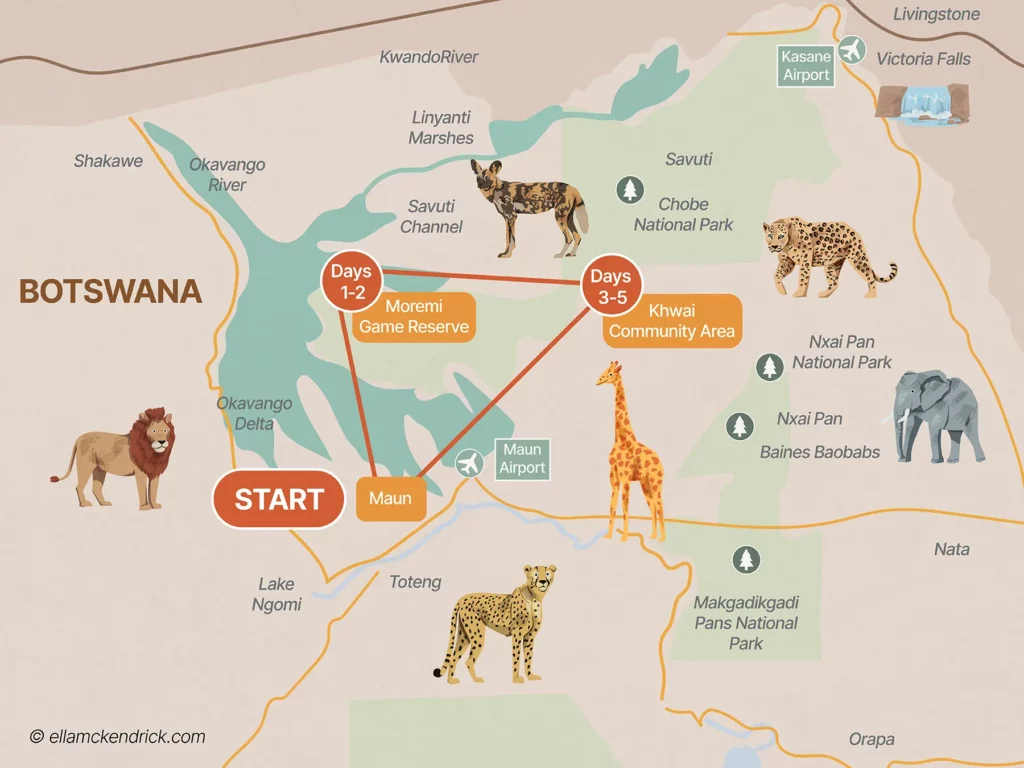
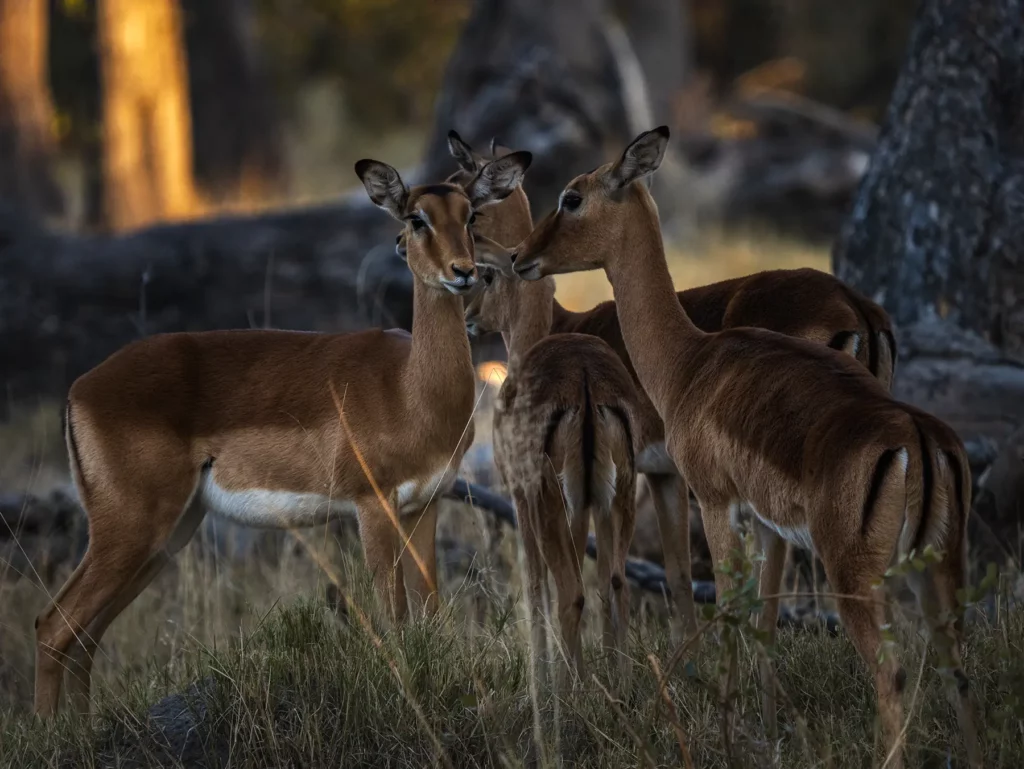
Embark on the Safari of Your Dreams
Save time and ensure an incredible safari experience by getting quotes from my recommended local safari companies
I’m here to make booking your perfect safari quick, easy and risk-free.
Join the rapidly growing tribe of over 1,000 travellers who’ve booked their dream safari using my insider tips and recommendations.
It takes under 60 seconds to fill out the form and in under 48 hours you will receive multiple, no-obligation proposals from my favourite local tour operators with glowing online reviews.
Get your free no-obligation safari quotes and my top safari tips and recommendations
How to Prepare for Your Botswana Safari
You’ve made the decision to go on safari in Botswana. Fantastic! You’re now likely wondering how you go about organising the different elements of the trip.
I’ll break down everything you need to prepare for your safari below.
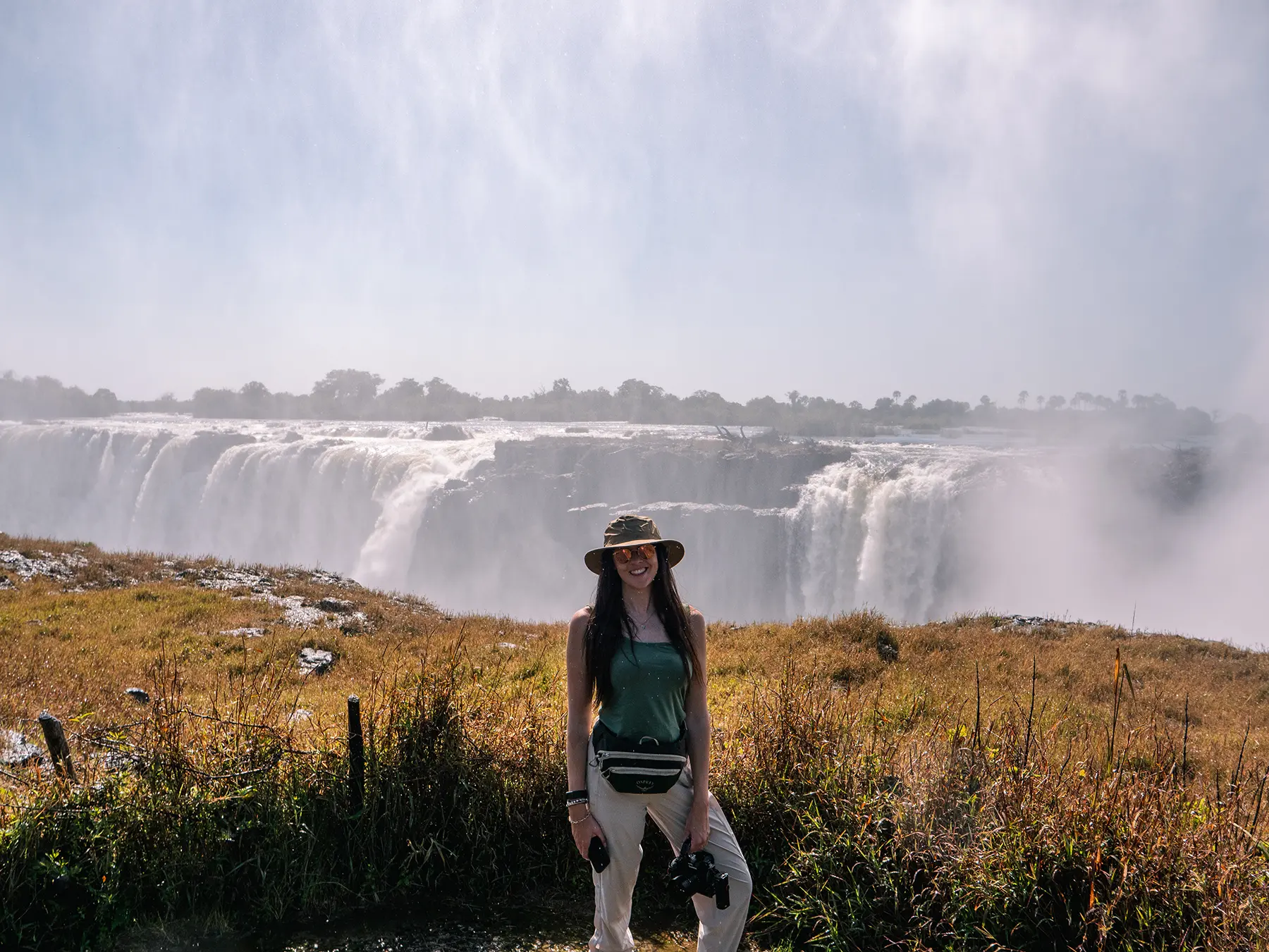
Key Botswana Safari Logistics to Consider
If this is your first time going on safari, tackling the logistics of your trip can seem intimidating initially.
The good news is, if you book through a local tour operator, they will deal with pretty much everything, from accommodation to park fees, meals to vehicle. So booking in your safari with your tour operator will actually tick off most things from your list.
There are, however, a few things you’ll need to handle yourself before travelling to Botswana.
Jump for more information on each of these logistical questions below.
Do You Need a Visa to Enter Botswana?
What Are Botswana’s Entry Requirements?
Do You Need Vaccinations for Botswana?
Do You Need to Take Medication in Botswana?
What Is the Currency in Botswana?
How Much Cash Should I Bring to Botswana?
What Are the Plugs in Botswana?
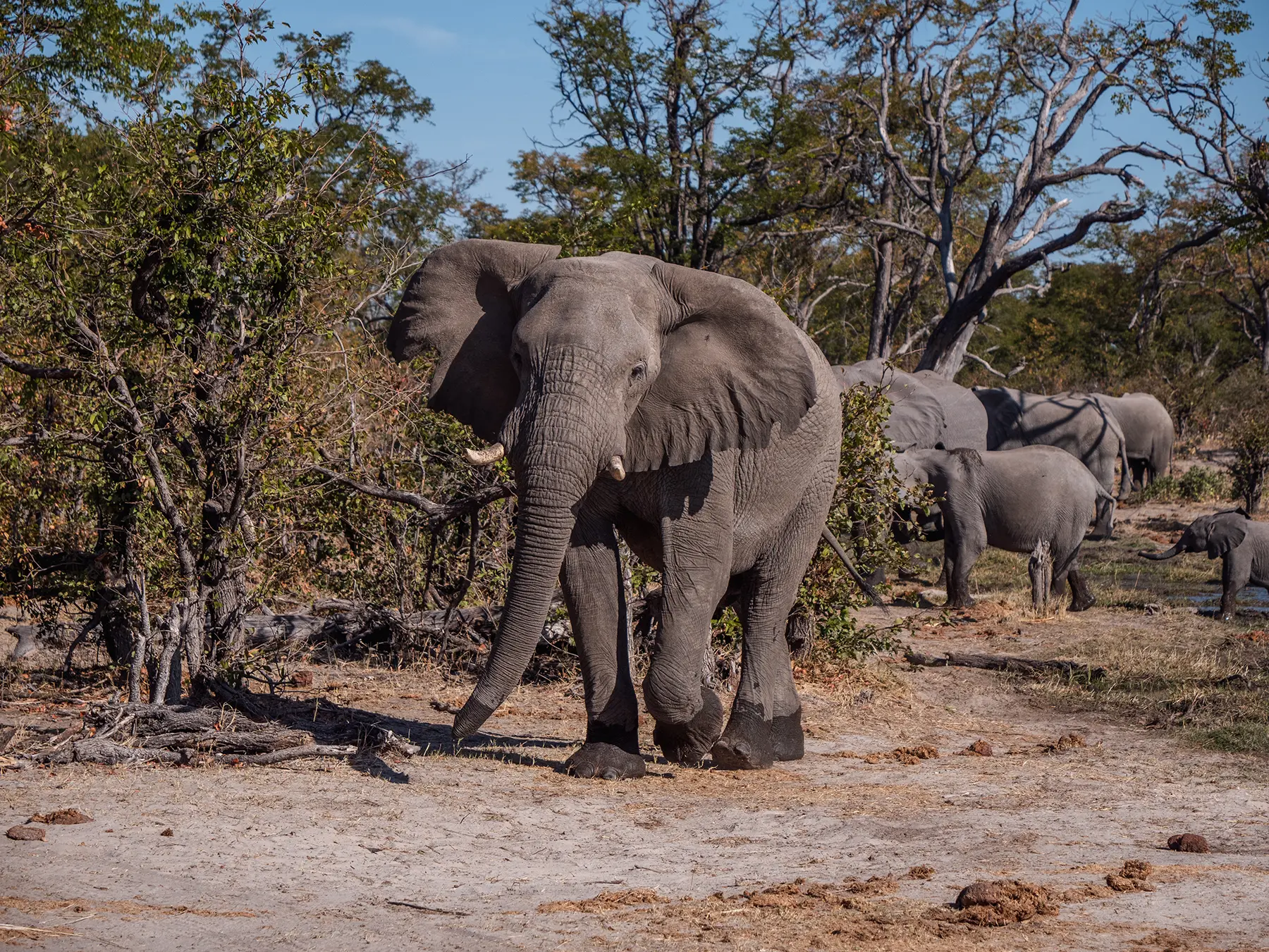
Do You Need a Visa to Enter Botswana?
For most visitors, no visa is required to enter Botswana. Citizens of the UK, US, Canada, Australia and much of Europe can enter Botswana without a visa and stay for up to 90 days.
For the latest updates, or if you hold a passport from a country not covered by visa-free entry, you can check the requirements for your specific nationality on the Botswana eVisa website before you travel.
What Are Botswana’s Entry Requirements?
Your passport must have an expiry date at least 6 months after your arrival date and contain a minimum of 3 blank pages.
If you’re travelling with children under 17 years old, you’ll need to carry a certified copy of their birth certificate.
There are no mandatory vaccinations required to enter Botswana unless you are arriving from a country with a risk of yellow fever transmission, in which case you’ll need to show proof of a yellow fever vaccination on arrival.
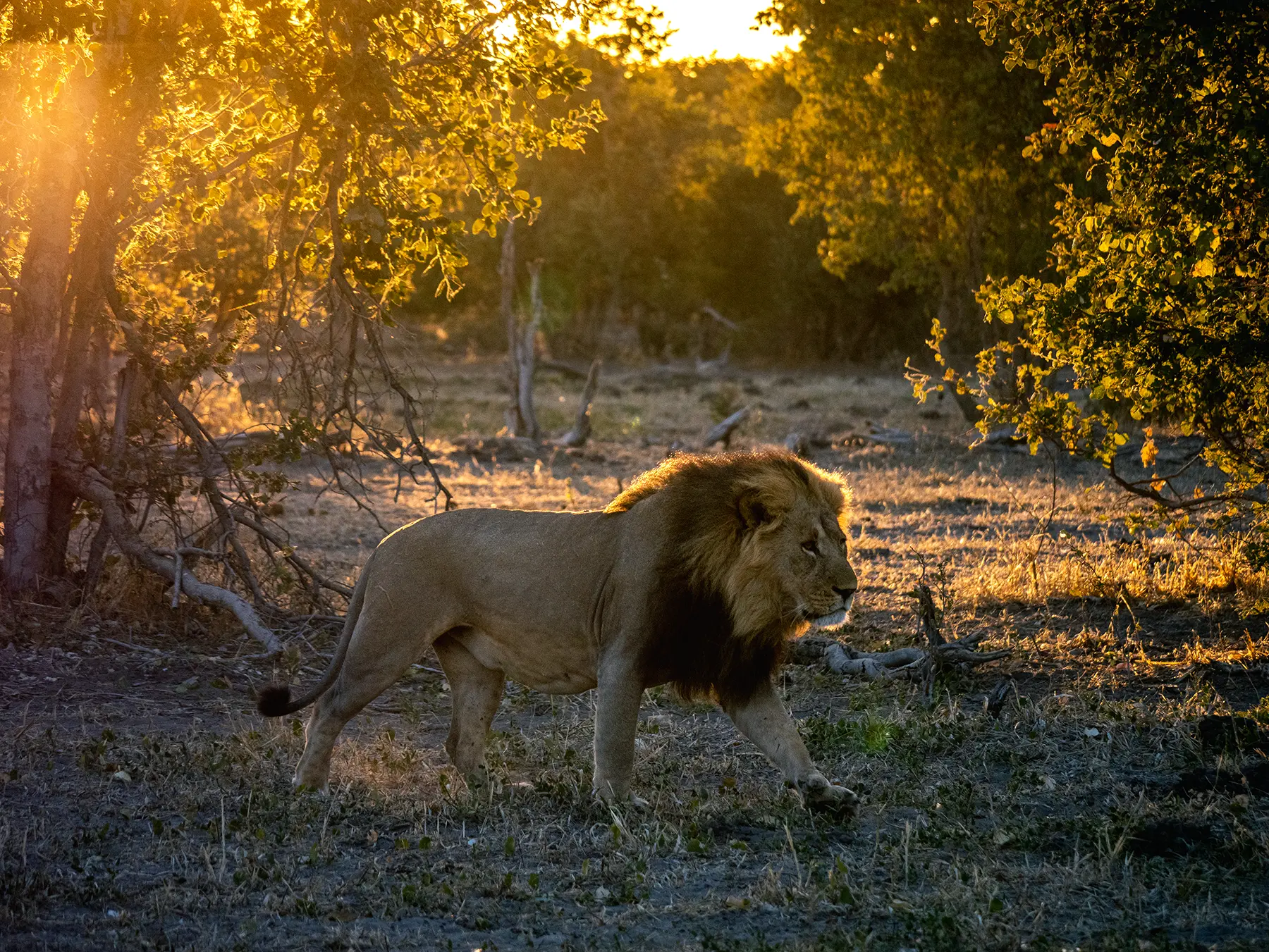
Do You Need Vaccinations for Botswana?
While no vaccinations are mandatory for entry (unless you’re arriving from a yellow fever risk country), there are several that are commonly recommended for Botswana.
You should view the list of vaccines that are recommended and check in with your doctor a few months before your trip.
Some vaccines your doctor may recommend are Hepatitis A, Tetanus and Typhoid.
Depending on your itinerary and activities, Hepatitis B and Rabies vaccinations may also be suggested.
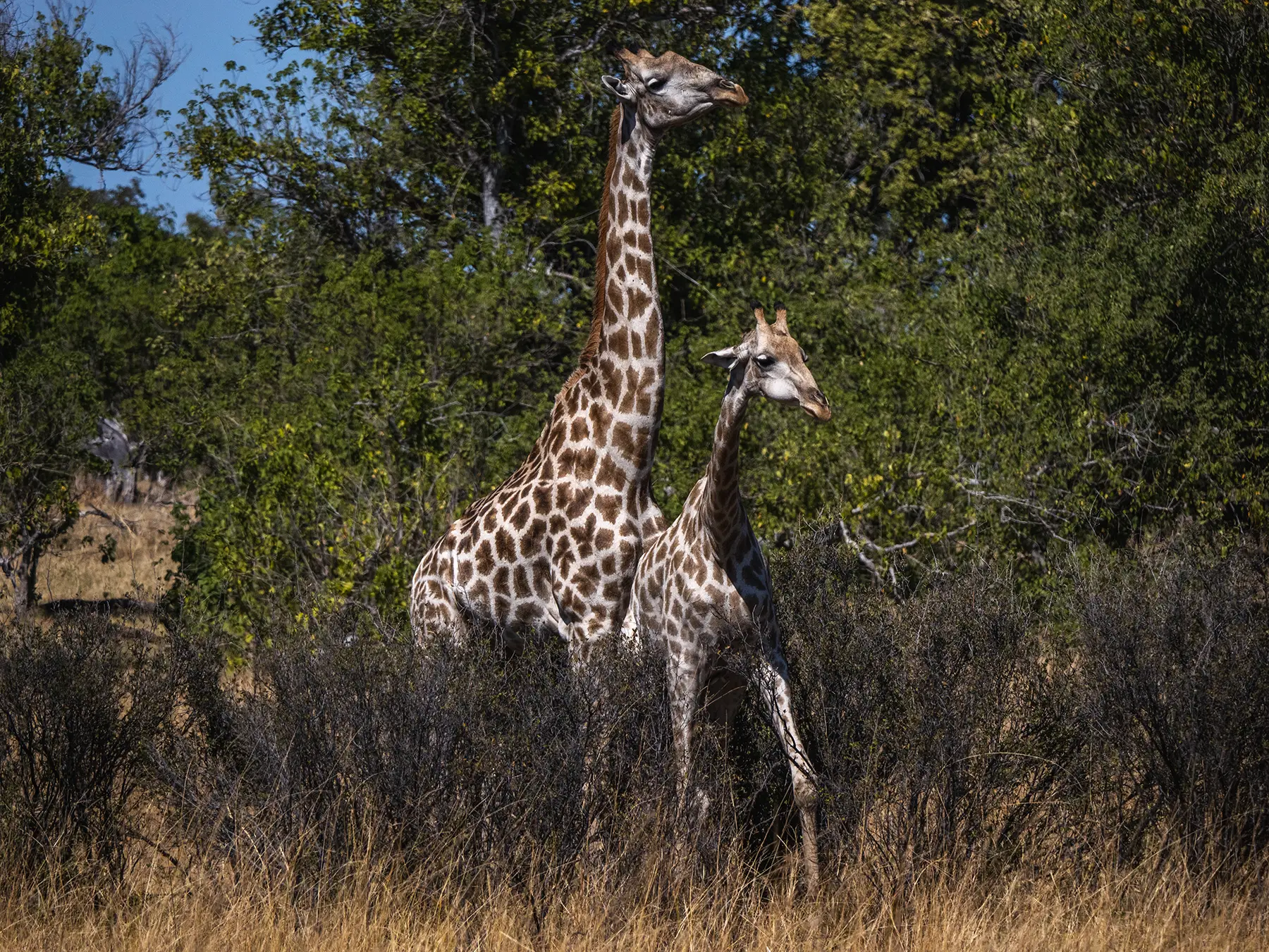
Do You Need to Take Medication in Botswana?
The northern parts of Botswana including Okavango Delta and Chobe National Park are high-risk for malaria during the months of October to May.
During the rest of the year northern Botswana is classed as low-risk.
There is a very low risk in the southern half of the country
As an initial step, consult with your doctor or pharmacist who will inform you which anti-malaria tablets are suitable for you, as side effects can vary.
In addition to medication, there are a number of steps you can take to prevent bites. Wear long, loose clothing and cover yourself with insect repellent. At night sleep under a mosquito net as the type of mosquito that carries malaria is most active at night.
You’ll also need to bring any of your regular medication with you. Make sure you bring enough for the entire duration of your trip plus a bit extra in case of emergencies.
If you’re prone to travel and altitude sickness on flights or long road journeys, check with your pharmacy before travelling to see what they recommend.
Many of the areas you’ll travel through are remote and far from pharmacies. It’s also worth packing a basic first-aid kit.
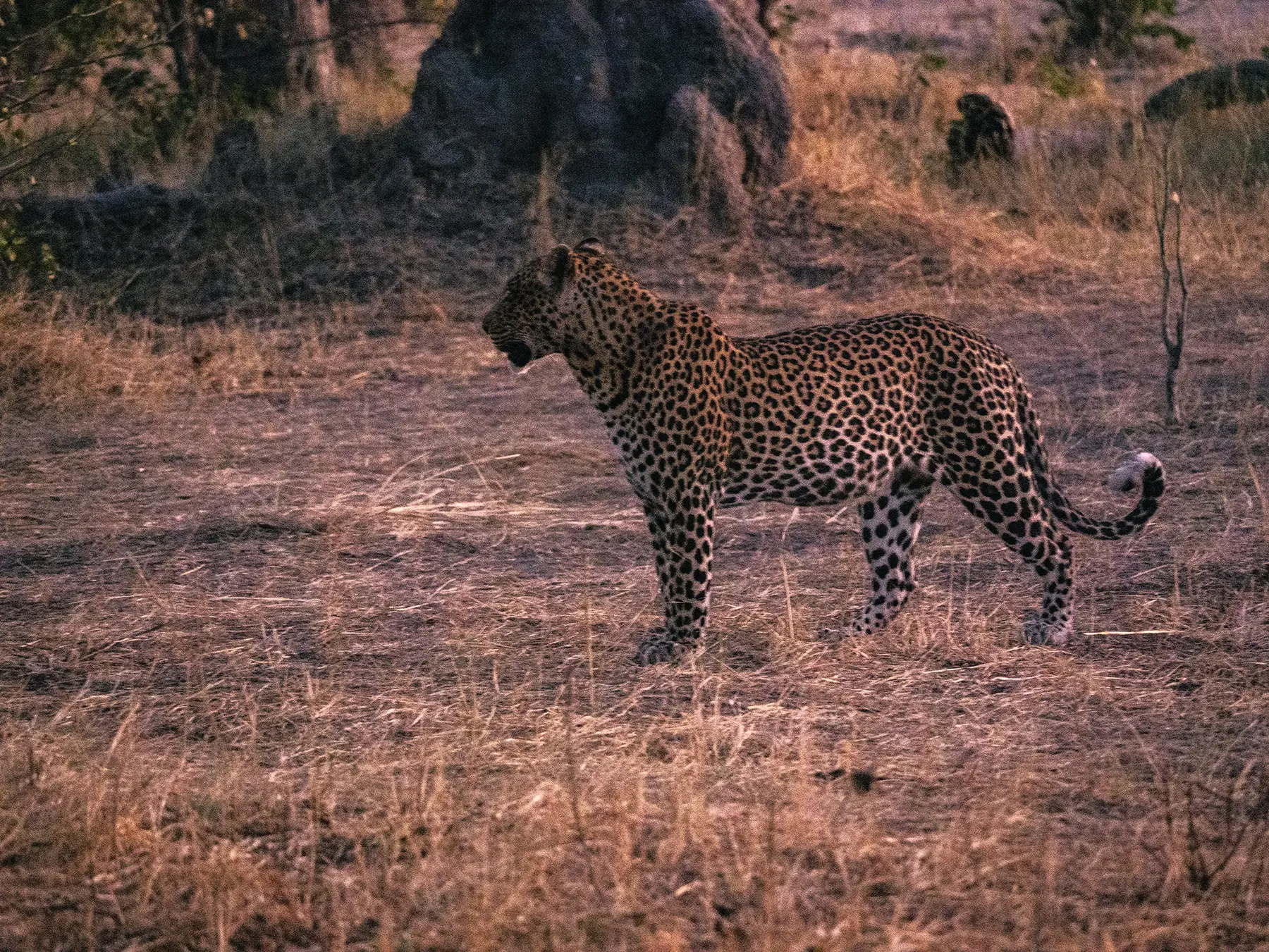
What Is the Currency in Botswana?
The local currency in Botswana is the Botswana Pula (BWP). Local currency can be obtained at the airport via a Bureau de Change or ATM, and there are ATMs and banks in the larger towns like Maun and Kasane.
USD (printed after 2007) is largely accepted at lodges, hotels, and tourist-focused establishments, however, smaller local businesses and roadside vendors typically only accept local currency.
Everyday food and drink is surprisingly affordable, a high-quality fillet steak at Marc’s Eatery in Maun cost me around $8.
Credit / Debit cards are widely accepted, especially Visa. Card payments can incur a fee of 3-5%, added by the establishment to cover their card fees. They will typically tell you about this before payment.
If you plan to use your credit / debit card, let your bank know about your travel plans first to avoid it being blocked. You can normally do this via your bank’s phone app or website.
I personally take USD cash for tips and souvenirs and a multi-currency Visa debit card (such as those offered by Wise or Revolut) for everything else.
The only time you’ll really need Pula is for small purchases off the tourist path, such as at local shops and stalls.
How Much Cash Should I Bring to Botswana?
The majority of your safari will already be paid for (including meals) so cash is only really required for tips and souvenirs, plus some extra in case of an emergency.
Tipping in Botswana is customary, so although it’s not mandatory, it’s the norm and often expected.
Your driver guide is the key person who you may wish to tip. Guidelines for how much to tip your driver guide will vary depending on which company you book with.
Each company has their own guidelines. But a tip is generally within the region of $10 to $30 per person per day.
Your driver guide is tipped in cash at the very end of your safari.
There are a couple of other people you may wish to tip during your trip, including lodge and camp staff and any specialist guides, such as a mokoro poler or walking safari guide. As a general rule, around $5 per person per day is a fair guideline for lodge staff. Many lodges have a communal tip box, and it’s best to tip at the end of your stay.
For a specific guide like a walking safari ranger or a poler, $5 per person is a good guideline.
Souvenirs can be anything from $5 all the way up to $100 per item, depending on what it is. In my experience, bracelets are around $5 to $15 and wooden animal carvings are $15 or more. Most of my wooden animal carvings were around the $30 mark.
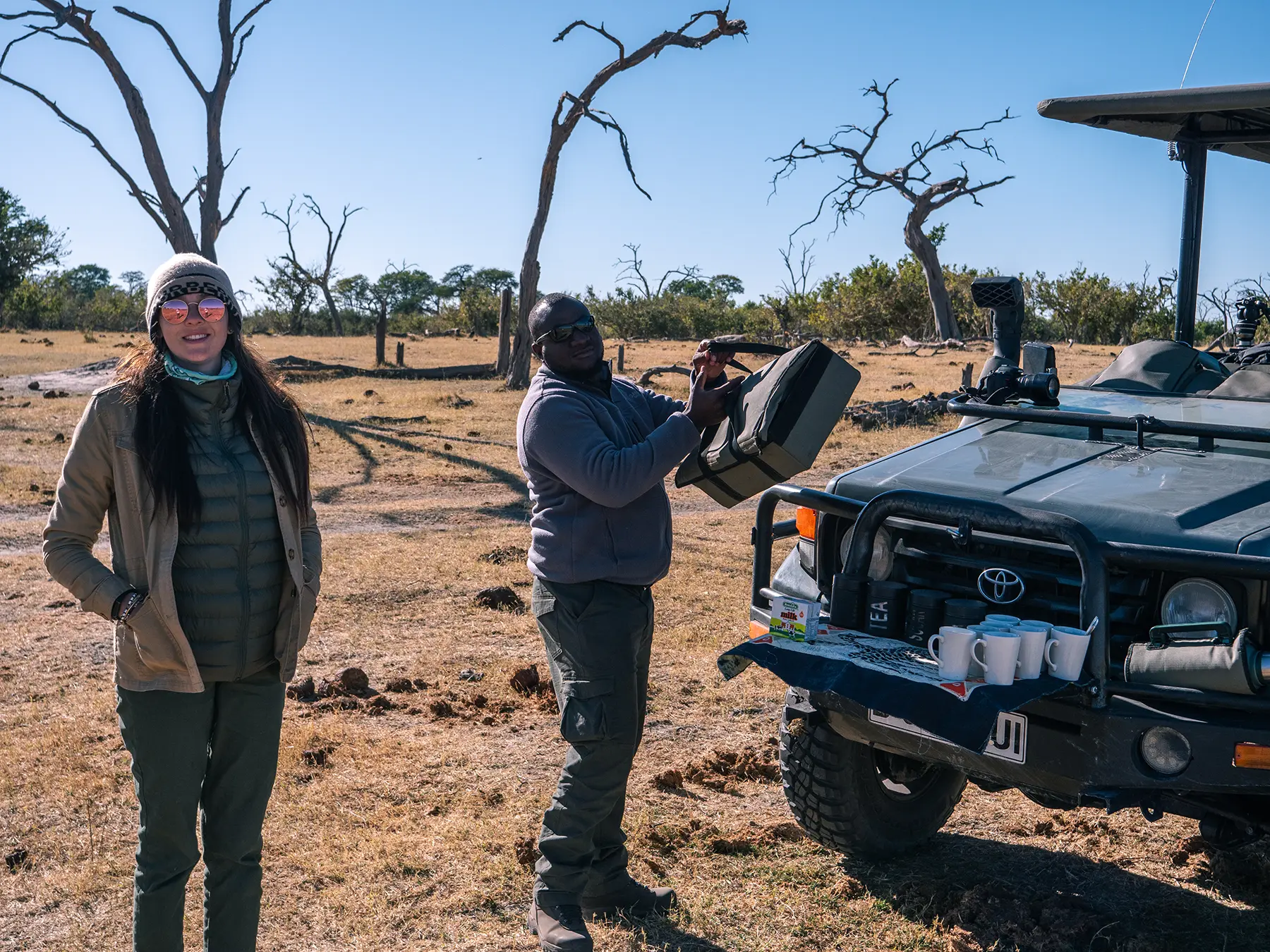
What Are the Plugs in Botswana?
Botswana uses Type D, Type G and Type M plug sockets, running on a 230V supply. Type M (the large three-pin plug, also used in South Africa) is the most common, so it’s worth having an adapter that covers it.
I’d recommend bringing at least one world adapter with you, which will cover you for whichever socket type you encounter at your lodge or camp.
Pro tip: If you have a lot of electronics like me, I’d recommend bringing a multi-plug. This has really saved me in lodges and camps with only one working plug socket. Many remote camps also run on limited generator or solar power, so charging time can be precious.
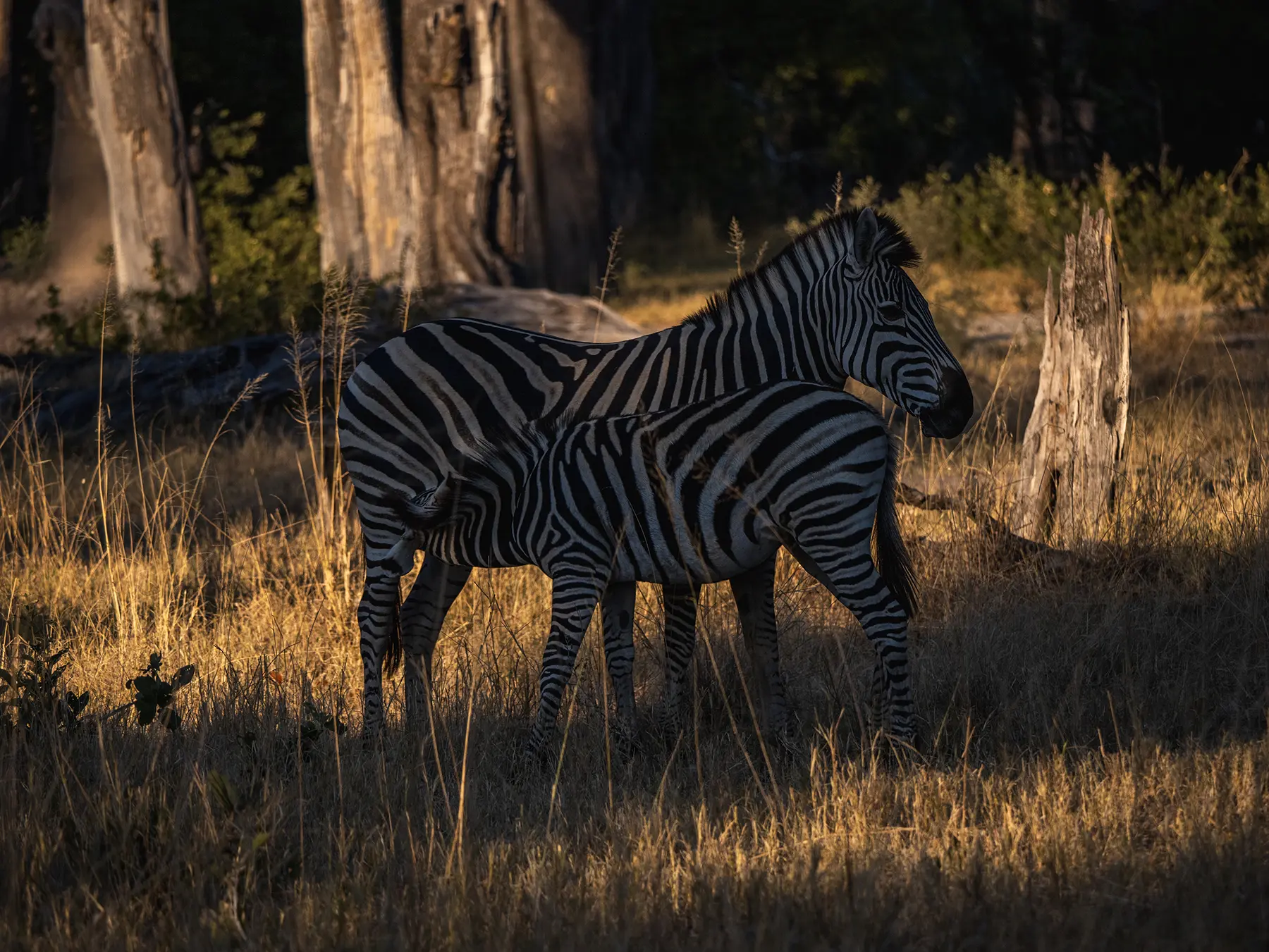
How Do I Book My Botswana Flights?
Most people including US and UK travelers will arrive in Botswana by air, flying into Maun (the gateway to the Okavango Delta) or Kasane (the gateway to Chobe), usually via Johannesburg or Cape Town in South Africa.
My personal favourite airline to fly with is Qatar Airways. However, KLM and Emirates are other great choices.
For the hop from Johannesburg into Maun, Airlink is my preferred option and has been the most reliable in my experience.
For best prices, I recommend using a flight comparison website such as Skyscanner to find out what flights are available. Then I recommend you book directly with the airline themselves.
In regards to booking domestic flights, your tour operator can often assist you with this. They are often able to get preferable prices for small, local airlines.
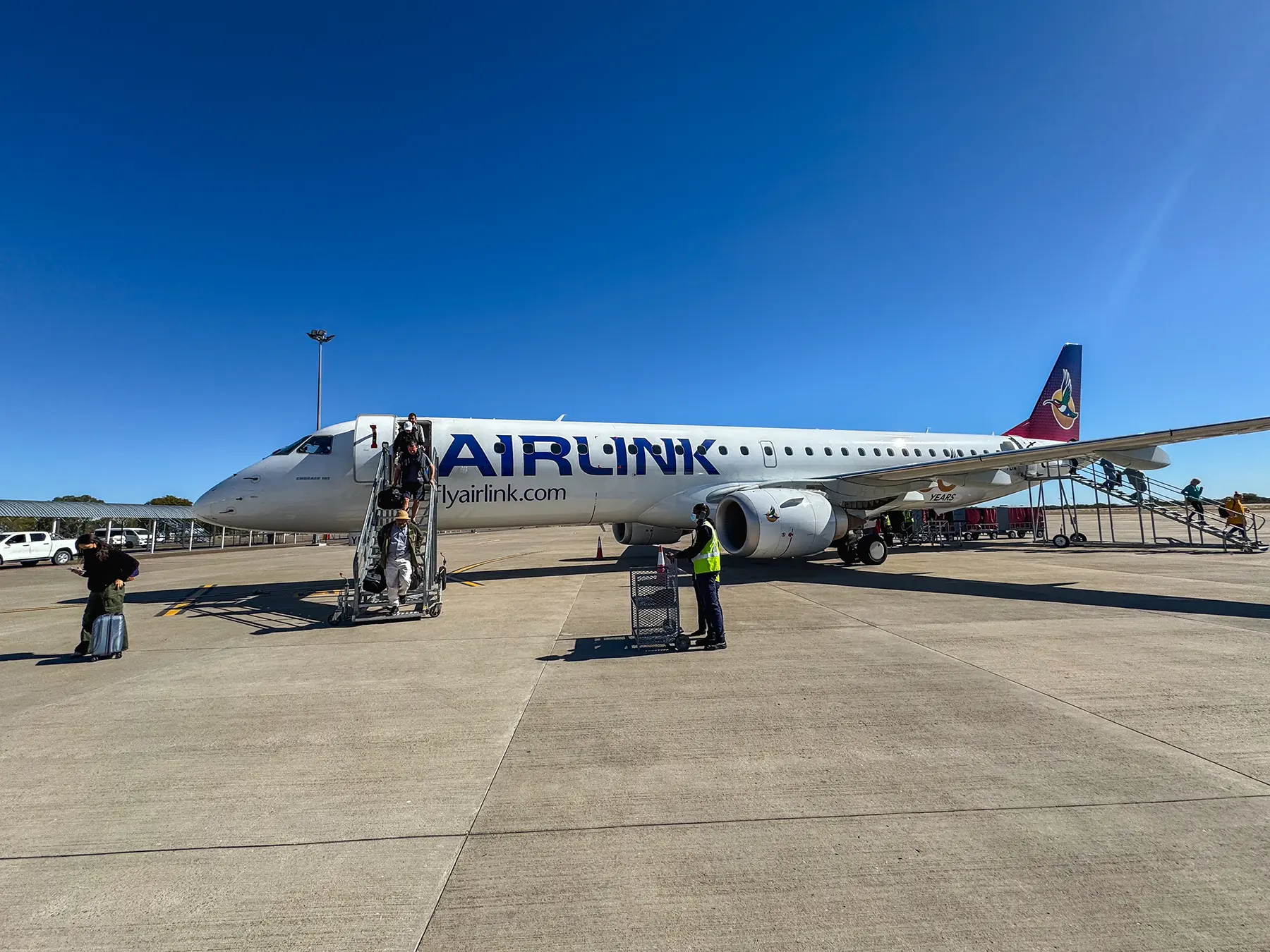
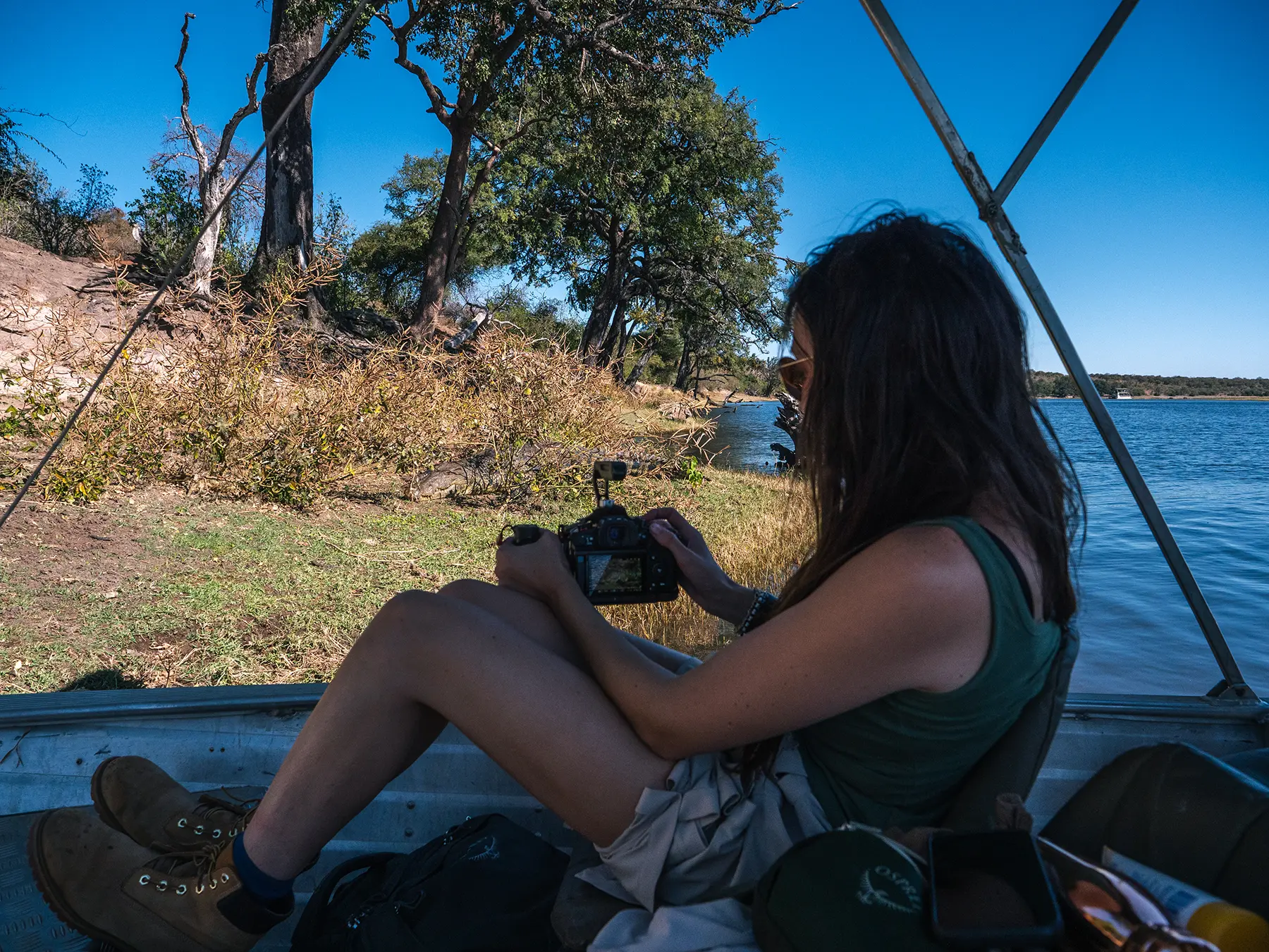
How Should I Pack for a Botswana Safari?
If you’re embarking on your first African safari, packing can feel pretty overwhelming. You may be worried about whether you need safari-specific clothes or pondering if there are even any washing facilities available.
Don’t fret as I’m here to help! Below I will go into everything you need to know about packing for a Botswana safari.
Jump for more information on each of these packing questions below.
What Are the Weight Restrictions on Light Aircraft?
Can You Wash Your Clothes on Safari?
Does the Colour of My Clothes Matter?
How Can I Protect Myself From the Sun?
How Can I Protect Myself From the Insects?
Do I Need Specific Luggage?
You don’t technically need any specific luggage unless you are taking any light aircraft flights as part of your Botswana adventure, which is very common given the country’s remote reserves.
Soft duffel bags and backpacks are preferable to hard-shell wheelie cases. This is because safari vehicles have limited boot space.
They have just enough room for you to pile in several duffel bags, but if you’re a group of more than two people with large hard-shell cases, it can be a real struggle to fit them. In Botswana specifically, they tend to conduct safaris in open sided trucks so putting luggage on the roof is an option.
Additionally, it’s much easier for camp and lodge staff to carry soft luggage. Camps and lodges often require you to walk through grass or sand to reach your tent or cottage and wheelie cases really struggle with these terrains.
If you plan on taking any of Botswana’s bush flights between reserves, then soft-sided luggage is essential, as these airlines require soft bags so that they fit into the hold. The cabin also has very limited space so wheelie suitcases won’t fit.
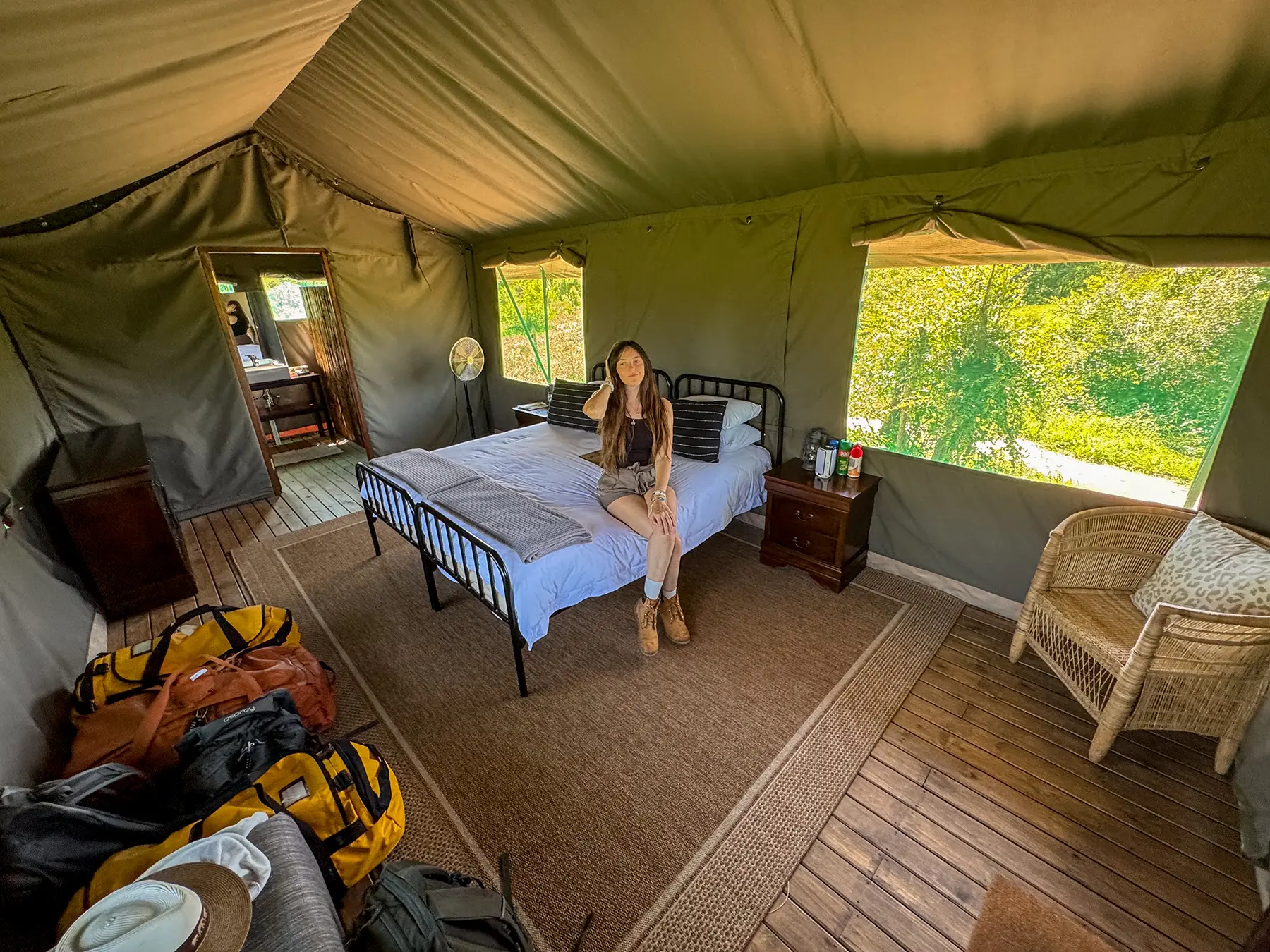
My go-to duffel bag for safaris is the 95-litre North Face duffel.
My favourite carry-on rucksack is the Osprey Farpoint 55-litre. I find it the perfect size to transport my camera gear plus some essential extras for travel days.
Finally, I like to bring a small day-pack rucksack too (for walking safaris and other excursions where the 55-litre is far too big). My favourite is the Fjall Raven Skule 28-litre. For travel days, I just fold it down into the duffel bag.
If you don’t travel with lots of camera equipment, you could get away with using the smaller 28-litre as your carry-on.
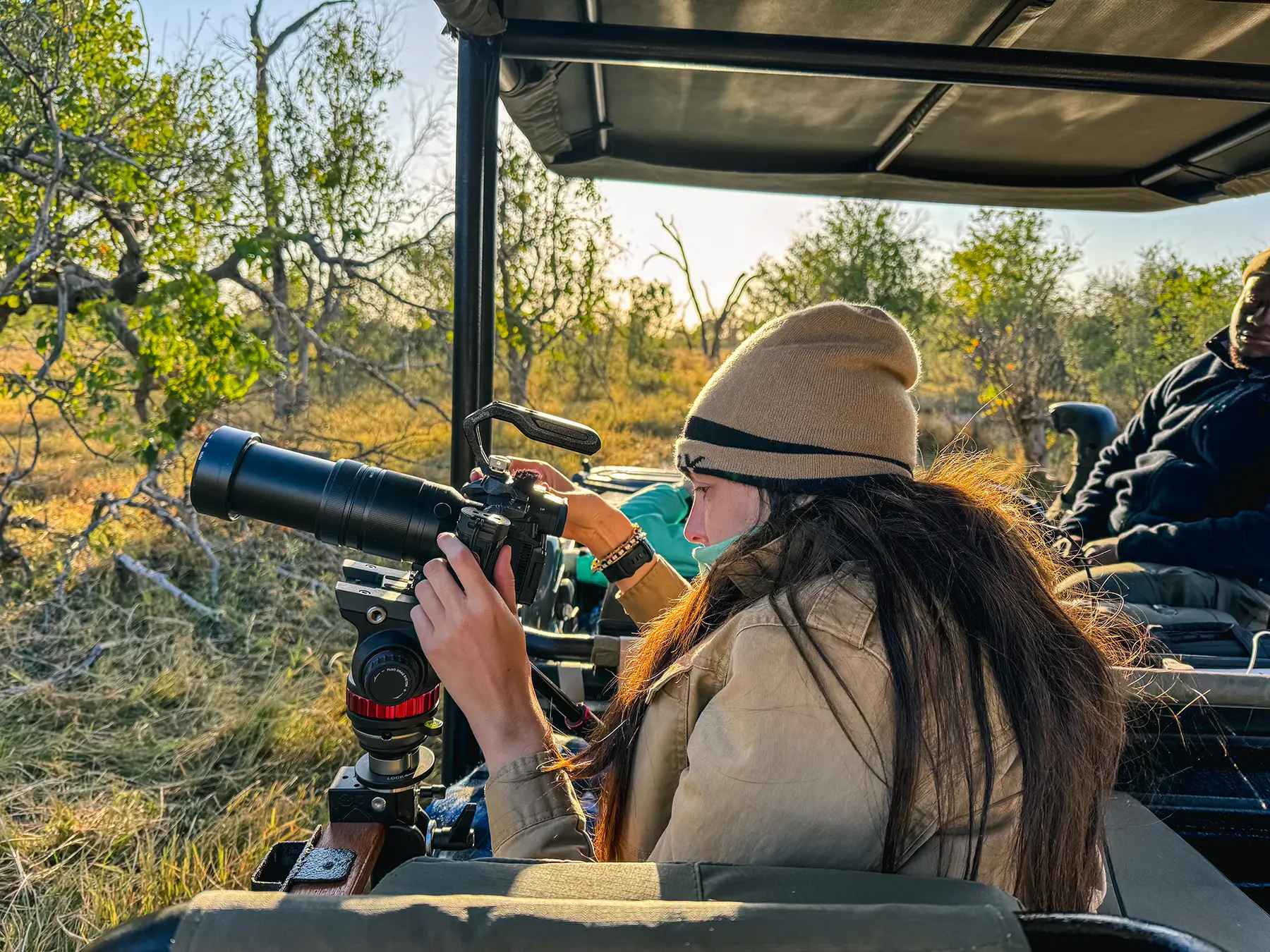
What Are the Weight Restrictions on Light Aircraft?
The weight limits on light aircraft such as the Cessna Grand Caravan bush planes are much lower than your typical flights.
Botswana’s bush airlines, such as Mack Air and Wilderness Air, typically allow only 10 to 12 kg of luggage per person, including your hand luggage. And yes, they do weigh the bags!
Some airlines may have slightly different requirements so do double-check with your airline or tour operator before your safari.
Soft luggage is essential for these flights and they won’t accept hard-shell cases. The good news is that most lodges and mobile camps offer laundry services, so you really don’t need to pack much.
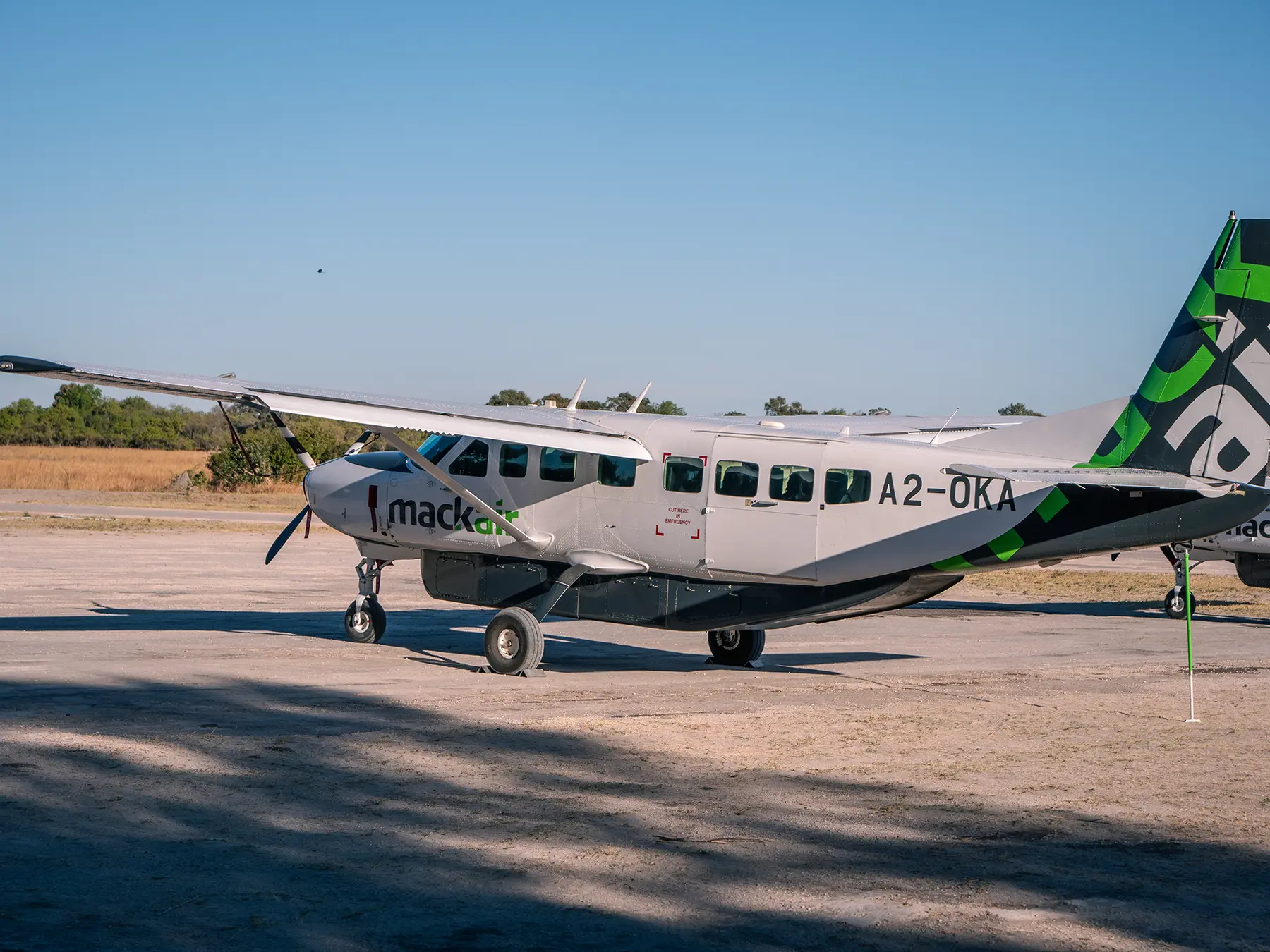
What Clothes Should I Bring?
Despite what some sources may lead you to believe, you don’t need to purchase safari-specific clothes for a safari. Regular items of clothing such as t-shirts, vest tops, leggings, chinos, shirts and hoodies are all suitable.
However, the colour does have some importance (avoid blacks and navy blues as they attract the biting tsetse fly) and the material may have an impact on how comfortable you are. Natural materials such as linen, wool and cotton are more breathable and stop you from getting too hot.
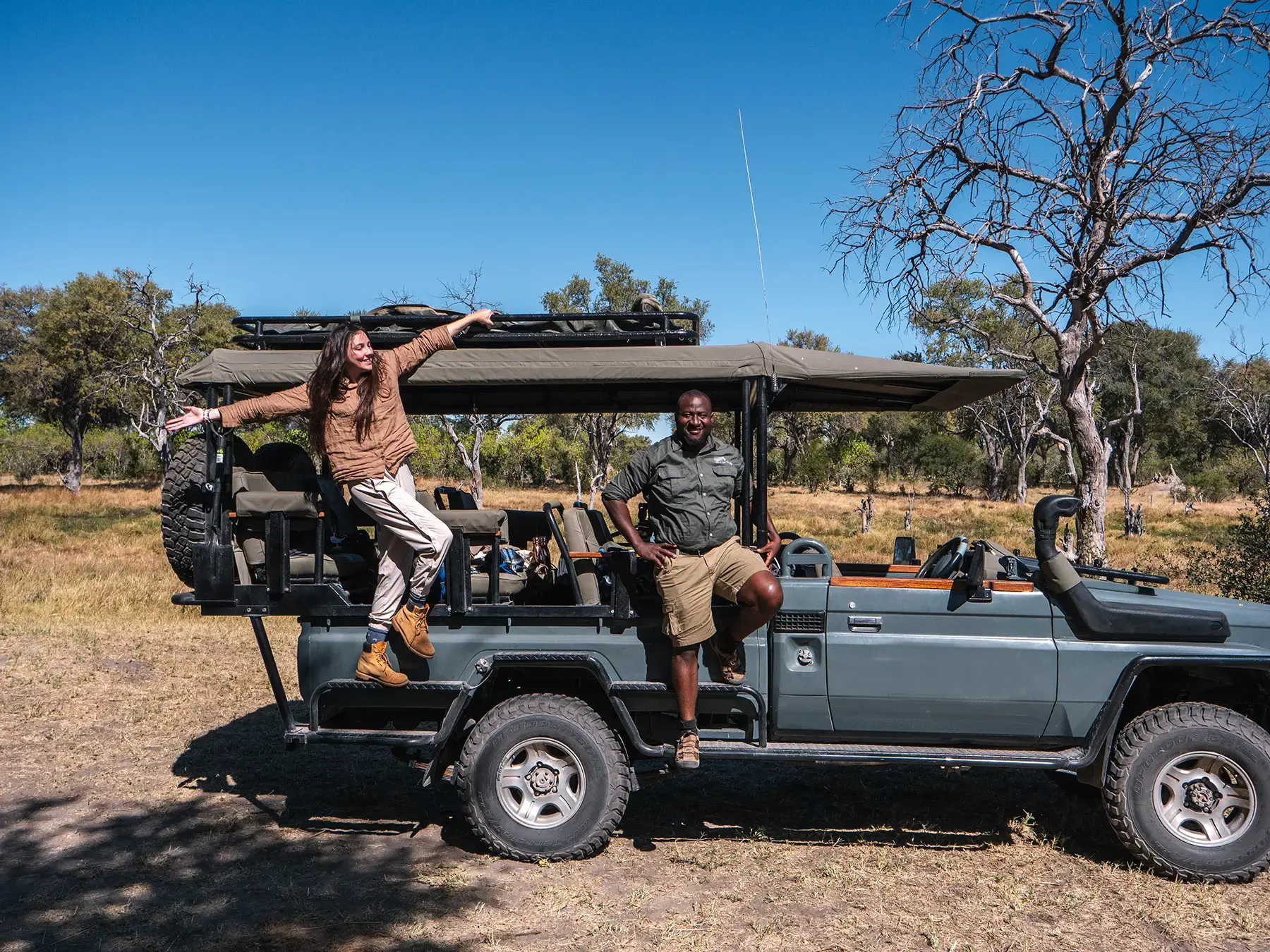
In the dry season, between June and September, the nights and early mornings get bitterly cold, often reaching close to freezing. Therefore, layering is essential.
I’d recommend a base layer (merino wool is ideal) then a t-shirt or vest top, then a linen shirt, then a down gilet or jacket then a windbreaker on top that you can peel off as the day warms up. In Botswana I might even wear a jumper too but I do feel the cold!
As you may have seen in my videos, I’m never without my beanie hat too.
By mid-day I’m often down to a vest top and shorts as the sun warms up the landscape.
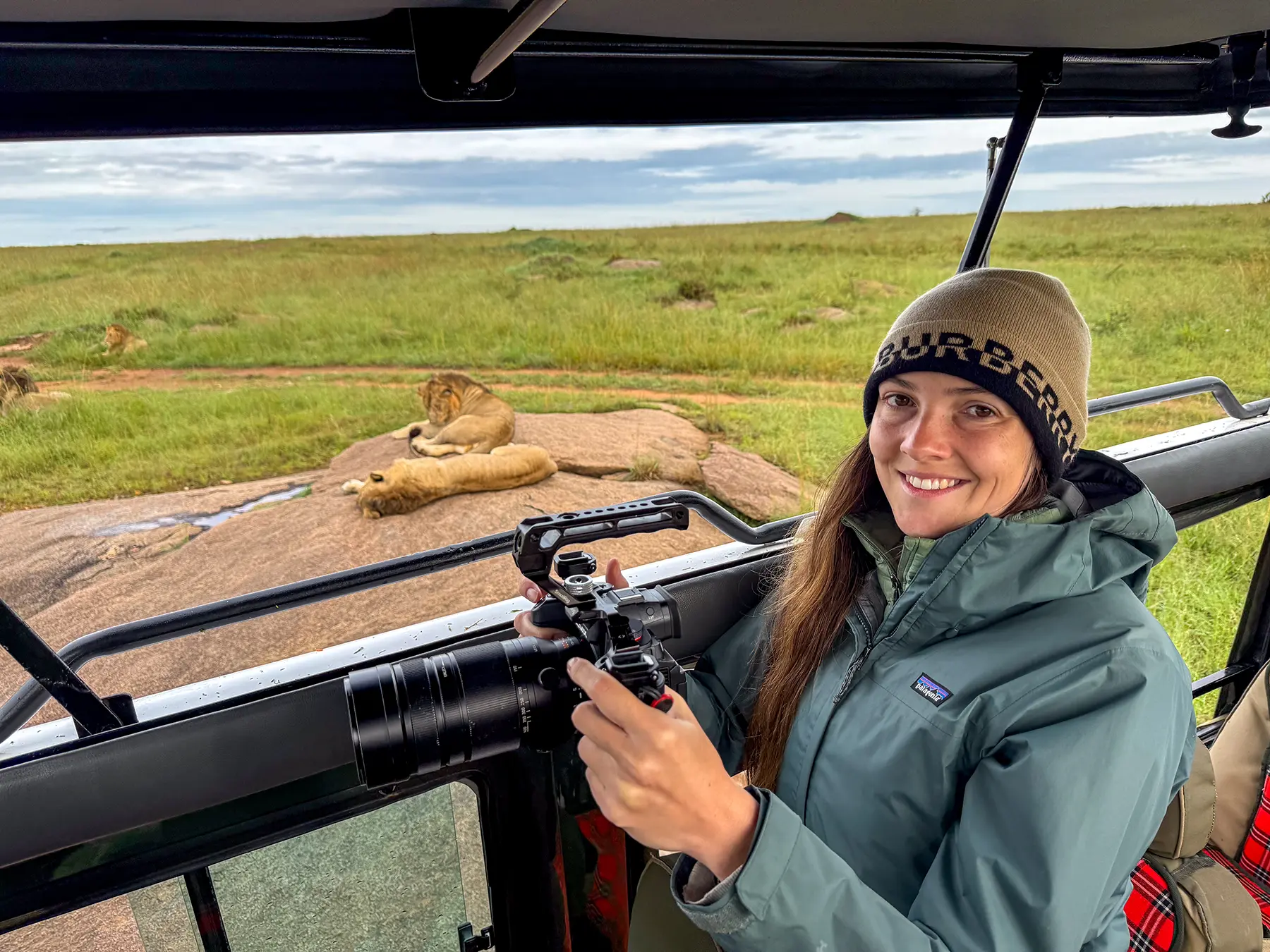
The specification of the vehicle you’ll be travelling in will have a significant impact on how cold you feel. If you’re in an open-sided safari vehicle then you’ll want more layers for the cooler mornings and evenings, as you’ll get more of a breeze.
Comfort continues into the evening and you’ll find that most people dress casually for their evening meal. It’s common to wear the same clothes you wore on safari, or something even more comfortable. Being honest with you, I frequently push the boundaries of this casual dress code, typically donning jogging bottoms and a hoodie. Evenings are often cold so no-one bats an eyelid.
Can You Wash Your Clothes on Safari?
Yes! Most lodges and camps, including mobile camps that move around with you, have laundry services. These can be an additional charge on top of your safari.
One thing to be aware of is that some lodges and camps won’t wash women’s underwear for cultural reasons, so I always travel with my own hand washing powder, just in case, and pack enough changes of underwear to be safe.
I tend to wash my clothes every 4 or so days on safari.
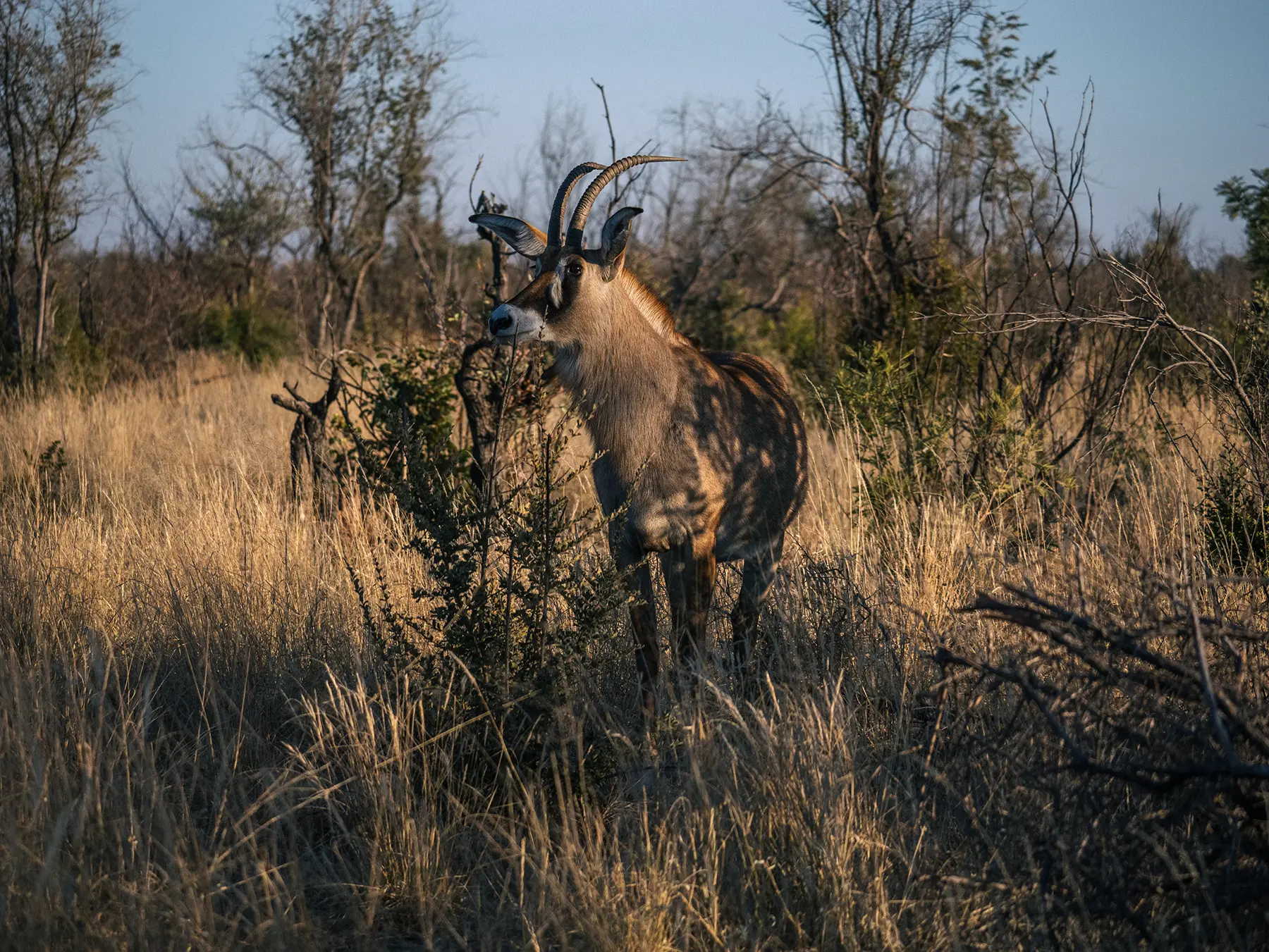
Does the Colour of My Clothes Matter?
Yes! The colour of your clothing does matter on safari.
Most importantly, avoid wearing blacks or navy blues as these colours attract the tsetse fly, which has a nasty bite.
It’s generally recommended that you steer away from bright colours too, as these could startle the animals. The wildlife is generally pretty used to visitors but if you wear more muted colours, it’s best not to take the risk.
The best colours for safari are neutrals, beiges and greens as they help you blend into your surroundings more (and hide the fact that you’re covered in dust!).
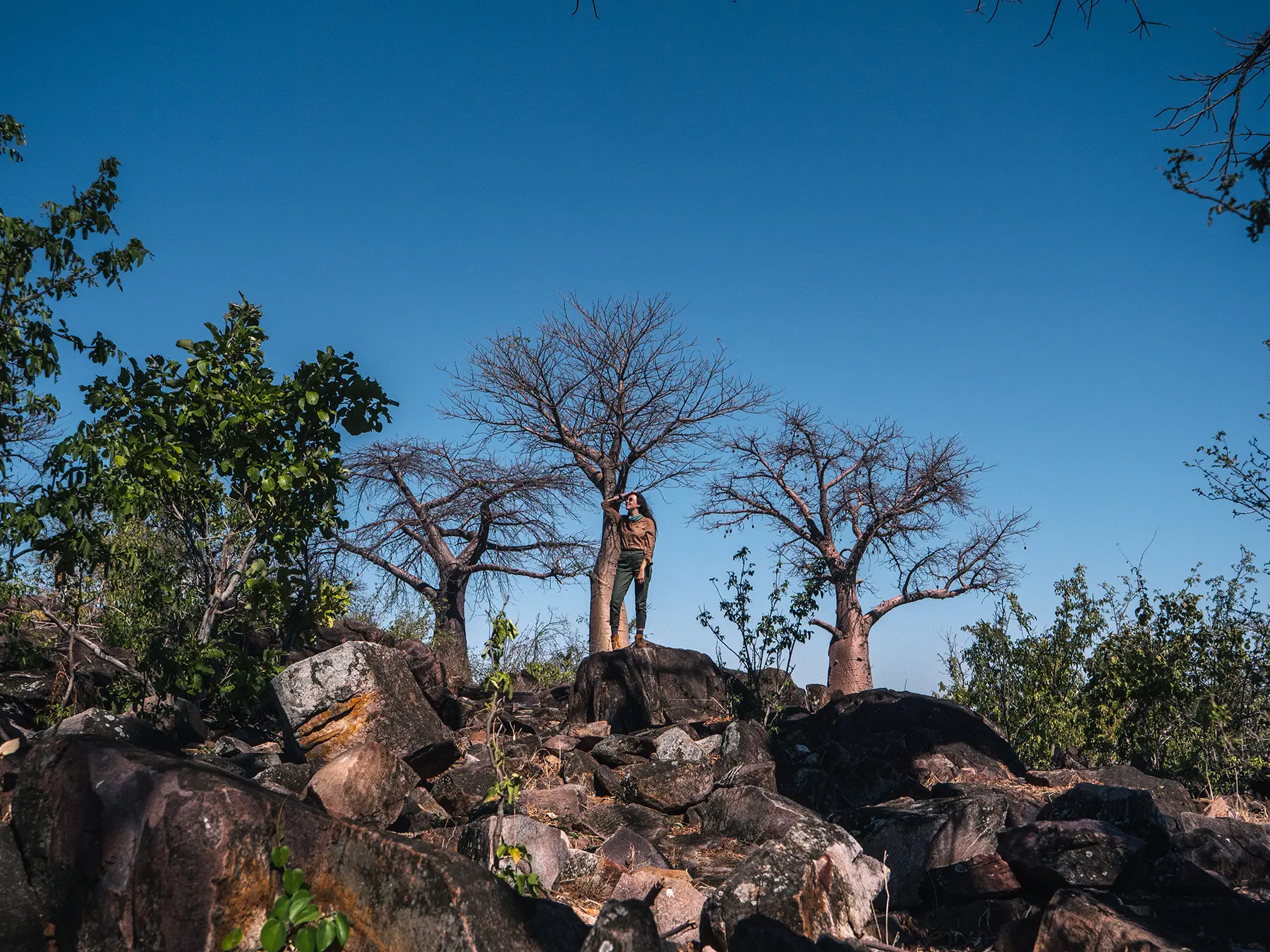
What Footwear Do I Need?
My preference is to travel with a pair of walking boots with ankle support and a pair of sandals.
If I have excess room in my luggage then I like to bring a third pair of shoes, a more casual pair of closed-toe shoes such as trainers.
I like boots with ankle support as they cover me for pretty much every situation. They’re perfect for walking safaris as well as offering protection in the car. I can’t tell you how many times I’ve bashed my feet in the vehicle, which is mostly made of metal. The roads are bumpy and your driver often repositions during sightings, whilst you’re still standing up, so bashes are pretty normal.
Sandals are great to have as you can wear them on days at the lodge or when lounging by the pool.
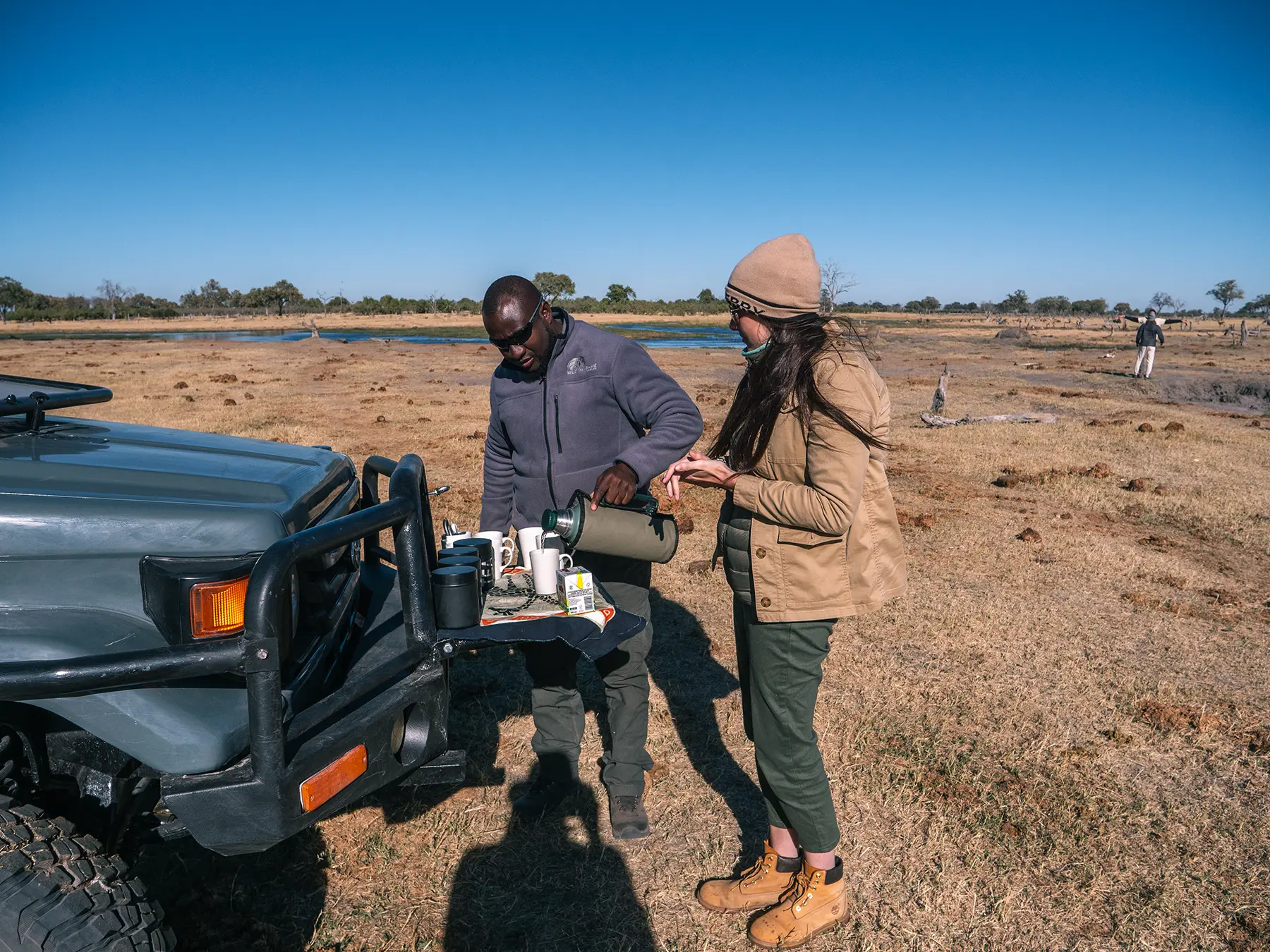
How Can I Protect Myself From the Sun?
The UV rays in Botswana are strong, especially during the dry, sunny winter days, so it’s important that you take the necessary precautions to protect yourself from the sun.
In terms of suncream, I always travel with both factor 30 and factor 50. I use factor 50 on my face and factor 30 on areas which are less prone to burning, like my arms. Don’t forget suncream for your lips too. I cannot tell you how many times I’ve burnt my lips and, my goodness, it’s uncomfortable.
As well as my lips, I have burnt my scalp more times than I can count. A cap will be sufficient but a brimmed hat covers the back of your neck as well and is perfect for full-day game drives. Beanie hats, meanwhile, are great for those bitterly cold mornings.
It’s often advisable to cover up to prevent too much sun exposure. Linen shirts are great for keeping you covered whilst also not too hot at the same time.
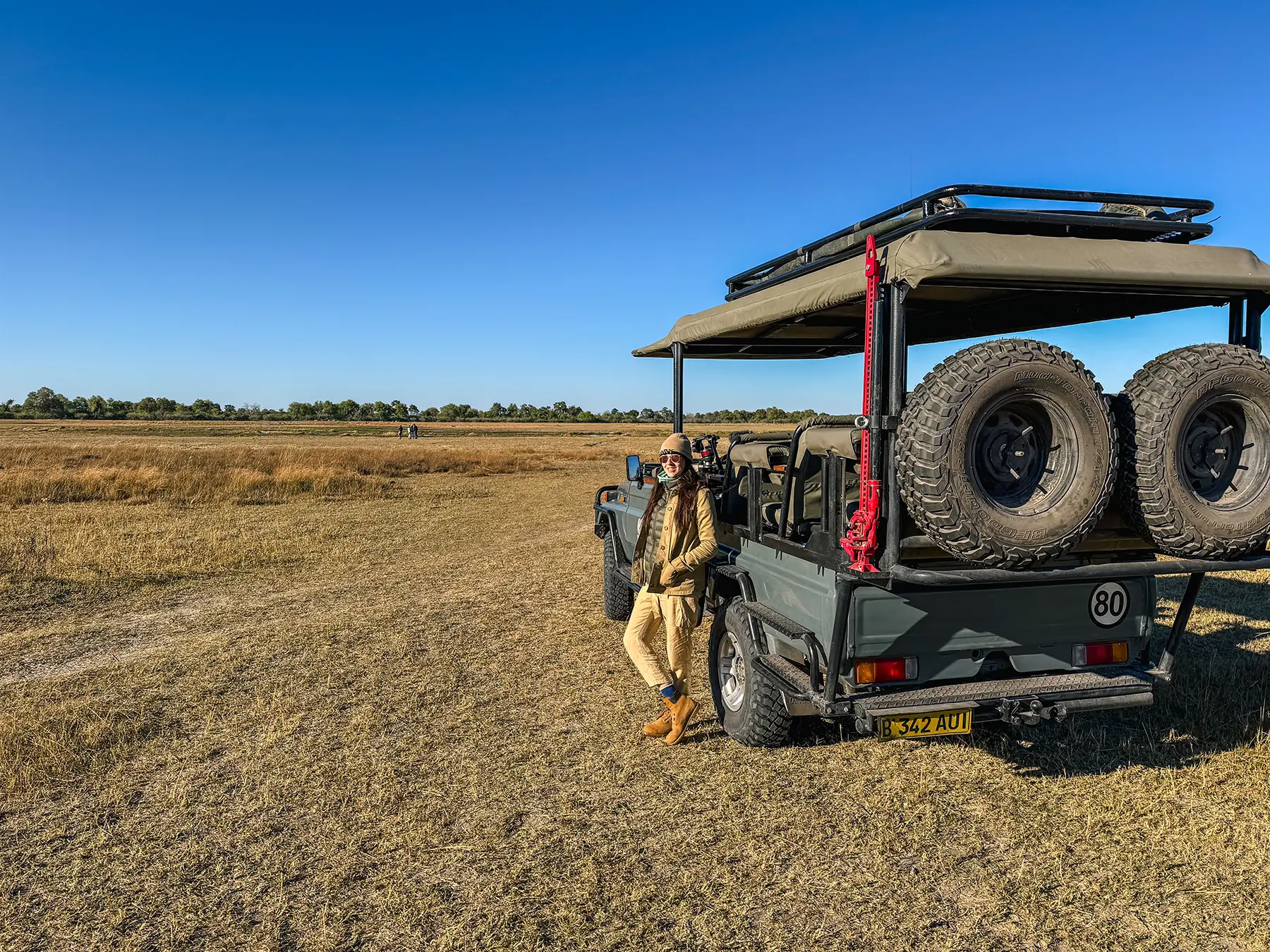
How Can I Protect Myself From the Insects?
Tsetse flies and mosquitoes can both be found in Botswana’s prime wildlife viewing areas. Both bite and you’ll want to take precautions to avoid them.
There is a risk of malaria in Botswana, particularly in the northern wetlands of the Okavango and Chobe, which is carried by mosquitoes. Anti-malarial tablets are highly effective, so I’d recommend consulting your doctor on the best option for you (I cover this in more detail in the medication section above).
In addition to taking anti-malarial tablets, it’s advisable to use insect repellent. DEET is the most effective but there are natural options available too. Sleeping under a mosquito net is a simple way to protect yourself, as malaria-carrying mosquitoes are most active at night. Finally, wear long, loose clothing.
But mosquitoes aren’t the only insect you need to deter. Tsetse flies are biting insects with a rather unpleasant bite. They love blacks and dark blues, so avoid wearing those colours.
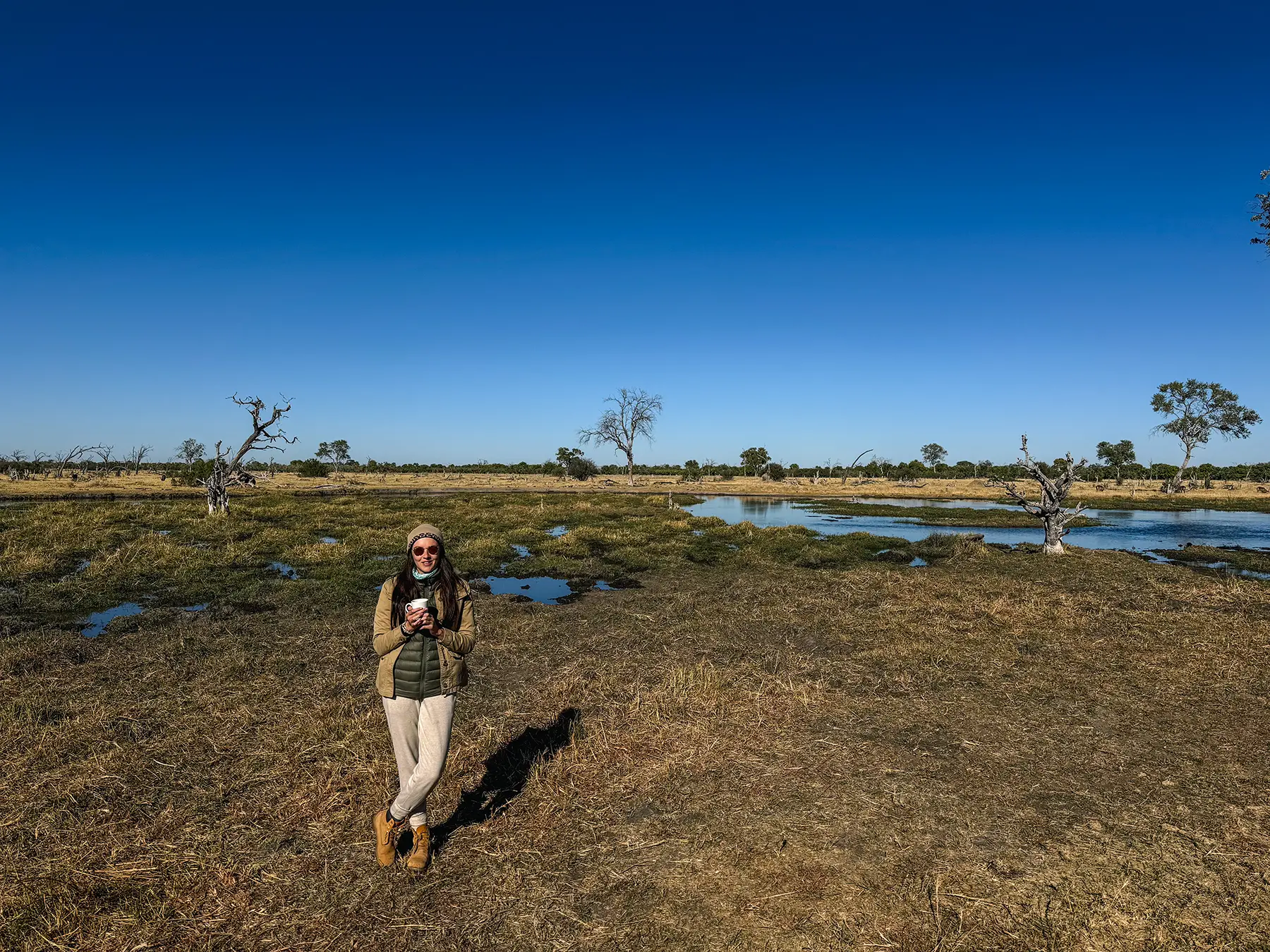
Complete Clothing Packing List
Below I have shared with you my complete clothing packing list for a Botswana safari:
- 1 x down jacket or gilet (essential for the bitterly cold mornings, especially when visiting between May and October and if in an open vehicle)
- 1 x light waterproof windbreaker coat
- 2 x jumpers
- 1 x pair of snuggly trousers / pants for the evenings
- Lots of socks and underwear (most places have laundry facilities but I’m always prepared in case I have to go long periods without laundry, and some camps won’t wash women’s underwear)
- 1 x pair of sturdy boots with ankle support
- 1 x pair of sandals or flip flops (for relaxing at the lodge)
- 2 x linen shirts
- 2 x vest / tank tops
- 2 x t-shirts
- 2 x long trousers (+ a belt if necessary)
- 2 x shorts
- 1 x bathing suit / swimming trunks (some lodges and camps have swimming pools)
- 1 x sun hat (cap or floppy hat)
- 1 x beanie hat (especially if your ears are prone to getting cold like mine do!)
- 1 x pair of gloves (optional. I don’t bring gloves as they interfere with my ability to take photos)
- 1 x scarf or neck gaiter
- 1 x sunglasses
- 1 x bum bag / fanny pack (this honestly revolutionised my life! It’s perfect for carrying essentials like your passport, some cash and your phone)
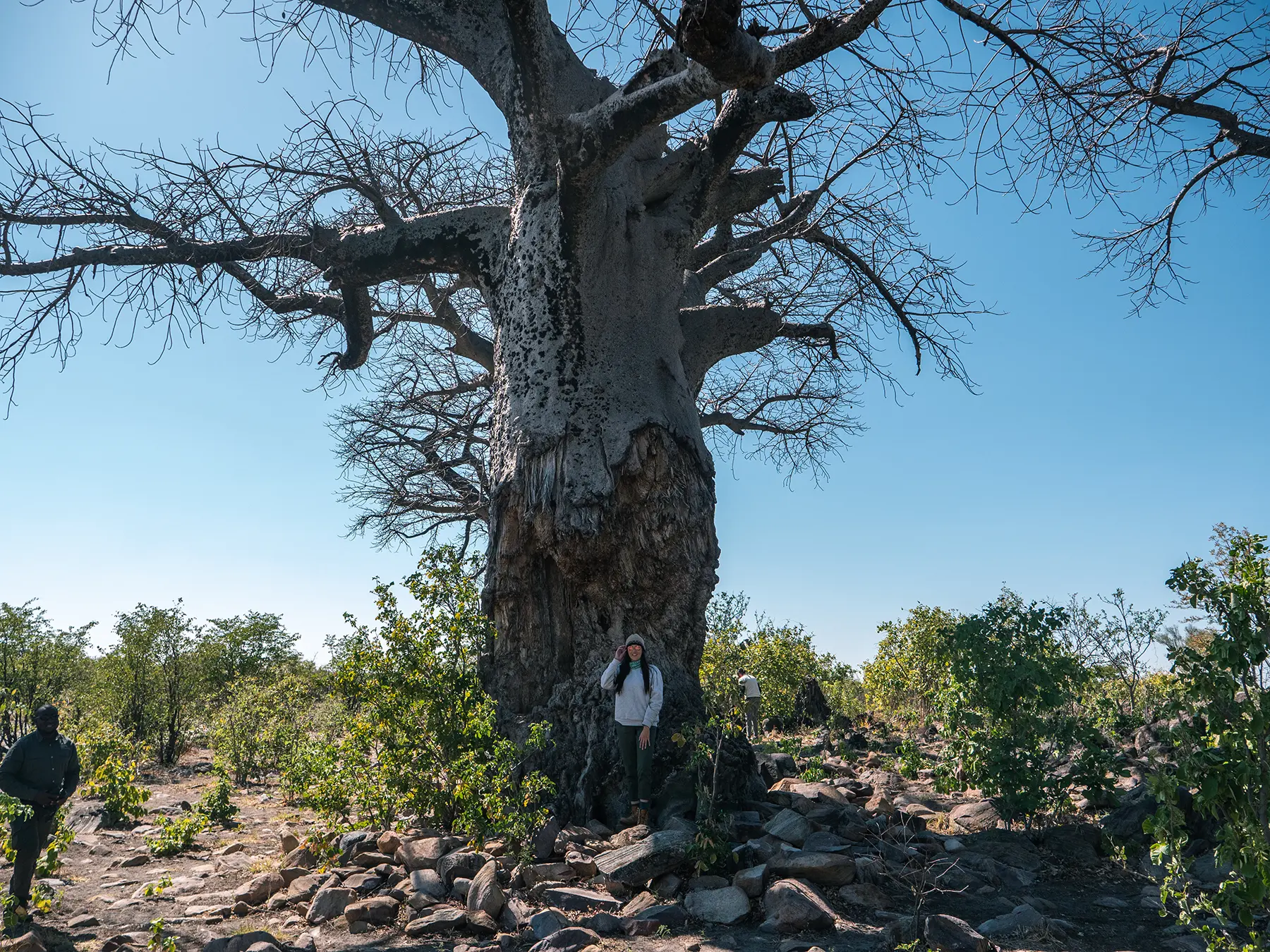
Other Essentials Packing List
Below I have shared with you my complete essentials packing list for a Botswana safari:
- Mosquito repellent
- Suncream (I always bring factor 30 and 50 as well as special suncream for my lips)
- Antimalarial tablets
- Power adaptors (Botswana has type D, G and M sockets)
- Appliance chargers (phones, power banks, tablets, cameras, laptops etc)
- Multi-plug (if you have a lot of devices, useful in camps with limited plug sockets)
- Power bank (useful for long days on safari and in remote camps with limited power)
- Camera and its accessories (you can view a list of my camera gear)
- Your usual toiletries (toothbrush, toothpaste, shampoo, conditioner etc)
- First aid kit (I create my own and pack essentials such as plasters, bandages, painkillers, eye drops / wash, rehydration tablets, antiseptic wipes, bite cream, lip balm, Imodium, antihistamines, anti-nausea tablets, tweezers, nail clippers)
- Eye mask & earplugs (if you’re a light sleeper)
- Snack bars (if, like me, you’re always hungry)
- Cash (mostly USD and potentially a small amount of Botswana Pula)
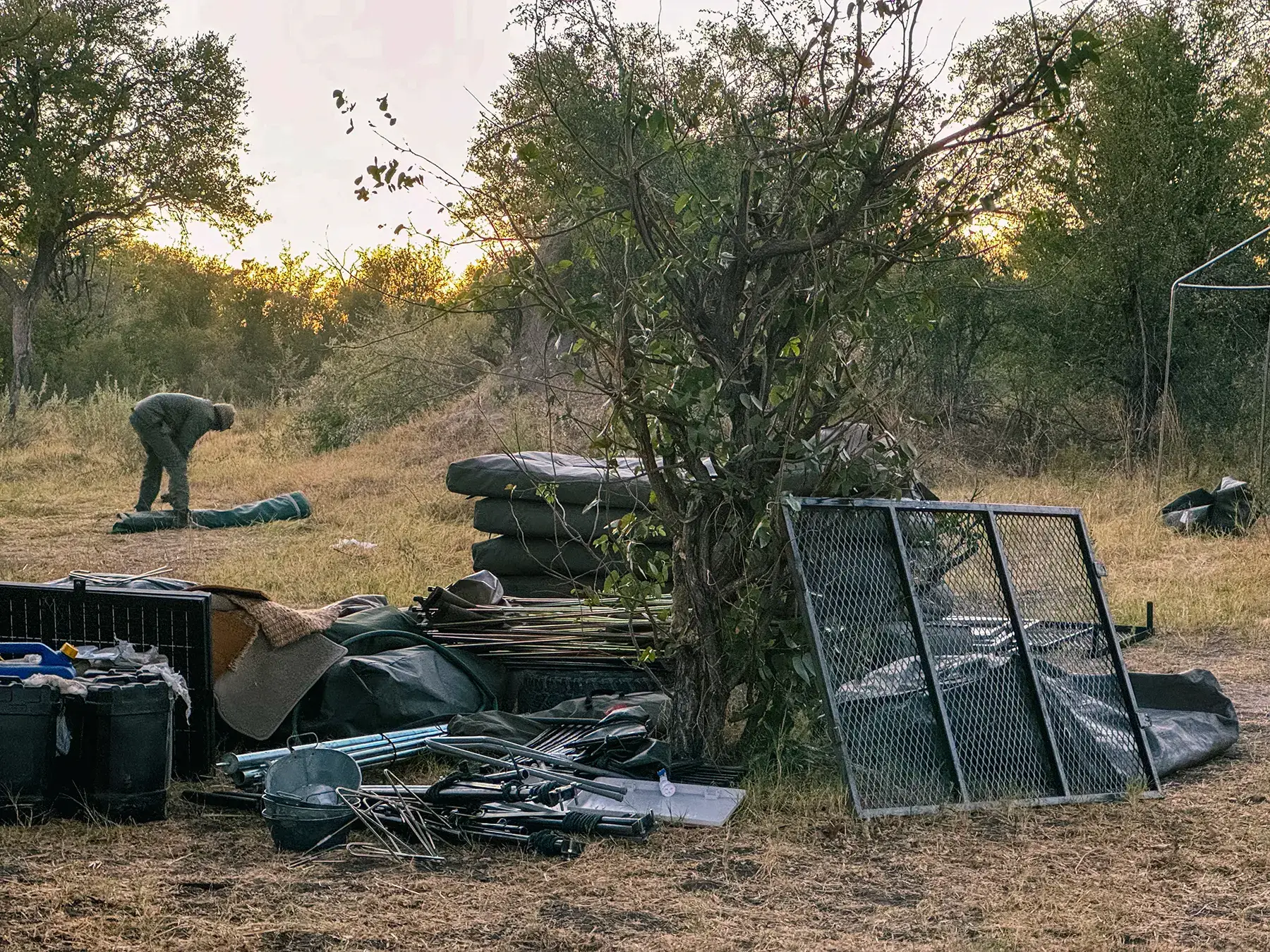
Special Interest / Unique Safaris
Game drives are just one of the many wildlife-related activities that you can embark on in Botswana.
Whether you want a more specific safari such as one that focuses on birding, or maybe you’d rather search for wildlife on foot or from the water, there’s something for everyone here.
Let’s delve into some of the most popular options.
Jump for more information on each of these special interest safari questions below.
Can You Go on Dedicated Photographic Safaris in Botswana?
Are Balloon Safaris Possible in Botswana?
Bird Watching Safaris in Botswana
Horse Riding Safaris in Botswana
Helicopter Safaris in Botswana
Can You Go on Dedicated Photographic Safaris in Botswana?
Yes, you can! My favourite way to go on a photographic safari in Botswana is to book a private safari through a tour operator who has dedicated photography-ready vehicles and experienced guides who understand photography.
I’ve had some really amazing photographic safaris by booking this way!
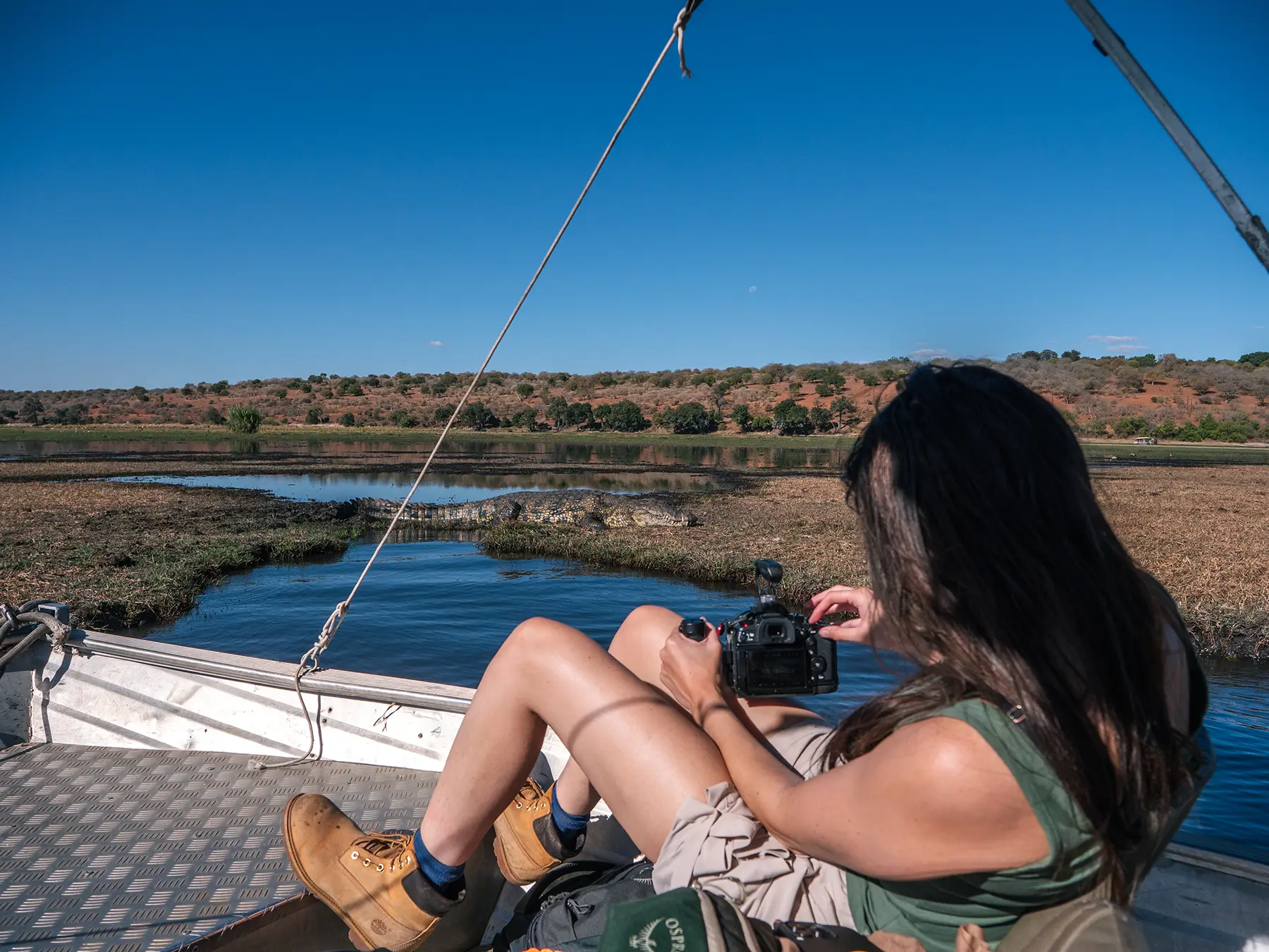
Many of my recommended tour operators have open vehicles with drop-down sides which are perfect for photography. Simply let them know you’re interested in photography and would like the best guide for it.
A secondary option is to book on a group photography tour led by a popular photographer. The limitations of this type of safari are availability, they are typically a lot more expensive and you don’t have a private vehicle and so are competing with others for the best view.
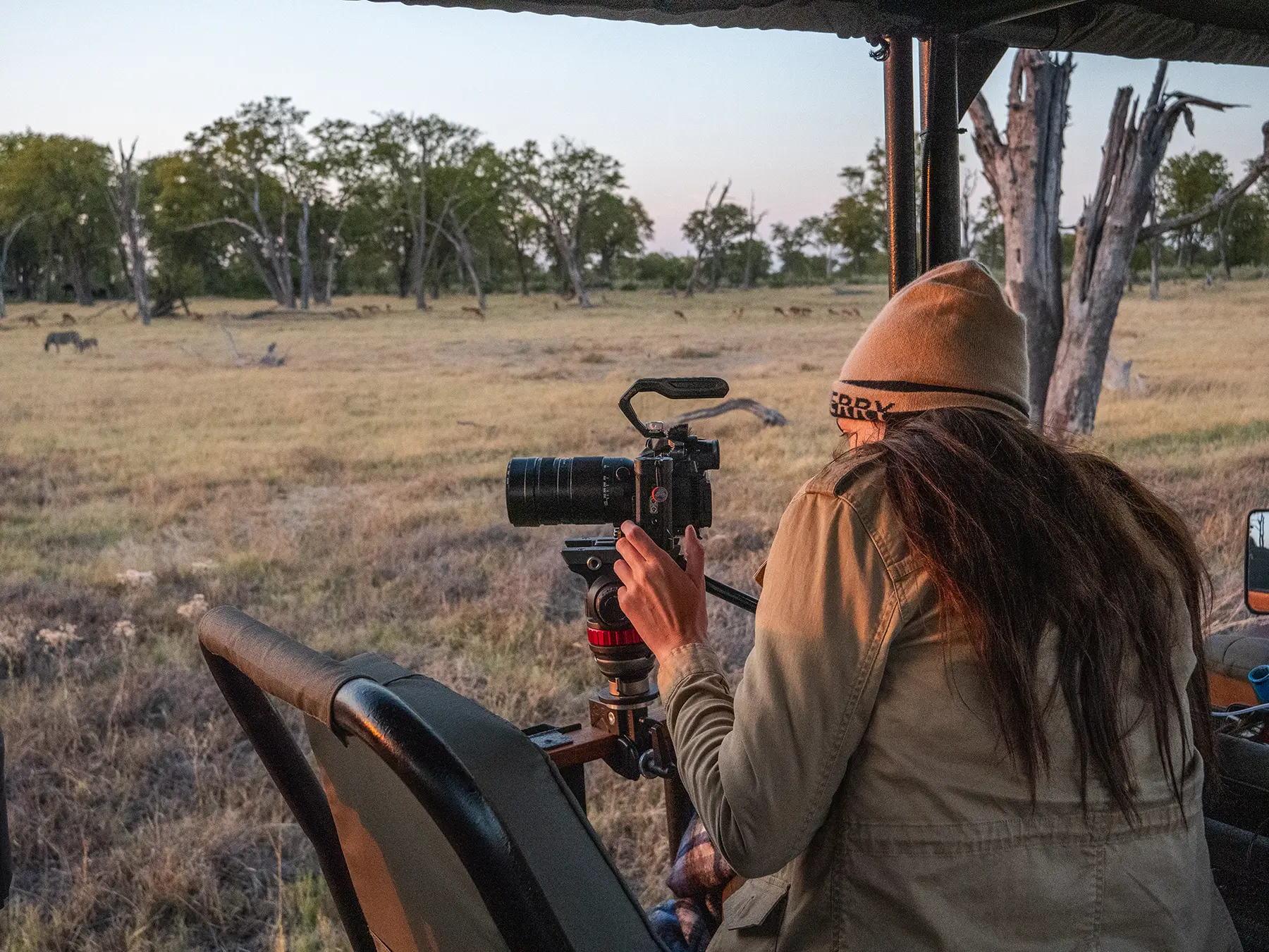
Are Balloon Safaris Possible in Botswana?
Yes however, hot air balloon safaris aren’t as abundant in Botswana as they are in East Africa’s Maasai Mara or Serengeti.
Balloon safaris are still possible in the drier months of year over Chobe National park and the Okavango Delta in northern Botswana.
Unlike in East Africa, you often have to spend the night before at specific lodges within the concessions where the hot air balloons operate to ensure you can reach the start point before sunrise.
If you’d love an aerial perspective of the Okavango Delta, a scenic helicopter flight (covered below) seems to be the more popular mode in Botswana.
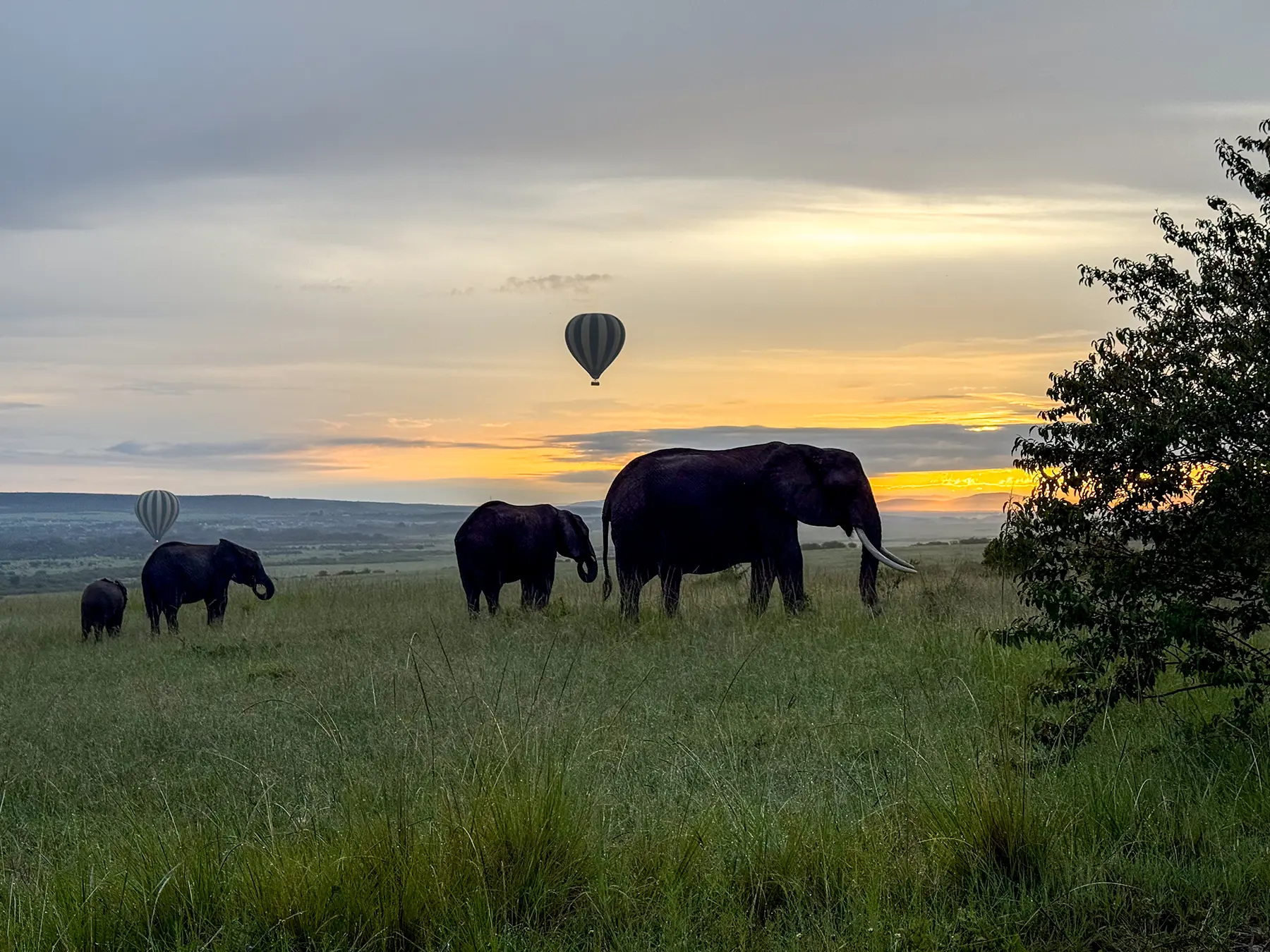
Can You Go on Bird Watching Safaris in Botswana?
Yes, you can! Botswana is a wonderful destination for birders, particularly thanks to the wetlands of the Okavango Delta and Chobe, which teem with fish eagles, kingfishers, pelicans and countless other aquatic species.
The best time for birding is between November and March, when the migratory species arrive and the birdlife is at its most spectacular. A dedicated birding safari usually requires a specialist guide and costs an extra $75 to $150 per person per day.
You don’t have to book a fully dedicated birding trip, though. I’ve had some incredible guides from local tour operators who have been able to point out countless bird species to me. Just let them know you’re interested in bird watching and they’ll allocate their most skilled guide to you.
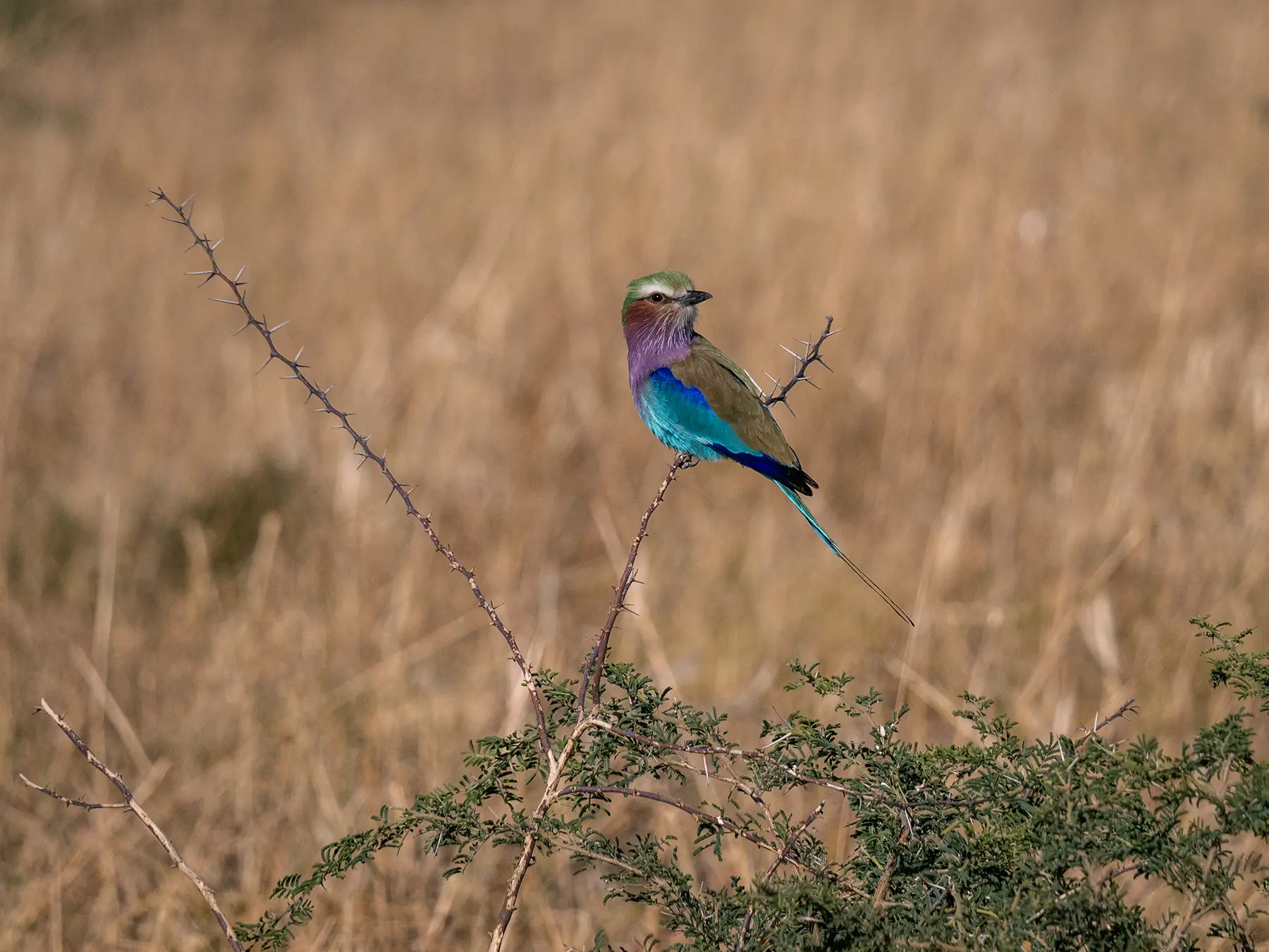
Can You Go on Walking Safaris in Botswana?
Yes, you can! Walking safaris are a great way to stretch your legs and truly immerse yourself in the natural landscape, getting close to the smaller details you’d miss from a vehicle.
Guided walking safaris are available in the Okavango Delta, Chobe and the Linyanti region. They’re always accompanied by an armed, experienced guide, as you’re on foot in the territory of free-roaming big game.
A walking safari typically costs an extra $150 to $200 per person per day and is a great way to break up your game drives. If you’d like to include one or two, just let your tour operator know and they’ll build them into your itinerary.
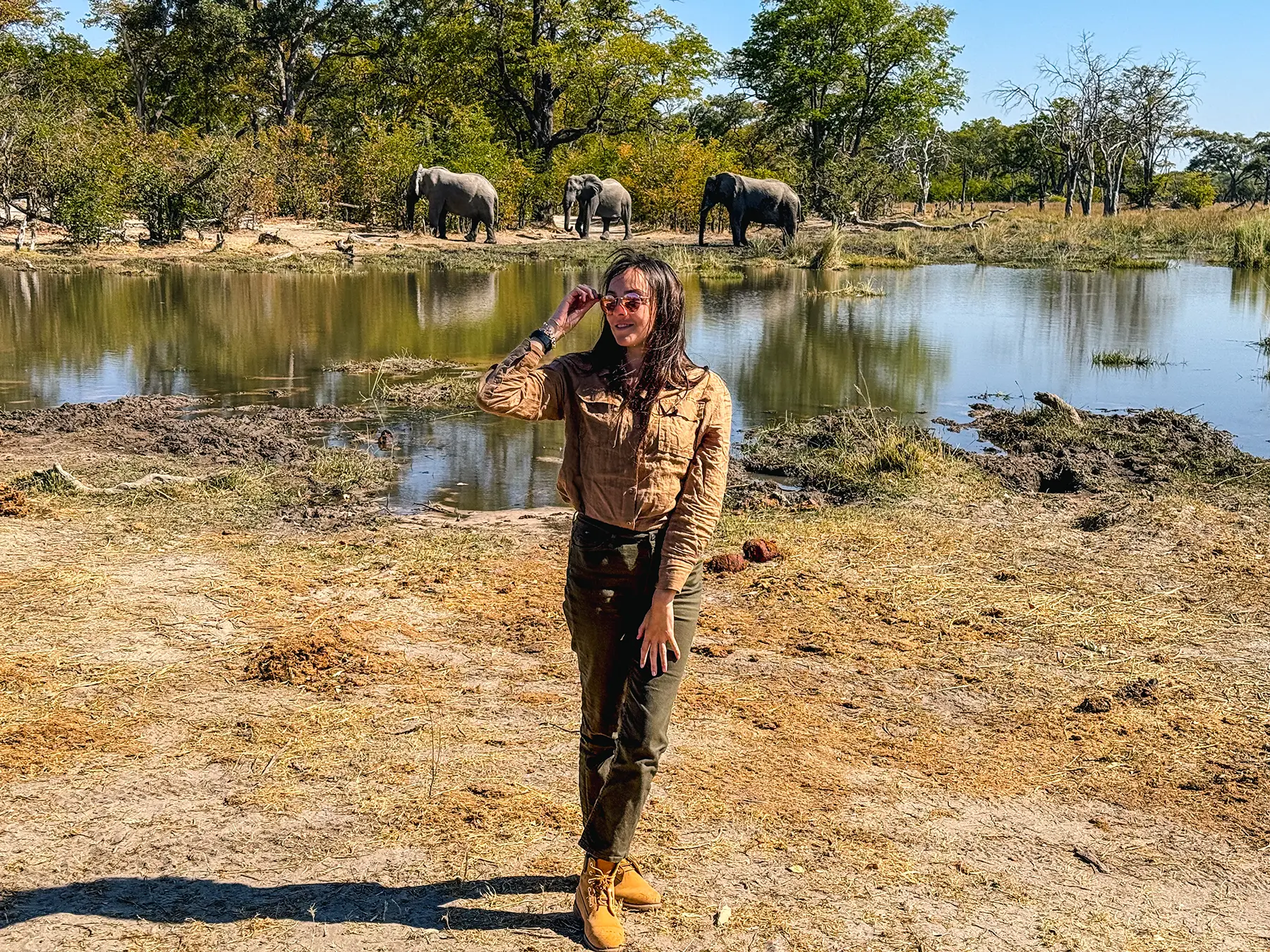
Can You Go on Safaris by Bike in Botswana?
Yes there are a number of private reserves which allow bike safaris, including Northern Tuli Game Reserve.
On bike safaris you will be accompanied by an armed ranger. These can be day-long or even multi day bike safaris.
Can You Go on Horse Riding Safaris in Botswana?
Yes, you can! In fact, the Okavango Delta is one of the most famous horseback safari destinations in all of Africa. Riding allows you to move among the wildlife in a way that vehicles can’t, often getting remarkably close to plains game.
They usually require a reasonable level of riding experience, as you may need to move quickly if game gets close.
Horse riding is not typically permitted within national parks and reserves.
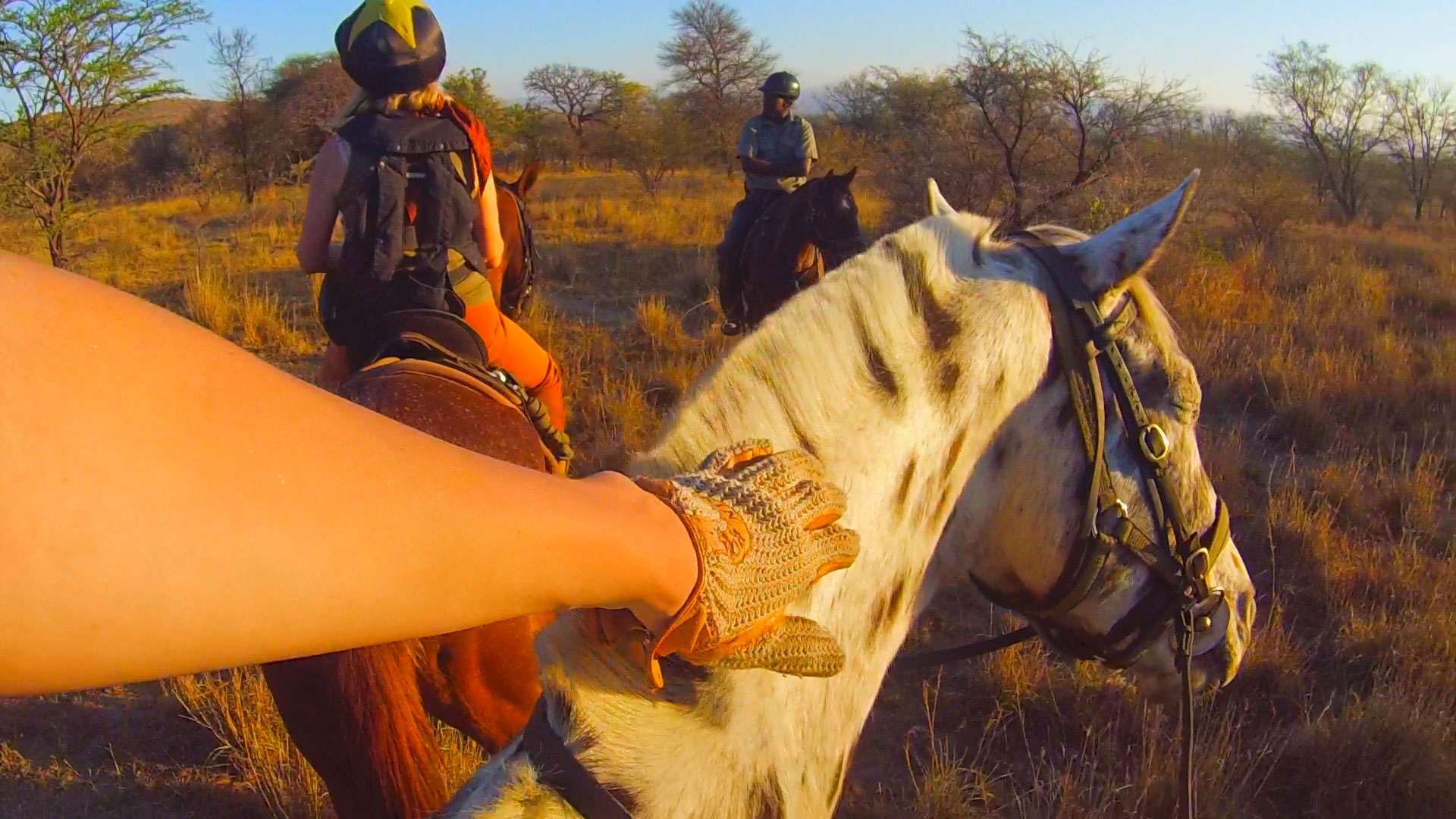
Can You Go on Fly-In Safaris in Botswana?
Yes! Fly-in safaris are one of the most popular ways to experience Botswana, given how remote and spread out its reserves are.
Most camps and reserves throughout Botswana have their own bush airstrips, making it incredibly easy to fly from one wildlife destination to another and maximise your time on safari rather than spending it on long, bumpy drives.
The flights are an added expense on top of your safari, with scheduled services costing around $300 per person to the more popular airstrips and chartered costing significantly more. For this reason fly-in safaris are typically only found in luxury safari packages.
Remember that the bush planes usually have strict 10 to 12 kg soft-bag luggage limits.
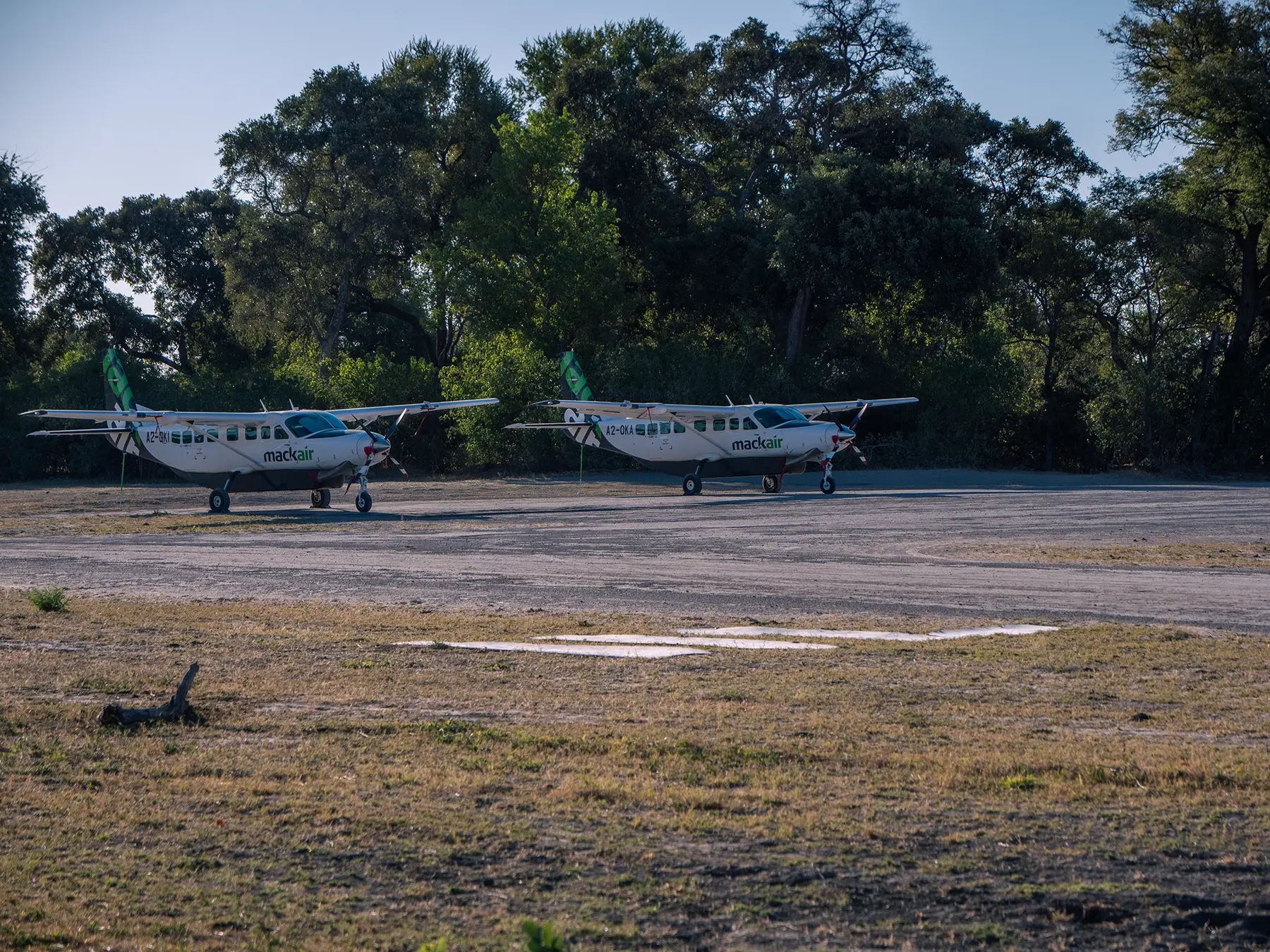
Can You Go on Helicopter Safaris in Botswana?
Yes, you can, and a scenic helicopter flight over the Okavango Delta is a popular choice.
From the air you get a real sense of the scale and intricate beauty of the Delta’s waterways, islands and channels, often spotting elephants, hippos and other game from above.
A typical scenic flight lasts around 45 minutes and costs in the region of $300 per person, with a minimum of 2 passengers.
Helicopter flights can usually be arranged through your lodge or tour operator and often depart directly from your camp if they have a helicopter landing pad.
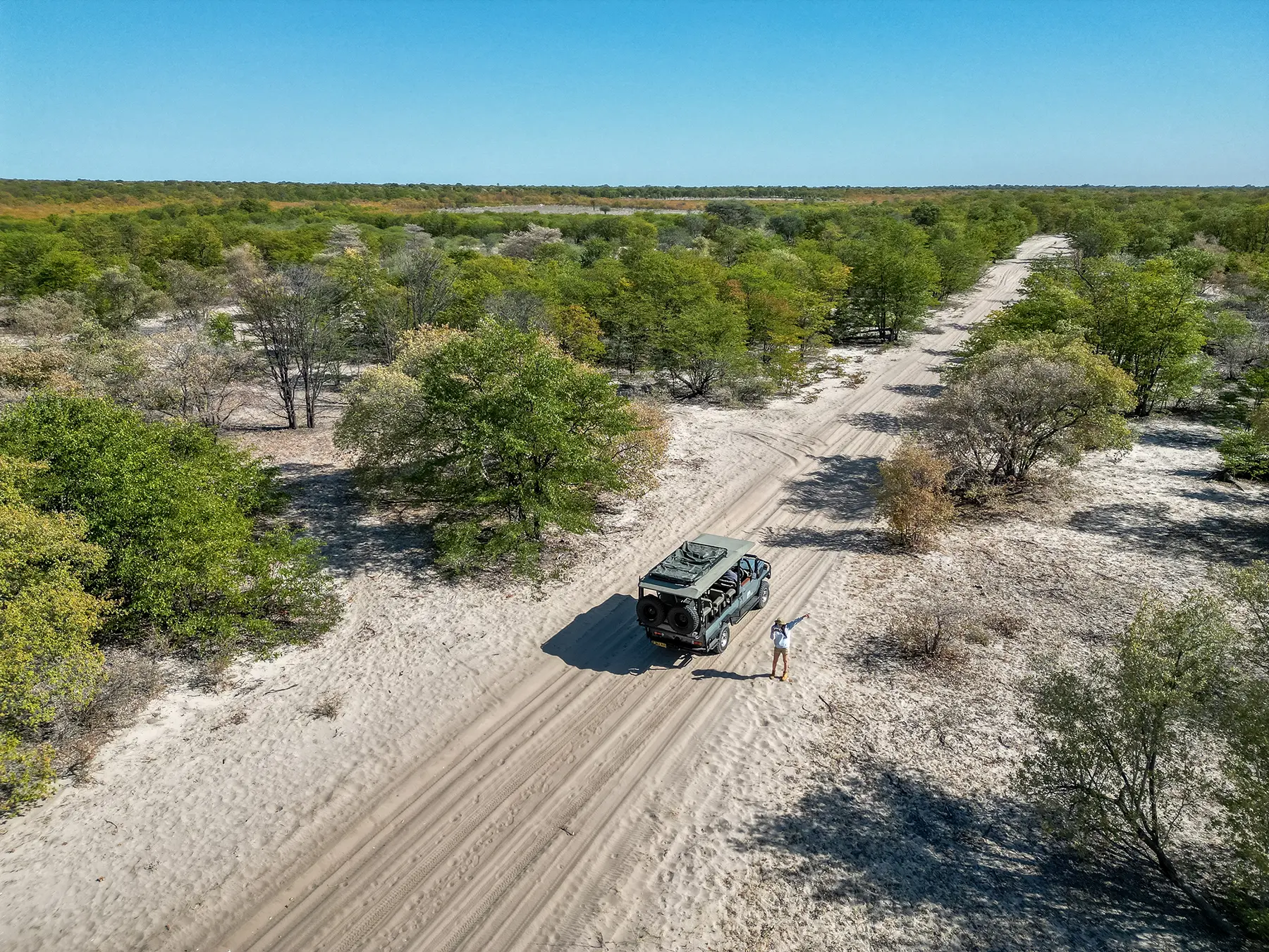
Can You Go Hiking and Trekking in Botswana?
Botswana isn’t a hiking and trekking destination in the way that countries like Kenya or Tanzania are, as it lacks the towering peaks of a Mount Kenya or Kilimanjaro.
It also lacks gorilla and chimpanzee trekking which you get with Uganda and Rwanda.
Much of Botswana is flat, made up of the Okavango Delta, the Kalahari and the Makgadikgadi salt pans.
However, you can still stretch your legs by hiking up hills and going on walking safaris in Botswana.
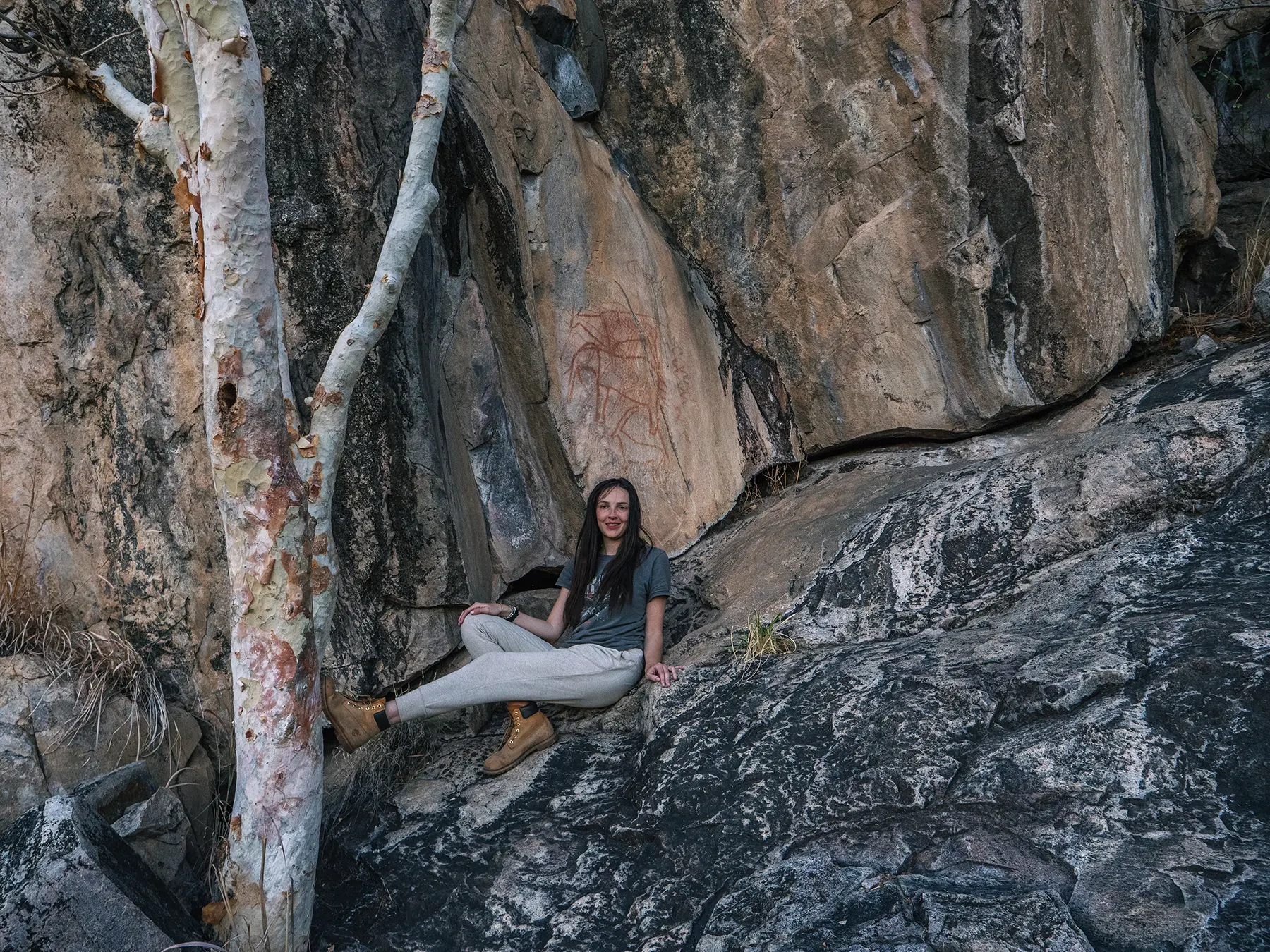
Can You Go Fly-Camping in Botswana?
Yes! Mobile camping is one of the most popular and quintessential ways to experience Botswana, and it ranges from basic camping where you get stuck in with putting up the tents and cooking right up to luxurious mobile camps where a team of porters and a chef take care of everything for you.
On my own mobile camping safari, a dedicated team set up our tents at private campsites within the national parks, then dismantled and moved them from location to location as we progressed through Moremi, Khwai and Savuti.
While we were out on a full-day game drive, the camp team would pack everything up, drive to the new site and have it all set up and waiting for us by the evening.
It was unlike any camping I’d done before. The tents had proper double beds, bedside tables and en-suite bathrooms with a bucket shower and hot water, and the food, freshly prepared by our chef, was excellent.
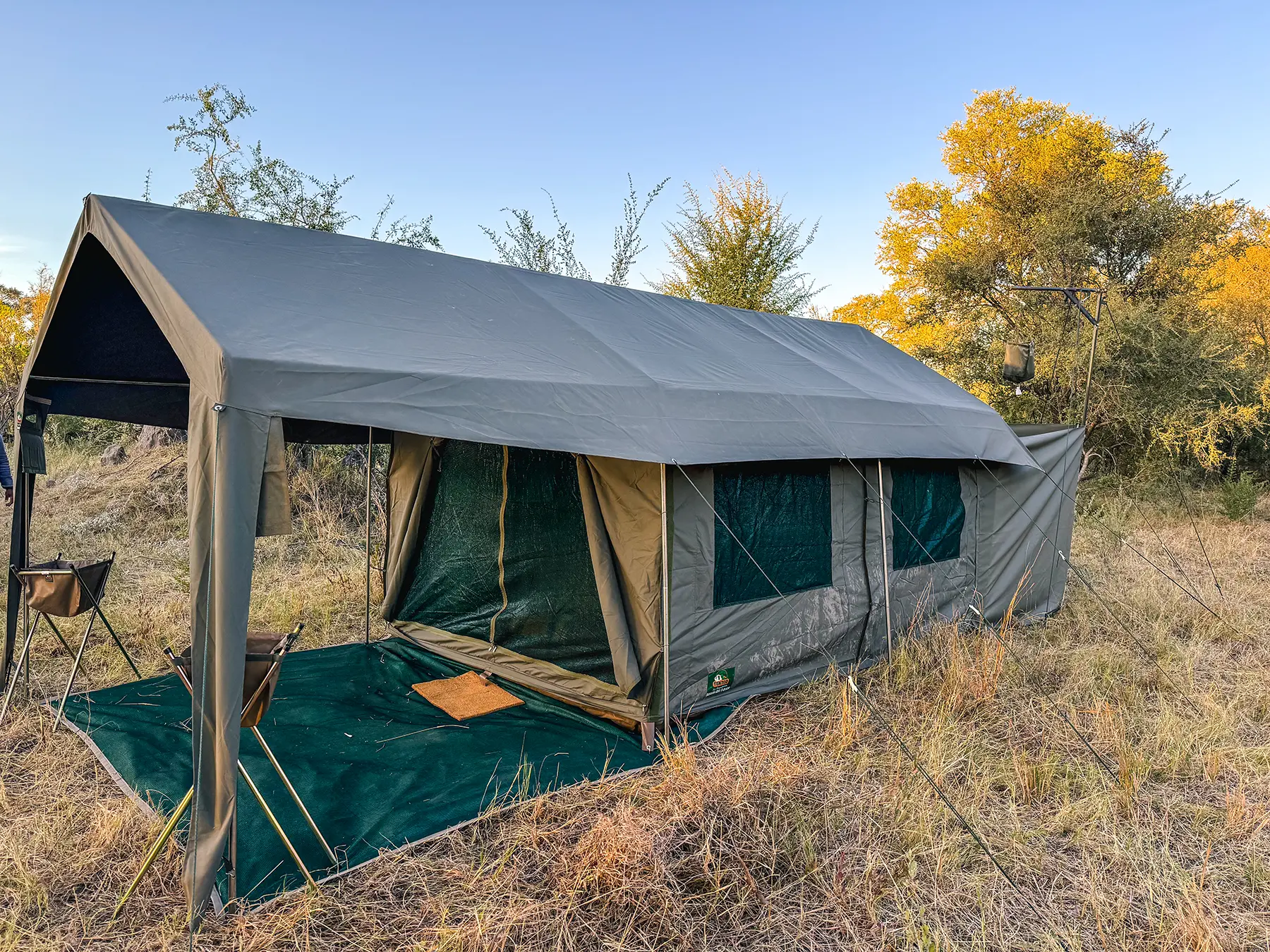
Can You Self-Drive in Botswana?
Whilst it’s possible to self-drive in Botswana, I wouldn’t recommend it unless you are a very experienced off-road driver and comfortable in remote, challenging conditions.
Botswana is one of the toughest places in Africa to attempt a self-drive safari. You’ll face deep sand, water crossings, very long distances between fuel stops and remote areas where there’s no help if you break down.
This other issue I’ve found with self-drive safaris is that without an experienced guide and their radio network, you miss out on a lot of wildlife sightings.
For the vast majority of visitors, booking through a local tour operator with an experienced guide is by far the safer, more relaxing and more rewarding way to experience Botswana.
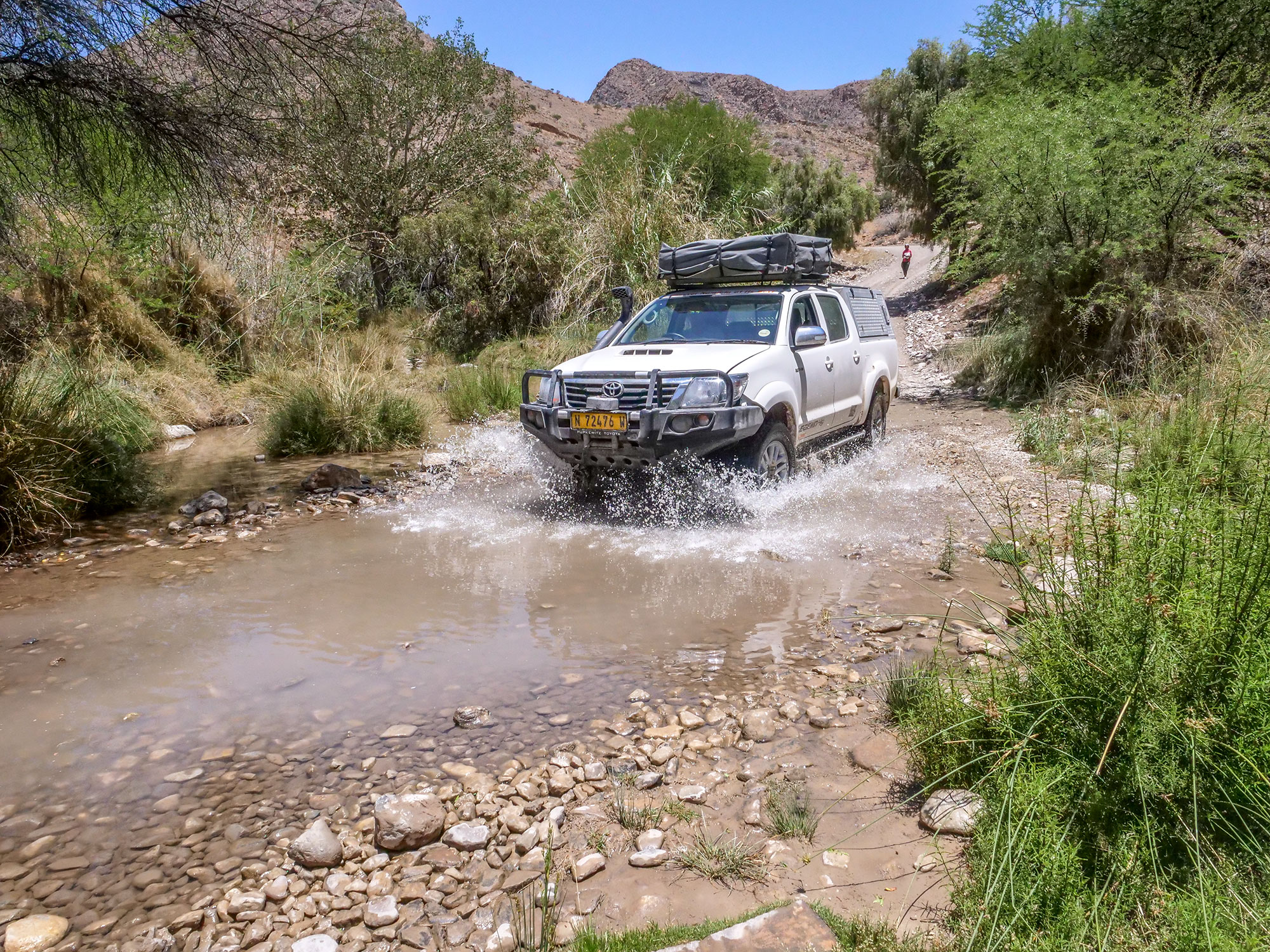
Botswana Safari FAQs
Click on any of the frequently asked questions below to show the answer.
When is the best time to visit Botswana for safari?
The dry season from July to October is the best time for general wildlife viewing, when animals congregate around the rivers and remaining water sources and the sparse vegetation makes them easy to spot.
The green season from December to April brings the best birding, baby animals and dramatic photography with lodge prices up to 40% lower.
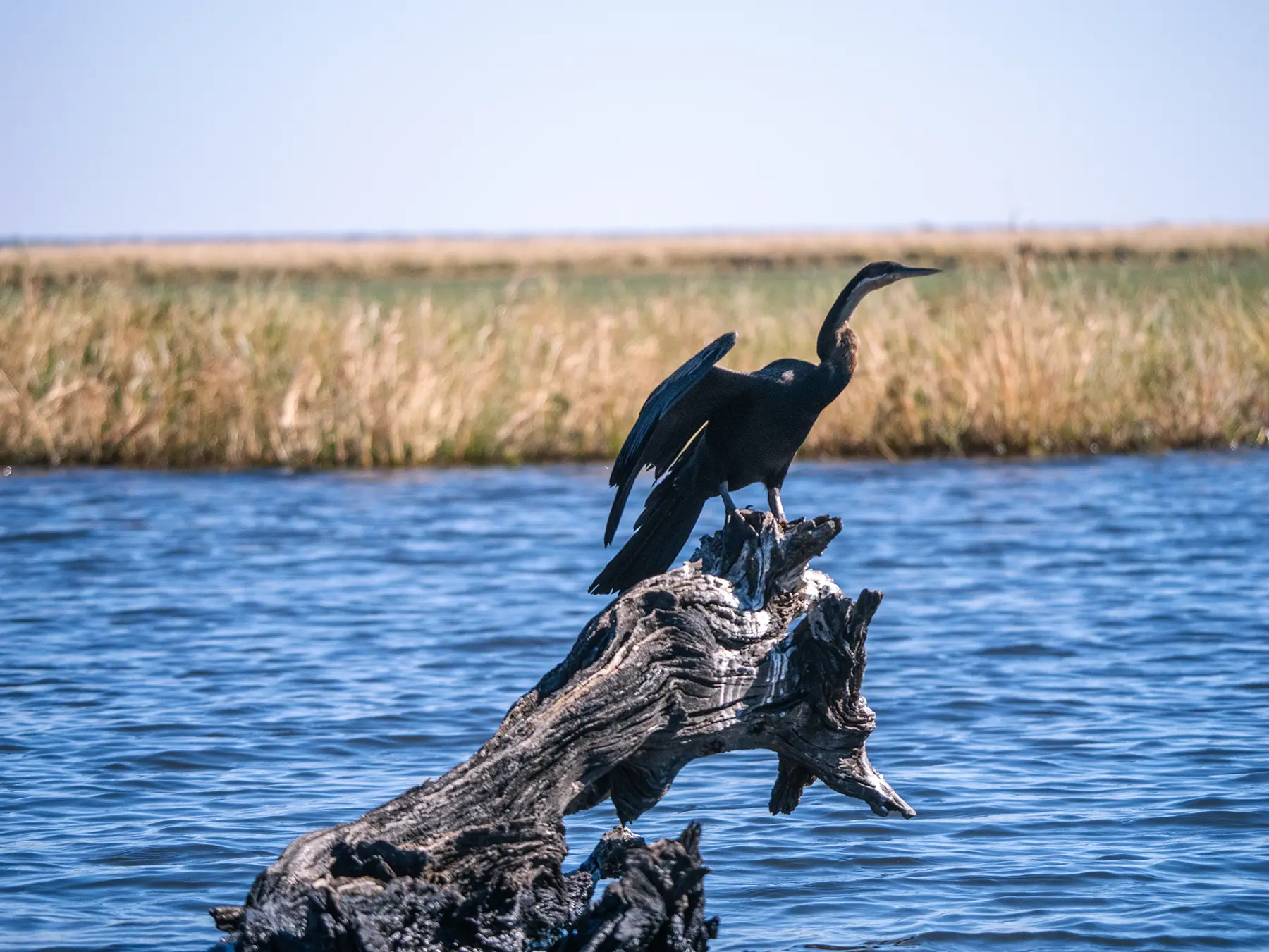
How much does a Botswana safari cost?
A private Botswana safari costs from around $450 per person per day, while group camping safaris start at around $350 per person per day.
Botswana runs a high-value, low-impact tourism model, so it is more expensive than Kenya (from about $300 per day) or Tanzania (from about $350 per day) but that means fewer other vehicles in the parks and at sightings.
Booking through a local tour operator rather than an international agent is almost always the best value.
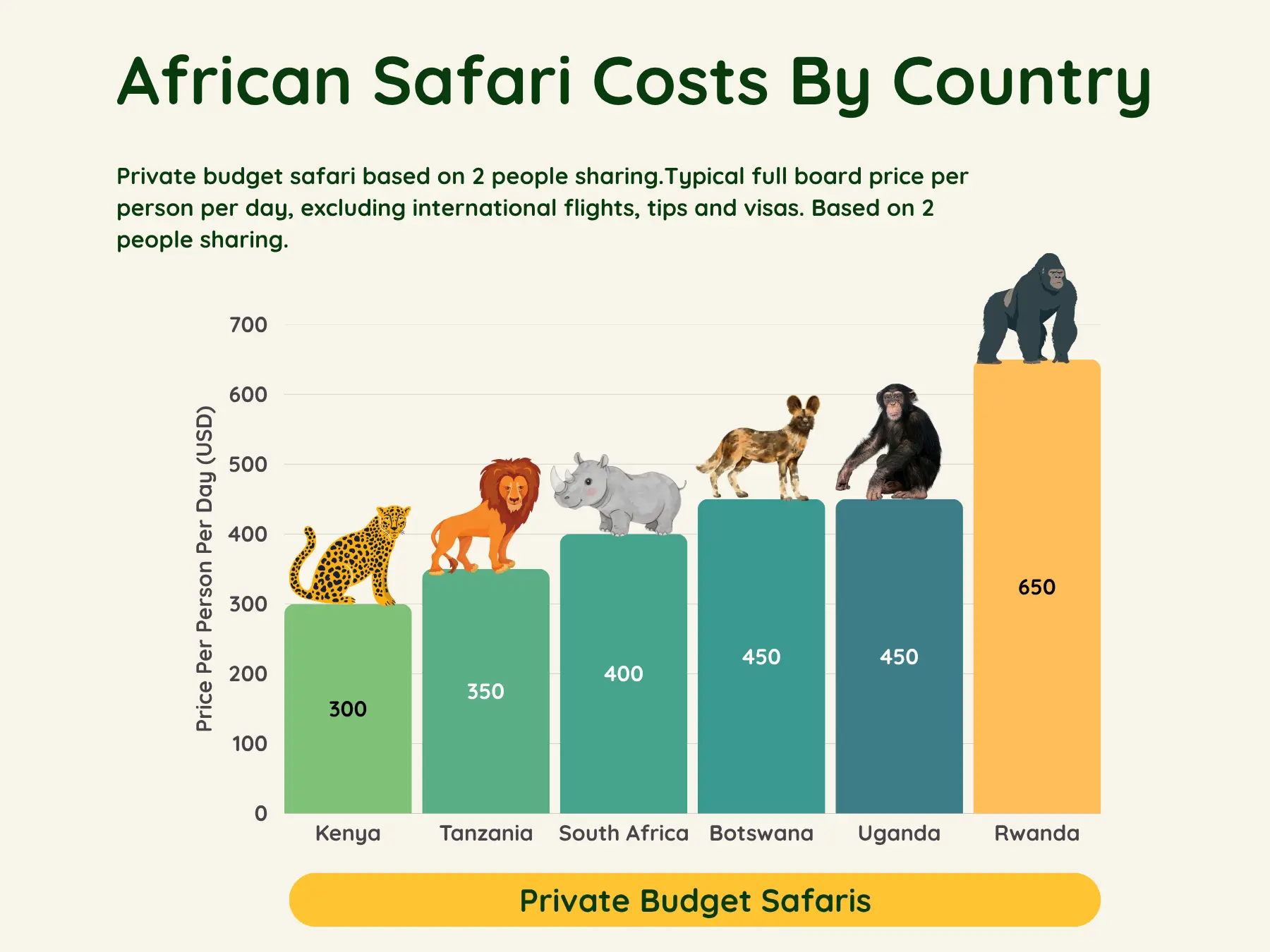
Do I need vaccinations or anti-malaria tablets for Botswana?
Hepatitis A, tetanus and typhoid are usually recommended for Botswana, and depending on your activities hepatitis B and rabies may also be suggested.
Anti-malarial tablets are recommended and cost around $2 per day, taken for several days before your trip and for a period afterwards.
If you are arriving from a country with a yellow fever transmission risk, proof of yellow fever vaccination is required.
Consult a healthcare provider at least two months before travel, as some vaccination courses take several weeks.
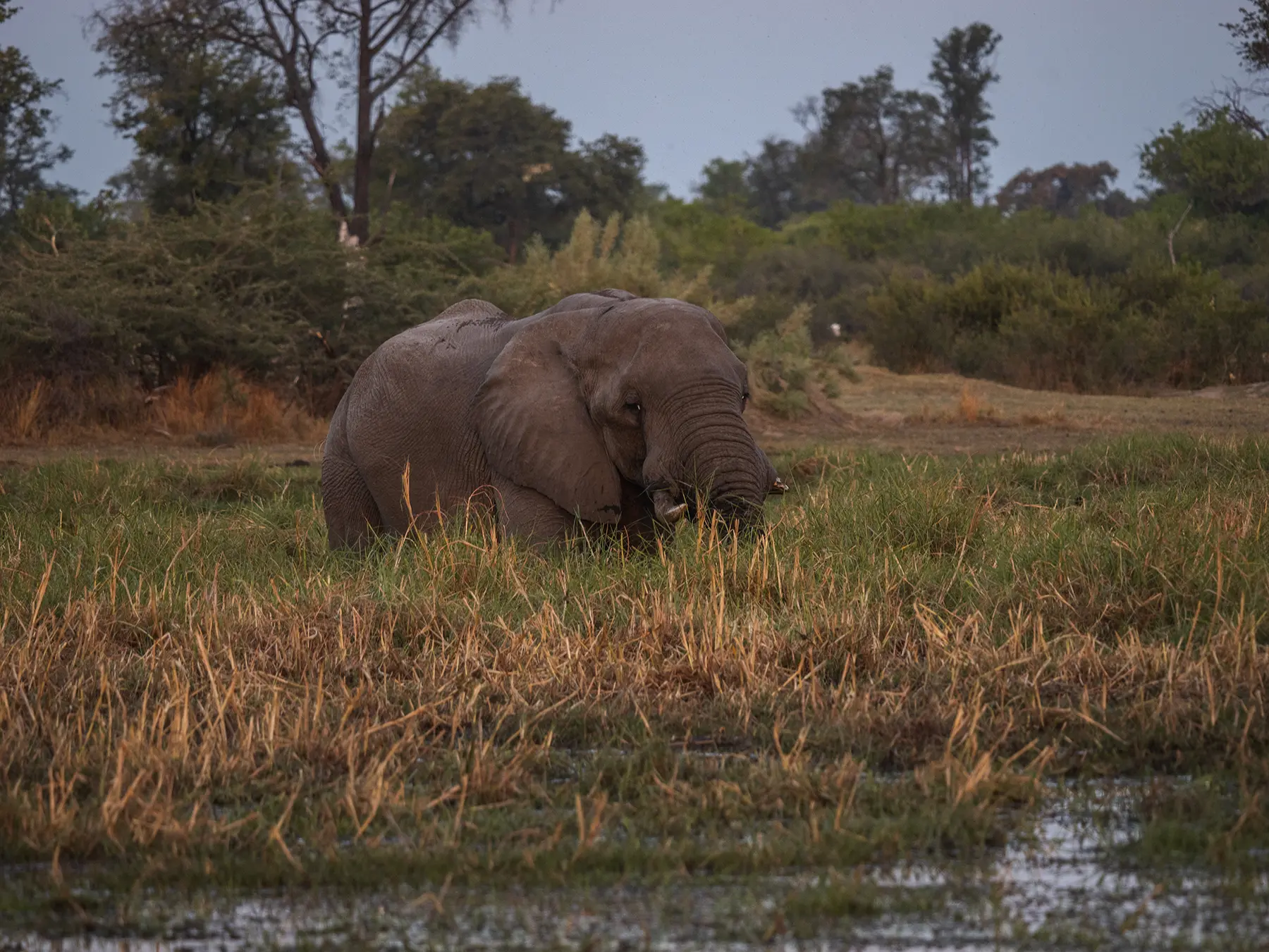
Do I need a visa to visit Botswana?
Citizens of the UK, US, Canada, Australia and much of Europe do not need a visa to enter Botswana and can stay for up to 90 days.
Your passport must be valid for at least six months beyond your arrival date and have a minimum of three blank pages.
If you are travelling with children under 17, you will need a certified copy of their birth certificate.
For the latest updates and also for other nationalities you can check requirements on the Botswana eVisa website.
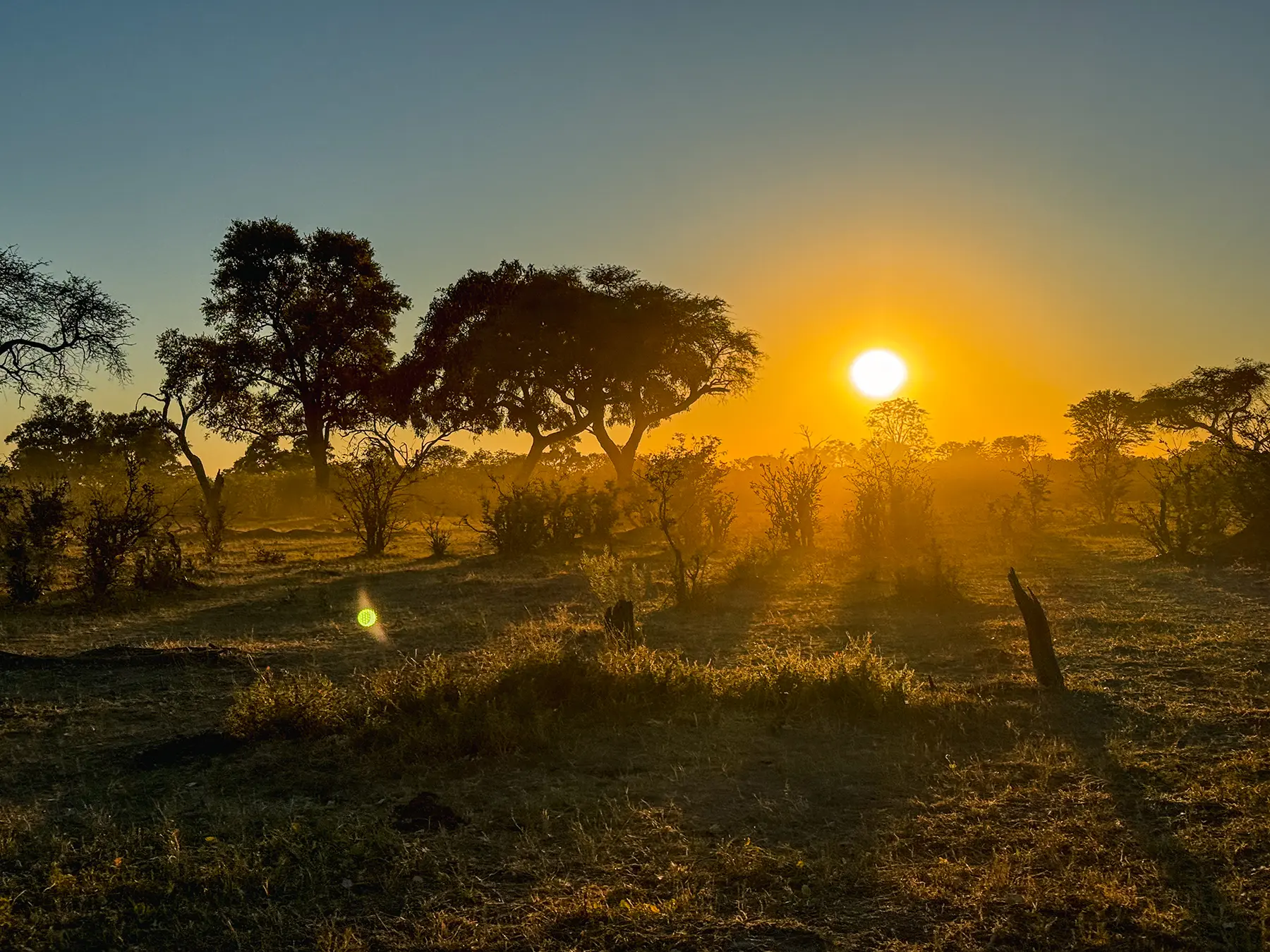
What wildlife can you see in Botswana?
Botswana is home to all of the Big Five (lion, leopard, elephant, buffalo and rhino).
However, rhinos only remain in a number of well protected remote regions.
I personally saw four of the Big Five in 10 days in Botswana including 2 leopard sightings, numerous lion sightings, abundant elephants (the country holds the largest elephant population) and buffalo.
During my trip I also saw cheetah, hippo, giraffe, zebra and a huge variety of antelope.
Botswana is one of the best places on the continent to see the endangered African wild dog and I had some incredible wild dog sightings during denning season.
The Okavango Delta, Chobe and Kalahari together support over 600 bird species.
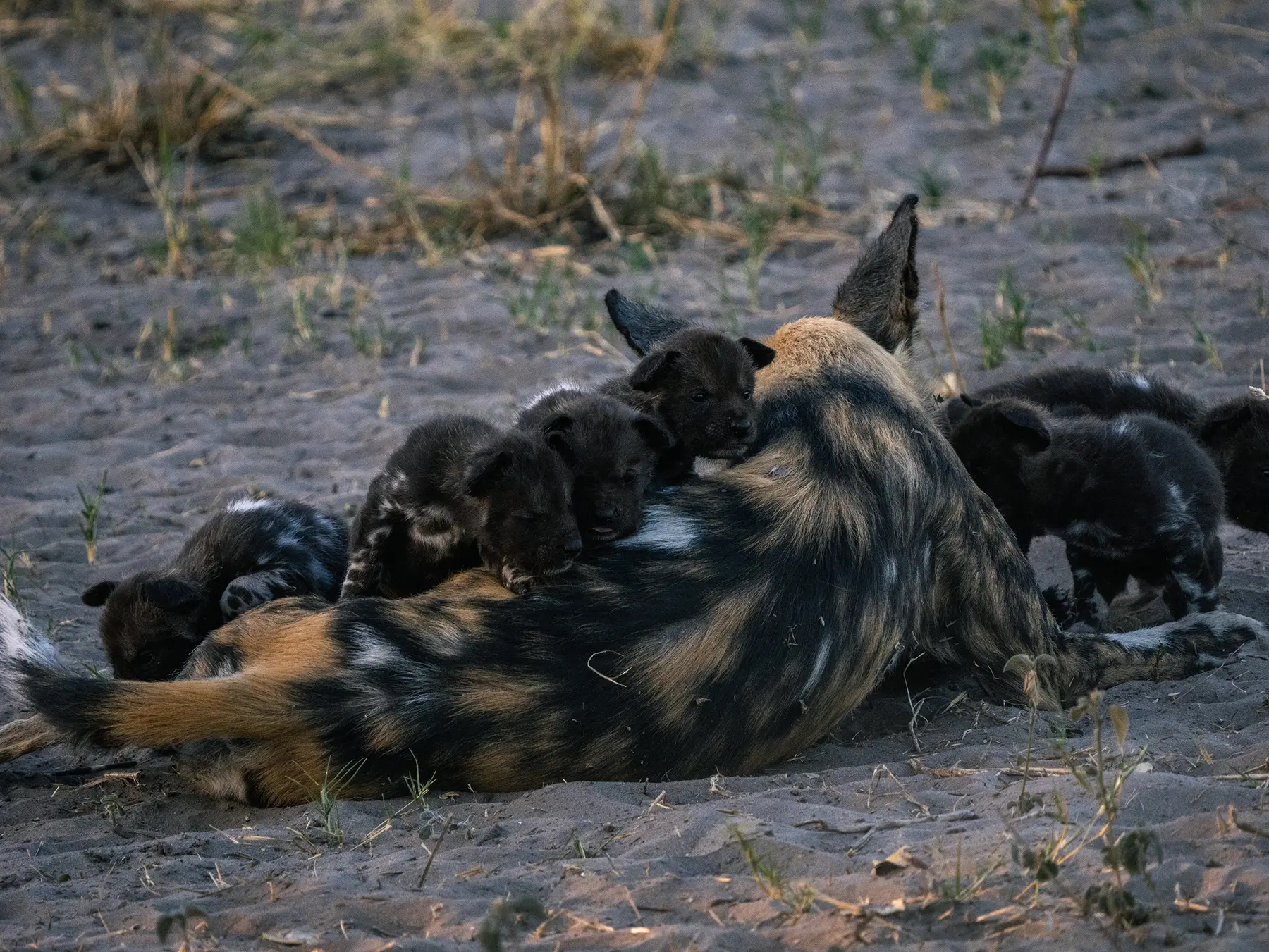
What is a mobile camping safari in Botswana like?
I went on a luxury mobile camping safari through Moremi, Khwai and Savuti and a dedicated team handled everything, so all we had to do was enjoy the safari. It was a very intimate experience and felt like a real adventure!
The tents were large and spacious with proper double beds, bedside tables and en-suite bathrooms, complete with a basin, a long-drop toilet with a proper seat and a bucket shower.
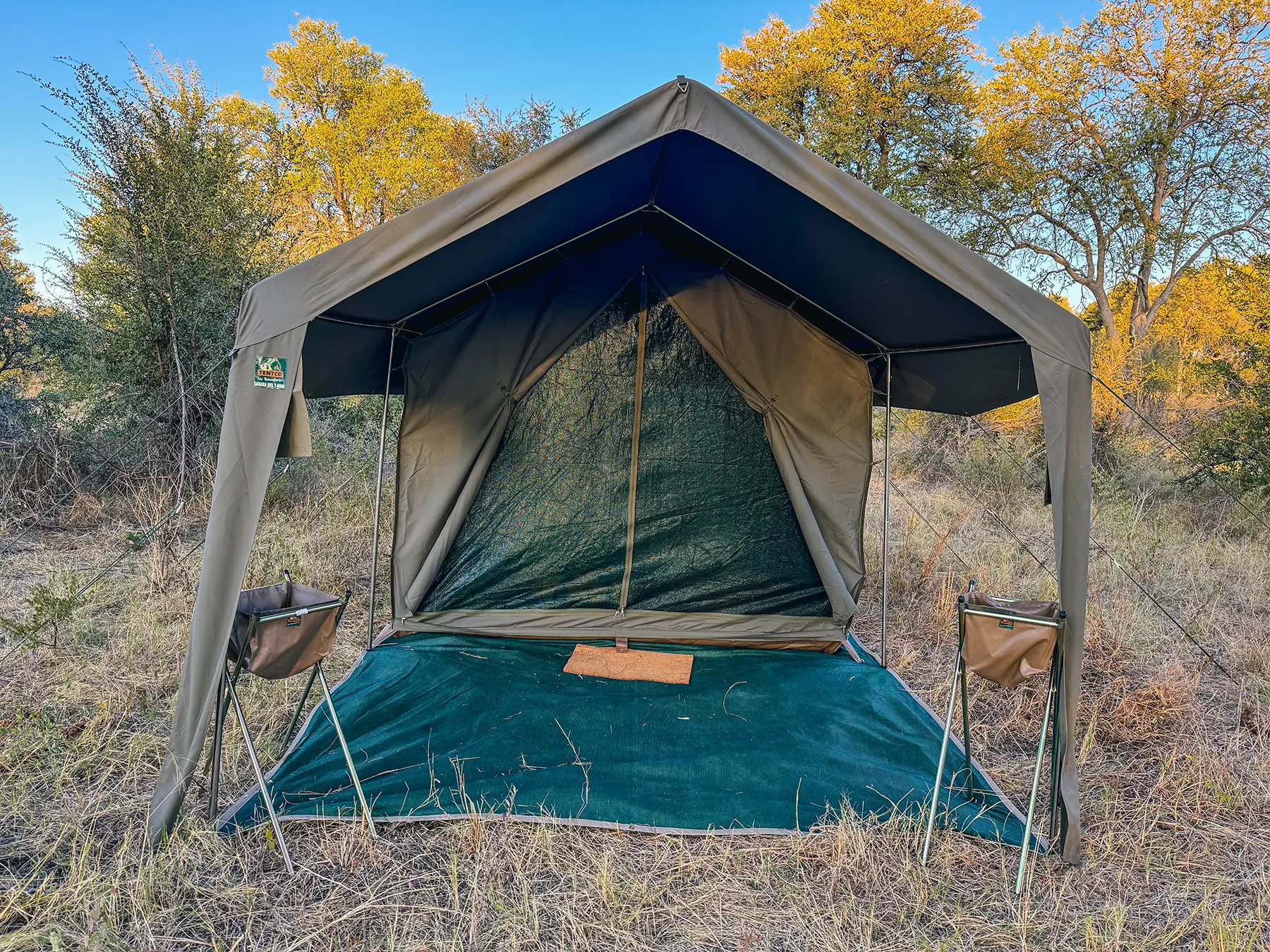
What makes Botswana different from other safari destinations?
In a nutshell what makes Botswana different is it’s quieter so you can sometimes have sightings completely to yourself, the standard of guiding is very high and you can see wild dogs.
It’s also quite expensive compared with other safari destinations but that’s part of the reason why there are so few crowds on safari and this helps protect its fragile ecosystem.
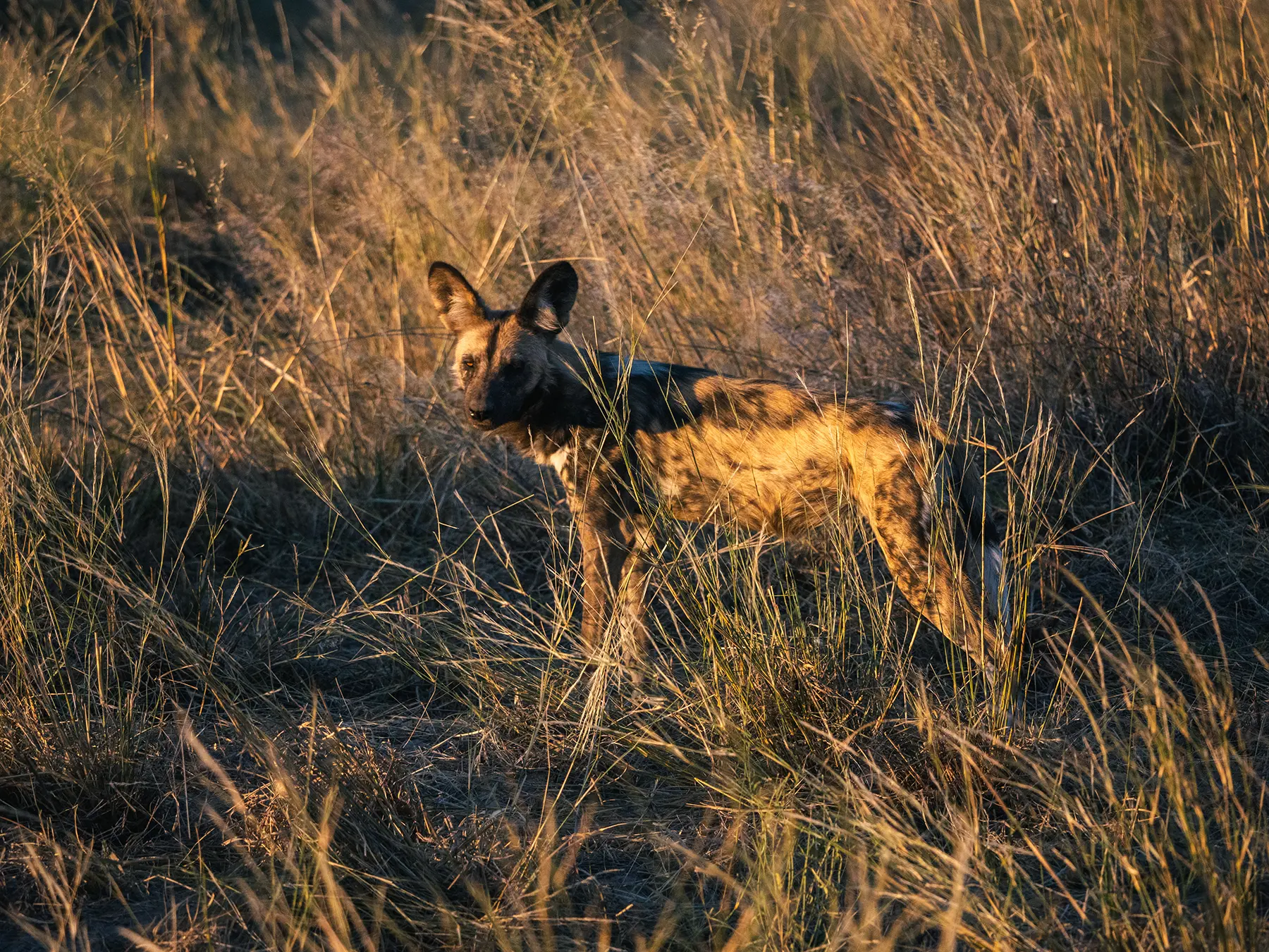
How do you get around Botswana on safari?
Most Botswana safaris combine light-aircraft transfers between camps with 4×4 game drives once you arrive, and many of the remote concessions are only reachable by air.
Some itineraries use road transfers for parks that are closer together and for my 10 day northern Botswana safari I was able to do all internal transfers by road in the safari truck as none were over 4 – 5 hours.
Your tour operator arranges the internal flights and because the aircraft are small you will usually be limited to soft bags with a weight allowance.
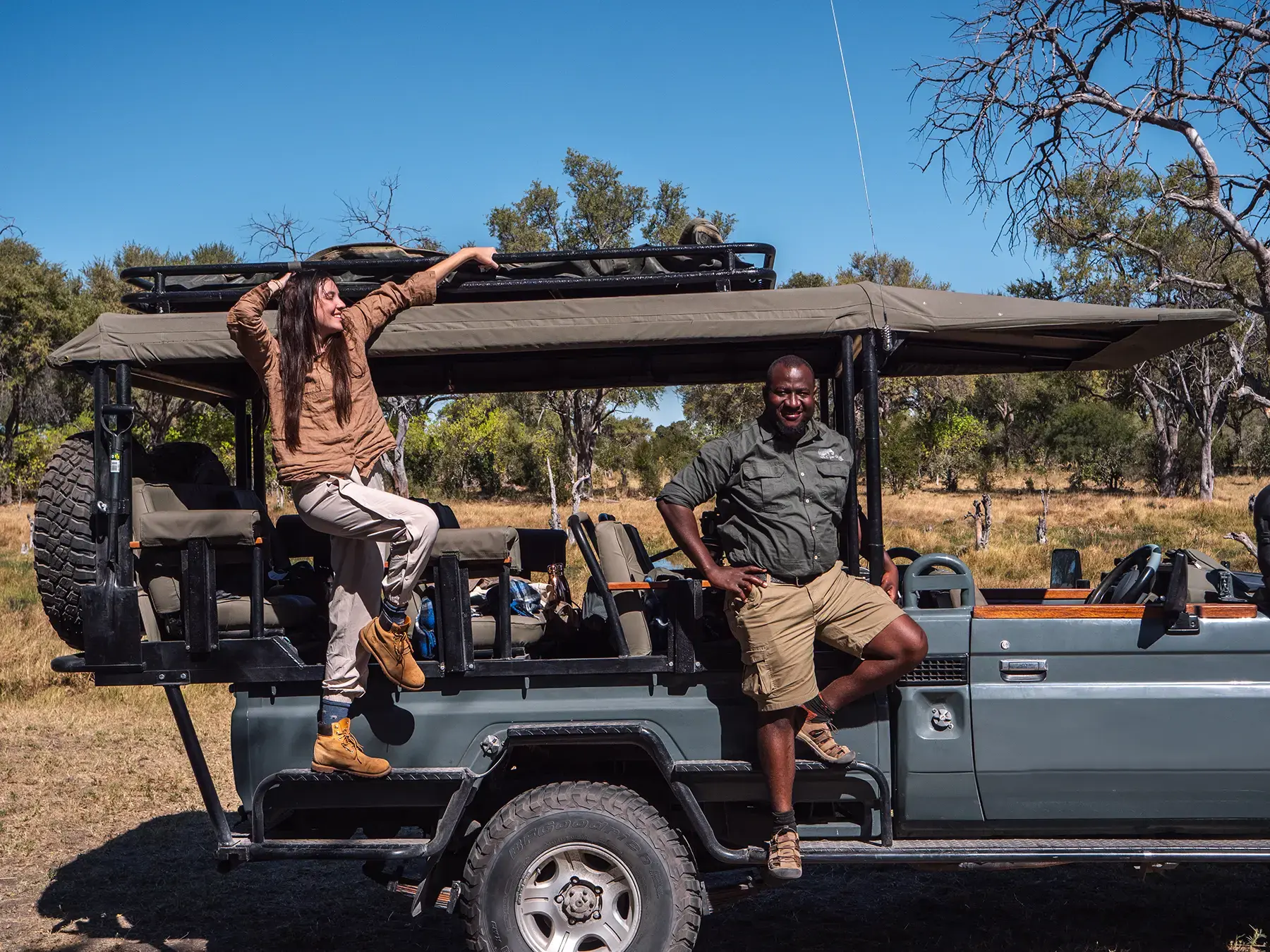
Recommended Booking Options For Your Botswana safari Itinerary
Private Safari
Most popular & best experience – typical prices for this itinerary start from $450 per person per day.
Visit safarisbyella.com for free quotes from trustworthy local tour companies I use to book my own trips.
Final Thoughts – Is a Botswana Safari Worth It?
Yes – I absolutely loved my safari in Botswana and I will be returning soon for another one!
A Botswana safari gives you one of the best chances to see endangered wild dogs in their natural environment as well as a sense of true wilderness and guiding by world class guides.
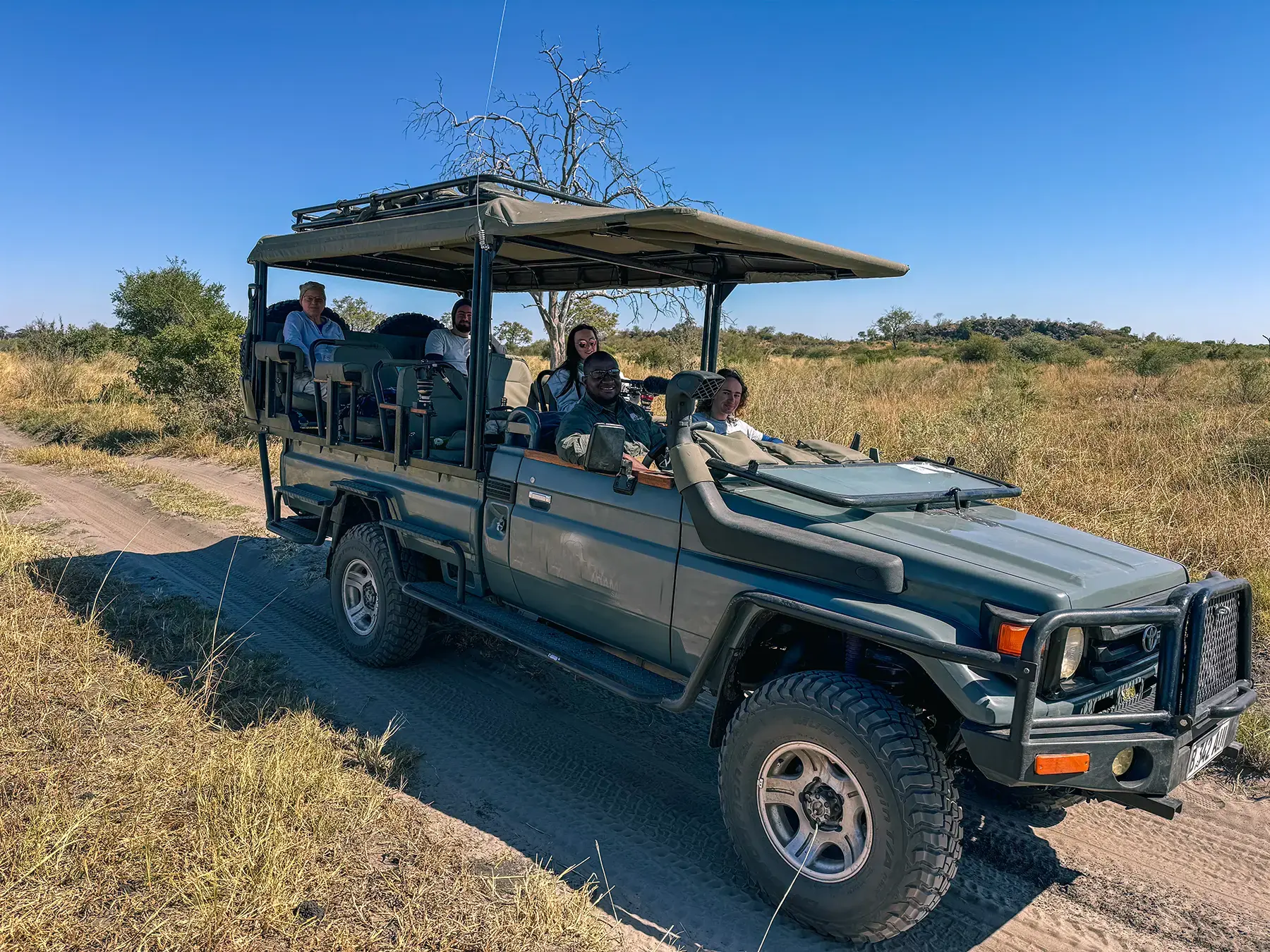
I found the Okavango Delta to be a very unique and beautiful environment and water based safaris in a mokoro, where you glide through the water with no motors, are probably the most intimate safari experience you can have!
The only real downside to Botswana is the higher prices but this high price is what helps keep it exclusive and thus protect its fragile ecosystem. So, if you have the budget, Botswana can provide a world-class safari experience which will stay with you for a lifetime.
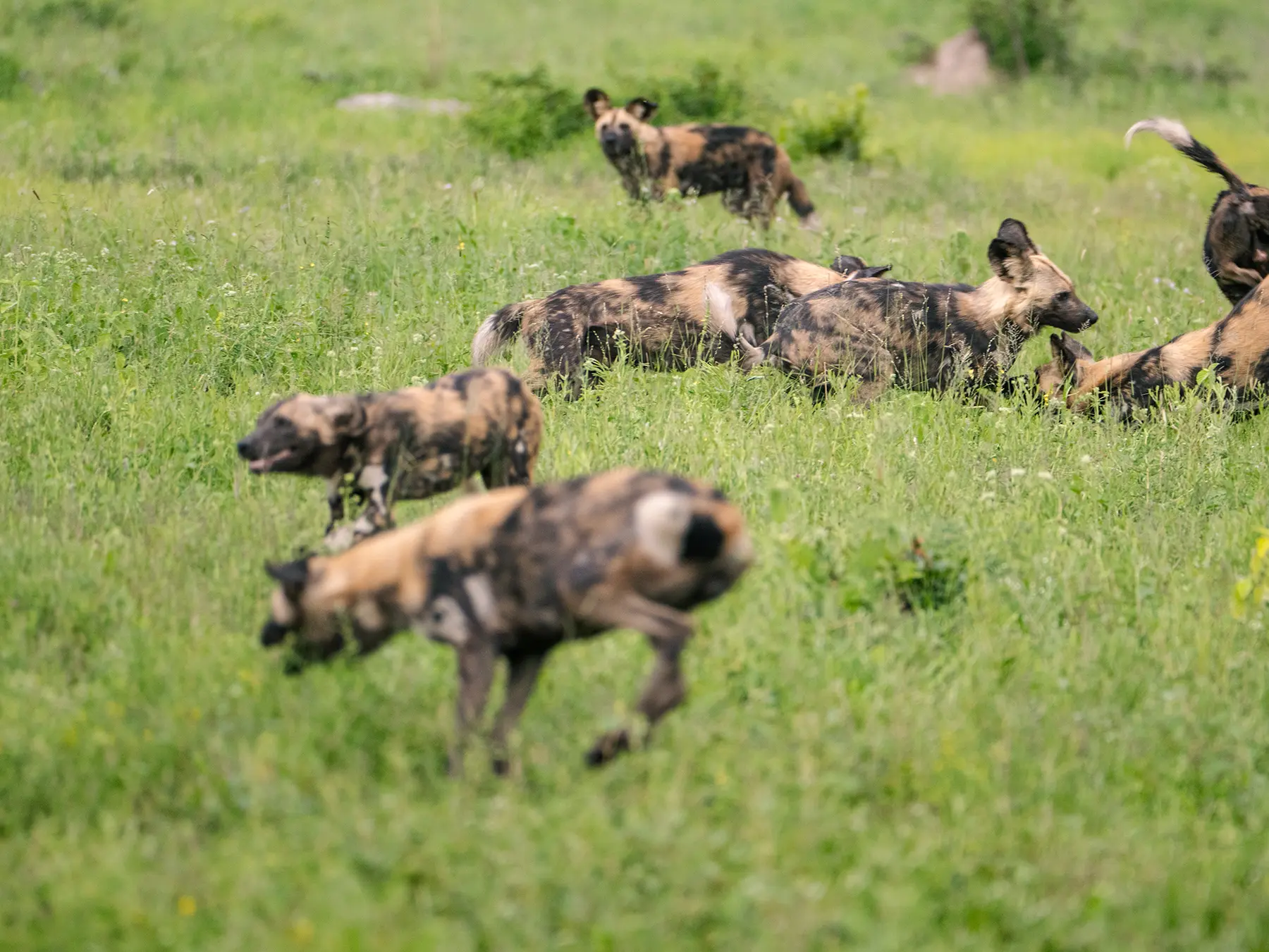
Read More Botswana Guides
For an overview of planning your safari, you can read my Ultimate Botswana Safari Guide.
Botswana Itineraries
Recomended itineraries and how to book them.
3-Day Botswana Safari Itineraries & Costs (5 options)
5-Day Botswana Safari Itineraries & Costs (5 options)
7-Day Botswana Safari Itineraries & Costs
10-Day Botswana Safari Itinerary & Costs
3-Week Botswana & Victoria Falls Safari Itinerary & Costs
3-Week Botswana and Victoria Falls Safari Itinerary & Costs
Costs & Planning
How to get the most bang for your buck and the best time of year to visit depending on what you want to do and see.
Botswana Safari Cost – Everything You Need to Know!
National Parks & Reserves
Complete guides to the best and most famous safari reserves, including the wildlife you’ll see, entrance costs and best time to visit.
Coming soon.
How to Book Your Safari
Save time and ensure an incredible safari experience by getting quotes from my recommended local safari companies.
Join the rapidly growing tribe of over 1,000 travellers who’ve booked their dream safari using my insider tips and recommendations.