
Struggling to pick between Kenya and Tanzania for safari? Why settle for one when you can experience both?
Sitting right next door to one another, a combined Kenya and Tanzania safari is straightforward to plan and allows you to experience the highlights of two of the best safari destinations on earth as well as some downtime on the white sandy beaches of Zanzibar.
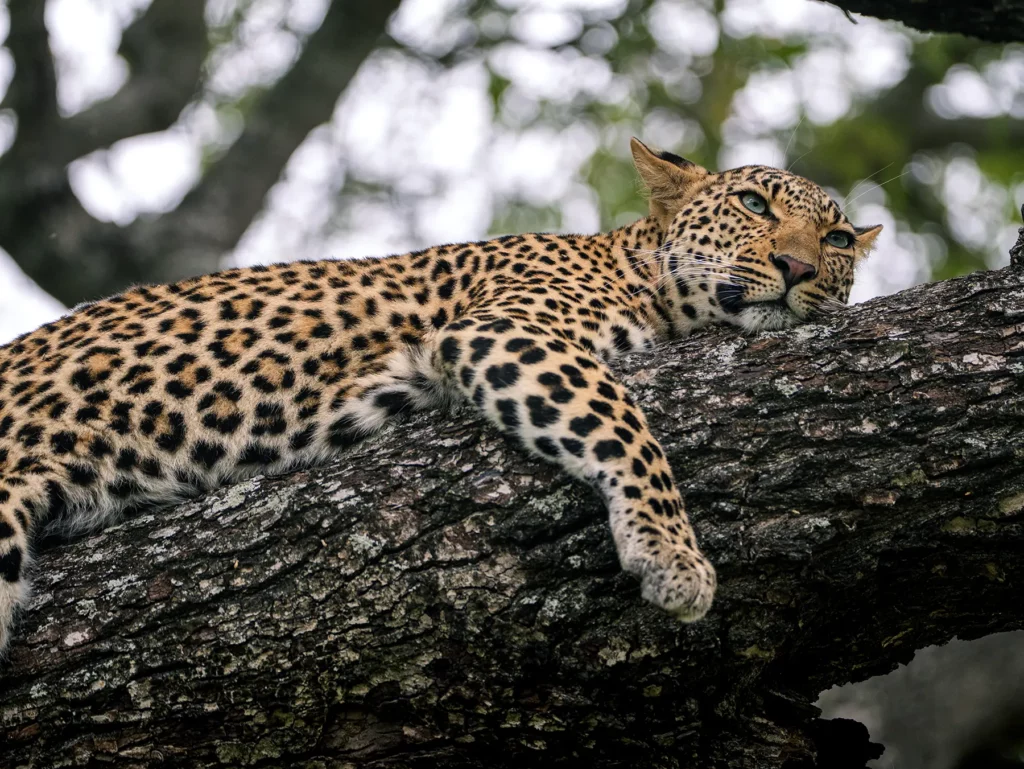
In Kenya, the Maasai Mara’s sweeping grasslands are home to exceptional predator sightings, while Tanzania’s Serengeti stretches across 5,700 square miles of endless plains host the world-famous great wildebeest migration throughout the year.
I have been lucky enough to visit both Kenya and Tanzania multiple times, and the Serengeti-Mara ecosystem remains one of my all-time favourite safari destinations. There’s a reason I can’t get enough of this pocket of Africa. Is it the abundant cheetah sightings – more reliable than anywhere else on the planet? Or is it the sprawling plains that never cease to take my breath away? For whatever reason, I cannot get enough of it!
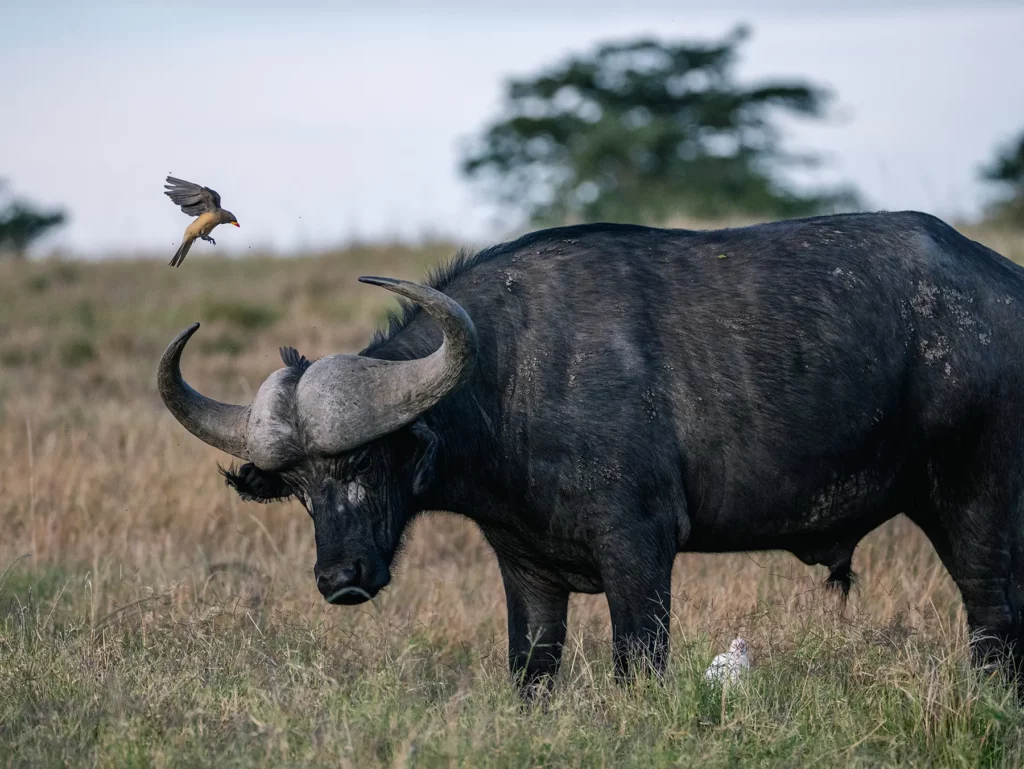
If you have the time, three weeks is a fantastic amount of time to be able to truly immerse yourself within the two countries, and to travel through them without feeling rushed.
Three weeks lets you visit the Maasai Mara’s predator-rich grasslands as well Amboseli, the land of giants, as well as lesser-known but just as impressive destinations like semi-arid Samburu and Lake Nakuru in Kenya.
You’ll then cross the border into Tanzania to explore the world-class Serengeti, the mystical Ngorongoro Crater, Tarangire.
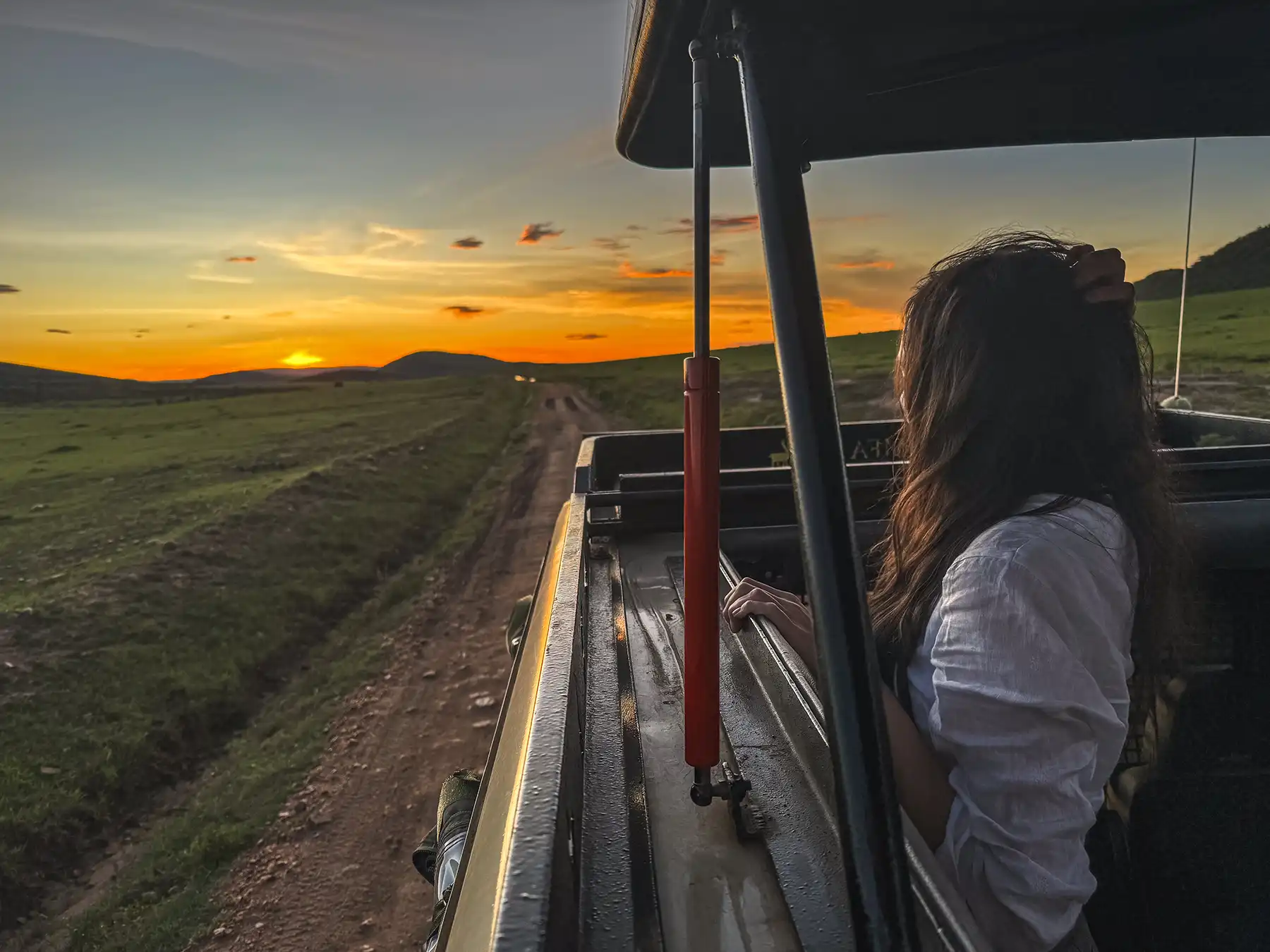
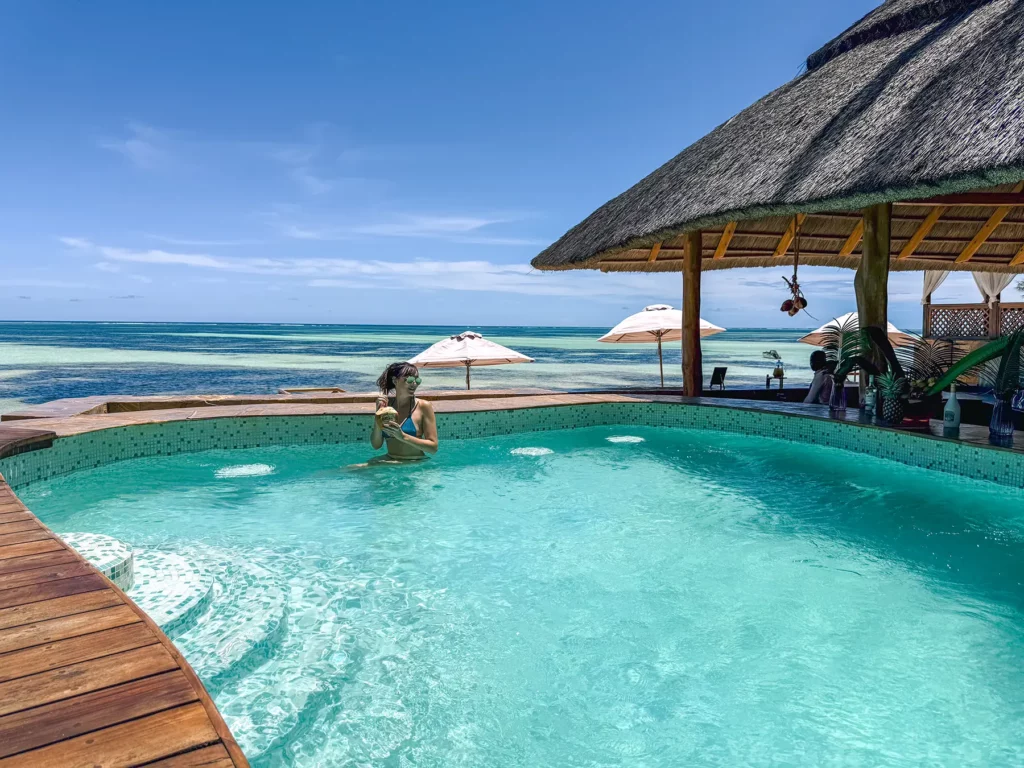
To top it all off, you can finish your safari trip with a relaxing whote sandy beaches in idyllic Zanzibar.
However, if you’re pressed for time or budget then a 10-day or 2-week Kenya and Tanzania itinerary will allow you to take in the key highlights.
Based on my experience of multiple trips, I’ve perfected this 3-week Kenya and Tanzania itinerary to show you all of what Kenya and Tanzania has to offer as well as giving you the most ‘bang for your buck’.
I’m going to give you an idea of how much it will cost, the best time to visit and how to find the best safari tour company.
As I walk you through the 3-week itinerary, I’ll share tips, tricks and how to avoid some of the mistakes I’ve made.
I’ve also spoken at length with my favourite Kenya and Tanzania guides as well as conducting copious amounts of additional research to ensure you receive everything you need to know to have the ultimate 3-week Kenya and Tanzania safari.
It’s easy to focus only on the fun stuff when planning the trip of a lifetime, but I’ll make sure your itinerary includes the practicalities too, like allowing time to navigate rough roads or building in moments to relax. These details often make all the difference.
Key Takeaways
- Trip Duration: 3 weeks
- Budget Range: $6,300-$18,900 per person
- Best Time to Visit: June to mid-October (dry season, migration)
- Key Destinations: Nairobi, Nakuru, Ol Pejeta, Samburu, Maasai Mara, Serengeti, Ngorongoro, Tarangire, Zanzibar.
- Wildlife Highlights: Big Five, Great Migration, Samburu Special Five
- Average Drive Time: 3-5 hours between parks
- Difficulty Level: Moderate (includes a border crossing)
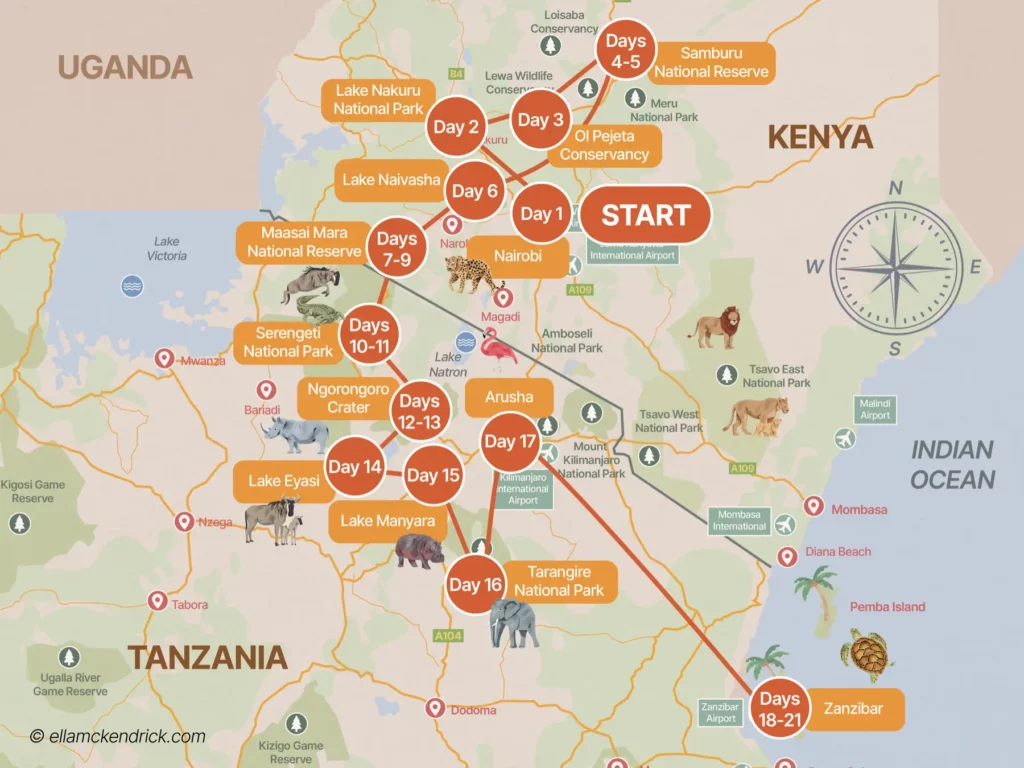
Kenya and Tanzania 3-Week Safari Itinerary Map
Below is the route map for my recommended 3-week Kenya and Tanzania itinerary. We’ll cover this itinerary in detail in this guide.
Embark on the Safari of Your Dreams
Save time and ensure an incredible safari experience by getting quotes from my recommended local safari companies
I’m here to make booking your perfect safari quick, easy and risk-free.
Join the rapidly growing tribe of over 1,000 travellers who’ve booked their dream safari using my insider tips and recommendations.

It takes under 60 seconds to fill out the form and in under 48 hours you will receive multiple, no-obligation proposals from my favourite local tour operators with glowing online reviews.
Get your free no-obligation safari quotes and my top safari tips and recommendations
In This Guide
- Why Go on Safari in Kenya & Tanzania?
- How Do You Book Your Kenya and Tanzania Safari?
- Should You Choose a Private or Group Kenya and Tanzania Safari?
- How Much Does a 3-Week Kenya and Tanzania Safari Cost?
- When Is the Best Time to Visit Kenya and Tanzania?
- How Many Days Do You Need for a Kenya and Tanzania Safari?
- What Does This 3-Week Kenya and Tanzania Safari Itinerary Look Like?
- Day 1: Nairobi
- Day 2: Lake Nakuru National Park
- Day 3: Ol Pejeta Conservancy
- Day 4: Ol Pejeta to Samburu National Reserve
- Day 5: Samburu National Reserve
- Day 6: Lake Naivasha
- Day 7: Journey from Lake Naivasha to Maasai Mara National Reserve
- Days 8-9: Maasai Mara National Reserve
- Day 10: Maasai Mara to Serengeti
- Day 11: Serengeti National Park
- Day 12: Serengeti to Ngorongor Crater
- Day 13: Ngorongoro Crater
- Day 14: Lake Eyasi
- Day 15: Lake Manyara
- Day 16: Tarangire National Park
- Day 17: Zanzibar
- Days 18-20: Zanzibar Beach Days
- Day 21: Fly Home From Zanzibar
- Kenya and Tanzania Safari FAQs
- Final Thoughts – Is a Kenya and Tanzania Safari Worth It?
Why Go on Safari in Kenya & Tanzania?
Kenya and Tanzania have the well-deserved reputation as two of the world’s best safari destinations. Their combination of easy accessibility and completely unique wildlife viewing – like the Great Wildebeest Migration across the Serengeti-Mara ecosystem – set them apart.
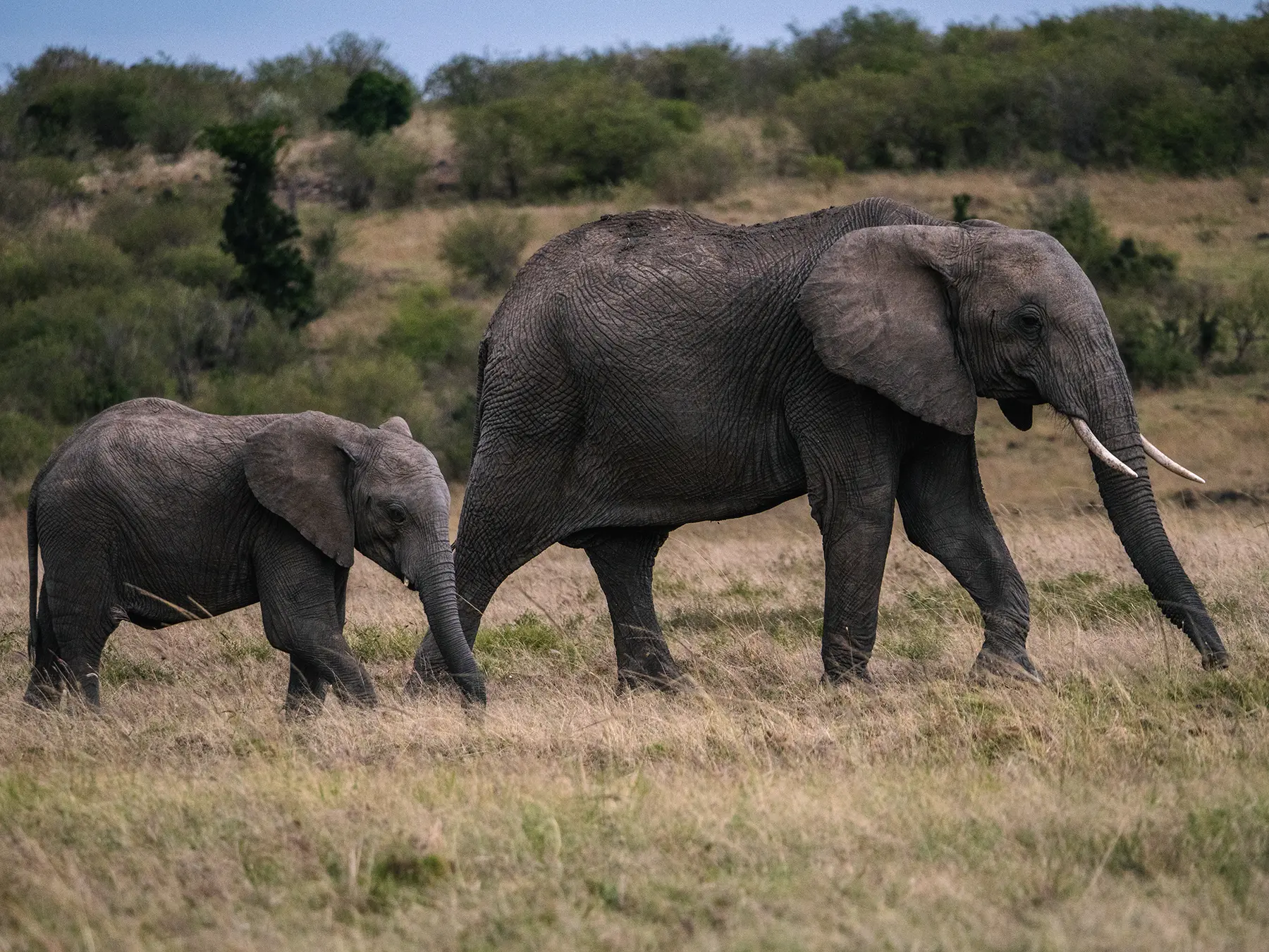
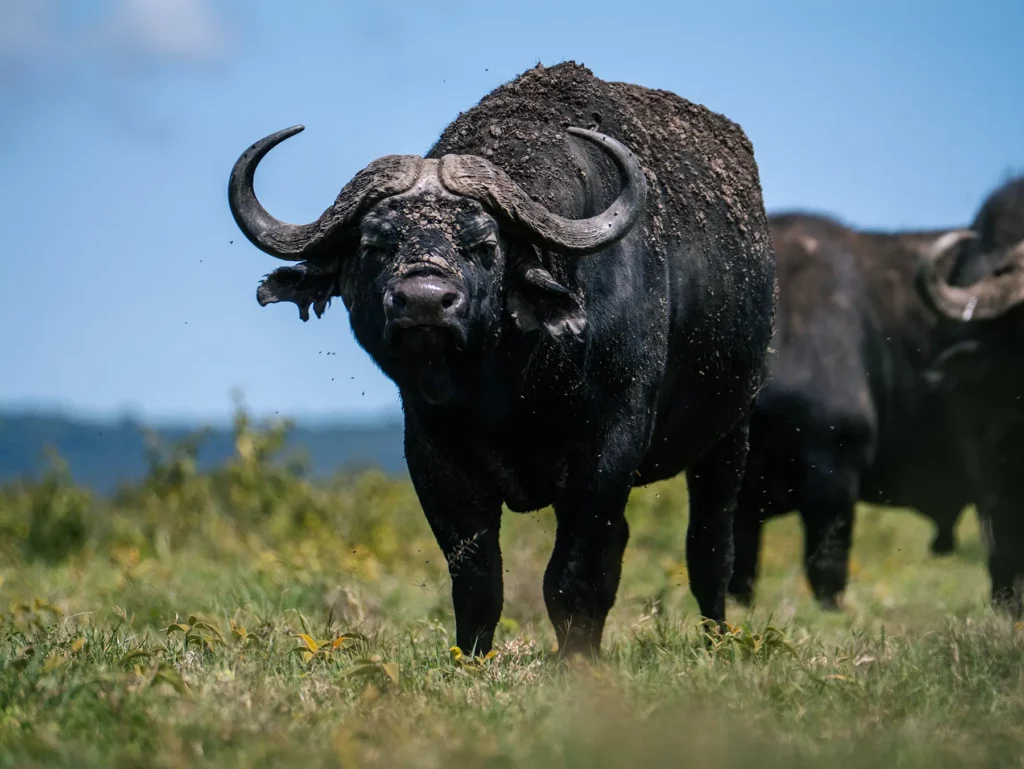
Together, Kenya and Tanzania contain over 60 national parks and reserves, and are home to all of the Big Five (lion, leopard, rhino, elephant and buffalo).
A 3-week combined safari in Kenya and Tanzania gives you ample time to explore world-famous reserves in both countries.
Below is a map I made of Kenya and Tanzania showing the safari highlights.
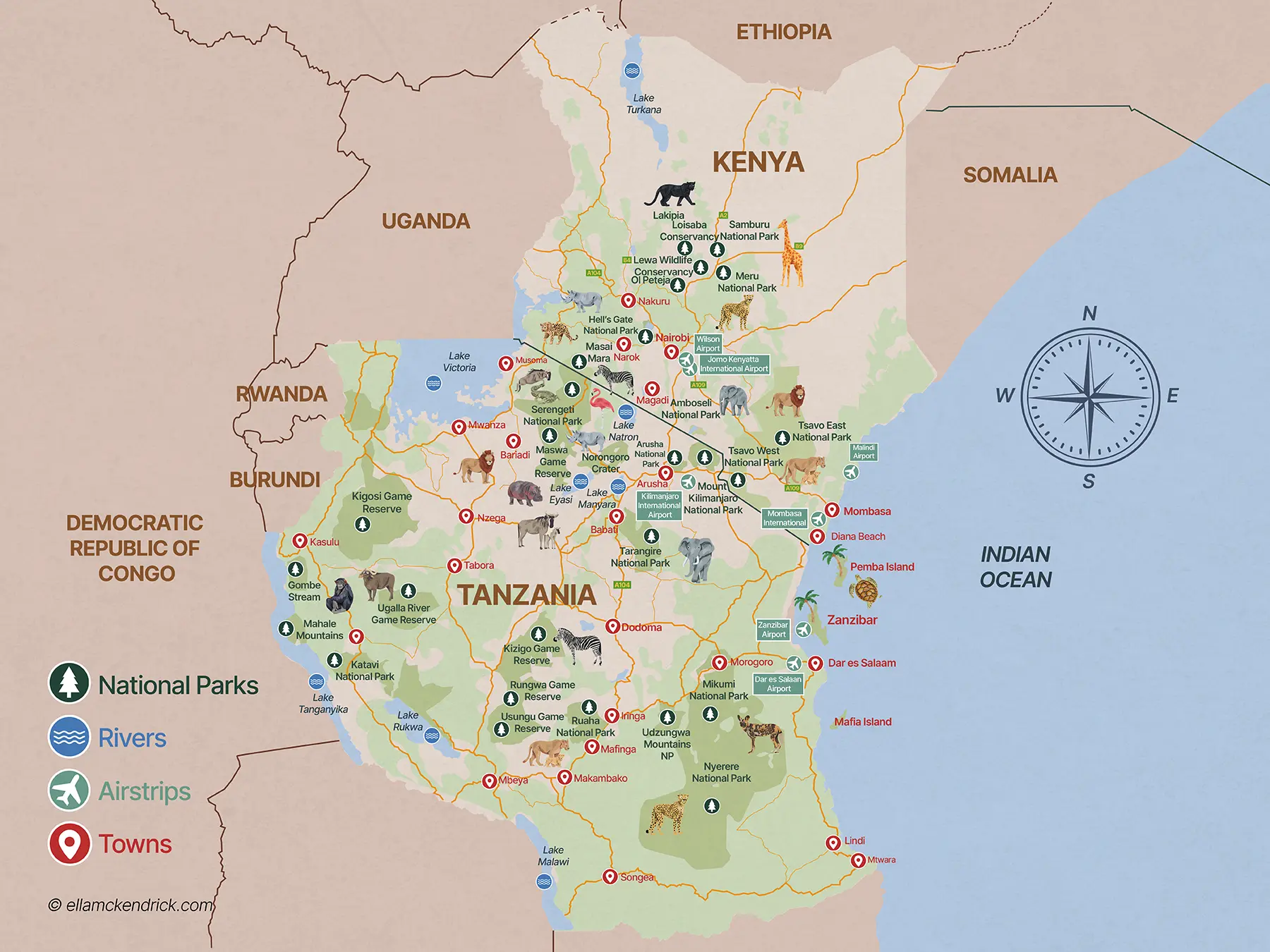
You can watch my Kenya experience video below or, if you’re short on time, skip ahead to my 3-week Kenya and Tanzania itinerary.
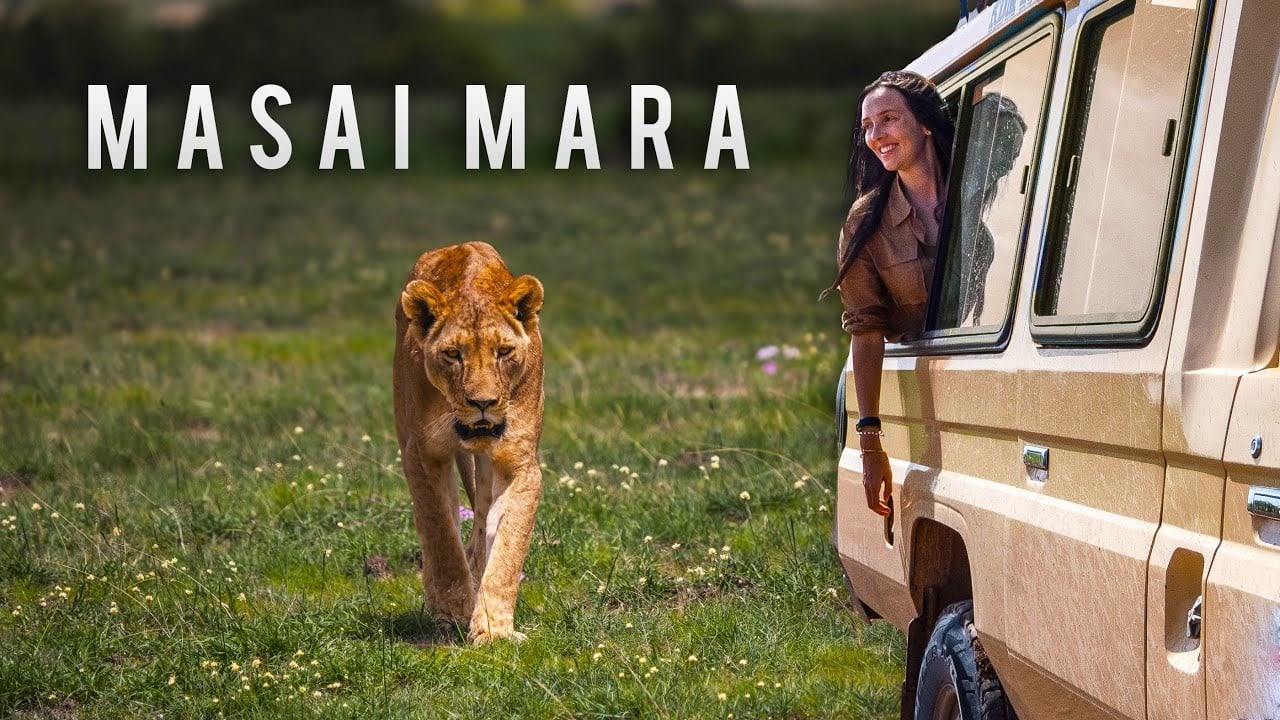
Both Kenya and Tanzania are Easily Accessible
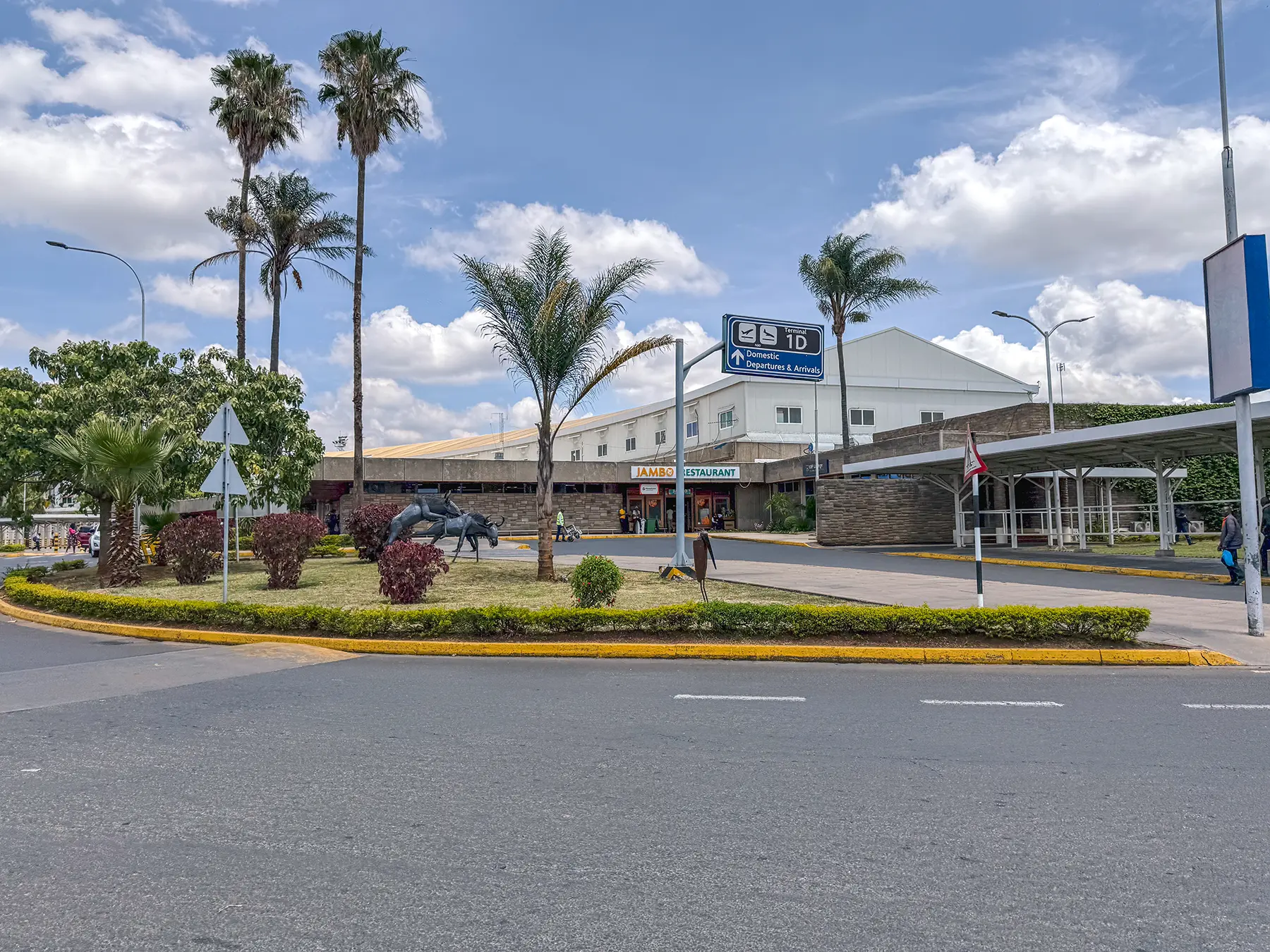
One of the great advantages of choosing such a well-established safari region is that access is extremely easy compared to certain less popular African safari destinations. There are frequent direct flights to Nairobi’s Jomo Kenyatta International Airport from London, Amsterdam and other major international hubs.
For itineraries like this one, that span Kenya and Tanzania, it’s easy enough to fly into Nairobi and out of Kilimanjaro International Airport in Tanzania or Abeid Amani Karume International Airport in Zanzibar (or vice versa) with a multi-city flight ticket. This allows you to avoid backtracking without a significant increase in the cost of your flight.
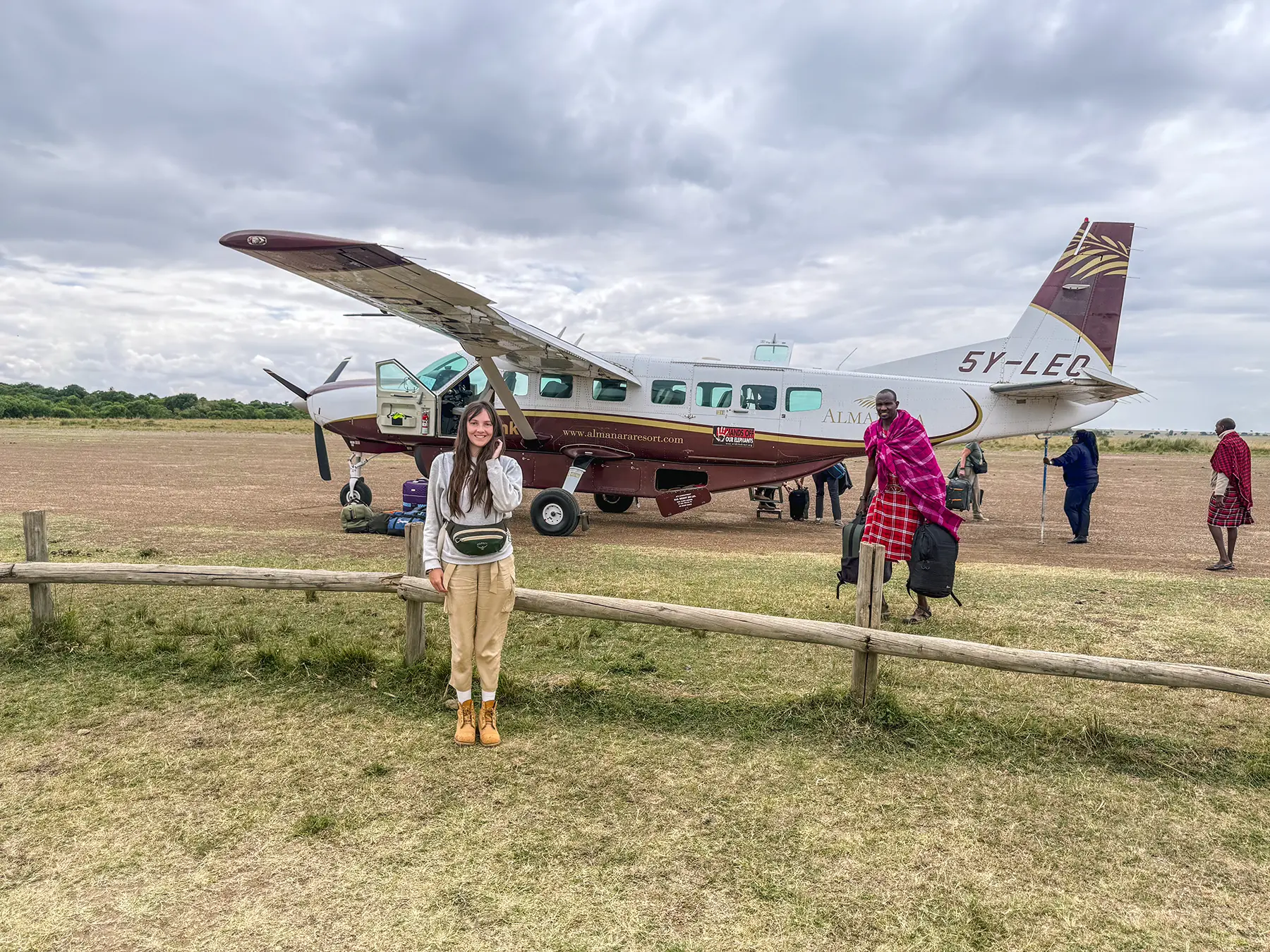
World-Class Wildlife Reserves
I keep returning to Tanzania and Kenya year after year, and one of the main reasons for this is the high wildlife densities within the parks. I truly believe you can’t have a bad day in the Serengeti or Maasai Mara!
Kenya’s Maasai Mara National Reserve is renowned for exceptional predator sightings and hosts the annual Great Wildebeest Migration. The highlight of the latter is the Mara River crossings, which take place from July to October.
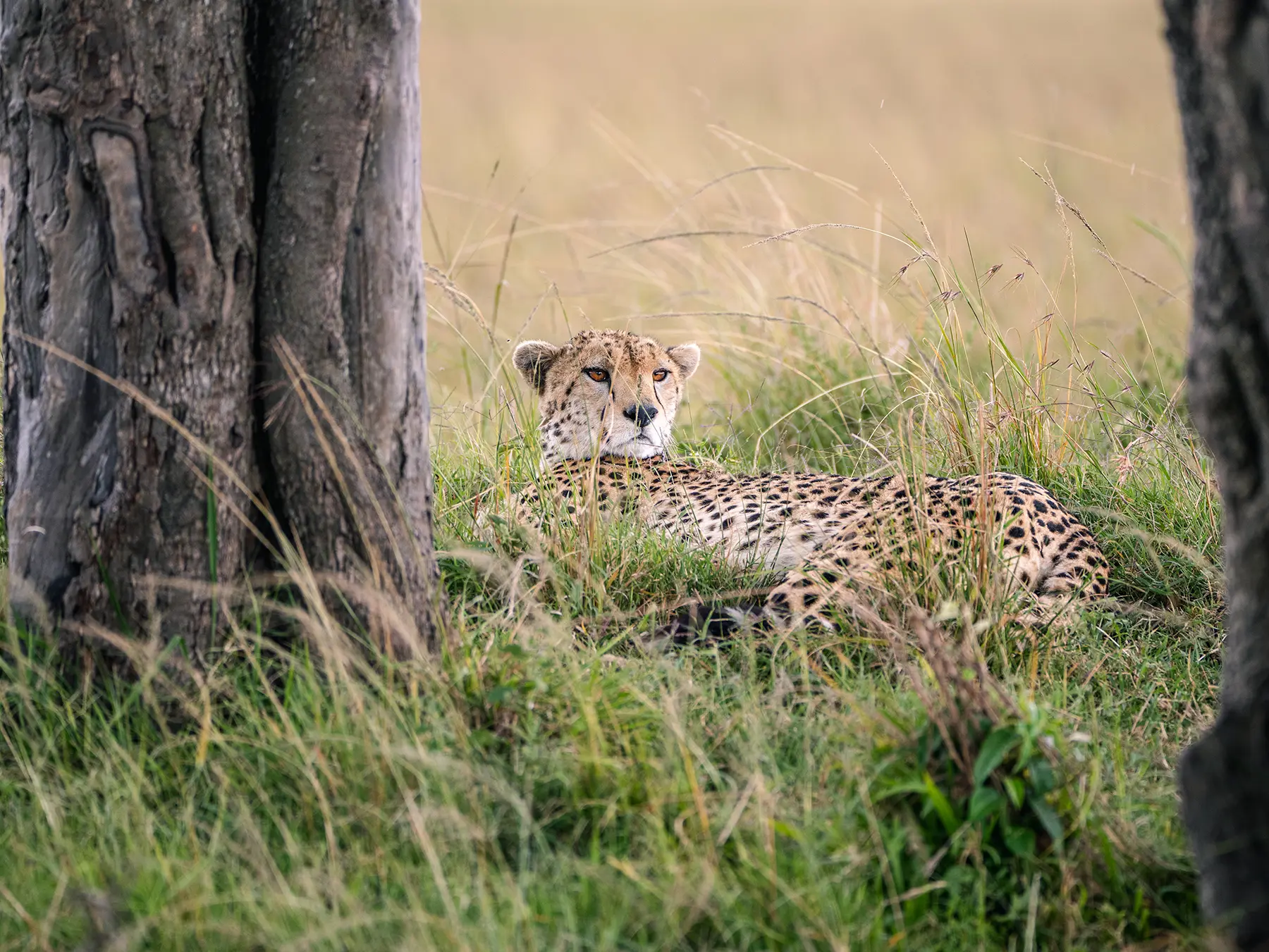
Equally famous, the vast Serengeti in Tanzania spans 14,763 square kilometres (5,700 square miles) and is home to over 4,000 lions and 1,000 leopards, making it one of the best places on Earth for big cat encounters.
Once an active volcano larger than Kilimanjaro, the Ngorongoro Crater is today the world’s largest unbroken volcanic caldera, with a diameter of 12 miles (19 km). This incredibly fertile, lush ecosystem has the highest lion density in Tanzania, and the best opportunities in the country for seeing black rhino.
Not to be outdone, Samburu in northern Kenya is a distinctively arid ecosystem that is home to the Samburu Special Five, a very particular crew of creatures found only in that area. They are Grevy’s zebra, reticulated giraffe, Somali ostrich, gerenuk, and the beisa oryx.
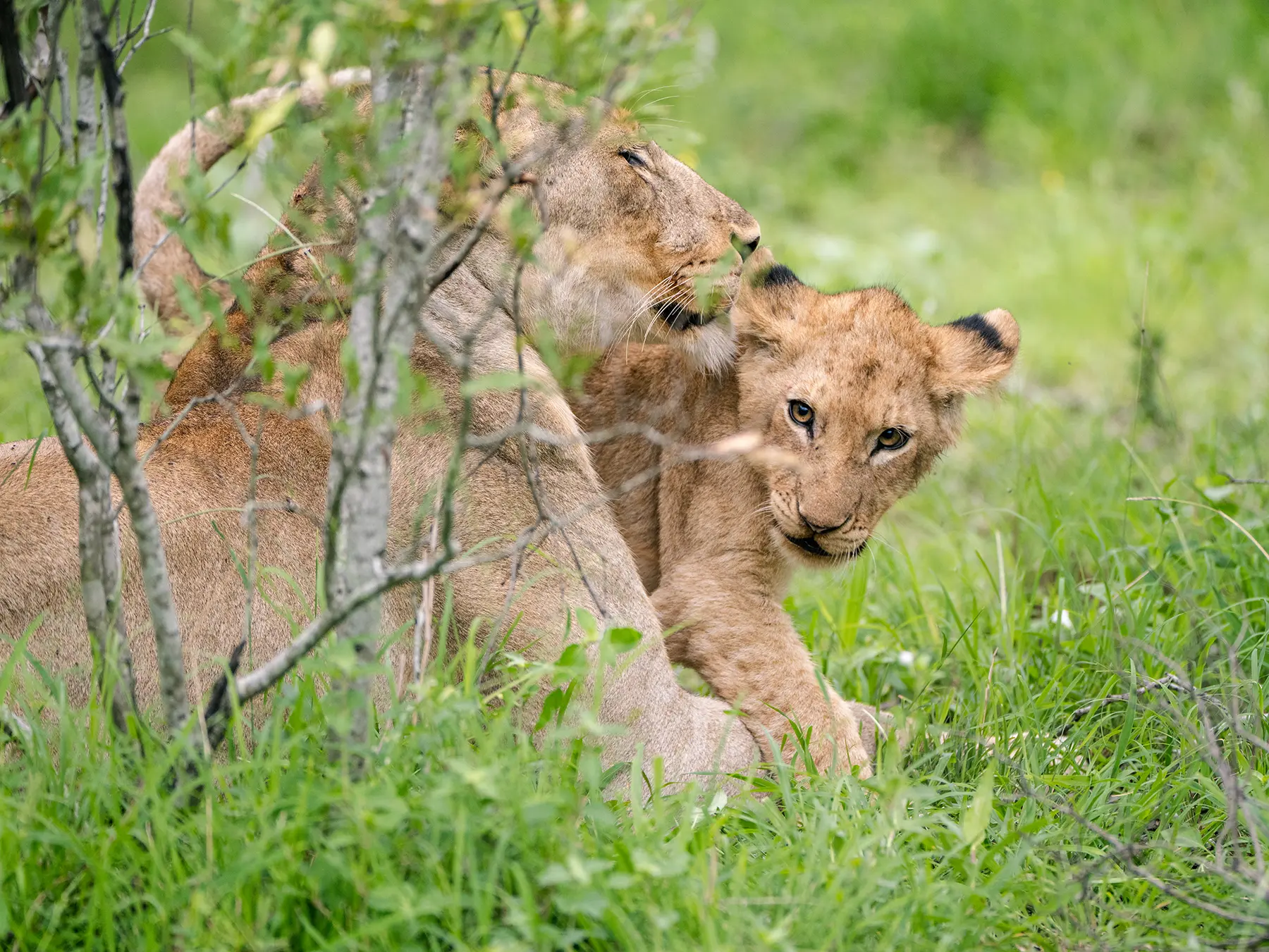
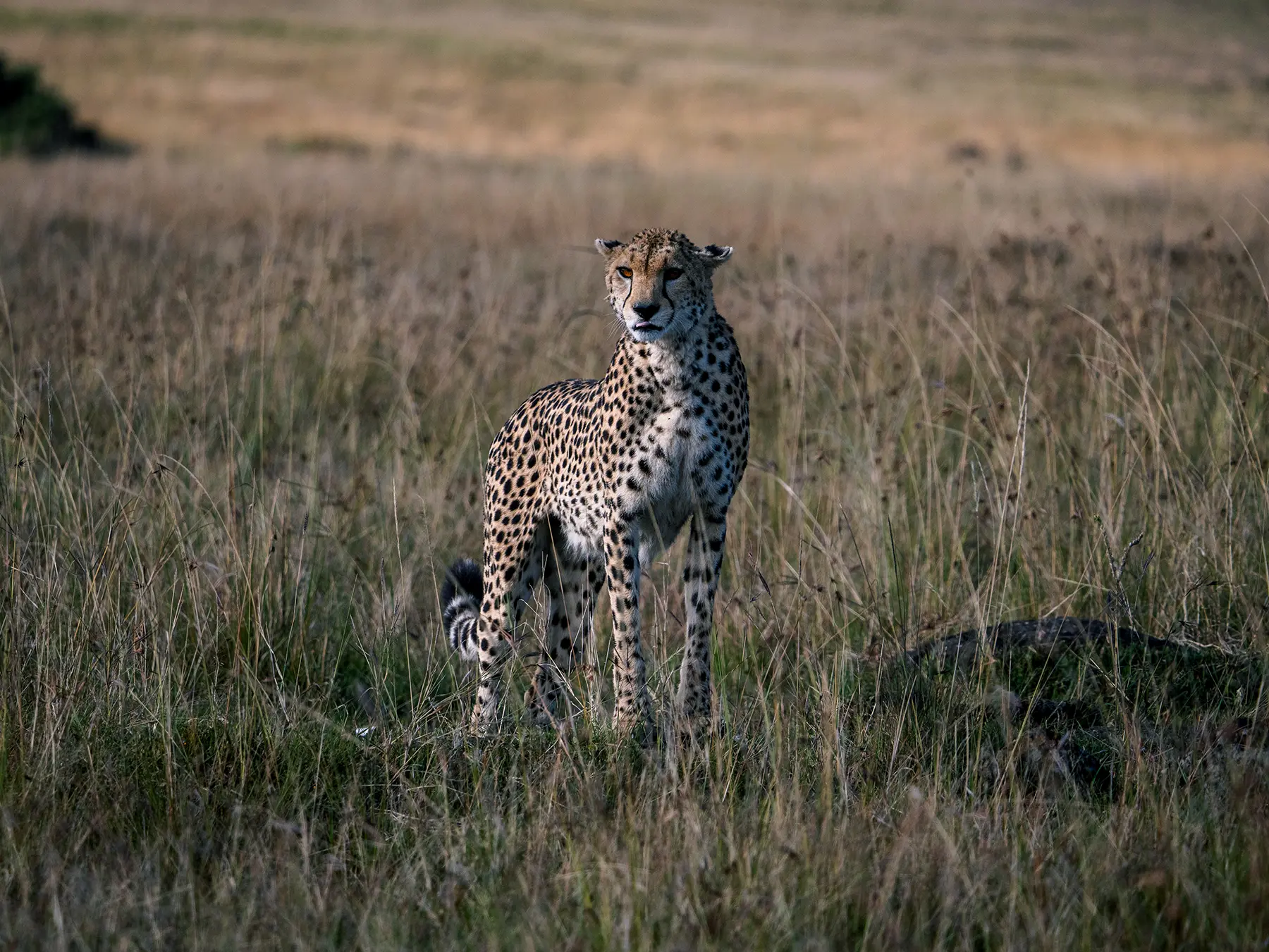
If like me you’re a big cat person, Kenya’s Maasai Mara will not disappoint either. This ecosystem boasts some of the highest concentrations of cheetahs and leopards on the continent.
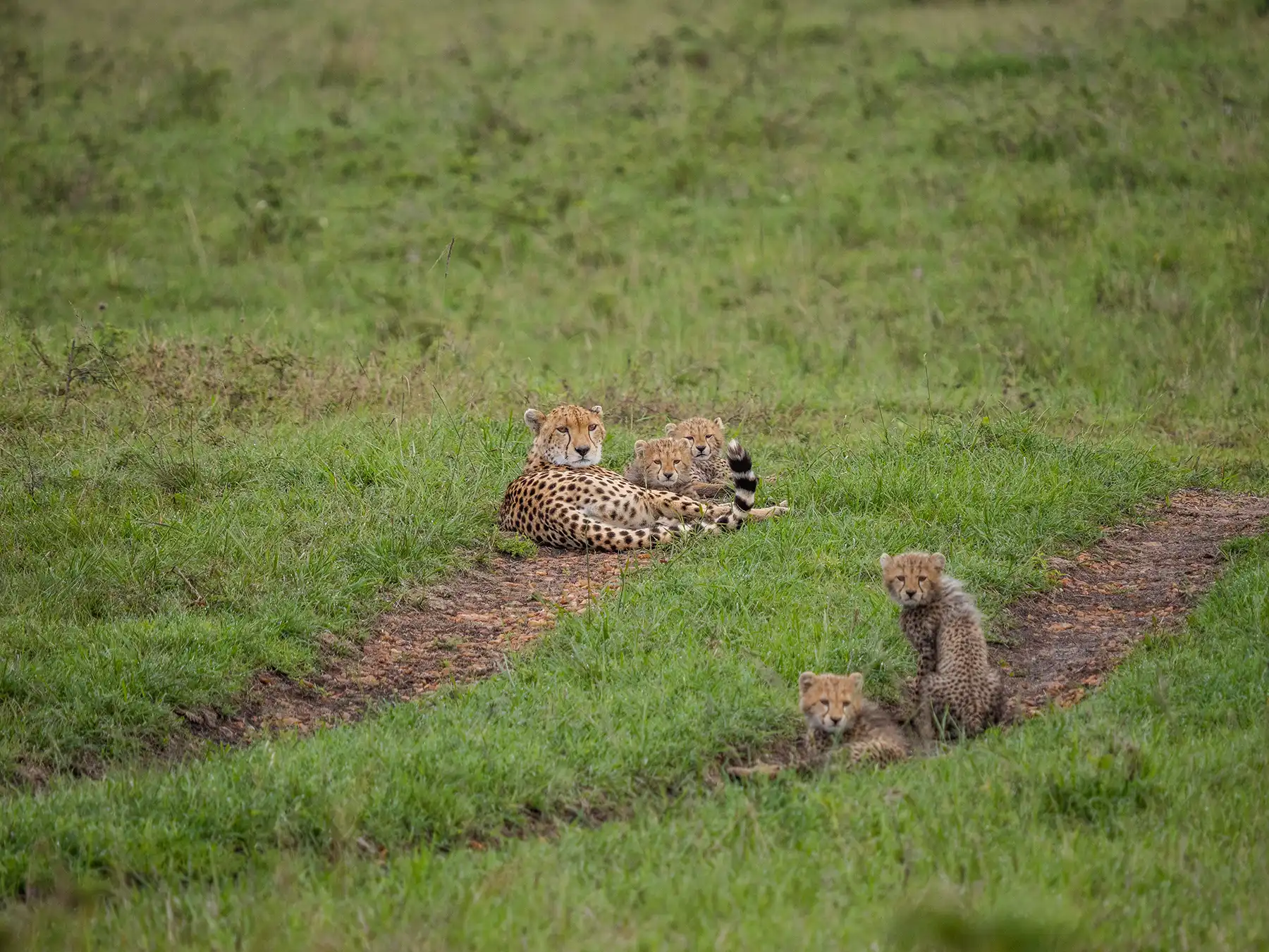
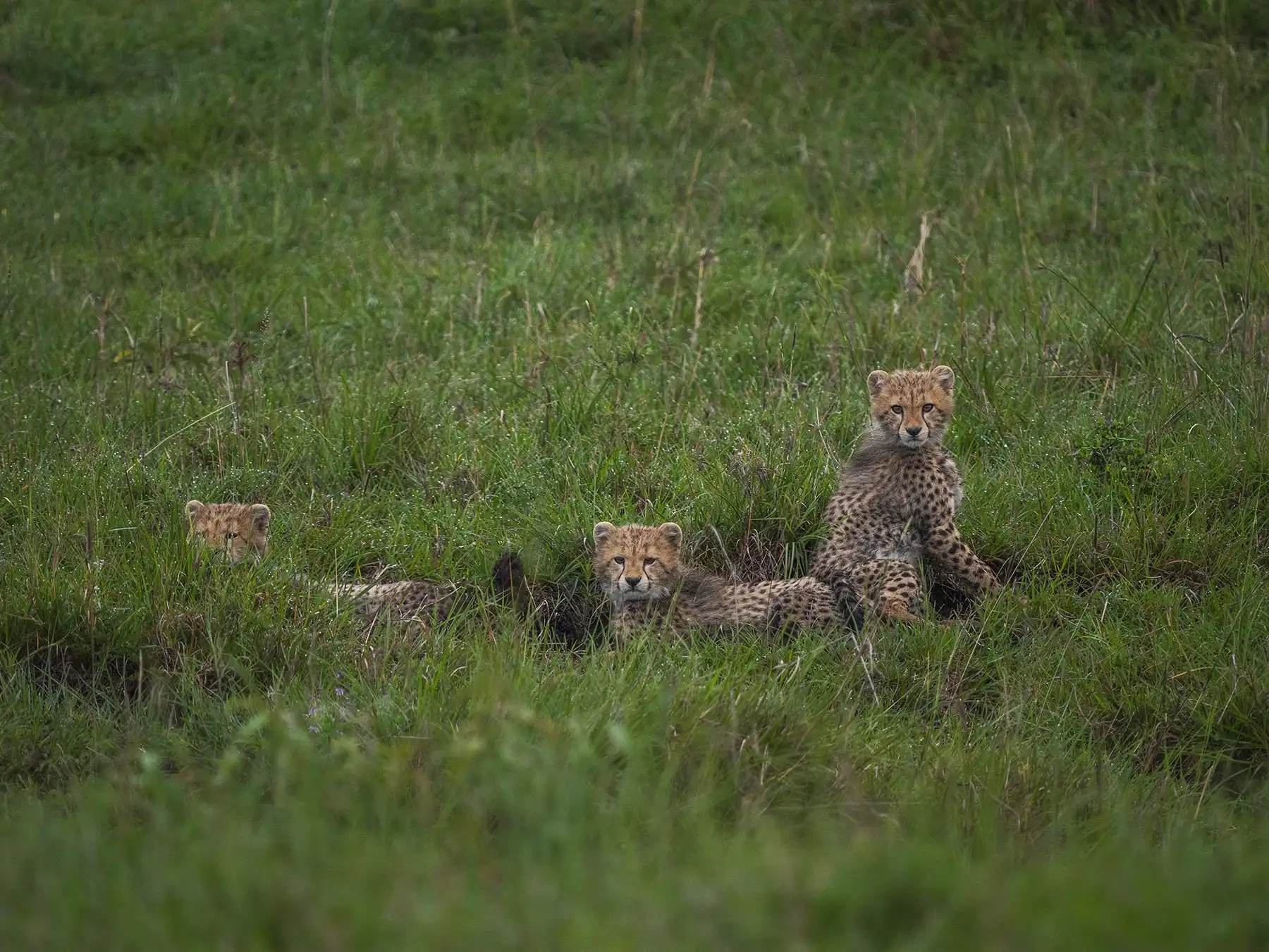
One Maasai Mara experience that really stands out for me was an encounter with a mother cheetah and her four fluffy cubs. Whilst not one of the Big Five, I absolutely love cheetahs. The rangers had named the mother cheetah Nashipae, which is Maasai for “happiness” or “the happy one”, and she certainly looked proud of her energetic cubs as they jostled around her.
Cheetah cubs typically stay with their mothers for around 18 months after birth, so that they can wean and can learn how to fend for themselves. It looked like Nashipae really had her work cut out for her with this playful crew!
She did a fantastic job and has raised the litter of 4 to adulthood – a rare feat for a mother cheetah. Only 20% of cheetahs born make it to adulthood, so having a full litter survive is quite exceptional.
A Natural Cross-Border Safari Circuit
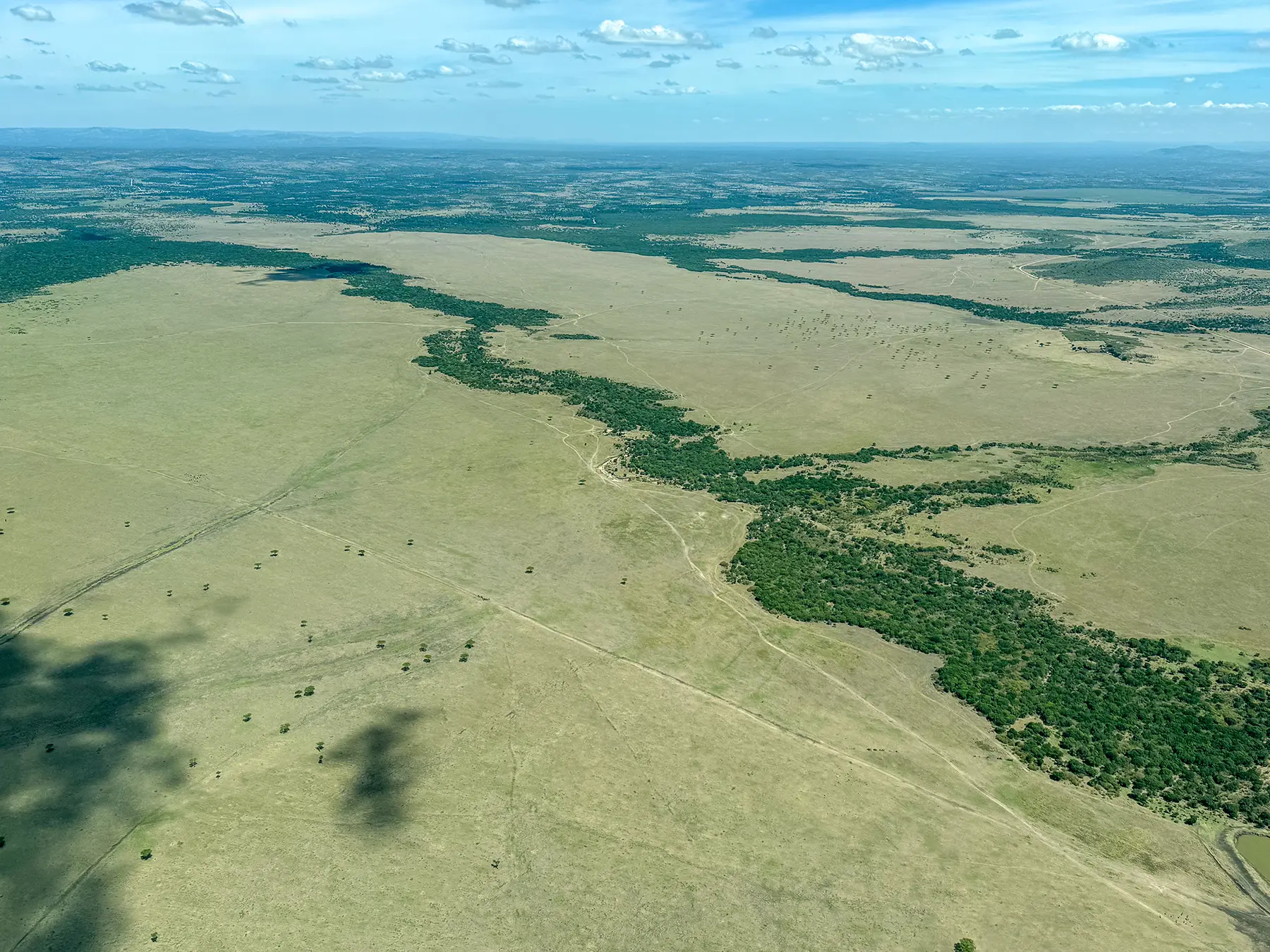
The proximity of Kenya’s and Tanzania’s premier safari routes makes travelling in this region particularly rewarding and convenient. Kenya’s best parks are in the south of the country and Tanzania’s flagship parks are in the north, creating a natural safari circuit.
In other words, it’s easy to plot a route that covers the Maasai Mara, Serengeti, Ngorongoro Crater and more without excessive driving or backtracking. And for those who prefer flying between destinations, most of the parks are efficiently connected by airstrips.
All of the Big Five are Present in Both Kenya and Tanzania
Together, Kenya and Tanzania’s interconnected ecosystems are home to all of the Big Five (lion, elephant, rhino, leopard and buffalo).
However, what is particularly special about this region is the wildlife density. It’s one thing to have a few lions in an ecosystem – it’s altogether another to have almost half of all the lions in Africa!
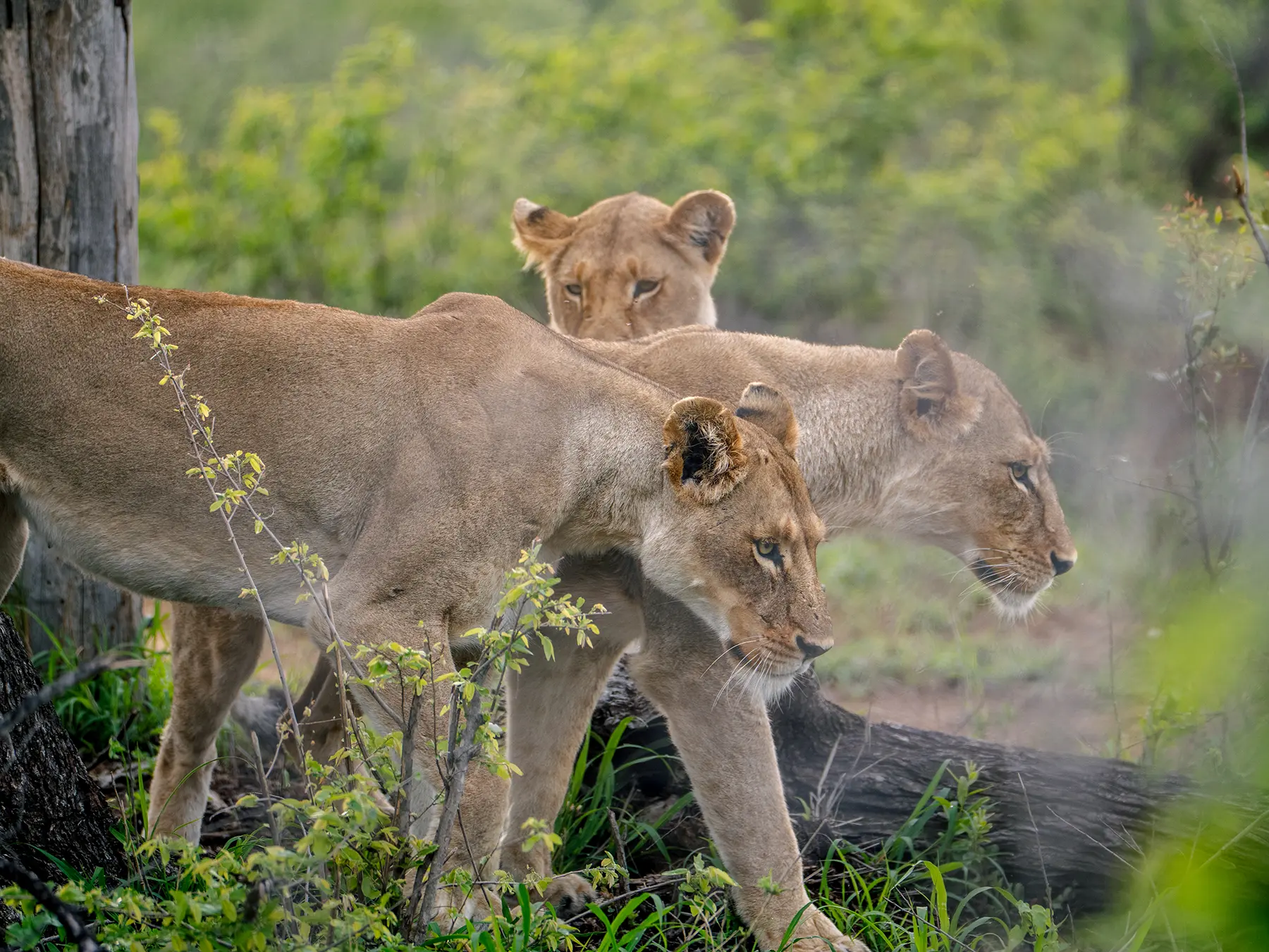
At around 14,000 individual lions, Tanzania’s lion population is the highest in the world and makes up over 40% of that of the whole of Africa. When you drive through the Serengeti, you’ll see that this is no exaggeration. I’ve seen more lions than I could count in the Serengeti – so many that I’ve occasionally felt “lioned-out” after a day of game drives!
The Great Wildebeest Migration Can Be Viewed From Both Kenya And Tanzania
The Great Wildebeest Migration is the natural spectacle which the Maasai Mara and Serengeti are famous for. What many people don’t know, though, is that the Migration is actually a year-round phenomenon that moves in a loop through the two regions and takes a full year to complete.
Over 1.5 million wildebeest and hundreds of thousands of zebras and gazelles follow a route through the Serengeti-Maasai Mara ecosystem.
The huge herds are driven in pursuit of fresh grazing grounds and their journey is punctuated by several dramatic river crossings, where strong currents and hungry crocodiles threaten to cut some of their journeys short.
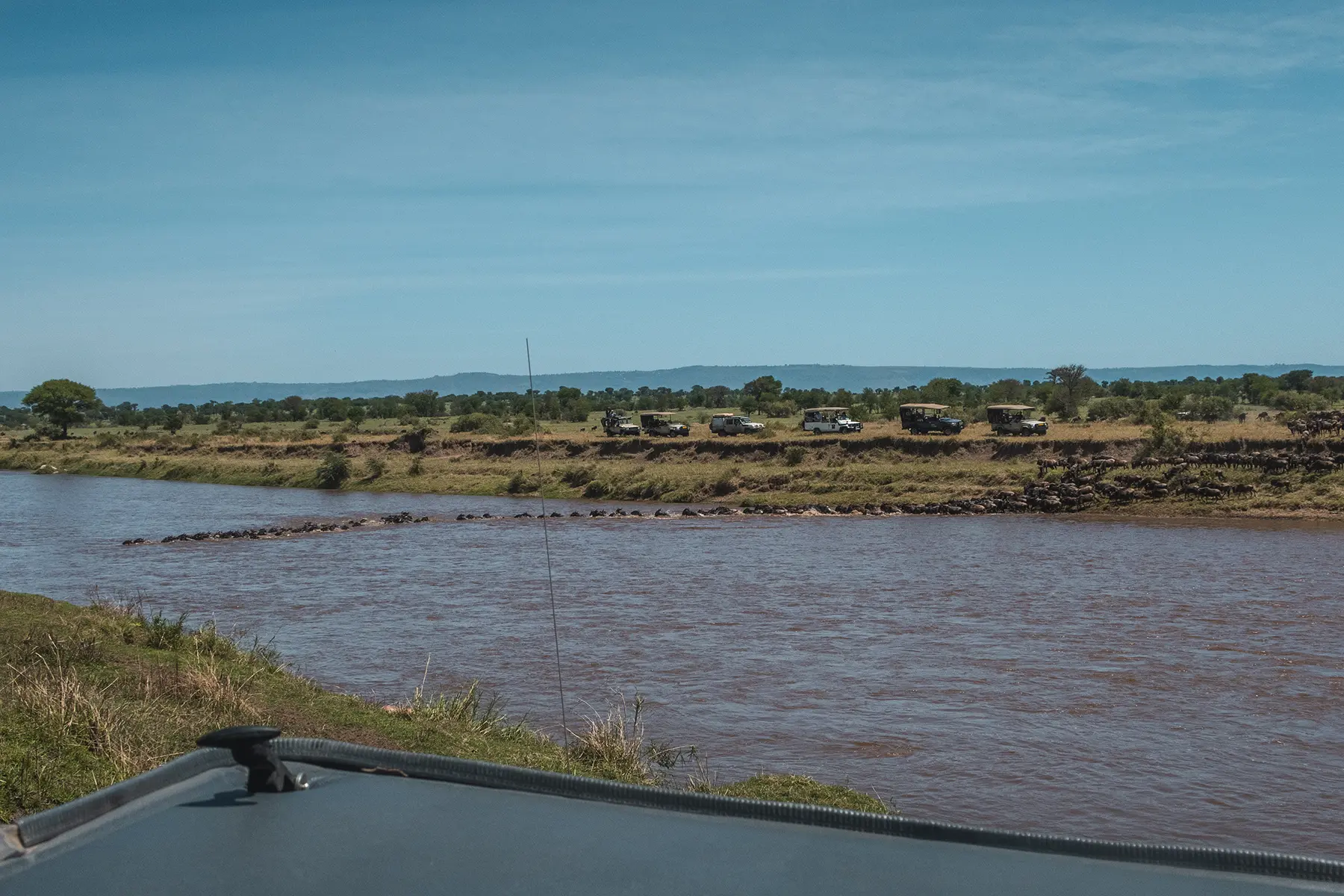
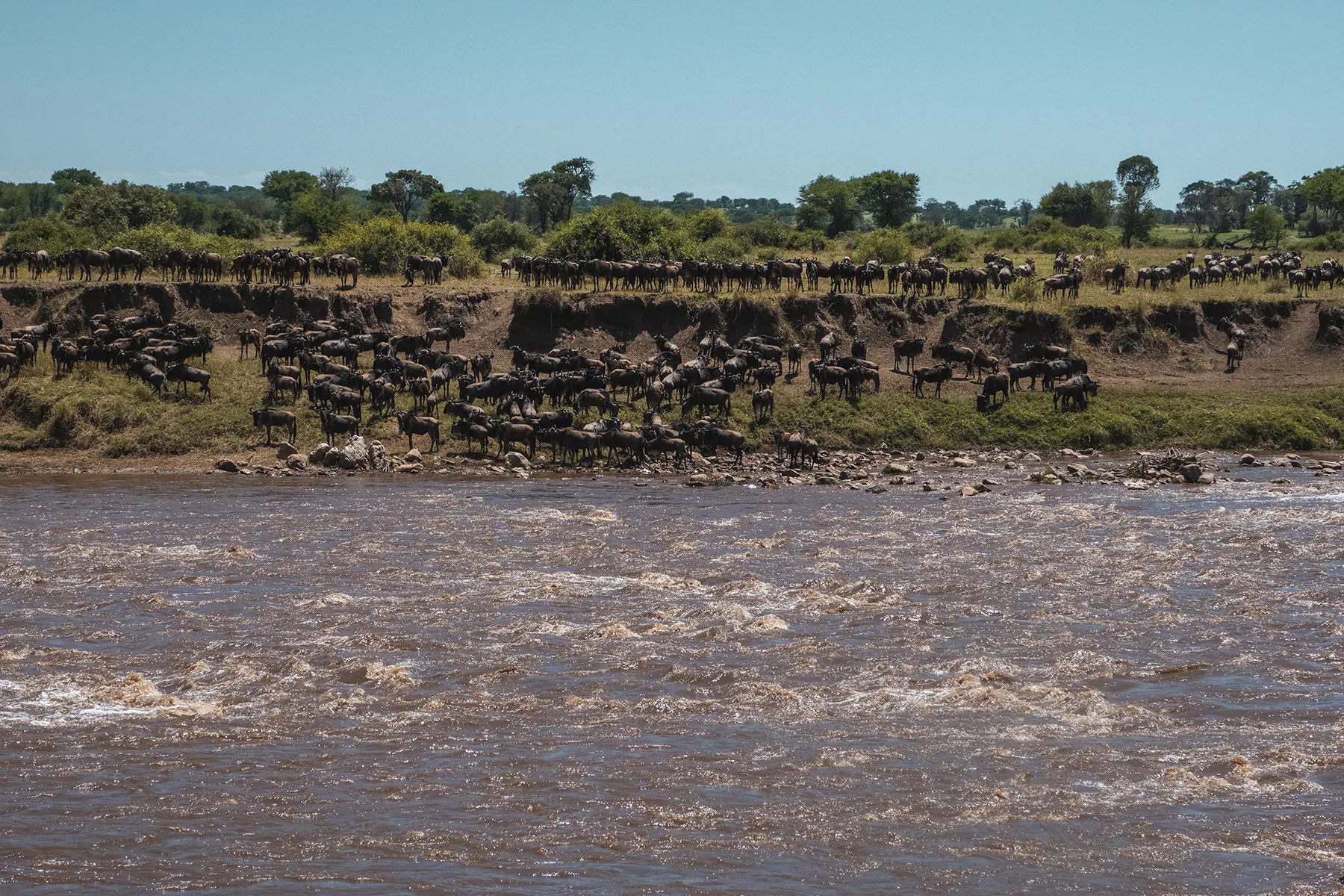
Between mid-July and mid-October the herds cross the crocodile-infested Mara River, travelling north from the Serengeti into Kenya’s Maasai Mara.
The first time I witnessed the Mara River crossing was a very emotional moment for me. It had been a dream of mine for as long as I can remember to see the crossing, and the experience exceeded all of my expectations.
Wildebeest, zebras and gazelles were leaping down the steep river banks and launching themselves into the churning waters. I couldn’t help but hold my breath as I watched them struggle against the currents trying to get to the other side whilst the crocodiles bided their time waiting for their opportunity.
Pros of Safaris in Kenya & Tanzania
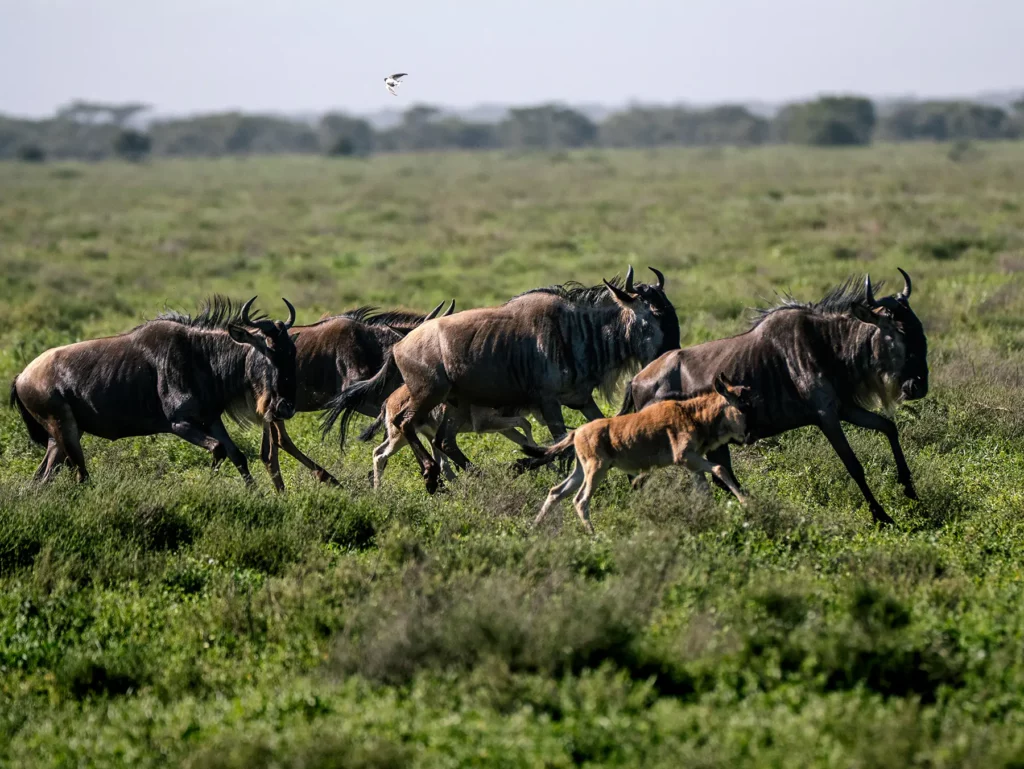
- In Tanzania and Kenya you can experience the Great Wildebeest Migration at different times of the year, with over 2 million animals moving between the Mara and Serengeti ecosystems throughout the year.
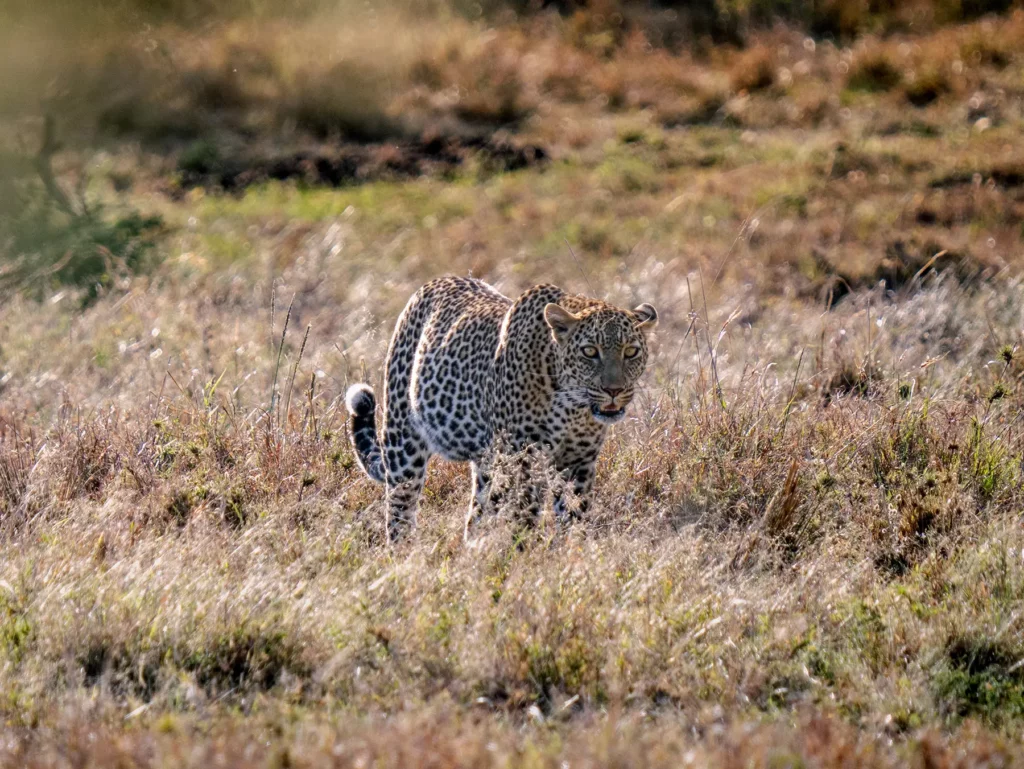
- High predator density means that you have good chances of big cat sightings and the possibility of witnessing a kill.
- Kenya and Tanzania are neighbouring countries, with parks and reserves geographically positioned adjacent to each other. This makes it easy to move between the two countries, and a combined safari itinerary is very straightforward.
- Multi-city flight tickets let you fly into Nairobi and out of Kilimanjaro (or vice versa) without significant price increases. This means that when visiting both countries you can avoid backtracking to your starting point.
- The landscape is remarkably varied, from Mount Kilimanjaro and the Ngorongoro Crater in Tanzania to Mount Kenya and the Great Rift Valley lakes in Kenya.
Cons of Safaris in Kenya & Tanzania
- The drive between Maasai Mara and Serengeti is 10 hours, taking up a full day of your trip. Flying is a quicker option but costs around $200 – 300 extra per person.
- Getting through the Isebania border crossing can take anywhere from 20 minutes to a couple of hours and involves paperwork and visa processing.
- Reserves in both countries can get quite crowded during peak times, so you need to consider the timing of your travel carefully.
How Do You Book Your Kenya and Tanzania Safari?
Without a doubt, the easiest and best value-for-money way to arrange your Kenya and Tanzania safari is by booking through a reputable local tour operator.
A local tour operator will arrange your accommodation, reserve permits, game drives, and inter-reserve transfers, usually at significantly lower prices than international agents.
I’ve booked my own safaris in Kenya and Tanzania with local tour operators, and I’ve always been really happy with my experiences. Even when I occasionally opt for fly-in safaris, I still rely on local tour operators for these bookings, as well as for game drives and other arrangements, as they handle everything including airport transfers.
Other popular options for booking your safari include using an international travel agent or arranging everything yourself and self-driving. However, I find local tour operators the best value and knowledgeable route to a great safari.
You can get quotes from the same local tour companies I use to organise my own trips here: Safaris By Ella
Here is a summary of the three main ways to book a safari in Kenya and Tanzania, each with different trade-offs on cost, flexibility, and experience.
Booking Options at a Glance
| Option | Cost | Flexibility | Best For |
|---|---|---|---|
| Local Tour Operator | $$ | High | Most travellers, best value and experience and those wanting to maximise wildlife sightings |
| Self-Drive | $ | Extremely High | Experienced drivers who are comfortable with gravel roads and good at wildlife tracking and spotting |
| International Agent | $$$ | Medium | Those wanting International flights and safari in one package and are happy to pay up to 40% more than a local tour operator |
Why I Recommend a Local Tour Operator for Kenya and Tanzania
A local tour operator handles everything from the moment you land: accommodation across all your parks and reserves, transfers between each location, park entry permits, game drives with expert guides, and knowledge of where the wildlife is right now.
Having tested all booking methods, this is how I book all my safaris these days.
Take it from me, I’ve tried all three of the different methods before!
On my arrival in Arusha for a Tanzania safari, I booked a regular taxi from the airport rather than arranging a transfer through my tour operator.
This turned out to be a mistake that I will not repeat. The driver was pushing 62 miles (100 km) per hour on poorly lit roads, making reckless overtakes on blind bends while watching a television show on a small screen mounted to his dashboard. I arrived at my accommodation shaken and grateful to be in one piece.
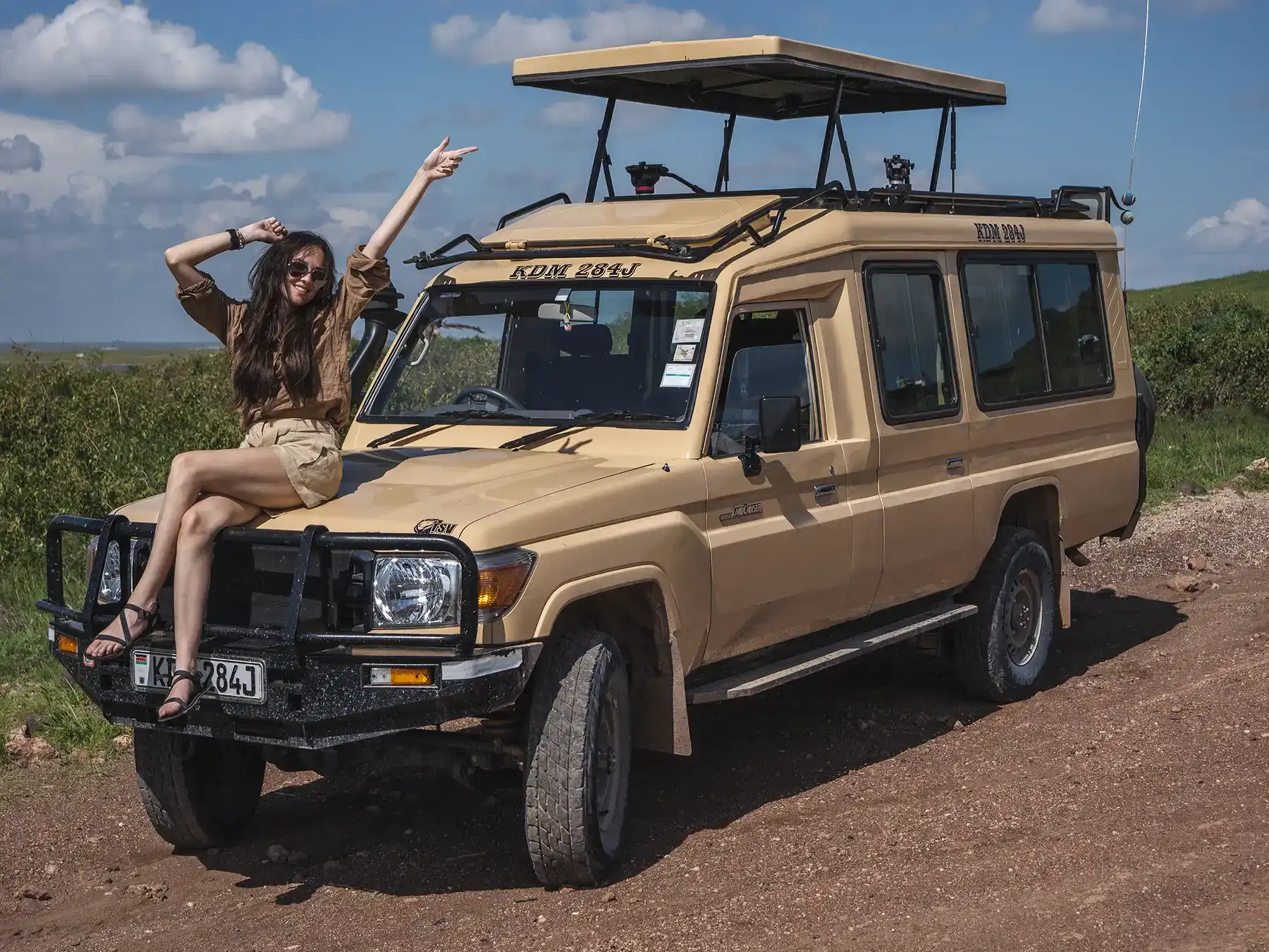
In contrast, the professional safari drivers I used for the rest of my trip were calm, cautious and excellent behind the wheel.
The local knowledge these operators bring is invaluable. They know exactly where the wildlife is at any given time of year.
The cost of booking through a local safari company is fairly comparable to booking everything yourself, because local operators get preferential accommodation rates which largely balance out their mark-up.
The benefits you get from spending that bit extra are immense. You don’t need to stress about researching where to stay and booking everything individually. Everything is taken care of and you only have one point of contact when you have any questions.
What a Local Operator Gives You
- The best local tour operators provide end-to-end service, managing everything from arranging park permits to booking accommodations according to your specifications. They employ excellent local guides with regional expertise and arrange high-spec vehicles, fuel, and even meals throughout your safari.
- As local tour operators have so much experience booking safaris, you will end up with a far more optimised itinerary and hotel recommendations than if you were to self-drive or book directly with hotels.
- Booking through local operators often costs about the same as arranging everything yourself. Thanks to their often longstanding and carefully managed relationships with the best lodges and camps, they secure preferential rates and can often still get rooms when hotels appear fully booked online. You’ll get all this value all whilst saving many hours of research, coordination and stress.
- Some accommodations reserve rooms exclusively for local operators, potentially making it possible for you to secure accommodation even when online platforms show full availability.
- Many of my recommended operators own their own high-specification lodges and tented camps which gives exclusive access to their properties at great rates.
- As a matter of course, local providers make sure they have up-to-date information on recent wildlife sightings.
- Another huge advantage is your guide’s access to a radio network of fellow professionals. This communication web significantly increases your chances of good wildlife sightings, which means less time driving aimlessly and more time ticking off your bucket list species.
- Having experienced both self-drive and professionally organised safaris, I can assure you that letting experts handle the administration makes the whole trip so much more relaxing and gives better wildlife sightings.
What to Watch Out For
- Tour operators can vary in quality, and the lowest price doesn’t necessarily mean the best value.
- Really cheap packages may mean lower-quality lodgings or less experienced guides, which can impact your safari enjoyment.
- Usually, local tour operators won’t book your international flights for you.
- There are sometimes fewer assurances against cancellation or delays than if you were to book with an international agent. However, this is can be mitigated (see my top tip under ‘Financial Protection When Booking Direct’ below!).
Kenya and Tanzania Booking Tips
Kenya and Tanzania’s safari system has some important characteristics that affect how you should book.
- Maasai Mara self-drive ban: Self-drive has been banned in the Maasai Mara since June 2024. You must use a licensed safari company for game drives.
- Ngorongoro requires a registered vehicle: Ngorongoro Conservation Area requires a registered safari vehicle with a licensed guide. Private vehicles are not permitted on the crater floor.
- Peak season availability: For trips during the Great Migration (July to October), book at least 6 months ahead. Serengeti and Mara lodges sell out fast during this period.
- Vehicle type matters: Ask your operator what vehicle will be used. A Toyota Land Cruiser with a pop-top roof is the best option for photography and game viewing.
- Border crossing logistics: For combined Kenya and Tanzania itineraries, a good local operator will coordinate the border crossing at Namanga or Isebania, including immigration paperwork and vehicle changeover.
Financial Protection When Booking Direct
When booking with a local agent, you can take steps to give similar financial protection as if you were booking with an international agent. Paying by credit card or debit card often gives you purchase protection (in the UK it’s called Section 75), good travel insurance covers trip interruptions, and choosing a recommended local safari company that takes balance payment closer to your trip date minimises risk.
My Preference: I always book through local tour operators for all my safaris, including fly-in safaris. I’ve tried all three methods before, and I’ve consistently found local tour operators to deliver the highest level of expertise and the best value for money.
You can get quotes from the same local tour companies I use to organise my own trips here: Safaris By Ella
Recommended Booking Options For Your 3-Week Kenya & Tanzania Safari Itinerary
Private Safari
Most popular & best experience – typical prices for this itinerary start from $300 per person per day.
Visit safarisbyella.com for free quotes from trustworthy local tour companies I use to book my own trips.
How to Book with the Best Local Safari Companies
- Comparison sites which provide multiple quotes from verified suppliers such as Safaris By Ella
Join the rapidly growing tribe of over 1,000 travellers who’ve booked their dream safari using my insider tips and recommendations.
Should You Choose a Private or Group Kenya and Tanzania Safari?
A private safari is the best choice for most travellers visiting Kenya and Tanzania. Private safaris give you full control over your schedule, your route through the parks, and how long you spend at each wildlife sighting. I always book private safaris as I’ve found they offer the best possible experience for your money.
Private vs Group at a Glance
| Private Safari | Group Safari | |
|---|---|---|
| Cost per day | From $300 per person | From $200 per person |
| Flexibility | Full control of schedule and route as well as how long to spend at sightings | Fixed times, pre-planned routes and prime viewing time can be lost collecting other guests |
| Vehicle | Dedicated vehicle and guide | Shared with 6-8 other travellers |
| Best for | Couples, families, photography enthusiasts | Solo travellers on a budget |
In both Kenya and Tanzania, one of the most important advantages of private safaris is that you won’t waste time collecting and dropping off other passengers at their lodges before and after game drives. This means that you’ll be able to spend more time in the bush focusing on wildlife.
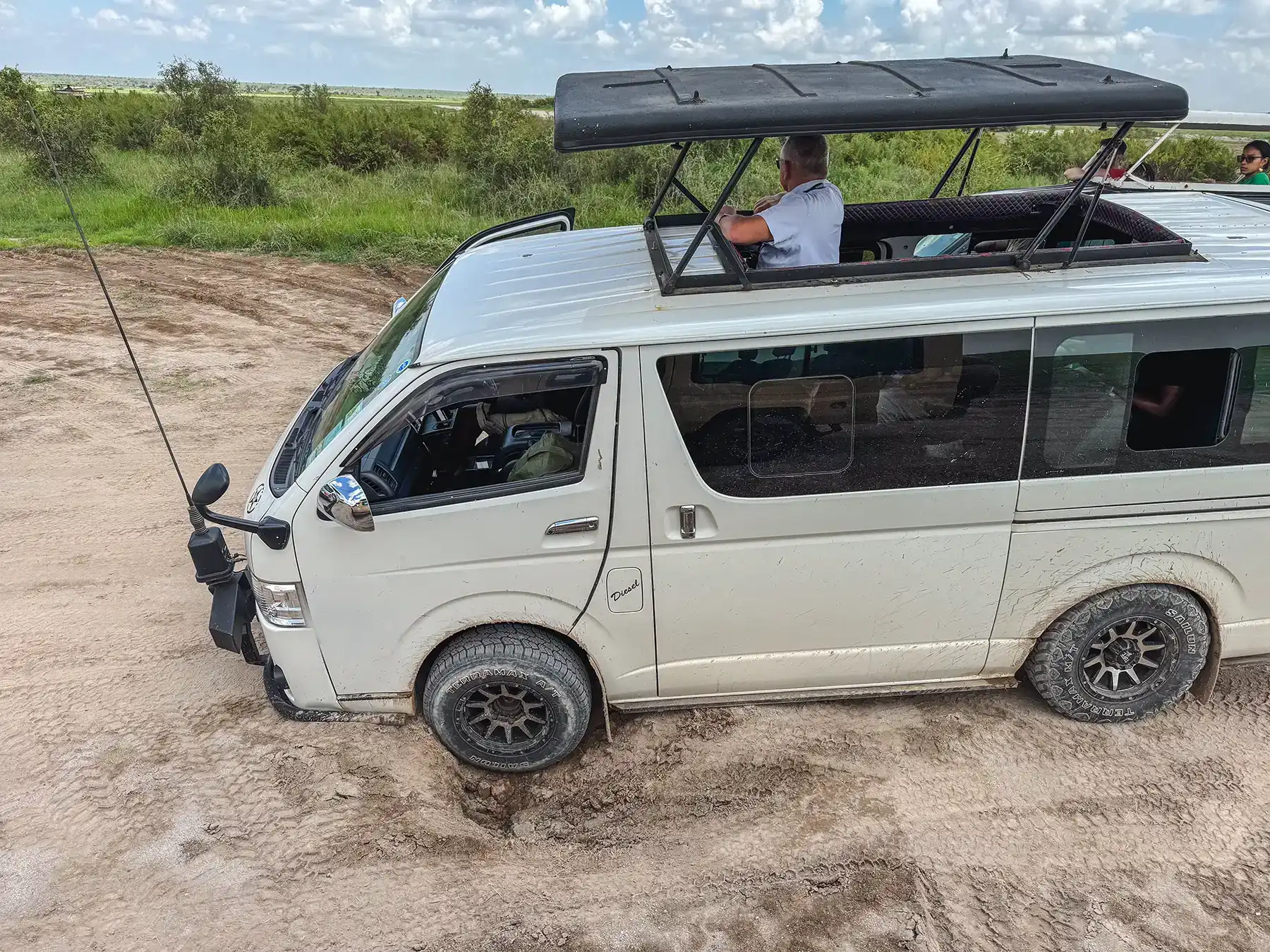
In Kenya, group safaris are often conducted in minivans rather than Land Cruisers. These are less comfortable, have smaller windows and are prone to getting stuck on difficult roads, especially in wetter conditions. On a private safari, you will be in a Landcruiser or similar vehicle specially designed for game viewing.
Another little known but very important fact to consider is that many safari companies actually keep their most knowledgeable guides for private safaris.
If you look at the numbers, you’ll see that a private safari is actually much better value for money than a group safari. The price difference between a group and private safari in Kenya is around $100 per person per day.
For couples or small groups, splitting the private vehicle cost reduces this difference, and ultimately makes it only marginally more expensive than a group tour. Add to this that you’ll have a dramatically better experience, and it’s clear that a private safari is the way to go.
My Recommendation
I always recommend a private safari for Kenya and Tanzania, if your budget allows, as private safaris almost always provide a more enjoyable and fulfilling experience and better value for money.
The freedom to customise your itinerary on the go is something a group safari simply cannot offer. For instance, on a private safari you can choose to start your game drive at 6am, head back to the lodge early, or wait as long as it takes for a leopard to come down from its tree.
It’s also possible to control the number of people who share a game drive vehicle with you. I personally prefer a maximum of two or three people in the back of the vehicle, which easily lets everyone shift around to whichever side has the best sighting, without blocking anyone.
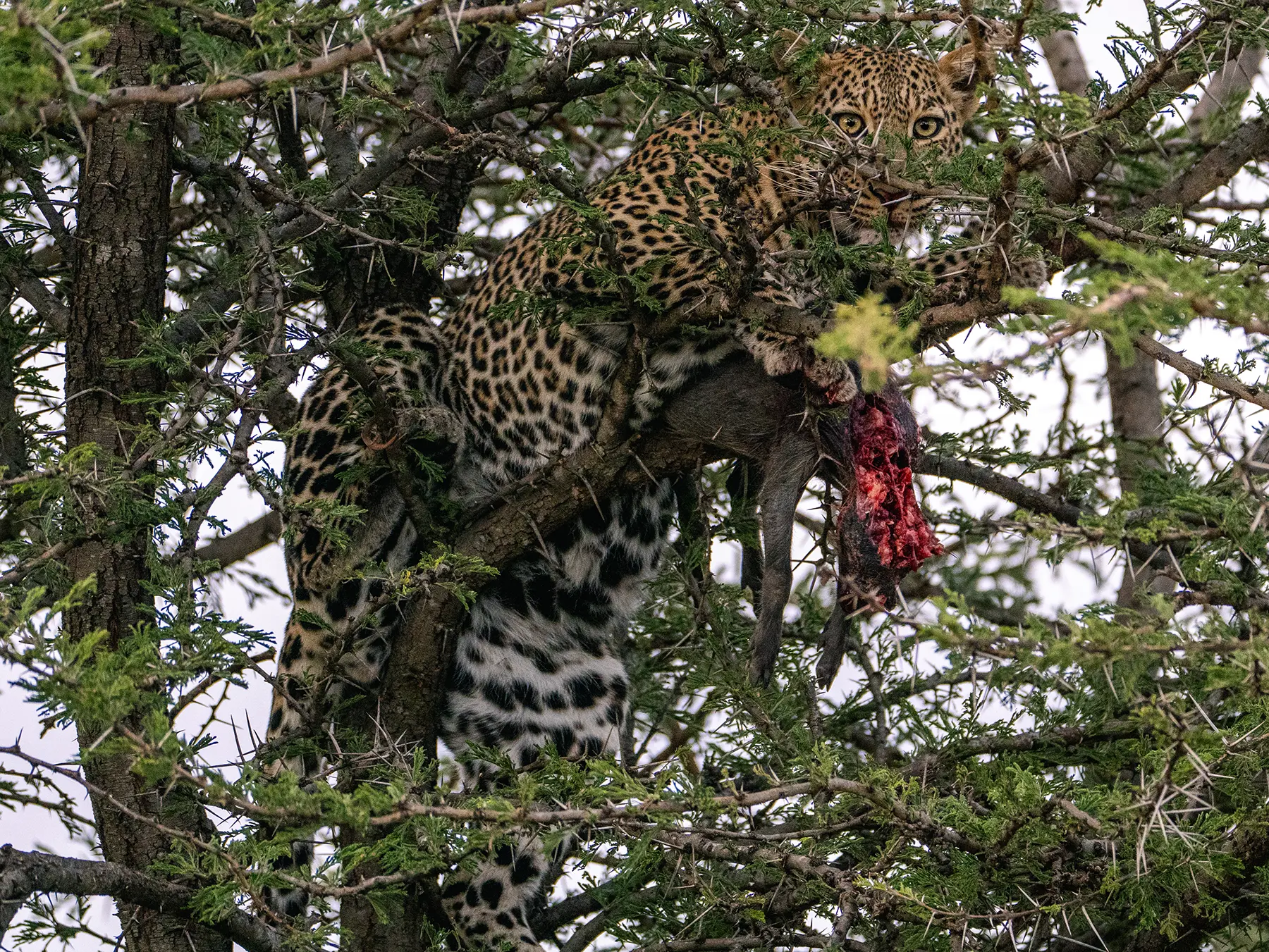
On a previous trip to the Maasai Mara, I had just one companion in the vehicle when we spotted a leopard dragging a kill into a tree. Having space in the vehicle to move quickly and get a better view made all the difference for my photographs!
In my opinion, the only scenario in which a group safari makes sense is for solo travellers on a tight budget, since the single supplement on a private safari can represent a significant cost.
How Much Does a 3-Week Kenya and Tanzania Safari Cost?
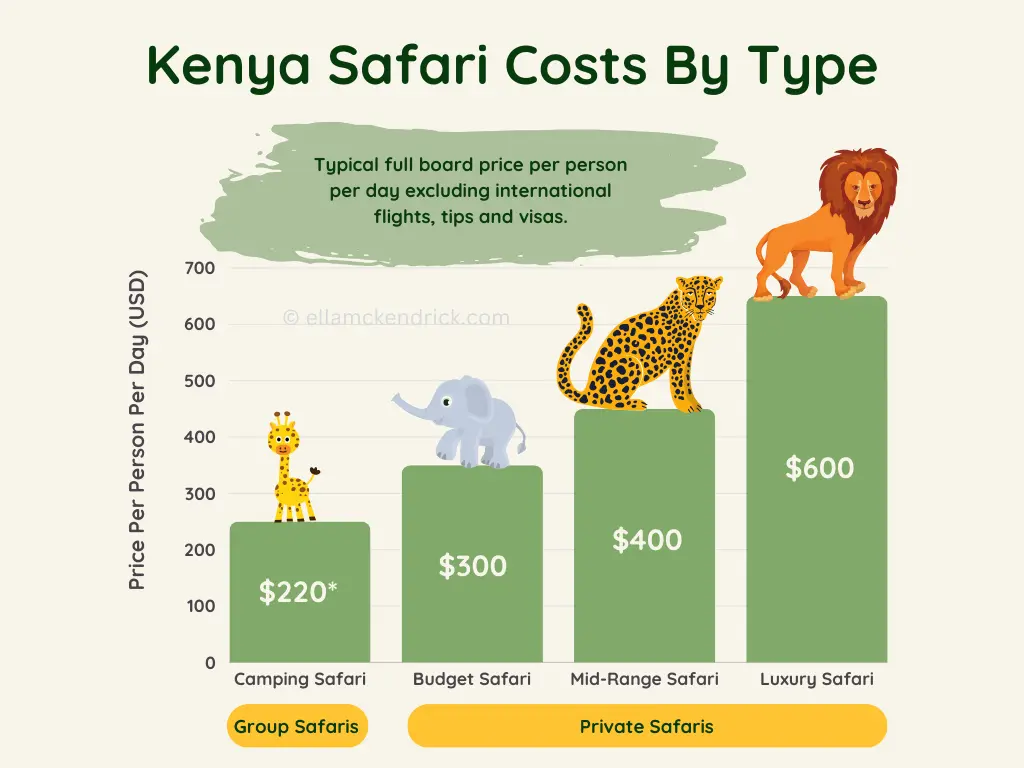
The cost of a private 3-week Kenya and Tanzania safari, if booked through a local tour operator, typically starts from $300 per person per day. There are a few variables that affect the cost, such as whether you’re traveling alone or with a companion or small group, and this guideline amount excludes international flights.
Group safaris are cheaper, at around $200 per person per day. As with private safaris, there are variables to consider that impact the daily average cost.
One of these factors, for example, is your type of accommodation – as a rule of thumb, group safaris include a somewhat more basic level of accommodation than private options.
Another important thing to note is that if you’re spending 3 weeks on safari, the cost per day tends to be lower than if you’re on a shorter itinerary. This is because, as is the case in this itinerary, lower park fees for more peripheral reserves (which you have time to visit in a longer itinerary) offset the higher fees for the Maasai Mara and Serengeti.
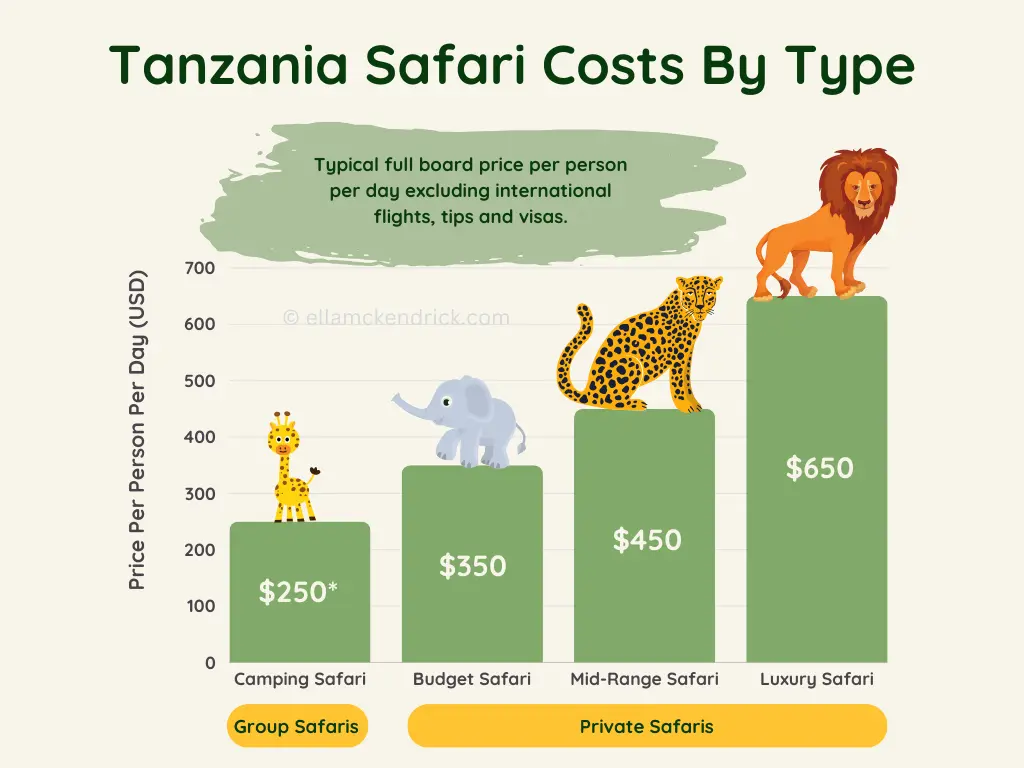
In the charts below, you’ll find typical prices for Kenya and Tanzania safaris arranged by budget level.
Private Safari Prices Typically Include
- Park fees
- Unlimited game drives
- Accommodation
- Full-board meals
- Drinks including beverages
- Transport
- Driver guide
- All activities
Private Safari Prices Typically Do Not Include
- International flights
- Tips and gratuities
How Do Kenya and Tanzania Safari Costs Compare to Other African Safaris?
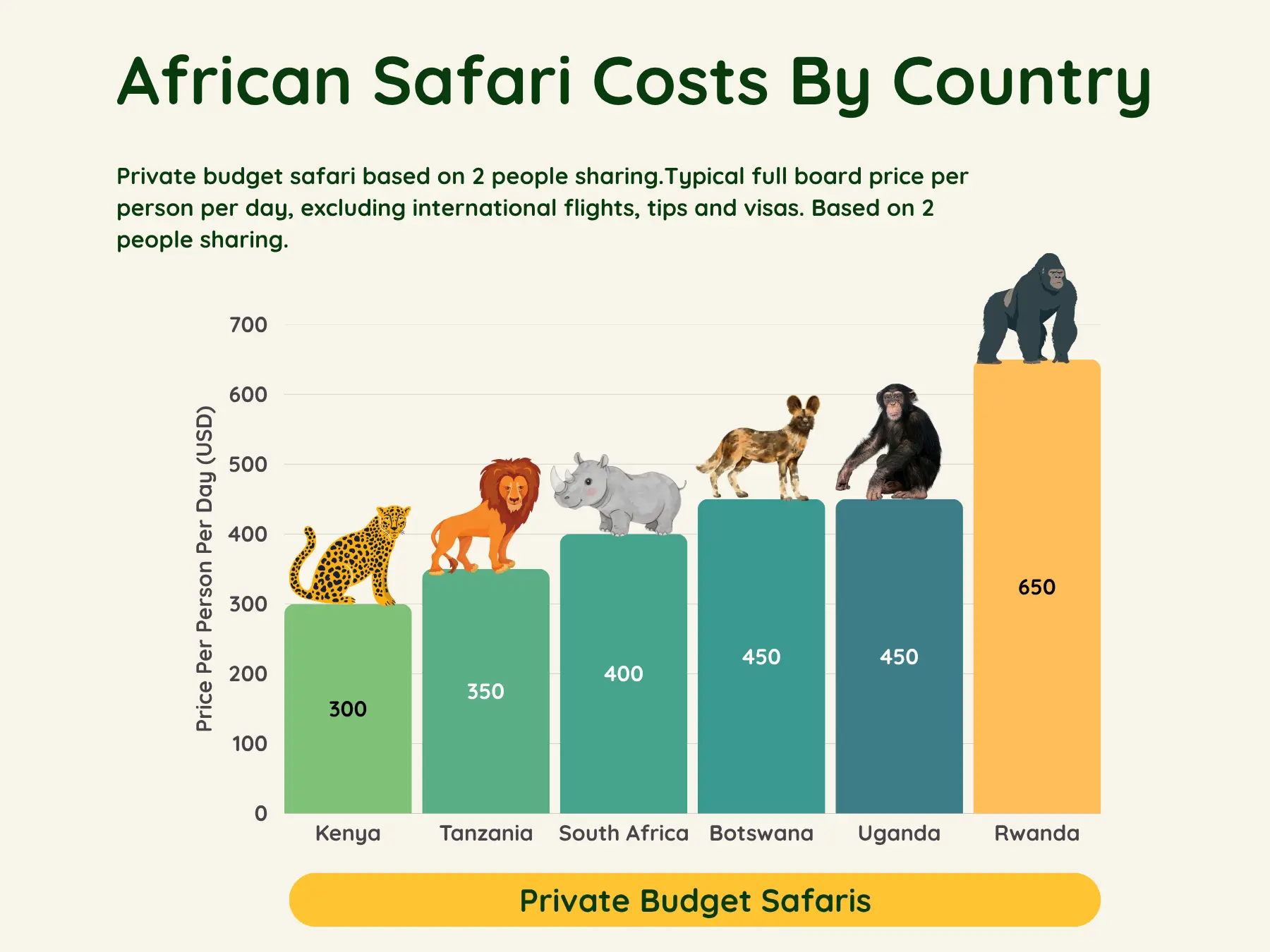
Safaris in Kenya are among the lowest cost safaris in Africa, and represent excellent value for money. Tanzania safaris are slightly more expensive, but not far off in cost from Kenya. It used to be the case that Kenya was quite a bit cheaper than Tanzania, but increases in Maasai Mara park fees have closed that gap.
Private safari prices start at around $350 per person per day in Tanzania and $300 per person per day in Kenya.
Breakdown of Kenya and Tanzania Safari Costs
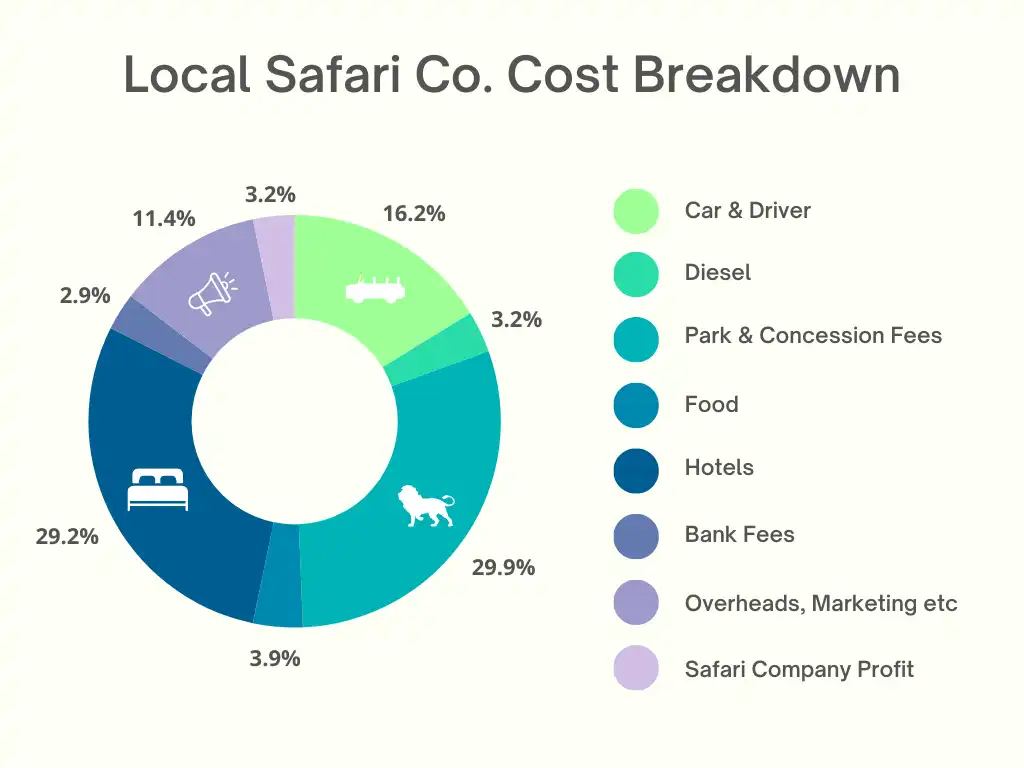
Curious about what you’re actually paying for when you book a Kenya and Tanzania safari through a local tour operator? The chart below breaks down the costs in detail.
As you’ll see, accommodation and park fees, which support the upkeep of the various reserves and go towards conservation, are the two biggest costs. Together these make up over 50% of your total spend.
Only around 3% of the total cost goes to the safari company as profit.
Factors Impacting Kenya and Tanzania Safari Costs
There are a number of factors that influence what your safari trip ultimately costs. Your choice of which reserves to visit, your accommodation luxury level, the time of year in which you plan to travel and how you choose to transfer between reserves (air or land) will all impact what you pay at the end of the day.
Below we’ll look at each of these factors in more detail to help you decide how you want to customise your trip.
Click below to jump to any of the factors:
How You Book Your Safari
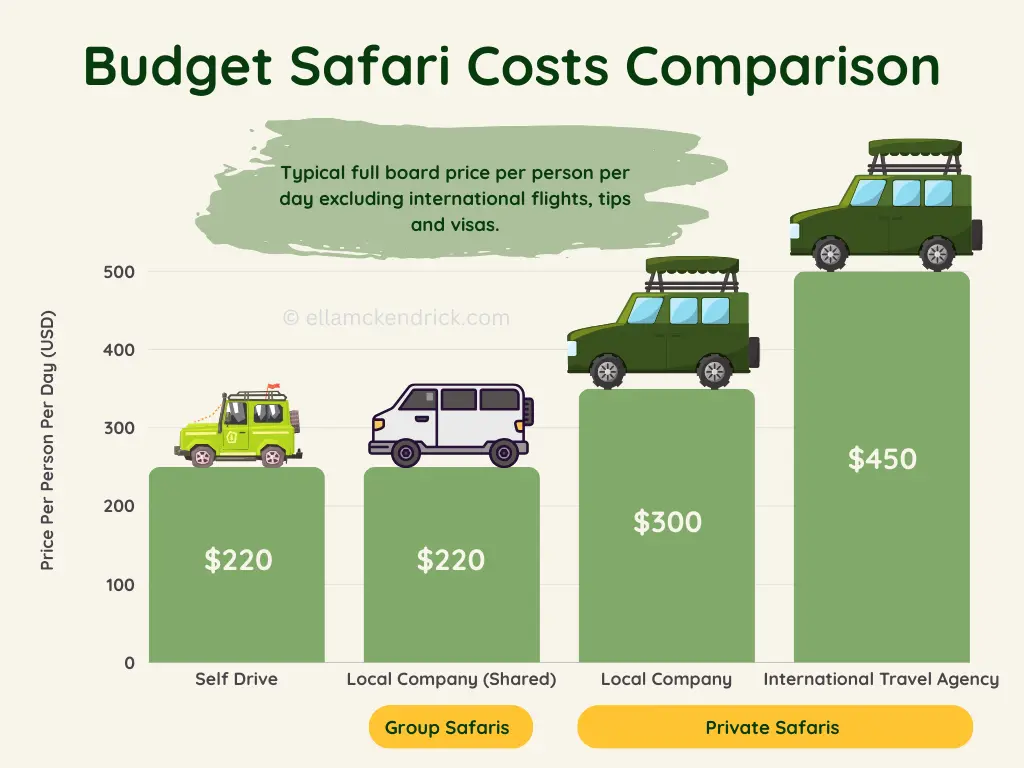
There are two main ways you can book your safari: the first is using an international travel agent to book an end-to-end trip, including international flights. The second (my personal favourite) is to book through local safari operators based in your destination country. Using an international travel agent will cost the most, with markups of anything from 30% to 300% above local tour operator prices. Local operators typically work on 10% to 15% margins, which go to covering their overheads. This leaves the local tour operator with between 2% and 5% profit for delivering their service.
My Preference: I always book my safaris through local tour operators.
Accommodation
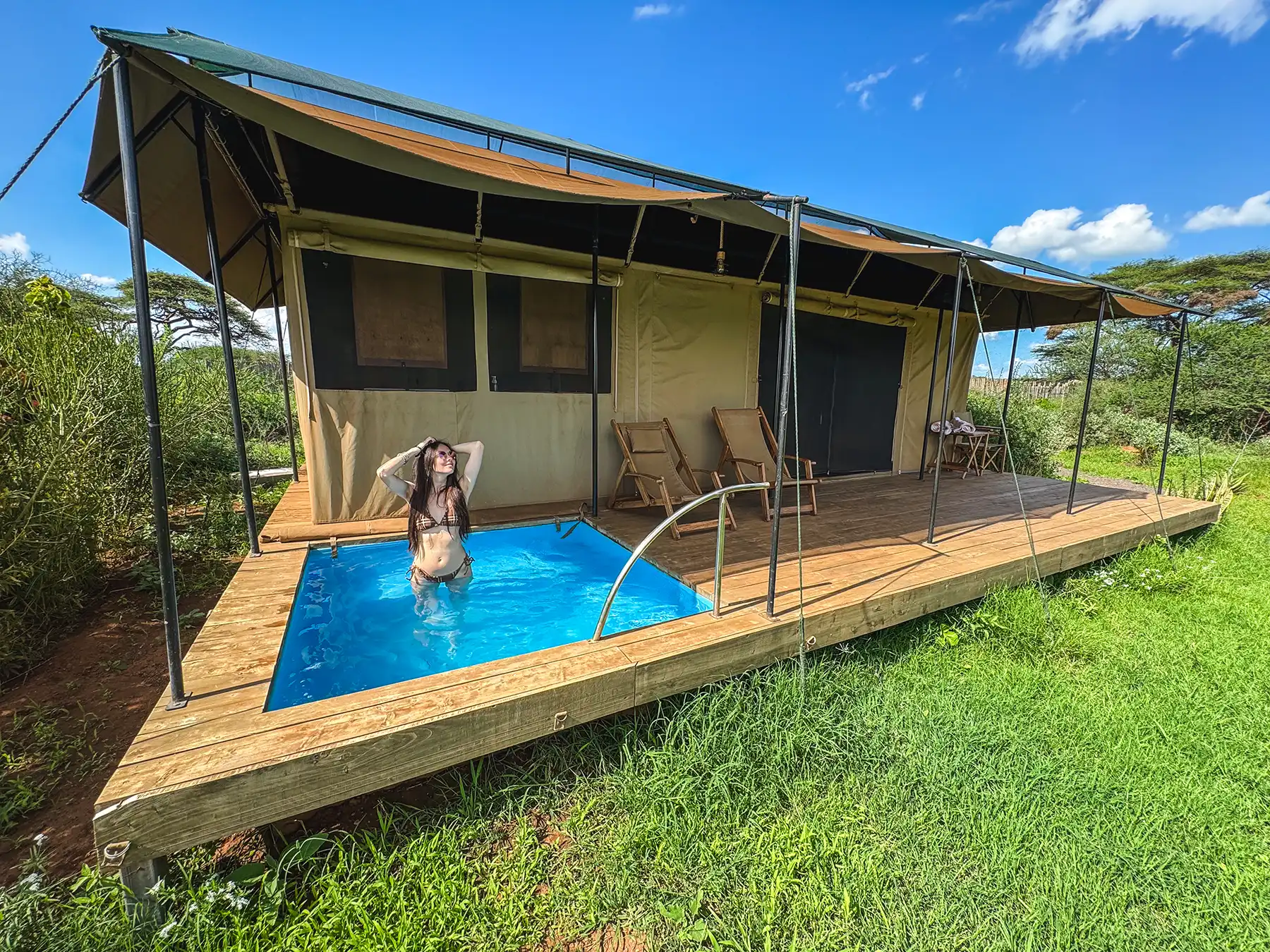
Perhaps the most significant influence on the total cost of your safari will be the level of luxury of your accommodation. Your options range from budget tented camps and lodges, which cost from $50 to $150 per person per night, to luxury tented camps and lodges starting at $400 and running up to $3,000 (or more) per person per night.
Accommodation Prices (Peak Season)
| Accommodation Level | Price Per Person Per Night |
|---|---|
| Budget | $50-$150 |
| Mid-range | $200-$400 |
| Luxury | $400-$3,000 |
My Preference: I personally opt for mid-range accommodation, because I find it strikes the perfect balance between value-for-money and comfort. In general, the catering and food hygiene standards are noticeably higher than with budget options. I have on occasion had food poisoning from budget establishments.
I’ll also mix in a few luxury properties for variety and especially if they are in great locations.
Time of Year
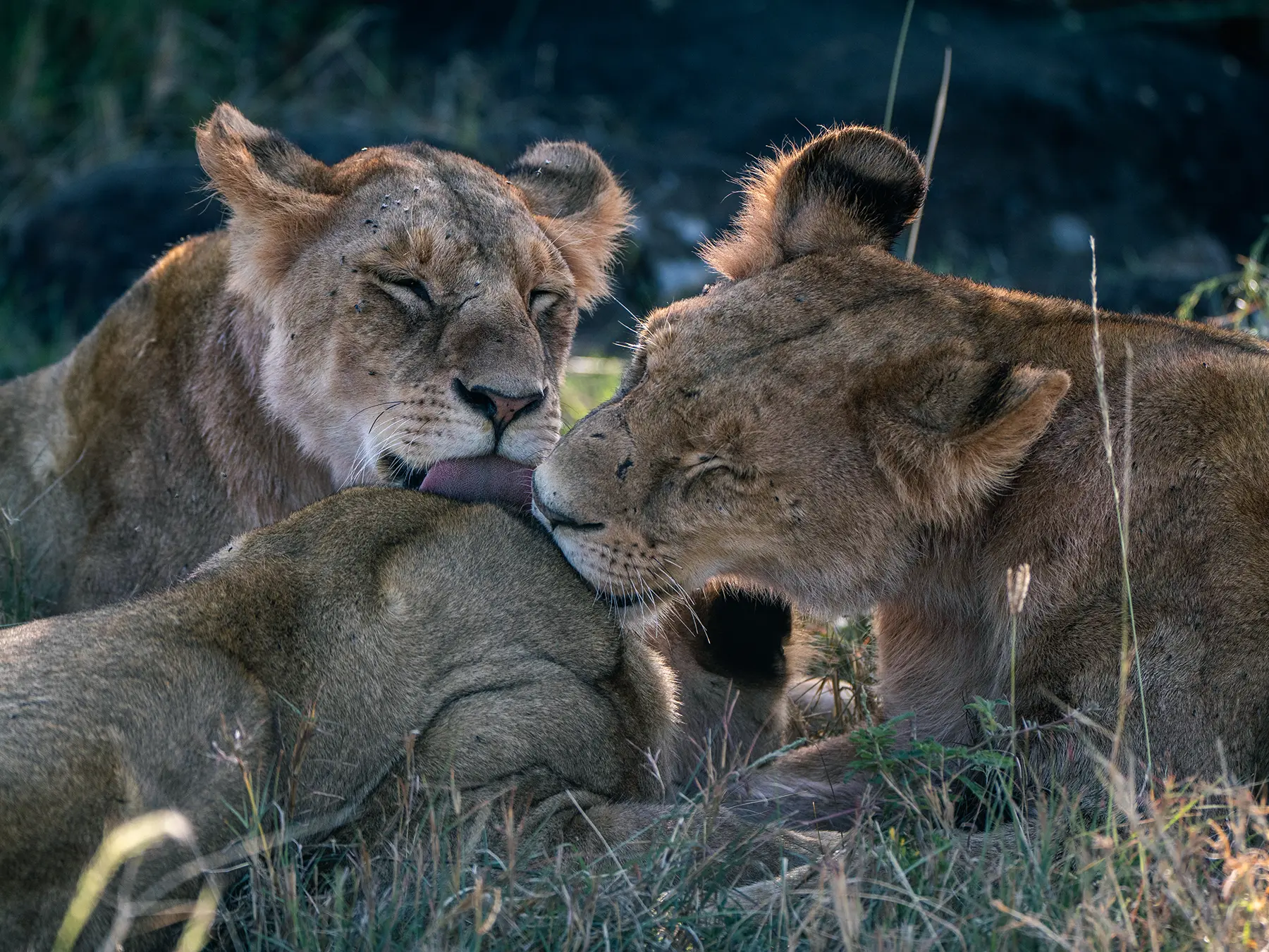
The time of year at which you choose to travel significantly affects pricing. Particularly in popular reserves, high season park fees can be much higher than low season fees. For example, in the Maasai Mara peak season fees from July to December are double the low season fees.
Lodges and camps also increase their accommodation prices by up to 30% during peak season.
My Preference: If value-for-money is your priority, then I recommend traveling in January or February. Park fees in these months are half the price of peak season and the weather is still good at this time of year.
Mode of Transport Between Parks (Road or Air)
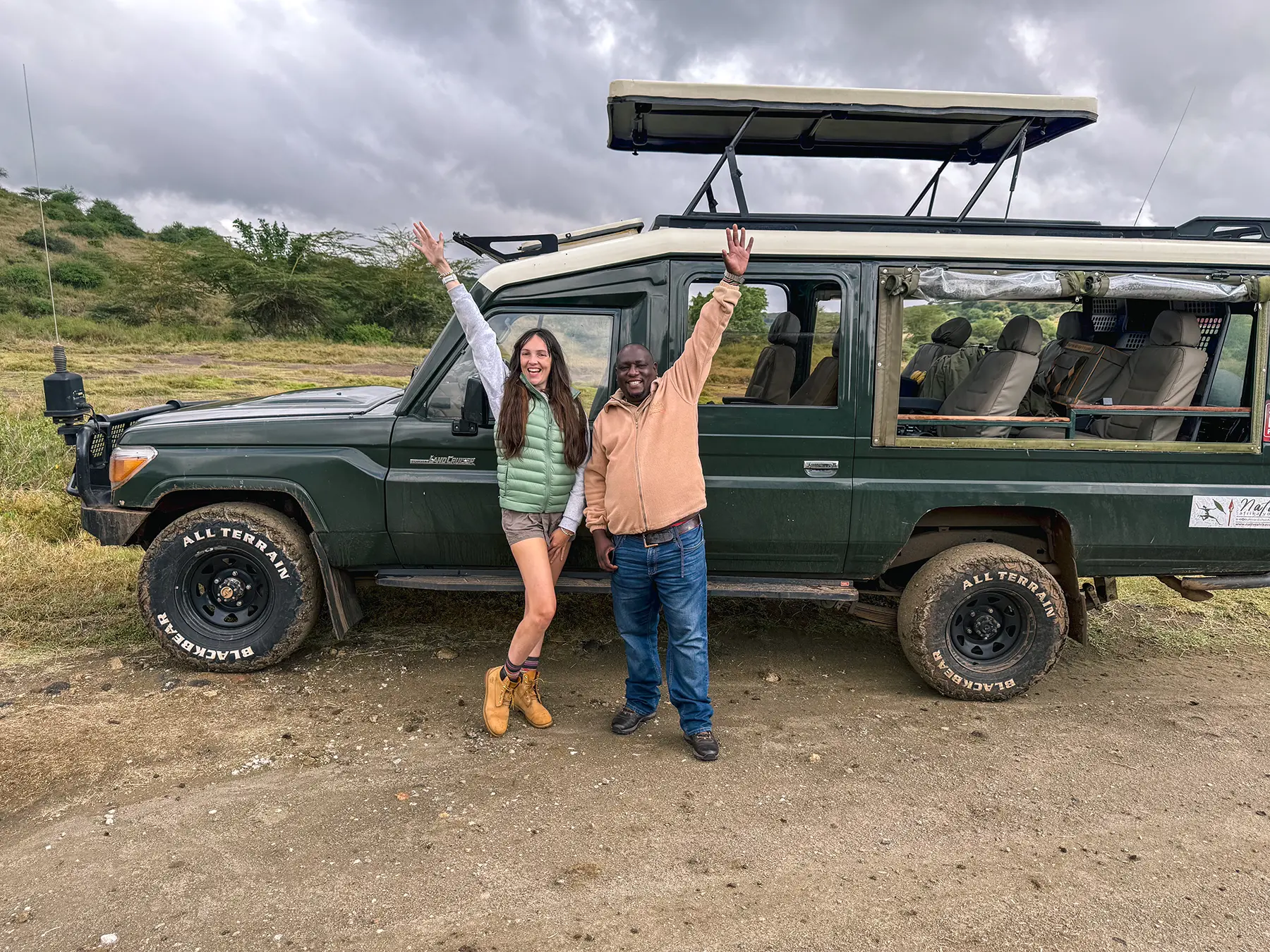
Whether you travel between parks by road or air is one of the biggest decisions to weigh up in terms of cost and time savings. Flights between regional airstrips typically cost from $100 to $500 per person, depending on the route and season. While they add to the overall cost, they do save you many hours on the road. This can be particularly worth considering on shorter itineraries.
If you opt to drive between parks, you can save a fair bit of money because you will be paying for your safari vehicle anyway. Safari trucks are the standard transport both in the parks and between them. They cost between $350 and $450 per day, which includes a driver who is also an experienced guide. As you’ll be using your driver and vehicle each day for game drives, traveling by road between parks does not represent an extra expense.
My Preference: I really enjoy overland travel, as I like to see more of the landscape. However, if my road travel option is anything over 6 hours, I usually prefer to fly between parks.
Group Size
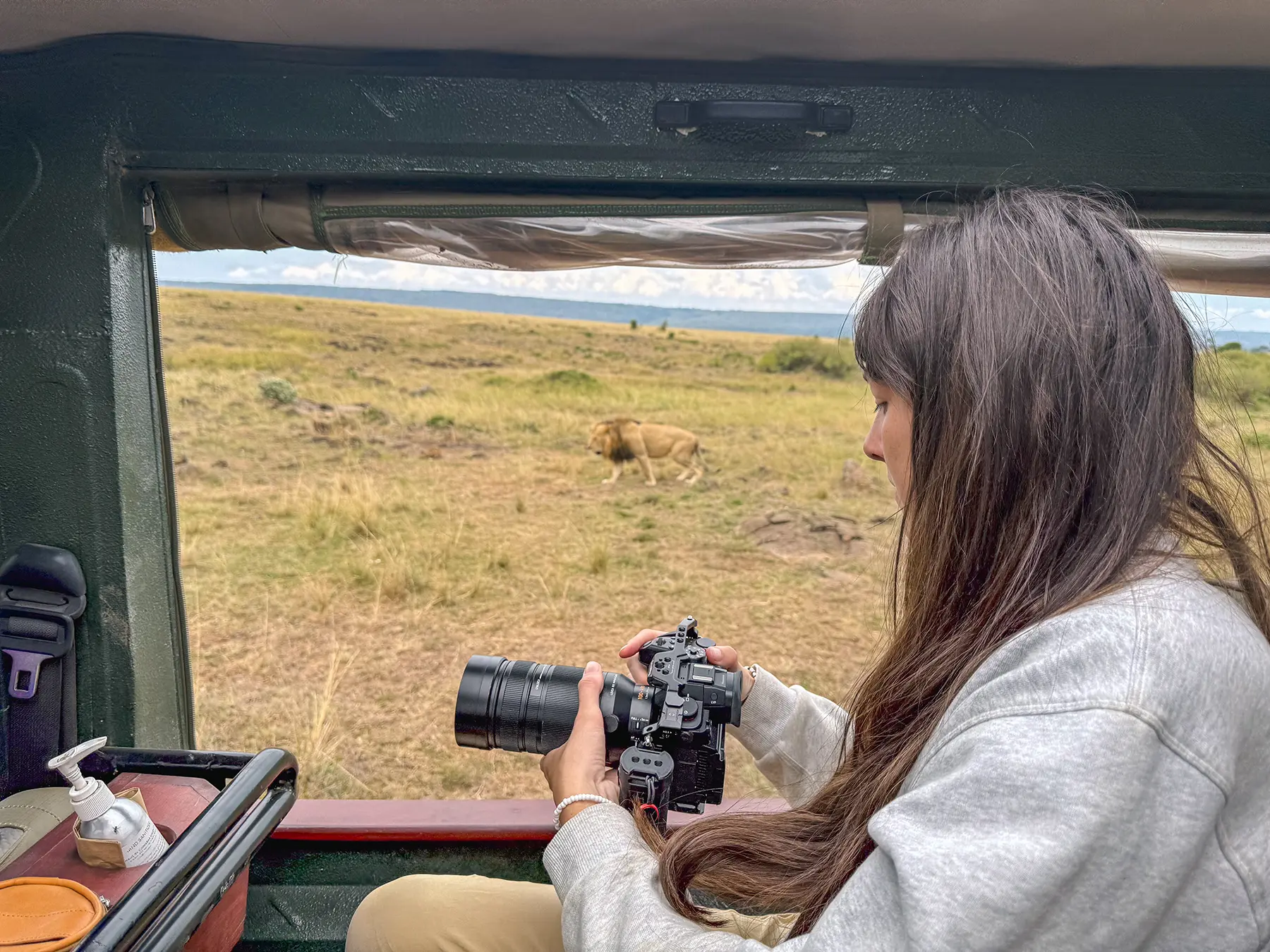
The number of people in your group has an impact on your overall safari costs, because when traveling with a companion or a group certain fixed costs are shared. These fixed costs include the safari vehicle, fuel and the driver guide.
Safaris for solo travellers are often quite a bit more expensive per person compared to parties of 2 adults sharing a room. For example, the starting price for a private budget safaris for a solo traveller is around $500 per day, compared to $300 per person for two adults sharing.
Since you can fit a maximum of 7 people in most safari vehicles, there is room to save a fair bit on the fixed costs mentioned above if you don’t mind traveling in a larger group.
My Preference: I personally like to keep my travel party small, with a maximum of 2 or 3 people in the back of the safari truck. This allows us all to move around freely for sightings and photography.
You can see how costs compare across popular African safari destinations below:
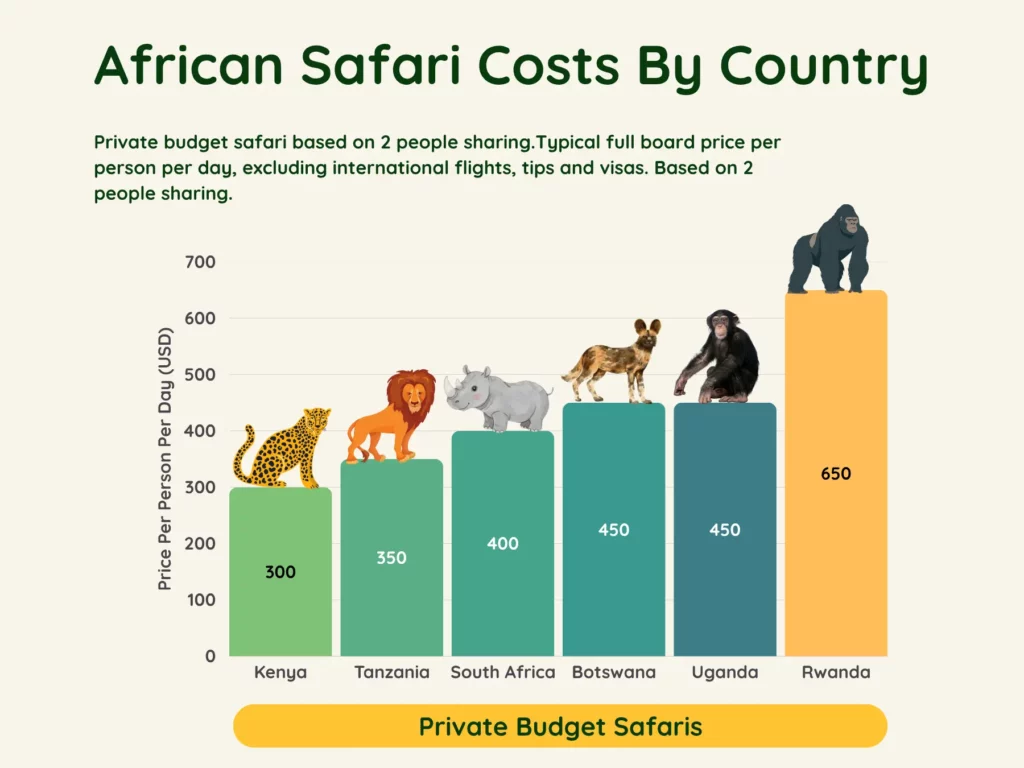
| Destination | Private Budget Safari Cost PP/Day |
|---|---|
| Kenya | 300 USD |
| Tanzania | 350 USD |
| South Africa | 400 USD |
| Botswana | 450 USD |
| Uganda | 450 USD |
| Rwanda | 650 USD |
When Is the Best Time to Visit Kenya and Tanzania?
The best time to visit Kenya and Tanzania for most travellers is during the dry seasons: June to mid-October or January to February.
The ideal timing for your travel depends on what you want to see. If you want to witness the Great Wildebeest Migration river crossings you’ll need to be in the Maasai Mara or Northern Serengeti between mid-July and mid-October.
Since this is the dry season (and winter), vegetation is sparse, temperatures are mild, and animals gather around permanent water sources. This makes their movements and whereabouts more predictable than at other times of year.
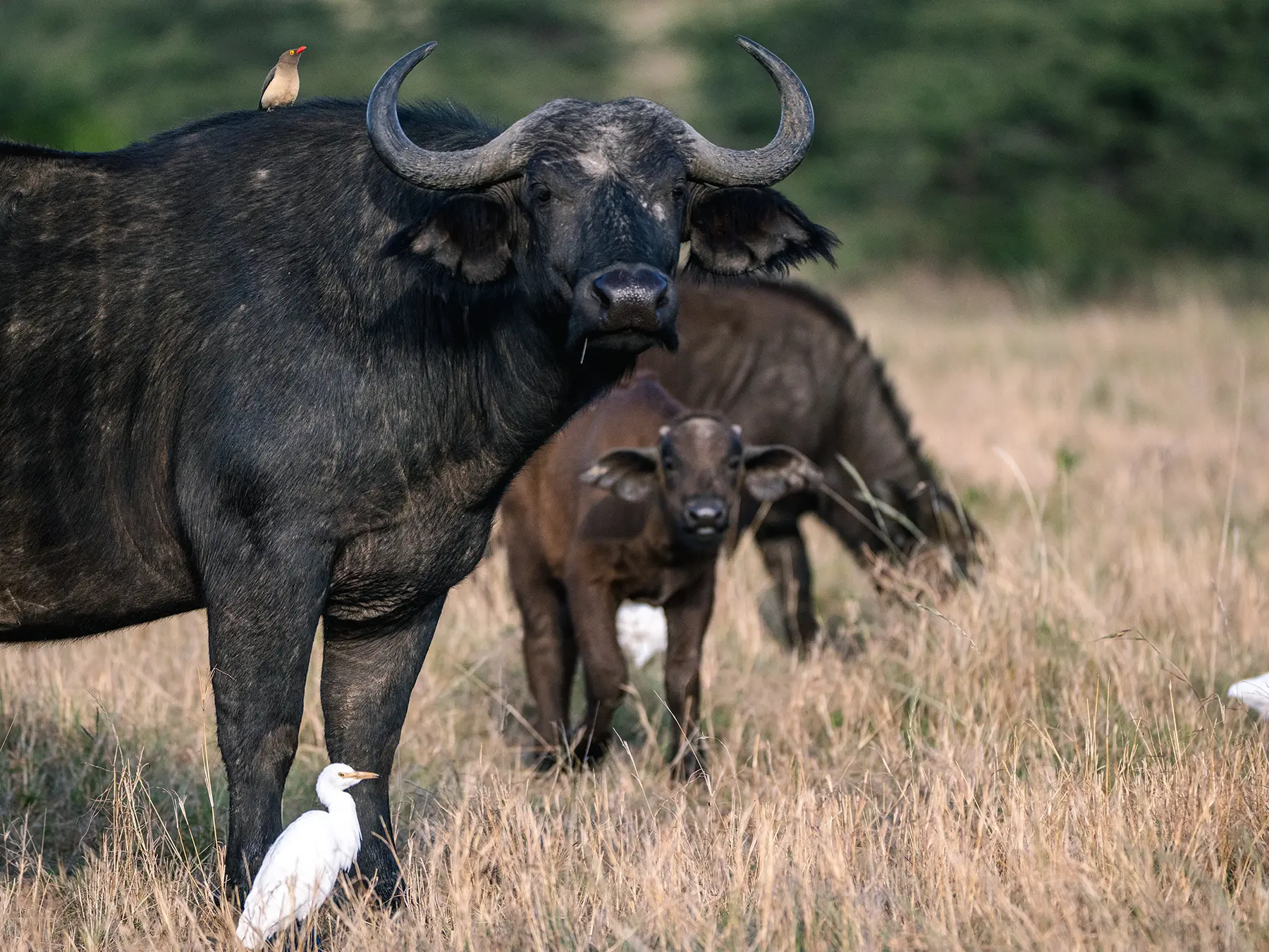
That said, both Kenya and Tanzania offer excellent wildlife viewing throughout the year. Each season brings different highlights, from the Great Migration during the long dry season to abundant baby animals in the short rainy season.
The wildebeest calving season in the Southern Serengeti runs from mid-January to late February. During this period, which is a spectacle in its own right, up to 8,000 wildebeest calves are born each day.
The timing of your visit to Kenya and Tanzania all comes down to how you want to design your safari trip and what sightings you’re hoping to achieve. This incredible region offers a whole range of different experiences, so it’s important that you’re in the right place at the right time based on your own priorities.
My Preference: My personal favourite time to visit Tanzania and Kenya is actually not during the peak season, but rather during the short rains shoulder seasons, in January and February and in November.
I have visited both countries in November and was amazed at all the baby animals appearing everywhere. The landscapes were green and lush and the parks were much quieter than peak season. There are plenty of highlights throughout the year, but November may be my favourite month overall.
I’ve also visited Tanzania in February to see the wildebeest calving. In this fantastic spectacle you’ll have the chance to see adorable baby wildebeests take their first steps. The weather is more reliable at this time of year than in November but the parks are busier too. This can be frustrating in Southern Serengeti’s Ndutu plains, where off-road driving is permitted, as it’s possible to experience crowds at sightings.
For a first-time visit, I recommend the long dry season (July to October) as this gives the most classic safari experience, including the Great Migration Mara River crossing between the Serengeti and the Maasai Mara.
But we all have different preferences and priorities, and you might be after something else. Read on to find out more about the highlights and drawbacks of visiting at each different time of year.
You can jump to more information on each of the seasons using the links below:
The Short Dry Season (Mid-December to February)
The Long Rainy Season (March to May)
The Long Dry Season (June to Mid-October)
I’ve ranked each month of the year for safari in Tanzania as Excellent, Good, OK, or Poor, based on typical game viewing and weather conditions.
If you want to dig deeper, the chart below shows what you can expect in each month in Tanzania in terms of cost, weather, wildlife and hiking Kilimanjaro.
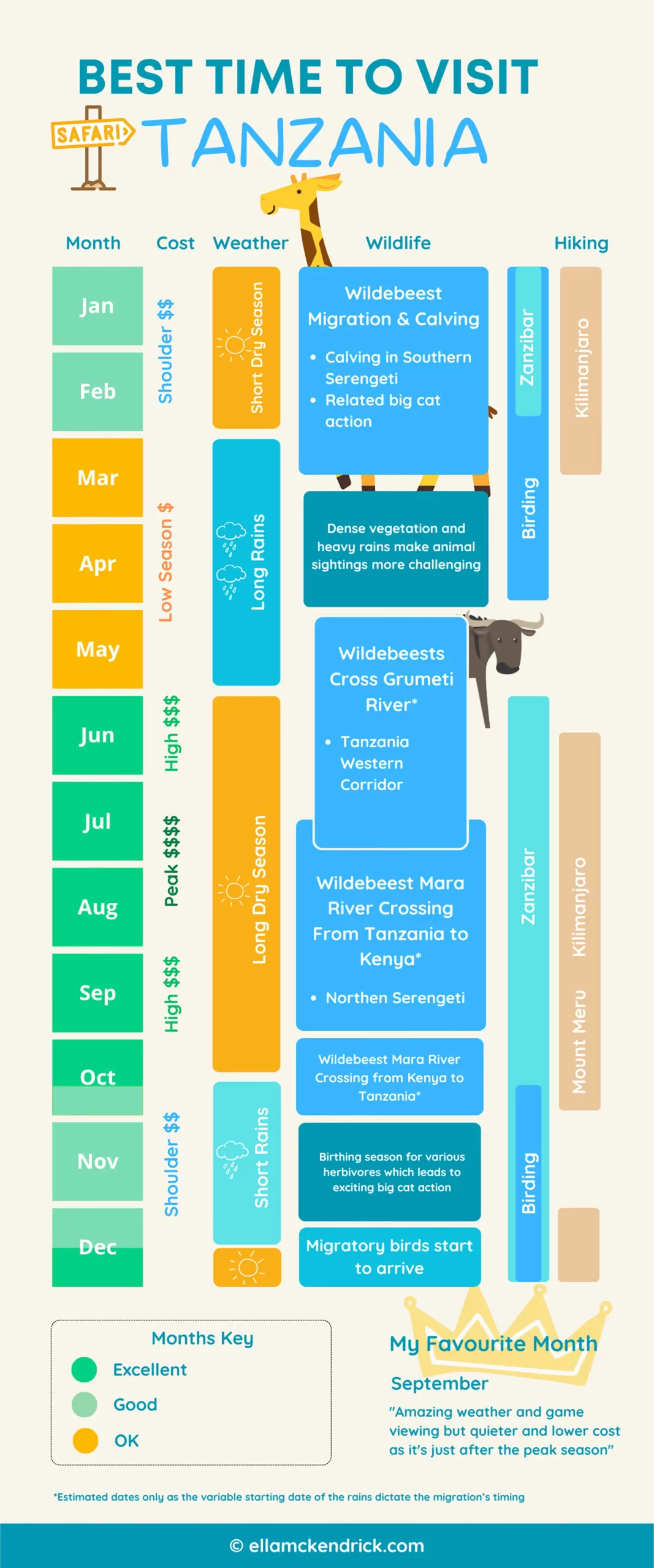
For more information take a look at my ultimate guide on the Best Time to Visit Tanzania.
The Short Dry Season (Mid-December to February)
If you’re looking for pleasant weather but want to avoid peak season crowds, the short dry season is a great option for you. In Tanzania, the calving season on the southern Serengeti plains attracts predators.
With sunny, dry weather and ample opportunities for wildlife sightings, this is the second most popular time of year to visit Kenya and Tanzania. In Tanzania up to 8,000 wildebeest calves are born each day from mid-January to late February. As you can imagine, this attracts scores of hungry predators looking for easy prey. The landscape is lush and bright green, making this a great time for photography.
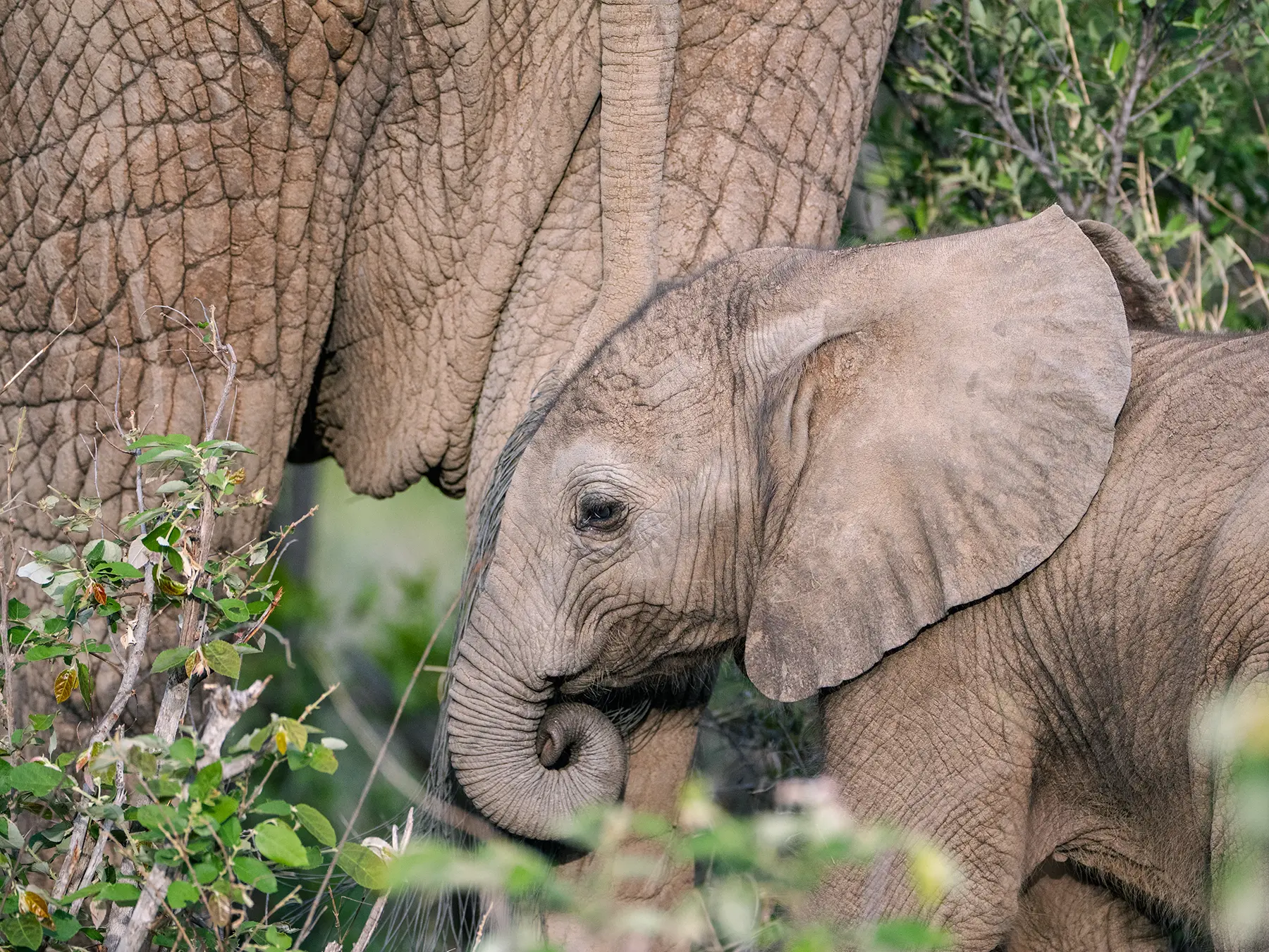
My experience visiting in The Short Dry Season: I found this a great time of year to visit, I saw the wildebeest calving in Ndutu plains of southern Serengeti.
You can see a video of my experience visiting the Serengeti in the short dry season.
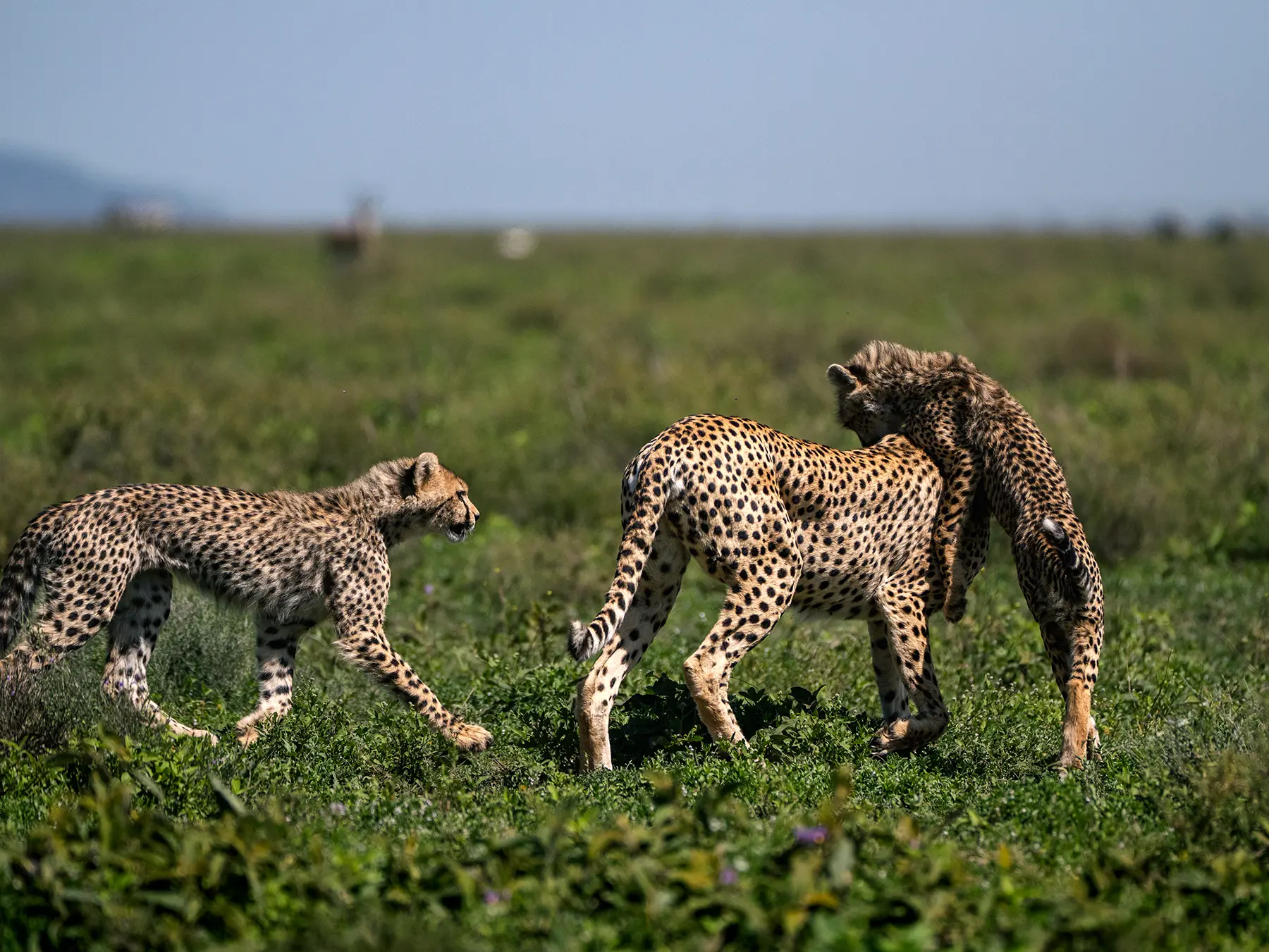
Quick Facts
Prices: Low in Kenya. Slightly higher in Tanzania due to the wildebeest calving. However, over Christmas and New Year you can expect to pay peak season prices.
Weather: Sunny, dry days with little chance of rain. This is the warmest time of year, although some rain is possible.
Wildlife: This time of year is great for visitors wanting to see baby animals as well as predators looking for easy prey, in both Kenya and Tanzania. In Tanzania in particular, the calving season on the southern Serengeti plains is one of nature’s great spectacles.
Birding: This is the breeding season for native birds in both countries. Local species are wearing their best breeding plumage, and Northern hemisphere migratory species are present in abundance.
Unique features: The calving season in the Southern Serengeti occurs during this period, with up to 8,000 wildebeest calves being born each day.
As an added bonus, this is also a great time to climb Mount Kenya.
Reasons to Visit in the Short Dry Season
- Sunny, dry weather
- Up to 8,000 wildebeest calves born each day in the Southern Serengeti, attracting predators
- Good for photographers wanting to see baby animals and related predator activity
- Fewer visitors than the long dry season peak
- Landscape is green and lush, making it perfect for photography
- Good time for Zanzibar beach extensions
- Great for climbing Mount Kenya in dry, warm conditions
- Maasai Mara park fees are lower than in the long dry season
Considerations When Visiting in the Short Dry Season
- This is the warmest time of year, which some travellers may find uncomfortable
- Lush vegetation sometimes makes animals harder to spot
- Some rain can be expected, especially in the evenings
- Tanzania is still relatively busy due to the wildebeest calving season
For more information you can see my full guides on the best time to visit Kenya and the best time to visit Tanzania.
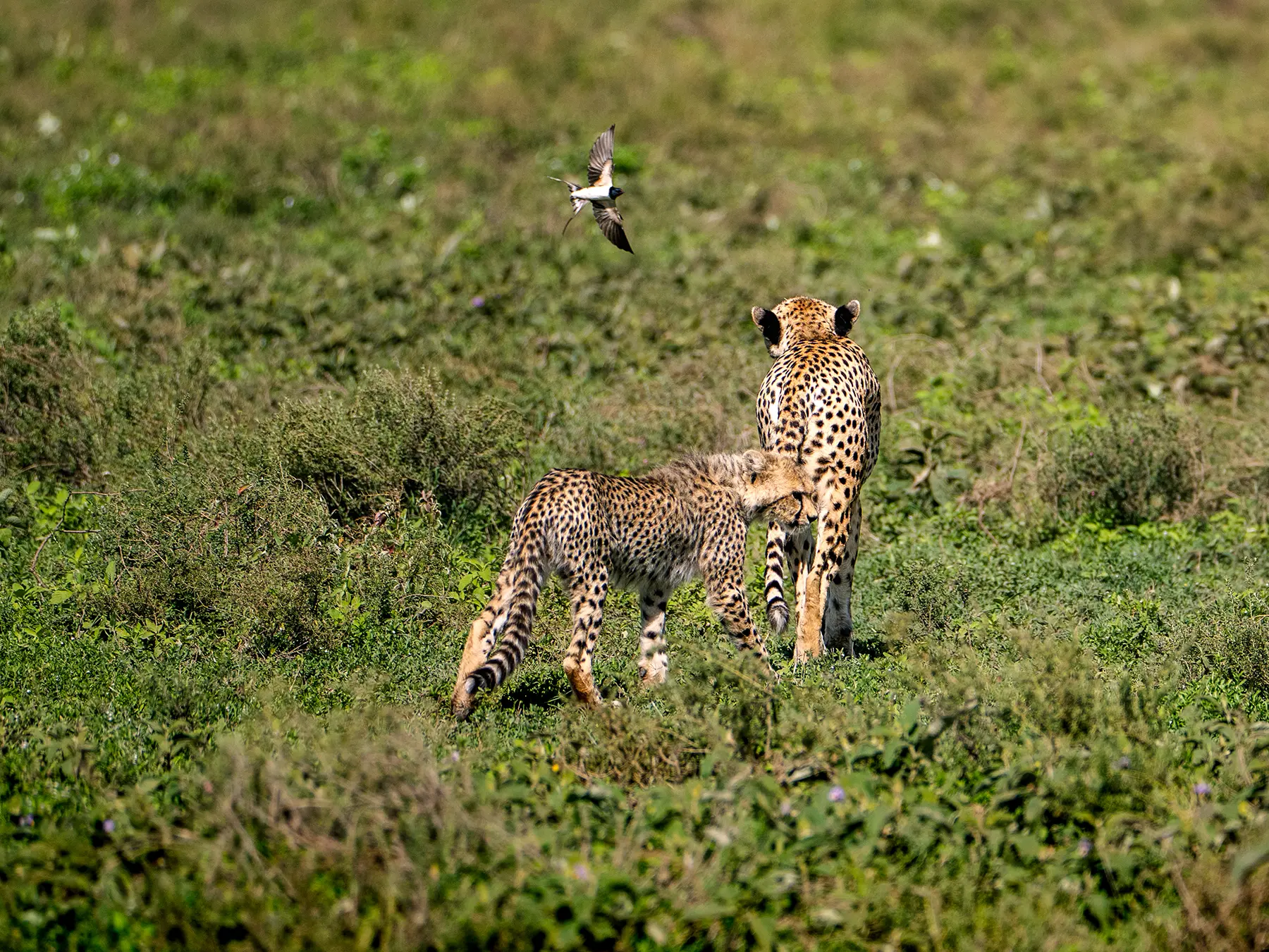
The Long Rainy Season (March to May)
The long rainy season might suit you if you are a more adventurous traveller willing to deal with some challenges in return for lower costs. This is the low season in Kenya and Tanzania, when visitor numbers to the parks are at their lowest. Prices reflect this.
This is generally considered to be the worst time to visit Kenya and Tanzania, as days are typically very wet. However, rain patterns have been changing and sometimes the expected rains do not come at all. Accommodation prices tend to be lower during this period.
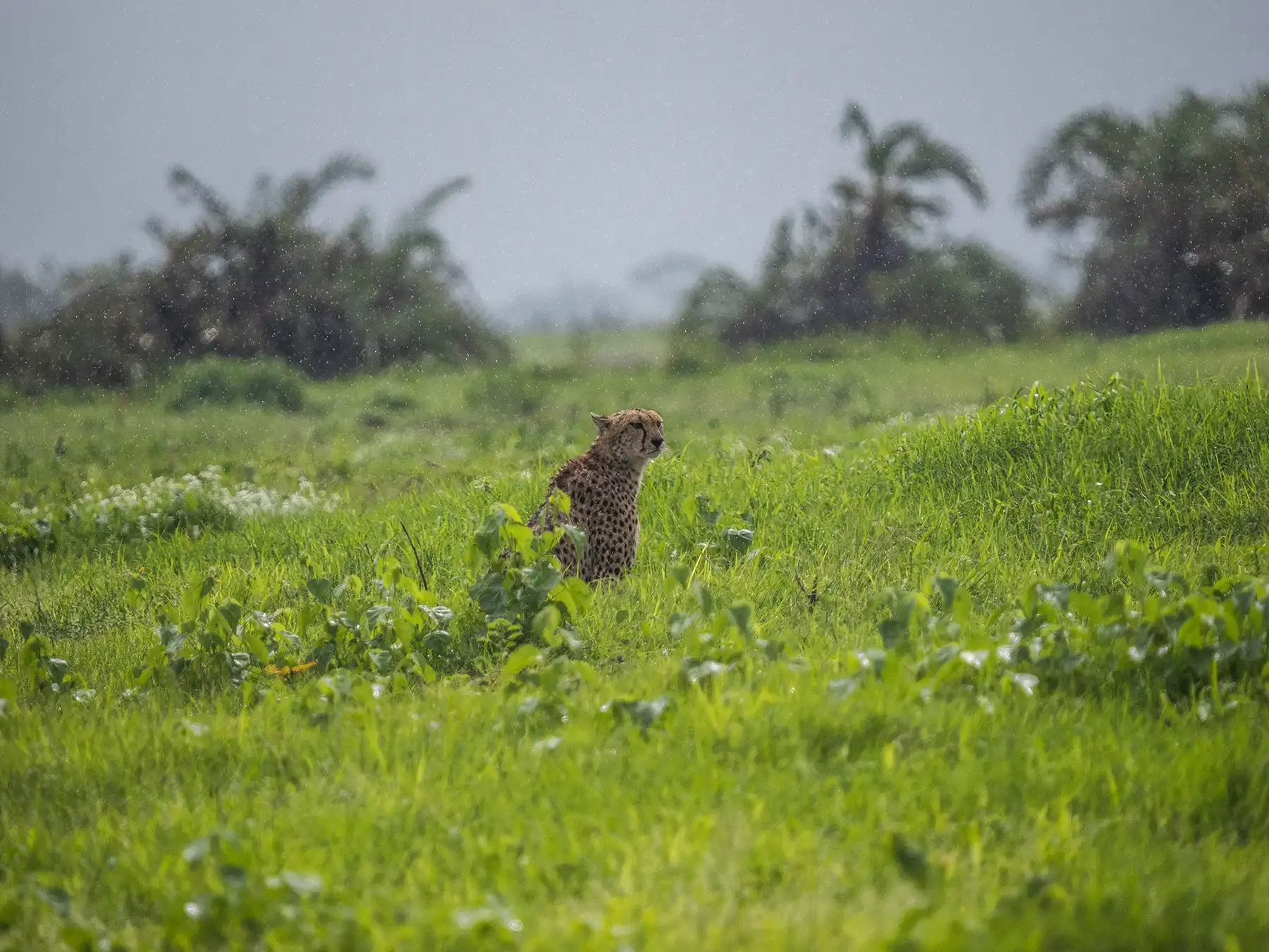
My experience visiting in The Long Rainy Season: Whilst it’s a challenging time of year to visit, I have been to the Maasai Mara during this period and had a great time including my best black rhino sighting to date.
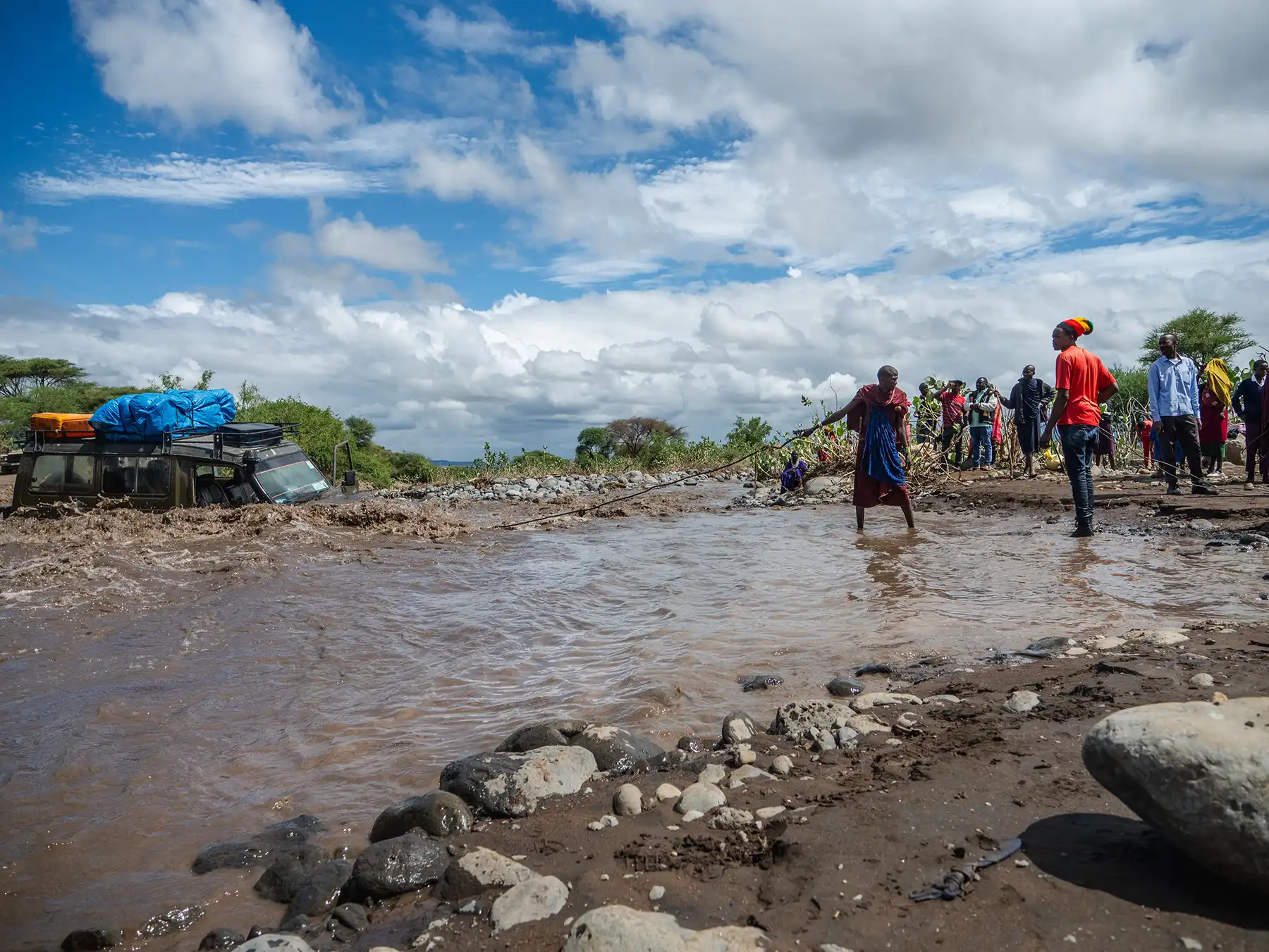
The main challenges were that some roads were too wet to travel down so we focused on the main tracks through the park and sometimes we’d have rain late afternoon but we did managed two game drives every day. I’d avoid accommodation on river banks at this time due to the possibility of flooding. Roads to the Maasai Mara from Nairobi were fine but you can have issues getting traveling between other parks due to flooding.
Quick Facts
Prices: Accommodation prices are lower than at any other time of the year, across both countries. Some park fees are also lower.
Weather: The weather is at its worst. Most days come with heavy rain showers and even the possibility of flooding.
Wildlife: Wildlife is still present in all parks, but heavy rain can make game drives and visibility difficult.
Birding: Excellent, with plenty of migratory species and lush vegetation.
Unique features: This is the quietest period in both countries, and is best for budget-conscious, adventurous travellers.
Reasons to Visit in the Long Rainy Season
- Accommodation prices are lower during this period
- Visitor numbers to the parks are at their lowest
- Lush green vegetation makes for beautiful photos
- Rain patterns have been changing, and sometimes the expected rains do not come at all
- Good for budget-conscious, adventurous travellers
Considerations When Visiting in the Long Rainy Season
- Days are typically very wet across both countries
- Most days bring heavy showers and even the possibility of flooding
- Some camps and lodges close altogether
- Mosquitoes are prolific during this period
For more information you can see my full guides on the best time to visit Kenya and the best time to visit Tanzania.
The Long Dry Season (June to Mid-October)
The long dry season is when Kenya and Tanzania have their best weather, and as a result this is the most popular time to visit these countries.
The long dry season is the best time for wildlife viewing as the dry conditions mean that animals congregate around water sources.
The weather is comfortably warm with hardly any rain. Less greenery means that wildlife is easier to spot, and animals tend to gather around waterholes.
Because this is such a popular time for visitors, you can expect costs to be higher and parks to be busier than at any other time of year.
My experience visiting in The Long Dry Season: I feel that September is one of the best months to visit Kenya and Tanzania. On my first visit to the Serengeti in late September, I witnessed a wildebeest crossing of the Mara River and it was an emotional moment as it’s been a dream of mine for as long as I can remember. The parks do get very busy at this time of year so be prepared for that.
You can see a video of my experience visiting the Serengeti in the long dry season.
Quick Facts
Prices: At their highest – this is peak safari season.
Weather: Dry and sunny with hardly any rain. Clear skies, cool nights and warm days in both countries.
Wildlife: Sparser vegetation makes wildlife easier to spot. Additionally, animals gather around waterholes, making their movements more predictable.
Birding: Compared to other times of year, birding is at its worst. Resident species are present across both countries during this period but migrant species have departed.
Unique features: This season coincides with the Great Wildebeest Migration river crossings in the Maasai Mara and Northern Serengeti. In Tarangire, this is when the highest density of animals is present, including massive elephant herds.
Reasons to Visit in the Long Dry Season
- Weather is comfortably warm with hardly any rain
- Less greenery means wildlife is easier to spot, especially around waterholes
- Great Migration river crossings from mid-July to late October in the Maasai Mara and Northern Serengeti
- Dry conditions drive animals to water sources making them easy to find
- Tarangire experiences its highest density of animals, including massive elephant herds
Considerations When Visiting in the Long Dry Season
- Parks are at their busiest
- Lodges and tented camps are more expensive than at any other time of year
- In the Maasai Mara, park fees from July to December are double what they are in the low season
- This is peak safari season, so popular lodges book out quickly
For more information you can see my full guides on the best time to visit Kenya and the best time to visit Tanzania.
The Short Rainy Season (Mid-October to Mid-December)
If you hope to avoid the crowds but still want to enjoy generally nice weather and consistently good wildlife sightings, the short rainy season may be perfect for you.
This is a significantly quieter period for tourism than the peak season, meaning fewer crowds at border crossings and in the safari parks.
The days are still generally dry and sunny, and you can expect refreshing evening showers. The tourist crowds dissipate even though wildlife viewing is still really great. This season offers the ideal balance of pleasant weather and quieter parks.
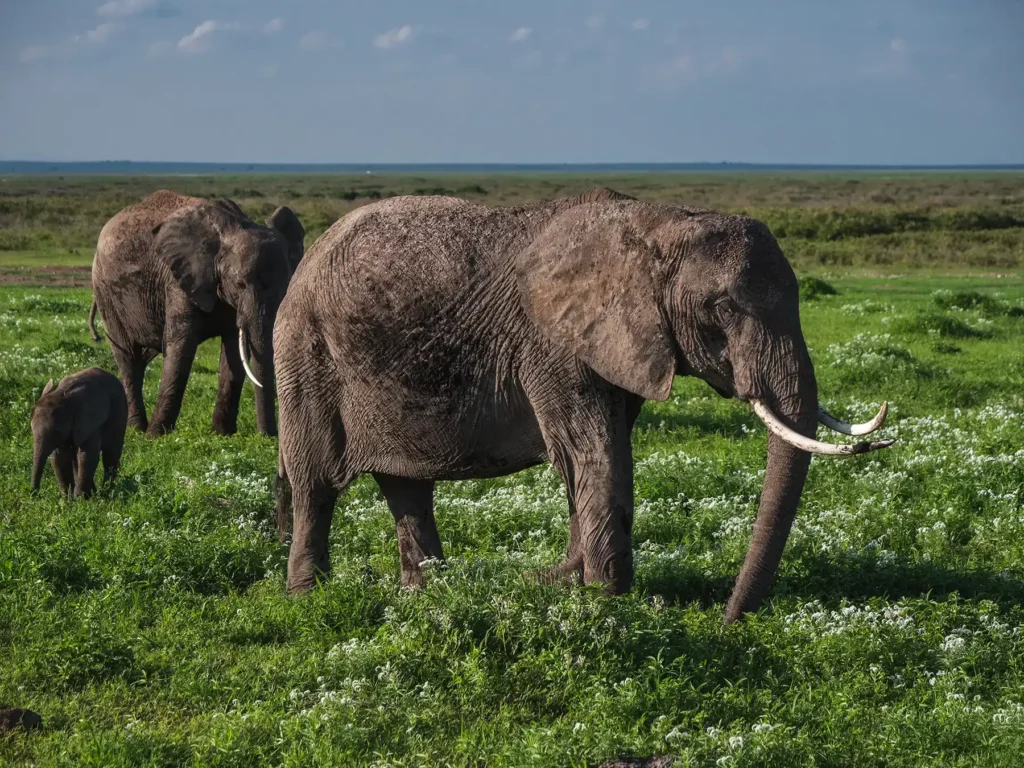
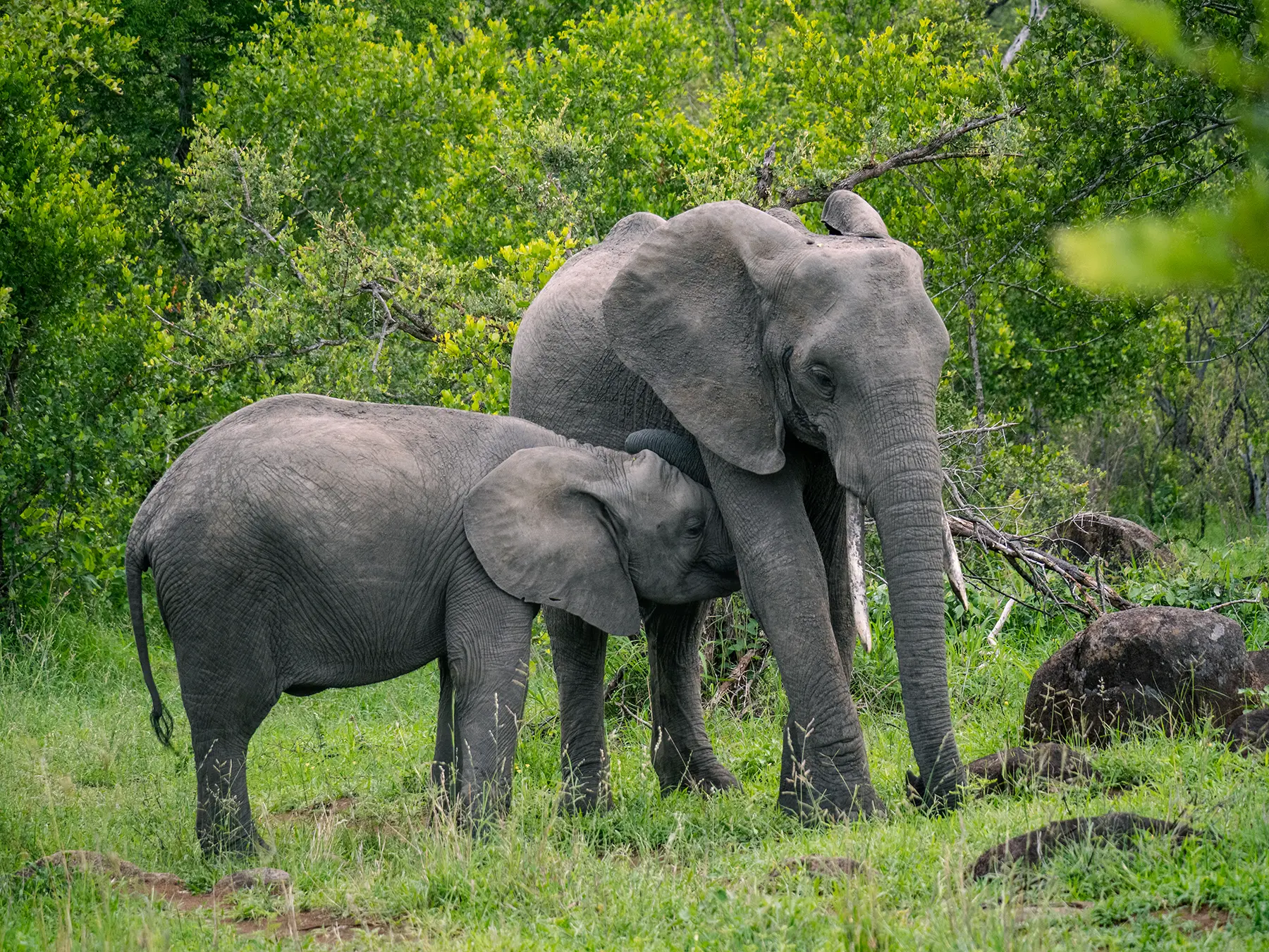
My experience visiting in The Short Rainy Season: I have visited both Tanzania and Kenya in November during the short rains and loved it. Baby animals were everywhere, the landscapes were green and lush, and the parks were quieter than peak season. November is perhaps my favourite month overall for visiting East Africa.
You can see a video of my experience visiting the Maasai Mara in the short rainy season.
Quick Facts
Prices: Moderate. Kenya’s park fees are still high but you can benefit from lower accommodation prices in both countries compared to peak season.
Weather: Evening showers are common, with days generally remaining dry and sunny.
Wildlife: As wildlife does not really fluctuate throughout the year, there should be plenty of animals to see. The rejuvenating vegetation makes game slightly harder to spot than in the dry season.
Birding: Great for bird watching as migrant species start to arrive.
Unique features: Baby animal season, quieter parks, green landscapes.
Reasons to Visit in the Short Rainy Season
- Significantly quieter period for visitors, meaning fewer crowds at wildlife sightings
- Lower accommodation prices compared to the dry peak season
- Ideal balance of pleasant weather and quieter parks
- Days remaining generally dry and sunny with refreshing evening showers
- Great for birdwatching and photography across both countries
- Many baby animals and related predator activity
Considerations When Visiting in the Short Rainy Season
- Rain patterns during this period have become less predictable in recent years. For instance, the short rainy season in 2023 was particularly heavy and caused flooding
- Brief afternoon showers can disrupt game drives
- Greener vegetation can make wildlife harder to spot
- Maasai Mara park fees are still at their peak season levels
For more information you can see my full guides on the best time to visit Kenya and the best time to visit Tanzania.
How Many Days Do You Need for a Kenya and Tanzania Safari?
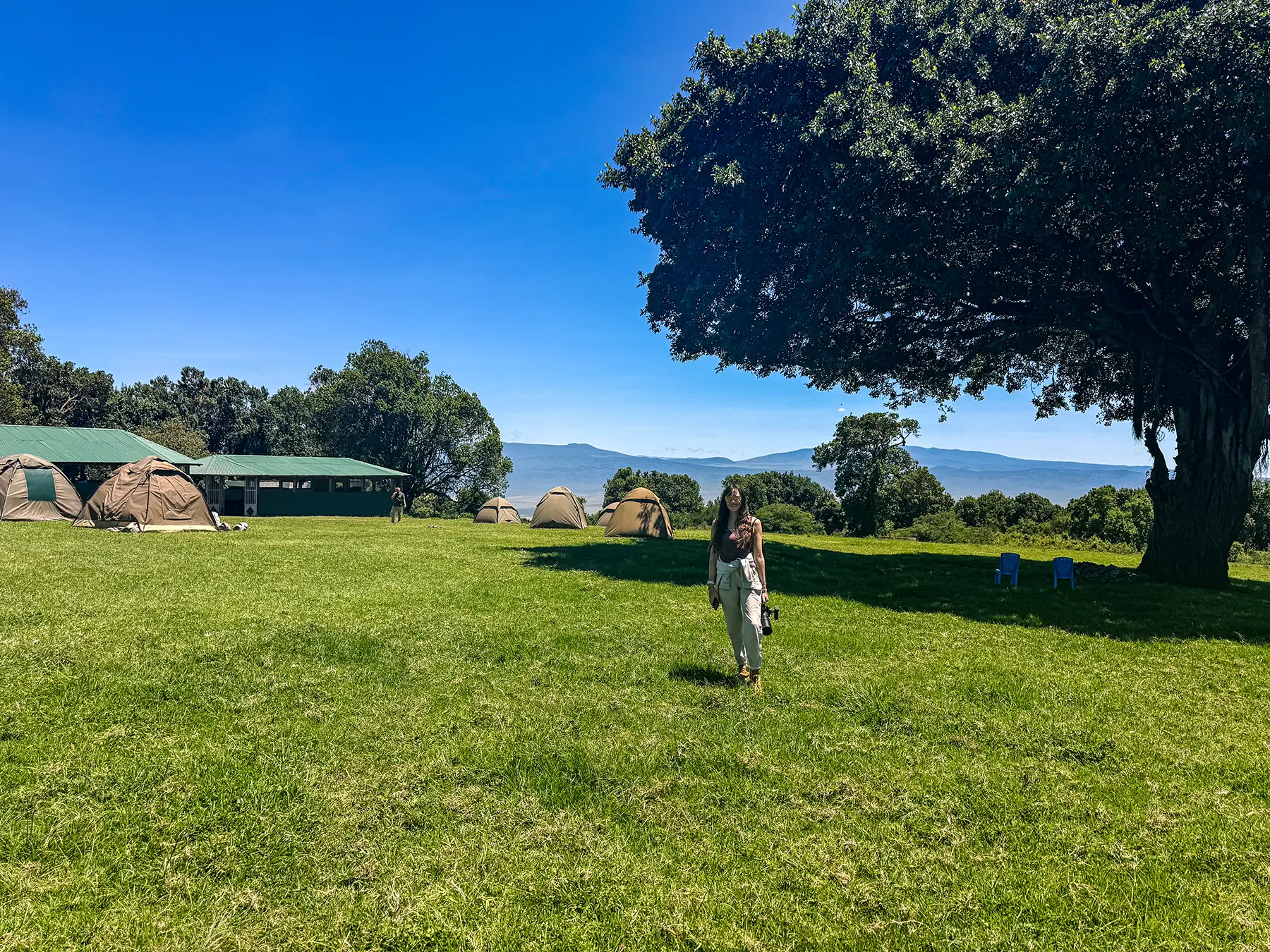
Three weeks is a great amount of time for a combined Kenya and Tanzania safari that includes a visit to the white sand beaches of Zanzibar.
This gives you enough time to make your way through twelve parks and reserves without feeling rushed.
21 days will give you plenty of time to explore all the highlights as well as discover some lesser-known gems, and you’ll still have enough downtime to relax after the drives between destinations.
What 3 Weeks in Kenya and Tanzania Gives You
- Nairobi (1 day): Arrive in Kenya and rest after your long flight or explore some of the city
- Lake Nakuru (1 day): Spot flamingos and white and black rhinos
- Ol Pejeta Conservancy (1 day): Spend time with the last two northern white rhinos
- Samburu (2 days): The Samburu Special Five, unique species not found elsewhere on this itinerary
- Lake Naivasha (1 day): Mix things up with a boating and walking safari
- Maasai Mara (3 days): Excellent Big Five viewing and the Great Wildebeest Migration river crossings from mid-July to October
- Serengeti (3 days): Big cat sightings and the Great Wildebeest Migration river crossings from mid-July to October
- Ngorongoro Crater: Search for the Big Five in the world’s largest unbroken volcanic caldera
- Lake Eyasi (1 day): Learn about some of Tanzania’s indigenous cultures with a visit to the Datoga and Hadzabe tribes
- Lake Manyara (1 day): Search for tree-climbing lions and see flamingos
- Tarangire: See huge elephant herds and iconic baobab trees
- Zanzibar (4 days): Wind down on white sand beaches, and enjoy snorkelling and Stone Town’s spice markets
If you have less time than this, a 2-week Kenya and Tanzania safari covers the Maasai Mara, Serengeti, Ngorongoro Crater, and Tarangire with a short Zanzibar extension. For drives over 6 hours between parks, flying saves a full day of travel.
For an even shorter trip, you could consider a 10-day itinerary that focuses on the Maasai Mara and the core Northern Circuit parks.
My Preference: 3 weeks is a fantastic amount of time to dedicate to exploring Kenya and Tanzania. It allows you to see both countries at a relaxed pace, without rushing around and spending too much time on the road.
What Does This 3-Week Kenya and Tanzania Safari Itinerary Look Like?
This 3-week itinerary covers Kenya’s top safari parks and Tanzania’s northern circuit, starting in Nairobi and ending on the white sand beaches of Zanzibar. You will spend time in many of the world’s greatest safari locations, including Maasai Mara, Lake Nakuru, Ol Pejeta, Samburu, the Serengeti and Ngorongoro Crater, with three days relaxing in Zanzibar to finish.
I have designed this route based on my own experiences travelling around both countries, making sure to minimise driving days as much as possible and maximise time on safari.
You are pretty much guaranteed incredible wildlife sightings following this route! And if you don’t spot all of the Big Five… well, you’d have to be extremely unlucky!
Quick Facts
Average driving time per day: 3 to 4 hours
Best times of year: June to October (dry season, Great Migration in the Mara and Serengeti) or January to February (good weather, lower prices).
3-Week Kenya and Tanzania Safari Map
Day-by-Day Breakdown of the Perfect 3-Week Kenya and Tanzania Safari
Kenya and Tanzania have so much to offer that three weeks will zip by. I have crafted this 3-week safari itinerary to make sure you make the most of every moment!
I have given careful thought to balancing the most popular highlights with some of the lesser-known gems in the two countries. I’ve also considered practicalities, like the distance between the parks and driving times, so that you can maximise your time enjoying the experience rather than worrying about how best to get from A to B.
Click any of the days below to jump to my full notes on that day.
- Kenya
- Day 1: Arrive in Nairobi
- Day 2: Lake Nakuru National Park
- Day 3: Ol Pejeta Conservancy
- Day 4: Samburu National Reserve
- Day 5: Samburu National Reserve
- Day 6: Lake Naivasha
- Day 7: Maasai Mara National Reserve
- Days 8-9: Maasai Mara National Reserve
- Day 10: Maasai Mara to Serengeti
- Tanzania
- Day 11: Serengeti National Park
- Day 12: Serengeti National Park
- Day 13: Ngorongoro Crater
- Day 14: Lake Eyasi
- Day 15: Lake Manyara National Park
- Day 16: Tarangire National Park
- Day 17: Arusha to Zanzibar
- Days 18-20: Zanzibar
- Day 21: Fly Home from Zanzibar
You can get quotes from the same local tour companies I use to organise my own trips here: Safaris By Ella
Day 1: Nairobi
Drive Time (Excluding Game Drives): Dependent on the activities you choose
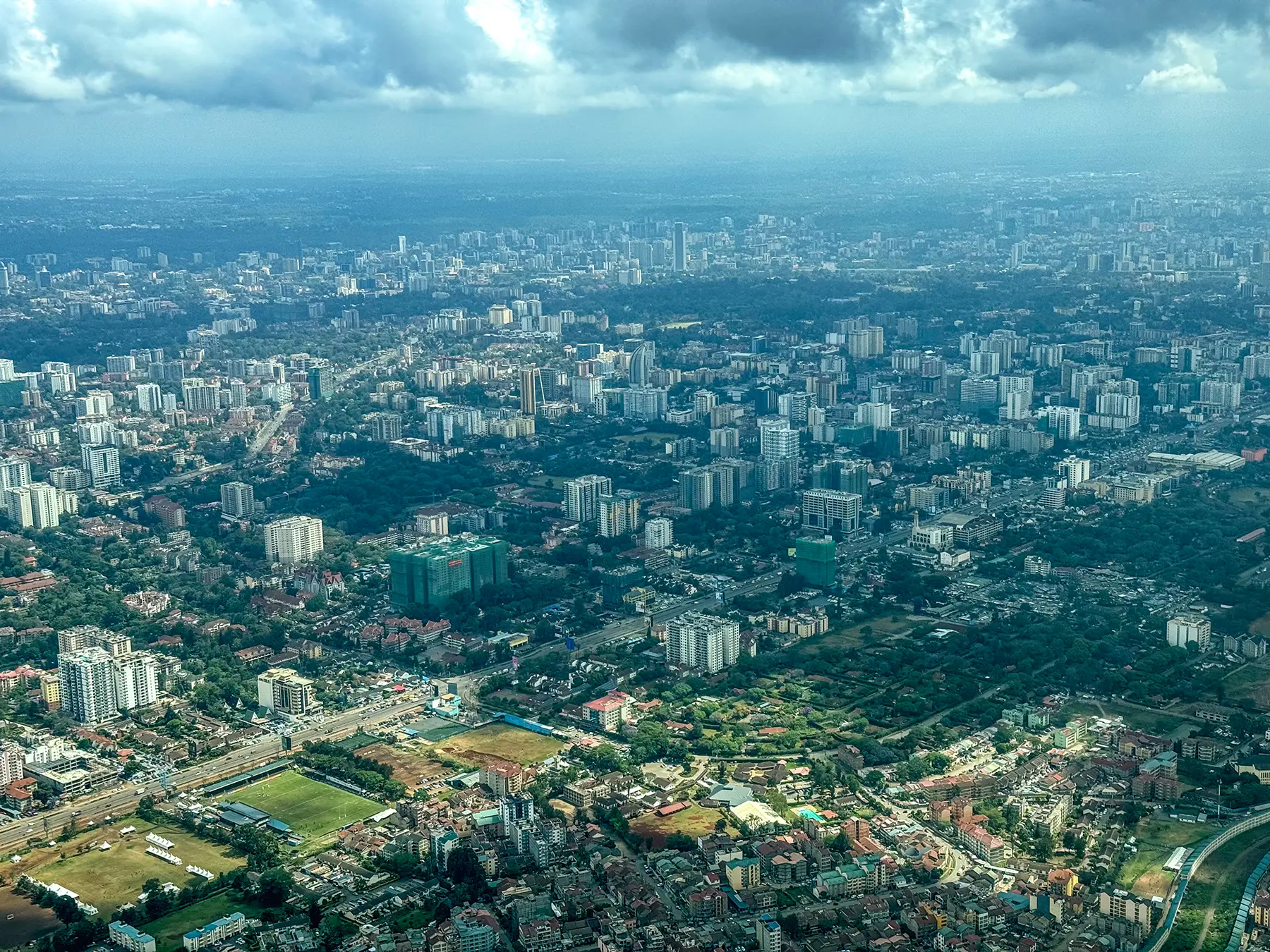
Welcome to Nairobi, Kenya’s capital and the starting point for this 3-week safari.
From its excellent food scene to its crazy traffic, this utterly distinctive city is bound to leave a strong impression on you.
Nairobi is the gateway to some of the world’s finest safari reserves, including the legendary Maasai Mara, but it also has plenty to keep you entertained before heading into the bush.
Itinerary
If you arrive early, you can look forward to stretching your legs and exploring Nairobi.
One of my favourite places to warm up for a safari is the Sheldrick Wildlife Trust, an elephant orphanage dedicated to rescuing young elephants who lost their herds through poaching or natural causes. You can combine a visit with a safari in Nairobi national park.
Another popular safari primer is the Giraffe Centre in the Karen district, where you can learn all about these graceful creatures.
If you arrive later in the day, you’ll head straight to your accommodation either in the center or one of Nairobi’s leafy suburbs and take a short break before enjoying dinner at one of the city’s excellent restaurants such as Carnivore, The Wine Shop and my personal favourite, Talisman.
Tomorrow you set off for Lake Nakuru, a 3 hour drive, so an early night is a good idea.
About Nairobi
Home to over 4 million people, Nairobi is a colourful, busy city. Its name comes from the Maasai phrase ‘Enkare Nairobi’, which means ‘place of cool waters’. The Nairobi river and its multiple tributary streams that run through the suburbs are the ‘cool waters’ the Maasai were referring to, and since 2022 major water rehabilitation efforts have contributed to restoring sections of the city’s rivers to their pre-urban glory.
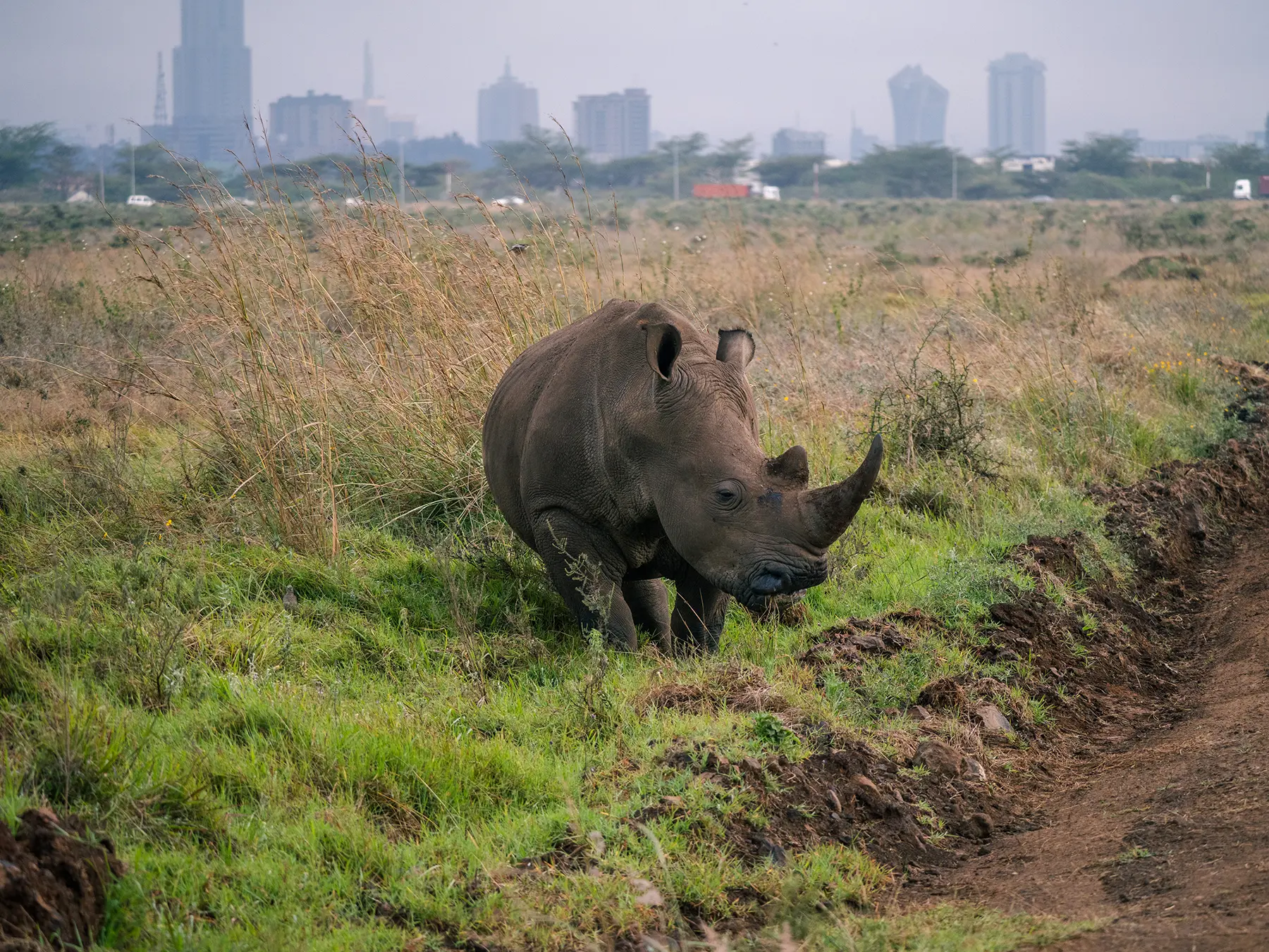
As one of Africa’s largest cities, Nairobi boasts a hugely varied food scene and offers a wealth of activities for visitors. Nairobi is also home to one of the world’s only national parks within a capital city. At 45 square miles (117 km²) in size, the Nairobi National Park is one of Africa’s smallest parks and can easily be explored within a day. Despite its diminutive size, the park is home to all of the Big Five as well as giraffes, cheetahs, hyenas and more.
Kenya has long been a safe haven for wild animals, after banning hunting already in 1977. The country continues to lead in global conservation efforts, and contends strongly with poaching. In 2016, 105 tonnes of seized elephant tusks were famously burned in Nairobi as an anti-poaching statement.
Things to Do in Nairobi
Whether you’re eager to watch rescued baby elephants frolicking at close range or would like to try hand-feeding giraffes, Nairobi has some truly special offerings for visitors.
1. Visit the Elephant Orphanage at the Sheldrick Wildlife Trust
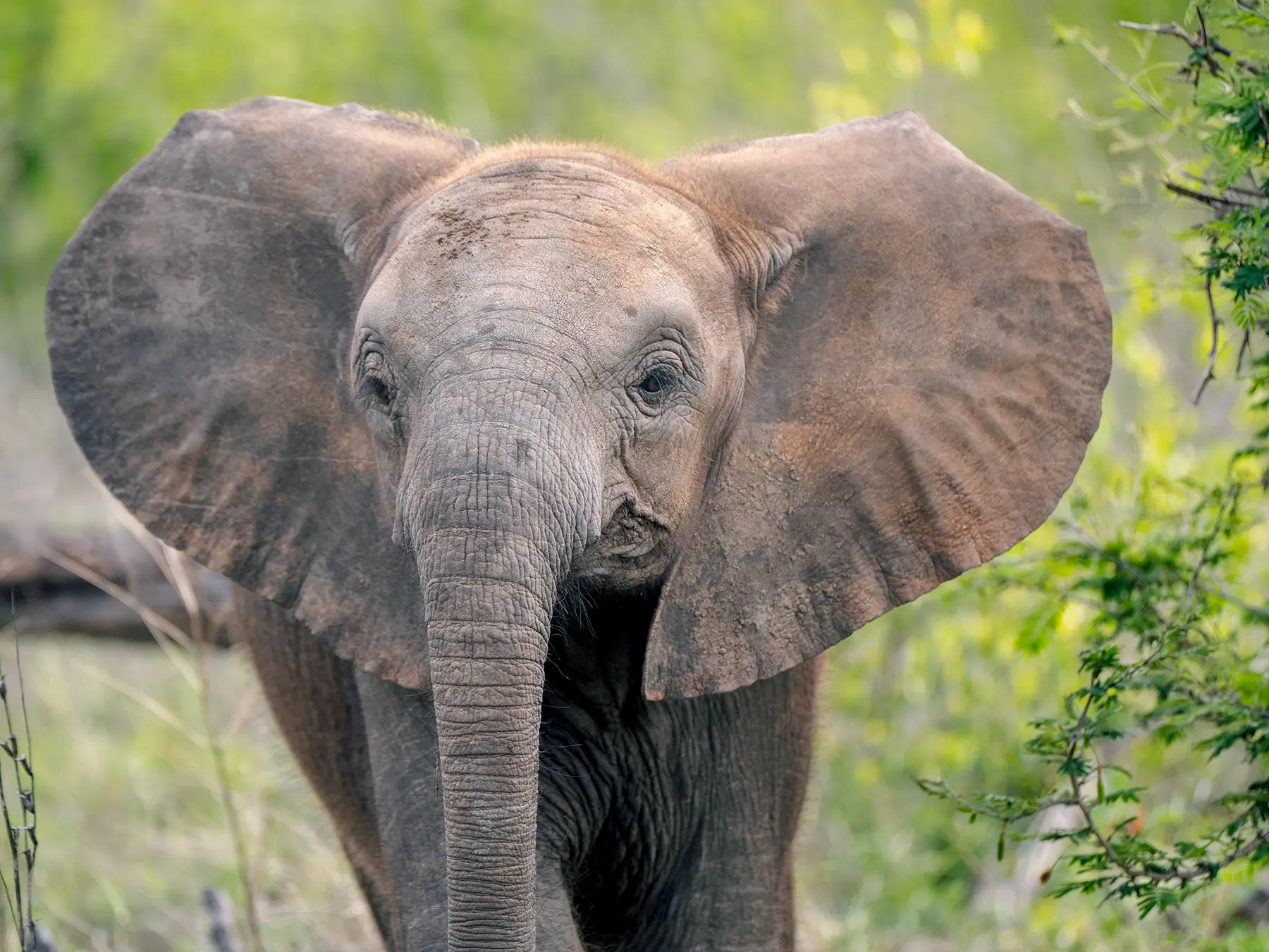
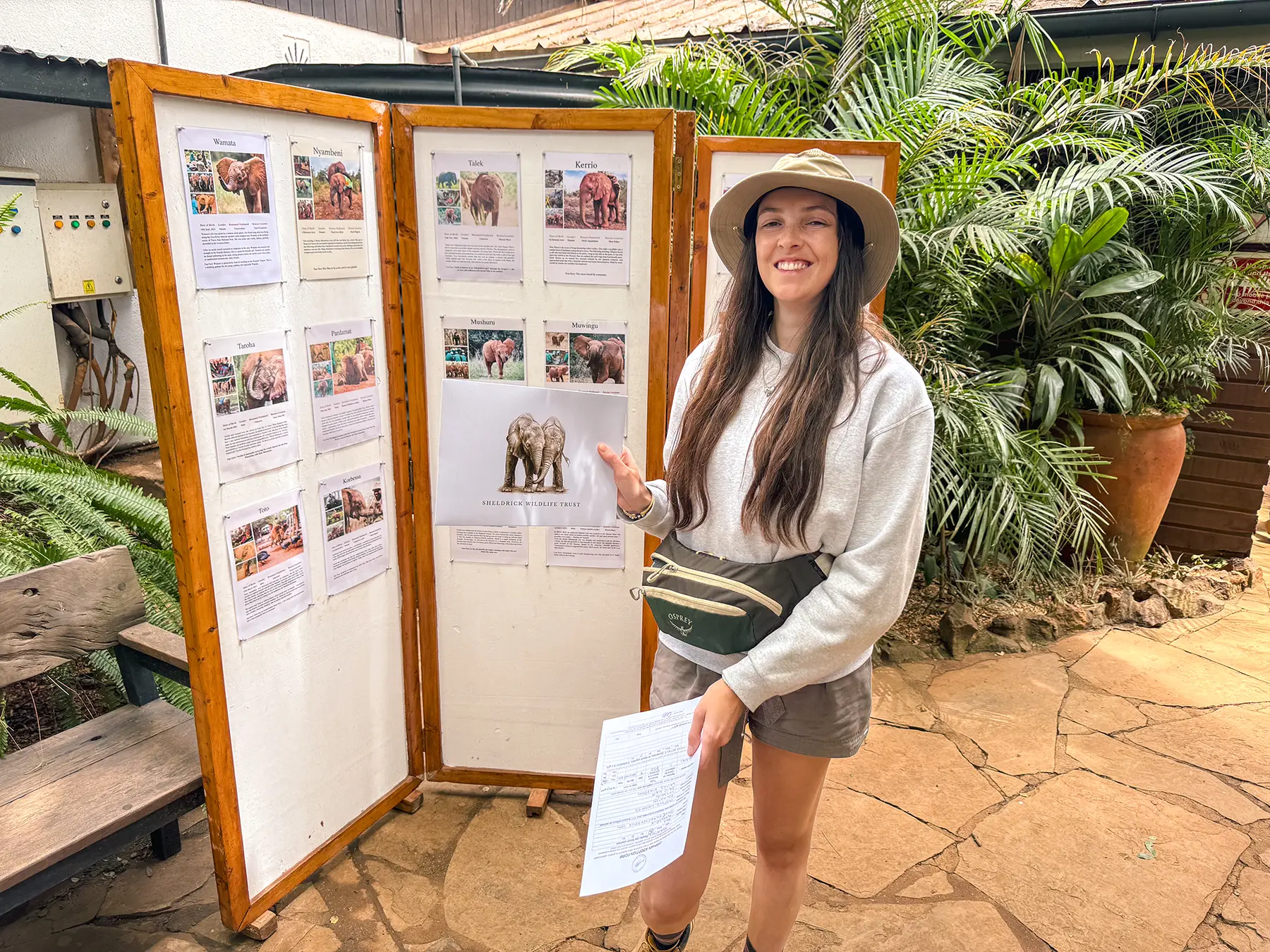
One of my favourite spots in Nairobi is the Sheldrick Wildlife Trust. This sanctuary rescues baby elephants from all over Kenya that have been orphaned by poaching or natural causes. The trust rehabilitates them with the goal of releasing every single one back into the wild.
Visitors can watch the young elephants being fed their milk bottles and then playing with one another in the bright red dust. Each little elephant clearly has its own personality; some are bold and confident while others are timid and even shy. If you become as enamoured with the baby elephants as I am, you can even ‘adopt’ one through a donation to the Trust, and you’ll receive regular updates on their progress. I adopted a female called Nyambeni.
The Sheldrick Wildlife trust opens daily at 11am, and you must pre-book your visit.
2. Go on Safari in Nairobi National Park
The small but rewarding Nairobi National Park is one of the only national parks in the world that is contained within a capital city. At 117 sq km it can easily be explored within one day, and if you can’t wait to get the safari started this is a great ‘warm-up’. The park offers the truly unique experience of looking at wildlife while skyscrapers tower in the background.
I recommend you book a guided tour via your safari company with pick-up and drop-off at your accommodation, rather than self-driving. A guide will help you spot wildlife that you might easily miss on your own.
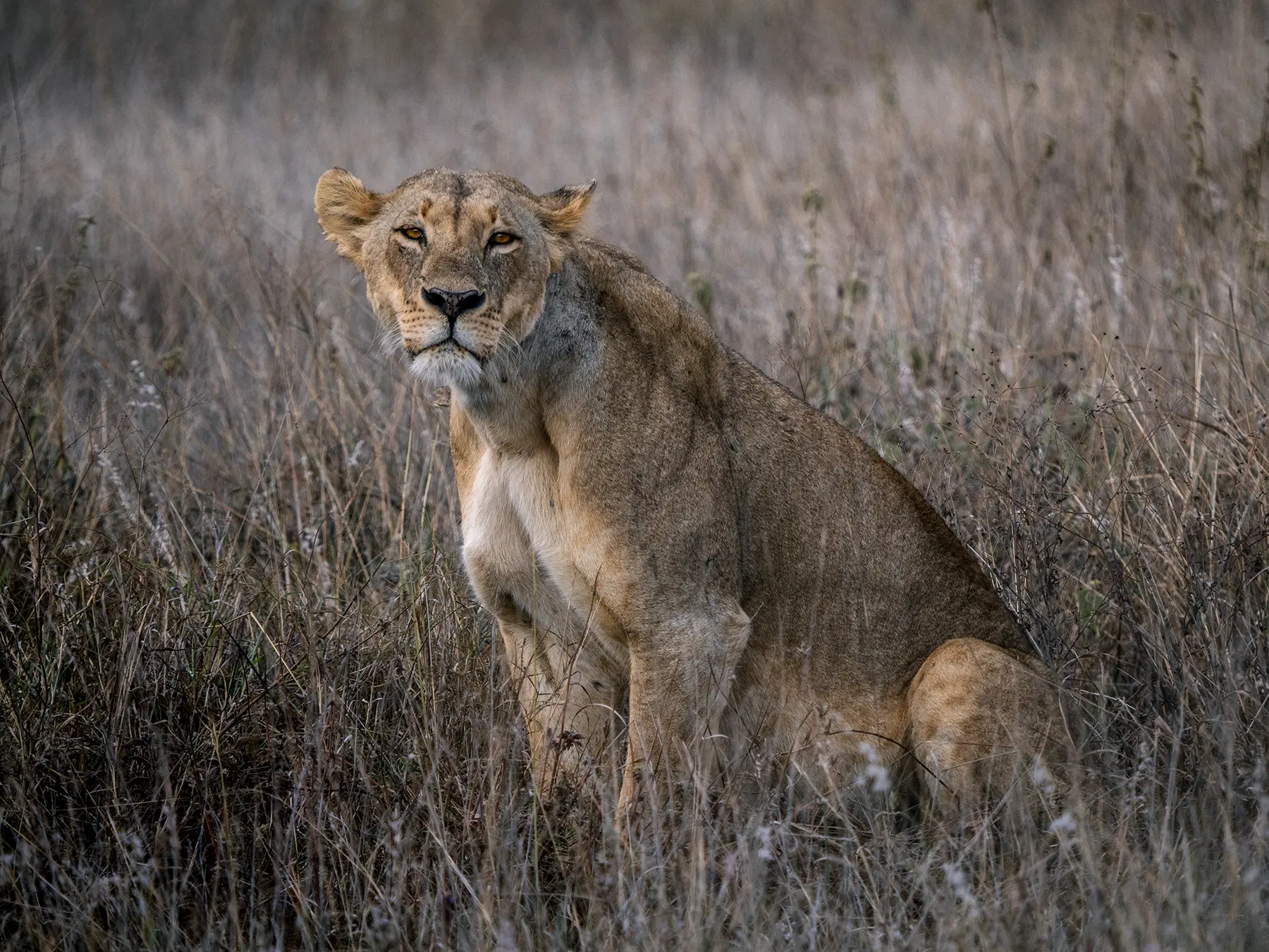
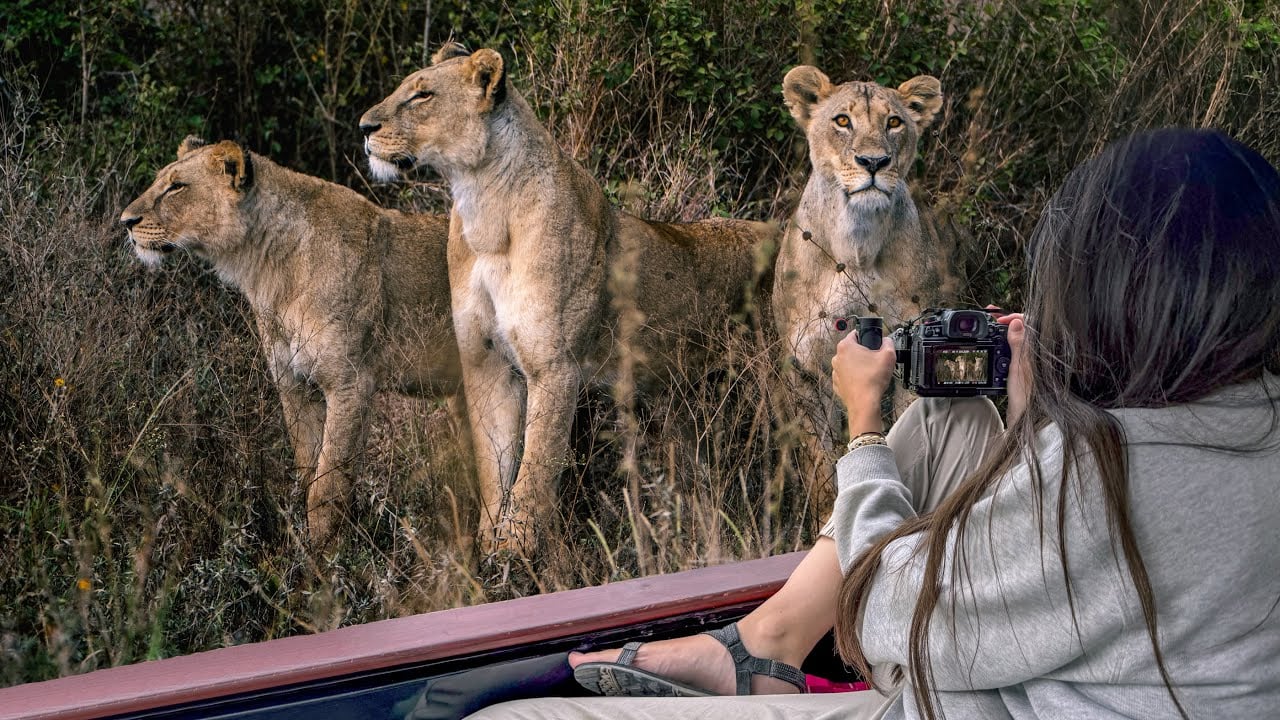
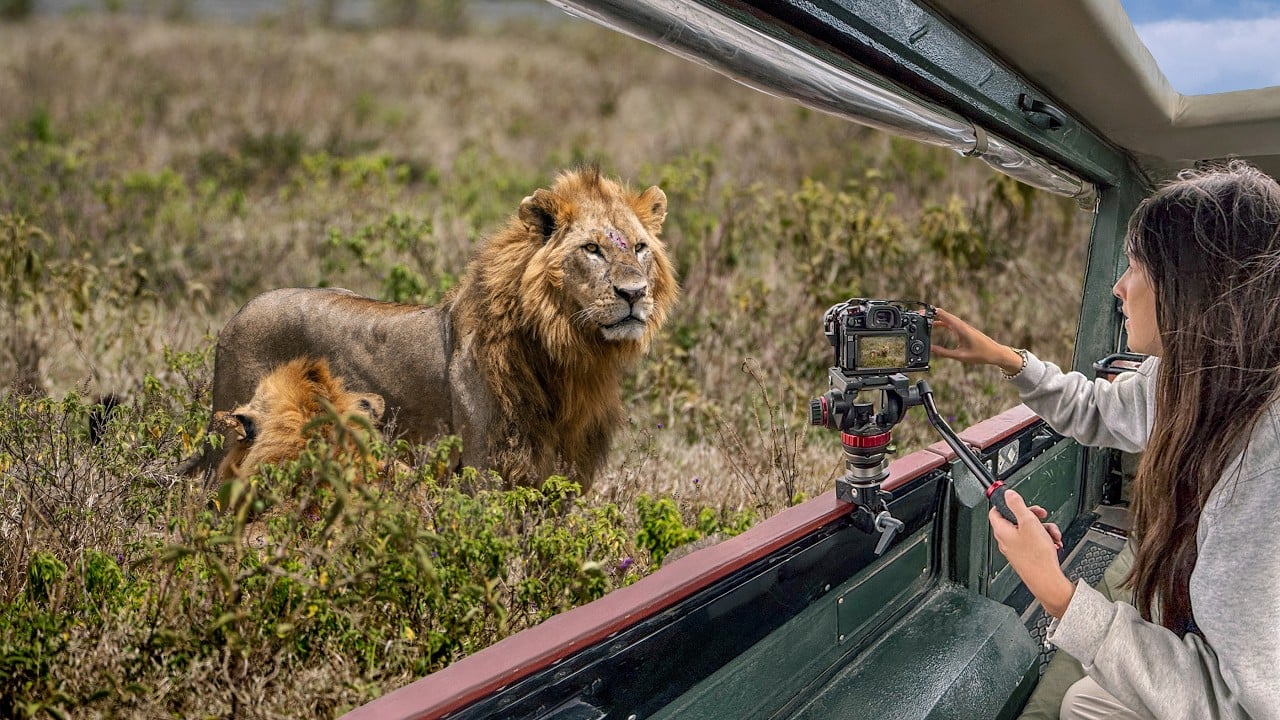
If you think that you won’t have any serious sightings because this reserve is in the middle of a city then think again! I had a fantastic lion sighting in Nairobi National Park. We came across a sleepy pride dozing on the grassy verge, and watched them for about an hour as other vehicles came and went, everyone hoping for some action.
Eventually, when we were the only vehicle left with the pride, the lions snapped into action. It was as if they had been waiting for the audience to thin. Lionesses began nuzzling one another, rubbing their heads together affectionately. A young cub even emerged from behind one of the larger females, blinking in the sunshine.
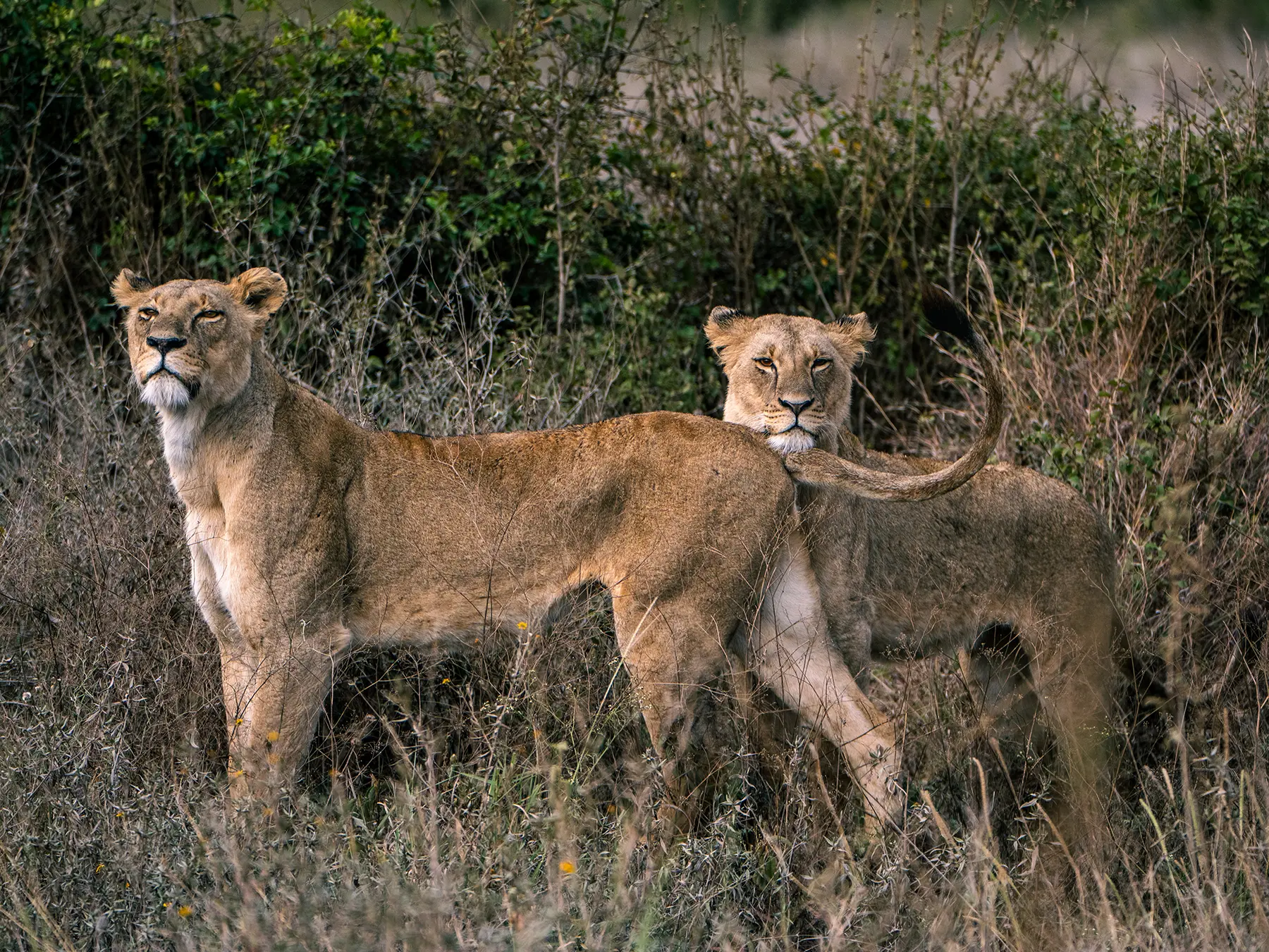
Suddenly the whole pride got to their feet and we watched them lope across the savannah, a burst of power and coordination. They ran towards the road and then walked along it for a while, before they vanished one by one into the dense vegetation on the other side.
This sighting was the perfect example of why patience pays off on safari. All the other vehicles had given up on these seemingly lazy lions, but we stayed, and were rewarded with an incredible display.
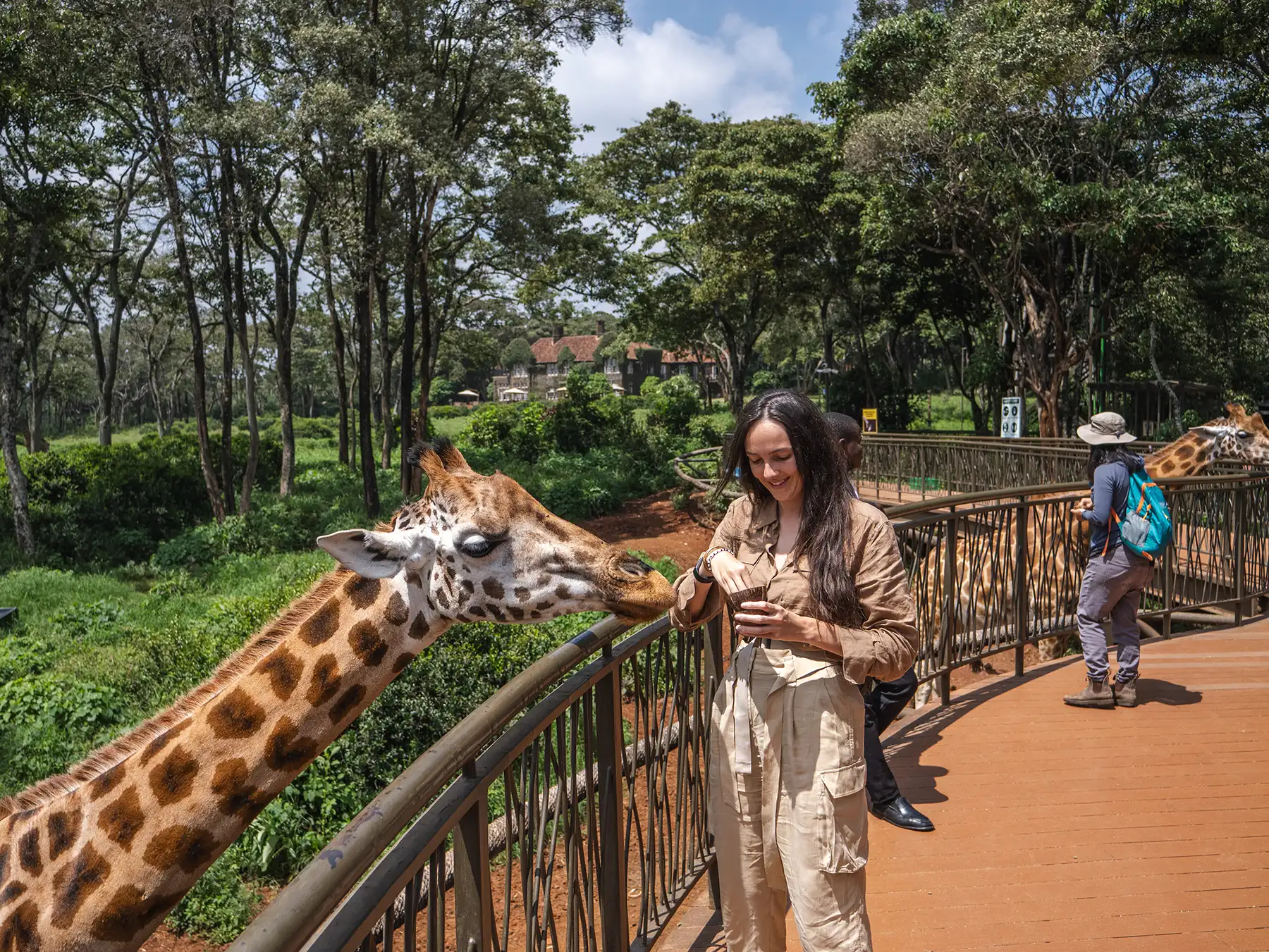
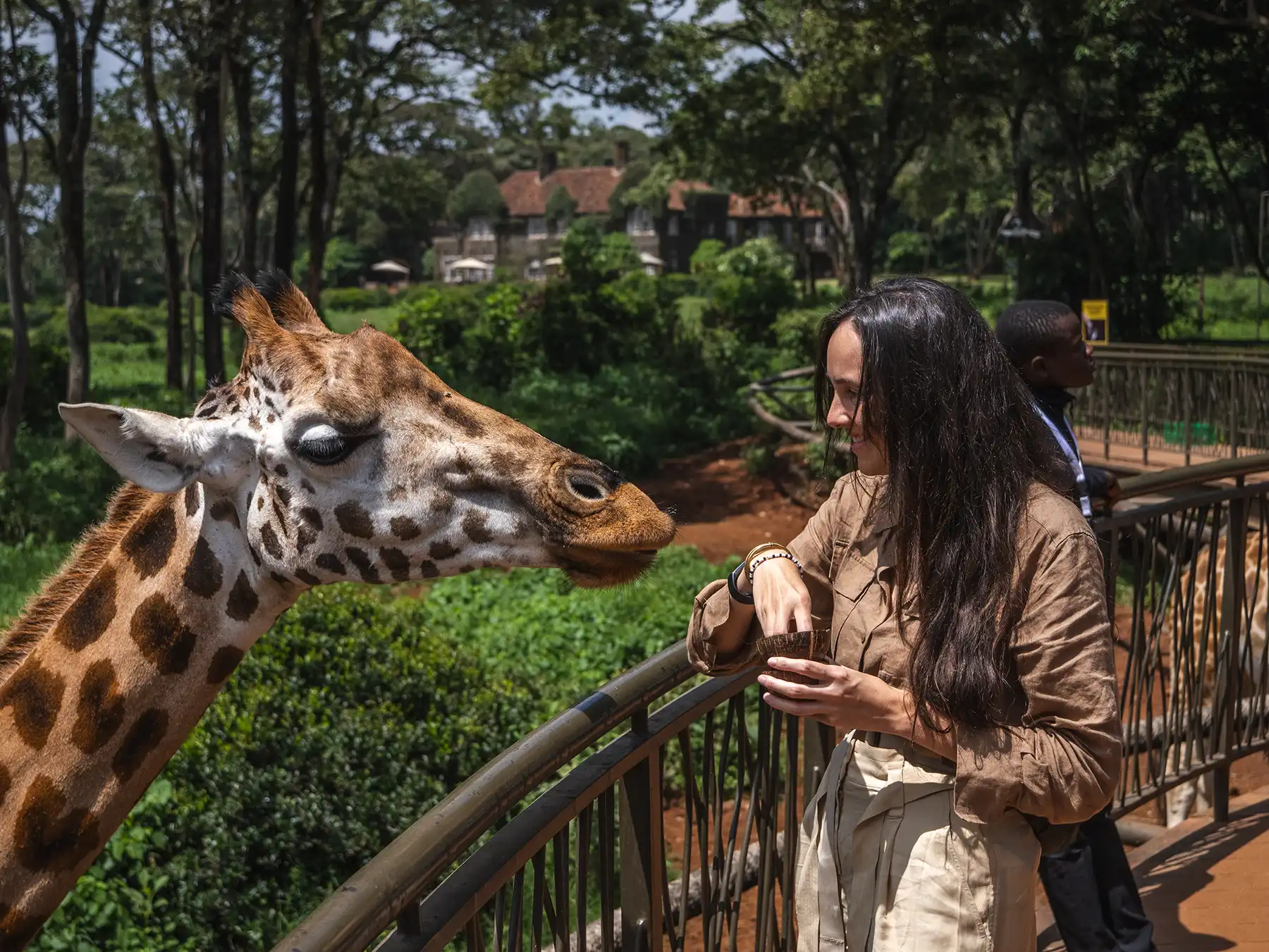
3. Hand-Feed Giraffes at the Giraffe Centre
The Giraffe Centre is close to the Karen district of Nairobi and supports conservation of the rare Rothschild giraffe. The highlight of visiting this sanctuary is getting to feed the giraffes – by hand! I am always hesitant to visit and recommend wildlife sanctuaries, because it can sometimes be challenging to tell genuine sanctuaries apart from places that function more like zoos. However, the Giraffe Centre is genuinely good and has successfully released rare Rothschild giraffes back into the wild.
The Giraffe Centre is actually part of Kenya’s famous Giraffe Manor, a grand hotel built in 1932 in the style of a Scottish hunting lodge. The giraffes you feed at the Giraffe Centre are the same ones that frequent the manor, and you can even see the manor building from the Centre.
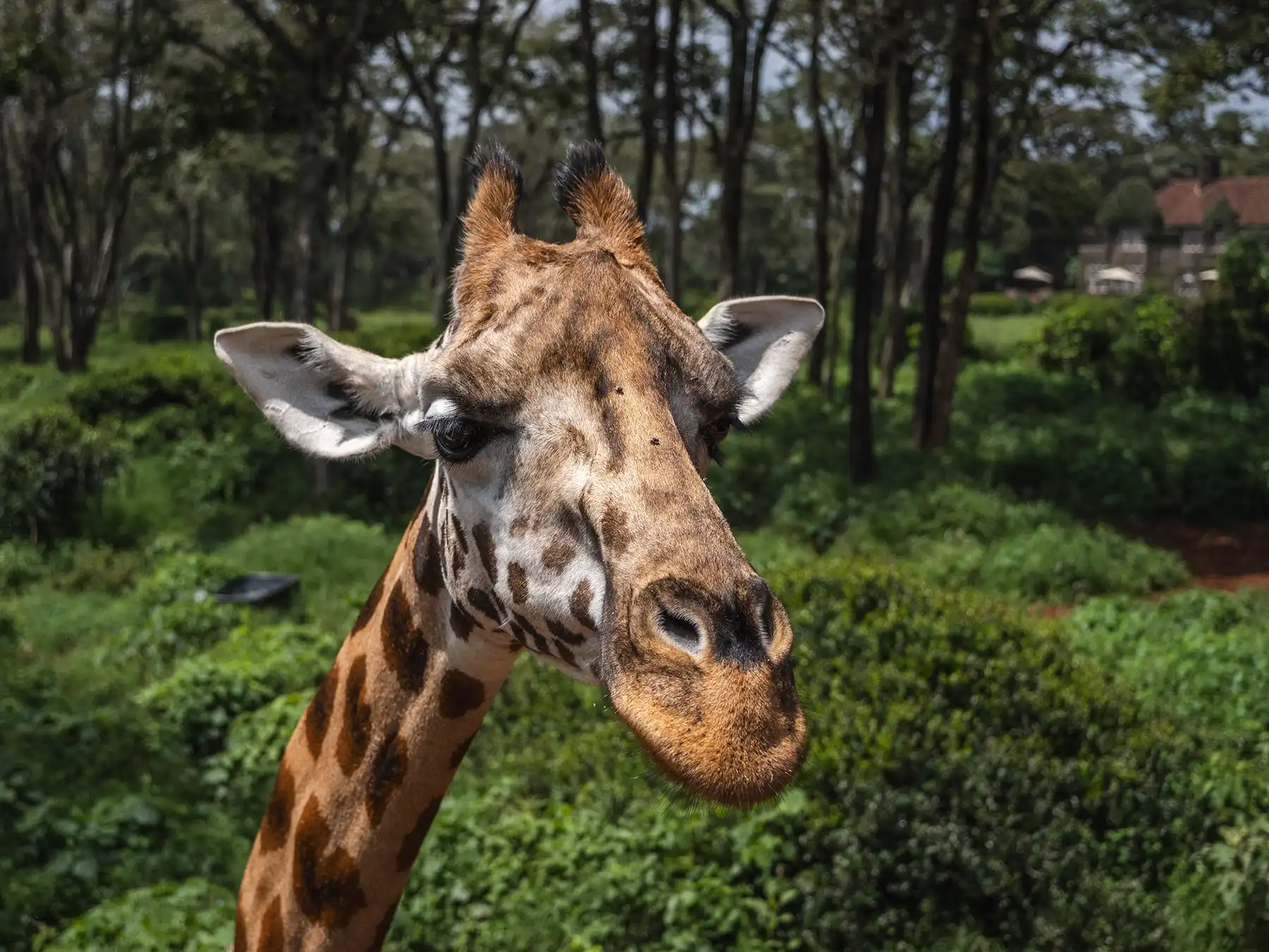
My top tip is to visit in the morning, as the giraffes are hungrier and so you will see more of them gathered on the viewing deck. After the morning feeding, fewer tend to hang around.
When you arrive you are given a small bowl of giraffe food. Most visitors are satisfied to feed the giraffes by hand, but now and then visitors even feed them with their own mouths! The giraffes don’t seem to mind this too much, although they can get a bit grumpy if you’re not quick enough in delivering their breakfast. One giraffe named Daisy has a reputation as a head-butter.
You won’t need more than an hour or two here, and there is a cafe and souvenir shop onsite.
4. Dine at One of Nairobi’s Excellent Restaurants
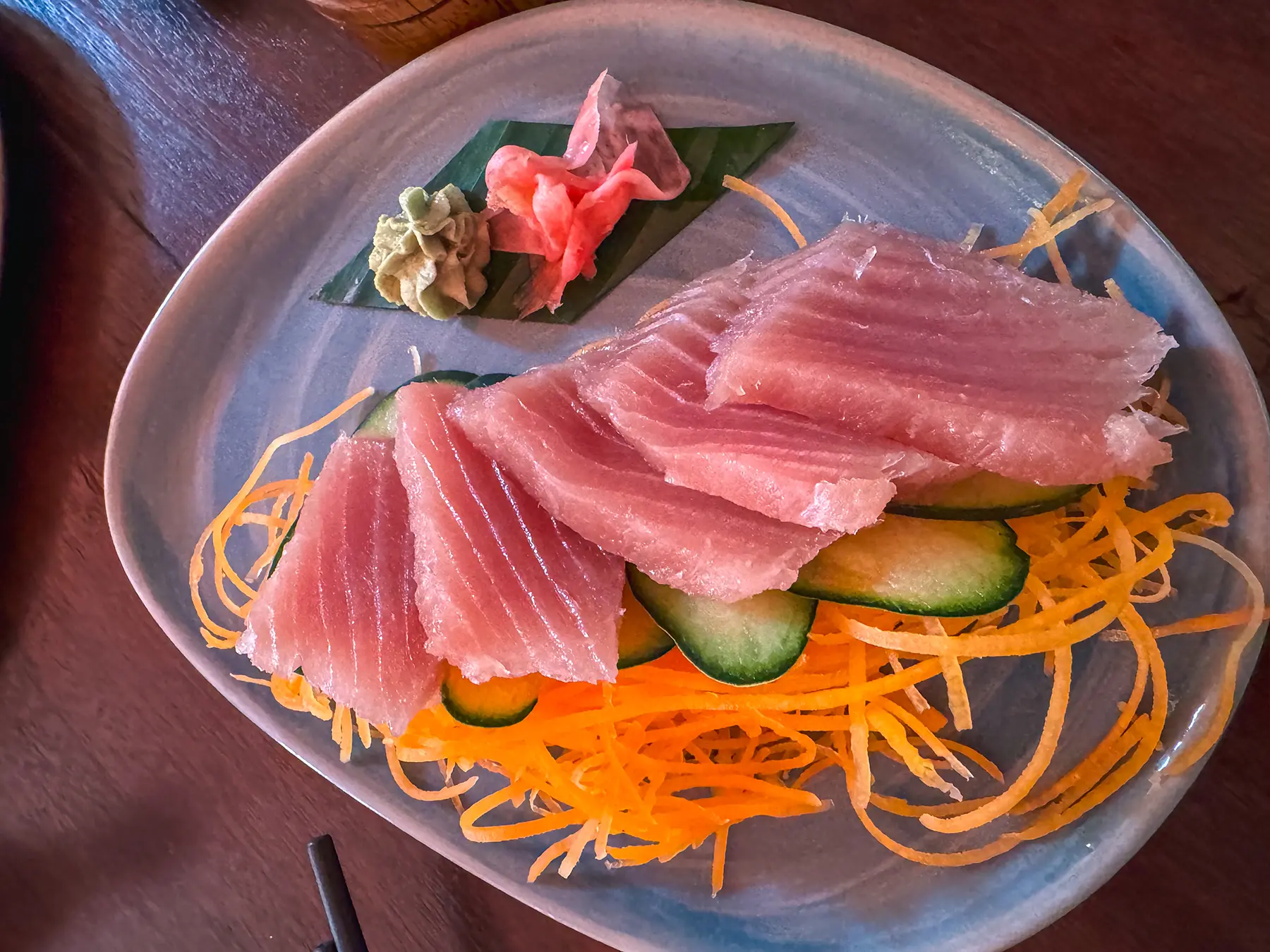
Nairobi has a number of excellent restaurants serving up everything from sushi to crocodile! Talisman in Karen is my top pick. They serve exceptional sushi and lamb koftas in a beautiful garden setting. I love it so much that I visit every time I’m in Nairobi.
The famous Carnivore Restaurant is a fun experience with a meat focus, as the name suggests. They have an all-you-can-eat concept where waiters bring various types of meat to your table on Maasai swords. The meats include crocodile, ostrich and more conventional options like lamb and beef. However, at around $30 per person it can feel a little pricey if you are not a big eater.
The Wine Shop serves great pizzas and had a more casual, relaxed vibe. It’s perfect for a lighter meal after a long day.
And finally, Uber Eats works brilliantly for evening deliveries, with no cash needed.
Tips for Visiting Nairobi
I had a fantastic time in Nairobi! Here are some quick practical tips.
- Night is the worst time to be on Nairobi’s roads. Drink driving and vehicles without headlamps are real problems after dark. For night airport transfers, always use a driver recommended by your accommodation.
- The city is extremely easy to get around thanks to Uber. Uber rides are very affordable, often at just a few dollars for a 15 minute journey.
- Use Uber even for short distances rather than walking, to avoid being hassled by street vendors trying to sell their wares.
- For longer drives, especially at night, I recommend using a taxi driver recommended by your accommodation. They are easier to vet than Uber drivers and generally drive more cautiously. Driving at night in Nairobi can be hair-raising, due to the unpredictable driving of others on the roads, so rather play it safe with a recommended, vetted driver.
- As in any major city, keep your jewellery and valuables out of sight when walking around the city. Generally Nairobi is very safe, but, like everywhere, there are occasional incidents of opportunistic crime.
- I recommend staying in one of the leafy suburbs like Karen or Loresho, as these are quieter and more peaceful than the city centre.
Where to Stay
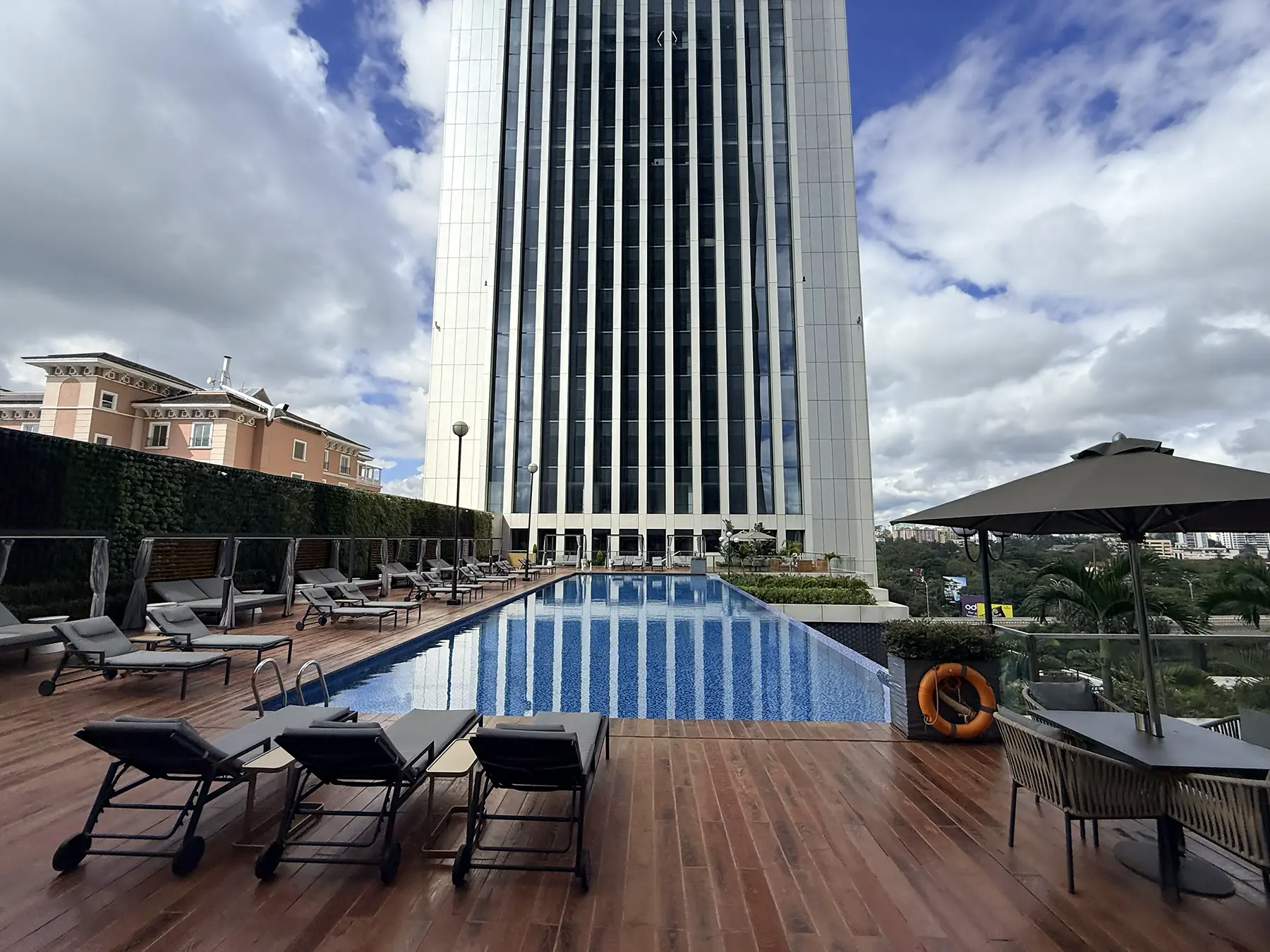
Broadly speaking, there are two main options for accommodation in Nairobi. The first is to stay in the area called Westlands, where you’ll find most of the upmarket hotels. The second option is to stay in one of the leafy, tranquil suburbs on the periphery of the city. Both Westlands and the suburbs are safe, peaceful and convenient.
As for the suburbs, I like Karen best. It felt very safe and peaceful to me and has the best selection of restaurants and shopping. The local shopping mall, The Hub, has everything you might need if you discover you’ve left anything essential back home.
Loresho is also very pleasant and has a number of really good restaurants and cafes. It is a quieter area but is still well connected to the rest of the city.
Accommodation options in these areas often work with specific taxi drivers, who they have vetted and know well. We used the recommended driver from our accommodation in Karen, Dawn Chorus, for a trip into central Nairobi. He was an excellent, safe driver and extremely friendly. Chatting to him actually made being stuck in traffic for hours quite pleasant.
My Experience Visiting Nairobi
Given Nairobi’s rough-around-the-edges reputation, I was somewhat apprehensive about spending time there. I ended up loving it though!
Karen, Loresho and Westlands felt very safe, and getting around the city with Uber was extremely easy.
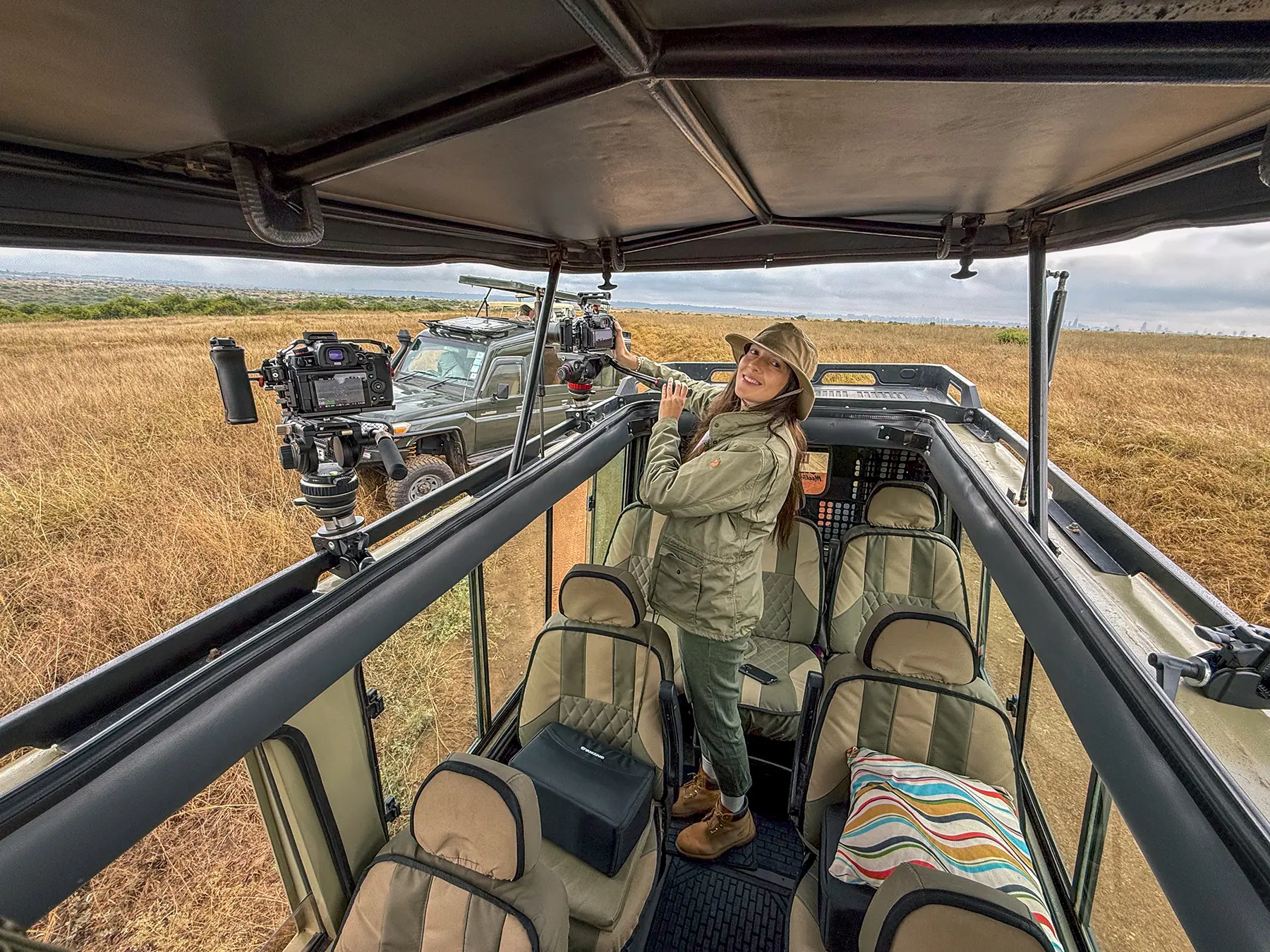
I was so impressed with the range of activities and attractions accessible to visitors right within the city. Hand-feeding the regal resident giraffes at the Giraffe Centre was an unforgettable experience. They have velvety soft noses, just like horses, and are so gentle. The baby elephants at the Sheldrick Wildlife Trust were adorable, and I was so moved by my visit that I decided to ‘adopt’ one. Her name is Nyambeni.
A truly surprising sighting I had in Nairobi National Park was coming across a herd of white rhinos, including five females. A huge bull rhino approached the group of females and one of them charged him!
I also saw plenty of impalas, gazelles, elands, zebras, giraffes and an adorable spotted leopard tortoise.
You can watch a video of my experience visiting Nairobi National Park below.
Day 2: Lake Nakuru National Park
Drive Time (Excluding Game Drives): 3 hours
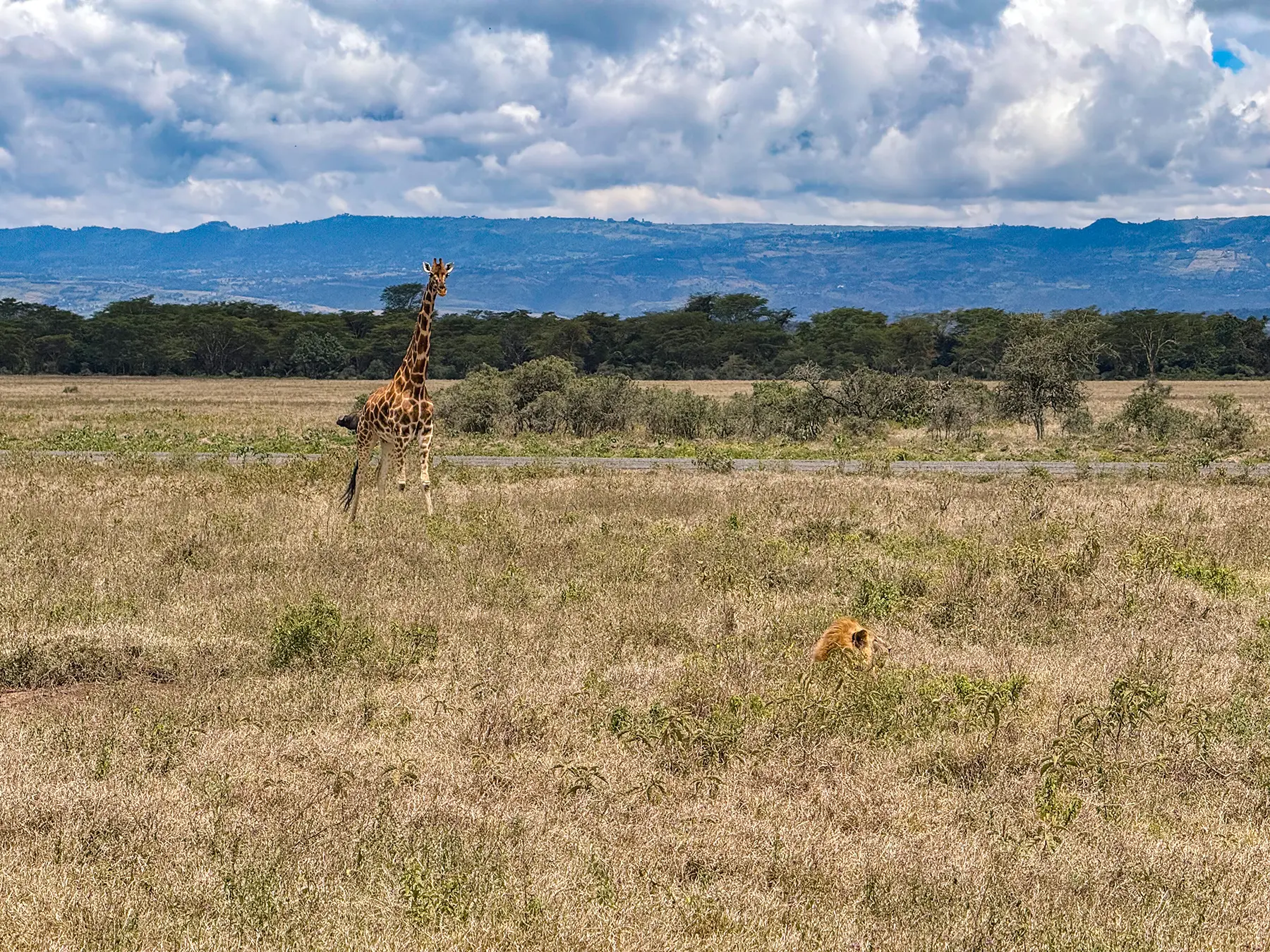
This is the day your safari begins in earnest, and I can’t think of a better way to start it than in Kenya’s Great Rift Valley! Nestled in this verdant landscape you’ll find Lake Nakuru National Park, a compact but wildlife-rich park that is famous for its flamingo populations and excellent rhino sightings.
Your visit to this park comes with good odds of seeing both black and white rhinos, as well as lions, leopards and diverse birdlife. It is one of the most biodiverse of Kenya’s Great Lakes, with over 450 bird species and over 50 mammal species present.
Itinerary
You’ll set off early on your drive from Nairobi to Lake Nakuru. This takes approximately 2.5 to 3 hours on the A104/A8 highway, which is a fully paved tarmac road. The highway is currently being upgraded from a 2-lane to a 4-6-lane carriageway, so construction may cause some delays.
I recommend setting off early, around 7am, to beat Nairobi’s traffic and to arrive with plenty of time for a morning game drive.
Once you arrive at the park gates, your game driving begins straight away! The park’s landscape is varied, with rolling savannah, dense acacia forests and the shores of the highly alkaline lake.
As you drive across the rolling savannah, watch out for the park’s famous protected black and white rhinos, which can be found here all year round.
You’ll head to your lodge for lunch before setting out again on an afternoon game drive.
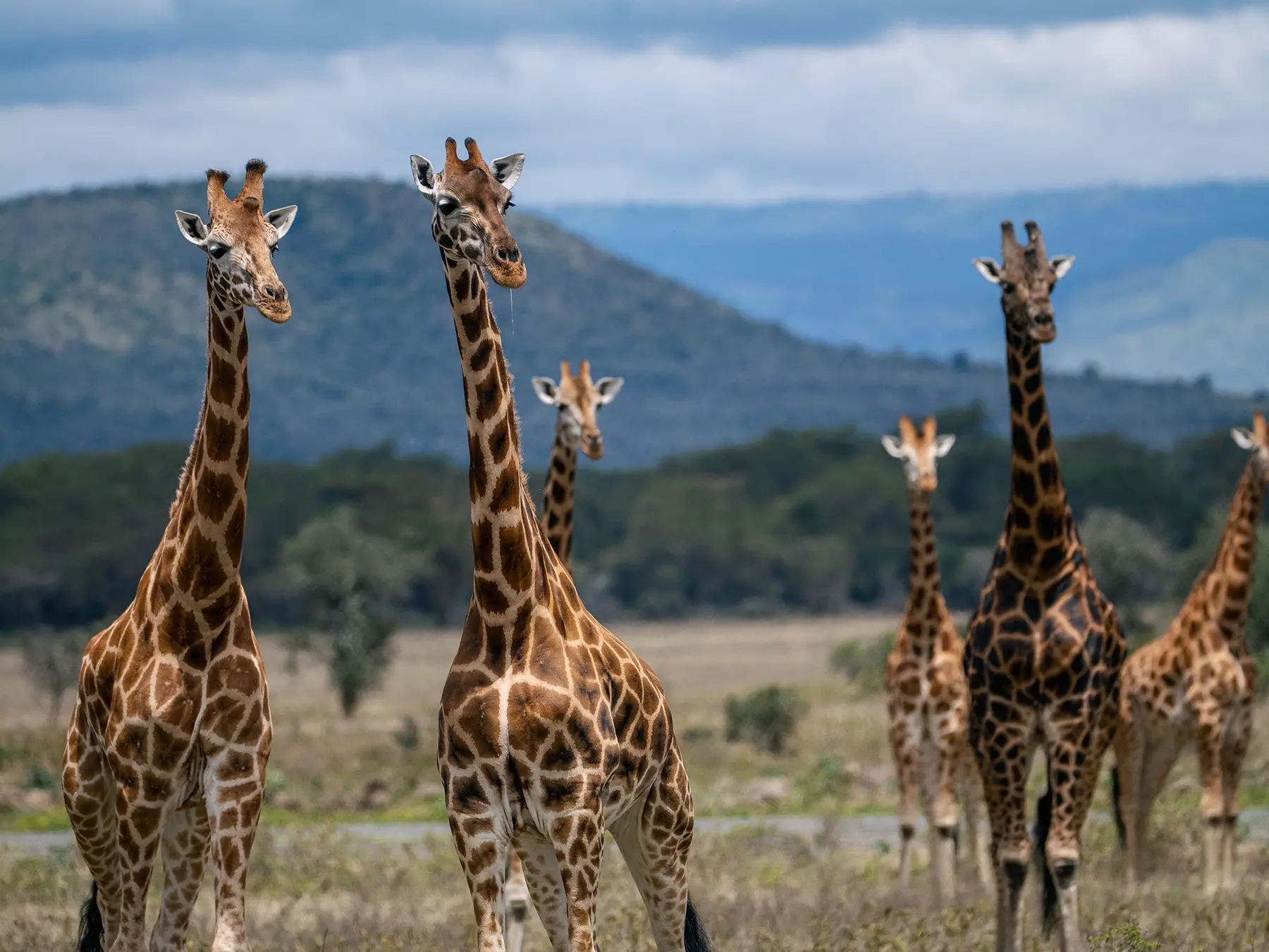
Keep an eye out for leopards prowling through the woodland and lions lazing in the long grass. At the shores of the lake itself, see if you can spot some hippos wallowing in the cool water. And don’t forget to look for the bright pink flamingos for which the park is best known!
About Lake Nakuru National Park
Lake Nakuru is one of the most famous alkaline, or ‘soda’, lakes in the Great Rift Valley and is known for its huge flocks of bright pink flamingos.
These can be seen in their hundreds of thousands feeding in the algae-rich waters. Rising water levels due to climate change have affected the alkalinity of the lake, which in turn has led to the decline of flamingo populations over the last few decades.
Some of the flamingos have migrated to Lake Bogoria, also in the Rift Valley. Even so, at Lake Nakuru, the flamingos can usually be seen year-round, with the best sightings between July and September or December and February.
The other main highlight of the Lake Nakuru National Park is its strictly monitored rhino population.
The park was established as the first ever rhino sanctuary in Kenya, and started with just 2 rhinos in 1984. Now there are over 150 resident rhinos within the bounds of the 3-metre high fence erected around the perimeter of the whole park.
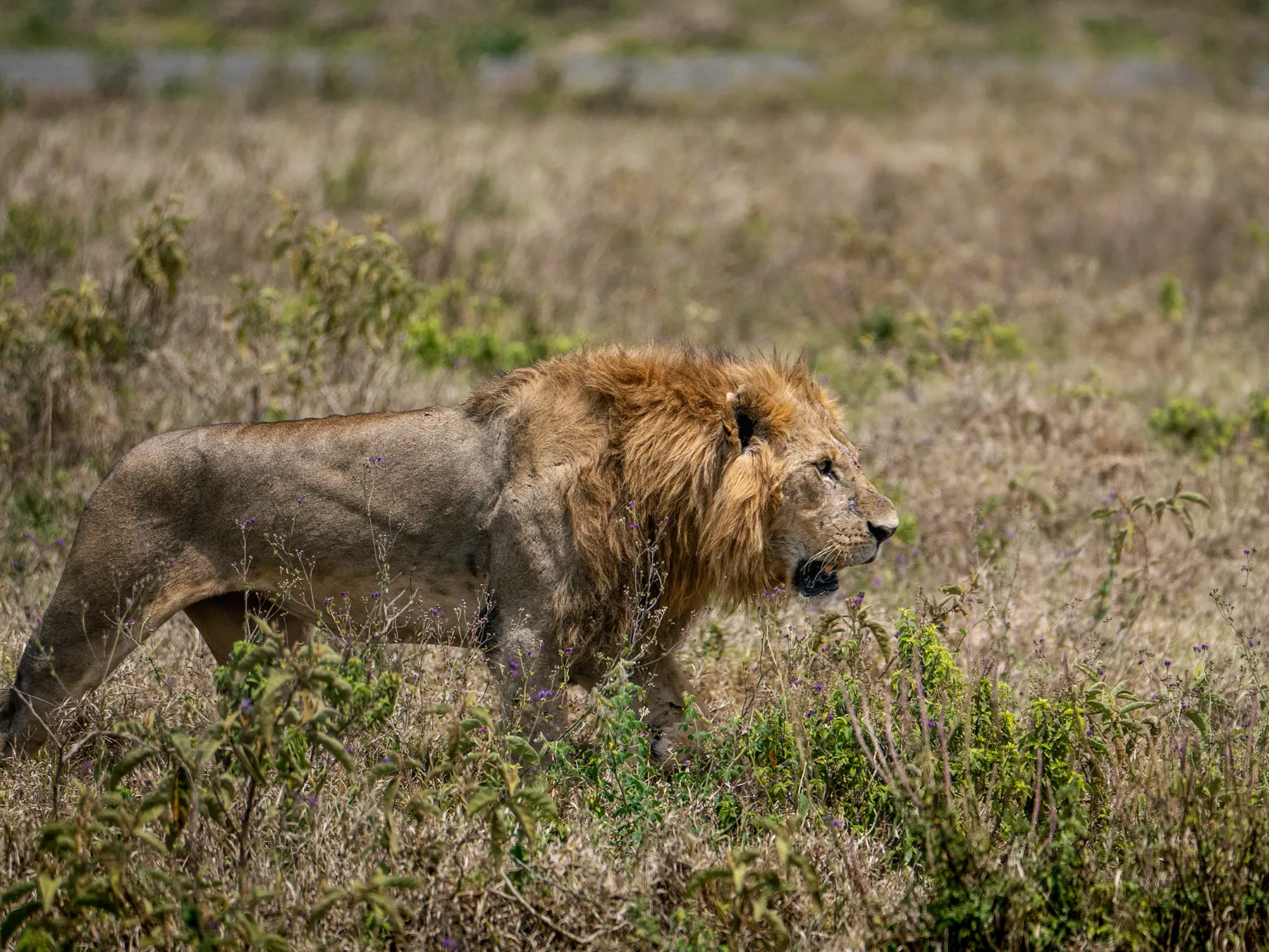
Four of the Big Five can be found here: lions, leopards, rhinos and buffalo. There are no elephants in the park.
There are a number of panoramic viewpoints worth stopping at. My personal favourite is Baboon Cliff, on the northwestern shore of the lake.
What Wildlife Can I see in Lake Nakuru National Park?
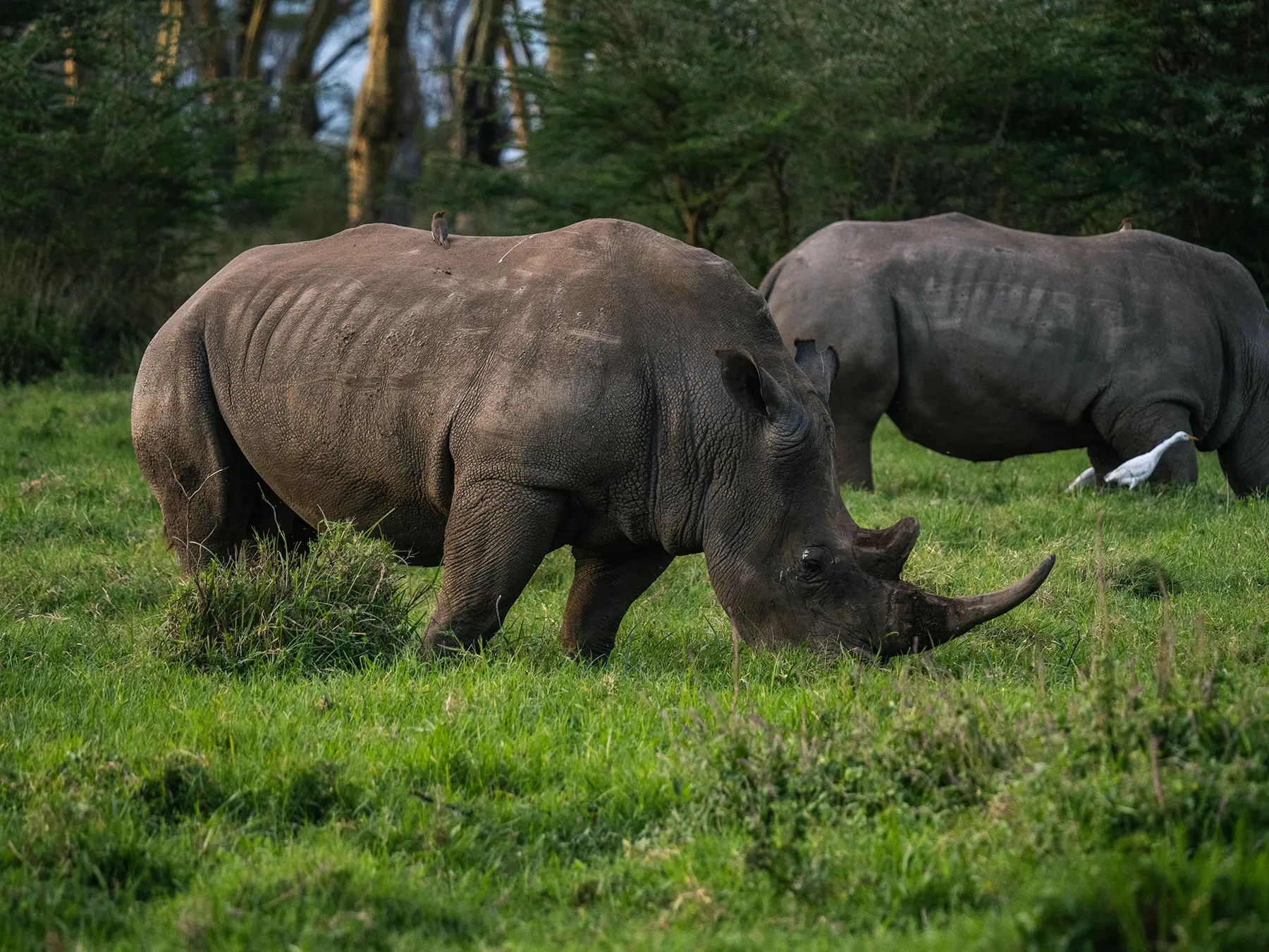
Lake Nakuru National Park has two magnificent jewels in its crown: first of all, it has robust populations of both black and white rhinos. In fact, this is one of the best places in Kenya to see both kinds, with over 150 rhinos in the sanctuary.
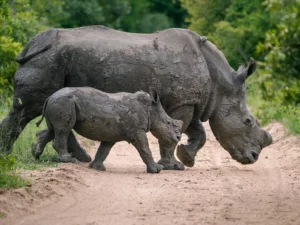
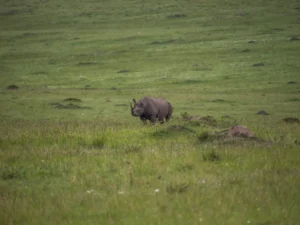
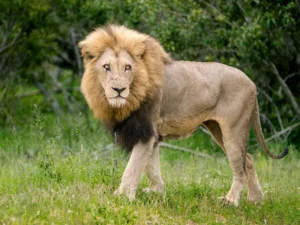
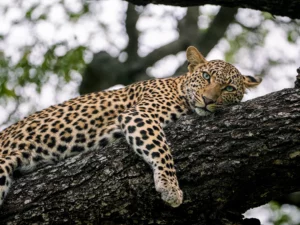
Secondly, the park is world-renowned for its flamingos, with vast pink flocks feeding on the alkaline shores of the lake day in and day out (although numbers have declined in recent years due to rising water levels).
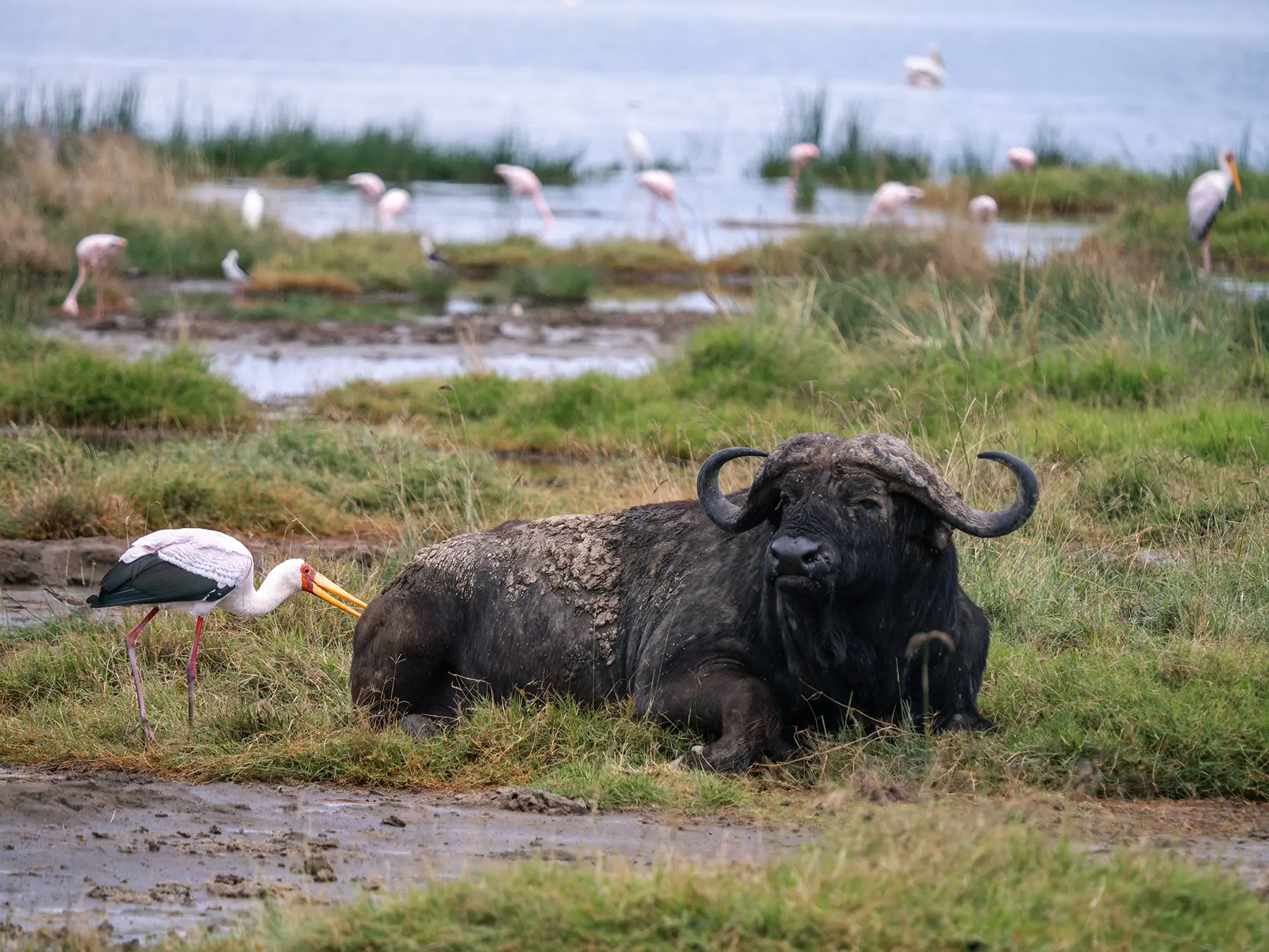
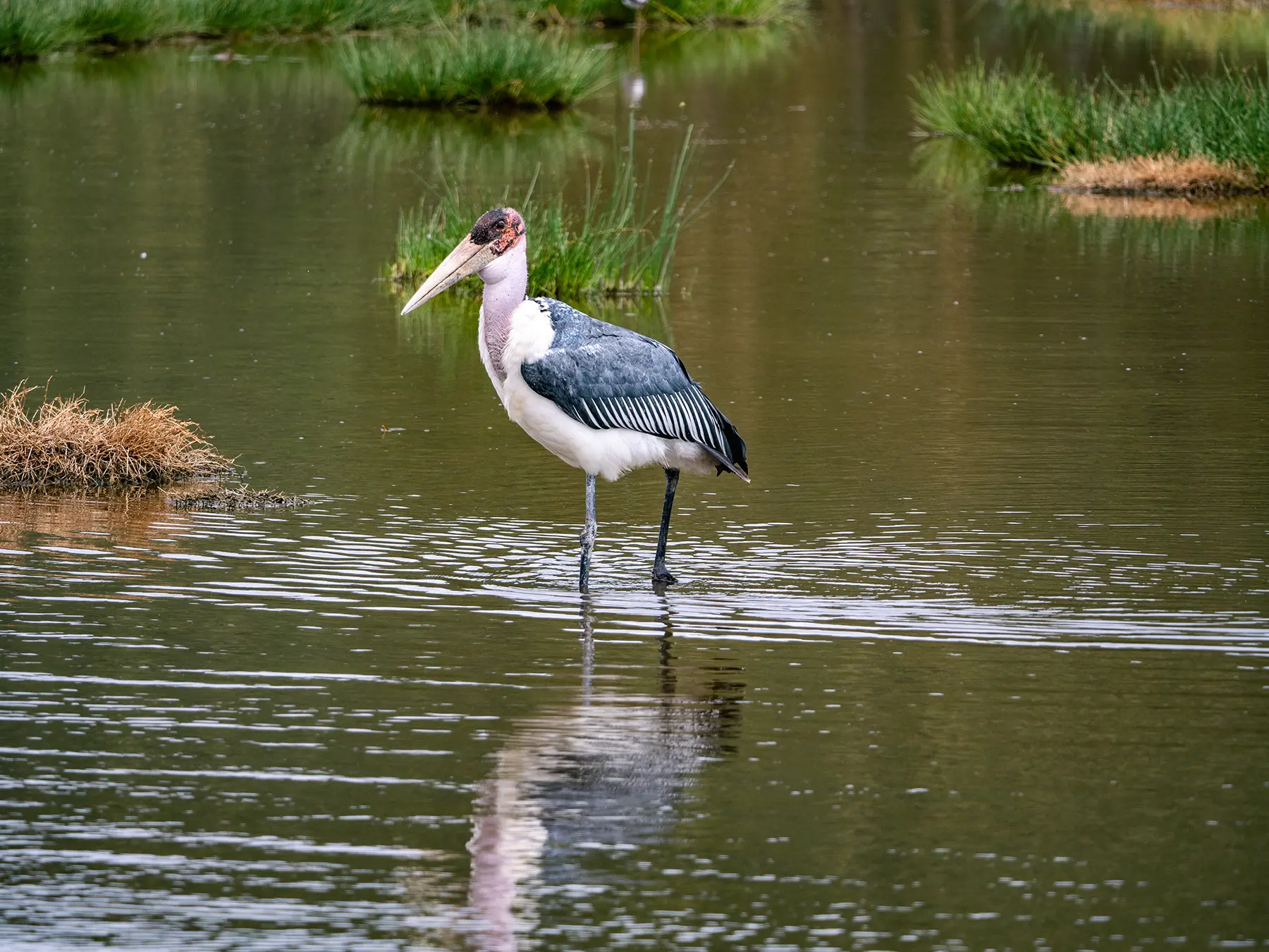
In addition to the spectacle of the flamingos and the rarity of the rhinos, the park boasts populations of leopards, lions, rare Rothschild giraffes, buffalo and waterbuck, with over 450 bird species including pelicans, cormorants and fish eagles.
Tips for Visiting Lake Nakuru National Park
Here are my top tips for travelling to Lake Nakuru!
- Construction related to the highway’s upgrade from 2 lanes to 4-6 lanes may cause some delays, so plan your drive with a little extra time.
- For the best panoramic views of the lake and park, make your way to Baboon Cliff on the northwestern shore.
- Flamingos are best spotted in the dry season
- As it’s close to Nairobi, the park can get busy at weekends so better to visit during the week where possible.
- Black rhinos are easier seen in the rainy season when they come out into the open as there is more vegetation to eat.
Where to Stay in Lake Nakuru National Park
There are budget, mid-range and luxury accommodation options in and around Lake Nakuru National Park
The main decision you’ll need to make about your accommodation in general is whether you stay inside the park or just outside its gates.
Staying inside the park means you can begin your morning game drives as soon as you roll out of bed, without needing to pass through the park gates first.
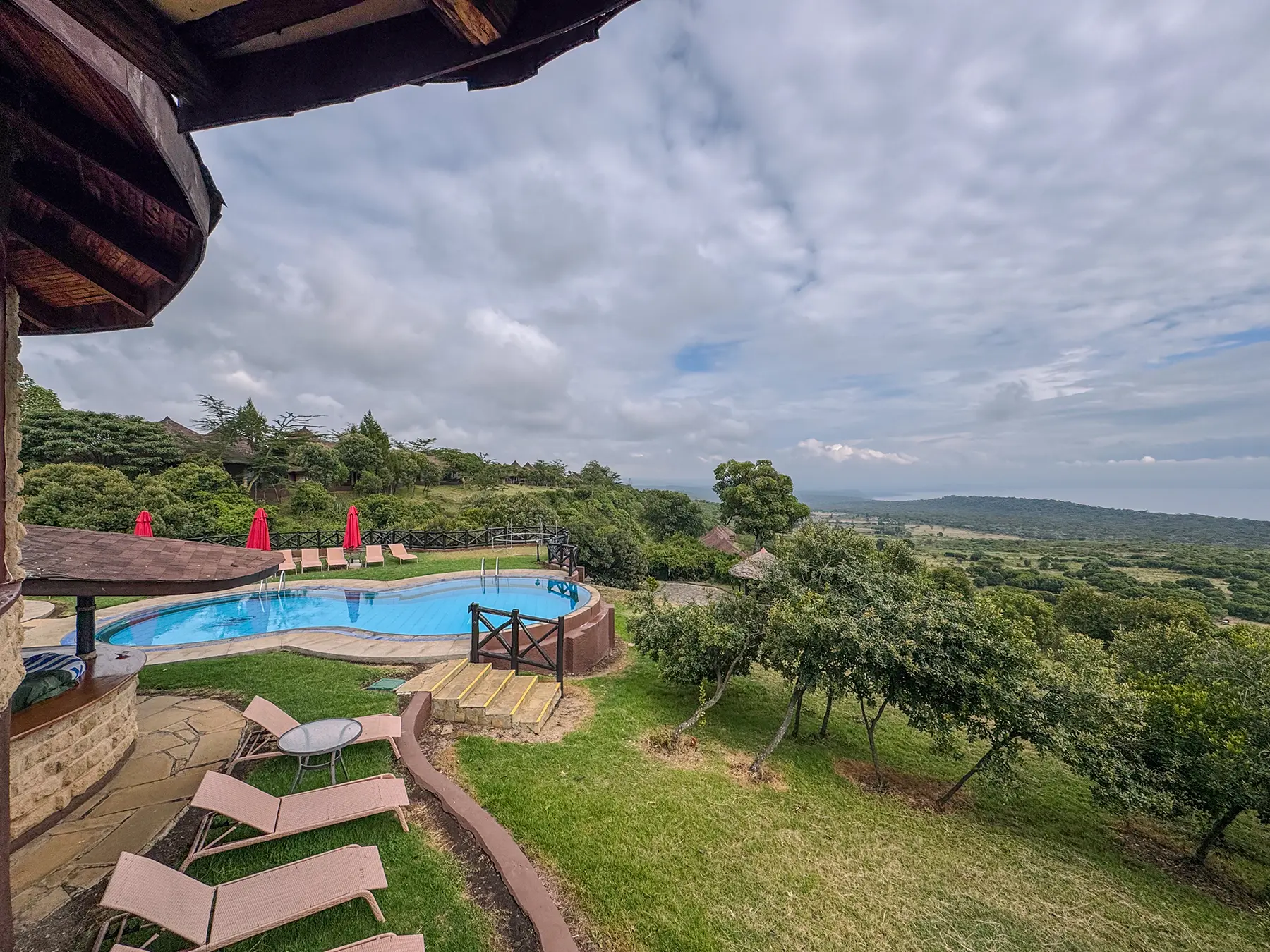
Accommodation within the park can be pricey compared to accommodation outside the gates, but a solid option is Sarova Lion Hill Game Lodge.
If you opt to stay outside the gates you’ll have more affordable options while still being conveniently located.
My Experience of Lake Nakuru National Park
Lake Nakuru National Park has some of the most beautiful scenery of any national park in Kenya. The lake itself is framed by forested hills and the combination of water, grassland and woodland creates a stunning mosaic of habitats.
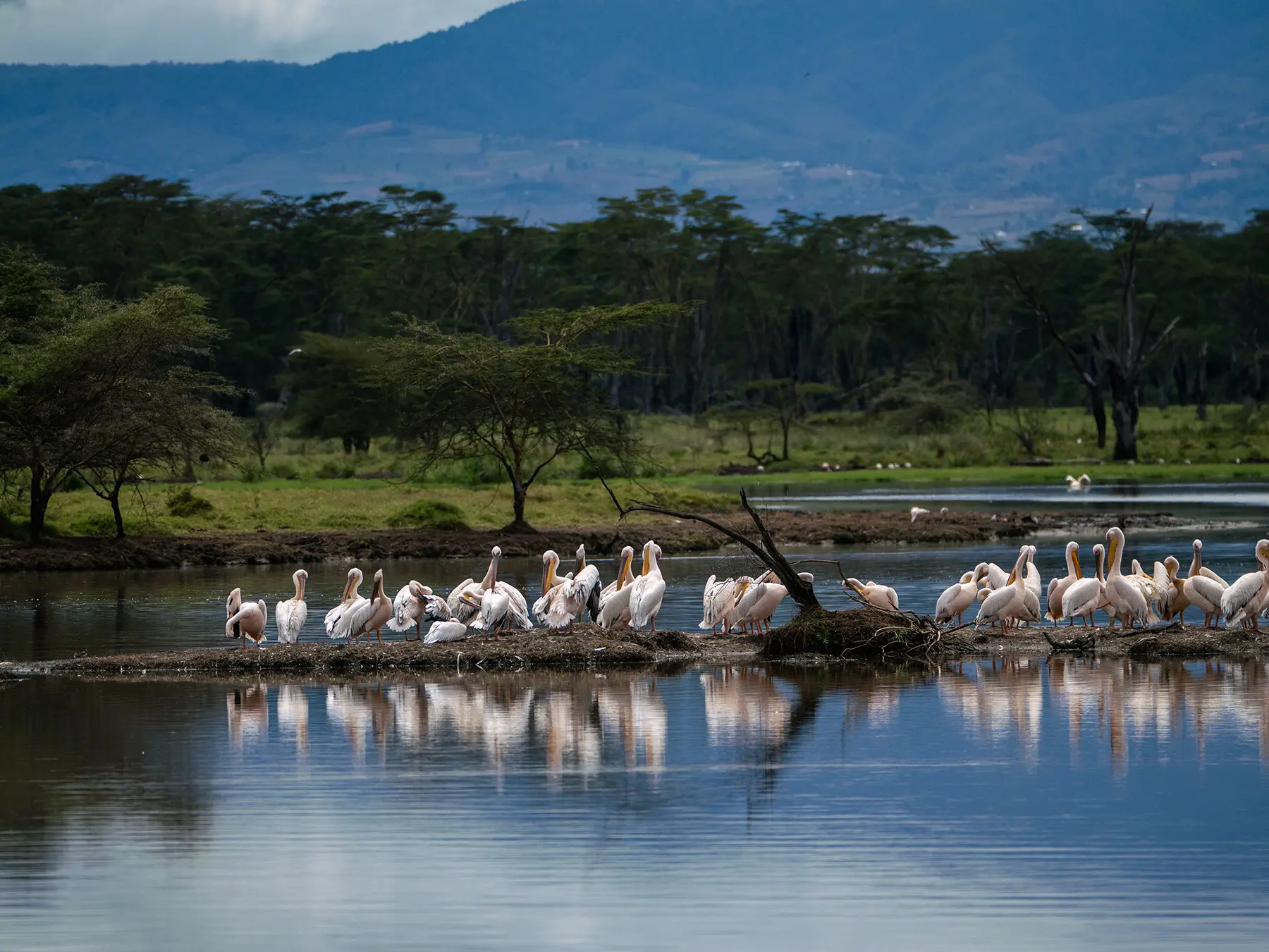
I was blown away by the richness of the birdlife, with pelicans, cormorants, herons, storks and flamingos all in abundance. Aside from the almost luminous flamingos reflected in the lake’s still waters, we saw pelicans gliding across the water in small groups, their enormous bills dipping in unison as they fished.
Cormorants were perched on dead branches with their wings spread out to dry. Herons stood motionless in the shallows, patient as statues, waiting to catch their dinner of fresh fish.
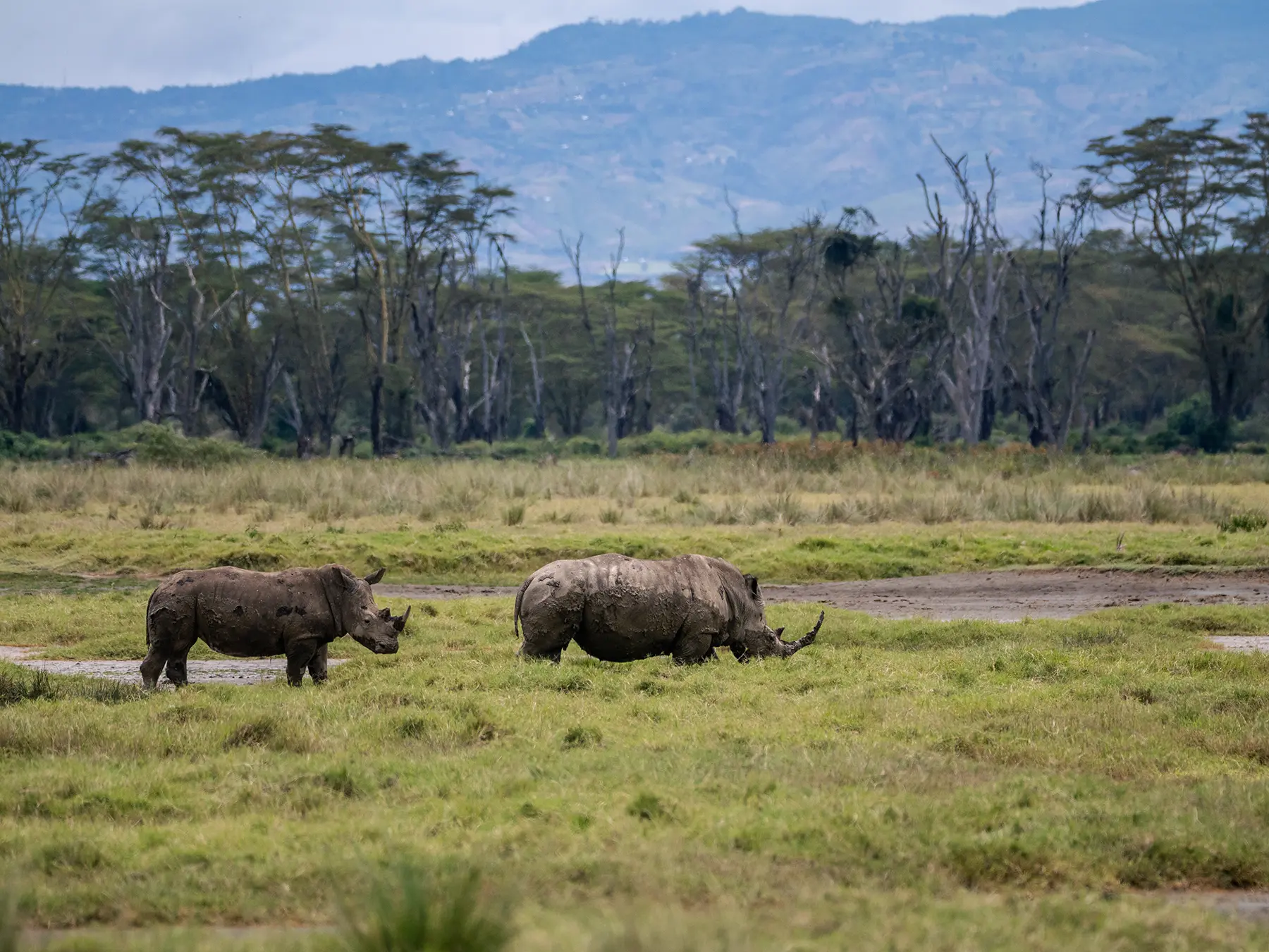
Then, I was extremely grateful for not one but two incredible white rhino sightings in Lake Nakuru National Park. In the first, we saw two females sleeping near the lake. They didn’t pay us too much attention when we arrived, but after a while they hauled themselves to their feet and marched purposefully towards the forest. Their enormous bodies were surprisingly nimble.
The second sighting was even better and took place just before sunset, the golden light painting everything in warm tones. More white rhinos than I could count were grazing in the forest clearing, and even had a young calf with them. The calf stayed close to its mother, occasionally rubbing its small horn against her flank.
It was so magical to see such a large number of these endangered animals in one place. Rhinos have come incredibly close to extinction, so seeing this many together gave me genuine hope for the species. It was profoundly moving.
If you’re visiting Lake Nakuru in a rainy season, I highly recommend a detour to Makalia Falls, in the south of the reserve. The drive there takes you through beautiful forest scenery with glimpses of the lake through the trees.
I was able to get out of the car at Makalia Falls and walk to a viewing point which gave me a different perspective from what you’re normally able to achieve when you are confined to the safari vehicle. It felt wonderful to stretch my legs after the drive and feel the cool spray on my face.
You can watch a video of my experience visiting Lake Nakuru and Lake Naivasha below.
Day 3: Ol Pejeta Conservancy
Drive Time (Excluding Game Drives): 4 hours
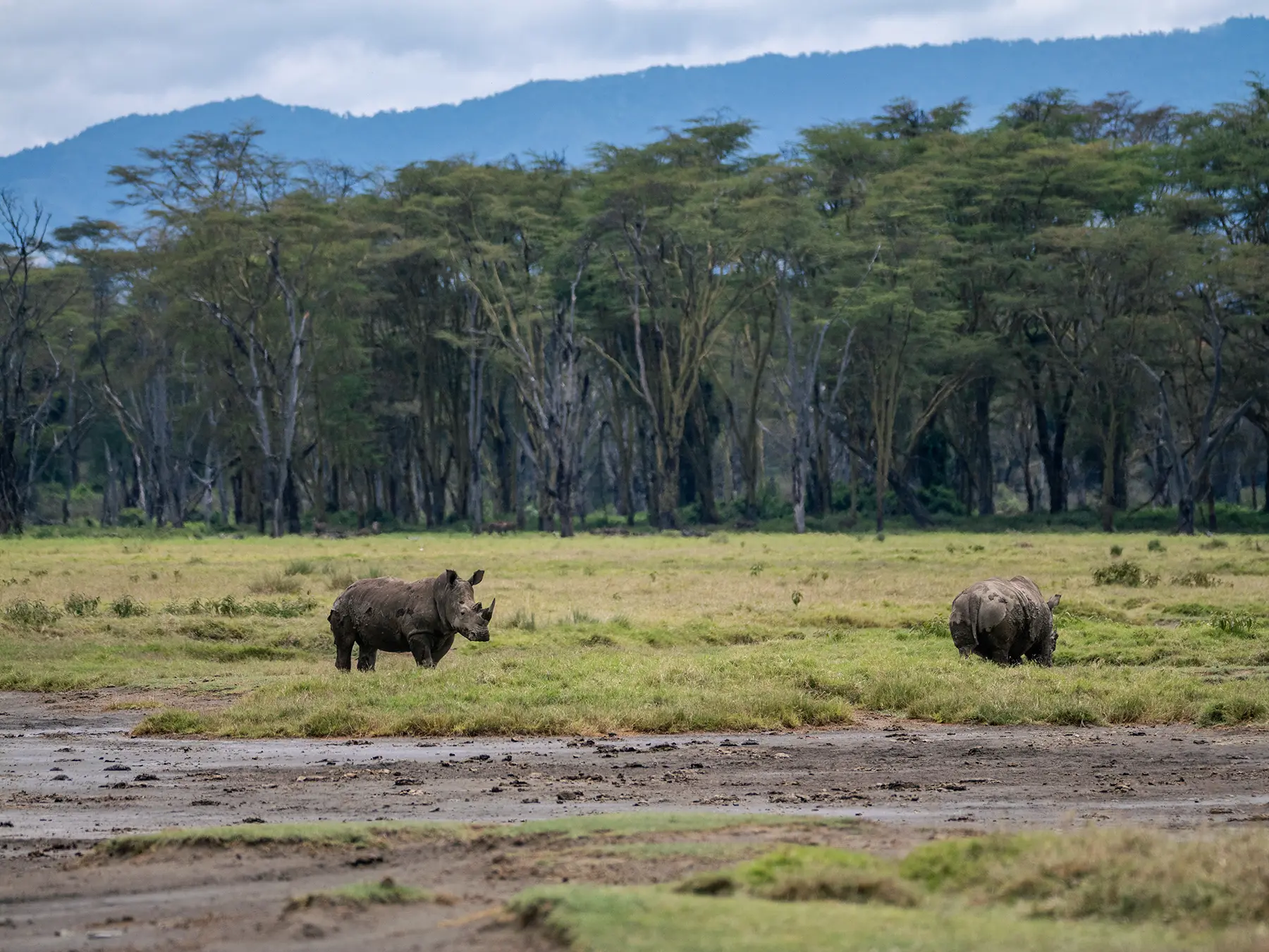
This private conservancy in central Kenya is the largest sanctuary specifically for black rhinos in East Africa. Ol Pejeta is also home to the last two northern white rhinos in the world.
Despite being one of the closest safari parks to Nairobi, Ol Pejeta is much less crowded than other parks.
Mount Kenya can often be seen looming in the distance, providing a dramatic backdrop to game drives.
Itinerary
Ol Pejeta is about 4 hours’ drive from Lake Nakuru, so if you set out in the morning you will arrive just in time for lunch at your accommodation. After lunch, you can spend the afternoon exploring Ol Pejeta and discovering all this fascinating conservancy has to offer.
In addition to game drives, some really worthwhile activities in Ol Pejeta are horse riding, visiting the Equator sign, seeing the Rhino Memorial, and watching the K9 anti-poaching unit during tracking practice.
Ol Pejeta’s scenery is truly breathtaking, and your time here is a great opportunity to flex your photography muscles. As you cross the rolling expanse of the savannah, the jagged outline of Mount Kenya in the distance creates a stunning backdrop.
Have your camera at the ready and keep an eye out for the rhinos, zebras, antelope and black and white rhinos that graze here.
Most animals rest during the heat of the day and become more active in the late afternoon and early evening. After a long and hopefully action-packed afternoon game drive, you’ll return around dusk to your lodge in Ol Pejeta for some dinner and rest.
About Ol Pejeta Conservancy
This conservancy is also unique because of its community-oriented approach to wildlife conservation, which integrates custodianship of the environment with local development.
Spanning an area of 360km2, Ol Pejeta is a not-for-profit private conservancy situated on Kenya’s wildlife-rich Laikipia Plateau. It was founded as a cattle ranch in 1940, while Kenya was still under British colonial rule, and changed hands a few times until being reclaimed for conservation in 2003.
Today it is one of the best examples in Kenya of innovative, community-rooted wildlife conservation. Wildlife and livestock belonging to local communities coexist here, and many animals use the area as a migration corridor between neighbouring ranches and conservancies.
Famously, Ol Pejeta is home to the world’s last two surviving northern white rhinos, a mother and daughter named Najin and Fatu. They have been living at the facility since December 2009. To see these majestic animals so close to extinction is heartbreaking, but it is also an enormous privilege.
Another unique thing about Ol Pejeta is that you can see chimpanzees here. Chimps are not endemic to Kenya, and are usually found across central and west Africa.
However, the conservancy partnered with the Jane Goodall Institute to provide a safe home for a number of orphaned chimpanzees after their rescue centre in Burundi was closed in the early 1990s due to the civil war.
What Wildlife Can I See in Ol Pejeta Conservancy?
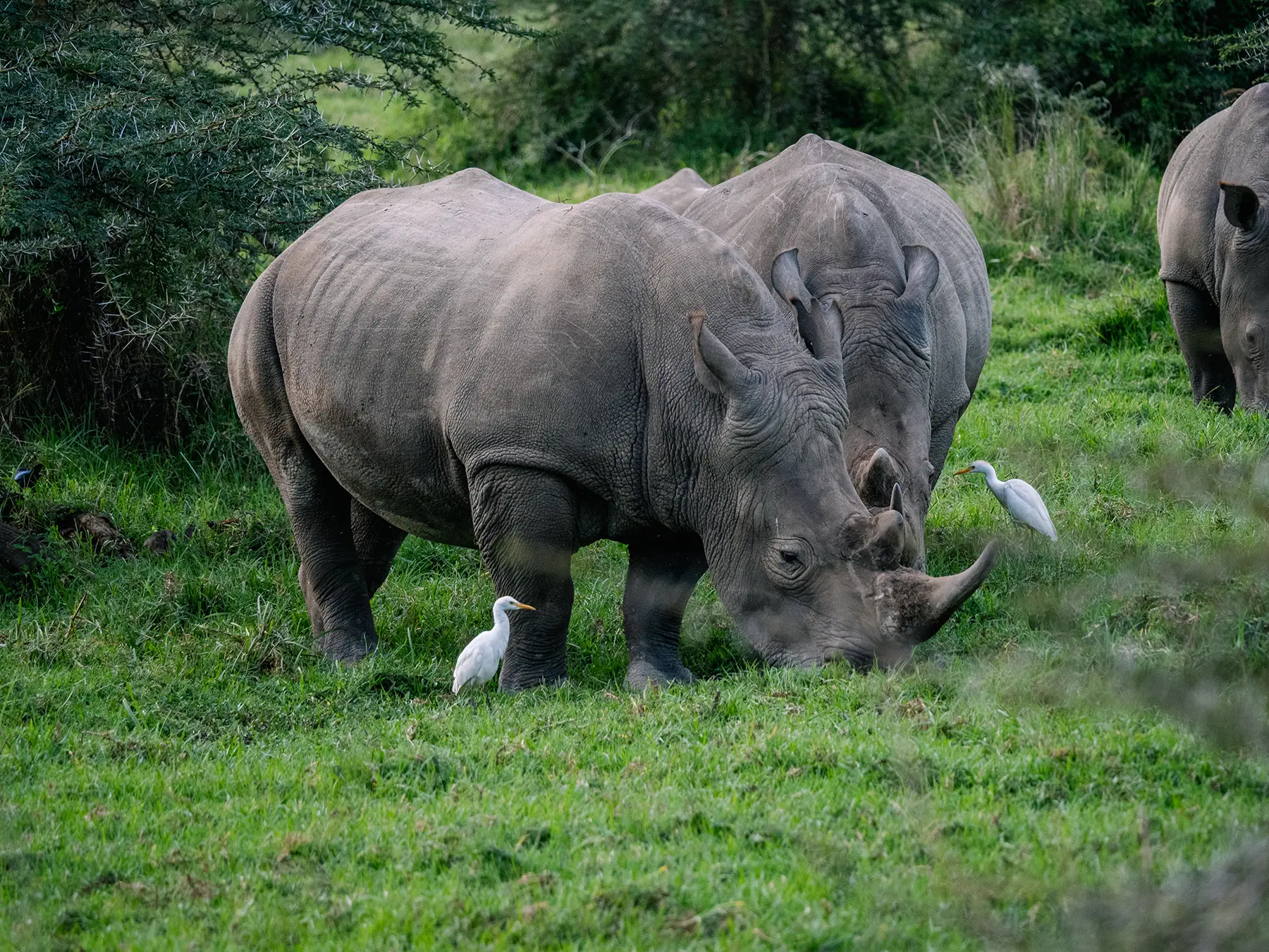
Ol Pejeta is famous for its rhinos, and seeing these gentle giants is likely to be the highlight of your visit here. The conservancy is home to the world’s last two northern white rhinos, as well as a large population of black rhinos, making it one of the best rhino viewing destinations in Africa.
All of the Big Five are present in Ol Pejeta, so this small conservancy packs a punch. It even has one of the highest predator densities in Kenya. There are six prides of lions in the park, with a total of 72 individuals.
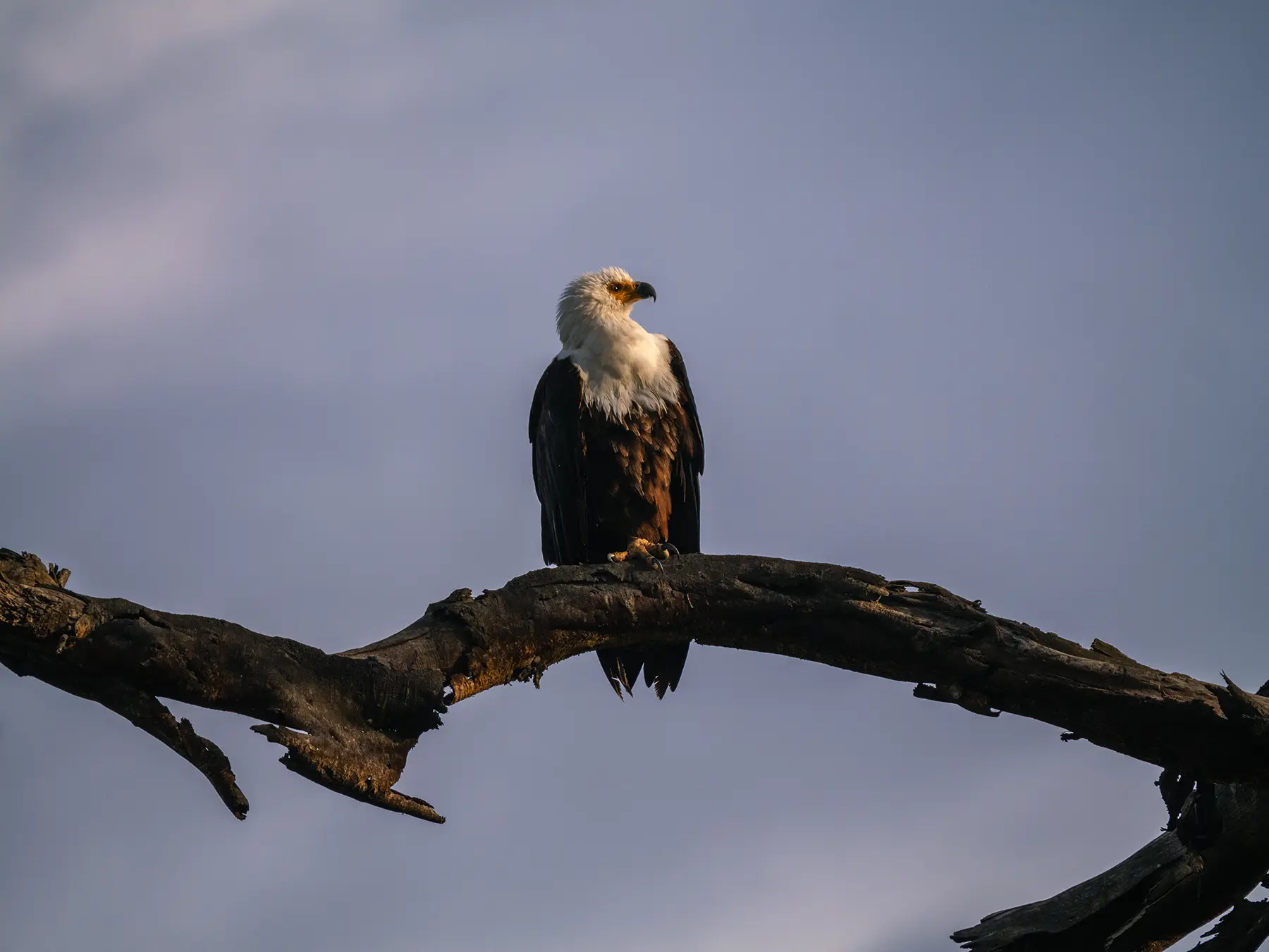
There are also leopards, hyenas, black-backed jackals and caracals on the prowl, so you should see plenty of action depending on what time of day you’re out and about. And don’t forget to look up – there are also flying predators to spot, like the Marshall Eagle.
This is also the only place in Kenya to see chimpanzees, which have called the Sweetwaters Chimpanzee Sanctuary within the conservancy home since they were relocated from Burundi during its civil war in the early 1990s.
For birders this is a real bucket-list destination, with 545 recorded species frequenting the area.
Tips for Visiting Ol Pejeta Conservancy
- No visit to Ol Pejeta would be complete without seeing mother and daughter pair, Najin and Fatu, the world’s last two remaining northern white rhinos. You can see them daily from 8:30-9:30am, 11am-12pm, 3:00-4:00pm and 4:30-5:30pm. The cost is $70 per adult and $35 per child. Advance booking is recommended.
- Ol Pejeta’s Sweetwaters Chimpanzee Sanctuary is the only place in Kenya where you can see chimpanzees. Access is included with your Ol Pejeta Conservancy entrance fee. Opening hours are 8:30am-12:30pm and 2:00-4:30pm. I recommend booking in advance as spaces are limited.
Optional Activities
- Visit the Sweetwaters Chimpanzee Sanctuary, which is located within the Ol Pejeta Conservancy and is run in partnership with the Jane Goodall Institute.
- It’s possible to go on a horseback safari in the conservancy. This is a totally unique way to experience the wildlife at close range. and with nothing but the silence of the bush around you.
- Visit the famous Equator sign for a photo opportunity, as well as the Rhino Memorial, where you’ll be able to learn more about regional conservation efforts.
- The conservancy offers an amazing lion tracking experience from 6:30-8:30am or 3:30-5:30pm. This costs $70 per adult and $35 per child.
- Ol Pejeta also offers an anti-poaching dog tracking display, allowing guests to witness the fascinating work of its specialised K9 dog unit firsthand. This takes place daily at 8:30am and costs $70 per adult and $35 per child.
- Other activities include rhino monitoring, conservation talks, photography-focused safaris, night game drives, kayaking, abseiling, mountain biking, guided bird and bush walks, guided walking safaris and even trail runs.
Where to Stay in Ol Pejeta Conservancy
It is possible to stay within the Ol Pejeta Conservancy or outside it in a nearby town, I recommend staying in the conservancy itself.
Accommodation within the conservancy allows you a more efficient start to your game drives and activities, as you don’t need to travel into the conservancy before you get going.
Options within the conservancy are generally more expensive than those outside. If you’re on a tight budget, the nearby town of Nanyuki has a number of budget-friendly accommodation options.
Day 4: Ol Pejeta to Samburu National Reserve
Drive Time (Excluding Game Drives): 3 hours
Today’s journey from Ol Pejeta Conservancy to Samburu National Reserve will take you through some of the most unique terrain in East Africa, ending in the semi-arid landscape of Samburu.
Situated in northern Kenya, Samburu National Reserve is known for the Samburu Special Five, a counterpoint to the Big Five you’ll be hoping to spot throughout the rest of your safari.
Itinerary
You’ll spend the first part of the morning enjoying more of Ol Pejeta’s many activities, and around mid-morning you’ll set out on your 3 hour drive to the Samburu National Reserve.
If you’re an early bird, 6:30am is the time to set off for some lion tracking at Ol Pejeta. As the rising sun bathes the savannah in pinkish-gold light, you and your guide will use the radio telemetry equipment to find the collared lions.
One thing you absolutely won’t want to miss is the chance to meet the world’s last two northern white rhinos, mother Najin and her playful daughter Fatu.
Then, come mid-morning, you’ll depart for Samburu National Reserve. The drive takes approximately 3 hours, passing through the town of Nanyuki and then continuing via Isiolo towards Archer’s Post.
The road from Nanyuki to Isiolo is tarmac, but there is a short gravel stretch from Archer’s Post to the reserve gate. Once you arrive at Samburu, you will stop at your lodge for lunch.
Then it’s time to head out for an afternoon game drive in along the Ewaso Ng’iro River.
After your afternoon drive, you will head back to your lodge for dinner and some rest.
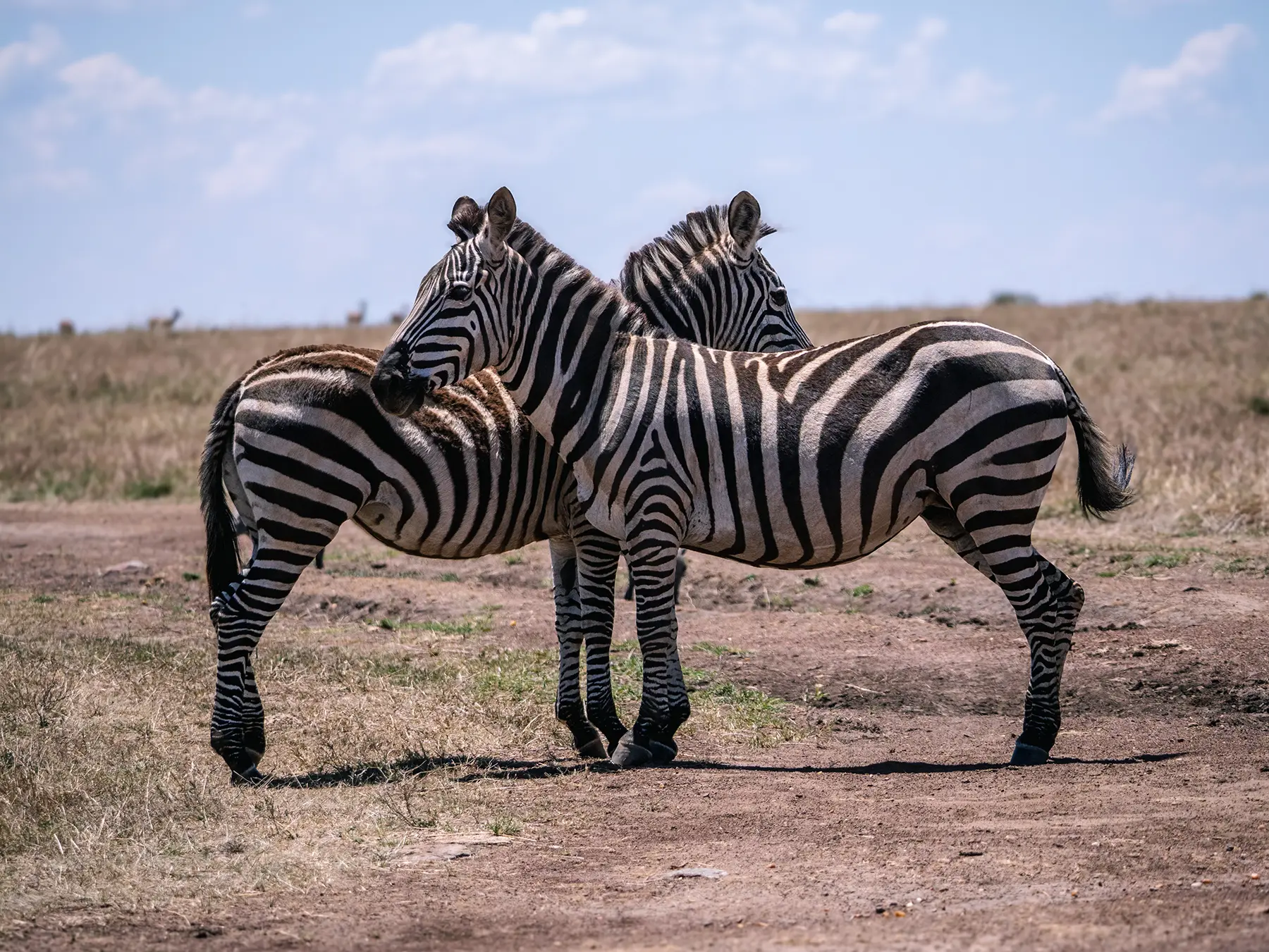
About Samburu National Reserve
Less frequently visited than Kenya’s more famous reserves, Samburu offers a more exclusive safari experience with fewer vehicles on the roads.
Samburu National Reserve covers 165 sq km of rugged, semi-arid terrain of rugged, semi-arid terrain.
The reserve is located on the banks of the Ewaso Ng’iro River, and huge concentrations of wildlife gather around its shaded banks.
It’s significantly smaller than the Maasai Mara which has an area of 583 square miles (1,510 km²), but despite its compact size Samburu has an impressive density of wildlife.
The reserve is named after the Samburu tribe, nomadic pastoralists who live in the region.
The reserve also has four of the Big Five, with no rhinos present, and is one of the best places in Kenya to spot leopards. African elephants are among the most abundant animals in the reserve.
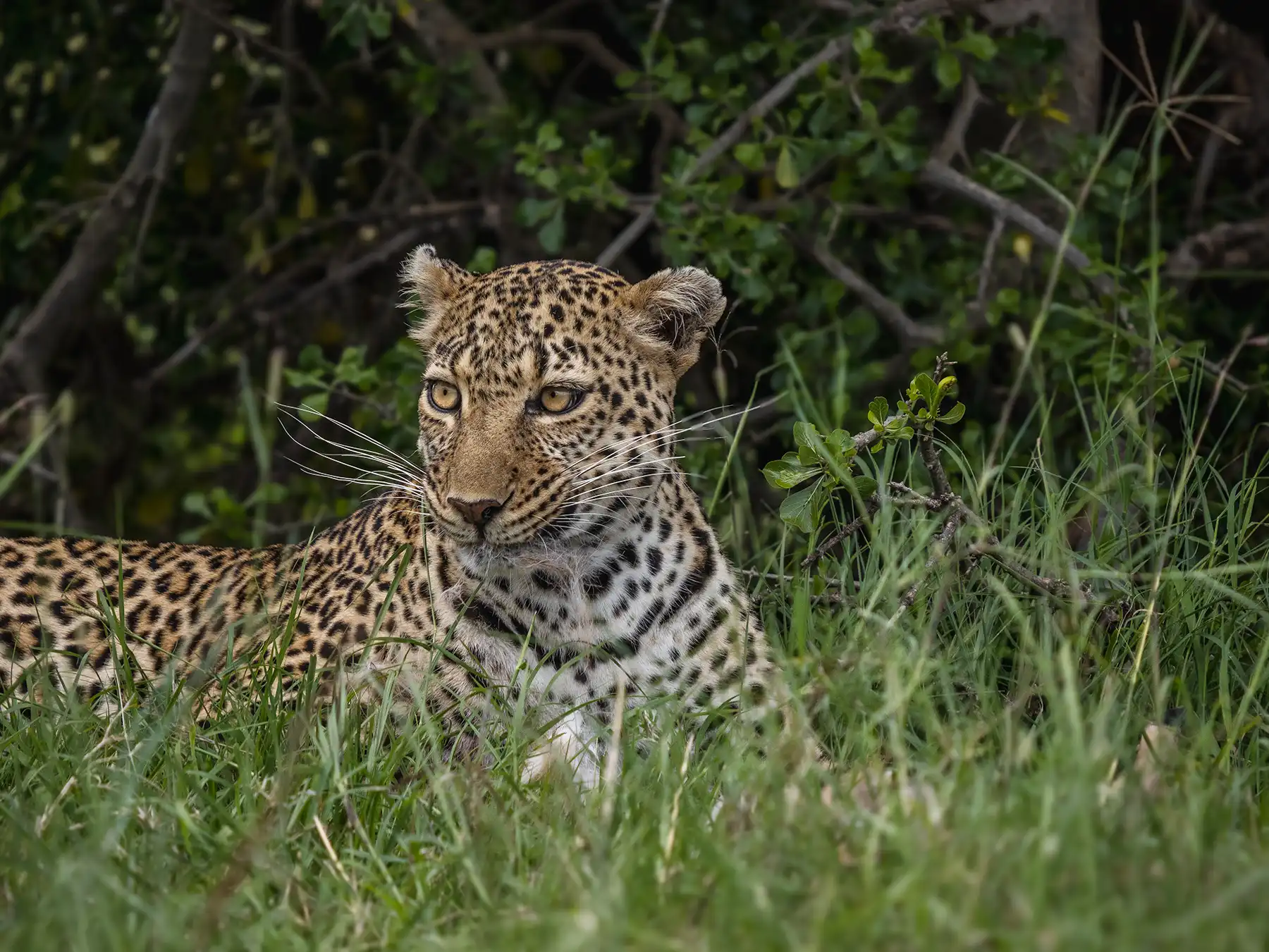
What Wildlife Can I See in Samburu?
Samburu National Reserve is home to the Samburu Special Five, a group of rare species found almost exclusively in northern Kenya.
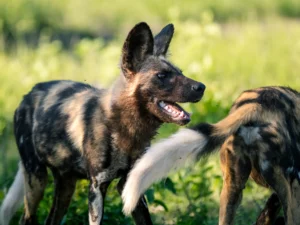
Kenya’s Special Five are the Grevy’s zebra (an endangered species with narrower stripes than the common plains zebra), Somali ostrich (also called blue-necked ostrich), reticulated giraffe (with a distinctive net-like pattern), gerenuk (a long-necked antelope that stands on hind legs to browse) and the Beisa oryx (a large antelope with long straight horns).
The best place and time to spot Beisa oryx is on the open acacia plains north of the Ewaso Ng’iro River during early morning drives.
Large herds of elephants congregate along the Ewaso Ng’iro River, particularly in the dry season when other water sources dry up.
Samburu is one of a handful of reserves in Kenya where you might spot the extremely rare African wild dog. Sightings are uncommon but the reserve is one of the best locations in the country to come across this highly endangered species.
This is also one of the best places in Kenya to see leopards, as the riverine forest provide excellent cover for these elusive cats.
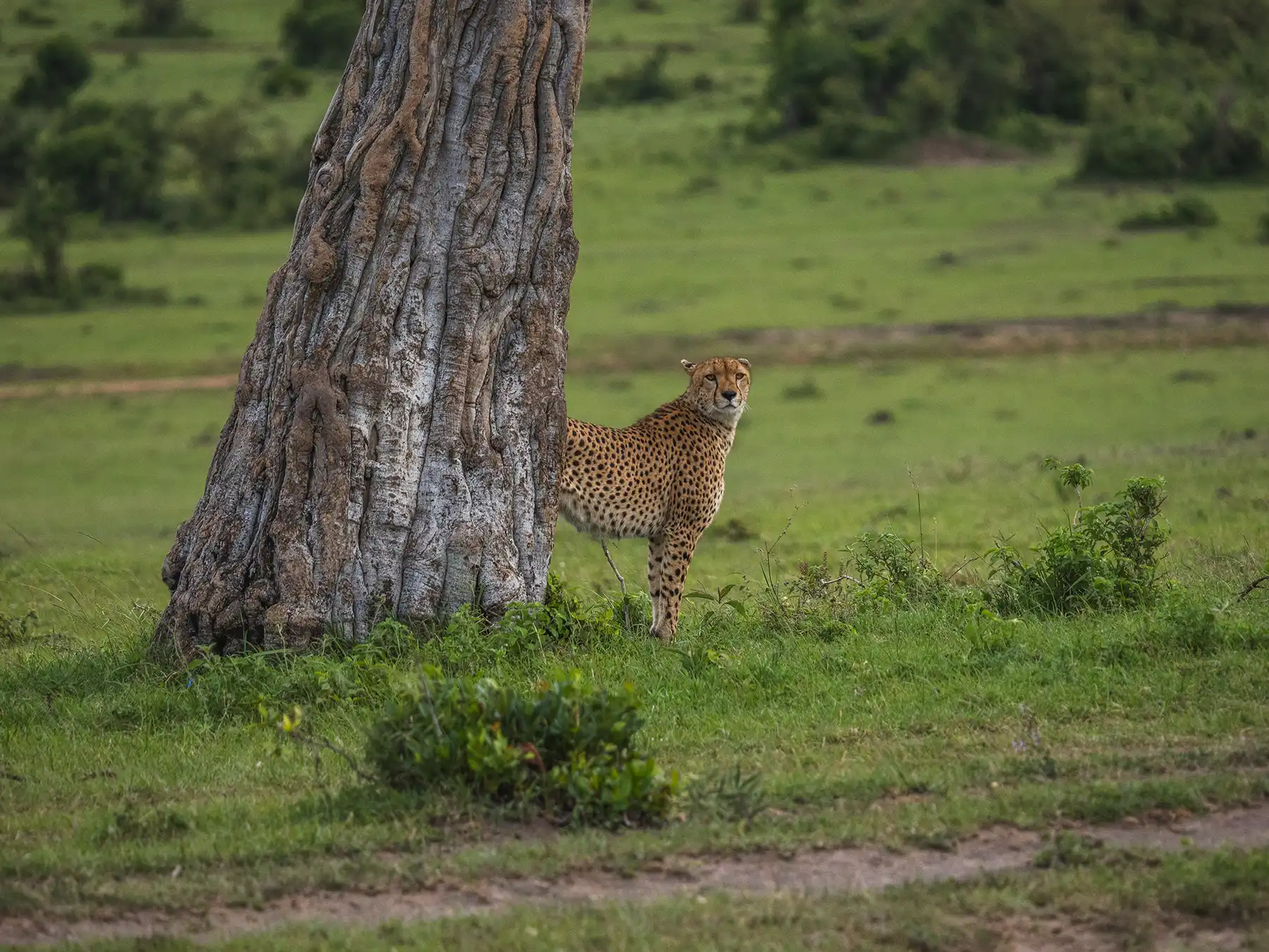
Tips for Visiting Samburu National Reserve
- Since it’s in the north of Kenya, Samburu gets quite hot. Pack lightweight, breathable clothing and plenty of sun protection.
- Explore both sides of the Ewaso Ng’iro River. This body of water cuts the reserve into northern and southern sections, which have very different habitats. These sections are home to different kinds of wildlife: the drier land to the north is best for elephants and oryx, while predators thrive in the southern section, as there’s plenty of vegetation for herbivores to graze on.
- Budget accommodation options near Samburu are limited, so book in advance if visiting during busy periods. The northern parks generally have cheaper entry fees but accommodation is more expensive, especially around Samburu.
-
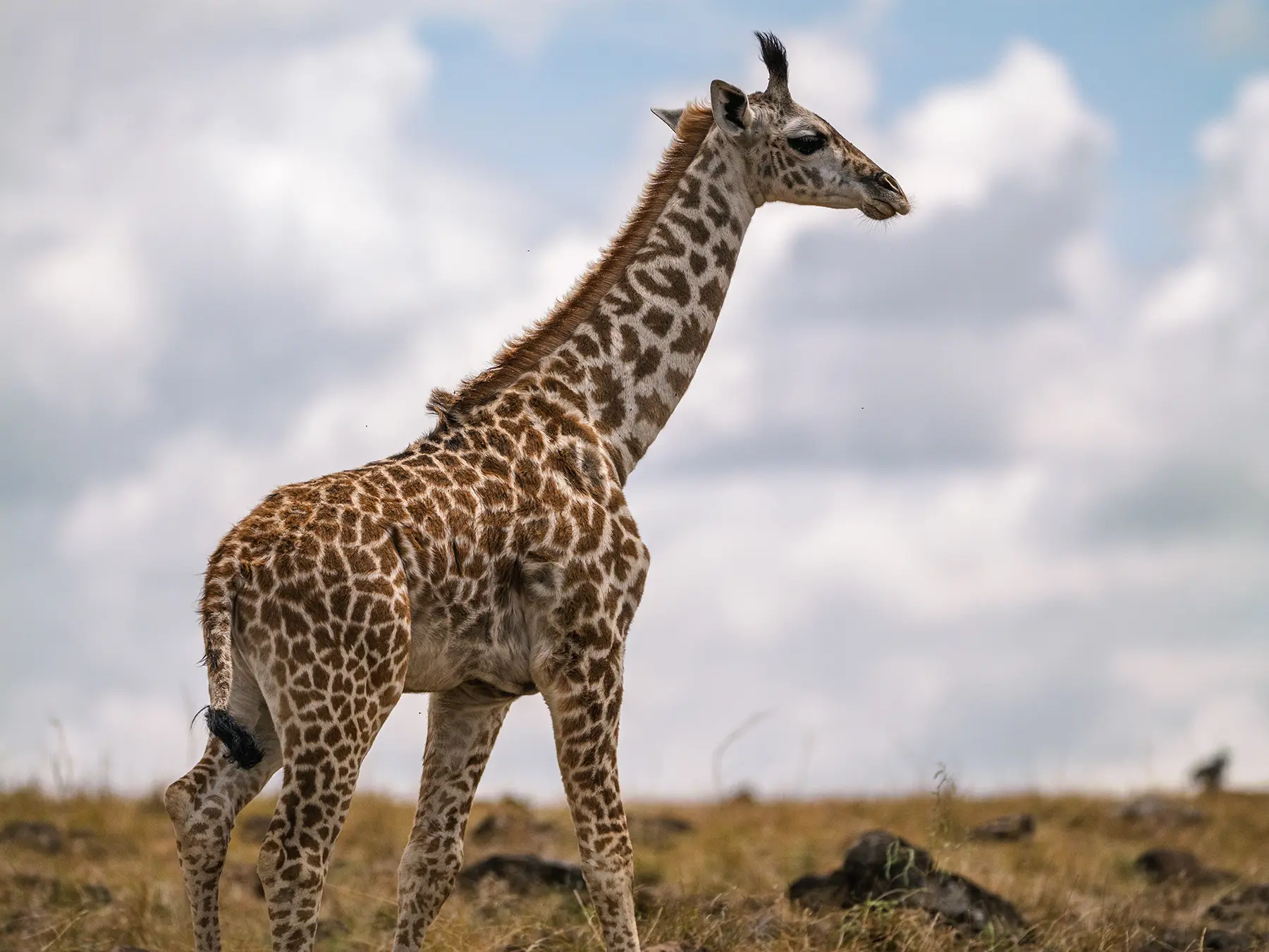
Giraffe in the Maasai Mara, Kenya
Where to Stay in Samburu National Reserve
Kenya’s northern parks generally have cheaper entry fees but accommodation tends to be more expensive than in southern parks.
The prime accommodation area is along the Ewaso Ng’iro River, and most lodges and camps are located here. Riverside camps offer the best wildlife viewing, as animals congregate at the water throughout the day.
Budget options are limited and mostly located outside the reserve boundaries near Archer’s Post.
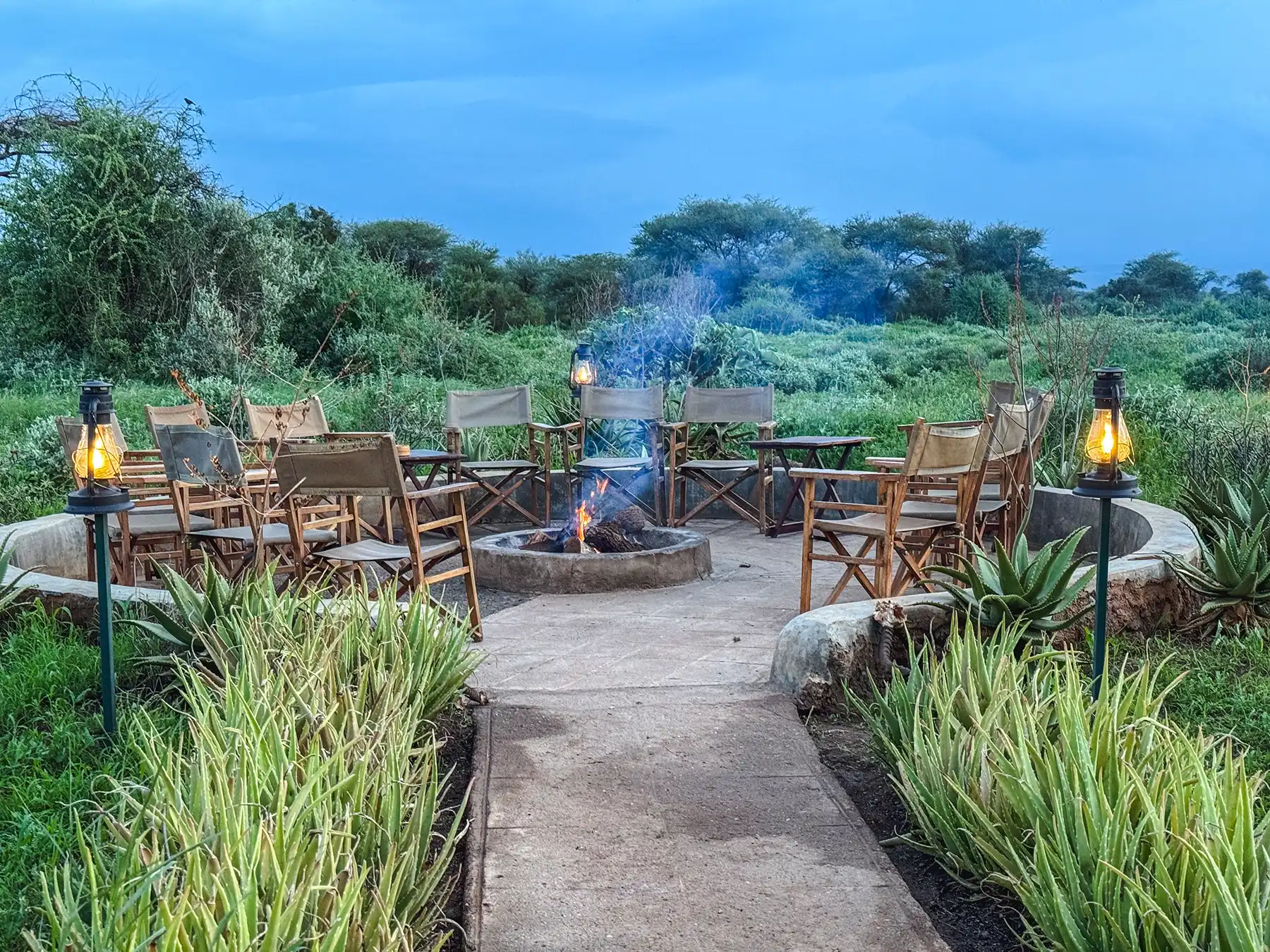
Day 5: Samburu National Reserve
Drive Time (Excluding Game Drives): 0 hours
Today will be dedicated entirely to discovering all the beautiful Samburu National Reserve has to offer.
You’ll go on morning and afternoon game drives, giving you plenty of time to search for any of the Samburu Special Five you may have missed yesterday, and to explore deeper into the reserve.
With the reserve open for exploration from 6am to 6pm, you can maximise your time in this beautiful semi-arid landscape.
Samburu is one of the best places in Kenya to spot leopards, and a full day here significantly increases your chances of a sighting. The reserve also has healthy numbers of elephants, lions, buffalo and cheetahs.
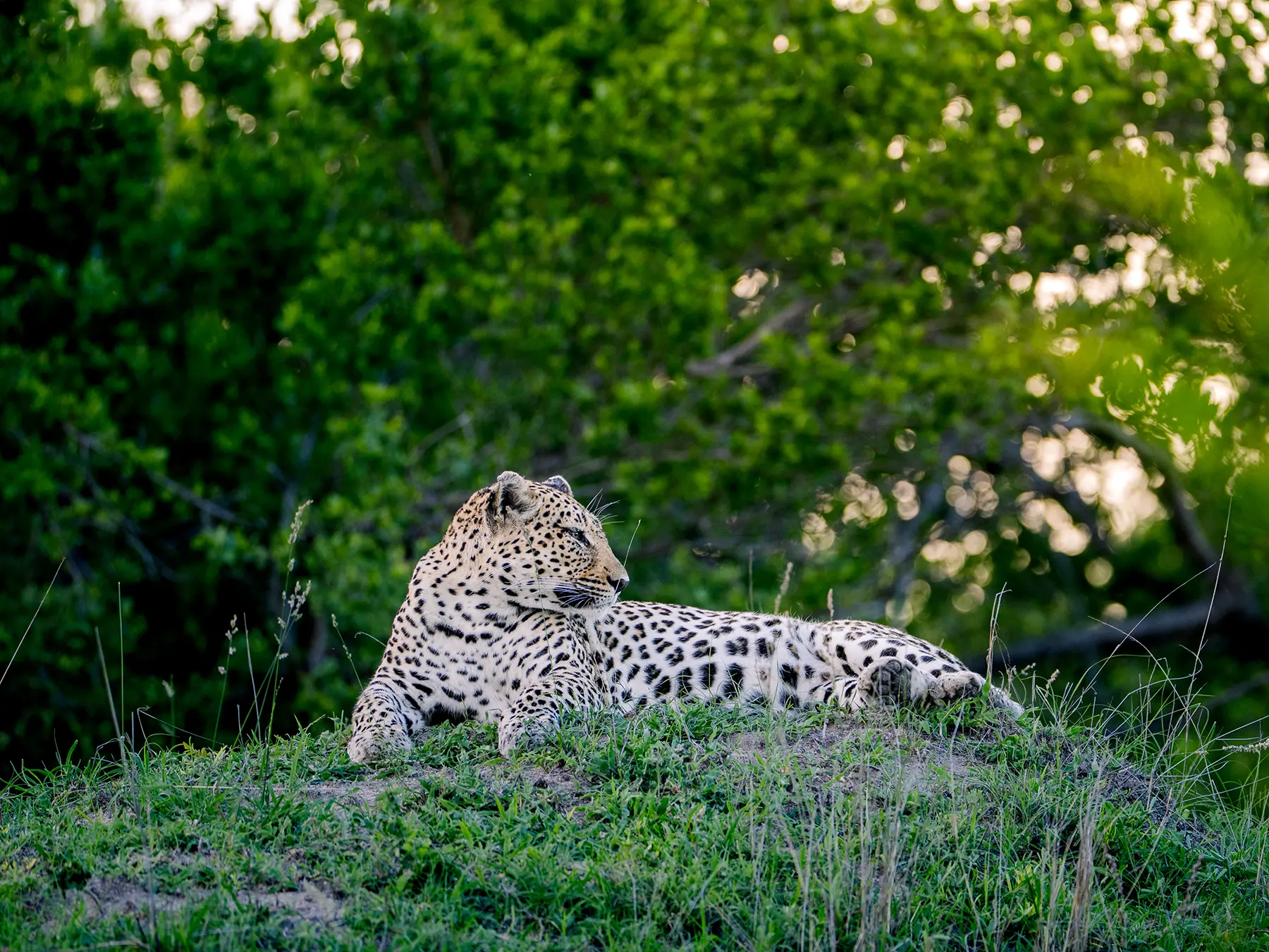
Itinerary
You’ll start your day with an early morning game drive, departing at 6am. The light will be soft and perfect for sunrise photographs, and predators will be active.
The sprawling acacia plains north of the Ewaso Ng’iro River are the best place to search for the Special Five, particularly the distinctive reticulated giraffe and the elegant gerenuk, a species of antelope that stands on its hind legs to browse the leaves of bushes and trees.
As the sun climbs higher, you’ll return to your camp for lunch and a rest during the heat of the day. Then, towards late afternoon you’ll head back out for another game drive.
The afternoon is a great time of day to see herds of elephants gathering on the banks of the Ewaso Ng’iro River to take a dip and splash themselves with its cool waters. The riverine forests alongside the banks are also a great area to spot leopards (don’t forget to look up, as leopards often rest on tree branches).
At just 64 square miles (165 km²), Samburu is compact enough that you can cover most of the reserve across your two days here. Keep an eye out for the rare African wild dog, as this is one of the few places in Kenya where they are occasionally spotted.
As evening approaches, predators begin to stir from their rest during the heat of the day. You may well witness some of them in action as you drive back to the lodge in the warm glow of the sinking sun.
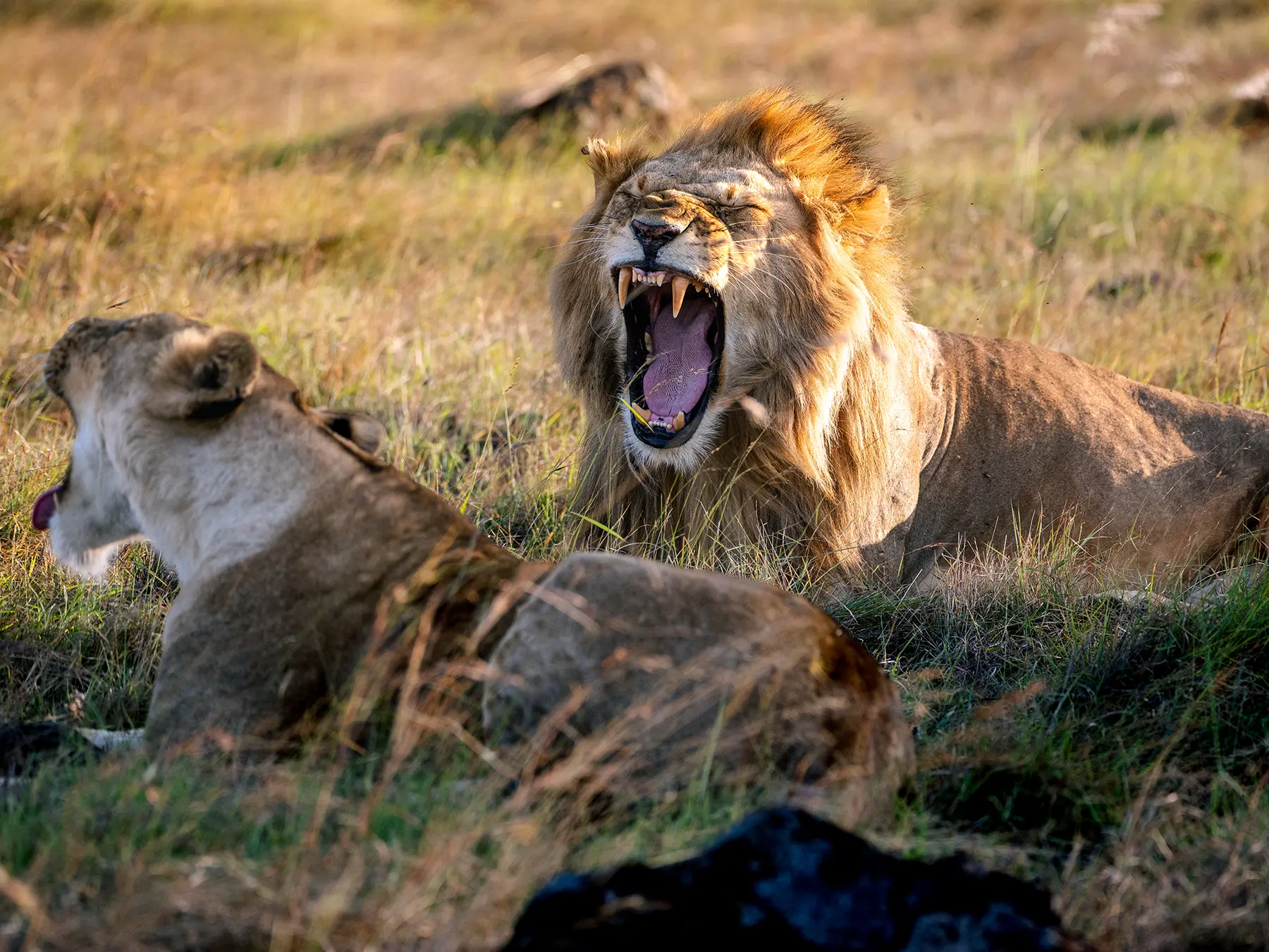
Where to Stay in Samburu National Reserve
Tonight, you will be staying at the same accommodation as before.
Almost all of Samburu’s lodges and camps are located along the Ewaso Ng’iro River, and it’s a real pleasure to relax on a viewing deck at your lodge over lunch and watch the wildlife gather at the water’s edge.
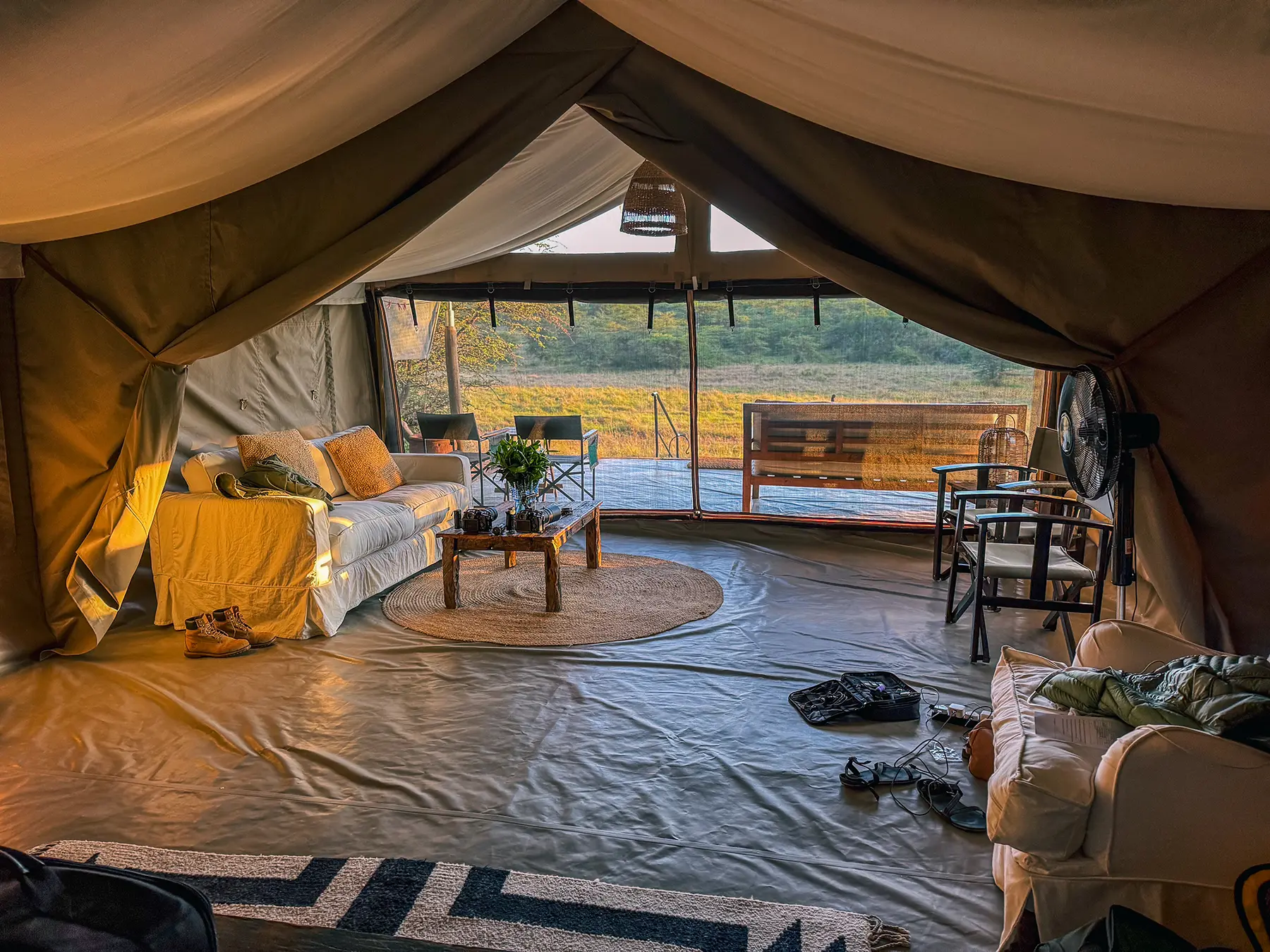
Day 6: Lake Naivasha
Drive Time (Excluding Game Drives): 5 hours
Today you leave the dry northern plains of Samburu behind and drive south to Lake Naivasha in the Great Rift Valley. This freshwater lake sits at 1,884 metres6,181 ft (1,884 m) above sea level.
Today you’ll enjoy a unique alternative to traditional game drives, with a boat safari across the lake and a walking safari on Crescent Island.
Lake Naivasha is one of the best places in Kenya to see hippos up close, with a population of over 1,500 in the lake. It is also a birdwatcher’s paradise, and is home to over 400 species including what may be the densest concentration of African fish eagles on the continent.
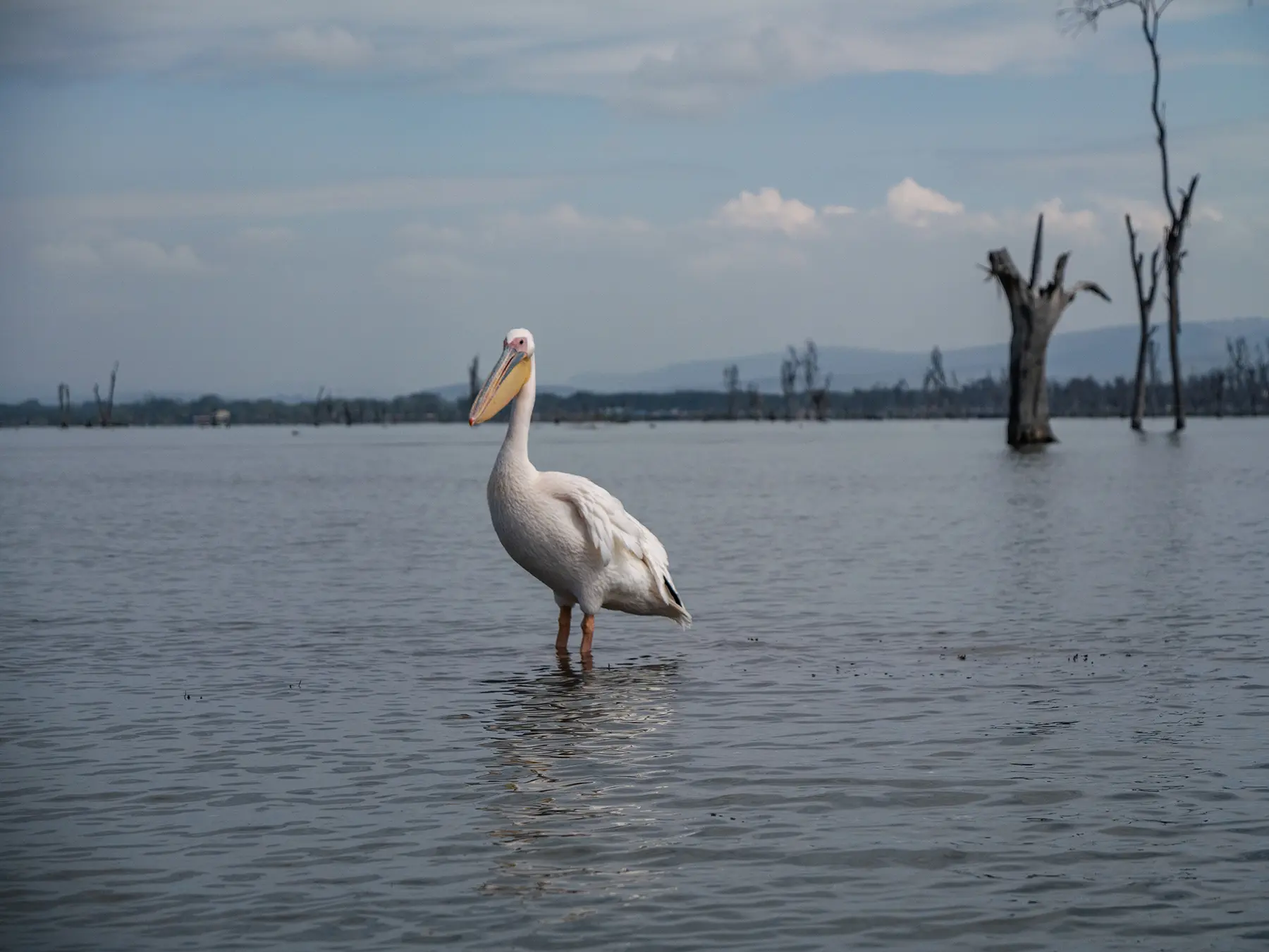
Map of Lake Naivasha
Here is a map I made showing the key features of Lake Naivasha.
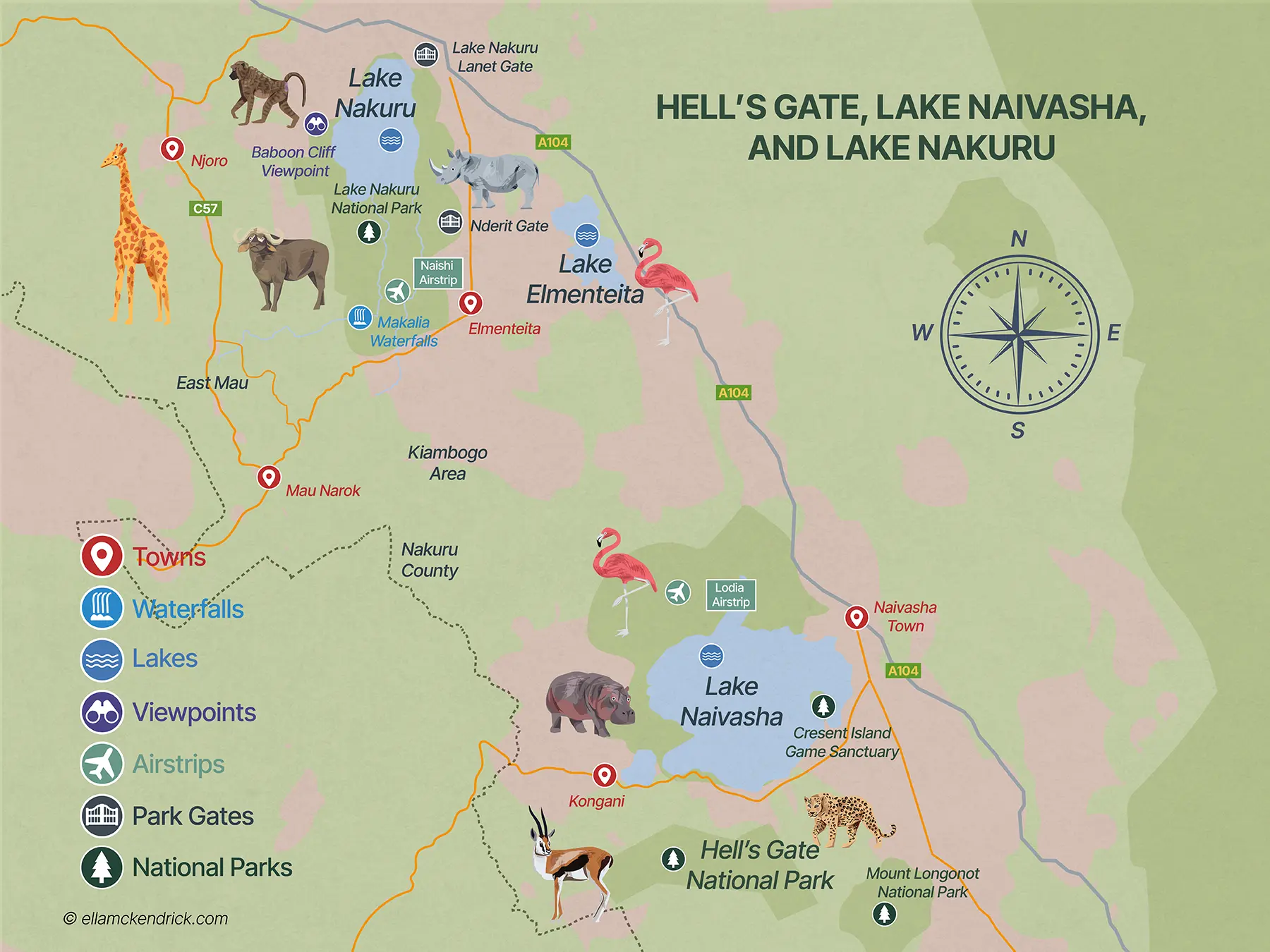
Itinerary
You’ll set out from Samburu after an early breakfast and drive south towards Nanyuki. You’ll then continue on the tarmac road via the A2 highway heading towards Nairobi, and turn off towards Lake Naivasha.
The drive takes approximately 5 hours, and passes through the central highlands with views of the agricultural landscape around Nanyuki and Nyeri.
After arriving at Lake Naivasha in the early afternoon, you’ll enjoy some lunch at your lodge and then head out on a late afternoon boat safari. The afternoon is the best time for a boat trip as you can enjoy sundowners on Crescent Island.
The boat crosses the lake, passing hippos whose quizzical round ears and bulging eyes break the water’s surface as they watch you pass.
On Crescent Island you’ll disembark the boat and explore the island on foot together with a guide.
There are no large predators or fences on the island, making it completely safe to walk amongst the wildlife.
The walk takes about two hours and covers a good portion of the island across gentle terrain, and is accessible for most fitness levels.
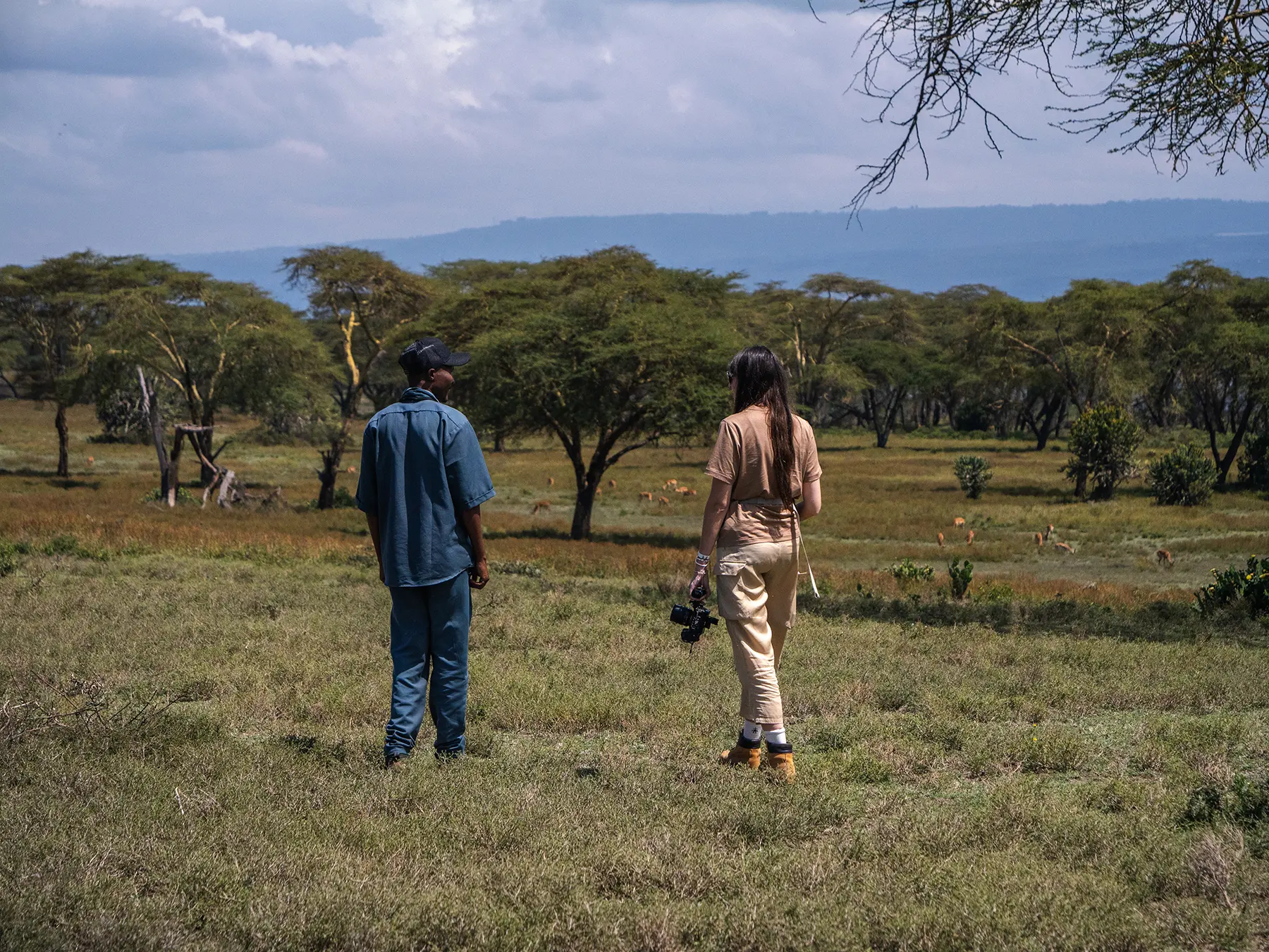
About Lake Naivasha
Lake Naivasha is a large freshwater lake covering 54 square miles (139 km²) in East Africa’s Rift Valley. The name “Naivasha” comes from a Maasai word meaning “that which heaves”, a reference to the frequent storms that sweep across the water.
The lake is 8 miles (13 km) long but only 5 metres deep on average. That said, the deepest section, near Crescent Island, drops down to 98 ft (30 m) deep. It sits at the foot of Mount Longonot, an extinct volcano.
Crescent Island is a privately managed game sanctuary in the middle of the lake. It was formed from the rim of an ancient volcanic crater, and rising water levels cut the former peninsula off from the mainland.
This stranded a number of animals on the island. Crescent Island has an interesting cinematic history: films including Out of Africa and Living Free were shot here, and some animals introduced to the area specifically for filming still roam the island.
Lake Naivasha has expanded significantly in recent years, with its surface area increasing from 139 to 76 square miles (198 km²) within a decade. It is a popular stopover between Nairobi and the Maasai Mara, and can be easily combined with a visit to the nearby Hell’s Gate National Park.
The surrounding region is known for its fertile volcanic soils, and the flowers and vegetables grown here are exported around the world.
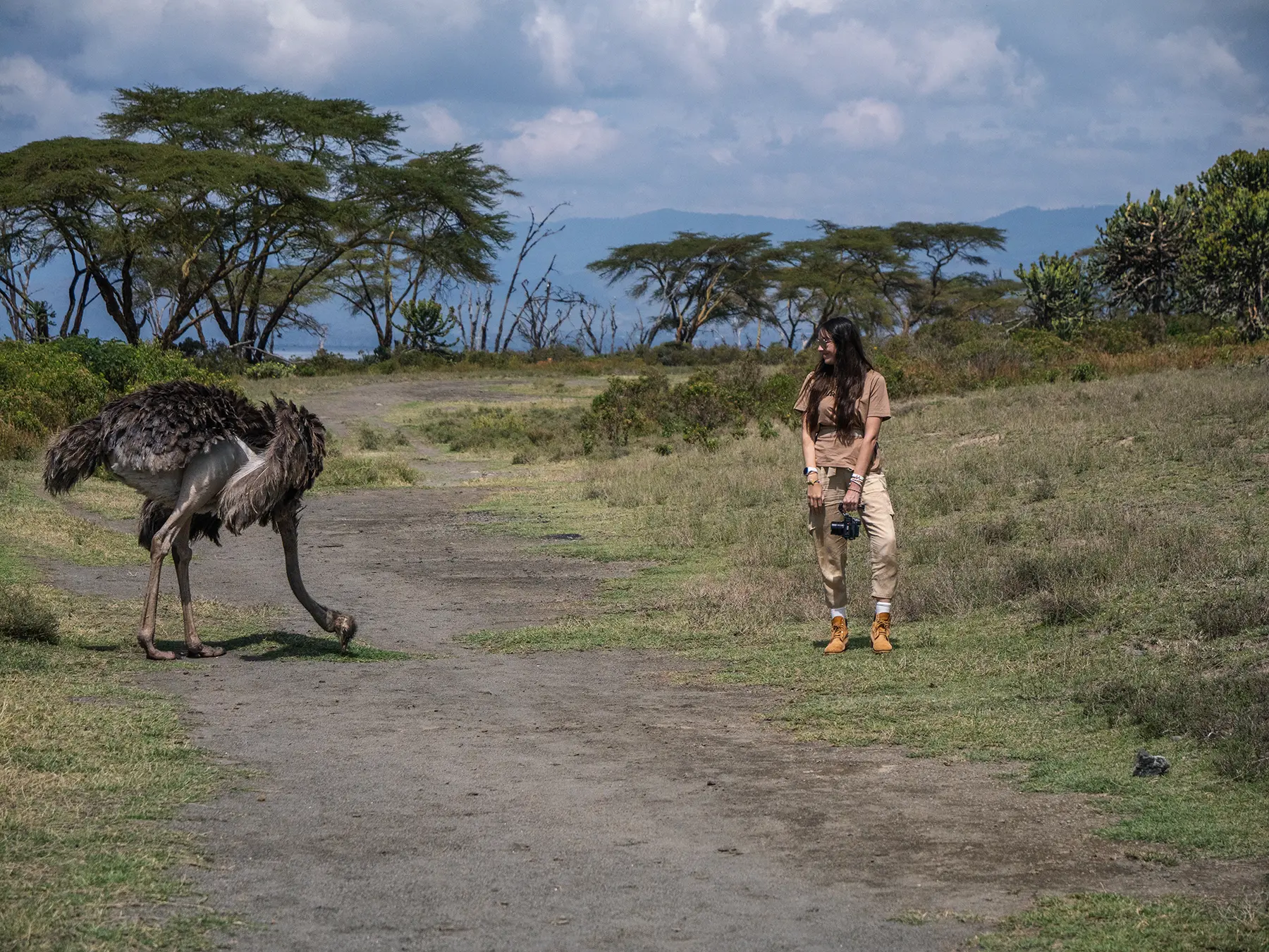
What Wildlife Can I See in Lake Naivasha?
Lake Naivasha is home to approximately 1,500 hippos, one of the highest concentrations in Kenya. Boat safaris bring you within metres of the “bloats” of hippos basking in the shallows.
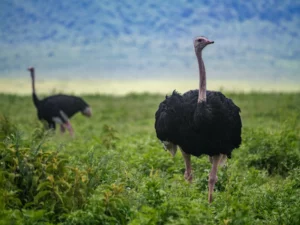
On Crescent Island you can walk amongst giraffes, zebras, wildebeest, waterbucks, antelopes, ostriches and silver-backed jackals. It’s completely safe for you to be on foot rather than in a vehicle, and this is an incredible opportunity to experience the quiet of the wild first hand.
Don’t forget to look out for leopard tortoises when you walk through the grasslands.
Over 400 bird species have been recorded around Lake Naivasha, including pelicans, cormorants, Sacred Ibis, Hadeda Ibis, Pied Kingfisher, Giant Kingfisher and the African Spoonbill. Bird watching is at its best between October and March, when migratory species join the local flocks.
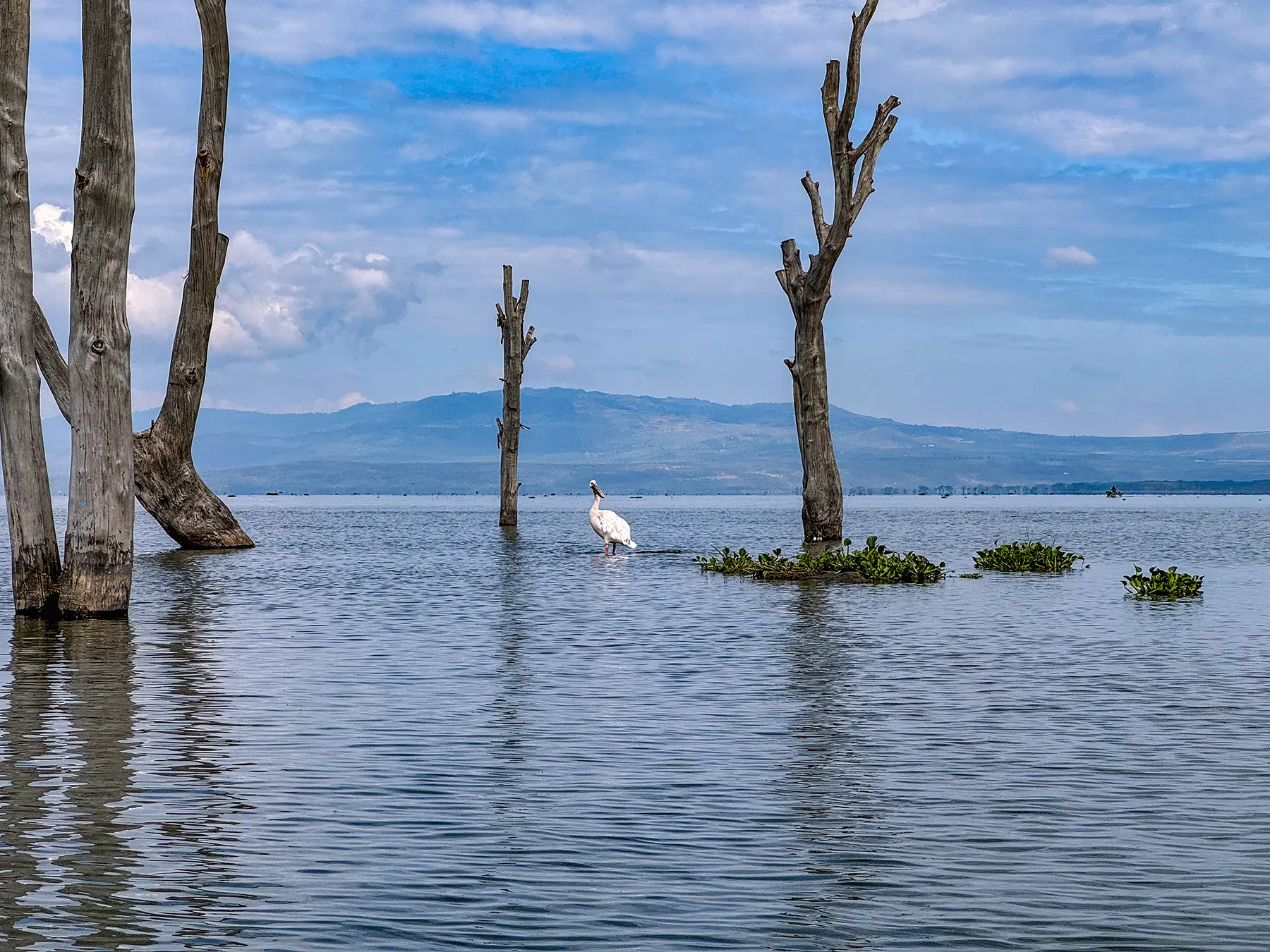
Tips for Visiting Lake Naivasha
- Lake Naivasha is popular with weekend visitors from Nairobi, so visiting during the week is a great way to avoid the crowds.
- Closed-toe shoes with ankle support are recommended for the walking safari on Crescent Island, as the terrain is uneven in places.
- The drive from Samburu is long so make sure you depart early (latest 7am) to maximise your afternoon at the lake. A coffee stop in Nanyuki is a good way to break up the journey.
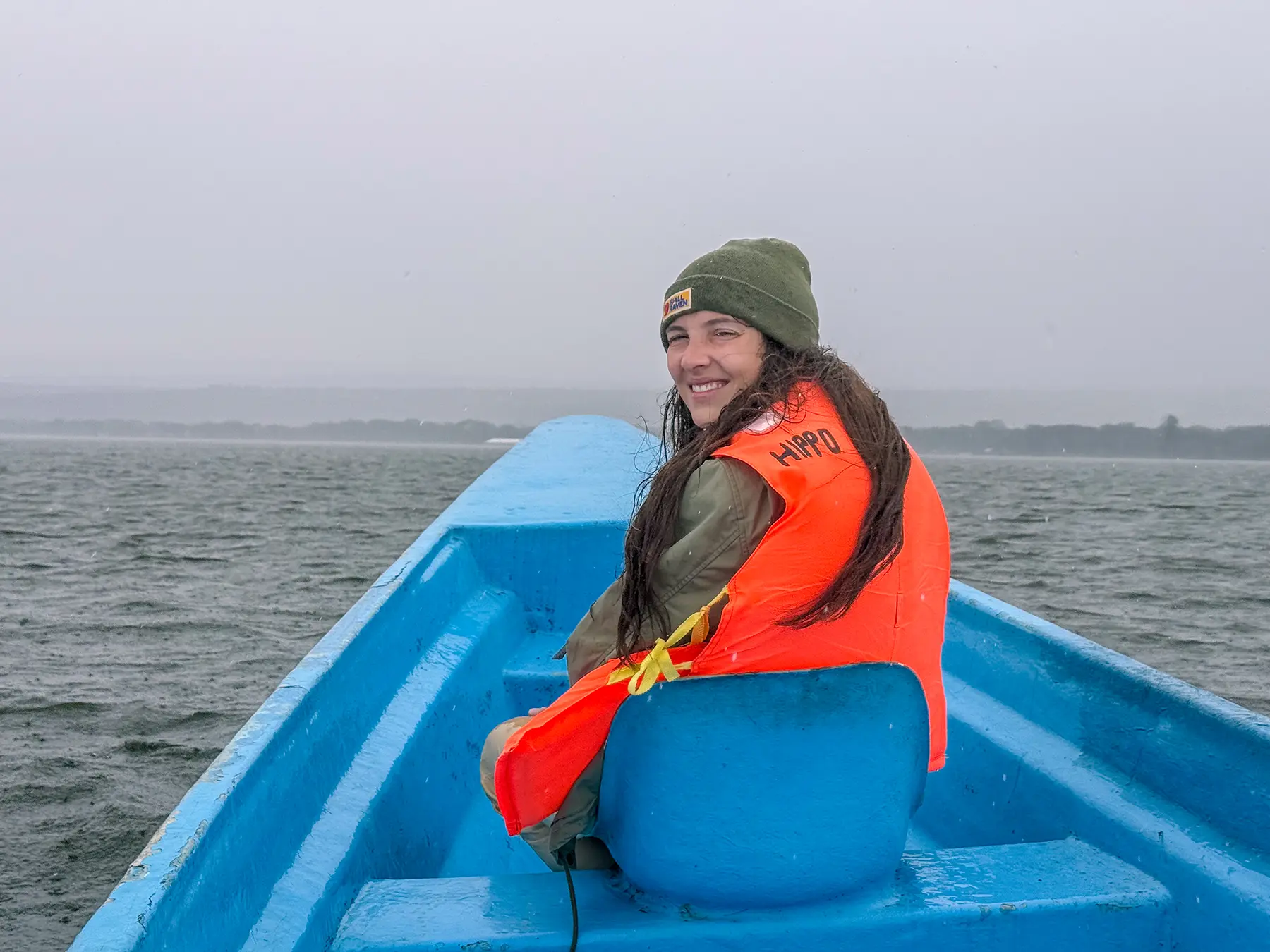
Where to Stay in Lake Naivasha
Accommodation at Lake Naivasha is concentrated along the lake’s southern banks, where a mix of lodges, guesthouses and tented camps line the shore. There are a range of options from upmarket to more affordable, and all are just a short drive away from the boat safari starting point.
My Experience of Lake Naivasha
One of the highlights of a recent trip to Lake Naivasha was our morning walking tour of Crescent Island. It started with a wonderful boat ride from the shore to the island, during which we saw lots of hippos peeping out from under the water. The birdlife on the water was also excellent, with pelicans, Egyptian geese, hamerkops, storks and herons all present.
Once on Crescent Island, we walked through grasslands and encountered waterbucks, impalas, zebras and ostriches, all at close range. A particularly memorable moment was watching a young zebra foal galloping in excited circles around its mother, kicking its heels up with sheer joy.
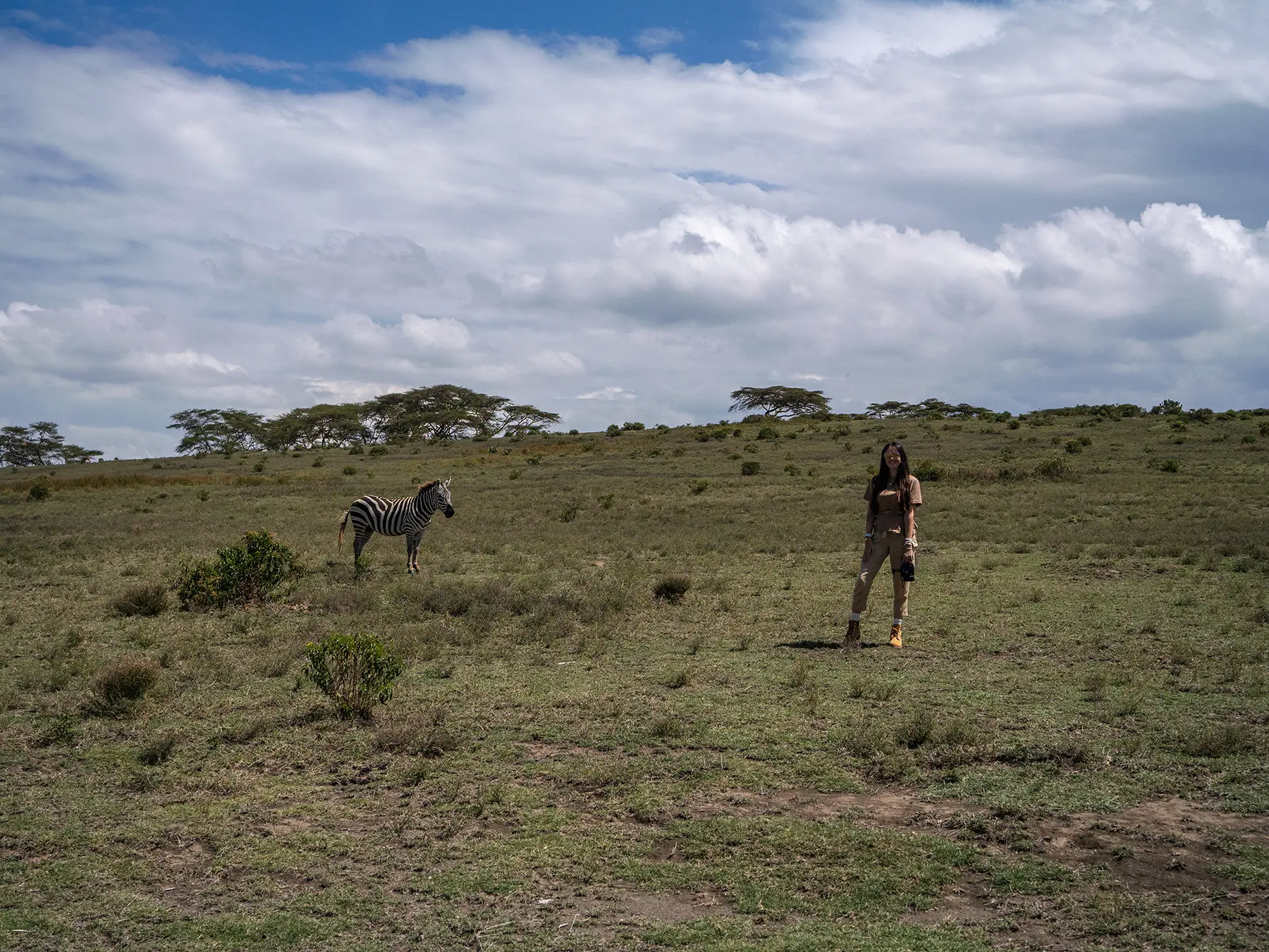
The highlight of our walking safari, though, was finding a python! Our guide told us that when the weather is hot, pythons can sometimes be found with their heads poking out of burrows to cool down or warm up. He knew exactly where to look and led us to a section of the island with several burrow holes.
Sure enough, I spotted the python’s head, its scales glistening in the sunlight as it peered out from a burrow in the ground. It was a fleeting sighting as the snake quickly got spooked by our presence and retreated back underground. But even that brief glimpse was exciting. I had never seen a wild python before and its impressively large head gave a sense of just how big the rest of the snake must be, coiled up underground.
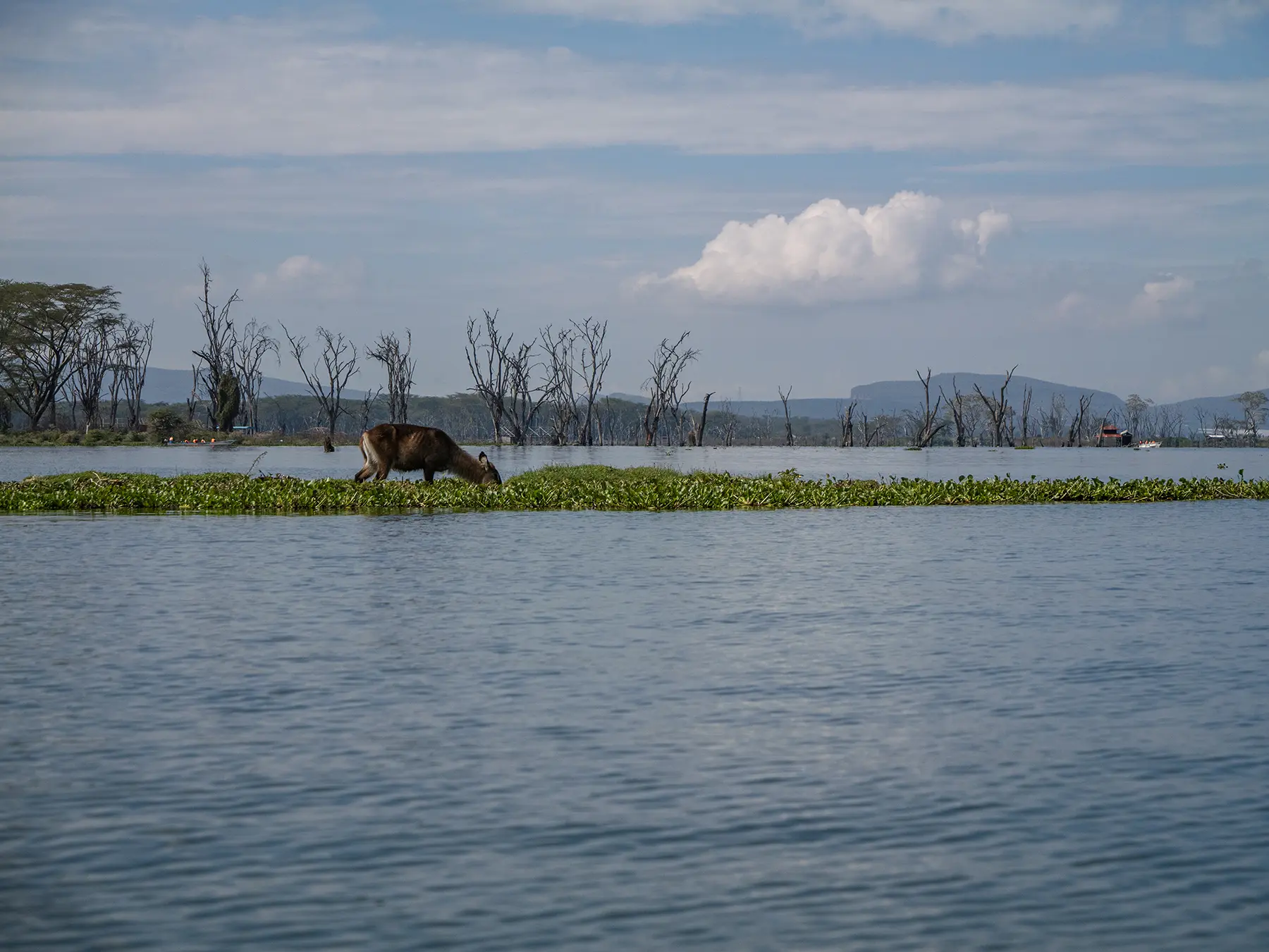
Our guide was incredibly knowledgeable about all the island’s wildlife and pointed out things I would never have noticed on my own. He showed us different animal tracks in the dust and explained the behaviours we were observing. Having a guide who is genuinely passionate about their environment makes such a difference to the walking safari experience.
After our walk we had drinks on a hill in the middle of the island with panoramic views of the lake. We couldn’t linger too long though, as dark storm clouds began to roll in from the west. We started our boat journey back to the mainland but didn’t quite beat the downpour. The rain caught us halfway across and we got thoroughly soaked, which added to the adventure!
You can watch a video of my experience visiting Lake Nakuru and Lake Naivasha below.
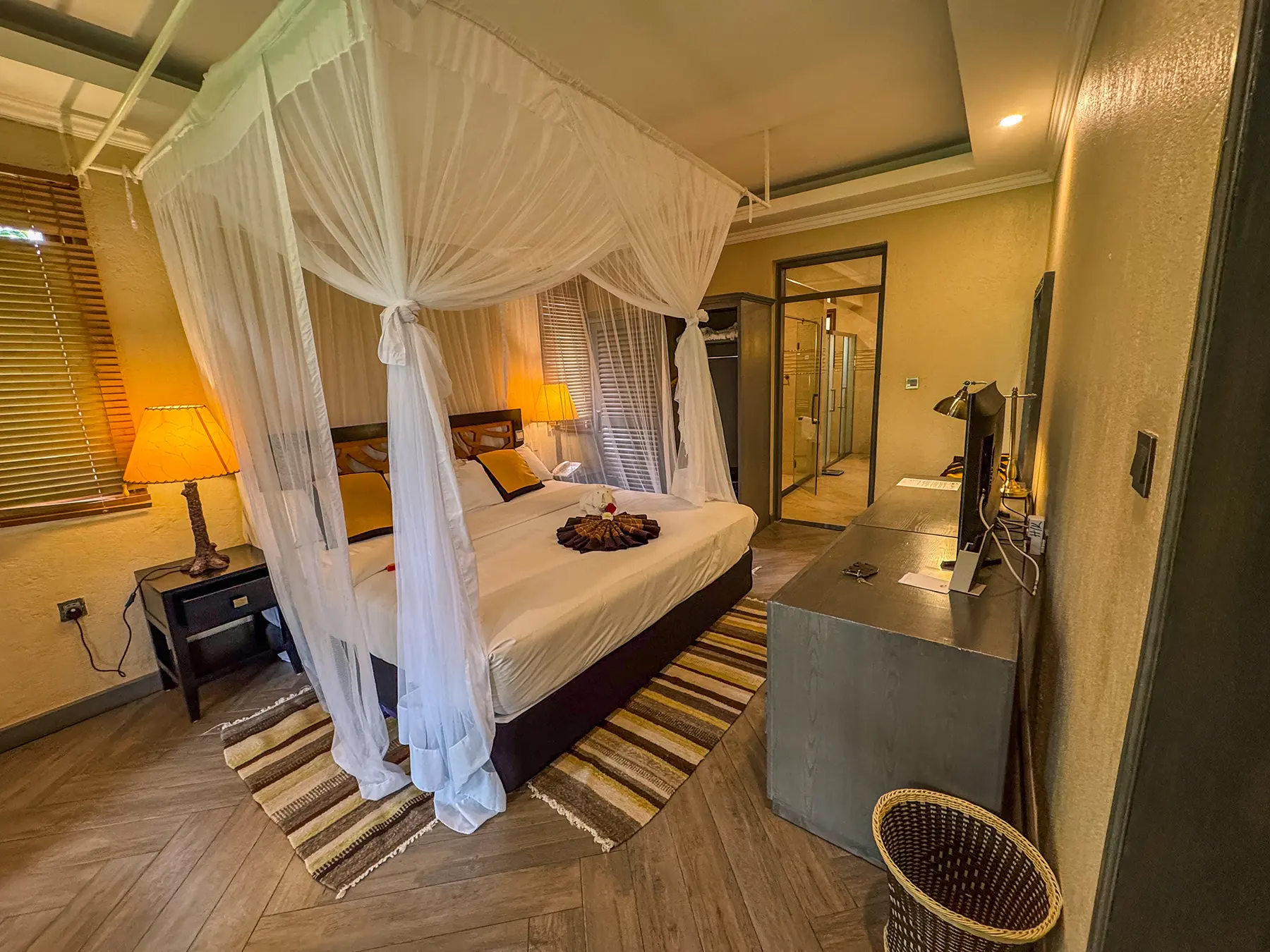
Day 7: Journey from Lake Naivasha to Maasai Mara National Reserve
Drive Time (Excluding Game Drives): 6 hours
Today you leave Lake Naivasha and take a 6 hour drive south to the Maasai Mara National Reserve in time for an afternoon game drive.
This is Kenya’s most famous safari destination, and for good reason: it is home to some of the highest predator population densities on the planet.
The Maasai Mara is part of the wider Serengeti ecosystem, which covers approximately 30,000 square kilometres and is mainly made up of open grassland.
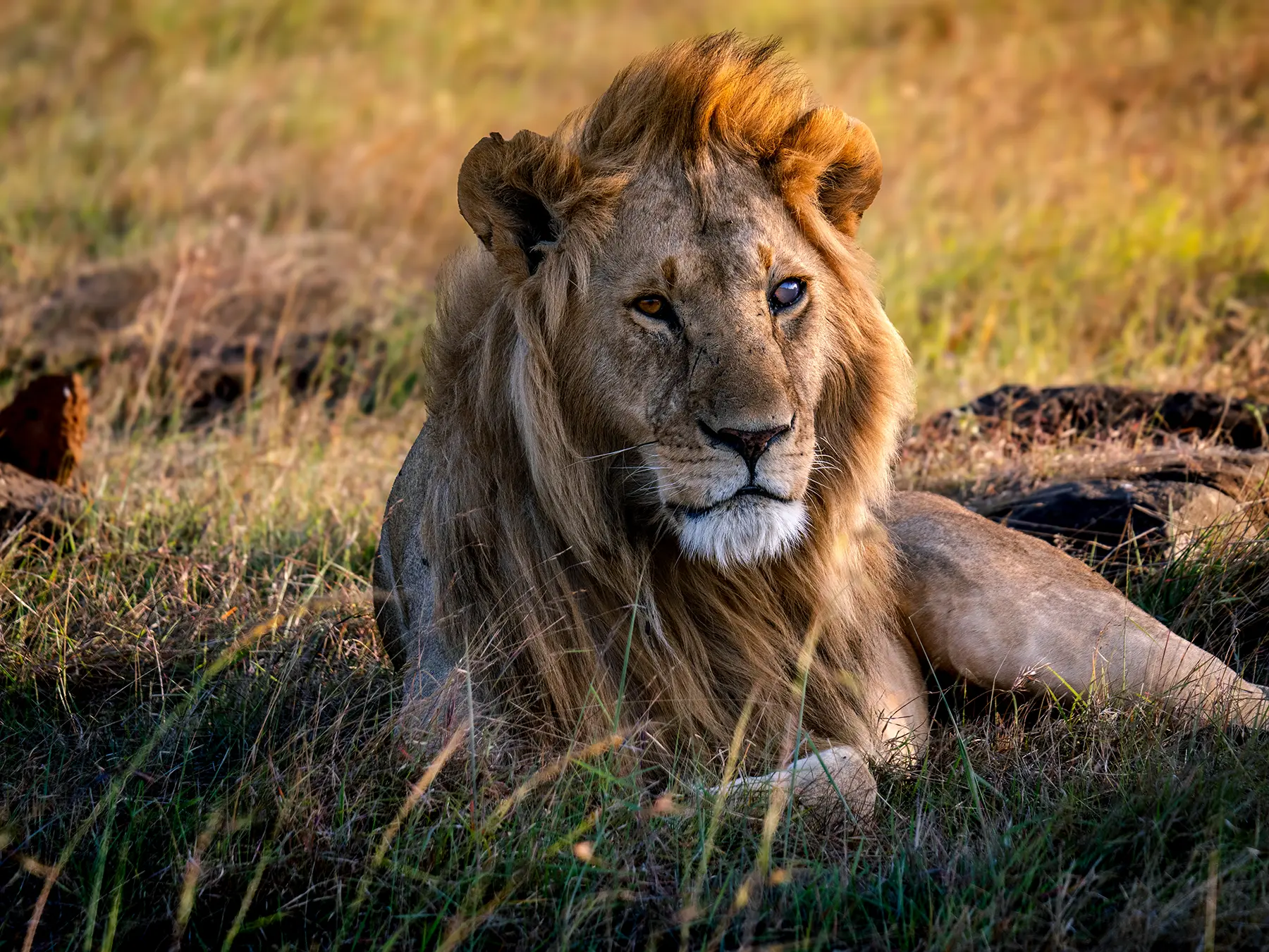
Map of Maasai Mara National Reserve
Here is a map I made showing the key features of Maasai Mara National Reserve.
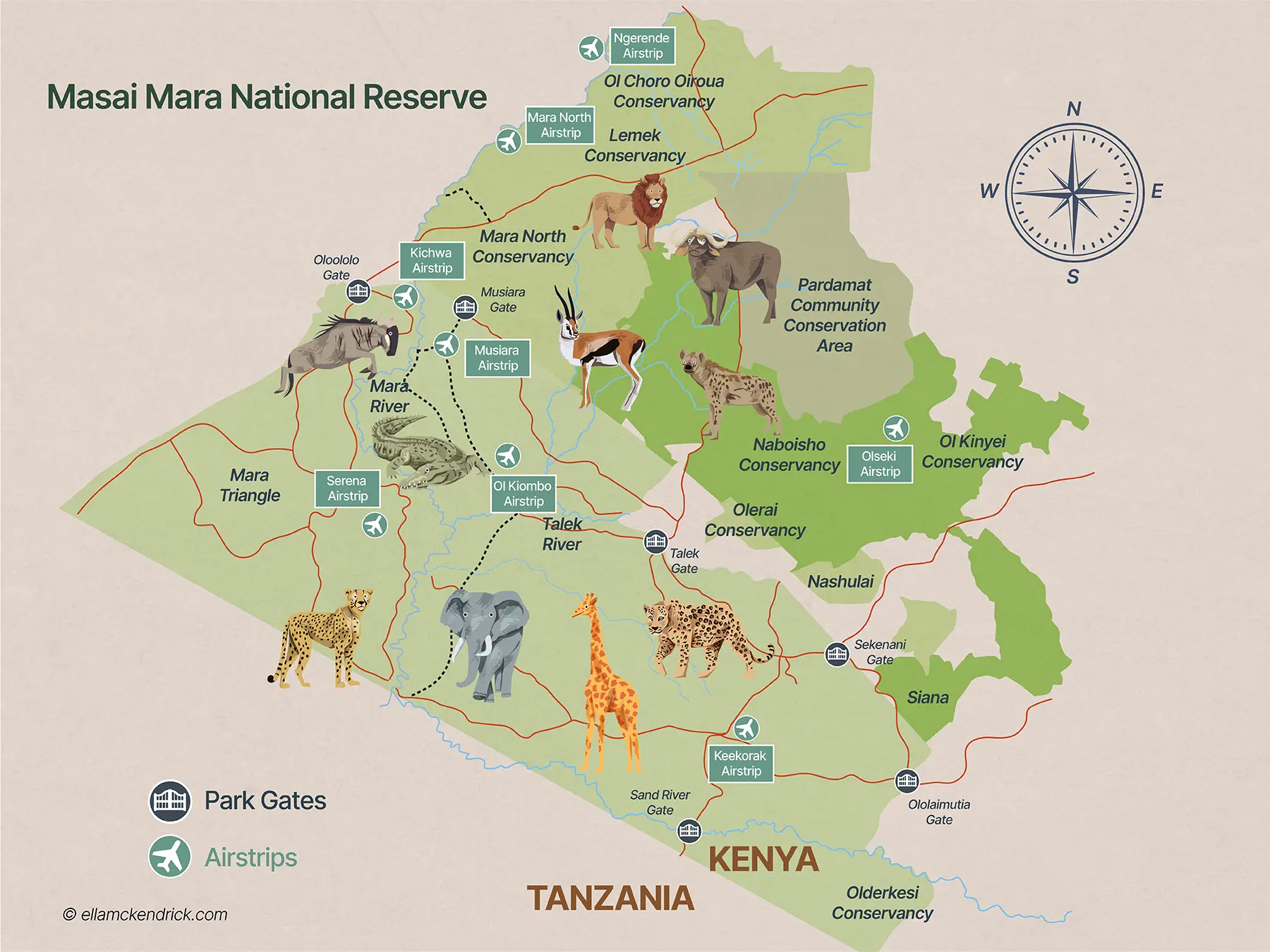
Itinerary
You’ll set out bright and early, traveling west through the Great Rift Valley. There are plenty of scenic views of the escarpment and the valley floor, so soak it in and enjoy the drive!
It’s worth stopping at the Rift Valley Viewpoint, which is about 1.5 hours into your journey. There are washrooms available there, as well as a small restaurant and a curio shop.
Grab yourself a bite to eat and continue your journey on to Narok for one more pit stop, before the tar road gives way to bumpy dirt roads for the final stretch.
You’ll notice the wildlife starts appearing as you get further from the town. You’ll feel like your Maasai Mara safari has already begun when you come across zebras, impalas, baboons and giraffes grazing beside the road.
You should arrive at your accommodation by early afternoon, just in time to enjoy lunch.
If your timing allows, you can set out for an afternoon game drive. The reserve gates are open from 6am to 6pm, so you’ll need to be back at your accommodation by then.
Particularly towards the evening, keep your eyes peeled for lions, cheetahs and elephants catching the last rays of sun before the evening.
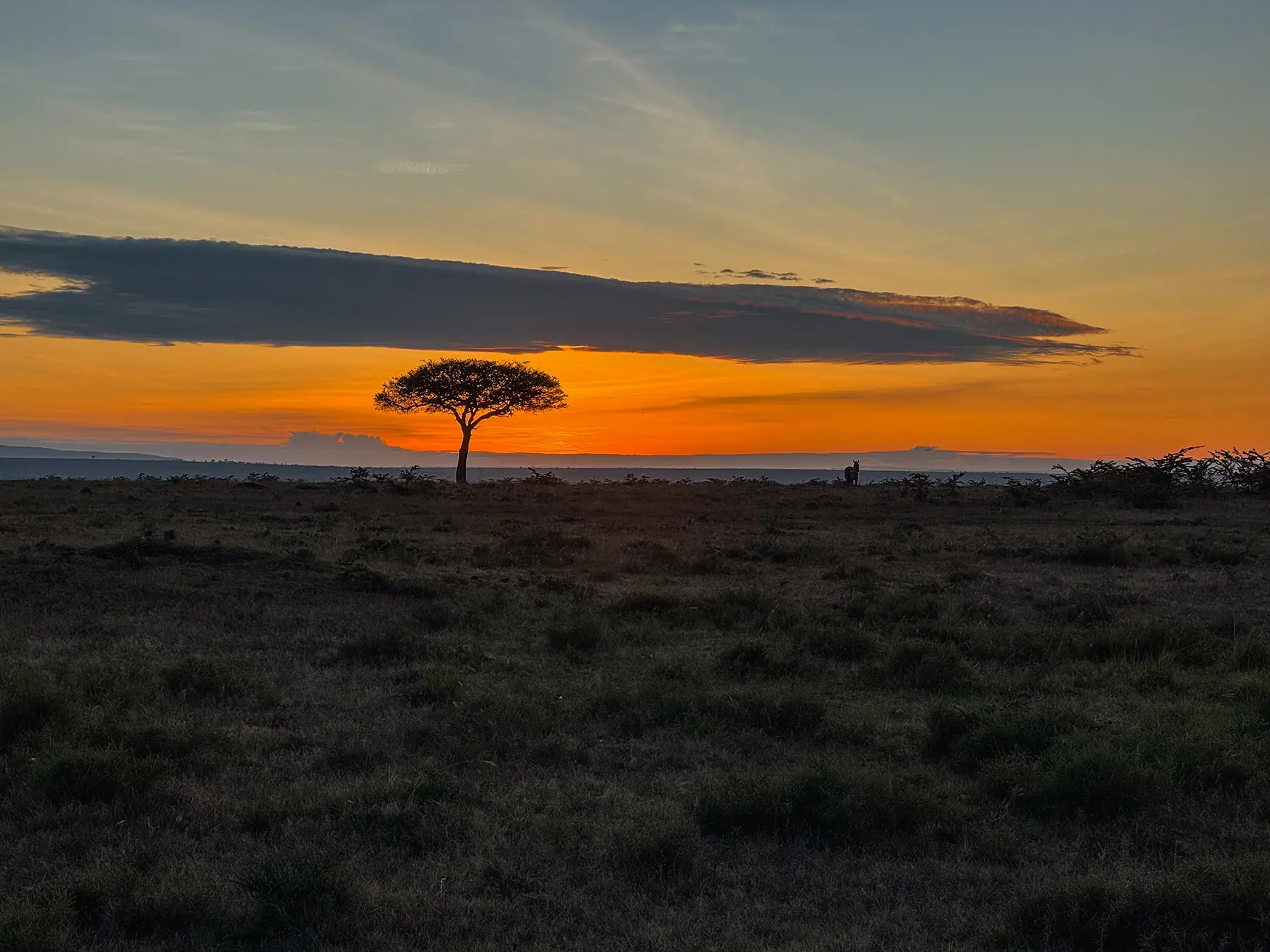
About Maasai Mara National Reserve
Located in south-western Kenya, the Maasai Mara National Reserve stretches across 1,510 square kilometres of open grassland.
The reserve has a relatively long history: it was established as a wildlife sanctuary in 1961 and awarded National Reserve status in 1974. It is named in honour of the Maasai people, who live in the region.
The word “Mara” means “spotted” in the Maasai language, and describes the appearance of the open savannah dotted with acacia trees.
The Maasai Mara is a wildlife paradise, and is home to over 95 species of mammals and more than 500 recorded bird species. It has an incredibly high lion density of 16.5 per 100 km², according to the Mara Predator Conservation Programme, making it one of the best places in Africa for lion sightings.
The annual Great Wildebeest Migration passes through the Maasai Mara, and many people plan their trips here around witnessing this natural spectacle, in which over two million wildebeest, zebras and gazelles migrate from the Serengeti. This takes place between July and October.
What is really exceptional about the greater Serengeti ecosystem, which encompasses the Maasai Mara and the Serengeti reserves, is that there are no boundary fences between these parks. This means that animals can move freely between the Maasai Mara National Reserve and the wider Serengeti ecosystem, which allows species to thrive in a truly natural and unconstrained way.
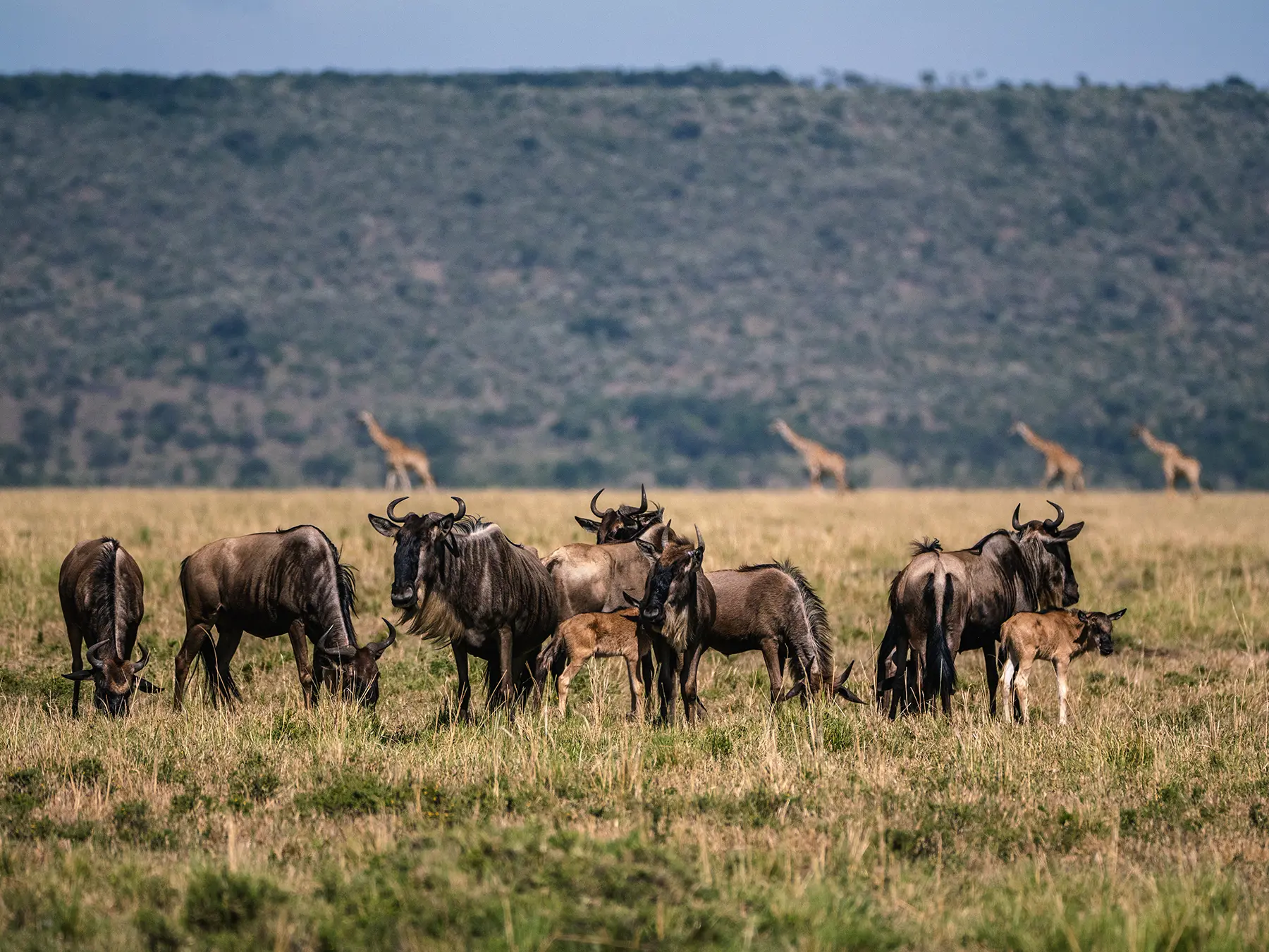
What Wildlife Can I See in the Maasai Mara?
All of the Big Five call the Maasai Mara home, and all are frequently seen except for black rhinos.
Black rhinos are present in the reserve, but they are extremely hard to come by because of their critically endangered status. There are only around 40 individual rhinos in the Mara area, and sightings are most likely in the Ngama Hills to the east. I have however, seen white rhinos on most visits to the park.
The Maasai Mara has one of the highest predator densities on the planet, which means this is the perfect place to spot big cats. Lions, leopards and cheetahs are seen frequently.
An undisputed highlight of the Great Wildebeest Migration is witnessing some of the Mara River crossings that take place as the river winds its way through the reserve. The main crossing, between the Maasai Mara and the Serengeti, is one of the most dramatic wildlife spectacles on Earth and occurs between mid-July and mid-October.
Over 8,000 hyenas and large herds of elephants, buffalo, zebra, giraffes and hippos provide constant action even outside migration season.
And don’t forget about the birdlife! The banks of the Mara River and the acacia-dotted plains are home to more than 570 recorded bird species.
Tips for Visiting the Maasai Mara National Reserve
- Park entry permits are single entry and valid for 12 hours. This means that if you’re staying outside of the reserve, you can only enter once per day and can’t return to your lodge for lunch. If you’d like the flexibility of returning to your lodge for lunch instead of bringing a picnic, stay at a lodge within the reserve.
- If you have a luxury budget ($500 + per person per day), consider spending some time in a private conservancy adjoining the Maasai Mara National reserve. These have strict vehicle limits and allow off-road driving, both of which provide you with a more wild and exclusive experience. However, they don’t have Great Migration Mara River crossing views.
- Park fees in peak season (July to December) are $200 per adult per day plus 18% tax. Low season (January to June) fees drop to $100 per day. If you’re on a tight budget, consider visiting in the first half of the year.
- As wildlife is more active first thing in the morning, you should get as early a start as possible. Consider bringing a picnic breakfast so you can enter the park as soon as the gates open.
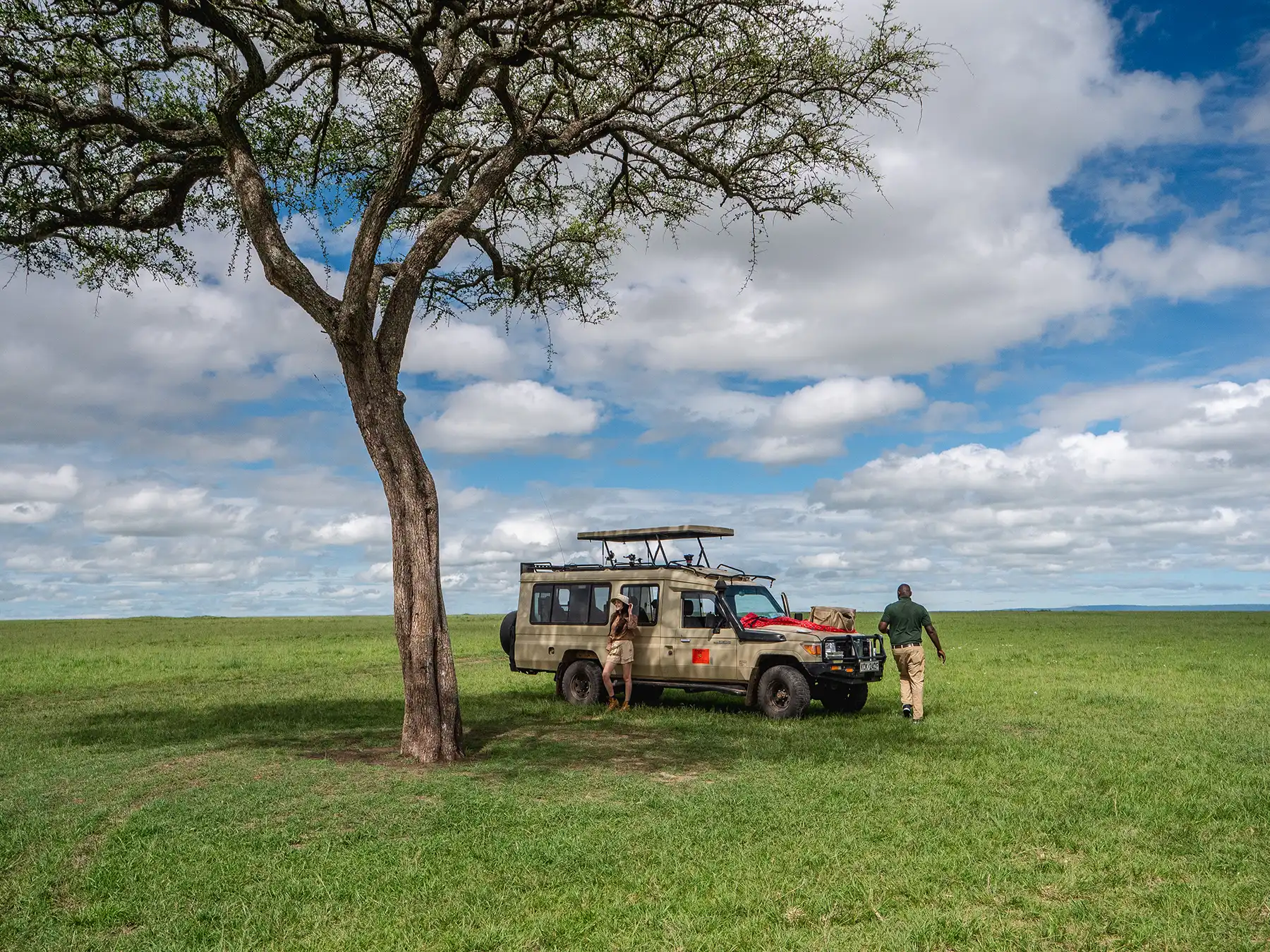
Optional Activities
Game drives are the beating heart of a Maasai Mara safari adventure, but there are plenty of other activities you can enjoy that will make your experience extra special. Here are a few of the best:
- Hot Air Balloon Safari: Drift over the Mara plains at dawn for a bird’s-eye view of the wildlife, followed by a champagne bush breakfast after landing. This typically costs $450 to $550 per person, but it’s an experience you’ll be hard-pressed to top anywhere else in the world.
- Guided Bush Walk: Let your pulse quicken as you walk along the Mara River with an armed ranger and see crocodiles, hippos and birdlife from ground level.
- Maasai Village Visit: One of the most rewarding ways to spend an evening or afternoon is experiencing a traditional Maasai boma. You’ll have the chance to watch the utterly unique warrior jumping dance and browse handmade souvenirs at the community market.
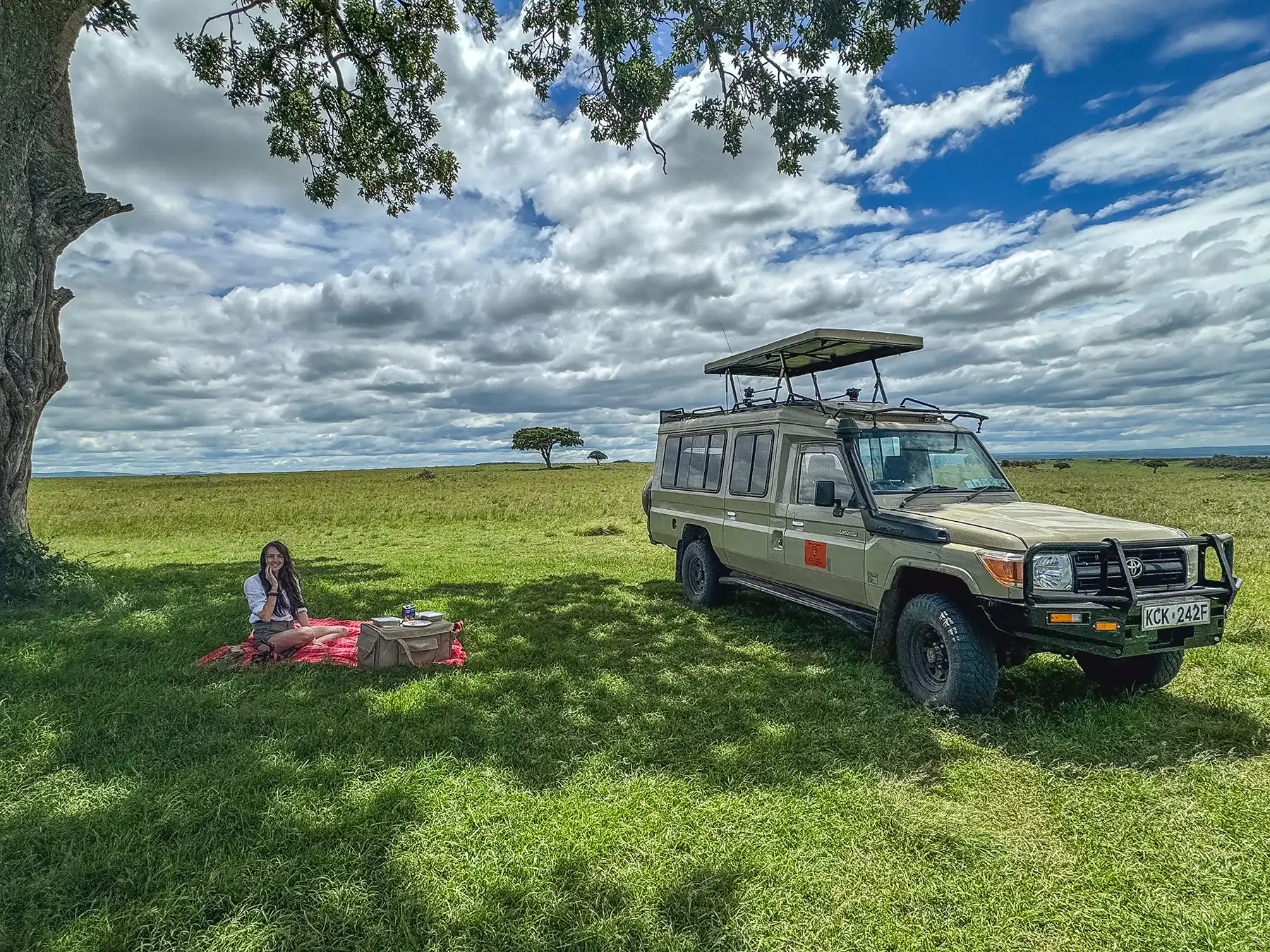
Where to Stay in Maasai Mara National Reserve
The Talek region is a popular accommodation hub, close to two gates into the reserve and offering flexibility on game drives by allowing entry from different directions.
Staying inside the reserve allows you to come back for lunch and also get out around 15 – 13 mins earlier vs waiting at the gates but accommodation prices insider the reserves are higher.
If you’re staying outside then I recommend staying in the Talek region. It feels quite central and is close to two different gates into the reserve, which gives you maximum flexibility while on game drives.
Being able to enter and exit the reserve from different directions means you can cover more ground and respond to where the wildlife action is happening, without having to backtrack when it’s time to exit.
A great accommodation option in the Talek region is Little Zebra River Camp, which is part of the Zebra Plains collection.
The southern Ololaimutiek area, between the reserve’s southern gate and Ololaimutiek Village, is another good option. This area has more budget-friendly camps.
For a more exclusive experience, the private conservancies such as Mara North, Naboisho and Olare Motorogi have excellent lodges. The advantages of staying in the private conservancies are that they have vehicle limits (which means fewer other vehicles on the roads and at sightings), allow off-road driving and offer additional activities including night drives and walking safaris. The downside is you can’t view the great migration river crossing from the conservancies.
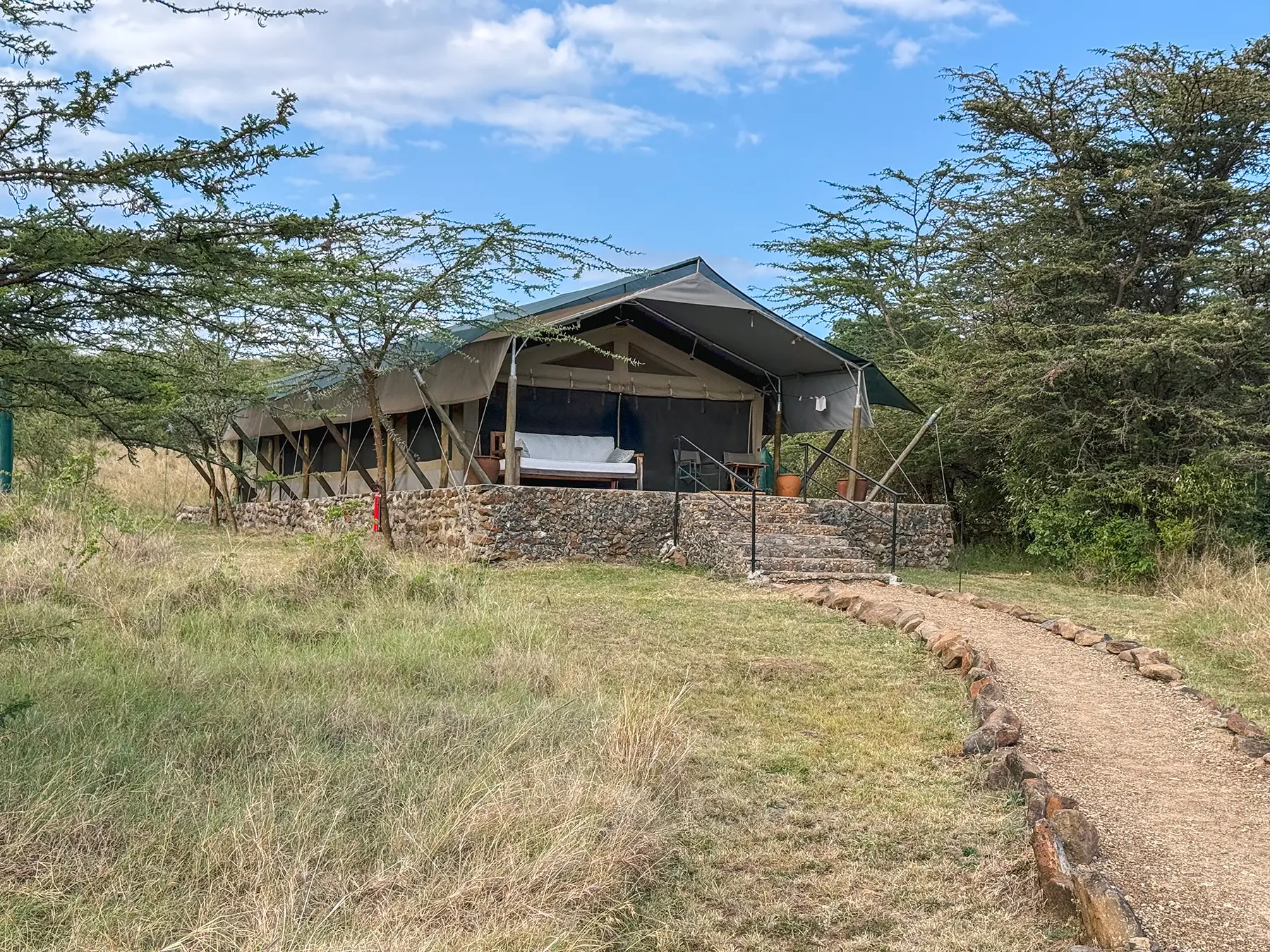
My Experience Visiting the Maasai Mara National Reserve
I’ve been fortunate enough to visit the Maasai Mara many times and each time I visit, I am blown away by the incredible wildlife sightings, particularly of the Big Five.
One of my favourite Big Five sightings in the Maasai Mara involved two of the Big Five in one go! We came across a huge male lion beside a buffalo kill that was right on the verge of the road, and lounging in the bushes just a few metres away was the rest of the pride. They had caught the enormous buffalo the previous evening and were now all full and sleeping off their feast.
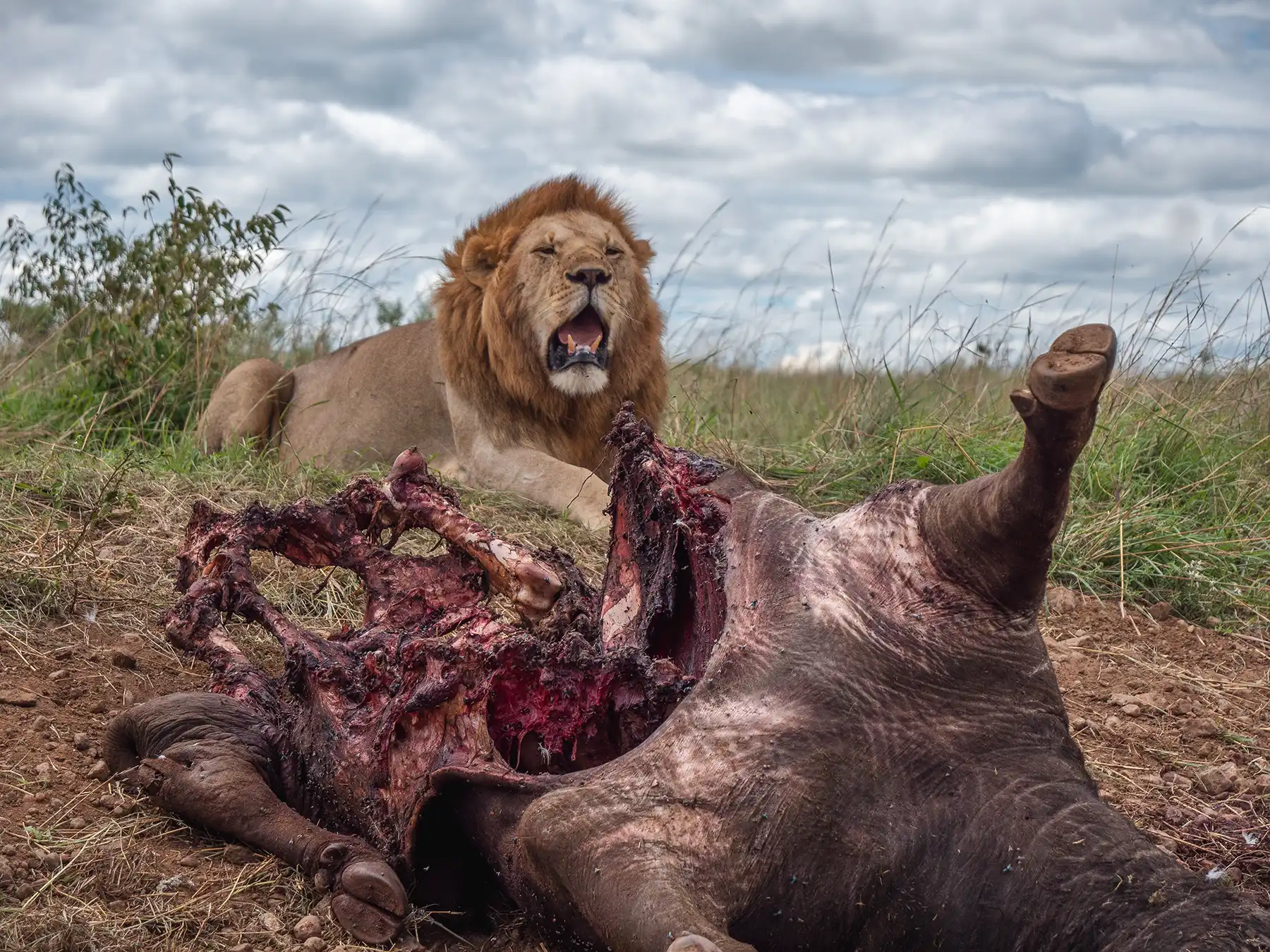
This big male was standing guard over the kill to ensure no scavengers helped themselves while the pride rested. He looked magnificent, his dark mane framing his broad face as he surveyed the area with a watchful eye. There were plenty of vultures waiting nearby, perched in the surrounding trees and on the ground, their patience wearing thin. Every so often one would hop a little closer and the lion would fix it with a stare that sent it shuffling back.
Another awe-inspiring sighting was of a leopard in a tree with a kill! We found a female leopard draped over the branch of a tree, a Thomson’s gazelle kill balancing on a branch beside her. She was magnificent, her rosettes perfectly defined against her golden coat.
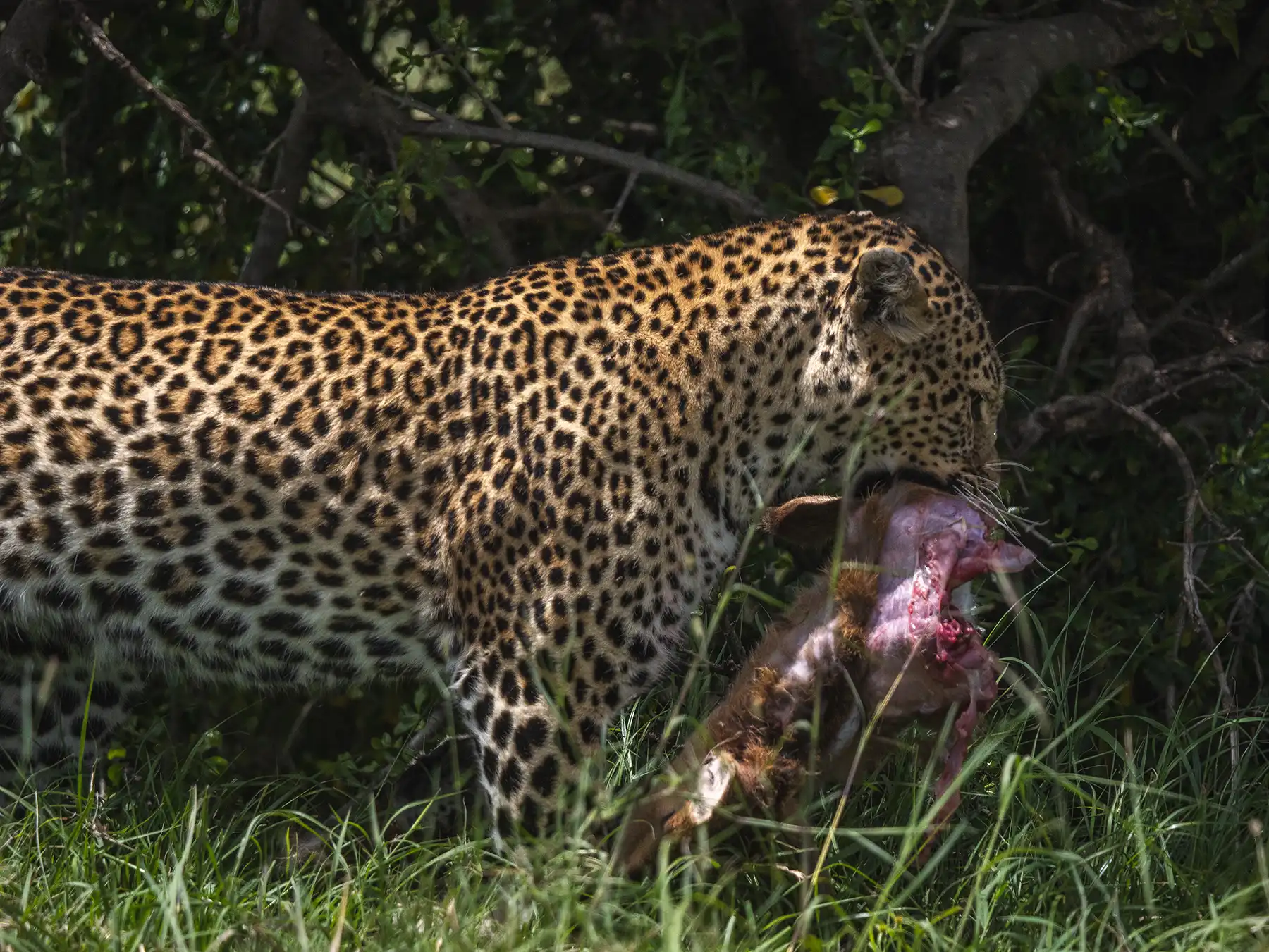
Leopards climb trees with their kills to protect their meals from scavengers while they recover from the exertion of the hunt. They usually descend when it’s time to eat. At one point, the female leopard we saw grabbed the carcass in her jaws and climbed carefully down the tree trunk, her muscles rippling beneath her spotted coat as she manoeuvred the heavy kill. She dropped to the ground with the gazelle and, rather than retreating into thick bush to eat as leopards often do, she settled right beside our vehicle.
I could hear the crunch of bone and the tearing of flesh just a few feet away. Her amber eyes flickered towards us occasionally but she showed no sign of concern at our presence. It was mesmerizing being so close to such a powerful and elusive predator.
A couple of other vehicles arrived and watched for a while, but one by one they all moved on, presumably heading to other sightings. Eventually it was just us. Having a completely private leopard sighting felt incredibly special. The silence, broken only by the sounds of the leopard feeding, was something I will never forget. These quiet, intimate moments with wildlife are what make safari so magical.
You can watch a video of my experience visiting the Maasai Mara below.
Days 8-9: Maasai Mara National Reserve
Drive Time (Excluding Game Drives): 0 hours
As soon as you arrive in the Maasai Mara you will realise that you need more than one day here to be able to enjoy all this magnificent reserve has to offer.
On days 8 and 9 you’ll spend two full days exploring the utterly spectacular Maasai Mara National Reserve, with dawn-to-dusk game drives and the option to take packed lunches into the bush. On these days you’re likely to have some of the most unforgettable wildlife encounters of your entire trip.
The Mara’s open grasslands make spotting predators far easier than in more densely wooded parks. With all of the Big Five present and one of the highest concentrations of big cats anywhere in Africa, every game drive is bound to be packed with action.
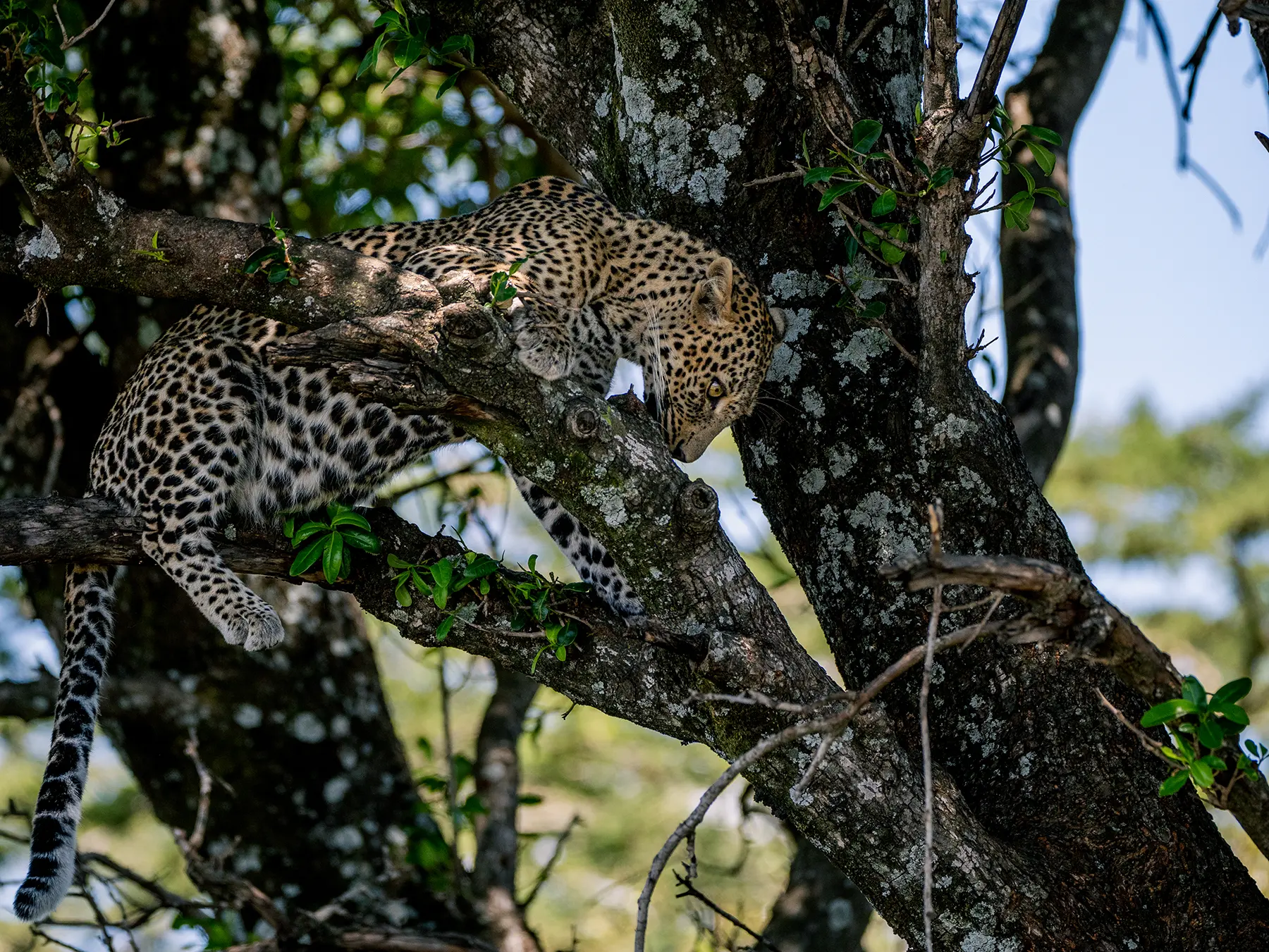
Itinerary
Particularly if you’re staying outside the reserve, full-day game drives, from dawn until dusk, are the best way to maximise your chances of great sightings, while making the most of your daily park entrance fees.
If you bring a packed breakfast with you, you will be able to get out as early as possible, to be ready to enter the park as soon as the gates open at 6am. Remember that the animals are most active during the mornings and evenings, when the temperatures drop.
You will take packed lunches and drinks with you too, which means that in the heat of the day you can pull up beside any nice acacia tree, set up a few camp chairs and enjoy your meal in the bush while watching the wildlife graze nearby.
You’ll return to the gates to make it out of the park by 6pm, and then return to your accommodation for a hot dinner and some well-earned rest.
These full-day drives are absolutely worth it!
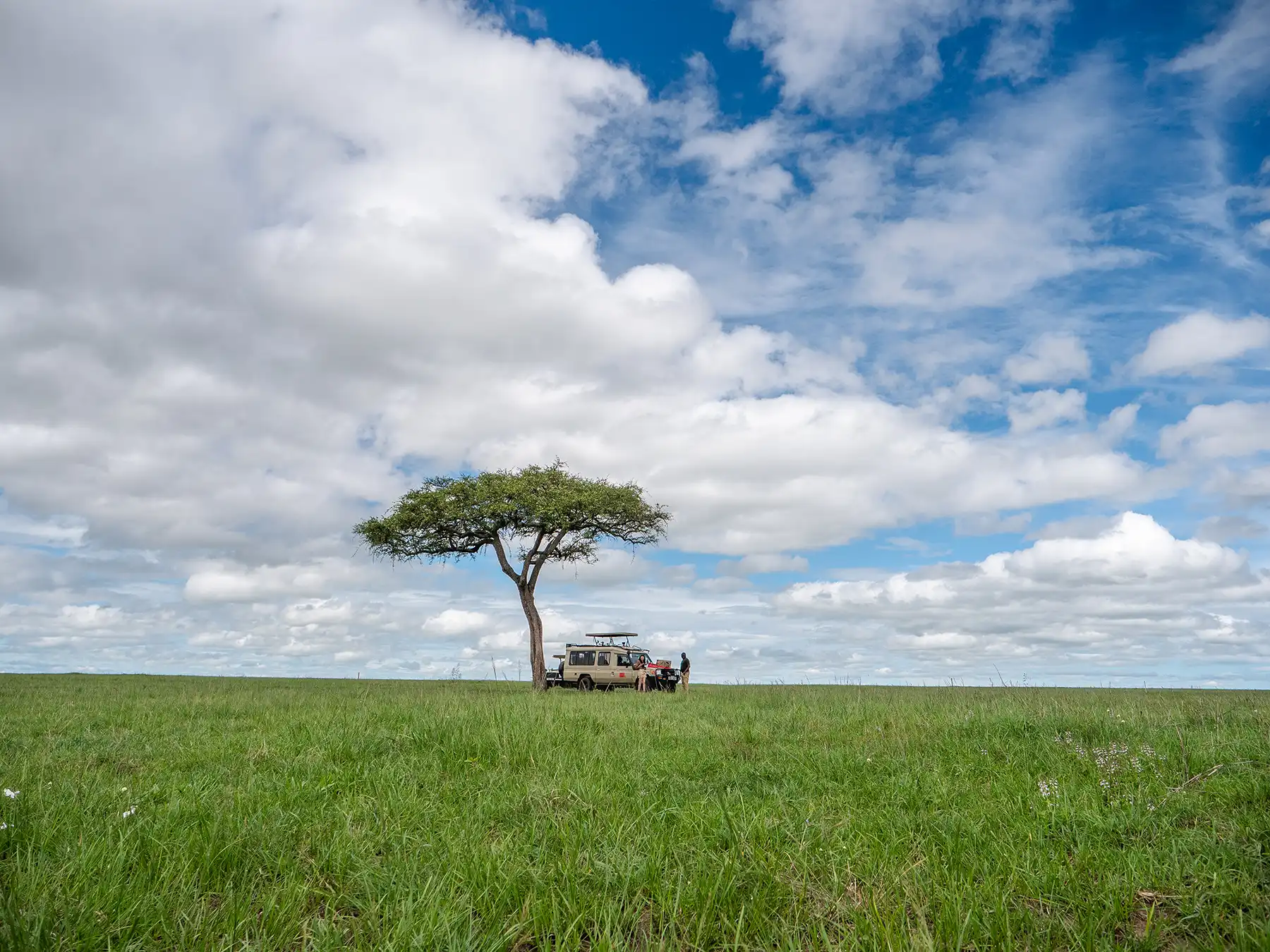
Where to Stay in Maasai Mara National Reserve
You’ll spend nights 8 and 9 in the same lodge or tented camp as the previous night.
Day 10: Maasai Mara to Serengeti
Drive Time (Excluding Game Drives): 10 hours
Today you’ll make the long journey from the Maasai Mara in Kenya to the Serengeti in Tanzania. These are two of Africa’s, and indeed the world’s, most highly-regarded national parks, characterised by majestically untouched nature and teeming with wildlife.
The parks are connected in that they are part of the same ecosystem and are directly adjacent to each other. However, they are intersected by the border between Kenya and Tanzania. Having to cross this border makes the journey a bit more complicated than simply driving from one reserve to the other – but thankfully getting you through the border crossing will be a breeze for your local guide, who does
The drive is long, at approximately 10 hours, but the sense of entering a whole new chapter of your safari adventure makes it really worth it.
Once you cross the border and enter the Serengeti, you will be in one of the largest and most famous wildlife sanctuaries on Earth, spanning 14,763 km² of grassland, savannah and woodland.
If the prospect of a 10-hour drive is too daunting, flying cuts down the travel time to around 3 hours, including getting to and from airports. In addition to the time advantage, a plane ride also gives you a fantastic aerial view of the land and the Mara River snaking through it.
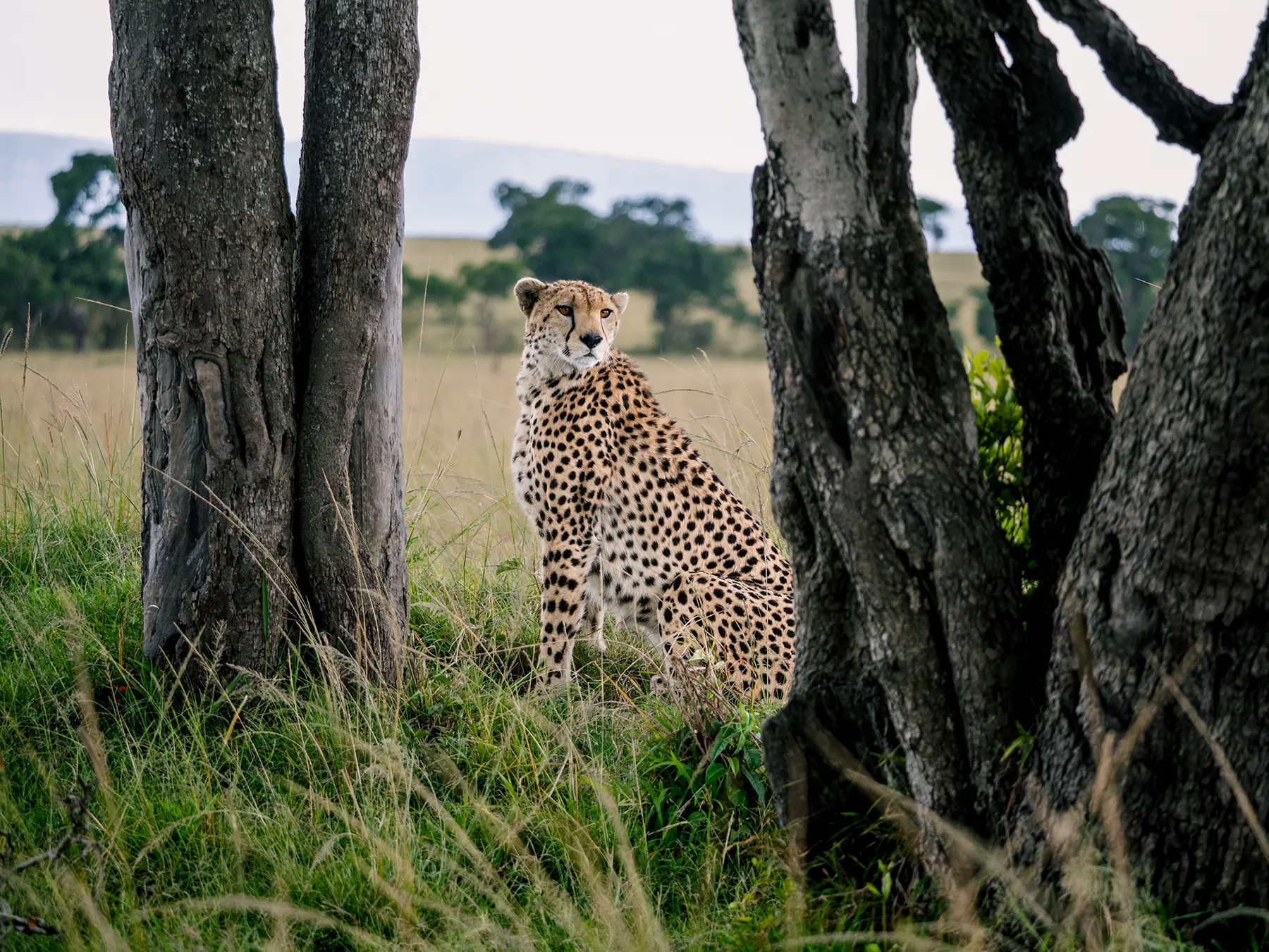
Map of Serengeti National Park
Here is a map I made showing the key features of Serengeti National Park.
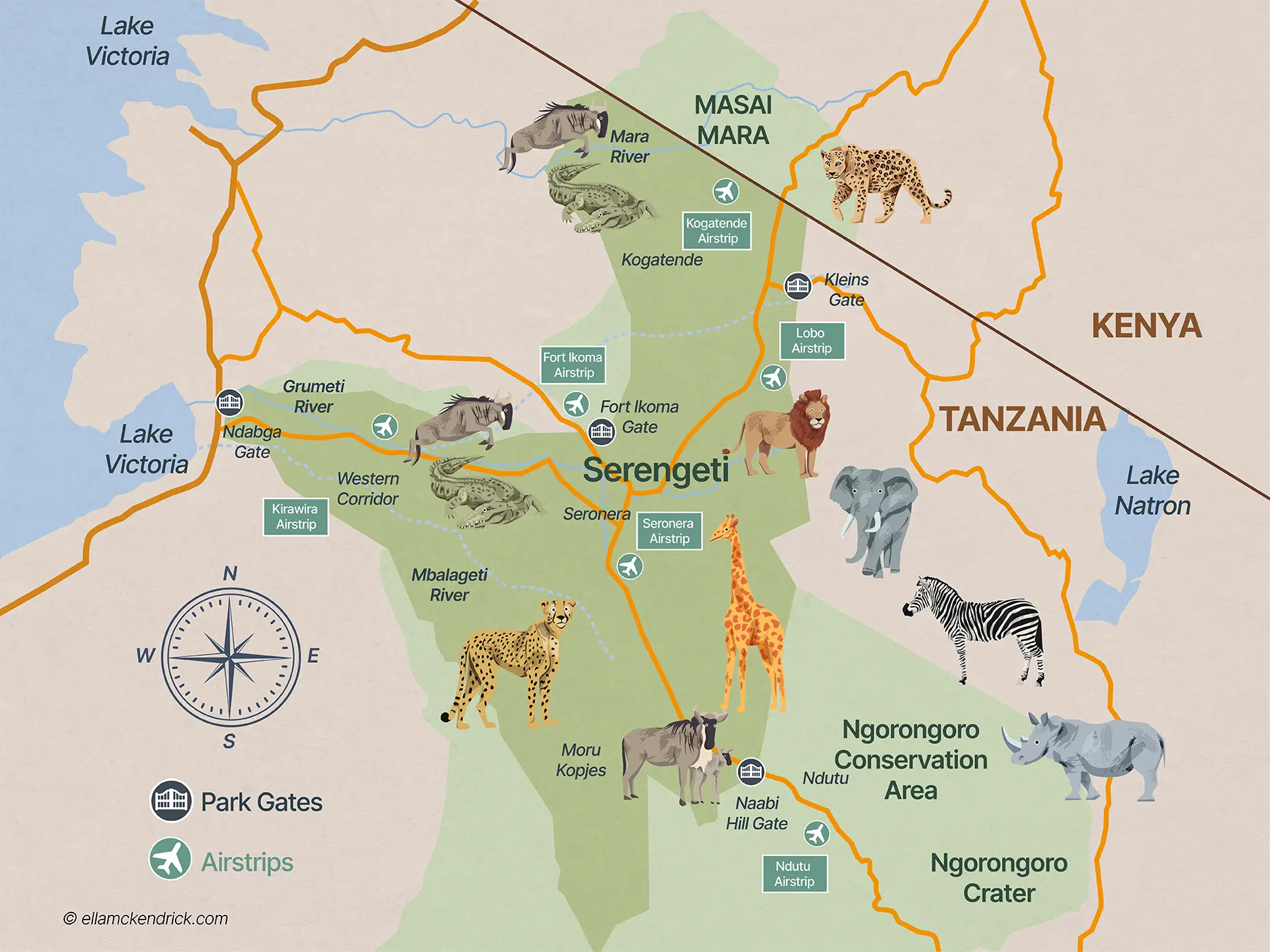
Itinerary
Depart from the Maasai Mara early, ideally by 7am. The drive to the Isebania border takes approximately 4 to 5 hours, depending on the location of your accommodation. You should exit the Maasai Mara via the western or southern gate, through the Lolgorien area to Migori, and then on to Isebania.
Staying in the Talek area rather than the southeastern corner of the Mara can save you up to 2 hours of driving.
The road between the Mara and Isebania is very poor with large potholes, so expect a bumpy ride!
At the border, you will complete exit and entry formalities in a single building, in what is called a One Stop Border Post (in other words, you don’t have to complete separate administrative processes for exit and subsequent entry). If your documents are in order you can expect to wait 30 to 90 minutes for clearance. It’s a straightforward process, and hopefully an exciting one too – after all, you’re now visiting a whole new country.
Welcome to Tanzania! You will switch vehicles and driver guides at the border, as Kenyan safari operators cannot operate in Tanzania and vice versa.
From Isebania, the drive to Central Serengeti via the Fort Ikoma Gate takes approximately 5 to 6 hours. There is a stretch of tarred road starting shortly before Isebania that continues into Tanzania for about an hour. Once you’re inside the Serengeti, the rest of your journey will feel just like an afternoon game drive that takes you all the way to your accommodation.
Keep your eyes peeled, even if you’re a little tired. Shortly after passing through the entrance gate at the border, I was lucky enough to see a leopard in a tree right by the road!
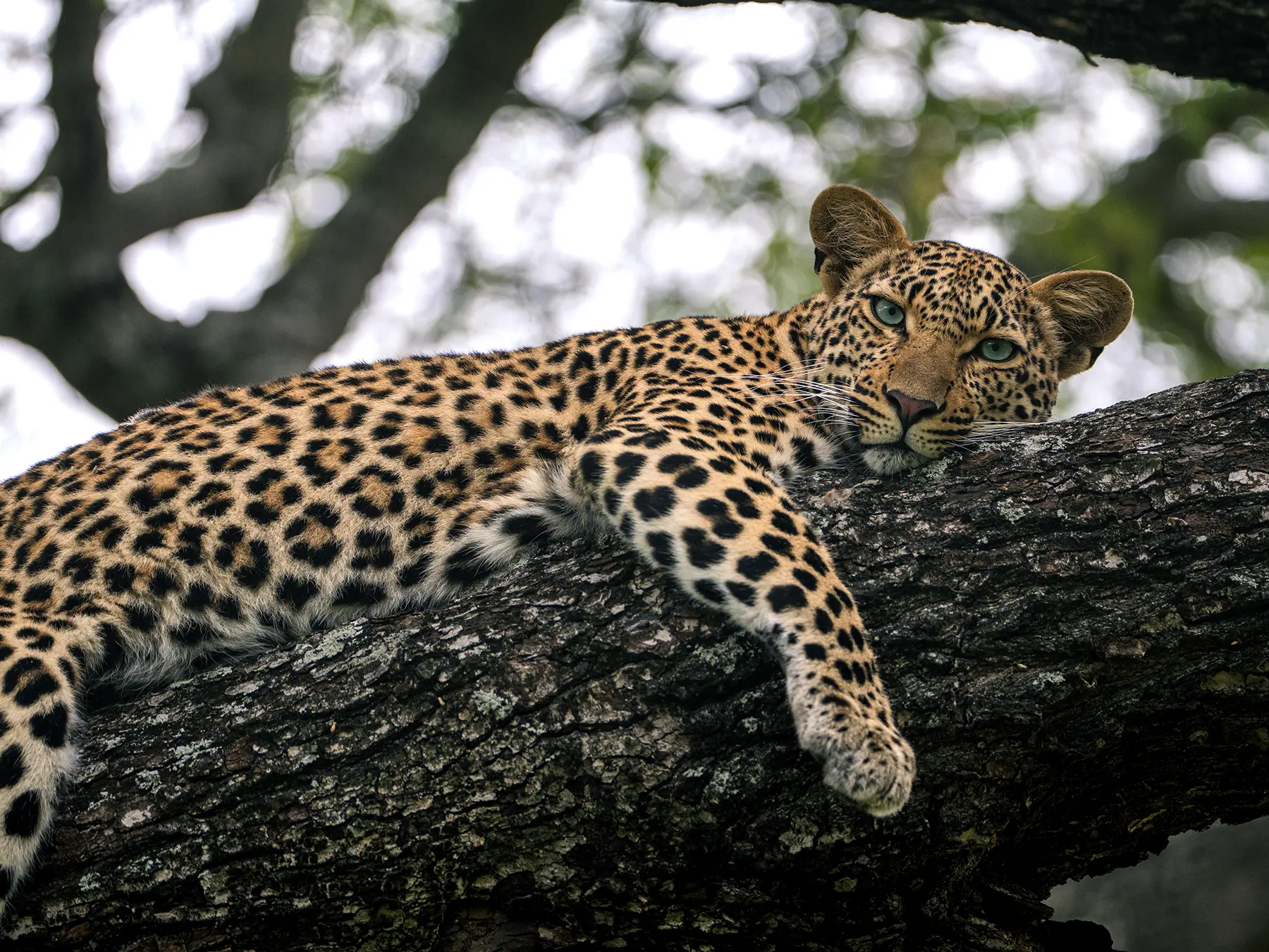
Border Crossing Tips
Crossing from Kenya into Tanzania is more straightforward than it sounds. Here are some tips to make the process as smooth as possible!
- Documents Required: You will need your passport (valid for at least 6 months), a Tanzanian e-visa, and a yellow fever vaccination certificate. The certificate must be administered no fewer than 10 days before your arrival.
- Visa: Apply for your Tanzanian e-visa no fewer than 10 working days before departure. The cost is $50 for UK/EU citizens and $100 for US citizens.
- Wait Times: The Isebania/Sirari One Stop Border Post operates 24 hours a day, 7 days a week. You can expect the process to take 30 to 90 minutes.
- Tour Operator Handling: If you have a local tour operator, they will coordinate both sides of the border crossing and arrange your new vehicle and guide in Tanzania. You’ll never be on your own and will always have one of your driver guides helping you through the process.
- Practical: Bathrooms are available at the border post but may not always have toilet paper, so bring your own.
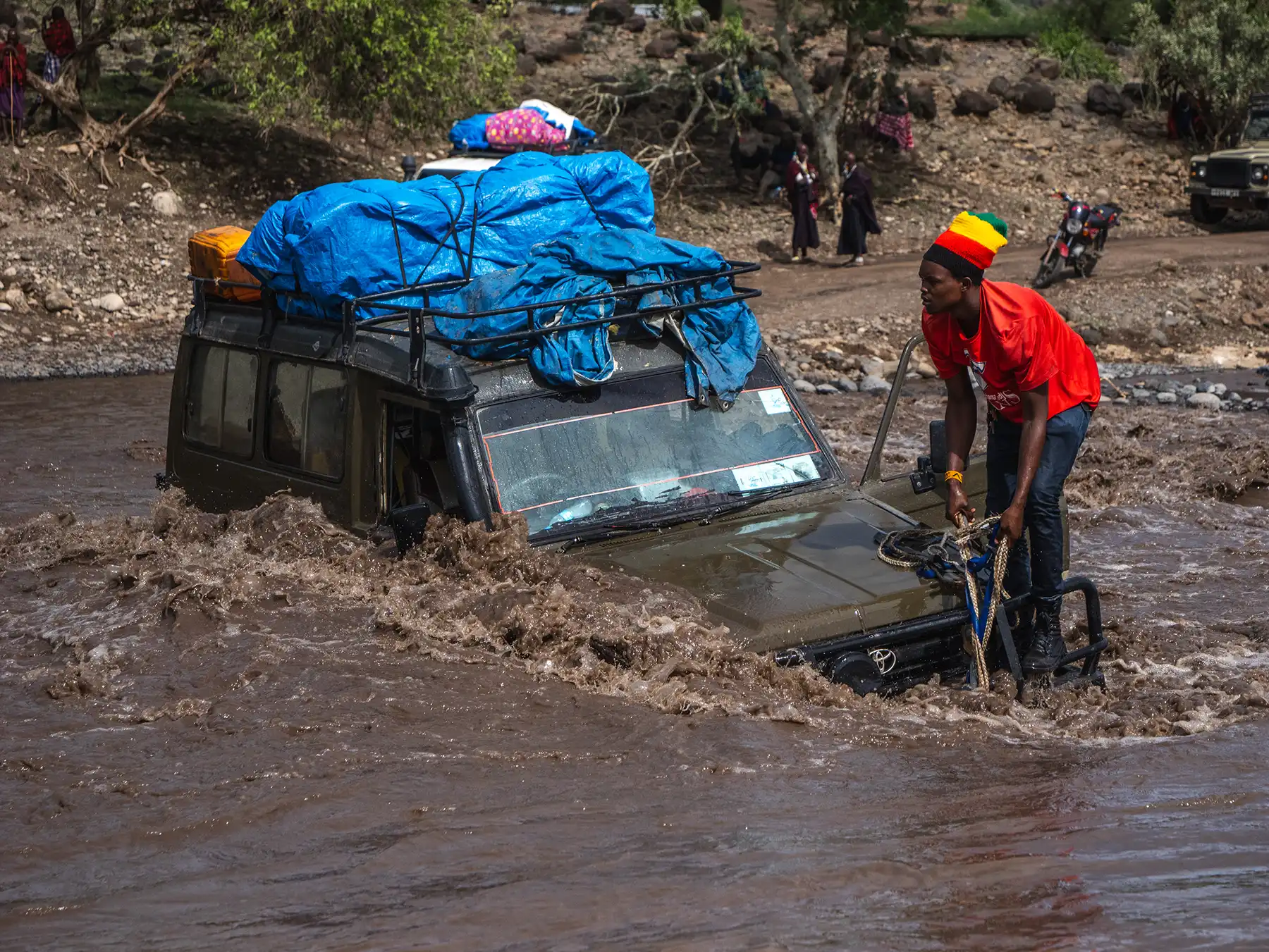
Where to Stay
Central Serengeti (Seronera) is the most popular area for first-time visitors, as the area offers reliable year-round wildlife viewing and high density of big cats.
The landscape here consists of vast open plains punctuated by koppies (small rocky outcrops) which predators use as lookout points. Accommodation ranges from budget tented camps to established luxury lodges.
Northern Serengeti (Kogatende) is the place to be between July and September for the dramatic river crossings. However, it is a fairly remote area and less accessible than other parts of the park.
The Western Corridor along the Grumeti and Mbalageti rivers offers lush scenery and a quieter alternative.
This is a fantastic place to stay between May and June as the migration is in town and you can see some dramatic action as the herds cross the Grumeti River. Like the central Serengeti, accommodation in the Western Corridor ranges from budget to luxury options.
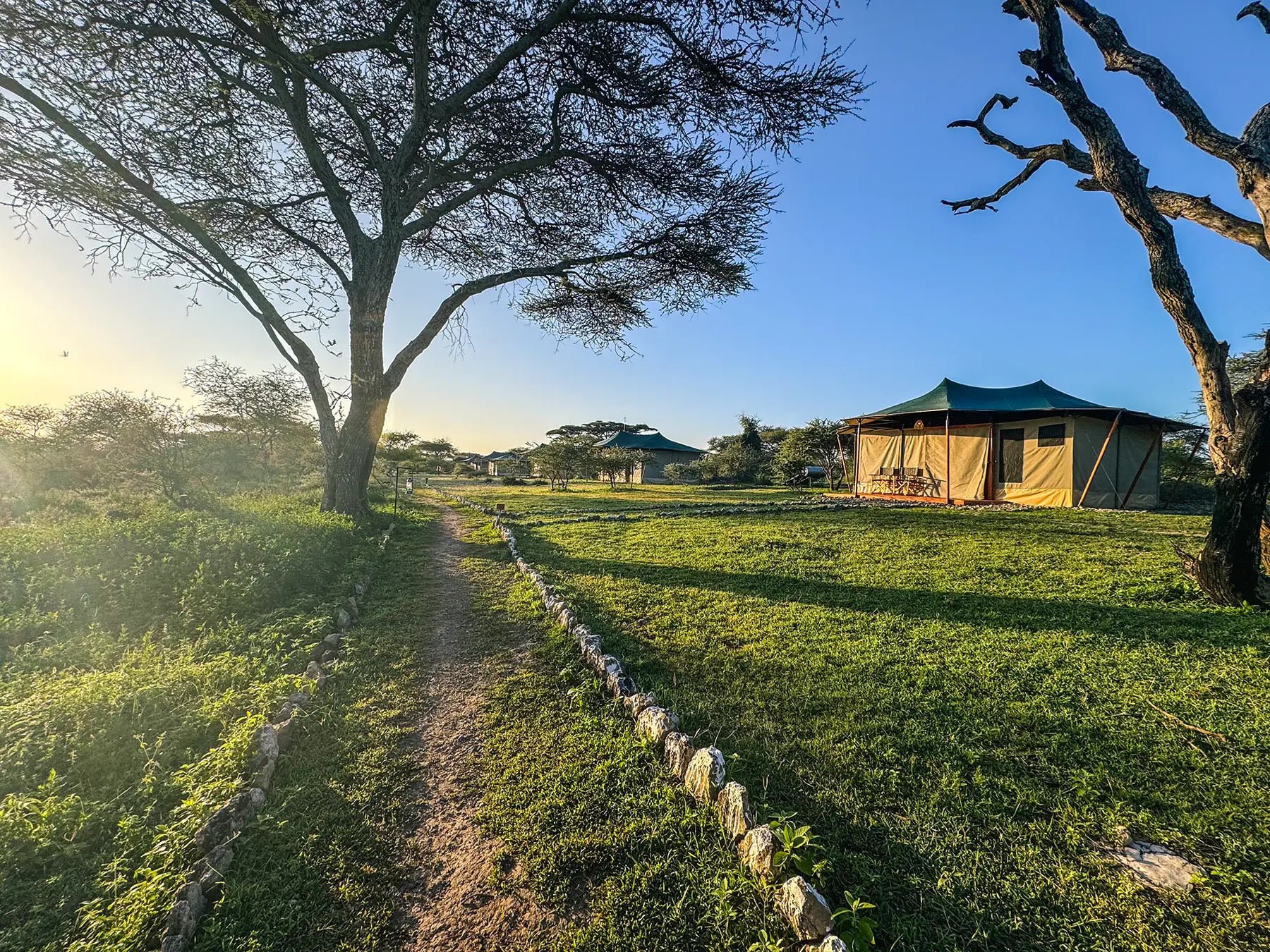
Day 11: Serengeti National Park
Drive Time (Excluding Game Drives): 1 hour between game drive areas
After yesterday’s border crossing drive, today is about immersing yourself fully in the Serengeti safari experience.
You have the whole day at your disposal to explore the Serengeti National Park. You’ll enjoy morning and afternoon game drives through the Central Serengeti region around Seronera, which is the heart of the park and offers the most reliable year-round wildlife viewing in the entire Serengeti.
This area has the highest concentration of big cats in the whole of the Serengeti, and is the best place in Tanzania to see tree-climbing lions.
The landscape in Central Serengeti is characterised by vast open plains with gentle sloping hills, as well as rivers, waterholes and small rocky outcrops called kopjes. Big cats use these as lookout points, and they have the advantage for us humans of making them more visible! That said, it’s not unusual to see multiple lion prides in a single day here.
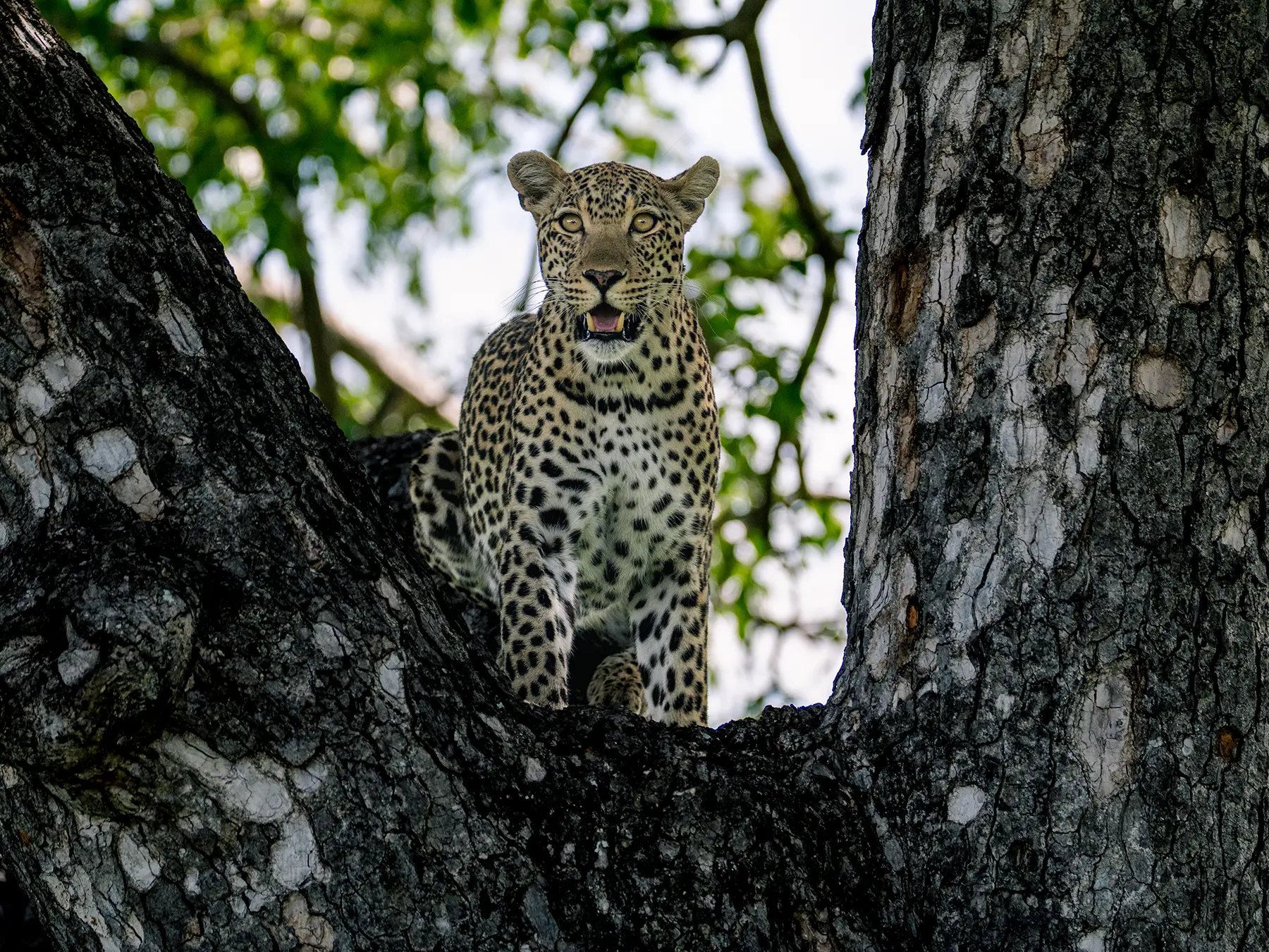
Itinerary
Depart your camp or lodge at dawn for a morning game drive through the Seronera area. Lions and cheetahs in particular are most active before the heat of the day sets in.
After a morning in your safari truck, you’ll return to your accommodation for lunch and a rest during the hottest part of the day. You’ll then head out again in the late afternoon for a second game drive. The golden light transforms the plains, accentuating the greens and yellows of the grasslands. The kopjes scattered across the landscape are favourite resting spots for lions and are worth a stop and a careful look when you pass them.
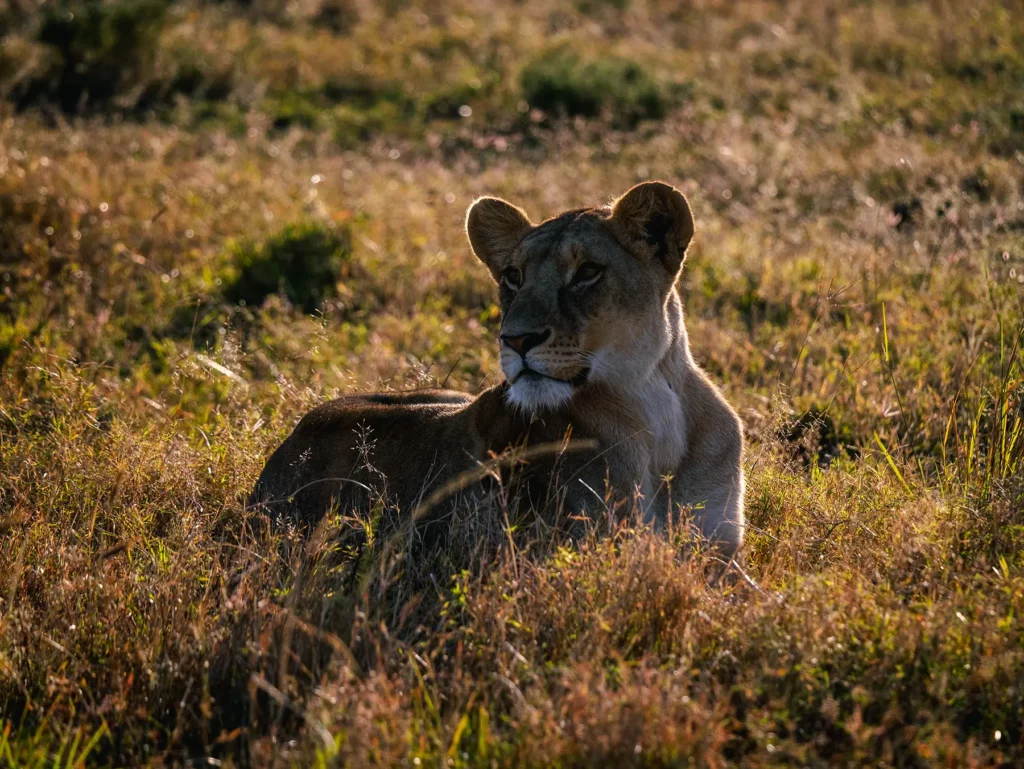
The Serengeti has approximately 6 leopards per 100 km² (a very high density) making it one of the best destinations in Africa for leopard sightings. Keep a close eye on trees and rocky outcrops, as leopards like to look for prey from a high vantage point and escape the heat from the safety of the treetops. They can frequently be spotted draping themselves across branches during the heat of the day.
You’ll head back to your lodge at dusk to enjoy some dinner and a look at your many photographs! One of the most memorable things about my safari trips is sitting around the campfire at night stargazing. The dazzling night sky is spectacularly vivid because you’re so far from light pollution. And the sounds of nocturnal animals make star-gazing here extra atmospheric! Listen out for the eerie whoops of hyenas and the distant roaring of lions.
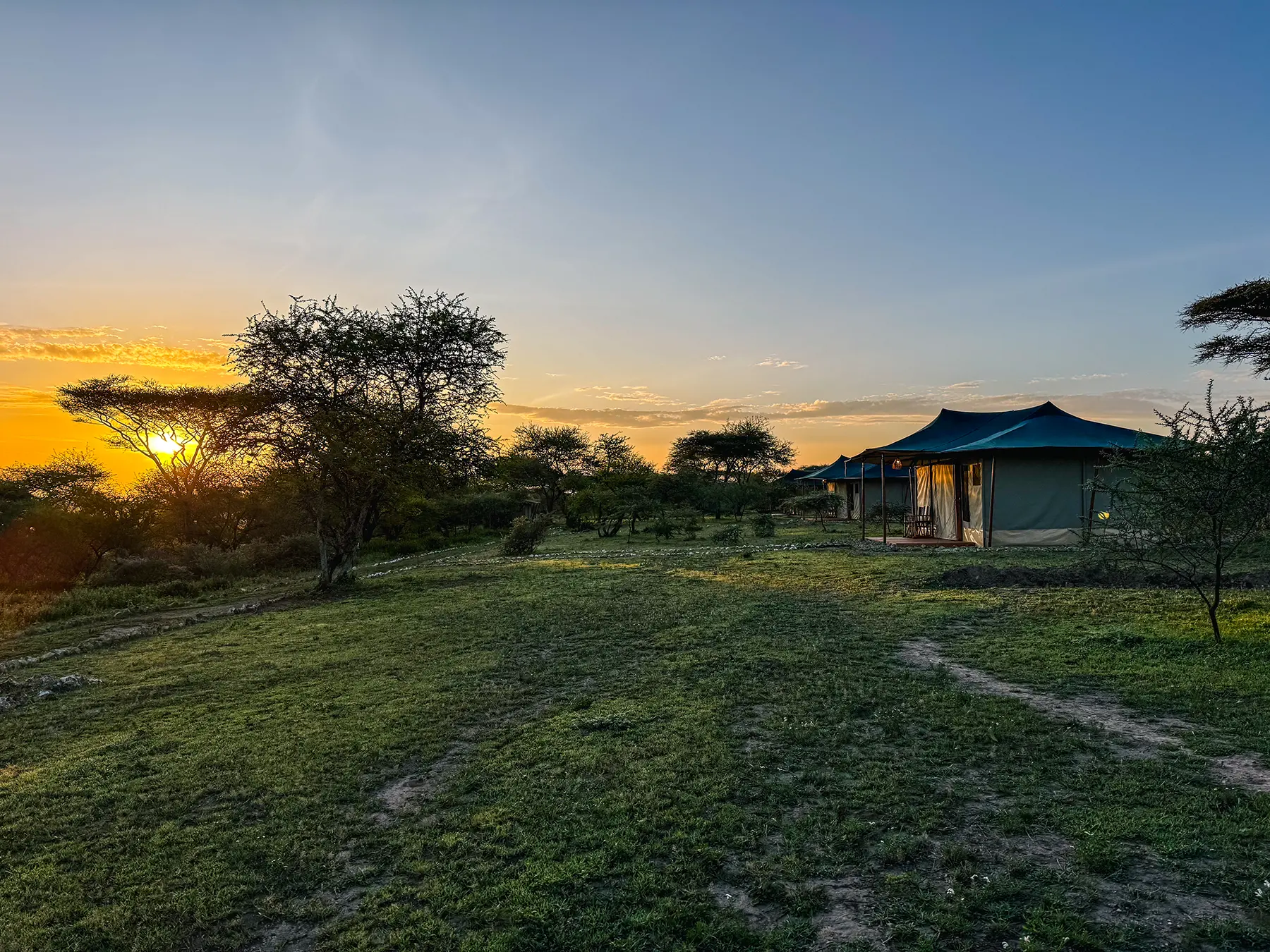
About Serengeti National Park
The Serengeti National Park is a UNESCO-listed World Heritage Site spanning 5,700 square miles (14,763 km²).
Its name comes from the Maasai word ‘siringet’, meaning ‘endless plains’, and it’s easy to see why as soon as you enter the park.
It’s nearly 10 times larger than the Maasai Mara! The Serengeti National Park is part of the larger Serengeti Ecosystem, which covers approximately 30,000 km² of unfenced wilderness stretching from Lake Eyasi to the Maasai Mara.
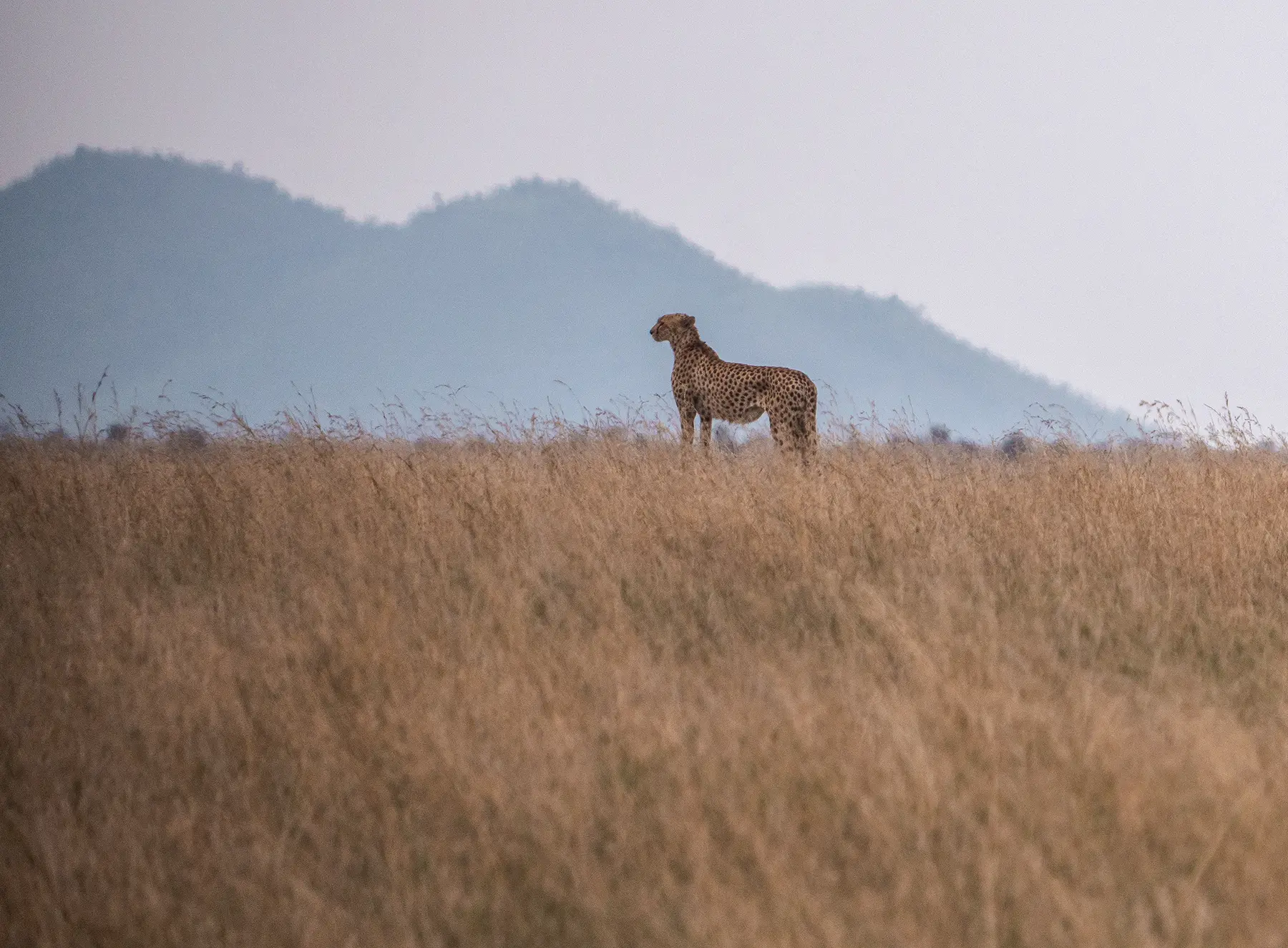
The ecosystem remains entirely unfenced, allowing the animals to roam freely between different areas and across national borders.
The Serengeti is famous for the Great Wildebeest Migration, the largest annual overland wildlife migration on Earth.
Over 2 million wildebeest, zebras and antelope make the circular journey between the Serengeti and the Maasai Mara, following a route of approximately 621 miles (1,000 km).
The journey cycle takes one full year to complete. It is estimated that at least 250,000 wildebeest die during the annual migration from starvation, drought, predation and exhaustion.
What Wildlife Can I See in the Serengeti?
The Serengeti National Park is home to all of the Big Five, though rhino sightings are extremely rare. Tanzania is home to over 14,000 lions, with around 4000 of these being in the Serengeti ecosystem itself. The Serengeti has the highest concentration of large predators in the whole of Africa.
There are approximately 6 leopards per 39 square miles (100 km²) in the Serengeti, and around 1,000 in total. That may not sound like a lot, particularly compared to the lions, but it’s actually a very high leopard density – this is one of the best places in Africa for leopard sightings.
The Seronera region in Central Serengeti is ideal for year-round wildlife viewing and is well-known for fantastic leopard and lion sightings
The Serengeti is also one of the best places in the world to see cheetahs, the world’s fastest land animal. There are over 500 in the park, and I’ve seen at least one cheetah on every single visit to the Serengeti.
The Great Migration passes through the Serengeti year-round in different regions. The dramatic Mara River crossings in Northern Serengeti, in which the herds cross the river to get to the Maasai Mara or to return to the Serengeti, occur between mid-July and mid-October.
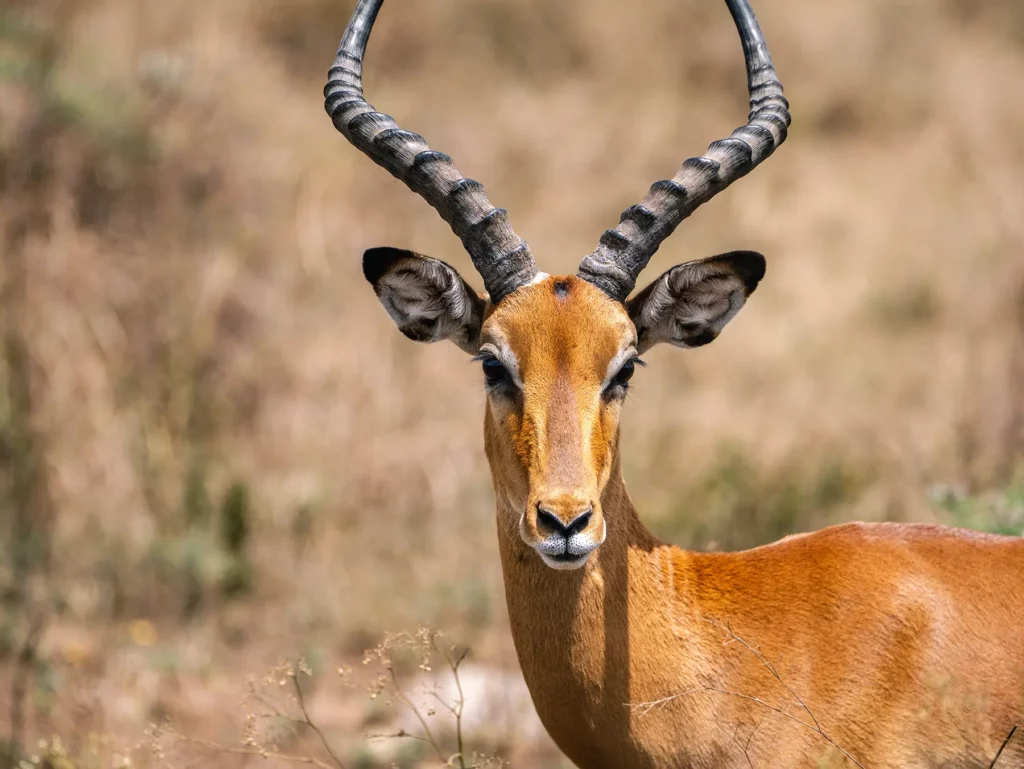
Tips for Visiting Serengeti National Park
- Serengeti is so big I’d strongly recommend staying inside the park.
- Central Serengeti (Seronera) offers reliable year-round game viewing and is home to a large leopard population. I’d recommend spending at least 1 night here.
- Tsetse flies are present in the Serengeti, so wear light, neutral-coloured clothing. Avoid blacks and navy blues, as the flies are attracted to dark colours.
- Consider taking a picnic breakfast with you on your game drives so you can get out on safari as early as possible during your stay. This maximises your chances of seeing big cats in action!
My Experience Visiting Serengeti National Park
There’s something about the vastness of the Serengeti that makes a close-up encounter with a predator really stand out. Add to that the fact that your sightings here are likely to be abundant and dramatic, given the concentration of big cats in the ecosystem, and you have the makings of an unforgettable safari.
It was in the Serengeti that I had my first ever leopard sighting, and – what’s more – as if to make up for all the times I’d missed out, I saw three leopards on that one day!
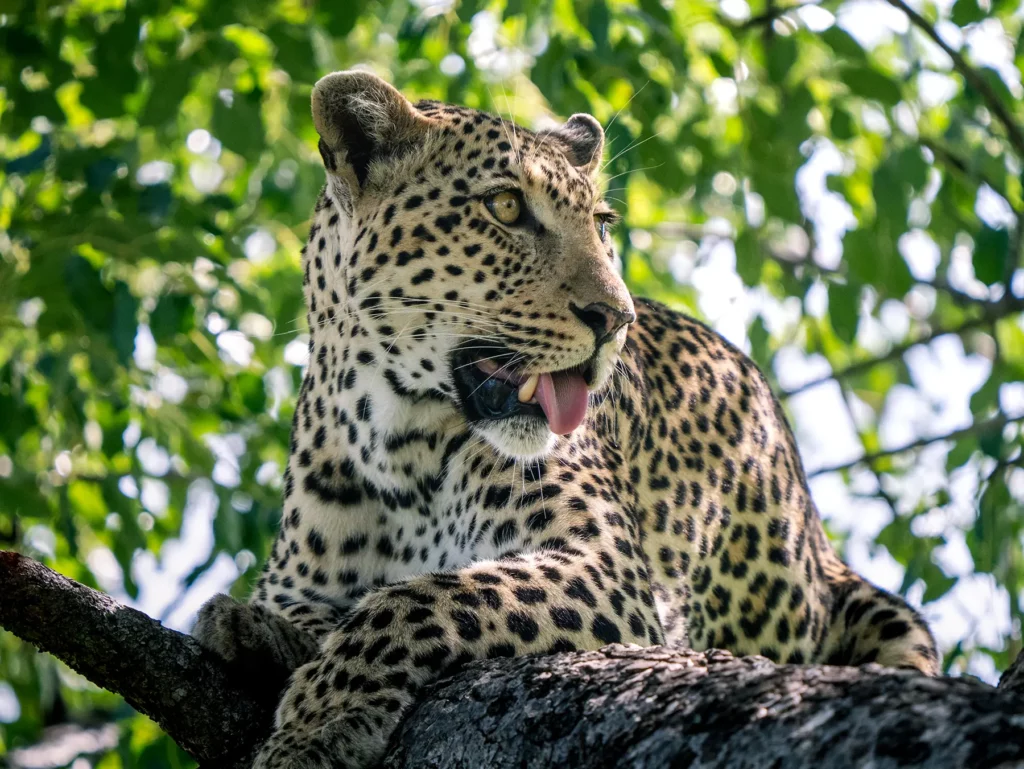
The first leopard we found was a young cub perched in a tree, its spotted coat perfectly camouflaged against the dappled branches. Then I noticed its mother in the tree next to it, fast asleep, draped over a thick branch with her legs dangling on either side. She was completely relaxed, clearly trusting that her cub was safe.
A little later that same morning we spotted another female leopard, this one in a different tree altogether. She was alone and alert, scanning the grassland below with those intense amber eyes that leopards have. Our guide said it was unusual to see three leopards in such a small area and that Central Serengeti is one of the most reliable places in Africa for leopard sightings.
I have also found the Serengeti amazing for lion sightings. My first lion sighting in Central Serengeti was of a majestic male standing on a rock, his thick dark mane framing his face against the vast sky. He looked like a creature from a painting, surveying his territory from this elevated position with an air of absolute authority.
As I lowered my binoculars from this beautiful male, I noticed there were two other lions even closer to the road that I had completely missed. They were a mating pair, a male and a female lying close together in the grass.
As lions mate approximately every 15 minutes when the female is in heat, we did not have to wait long to see them in action. The male would mount the female briefly, she would snarl and swipe at him, and then they would both flop back down to rest until the next round.
Later we also saw three male lions relaxing near the road together. They were nuzzling each other tenderly, rubbing their heads together in a display of brotherhood. Male lions form these coalitions for strength in numbers and the bonds between them are genuinely affectionate.
You can watch a video of my experience visiting the Serengeti below.
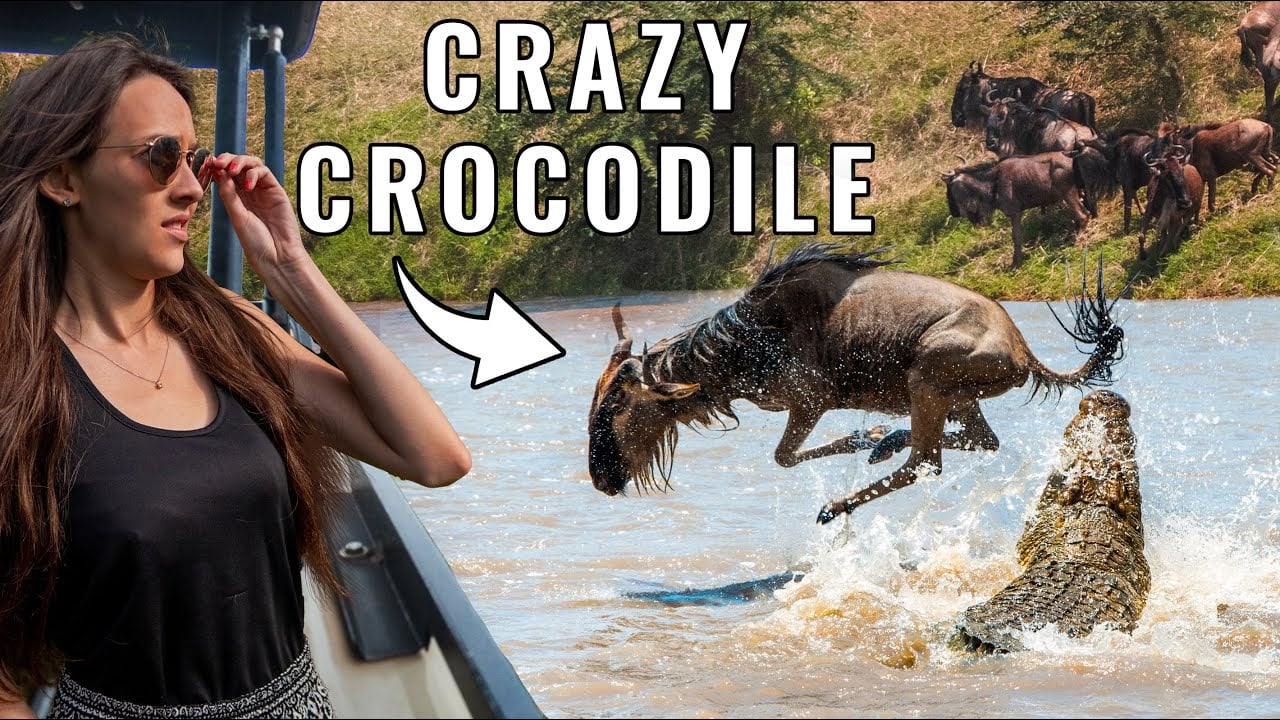
Where to Stay in Serengeti National Park
If you’re visiting the Serengeti between November and May, you’ll stay in the same lodge as the previous night. If you’re visiting between June and October, you’ll move today from Northern Serengeti (Kogatende) to Central Serengeti (Seronera).
Day 12: Serengeti to Ngorongor Crater
Drive Time (Excluding Game Drives): 4 hours
Today you’ll spend the morning enjoying the majestic Serengeti before embarking on an afternoon drive to the rim of Ngorongoro Crater, the world’s largest unbroken volcanic caldera.
The drive to Ngorongoro doubles up as a game drive, as it takes place entirely in protected areas. You’ll pass through open grasslands that gradually give way to denser woodland and eventually the lush montane forests at the crater rim, which sits at around 7,546 ft (2,300 m) elevation. You will arrive at your lodge near the crater rim in time for sunset views down into the caldera, one of the most dramatic panoramas in Africa.
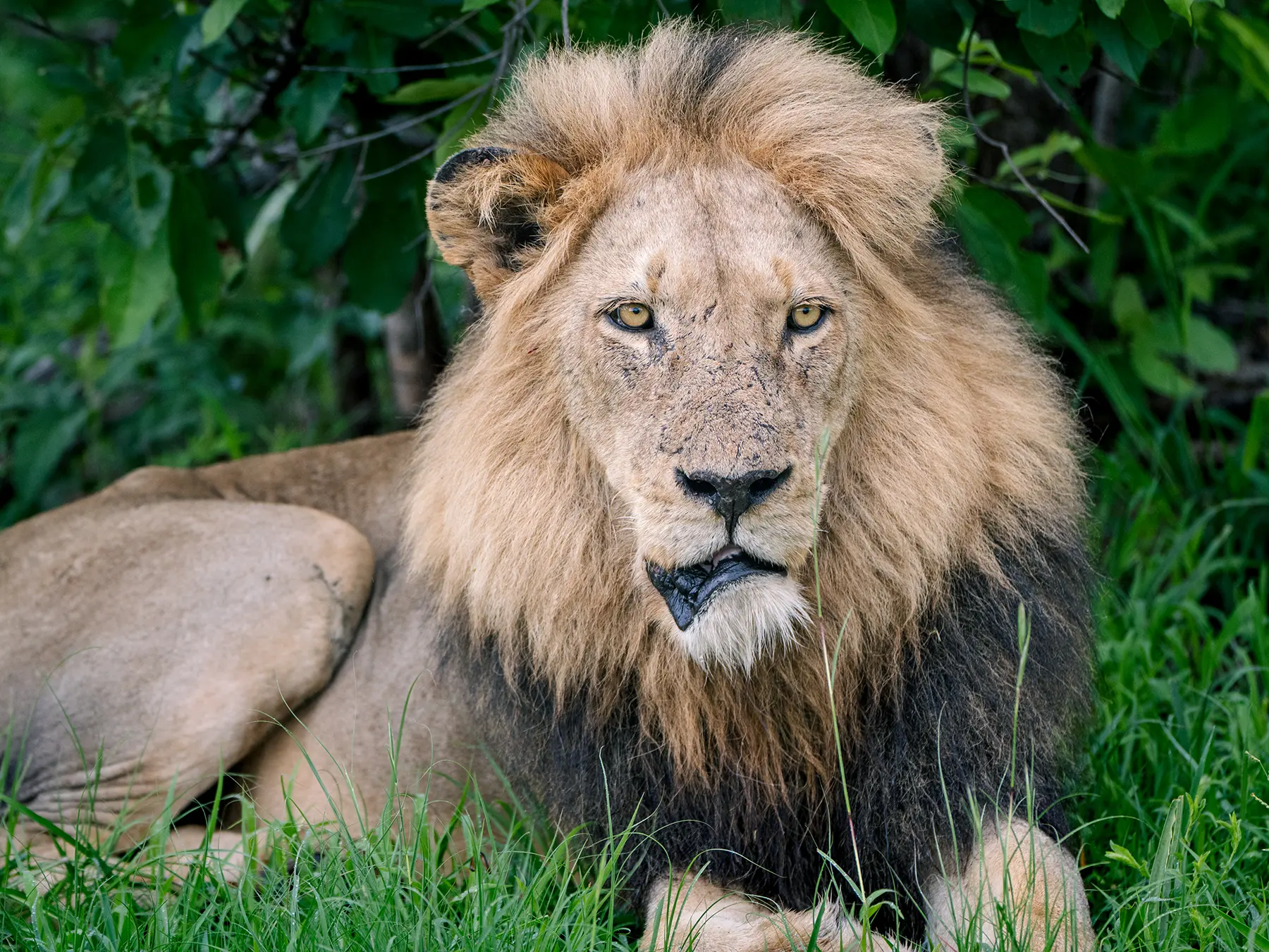
Itinerary
Start the day bright and early with a dawn game drive in the Serengeti, making the most of your last moments in Tanzania’s most famous park. [KB:7:”Tanzania’s most famous national park and one of the world’s top safari destinations”]
I’d recommend taking a picnic lunch with you today and checking out of your lodge early. This allows you to explore new areas of the park and stop for lunch en route, before meandering south towards the Ngorongoro Highlands.
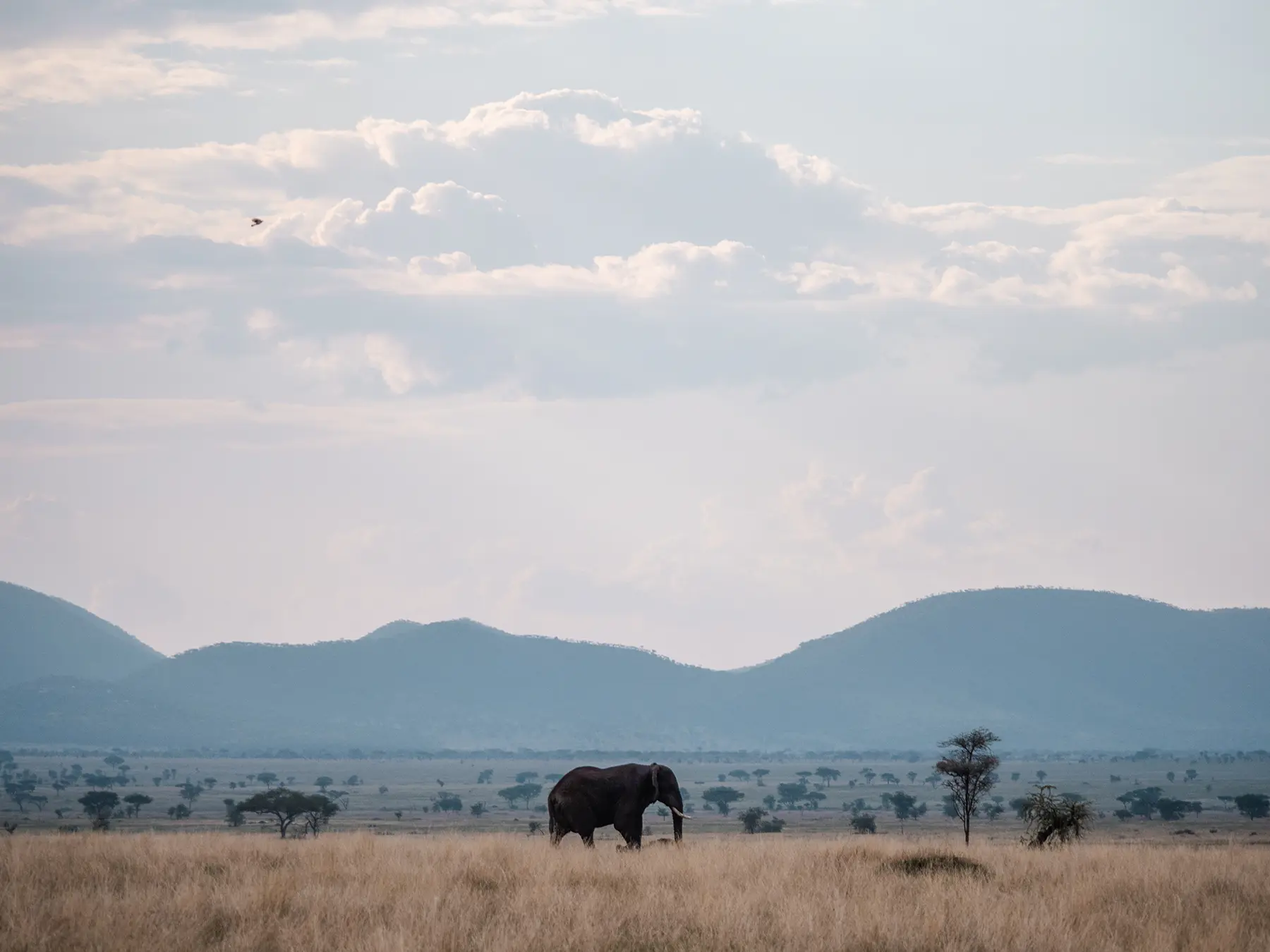
The route to Ngorongoro passes through Naabi Hill Gate, where you exit the Serengeti, and continues through the Ngorongoro Conservation Area highlands. The NCA covers 8,288 km² in total, and encompasses the crater, Olduvai Gorge and the surrounding highlands.
You’ll notice the road climb steeply as you approach the crater rim, with the temperature dropping significantly at the higher elevation. Be sure to bring a light layer to put on in case you become chilly on the journey.
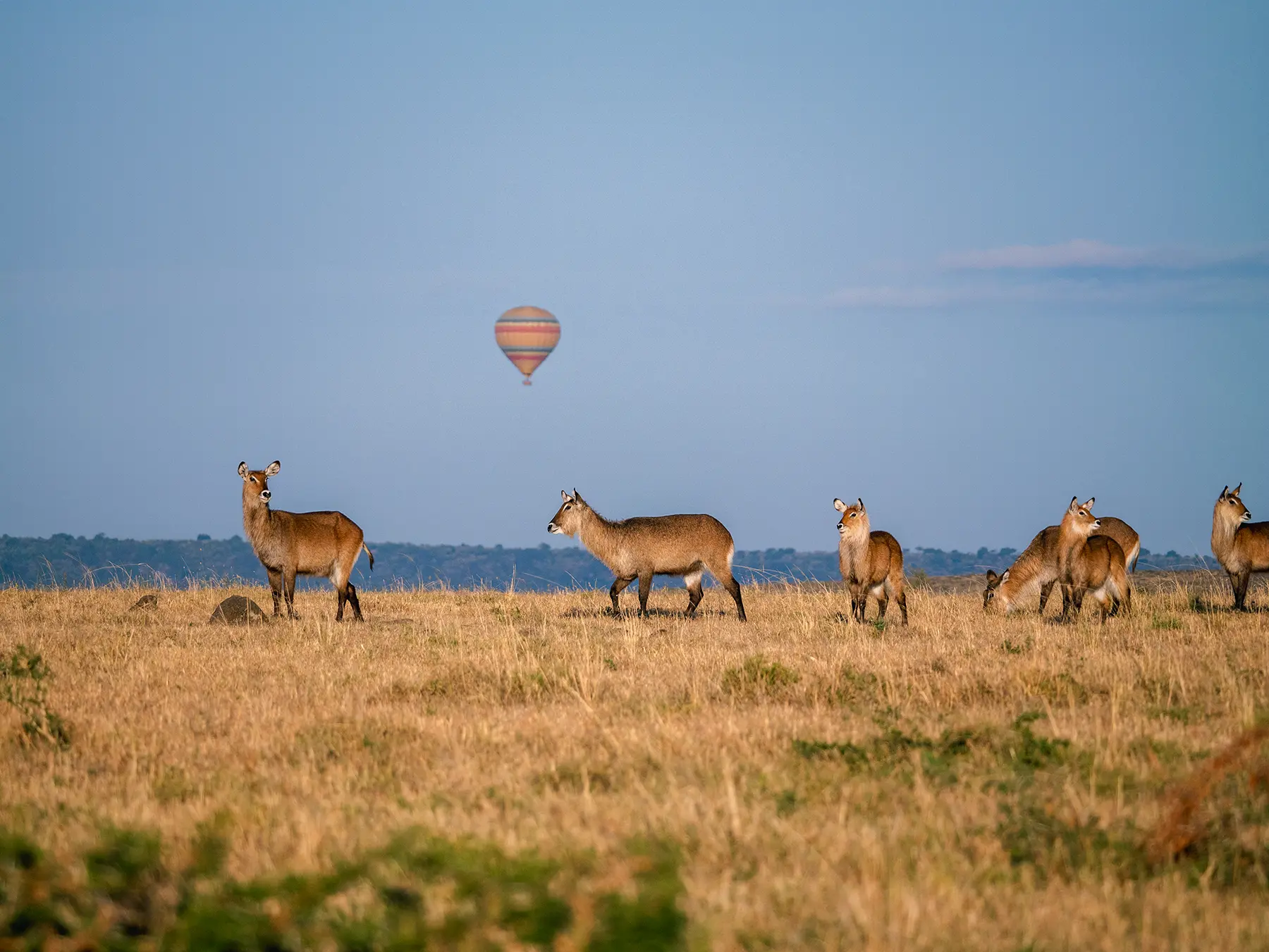
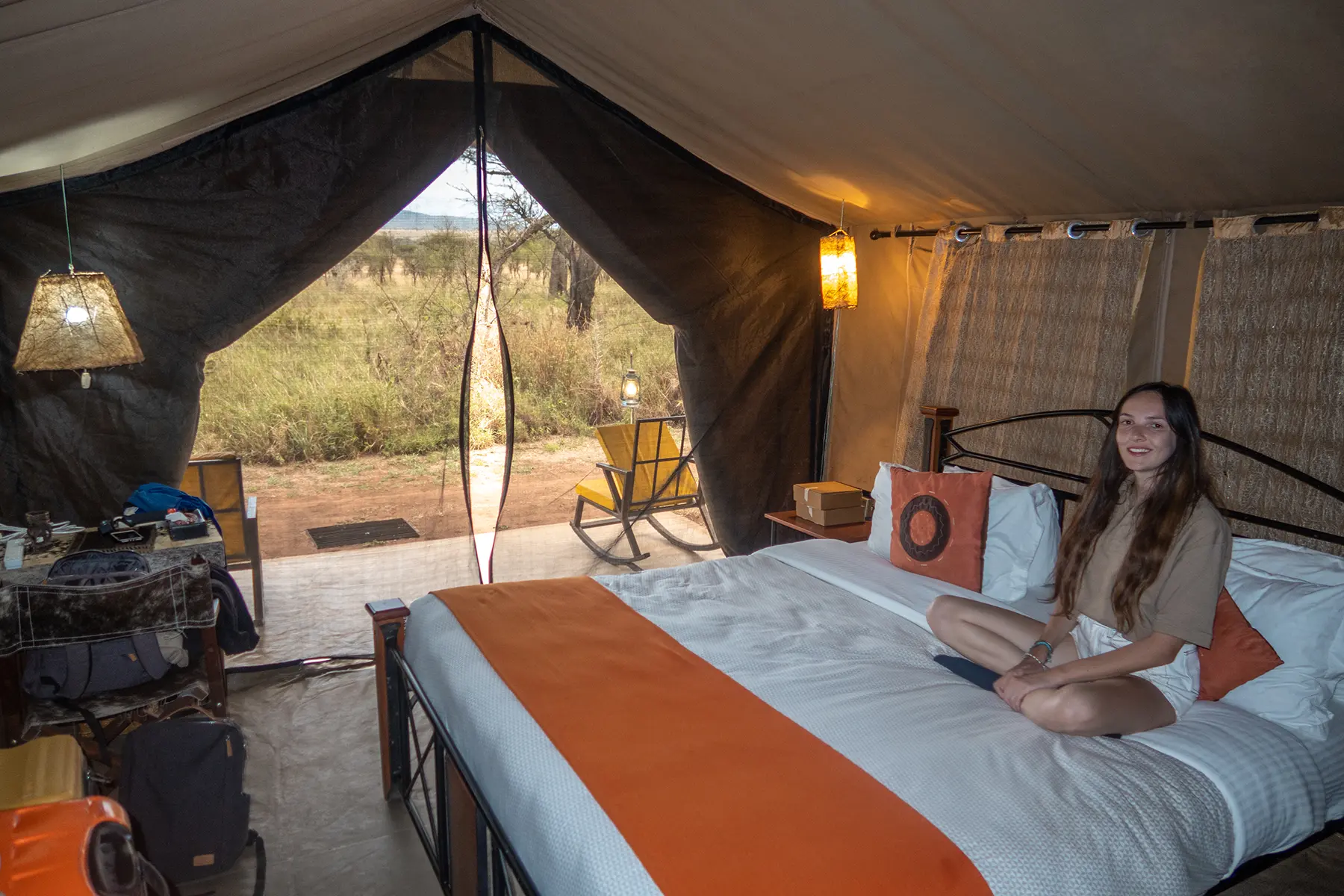
Where to Spend the Night
Tonight you’ll sleep at your lodge near the Ngorongoro Crater rim. Proximity to the rim is coveted, with a handful of lodges perched directly on the edge offering dramatic views into the caldera. It’s the perfect place to stay tonight before your morning safari in Ngorongoro Crater tomorrow.
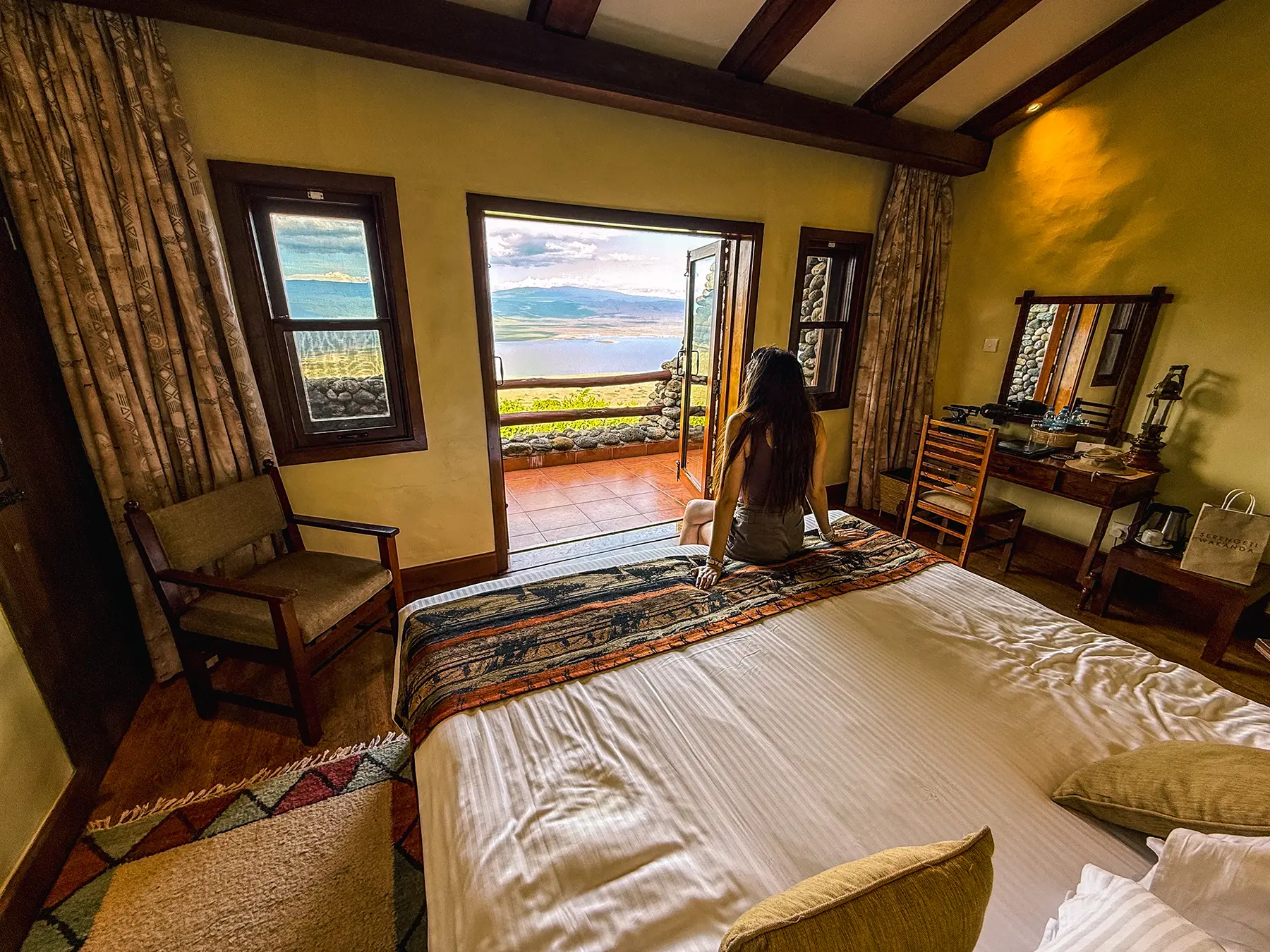
The lodges at the rim tend to be fairly upmarket, but I feel staying there is worth the extra investment.
A more affordable accommodation option is to stay in the nearby village of Karatu.
However, staying on the rim eliminates the one-hour drive that guests at Karatu-based properties must make each way before and after their game drives.
Avoiding this drive allows for the earliest possible arrival at the crater gates when they open at 6 AM.
For accommodation at the rim, Ngorongoro Serena Safari Lodge is an excellent option. In addition to comfortable rooms and breathtaking panoramic views, this lodge is characterised by its unique stone architecture and terraces with balconies perched directly over the crater.
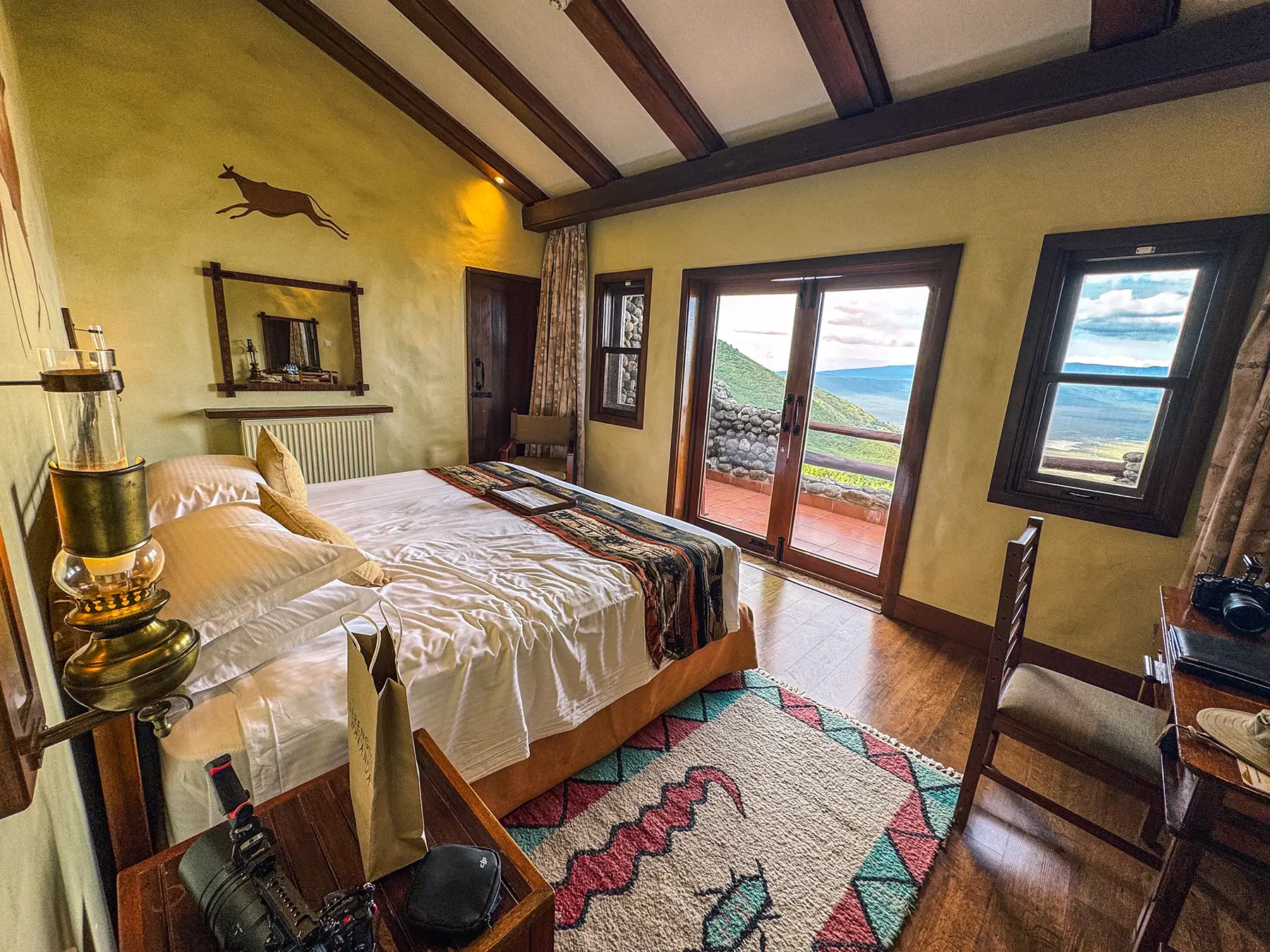
Day 13: Ngorongoro Crater
Drive Time (Excluding Game Drives): 2 to 3 hours
You’ll want to make the most of your time in the Ngorongoro Crater by starting early, as soon as the gates open. As you descend into the crater you will find yourself instantly surrounded by a landscape teeming with life: the crater is home to abundant lions, rhinos, elephants, and more.
Choose a cool hippo pool as the backdrop for your midday lunch picnic. After lunch, you’ll have more time to explore before heading to your next destination, Lake Eyasi.
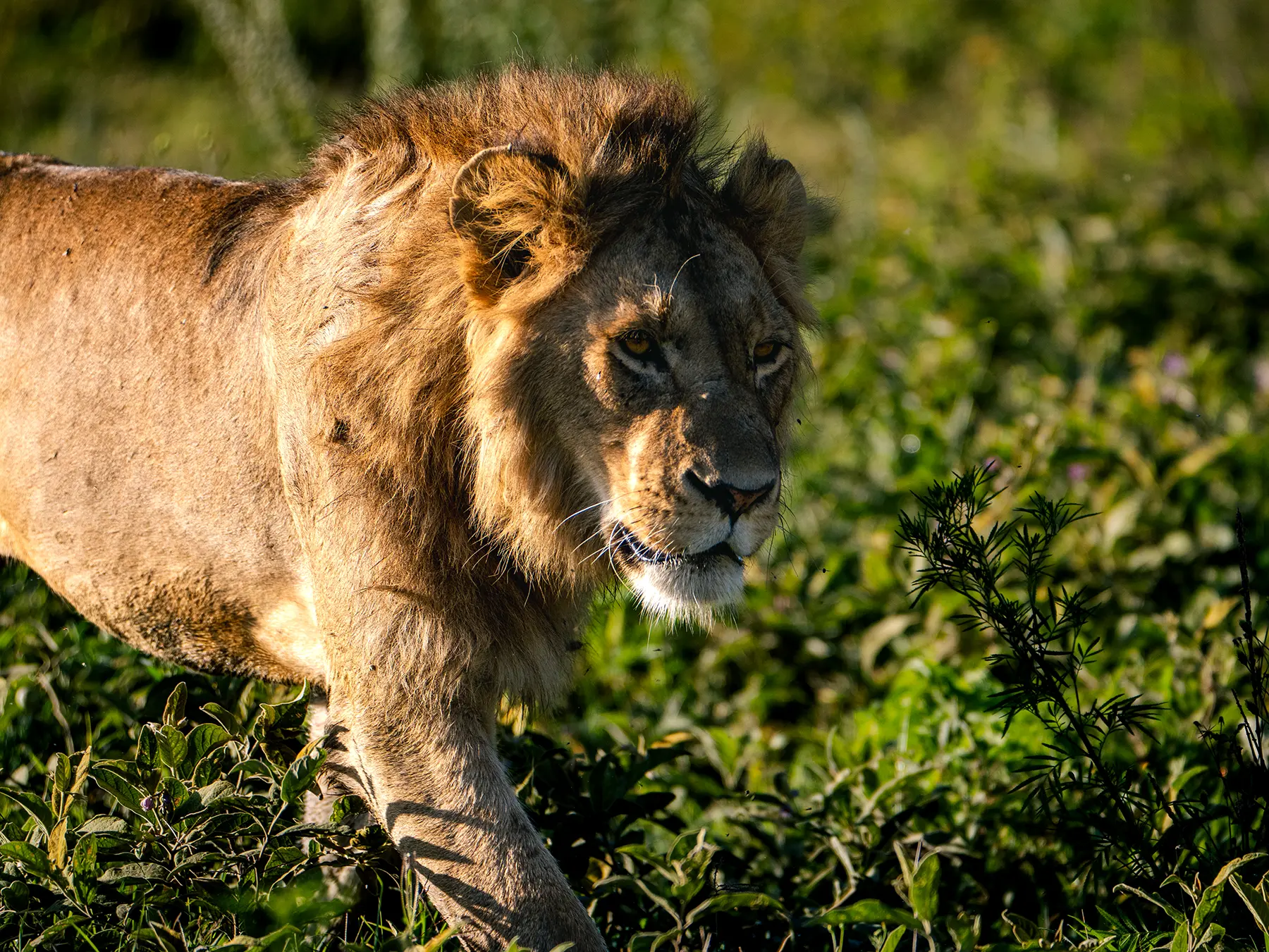
Map of Ngorongoro Crater
Here is a map I made showing the key features of Ngorongoro Crater.
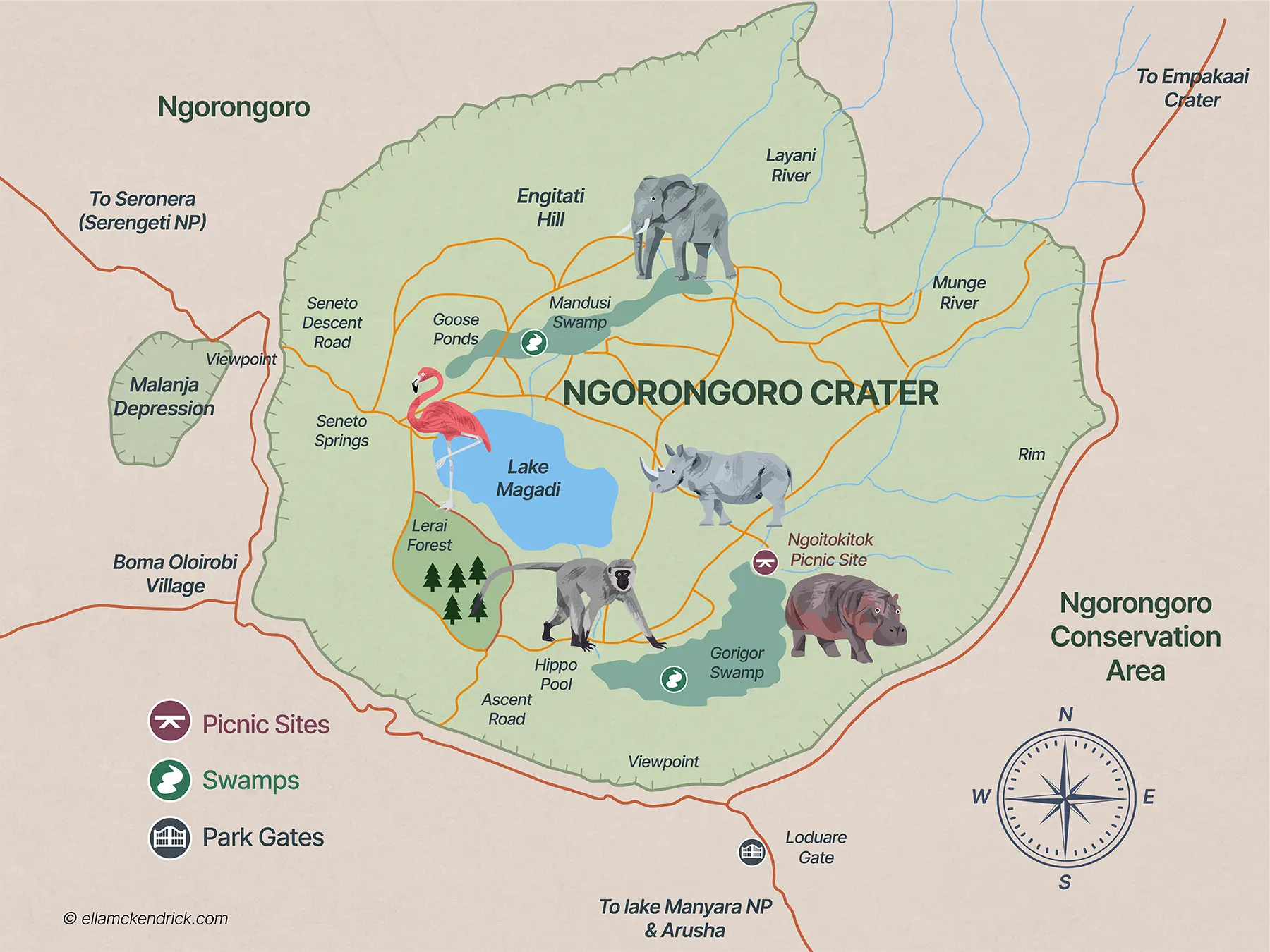
Itinerary
Depart your lodge at the rim of the crater while it’s still dark so that you reach the Ngorongoro Crater entrance gates as soon as they open at 6:00am. The dramatic descent to the crater floor takes around 20 to 30 minutes, along a steep, winding road through dense forest. Once on the floor, you’ll spend the rest of the morning game driving across the grasslands, past Lake Magadi and through the area between Lerai Forest and Gorigor Swamp, where black rhinos are most likely to be spotted.
Stop for lunch at the designated picnic area beside the hippo pool, then ascend back up the crater wall. From the crater rim, it’s time to drive south towards Lake Eyasi. The journey takes approximately 2 to 3 hours, through the Ngorongoro Highlands, on a mix of gravel and dirt roads. You will arrive at your Lake Eyasi camp in the late afternoon, ready for tomorrow’s dawn hunting expedition with the Hadzabe tribe.
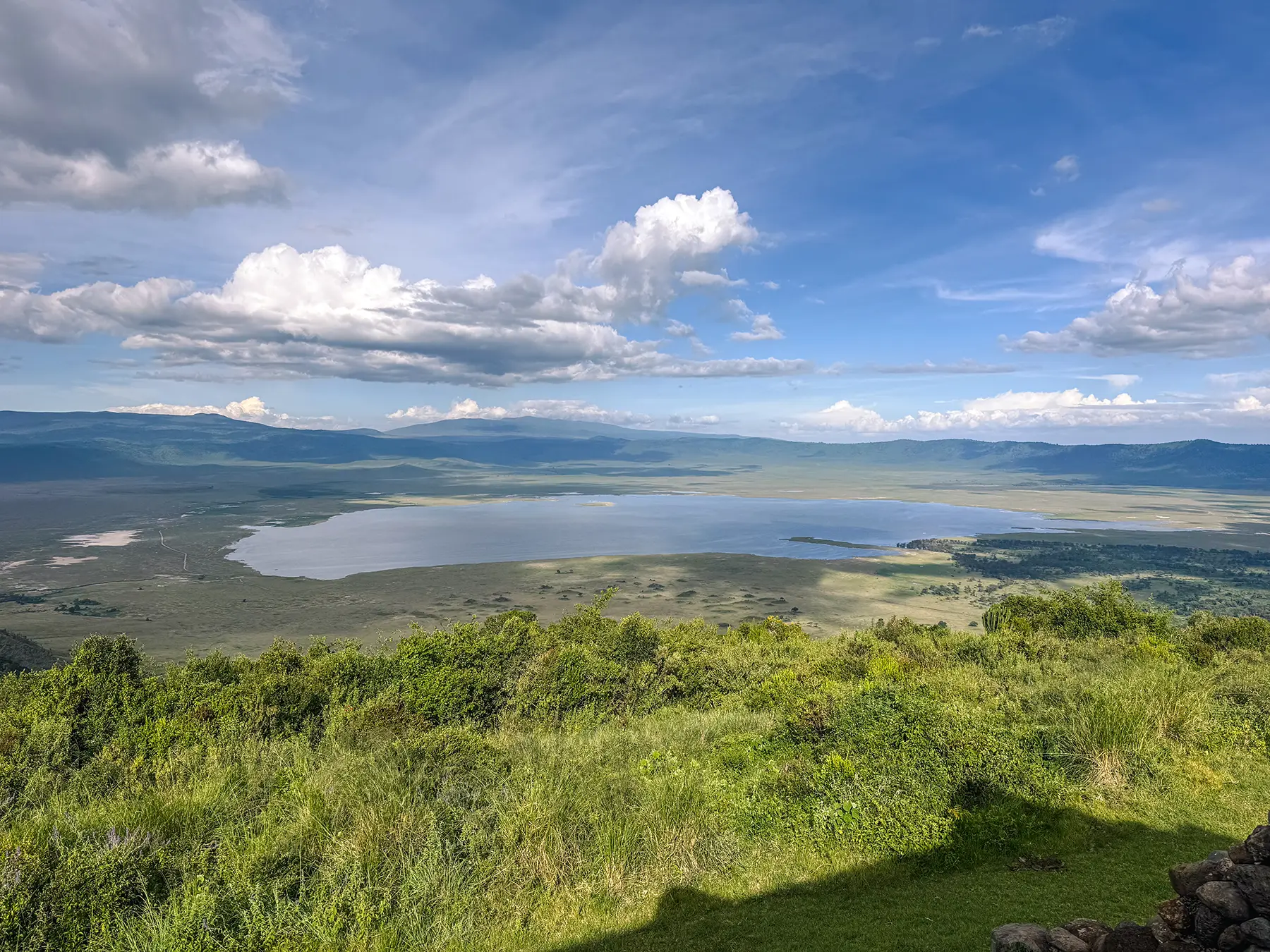
About Ngorongoro Crater
Formed 2- 3 million years ago, the Ngorongoro Crater is a volcanic caldera created when a gigantic volcano erupted and then collapsed. This resulted in the formation of one of the largest intact calderas in the world, with the floor covering around 100 square miles (260 km²). The diameter of the crater is 12 miles (20 km)!
The crater walls rise to a height of 400 to 2,001 ft (610 m) high, which ‘traps’ the wildlife within the bounds of the crater rim. This natural enclosure makes it a really special experience for visitors, as you’re pretty much guaranteed to see animals here all year round.
The crater floor consists of grassland savannahs and woodlands, with Magadi Lake right in the centre. The lake attracts huge flocks of pink flamingos, and you’ll also find cheetahs, wildebeest, zebras, hyenas, golden wolves, hippos, eland, kudus, impalas and various other antelope, and countless bird species.
Although no wildlife sighting is ever guaranteed, in Ngorongoro you have a good chance of witnessing a kill, due to the high concentration of lions here. If you’re lucky, you might also see a critically endangered black rhino.
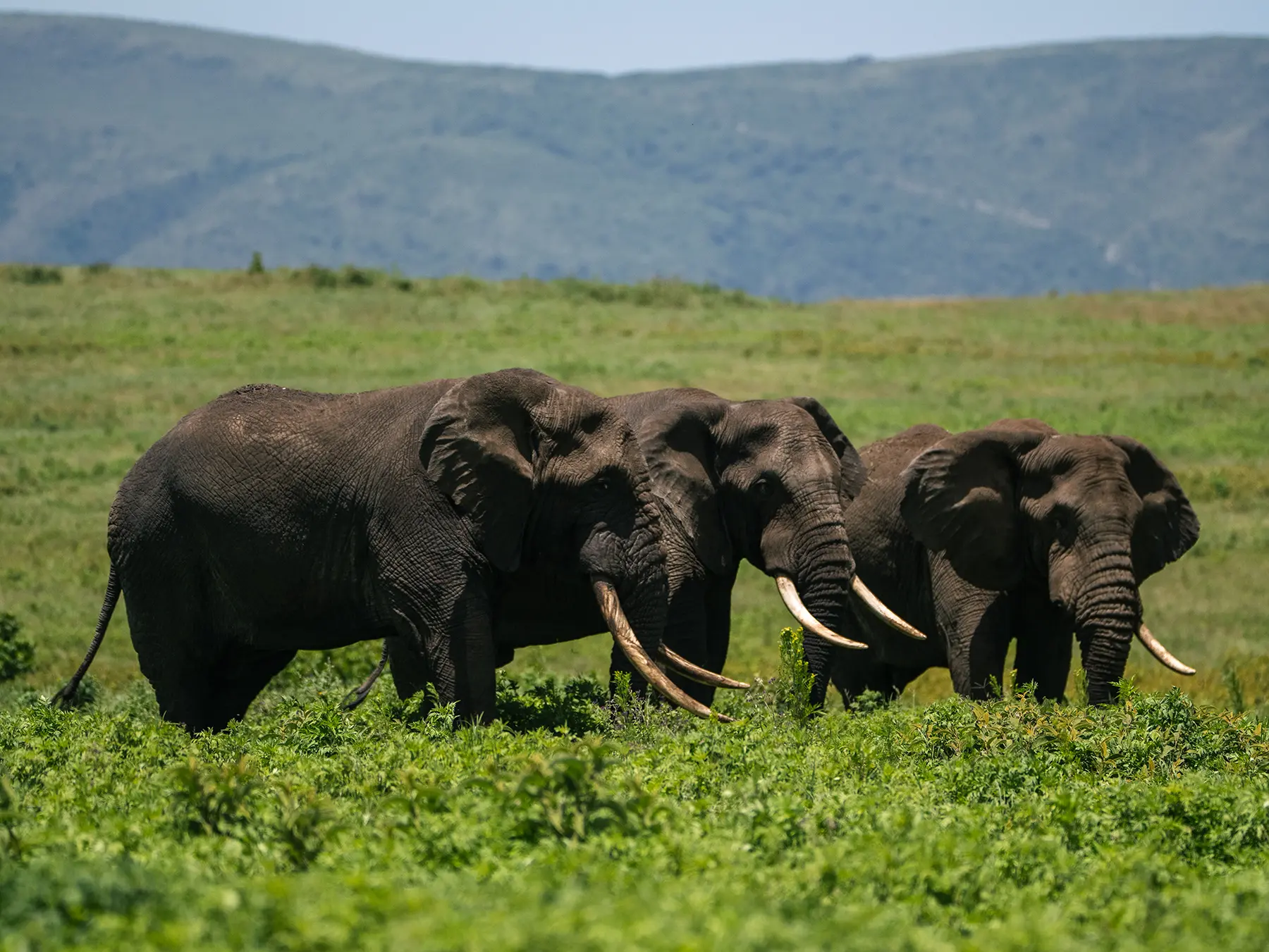
What Wildlife Can I See in the Ngorongoro Crater?
Concentrated within the Ngorongoro Crater’s 102 square miles (264 km²) crater floor are around 30,000 mammals, which means that wildlife sightings are virtually guaranteed.
All of the Big Five are present, and the crater boasts the highest density of lions in Tanzania, at roughly 21 individuals per 100 square kilometres39 square miles (100 km²).
There are around 30 individual black rhinos in the crater, making it one of the best places in Tanzania to spot this critically endangered creature. All rhinos are fitted with tracking devices and monitored by rangers around the clock, to protect them against poaching.
Early morning game drives between the Lerai Forest and Gorigor Swamp will give you the best chances of a rhino sighting.
Much more common here are lions. The crater floor supports a large resident lion population at a density unmatched elsewhere in the country. It is not unusual to see several prides during a single game drive.
On the other end of the feline spectrum, the crater is home to servals, one of Africa’s rarest small wild cats. These elegantly spotted creatures are far more slight than lions, and stand up to 62cm tall.
You will also likely see a few African golden wolves, a subspecies of canine distantly related to the coyote and only found in northern Tanzania and Kenya.
At Lake Magadi, the alkaline soda lake at the centre of the crater, you will see flocks of both greater and lesser flamingos. They feed in the shallows alongside resident hippos.
Interestingly, there are no giraffes or crocodiles in the crater. In the case of giraffes, this is because the crater floor does not have enough acacia trees to sustain a giraffe population.
As for the crocodiles, there isn’t a suitable body of water for them to survive in here, as Magadi Lake has a high alkaline content. And just as animals can’t get out of the crater due to the high walls of the rim, it’s just as impossible for outsiders to get in!
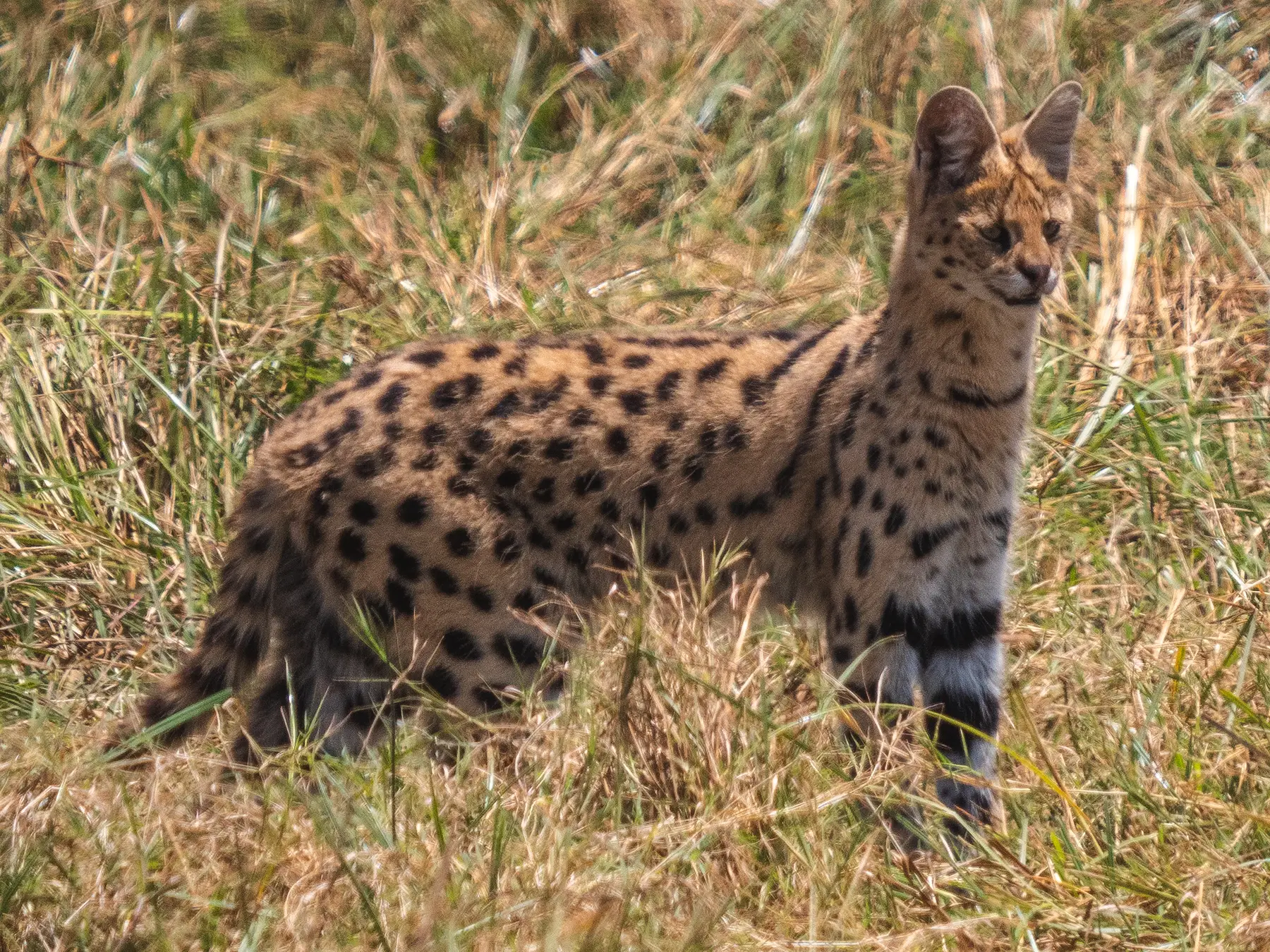
Tips for Visiting Ngorongoro Crater
- Park gates open at 6:00am so leave your crater rim lodge before sunrise to be one of the first vehicles on the crater floor. This is the best time to see lions in the crater.
- Rhinos sleep in forest at night. Arrive at forest edge at first light (6 AM gate opening) for best chance of sighting as they emerge.
- Black rhinos are easiest to spot in the crater in the wet seasons when they come out of the forest to feast on the lush vegetation.
- Guard your lunch at the picnic area beside the hippo pool, as black kites will swoop down aggressively to try to steal food right out of your hands.
-
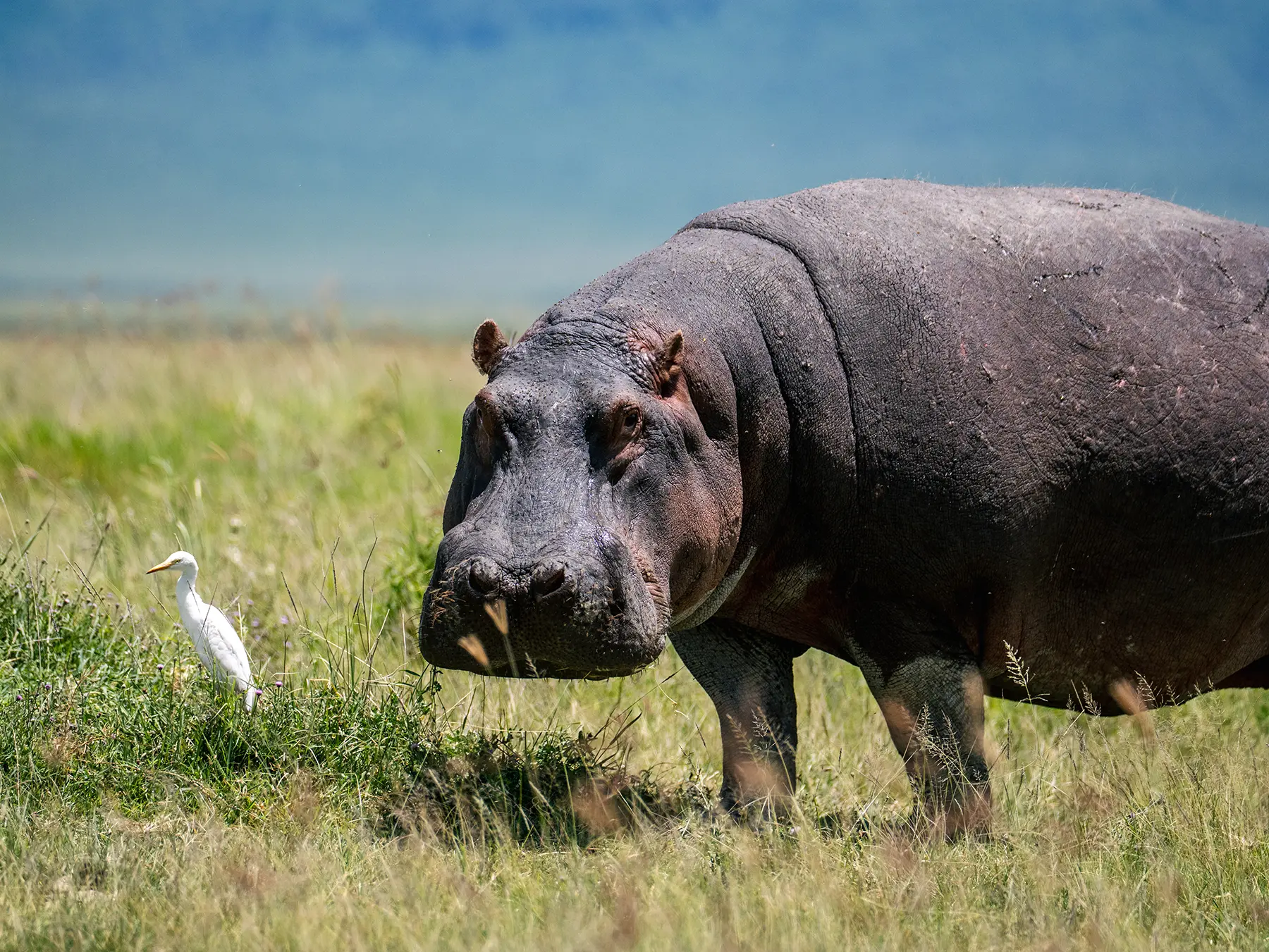
Hippo and Egret in the Ngorongoro Crater, Tanzania
Where to Spend the Night
After your drive to the Lake Eyasi region you’ll spend the night near the lake in preparation for your exciting day tomorrow.
Accommodation options around Lake Eyasi are limited compared to the major safari parks, with just a handful of camps and lodges serving the area.
My Experience of the Ngorongoro Crater
After the misty drive along the crater rim, we began our descent into the Ngorongoro Crater. The road meandered to and fro down the steep crater wall, and it was during this descent that I saw the crater floor for the first time. Towering walls encircled a vast, flat savannah that stretched out below us. The scale was breathtaking!
As we crawled down the winding road, we had our first sighting on the crater floor. A hyena was trotting across the grassland far below. Even with my long zoom lens it appeared as barely more than a speck, which gave me a sense of just how enormous this crater really is.
The crater soon revealed its abundance. We saw countless wildebeest, zebras, Thomson’s gazelles and Grant’s gazelles spread across the grassland. Grazing amongst them was a family of warthogs, standing on their front knees as they foraged for roots and tubers in the soil. Their tails stuck straight up like antennae as they rooted around, which always makes me smile.
On another visit to the crater, we came across a particularly memorable pride of lions walking through the short grass of the crater floor, several young cubs amongst them. The pride gradually got closer to the road until they began to cross it. The rising sun illuminated the golden coats of the lionesses walking right past our vehicle, and it felt magical. The early morning light cast long shadows across the grass and the cubs tumbled along beside their mothers.
One of the lionesses then began stalking some Thomson’s gazelles. She got down on her haunches and began to creep forward silently. Completely oblivious to her hunting attempt was a male lion who just casually strolled into the open and startled the gazelles! Clearly frustrated, she decided to stalk him instead, creeping forward before finally charging at him and pouncing on him playfully.
One of our key goals was to see Ngorongoro’s rare black rhinos, and we were rewarded with four separate sightings in a single day. Each required binoculars or a long camera lens to fully appreciate, but knowing they were living wild in the crater was deeply moving. Ngorongoro Crater is one of the last strongholds for these critically endangered animals and seeing four separate individuals felt like an enormous privilege.
You can watch a video of my experience visiting Ngorongoro Crater below.
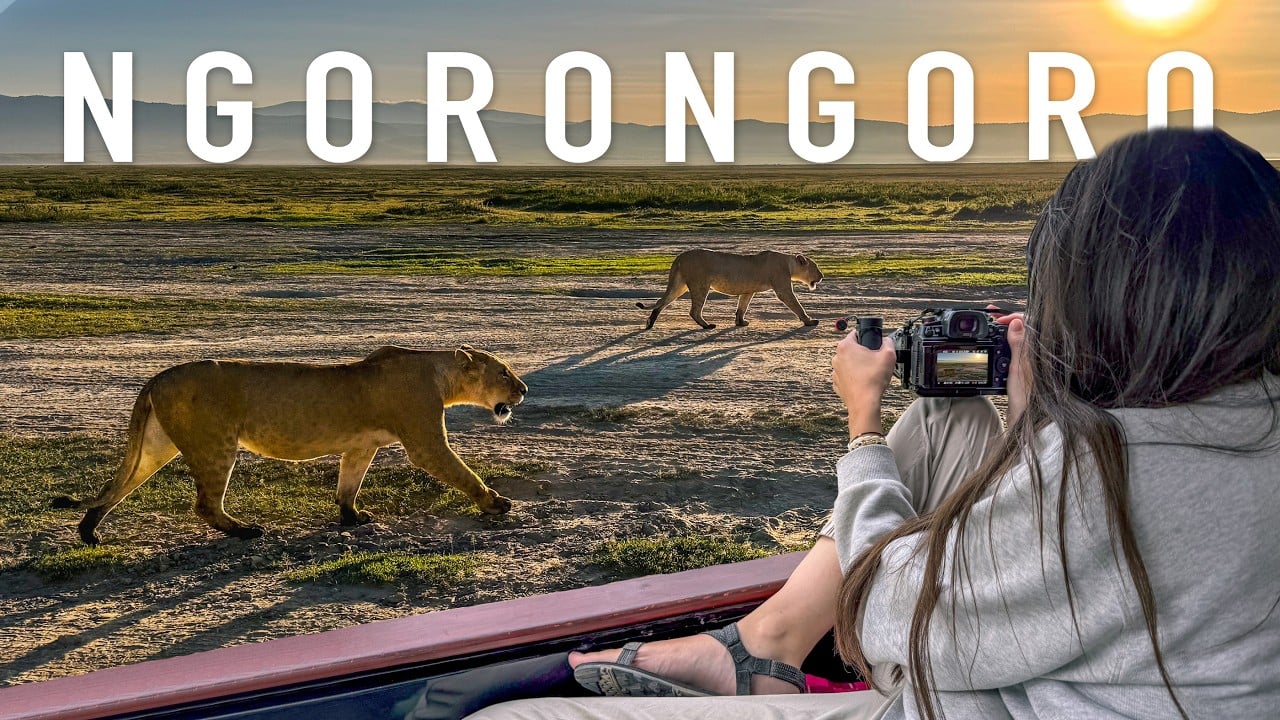
Day 14: Lake Eyasi
Drive Time (Excluding Game Drives): 3 hours
Today you’ll spend the morning in an immersive cultural experience with the Hadzabe and Datoga tribes near Lake Eyasi.
The Hadzabe hunting expedition at dawn is one of the most authentic cultural experiences available in Tanzania, and no other safari destination offers anything quite like it.
After the morning’s cultural visits, you will enjoy some lunch at your lodge before visiting a third tribe – the famous Maasai tribe.
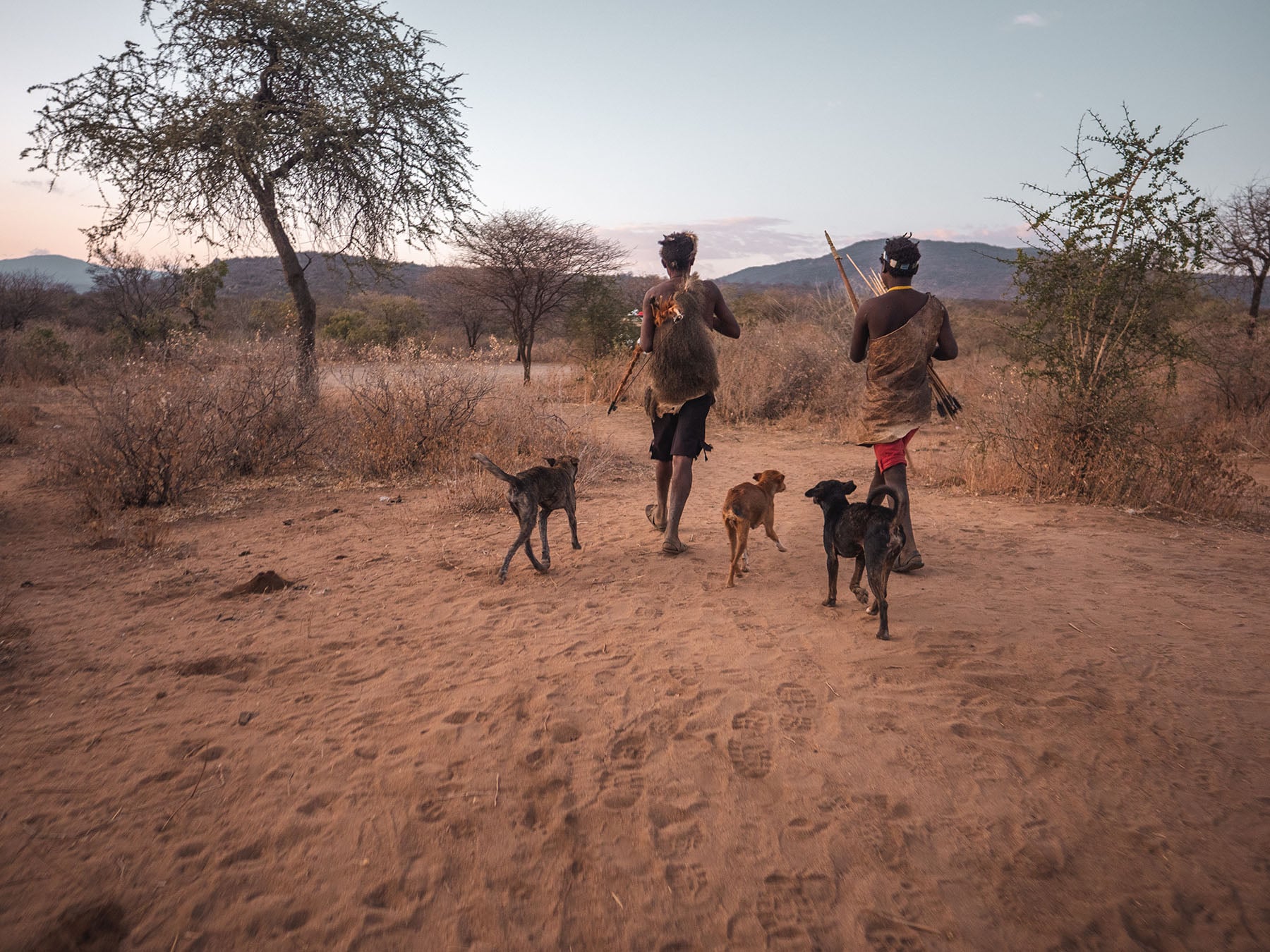
Itinerary
Rise before dawn to join the Hadzabe tribe by 6:00am for a traditional hunting expedition. The Hadzabe hunt with bows and arrows, assisted by hunting dogs, and everything is on the menu from small birds to large antelopes.
In the dry season, the tribe camps around huge baobab trees on open ground, while in the rainy season they often take shelter in hillside caves that can only be reached by a steep climb. The hunters set a brisk pace through the bush but you can keep up if you’re reasonably fit.
After the hunt you will visit the Datoga blacksmiths. The Datoga are cattle herders with a more settled lifestyle than the Hadzabe, and their unique facial scarification and brass jewellery give them a distinctive appearance.
After a busy and exciting morning you’ll return to your lodge near Lake Eyasi for a well-deserved lunch before journeying to your next stop – Lake Manyara.
On the way you will have the opportunity to visit an additional tribe, the Maasai. In this visit, you’ll have a chance to see performances of traditional song and dance, and go on a tour of their village.
After the Maasai visit, continue on your drive to Lake Manyara and arrive at your accommodation in the late afternoon, ready for a relaxing evening.
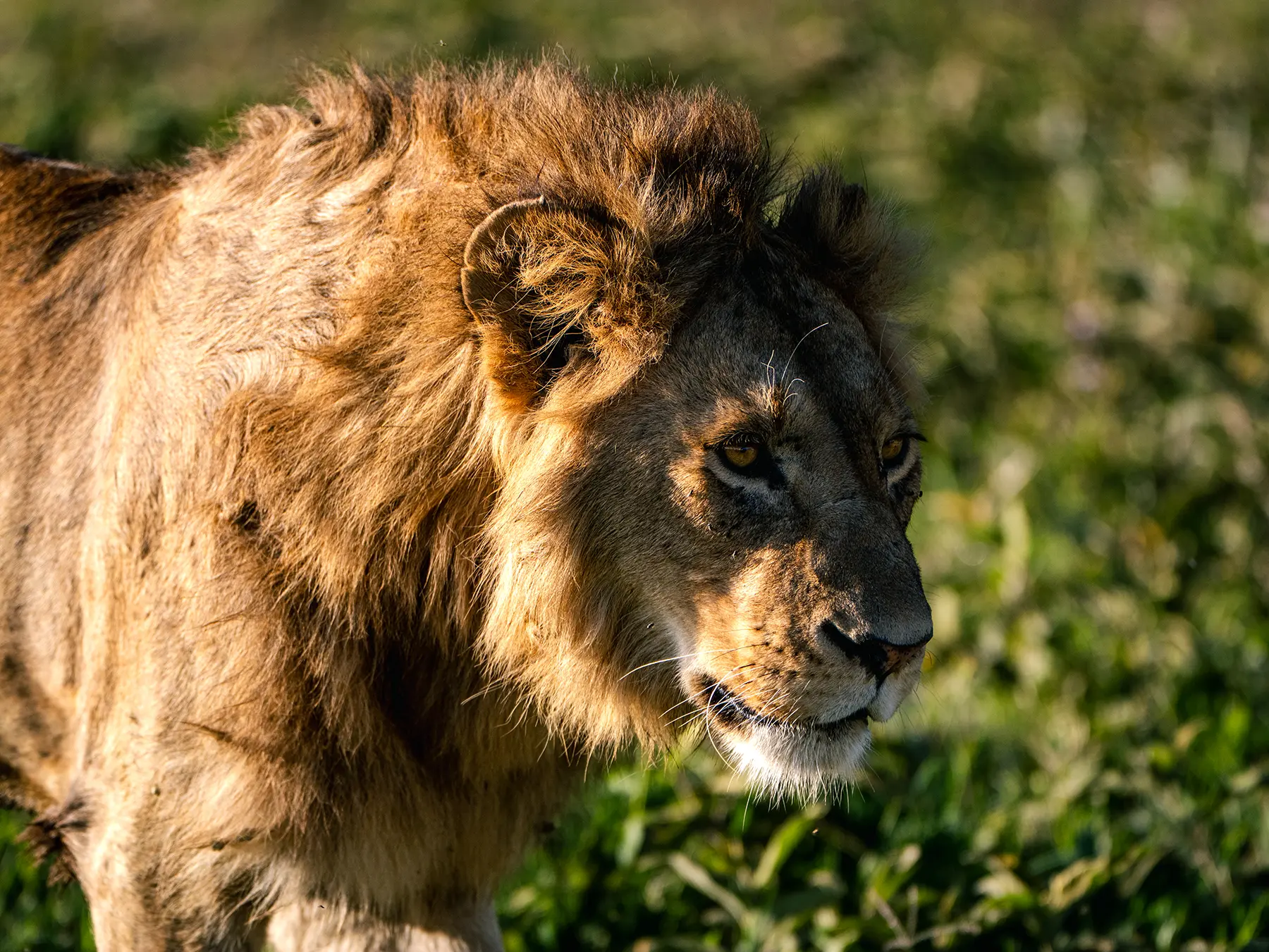
About Lake Eyasi & Tanzania’s Tribes
The Hadzabe are one of the oldest indigenous groups in Tanzania, with anthropological evidence suggesting they have been living in the Lake Eyasi region for at least 50,000 years.
They speak a unique clicking language unrelated to any other Tanzanian language, and in order to communicate with them you will need a specialist guide who has lived with the Hadzabe for at least 6 months.
A visit includes learning about their lifestyle, watching fire-making demonstrations, seeing their simple dwellings, and observing how they cook food over open fires.
The nature of this experience varies considerably depending on the season. During the dry season, the Hadzabe typically catch small birds and occasionally a dik-dik or mongoose.
In the rainy season, the terrain becomes much more demanding, with slippery hills and dense bush. Bush pigs are a coveted food source, and the expert hunters may have to go after them through challenging undergrowth.
The Datoga tribe offers a completely different cultural perspective. The Datoga are pastoralists rather than hunter-gatherers, and live in harmony with their herds of cattle. They are also traditionally blacksmiths and produce beautiful brass and copper jewellery and tools using techniques passed down through generations.
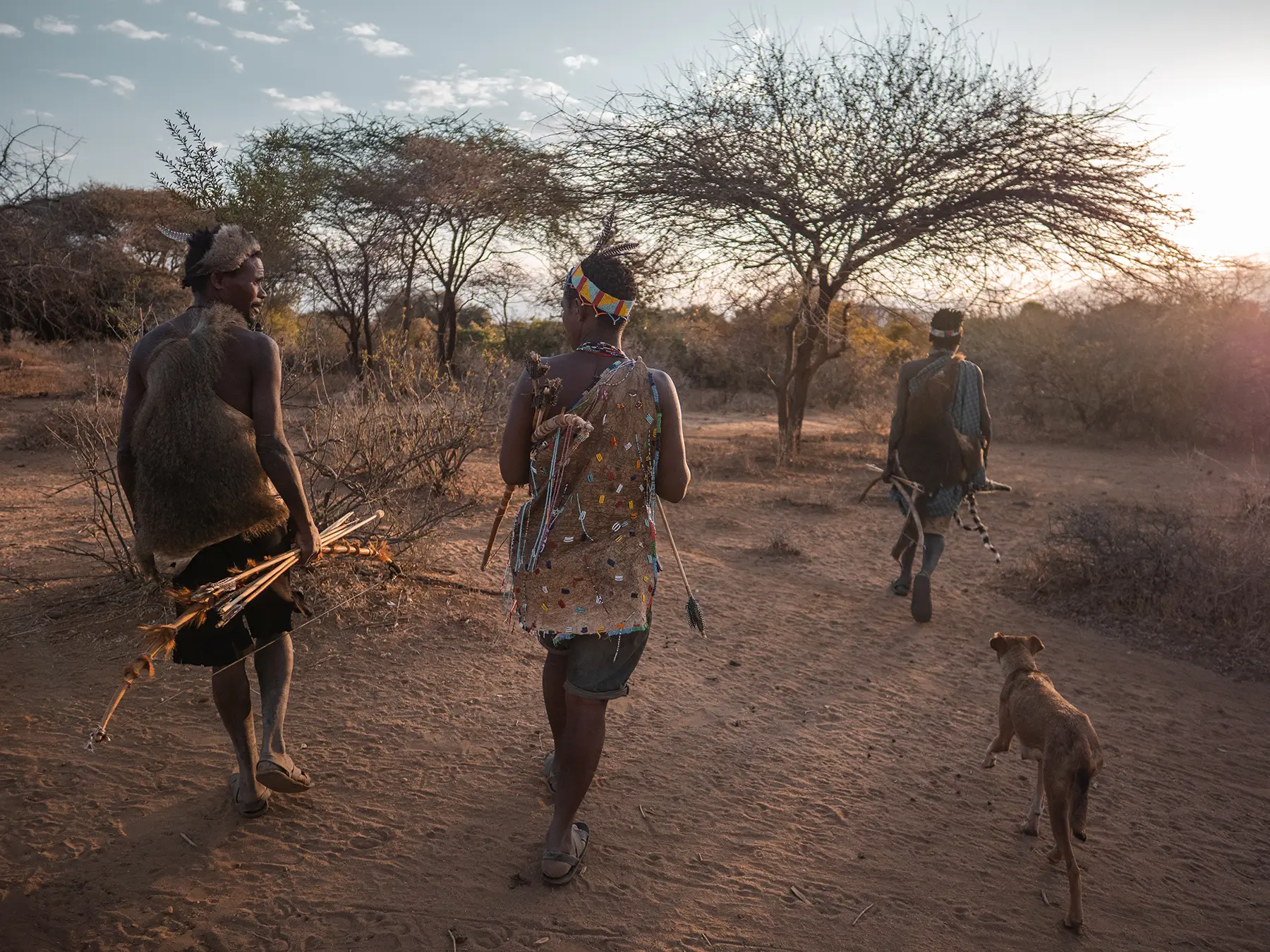
Tips for Visiting Lake Eyasi
- There are a few things to consider before you go out on a hunt with the Hadzabe. Their hunting expeditions can last anything from a couple of hours up to 5 or 6 hours, or more. Generally, the Hadzabe hunt for as long as it takes to catch a decent haul and there’s no telling how long this could be. It’s essential that you have a moderate to high fitness level if you’re going to join them.
- Bring at least 2 litres of drinking water with you for the Hadzabe hunt. The terrain can be extremely demanding, especially in the rainy season when the Hadzabe camp at the top of steep hills.
- Wear long trousers and sturdy boots for the hunt as the bush is full of thorny acacias and sharp plants.
- Wear neutral clothing when out with the Hadzabe (greys, muted greens, browns and beiges). Anything bright will scare away the animals and spoil the hunt. Remember, the Hadzabe rely on these animals for food so it’s essential that you don’t negatively impact the hunt.
- While their traditions and lifestyles differ vastly from ours, it’s important to always be respectful and have an open mind no matter how strange they may seem to us. Their ways of life are not better or worse than ours – just different!
- Consider purchasing souvenirs on your visits with the tribes. Picking up some local crafts isn’t just about snagging bargains – it directly supports the artisans and their way of life. And if you’re feeling particularly grateful for the hospitality and insights shared, a donation to the community can also be a powerful way to say thank you.
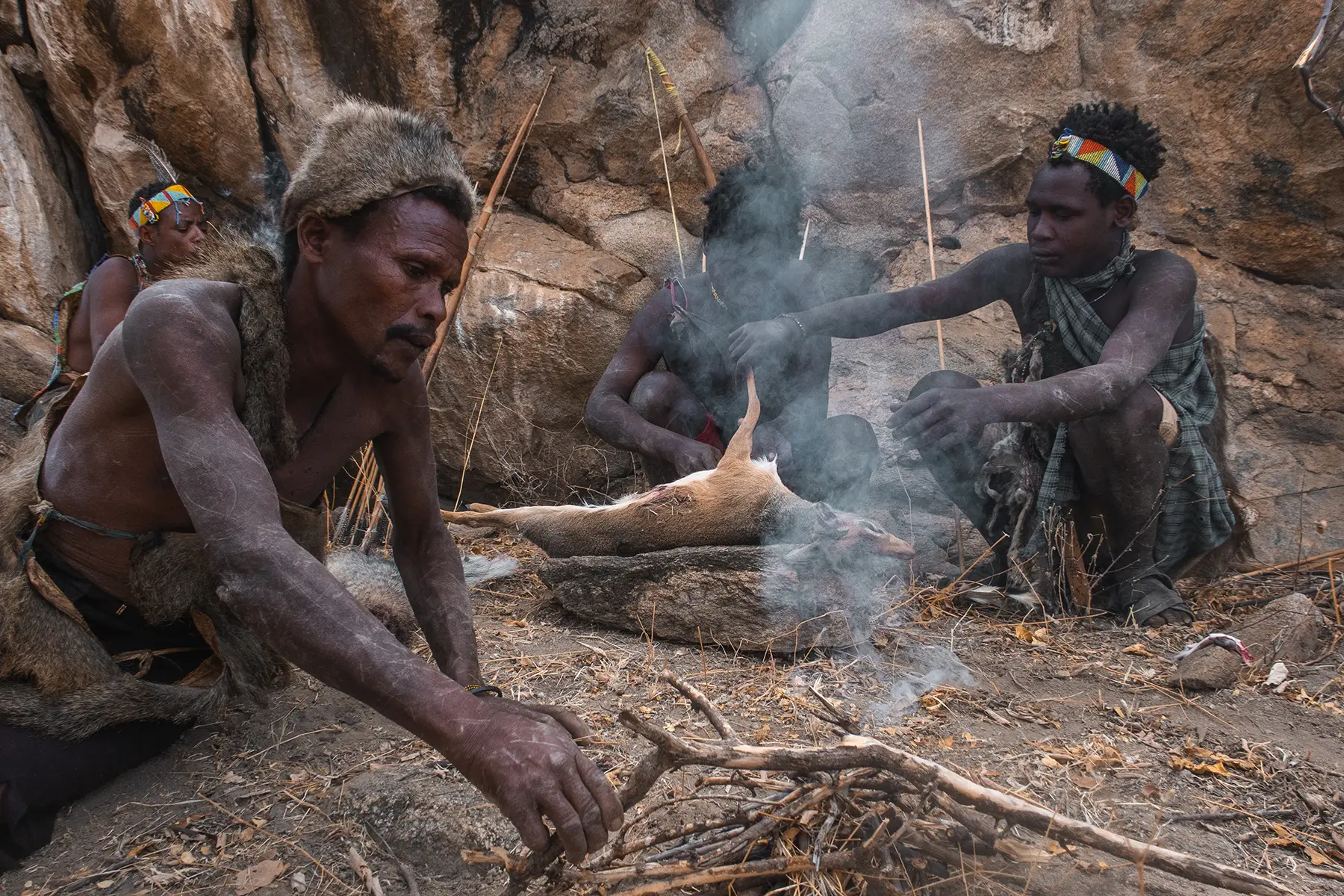
Where to Spend the Night
The main accommodation areas are the town of Mto Wa Mbu near the park entrance and the Rift Valley escarpment above.
If you’re on a budget, you can find affordable guesthouses in Mto Wa Mbu itself. The village is only a short drive to the park gate.
Mid-range and luxury lodges are perched along the Rift Valley escarpment above the park, offering spectacular views across the lake.
My Experience of the Hadzabe Hunt
I have visited the Hadzabe tribe twice and each experience was completely unique. My first visit was in the dry season when the tribe had set up camp around a huge baobab tree, its massive trunk providing shade.
The Hadzabe were having a smoke by the fire at 6:00am, which they say gives them energy for the hunt, and they offered me impala meat from the previous day’s catch. I had never tasted impala meat before, and it was surprisingly tasty!
We headed out with the tribe leader and three hunters, accompanied by four hunting dogs. They set a brisk pace through the bush, but we had no trouble keeping up.
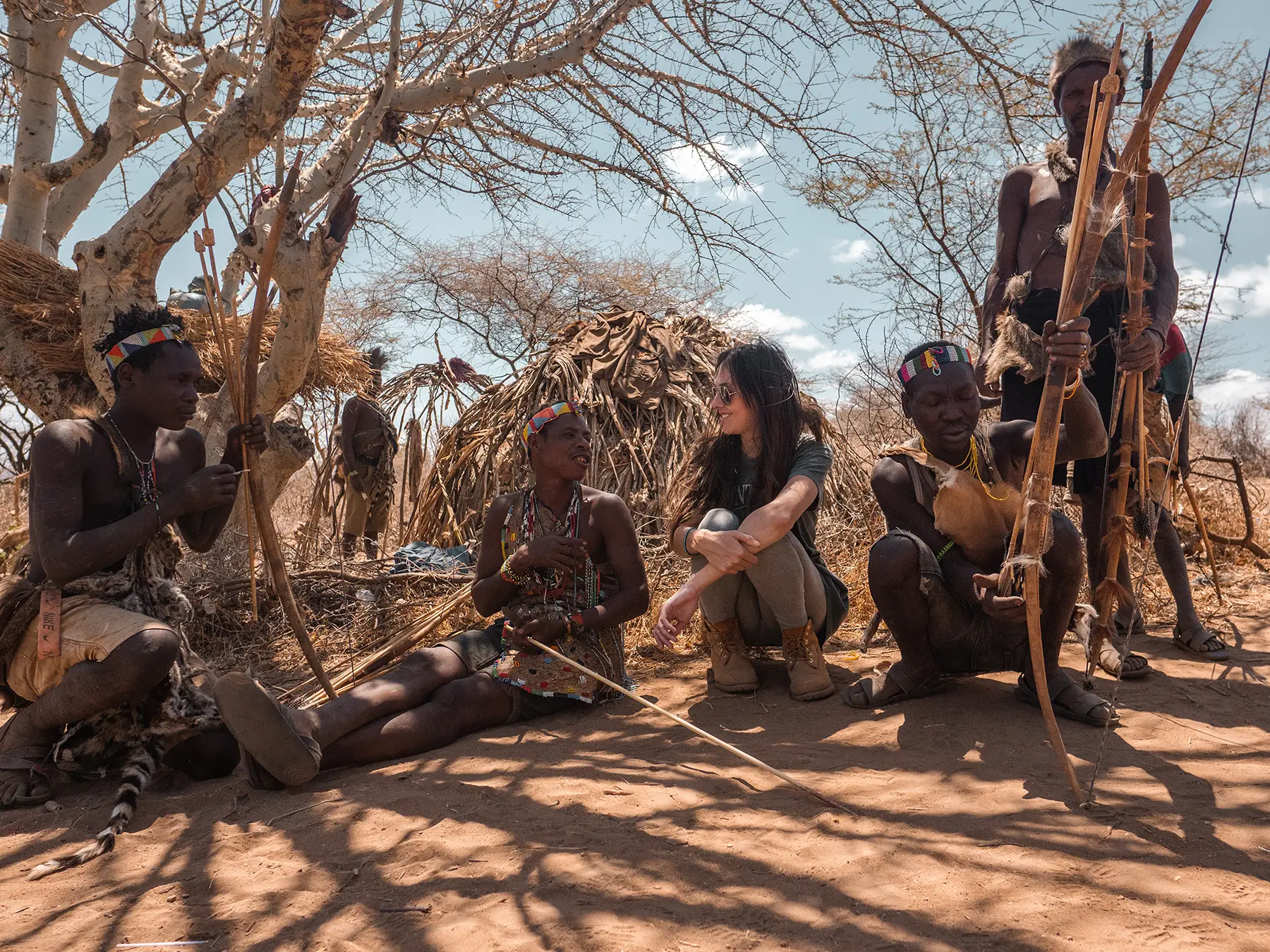
Over several hours they caught three birds and a mouse. It was incredible to witness their precision with a bow and arrow, and their ability to hit such tiny targets. Eventually, they caught a dik-dik, and were overjoyed!
Later they cooked the dik-dik liver and heart. We tried both, and my favourite was the heart.
My second Hadzabe visit was in the rainy season and the tribe had moved to a sheltered cave at the top of a hill. This hunt was far more challenging than my first visit, but it was an adventure that I’ll never forget!
The terrain was extremely uneven and the steep hills took it out of me. We scrambled up and down, stumbling over loose stones while the sun beat down relentlessly. I had not brought nearly enough water.
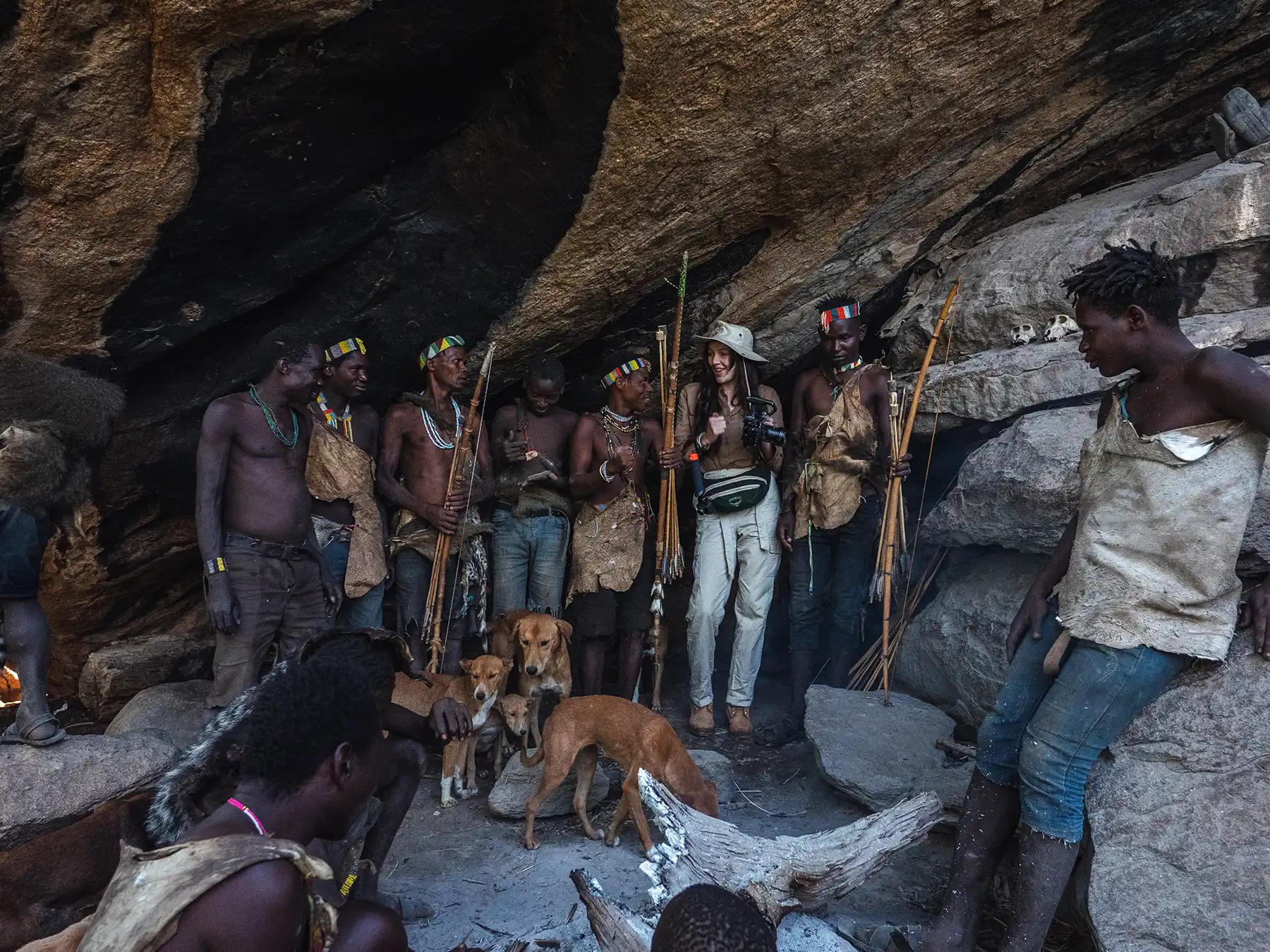
After several hours the hunters finally caught their first bird. Then they found bush pig tracks and became very excited. We climbed an extremely steep hill with no path, dodging thorny acacias and huge spear-like plants.
I fell behind and found myself struggling through the undergrowth alone until I somehow reunited with the group. The Hadzabe could see I was struggling and told me to wait while they searched dense bush for the pig. Then I heard shouting. Bushes started rustling violently right in front of me, getting closer and closer. I found myself frozen, unable to move.
The bush pig burst out of the undergrowth just in front of me. I feared that if I dodged, it would dodge the same way and we would collide, so I stood perfectly still. Thankfully it swerved past me and raced across a dried riverbed with the dogs in pursuit. At the height of this high stakes chase, the tribe leader managed to catch the pig. Later, they cooked the liver and ribs, and both tasted delicious!
You can watch videos of my Hadzabe hunting experiences below.
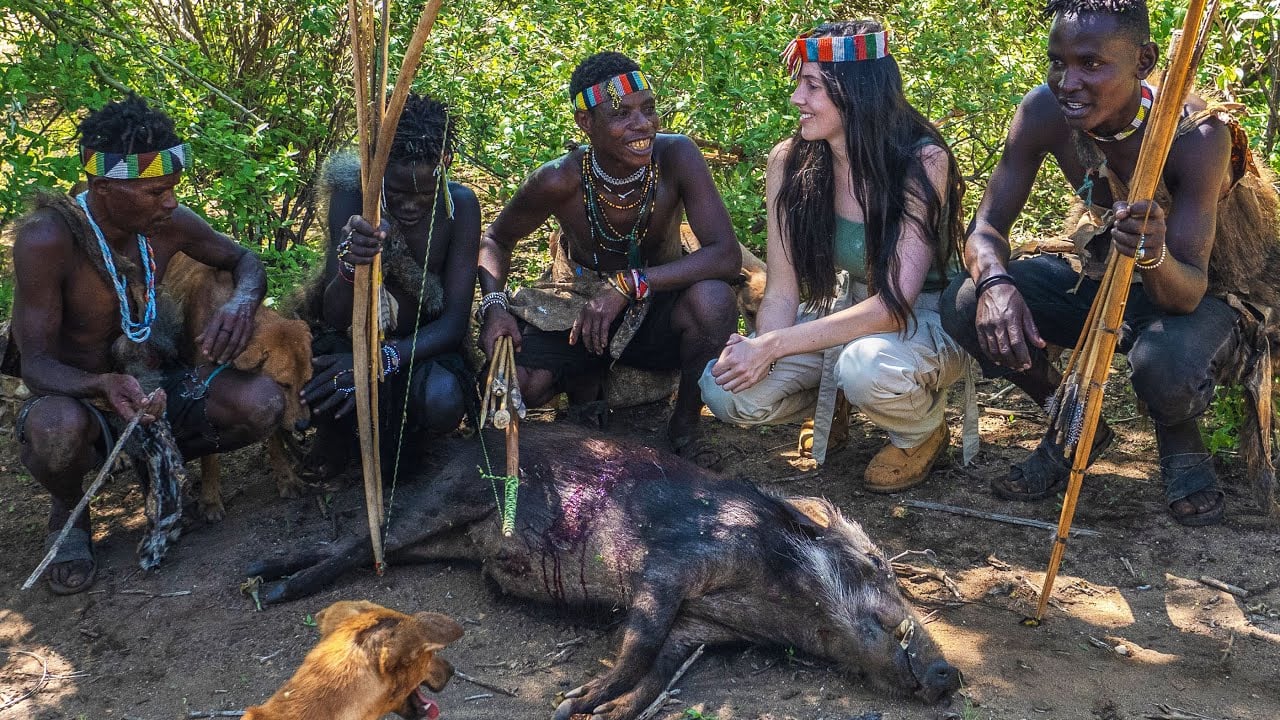
Day 15: Lake Manyara
Drive Time (Excluding Game Drives): 2 hours
You’re two thirds of the way into your safari adventure, and by now you’re probably an expert at getting up early for your morning game drives.
The compact size of Lake Manyara makes it ideal for a half-day exploration followed by lunch and a canopy walk in the afternoon before driving to Tarangire.
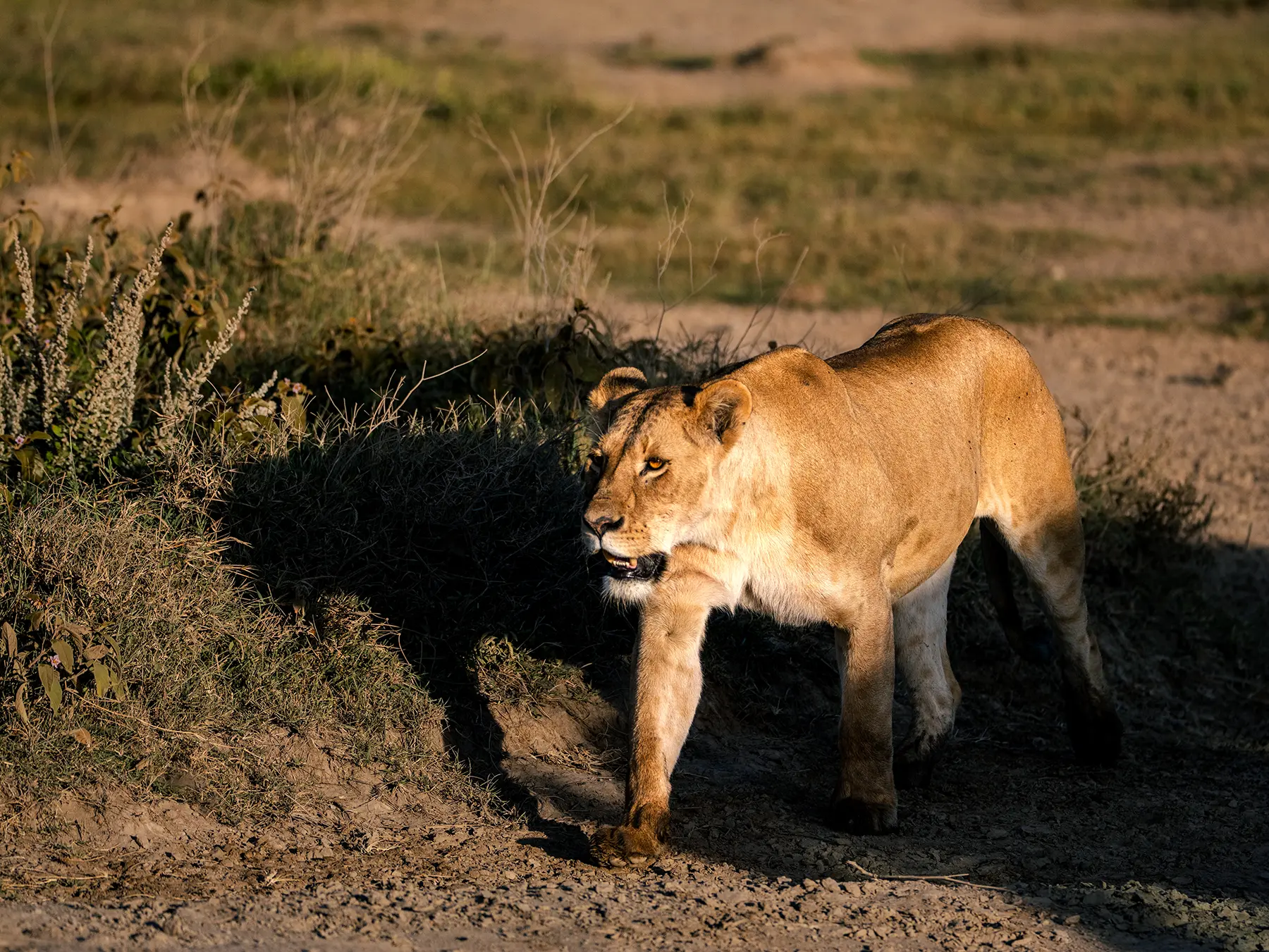
Itinerary
Enter Lake Manyara National Park early in the morning through the main gate near Mto Wa Mbu. As you drive through the dense groundwater forest near the park gate, you’re likely to see baboons and blue monkeys in the canopy overhead.
Continue along the lake shore, scanning the alkaline waters for flamingos. Keep a sharp eye on the surrounding woodland and you might just spot some tree-climbing lions.
After a picnic lunch at a scenic spot within the park, you’ll have a short canopy walk.
You’ll then journey to Tarangire National Park. This drive takes around 2 hours. You will spend the night in a lodge either within or just outside Tarangire.
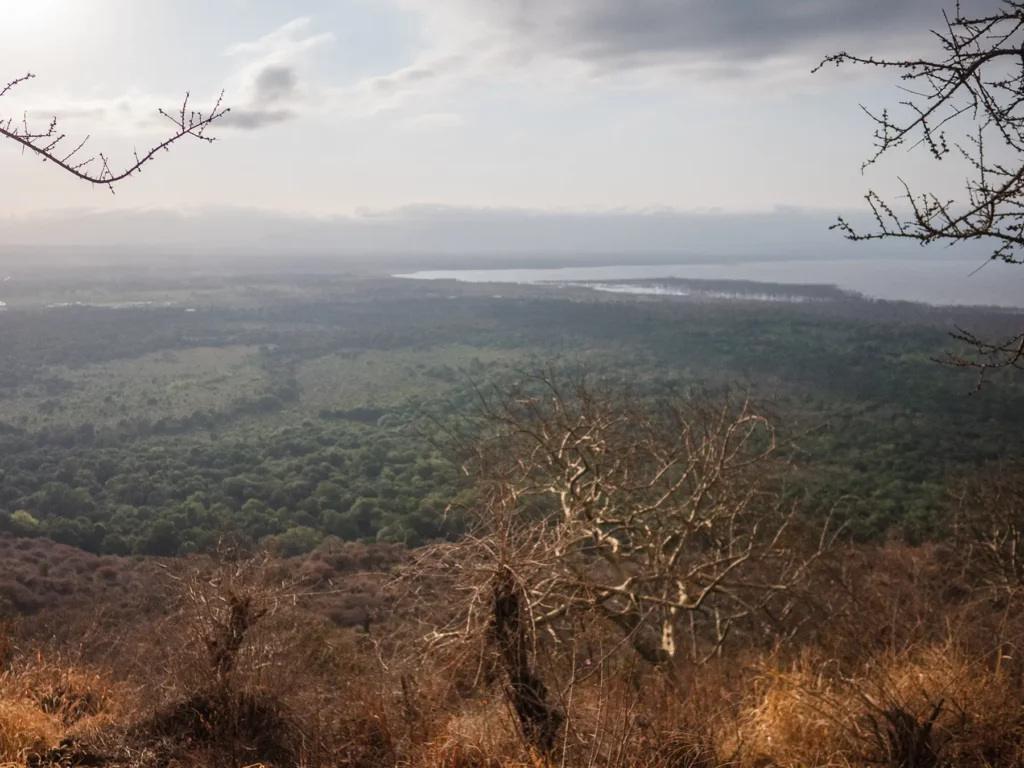
About Lake Manyara National Park
Lake Manyara National Park is located on Tanzania’s northern safari circuit, at the base of the Great Rift Valley escarpment. The park is known for its alkaline soda lake, dense woodlands and steep mountainsides, and offers a totally unique safari experience. It’s very different from the open plains of the Serengeti or the vast crater of Ngorongoro!
Extensive flooding in recent years has caused damage and erosion in the park and has forced many large animals to flee.
Elephants are now less common in the park than they once were, as are other large mammals. The Serengeti has recently overtaken Lake Manyara for tree-climbing lion sightings, but this unusual behaviour can still sometimes be observed here.
Rising water levels have also made it challenging for flamingos to feed, because when the alkaline water becomes diluted with fresh water their food sources are depleted. However, flocks can still be seen on the lake when the conditions are right.
It’s possible to go on a canoe safari on Lake Manyara, when water levels permit. Another popular activity at Lake Manyara is the nearby treetop canopy walk, which lasts 45 minutes and provides aerial views of the forest canopy.
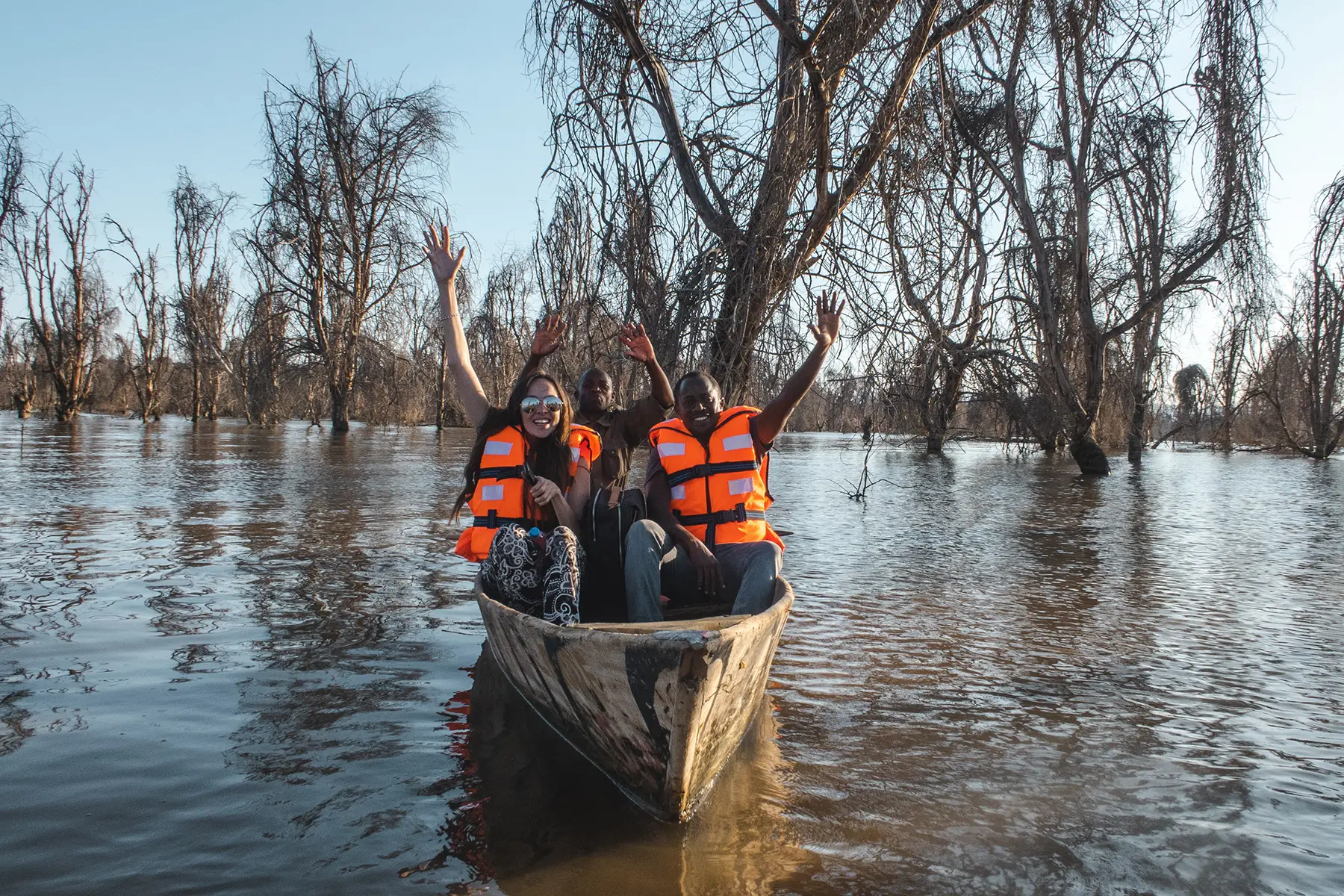
What Wildlife Can I See in Lake Manyara?
Lake Manyara National Park is one of the best parks in Tanzania for primates, with large troops of baboons and blue monkeys often seen in the groundwater forest near the park entrance.
There are over 400 bird species frequenting the reserve. These include thousands of flamingos that gather on the alkaline soda lake, as well as a wide variety of raptors, kingfishers and storks.
Lake Manyara was once known as the tree-climbing lion capital of Tanzania, but recent flooding has changed the wildlife scene somewhat.
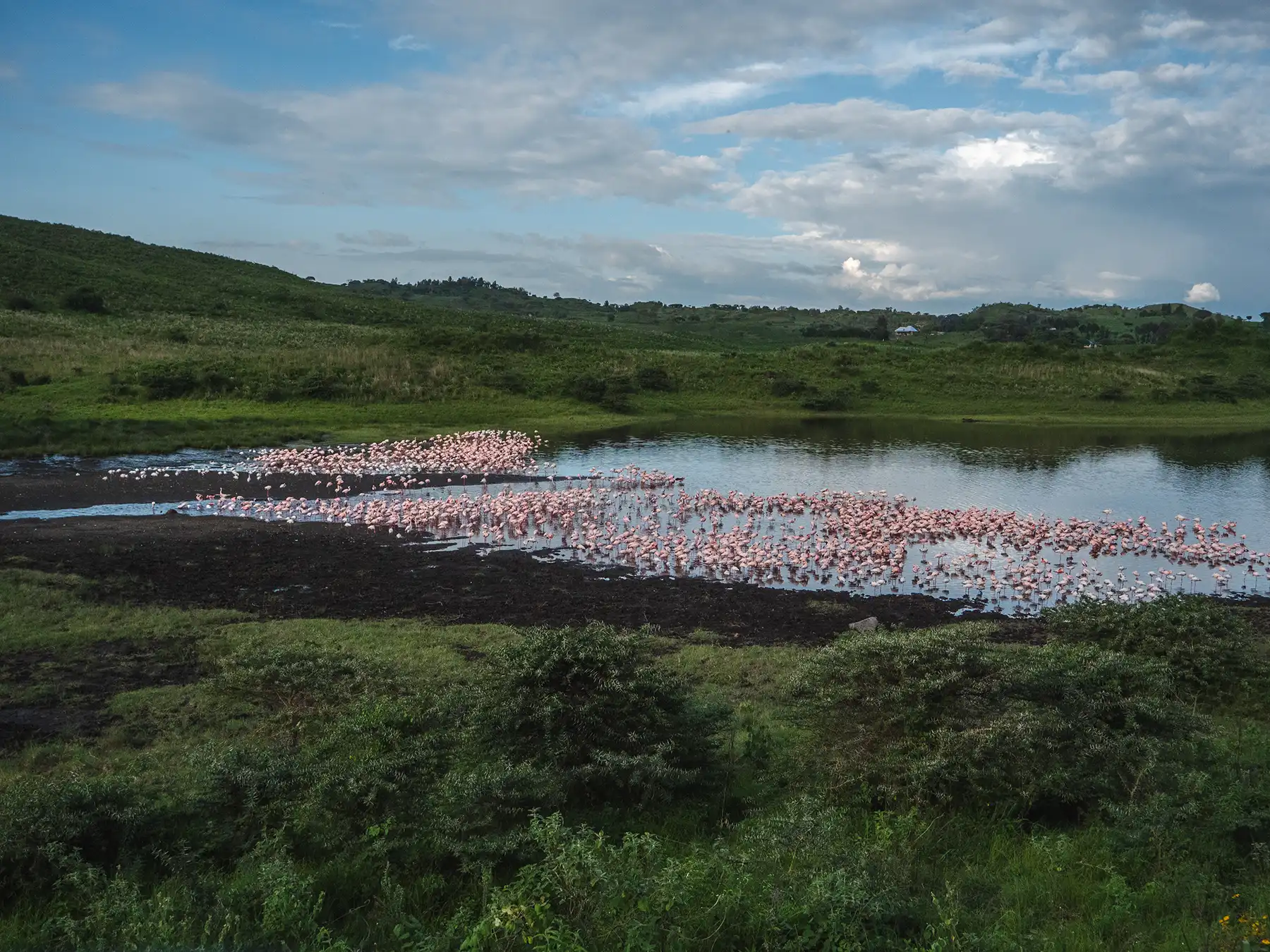
Tips for Visiting Lake Manyara
- The canopy walk is very popular and worth doing.
- Ask your guide about the canoe safari on the lake. If water levels permit, it offers a completely different perspective on the park’s wildlife and birdlife.
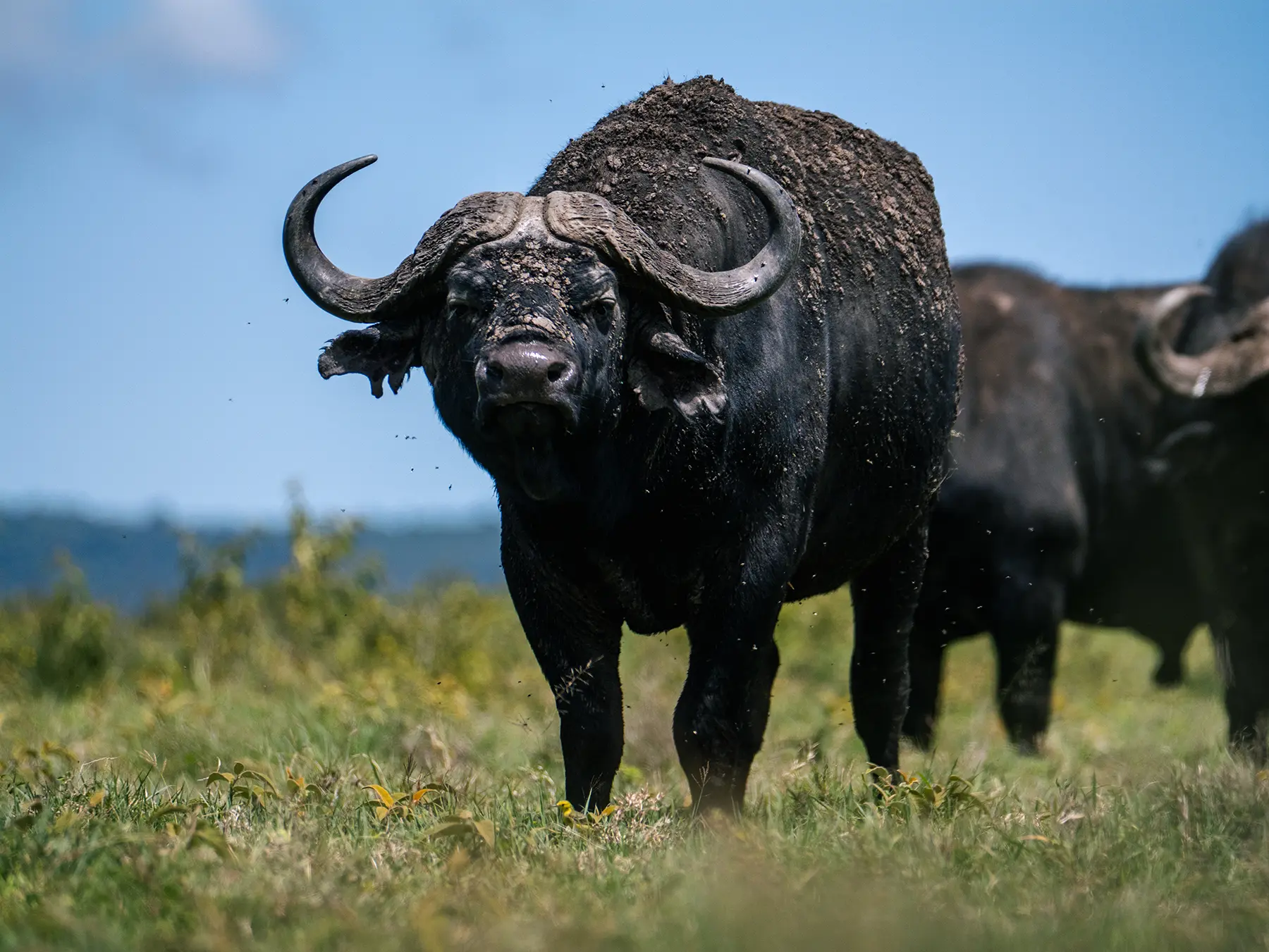
Where to Spend the Night
You’ll spend the night near Tarangire National Park, where you’ll rest up in preparation for a morning game drive tomorrow.
Tarangire accommodation falls into two main areas: inside the park and just outside the park boundaries.
Lodges within the park are more expensive, but by staying inside the park you avoid the driving time to get you to the park gate, which you do have when you stay outside the park.
However, if you are on a budget and don’t mind a short extra drive, there are affordable accommodation options just outside the park gates.
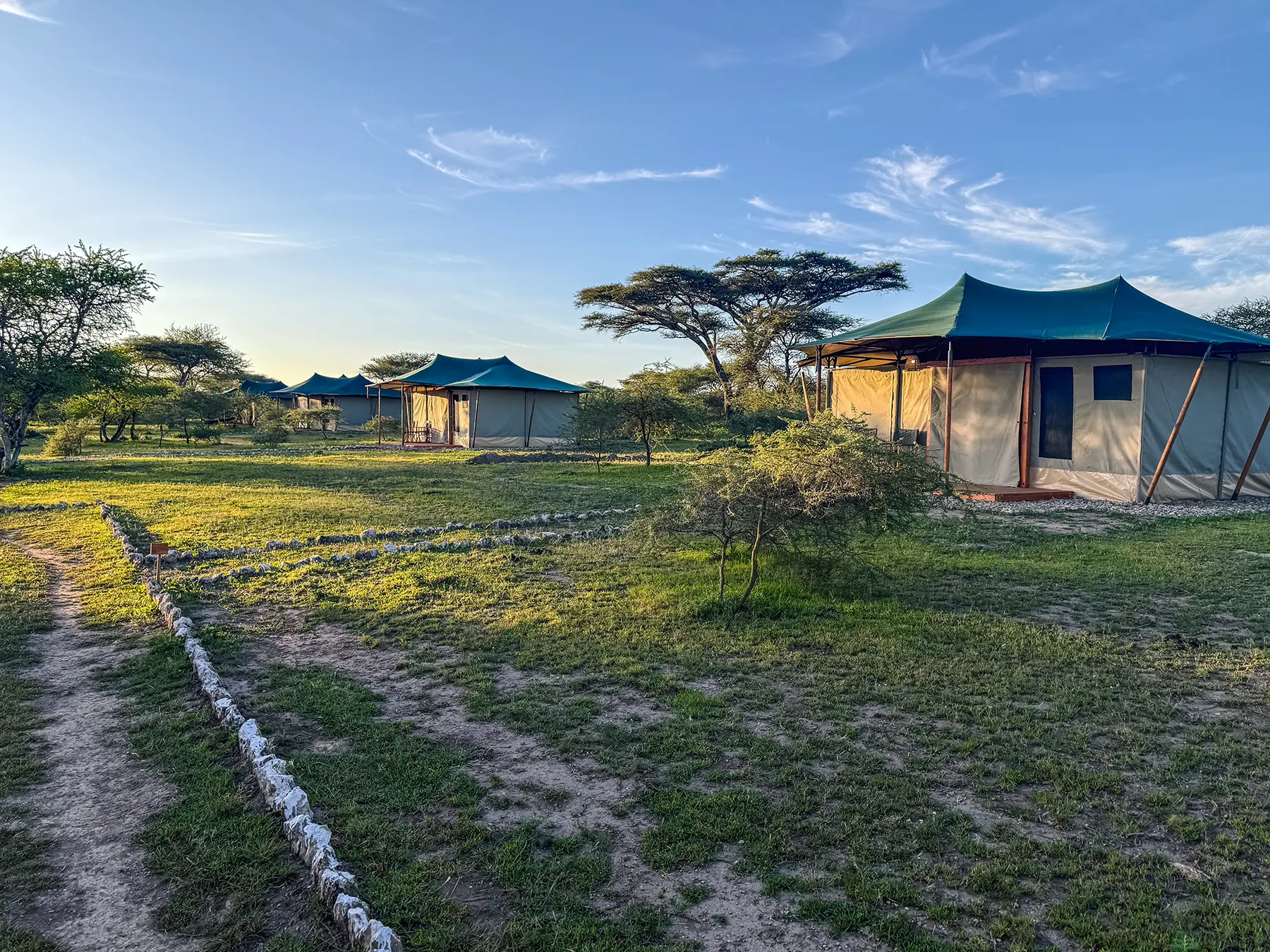
My Experience of Lake Manyara
I went on an incredible canoeing safari on Lake Manyara, which was a unique and atmospheric experience quite unlike any other activity during my time in Tanzania. Local fishermen took me out in a traditional wooden canoe, paddling from the shore into the flooded sections of the lake.
We entered the flooded forest at the edge of Lake Manyara, where the water has risen up between the trees creating an eerie, beautiful landscape. I was amazed at how the trees rose from the surface, their trunks reflected perfectly in the still, dark water.
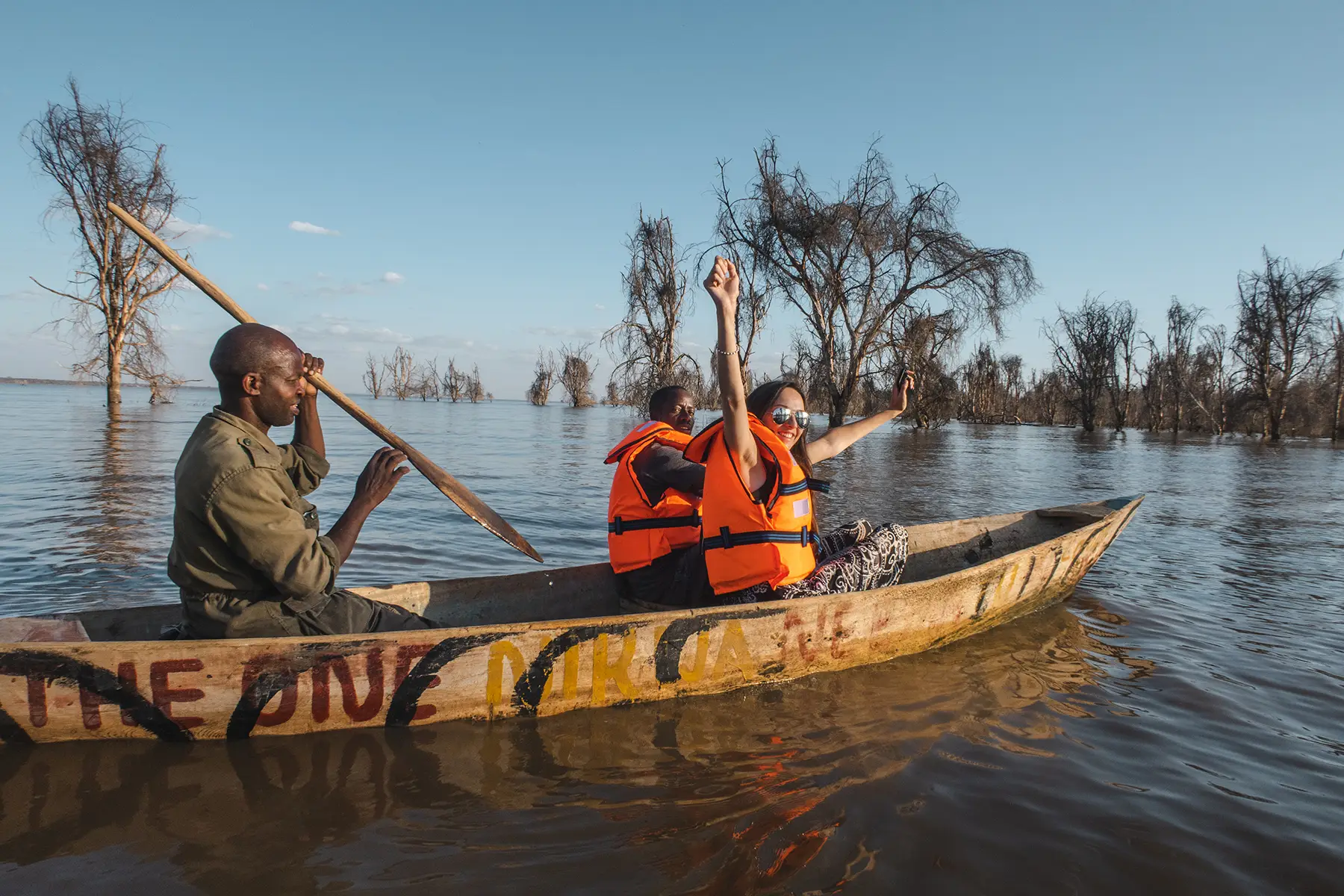
The most dramatic part of the experience was hearing the bellowing of hippos somewhere nearby. The deep, resonant grunts echoed through the flooded trees, and knowing these enormous animals were close by while we were sitting in a small wooden canoe added a definite thrill. We could not see them from our canoe but their presence was unmistakable.
On the banks of the lake, just outside the national park boundary, we saw vervet monkeys leaping between the branches and Maasai herdsmen with their cattle grazing right at the water’s edge. It was a peaceful scene that showed how closely the local communities live alongside the wildlife here.
You can watch a video of my experience visiting Lake Manyara below.
Day 16: Tarangire National Park
Drive Time (Excluding Game Drives): 0 hours
Today you have a full day exploring Tarangire National Park, Tanzania’s sixth largest national park. Covering 1,770 square miles (4,583 km²), this is one of the best places in Africa to witness elephant gatherings on a grand scale.
There are over 3,000 elephants in the park and they form unusually large herds that can even reach around 200 individuals.
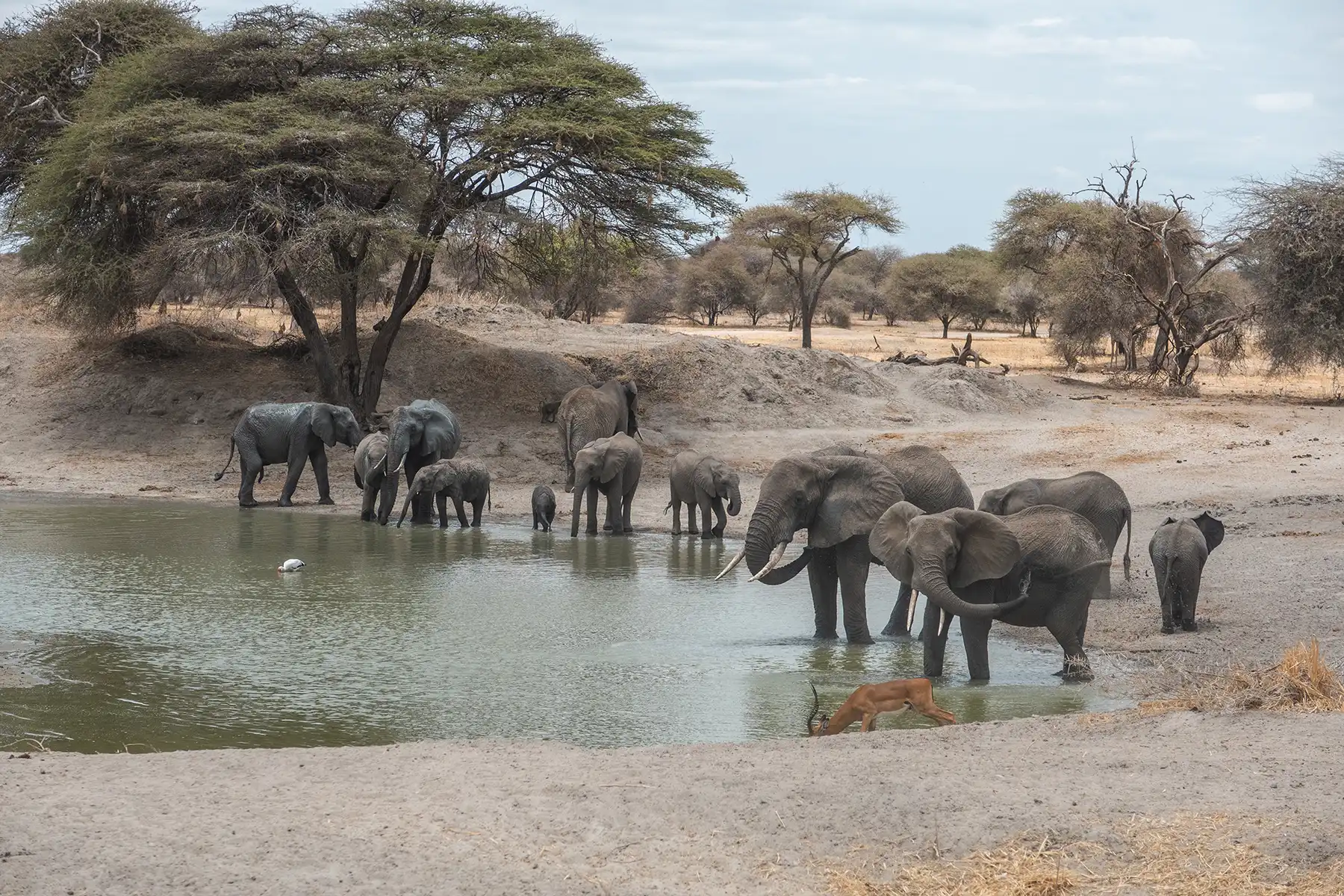
Map of Tarangire National Park
Here is a map I made showing the key features of Tarangire National Park.
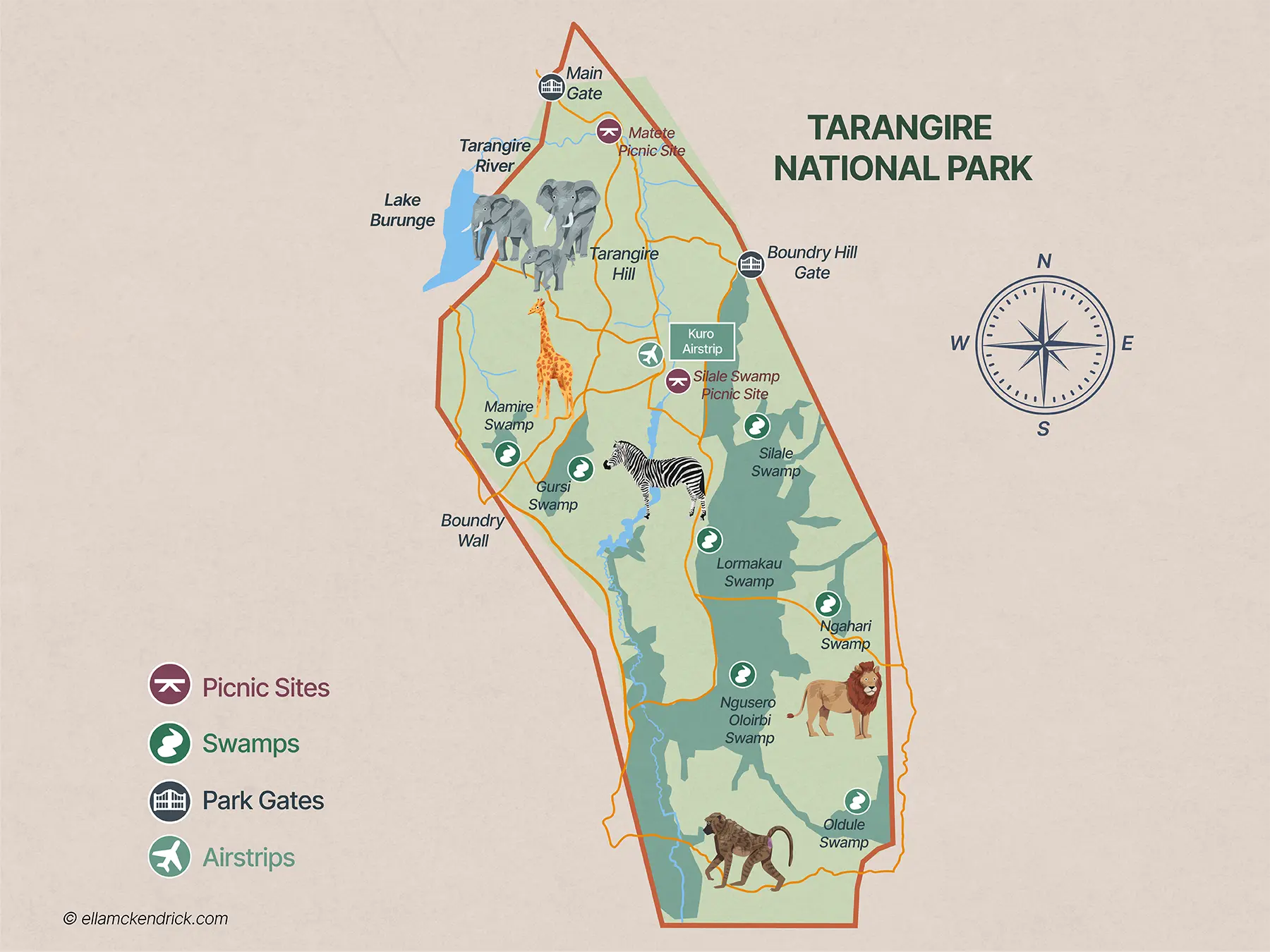
Itinerary
Depart from your lodge or camp in or near to Tarangire National Park at dawn for a morning game drive along the Tarangire River corridor. This is when lions and other predators are most active, before the heat of the day sets in.
The river attracts migratory animals including wildebeest, zebras and buffalo, as well as lions. This is a particularly good area for encountering elephants, which can often be seen digging in sandy banks searching for underground water.
As the day unfolds, you’re likely to see giraffes, buffalos and elephants, and – if you’re lucky – even catch a glimpse of an elusive leopard.
Stop for a picnic lunch at the Matete Picnic Site overlooking the Tarangire River, a popular spot with views of the river and surrounding plains. In the afternoon, drive towards the saline swamps of Lake Burunge where, depending on water conditions, you might see thousands of pink flamingos.
The southern and eastern areas of the park contain several large swamps including Gurusi, Silale and Larmakau, which are the favourite habitats of hippos and crocodiles.
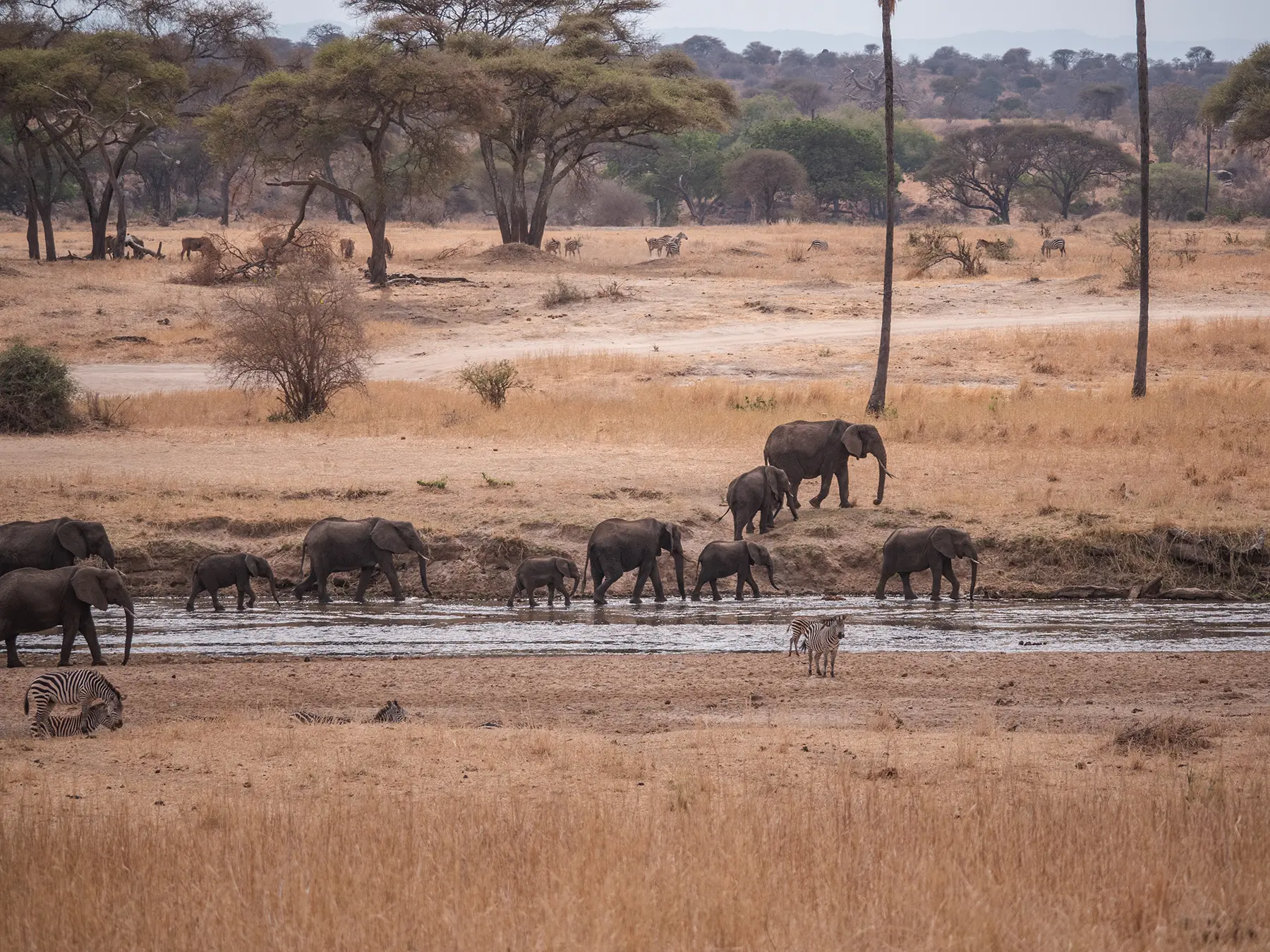
About Tarangire National Park
In 1957, the British colonial government designated Tarangire as a game reserve, and upgraded this to full national park status in 1970.
Tarangire has one of the highest animal densities in Tanzania, second only to the Serengeti, and the Tarangire River running through its centre draws enormous concentrations of wildlife to its banks.
The landscape is unlike anywhere else on the northern circuit, and it is dotted with ancient baobab trees estimated to be up to a staggering 2,000 years old.
The park is named after the Tarangire River, which is the primary water source for the area during the dry season, from June to October.
During this time of year, thousands of animals from far and wide gather around the Tarangire River’s remaining watering holes, creating one of the most impressive dry-season concentrations of wildlife in Tanzania.
The park is home to an abundance of lions, with a density of approximately 7.5 per 100km2, and prides often rest beneath the park’s majestic baobab trees.
The Tarangire ecosystem supports approximately 10,000 wildebeest, and experiences a mini-migration alongside the park’s famous elephant herds.
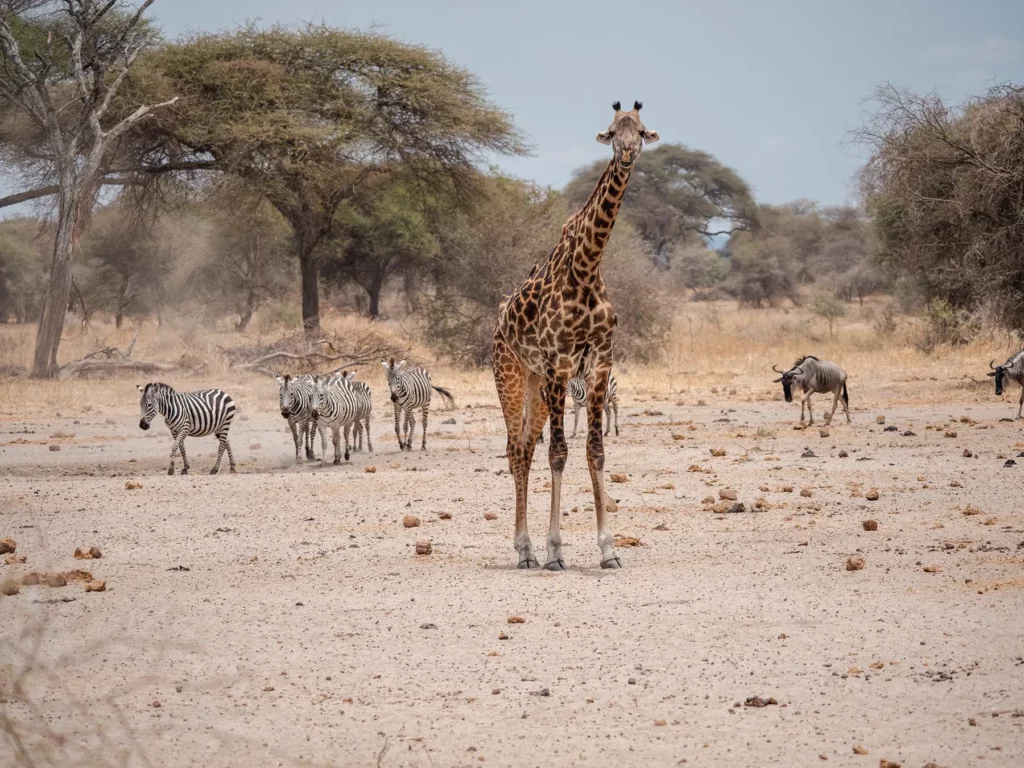
What Wildlife Can I See in Tarangire?
Tarangire is one of the best places in Africa for elephant encounters, especially during the dry season when these gentle giants congregate along the Tarangire River.
The park has over 3,000 resident elephants organised into herds of up to 200 individuals.
The park is also home to an absolute abundance of mammal species besides elephants, including giraffes, buffalos, zebras, waterbucks, leopards and around 250 lions.
Keep a keen look out for rare species such as the fringed-eared oryx, greater kudu and gerenuk.
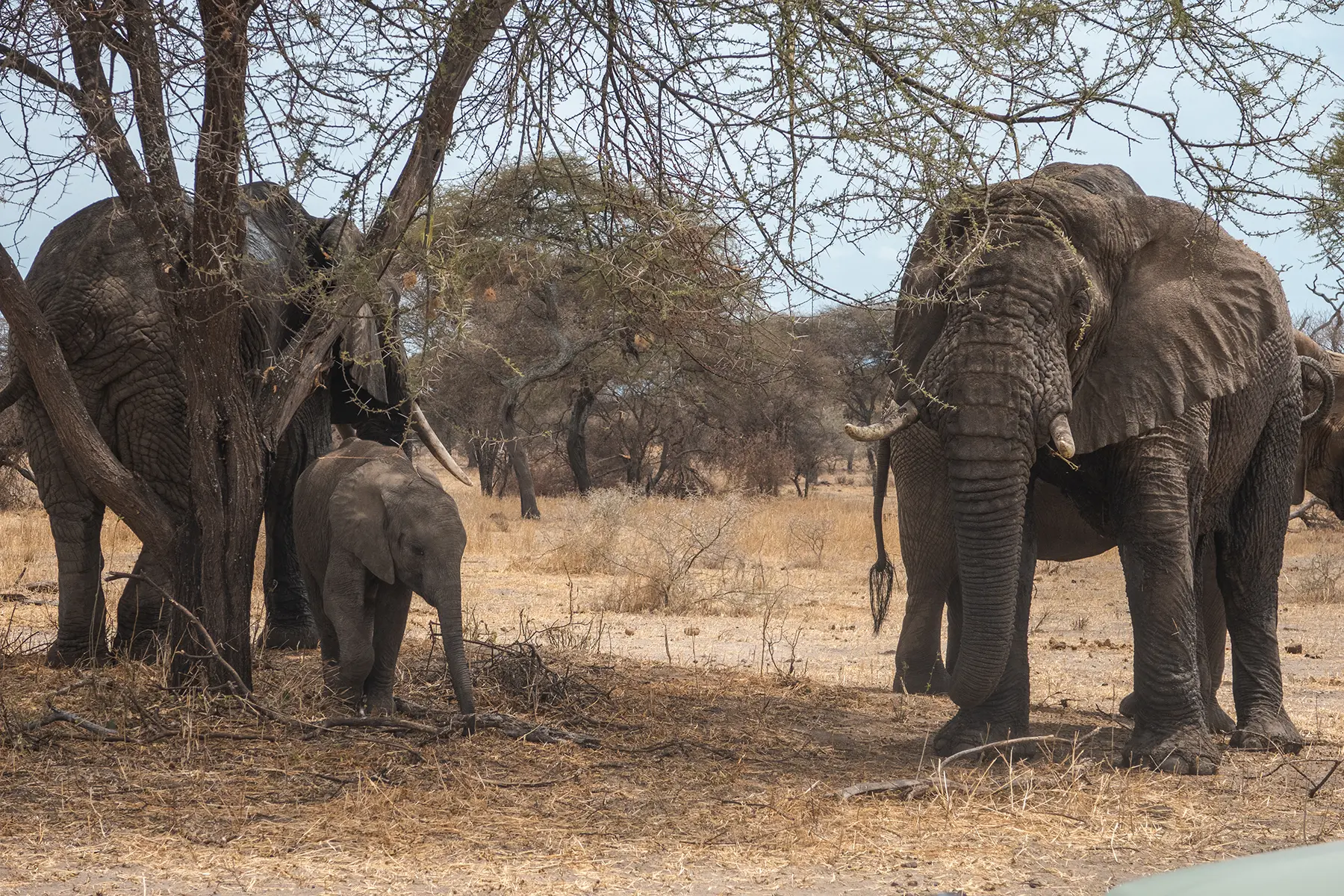
Tips for Visiting Tarangire National Park
- The best time to visit Tarangire National Park is during the long dry season, between June and October. This is when you are most likely to see large herds of migrating elephants, wildebeest and zebras.
- Watch out for cheeky vervet monkeys at the picnic area, and keep your food packed away and out of sight. They are notorious for scavenging scraps from visitors, and are not too shy to run off with your whole sandwich.
- Choose accommodation within the national park if possible, as this allows you to head out as early as 6am when the gates open. This increases your chances of spotting lions and leopards, which are most active at dawn and dusk.
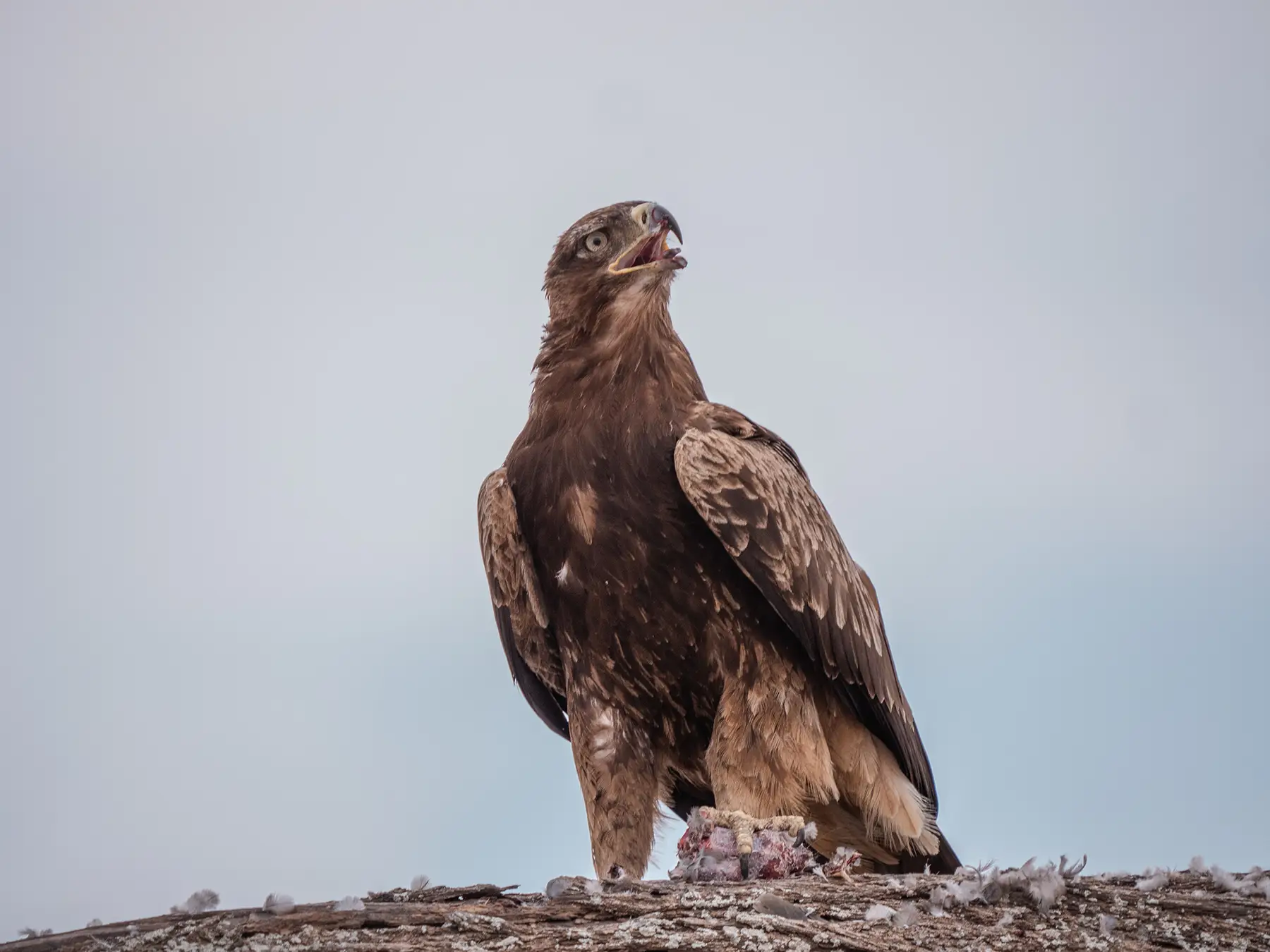
Where to Spend the Night
You’ll spend the night in the same lodge or tented camp as the previous night.
My Experience of Tarangire National Park
I loved Tarangire National Park from the moment we arrived. The landscape is really beautiful, and is quite different from the open plains of the Serengeti.
The vegetation is more dense, so you feel really immersed in the bush wherever you go. Long, golden grass stretches between enormous baobab trees, their ancient trunks swollen with stored water.
Shortly after entering the park, we came across a whole herd of elephants crossing the road right in front of our vehicle. There was even a very small baby that could barely see over the grass. They were heading to the watering hole and we followed them.
We then watched as the herd gathered around the water, the adults drinking deeply while the baby discovered the joy of water for the first time. It rolled around in the shallows with pure delight, kicking its tiny legs and spraying water over itself with its little trunk. I was laughing at how much fun it was having!
Close by we spotted saddle-billed storks and yellow-billed storks wading in the shallows, their colourful bills vivid against the brown water.
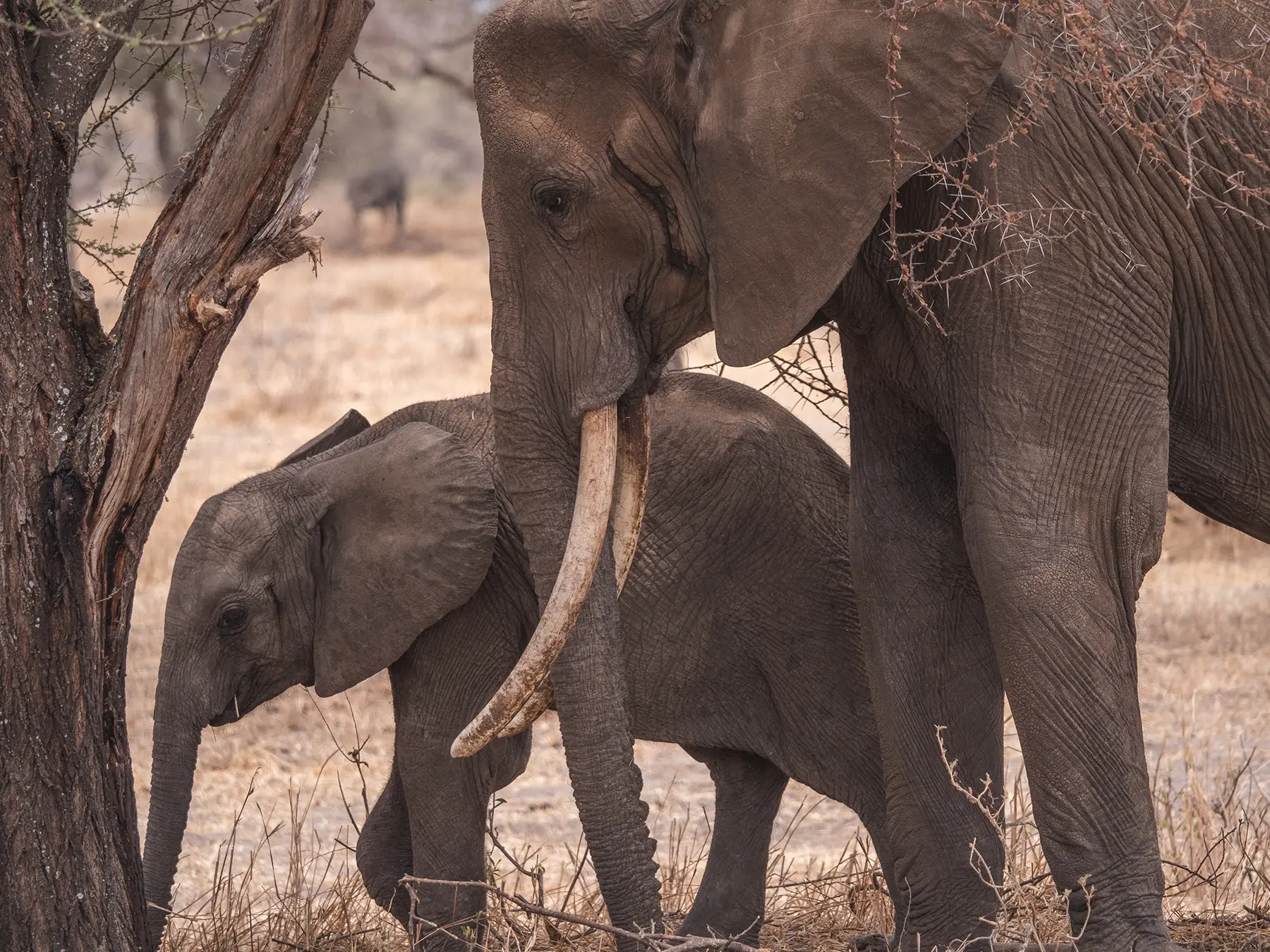
Another Tarangire sighting I will never forget began with a large troop of baboons, including many youngsters. The young baboons were tussling with each other around the watering hole, wrestling and chasing each other in circles while their mothers kept a watchful eye. Close by was a herd of impalas, grazing and drinking peacefully.
What fascinated me most was the relationship between the baboons and the impalas in the area. They hung out together and seemed to follow each other around.
Our guide explained this is a mutually beneficial arrangement. The baboons have excellent eyesight and can spot predators from high vantage points, while the impalas have a keen sense of smell and hearing. Together they create a more effective early warning system against danger.
The waterhole itself attracted some wonderful bird species. I spotted a striking saddle-billed stork, its red and black bill unmistakable, wading through the shallow edges. Yellow-billed storks were also present, along with various other wading birds.
As I watched the waterhole, more animals arrived to drink, including a group of wildebeest and some zebras. At one point something spooked the entire gathering and they all bolted in different directions, a sudden explosion of movement that sent dust swirling into the air.
You can watch a video of my experience in Tarangire National Park below.
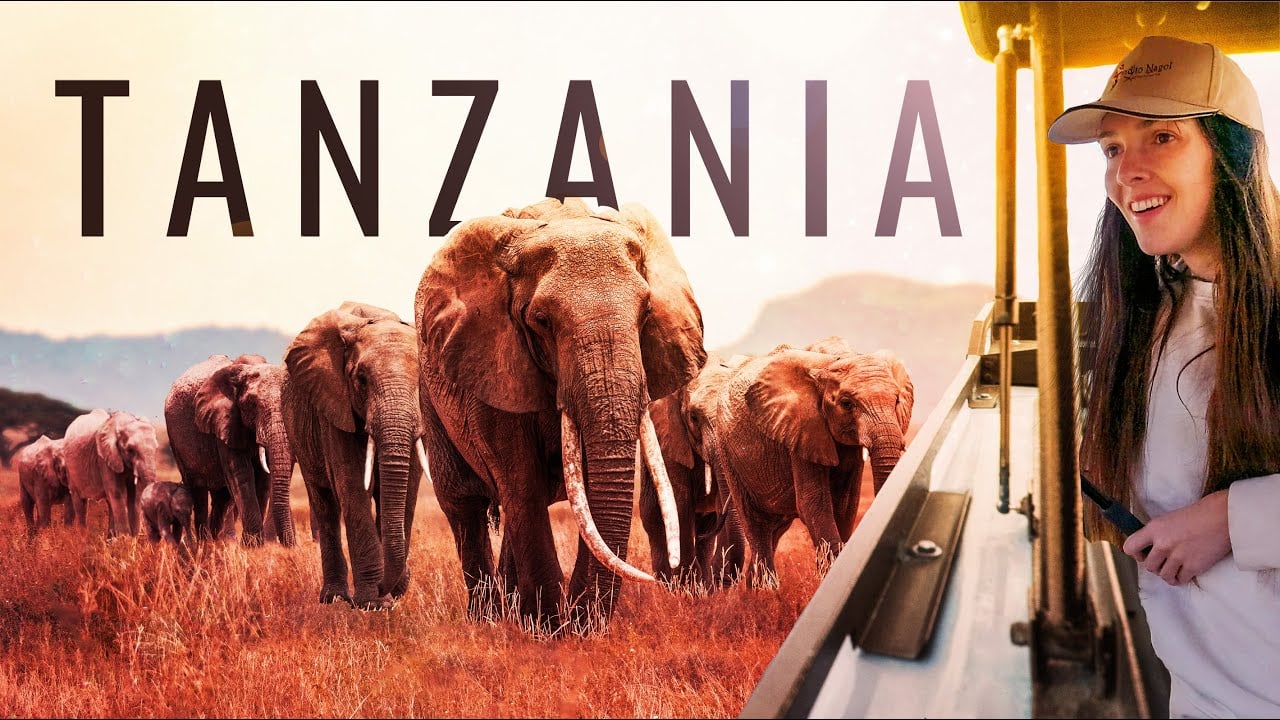
Day 17: Zanzibar
Drive Time (Excluding Game Drives): 3 hours drive to Arusha, then 1.5 hour flight to Zanzibar
After 16 days of non-stop safari adventure in Kenya and Tanzania, today you’ll set off to the beach paradise of Zanzibar for some well-earned relaxation.
First, you will drive from Tarangire to Arusha, the safari capital of Tanzania. Thereafter you’ll catch a short flight to Zanzibar.
The flight from Arusha to Zanzibar takes approximately 1 to 1.5 hours, and as the plane crosses the Tanzanian coastline and the Indian Ocean comes into view below, the transition from dusty savannah to crystal clear, turquoise waters feels almost magical.
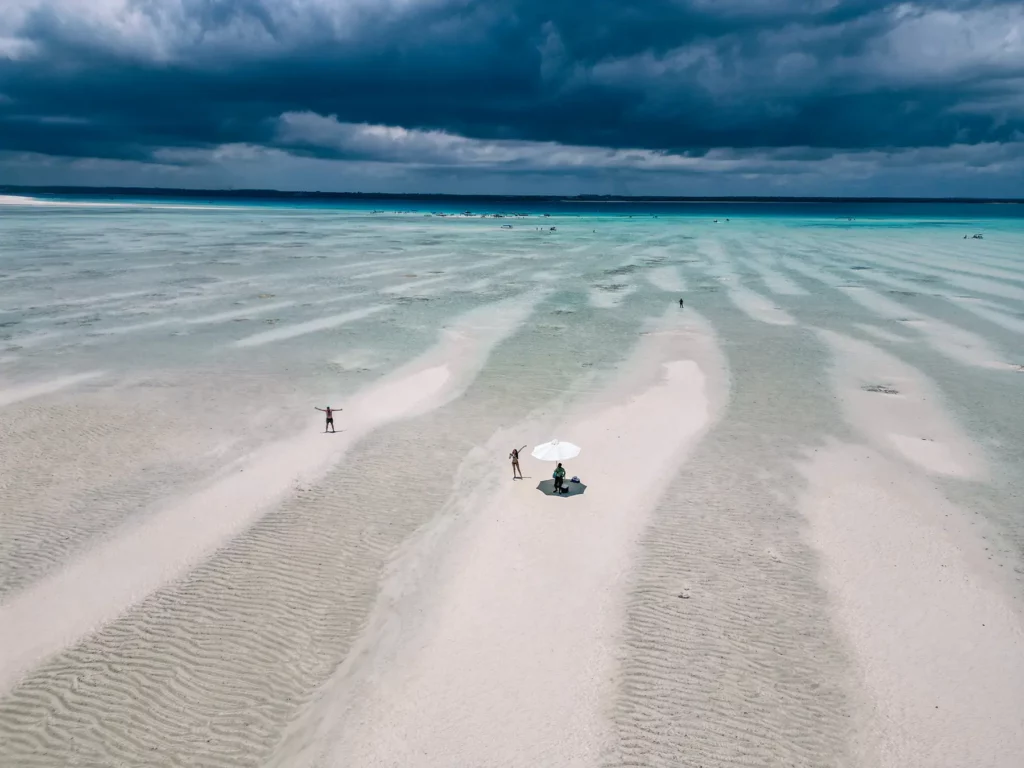
Itinerary
Depart from your Tarangire accommodation after an early breakfast, ready for the 3 hour drive to Arusha. If your flight to Zanzibar is in the afternoon, you may have time to stop in Arusha for lunch or visit the lively central market.
Flights to Zanzibar depart from either Arusha Airport (ARK) or Kilimanjaro International Airport (JRO). AirTanzania and Precision Air offer regular services from Kilimanjaro in large planes (for example, Boeing 737-800s).
Smaller planes (for example, Cessna Grand Caravans) operated by Coastal Aviation and Flightlink depart from Arusha Airport.
You will fly into Abeid Amani Karume International Airport (ZNZ) on Unguja Island, where you’ll be met by your transport to your hotel for the next few days.
If you have time and energy, you can set out on an afternoon activity, like exploring the historic Stone Town. Alternatively, you may like to simply unwind on the beach after many days of travel.
About Zanzibar
Zanzibar is a small cluster of islands just off the eastern coast of Tanzania, surrounded by the warm Indian Ocean. Home to Stone Town, a UNESCO World Heritage Site, Zanzibar is famous for incomparable white sand beaches, turquoise waters, a rich history and a fascinating blend of architectural styles that reflect this history.
Since Zanzibar is just a short flight from the world-renowned national parks on Tanzania’s mainland, it’s the perfect place to finish off a combined safari and beach holiday.
There are two main islands in the archipelago. These are Unguja, also known as Zanzibar Island, and Pemba Island. Together they cover approximately 1,021 square miles (2,645 km²), which is less than 0.3 % of Tanzania’s total area.
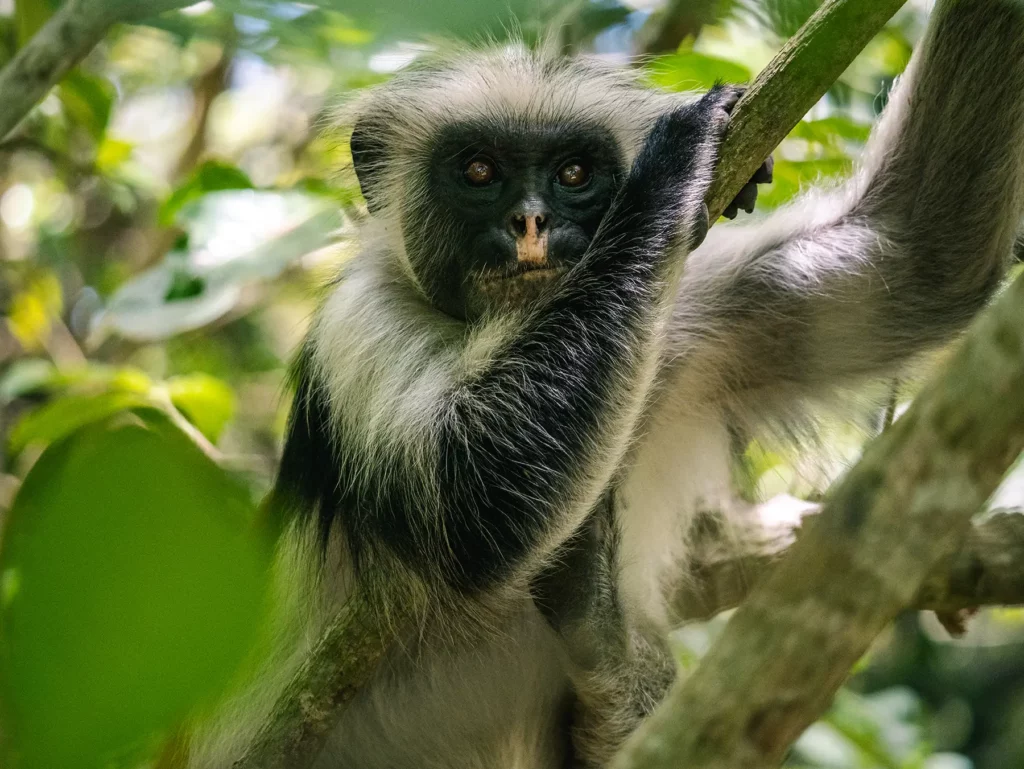
Zanzibar was once an important stopover in the spice and ivory trade between Africa, the Middle East, south Asia and Europe. In the 18th and 19th centuries, Zanzibar became central to the international slave trade, especially when demand for enslaved people grew in North and South America.
For a sobering but illuminating reminder of this chilling chapter of Zanzibar’s past, you can visit the old slave market in the historic Stone Town in the heart of Zanzibar City.
Today, however, Zanzibar is known as an island paradise. Its palm-fringed, white sand beaches are just exactly what springs to mind when you imagine a tropical island, and its crystal clear waters are perfect for adventurous water activities from swimming and snorkelling to scuba diving, sailing, kayaking, and fishing.
The archipelago is just as famous for its incredible food scene. This is especially good news for lovers of seafood, and you can expect to come across a range of local seafood dishes exquisitely flavoured by the island’s homegrown aromatic spices. Zanzibar is the world’s largest producer of cloves and also grows cinnamon, vanilla, cardamom, black pepper, turmeric, and nutmeg.
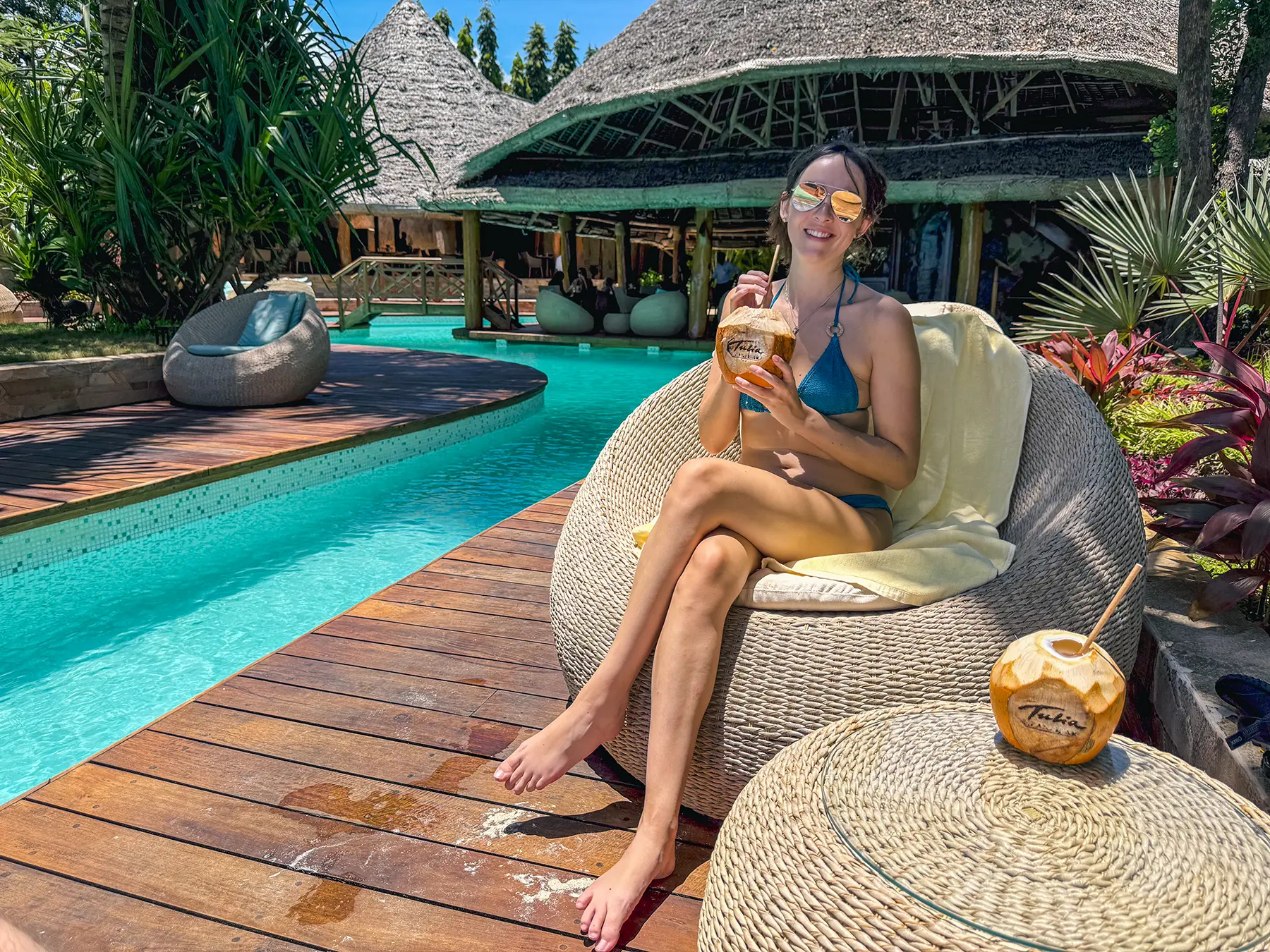
Tips for Visiting Zanzibar
- Zanzibar has a predominantly Muslim population, and out of respect for this community you should dress modestly when visiting Stone Town or local villages. Make sure you’re covered up from your shoulders to below the knee. On beaches and at resorts western-style dress and bathing suits are totally fine.
- If you explore east coast rock pools at low tide, watch out for purple-spined sea urchins hidden among the rocks, and wear reef shoes just in case.
- For Mnemba Atoll snorkelling trips, ask to go to a private sandbar for your picnic instead of the shared one. The privacy and exclusivity makes the experience far more enjoyable. It’s also worth skipping the dolphin watching portion of the trip, as the dolphins tend to be surrounded by too many boats.
- For a unique high tide experience, book a table at The Rock restaurant. During high tide the restaurant is completely surrounded by water and you access it by boat.
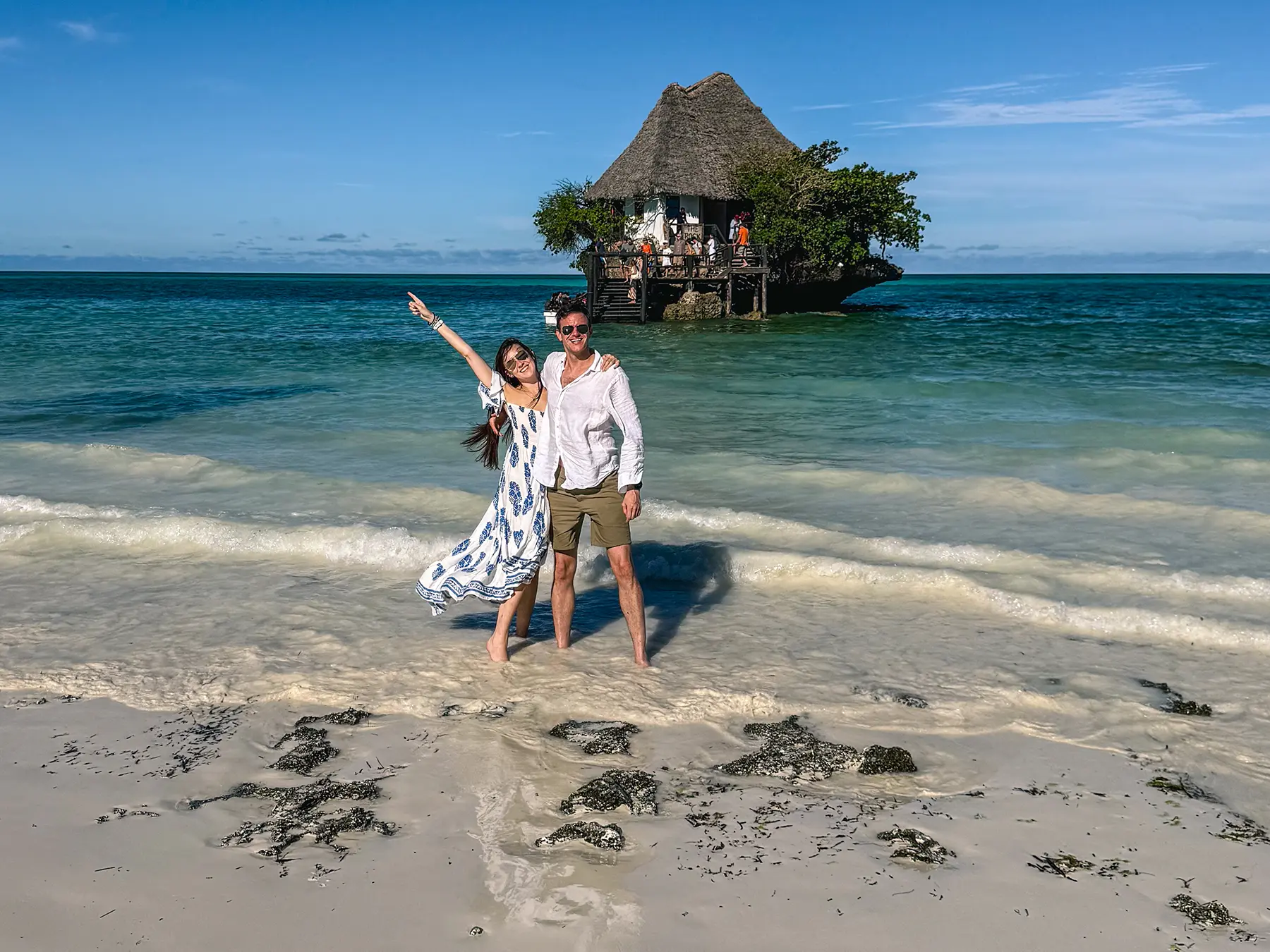
In front of the Rock Restaurant surrounded by white sandy beaches and crystal clear waters in Zanzibar, Tanzania - If you’re visiting Prison Island, you should arrive about an hour before the 4pm closing time for a quieter experience with fewer crowds. The going rate for a return boat ride from Stone Town to Prison Island is $30 per person.
- Stone Town is compact enough to see the main sights, including Freddie Mercury’s birthplace, the Old Fort and the House of Wonders, in a single afternoon.
-
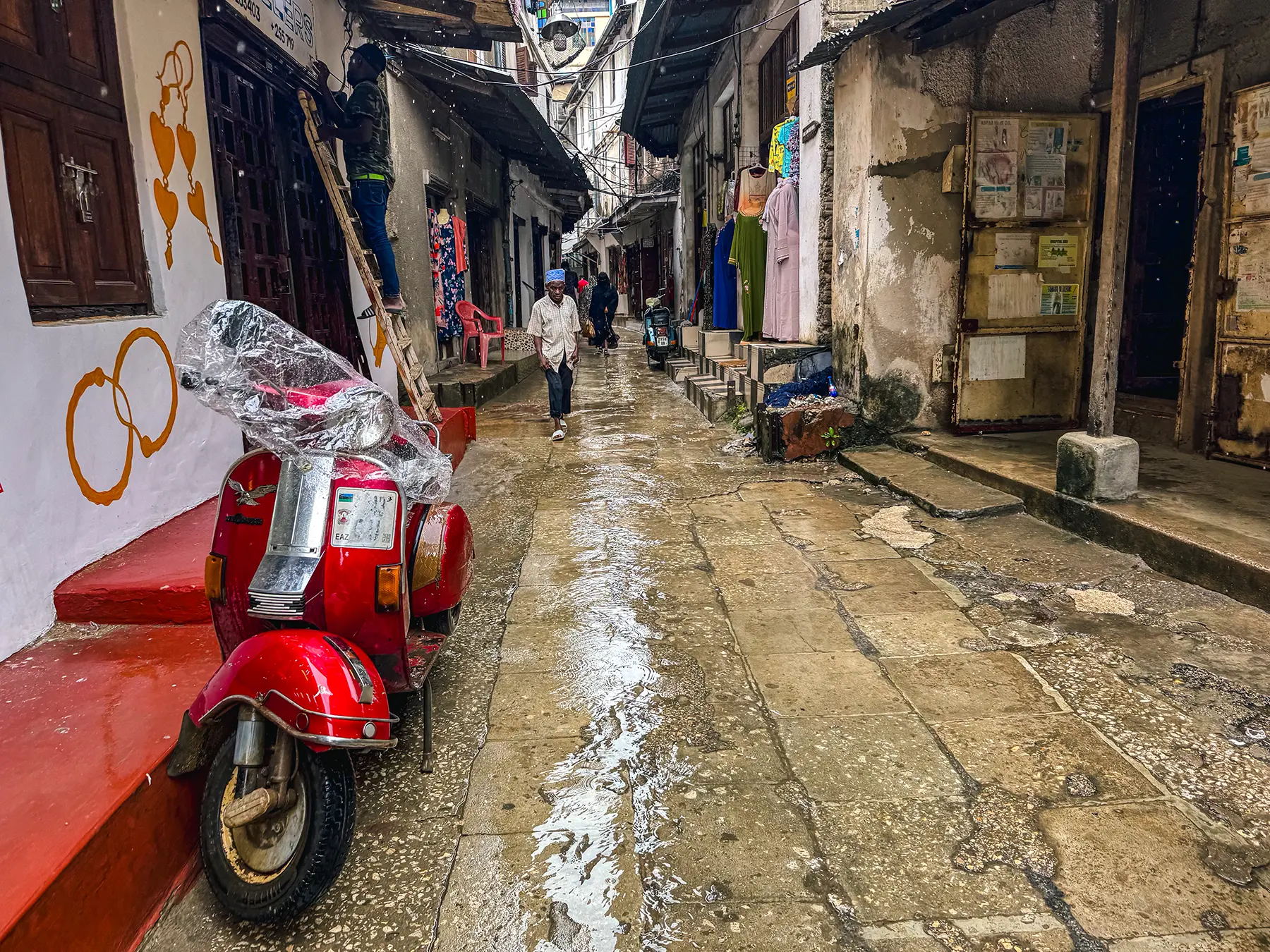
The streets in Stone Town, Zanzibar were full of character
Where to Stay
The beaches on Zanzibar’s northeastern and eastern coast, such as Matemwe, Pongwe and Kiwengwa, are popular choices for travellers arriving from a safari, as they offer a quieter atmosphere than some of the other locations in Zanzibar, as well as boutique hotels.
My personal favourite hotel on the Island is Tulia Zanzibar on Pongwe Beach. This 5-star boutique resort has just 16 villas, some with private pools, and is set in tropical gardens along a private beachfront. This is a mere 1 hour’s drive from the airport.
On the same stretch of coast, LUX* Marijani on Pwani Mchangani Beach blends Arabic and Swahili design elements and has 82 villa-style rooms. At around $200 per night, this really feels like luxury without the super high price tag.
The northern beaches of Nungwi and Kendwa have minimal tidal variation and a livelier atmosphere. Kendwa is particularly popular, and is widely regarded as the best beach in East Africa, with its powdery white sand and stunning sunsets. Kilindi is a luxury beachfront hotel right on Kendwa Beach, and is known for its excellent views of the famous Kendwa sunsets.
Finally, for something truly exclusive, andBeyond Mnemba Island Lodge has just 12 beachfront bandas on a private island surrounded by coral reefs. It comes at a price though – peak season rates can reach $3,000 per person per night.
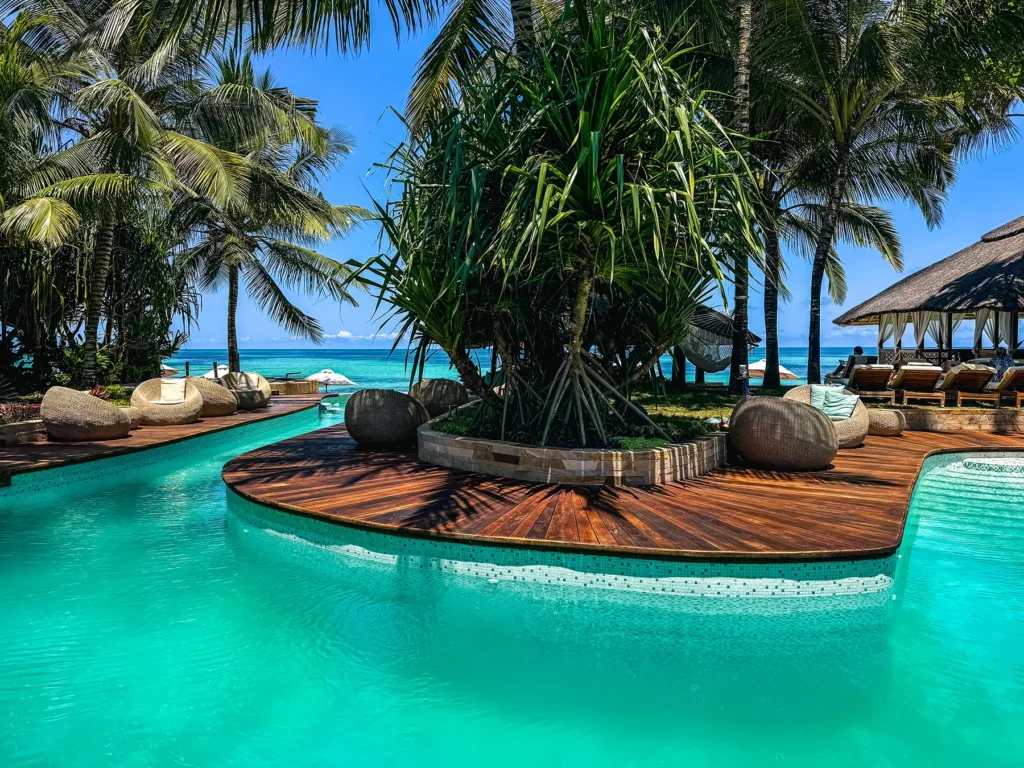
Days 18-20: Zanzibar Beach Days
Drive Time (Excluding Game Drives): Dependent on the activities you do
You have three full days to explore Zanzibar, one of the most beautiful island destinations in the Indian Ocean.
After more than two weeks on safari, these beach days offer a completely different pace, with white sand, turquoise water and the scent of cloves and spices drifting through the air. Within moments of hitting the beach, you’ll feel relaxed and, hopefully, hungry.
The food scene in Zanzibar is excellent and the island is renowned for its delicious seafood dishes.
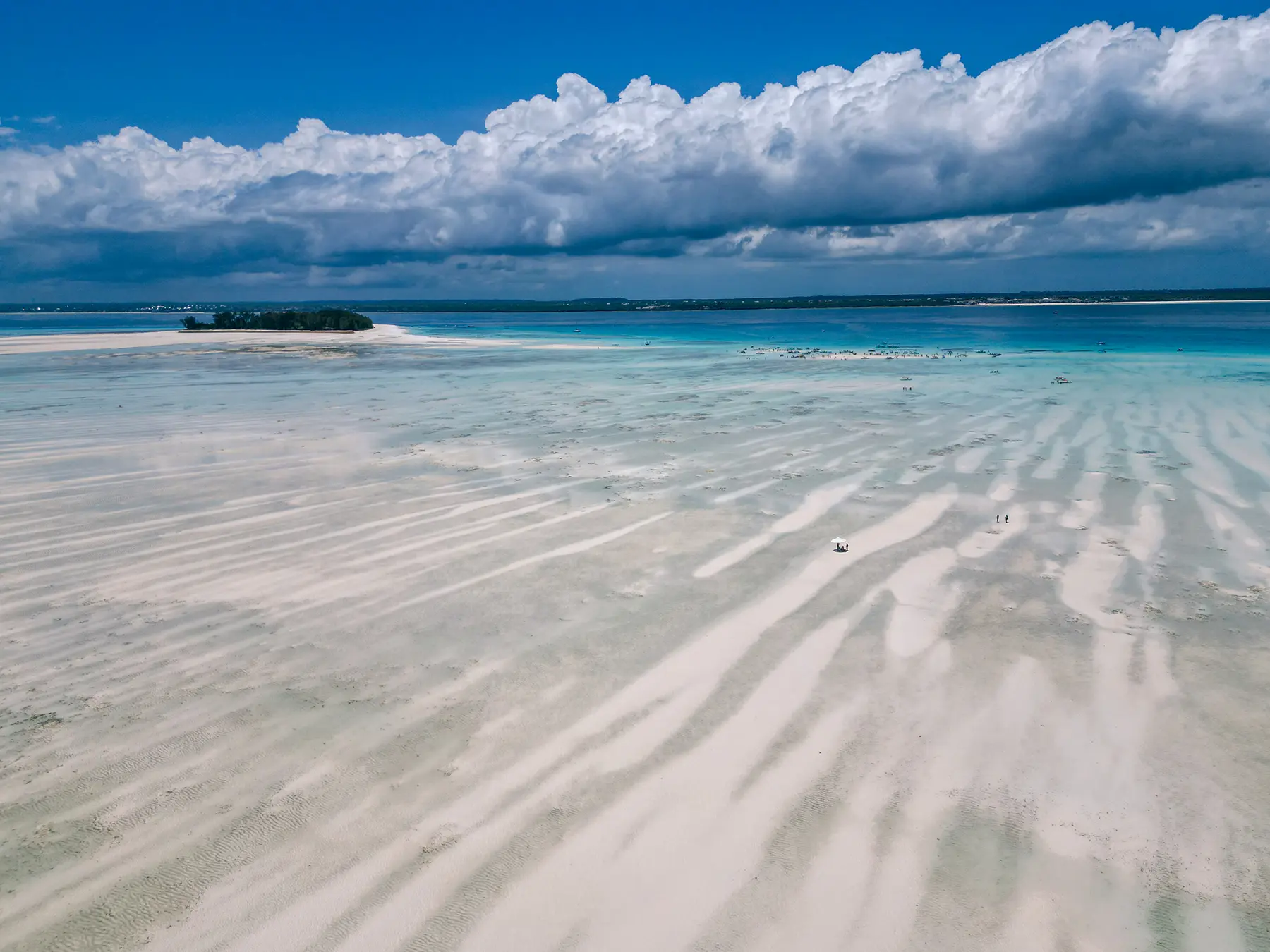
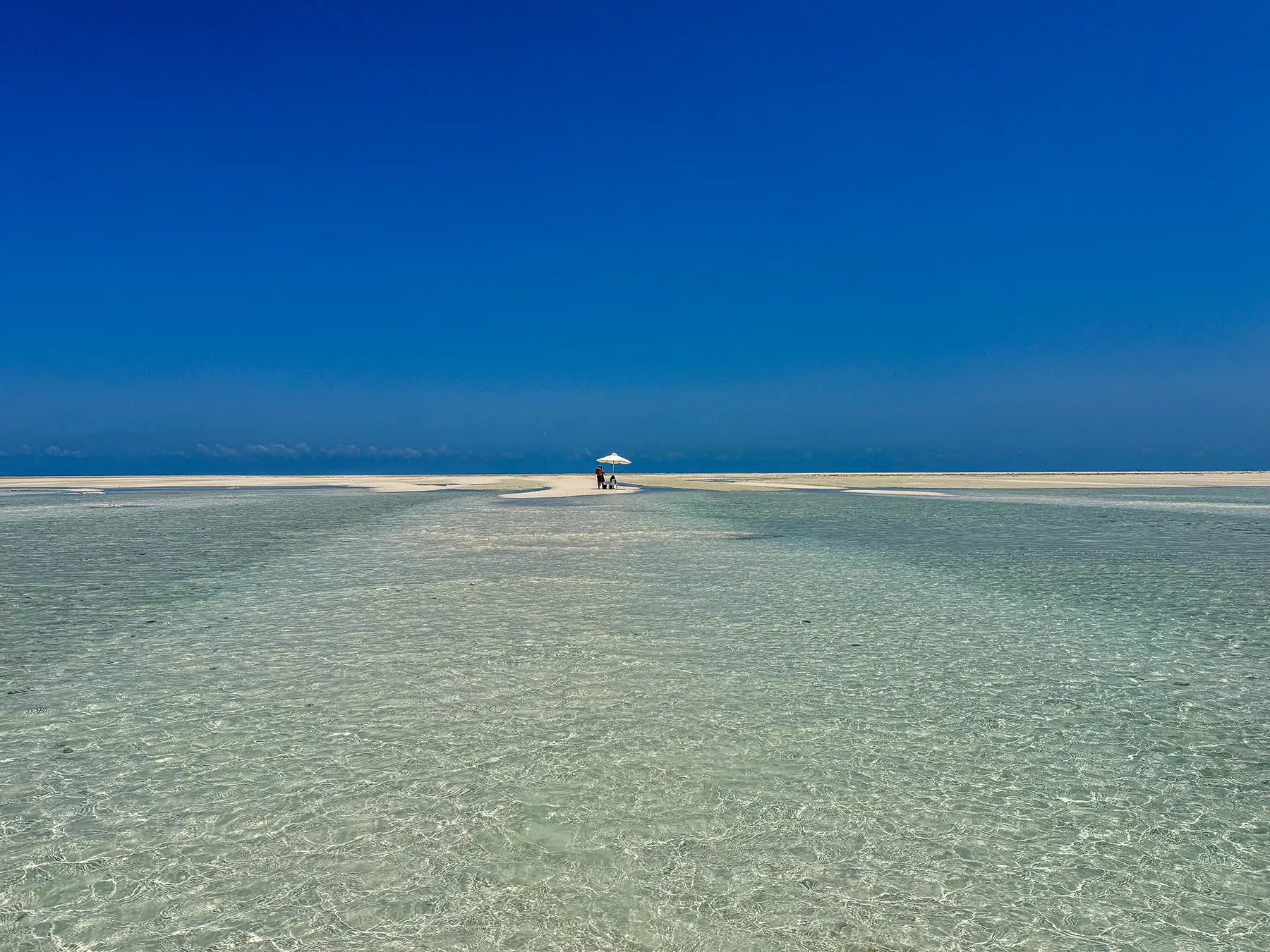
Where to Stay in Zanzibar
You’ll spend your remaining nights in Zanzibar at the same hotel, enjoying the relaxed pace of this phase of your holiday.
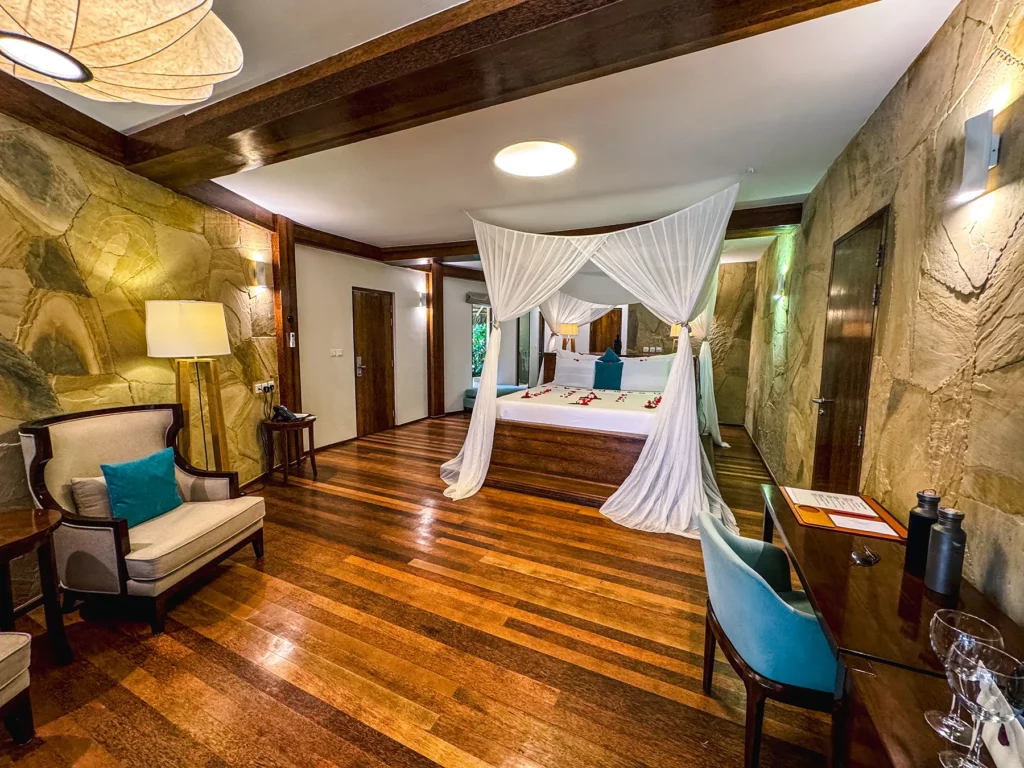
My Experience of Zanzibar
The highlight of my time in Zanzibar was a boat trip to Mnemba Atoll, organised from LUX* Marijani hotel on Matemwe beach. The snorkelling was fabulous, with excellent visibility and a reef alive with colour.
I saw parrotfish, butterflyfish, sergeant fish and even a starfish resting on the sandy bottom between coral heads. The reef was large enough that it did not feel crowded, despite other groups snorkelling nearby.
My absolute favourite part was our picnic on a private sandbar, which we specifically requested so that we could have a break from the main group. This turned out to be a fantastic decision!
While I could see hundreds of boats moored at the popular sandbar in the distance, we were the only ones on ours. The solitude was indescribable.
The water around our sandbar was the most perfect turquoise I have ever seen, so clear I could see my toes through it. The sand was impossibly soft beneath my feet as I splashed through the shallows from the boat.
We ate our picnic surrounded by nothing but ocean and sky. It was one of the most peaceful moments I’ve ever experienced.
What I found really interesting is that the east coast beaches of Zanzibar, like Matemwe and Pongwe where I stayed, experience dramatic tidal differences. At low tide the Indian Ocean retreats hundreds of metres, exposing vast stretches of sand and rock pools that are normally underwater. I spent a wonderful afternoon exploring these pools on Matemwe beach.
I rolled up my trousers and waded through the warm, shallow water between the rock formations. Each pool had its own miniature ecosystem. In one pool I found a clownfish, instantly recognisable from its orange and white colouring, darting between the anemone fronds.
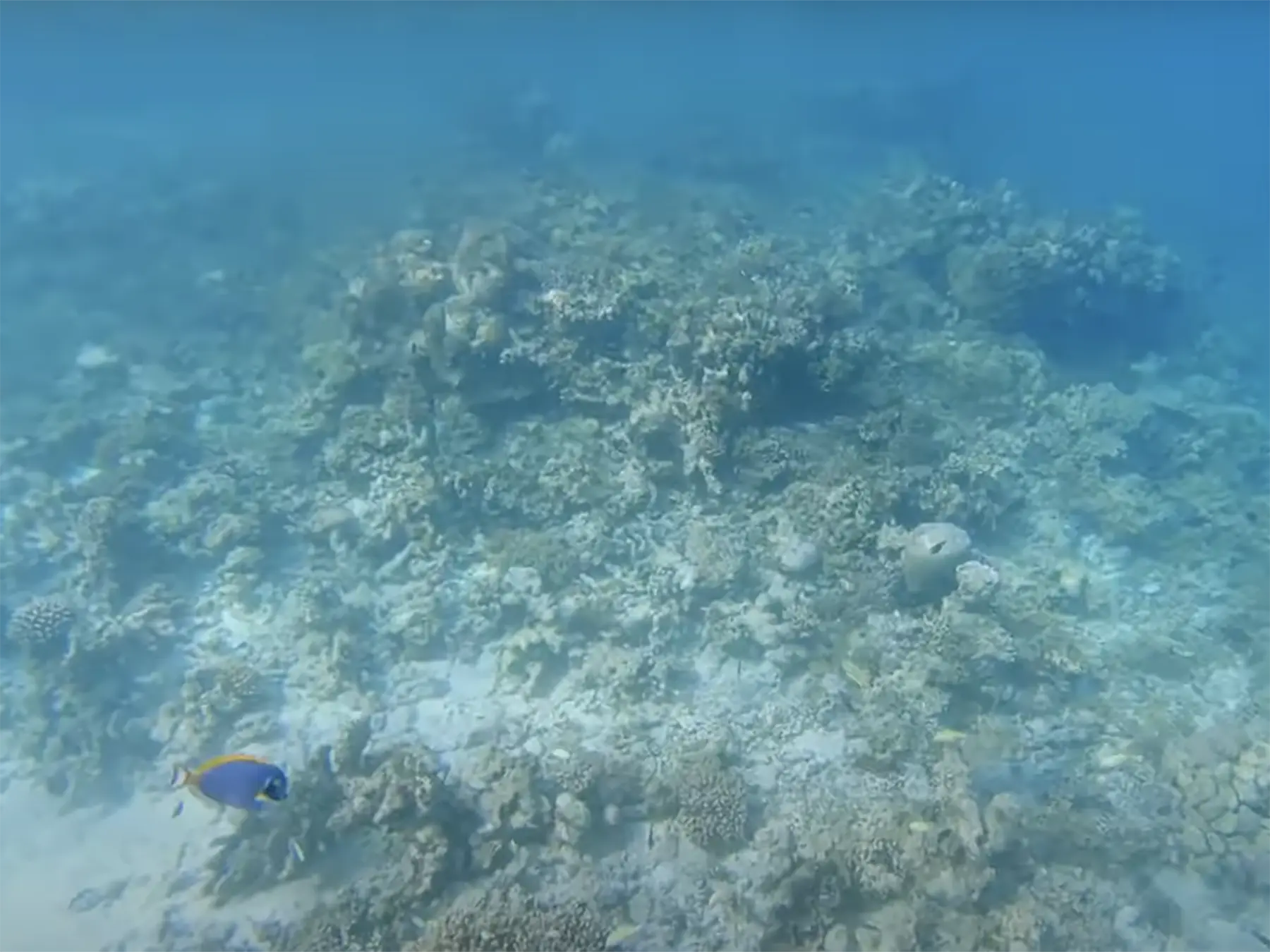
In others I spotted adorable hermit crabs tucked into spiral shells, their eyes peering out cautiously. Purple-spined sea urchins clung to the rocks and I had to watch my step carefully to avoid treading on them. Their spines deliver a painful sting!
My most exciting find was a starfish, its five orange arms spread across a flat rock just below the water’s surface. It was much larger than I expected, around 20 centimetres in diameter.
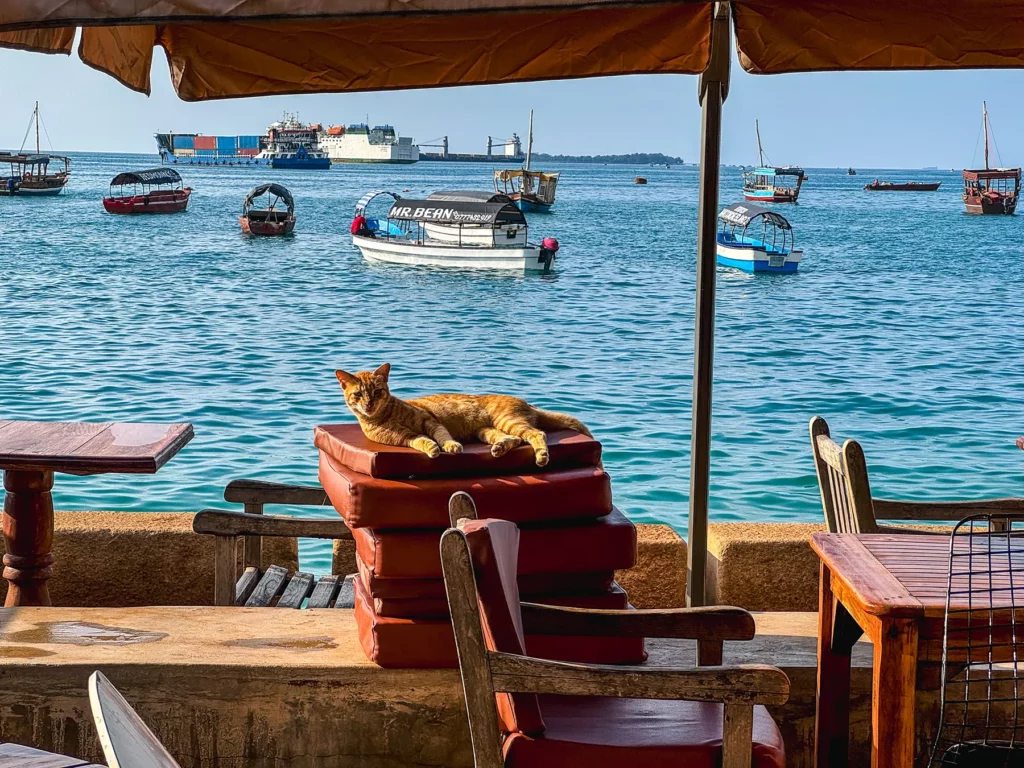
Then, Stone Town immediately charmed me, though my arrival was dramatic. The moment I stepped out of the car the heavens opened and I dashed into the nearest shelter, which happened to be a stall in the spice market. The shopkeeper, clearly accustomed to rain-soaked tourists, cheerfully showed me his display of spices.
The colours were vivid: turmeric in deep gold, chilli flakes in angry red, clove buds in dark brown. The blended aromas were intoxicating. I bought packets of Zanzibar pepper and vanilla pods.
When the rain eased we explored the old town’s narrow cobblestone streets, many of them too tight for vehicles. The famous carved wooden doors of Stone Town appeared at every turn, some studded with brass, others with intricate geometric patterns. Cats seemed to own the place, stretched out on windowsills and doorsteps, watching passersby with their characteristic feline indifference.
I bought hand-made silver jewellery from a tiny artisan workshop and a beach bag woven from sisal. The shopkeeper proudly told me his mother had made it. I was complimented on that bag everywhere I went in Zanzibar for the rest of my trip!
We ate at Sharazad The Door Restaurant and Cafe, where I had an excellent seafood curry.
Day 21: Fly Home From Zanzibar
Drive Time (Excluding Game Drives): 45 minutes to 1.5 hours to the airport (depending on beach location)
Today marks the end of your 3-week adventure in Kenya and Tanzania, crowned with a few days in exquisite Zanzibar.
After three weeks exploring everything from Nairobi’s wildlife parks to the Serengeti plains, the Ngorongoro Crater, and the crystalline waters of Zanzibar, you will make your way to Abeid Amani Karume International Airport (ZNZ) for your flight home.
Many airlines fly internationally from Zanzibar, including KLM, Emirates and Qatar Airways.
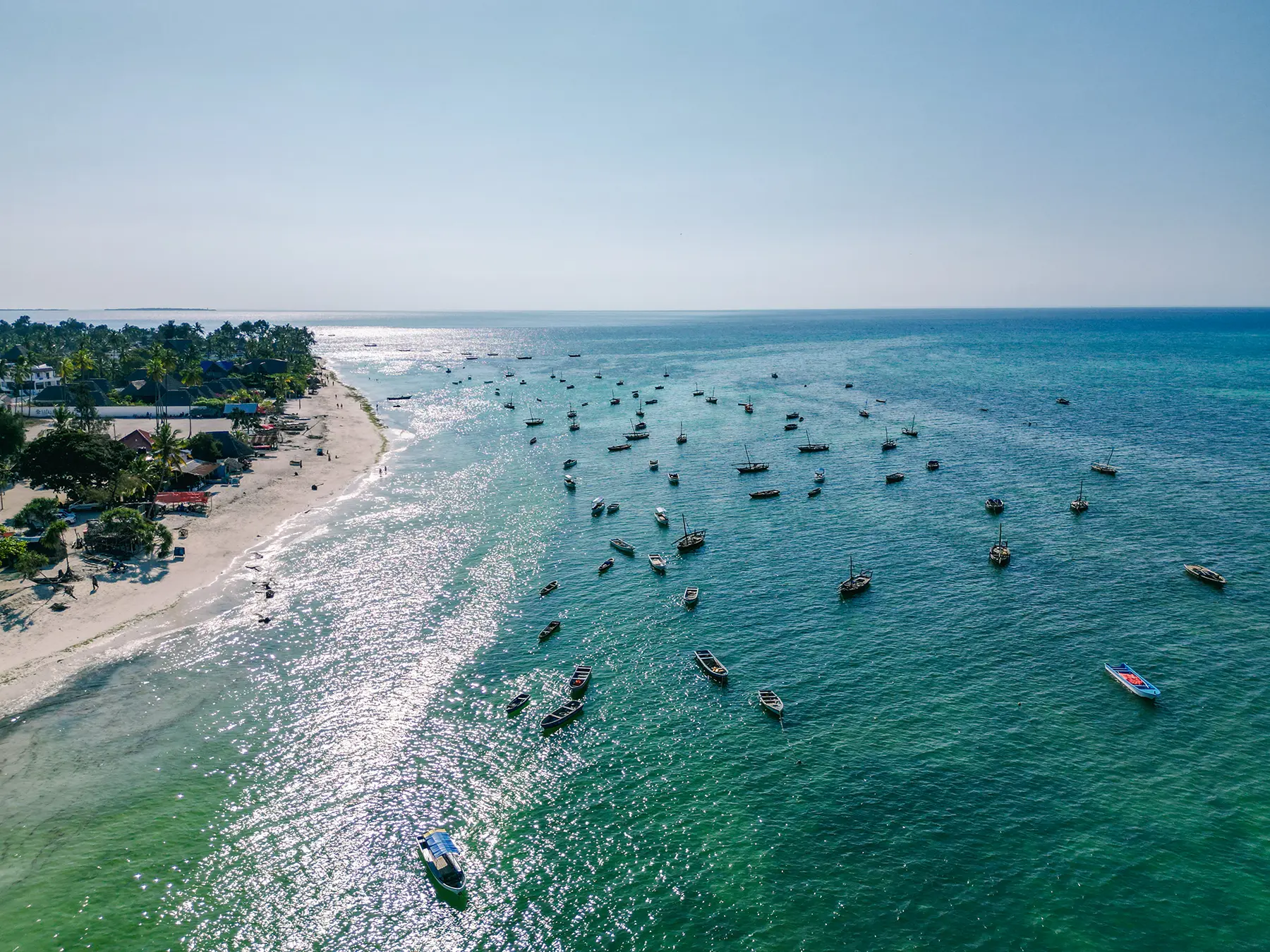
Itinerary
The drive from the northeast coast beaches to the airport takes approximately 45 minutes to 1.5 hours depending on your hotel location.
Depending on your flight time, you may have a few hours to enjoy a final morning on the beach or take a last swim in the Indian Ocean before heading to the airport.
As you leave Zanzibar behind, take a moment to reflect on 21 extraordinary days that have taken you from the bustle of Nairobi through Kenya’s lakes and reserves, across the border into Tanzania’s legendary Serengeti and Ngorongoro Crater, and finally to the spice-scented shores of Zanzibar.
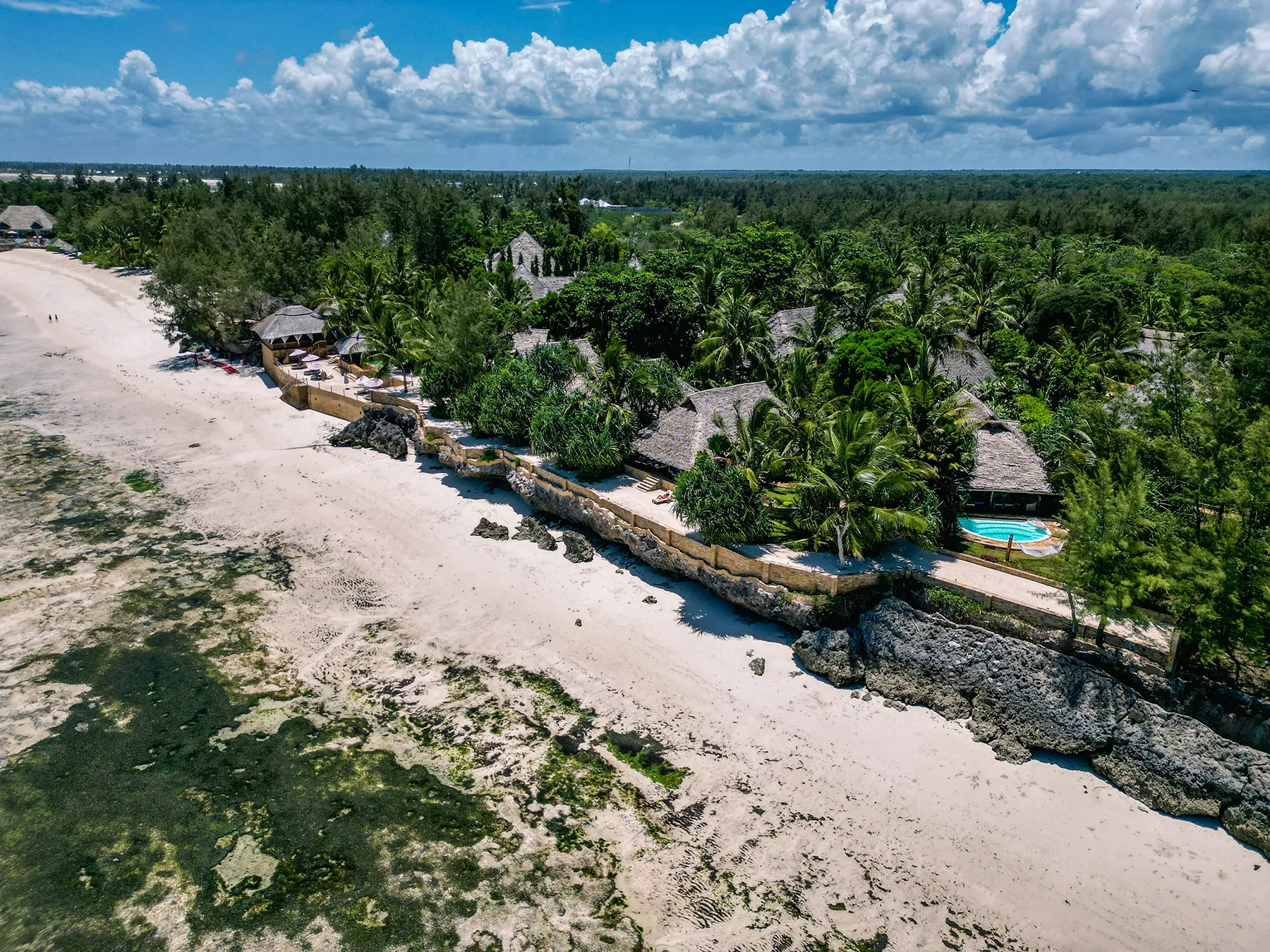
Kenya and Tanzania Safari FAQs
Click on any of the frequently asked questions below to show the answer.
Is a combined Kenya and Tanzania safari safe?
Yes, both Kenya and Tanzania are safe destinations for tourists. The national parks and reserves on this itinerary have excellent security, and your driver guide will be with you at all times during game drives.
I felt completely safe throughout my time in both Kenya and Tanzania. The warmth of the people in both countries stood out to me. Everyone from hotel staff to guides to shopkeepers made me feel welcome.
The main precautions are common sense, and very straightforward: avoid walking at night, keep your valuables out of sight when on the streets, and stick to using reputable local tour operators.
Road safety is the biggest practical concern, as driving in the cities can be a little hairy. Booking your longer transfers through your safari company ensures that you’ll have vetted, careful drivers who have modern vehicles.
I followed basic precautions like using Uber in Nairobi and Arusha, and booking all airport transfers through my safari operator. This meant I never had any issues at all.
Do you need vaccinations for Kenya and Tanzania?
A Yellow Fever vaccination certificate is essential when travelling between Kenya and Tanzania. Tanzania requires proof of Yellow Fever vaccination if you are arriving from Kenya, which is classified as a high-risk country.
Other vaccinations are not compulsory but strongly advised, including Hepatitis A, Hepatitis B, and Typhoid.
Both countries have a risk of malaria, so anti-malarial tablets are recommended for all safari areas. Consult your travel clinic at least six to eight weeks before departure, as some precautionary medications need to be taken well in advance of your travel.
I take Malarone for malaria prevention on all my Kenya and Tanzania trips and haven’t experienced side effects. My travel clinic appointment was straightforward and I would recommend booking one early so you have time to get all your jabs sorted before you fly.
What visas do you need for a combined Kenya and Tanzania safari?
You need separate entry authorisation for each country. Kenya requires an Electronic Travel Authorisation (eTA), which costs $30. You should apply for this at least two weeks before departure.
Tanzania requires a separate visa, at $50 for UK and EU nationals, and $100 for US citizens.
The Kenya eTA remains valid for re-entry after your Tanzania visit because Tanzania is an EAC partner state.
I applied for both my Kenya eTA and Tanzania visa online well in advance and had no issues at either border.
Watch out for third-party websites that offer e-visa services for high fees. Applying directly through the links given above is all that’s necessary.
How much does a 3-week Kenya and Tanzania Safari cost?
The average cost of this itinerary when booked through a local tour operator starts at $300 per person per day. This brings your total for three weeks to around $6,300 per person, excluding international flights. Note that this is for a private safari, which is a higher value experience than a group safari.
For more detail on this, jump to the section on costs.
What sorts of clothes should I pack for a safari trip?
You should always wear neutral colours, like beige, brown and olive green, on a safari, to minimise your visibility and avoid startling the animals. You want to blend in with the bush, not stand out.
It’s also a good idea to pack clothing that can be layered to keep you warm in chilly evenings and mornings, but also cool enough during the heat of the day. Tsetse flies are attracted to dark colours, so avoid packing dark coloured clothing.
Pack good walking shoes for walking safaris and a lightweight waterproof jacket in case of wet weather.
And, finally, don’t forget your bathing suit for your 3 days in Zanzibar!
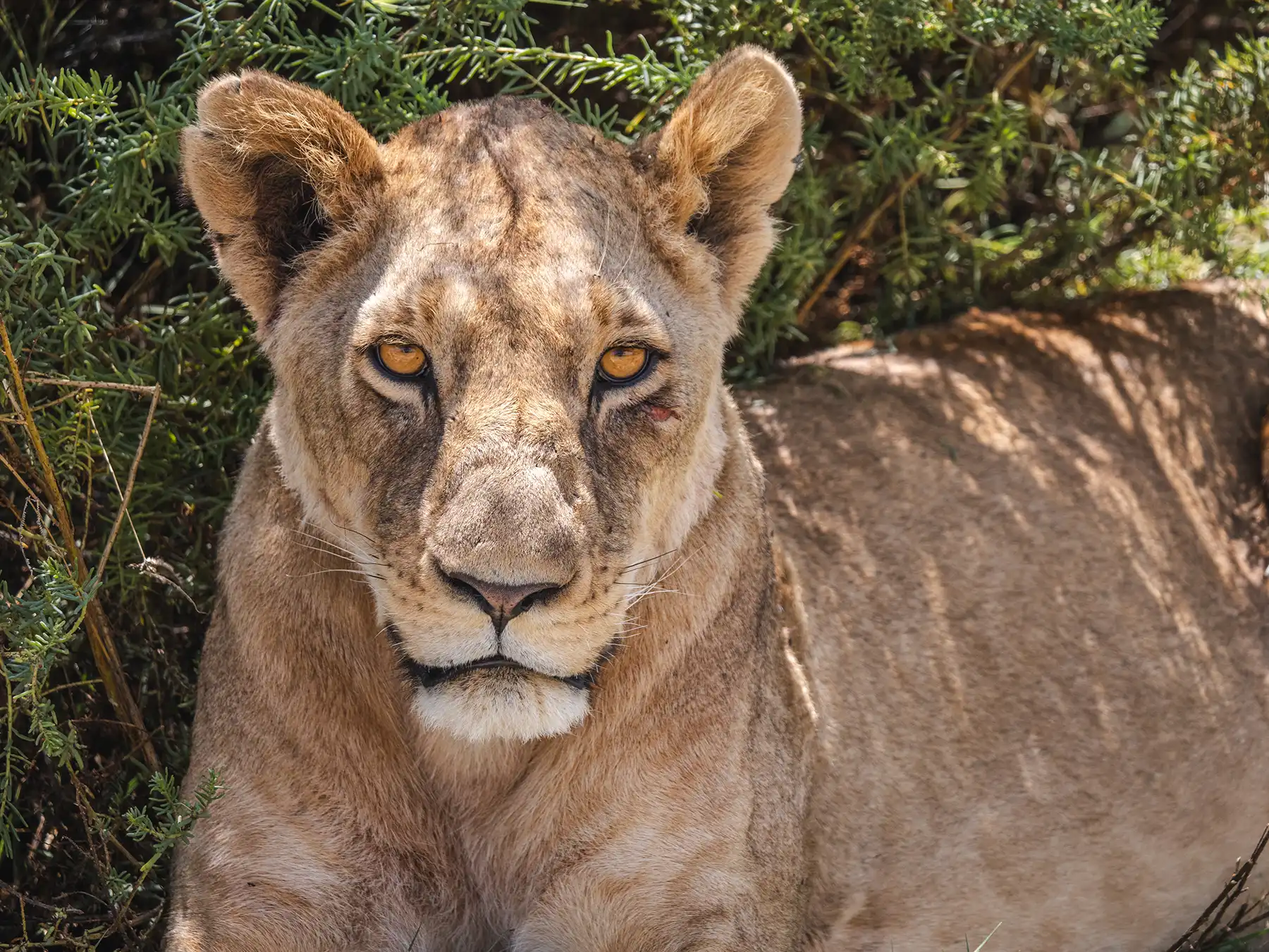
Recommended Booking Options For Your 3-Week Kenya & Tanzania Safari Itinerary
Private Safari
Most popular & best experience – typical prices for this itinerary start from $300 per person per day.
Visit safarisbyella.com for free quotes from trustworthy local tour companies I use to book my own trips.
Final Thoughts – Is a Kenya and Tanzania Safari Worth It?
A combined Kenya and Tanzania safari is an unforgettable experience that is absolutely worth every penny! A trip like this takes you to twelve parks and reserves across two countries, gives you the chance to see the Big Five and witness the Great Wildebeest Migration, and, to top it all off, a Zanzibar beach finale.
The average cost of this itinerary when booked through a local tour operator starts at $300 per person per day, bringing your total for three weeks to around $6,300 per person.
This is for a private safari that covers everything from the Maasai Mara to the Serengeti and Ngorongoro Crater. It’s hard to beat that value anywhere in the world, and if like me you find yourself hooked on safaris afterwards, you’ll realise that an experience like this is actually priceless.
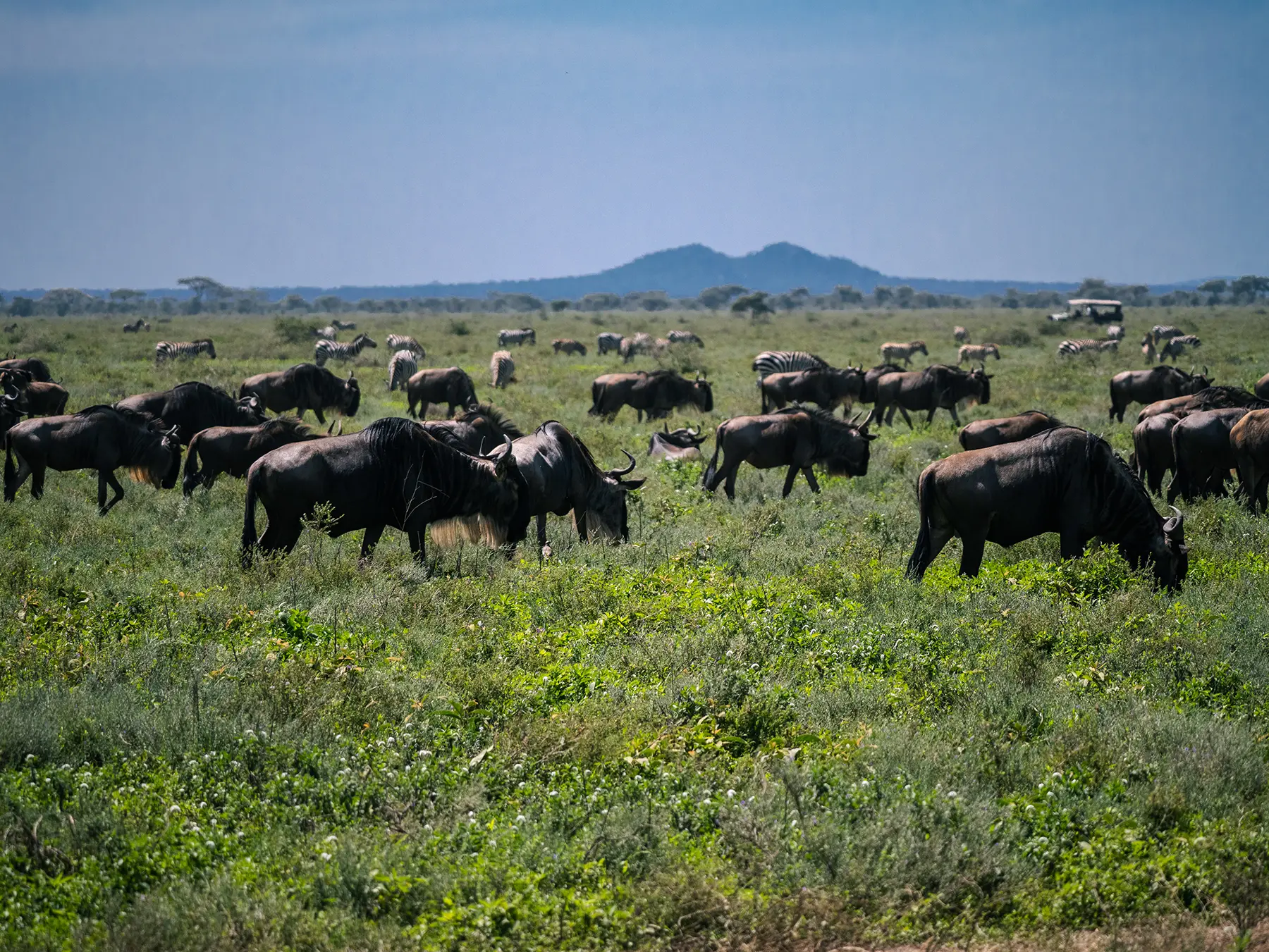
Three weeks gives you the luxury of spending two to three nights at each destination, which dramatically increases the chances of witnessing those special once-in-a-lifetime wildlife encounters.
The pace feels relaxed rather than rushed, with time built in for rest days and cultural experiences alongside the game drives. Kenya and Tanzania together showcase the best of East African safari country, and this route makes sure you experience it all.
If you don’t have three weeks to spare, my 10-day Kenya and Tanzania itinerary covers the essential highlights, while my 2-week Kenya and Tanzania itinerary strikes a great middle ground.
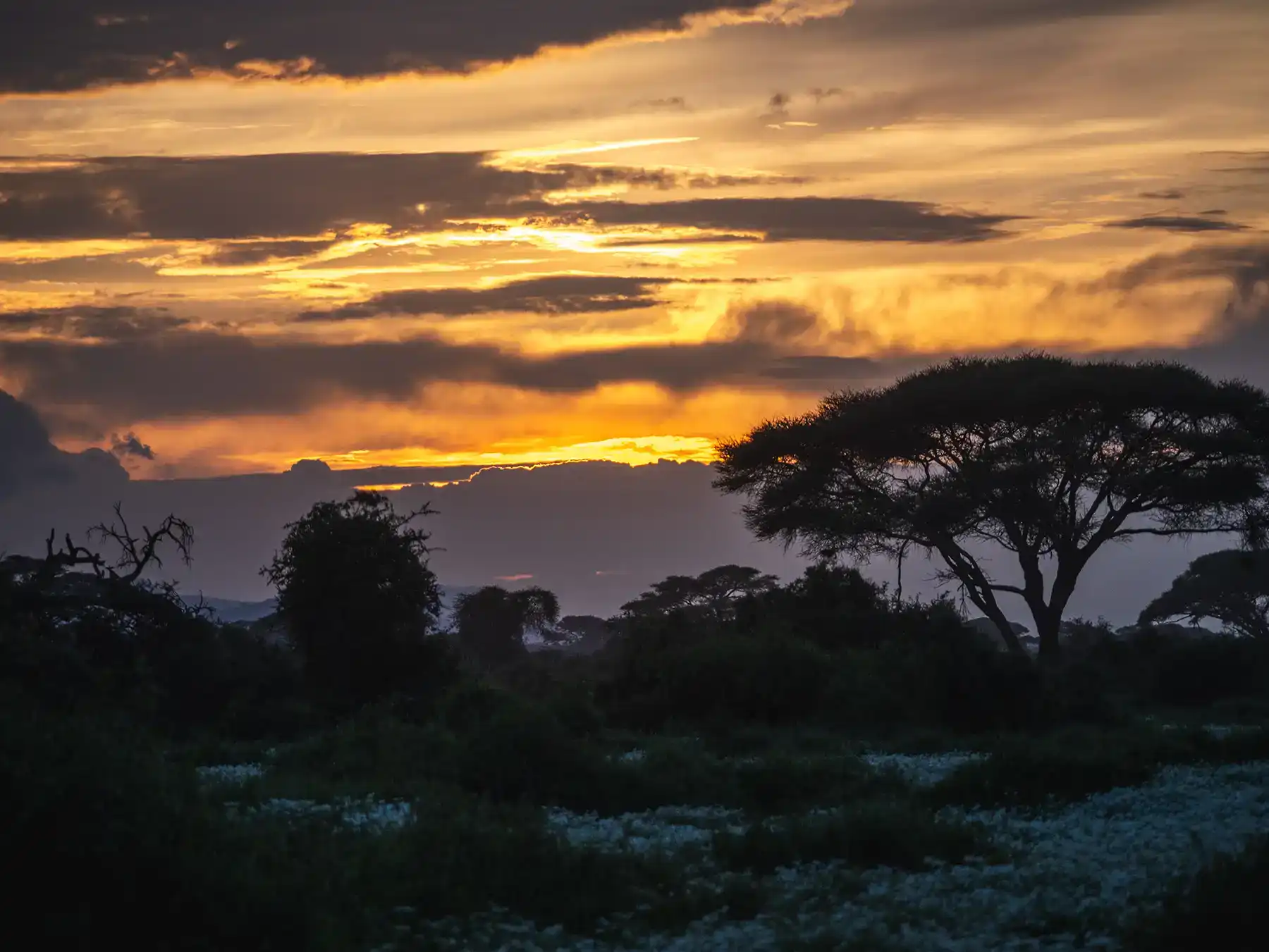
Read More Kenya Guides
For an overview of planning your safari, you can read my Ultimate Kenya Safari Guide.
Kenya Itineraries
Recomended itineraries and how to book them.
7-10-Day Kenya Safari Itinerary
3 Day Kenya Safari Itinerary & Costs
2-Week Kenya Safari Itinerary & Costs
3-Week Kenya Safari Itinerary & Costs
Kenya & Tanzania Itineraries
Multi-country itineraries and how to book them.
10-Day Kenya and Tanzania Safari Itinerary
2-Week Kenya & Tanzania Safari Itinerary
3-Week Kenya & Tanzania Safari Itinerary
Costs & Planning
How to get the most bang for your buck and the best time of year to visit depending on what you want to do and see.
Kenya Safari Costs – Everything you Need to Know
The Great Wildebeest Migration Guide
National Parks & Reserves
Complete guides to the best and most famous safari reserves, including the wildlife you’ll see, entrance costs and best time to visit.
Coming soon.
Comparison With Other Safari Destinations
How to Book Your Safari
Save time and ensure an incredible safari experience by getting quotes from my recommended local safari companies.
Join the rapidly growing tribe of over 1,000 travellers who’ve booked their dream safari using my insider tips and recommendations.
Read More Tanzania Guides
For an overview of planning your safari, you can read my Ultimate Tanzania Safari Guide.
Tanzania Itineraries
Recomended itineraries and how to book them.
7-10 Day Tanzania Safari Itinerary & Costs
5-Day Tanzania Safari Itineraries & Costs (6 unique Itineraries)
3-Day Tanzania Safari Itinerary & Costs
2-Week Tanzania & Zanzibar Safari Itinerary & Costs
3-Week Tanzania Safari Itinerary & Costs
10-Day Tanzania Honeymoon Itinerary & Costs
Tanzania and Kenya Itineraries
Multi-country itineraries and how to book them.
10-Day Kenya and Tanzania Safari Itinerary
2-Week Kenya & Tanzania Safari Itinerary
3-Week Kenya & Tanzania Safari Itinerary
Costs & Planning
How to get the most bang for your buck and the best time of year to visit depending on what you want to do and see.
Tanzania Safari Cost – Everything You Need to Know!
The Great Wildebeest Migration Guide
Zanzibar Island – The Complete Guide
National Parks & Reserves
Complete guides to the best and most famous safari reserves, including the wildlife you’ll see, entrance costs and best time to visit.
Comparison With Other Safari Destinations
How to Book Your Safari
Save time and ensure an incredible safari experience by getting quotes from my recommended local safari companies.
Join the rapidly growing tribe of over 1,000 travellers who’ve booked their dream safari using my insider tips and recommendations.